Buying a car online feels easy now. Photos, videos, and a smooth checkout make distance seem small. Shipping a car across state lines feels just as simple. That ease is exactly what fraudsters count on.
A Better Business Bureau study found hundreds of Scam Tracker reports each year about fake vehicle shippers and escrow companies. Of those reports, 41% came from people who lost money. Many agencies do not track this fraud as its own category. The real total is likely higher.
The Federal Trade Commission has also raised alarms. In September 2026, it warned about scammers cloning dealership websites, often using AI. The copies look polished. The cars do not exist.
Shipping is where the pressure points hide. Buyers cannot see the truck. They cannot inspect the paperwork on a screen. Scammers know this and build their stories around it. They simply pay and hope.
This guide covers seven vehicle shipping scams that drain buyers of thousands of dollars. Each section explains how the trick works. Each one also shows how to spot it early. Read them before any deposit leaves your account. A little caution costs nothing. A wired payment costs everything.
1. The Fake Escrow and Transport Company
This scam starts with a car that looks too good to be true. The ad appears on a classifieds site or a social marketplace. The price sits well below market value. The seller replies fast and sounds friendly.
The seller says the car is in another city. No problem, the seller adds. A shipping and escrow service will handle everything. The buyer only needs to pay.
The Better Business Bureau calls this the virtual vehicle vendor scam. The escrow company is fake. So is its website. Scammers invent sites with addresses in towns across the country, especially the Midwest. Some even claim a marketplace protection program covers the deal. It does not.
The buyer is told to pay by wire transfer or prepaid gift cards. The FTC says anyone demanding those methods is running a scam. Every time. Once the money moves, getting it back is very hard.
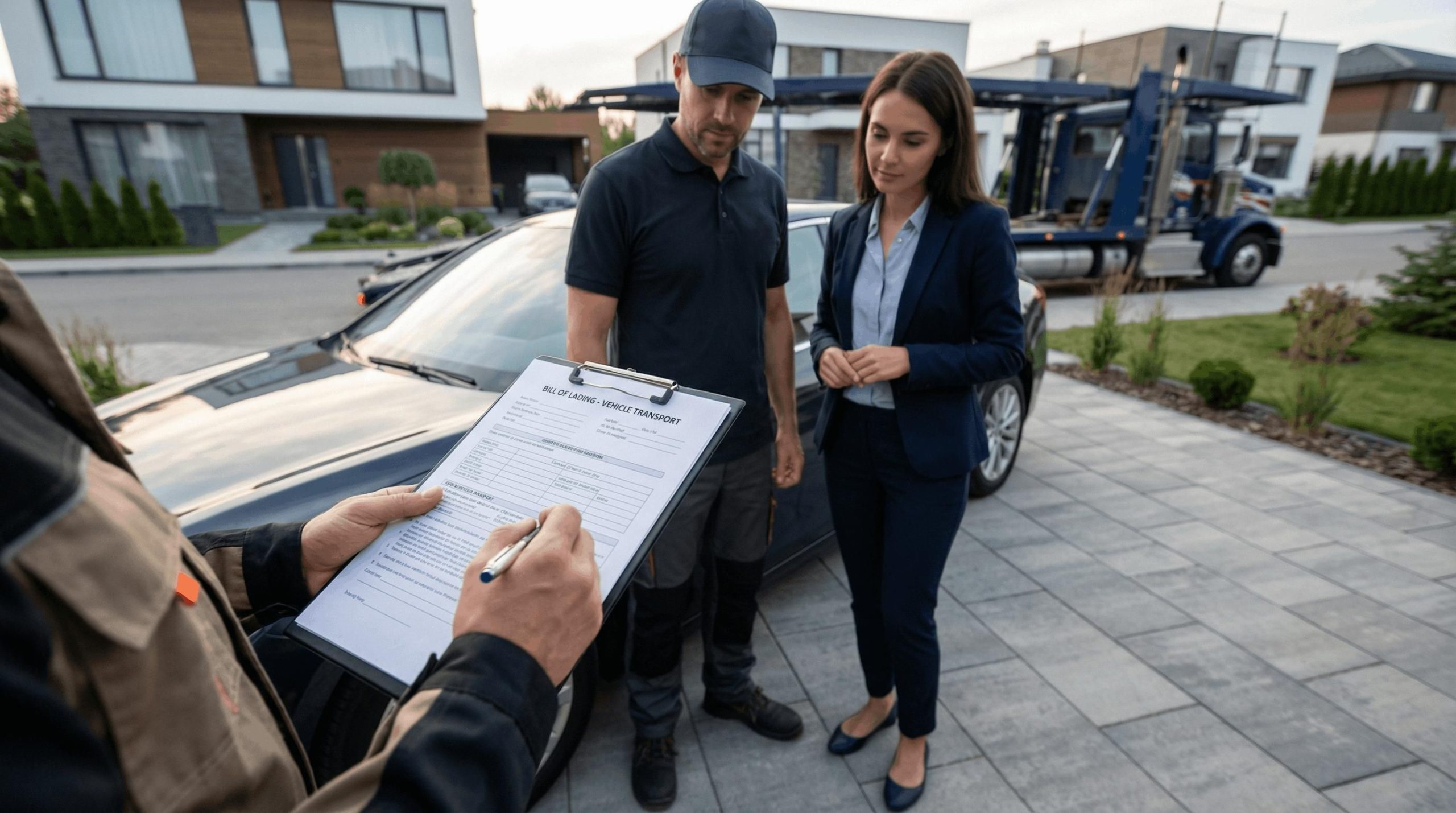
The car never arrives. Sometimes the story gets bolder. One reported case involved a Toyota 4Runner. The buyer received a fake tracking page and a photo of the car on a truck. The tracker said the vehicle had arrived. Nothing was in the driveway. The listing, the truck, and the tracking were all invented.
Scammers also stack fees. After the first payment, new charges appear. Insurance. Customs. Title processing. Each excuse sounds reasonable. Each one is another payment lost.
Watch the details of the ad itself. Photos are often copied from real listings. The same picture can appear for sale in several states. A reverse image search takes seconds. The seller may also push for speed. Another buyer is ready, the seller says. Urgency is a tactic. It stops the buyer from thinking. Pressure is the real product on sale.
The BBB notes that this fraud is hard to measure. Many police agencies do not log it as a separate crime. Victims often feel too embarrassed to report it. That silence helps scammers repeat the trick.
How to protect yourself. Never use an escrow service the seller picks. Choose an independent, well-known service on your own. Better still, see the car in person first.
If that is impossible, hire a mobile inspection service. Ask for the VIN and the name on the registration. Run the VIN through a history report. Refuse wire transfers and gift cards, always. A genuine seller will not mind these steps. A scammer will vanish.
2. The Cloned Dealership Website
A cloned dealership website is a near-perfect copy of a real business. Scammers lift the logo, the inventory, and the photos. Some add fake customer testimonials. The FTC warned in September 2026 that scammers often use AI to build these copies.
The car is often rare or priced slightly low. A sports car or a luxury sedan makes good bait. Public radio in Wisconsin reported that such enthusiasts are being lured to cloned sites. Enthusiasts feel they must act fast.
Shipping is the hook that makes distance feel normal. The site promises nationwide delivery. Buyers do not expect to visit a lot that is far away. So no one asks to see the car.
Then the payment rules arrive. A down payment is requested through a money app or a wire. Shipping fees are added to the same transfer. A Colorado case shows how this grows.
The buyer sent money for a down payment and shipping. Later came a $1,000 transportation insurance fee. Next came a $799 emission test fee. Emission tests there generally cost about $35.
Each fee arrived after the buyer had already paid. Each one felt like a small step to the finish line. That is how the scam keeps its victims paying. Losses can be huge. One widely reported case involved a buyer who wired $77,300 for a Lexus. The car never existed. A real dealership took the blame. Scammers had borrowed its name and its look.
Fake reviews add false comfort. A clone may link to the real dealer’s actual review page. Those reviews describe someone else’s deals. Positive reviews alone prove nothing.
Protection starts with simple checks. Search the dealer name with words like scam, review, or complaint. Treat any negative result as a red flag. Call the dealership using a number found independently. Ask if the salesperson and the car are on their records. Insist on seeing the car in person.
If the distance is too great, hire a mobile inspector. Walk away from any dealer demanding wire-only payment. Never accept excuses about inspections. A real dealer welcomes scrutiny.
Check the website’s age too. A brand-new domain with an old business name is suspicious. Compare the price with similar cars nearby. A deal far below market has a reason. Look for AI-made photos with odd reflections or warped text. Small glitches can reveal big lies. Report any suspect site to the FTC.
3. The Fake Check and Shipping Fee Trick
This scam targets sellers, not buyers. A person sells a car online and gets a quick message. The interested buyer lives far away and cannot visit. A shipper will collect the car, the buyer promises.
A check arrives soon after. It is larger than the asking price. The buyer calls it a mistake or an extra for shipping. Please deposit it, the buyer says. Then send the extra money to the shipper.
The FTC describes how this works. The fake check looks real. The funds may even appear in the bank account. But banks can take weeks to find the fraud. When they do, the money is taken back.
By then, the seller has already sent real cash. That cash goes to a scammer posing as a shipper. The check bounces. The seller owes the bank. Losses reach thousands of dollars quickly. In the worst cases, the seller loses the car and the cash. Shame keeps many victims quiet.

A couple from the Chicago area faced this exact trick. Their buyer sent a certified check for $4,500. The check included an extra $1,900 for shipping. The couple was told to deposit it and pay the shipper. They later learned the check was fake. The buyer stopped answering messages.
Fraud experts call the extra payment a major red flag. Real buyers do not overpay and ask for change. They also do not need a seller to hire a shipper. Any request to forward money is a warning.
Cashier’s checks and certified checks are not safe proof. Scammers copy them with ease. A deposit showing in an account does not mean the check cleared. Ask the bank whether the check is truly verified. Even then, caution is wise.
Beware of buyers who refuse to talk by phone. They prefer text or email. They rarely ask about the car’s condition. That is telling. A true buyer asks about mileage, history, and flaws. A scammer asks about shipping.
How to protect yourself. Accept payment only when the money is fully secured. Meeting at the buyer’s bank works well. Cash handed over in a safe place is simpler. Never send money back to anyone.
Never agree to pay a shipper picked by the buyer. Let the buyer arrange pickup after payment clears. Do not release the title until funds are confirmed. Slow and boring is safe.
4. The Bait-and-Switch Lowball Quote
The bait-and-switch is one of the most common shipping scams. A broker offers a price far below every rival. The quote feels like a bargain. The buyer signs fast and pays a deposit.
Then the price jumps. Customer reviews describe quotes of about $600 turning into $1,300 or more. One reviewer was told the cheapest driver now cost double. Another saw a $580 quote grow by $1,300. The broker often blames fuel costs or high demand.
The scammer knows the buyer is committed. The car may be scheduled for pickup soon. Dates may be tight for a move or a sale. Starting over feels costly. So many buyers just pay.
Not every price rise is fraud. Brokers estimate one price, and carriers may set another. A quote that is too low can fail to attract any driver. Honest brokers raise prices for that reason sometimes. The difference is in how they explain it. A legitimate broker is open about the risk before booking.
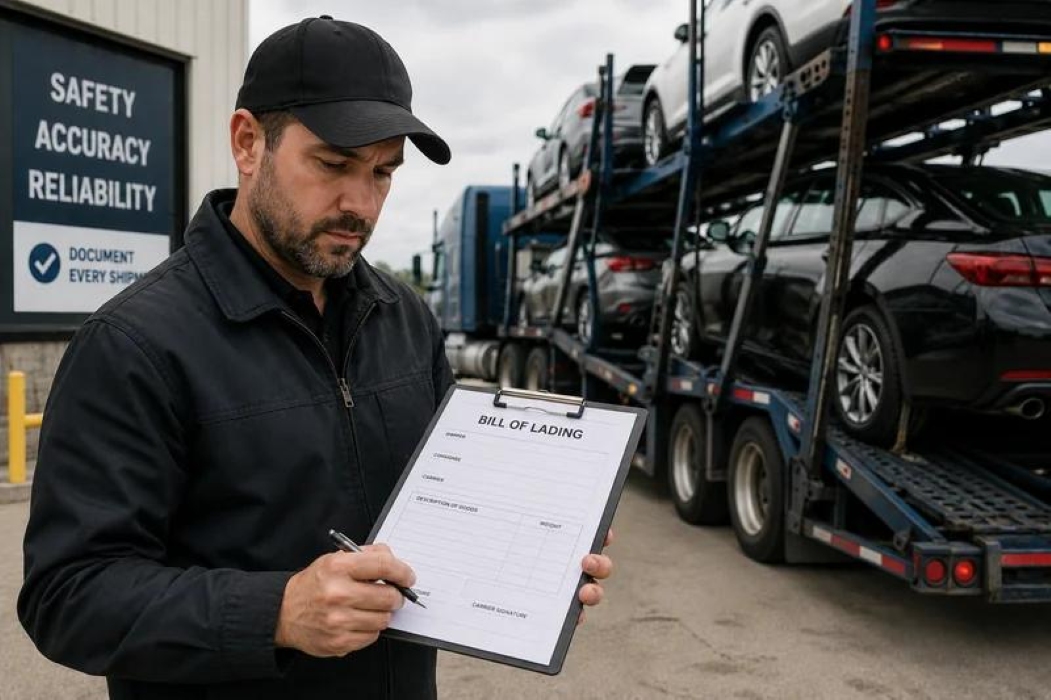
Ask what happens if no carrier accepts the quoted price. An honest broker will explain the plan clearly. A scammer says that never happens. That answer should end the call.
Deposits follow a normal pattern. A small deposit goes to the broker at booking. The balance goes to the carrier on delivery. A large payment upfront is not normal. Neither is a demand for untraceable payment.
Hidden broker fees also cause trouble. Some companies will not state their fee. Others bury it in the fine print. The buyer then sees the total rise after signing. Always ask for an all-inclusive price.
Timing matters too. Quotes made far ahead are rarely firm. Fuel prices, seasons, and route demand all shift rates. A fair broker explains these factors upfront. A scammer ignores them until payment clears.
Check the company before booking. Verify the federal registration number. Read reviews with care. Look for patterns, such as repeated complaints about price changes. One angry review means little. Twenty similar ones mean a lot.
5. The Vehicle Held Hostage at Delivery
This scam strikes at the worst moment. The car has arrived at the destination. The driver refuses to hand over the keys. More money is demanded first.
The buyer already agreed to a price. Now the driver claims a higher figure is due. Sometimes the paperwork shows a different broker or price. Sometimes extra charges appear for personal items in the car. The buyer feels trapped.
Consumers call this practice holding a vehicle hostage. The same tactic appears in household moving complaints. It works because the owner needs the car back now.
An Atlanta television report described students facing a similar fight. They had shipped cars across the country. A driver reportedly demanded thousands more than agreed. His paperwork listed a different broker and a $5,100 price. The trucking company said that was the price all along. Two sets of paperwork created a standoff.
That standoff shows why documents matter. Verbal promises disappear at the delivery curb. Only a signed contract protects the buyer. It should match the paperwork the driver carries.

Federal regulators have noticed the trend. The FMCSA has issued a consumer advisory about auto transporters and brokers. It notes a dramatic increase in complaints. It urges buyers to check registration first.
Personal items are a common trigger. Some carriers restrict items inside the car. Others charge extra for them. Insurance may not cover those items at all. Empty the vehicle before pickup.
Payment method matters as well. Credit cards offer dispute rights. Cash leaves no trail. A carrier demanding cash only should raise alarms. Ask the broker which payment forms the carrier accepts. Clear terms in advance prevent ugly surprises.
How to protect yourself. Get the full price in writing before pickup. Confirm who will collect the final payment. Ask how the balance is paid on delivery.
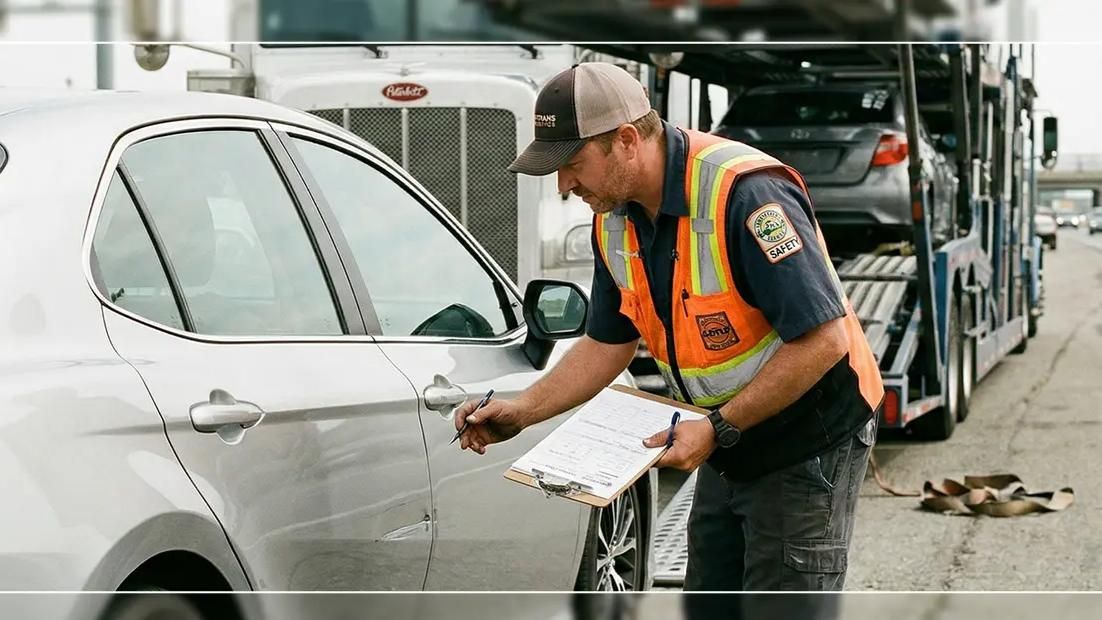
Check that the driver’s paperwork matches your contract. Take dated photos of the car before pickup. Note every scratch with the driver present. Inspect the car before signing the delivery receipt. Mark any damage on the form in writing. Never hand over the balance until the checks are done.
If a dispute starts, stay calm. Do not argue in the street. Call the broker and record every detail. Take photos and keep all messages. Then file complaints with the proper agencies. Reports can help build a case against repeat offenders.
6. The Fake Broker With No Federal Registration
Some shipping companies are not companies at all. They are websites with a phone number. A polished page, a friendly voice, and a quote are all they offer. There is no truck and no license.
Federal rules help buyers spot them. The FMCSA requires interstate auto transporters and brokers to register. Each receives a six-digit MC docket number. Carriers also get a seven-digit USDOT number. Anyone can search these numbers online.
The FMCSA advises avoiding any company that hides its MC number. It also warns about sites that blur the line. Is the company a broker or an actual carrier? A vague answer is a bad sign.
Licensed brokers must also carry a $75,000 surety bond. That bond exists to ensure carriers and shippers get paid. It is not liability coverage for your car. Many buyers misunderstand that point. A bond protects payments, not the vehicle.
Fake brokers skip all of this. They ask for a deposit up front, often by an untraceable method. Some ask for a transfer through a money app. Customer reviews describe a $100 deposit sent that way. The contract that followed had almost no details. Then the shipment never moved.
Other warning signs are easy to see. The email address may be personal, not company-based. The website may be full of typos. Sales staff may push hard to close today. Questions about fees get vague answers.
The damage is not only the deposit. A buyer who waits for a truck loses weeks. A seller may miss a deadline. A student may miss a start date. Time is part of the loss.
A phone call can also reveal a lot. Ask who will move the car. Ask for the carrier’s name and number before dispatch. Honest brokers answer with ease. Fake ones dodge. Evasion is itself an answer.
How to protect yourself. Search the MC number on the federal carrier database. Match the legal name, address, and status to the contract. Confirm that the authority is active.
Ask for the insurance certificate of the actual carrier. Get the certificate from the insurance agent, not the company. Pay deposits with a credit card. Reject money app, cash, and wire requests. Read the contract before signing. No contract means no deal. Take time with this research. Ten minutes of checking can save thousands of dollars. Scammers depend on rushed decisions. Slow them down.
7. The Phantom Insurance Promise
This last scam hides inside the fine print. The company promises full insurance coverage. The buyer feels safe and signs. Then the car arrives with damage.
A scratched door or a cracked bumper starts the claim. The company then points at someone else. The carrier blames the broker. The broker blames the carrier. No one pays.
The confusion is built into the system. Brokers arrange the move but do not drive the truck. Federal rules do not require them to carry liability insurance. What they must hold is a $75,000 surety bond. That bond exists to protect payments to carriers and shippers. It is not a promise to repair your car.
The carrier is the party that should hold the insurance. Its coverage limits may be lower than the car’s value. Its policy may have large deductibles. It may exclude certain types of damage. A buyer rarely asks until a loss occurs.
Scammers exploit this gap. They say insurance is included but give no proof. They refuse to name the carrier before pickup. They rush the buyer toward the delivery receipt. Later they claim a signed receipt ended all rights.
Fake companies make it even worse. A ghost broker may vanish after the move. A fake policy certificate can look real. A phone number can go dead overnight. The buyer is left with a damaged car and no contact.
Even honest companies can leave gaps. Personal items are a common example. Many policies exclude belongings inside the vehicle. A dispute over a missing item has no easy fix. That is why the car should travel empty.
Keep copies of everything. Contracts, receipts, photos, and messages all matter. A paper trail turns a shouting match into a documented claim. Insurers respond to evidence. Scammers fear it. Shipping a car should feel boring. No drama. No surprises. No panic at the curb. A boring process is usually a safe one.