Long service intervals look like a gift. Fewer workshop visits feel like fewer bills. The truth is more complicated. Manufacturers stretch intervals partly to lower the advertised cost of ownership. Fluids, belts and wear parts still age on their own schedule.
Many “lifetime” fluids are not lifetime at all. They last for the warranty period, and after that the owner pays. The result is a pattern. Years of cheap, easy ownership are followed by one or two big bills. These usually arrive between 60,000 and 100,000 miles, when the warranty is gone.
This article covers nine cars that fit that pattern. Most are premium badges. One is electric, and one is a small hatchback with a big-badge heart. For each car, the interval and the painful milestone are explained.
Practical ways to soften the blow follow. Buying used? Ask for proof that the big jobs were done. A thin service history on these cars is a warning sign, not a bargain.
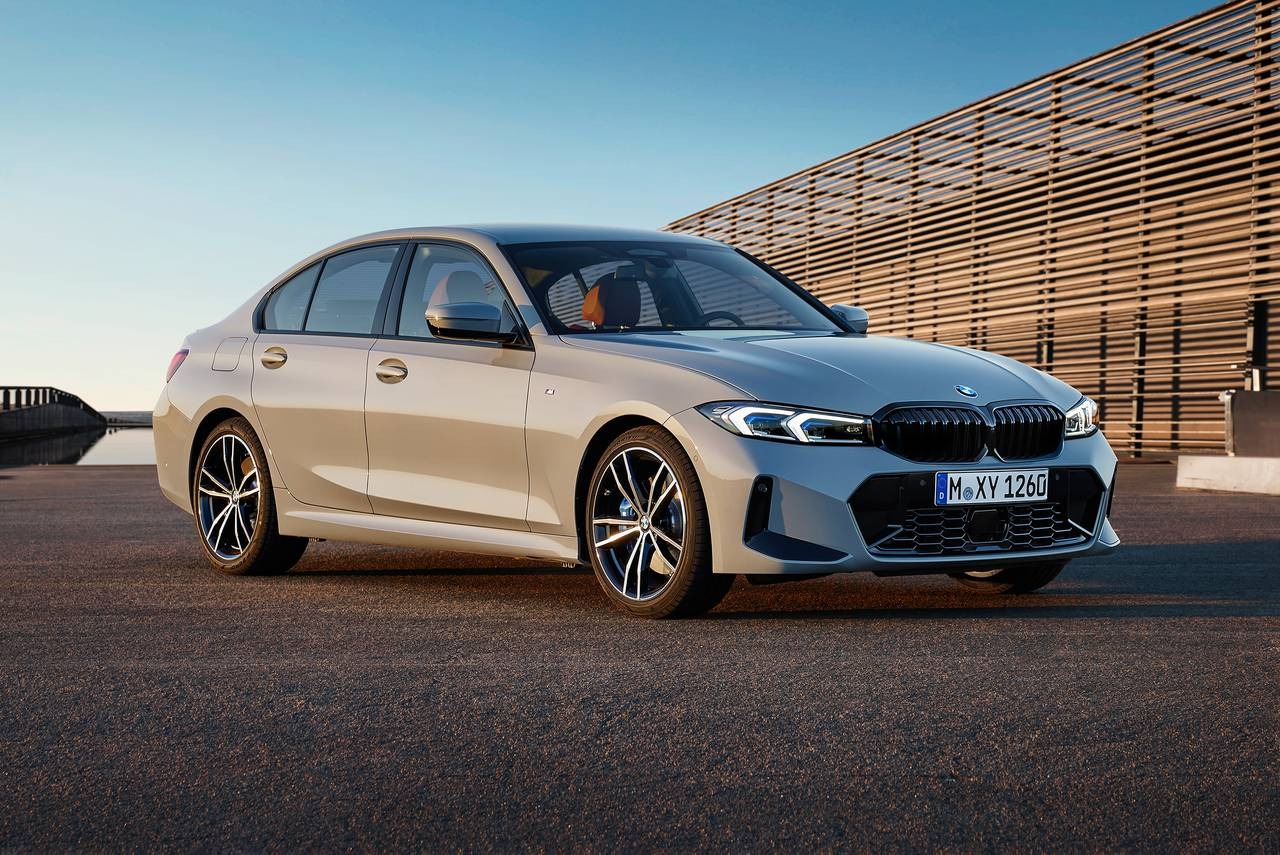
1. BMW 3 Series
BMW uses Condition Based Service. The car’s computer decides when service is due, based on how it is driven. Oil changes can stretch to 10,000 or even 15,000 miles. That is long for a turbocharged engine.
Many owners follow the dashboard blindly. That is where trouble starts. The automatic gearbox is the first big item. Many models use a ZF eight-speed unit that BMW has described as filled for life.
ZF and most independent specialists disagree. They advise a fluid and filter change every 50,000 to 80,000 miles. A proper gearbox service can cost from several hundred to over a thousand dollars. Skipping it can end in a repair worth several thousand.
Cooling is the next weak point. Plastic parts age badly under heat and pressure. Electric water pumps and thermostats often fail between 60,000 and 100,000 miles. The parts are pricey and the labour is long.
Valve cover and oil filter housing gaskets also leak with age. These jobs take hours, so the bill climbs fast. Spark plugs deserve attention too. Turbo engines are hard on them, and the official interval can be generous.
Brake fluid should be changed every two years. Modern BMW brakes are tied to electronics, so neglect costs more. The smart move is to halve the long intervals. Change oil around 7,500 miles and gearbox fluid before 80,000.
A good independent BMW specialist can save a lot compared with a dealer. Check known issues for the exact engine code before buying. Used examples with full records are worth paying extra for. Those without records are a gamble.
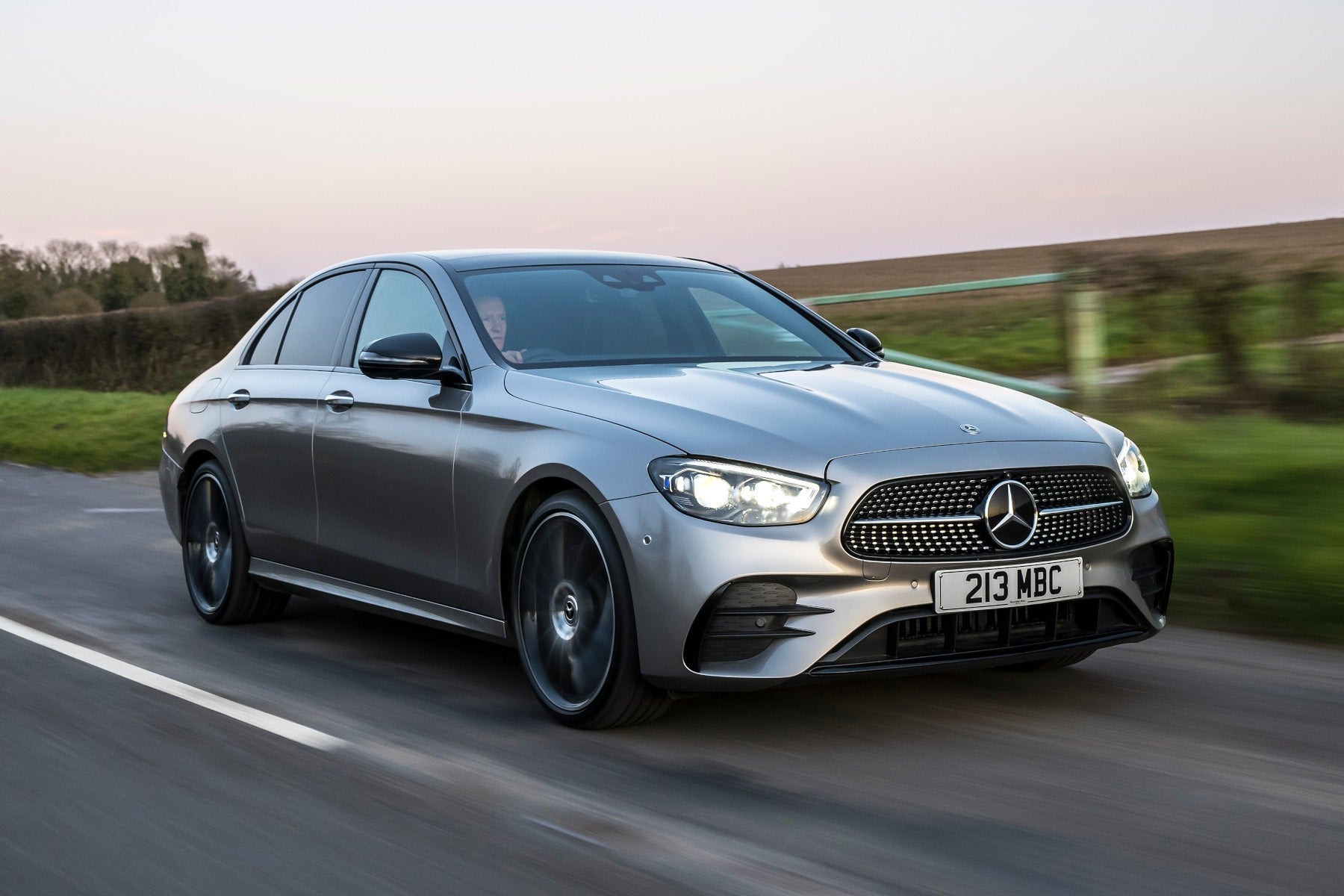
2. Mercedes-Benz E-Class
Mercedes uses a Flexible Service System. Service A and Service B alternate, usually every 10,000 miles or once a year. The interval itself is reasonable. The expense comes from the layers added on top.
The automatic gearbox needs attention. Models with the 7G-Tronic or 9G-Tronic often call for a fluid service around 40,000 to 60,000 miles. Some owners skip it because the car feels smooth. Shift quality then slowly gets worse.
A fluid service costs a few hundred dollars. A condenser plate or valve body repair costs far more. Air suspension is the bigger risk on Airmatic cars. Air springs perish with age and sag overnight.
A single air spring can cost several hundred dollars. A full set with labour can pass two thousand. A leaking spring forces the compressor to work harder. That kills it faster and adds another bill.
Brake fluid is a quiet issue. Mercedes calls for a change every two years. Old fluid absorbs moisture and corrodes lines and modules. Those repairs are costly.
Diesel models bring their own list. Injectors, particulate filters and EGR coolers all age. Short city trips make these parts fail sooner. A diesel E-Class suits motorway driving best.
Following the fluid schedule even when the dashboard stays quiet is the best defence. An independent specialist who knows the engine helps too.
Test the suspension before buying a used example. Press each corner down and watch whether it rises smoothly. Listen for a compressor that runs constantly after start-up. That is often the first sign of a leak.
3. Audi A4 and A6
Audi often quotes oil changes at 10,000 miles or one year. Some markets stretch that further with long-life oil. Short trips and turbo engines make a stretch risky. Sludge and tensioner wear are real concerns.
The 2.0 TFSI engine is a well-known example. Some versions from around 2009 to 2012 burned oil heavily. Timing chain tensioners were also a problem in certain years. A failure can wreck the engine.
The chain sits at the back of the engine, so the repair is labour-heavy. Expect a bill in the thousands. Gearboxes are the next milestone. Audi’s S tronic is a dual-clutch design with wet clutches.

Audi calls for a fluid and filter service around every 40,000 miles. That interval is easy to miss. The service costs several hundred dollars. A worn mechatronic unit costs vastly more.
Carbon build-up affects direct-injection petrol engines. Fuel never washes over the intake valves. Deposits form and cause rough running. Walnut blasting cleans them for several hundred dollars.
Quattro models add differential and transfer fluids. These are often forgotten. Brake fluid, coolant and spark plugs also have set intervals. Ignore them and small parts become big repairs.
On any used Audi, check the service history for gearbox fluid changes. Ask about oil consumption on turbo engines. A yearly repair fund of one to two percent of the car’s value keeps milestone bills from becoming a shock.
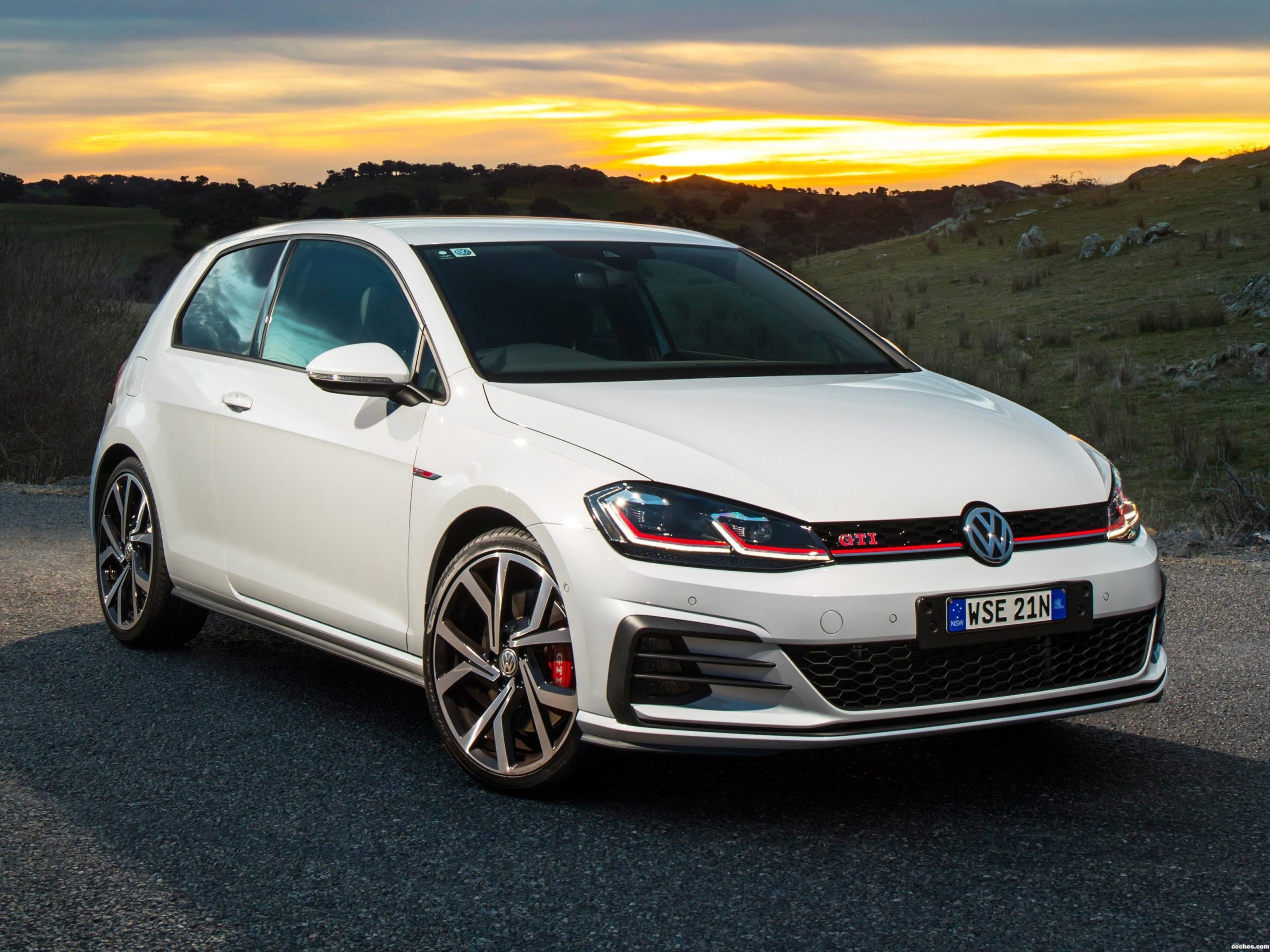
4. Volkswagen Golf GTI and Golf R
The Golf looks like a sensible hatchback. Underneath, the performance versions are complex. Oil changes are usually 10,000 miles or yearly. That feels easy.
The DSG gearbox is the first real milestone. Volkswagen recommends fluid and filter changes at around 40,000 miles for wet-clutch units. Many owners skip it. Jerky low-speed shifts are the typical warning sign.
A DSG service costs a few hundred dollars. A mechatronic replacement can cost two thousand. The Golf R adds all-wheel drive. Its Haldex coupling needs a separate fluid and filter service.
The interval is often quoted at 20,000 to 40,000 miles, depending on generation. Ignoring it can damage the pump. Turbo engines bring water pump and thermostat housing issues. Many of these parts are plastic.
A small leak can go unnoticed and then overheat the engine. This is common between 70,000 and 100,000 miles. Direct-injection engines also suffer carbon build-up. Rough idle and misfires are early signs.
Performance tyres and larger brakes add running cost. A quality set of tyres can run into the high hundreds. Tuning is popular on these cars. It can void warranty cover and strain the gearbox.
When buying used, look for records of DSG and Haldex services. Check for signs of tuning, such as aftermarket exhausts or intakes. The long interval is best treated as a maximum, not a target. Early servicing costs little next to a gearbox rebuild.
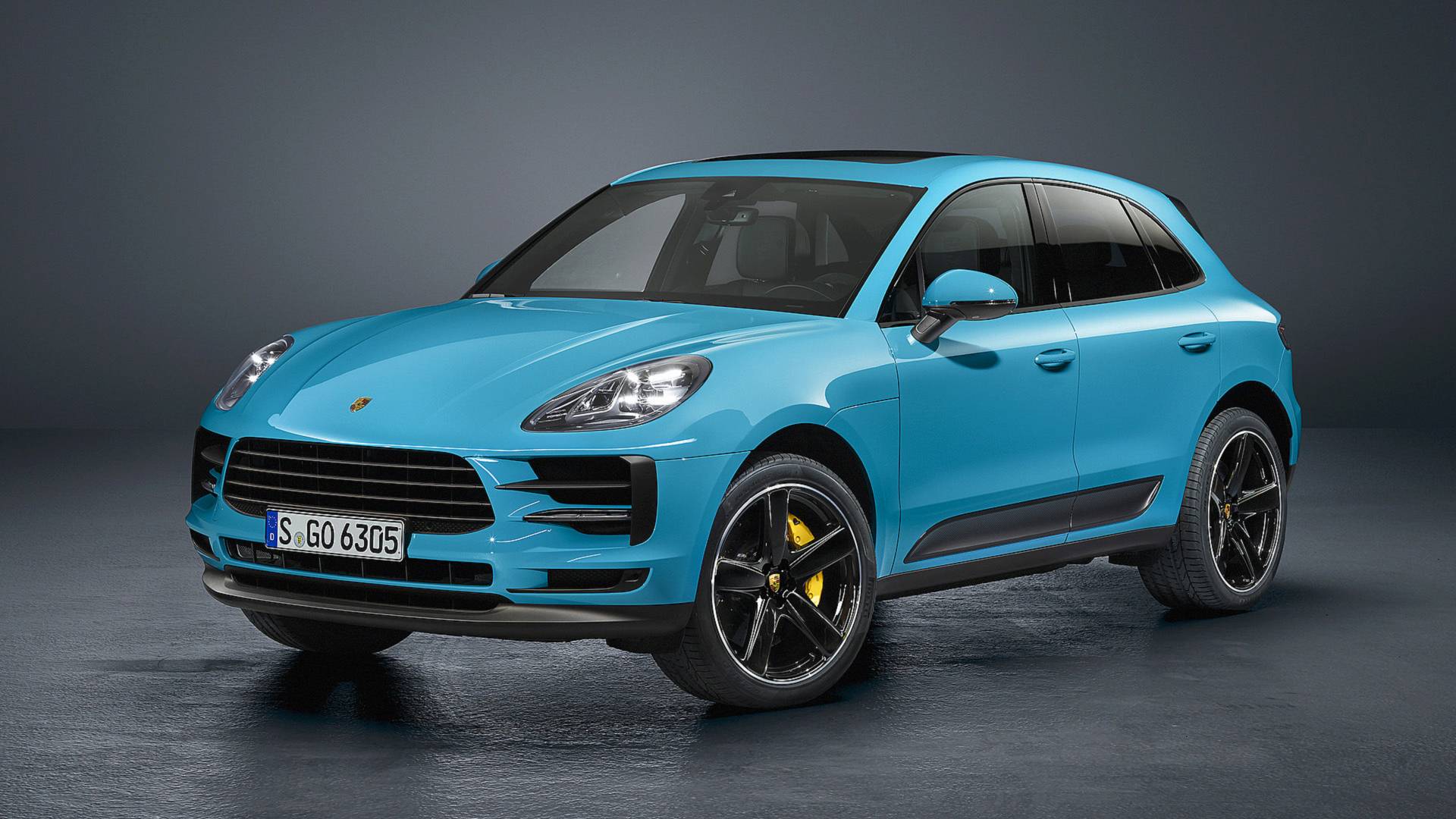
5. Porsche Macan
Porsche typically asks for service every 10,000 miles or once a year. The Macan follows this pattern. That looks cheap for a performance SUV. The cost comes later.
Owners are often surprised by the first big service. Dealer rates are high, and parts carry a badge premium. The PDK gearbox is a key item. Porsche has said little about regular fluid changes in some markets.
Most specialists recommend a fluid and filter service at around 40,000 to 60,000 miles. Skipping it risks clutch and mechatronic wear. A PDK service can run well over a thousand dollars at a dealer. A gearbox failure costs many times that.
Brakes are a major cost. Large rotors and calipers are expensive, especially with ceramic or high-performance options. Brake fluid is due every two years. Porsche takes this seriously, and so should owners.
Suspension is another area. Cars with air springs may need replacements after many years. Turbo engines can develop oil leaks and coolant issues with age. Cooling parts are often plastic.
Spark plugs and ignition coils also need replacing. Intervals vary by engine, so check the manual. Tyres add up as well. Porsche-approved tyres can cost far more than standard ones.
When buying used, get a pre-purchase inspection from a Porsche specialist. A service book stamped by a recognised workshop adds real value. A yearly maintenance budget is essential. The car is excellent, but it demands respect.
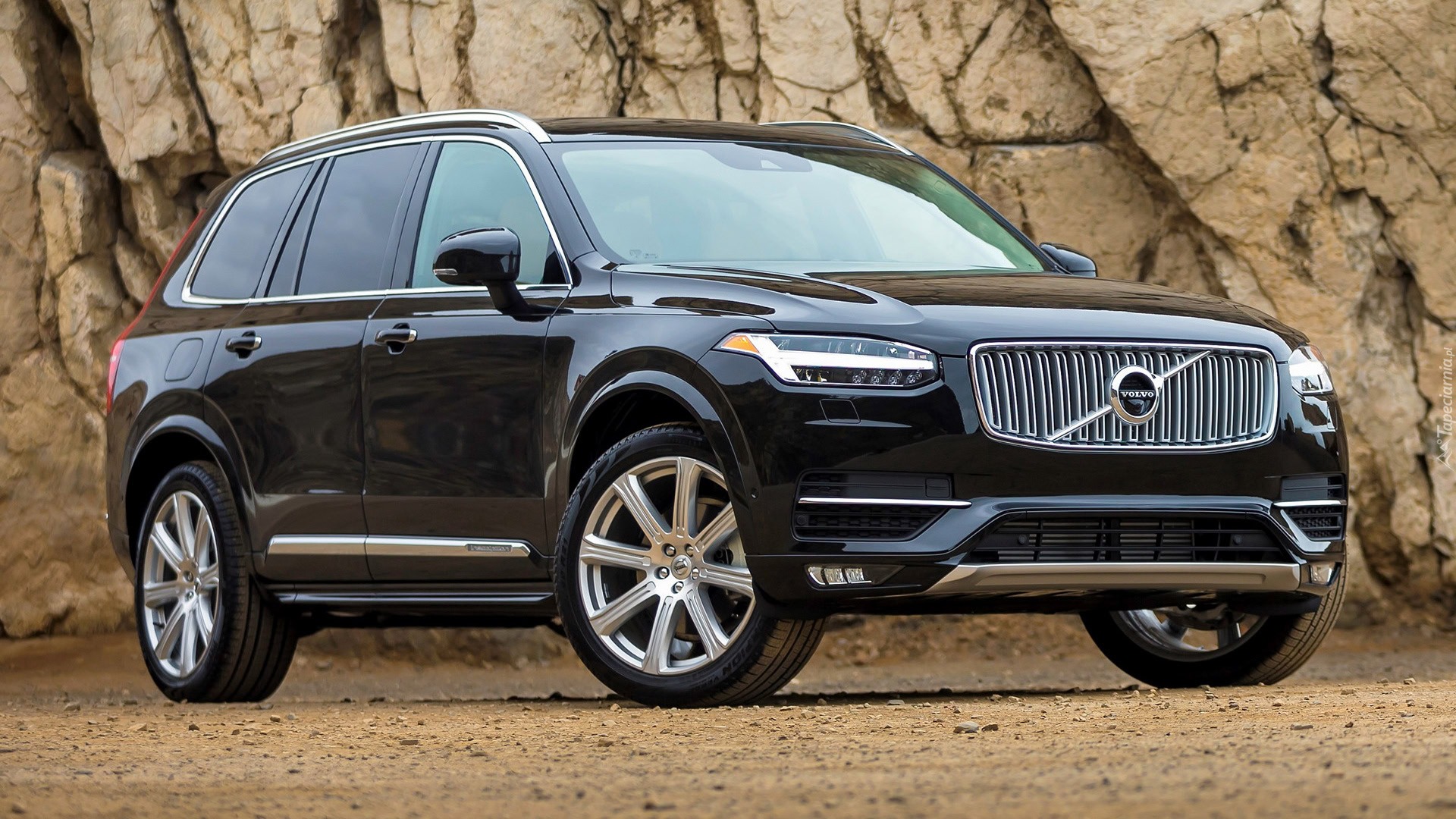
6. Volvo XC90
Volvo recommends service about every 10,000 miles or yearly, depending on the market. Some markets stretch it further. Volvos have a reputation as safe, sensible and cheap to keep. The reality is more mixed.
The second-generation XC90 uses a four-cylinder Drive-E engine. Many are turbocharged, and some are supercharged as well. These engines are complex for their size. Oil quality matters a great deal.
The gearbox is an Aisin eight-speed automatic. Volvo has described the fluid as lifelong in some literature. Specialists commonly advise a fluid change around 60,000 miles. Heat and towing make this more urgent.
All-wheel-drive models use a Haldex coupling. It needs fluid and filter changes. The interval is often around 30,000 to 40,000 miles. Owners forget it because the car never complains.
Air suspension is fitted to many XC90s. Leaks and compressor failures appear with age. A full replacement is expensive. Individual air springs cost hundreds each.
Electronics are another cost. Large touchscreens and driver aids can fail outside warranty. Software faults are sometimes fixed by updates. Hardware faults cost much more.
Brake fluid should be changed every two years. Coolant condition deserves a check too. Read service records closely when buying used. Ask whether the Haldex and gearbox fluids were ever changed. A well-kept XC90 is a great family car. A neglected one hides large bills.
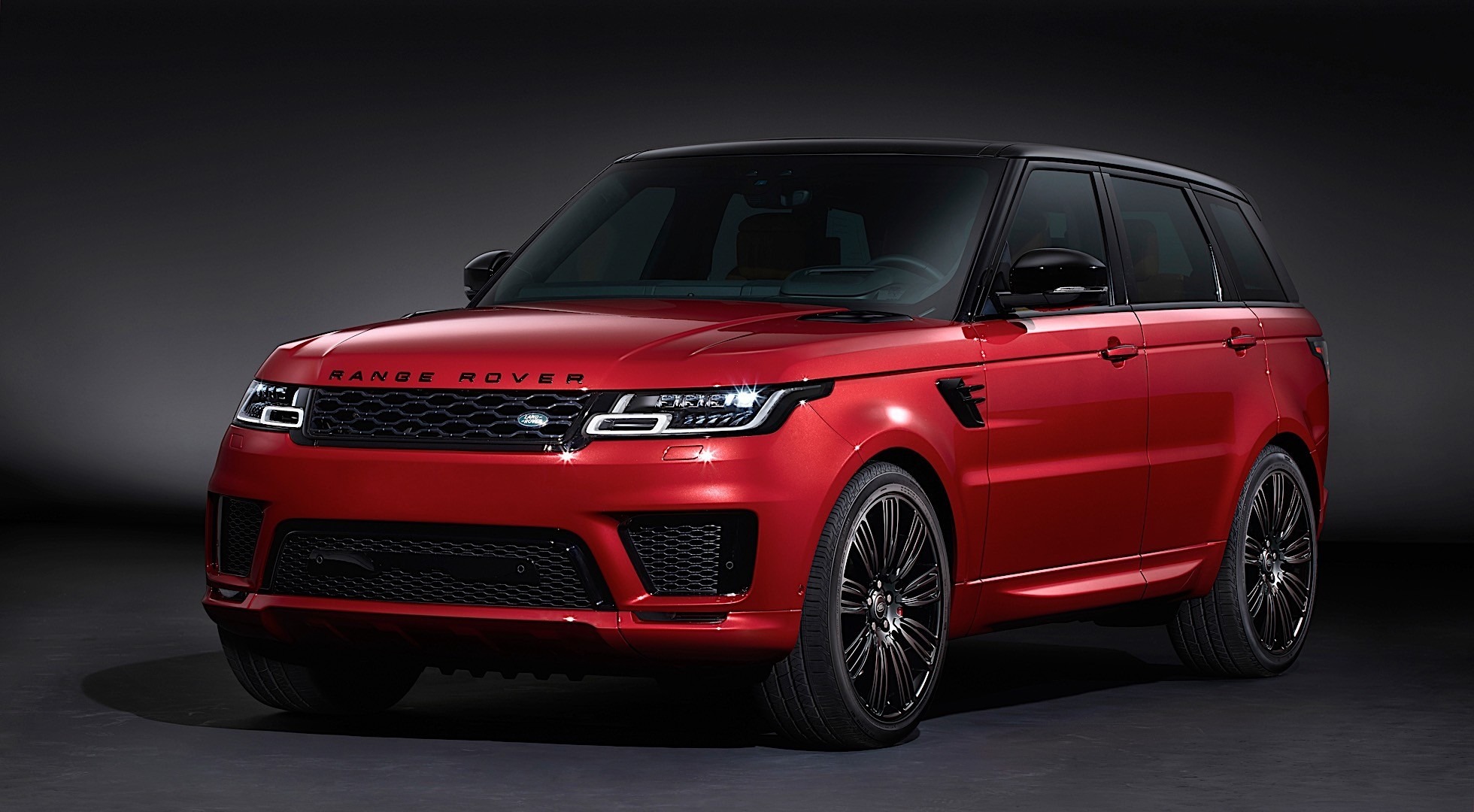
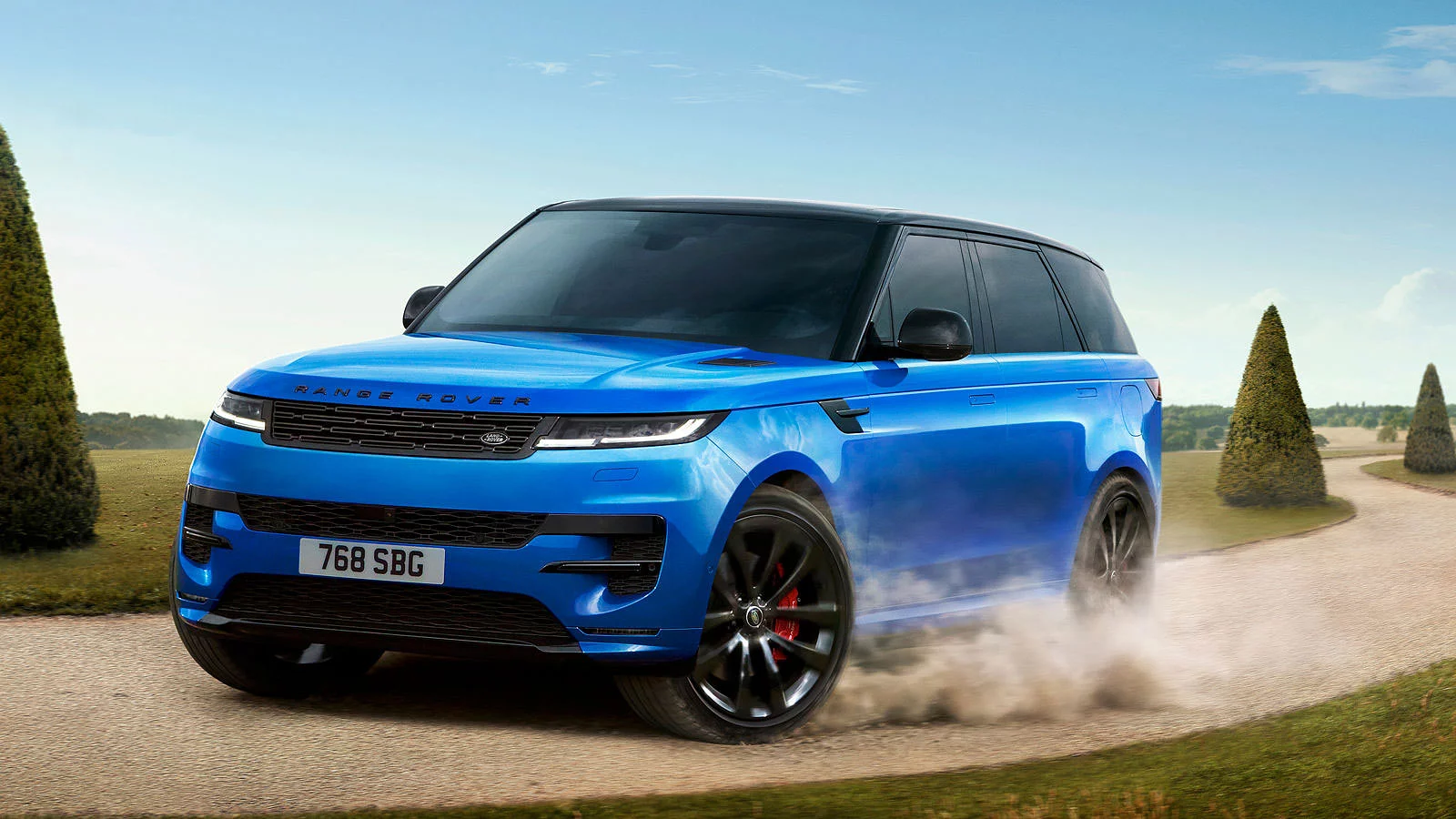
7. Land Rover Range Rover Sport and Discovery
Land Rover often lists service intervals of about 15,000 miles or one year. That is long for a heavy off-roader. Owners enjoy the low visit count. Then the milestone bills arrive.
Air suspension is the best-known cost. Many models use it as standard. Air springs, compressors, and height sensors all wear out. A full set of springs can cost thousands.
Transfer case and differential fluids matter too. Land Rover has described some of them as filled for life. Independent specialists often recommend changing them at around 60,000 miles. This applies especially to vehicles that tow or go off-road.
The gearbox needs the same attention. A proper fluid service costs a few hundred dollars. Skipping it risks shift problems and valve body trouble. Repairs cost far more.
Ingenium four-cylinder engines use a timing belt that runs in oil. Jaguar Land Rover has indicated a long replacement interval for it. Many independent workshops recommend earlier changes. A failing belt can destroy the engine.
Diesel models have particulate filters. Short trips can clog them. Cooling system parts and turbo components also fail with age. Labour times are long on tightly packed engine bays.
A full service history is vital when buying. Ask whether the belt and all fluids were changed on schedule. An extended warranty can save a lot of money on these vehicles. Its exclusions deserve careful reading.
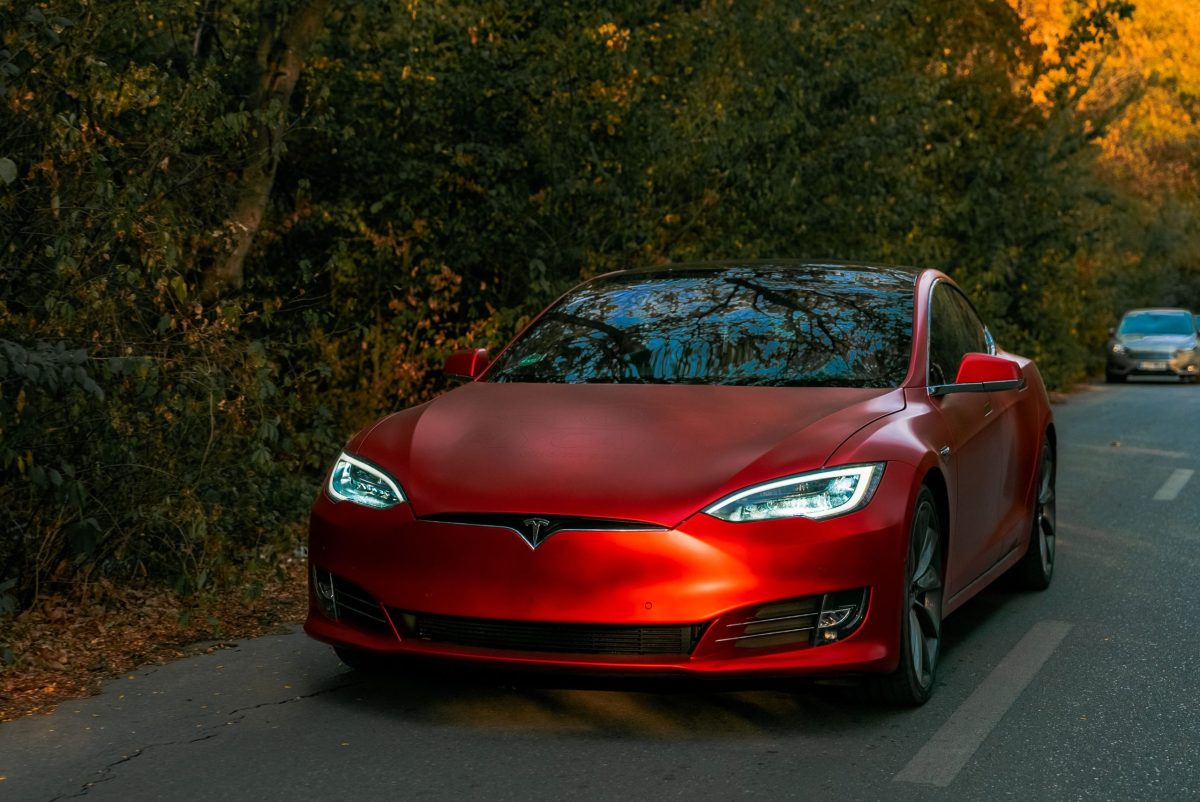
8. Tesla Model S and Model 3
Tesla has no traditional service schedule. There is no oil, no timing belt, and no spark plugs. That makes ownership cheap in the early years. The high costs are different.
Tesla suggests a few checks. Brake fluid should be tested every two years, and the cabin air filter replaced around the same time. Some Model S cars also call for an air conditioning desiccant change at about four years. Tyre rotation is advised roughly every 6,250 miles.
The battery is the largest worry. A replacement can cost well over ten thousand dollars. Battery warranty is typically eight years, with a mileage cap that depends on the model. The exact car’s terms should be checked.
Real-world degradation is often modest. Still, a failure outside warranty is a major bill. The touchscreen computer is another cost. Older Model S cars suffered failures linked to worn memory chips.
Repairs can run from hundreds to a few thousand dollars. Some were covered by recalls or goodwill gestures. Suspension parts are known weak spots on some models. Control arms and bushings can wear sooner than expected.
Tyres wear faster on heavy, powerful electric cars. A set can cost over a thousand dollars. Collision repair is expensive. Aluminium panels and sensors push up labour and parts costs.
Insurance is higher for the same reasons. A quote should be obtained before buying. Used buyers should check battery health and warranty status. The service history and any software issues are worth reviewing too.
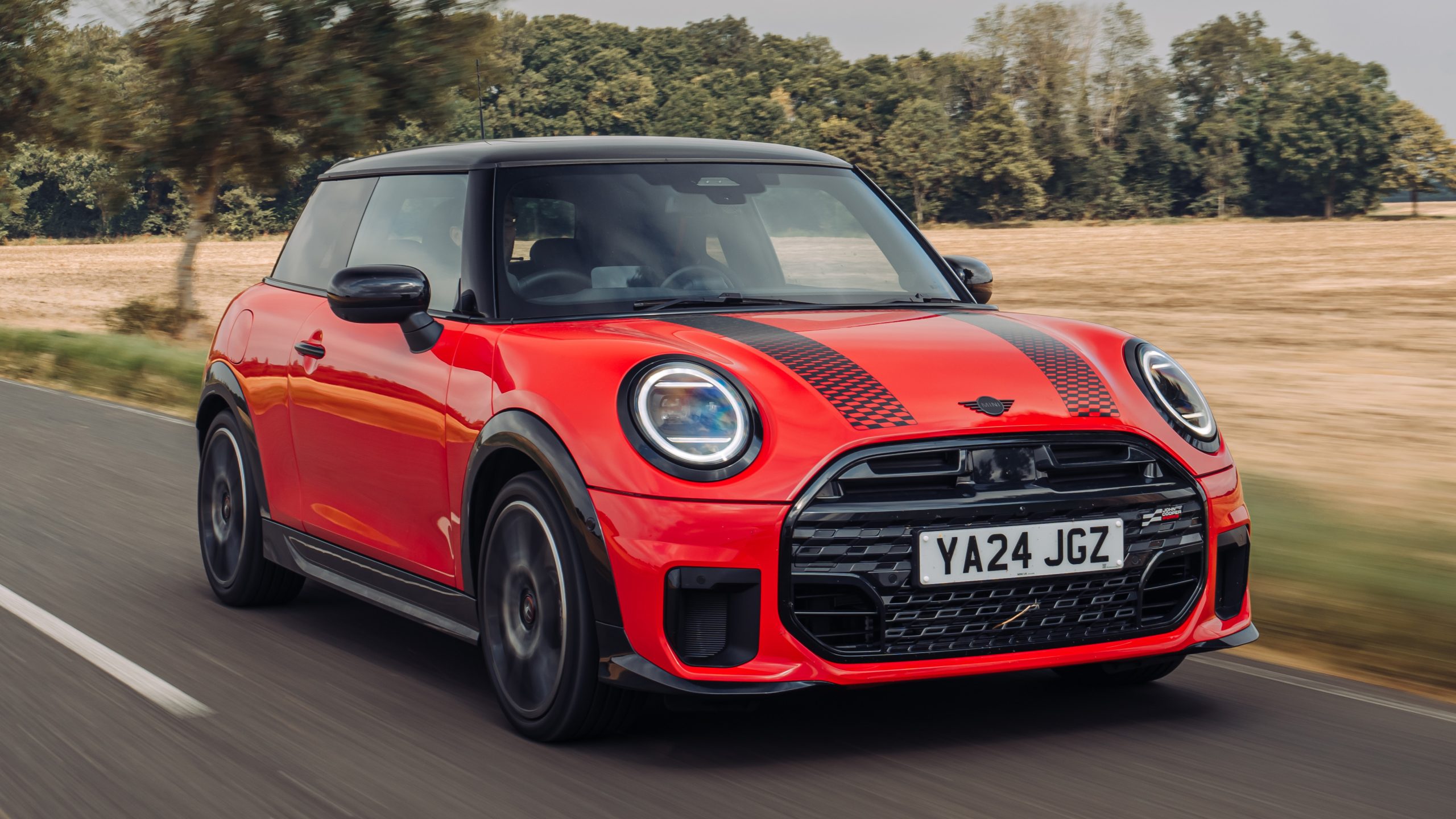
9. Mini Cooper S
The Mini uses BMW’s service logic. Condition Based Service can stretch oil changes to around 10,000 to 15,000 miles. That is generous for a small turbocharged engine. Many owners take it at face value.
The result is often timing chain wear. Early turbo Minis, especially engines from the late 2000s, had known problems. A stretched chain can cause rattles or even engine failure. The repair is labour-intensive and costs thousands.
Oil quality is important. Short trips and long intervals are a poor mix. Cooling parts are another weak spot. Water pumps and thermostats often fail on turbo models.
Many are electric or plastic. Failures can appear after about 60,000 miles. Automatic models need gearbox fluid changes. Aisin-built and other units are often marked as filled for life.
Specialists suggest a service around 60,000 miles. It is cheap compared with replacing a gearbox. Clutch replacement on manual cars is also a milestone. Dual-mass flywheels add to the cost.
Oil leaks from the filter housing and valve cover are common. They can damage other parts if ignored. Suspension bushes and mounts wear faster on stiff, sporty setups. Replacement costs add up.
A Mini with a full history and a recent oil service is the safe choice. Cars that rattle at start-up are best avoided. Changing oil every 5,000 to 7,500 miles is the cheapest insurance available.