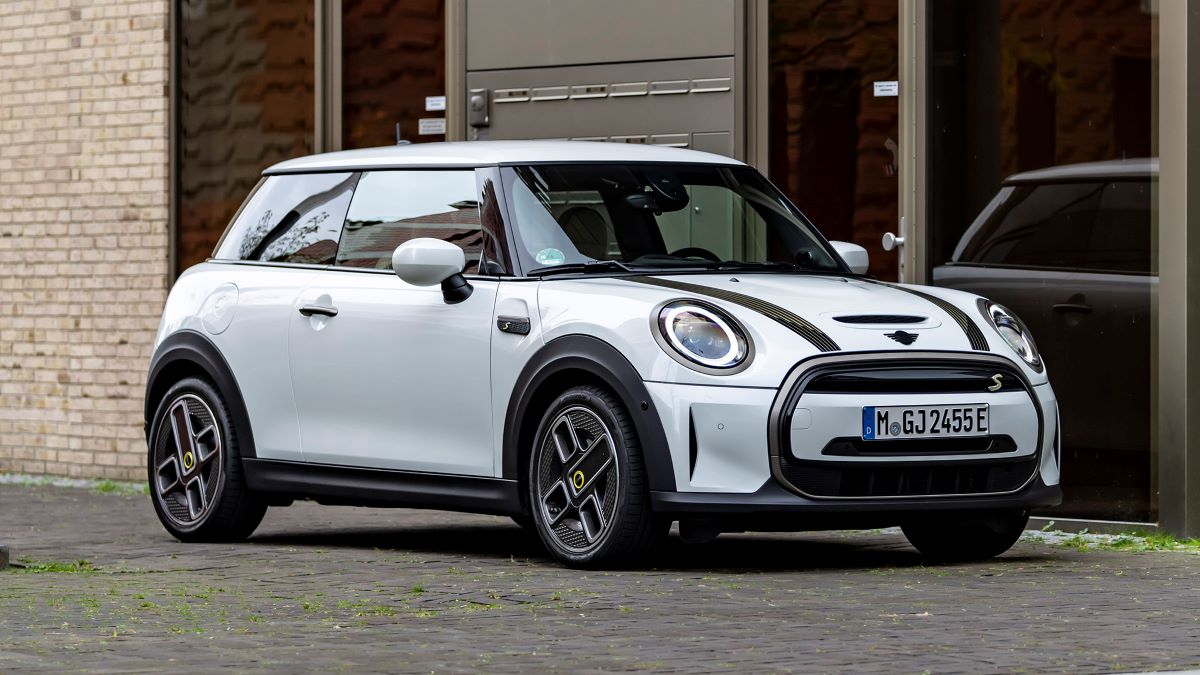
A bumper cover looks like simple plastic. Behind it sit radar units, sensors, and brackets. These parts must see through that plastic. Any change to the surface can change what they see.
Not long ago, a scuff meant filler and paint. Today, many carmakers set strict limits. Some ban repairs near radar. Some cap paint thickness. Some mark zones where no repair is allowed at all.
When damage touches those zones, the cover must be replaced. That swap brings paint, labor, and often recalibration. One consumer finance guide puts a replacement bumper at $100 to $1,000. It adds that driver-assistance features can push the total into the thousands.
Even a hit with no visible crack can matter. Industry guidance warns that sensors behind the plastic can shift out of alignment. Some makers also require scans after a cover is only removed and refitted. That is why a minor parking bump can turn into a major bill. Hidden damage is the real risk.
This list covers eight cars and brands where small damage can end a repair. Each entry rests on published manufacturer guidance. Rules change by model year and trim. Always check the body repair manual for your exact car.
1. Acura Models With AcuraWatch 360
Some Acura models carry radar units behind both the front and rear bumper covers. This setup is called AcuraWatch 360. Honda’s own technical notice says these cars need extra care during any bumper repair. The reason is simple. Radar must pass cleanly through the plastic.
Honda published a position statement on this in April 2024. It sets a clear paint limit. The base coat on these covers must not exceed 40 microns. A heavy hand with paint can break the rule.
The statement also defines a no-repair area. This is the radar wave emission range. If damage reaches the plastic on the front or back side of that range, the cover must be replaced. Honda says the replacement must be a new genuine part. Non-genuine covers may use different materials and thickness. That can affect how the system performs.
Honda even supplies a printable template. A technician tapes it onto the cover. It shows where the radar waves pass. If the damage sits inside the marked zone, repair is off the table. Honda says to replace the cover and refinish it by the paint maker’s instructions.
The rule applies to brand-new covers too. A delivered part must be inspected in that same zone. If the plastic is damaged there, Honda says not to repair it. The part goes back to the dealer. That shows how strict the standard is.
Blind spot radar adds another layer. Honda’s older guidance on blind spot systems says not to repair the areas over or near the two rear radar units. Radar waves are affected by the type and location of a repair. Even a partial coating inside the range can matter.
So what does this mean for owners? A scrape near a rear corner may look minor. It may still sit inside the zone. A shop that follows the manual will need to replace the cover. A shop that does not may leave the radar working poorly.
Cost is the other concern. A genuine cover, approved paint, and careful finishing all add up. Honda also lists approved paint makers for these covers. Recalibration may follow, depending on the car and the work done.
Ask for the template check in writing. It protects you from a quick fix that hides a safety problem. The takeaway is clear. On these Acuras, the plastic is part of the sensor system. Treat it that way.
2. Honda Accord
The Honda Accord shows how narrow the margin can be. Many recent Hondas place the front radar behind a grille or cover. That cover is not always the bumper itself. Even so, the rule is firm. Do not repair a damaged radar cover.
The 2019 Accord repair manual spells this out. If the radar cover is damaged or cracked, replace the cover. Then inspect the radar assembly for damage before going further.
That second step is the hidden cost. A small crack may be only the visible part. The impact can also push the radar out of position. A cover swap alone does not prove the sensor is fine. Honda also publishes a mounting-position inspection for its millimeter-wave radar.
The rear of the car carries its own limits. On models with Blind Spot Information, Honda says not to repair the areas over or near the two radar units. The radar waves pass through the bumper cover. Their path is affected by the type and location of any repair.

Honda’s wider guidance adds a second rule about replacement parts. When a cover must be replaced, it should be a genuine Honda part. The company says the material and thickness of non-genuine covers may differ. That can change how radar performs.
Paint prep can also end a repair. Some new Honda covers carry a very hard factory coating. Scuffing it takes care. In one industry inquiry, Honda said a cover that starts peeling after the basecoat is sanded through should be replaced.
What does this mean for an Accord owner? A parking-lot crack near the grille is not a cosmetic job. It can mean a new cover, new paint, and a radar check. A rear corner scrape can lead to the same answer on cars with blind spot radar.
Ask the shop which Honda document it is following. Ask whether the radar was inspected after the repair. Ask for the replacement cover to be a genuine Honda part. Those three questions cost nothing.
Cost follows the usual pattern. The cover, the paint, and the labor come first. Radar checks come on top. Ask for an itemized estimate before work starts. Compare it with a dealer quote for the same genuine parts. Small differences in scope can change the total a lot.
The Accord is a mainstream sedan. Yet its repair rules are anything but basic. A small crack can start a chain of required steps. Each step protects a safety system that drivers now take for granted.
3. Nissan and Infiniti Models With Blind Spot Warning
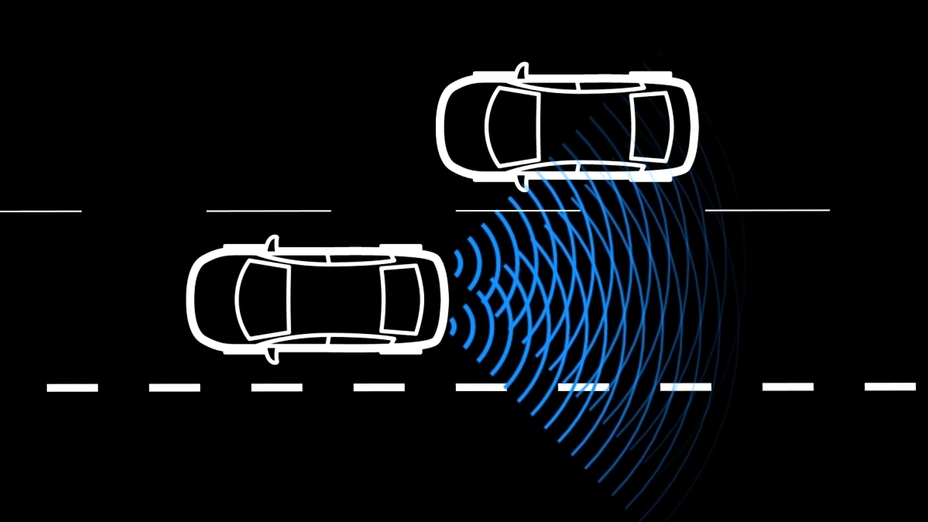
Nissan and Infiniti publish a very firm rule on rear bumpers. On cars with Blind Spot Warning, side radars sit behind the rear cover. They watch the lanes beside you. Their view runs through the plastic.
The two brands issued matching position statements. They say they do not support repair, body filler, or paint work on the rear cover near those radars. The service manuals go further. They say not to attach a sticker, even a clear one. They also say not to fit accessories or add paint near the side radar.
The instruction for damage is blunt. A damaged cover should be replaced with a new one. Repair in that area is not supported. That turns many small jobs into full replacements.
Think about what counts as damage. A crack is obvious. A shallow scrape in the radar area is less obvious. Yet fixing it means paint work, and paint work is exactly what the statement does not support.
Nissan also issued a separate statement for the Ariya electric crossover. It covers bumper refinishing requirements and was updated in May 2026. Owners of that model should ask the shop to follow it.
Paint is part of the story too. Industry technical bulletins list radar-optimized color resources for several carmakers, Nissan included. These exist because some paint can disturb radar signals. Park assist is a related example. Some carmakers advise against refinishing a sensor with minor finish damage. Extra paint thickness can affect park assist performance.
Why is the rule so strict? Radar needs a clean path. Filler, extra paint layers, and stickers all add material in that path. A blind spot alert that misses a car can give false comfort.
If your car has Blind Spot Warning, check the rear corners after any parking knock. Look for cracks, deep scuffs, or chips in that area. Do not add stickers or paint there yourself. Ask the shop to cite the Nissan or Infiniti statement in the estimate.
Cost depends on the part and the paint. A new cover and a refinish are the base. Some shops also run scans and checks after the work. Ask whether the radar was tested before the car left.
The pattern is common across the industry. Many makers now treat the cover as part of the sensor. Nissan and Infiniti simply say it in the plainest terms. For owners, plain rules are useful. They remove the guesswork from a small repair that is no longer small.
4. Hyundai Models With Corner Radar
Hyundai published a position statement on bumpers in early 2025. It covers front and rear bumpers with corner radar units or ultrasonic sensors. Industry technical bulletins flagged it soon after release. The headline is simple. Plastic repairs to front and rear bumpers are not recommended.
The reason is physical, not cosmetic. A repaired bumper can have an altered shape or surface. That change may affect how well the corner radar performs.
Corner radar units may sit behind the bumpers, mounted on the unibody. They watch for cars at your sides and rear. A low-speed scrape at a corner is the classic damage. It is also the damage most likely to land in front of the radar.
Hyundai also sets rules for work that does go ahead. Shops should mask the corner radar units or remove them. This stops contamination and paint overspray. If a radar unit is damaged, contaminated, or hit by overspray, it must be replaced. It must also be recalibrated using the shop manual procedure.
That last rule raises the stakes. A bad paint day can ruin a radar unit that was fine before. The repair then grows from a cover to a cover plus a sensor. Radar parts and calibration are not cheap. Calibration also takes time and special equipment.
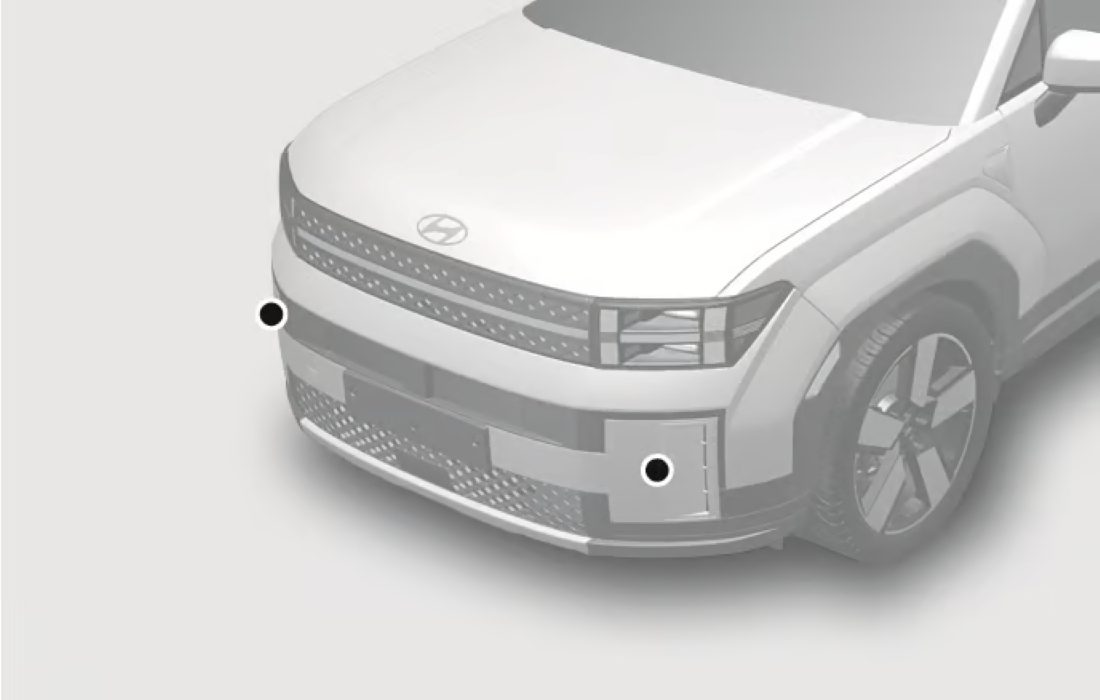
Ultrasonic parking sensors get their own section. These are the small round discs you see in many bumpers. Other makers warn that refinishing a sensor with minor finish damage can hurt performance. Extra paint thickness is the concern. Hyundai has a separate bulletin on refinishing park assist sensors.
What does this mean for a Hyundai owner? A corner scuff is no longer a quick buff and spray. The shop must check where the radar sits. It must decide if the cover can stay. Then it must protect or remove the sensor during paint.
Ask three questions before approving the work. Is the repair in front of a radar or sensor? Will the sensors be masked or removed? Will the radar be checked or recalibrated afterward? A good shop can answer all three in plain words.
Hyundai is a high-volume brand. That makes these rules matter to a large number of drivers. Many modern Hyundais carry these sensors. The old habit of patching plastic does not fit them. A small crack now has a bigger price attached. Knowing the rule helps you push back on a cheap, risky fix.
5. Genesis G70 and G90
Genesis shares Hyundai’s bumper rules, then adds its own details. The brand issued a matching position statement in early 2025. It covers front and rear bumpers with corner radar or ultrasonic sensors. Genesis tells shops to mask or remove corner radar units during bumper repair. That prevents contamination and paint overspray.
The G70 sedan shows another angle. Its service manual covers the front radar behind the bumper cover and grille. The manual says radar alignment is required after an impact. That applies to the radar or to the parts around it. The manual covers the 2019 to 2025 model years.
What counts as a surrounding part? Genesis told an industry group it means anything directly in front of the radar. It also includes anything the radar mounts to. The list names the grille, the front license plate bracket, the bumper, and the bumper beam. So a bent plate bracket can trigger a radar alignment.
Think about that for a moment. A low-speed bump into a pole can crack a bumper and nudge a bracket. Everything involved is a named surrounding part. The result may be a new cover, a new bracket, and an alignment. None of that shows from across the parking lot.
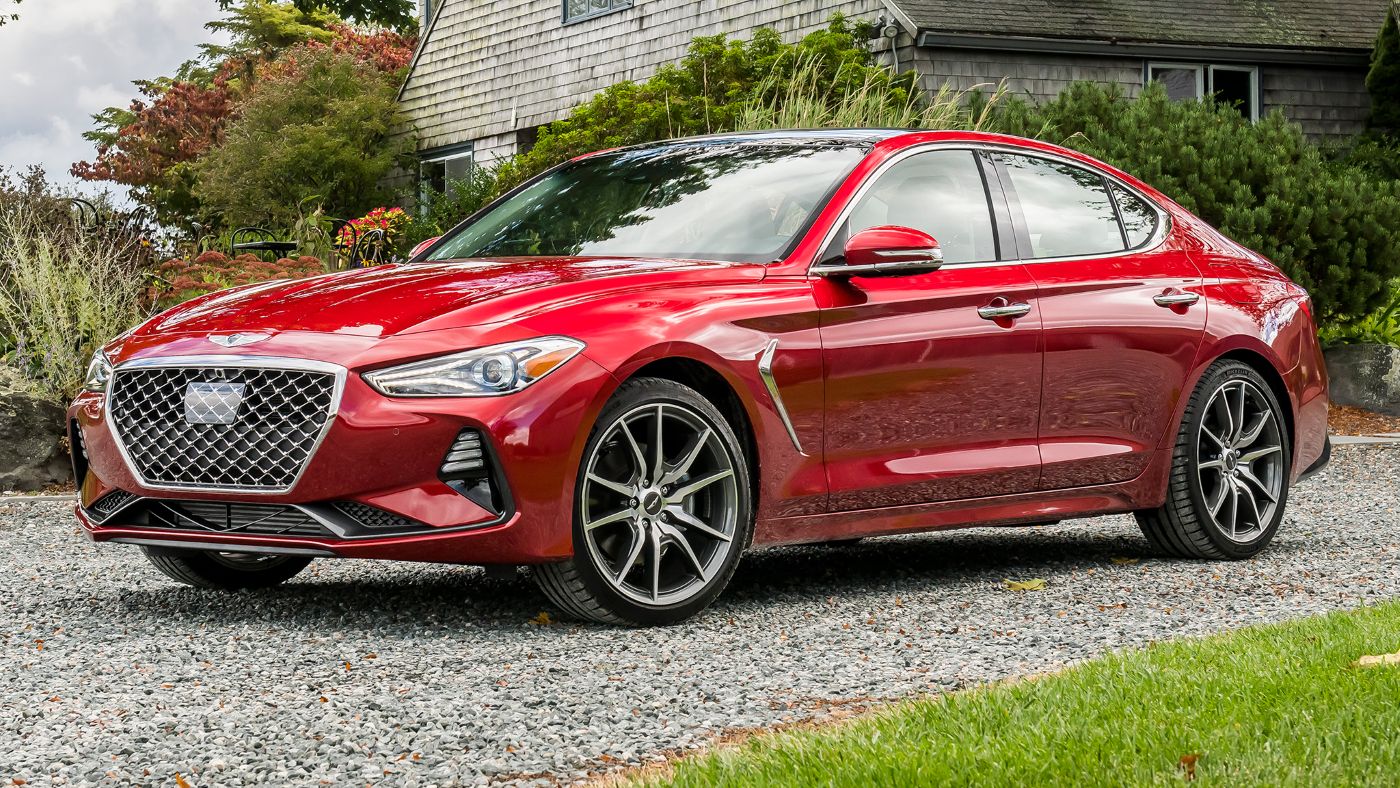
The G90 adds a different lesson: paint can matter. In late 2025, Hyundai recalled Genesis G90 models over silver paint. The recall report says metal content in Savile Silver bumper paint can reflect front corner radar signals.
Those signals may then pass through the bumper beam. The Highway Driving Assist system could brake suddenly as a result. Owners were told to avoid that feature until the remedy was done. The remedy listed was a replacement.
This recall was not about a repair. It was about factory paint. Yet it proves a point. Paint is part of the radar system. A respray that changes the paint layers could matter too.
Genesis also supports radar-optimized color resources for refinishing. Shops can use them to pick compatible paint. Not every shop checks. Ask yours.
For owners, the checklist is short. Check the corners for cracks after any impact. Ask whether the grille, bracket, and beam were inspected. Ask if the radar was aligned afterward. Ask what paint system was used.
Genesis is a luxury brand. Parts and paint on luxury models tend to cost more. A small crack near a sensor can bring a large invoice. Knowing why helps you judge whether the quote is fair. It also helps you spot a shop that cuts corners.
6. Tesla Models With Front Radar
Tesla’s guidance is specific about where repairs must stop. The company publishes a front bumper fascia repair guide. It lists acceptable repair and refinishing work. It also gives measurements for zones where repair is not allowed.
Radar is the reason. A caution in Tesla’s procedures says plastic repairs are not allowed in the area of radar sensors. That is a firm rule. It is not a suggestion. On radar-equipped cars, that part of the cover is a no-patch zone.
The zone decides the outcome, not the size of the damage. A crack the size of a coin can fail the rule. A longer scrape outside the zone may pass. Only the guide’s measurements can settle it. That is why a tape measure matters more than an eyeball.
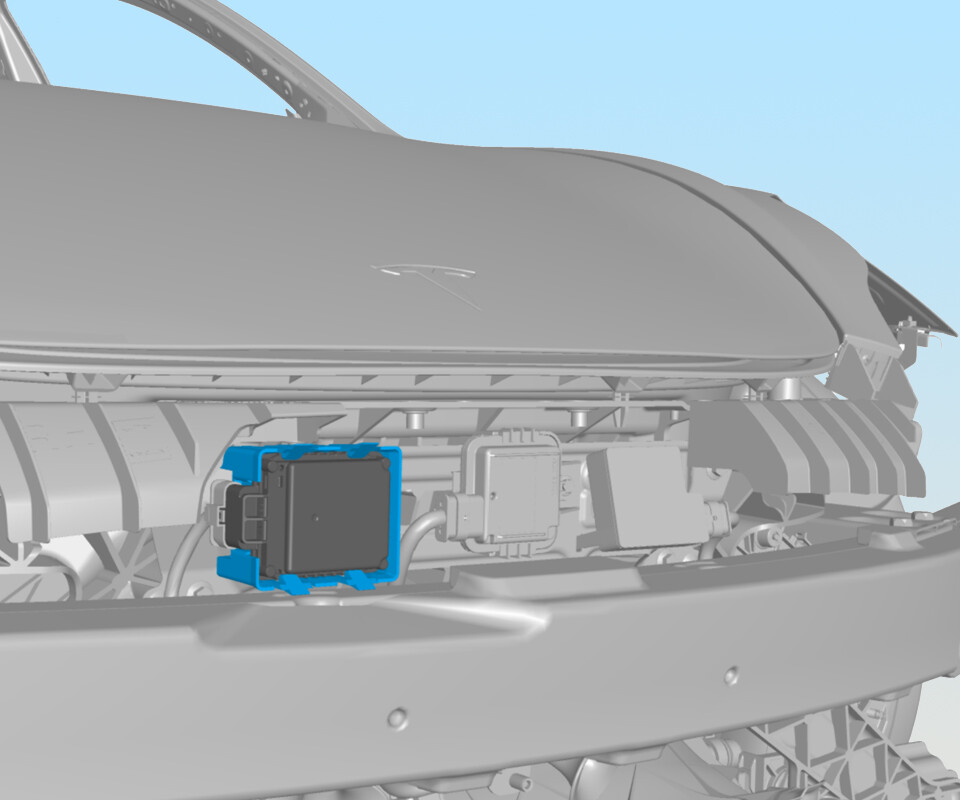
Owners can protect themselves. Check whether your car has front radar. Look closely at the nose after any low-speed hit. Do not accept a quick filler job near the radar. Ask which Tesla guideline the shop is using. Ask what measurements it applied.
Cost is the last piece. A fascia, paint, labor, and checks can add up fast. Compare estimates from two shops that follow the same guide. Tesla’s own rules make that comparison easier. A very low quote may skip a required step.
7. Volvo XC90
Volvo’s bumper rules are detailed and visual. The company marks areas on its covers where repair limits apply. The XC90 rear bumper cover is a clear example. Volvo’s repair documents show highlighted zones on that cover.
The rule for damage is blunt. If a hole or crack lies inside a marked zone, the part must be replaced. Volvo says not to repair it. The rear cover carries the same warnings as the front. The zone does not shrink for a small crack.
Paint has its own limit. Volvo publishes a bumper cover paint repair document. It covers the marked area on the XC90 rear cover. Only one layer of base coat may be applied there. The figure shows where old base coat must be stripped first. That keeps paint from building up over the sensor path.
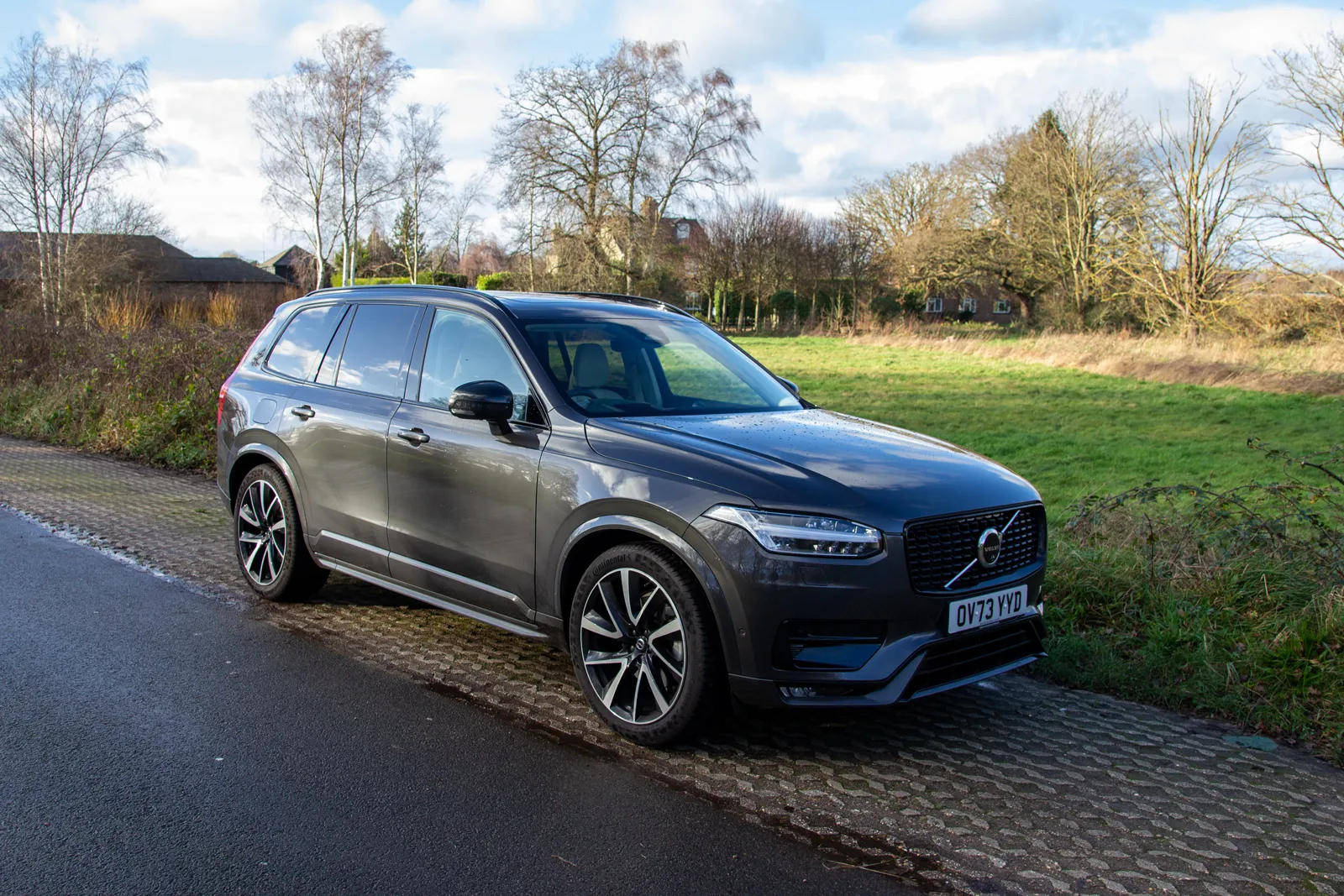
These limits are not forum advice. They come from Volvo’s own repair information. Shops with access can look them up by model and year. Shops without access may guess. That is where owners can get hurt.
What triggers replacement? A crack or hole inside the zone is enough. A neat, small break still counts. A shop that fills it may leave the car outside Volvo’s rules. That could matter later if the sensors misbehave.
Volvo built its reputation on safety. These rules fit that image. They put the sensor system ahead of a cheap fix. For owners, that can mean a bigger bill. It also means safer sensors and fewer surprises. Weigh the two before you choose a shop.
8. Mini Cooper
The Mini Cooper proves the problem is not only about radar. It is also about the small parts that hold sensors in place. A 2025 Mini Cooper front bumper houses parking assistant sensors. One parts retailer’s guide lists them as part of the front cover.
The same guide makes a sharp point about brackets. Sensor brackets on the inside of the cover are often glued at the factory. A minor impact can break that glue loose. The cover itself may look fine. The sensor can still sit at the wrong angle.
That is the hidden damage. A sensor at the wrong angle can misread the space around the car. The guide lists sensor malfunction as a common sign of front bumper trouble. Dashboard warnings are the clue.
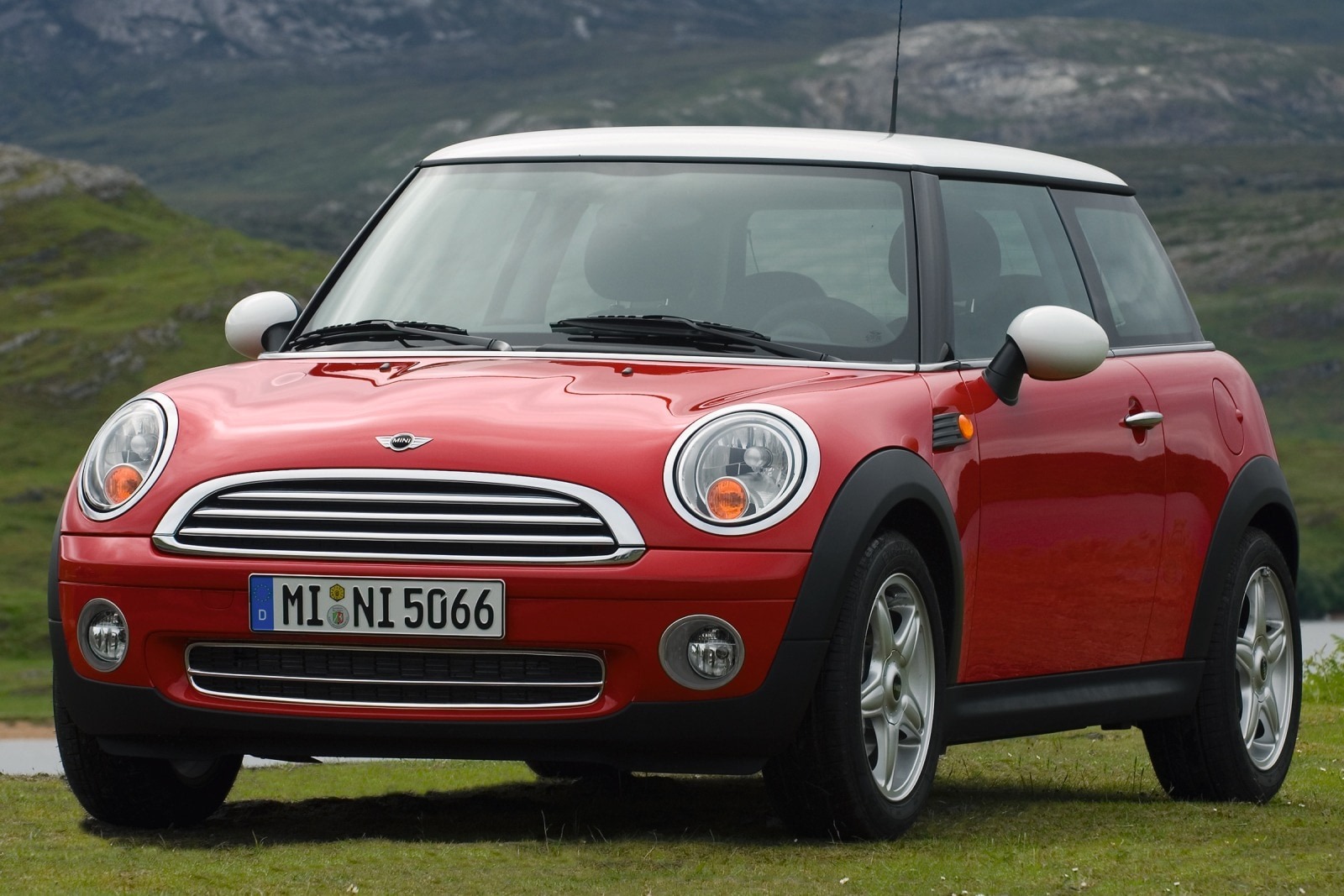
The guide also warns about cracks. It says even a minor impact can cause hidden cracks near mounting points. These cracks may not show in a quick glance. A shop that looks closely will find them.
The Mini story is a good reminder. A small impact can break a small part. That small part can force a big repair. Cheap clips and glue still decide whether sensors work.