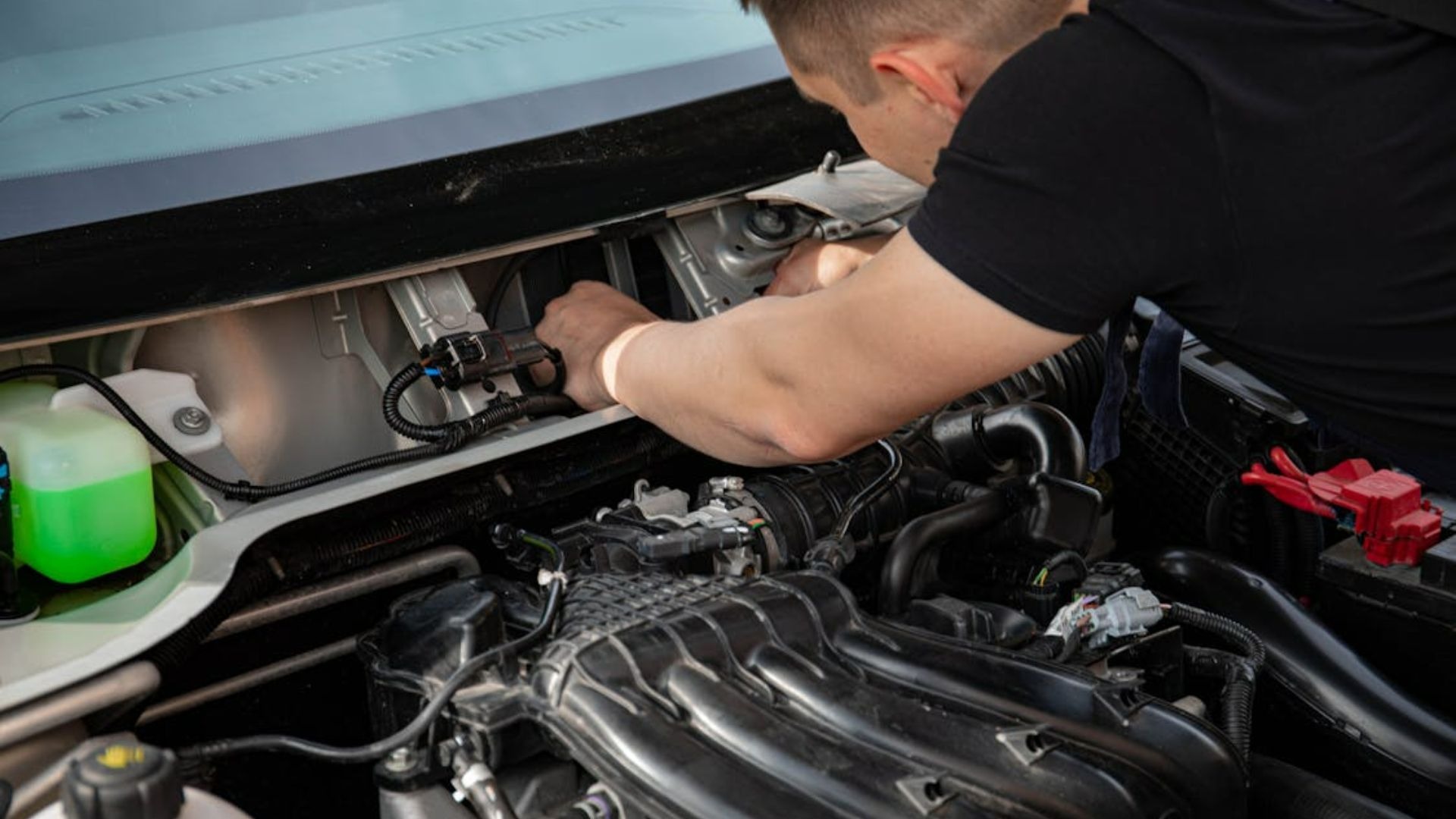
An SUV can feel perfectly reliable during everyday driving but tell a different story when towing a trailer, climbing steep hills, or carrying a full load of passengers and cargo. Under these conditions, the transmission works harder, generates more heat, and depends heavily on its cooling system to maintain safe operating temperatures.
When that heat becomes difficult to control, drivers may experience slipping, rough gear changes, warning lights, or expensive mechanical failures. Some SUVs have drawn attention for transmission-related concerns that become more noticeable during demanding use.
Knowing which models deserve extra attention can help drivers make informed decisions, recognize early warning signs, and avoid unexpected repair bills. Here are seven SUVs worth understanding before putting them through heavy-duty driving conditions.
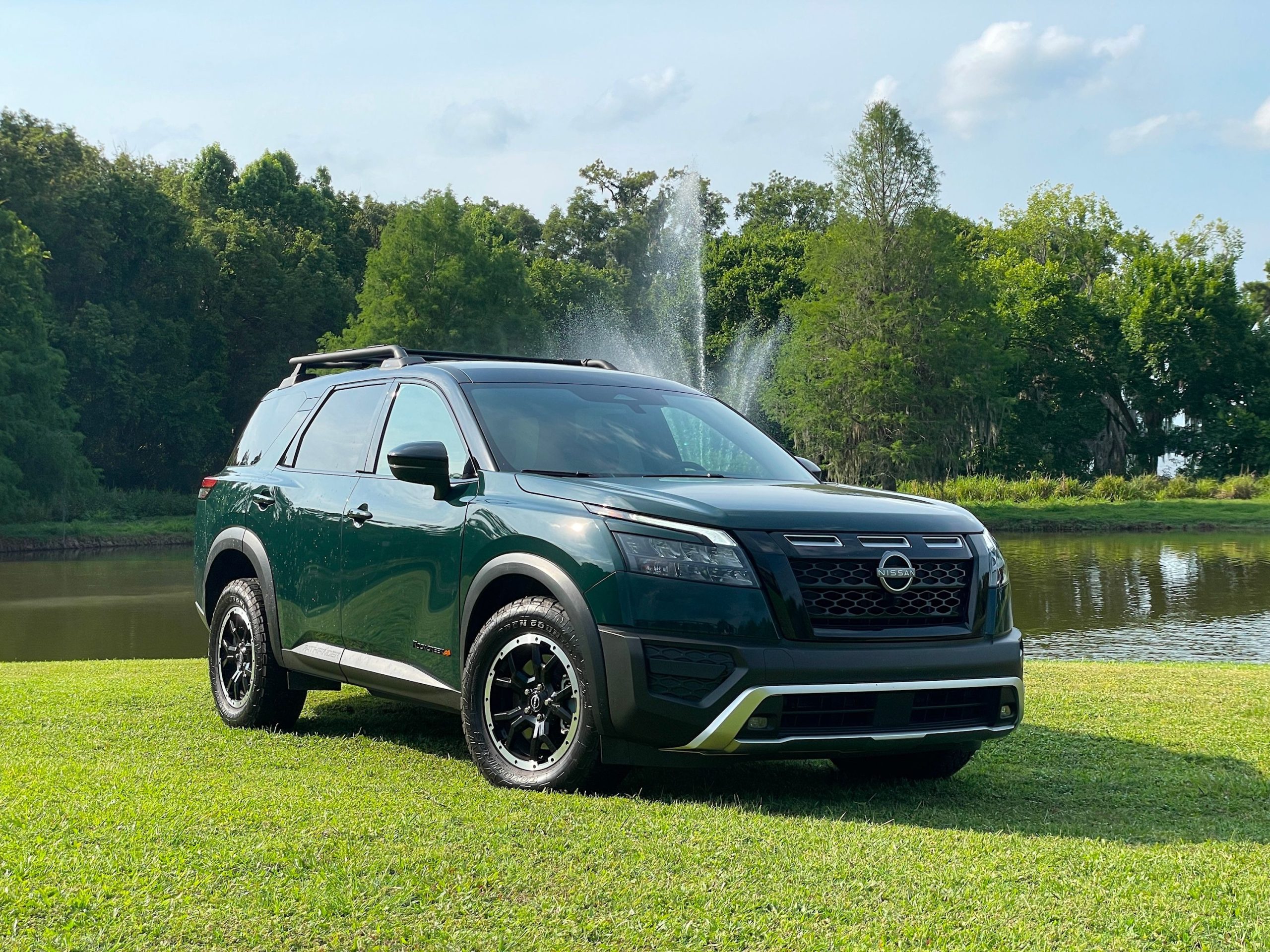
1. Nissan Pathfinder
The Nissan Pathfinder has a history of transmission-related concerns, particularly in certain older generations. Models from 2005 through 2010 deserve attention because some used a radiator-integrated transmission cooler that could develop internal cracks.
When this happened, engine coolant and transmission fluid could mix, creating a damaging condition that threatened the transmission.
The problem was especially concerning because contaminated fluid could no longer provide the lubrication and protection that internal components needed. Drivers might notice unusual fluid appearance, transmission hesitation, slipping, or poor performance.
The 2013 through 2018 Pathfinder models introduced another area of concern. Their continuously variable transmissions (CVTs) could experience excessive heat during demanding driving.
Heavy acceleration, extended hill climbs, and towing could place additional pressure on the transmission. High temperatures can affect fluid performance and contribute to belt slippage and internal wear.
Owners should pay attention to warning lights, unusual engine revving, delayed acceleration, and unexpected changes in vehicle behavior. Regular inspection of transmission fluid and adherence to the manufacturer’s maintenance schedule are sensible precautions.
Before purchasing a used Pathfinder from these model years, request service records and ask whether relevant cooling-system or transmission repairs have been completed. A professional inspection can reveal warning signs that a short test drive might miss.
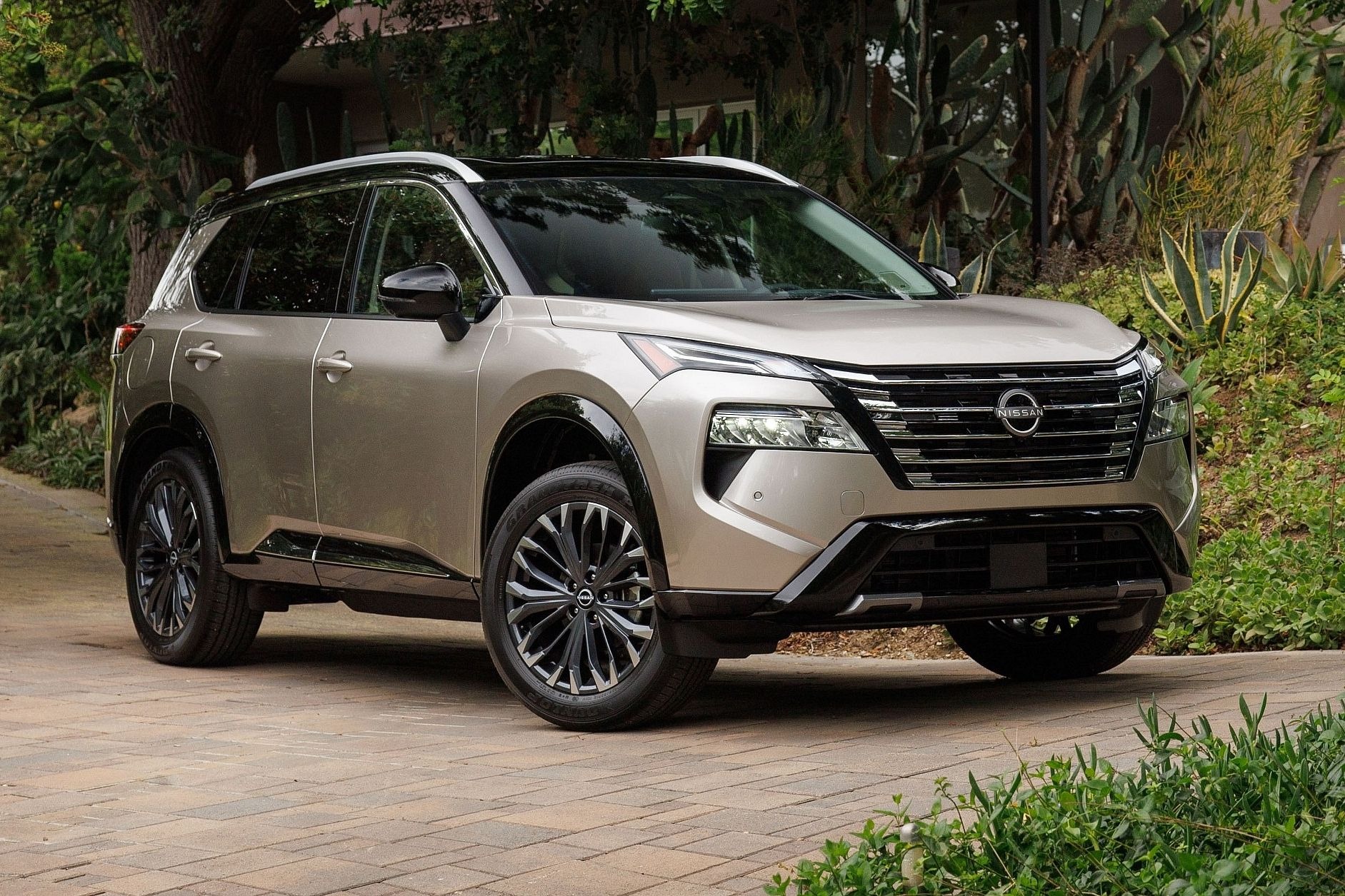
2. Nissan Rogue
The Nissan Rogue is a popular compact SUV, but its CVT has attracted owner complaints involving overheating, premature wear, and expensive transmission failures. These concerns deserve attention from drivers who regularly carry heavy cargo or travel with several passengers.
A CVT operates differently from a traditional automatic transmission. Rather than relying on a fixed collection of conventional gears, it uses a belt-and-pulley arrangement to provide a continuous range of ratios.
This design can deliver smooth acceleration and good fuel economy, but it also depends on properly maintained fluid and effective temperature management.
When a Rogue operates under heavy demand, transmission temperatures can rise. Repeated acceleration, long highway climbs, and carrying substantial weight may place additional strain on the system.
If the cooling system cannot keep temperatures within the intended operating range, internal components may experience accelerated wear.
Some owners report warning messages, reduced acceleration, unusual whining sounds, and hesitation during operation. In certain cases, overheating protection may limit vehicle performance.
Drivers should avoid assuming that every unusual engine noise or acceleration issue indicates transmission failure. A qualified technician can check fluid condition, scan for diagnostic trouble codes, and inspect the cooling system.
For used Rogue shoppers, maintenance history deserves particular attention. Ask whether the CVT fluid was serviced according to Nissan’s recommendations and whether previous owners reported overheating.
Consistent servicing and careful driving habits can help reduce unnecessary thermal stress.
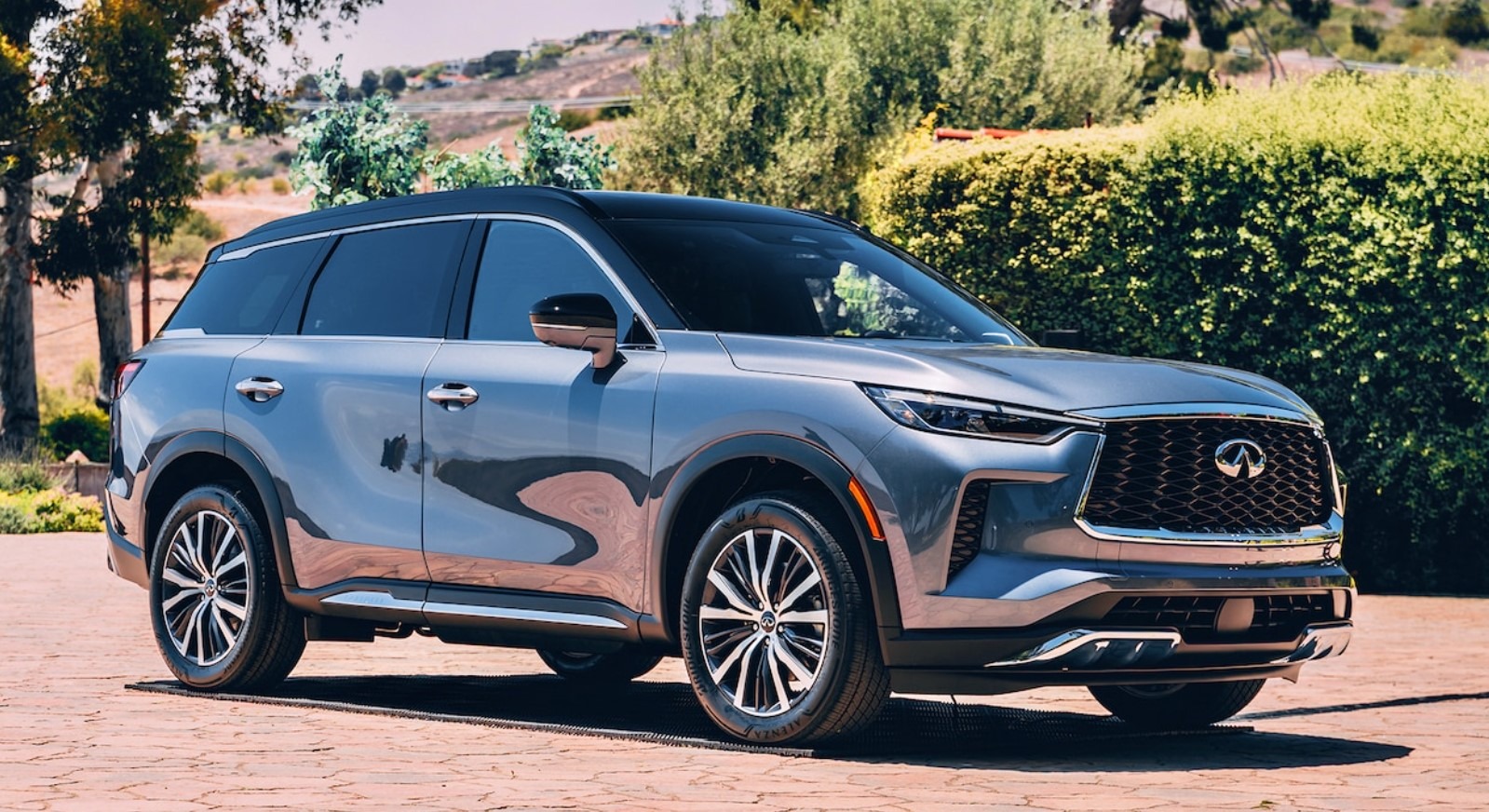
3. Infiniti QX60
Luxury comfort does not automatically mean a vehicle is immune to mechanical strain. The Infiniti QX60 illustrates why transmission cooling deserves attention in midsize SUVs that combine substantial vehicle weight with a continuously variable transmission.
The QX60 uses a CVT designed to deliver smooth power delivery and comfortable everyday performance. However, moving a relatively heavy SUV requires considerable effort from the drivetrain, especially when the vehicle carries several passengers, luggage, or other cargo.
Under demanding conditions, the transmission may experience increased thermal stress. Long climbs, repeated acceleration, and towing can make the system work harder than it would during ordinary commuting. Higher operating temperatures can affect fluid performance and contribute to premature internal wear.
Drivers should watch for delayed acceleration, unusual engine revving, hesitation, warning messages, or reduced performance. These symptoms do not automatically confirm a cooling failure, but they deserve prompt attention.
One practical concern with the QX60 is that drivers may underestimate the demands placed on its transmission because the cabin feels quiet and comfortable. Smooth operation does not necessarily mean the drivetrain is operating without strain.
Routine maintenance is essential. Owners should follow the manufacturer’s fluid service recommendations, investigate warning lights promptly, and have the transmission inspected if unusual behavior develops.
Anyone considering a used QX60 should request a complete maintenance history and arrange an independent mechanical inspection.
Pay particular attention to previous CVT repairs, overheating complaints, and evidence of frequent heavy-duty use.
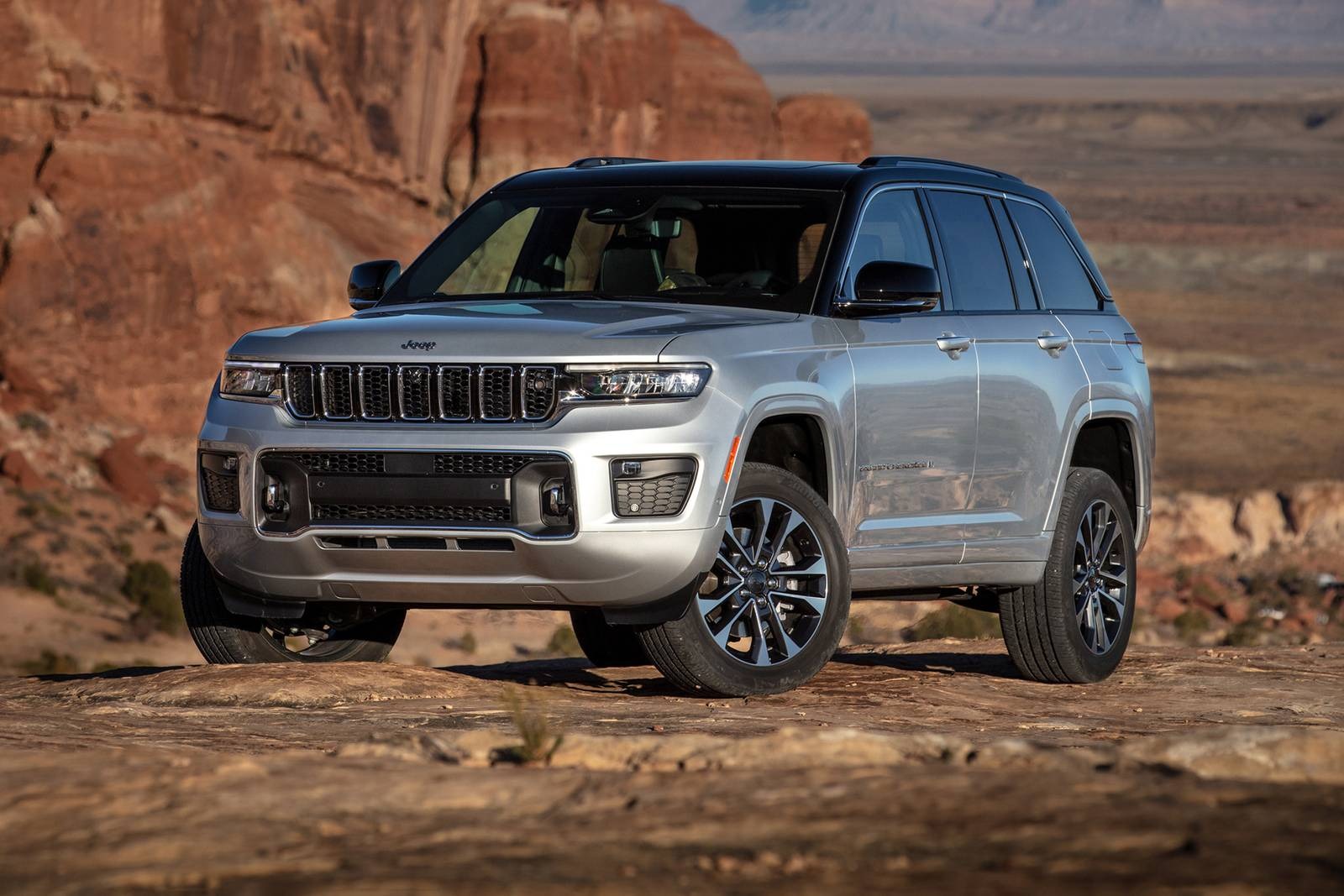
4. Jeep Grand Cherokee
The Jeep Grand Cherokee is built for drivers who want a combination of road comfort, towing capability, and off-road performance. Yet demanding driving conditions can place considerable pressure on its automatic transmission, making temperature management an important ownership consideration.
Certain newer Grand Cherokee models equipped with eight-speed automatic transmissions have received complaints involving shuddering, rough gear changes, and other transmission-related concerns.
Although these symptoms do not always point to overheating, excessive operating temperatures can contribute to poor fluid performance and increased internal wear.
Towing is one situation that deserves particular attention. Pulling a heavy trailer requires the transmission to manage additional resistance, especially during acceleration and uphill driving.
The torque converter and internal clutch components may generate extra heat as they transfer power under these conditions.
Drivers might notice vibration, hesitation, harsh engagement, or unusual behavior when the vehicle is working hard. In some cases, the transmission may require software updates, fluid service, component repairs, or more extensive mechanical attention.
Regular inspection can help identify problems before they become expensive. Owners who tow frequently should consult their vehicle’s towing guidelines and follow the recommended maintenance schedule.
Used Grand Cherokee shoppers should check for documented transmission repairs and previous complaints involving rough operation. A proper road test should include normal acceleration and, where safe and appropriate, a variety of driving conditions.
The Grand Cherokee can be a capable SUV, but its transmission should not be neglected simply because the vehicle is designed for demanding tasks.
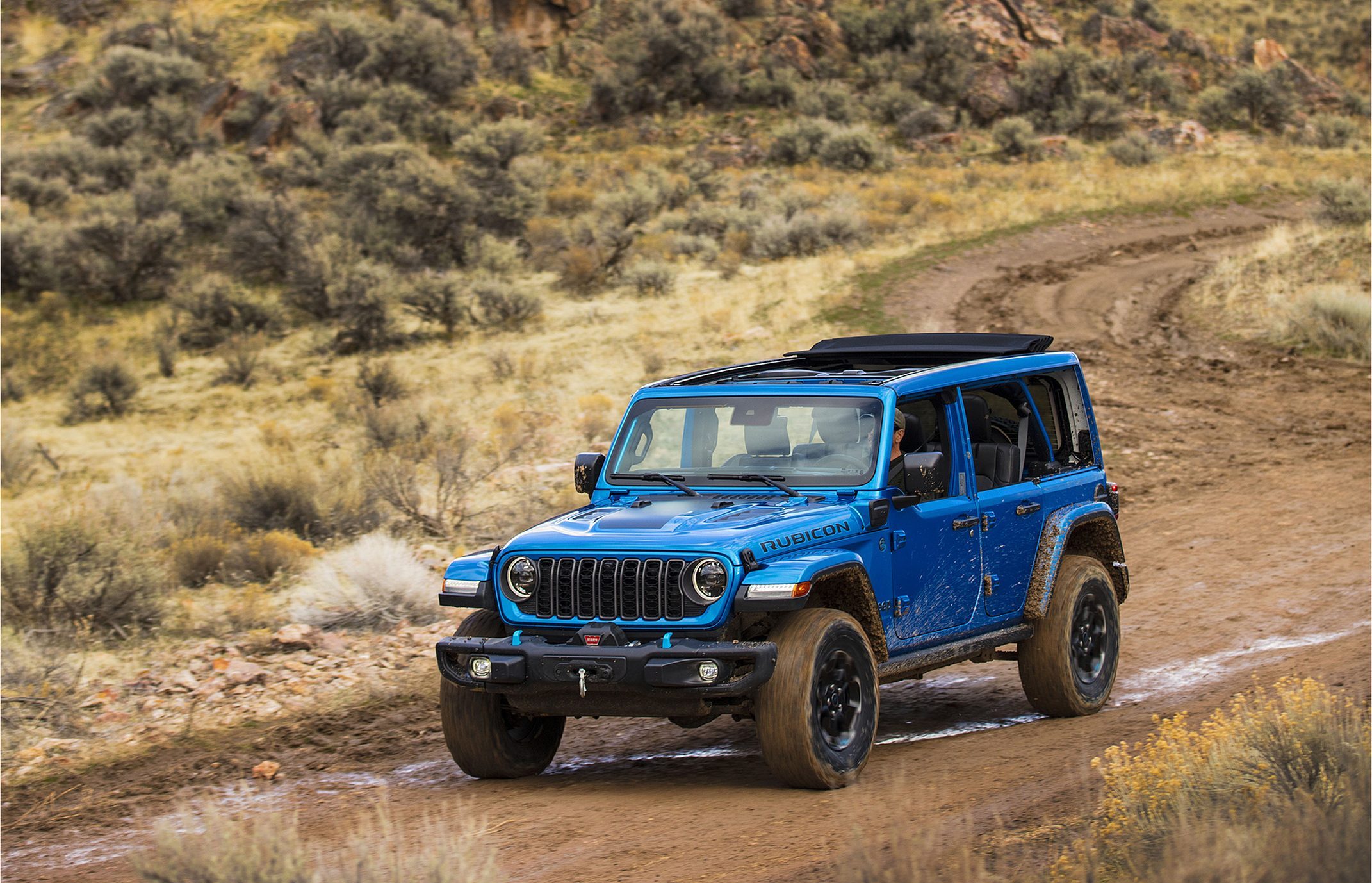
5. Jeep Wrangler 4xe
The Jeep Wrangler 4xe brings plug-in hybrid technology to an SUV designed for demanding driving conditions. Its combination of a gasoline engine and electric motor provides useful power delivery, but the hybrid drivetrain also introduces additional operating demands that deserve attention.
The Wrangler 4xe uses an eight-speed automatic transmission designed to work with the vehicle’s combined gasoline and electric power sources. Managing power from both systems requires coordinated operation, particularly during acceleration and demanding driving situations.
Some reported concerns include shuddering, irregular gear changes, and limp mode. These symptoms can have several possible causes, including transmission-related faults and electronic control issues. They should not automatically be treated as proof of a cooling-system failure.
Heavy acceleration, challenging off-road driving, and carrying substantial cargo can place extra demands on the drivetrain. Heat management matters because elevated transmission temperatures can affect fluid performance and the durability of internal components.
Owners should pay attention to dashboard warnings, unusual vibration, delayed response, and unexpected limitations in vehicle performance. Ignoring these symptoms can allow an underlying fault to become more expensive to diagnose and repair.
A qualified Jeep technician should inspect the vehicle whenever transmission warnings or unusual operation appear. Software updates, diagnostic checks, and inspections of the cooling system may be necessary, depending on the fault.
Before purchasing a used Wrangler 4xe, ask about previous transmission repairs, software updates, and warning-light incidents. Its hybrid design offers useful driving advantages, but careful maintenance remains essential when the SUV regularly faces demanding conditions.
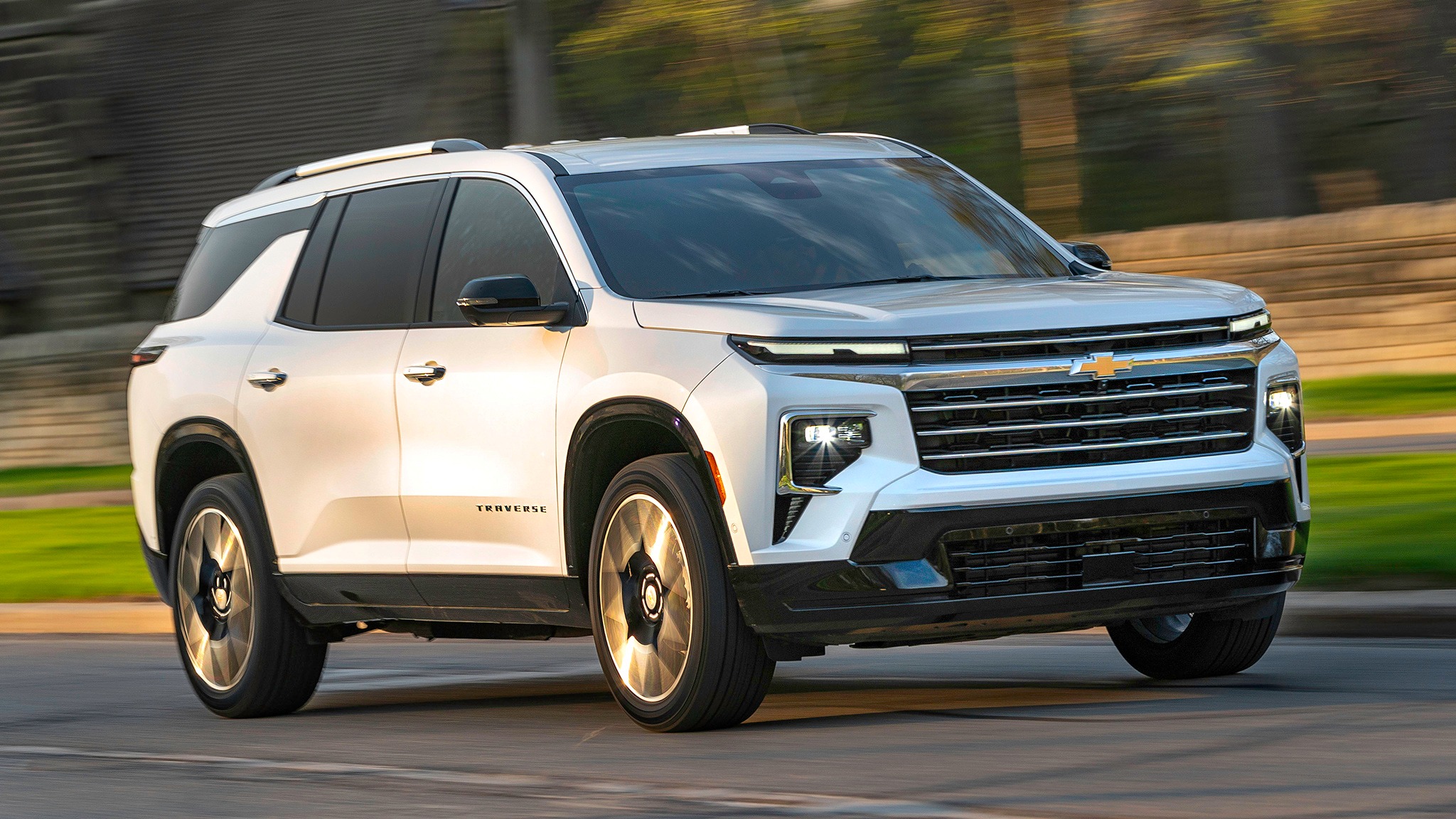
6. Chevrolet Traverse
The Chevrolet Traverse is a midsize SUV designed to accommodate families, passengers, and cargo. Its spacious cabin makes it useful for long journeys, but some 2013 through 2018 models have received complaints involving transmission slipping, rough operation, and fluid leaks.
These concerns become particularly relevant when the vehicle regularly carries heavy loads. Additional weight increases the effort required to accelerate and maintain speed, placing more demand on the transmission.
Towing can add another layer of stress, especially during extended climbs or frequent stop-and-go driving. Transmission fluid plays an essential role in this process.
It lubricates internal components, supports hydraulic operation, and helps manage heat. When fluid levels become low because of a leak, or when the fluid deteriorates under excessive heat, transmission performance can suffer.
Drivers may experience delayed engagement, unexpected engine revving, rough gear changes, or slipping during acceleration. Fluid leaks underneath the vehicle can also provide an early warning that something needs attention.
Ignoring these symptoms is risky because continued operation with insufficient or deteriorated fluid can contribute to internal damage. A technician should inspect suspected leaks, evaluate fluid condition, and check for stored diagnostic trouble codes.
For prospective used Traverse owners, the 2013 through 2018 model years deserve careful inspection. Ask whether previous owners experienced transmission hesitation or fluid loss and whether repairs were completed properly.
The Traverse can serve as a practical family vehicle, but regular maintenance and sensible load management are important for keeping its transmission operating reliably.
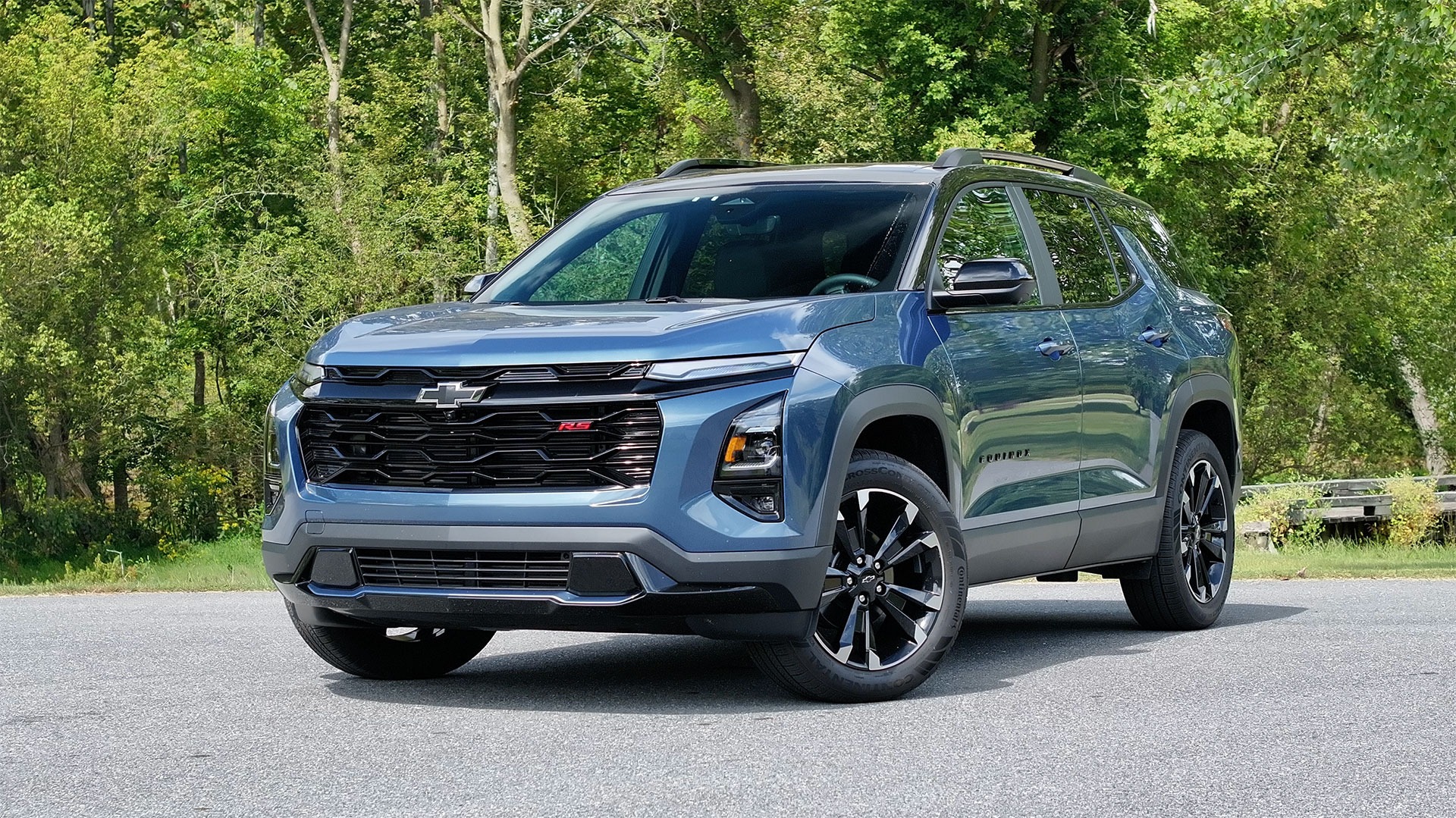
7. Chevrolet Equinox
The Chevrolet Equinox is a compact SUV that appeals to drivers looking for everyday practicality and manageable running costs. However, certain models, including the 2018 edition, have been associated with transmission complaints involving slipping, rough operation, and internal wear.
Transmission heat is an important consideration because the automatic transmission relies on fluid to lubricate components, maintain hydraulic pressure, and carry heat away from working parts. When temperatures become excessive, fluid performance can deteriorate, placing additional strain on internal clutch packs.
In some reported cases, internal wear and restrictions within fluid passages have contributed to poor transmission operation. Drivers may notice engine revving without the expected acceleration, hesitation, or unusual behavior when the vehicle carries passengers and cargo.
Heavy loads can make existing weaknesses more apparent. The transmission must work harder to move the vehicle, particularly during uphill driving, repeated acceleration, and towing within the vehicle’s permitted limits.
Owners should not ignore early warning signs. A slipping transmission or unusual fluid leak deserves professional attention, even when the vehicle continues to operate.
Preventive maintenance should include following Chevrolet’s recommended service schedule, checking for leaks, and having warning messages investigated. Any proposed fluid service should follow the specifications for the particular model and transmission.
Used Equinox shoppers should request maintenance records and ask whether previous transmission complaints were investigated. An independent inspection is especially useful when the SUV will regularly carry heavy loads.
A well-maintained Equinox may provide dependable everyday transportation, but buyers should understand its transmission history before committing to a purchase.