Choosing a new car involves more than comparing prices, features, and appearance. Buyers often assume that higher trim levels provide better value because they include additional technology, premium materials, and convenience features.
However, a well-equipped base model can offer a smarter financial decision over several years of ownership. Many modern entry-level vehicles already provide essential safety equipment, reliable performance, comfortable interiors, and practical technology.
By avoiding expensive upgrades, owners can reduce their initial spending, insurance costs, and potential repair expenses while enjoying a dependable driving experience that meets everyday needs without unnecessary complications or financial pressure.
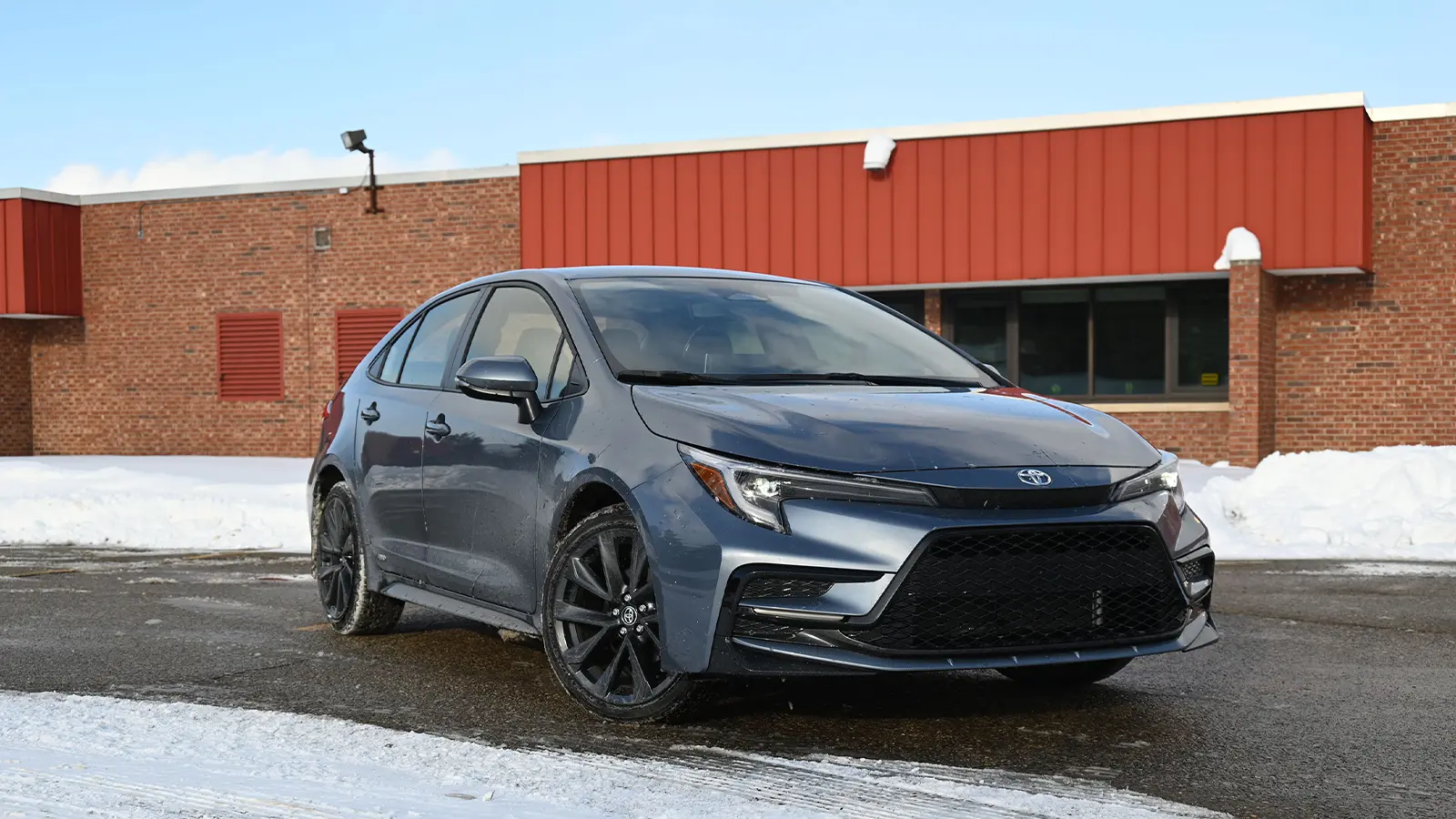
1. Toyota Corolla: Dependable Transportation Without Expensive Upgrades
The Toyota Corolla has earned a strong reputation for reliability, fuel efficiency, and affordable ownership. Its base trim provides the essential features most drivers need for daily transportation.
Buyers receive a practical sedan with a comfortable cabin, straightforward controls, and a proven engineering approach. Spending more on higher trims may improve appearance and convenience, but it does not necessarily deliver a meaningful improvement in everyday transportation.
The entry-level Corolla typically includes a touchscreen infotainment system, smartphone connectivity, automatic climate control or standard air conditioning depending on the market, and essential driver assistance features. Equipment varies by model year and region, but the basic package remains focused on usability rather than unnecessary luxury.
Toyota’s reputation for dependable vehicles makes the Corolla particularly appealing to people planning to keep their cars for many years. Routine maintenance remains important, but the model’s established mechanical design can help owners manage predictable servicing requirements. Its widespread availability also makes finding replacement parts relatively convenient in many markets.
Fuel economy is another important advantage. The Corolla is designed for efficient everyday driving, making it suitable for commuters, students, and small families. Choosing the base engine configuration can also keep the purchase price lower without sacrificing the vehicle’s main purpose.
Higher trims may introduce larger wheels, additional interior decoration, upgraded audio equipment, and more convenience features. These additions can make the cabin feel more premium, but they may not improve reliability or reduce regular running expenses. Larger wheels can also involve higher replacement costs.
For buyers who value straightforward ownership, the base Corolla offers a sensible combination of comfort, efficiency, and practicality. It provides the essential characteristics that have made the model popular without requiring additional spending on cosmetic upgrades.
Its resale appeal is another consideration. Toyota Corolla models have historically maintained competitive resale demand in many markets. A well-maintained entry-level example can attract buyers who want reliable transportation at a reasonable used-car price.
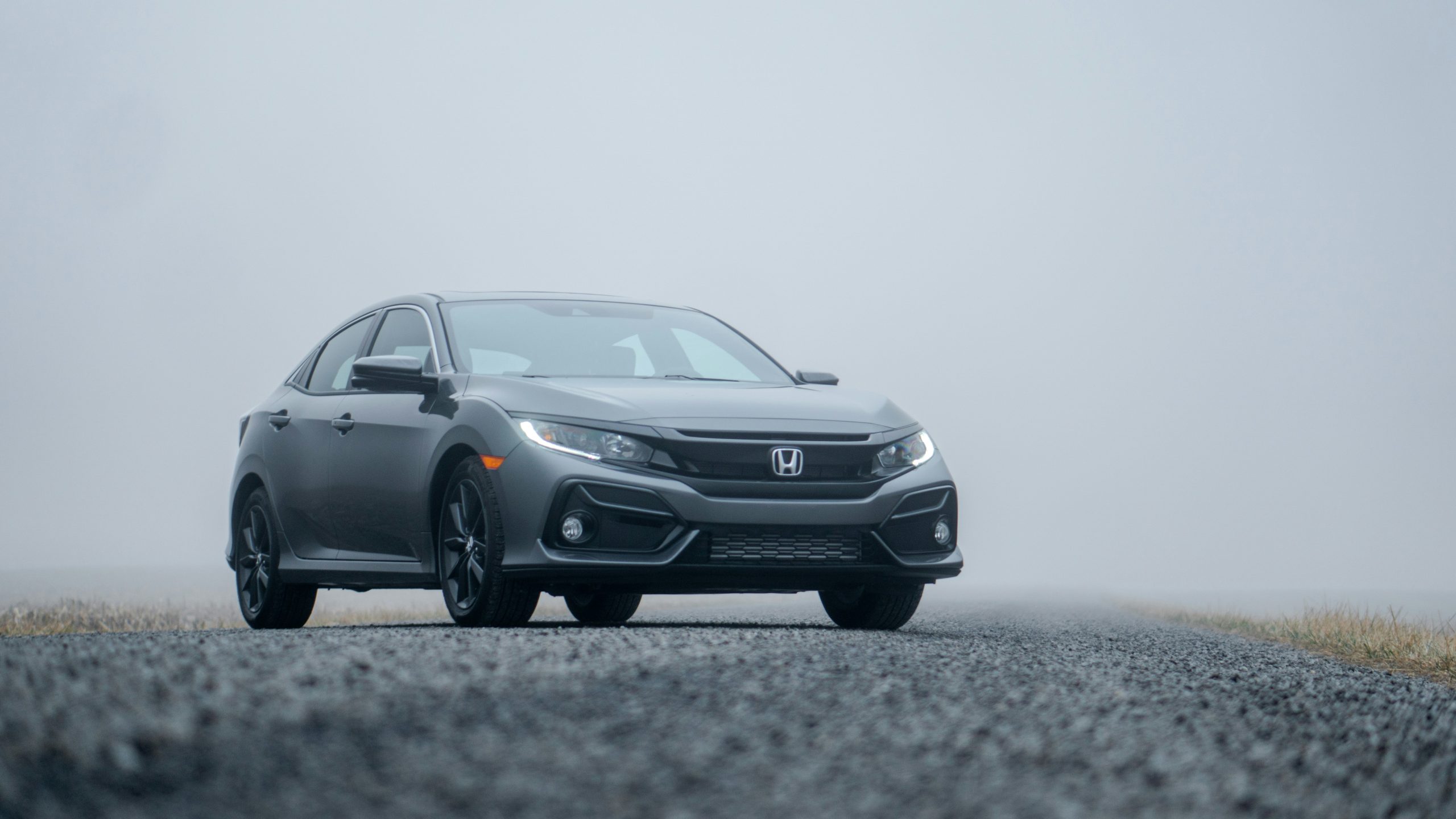
2. Honda Civic: Everyday Practicality at a Lower Purchase Price
The Honda Civic is another strong option for people seeking long-term automotive value. Known for its balanced driving experience, efficient engines, and practical interior, the Civic delivers many important qualities in its standard configuration. Higher trims offer additional comfort and styling upgrades, but the entry-level version already covers the needs of most everyday drivers.
Its cabin design emphasizes usability. Controls are generally easy to understand, seating provides good support, and the dashboard layout focuses on convenient access to essential functions. Buyers who prefer a simple driving environment may appreciate the straightforward approach of the base model.
Honda has developed a reputation for producing efficient and durable vehicles. The Civic benefits from this engineering experience, making it a practical choice for drivers who expect to keep their vehicles beyond the typical financing period. Regular servicing and responsible driving remain necessary for dependable ownership.
The standard powertrain is generally sufficient for commuting, highway travel, and routine city driving. Buyers who do not need additional performance may find little justification for paying more for an upgraded engine or sport-oriented package. The standard configuration can provide a suitable balance between performance and efficiency.
Technology also plays an important role in the Civic’s appeal. Depending on the model year and market, entry-level versions can include smartphone integration, touchscreen functionality, and essential safety assistance systems. These features help the car feel modern without requiring an expensive upgrade.
Higher trim levels may introduce leather upholstery, larger displays, premium sound systems, and additional exterior details. While these features can improve comfort, they do not necessarily make the vehicle more economical to maintain. Some buyers may prefer to avoid paying for equipment that adds little practical value to their driving routine.
The Civic’s reputation and established presence in the used-car market can also support long-term ownership value. Condition, mileage, maintenance records, and local demand determine resale prices, but a carefully maintained Civic can remain attractive to future buyers.
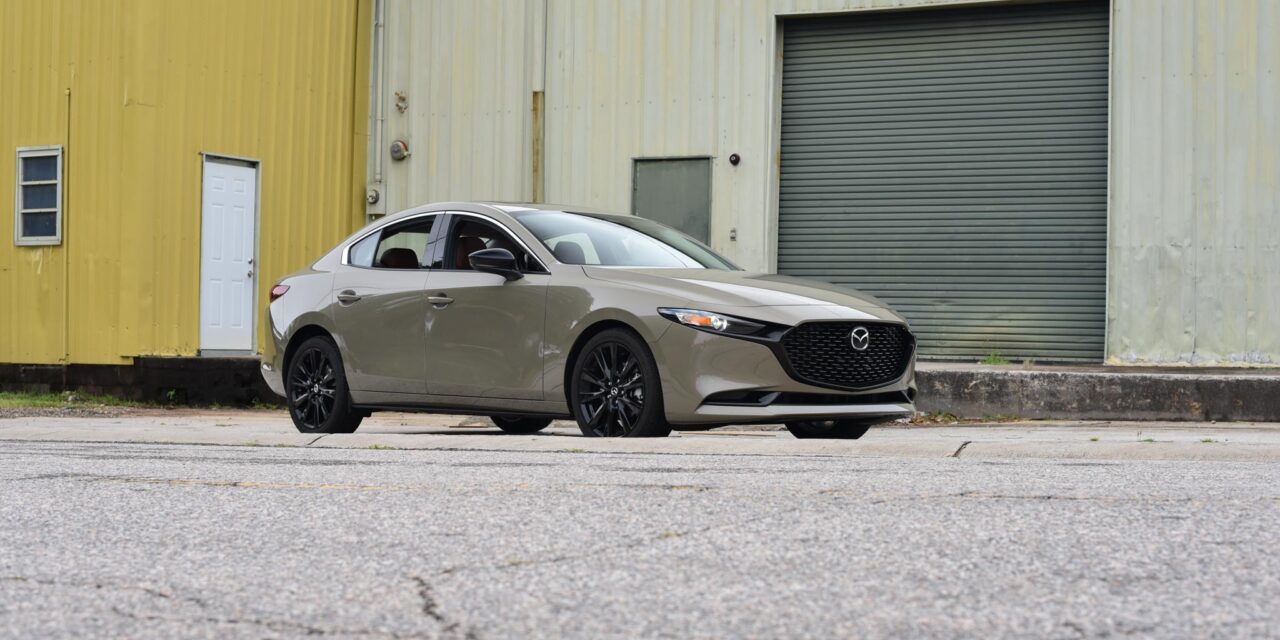
3. Mazda3: Premium Driving Feel Without Premium Spending
The Mazda3 stands out among compact cars because it combines attractive styling with an engaging driving experience. Its entry-level trim can provide much of the refinement that makes the model appealing. Buyers do not necessarily need to purchase the most expensive version to enjoy its responsive handling, comfortable seating, and carefully designed interior.
Mazda focuses considerable attention on steering response, suspension tuning, and overall driving balance. This approach gives the Mazda3 a more engaging character than many ordinary commuter vehicles. The standard configuration can deliver that experience without requiring a larger engine or expensive performance package.
Interior quality is another reason the base model deserves attention. Mazda often emphasizes material selection, dashboard design, and cabin ergonomics. Even entry-level versions can feel thoughtfully assembled, depending on the model year and regional specification.
The standard engine generally offers adequate performance for daily driving. It is suitable for commuting, highway travel, and routine family use. Buyers who do not require additional acceleration may find that the base powertrain provides sufficient capability without the added purchase cost of an upgraded configuration.
Fuel economy is also worth considering. The Mazda3 can offer competitive efficiency within its segment, depending on engine and transmission selection. Drivers who maintain appropriate tire pressure, follow servicing schedules, and adopt smooth driving habits can further support economical ownership.
Higher trims may include larger wheels, upgraded upholstery, premium audio systems, and additional convenience equipment. These features improve the experience for some owners, but they can increase the original purchase price. Larger wheels may also make replacement tires more expensive.
Long-term value depends on more than initial affordability. Maintenance history, repair costs, insurance premiums, and depreciation all influence ownership expenses. Buyers should compare local service availability and replacement-part prices before choosing a Mazda3.
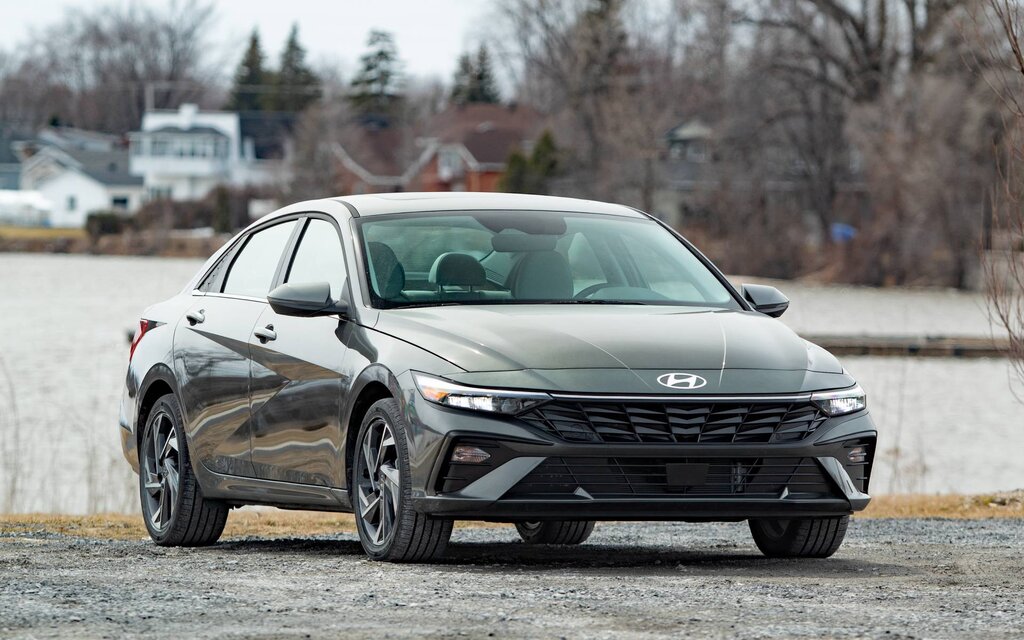
4. Hyundai Elantra: Modern Features at an Accessible Price
The Hyundai Elantra has become a competitive option in the compact sedan category. Its modern appearance, comfortable interior, and useful technology make it attractive to budget-conscious buyers. The base trim is particularly appealing because it offers many essential features at a lower entry price than more expensive versions.
Hyundai generally equips its entry-level vehicles with practical technology. Depending on the market and model year, the standard Elantra may include a touchscreen infotainment system, smartphone connectivity, multiple safety features, and convenient steering-wheel controls. These features provide everyday usefulness without requiring a premium package.
The exterior design gives the Elantra a distinctive appearance. Buyers who want a modern-looking sedan do not necessarily need to pay extra for larger wheels or special styling elements. The standard version can provide an attractive design while keeping the total purchase price manageable.
Its cabin focuses on comfort and functionality. The seating arrangement offers practical space for passengers, while the trunk provides useful room for shopping bags and everyday luggage. These characteristics make the vehicle suitable for commuters, young professionals, and small families.
The standard engine is generally designed for efficiency and predictable performance. It may not deliver the acceleration of sportier versions, but it provides sufficient capability for normal commuting and regular highway journeys. This makes the base trim a sensible choice for people who value practicality over performance.
Hyundai’s warranty coverage can also contribute to ownership value. Warranty terms vary by country, vehicle specification, and ownership conditions, so buyers should review the applicable coverage before purchasing. A strong warranty can provide financial protection against certain unexpected mechanical expenses.
Higher trims may add larger displays, advanced convenience systems, upgraded seats, and more powerful engine options. These improvements can be attractive, but they may increase the purchase price and insurance expenses. Buyers should evaluate whether the additional equipment genuinely improves their daily driving experience.
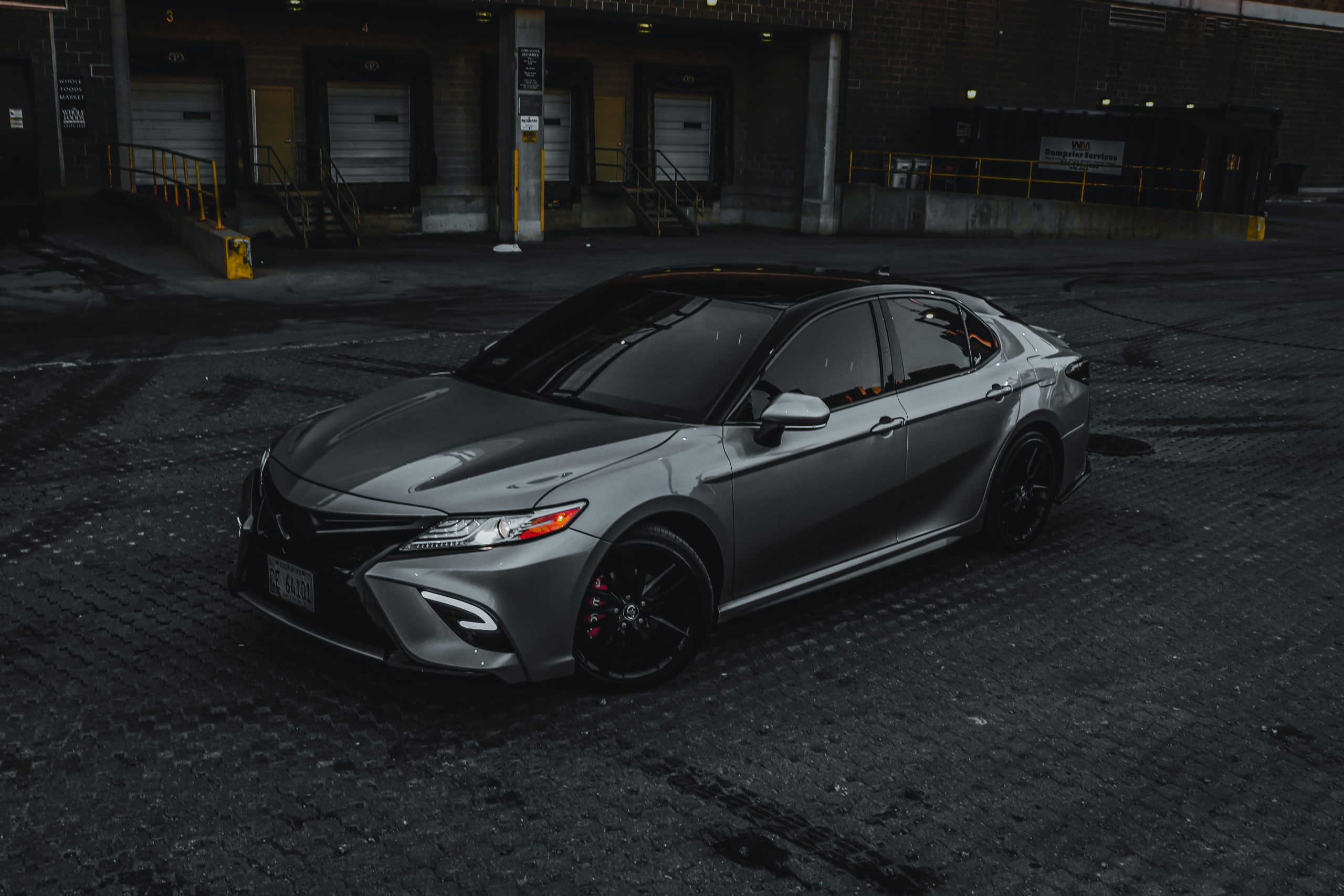
5. Toyota Camry: Comfort and Reliability Without Luxury Packages
The Toyota Camry has long been associated with comfortable transportation and dependable ownership. Its entry-level configuration offers many of the qualities that make midsize sedans attractive, including a spacious interior, practical technology, and a comfortable ride. Buyers who choose the standard trim can enjoy these benefits without paying for additional luxury features.
A major advantage of the base Camry is its everyday comfort. The cabin is designed to accommodate passengers comfortably, making it suitable for families and people who regularly travel longer distances. Standard seating and interior arrangements can be sufficient for most commuting and household requirements.
Modern Camry models also provide useful infotainment and safety technology. Depending on the model year and market, standard equipment may include smartphone integration, touchscreen controls, adaptive cruise control, and lane assistance features. Buyers should verify the exact specifications before making a purchase.
The hybrid powertrain offered in many recent Camry markets deserves particular attention. It can deliver impressive fuel efficiency compared with traditional gasoline-only midsize sedans. For people with substantial annual mileage, the potential reduction in fuel expenses may help offset the initial purchase price.
Higher trims can introduce upgraded upholstery, larger wheels, enhanced audio systems, panoramic roofs, and additional convenience features. These upgrades may improve the cabin experience, but they do not automatically provide better long-term financial value. The standard configuration may be sufficient for people who prioritize comfortable transportation.
Toyota’s established reputation for reliability is another consideration. Consistent maintenance, timely fluid changes, and responsible driving habits remain important. A well-maintained Camry can provide years of useful service, making it attractive to buyers planning extended ownership.
Resale demand can also support the Camry’s financial appeal. Midsize sedans with good maintenance histories often attract used-car shoppers seeking dependable family transportation. Actual resale value depends on market conditions, mileage, accident history, and vehicle condition.
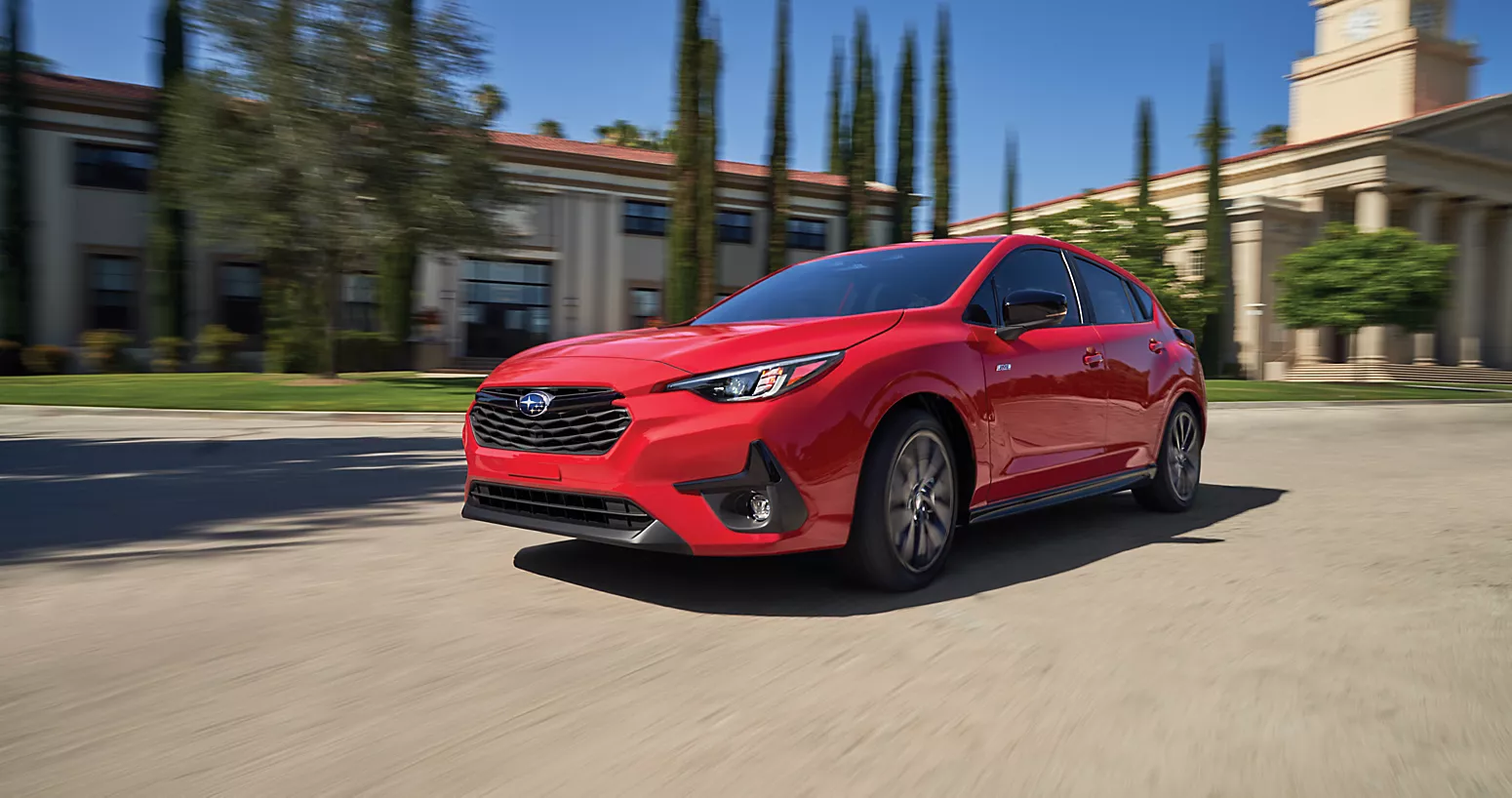
6. Subaru Impreza: Standard All-Wheel Drive for Practical Ownership
The Subaru Impreza is a practical choice for drivers who value year-round traction and everyday versatility. Its standard all-wheel-drive system is a major selling point in markets where the feature is included across the range. Buyers can access this capability without purchasing an expensive upper trim, making the entry-level model particularly interesting.
All-wheel drive can improve traction when driving on wet roads, loose surfaces, and certain slippery conditions. It does not replace winter tires or careful driving, but it can provide additional confidence in challenging weather. For people living in areas with frequent rain or snow, this capability can be useful.
The Impreza’s interior is designed around practical transportation. Its seating arrangement, storage areas, and straightforward controls make it suitable for everyday commuting. Hatchback versions also offer useful cargo flexibility, allowing owners to carry groceries, luggage, and recreational equipment.
Subaru’s boxer engine design contributes to the vehicle’s distinctive mechanical layout. The standard powertrain is generally focused on balanced everyday performance rather than outright speed. Buyers who primarily commute or travel with family may find the available performance adequate.
Safety equipment is another important consideration. Depending on the model year and market, the base Impreza may include Subaru’s EyeSight driver assistance technology or other standard safety systems. These technologies can support safer driving when used appropriately, but drivers must remain attentive.
The higher trims may introduce additional comfort equipment, larger displays, premium upholstery, and upgraded exterior details. However, the fundamental all-wheel-drive capability is already available in the entry-level configuration. This allows buyers to avoid paying extra simply to access a major functional benefit.
Potential owners should consider fuel consumption, tire replacement, and maintenance expenses before purchasing. All-wheel-drive vehicles require attention to tire condition and compatibility. Replacing tires as a complete matching set may be necessary in certain circumstances to protect the drivetrain.
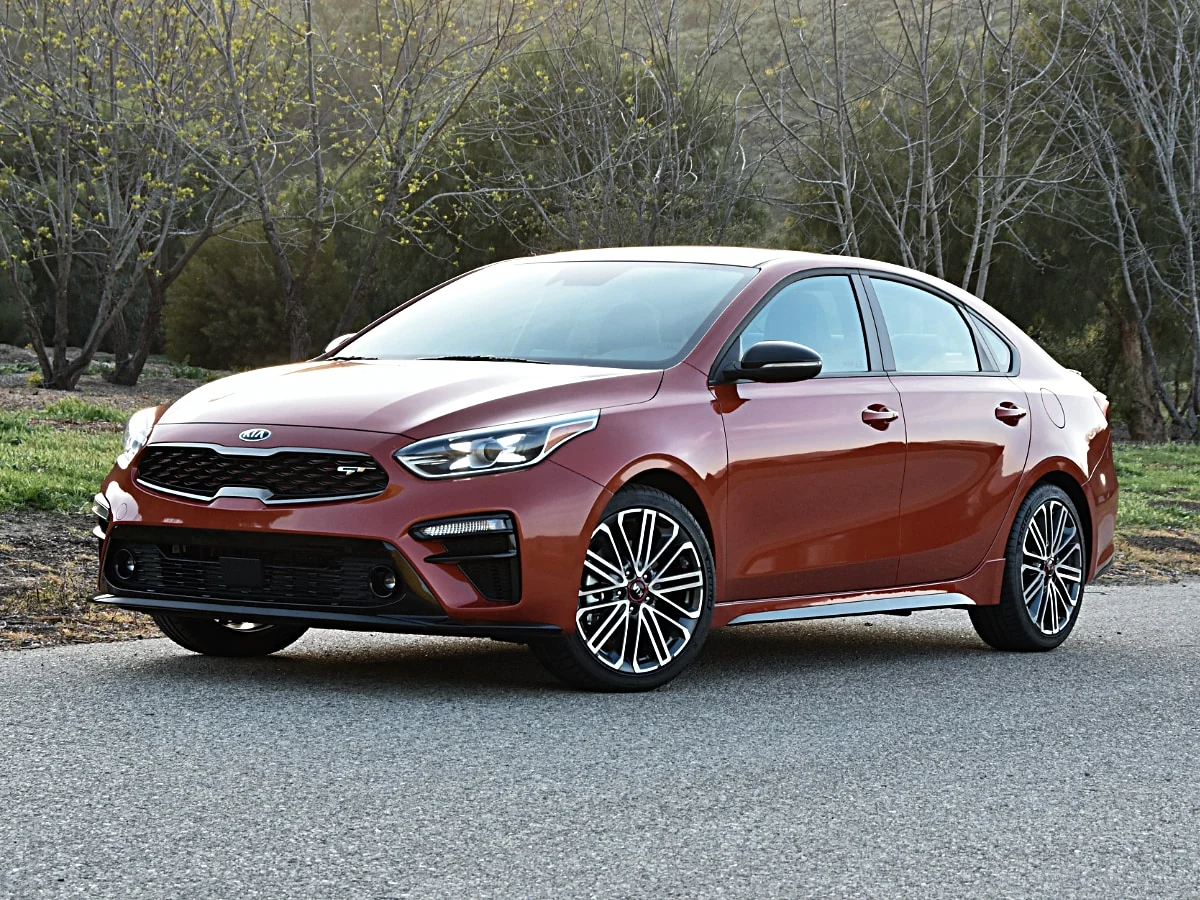
7. Kia Forte: Affordable Ownership With Useful Standard Equipment
The Kia Forte has been a popular option among buyers seeking an affordable compact sedan. In markets where it was sold, its base configuration provided a practical combination of fuel efficiency, useful technology, and accessible pricing. The model was replaced by the Kia K4 in several markets, so buyers considering a Forte should pay attention to the production year and local availability.
Its entry-level versions typically focused on everyday functionality. Depending on the year, standard equipment could include air conditioning, a touchscreen infotainment system, smartphone connectivity, and essential safety features. This made the Forte suitable for drivers who wanted modern convenience without a substantial purchase price.
The compact dimensions make the car convenient for urban environments. Parking, navigating narrow streets, and handling regular traffic can be easier compared with larger vehicles. Its practical design also makes it suitable for first-time car owners and people seeking an affordable commuter vehicle.
Fuel efficiency is another important advantage. The standard engine configurations were designed to balance everyday performance with economical operation. For drivers covering regular commuting distances, this can help keep fuel expenses under control.
Kia’s warranty coverage has historically been a significant selling point in several markets. Buyers should check the original warranty conditions, transferability rules, and remaining coverage when considering a used Forte. Warranty protection can vary according to ownership history and local regulations.
Higher Forte trims may offer upgraded wheels, additional interior features, enhanced infotainment equipment, and sportier styling. These improvements can make the vehicle more appealing, but they are not essential for basic transportation. Choosing a lower trim can help reduce the original purchase price.
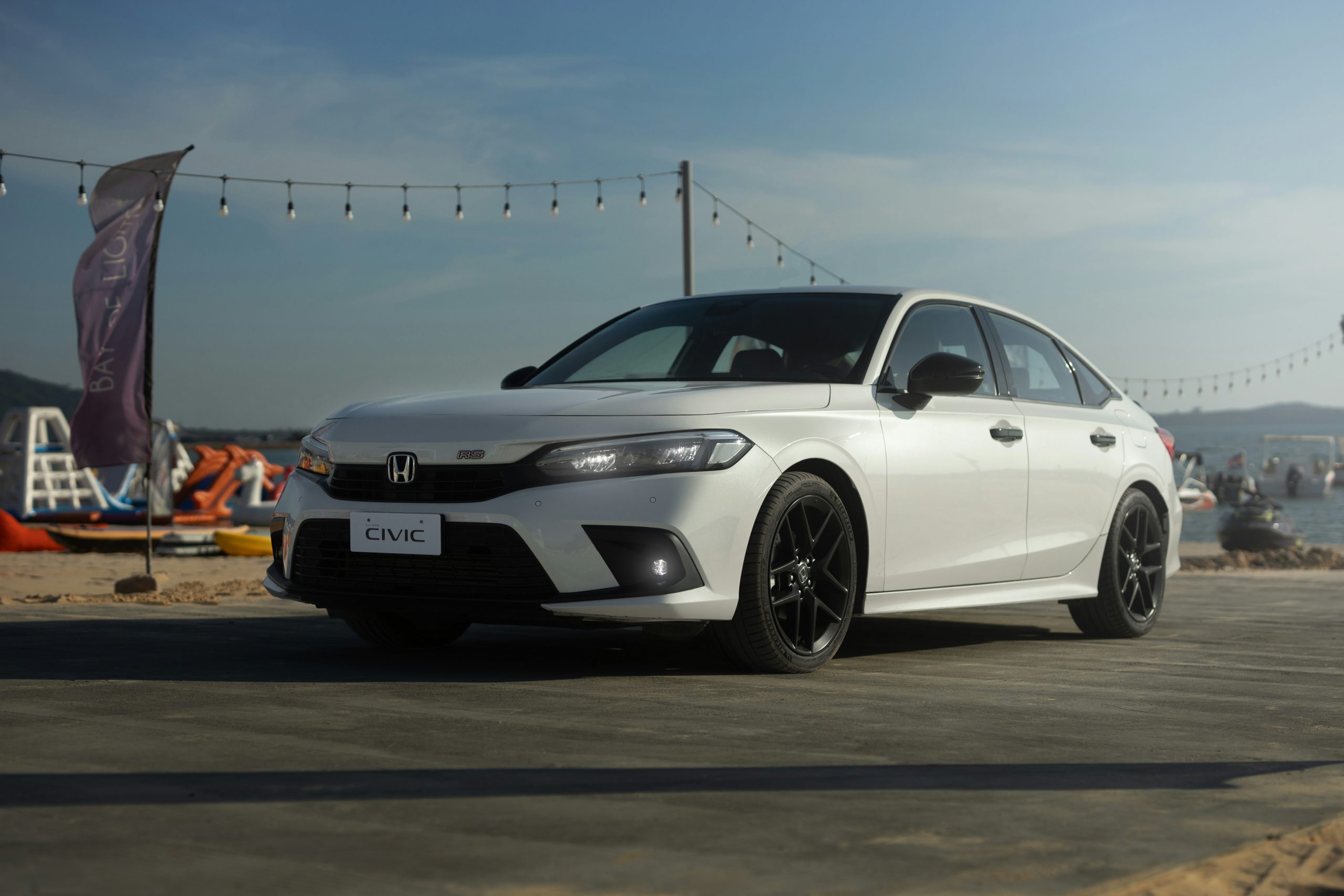
8. Honda Accord: Spacious Comfort Without Unnecessary Extras
The Honda Accord is known for its comfortable cabin, balanced driving characteristics, and practical family-oriented design. Its base trim provides many of the features that make midsize sedans appealing. Buyers who select the entry-level version can enjoy generous passenger space and modern safety technology without spending extra on premium interior upgrades.
Interior space is among the Accord’s most useful qualities. The cabin provides comfortable seating for passengers, while the rear seating area can accommodate adults on longer journeys. This makes it a suitable option for families, professionals, and people who regularly travel with passengers.
The standard engine configuration offers practical everyday performance. Depending on the model year and market, buyers may find gasoline or hybrid options. Those who mainly use their vehicles for commuting may not need the additional performance or equipment available in higher versions.
Technology is another area where the base Accord can offer good value. Recent models have included features such as touchscreen infotainment, smartphone connectivity, and driver assistance systems, depending on the specification. This means buyers can access important modern conveniences without selecting an expensive trim.
Honda’s engineering reputation also contributes to the Accord’s appeal. The vehicle is designed for regular everyday use, and proper maintenance can support dependable performance over many years. Owners should follow the recommended service schedule and address minor mechanical concerns promptly.
Higher trims can introduce leather seating, larger wheels, upgraded sound systems, and additional convenience features. While these improvements may be attractive, they can significantly increase the purchase price. For practical buyers, the standard model may provide nearly everything required for comfortable transportation.
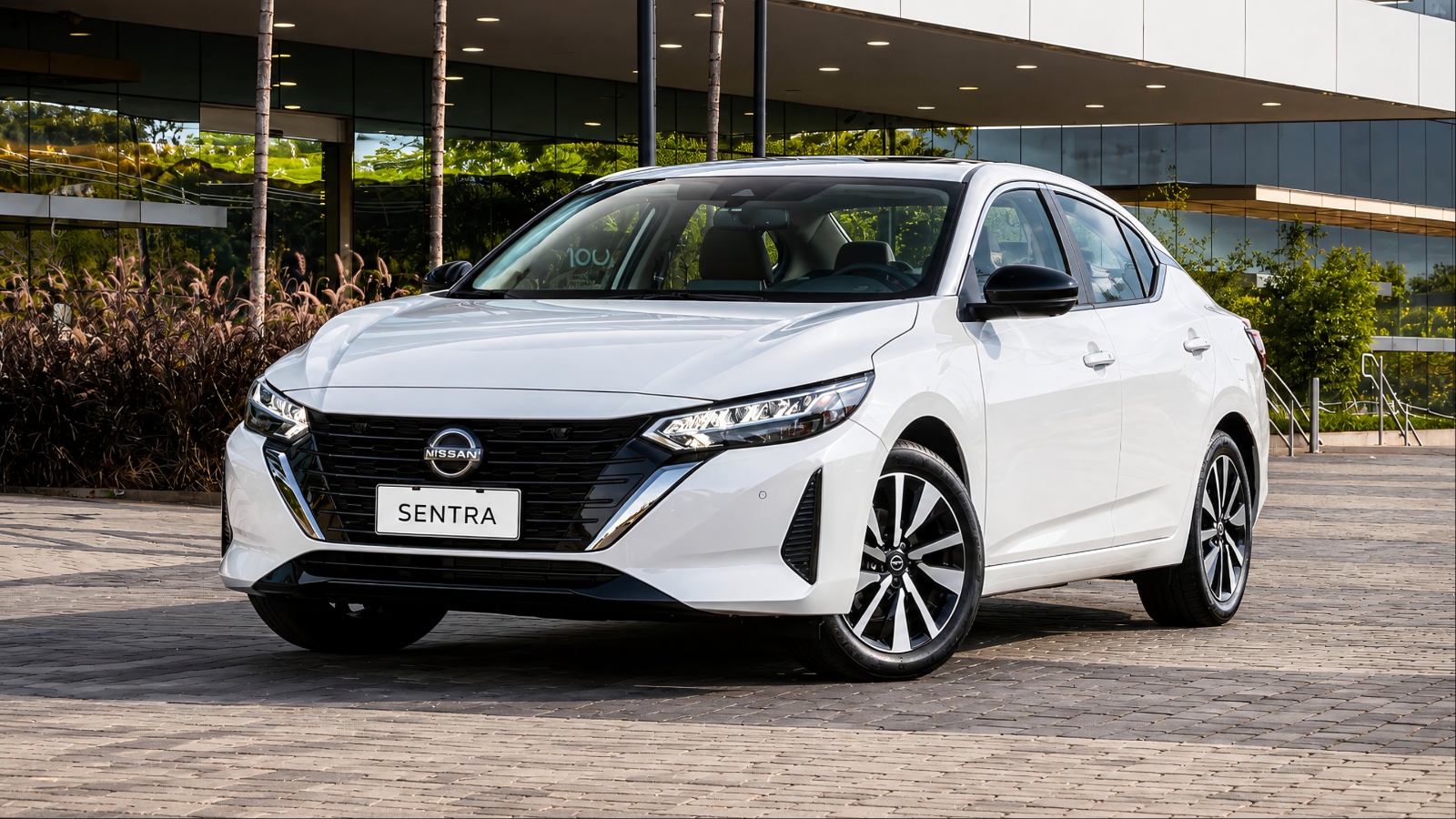
9. Nissan Sentra: Straightforward Features and Budget-Friendly Transportation
The Nissan Sentra is designed for people who want comfortable and affordable everyday transportation. Its base trim generally offers the essential features needed for commuting, family use, and routine city driving. Buyers who do not require premium technology or upgraded interior materials can find good value in the entry-level configuration.
One of the Sentra’s strengths is its comfortable interior. The seating design provides a relaxed driving position, while the cabin layout focuses on accessibility and everyday usability. These qualities make it suitable for drivers who spend considerable time commuting.
The standard engine prioritizes practical performance and efficiency. It is not designed as a sports sedan, but it can handle normal traffic conditions and regular highway journeys. Drivers who want straightforward transportation may find the standard powertrain entirely adequate.
Technology equipment varies by model year, but recent Sentra versions have offered useful features such as smartphone connectivity, touchscreen infotainment, and driver assistance systems. Buyers should check the exact equipment list because some convenience and safety features may differ between markets and production years.
The Sentra’s relatively accessible purchase price can make it attractive to first-time buyers. Keeping the initial investment low may reduce financing requirements and leave more room in the budget for insurance, servicing, and other ownership expenses.
Higher trim levels may add premium upholstery, larger wheels, additional cameras, and upgraded convenience systems. These features can improve comfort, but they are not essential for the vehicle’s basic purpose. Buyers should focus on equipment that genuinely improves their daily driving experience.