

Buying a used car can save thousands of dollars, but repair expenses can quickly reduce those savings. Engine maintenance deserves special attention because even minor mechanical problems can become expensive when replacement parts are difficult to find or labor requirements are high.
Fortunately, several used cars in the United States have dependable engines, affordable replacement parts, and straightforward repair procedures. These qualities make them practical choices for budget-conscious buyers.
From compact sedans to midsize family cars, certain models offer a good balance of reliability and reasonable repair costs, helping owners maintain their vehicles without putting unnecessary pressure on their budgets.
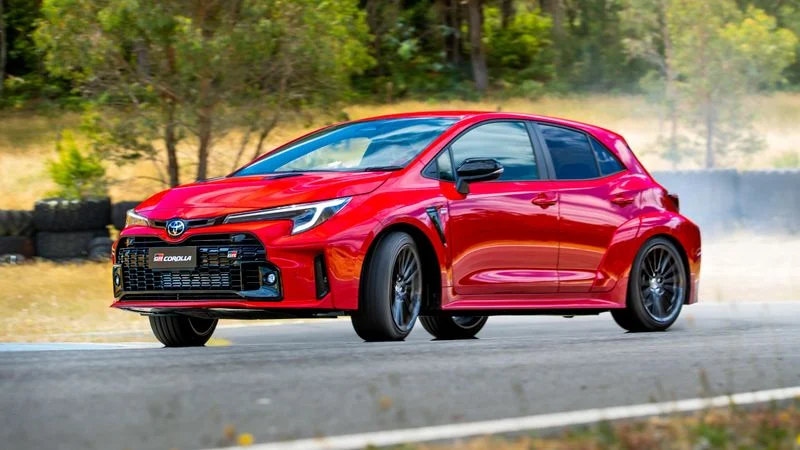
1. Toyota Corolla
The Toyota Corolla has a strong reputation among American used-car buyers because of its dependable engines, practical design, and relatively affordable maintenance. Many Corolla models use naturally aspirated four-cylinder engines with straightforward mechanical systems.
Their widespread availability also makes replacement components easier to source through dealerships, independent repair shops, and aftermarket suppliers.
The 1.8-liter four-cylinder engine found in several Corolla generations is particularly popular. Models equipped with the 2ZR-FE engine offer a practical combination of fuel efficiency and everyday performance. This engine uses a conventional design that most experienced automotive technicians understand, making routine servicing and common repairs relatively affordable.
One common maintenance concern involves water pump leaks. A failing water pump can cause coolant loss, unusual noises, or engine overheating. Replacing the pump is generally less expensive than repairing serious overheating damage. Owners should inspect the cooling system regularly and address small leaks before they create additional problems.
Ignition coils and spark plugs can also require replacement as a Corolla accumulates mileage. Symptoms may include rough idling, hesitation, reduced fuel economy, or an illuminated check engine light. These components are widely available, and replacing them usually does not require extensive engine disassembly.
Oil leaks are worth checking when purchasing an older Corolla. Valve cover gasket deterioration can allow oil to escape around the upper section of the engine. The repair is generally manageable for an independent mechanic, particularly when the leak is discovered before oil reaches sensitive electrical or rubber components.
Buyers should pay attention to model years and engine variations. Some older Corolla models have reported oil consumption concerns, so checking maintenance records and examining the oil level during a test drive is important. A vehicle with consistent oil changes and documented servicing is generally a safer purchase than a neglected example.
For American drivers seeking an inexpensive used vehicle, the Corolla remains a sensible option. Its common engine repairs typically involve familiar components, and its large installed vehicle population supports parts availability. Choosing a well-maintained example can help keep unexpected mechanical expenses manageable.
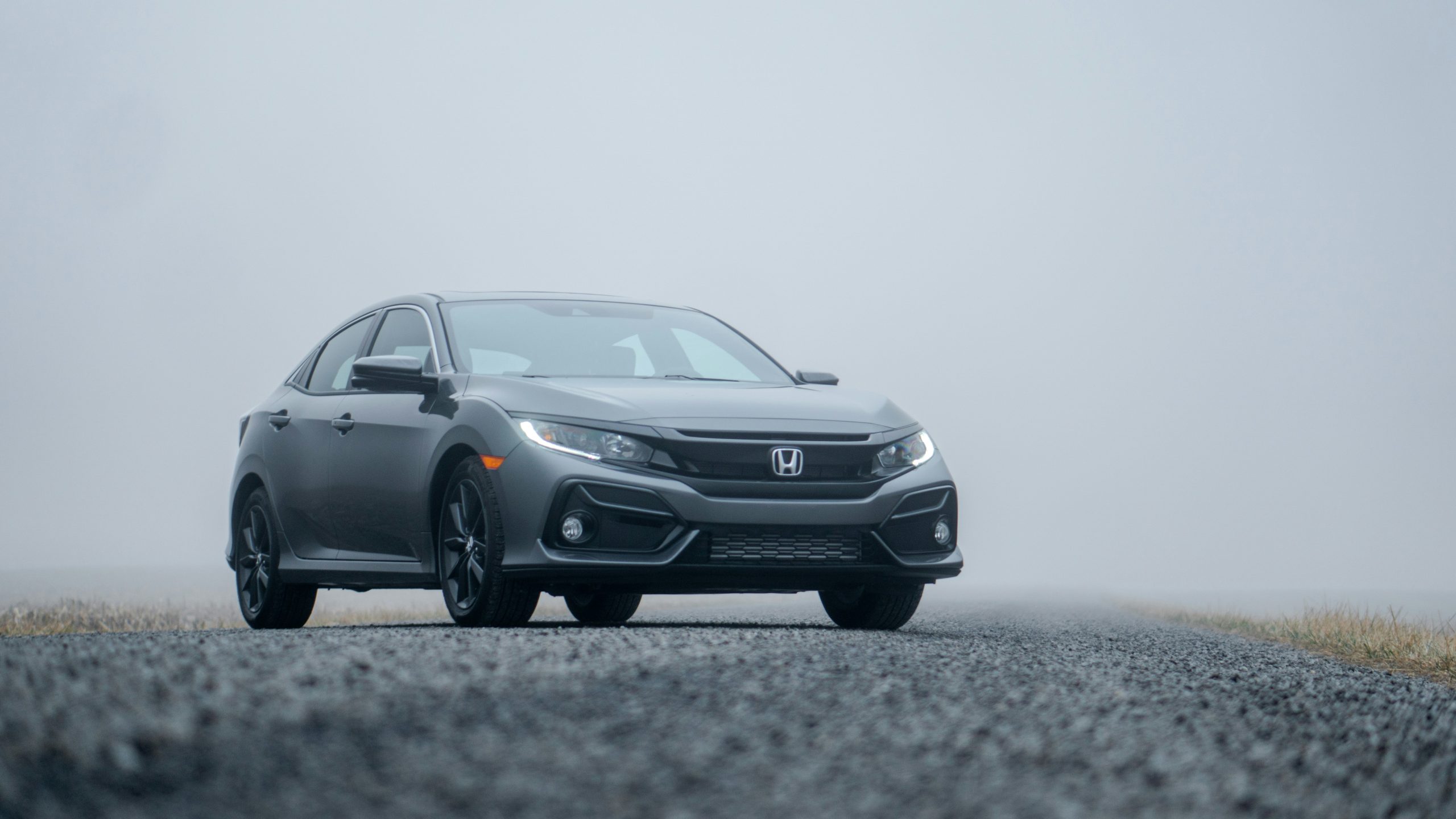
2. Honda Civic
The Honda Civic is another strong candidate for buyers searching for used cars with affordable common engine repairs. Its popularity across the United States means independent mechanics are familiar with its engines, routine maintenance requirements, and frequently replaced components. This widespread knowledge can make diagnosis and servicing easier.
Several Civic generations use naturally aspirated four-cylinder engines, including the 1.8-liter R18 engine. This engine is known for its relatively simple construction and practical performance. It provides sufficient power for commuting while avoiding some of the additional mechanical complexity associated with turbocharged powertrains.
Spark plug and ignition coil problems are among the repairs owners may encounter as mileage increases. Worn spark plugs can cause misfires, while failing ignition coils may produce rough running or hesitation. Replacing these components is usually a routine workshop job rather than a major engine repair.
Valve cover gasket leaks can also develop on higher-mileage Civic models. Oil around the upper engine area may indicate that the gasket has deteriorated. The repair is generally straightforward for a qualified technician, and early attention helps prevent oil from reaching surrounding components.
Cooling system maintenance deserves attention as well. Radiator leaks, deteriorating hoses, and thermostat problems can affect engine temperature. These repairs are usually less expensive than addressing a damaged cylinder head or other components affected by prolonged overheating.
Buyers should also distinguish between naturally aspirated and turbocharged Civic models. Turbocharged versions can deliver better performance, but their additional hardware may introduce more expensive repair requirements. A naturally aspirated model can be a practical choice for drivers who prioritize affordable mechanical maintenance.
A used Civic with complete service records can provide years of dependable transportation. Before purchasing, inspect the engine for oil leaks, listen for unusual noises, and check for warning lights. A professional pre-purchase inspection is particularly useful when evaluating older examples with substantial mileage.
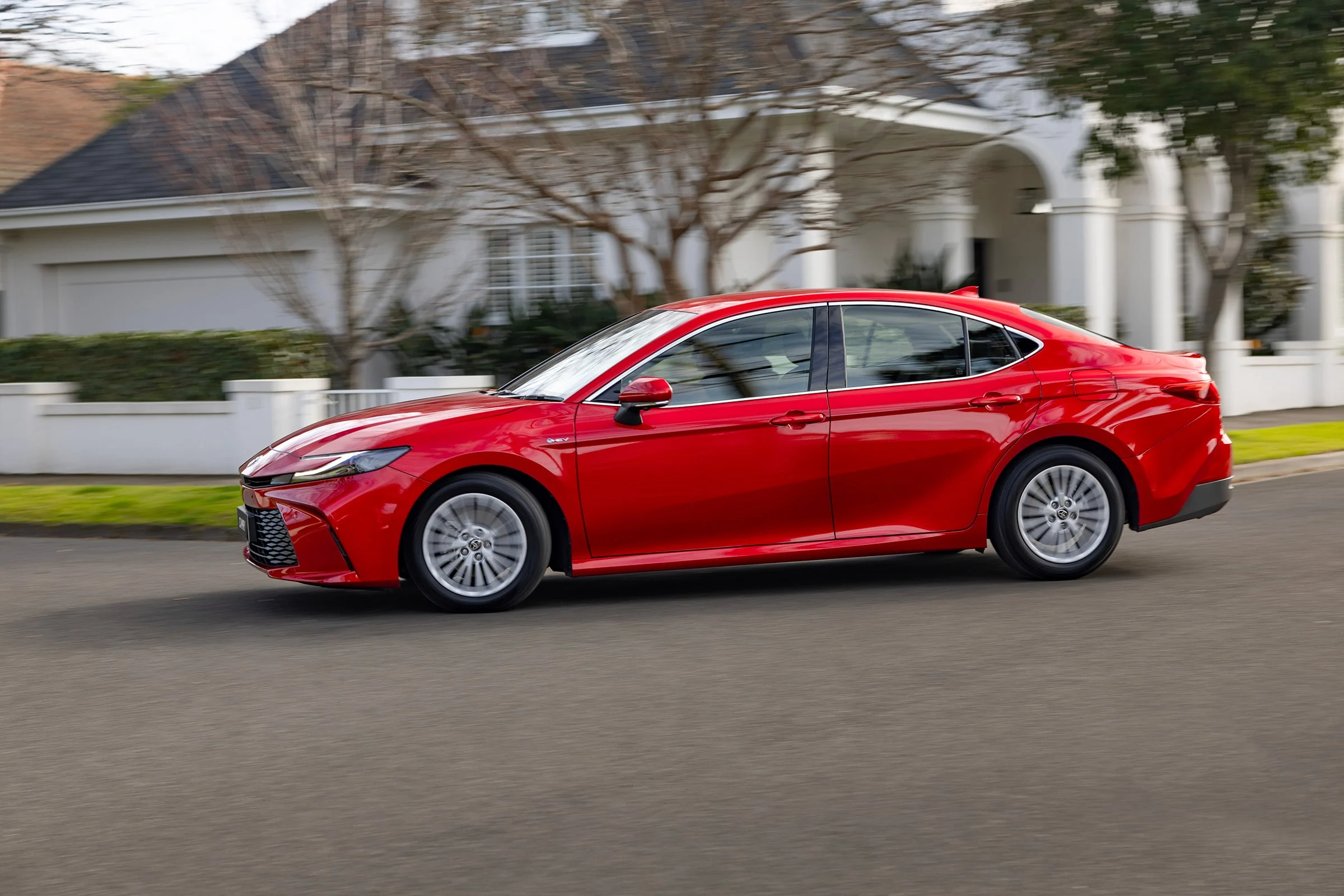
3. Toyota Camry
The Toyota Camry is a popular midsize sedan in the American used-car market. It offers comfortable seating, practical interior space, and engines that are widely understood by automotive repair professionals. Buyers who need a larger vehicle without moving into an expensive luxury category may find it an attractive option.
Several Camry generations feature naturally aspirated four-cylinder engines. The 2.5-liter 2AR-FE engine is a familiar example, providing reasonable performance without relying on turbocharging. Its conventional layout helps keep many routine engine repairs within the capabilities of independent repair shops.
Water pump replacement is a maintenance expense that some owners may encounter. Signs of trouble include coolant leaks, bearing noise, or changes in engine temperature. Addressing these symptoms early can prevent overheating, which may cause much more expensive internal engine damage.
Oil leaks around the valve cover gasket can occur as the vehicle ages. Rubber sealing materials gradually deteriorate due to heat cycles and normal wear. Replacing a leaking gasket is generally a manageable repair when compared with major internal engine work.
Ignition components also require attention over time. Spark plugs have scheduled replacement intervals, while ignition coils may eventually fail. Misfires should be diagnosed properly rather than treated by replacing parts without identifying the underlying cause.
Model-year selection matters with the Camry. Some older four-cylinder engines have a history of excessive oil consumption, while certain V6 applications have different maintenance considerations. Buyers should research the specific engine code and verify whether any applicable service campaigns or recalls have been completed.
The Camry is particularly suitable for families and commuters who want a spacious used sedan with widely available replacement parts. A properly maintained four-cylinder example can keep common engine repair expenses reasonable while providing comfortable everyday transportation.
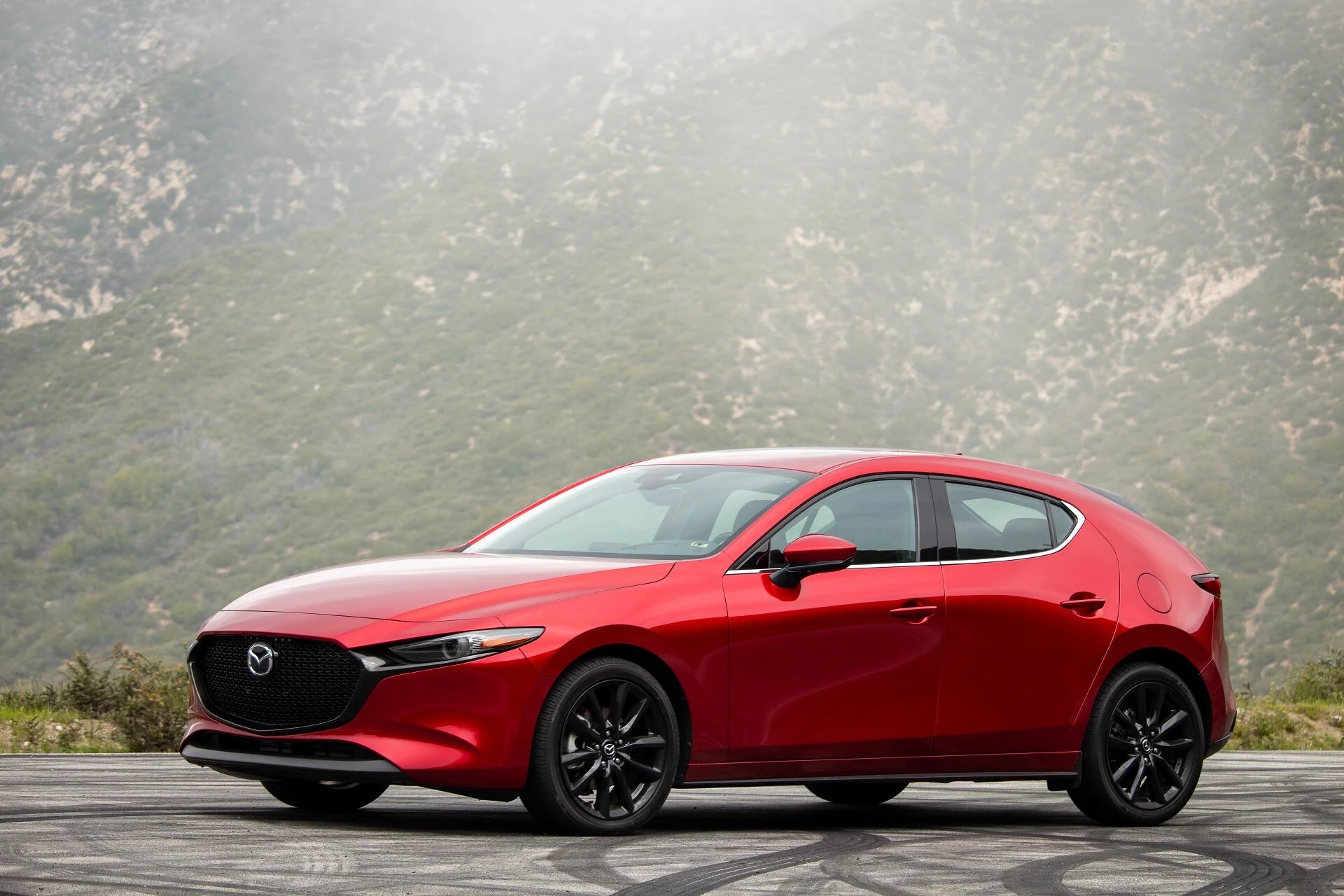
4. Mazda3
The Mazda3 combines compact dimensions, enjoyable driving characteristics, and relatively accessible mechanical maintenance.
It is widely available in the American used-car market, giving buyers several generations and engine configurations to consider. Its naturally aspirated versions are particularly appealing to drivers who want to avoid unnecessary powertrain complexity.
Many Mazda3 models use four-cylinder engines, including the 2.0-liter and 2.5-liter Skyactiv-G families. These engines provide a balance of performance and fuel efficiency. Their conventional naturally aspirated design also avoids the additional maintenance requirements associated with turbocharging.
Spark plugs and ignition coils are common service items as mileage increases. Worn components can create misfires, hesitation, and reduced engine efficiency. Replacement parts are readily available, and most independent repair shops can handle these jobs without specialized engine rebuilding equipment.
Serpentine belt and tensioner problems can also occur with age. A worn belt may produce squealing sounds, while a failing tensioner can affect belt operation. These components are generally accessible and relatively inexpensive compared with major internal engine repairs.
Cooling system inspections are important when purchasing an older Mazda3. Radiators, hoses, thermostats, and water pumps can deteriorate through regular use. A mechanic should check for coolant residue, leaks, and signs of previous overheating.
Buyers should inspect the engine carefully for oil leaks and listen for unusual mechanical sounds. Certain model years and engine versions have specific technical concerns, so checking maintenance history and researching the exact powertrain is essential. Vehicles with regular oil changes are generally preferable.
The Mazda3 can be a good choice for drivers who want an affordable compact car without sacrificing driving enjoyment. Its common engine repairs generally involve familiar service components, and its availability across the United States supports competitive repair options.
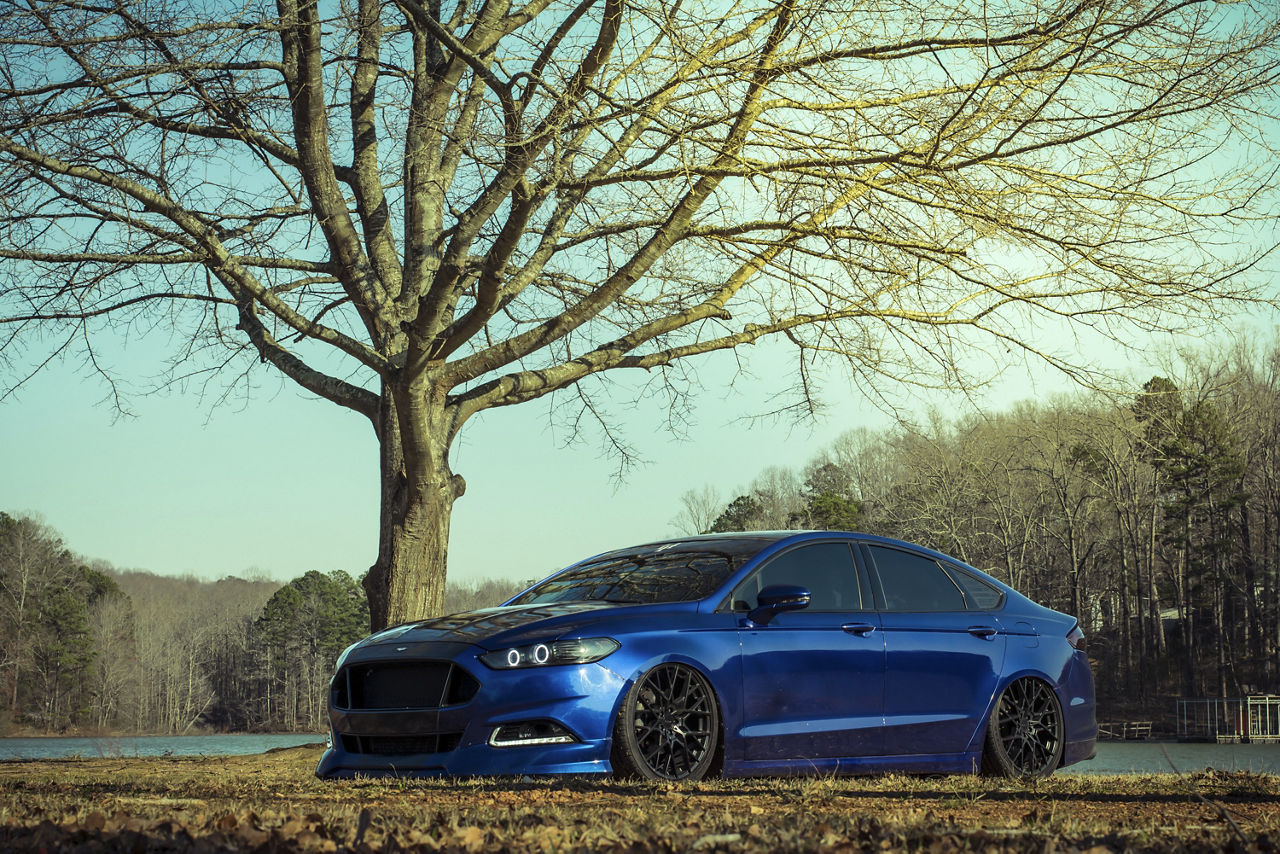
5. Ford Fusion
The Ford Fusion is a practical midsize sedan that can offer good used-car value in the United States. It has been sold with several engine configurations, including naturally aspirated four-cylinder options. Buyers interested in keeping engine repair costs reasonable should pay particular attention to the 2.5-liter naturally aspirated engine.
The 2.5-liter four-cylinder engine is a relatively straightforward option compared with some turbocharged alternatives. Its design is familiar to many mechanics, and replacement parts are generally accessible through established automotive suppliers. This can help reduce the difficulty of routine servicing.
Ignition coils and spark plugs are among the components that may need attention as mileage increases. A failing ignition coil can cause a misfire, while worn plugs may affect combustion efficiency. Replacing these parts is generally less expensive than repairing major engine components.
Engine mounts can also deteriorate with age, creating noticeable vibration during acceleration or while the vehicle is stationary. While mounts are not internal engine components, their condition can affect driving comfort. A mechanic can determine whether replacement is necessary.
Cooling system problems deserve attention during a pre-purchase inspection. Leaking hoses, aging thermostats, and water pump issues can lead to overheating if ignored. Buyers should examine the coolant condition and confirm that the temperature gauge remains stable during a test drive.
The Fusion was offered with several EcoBoost engines, which use turbocharging and additional supporting components. These versions can offer improved performance, but their repair requirements differ from those of the naturally aspirated 2.5-liter engine. Buyers focused on inexpensive common engine repairs may prefer the simpler configuration.
Because Ford discontinued the Fusion after the 2020 model year, buyers are shopping in the used market. Its large presence on American roads helps support parts availability and mechanic familiarity. A clean, well-maintained 2.5-liter model can be a reasonable option for affordable midsize transportation.
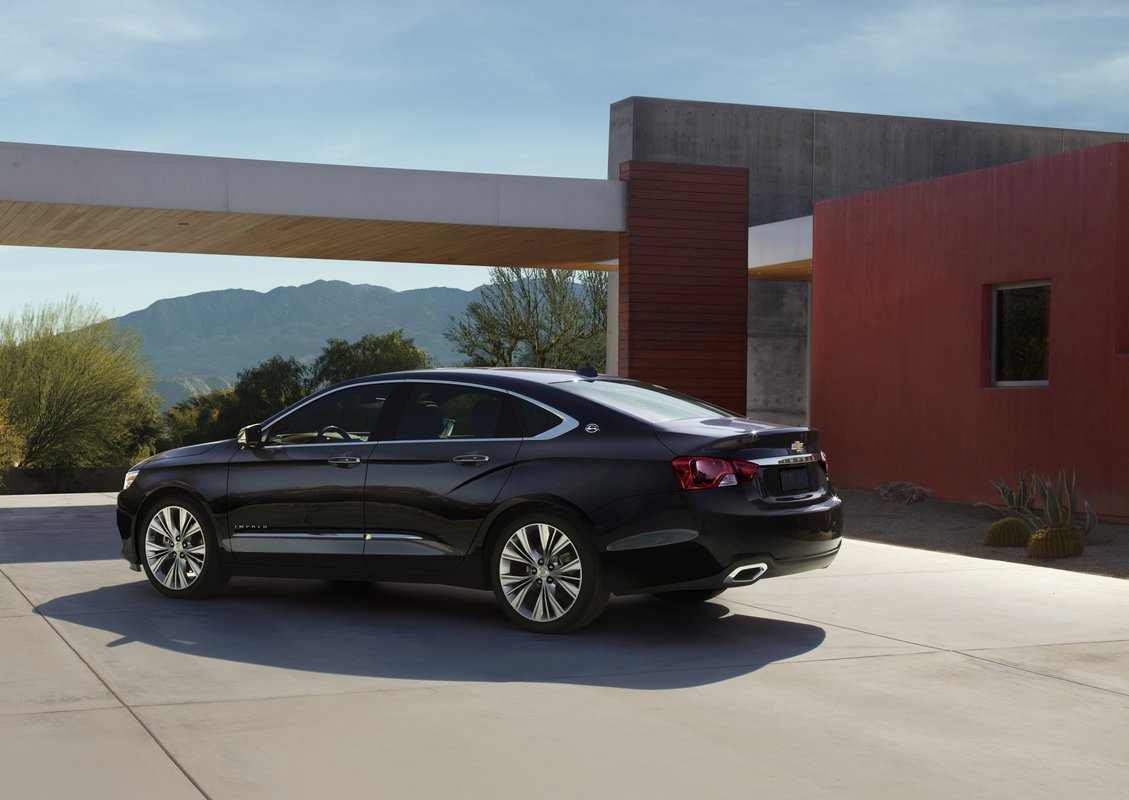
6. Chevrolet Impala
The Chevrolet Impala is worth considering for drivers who want a full-size used sedan with a practical engine and accessible replacement parts. Its long production history in the United States means buyers can find different generations, engine choices, and price ranges. Some older versions are particularly attractive because of their relatively straightforward powertrains.
Certain older Impala models were equipped with General Motors’ 3.8-liter 3800 V6 engine. This engine developed a reputation for durability and widespread use across several GM vehicles. Its familiar mechanical design makes routine servicing accessible to many independent automotive repair shops.
Common maintenance concerns can include intake manifold gasket leaks on certain 3800 applications. Symptoms may involve coolant loss, overheating, or fluid contamination. These problems should be diagnosed promptly because continued coolant leakage can damage the engine.
Ignition components are also important service items. Spark plugs and ignition wires can deteriorate over time, potentially causing rough idling, hesitation, or reduced performance. Replacement parts are widely available, and the work is generally familiar to experienced mechanics.
Later Impala models used different engines, including naturally aspirated four-cylinder and V6 options. Some 3.5-liter and 3.6-liter configurations may require different maintenance approaches. Buyers should verify the exact engine rather than assuming every Impala shares the same mechanical characteristics.
Oil leaks, cooling system condition, and maintenance records should receive attention during an inspection. An older full-size sedan may have experienced years of commuting, family use, or extended periods without proper servicing. These factors can influence repair expenses more than the model name itself.
The Impala can be a sensible purchase for buyers who need a spacious vehicle and are comfortable choosing an older model. A well-maintained example with a documented engine service history can provide affordable transportation, particularly when purchased at a price that accounts for its age.
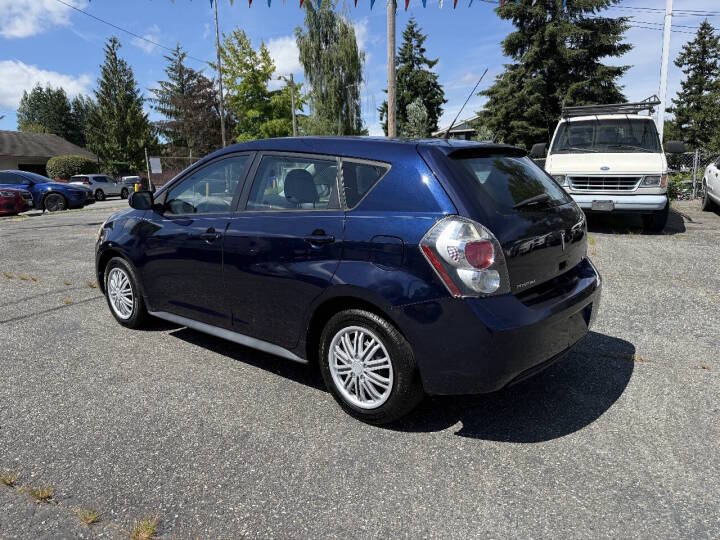
7. Pontiac Vibe
The Pontiac Vibe is an interesting option in the American used-car market because it shares substantial mechanical similarities with the Toyota Matrix. It was developed through the General Motors and Toyota partnership, giving it access to Toyota-based powertrain technology. This relationship contributes to its appeal among buyers seeking inexpensive mechanical maintenance.
Several Vibe models use Toyota-designed four-cylinder engines, including the 1.8-liter 1ZZ-FE and later 2ZR-FE applications, depending on model year and configuration. These engines are familiar to many independent mechanics and have been used in numerous Toyota vehicles.
Routine ignition repairs are generally straightforward. Spark plugs and ignition coils may eventually require replacement, particularly as the vehicle accumulates higher mileage. These components are widely available and do not normally require extensive engine disassembly.
Oil consumption deserves attention when considering older examples. Certain earlier Toyota 1ZZ-FE engines have documented oil consumption concerns. Buyers should check the oil level, inspect maintenance records, and ask whether the vehicle has required frequent oil additions between scheduled changes.
Cooling system components can also develop age-related problems. Water pumps, radiator hoses, and thermostats should be checked for leaks or signs of deterioration. A cooling system inspection is particularly important because overheating can turn a relatively inexpensive repair into a major mechanical expense.
The Vibe’s discontinuation means buyers are limited to used examples, but its Toyota-related mechanical components remain familiar to many repair shops. Body panels and model-specific accessories may be harder to find than common engine service parts, so buyers should consider the vehicle’s general condition.
For budget-conscious drivers, the Pontiac Vibe offers an appealing combination of practical cargo space and relatively accessible engine maintenance. A carefully inspected example with a healthy engine can be a useful alternative to more expensive compact crossovers.
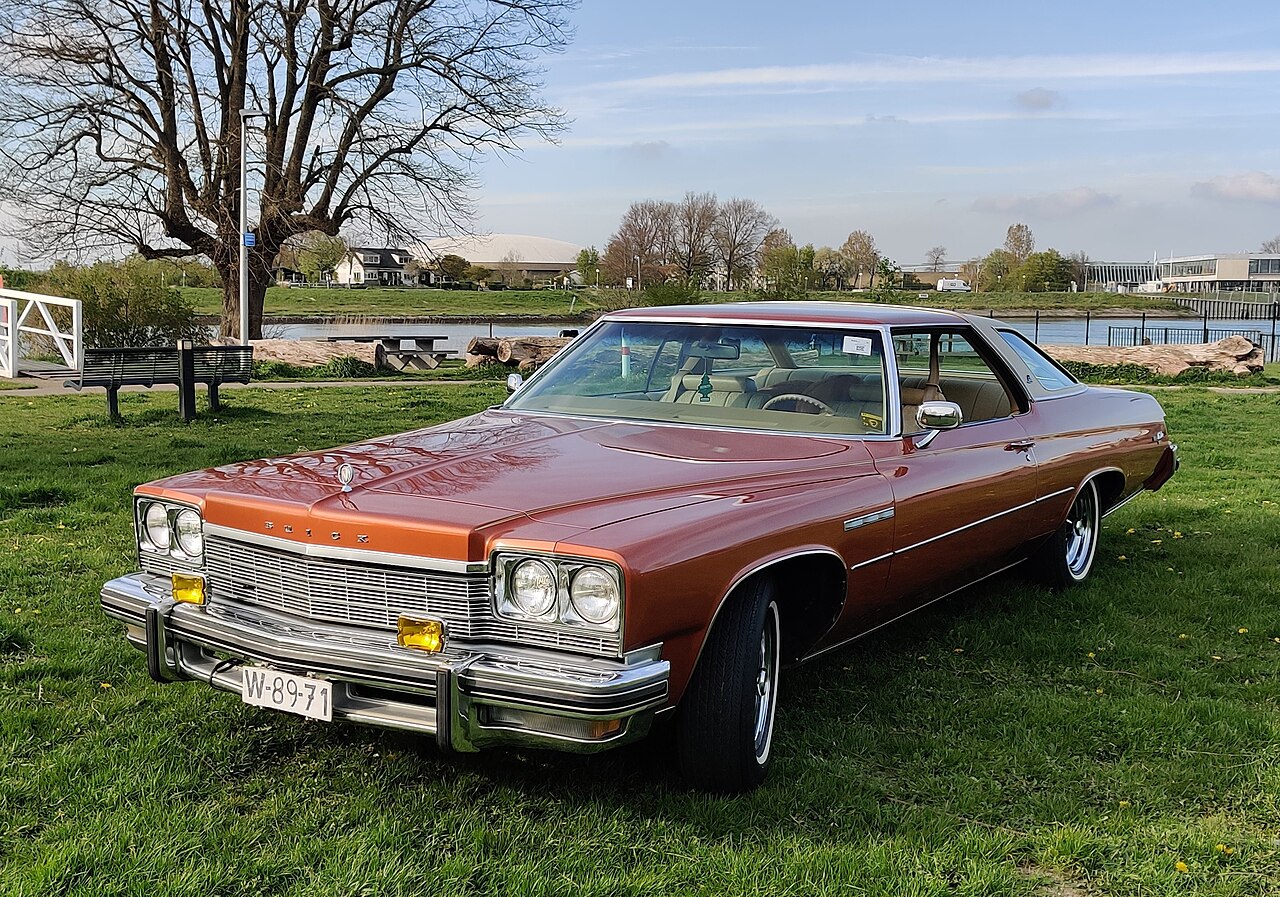
8. Buick LeSabre
The Buick LeSabre is an older American sedan that deserves attention from buyers looking for a comfortable vehicle with a relatively inexpensive engine to maintain. Many late-model examples feature the General Motors 3.8-liter 3800 Series II V6. This engine is widely recognized for its durability and straightforward mechanical design.
The 3800 V6 was used in several GM vehicles, which helped establish a large supply of replacement components. Independent repair shops are generally familiar with its maintenance requirements. This can make routine repairs more affordable than servicing an uncommon or highly specialized engine.
One area requiring attention is the intake manifold and associated coolant passages. Certain Series II engines used plastic upper intake manifolds that can deteriorate with age and heat exposure. Coolant leaks may develop, making inspection and timely repairs important.
Ignition system maintenance is relatively straightforward. Spark plugs, ignition wires, and other ignition components can require replacement over time. Misfires, rough running, and reduced acceleration are symptoms that deserve proper diagnosis before additional damage occurs.
The cooling system should receive particular attention during a used-car inspection. Water pump leaks, aging hoses, and thermostat problems can affect engine temperature. Replacing a worn component early is generally much less expensive than repairing an engine damaged by overheating.
Age is the biggest consideration when purchasing a LeSabre. Even a durable engine can develop problems when maintenance has been neglected for years. Buyers should inspect the transmission, suspension, electrical system, and body condition rather than focusing exclusively on the engine.
A well-maintained LeSabre can provide comfortable transportation at a relatively low purchase price. Its 3800 V6 is a strong candidate for buyers who value familiar mechanical technology, accessible parts, and affordable common engine repairs.

9. Scion xD
The Scion xD is a compact hatchback that can make financial sense for American used-car buyers who prioritize dependable mechanical components. Scion was a Toyota brand, and the xD benefited from Toyota engineering and access to commonly available replacement parts. Its compact design also makes it practical for urban driving and daily commuting.
Most Scion xD models sold in the United States use a 1.8-liter four-cylinder engine from Toyota’s 2ZR family. This naturally aspirated engine offers straightforward operation and avoids the additional complexity of a turbocharger. It is also found in other Toyota-related applications, supporting parts availability.
Routine spark plug replacement is an important part of maintaining the engine. Worn plugs can affect fuel efficiency, idle quality, and combustion performance. Ignition coils may also require attention after years of regular operation, but these are generally familiar repairs for independent mechanics.
Water pump leaks are worth monitoring as the vehicle ages. Coolant around the pump area, unusual noises, or unexplained coolant loss can indicate a problem. Addressing leaks early helps protect the engine from overheating and prevents more expensive damage.
Oil leaks should also be checked, particularly around gasket surfaces. Rubber seals and gaskets naturally deteriorate through repeated heating and cooling cycles. A mechanic can identify the source and determine whether the issue requires immediate attention.
The xD was discontinued after the 2014 model year, so buyers should pay attention to vehicle age, mileage, and previous ownership. Its Toyota-based mechanical components are generally easier to source than parts for uncommon discontinued vehicles. However, body-specific components may require additional searching.
For drivers who want a small used hatchback with relatively affordable common engine repairs, the Scion xD is worth considering. Its simple powertrain, practical interior, and connection to Toyota’s parts network make it a useful option for people shopping on a limited budget.