An expensive engine failure can turn an affordable used-car purchase into a financial headache, but some manufacturers have introduced extended coverage programs for specific engine problems.
These programs can protect eligible owners well beyond the original factory warranty, sometimes covering major repairs or even complete engine replacement. The important detail is that extended coverage rarely applies to every vehicle from a particular model year.
Engine type, production date, VIN eligibility, maintenance history, and required software updates can all influence qualification. Here are nine US-market cars worth checking before buying, especially if you want to avoid paying thousands of dollars for a documented engine defect.
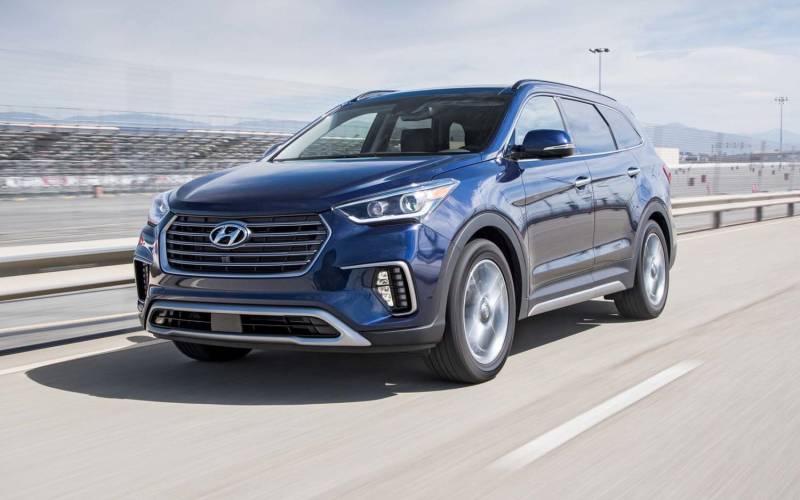
1. 2013-2019 Hyundai Santa Fe
A used Hyundai Santa Fe can offer comfortable family transportation, three-row seating in certain configurations, and a relatively attractive purchase price.
However, shoppers considering certain 2013-2019 models equipped with the 3.3-liter Lambda II GDI V6 should investigate Hyundai’s extended engine warranty before completing a purchase.
The manufacturer introduced Warranty Extension TXX8 after identifying potential abnormal engine noise and engine damage in eligible vehicles.
Hyundai extended coverage for certain engine repairs and replacements to 15 years or 150,000 miles, whichever comes first, measured from the original retail delivery date or date of first use. Importantly, this extension applies to qualifying original and subsequent owners, making it particularly relevant in the used-car market.
The program does not mean every Santa Fe with a 3.3-liter engine automatically receives a free replacement. Hyundai requires an inspection, and the dealership determines whether the reported condition meets the program’s eligibility requirements. Engine damage unrelated to the covered condition should not be assumed to qualify.
When examining a used example, ask the seller whether the vehicle has experienced abnormal engine noise, previous engine repairs, or a replacement under warranty. Obtain invoices and check whether Hyundai has already recorded a relevant repair.
Another important step is entering the vehicle’s identification number into Hyundai’s official TXX8 warranty verification system. This helps establish whether the specific vehicle is included rather than relying solely on its model year.
For buyers considering an older three-row Hyundai, this coverage can make a meaningful difference. However, the vehicle’s remaining time and mileage eligibility must be confirmed before treating the extension as financial protection.
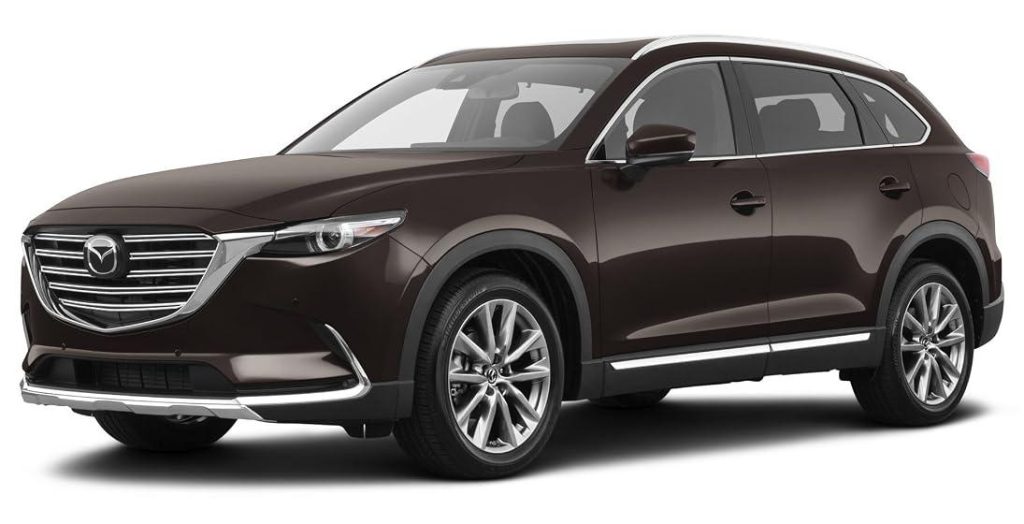
2. 2016-2020 Mazda CX-9
The Mazda CX-9 is an appealing option for families seeking a three-row SUV with a more engaging driving experience. Its turbocharged 2.5-liter Skyactiv-G engine delivers strong everyday performance, but certain vehicles have a documented cylinder-head coolant leak concern.
Mazda introduced Customer Service Program CSP11 to provide additional protection for eligible owners.
The problem involves coolant leaking from the cylinder head around the exhaust manifold. Mazda’s technical documentation identifies the possibility of cracks near the exhaust manifold flange or stud bolt holes.
If the leak is confirmed to match the specified condition, the manufacturer provides a warranty extension covering the necessary repair.
For certain 2016-2020 CX-9 models equipped with the 2.5-liter turbocharged engine, Mazda extended coverage for this specific repair to 10 years or 120,000 miles, whichever comes first, from the original warranty start date. The program also covers qualifying 2019-2020 CX-5 and 2018-2020 Mazda6 vehicles, although those are separate models.
This is not a blanket engine warranty. It specifically addresses the documented cylinder-head coolant leak, so unrelated mechanical failures should not be expected to receive the same treatment.
Before purchasing a CX-9, inspect the engine bay for dried coolant residue, unexplained coolant loss, and signs of previous cylinder-head repairs. Ask an authorized Mazda dealership to check the VIN and determine whether the vehicle qualifies.
Pay particular attention to the original in-service date because the 10-year limit continues running regardless of ownership changes. A vehicle with 100,000 miles may already be outside coverage because of its age, while another with higher mileage could have different eligibility depending on its history.
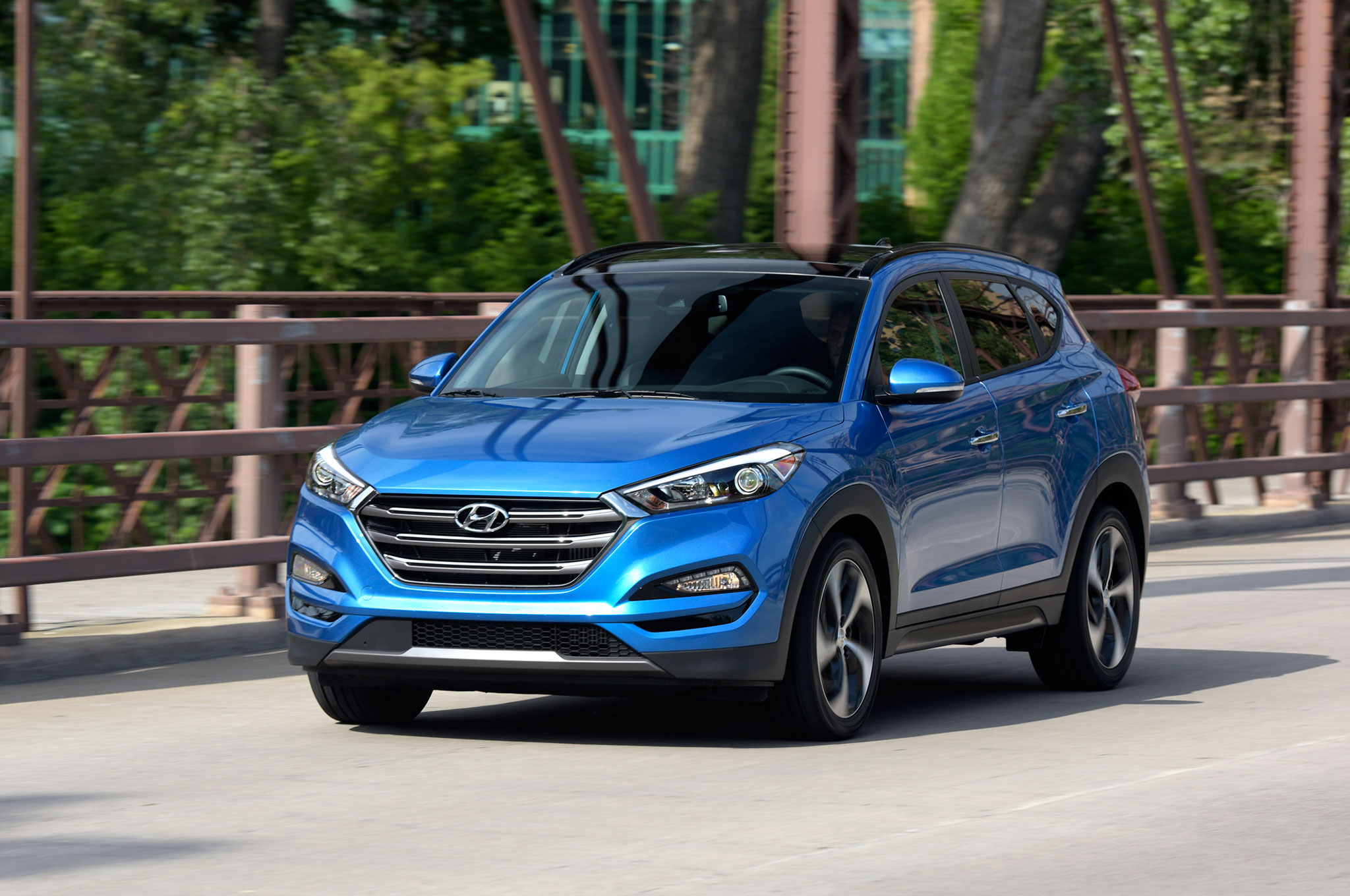
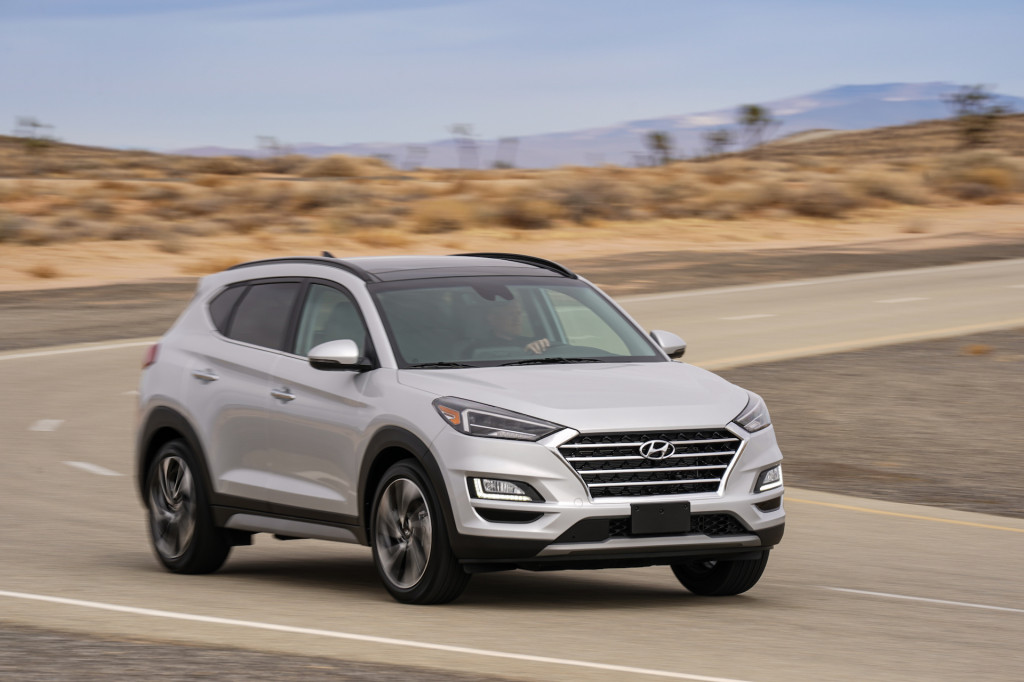
3. 2016-2021 Hyundai Tucson
The 2016-2021 Hyundai Tucson deserves a closer look because certain examples equipped with the 2.0-liter Nu GDI four-cylinder engine qualify for an important manufacturer-backed engine warranty extension. This is particularly relevant for used-car shoppers who might otherwise face substantial expenses if the engine develops connecting rod bearing problems.
Hyundai’s TXXM program extends coverage for qualifying engine repairs and replacements related to connecting rod bearing wear to 15 years or 150,000 miles, whichever comes first, from the original retail delivery date or first-use date.
The extension applies to original and subsequent owners, although certain commercial and salvage vehicles are excluded.
There is an important condition buyers should understand. Hyundai generally requires the Knock Sensor Detection System (KSDS) software update, provided through Service Campaign 966 or 982, for warranty eligibility. This technology monitors engine operation and can detect conditions associated with potential connecting rod bearing damage.
The coverage specifically includes certain 2016-2021 Tucson vehicles with the Nu 2.0-liter GDI engine. It does not automatically cover every Tucson with a different engine or every vehicle from those model years.
Before purchasing, obtain the VIN and ask an authorized Hyundai dealership to verify TXXM eligibility and the completion status of the required software campaign. Also request maintenance invoices and ask whether the engine has previously undergone inspection or replacement.
One advantage of this program is that subsequent ownership does not automatically cancel the extended coverage. However, the original in-service date still determines how much time remains.
For anyone considering a used Tucson, this is a valuable program to investigate rather than assuming that the standard factory warranty is the only available protection.
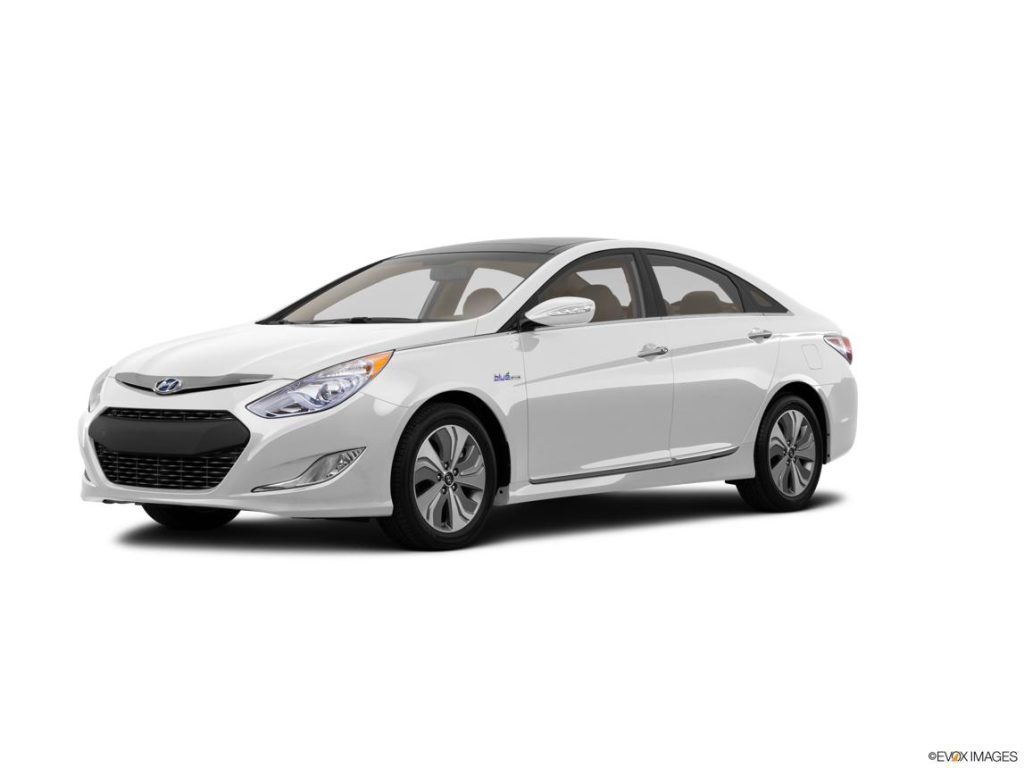
4. 2011-2015 Hyundai Sonata Hybrid
A used hybrid sedan can provide attractive fuel economy, but its engine repair history deserves just as much attention as its battery condition.
Certain 2011-2015 Hyundai Sonata Hybrid models equipped with the 2.4-liter Theta II MPI Atkinson-cycle engine have an extended warranty addressing a specific internal engine problem.
Hyundai included these vehicles in its TXXM engine warranty extension after identifying concerns involving connecting rod bearing wear.
The program covers qualifying engine damage or malfunction associated with this condition for 15 years or 150,000 miles, whichever occurs first, calculated from the original retail delivery date or date of first use. Importantly, eligible subsequent owners can also receive the extended protection.
The issue matters because connecting rod bearings maintain a lubricated surface between moving engine components. Excessive wear can produce knocking noises and, in serious cases, cause substantial internal engine damage. A vehicle may therefore become expensive to repair if the condition is not identified early.
Hyundai’s Knock Sensor Detection System update is an important part of the coverage process. The software monitors engine operation and helps identify conditions associated with bearing problems. Buyers should ask whether Service Campaign 966 or the applicable later campaign has been completed.
Do not confuse this extension with coverage for the entire hybrid system. The TXXM program concerns qualifying engine repairs related to connecting rod bearing wear, not automatic replacement of the hybrid battery, electric motor, or every gasoline-engine component.
Before buying, have a Hyundai dealership check the VIN and review the engine’s warranty history. Request evidence of previous repairs and inspect for unusual knocking sounds.
For a used Sonata Hybrid, confirmed eligibility can provide meaningful protection against a potentially expensive engine repair, but it should never replace a proper mechanical inspection.
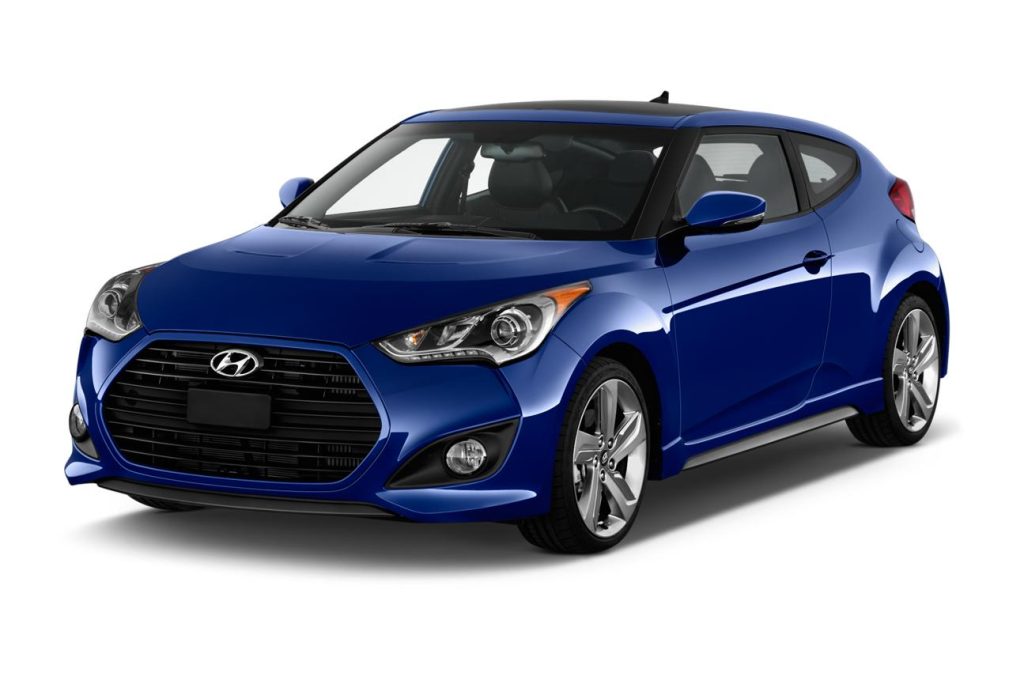
5. 2012-2017 Hyundai Veloster
The Hyundai Veloster stands out in the affordable used hatchback market with its distinctive three-door layout and sporty driving dynamics. However, some 2012 to 2017 models fitted with the 1.6-liter Gamma GDI engine deserve additional consideration because Hyundai introduced extended engine coverage for failures involving the connecting rod bearings.
The manufacturer included qualifying Veloster models in its TXXM warranty extension. Under this program, eligible engine repairs or replacements associated with connecting rod bearing wear receive coverage for 15 years or 150,000 miles, whichever comes first, from the original retail delivery date or date of first use.
The extension applies to original and subsequent owners, subject to the program’s exclusions and conditions.
This is particularly important because bearing damage can progress beyond an ordinary mechanical noise. If internal lubrication becomes inadequate, the connecting rod bearings can wear excessively, potentially resulting in engine knocking and severe damage. A complete engine repair can become considerably more expensive than routine maintenance.
Hyundai’s Knock Sensor Detection System, introduced through Service Campaign 966 and later applicable campaigns, plays an important role in identifying potential engine problems. Buyers should verify whether the required software update has been completed and whether the vehicle has any outstanding campaigns.
There is a distinction between the covered engine condition and general mechanical protection. The extension does not mean that every turbocharger, transmission, clutch, or other component receives 15-year coverage.
When shopping for a used Veloster, provide the VIN to an authorized Hyundai dealership and request written confirmation of the applicable warranty. Also examine previous engine repair invoices and listen for unusual knocking during a cold start.
A qualifying Veloster can offer additional protection against a documented engine problem, but eligibility should be established before the vehicle becomes part of your garage.
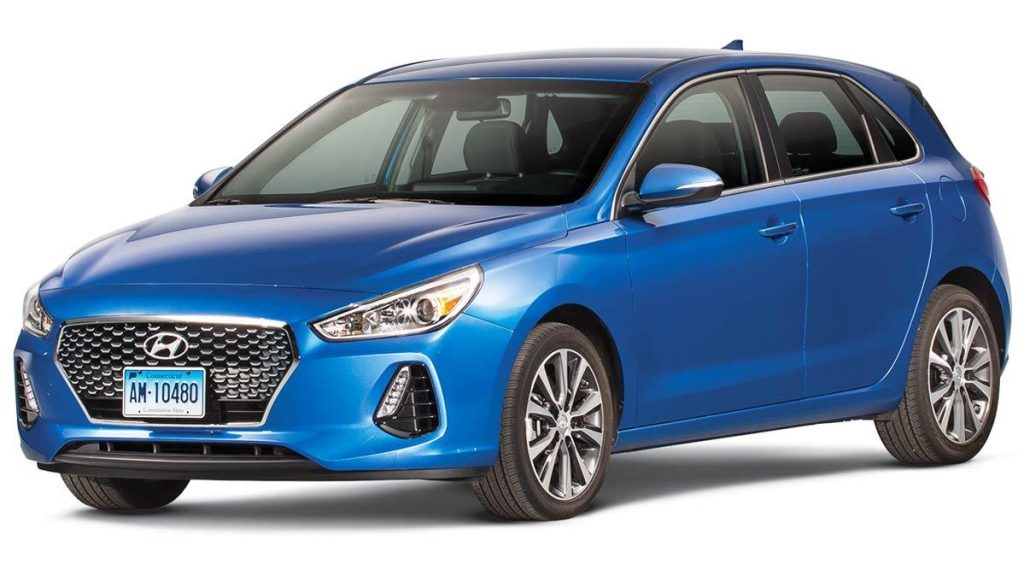
6. 2014-2020 Hyundai Elantra GT
The Hyundai Elantra GT is an often-overlooked used hatchback that combines practical cargo space with a compact footprint. Its extended engine coverage is another reason buyers should check the vehicle’s history carefully.
Certain examples equipped with the 2.0-liter Nu GDI four-cylinder engine qualify for Hyundai’s TXXM program addressing connecting rod bearing wear.
The coverage applies to specific model years and engine configurations. Hyundai’s official documentation identifies 2014-2017 Elantra GT models from the earlier generation and 2018-2020 examples from the redesigned generation.
Eligible engine repairs or replacements related to connecting rod bearing wear receive coverage for 15 years or 150,000 miles, whichever comes first, measured from the original retail delivery date or first-use date.
One important detail is that the warranty extension applies to qualifying vehicles rather than every Elantra GT carrying a 2.0-liter badge. Engine identification, VIN eligibility, and applicable software campaigns must be checked individually.
The Knock Sensor Detection System update is particularly relevant. Hyundai introduced this monitoring software to detect engine operating conditions associated with potential connecting rod bearing damage. Buyers should ask whether the applicable Service Campaign 966 or 982 update has been completed.
A dealership can also check whether the vehicle has previously received an engine replacement or whether an unresolved warranty claim exists. These details are more useful than simply relying on a seller’s statement that the engine has never caused problems.
For used-car shoppers, the Elantra GT offers an opportunity to investigate additional manufacturer-backed protection on a practical hatchback. Just remember that the extension does not cover unrelated failures such as suspension problems, electrical faults, or transmission damage.
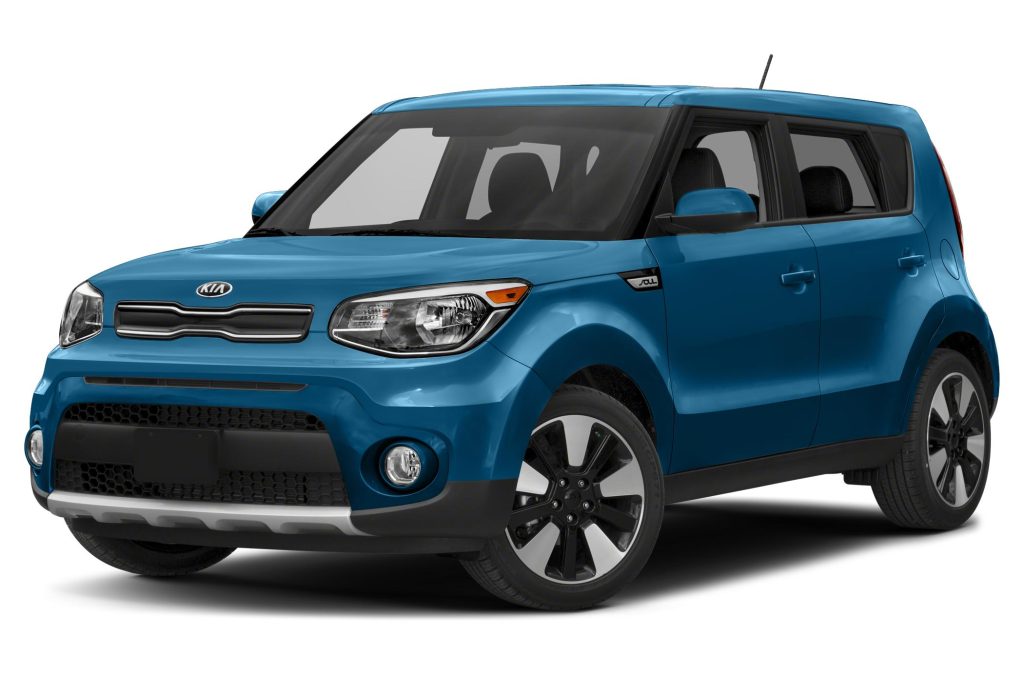
7. 2012-2019 Kia Soul
The Kia Soul’s boxy styling, spacious cabin, and relatively affordable used-car prices make it a popular choice among buyers looking for practical urban transportation.
However, certain 2012-2019 examples equipped with specific 1.6-liter Gamma GDI or 2.0-liter Nu GDI engines have an important additional protection worth checking through Kia’s engine class-action settlement.
The Kia E2 settlement identifies 2012-2016 Soul models with the 1.6-liter Gamma GDI engine and 2014-2019 examples with the 2.0-liter Nu GDI engine as eligible vehicle categories.
For qualifying consumer-owned vehicles, the settlement provides a lifetime extension of the powertrain warranty covering the engine short-block assembly for specified bearing-related damage.
The short-block assembly includes the engine block, crankshaft and bearings, connecting rods and bearings, and pistons. This is important because these are major internal components that can become expensive to repair or replace following serious engine damage.
However, lifetime coverage is not automatic for every Soul. The settlement requires completion of the Knock Sensor Detection Software (KSDS) product improvement campaign through an authorized Kia dealership. Exceptional neglect and other exclusions under the settlement agreement can also affect eligibility.
Buyers should request the VIN and check it through the official Kia Engine Class Settlement website. They should also ask for proof of the KSDS update and any previous engine replacement.
It is also important to understand the limits of this extended coverage. The warranty applies only to the specified short-block assembly and eligible failure conditions. It does not automatically include every engine component or cover unrelated mechanical problems.
For someone considering a used Kia Soul, this settlement can provide valuable protection that might otherwise be overlooked. Before purchasing, obtain written confirmation from Kia that the specific vehicle qualifies and that the required software campaign has been completed.
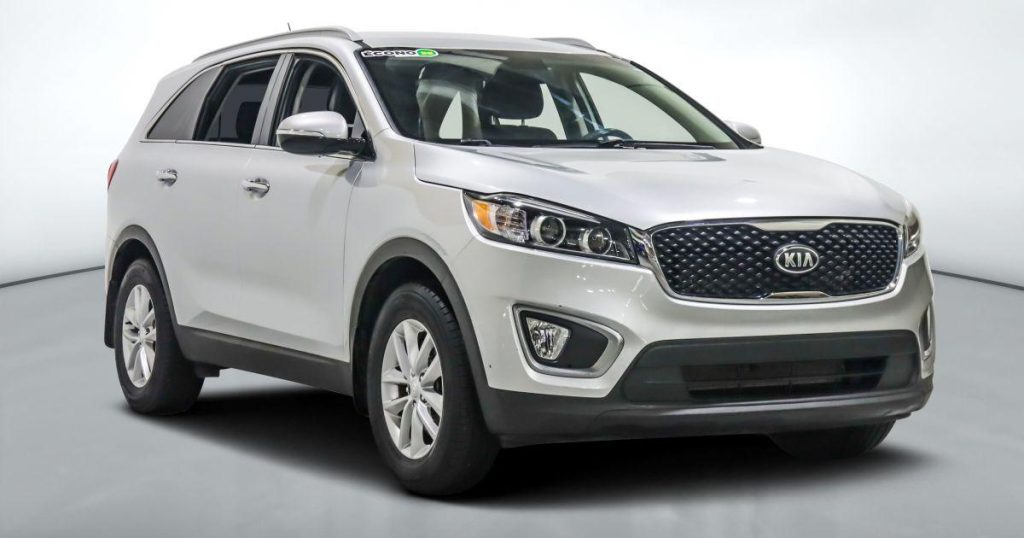
8. 2012-2019 Kia Sorento
The Kia Sorento is a practical family SUV, but certain 2012-2019 models equipped with the 2.0-liter or 2.4-liter Theta II gasoline direct injection engines have a particularly important engine warranty extension.
Unlike a routine customer-service adjustment, this protection originated from a major class-action settlement involving engine failures and related concerns.
Under the Kia Engine Settlement, eligible Sorento vehicles receive a Lifetime Warranty covering the engine short-block assembly for qualifying bearing wear or damage. The settlement includes 2012-2019 Sorento models equipped with the specified genuine Theta II 2.0-liter and 2.4-liter GDI engines.
The coverage is significant because the short block contains several expensive internal components, including the engine block, crankshaft, connecting rods, pistons, and associated bearings. When qualifying bearing damage occurs, the settlement provides coverage for the specified repair, subject to its conditions and exclusions.
Owners should pay attention to the Knock Sensor Detection System software update. Kia introduced this technology to monitor engine operation and help identify conditions associated with potential bearing damage. Completing the required update is important for receiving the settlement’s lifetime warranty protection.
A used-car buyer should not assume that a Sorento qualifies simply because it falls within the listed model years. The exact engine, VIN, original equipment specifications, ownership circumstances, and settlement requirements must be verified.
Before signing a purchase agreement, contact an authorized Kia dealership and ask for confirmation of the settlement coverage. Request documentation showing that the KSDS campaign was completed and check whether previous engine repairs were performed.
This program can make a meaningful difference when evaluating an eligible used Sorento, particularly because short-block replacement can be a substantial expense without manufacturer assistance.
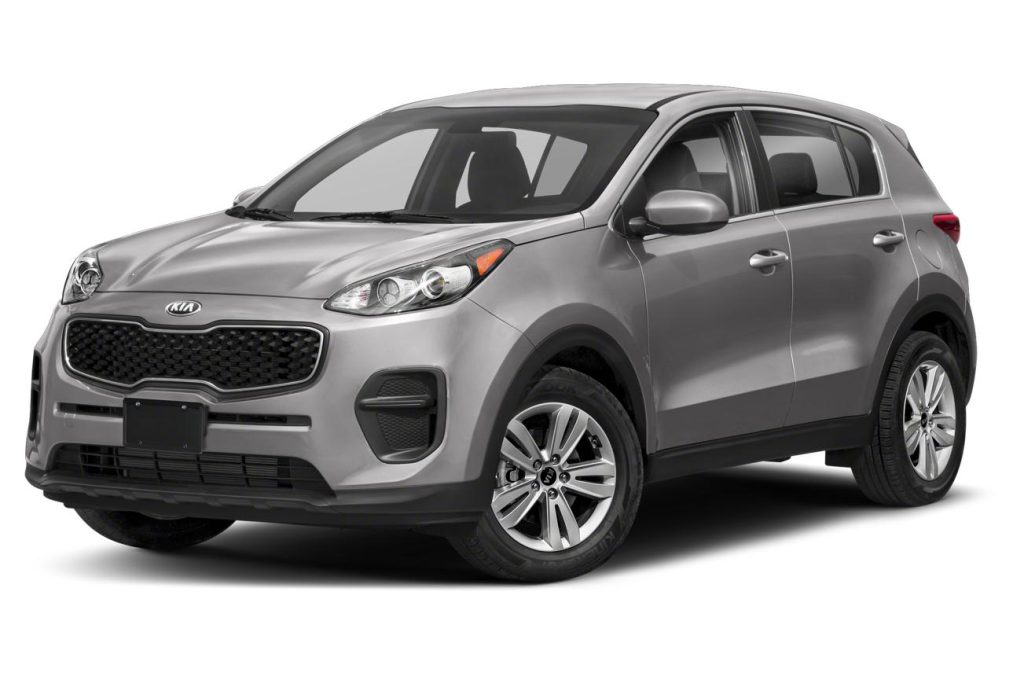
9. 2011-2019 Kia Sportage
A used Kia Sportage can be an attractive option for shoppers wanting a compact SUV with practical passenger space and familiar everyday usability. However, certain 2011-2019 examples equipped with the 2.0-liter or 2.4-liter Theta II GDI engines deserve additional attention because they may qualify for Kia’s engine class-action settlement.
The settlement covers specified Sportage vehicles from these model years equipped with genuine Theta II gasoline direct injection engines. For eligible vehicles, Kia provides a lifetime extension of the powertrain warranty covering the engine short-block assembly for qualifying bearing wear or damage.
This is not a minor benefit. The short block contains major internal engine components, including the cylinder block, crankshaft, connecting rods, pistons, and associated bearings. Replacing these components following serious engine damage can create a substantial repair bill.
The settlement also includes an important requirement involving the Knock Sensor Detection System software update. This monitoring technology helps identify engine operating conditions associated with potential connecting rod bearing damage.
Buyers should request documentation confirming that the applicable update was completed by an authorized Kia dealership.
There are limitations worth understanding. The lifetime extension does not mean the entire engine and every associated component receive unlimited protection. It applies to the specified short-block assembly and qualifying conditions under the settlement agreement. Exceptional neglect and other exclusions can also affect claims.
Before purchasing, check the vehicle identification number through the official Kia Engine Settlement website. Ask the dealership to confirm the exact engine configuration and warranty eligibility in writing.
For shoppers considering an older Sportage, this settlement is an important ownership advantage to investigate. A documented qualifying vehicle offers a different financial proposition from an example with no verified engine coverage.