A higher price tag does not automatically guarantee better crash protection. Several affordable SUVs have earned stronger safety recognition than more expensive competitors, particularly in demanding evaluations conducted by the Insurance Institute for Highway Safety (IIHS).
These tests examine occupant protection, structural performance, headlights, and crash-prevention technology rather than relying on manufacturers’ safety claims. Some mainstream models have even earned the prestigious Top Safety Pick+ award, while pricier alternatives received lower ratings or failed to qualify.
Here are seven US-market SUVs whose documented crash-test results make them particularly interesting choices for safety-conscious buyers.
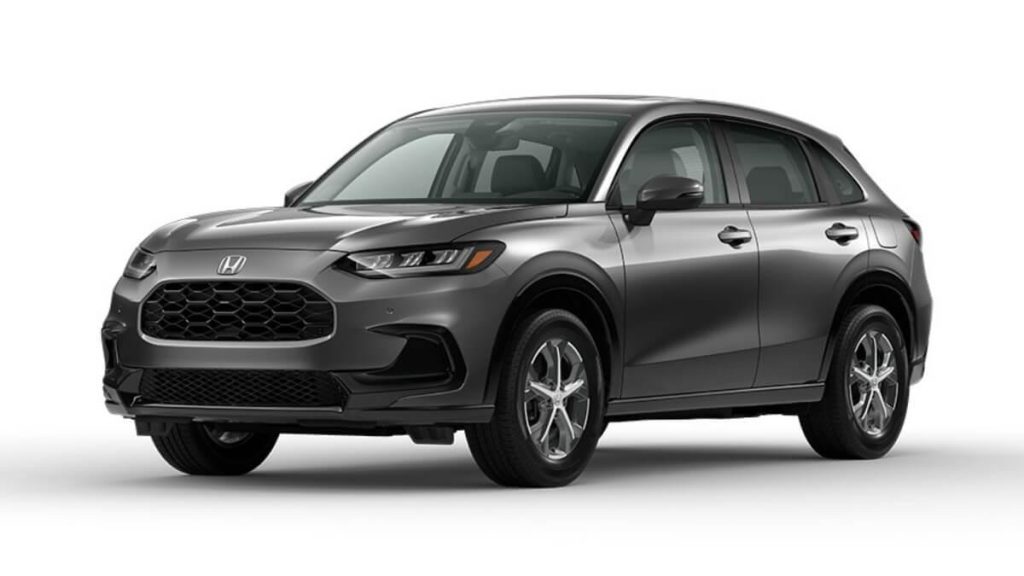
1. 2025 Honda HR-V
The Honda HR-V demonstrates why buyers should examine independent safety results before assuming a luxury badge provides better protection. This compact SUV earned the 2025 IIHS Top Safety Pick+ award, placing it among the highest-rated vehicles in its category.
Its results are particularly interesting when compared with the more expensive Acura ADX, a premium compact SUV from Honda’s luxury division.
In IIHS evaluations, the 2025 HR-V received good ratings in the small overlap front, updated moderate overlap front, and updated side crash tests. Its standard pedestrian front crash prevention system also earned a Good rating, while vehicle-to-vehicle crash prevention received an Acceptable rating.
Its headlights were rated acceptable. These results helped it meet the institute’s demanding Top Safety Pick+ requirements.
The comparison with the 2025 Acura ADX is noteworthy. The Acura earned the lower Top Safety Pick award rather than Top Safety Pick+. Although it received good ratings in small overlap and side testing, its updated moderate overlap front result was acceptable.
Pricing makes the comparison even more interesting. The 2025 HR-V LX started at $25,400 before destination charges, while the 2025 Acura ADX started at $35,000. That represents a $9,600 difference in original base MSRP.
The HR-V also includes standard lane departure warning and prevention. However, blind-spot detection and rear automatic braking were optional, depending on configuration.
For buyers prioritizing independently verified crash protection without entering luxury-car pricing, the HR-V presents a compelling case. Its higher IIHS award does not guarantee superiority in every crash scenario, but its documented results deserve serious attention.
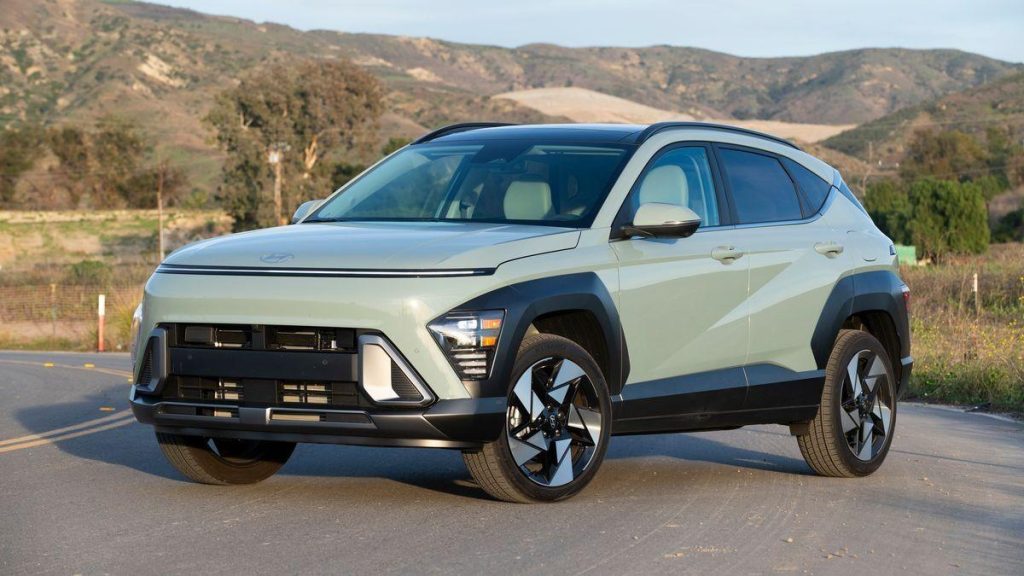
2. 2025 Hyundai Kona
The Hyundai Kona is another example of an affordable SUV delivering impressive independent safety results. Its redesigned generation received substantial attention for its technology and cabin improvements, but the most important detail for safety-conscious shoppers is its performance in the 2025 IIHS crashworthiness evaluations.
The 2025 Hyundai Kona received the IIHS Top Safety Pick+ award after earning good ratings in all three key crashworthiness tests required for the designation. These include the small overlap front, updated moderate overlap front, and updated side-impact evaluations.
Its standard vehicle-to-vehicle front crash prevention system also earned good marks, as did its pedestrian detection system. The headlights received an acceptable rating.
A useful comparison is the more expensive 2025 Audi Q3. Despite its premium positioning, the Audi did not earn a 2025 IIHS Top Safety Pick award. Its updated moderate overlap front test received a marginal rating, while its updated side test was rated acceptable. Its small overlap front performance was good.
Kona’s pricing makes this result particularly relevant. Hyundai listed the 2025 SE with a starting MSRP of $24,550, excluding freight, taxes, title, and license fees. The Audi Q3 carried a substantially higher starting price in the US market, although exact pricing varied by trim and options.
Another advantage is that the Kona provides standard blind-spot monitoring, lane departure warning and prevention, and rear automatic braking. These features add useful assistance during everyday driving.
The Kona is not automatically safer in every conceivable collision, and IIHS awards should not be interpreted as a universal ranking. Nevertheless, its stronger documented performance in the updated moderate overlap test makes it an interesting alternative to a considerably more expensive luxury competitor.
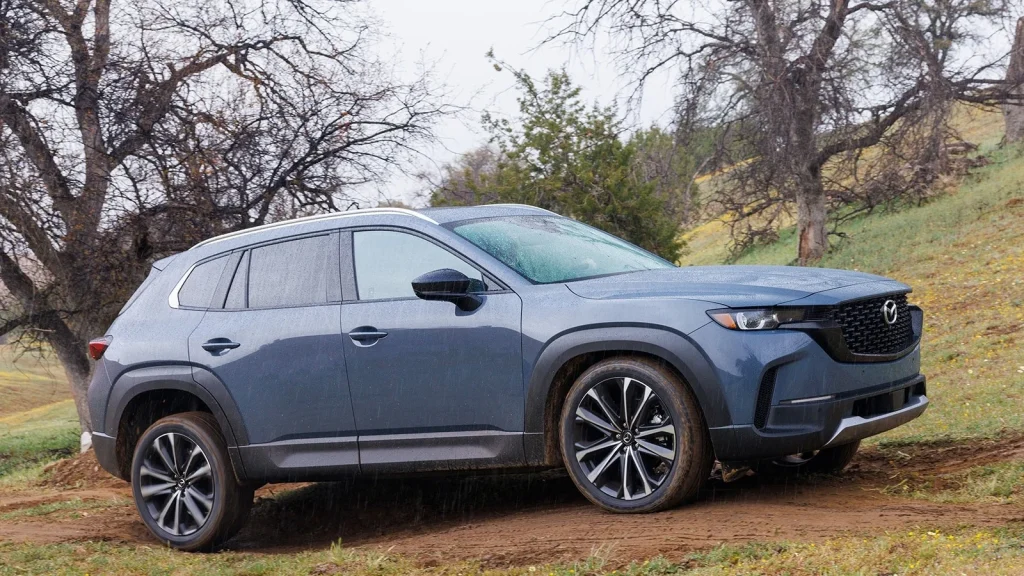
3. 2025 Mazda CX-50
The Mazda CX-50 shows that a mainstream SUV can deliver impressive crash protection without entering the luxury price bracket. It combines a premium-looking interior, standard all-wheel drive, and a practical cabin with strong independent safety results.
Its 2025 IIHS recognition is particularly noteworthy when compared with more expensive luxury SUVs that received a lower award.
The 2025 CX-50 earned the IIHS Top Safety Pick+ designation. It received good ratings in the small overlap front, updated moderate overlap front, and updated side crash tests.
Its pedestrian front crash prevention system also received a Good rating, while standard vehicle-to-vehicle crash prevention was rated Acceptable. Headlight ratings vary by trim, with good or acceptable results.
The comparison with the 2025 Lexus NX is interesting. The Lexus received the lower Top Safety Pick award because its updated moderate overlap front test received an acceptable rating rather than good. Its small overlap and updated side results were good.
Mazda announced a starting MSRP of $30,500 for the 2025 CX-50 2.5 S Select, excluding destination charges. The Lexus NX started at a considerably higher price in the US market.
Another useful feature is the CX-50’s standard blind-spot monitoring and lane departure warning with lane-keeping assistance. These technologies support safer everyday driving, although they cannot replace attentive driving.
For buyers comparing mainstream and luxury compact SUVs, the CX-50 deserves attention. Its Top Safety Pick+ award reflects stronger performance against the specific 2025 IIHS criteria, particularly in the updated moderate overlap test.
It does not mean the Mazda is superior in every possible collision, but its results make the price difference worth considering.
4. 2025 Hyundai Tucson
The Hyundai Tucson is a strong example of an affordable family SUV receiving excellent independent safety recognition. Its combination of practical passenger space, modern driver-assistance technology, and competitive pricing makes it attractive to buyers who do not want to pay luxury-brand prices for a well-equipped vehicle.
For 2025, the Tucson earned the IIHS Top Safety Pick+ award. Its crashworthiness results were particularly strong, with good ratings in the small overlap front, updated moderate overlap front, and updated side tests.
The standard pedestrian front crash prevention system also received a good rating. Its headlights were rated good or acceptable depending on configuration.
The updated moderate overlap test deserves particular attention because it evaluates protection for both the driver and a rear-seat passenger. The Tucson received a Good rating in this demanding evaluation, demonstrating strong performance under the IIHS test conditions.
A useful luxury comparison is the 2025 Acura MDX. Despite its considerably higher price, the Acura received an Acceptable rating in the updated moderate overlap front test, while its small overlap and updated side ratings were Good. It therefore earned Top Safety Pick rather than Top Safety Pick+.
Hyundai listed the 2025 Tucson with a starting MSRP of $28,705, excluding freight and other charges. That makes it a considerably less expensive starting point than the luxury three-row Acura.
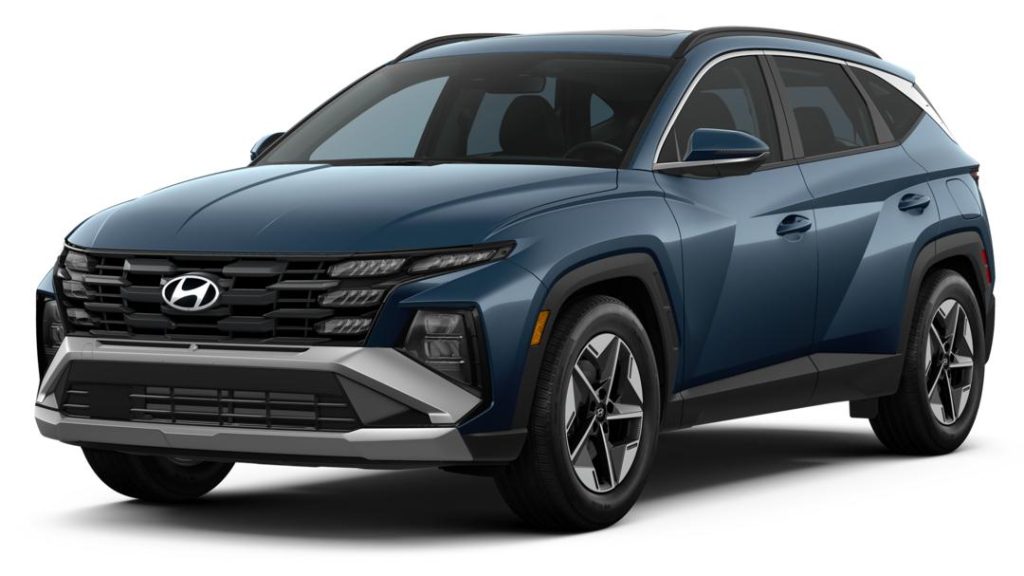
The Tucson also includes standard blind-spot detection, lane departure warning and prevention, and rear automatic braking.
For families comparing SUVs on safety and affordability, the Tucson deserves serious consideration. Its IIHS award provides documented evidence of strong crash performance, although buyers should remember that vehicle size and weight also influence protection in real-world collisions.
5. 2025 Mazda CX-30
Not every safety-focused SUV needs to be large or expensive. The Mazda CX-30 is a smaller crossover, but its 2025 crash-test results demonstrate how well a compact vehicle can perform in demanding independent evaluations. For buyers who primarily drive in cities and want a manageable SUV with strong occupant protection, this Mazda deserves attention.
The 2025 Mazda CX-30 secured the IIHS Top Safety Pick+ designation, earning good scores across all three major crashworthiness tests. These assessments cover small overlap front, updated moderate overlap front, and updated side-impact protection.
Its standard pedestrian front crash prevention system also earned a Good rating, while vehicle-to-vehicle crash prevention received an Acceptable rating.
The revised moderate overlap test is particularly noteworthy as it also evaluates the safety of a rear-seat passenger using a dummy. The CX-30 earned a good rating, although its rear passenger restraint performance and dummy kinematics were rated acceptable.
This distinction is worth mentioning because a vehicle’s headline award does not mean every individual measurement receives the highest rating.
A comparison with the more expensive 2025 Acura ADX provides useful context. The Acura earned Top Safety Pick rather than Top Safety Pick+, receiving an acceptable rating in the updated moderate overlap front test. The Mazda achieved good in that evaluation.
Mazda announced a starting MSRP of $25,195 for the 2025 CX-30 2.5 S, excluding destination charges. This makes it an accessible option compared with many premium compact crossovers.
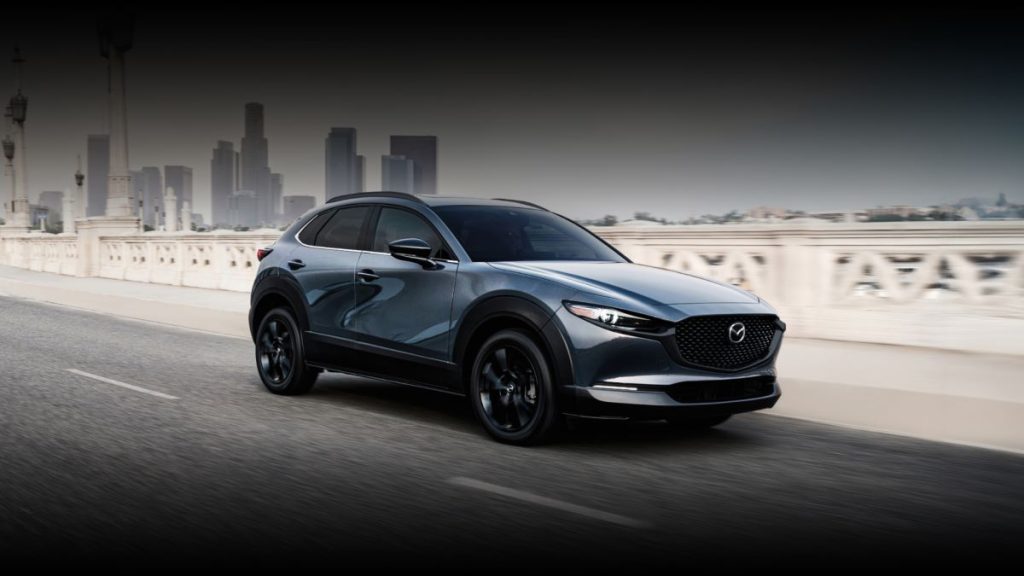
Standard blind-spot detection and lane departure warning with prevention add useful assistance during everyday driving.
The CX-30 cannot provide the same interior space as a midsize SUV, and its smaller size matters when comparing vehicles from different weight classes. Nevertheless, its excellent IIHS results make it an appealing choice for buyers who value independently tested crash protection.
6. 2025 Kia Telluride
Families shopping for a three-row SUV often assume that premium pricing is necessary to obtain strong crash protection. The Kia Telluride challenges that assumption by delivering excellent IIHS results while remaining positioned below many luxury-brand alternatives.
Its spacious cabin, standard safety equipment, and established family-oriented design make it an important model in this comparison.
The 2025 Telluride earned the IIHS Top Safety Pick+ award. It received Good ratings in the small overlap front, updated moderate overlap front, and updated side crash tests. Its standard pedestrian front crash prevention system also earned a Good rating.
The vehicle additionally received Good ratings for its seat-belt reminders and LATCH child-seat installation ease.
Another notable finding emerged from the updated moderate overlap front crash evaluation. The Telluride achieved a Good rating, with its structure, safety cage, and driver injury protection all receiving positive assessments.
Rear-passenger restraint and dummy kinematics received an Acceptable rating. This is an important detail for families regularly carrying children or adults in the second row.
Compare that result with the 2025 Acura MDX, which earned Top Safety Pick but received an Acceptable rating in the same updated moderate overlap evaluation.
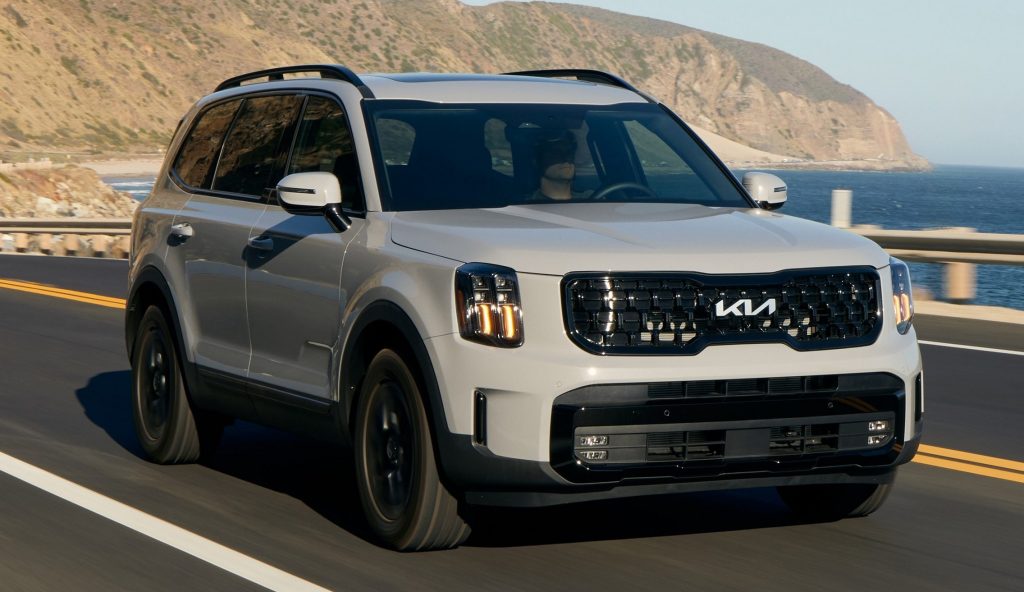
Kia’s US pricing for the 2025 Telluride LX FWD started at $36,390, excluding the $1,545 destination charge. Higher trims and all-wheel-drive configurations cost more.
The Telluride also provides standard blind-spot detection, lane departure warning and prevention, and rear automatic braking.
For buyers needing three rows without moving into luxury pricing, the Telluride deserves consideration. Its IIHS results offer strong evidence of occupant protection under demanding test conditions, although real-world safety also depends on vehicle size, restraint use, and driving behavior.
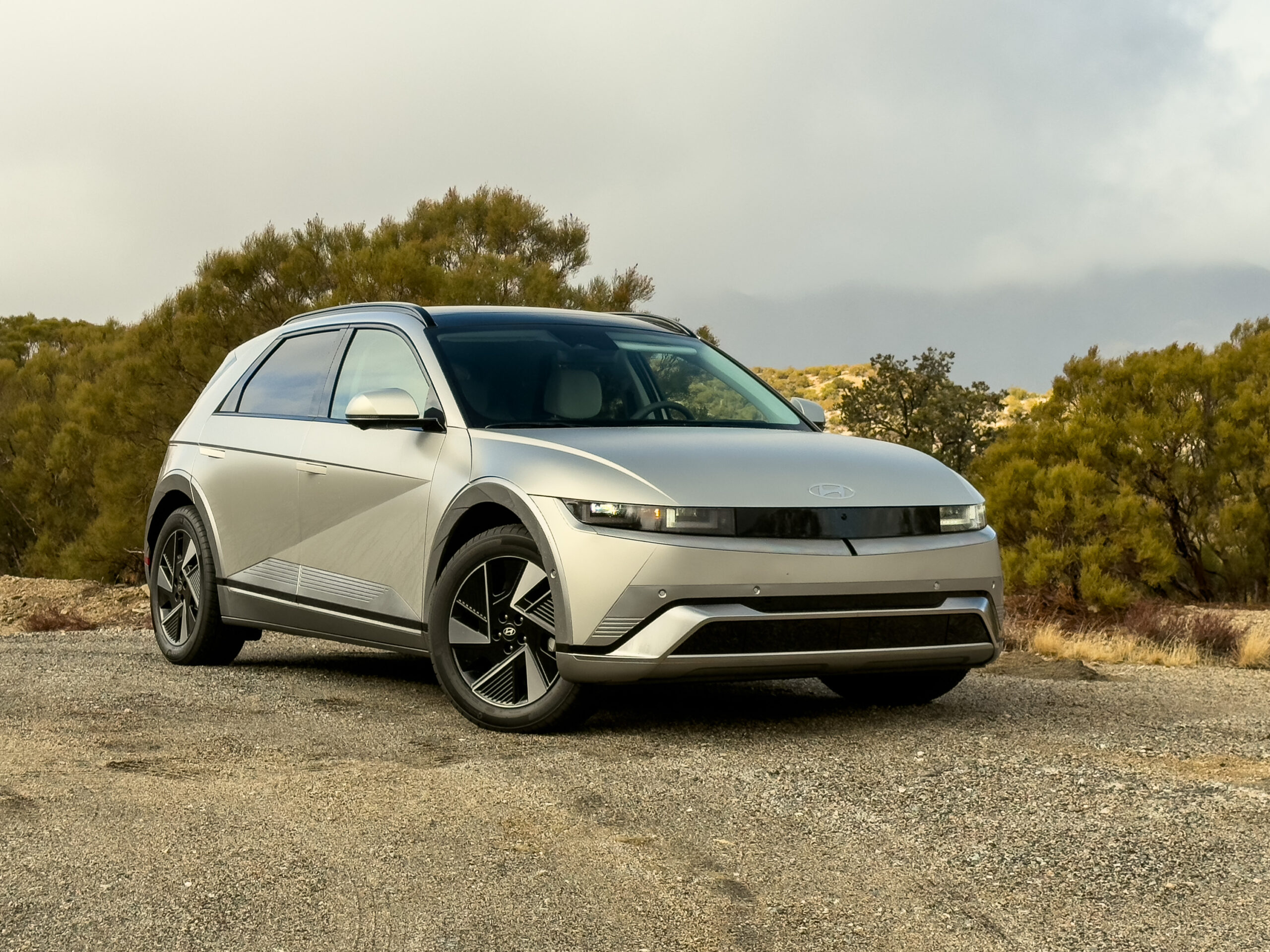
7. 2025 Hyundai Ioniq 5
Electric SUVs are becoming increasingly expensive, particularly when buyers move into premium brands. However, the Hyundai Ioniq 5 demonstrates that a mainstream electric vehicle can deliver excellent crash-test performance without requiring the same budget as some luxury electric alternatives.
The 2025 Ioniq 5 earned the IIHS Top Safety Pick+ award after performing strongly in the institute’s updated crashworthiness evaluations. It received Good ratings in the small overlap front, updated moderate overlap front, and updated side tests.
Its standard pedestrian front crash prevention system earned an Acceptable rating, while headlights received Good or Acceptable ratings depending on the configuration.
One particularly interesting comparison is the 2025 Audi Q4 e-tron. Despite its premium positioning, the Audi received a Poor rating in the updated moderate overlap front test. Its small overlap front and updated side results were Good. The Ioniq 5 achieved Good ratings across all three major crashworthiness categories.
Hyundai listed the 2025 Ioniq 5 with a starting US MSRP of $42,600, excluding freight and additional charges. The Audi Q4 e-tron occupied a higher-priced luxury segment.
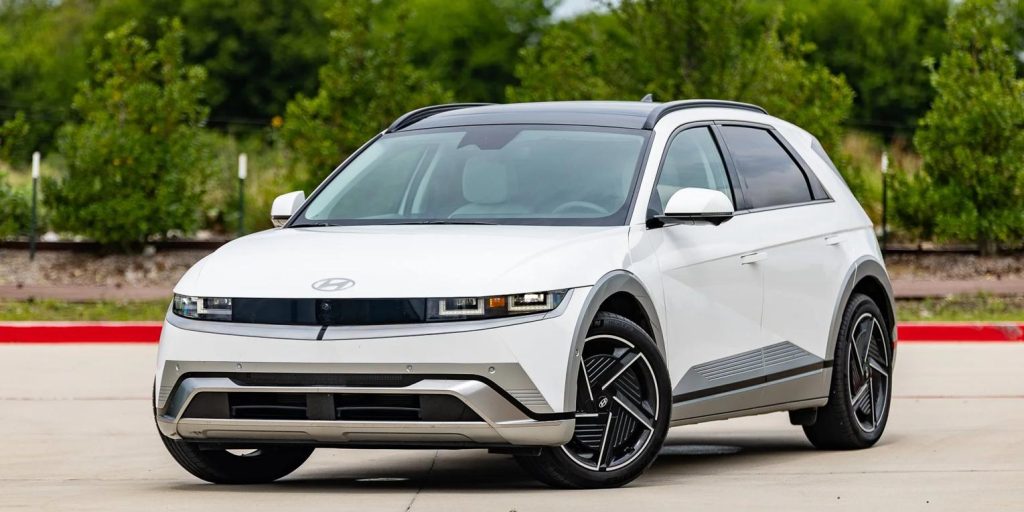
Another important detail is that Hyundai introduced additional structural reinforcements around the B-pillar and door sill for 2024 models. These changes contributed to improved side-impact protection, and the relevant IIHS ratings apply to 2024-2027 vehicles.
The Ioniq 5 also includes standard blind-spot detection, lane departure warning and prevention, and rear automatic braking.
For shoppers considering an electric SUV, this Hyundai offers compelling independent safety credentials. Its results do not establish that it will outperform the Audi in every real-world collision, but the difference in the updated moderate overlap test is significant enough to deserve attention before choosing between the two.