
An electric water pump may seem like a relatively small component, but its failure can create an expensive repair bill on modern vehicles. Unlike traditional belt-driven pumps, electric versions use an electric motor and electronic controls to circulate coolant through the engine or hybrid system.
They can improve cooling efficiency, but replacement costs are often higher because of specialized components, difficult access, and additional diagnostic requirements. Some vehicles also require related coolant hoses, seals, or control components during repairs.
Knowing which cars use these systems can help used-car buyers identify potential maintenance expenses before purchasing an aging luxury or performance vehicle.
1. BMW 3 Series
The BMW 3 Series is one of the better-known examples of a vehicle that can develop an expensive electric water pump problem as it ages. Several E90-generation models, particularly the 2006-2013 328i and 2007-2013 335i, use BMW’s electronically controlled coolant pump with the N52, N54, or N55 engine.
Unlike a conventional belt-driven design, this pump relies on an electric motor and electronic controls to circulate coolant through the engine.
The advantage is more precise temperature management, but the replacement process can become expensive. The pump is mounted low in the engine compartment, making access difficult.
A technician generally needs to drain the cooling system, remove surrounding components, install the replacement, and perform the prescribed coolant bleeding procedure. BMW commonly recommends replacing the thermostat at the same time because both components are closely associated in the repair.
US repair-price data collected in November 2026 puts the combined electric water pump and thermostat replacement at approximately $940 to $2,035 at independent shops for the covered N52, N54, and N55 applications.
BMW dealer quotes can be considerably higher, with reported figures reaching $4,400. These are collected prices rather than guaranteed estimates for every 3 Series.

Drivers should watch for an overheating warning, reduced engine power, an unusually loud cooling fan, or water pump-related fault codes. Ignoring these symptoms can leave the engine without adequate coolant circulation.
When inspecting a used 3 Series, ask whether the pump and thermostat have already been replaced and request the repair invoice. A documented replacement with quality parts can make a significant difference when evaluating an older example.
2. BMW 5 Series
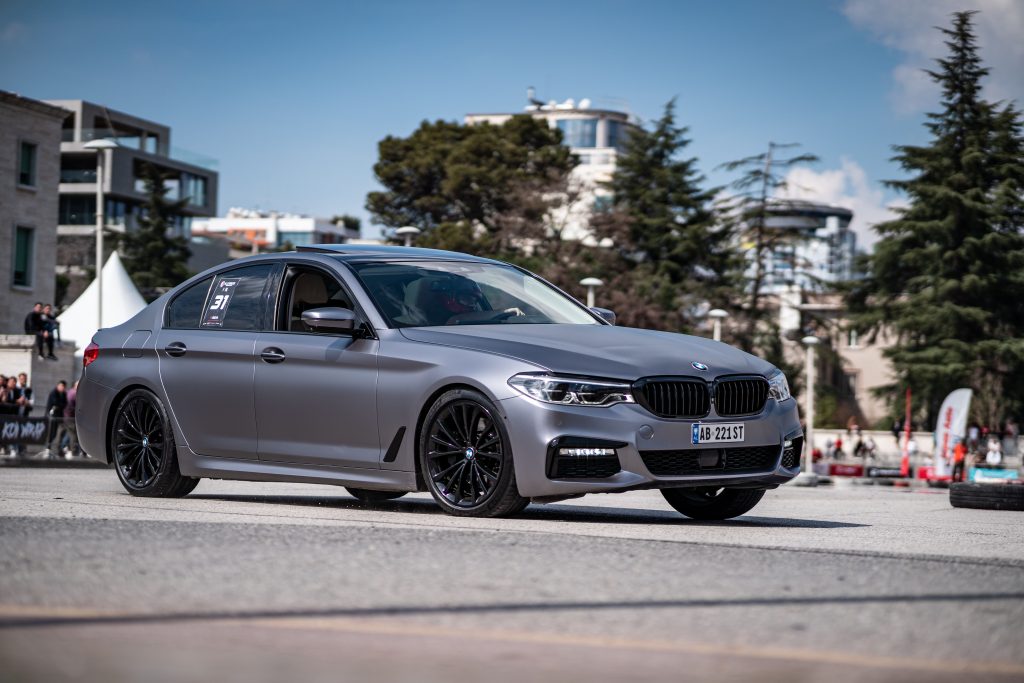
The BMW 535i offers strong six-cylinder performance, but its N54 and N55 engines also bring an electric cooling-system component that used-car buyers should understand. Several US-market 535i models, including the E60 and F10 generations, use electronically controlled engine coolant pumps.
This design helps BMW manage engine temperature according to operating conditions rather than relying entirely on a continuously rotating mechanical pump.
The difficulty appears when the pump begins to fail. Its electric motor and internal electronics can stop functioning correctly, interrupting coolant circulation.
Because the pump is responsible for maintaining appropriate engine temperatures, a failure can quickly become a serious problem if the driver continues operating the vehicle.
The repair is not simply a matter of purchasing a replacement component. Access, coolant draining, installation, thermostat condition, and the required bleeding procedure all contribute to the final bill. On some applications, replacing the thermostat at the same time makes financial sense because much of the labor overlaps.
US owner-reported pricing for the 2008 535i and 535xi shows BMW dealer water pump and thermostat repair quotes around $1,200 to $1,250 in documented cases. These are historical individual invoices, not a current guaranteed estimate.
The actual amount depends on the vehicle’s engine, production year, parts selection, and local labor rates.
One important warning is that an electric cooling fan running at maximum speed does not necessarily mean the fan itself is defective. A failing water pump can trigger protective cooling behavior.
Before buying a used 535i, check its service history for cooling-system work. A seller who can provide evidence of a recent pump and thermostat replacement offers more reassurance than someone relying only on the absence of warning lights. Budgeting for this repair is particularly important when purchasing an older, higher-mileage example.
3. BMW 1 Series
The BMW 135i packs a powerful turbocharged six-cylinder engine into a relatively small coupe, making it attractive to enthusiasts looking for an engaging driving experience. However, the N54 and later N55 engines used in these cars have an electronically controlled main water pump that can become an expensive maintenance item as the vehicle ages.
Unlike a traditional mechanical pump, the electric unit uses an internal motor and electronic control system to circulate coolant. This arrangement allows the engine computer to adjust cooling according to operating conditions, but it also introduces electrical components that can fail independently of the rest of the cooling system.
One reason replacement costs can surprise owners is the location of the pump. Accessing it involves working around components beneath the engine, draining coolant, and following the correct installation and bleeding procedures. Replacing the thermostat at the same time is also commonly considered because it shares much of the repair work.
The N54 and N55 electric pump and thermostat repair data collected from US repair reports show independent-shop bills ranging from approximately $940 to $2,035 across covered BMW applications. Dealer prices can be considerably higher.
These figures are not specific guarantees for every 135i, but they provide a useful indication of the financial exposure associated with this engine family.

Owners should pay attention to temperature warnings, sudden power reduction, and cooling fans operating unusually loudly. A failing pump can cause inadequate coolant circulation, making continued driving risky.
For used-car shoppers, maintenance records are particularly important. Ask whether the original pump has been replaced and whether the thermostat was included.
A well-maintained 135i can still deliver an enjoyable ownership experience, but purchasing one without checking its cooling-system history could leave an expensive repair waiting for its next owner.
4. BMW X3
The BMW X3 combines everyday practicality with the driving characteristics expected from the brand, but certain older versions have a cooling-system weakness worth checking before purchase. The 2011-2017 F25 generation was offered with several engines, including N20 four-cylinder and N55 six-cylinder units.
These engines use electric coolant pumps in applicable configurations, making pump condition an important part of a pre-purchase inspection.
The xDrive35i deserves particular attention because its turbocharged 3.0-liter N55 engine uses the electronically controlled main water pump. The system regulates coolant circulation according to engine temperature and operating demands.
While this provides precise thermal management, failure of the electric motor or its control electronics can interrupt normal cooling.
Repair expenses can extend beyond the pump itself. Technicians may recommend replacing the thermostat, inspecting coolant hoses, and checking related connections while the system is open. The pump’s location also means labor can represent a substantial portion of the final bill.
US repair records for BMW N20, N26, B46, and B48 electric water pump applications show owner-reported repair expenses reaching approximately $1,200 to $1,900 in the available collected data.
Separate N52, N54, and N55 pump-and-thermostat pricing can also be expensive, although those figures should not be treated as an exact X3-specific quotation.

A warning message, coolant-temperature fluctuation, or an unusually active radiator fan should never be ignored. Buyers should also request a diagnostic scan rather than assuming that a recently topped-up coolant reservoir means the system is healthy.
The X3 remains a capable used luxury SUV, but checking the electric water pump’s service history can help prevent an unexpected repair bill after purchase.
5. BMW X5
The BMW X5 delivers the space and performance expected from a luxury midsize SUV, but older six-cylinder versions can carry a significant cooling-system maintenance expense.
The 2007-2013 E70 generation is particularly relevant because certain xDrive30i and xDrive35i configurations use the N52 and N55 engines, both associated with BMW’s electronically controlled main coolant pump.
The pump has to circulate coolant through a relatively complex engine cooling system while responding to changing operating conditions. Its electric motor and electronic controls provide precise temperature management, but a failure can interrupt coolant circulation and create an overheating risk.
The problem becomes especially concerning when an owner ignores warning messages or continues driving after the cooling system reports a fault.
The replacement process can involve more than installing a new pump. Technicians generally drain the coolant, remove components obstructing access, inspect the thermostat and related hoses, and refill the system using the manufacturer’s bleeding procedure.
Replacing the thermostat alongside the pump is commonly recommended when its condition or service history justifies doing so.
US repair records provide some useful financial context. Documented independent-shop bills for covered N52 and N55 BMW pump-and-thermostat repairs include approximately $1,784 to $1,800 for certain X5 applications.
BMW dealer reports include prices between $980 and $1,397 in older documented cases. These are historical owner-reported figures, not current guaranteed quotations.

The X5’s weight and luxury equipment make it an appealing family vehicle, but buyers should not overlook its mechanical history. Ask for invoices showing previous cooling-system repairs and check for coolant leaks before completing a purchase.
An older X5 with a documented pump replacement may be a safer financial proposition than a cheaper example with an unknown maintenance history.
6. BMW Z4
The BMW Z4 is a compact roadster designed around performance and driving enjoyment, but certain versions share cooling-system hardware with other BMW models that can become expensive to maintain.
The E89-generation Z4, sold in the United States from 2009 through 2016, included six-cylinder configurations using the N52 and N54 engines. These applications use electronically controlled main water pumps rather than conventional belt-driven units.
For an enthusiast purchasing a used Z4, this is an important detail because cooling-system repairs can become particularly inconvenient when the car is used primarily for weekend driving.
An electric pump failure may produce an overheating warning, reduced engine performance, or an unusually loud cooling fan. The vehicle should not be driven normally if coolant circulation is compromised.
The replacement job involves draining the cooling system, accessing the pump, checking the thermostat, and carrying out the correct bleeding procedure after installation. Because the pump and thermostat are commonly serviced together, the final invoice can be noticeably higher than the price of the pump alone.
There is no reliable nationwide repair figure specific to every E89 Z4 configuration. However, US repair-price collections for BMW N52 and N54 applications report combined pump-and-thermostat bills of approximately $940 to $2,035 at independent shops, with some dealer quotations reaching $4,400.
These figures cover multiple BMW models and should be treated as a reference rather than a Z4-specific estimate.

The best approach is to inspect the service records before buying. A recent invoice showing replacement of both the pump and thermostat provides useful evidence that this maintenance item has been addressed.
The Z4 can be an enjoyable used sports car, but its purchase price should leave room for specialist maintenance rather than assuming that a relatively small roadster will have inexpensive repairs.
7. BMW 740i
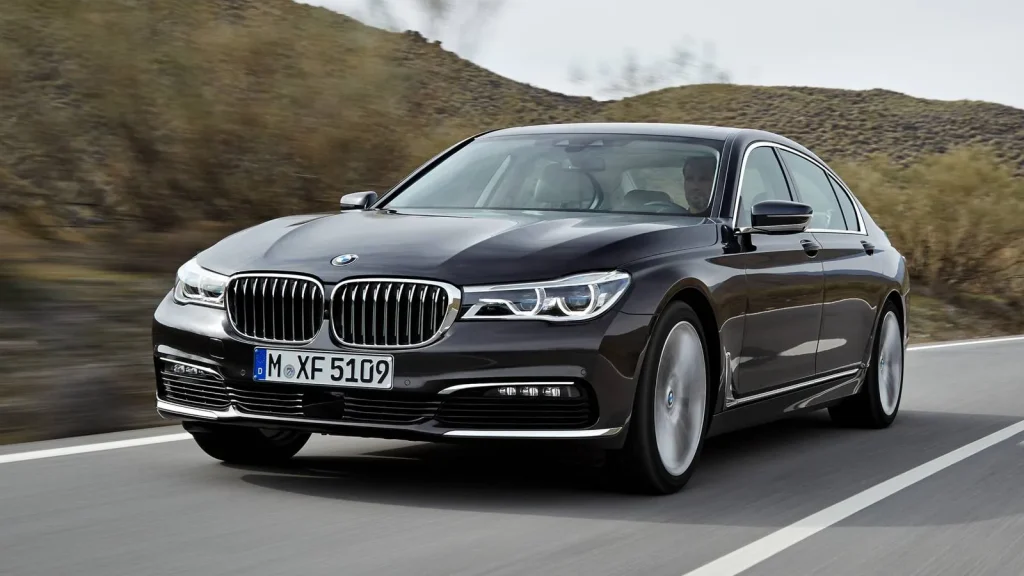
The BMW 740i brings a different cooling-system concern into the discussion. Its turbocharged B58 six-cylinder engine uses an additional electric auxiliary water pump alongside the main engine cooling system.
This smaller pump is responsible for circulating coolant through a separate circuit, helping manage heat in components such as the turbocharger or cabin heating system, depending on the specific application.
It is important not to confuse this auxiliary unit with the main engine coolant pump. They perform different jobs, and a repair estimate should identify exactly which component has failed. The distinction matters because replacing the wrong component will not solve the original cooling problem.
BMW’s parts catalog lists an auxiliary water pump for the 2019 740i. Genuine replacement parts can cost several hundred dollars, depending on the part number and supplier. BMW specialist parts listings also show dedicated auxiliary pumps for the B58-powered 740i and related models.
Labor can make the repair more expensive than the component price suggests. Access varies by engine configuration, and technicians must correctly refill and bleed the relevant coolant circuit. Some BMW auxiliary pump repairs involve substantial disassembly, particularly when the unit is positioned beneath or behind other engine components.
A further concern is the pump’s role in turbocharger cooling. If coolant circulation becomes inadequate, continued operation can expose expensive turbocharger components to excessive heat. Warning messages, unusual coolant behavior, and drivetrain-related fault codes deserve professional diagnosis.
For used 740i buyers, a general statement that the water pump has been replaced is not enough. Ask whether the invoice identifies the main pump or the auxiliary unit. Knowing which component received attention provides a much clearer picture of the vehicle’s cooling-system maintenance history.
8. BMW X6
The BMW X6 combines a coupe-inspired body with the performance of a luxury SUV, but its turbocharged engine also relies on additional cooling equipment.
Certain 2020-2023 X6 xDrive40i models use the B58 six-cylinder engine and have an electric auxiliary water pump serving a separate cooling circuit. This component is different from the main engine coolant pump, making accurate diagnosis particularly important.
The auxiliary pump helps circulate coolant through the turbocharger’s dedicated cooling system. It can continue operating after the engine is switched off, helping manage residual heat.
If the unit stops working correctly, the vehicle may develop a drivetrain warning, reduced engine performance, or cooling-related faults. The exact symptoms depend on which circuit is affected.
One reason this repair deserves attention is accessibility. Some BMW turbocharger auxiliary pumps are positioned in locations that require surrounding components to be removed before a technician can reach them.
According to BMW specialist repair information, labor can range from approximately $375 to $800 for certain auxiliary pump jobs, depending on the engine and access requirements.

The replacement part itself is not necessarily the most expensive element. The time required to access it, diagnose the fault, and complete the coolant bleeding procedure can account for much of the invoice.
Owners should not ignore a drivetrain malfunction warning simply because the engine temperature gauge appears normal. A secondary cooling circuit can experience problems without producing the same symptoms as a failed main water pump.
When shopping for a used X6, request a diagnostic report and ask whether previous cooling-system repairs involved the turbocharger auxiliary pump. This small component deserves attention because inadequate turbo cooling can eventually create a much larger mechanical expense.
9. BMW X7
The BMW X7 is a large luxury SUV with a sophisticated cooling system designed to manage the demands of its turbocharged engine.
Certain 2019-2025 xDrive40i models use the B58 six-cylinder engine, which incorporates additional electric coolant pumps for separate cooling functions. These include auxiliary circuits associated with turbocharger cooling and cabin climate control.
The important detail is that the X7 does not rely on a single water pump for every cooling requirement. Its different circuits use dedicated components, meaning a fault in an auxiliary pump does not necessarily indicate that the main engine water pump has failed.
BMW’s parts catalog identifies electric coolant pump assemblies for the X7 xDrive40i. For example, the catalog lists a genuine electric coolant pump for certain 2019 models at approximately $398, while earlier production versions have a separately listed auxiliary pump.
Part numbers and prices vary with production date, so VIN verification is essential before ordering.
Replacement costs can increase when the pump is difficult to access. BMW specialist repair information puts labor for certain turbocharger auxiliary pump replacements at approximately $375 to $800.

This is a labor estimate for the relevant repair category, not a complete X7-specific quotation. Parts, coolant, diagnostic work, and additional repairs can increase the final bill.
A failing auxiliary pump deserves attention because it can affect turbocharger cooling. If coolant circulation becomes inadequate, continued driving may expose expensive components to excessive temperatures. Reduced power, drivetrain warnings, and cooling-system fault codes should therefore be investigated promptly.
Used X7 buyers should request detailed service invoices rather than accepting a vague claim that the cooling system has been serviced. Confirm which pump was replaced, whether the correct electronic bleeding procedure was completed, and whether the repair included genuine or reputable replacement parts.