Keeping an older pickup on the road does not have to mean spending a fortune at repair shops. Some trucks were built with straightforward engines, familiar mechanical components, and widely available replacement parts that make routine maintenance easier.
Their popularity also means independent mechanics often have experience working on them, while owners can find plenty of repair information and aftermarket support. However, age and maintenance history still matter more than reputation alone.
These eight pickups stand out for their relatively approachable engineering and established parts availability, making them worth considering for buyers who prefer practical trucks over complicated modern machines.
1. 1998-2011 Ford Ranger
The third-generation Ford Ranger is a strong choice for buyers who want an older pickup without dealing with the size and complexity of a full-size truck. Sold in the United States from 1998 through 2011, this generation remained in production for 14 model years with relatively few major changes.
That long production run helped establish a substantial supply of replacement parts and gave independent mechanics plenty of experience servicing the platform.
Engine choices included a 2.3-liter four-cylinder, a 3.0-liter V6, and a 4.0-liter V6. The smaller four-cylinder is particularly appealing for owners who prioritize straightforward maintenance rather than maximum towing performance.
Its conventional gasoline engine and relatively uncomplicated mechanical layout make routine jobs such as spark-plug replacement, belt inspection, and fluid servicing familiar to many independent repair shops.
Edmunds specifically identifies the 1998-2011 Ranger as an affordable used pickup that is cheap to run and easy to maintain. It also highlights the availability of different cab and bed configurations, including versions with a bed extending to 7 feet.
Another advantage is the truck’s widespread presence in the American used market. Owners can find aftermarket suspension components, brake parts, replacement body panels, and common engine service items without relying exclusively on dealership suppliers.
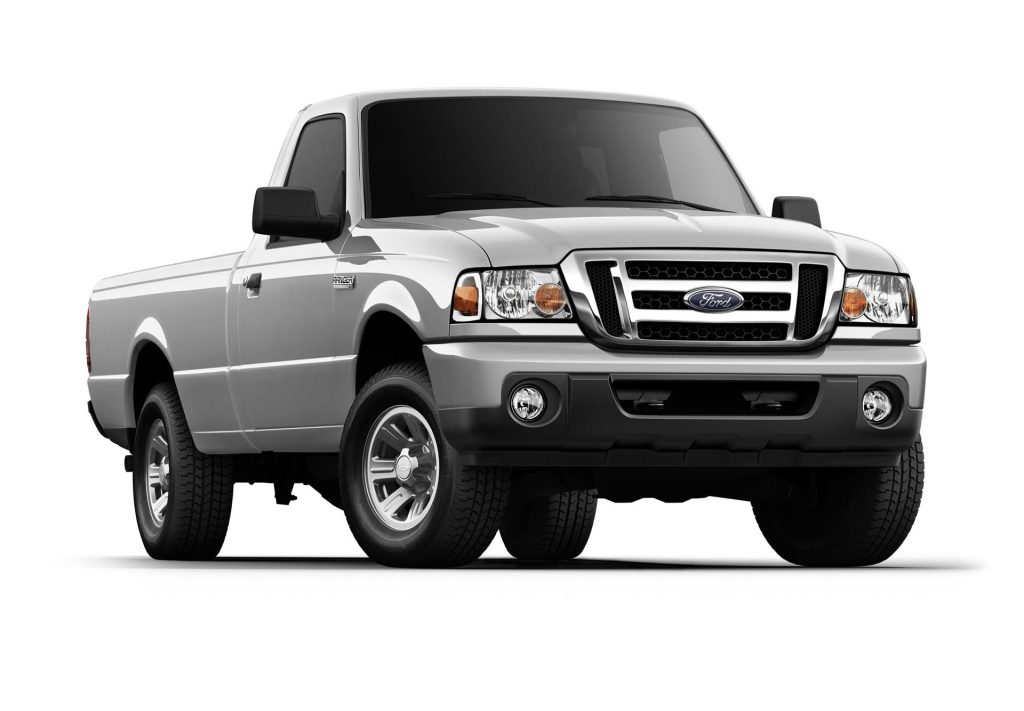
There are still important age-related problems to investigate. Rust around the frame, worn suspension components, neglected transmissions, and cooling-system issues can turn a cheap Ranger into an expensive project. The 4.0-liter V6 also deserves particular attention for timing-chain-related problems in applicable versions.
For someone seeking an inexpensive, manageable pickup, a properly maintained Ranger with the four-cylinder engine is an especially sensible starting point.
2. 1995-2004 Toyota Tacoma
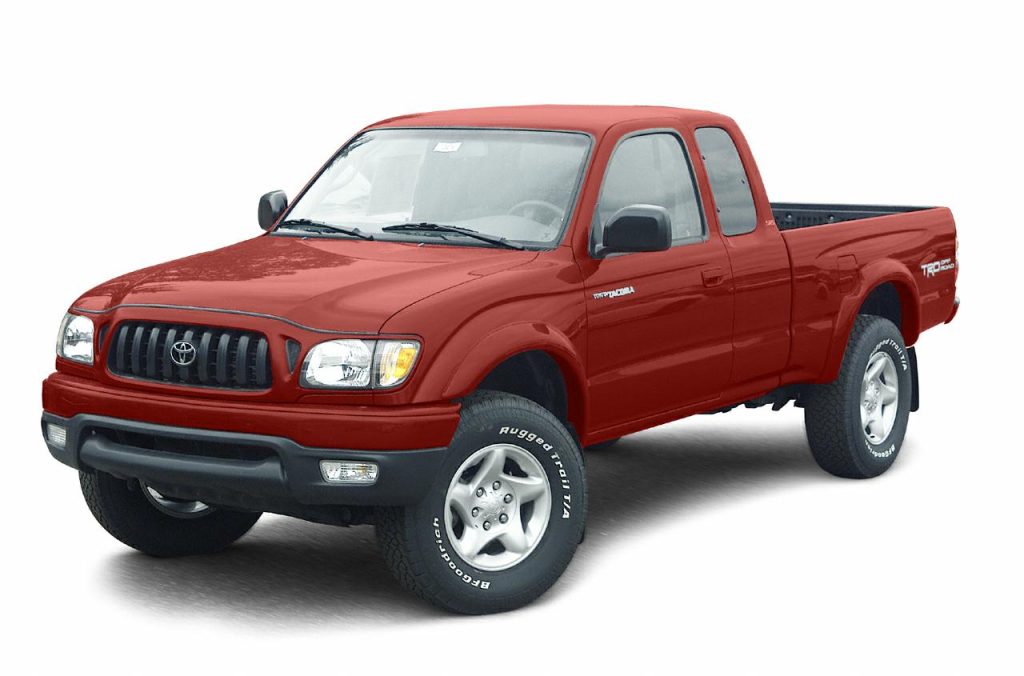
The first-generation Toyota Tacoma has developed a strong following among American pickup enthusiasts, largely because of its durable mechanical design and long-term usefulness.
Introduced for the 1995 model year, this generation remained available through 2004, offering buyers a relatively straightforward midsize truck with conventional gasoline engines and familiar mechanical systems.
Toyota offered several powertrain choices, including a 2.4-liter four-cylinder, a 2.7-liter four-cylinder, and a 3.4-liter V6. The four-cylinder versions are particularly attractive for owners who want a truck for commuting, light hauling, and ordinary household jobs.
The V6 provides additional performance, but buyers should consider its maintenance requirements, including timing-belt service.
One reason the Tacoma remains approachable is its established aftermarket and independent repair support. Replacement brakes, suspension components, filters, cooling-system parts, and routine service items are widely supported in the US market.
Edmunds describes the first-generation Tacoma as a highly desirable used truck with a reputation for durability and straightforward ownership.
One concern that deserves particular attention when buying a used Tacoma is frame corrosion. Toyota previously launched major corrosion-related service campaigns covering certain model years, including an extended warranty program for eligible trucks.
Even if the exterior appears to be in good condition, the frame underneath may still have significant rust damage. Buyers should therefore arrange a thorough underbody inspection before making a purchase.
Check the frame carefully, especially around suspension mounting points and crossmembers. Also request documentation for any previous frame inspection or replacement.
A well-maintained Tacoma can be an excellent long-term pickup, but its reputation should never replace a proper mechanical and structural inspection. Finding a rust-free example with documented maintenance is far more important than simply choosing the lowest-mileage truck available.
3. 1999-2006 Chevrolet Silverado 1500
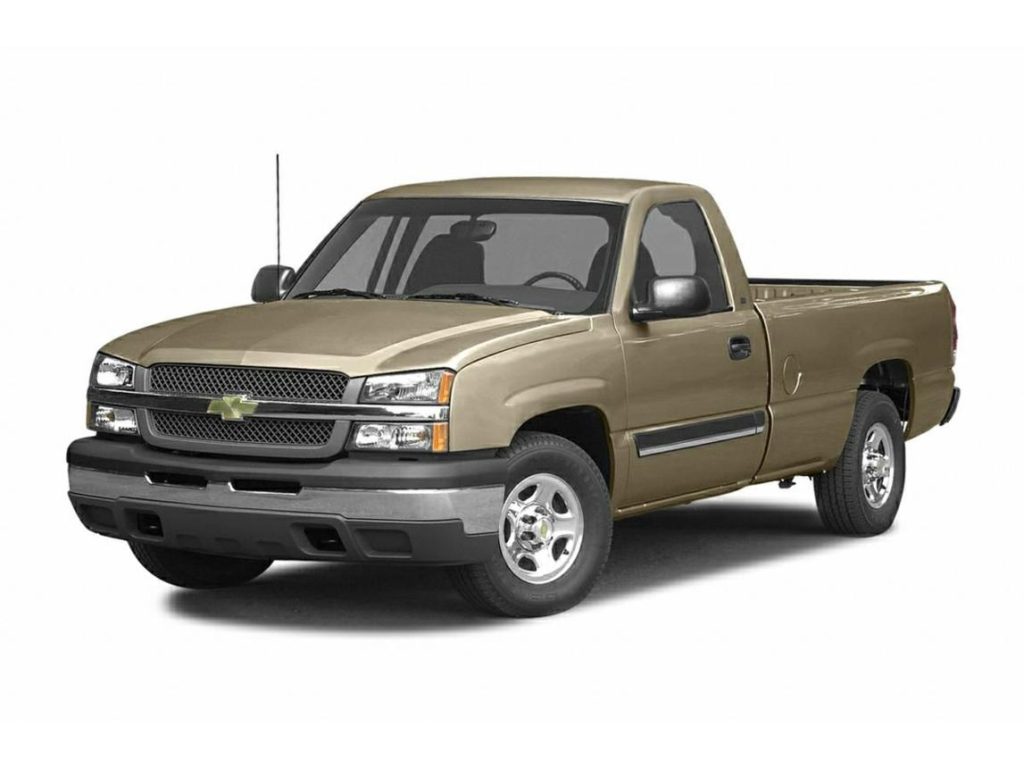
The first-generation Chevrolet Silverado 1500, built on GM’s GMT800 platform, is an appealing option for owners who want a full-size pickup with familiar mechanical components and strong replacement-parts support.
Introduced for 1999, this generation remained in production through 2006, with the previous body style continuing as a classic model in 2007. Its widespread use across Chevrolet and GMC vehicles helped create a large supply of service parts and repair knowledge.
Engine choices included the 4.3-liter V6, 4.8-liter V8, and 5.3-liter V8 in different configurations. The 5.3-liter Vortec V8 is particularly popular because it provides useful power without introducing the complexity of some later engine technologies.
Many versions use conventional port fuel injection and relatively straightforward engine-management systems.
The Silverado’s serviceability is also helped by shared components across the GMT800 family. Chevrolet and GMC pickups, SUVs, and related vehicles used several common engines and drivetrain parts. This gives independent mechanics access to established repair procedures and gives owners more options when sourcing replacement components.
That does not mean every Silverado is inexpensive to maintain. Older examples can develop transmission wear, fuel-pump problems, instrument-cluster faults, and corrosion around brake lines, cab corners, and frame sections. Some 4.8-liter and 5.3-liter engines also develop age-related oil leaks.
Buyers should pay close attention to transmission behavior during a test drive, particularly slipping or harsh shifts. Inspect the frame and brake lines before purchasing a truck from a region that uses road salt.
A properly maintained GMT800 Silverado offers a practical combination of full-size capability, widespread parts availability, and relatively approachable mechanical design. For buyers who prefer conventional gasoline powertrains, it remains a sensible older pickup to consider.
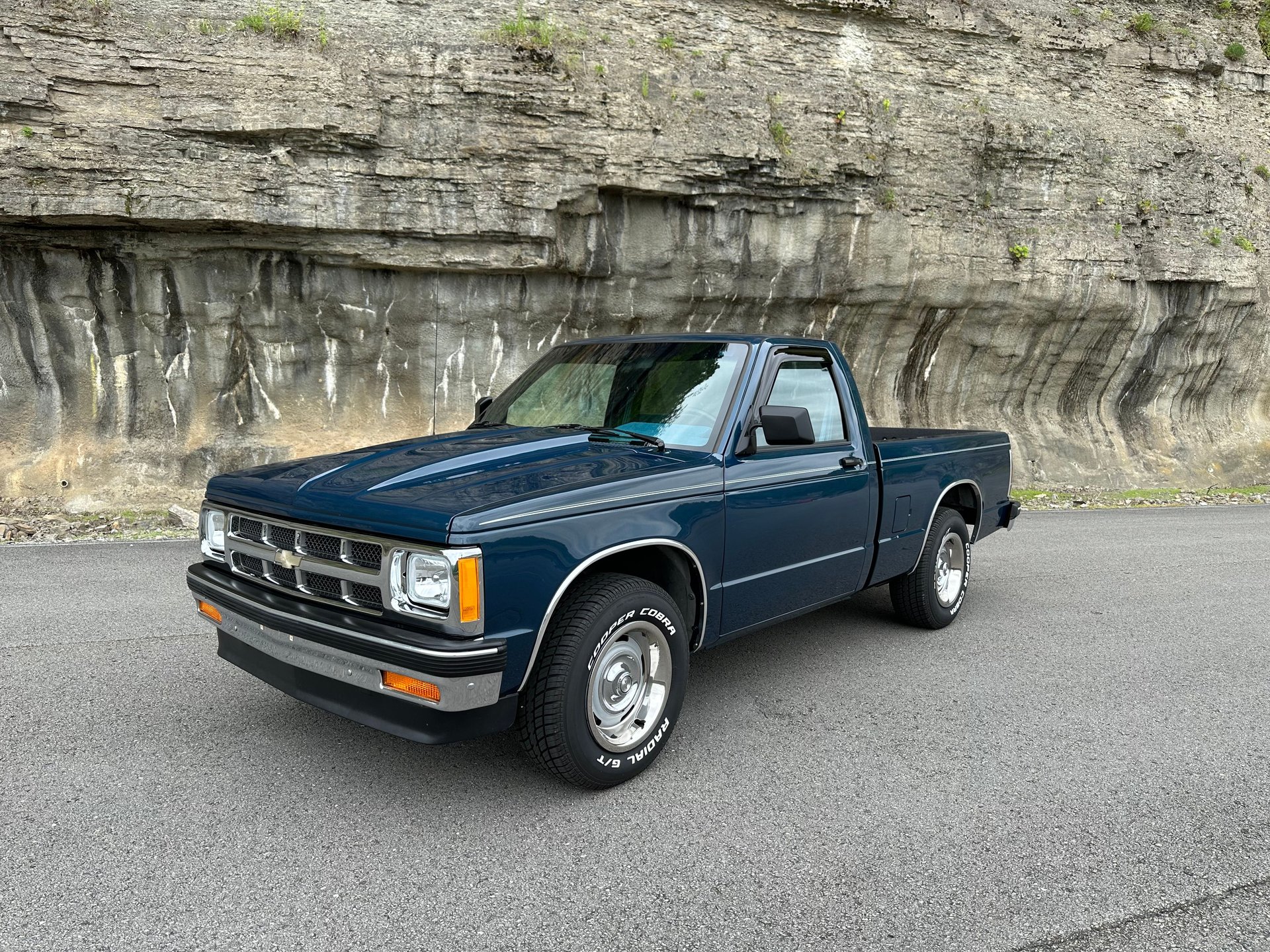
4. 1994-2004 Chevrolet S-10
The Chevrolet S-10 is a useful alternative for drivers who do not need the size or fuel consumption of a full-size pickup. Its second generation ran from 1994 through 2004 in the United States, giving buyers a relatively compact truck with familiar General Motors mechanical components.
Its popularity also helped establish strong aftermarket support, making routine repairs easier to handle without relying exclusively on dealership service departments.
The engine lineup included a 2.2-liter four-cylinder and the widely used 4.3-liter V6. The four-cylinder suits light-duty transportation, while the V6 provides stronger performance for carrying equipment and occasional towing. The 4.3-liter engine was also used across several other GM vehicles, helping maintain parts availability and mechanic familiarity.
The S-10 shares much of its mechanical architecture with the GMC Sonoma. That relationship provides additional options when sourcing certain engine, transmission, suspension, and braking components. Its relatively compact dimensions also make ordinary maintenance and workshop access less cumbersome than on many larger pickups.
However, age-related maintenance should not be underestimated. The 4.3-liter V6 can develop intake manifold gasket leaks, while automatic transmissions may suffer wear after years of heavy use. Fuel pumps, front suspension components, and electrical accessories also deserve inspection.
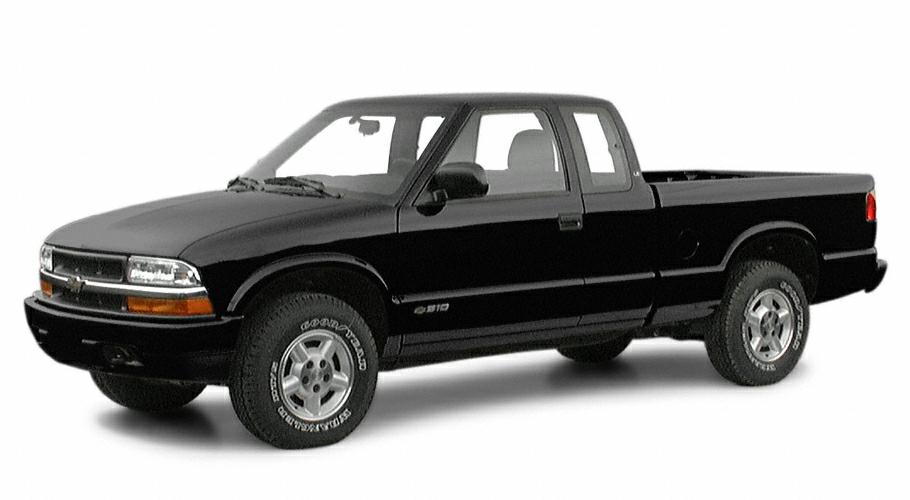
Rust is another major consideration. Check the frame rails, rocker panels, cab corners, bed crossmembers, and rear suspension mounting areas before buying.
The S-10 makes the most sense for owners who need a manageable pickup for household projects, small businesses, and everyday transportation. Finding a structurally sound example with documented maintenance is more important than choosing the most powerful engine or highest trim level.
5. 1998-2004 Nissan Frontier
The first-generation Nissan Frontier is an underrated choice for buyers who want an older midsize pickup with conventional mechanical engineering. Introduced for the 1998 model year, it replaced Nissan’s older compact pickup and continued in the United States until the second-generation truck arrived for 2005.
Its relatively straightforward design and established mechanical components make it worth considering for owners who prefer practical transportation over complicated technology.
US-market engine choices included a 2.4-liter four-cylinder and a 3.3-liter V6. The four-cylinder is particularly suitable for everyday driving and light hauling, while the V6 provides more useful performance for drivers who regularly carry equipment.
Both engines use familiar gasoline-engine technology, and routine maintenance does not require the specialized equipment associated with some newer powertrains.
Parts availability is another advantage. The Frontier shares certain mechanical components with other Nissan vehicles, and its long production run has helped maintain aftermarket support.
Independent shops familiar with older Nissan products can generally handle routine work such as brake servicing, suspension repairs, and engine maintenance.
There are, however, several important problems to investigate. Certain 1999-2003 V6 models were included in a fuel-pump sending-unit recall, while selected 2002-2004 trucks were affected by a steering-column corrosion recall.
The 3.3-liter V6 also uses a timing belt that Nissan’s 2004 maintenance schedule specifies for replacement every 105,000 miles or 84 months, whichever comes first.
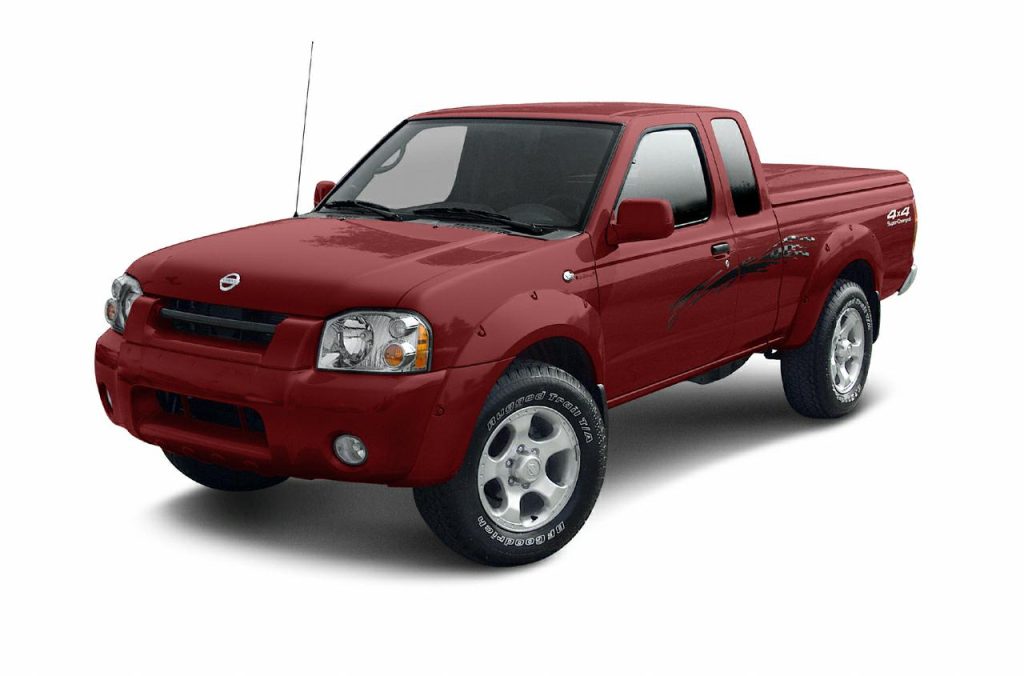
Buyers should request proof of timing-belt replacement on V6 versions and check whether applicable recalls were completed. Listen for exhaust leaks and inspect the steering components, fuel system, and frame for corrosion.
A properly maintained Frontier can be an approachable older pickup, particularly when purchased with a clear service history.
6. 2000-2006 Toyota Tundra
Toyota’s first-generation Tundra offers buyers a larger alternative to the Tacoma without moving into the most complicated modern full-size pickup designs. Introduced for the 2000 model year, it combined conventional gasoline engines, a body-on-frame construction, and familiar mechanical components.
The first generation continued through 2006, making it an interesting option for shoppers who want an older truck with useful everyday capability.
Early models offered a 3.4-liter V6 and a 4.7-liter V8. Toyota later introduced a 4.0-liter V6 for the 2005 model year, while the 4.7-liter V8 received a power increase during the same period.
The V8 is particularly attractive for drivers who need stronger acceleration and additional towing capability, although the correct capacity depends on the truck’s configuration.
One reason the Tundra is relatively approachable to maintain is its conventional powertrain layout. It does not rely on a modern turbocharged engine or complicated hybrid system. Routine servicing, brake repairs, suspension work, and common engine maintenance are familiar jobs for independent Toyota specialists.
The 4.7-liter V8 does require attention to timing-belt maintenance. Autoblog’s used-vehicle guide identifies a replacement interval of 90,000 miles or seven years, whichever comes first. Buyers should therefore request documentation rather than assume the belt has been replaced because the engine runs quietly.
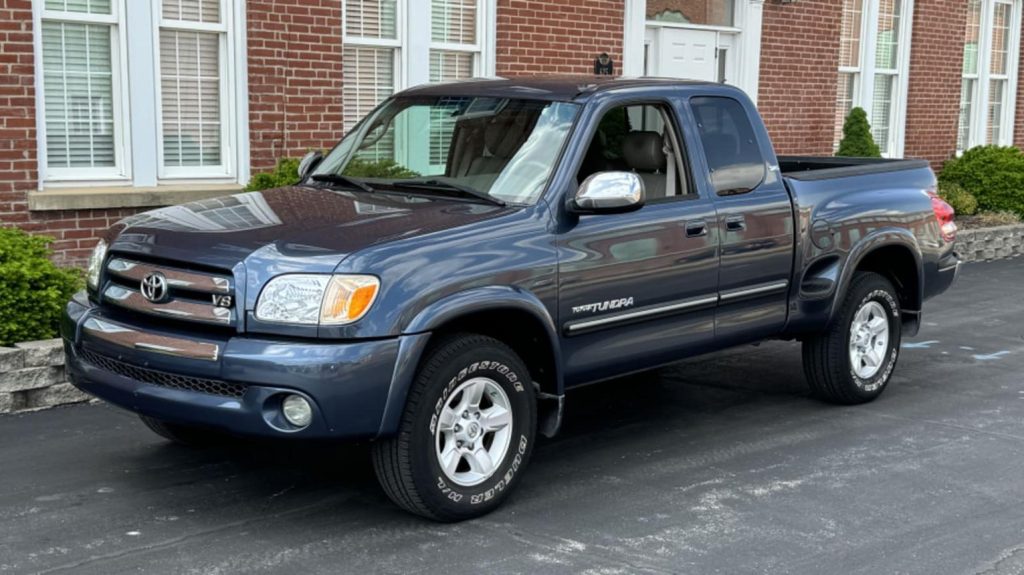
The biggest purchasing concern is age-related wear. Inspect the frame carefully, check the suspension and steering, and examine the transmission for abnormal shifting. Trucks from salt-using regions deserve particularly thorough corrosion inspections.
A well-maintained first-generation Tundra can be a dependable full-size pickup with familiar mechanical systems. It is especially appealing to buyers who want a conventional V8 without the additional complexity found in newer trucks.
7. 1986-1997 Nissan Hardbody (D21)
The Nissan Hardbody earned its nickname through its squared-off styling and distinctive double-wall cargo bed, but its appeal today goes beyond appearance.
Sold in the United States from the 1986 through 1997 model years, the D21 pickup was built around conventional mechanical components and a relatively uncomplicated design. Its long production run also helped establish a useful supply of replacement parts and repair knowledge.
The later trucks are particularly interesting because they use the 2.4-liter KA24E four-cylinder engine, which produces 134 horsepower. Earlier versions used the Z24i four-cylinder, while selected models through 1995 offered a 3.0-liter VG30E V6.
The four-cylinder configuration is a sensible choice for owners who prioritize straightforward maintenance and ordinary light-duty work.
Parts availability remains one of the Hardbody’s practical advantages. Routine service components, including filters, belts, hoses, water pumps, brakes, and suspension parts, have established aftermarket support. The related Nissan Pathfinder also shared certain mechanical components, giving owners additional sourcing options.
However, age-related problems deserve attention. The KA24E can develop timing-chain guide and tensioner problems, while V6 models require scheduled timing-belt replacement. Rust around the frame, rear spring hangers, and bed structure can also create expensive problems.
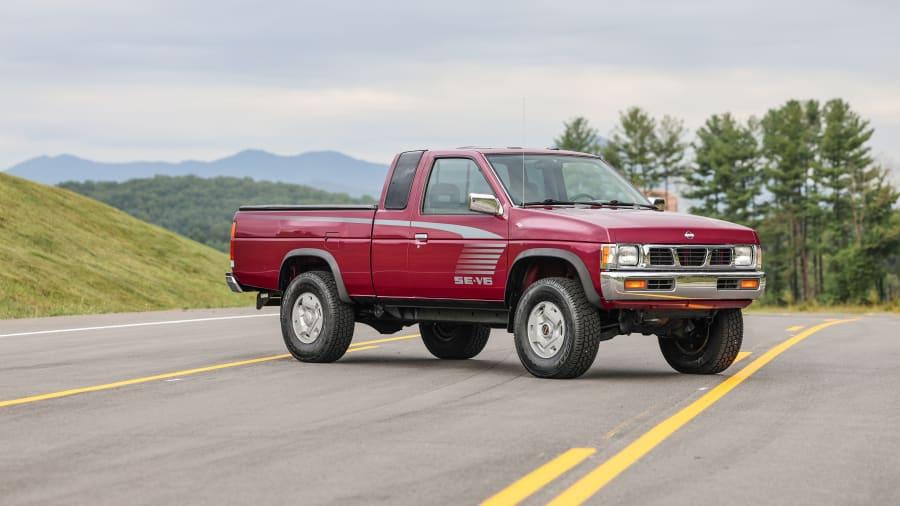
The 1996-1997 models are four-cylinder only, so buyers looking at advertisements claiming otherwise should verify the engine identification.
A clean Hardbody with a documented service history can be a rewarding older pickup. Its mechanical simplicity, manageable dimensions, and established parts support make it especially appealing to owners who prefer doing routine maintenance themselves.
8. 1992-1996 Ford F-150 4.9L Inline-Six
For buyers who value mechanical simplicity above modern features, the 1992-1996 Ford F-150 with the 4.9-liter inline-six is particularly interesting.
This engine, also known as the 300-cubic-inch straight-six, developed a strong reputation in American work trucks because of its conventional construction, useful low-speed torque, and ability to handle demanding service when properly maintained.
The 1992-1996 generation used electronic fuel injection across its gasoline engine lineup. The 4.9-liter six-cylinder was available alongside the 5.0-liter and 5.8-liter V8 engines, giving buyers several powertrain choices.
Ford discontinued the 300-cubic-inch inline-six after the 1996 model year, making these trucks the final F-150 generation to offer it.
One major advantage is the engine’s relatively straightforward layout. It uses a conventional naturally aspirated design rather than turbocharging, direct injection, or cylinder-deactivation technology.
Routine maintenance and many common mechanical repairs are familiar jobs for independent shops, while the truck’s long production history supports a healthy aftermarket for replacement components.
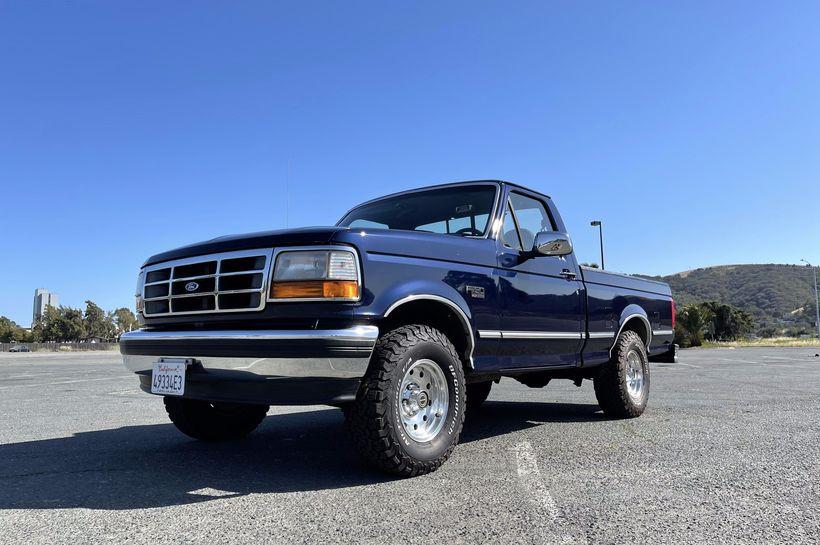
Ford’s earlier F-Series serviceability improvements also emphasized accessible maintenance points and simplified servicing, reflecting the manufacturer’s focus on practical work-truck ownership.
There are trade-offs. The inline-six is not particularly quick, and an older example may need attention to cooling components, gaskets, ignition parts, and transmission condition. Rust around the cab corners, floor, frame, and suspension mounting areas is another major concern.
For buyers who want an older full-size pickup that can be maintained without complicated powertrain technology, this F-150 is an excellent candidate. Finding an unmodified truck with service records is the best way to enjoy its practical mechanical character.