A new model year does not always bring a major redesign, but it can still make a vehicle more expensive to buy. Automakers adjust starting prices for several reasons, including added standard equipment, updated technology, higher production costs, and changes to available trims.
For shoppers comparing a 2027 vehicle with its 2026 predecessor, even a modest increase can affect the budget, especially when destination charges are added.
This list highlights nine models whose 2027 starting prices have increased, with attention to the previous model year’s pricing and what buyers receive for the extra money.
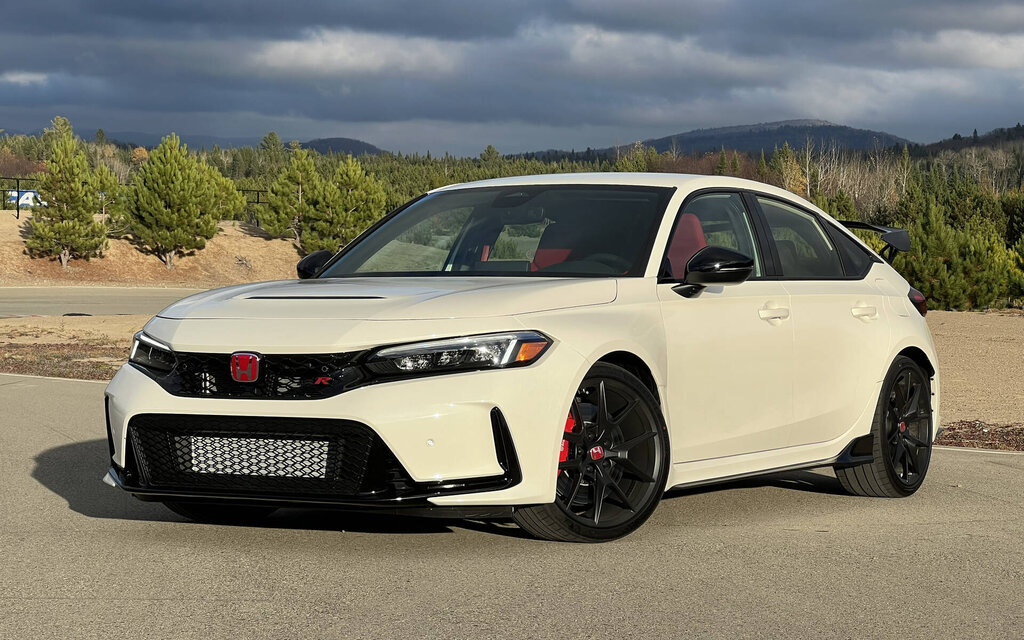
1. Honda Civic Sedan
The Honda Civic remains one of the more accessible compact sedans in the American market, but its entry price has moved upward for 2027. The base LX starts at $24,995, compared with $24,695 for the 2026 model.
That is a $300 increase, or approximately 1.2%, before destination charges, taxes, and registration. Honda lists the new starting price on its official US website, while its 2026 pricing information confirms the previous year’s figure.
The increase is relatively small compared with the cost of moving into a higher trim, but it still matters to shoppers working with a strict budget. The Civic Sedan LX uses a 2.0-liter four-cylinder engine producing 150 horsepower and is paired with a continuously variable transmission.
Honda also includes driver-assistance technology such as its Collision Mitigation Braking System and Road Departure Mitigation System. These features help make the base version more than a bare-bones transportation option.
Buyers should distinguish the starting MSRP from the amount they will actually pay at a dealership. Destination charges, optional equipment, taxes, and dealer-installed accessories can raise the final transaction price.
Honda’s published MSRP excludes several of these costs, so comparing window stickers on the same basis is important.
For buyers looking at the 2026 Civic, an additional $300 is unlikely to be the deciding factor. Still, the price increase reflects a broader pattern in the automotive market, where even established models with only minor updates can carry higher price tags with each new model year.
Checking dealer inventory for remaining 2026 examples may be worthwhile if the lower starting price is a priority.
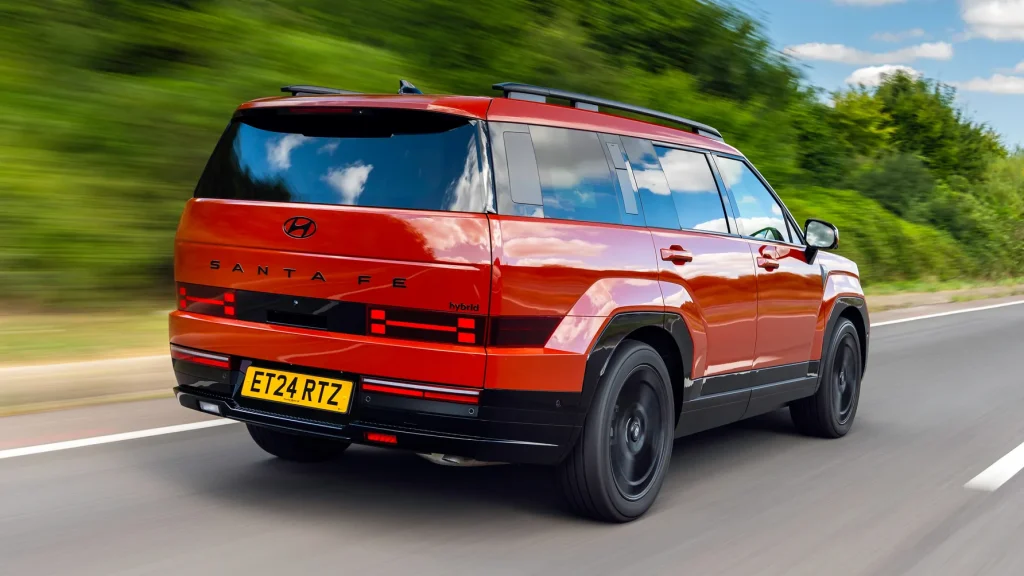
2. Hyundai Santa Fe
Hyundai has raised the entry price of its three-row Santa Fe for 2027, although the change is modest. The SE front-wheel-drive model now carries a starting MSRP of $35,300, compared with $35,050 for the equivalent 2026 trim.
That represents a $250 increase before applicable taxes, registration, and other charges. Hyundai’s US configurator lists both model-year prices, making this a direct comparison rather than an estimate based on dealership listings.
The Santa Fe occupies an important position for families who want three rows without moving into a larger, more expensive SUV. Its standard powertrain is a 2.5-liter turbocharged four-cylinder engine producing 277 horsepower.
Front-wheel drive is standard on the SE, while Hyundai’s HTRAC all-wheel-drive system is available for buyers who want additional traction. The cabin also features a 12.3-inch touchscreen, and the model offers practical family-oriented equipment.
The higher starting price does not mean every 2027 Santa Fe trim has increased by the same amount. Hyundai lists separate prices for the SEL, XRT, Limited, and Calligraphy versions, and buyers should compare equivalent trims rather than treating the entry-level change as representative of the entire range.
Buyers should also account for destination and delivery charges when comparing prices. Hyundai’s pricing information lists the MSRP separately from freight and other applicable expenses, meaning the final amount paid will be higher than the advertised starting price.
A $250 adjustment is unlikely to transform the Santa Fe’s affordability by itself. Still, shoppers comparing dealer offers should check both model years carefully. A discounted 2026 SE could offer better value than paying the new base price, especially if the older vehicle has the equipment and configuration they want.
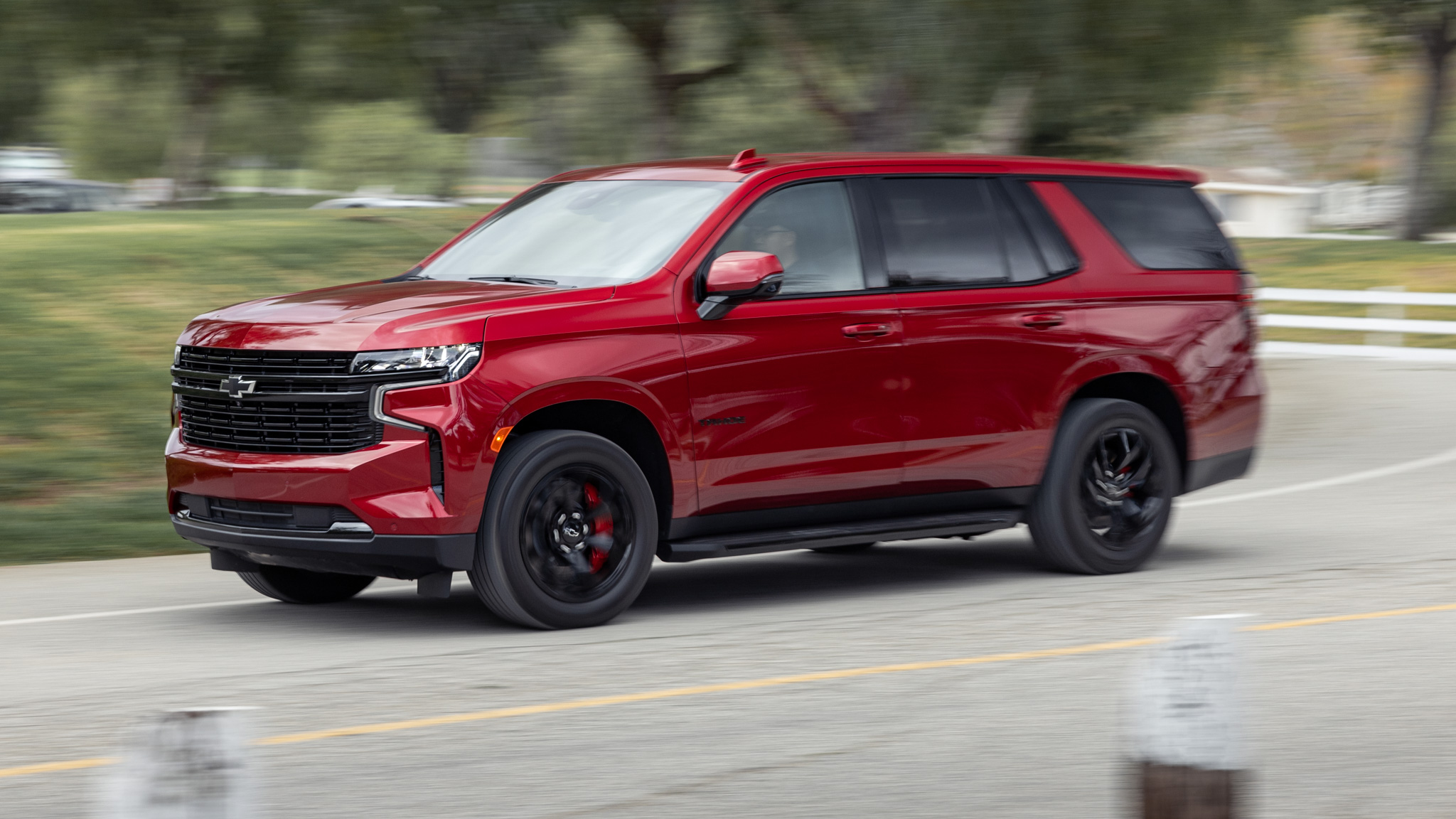
3. Chevrolet Tahoe
The Chevrolet Tahoe has one of the larger confirmed entry-price increases among mainstream 2027 models. The rear-wheel-drive LS starts at $62,400, compared with $60,700 for the equivalent 2026 version.
That is a $1,700 increase, or approximately 2.8%, before destination charges and other purchase costs. The comparison uses the same entry-level trim and drivetrain, rather than comparing differently equipped versions.
The Tahoe’s size helps explain why buyers pay close attention to its starting price. It is a full-size SUV with three rows, substantial passenger space, and the ability to tow when properly equipped.
The LS uses a 5.3-liter V8 engine, while other trims offer additional powertrain and equipment choices. Moving up the range can raise the price considerably, so the entry-level figure is only the starting point for a broader lineup.
For families who need a large cabin, the Tahoe offers space that smaller crossovers cannot easily match. However, shoppers should consider more than the base MSRP. Fuel costs, insurance, tires, and maintenance can all add to the expense of owning a full-size SUV. Four-wheel drive and optional equipment also increase the amount due.
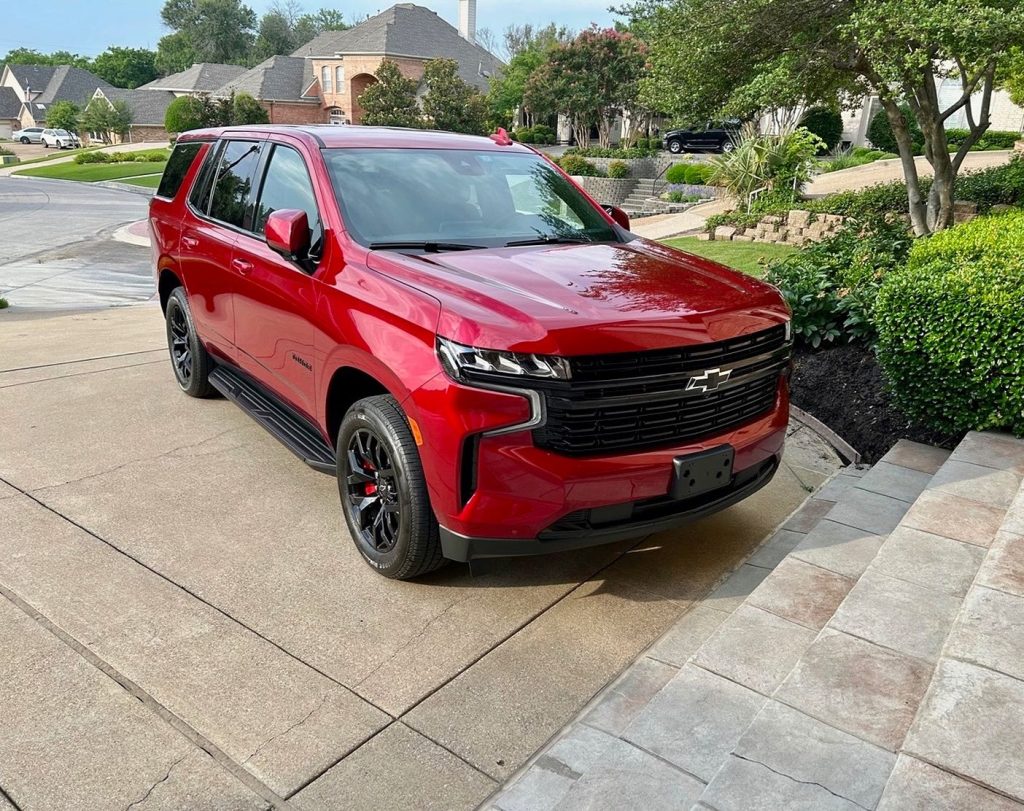
The $1,700 adjustment is worth factoring into a purchase comparison, especially for buyers who do not need the latest model year. A remaining 2026 LS may offer a lower purchase price if a dealer is willing to discount its inventory.
Compare the actual equipment, incentives, destination fees, and out-the-door figures before deciding which model year makes better financial sense.
4. Kia Seltos
The Kia Seltos records one of the largest percentage increases in this group. Its 2027 LX front-wheel-drive model is listed at $24,990, up from $23,790 for the comparable 2026 version. That is a $1,200 increase, equivalent to approximately 5%.
The comparison is based on the entry-level LX with the same drivetrain, making the difference easier to understand than a comparison between unrelated trim levels.
A price increase of this size stands out in the subcompact SUV segment, where affordability is a major part of a vehicle’s appeal. The Seltos offers a higher seating position than a traditional small sedan, a useful cargo area, and available all-wheel drive on selected configurations.
Its appeal is particularly clear for buyers who want an SUV footprint without stepping up to a larger and more expensive family vehicle.
The important question for shoppers is whether the 2027 model brings enough changes to justify paying more. Equipment and specification differences should be checked by trim, because a model-year price comparison does not automatically mean the vehicles are identical in every detail.
Destination charges, dealer-installed accessories, and optional packages can also change the final price.
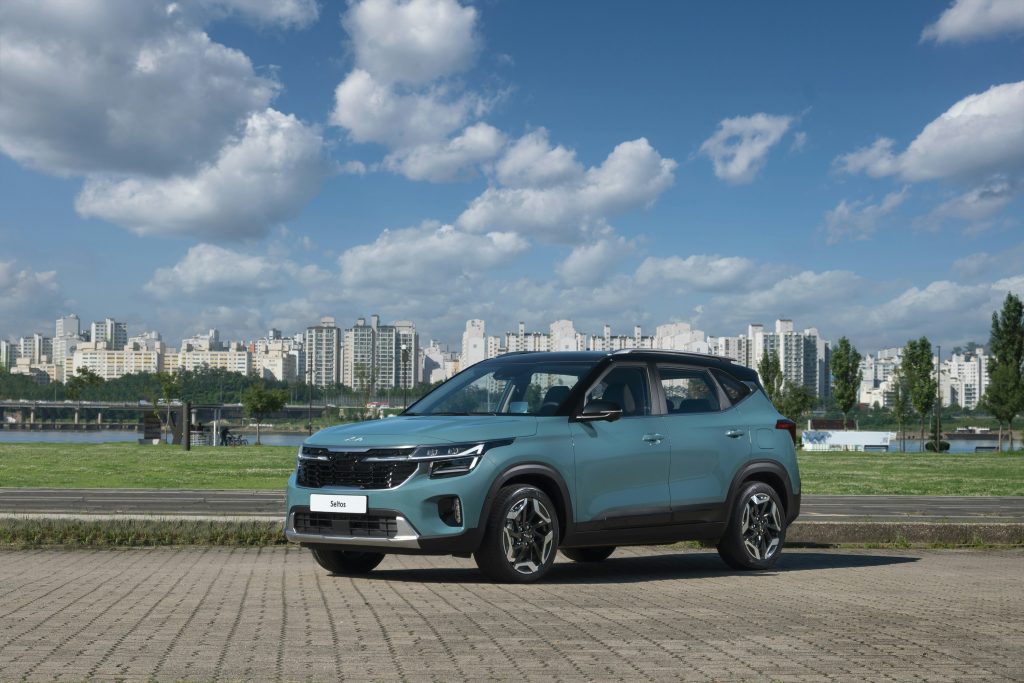
For buyers focused on keeping monthly payments low, the increase deserves attention. A discounted 2026 Seltos LX could be a more attractive deal if the available vehicle meets their needs.
However, compare warranty coverage, financing incentives, and standard equipment before choosing. A lower advertised price is not necessarily the better offer if the older vehicle lacks features that matter to the buyer.
5. Toyota Sequoia
Toyota’s full-size Sequoia becomes noticeably more expensive at the entry level for 2027. The SR5 four-wheel-drive model is listed at $69,900, compared with $68,725 for the 2026 version.
That is a $1,175 increase, or approximately 1.7%, before delivery charges, taxes, and registration. The comparison is based on the SR5 configuration rather than a higher trim with additional equipment.
The Sequoia is not an inexpensive three-row SUV to begin with. It uses Toyota’s i-FORCE MAX hybrid powertrain, combining a twin-turbocharged 3.4-liter V6 with an electric motor. The system produces 437 horsepower and 583 lb-ft of torque.
That output gives the large SUV substantial acceleration and towing capability, while the hybrid arrangement is designed to deliver better fuel efficiency than a comparable conventional V8 setup.
Toyota’s 2027 model-year updates also bring additional technology and driver-assistance equipment, including the latest Toyota Safety Sense system. Buyers should confirm the exact equipment included on the SR5 they are considering, since standard features and packages can vary by configuration.
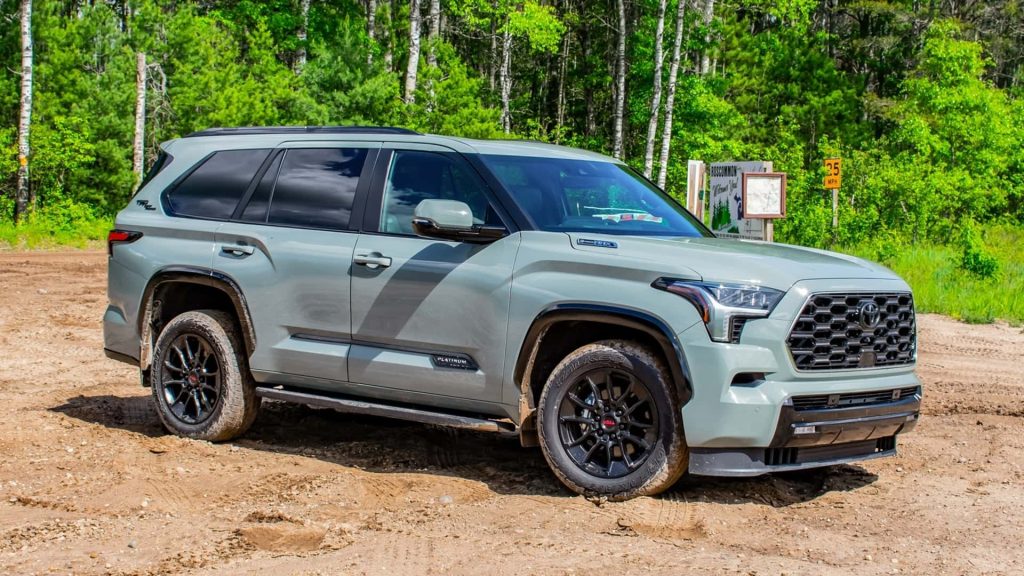
The price adjustment is relevant for families comparing the Sequoia with other large SUVs. Its hybrid powertrain and towing capability may justify the premium for some buyers, but the purchase price is only one part of ownership. Fuel economy, insurance, tire replacement, and financing costs should also enter the calculation.
If a 2026 SR5 is still available locally, compare its equipment and dealer discount with the newer version. A lower transaction price could make the older model appealing, particularly if the buyer does not need the latest technology updates.
6. Chevrolet Equinox
The Chevrolet Equinox is an important price comparison because it sits in the highly competitive compact SUV segment. The 2027 LT front-wheel-drive model starts at $29,700, compared with $28,800 for the equivalent 2026 version. The difference is $900, an increase of approximately 3.1% before destination charges and other fees.
That change moves the Equinox closer to the $30,000 starting-price mark. For shoppers who are comparing compact SUVs primarily on affordability, the increase could affect which trims and options fit their budget.
The LT is positioned as a mainstream version of the lineup, offering a balance of everyday equipment and comfort without the higher price of the more expensive trims.
The Equinox uses a 1.5-liter turbocharged four-cylinder engine. Front-wheel-drive versions use a continuously variable transmission, while all-wheel-drive models use an eight-speed automatic.
This distinction matters when comparing advertised prices because drivetrain changes can affect both the purchase price and the vehicle’s driving characteristics.
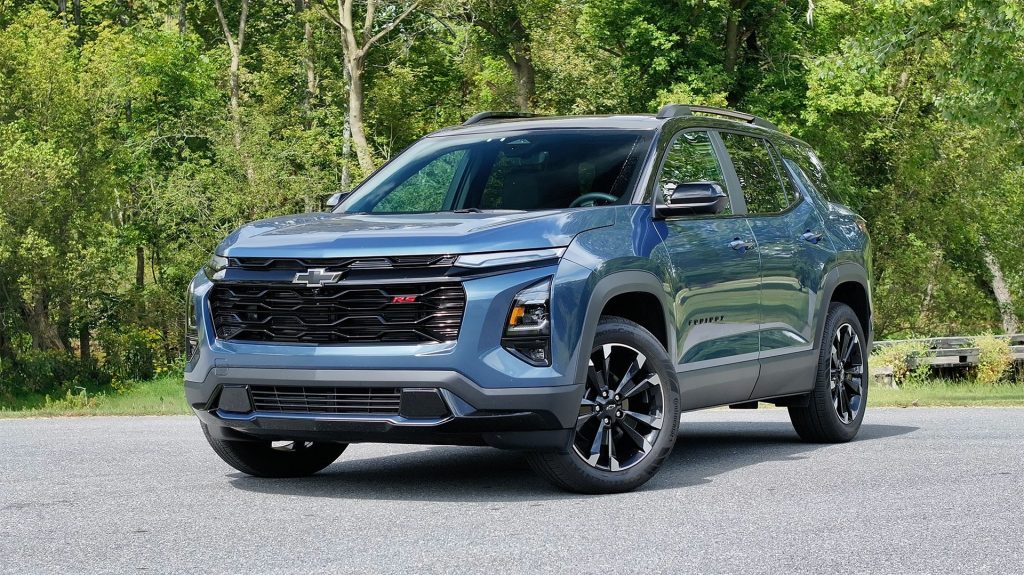
A higher MSRP does not necessarily mean the 2027 model is a worse deal. Buyers should check whether equipment, safety technology, or available packages have changed, and compare the exact configurations rather than relying on the headline starting price alone. Dealer incentives can also make a remaining 2026 vehicle less expensive.
For anyone considering an Equinox, the practical move is to request written quotes for both model years. Compare destination charges, discounts, financing rates, and installed options. That will reveal whether the newer model’s changes are worth the additional $900.
7. Honda CR-V
The Honda CR-V is another familiar compact SUV that costs more at the entry level for 2027. The LX front-wheel-drive model rises from $30,920 for 2026 to $31,520 for 2027.
That is a $600 increase, or approximately 1.9%, before destination charges, taxes, and registration. The comparison uses the same trim and drivetrain to avoid confusing a price increase with the cost of choosing a different configuration.
The CR-V’s appeal comes from its practical cabin, comfortable ride, useful cargo space, and reputation as a family-friendly daily driver.
The LX is the entry point, so its price is particularly important to buyers who want the Honda nameplate without paying for higher trims. The standard gasoline model uses a 1.5-liter turbocharged four-cylinder engine paired with a continuously variable transmission.
Honda also sells hybrid versions of the CR-V, but those carry different starting prices and equipment. Shoppers should make sure they are comparing the gasoline LX with the same gasoline configuration from the previous year. Comparing an LX with a hybrid Sport or Sport-L would produce a misleading result.
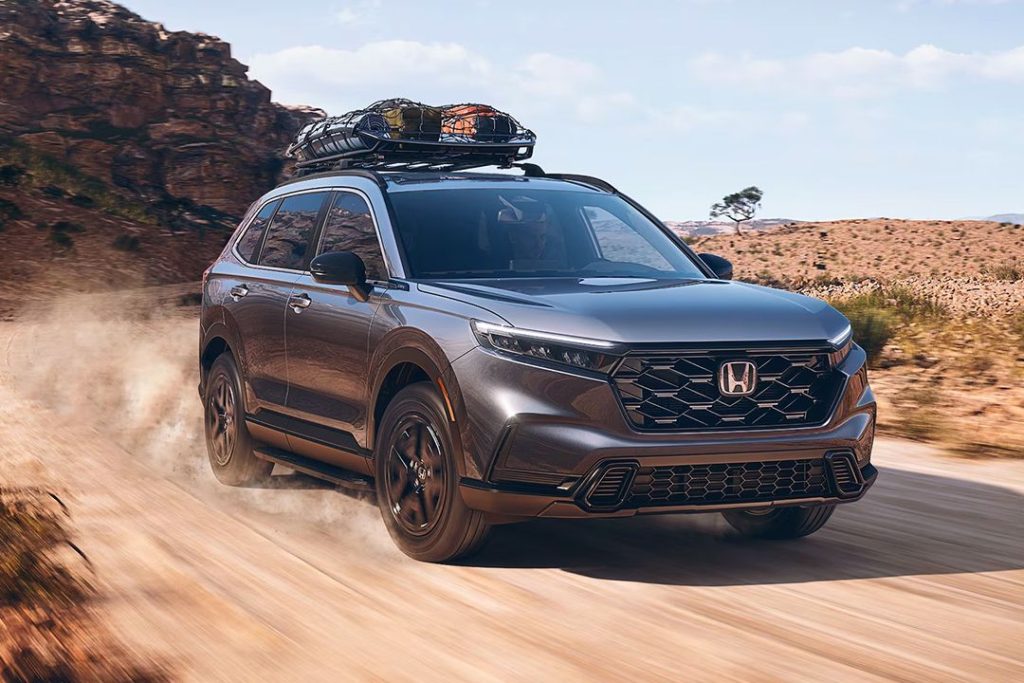
The $600 adjustment is not the largest in this article, but it adds to the cost of an already competitive compact SUV. Buyers should look closely at the final dealer quote because destination fees and accessories can make the actual difference larger than the MSRP comparison suggests.
A remaining 2026 CR-V LX may be worth considering if a dealer offers a meaningful discount. Still, the newer model could make sense if its standard equipment or available incentives are more attractive. The best comparison is between two written out-the-door offers, not just the prices shown in advertisements.
8. Jeep Wrangler
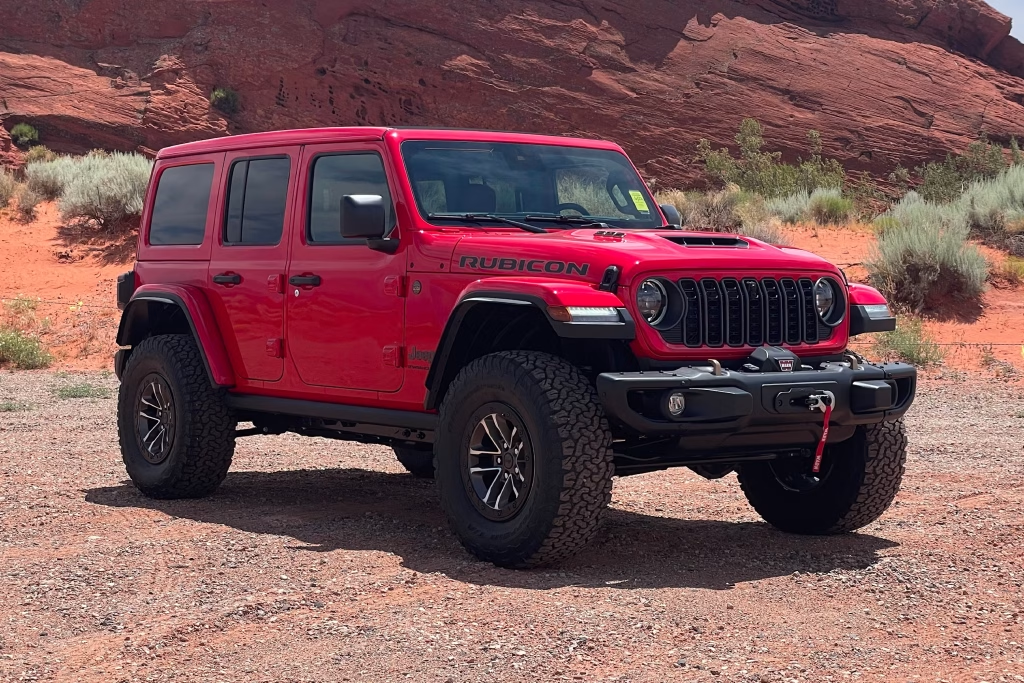
The Jeep Wrangler remains a distinctive choice for buyers who want a traditional off-road SUV, but its entry price has increased for 2027. The two-door Sport 4×4 starts at $36,635, compared with $36,035 for the 2026 model.
That represents a $600 increase, or approximately 1.7%, before destination charges and other fees. The figures compare the same two-door base trim and four-wheel-drive configuration.
Unlike many compact and midsize SUVs, the Wrangler is built around off-road capability. Its traditional body-on-frame construction, solid axles, removable doors and roof, and dedicated four-wheel-drive hardware give it a different character from ordinary family crossovers.
The entry-level Sport is a relatively straightforward way into the lineup, although buyers can spend considerably more by selecting additional equipment or a more specialized trim.
The higher starting price is worth considering because the Wrangler’s purchase cost is only one part of the ownership equation. Tire replacement, fuel consumption, insurance, and optional off-road accessories can add considerably to the budget.
Buyers planning to use the vehicle primarily on paved roads should also compare its ride and everyday practicality with less specialized SUVs.
A $600 increase does not necessarily make the 2027 model a poor purchase. However, shoppers should check whether equipment, available packages, or incentives have changed before deciding. A discounted 2026 Sport could offer savings, while the newer version may be preferable if its configuration better matches the buyer’s requirements.
For anyone comparing the two model years, make sure both quotes include the same destination charge treatment, installed accessories, and dealer fees. That provides a more realistic comparison than looking at the starting MSRP alone.
9. Ram 1500
The Ram 1500 rounds out this list with a higher starting price for its entry-level Tradesman configuration.
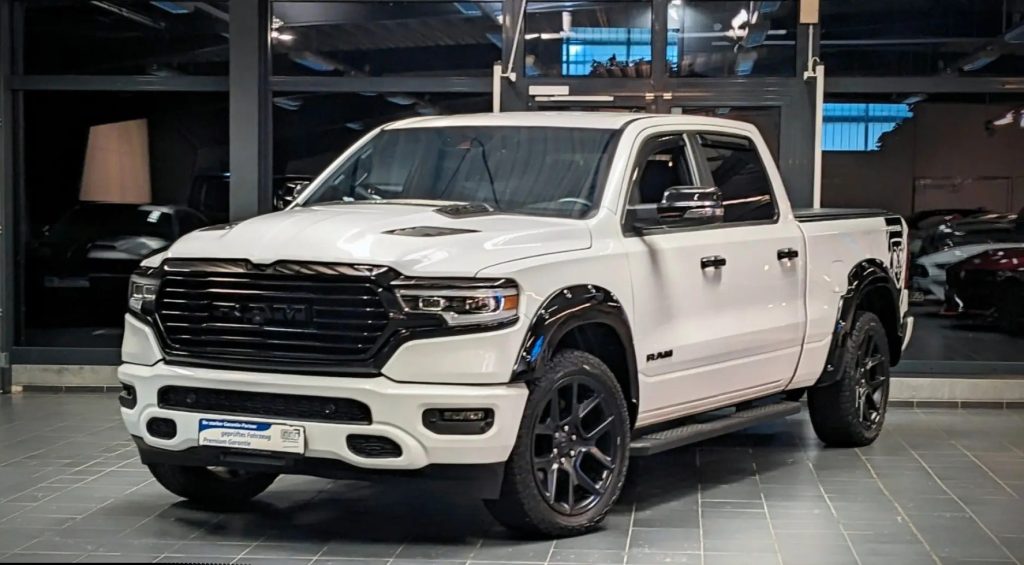
The 2027 Tradesman Quad Cab with rear-wheel drive is listed at $42,575, compared with $42,025 for the comparable 2026 model. That is a $550 increase, or approximately 1.3%, before destination charges, taxes, and registration.
The Tradesman is aimed at buyers who want a full-size pickup for work and everyday use without paying for the luxury features found in higher Ram trims. Its appeal includes a practical cabin, a useful truck bed, and access to the Ram 1500’s range of powertrain and equipment options.
However, the exact engine and available configuration should be confirmed on the window sticker because the lineup can vary by model year and trim.
For businesses and individual owners, even a few hundred dollars can matter when comparing multiple trucks. Fleet buyers may also be purchasing several vehicles at once, making small price changes more significant across an entire order.
The advertised base price, however, is not the complete cost. Bed options, towing equipment, upgraded engines, packages, and dealer-installed accessories can raise the final figure.
There is also a practical reason to compare the 2026 and 2027 versions carefully. A dealer may have remaining 2026 inventory with manufacturer incentives or local discounts. Those offers can outweigh the $550 MSRP difference, but buyers should check financing terms and included equipment before assuming the older truck is cheaper.
Request quotes for the same cab, drivetrain, engine, and options. Comparing matching configurations will show whether the newer model’s price adjustment is meaningful and whether a remaining 2026 truck offers a better purchase.