
The classic-car market has changed dramatically since 2021. Some cars have barely moved in value, while others have climbed into entirely different price brackets as collectors have placed greater importance on rarity, originality, naturally aspirated engines, manual transmissions, and automotive history.
The strongest performers are not necessarily the cars that were already considered the most desirable five years ago. Several expensive models have experienced extraordinary appreciation, while other familiar classics have risen much less. Comparing September 2021 valuations with Hagerty’s July 2026 Price Guide shows just how different the results can be.
This list focuses on specific cars and configurations where Hagerty’s U.S. valuation data shows that the current #3 good-condition high valuation has at least doubled from the September 2021 figure. The percentage increases are calculated from those published figures.
That does not mean every individual example has doubled in transaction value. Condition, mileage, originality, documentation, provenance, and specification can create substantial differences between individual cars.
The cars also come from very different eras. The list includes legendary Ferrari supercars, technologically advanced Porsches, a rare Acura NSX, and an exceptionally scarce American performance car. Together, they demonstrate how varied the collector-car market has become.
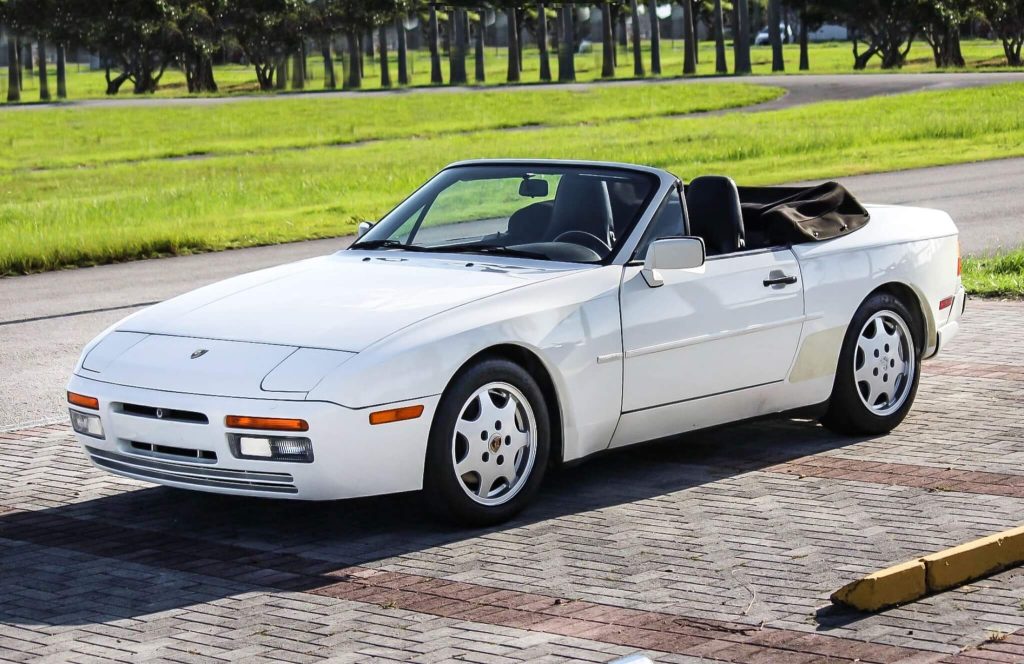
1. 1991 Porsche 944 S2 Cabriolet
The Porsche 944 S2 Cabriolet may be the biggest surprise on this list. For years, the 944 was considered an accessible used Porsche rather than a serious high-dollar collectible. That perception has changed considerably for certain versions.
Hagerty’s July 2026 Price Guide places the 1991 Porsche 944 S2 Cabriolet at $22,000 to $32,333 in #3. Good condition. Its September 2021 valuation was $13,900. Using the current high figure, the valuation has increased by approximately 133% in five years.
The S2 was the final major development of the naturally aspirated 944. It used a 3.0-liter four-cylinder engine producing 208 horsepower, with power sent to the rear wheels through a five-speed manual transmission. The Cabriolet was a distinct configuration and is considerably less common than the fixed-roof 944.
That rarity is important because collector demand can be highly specific. A standard 944 and a well-preserved S2 Cabriolet do not necessarily receive the same treatment from the market.
The car also represents an important period in Porsche’s history. The 944 moved away from the company’s traditional rear-engine formula, using a front-mounted engine and rear-wheel drive. The resulting balance gave the car a distinctive driving character, while the S2’s larger naturally aspirated engine provided considerably more performance than earlier versions.
Its appreciation demonstrates how collectors can eventually recognize cars that were once overlooked. The S2 Cabriolet does not need to imitate the 911 to have collector significance. Its combination of performance, rarity, and open-top driving has given it an identity of its own.
The condition remains critical. Hagerty’s figures are valuation benchmarks rather than guarantees of what every example will sell for. A poorly maintained car can require significant mechanical work, while an original, documented example can occupy a very different part of the market.
For a Porsche that spent decades being regarded as an affordable used sports car, moving from $13,900 to more than $32,000 at the high end represents a substantial change in collector perception.
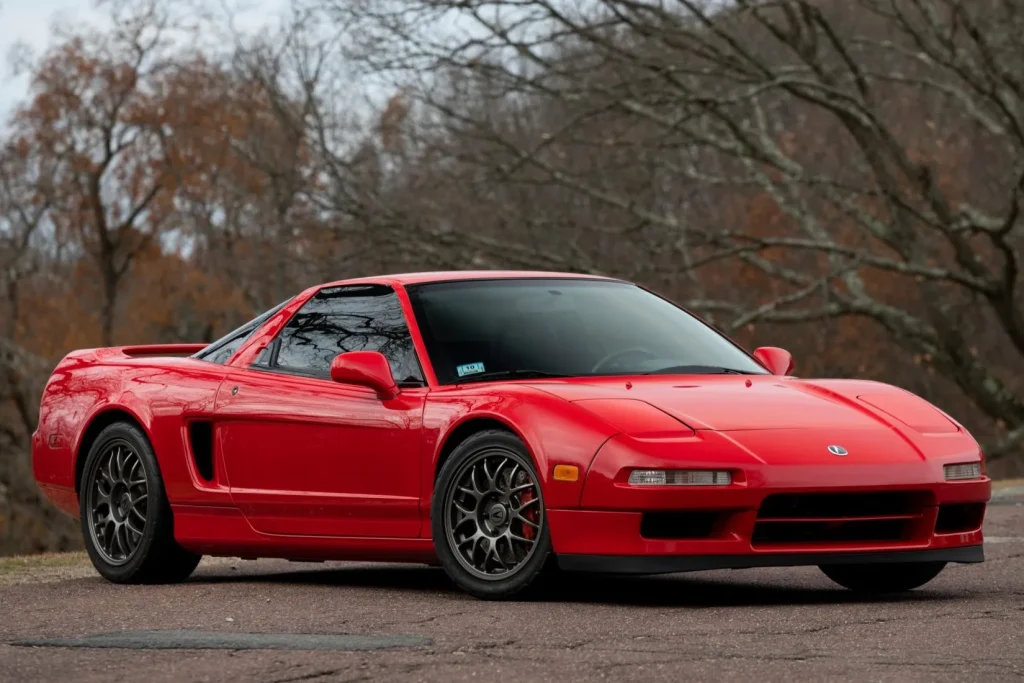
2. 1999 Acura NSX 3.2L Zanardi Edition
The Acura NSX has always been unusual among Japanese performance cars because it was developed with the ambition of challenging established European supercars. The 1999 Zanardi Edition takes that already significant car and adds extreme rarity.
Hagerty’s July 2026 #3 Good-condition valuation for the 1999 Acura NSX 3.2L Zanardi Edition ranges from $129,833 to $199,667. The September 2021 figure was $95,000. The upper valuation has therefore increased by approximately 110%.
The Zanardi Edition was built in a limited run of just 49 cars for the U.S. market. It was created to celebrate Alex Zanardi’s back-to-back CART championships with Honda power. The cars received a fixed roof, modified suspension, and other changes that distinguished them from ordinary NSXs.
Power came from a 3.2-liter V6 producing 290 horsepower. The car used a five-speed manual transmission, rear-wheel drive, and the aluminum-intensive construction that helped establish the NSX’s engineering reputation.
The NSX was never defined by horsepower alone. Honda and Acura focused on keeping the car lightweight while emphasizing balance, visibility, reliability, and everyday usability. That approach set the NSX apart from many exotic cars of its era. The Zanardi Edition adds another important factor to the equation, its limited production.
A standard NSX remains available in the collector market, but a special edition produced in such small numbers has a much smaller pool of surviving examples. As collectors have increasingly separated rare NSX configurations from ordinary versions, the Zanardi has benefited.
The valuation data also shows why saying “the NSX doubled” would be too broad. The specific configuration is what matters. Production numbers, engine specifications, transmission choices, and body styles can dramatically affect a collector car’s value.
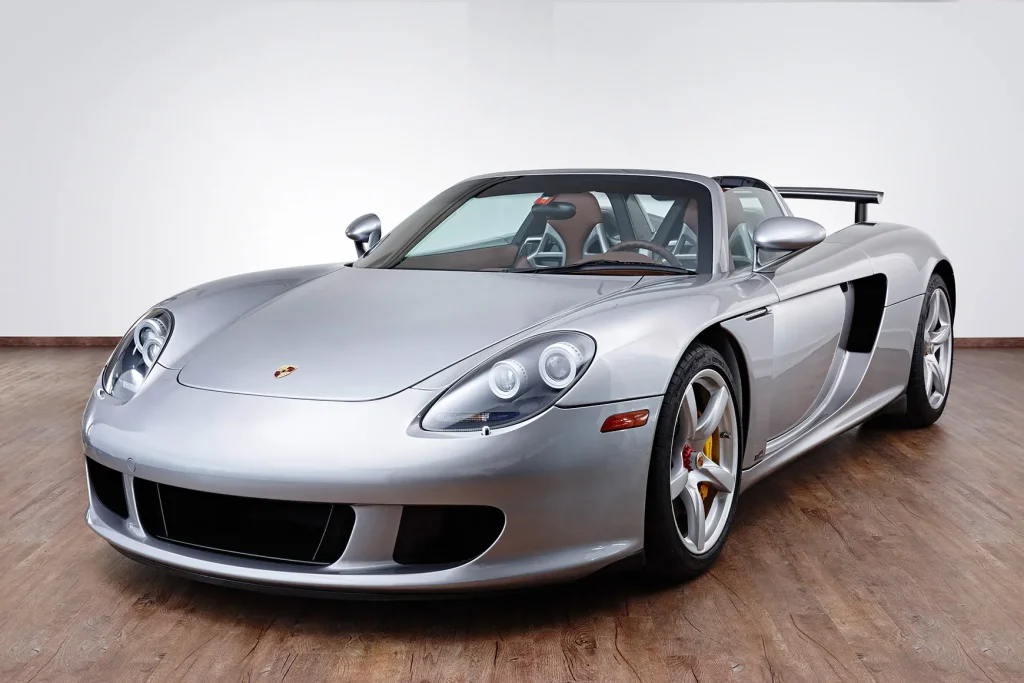
3. 2004 Porsche Carrera GT
The Porsche Carrera GT is one of the clearest examples of a modern performance car moving from an expensive supercar into the upper levels of the collector market.
Hagerty’s July 2026 Price Guide lists the Carrera GT at $2.1 million to $2.417 million in #3. Good condition. Its September 2021 valuation was $775,000. Even the lower 2026 figure represents an increase of approximately 171%, meaning it is now worth more than 2.7 times its 2021 benchmark at that valuation level.
The Carrera GT was powered by a naturally aspirated 5.7-liter V10 producing 605 horsepower. The engine was connected to a six-speed manual transmission, while carbon-fiber construction was used extensively throughout the car. Only 1,270 Carrera GTs were produced.
That figure is central to its market position. This was never a high-volume sports car. It was Porsche’s flagship supercar during a period when the industry was moving toward more electronic assistance and increasingly sophisticated powertrains.
The Carrera GT now represents a very specific period in performance-car history. Its naturally aspirated V10 does not use turbocharging or hybrid assistance, and its manual transmission demands direct driver involvement. That combination has become increasingly unusual.
Modern supercars can produce considerably more power, accelerate faster, and incorporate substantially more technology. Yet the Carrera GT’s appeal partly comes from what it does not have. It offers a mechanical driving experience that is becoming increasingly difficult to replicate.
The rise from $775,000 to more than $2 million also demonstrates how quickly the collector market can change when a vehicle becomes recognized as historically significant.
The Carrera GT is no longer simply an expensive used Porsche. Its scarcity, engineering, and distinctive powertrain have pushed it firmly into the collector-car market’s upper tier.
4. 1990 Ferrari F40
The Ferrari F40 was already one of the world’s most desirable supercars in 2021, yet its valuation has climbed dramatically since then.
Hagerty’s July 2026 valuation places a #3 Good-condition F40 between $3.117 million and $3.683 million. The September 2021 valuation was $1.2 million. The lower current figure represents an increase of approximately 160%, while the upper figure is more than three times the 2021 benchmark.
The F40 was powered by a 2.9-liter twin-turbocharged V8 producing 478 horsepower. Lightweight construction and an uncompromising character made it one of Ferrari’s defining performance cars. It also carries enormous historical significance.
The F40 was the final Ferrari road car developed while Enzo Ferrari was alive. Its name commemorated Ferrari’s 40th anniversary, giving the car importance beyond its performance specifications.
Unlike many modern supercars, the F40 was built around a relatively direct philosophy. Weight reduction was important, the cabin was sparse, and the driving experience was deliberately focused.
That raw character has become even more significant as modern performance cars have become increasingly complex.
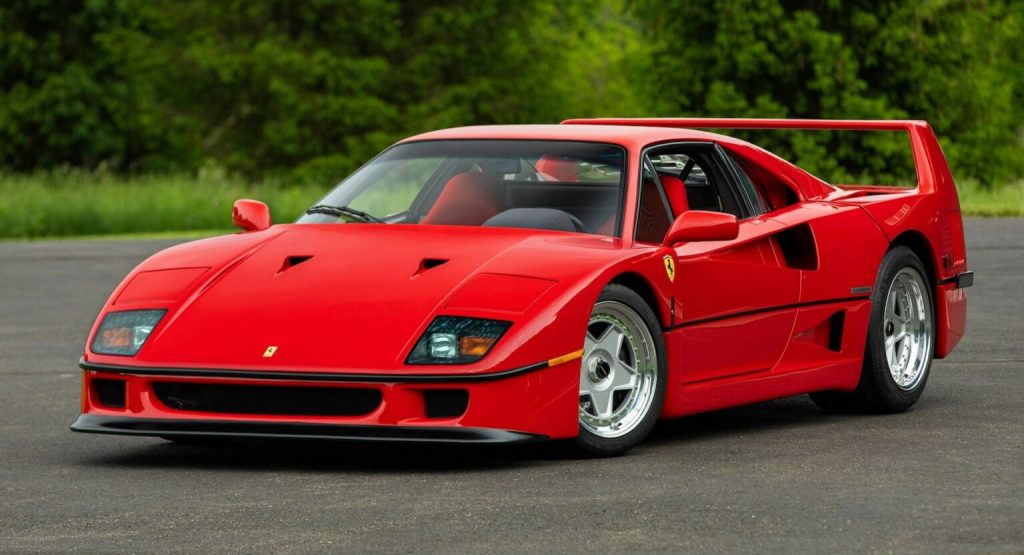
The F40’s valuation increase also highlights the importance of provenance. Original bodywork, engine condition, service records, mileage, and ownership history can all affect the price of an individual example.
Hagerty’s valuation should therefore be treated as a market benchmark rather than a guaranteed sale price. Still, few cars can claim to have more than doubled in value while already starting from a seven-figure valuation.
5. 1987 Porsche 959 Komfort
The Porsche 959 was one of the most technologically advanced road cars of its era. Decades later, collectors have placed increasing value on that engineering history.
Hagerty’s July 2026 Price Guide puts the 1987 Porsche 959 Komfort at $1.5 million to $2 million in #3. Good condition. Its September 2021 valuation was $875,000. The current high figure represents an increase of approximately 129%.
The 959 used a twin-turbocharged 2.85-liter flat-six producing 450 horsepower. More importantly, it incorporated technology that was unusual for a road car in the 1980s, including sophisticated all-wheel drive and advanced suspension systems.
Porsche developed the 959 in connection with its motorsport ambitions, turning the road car into a technological showcase.
Collectors are therefore buying more than an old Porsche. They are buying a representation of an era when manufacturers were attempting to transfer racing technology into production vehicles.
The 959 also had a complicated U.S. history because it was not originally sold through normal American channels. That limited availability contributed to its mystique among American enthusiasts.
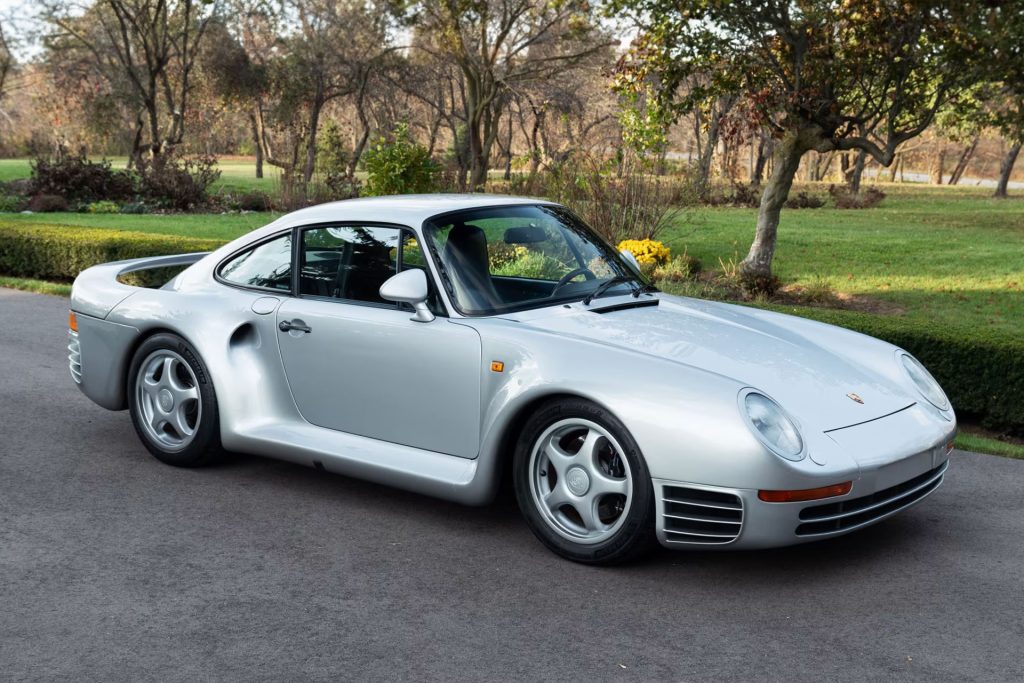
Today, the 959 occupies a unique position between classic Porsche and early technological supercar. Its all-wheel-drive system, twin-turbo engine, and advanced chassis made it radically different from conventional sports cars of the period.
The movement from $875,000 to $2 million at the high end of Hagerty’s current range shows how strongly collectors have come to recognize that significance.
6. 1997 Ferrari F50
The Ferrari F50 followed the F40 and took Ferrari’s road-car technology in an even more extreme direction.
Hagerty’s July 2026 #3 Good-condition valuation ranges from $6.4 million to $7 million. The September 2021 benchmark was $2.8 million. The lower current valuation is approximately 129% higher than the 2021 figure, while the high-end figure represents a 150% increase.
The F50 uses a naturally aspirated 4.7-liter V12 producing 513 horsepower. Ferrari built the car around a carbon-fiber structure and incorporated technology derived from its racing program. Its production numbers were extremely limited compared with ordinary Ferrari models.
The F50 is also significant because of its engine philosophy. At a time when turbocharging was becoming increasingly common, Ferrari used a high-revving naturally aspirated V12 and connected it to a six-speed manual transmission. That combination now carries additional collector appeal.
The F50 was not as universally celebrated as the F40 when new, but the collector market has increasingly treated the two cars as important members of Ferrari’s limited-production supercar lineage.
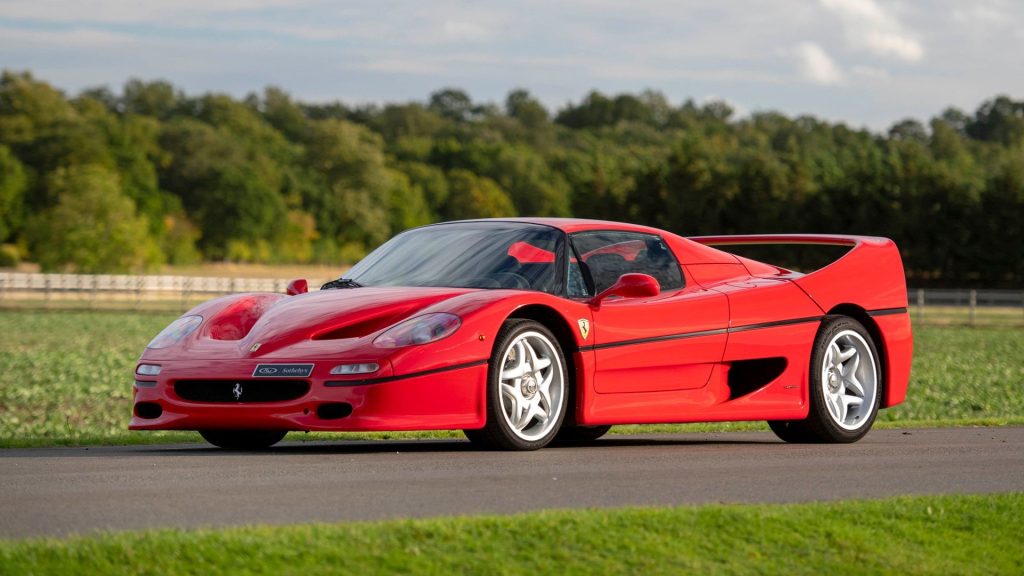
A $2.8 million benchmark in 2021 was already extraordinary. A current valuation reaching $7 million demonstrates how far the F50 has moved into another collector category.
For collectors, originality is particularly important. A car with documented history, factory specification, and minimal modifications is substantially different from an example that has been heavily altered.
The F50’s appreciation therefore combines rarity, engineering significance, and growing interest in analog supercars.
7. 2003 Ferrari Enzo
The Ferrari Enzo is another modern Ferrari whose valuation has more than tripled at the upper end of Hagerty’s current range.
Hagerty lists the July 2026 #3 Good-condition Enzo at $7.5 million to $8.333 million. The September 2021 valuation was $2.4 million. The lower current figure represents an increase of approximately 213%, while the upper valuation has risen by nearly 247%.
The Enzo used a naturally aspirated 6.0-liter V12 producing 660 horsepower. It was designed around technology and styling influenced heavily by Ferrari’s Formula One program. The car also marked a major point in Ferrari’s limited-production road-car strategy.
Its name gave it considerable significance. Ferrari named the car after founder Enzo Ferrari, positioning it as a flagship representation of the company’s engineering capabilities.
The naturally aspirated V12 has become particularly important in the collector market. Modern Ferrari flagship cars increasingly incorporate hybrid assistance and sophisticated electronic systems, making the Enzo’s powertrain a link to an earlier period.
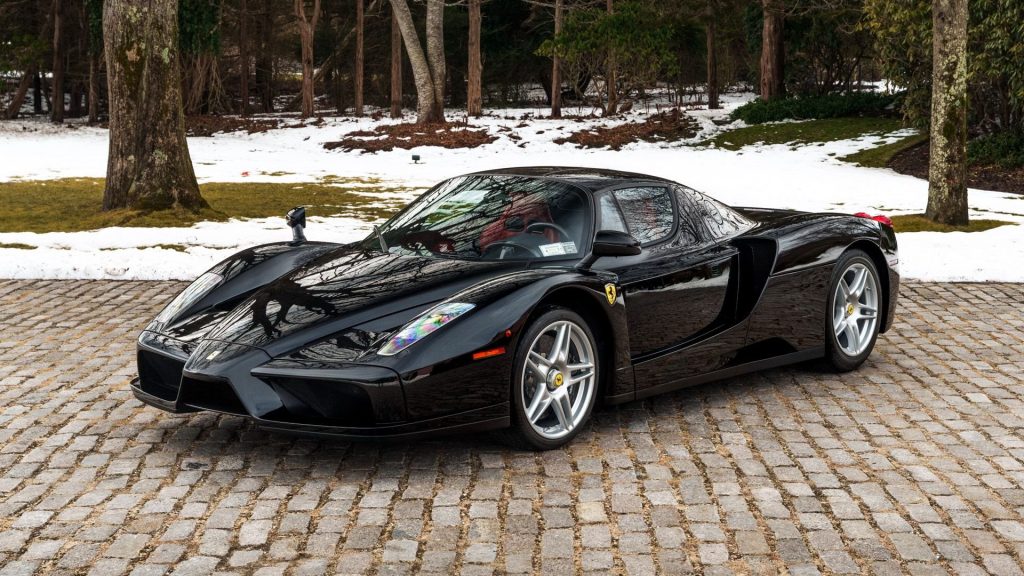
Its value increase also shows that collectors do not necessarily prioritize the newest or fastest car.
A newer machine may produce more horsepower, accelerate faster, or have more advanced electronics, but a historically important limited-production Ferrari can become substantially more valuable because of its place in automotive history.
The Enzo’s movement from $2.4 million to more than $7.5 million demonstrates how dramatically collector demand can accelerate when rarity and historical significance intersect.
8. 1985 Ferrari 288 GTO
The Ferrari 288 GTO is one of the earliest cars in this group and one of the strongest examples of historical significance translating into financial appreciation.
Hagerty’s July 2026 #3 Good-condition valuation ranges from $6.267 million to $7.167 million. The September 2021 benchmark was $2.2 million. Even the lower current figure represents an increase of approximately 185%, while the high-end valuation has increased by more than 225%.
The 288 GTO used a 2.9-liter twin-turbocharged V8 producing 400 horsepower. The car was created during an era when manufacturers were developing extreme road cars connected to motorsport regulations and performance ambitions.
Its compact dimensions, lightweight construction, and twin-turbo V8 gave it a very different personality from Ferrari’s large naturally aspirated V12 models.
Limited production is a major part of its appeal. Ferrari did not build the 288 GTO in the numbers associated with normal production cars, ensuring that surviving examples would remain unusual. Its historical position is equally important.
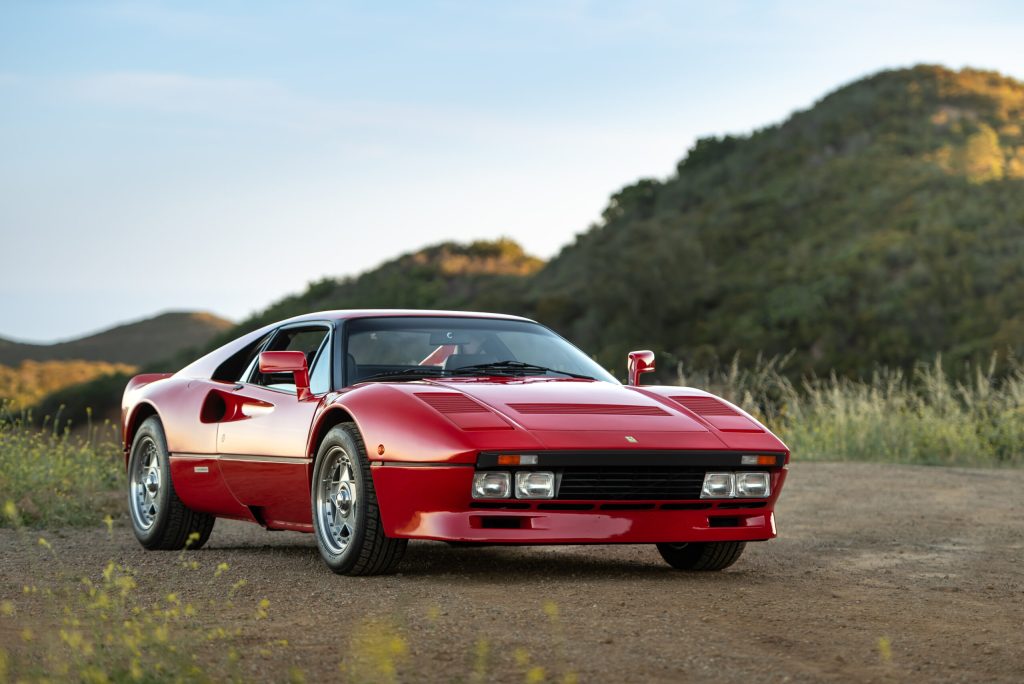
The 288 GTO sits at the beginning of Ferrari’s celebrated line of limited-production V8 supercars that would later include the F40 and other flagship models. Collectors seeking a piece of that lineage have increasingly treated the 288 GTO as one of its most important early chapters.
A car valued at $2.2 million in 2021 now carries a current #3 range beginning above $6 million. That represents a fundamental shift in its financial position rather than a modest increase.
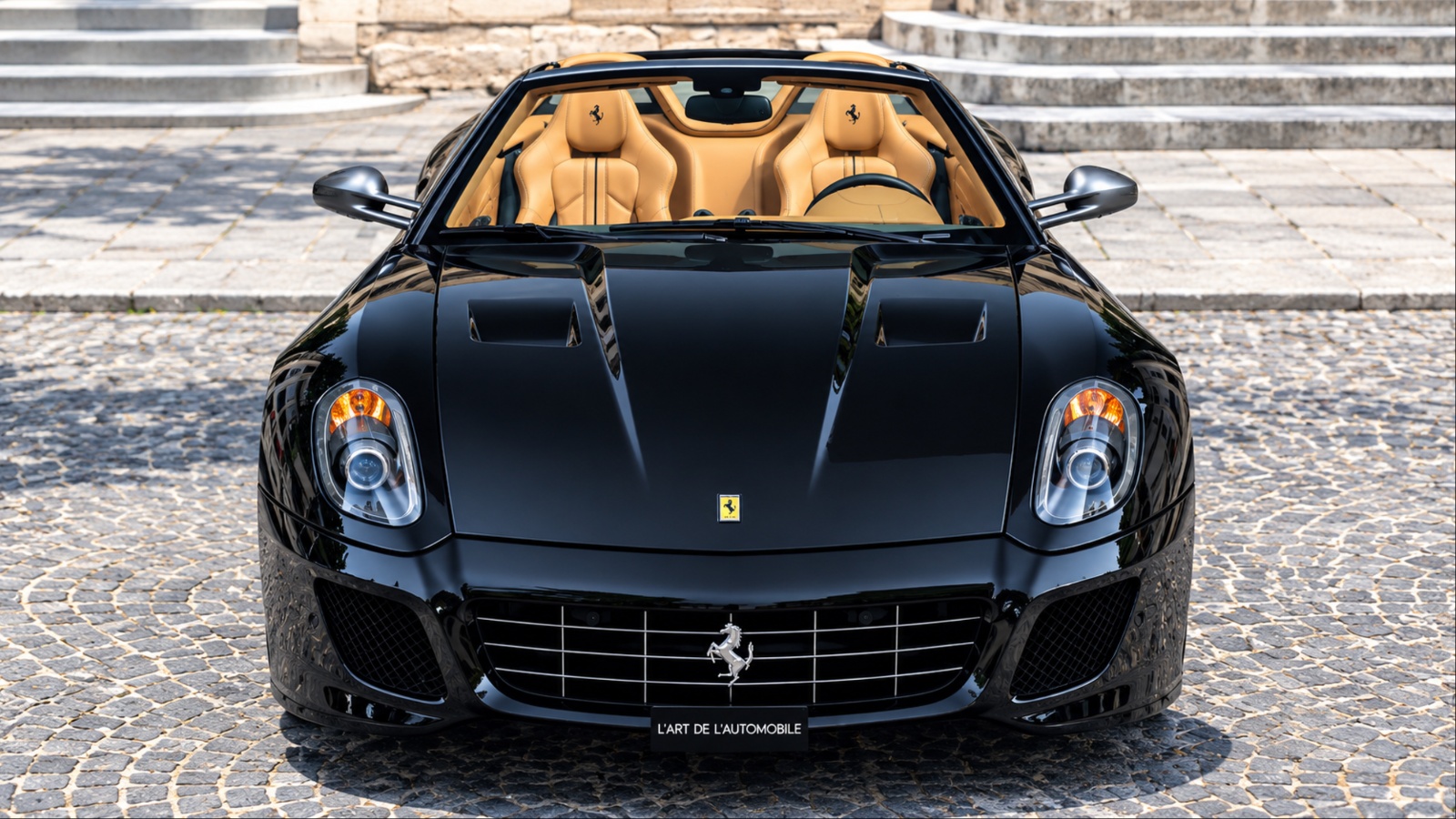
9. 2011 Ferrari SA Aperta
The Ferrari SA Aperta proves that a car does not have to be decades old to experience classic-car-style appreciation.
Hagerty’s July 2026 valuation ranges from $1.933 million to $2.117 million in #3. Good condition. The September 2021 benchmark was $1.05 million. The upper valuation has therefore increased by approximately 102%.
The SA Aperta used a naturally aspirated 6.0-liter V12 producing 661 horsepower. It was an extremely limited open-top model related to the Ferrari 599.
Its appeal comes from the combination of a V12 engine, open-air bodywork, and limited production.
The SA Aperta also belongs to a period when Ferrari was still producing large naturally aspirated V12 cars before the industry’s rapid transition toward turbocharging and hybridization. That gives it a distinctive place in Ferrari’s history.
For collectors, the car is not simply an expensive convertible. Its scarcity means relatively few examples are available, while its powertrain represents an increasingly rare configuration.
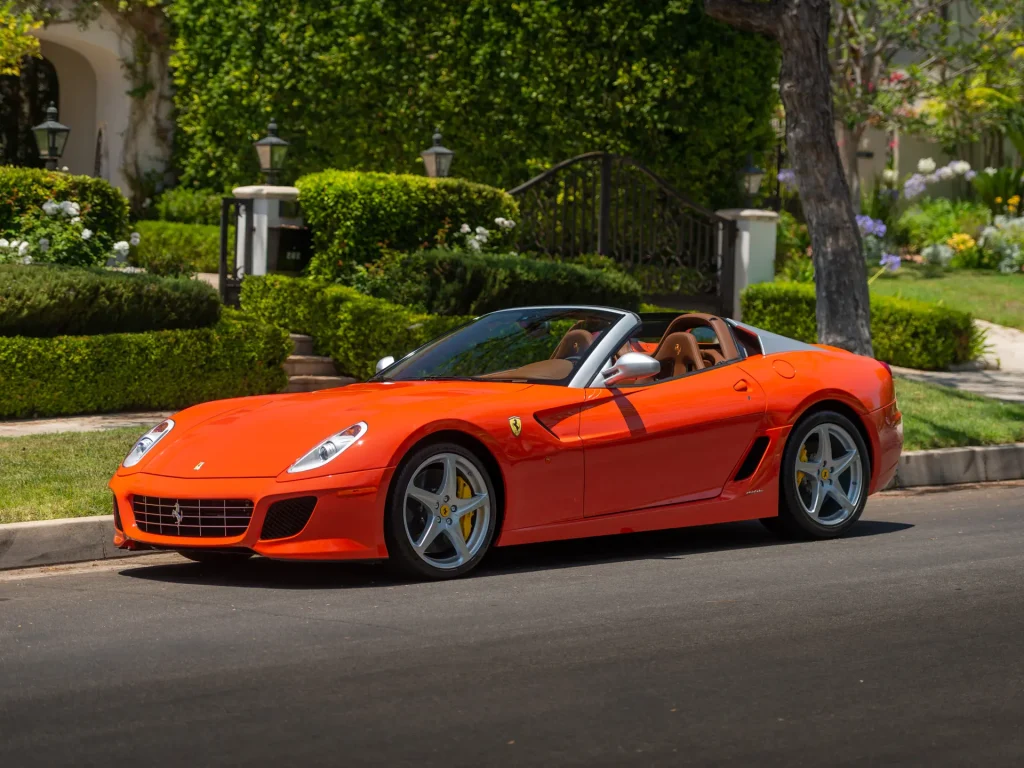
The valuation movement is particularly interesting because the car began the five years at more than $1 million. Doubling from an already high valuation demonstrates how strongly the market can move for extremely limited-production modern Ferraris.
The SA Aperta also shows why the definition of a classic car is becoming less rigid. Collectors can become interested in modern vehicles when they combine rarity, important engineering, and specifications unlikely to be repeated.
10. 1969 Chevrolet Corvette ZL1
The 1969 Chevrolet Corvette ZL1 provides an important American counterpoint to the European supercars dominating this list.
Hagerty’s July 2026 Price Guide places the ZL1 at $2.167 million to $2.567 million in #3. Good condition. The September 2021 valuation was $1.05 million. The lower current valuation is approximately 106% higher, while the high end has increased by roughly 145%.
The ZL1 used a 427-cubic-inch V8 with a Hagerty-listed output of 425 horsepower. The most important number, however, is production.
The ZL1 specification was extraordinarily rare, making an original example fundamentally different from an ordinary 1969 Corvette. That scarcity has made authentic cars highly valuable among American muscle-car collectors.
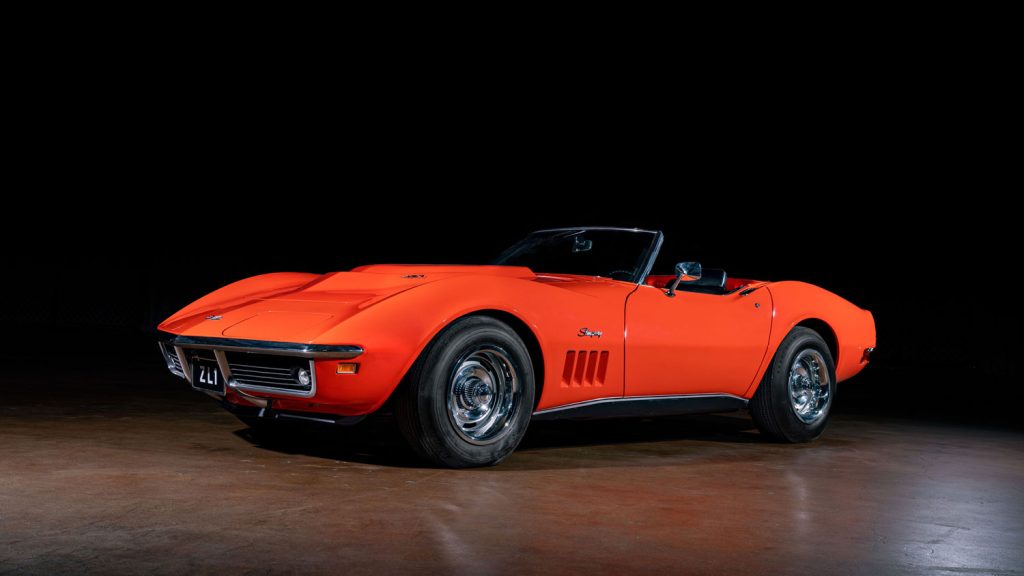
The ZL1 also illustrates why factory documentation is critical. Many old performance cars have been modified, restored, or recreated over the years. At the highest levels of the collector market, authenticity can be worth far more than a powerful engine or attractive restoration.
Hagerty’s valuation provides a benchmark for the genuine ZL1 configuration rather than a typical 1969 Corvette. A normal Corvette from the same year does not automatically share the ZL1’s valuation trajectory.
The rise from $1.05 million in 2021 to more than $2.1 million at the lower end of the current #3 range shows that American collector cars can experience the same dramatic appreciation seen among rare European exotics.
