
The used car market is a complex and ever-shifting landscape shaped by consumer behavior, economic conditions, automotive innovation, and the ever-present quest for value. While many vehicles retain appeal long after their initial release, others rapidly decline in desirability once they leave the showroom.
What makes some cars fly off dealer lots while others gather dust comes down to a few key elements—reliability, cost of ownership, practicality, brand reputation, and sometimes, plain old market trends.
For buyers and dealers alike, understanding which used vehicles are in high demand and which are likely to sit unsold is essential to making informed decisions.
High-demand used cars often strike a rare and valuable balance between price, performance, and long-term dependability. These vehicles typically come from manufacturers with strong reputations for reliability, safety, and durability, and many have stood the test of time across generations.
They’re the kinds of cars that people trust to start every morning, to get them across state lines on road trips, or to handle tough weather and terrain—all without breaking the bank. They’re not just about horsepower or tech features; they’re about value, dependability, and peace of mind.
Conversely, some used vehicles struggle in the resale market due to a combination of factors that turn off prospective buyers. These may include lackluster performance, higher-than-average maintenance costs, outdated styling, poor brand reputation, or major recalls that have eroded consumer trust.
While some of these cars may have found a niche audience or performed well during their debut, their appeal has faded, and they now linger in dealer lots longer than most. For sellers, these slow-moving vehicles represent sunk costs, and for buyers, they may appear to be bargains—until ownership headaches begin to mount.
This article explores both sides of the equation. We’ll examine five used vehicles that buyers snap up quickly and five that often struggle to move off the lot. The goal is to shine a light on what truly makes a car desirable in the secondhand market and to help potential buyers and sellers better understand the underlying factors that shape used car demand.
Whether you’re preparing to trade in your current vehicle or shopping for a solid used car, this in-depth look will provide valuable insights into where the value truly lies.
Also Read: 5 Brands With Affordable Long-Term Ownership and 5 That Bankrupt You
5 High-Demand Used Cars
1. Toyota Camry
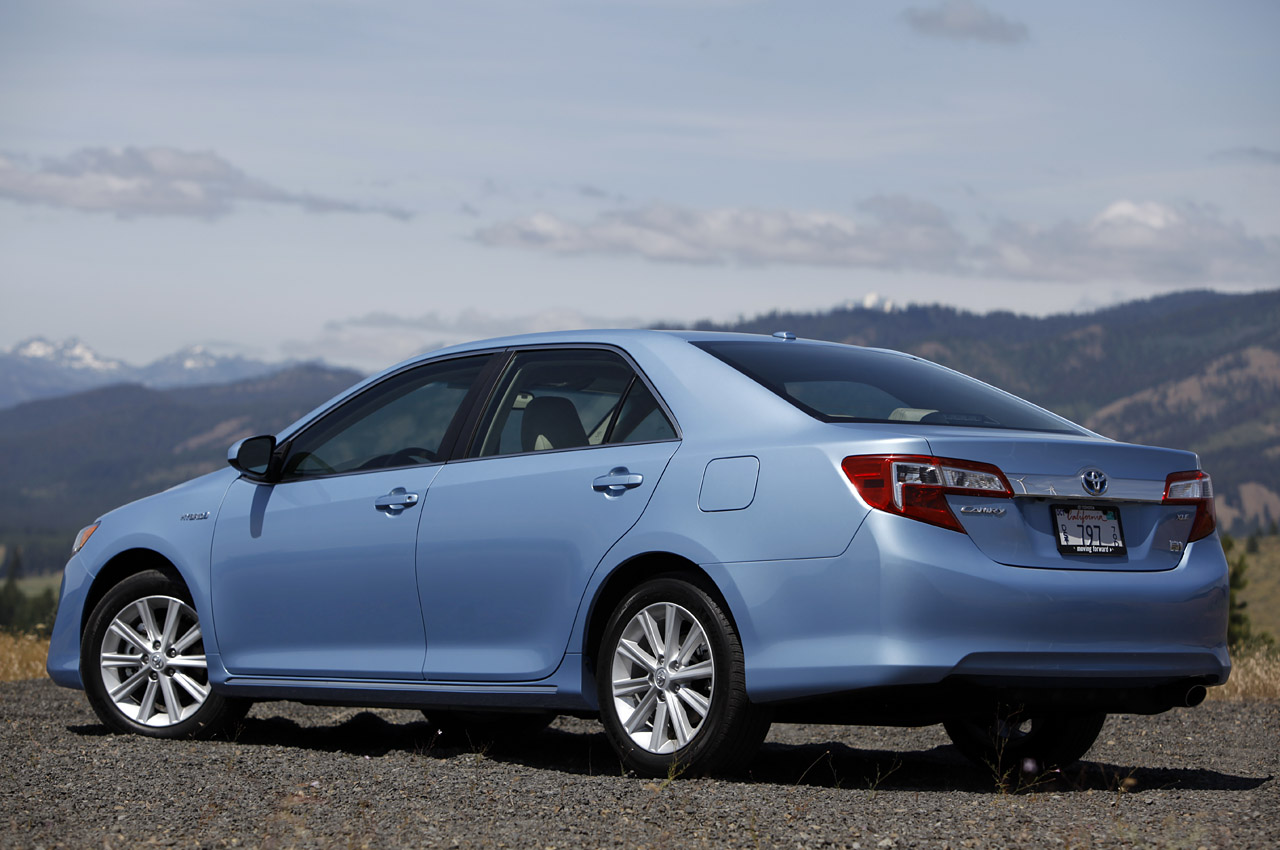
The Toyota Camry continues to reign as one of the most desirable used sedans in America, maintaining an enviable balance between reliability, affordability, and understated refinement.
Known as the gold standard in the midsize sedan segment, the Camry has been consistently praised for its long-term durability, low maintenance requirements, and impressive resale value.
Whether you’re a student, a commuter, a small family, or a retiree, the Camry fits the bill with grace and practicality. It’s a workhorse wrapped in a comfortable, stylish package—and it rarely disappoints.
One of the most appealing aspects of the Camry in the used market is its incredible longevity. It’s not uncommon to find Camrys still running strong after 200,000 miles or more, often with only routine maintenance. Toyota’s engineering focuses heavily on long-term durability, and it shows.
Even older models continue to deliver a smooth, quiet ride, reliable powertrains, and interiors that have aged better than many competitors in the same class. These qualities mean that the car offers exceptional value on the resale market, and buyers know they’re investing in a vehicle that won’t nickel-and-dime them on repairs.
The Camry also benefits from a strong safety reputation, bolstered by consistently high crash-test ratings and the inclusion of Toyota’s advanced safety suite, especially in more recent model years.
Standard features such as adaptive cruise control, automatic emergency braking, and lane-keeping assist give used buyers access to modern technology without needing to stretch into luxury pricing territory.
Additionally, fuel economy has steadily improved with newer Camrys, including hybrid options that push MPG ratings into the 40s, offering even greater appeal for the budget-conscious.
Finally, Toyota’s strong resale reputation and widespread dealership network mean parts and service are easy to access and generally affordable. The brand has earned consumer trust, and the Camry is a prime example of why. When it hits the used market, it doesn’t sit for long.
For dealers, it’s an easy sell. For buyers, it’s a decision that rarely leads to regret. This rare combination of attributes solidifies the Camry’s position as one of the most in-demand used vehicles year after year.
2. Honda Civic
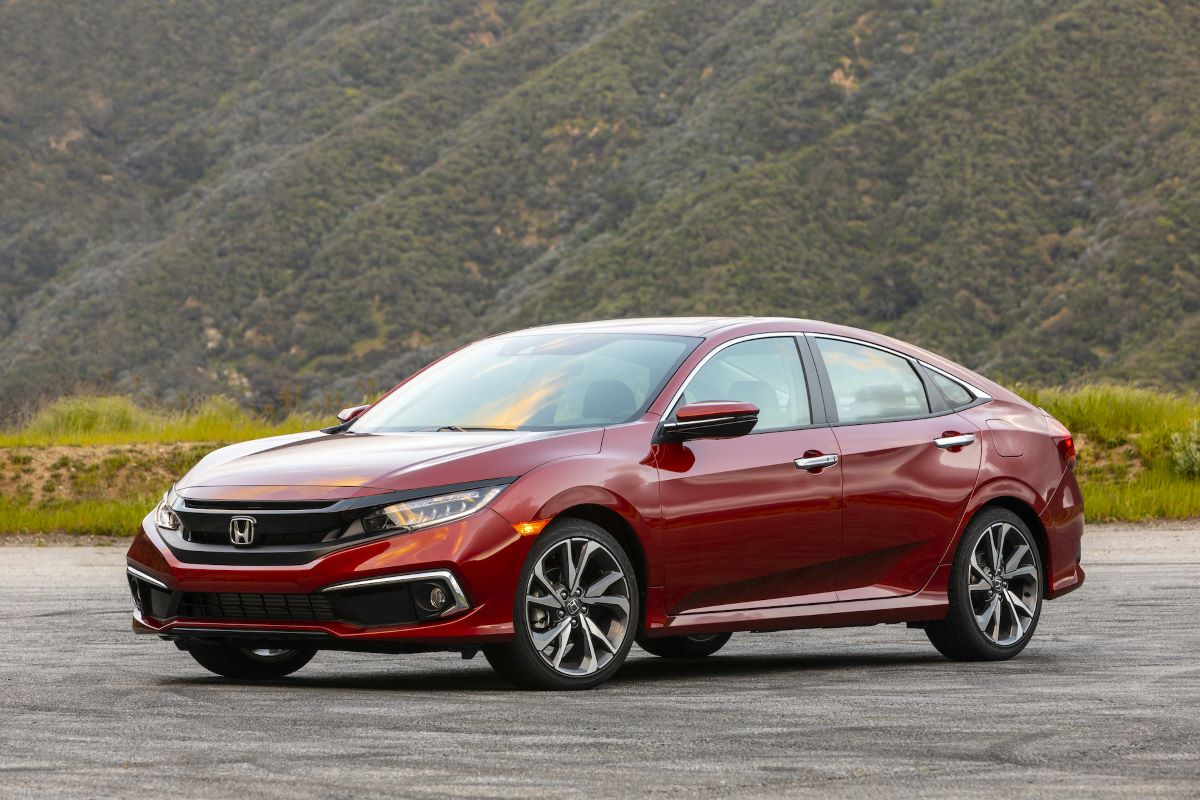
The Honda Civic is another superstar in the used car arena, offering a near-perfect blend of affordability, reliability, efficiency, and fun. From its early days as a compact economy car to its evolution into a sporty, well-equipped modern ride, the Civic has built a loyal following.
Its compact size and nimble handling make it ideal for urban environments, while its efficiency and low cost of ownership make it attractive for longer commutes. Whether it’s the sedan, coupe, or hatchback version, the Civic has something for nearly every type of driver.
Buyers gravitate to the Civic in the used market not only for its well-earned reputation for dependability but also for its surprisingly engaging driving experience. It manages to be economical without feeling bare-bones, especially in later model years, which come equipped with advanced safety features, touchscreen infotainment, and even turbocharged engines.
For younger buyers and first-time car owners, the Civic offers a modern, stylish vehicle that doesn’t feel like a compromise. Meanwhile, older buyers appreciate its consistent quality and low operating costs.
One reason the Civic does so well as a used car is because of its vast parts availability and mechanical simplicity. This makes maintenance more affordable and easier for both professional mechanics and DIY enthusiasts. Furthermore, Hondas generally retain their value well, and Civics are no exception.
A Civic purchased at three years old will often command a higher resale price down the road compared to many other compact vehicles, making it not just a reliable purchase, but a smart one financially.
Lastly, the Civic benefits from a robust fan base and aftermarket scene. From tuners to everyday drivers, the Civic community thrives, making it easy to personalize, modify, or simply maintain your car with support from fellow owners. It’s not just transportation—it’s a culture.
This dynamic, combined with the model’s practicality and long-term quality, ensures the Honda Civic is one of the most in-demand used vehicles in America and a guaranteed fast seller at dealerships across the country.
3. Ford F-150
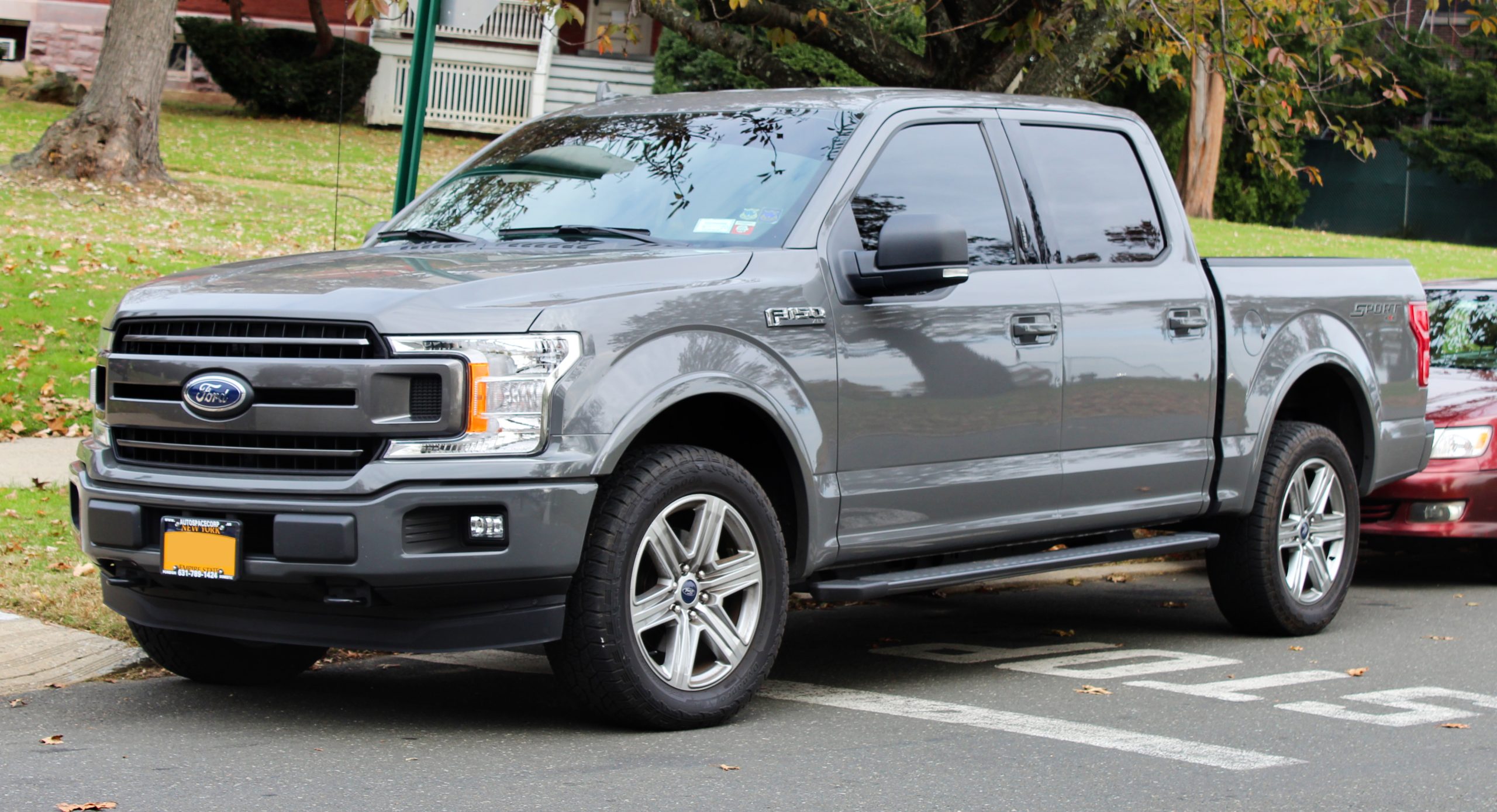
The Ford F-150 has carved out an unshakable place in American automotive culture, and that influence carries over into the used car market with full force. As the best-selling vehicle in the U.S. for decades, the F-150 is synonymous with strength, versatility, and dependability.
This legendary full-size pickup is a go-to choice for contractors, outdoor enthusiasts, and families alike. Its popularity translates into high demand on the resale market, where it consistently outperforms rivals in turnover speed and retained value.
One reason the F-150 thrives in the used market is its adaptability. Available in multiple cab sizes, bed lengths, engine options, and trim levels, there’s truly an F-150 for every buyer.
Whether someone needs a barebones work truck, a rugged off-roader, or a luxury daily driver, there’s a used F-150 configuration that fits the bill. More recent models also offer impressive tech and convenience features, including advanced towing systems, driver assistance packages, and in-cabin infotainment options that rival many SUVs.
Durability is another major factor in the F-150’s appeal. These trucks are designed to take a beating and keep going. Even high-mileage models often have plenty of life left in them, provided they’ve been maintained properly.
The availability of parts, widespread mechanical expertise, and the sheer number of trucks on the road make maintenance and repairs straightforward and relatively inexpensive compared to other large vehicles.
In terms of market perception, the F-150 benefits from an almost iconic status. People trust the nameplate and know what they’re getting—consistent performance and work-ready toughness. For dealers, a clean F-150 is a guaranteed seller.
For buyers, it’s a long-term investment in a vehicle that can serve both professional and personal needs. Its blend of utility, reliability, and comfort helps explain why the F-150 remains one of the most sought-after used vehicles on the market today.

4. Subaru Outback
The Subaru Outback has steadily evolved from a niche, outdoorsy wagon into a mainstream, high-demand vehicle that appeals to a broad cross-section of used car buyers.
Combining SUV-like ground clearance and cargo space with the handling and fuel efficiency of a car, the Outback stands out as one of the most versatile vehicles on the market. In the used segment, it’s particularly desirable among buyers who value all-weather capability, safety, and long-term reliability without needing a full-size SUV.
A big part of the Outback’s enduring popularity is Subaru’s standard symmetrical all-wheel drive. Unlike many vehicles that offer AWD only as an upgrade, the Outback includes it as a core feature.
This makes it particularly attractive to buyers in regions with heavy snowfall or frequent rain, as well as those who enjoy camping, hiking, or outdoor sports. It provides peace of mind in tough conditions and opens up opportunities for adventure that front-wheel-drive vehicles may not handle as confidently.
In terms of practicality, the Outback excels with its roomy interior, flat-folding rear seats, and generous cargo area. Buyers who want SUV utility but don’t like driving larger vehicles often turn to the Outback as a perfect compromise.
Newer used models also offer a host of tech features like Subaru’s EyeSight driver assist system, Apple CarPlay and Android Auto, and premium audio systems. This combination of rugged performance and refined comfort enhances its appeal across demographics.
Reliability is another key reason buyers flock to used Outbacks. Subaru has built a reputation for creating long-lasting vehicles, and the Outback is one of the brand’s standout models.
When maintained properly, these vehicles easily surpass 200,000 miles, and they do so with relatively low running costs. All these qualities combined mean that Outbacks sell quickly on the used market and are considered a strong investment for families, adventurers, and commuters alike.
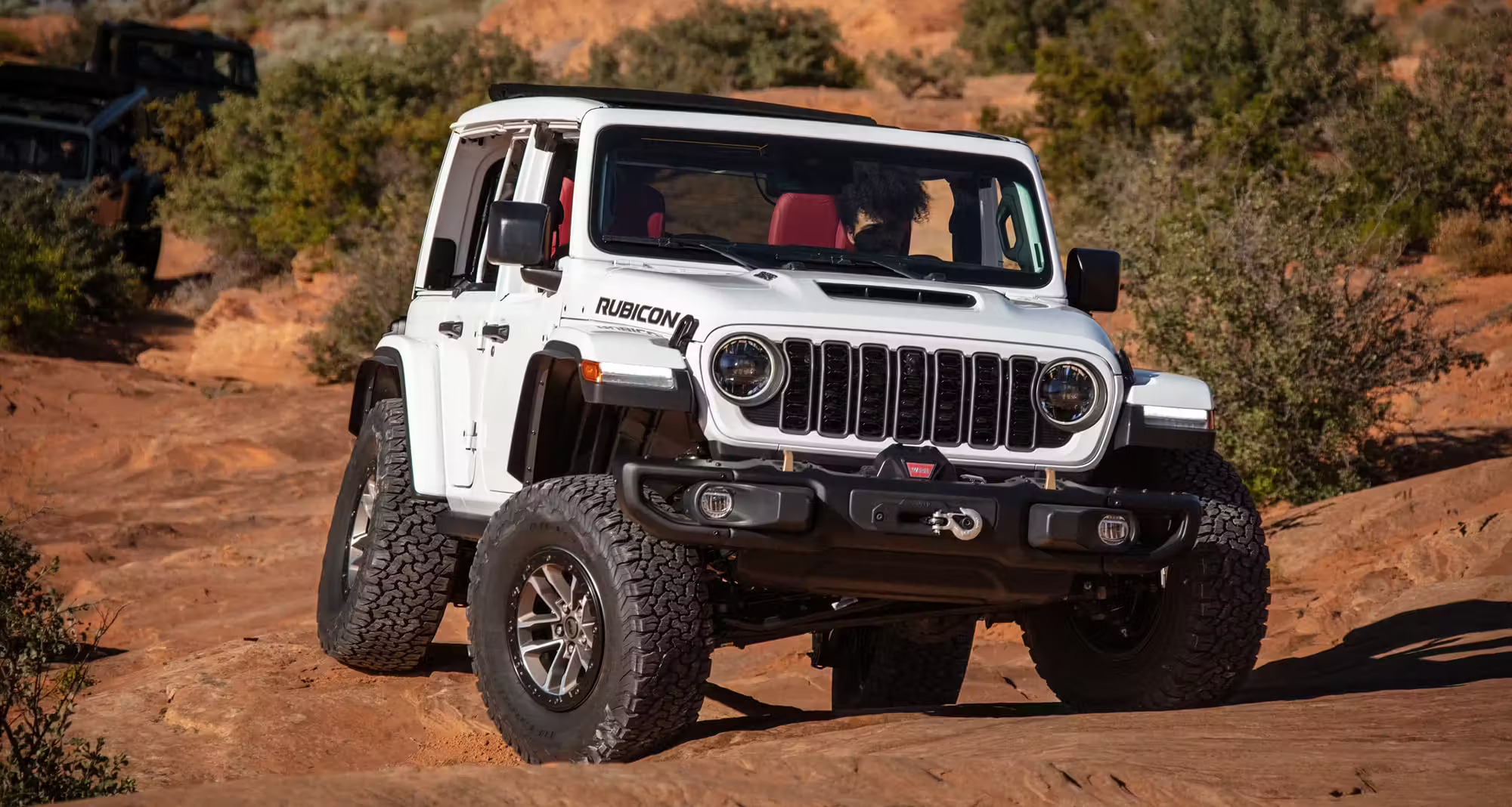
5. Jeep Wrangler
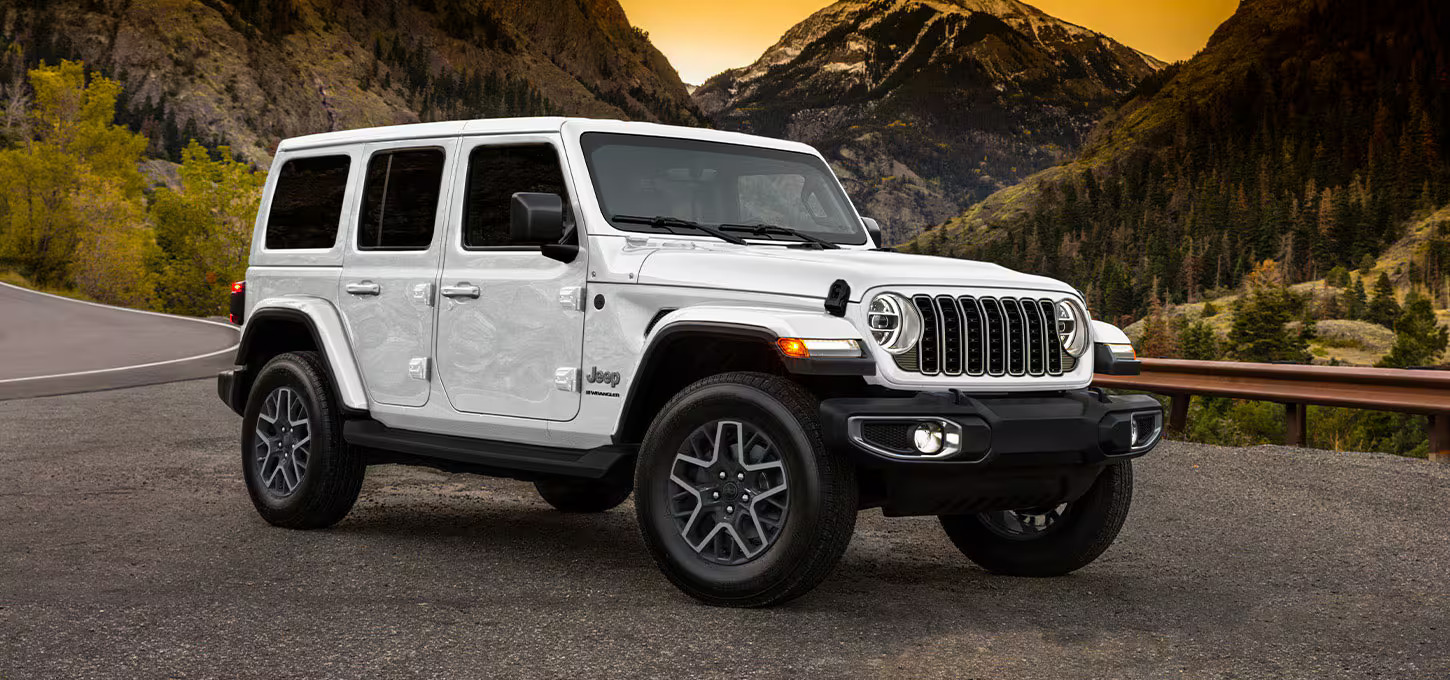
The Jeep Wrangler is more than just a vehicle—it’s a lifestyle statement. Known for its distinctive design, off-road prowess, and strong aftermarket community, the Wrangler commands impressive loyalty from buyers.
That loyalty carries over into the used market, where Wranglers often sell faster than any other SUV despite relatively high prices. Its rugged charm and unique driving experience make it one of the most in-demand used vehicles, even when more “practical” options exist.
What sets the Wrangler apart is its off-road capability. With solid axles, high ground clearance, and optional features like locking differentials and disconnecting sway bars, it can tackle terrain that would leave most crossovers stranded.
Used Wranglers are especially popular among off-road enthusiasts, overlanders, and weekend adventurers looking for a capable rig at a lower cost than buying new. Even base trims tend to be well-equipped for trails, giving buyers great value from the secondhand market.
Beyond performance, the Wrangler’s unmistakable style and mod-friendly design give it unique appeal. Buyers love the option to remove the doors and roof, creating an open-air driving experience that no other modern SUV replicates.
The robust aftermarket industry supports nearly endless customization, allowing owners to personalize their vehicles with lift kits, bigger tires, bumpers, lights, and more. That sense of community and individuality creates a bond that other vehicles rarely achieve.
Despite drawbacks such as a bouncy ride, average fuel economy, and interior noise, buyers accept these trade-offs in exchange for character and capability. The Wrangler holds its value extremely well, often commanding higher used prices than expected for a vehicle of its class and mileage.
Whether bought for its rugged looks or genuine off-road function, a used Wrangler almost always finds a home quickly, securing its place as a top contender in the high-demand used car arena.
5 Used Cars That Sit Unsold on Dealer Lots
1. Nissan Versa
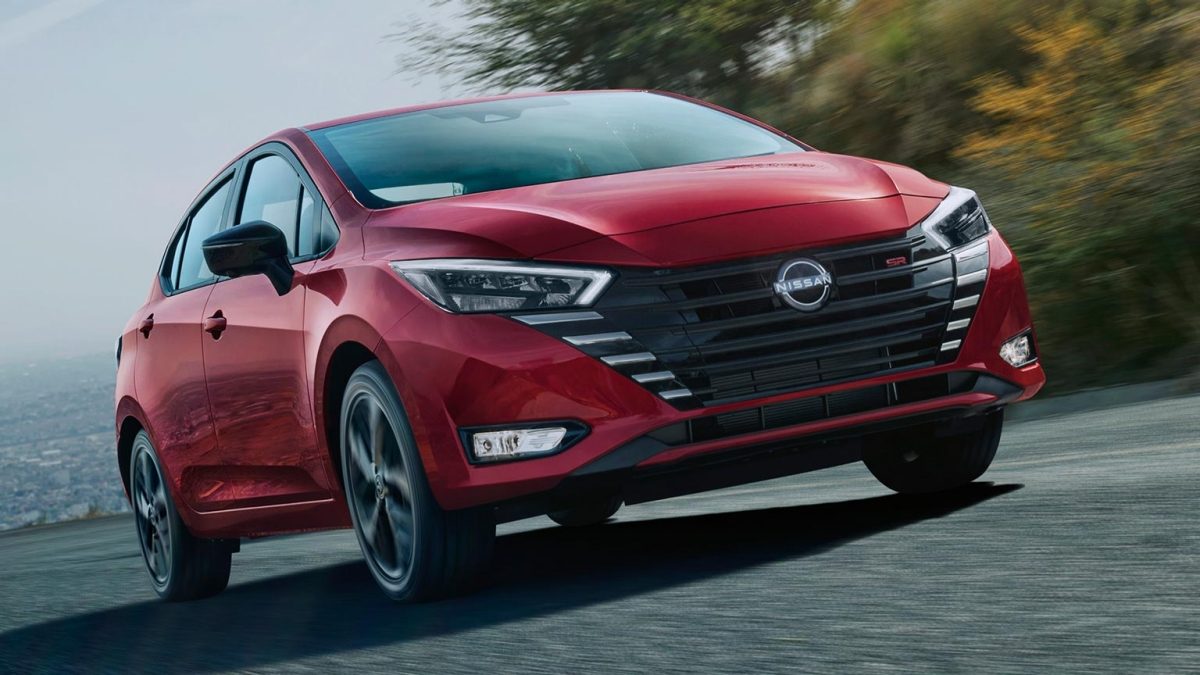
The Nissan Versa has long marketed itself as the budget-conscious buyer’s dream—cheap to buy new and even cheaper to find used. However, that affordability often comes at a cost, and many prospective buyers quickly lose interest once they look beyond the sticker price.
The Versa frequently sits unsold on dealer lots not because it’s fundamentally broken, but because it lacks the performance, refinement, and appeal of other vehicles in its class.
Inside the Versa, the economical nature is immediately apparent. While newer generations have made strides in cabin design and materials, earlier models are often criticized for their cramped back seats, hard plastics, and bare-bones features.
In the used market, where buyers want to feel like they’re getting a “deal,” the Spartan cabin can be a dealbreaker. Additionally, poor sound insulation and a noisy engine detract from comfort, especially for those doing a lot of highway driving.
Performance is another issue. The Versa is underpowered, with small engines that struggle during acceleration or uphill climbs, particularly when the car is loaded with passengers.
While it’s fine for basic commuting, it lacks the zippiness or smoothness that many used car buyers expect, even in an economy car. Add to that a reputation for lackluster CVT transmissions, and the package becomes less appealing for both drivers and resellers.
Although the Versa remains one of the most affordable used options out there, it’s rarely a first choice. Buyers who can stretch their budgets slightly often gravitate toward more refined vehicles like the Toyota Yaris, Honda Fit, or Hyundai Accent.
As a result, Versas are often passed over, left sitting for extended periods while more desirable alternatives find new homes more quickly.
2. Chrysler 200
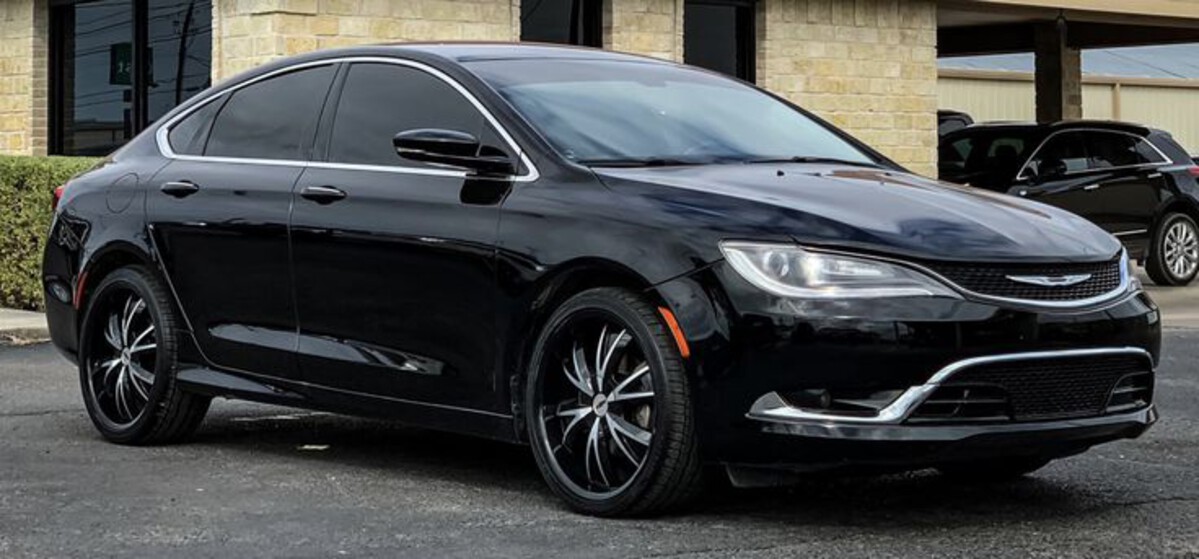
The Chrysler 200 is a textbook example of a vehicle that looked great on paper but failed to win over long-term trust among consumers.
Despite stylish design cues and a comfortable ride, the 200 struggled with significant mechanical and reliability issues during its production run. In the used market, those issues continue to haunt the model, leading to low demand and long stays on dealer lots.
One of the most notorious problems was the 9-speed automatic transmission, which was marketed as a fuel-saving innovation but ended up being a major source of customer complaints and repair headaches.
Jerky shifts, poor responsiveness, and premature failure plagued many owners, prompting recalls and contributing to a growing lack of confidence in the vehicle. Even buyers attracted by the car’s aesthetics or low price tag often back out once they hear about its mechanical history.
Beyond the transmission woes, the Chrysler 200 also suffers from an identity crisis. It tried to bridge the gap between economy sedans and entry-level luxury, but ended up being neither sporty nor upscale enough to convince buyers.
Rear-seat space was cramped, visibility was poor, and resale values have been consistently low. These factors combined to create a vehicle that feels compromised rather than compelling.
For dealers, the 200 is often more of a liability than an asset. They may take it in on trade, but struggle to move it without significant discounts.
For buyers, the appeal of low pricing is offset by concerns over reliability and longevity. In a crowded used sedan market filled with strong competitors, the Chrysler 200 simply doesn’t hold its own, making it one of the more undesirable options available.
3. Fiat 500
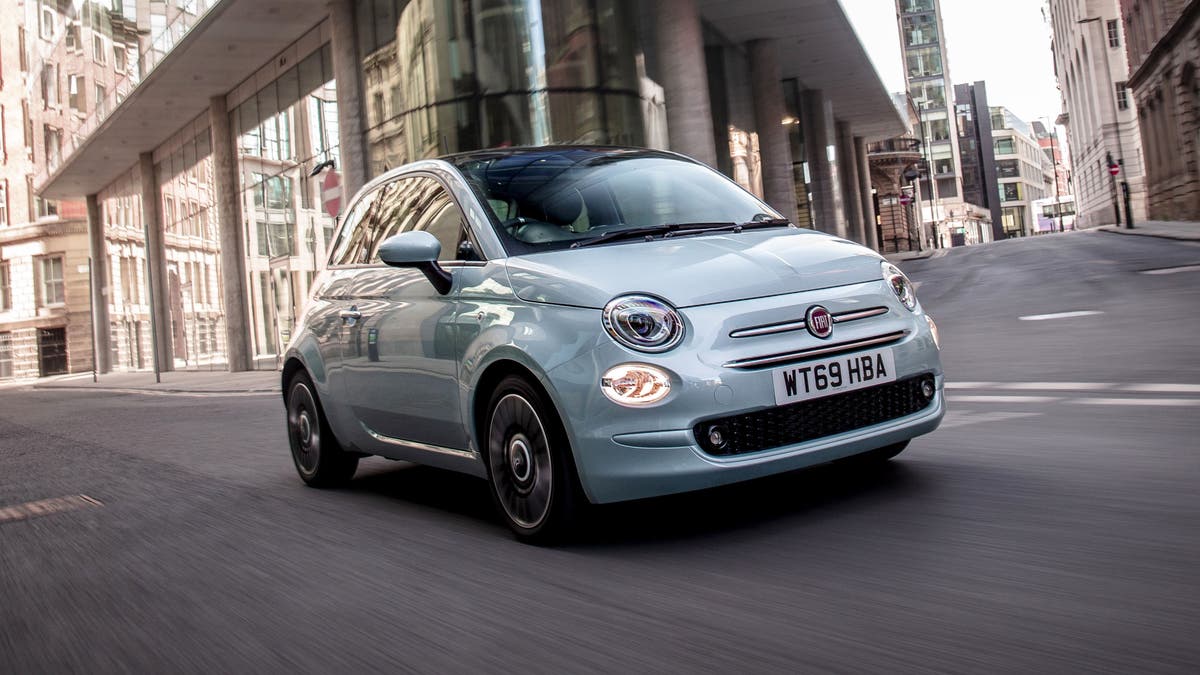
The Fiat 500 entered the U.S. market with a burst of flair and optimism. Small, stylish, and distinctly European, it offered a fresh alternative to more conventional compacts.
Unfortunately, its charm didn’t translate well over time, and in the used market, the Fiat 500 is now often seen as a niche curiosity rather than a serious contender. Its limited practicality and spotty reliability have relegated it to the slow-seller category.
At first glance, the 500’s retro styling and compact footprint seem ideal for urban drivers. However, the reality is less rosy.
The car’s tiny dimensions severely limit interior space, particularly for taller drivers or rear passengers. The cargo area is similarly undersized, making it impractical for anything more than a quick grocery run. While fun for short drives, the Fiat 500 simply doesn’t fit the needs of most modern buyers looking for a daily-use vehicle.
Reliability concerns have further tarnished the 500’s reputation. Reports of electrical gremlins, poor build quality, and inconsistent mechanical performance have made buyers wary.
The turbocharged Abarth version, while exciting, comes with even more complexity and maintenance costs, scaring off budget-minded shoppers. Combine these issues with Fiat’s limited service network in the U.S., and ownership becomes more of a hassle than many buyers are willing to take on.
Even aggressive pricing hasn’t been enough to keep the 500 moving on dealer lots. While it might appeal to enthusiasts or collectors looking for something unique, the mainstream used car shopper is more likely to pass it by in favor of more practical and reliable alternatives. As a result, the Fiat 500 often ends up sitting—despite its funky good looks.
4. Mitsubishi Mirage
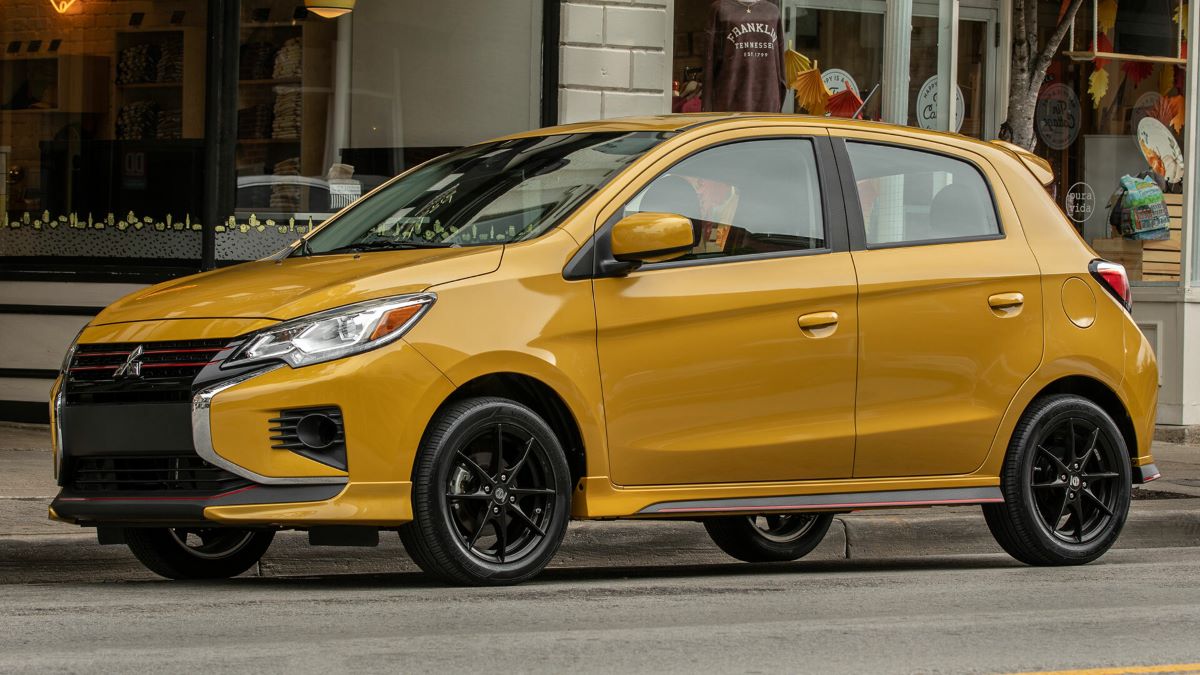
The Mitsubishi Mirage is one of the most affordable vehicles on the new and used market, and while that ultra-low pricing might seem like a huge advantage, it often ends up being the very thing that works against it.
In the used market, the Mirage is regularly passed over in favor of slightly older but better-built alternatives. Its minimal feature set, subpar driving dynamics, and questionable build quality make it one of the slowest-moving vehicles on dealer lots.
One of the biggest issues plaguing the Mirage is its performance—or lack thereof. The small three-cylinder engine, while fuel-efficient, produces a modest amount of horsepower, resulting in sluggish acceleration and a general lack of responsiveness on the road.
This becomes especially noticeable when merging onto highways or climbing hills. The car’s continuously variable transmission (CVT) doesn’t help, often producing a drone-like engine noise under stress and contributing to an overall feeling of mechanical strain.
Interior quality is another significant concern. While the Mirage is a budget vehicle, even within its price class, it falls short on comfort and refinement. The cabin is filled with hard plastics, minimal insulation, and outdated design elements that feel several generations behind competitors.
Features like touchscreen infotainment systems or advanced safety tech are either rudimentary or completely absent in many older models, giving the car a barebones feel that doesn’t appeal to modern buyers.
The Mirage also suffers from a brand perception problem. Mitsubishi’s limited market presence in the U.S. and a history of inconsistent reliability reports have eroded consumer trust. Dealers often struggle to justify the Mirage’s value proposition, even when pricing is low.
Most buyers who might consider the Mirage stretch their budgets slightly to land more desirable compacts like the Hyundai Accent or Honda Fit. In short, the Mirage may be cheap, but for many, it’s just not worth the compromises, leading to long wait times before it finds a buyer.
5. Chevrolet Cruze
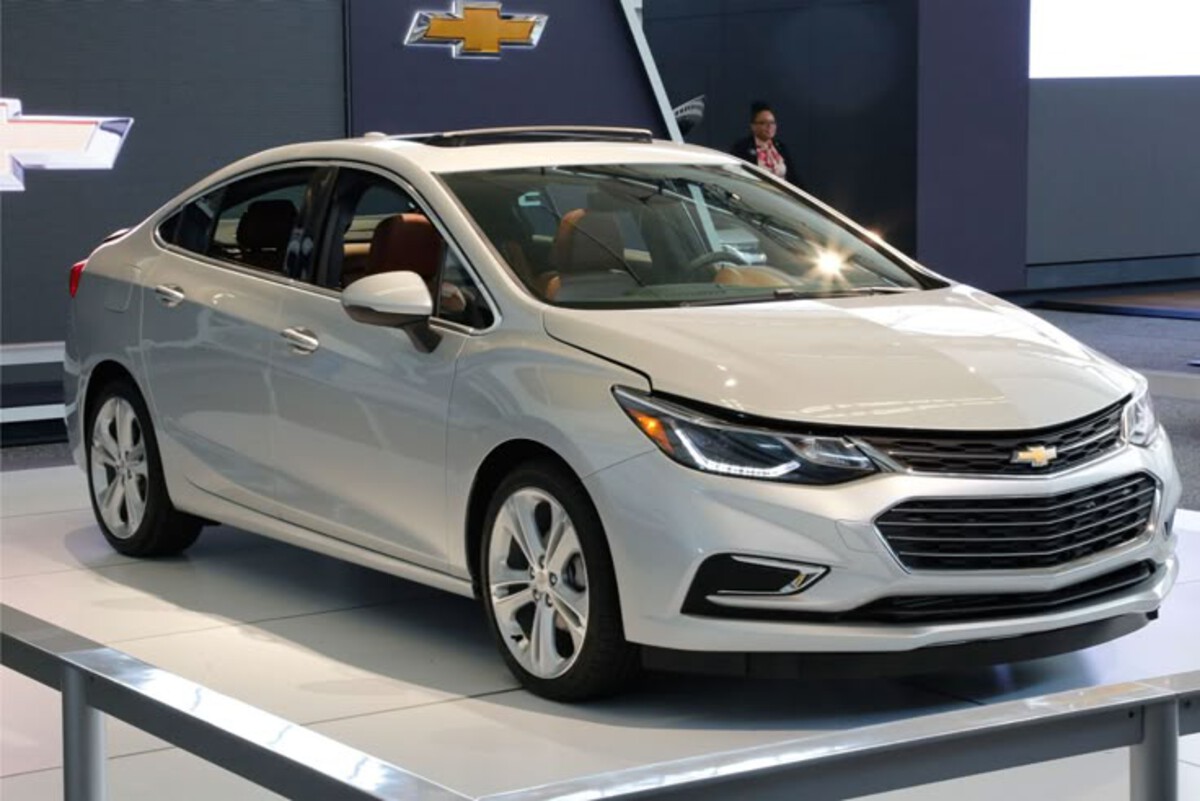
The Chevrolet Cruze had a promising start when it entered the compact car segment, aiming to provide a comfortable ride, modern tech, and fuel-efficient engines in a sleek package. For a time, it was viewed as a solid alternative to the more popular Toyota Corolla or Honda Civic.
However, over the years, mounting reliability issues and shifting market trends have pushed the Cruze into the lower echelons of the used car hierarchy. Today, it’s a model that often gets passed over by buyers in favor of more trusted options.
One of the most persistent problems with the Cruze has been reliability, particularly with models that featured the 1.4L turbocharged engine.
These engines are known for issues with coolant leaks, cracked pistons, and turbo failure—all of which can result in expensive repairs that make used ownership less appealing.
The Cruze’s automatic transmission has also been a point of concern, with many owners reporting jerky shifting and early wear. These mechanical issues have led to low long-term confidence in the vehicle.
Another issue lies in the shifting preferences of the market. As buyers increasingly gravitate toward crossovers and small SUVs, compact sedans like the Cruze have become less desirable overall.
While the Cruze hatchback version attempted to inject new life into the model with more cargo space and versatility, it arrived too late to reverse the declining trend. The segment itself has shrunk, and within that shrinking space, the Cruze has struggled to keep pace with better-performing rivals.
Interior-wise, the Cruze is adequate but unremarkable. The cabin materials are middling, and although the tech package in newer models includes touchscreen infotainment and smartphone integration, the execution feels basic compared to competitors.
The overall experience is competent but uninspired, which doesn’t help when trying to stand out in a competitive market. For many buyers, especially those doing research or relying on word-of-mouth, the Cruze doesn’t generate the trust or excitement needed to justify a purchase, and so it sits, unsold and often overlooked.
Also Read: Top 10 Most Reliable Used Cars You Can Buy for Under $10,000 in 2025
The used car market is filled with choices, but not all used vehicles enjoy the same level of demand. While some models are hot commodities, moving quickly thanks to their stellar reputations and practicality, others languish on dealer lots, overlooked due to mechanical flaws, outdated features, or a simple lack of consumer enthusiasm.
Understanding which vehicles fall into each category can make a huge difference for both buyers seeking a smart purchase and dealers looking to optimize inventory turnover.
On the high-demand end of the spectrum, vehicles like the Toyota Camry, Honda Civic, Ford F-150, Subaru Outback, and Jeep Wrangler shine due to their consistent reliability, wide appeal, and strong resale values.
These are cars and trucks that have proven themselves time and again, earning reputations that keep them in high demand year after year.
Whether it’s the Camry’s bulletproof performance, the Civic’s spirited efficiency, the F-150’s unmatched versatility, the Outback’s go-anywhere confidence, or the Wrangler’s off-road mystique—these vehicles offer something meaningful to a broad base of buyers. As a result, they sell fast and hold value, making them savvy purchases in the used market.
In contrast, models like the Nissan Versa, Chrysler 200, Fiat 500, Mitsubishi Mirage, and Chevrolet Cruze represent the challenges of selling a used vehicle that fails to inspire buyer confidence. While each of these cars has its strengths—be it low pricing, unique styling, or strong MPG ratings—they also come with trade-offs that significantly reduce their appeal.
Whether it’s the Mirage’s underwhelming power, the 200’s transmission woes, or the Cruze’s questionable reliability, these issues often outweigh any potential savings. For buyers, it’s a classic case of “you get what you pay for,” and in many cases, paying a bit more for a better alternative makes more sense.
Ultimately, purchasing a used car is about more than just cost—it’s about peace of mind, reliability, and long-term value. Vehicles with strong track records, reliable parts availability, and broad consumer trust are always going to outperform models with reputational baggage or niche appeal.
For dealers, understanding these dynamics can mean the difference between high turnover and stagnant inventory. For buyers, it can mean avoiding future headaches and making a smart financial decision.
By knowing which cars are in high demand and which are commonly overlooked, both sides of the transaction are better positioned to navigate the used car market with confidence and clarity.
