
Suspension systems play a crucial role in a vehicle’s performance, safety, and comfort. They absorb shocks from the road, maintain tire contact, and ensure that passengers experience a smooth ride even on rough surfaces.
Despite their importance, suspensions often don’t receive the attention they deserve until problems arise, such as knocking noises, uneven tire wear, or a harsh ride. For many vehicle owners, suspension repairs can be both frequent and costly, making the choice of vehicle a key factor in long-term maintenance and satisfaction.
Not all vehicles are created equal when it comes to suspension durability. Some models have gained a reputation for needing little to no suspension work over their lifetime. These vehicles typically combine simple yet effective suspension designs with high-quality materials and solid engineering.
They often use proven components that wear evenly and resist damage from everyday driving conditions. For owners, this translates to fewer visits to the mechanic, lower repair bills, and a more reliable driving experience.
Whether it’s a family sedan, a compact SUV, or a luxury cruiser, vehicles that avoid suspension issues tend to attract loyal owners who appreciate worry-free ownership.
On the other hand, some vehicles develop suspension problems early and often. These cars and SUVs frequently produce clunks, rattles, or knocking sounds that indicate worn or failing suspension components.
In many cases, their suspension systems are more complex, featuring air springs, multiple control arms, or adaptive dampers that increase the likelihood of failures.
For these vehicles, owners may find themselves repeatedly repairing bushings, struts, or air compressors, often at significant expense. These persistent suspension troubles can detract from the vehicle’s enjoyment, lower resale value, and contribute to a stressful ownership experience.
Understanding which vehicles fall into each category is valuable for buyers and current owners alike. For prospective buyers, it can guide purchasing decisions toward models that deliver reliable suspension performance and avoid frequent repairs.
For existing owners, it helps anticipate potential issues and prepare for maintenance needs. This knowledge is also useful for mechanics and automotive enthusiasts who want to better understand the relationship between suspension design, vehicle type, and durability.
ALSO READ: 5 Subarus That Run Forever vs 5 With Notorious Head Gasket Issues
5 Vehicles Known to Avoid Suspension Work

1. Toyota Camry (Especially 2002–2011 Models)
The Toyota Camry has become synonymous with durability, and its suspension system plays a critical role in that reputation. During the 2002–2011 model years, Toyota’s focus was not on cutting-edge performance or flashy features, but rather on consistent, long-lasting mechanical reliability.
The suspension used a basic but highly effective MacPherson strut setup front and rear. While this configuration might not grab headlines for innovation, it provides a proven foundation that balances comfort and simplicity.
The struts, coil springs, and associated components are engineered to resist wear and hold up well under stress, making them ideal for commuters and families alike.
In terms of long-term ownership, Camrys from this era typically show very few symptoms of suspension degradation, even at high mileage. Mechanics often note that these cars can surpass 150,000 miles before requiring significant suspension work.
That’s not to say they don’t eventually need maintenance shocks do lose their damping ability over time but the interval between replacements is far longer than what’s seen in competing midsize sedans.
Bushings and ball joints also tend to hold up remarkably well, even when exposed to rough roads, extreme temperatures, and minimal preventative maintenance.
Toyota’s conservative engineering choices work in the Camry’s favor. There are no advanced or experimental suspension technologies to worry about, which means fewer failure points. Components are built from high-quality materials and tend to wear evenly.
The Camry is also designed with a front-heavy balance, which is known to accelerate front-end wear on many cars. However, Toyota managed to mitigate this through careful suspension geometry, reducing stress on tie rods, lower control arms, and strut mounts.
This ensures that even when the vehicle is loaded or driven over uneven terrain, it maintains its composure without creating extra wear.
From a cost-of-ownership perspective, the Camry offers peace of mind. Repairs, when needed, are affordable, straightforward, and don’t involve rare or proprietary parts. Suspension components are accessible without requiring extensive disassembly, and aftermarket support is strong.
For buyers seeking a long-term vehicle that doesn’t beg for attention every 30,000 miles, the Camry stands out as one of the most predictable, low-maintenance vehicles in its class. It simply keeps rolling, with minimal fuss from the undercarriage.
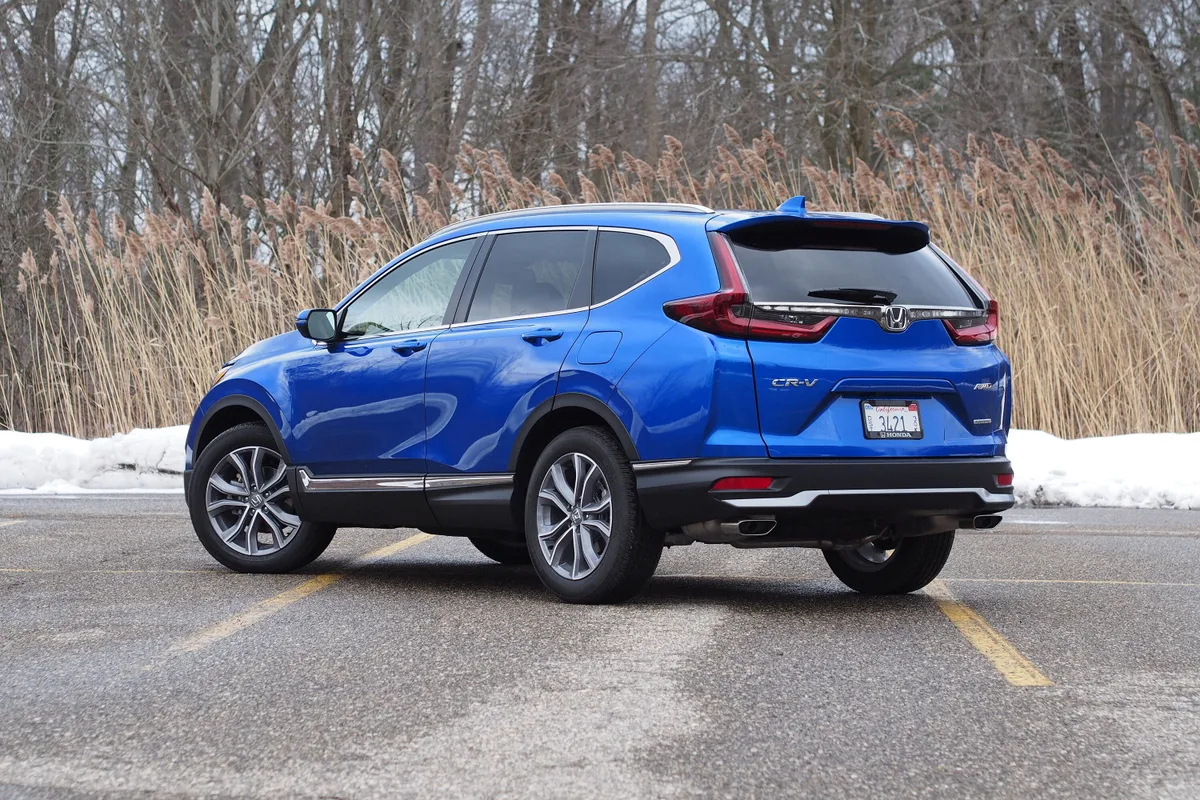
2. Honda CR-V (2007–2014 Models)
The third and fourth-generation Honda CR-V built between 2007 and 2014 is another champion of suspension longevity. It blends comfort, simplicity, and reliability in a compact SUV package that has earned consistent praise from both owners and repair professionals.
The front suspension employs a straightforward MacPherson strut setup, while the rear features a multi-link independent design that adds a touch of refinement without complicating long-term maintenance. These components work together to deliver a smooth and composed ride, without overreaching into the territory of complex electronics or specialized parts.
One of the keys to the CR-V’s success lies in Honda’s emphasis on balance rather than extremes. Unlike other small SUVs that attempt to mimic luxury vehicles with overly soft suspension tuning or fragile parts, the CR-V strikes a middle ground that holds up well under repeated use.
The bushings, struts, and stabilizer links tend to wear slowly and evenly. Problems like knocking noises or bottoming out, which plague some of its rivals by 60,000 miles, are rarely encountered before the 100,000-mile mark in well-maintained CR-Vs. This is even more impressive given how many of these vehicles are used for commuting, family hauling, or light-duty outdoor adventures.
Maintenance and repair work is also refreshingly simple when it’s finally needed. The suspension layout allows easy access to most parts, and labor costs are kept low because of how intelligently everything is packaged. Replacement parts are widely available and don’t cost a premium.
Even the rear multi-link system, which involves more components than a simpler beam axle design, has proven to be dependable and tough. It handles weight changes and shifting loads well, making it a great vehicle for both everyday city driving and weekend trips with gear in the back.
Importantly, the CR-V also benefits from Honda’s general attention to weight distribution and suspension calibration. The vehicle’s center of gravity and chassis tuning avoid the “wallowy” feel found in some other compact crossovers. The suspension does its job so effectively that most owners don’t think about it for years at a time.
It doesn’t squeak, rattle, or misbehave even after hundreds of thousands of miles. As a result, the CR-V has gained a reputation for being an ideal choice for people who want a no-nonsense vehicle that holds up under pressure, even on rough roads.
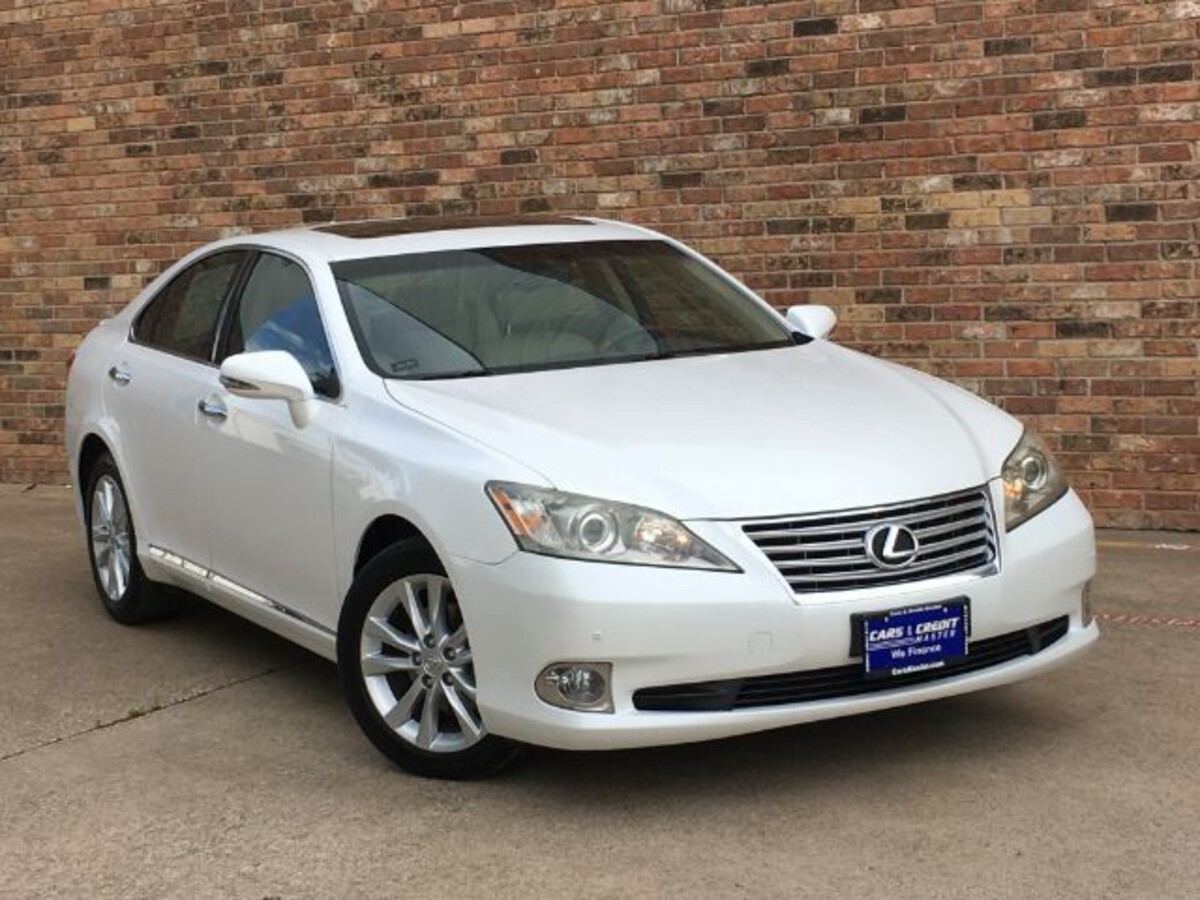
3. Lexus ES (2007–2012 Models)
The Lexus ES from the 2007–2012 model years offers an excellent example of how a well-designed suspension system can deliver both luxury and longevity. While many upscale vehicles struggle with aging air suspension systems or complicated adaptive dampers, the ES avoids these pitfalls by keeping its suspension layout clean and time-tested.
Like the Toyota Camry on which it is based, the ES uses MacPherson struts in the front and rear, but with additional tuning and refinement for an even smoother ride. This approach gives drivers the comfort they expect from a luxury car without burdening them with fragile technology.
Owners of these vehicles frequently report that the ride quality remains buttery smooth even after a decade or more on the road. The struts and springs are engineered to absorb road imperfections without generating excessive bounce or noise. More importantly, they seem to hold up exceptionally well over time.
It’s not uncommon to find ES models with original suspension components still performing adequately at 120,000 miles or more. This is especially given the car’s plush ride, which might lead one to assume it’s using more delicate or wear-prone parts than it is.
Part of this long-term reliability comes from Lexus’s use of higher-grade materials and superior quality control. Rubber bushings, ball joints, and mounting points are all constructed to tighter tolerances, reducing premature wear. The ES is not a performance vehicle, so it doesn’t subject its suspension to extreme forces during cornering or braking.
This means fewer stress cycles and less chance of component failure. Additionally, many owners treat these cars gently, using them primarily for commuting or highway cruising, which also contributes to the suspension’s extended lifespan.
From a service perspective, the ES continues to deliver savings. When parts do eventually wear out, replacements are not outrageously priced, especially given their shared lineage with Toyota models. Mechanics appreciate the car’s straightforward design, and the suspension system doesn’t require dealership-only diagnostics or custom calibrations.
Whether you’re buying new or used, the ES offers one of the best combinations of ride quality and maintenance-free ownership. It’s the kind of car that delivers peace of mind year after year, without the surprise of failing air compressors or clunky rear ends.

4. Subaru Outback (2010–2014 Models)
The 2010–2014 Subaru Outback stands out as a well-rounded and resilient vehicle, particularly for those who venture off paved roads or regularly face rough driving conditions. This generation introduced a taller stance and a more SUV-like profile, but thankfully retained Subaru’s commitment to dependable mechanical systems.
The suspension setup, featuring MacPherson struts in the front and a double-wishbone configuration in the rear, is both effective and durable. These components give the Outback a comfortable ride on-road and remarkable composure off-road, without introducing the kinds of fragile or finicky parts that often shorten a suspension’s service life.
The real strength of the Outback’s suspension is how well it tolerates abuse. Whether you’re driving on washboard gravel roads, uneven pavement, or snowy backcountry trails, the system keeps the car stable and responsive. Unlike some crossovers that develop rattles and groans after just a few winters of salted roads and potholes, the Outback’s chassis stays tight and free of odd noises.
Subaru’s engineers clearly considered long-term use when choosing materials and designing suspension geometry. Control arms, trailing links, and bushings are all relatively thick and robust, resisting deformation and decay even after years of exposure.
Another key advantage is how evenly the suspension parts wear out. The symmetrical all-wheel-drive system in the Outback helps distribute weight and traction evenly across all four wheels. This reduces the stress on front-end components and helps the rear suspension avoid early degradation.
Many owners report original shocks and springs lasting well beyond 120,000 miles with no signs of failure. Even sway bar links, which are often early failure points in other vehicles, tend to hold up longer in this Subaru. This reliability is a big part of why these vehicles maintain strong resale value and owner loyalty.
Subaru also makes it easy to keep the Outback on the road without a massive repair budget. When suspension components finally need replacement, they’re neither exotic nor overpriced. Basic hand tools and a competent mechanic are all that’s required for most jobs, and parts availability is strong across aftermarket and OEM options.
For anyone who wants a reliable, multi-purpose vehicle that doesn’t come with chronic suspension headaches, the 2010–2014 Outback offers a rare combination of toughness, comfort, and practical engineering that’s hard to match.
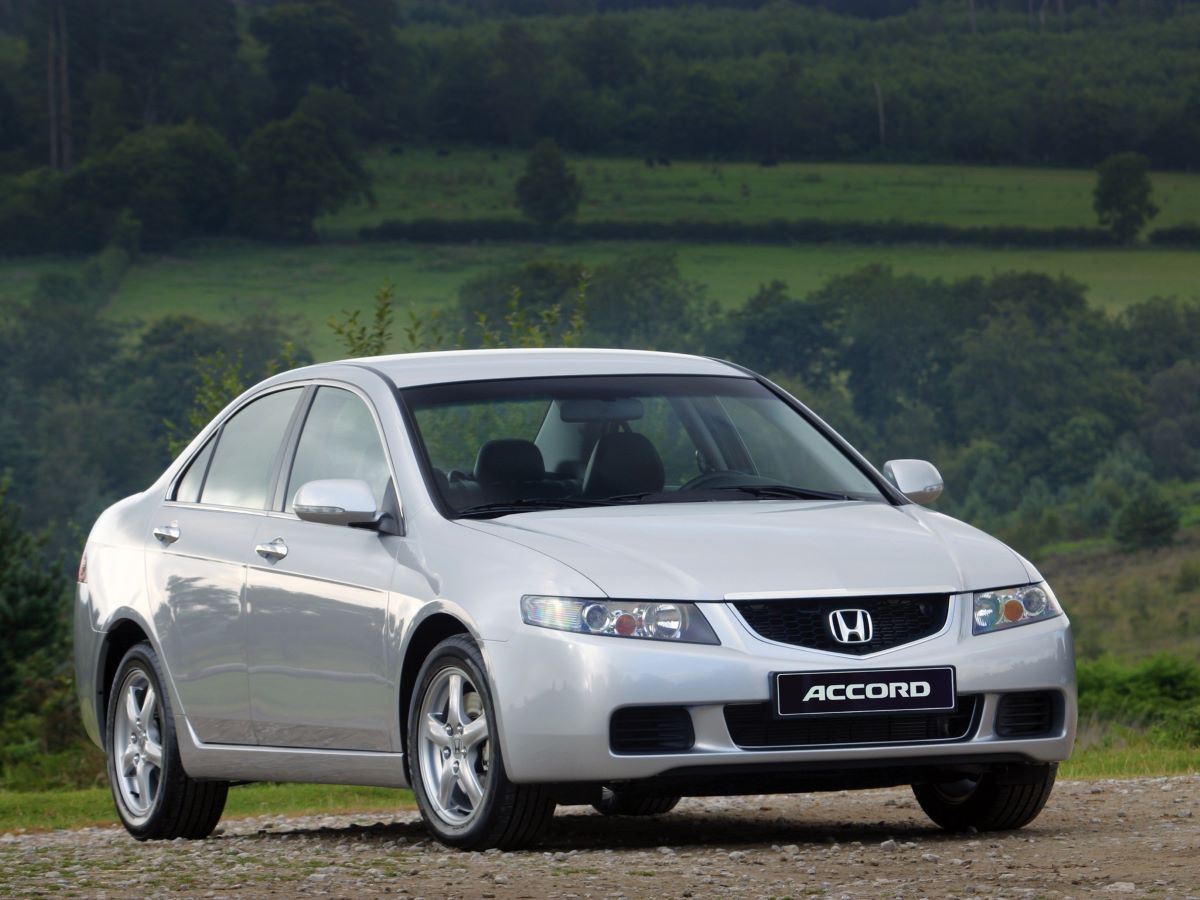
5. Honda Accord (2008–2012 Models)
The Honda Accord, particularly the eighth-generation models produced between 2008 and 2012, is widely regarded as one of the most reliable midsize sedans when it comes to suspension durability. Honda’s engineers focused on balancing a smooth, controlled ride with long-term robustness.
The front suspension uses a tried-and-true MacPherson strut design, while the rear suspension typically employs a multi-link independent setup that provides excellent handling and ride comfort without sacrificing longevity. The quality of materials and assembly contributes significantly to the Accord’s reputation for requiring minimal suspension repairs even at high mileage.
One of the defining features of the Accord’s suspension durability is how the components age. Rubber bushings, ball joints, and strut mounts tend to last well beyond the typical 100,000-mile threshold if the vehicle is maintained with regular inspections and fluid changes.
The suspension’s design also favors ease of maintenance and repairs. When suspension components do need replacement, most parts are readily available and affordable, thanks in part to Honda’s widespread popularity and large aftermarket support.
Access to critical components like control arms, sway bar links, and shocks is straightforward, which reduces labor costs and repair times. This user-friendly design philosophy keeps ownership costs low and makes it easier for DIY enthusiasts to perform their own repairs, further extending the vehicle’s lifespan.
Moreover, the Accord maintains a poised, comfortable ride that doesn’t sacrifice steering precision. The suspension system filters out road imperfections efficiently, delivering a smooth experience even on uneven pavement, without becoming too soft or “floaty.”
This balance contributes not only to driver comfort but also to suspension longevity, as components aren’t subjected to excessive harshness or stress. All these factors combined make the 2008–2012 Honda Accord a top choice for buyers looking for a midsize sedan that avoids frequent suspension issues and expensive repairs.
5 Vehicles That Constantly Clunk

1. BMW X5 (2007–2013 Models)
The second-generation BMW X5 (E70) offers luxury and performance but has become notorious for suspension troubles as it ages. This generation introduced complex suspension technology, including multi-link front and rear setups, and often came equipped with an air suspension system on higher trims.
While these features contribute to excellent ride quality and sharp handling when the car is new, they bring with them a host of potential failure points. Components such as air springs, compressors, sensors, and bushings tend to wear out or fail prematurely, often resulting in clunks, rattles, or a sagging rear end.
One of the most common complaints relates to the rear air suspension. The air bags themselves are prone to cracking and leaking, especially in regions with harsh winters or rough roads. When the airbags leak, the onboard compressor runs excessively to maintain ride height, which causes it to overheat and fail as well.
Once the air suspension is compromised, the vehicle’s rear can sag unevenly, causing clunking noises and a harsh, unpredictable ride. Many owners resort to replacing the air setup with traditional coil springs to avoid these costly, ongoing repairs.
Beyond the air suspension, the X5’s multi-link front suspension has numerous control arms, ball joints, and bushings that wear prematurely. The complexity means more rubber components that dry out, crack, or separate under the strain of heavy use.
Because many suspension parts are integrated into large assemblies, even minor wear often necessitates the replacement of expensive components. This can lead to repeated shop visits and mounting repair bills. Front-end clunks typically stem from worn control arm bushings or failed tie rods, which can affect steering feel and safety.
Lastly, the BMW X5’s suspension problems are often worsened by the vehicle’s weight and performance orientation. Heavy loads and spirited driving accelerate wear, and the X5 is no stranger to both. The ride quality deteriorates quickly once suspension components degrade, resulting in a noisy and uncomfortable experience.
While the X5 delivers a premium driving experience when new, it can quickly become a clunking headache after the warranty expires, requiring expensive maintenance to restore smoothness and safety.
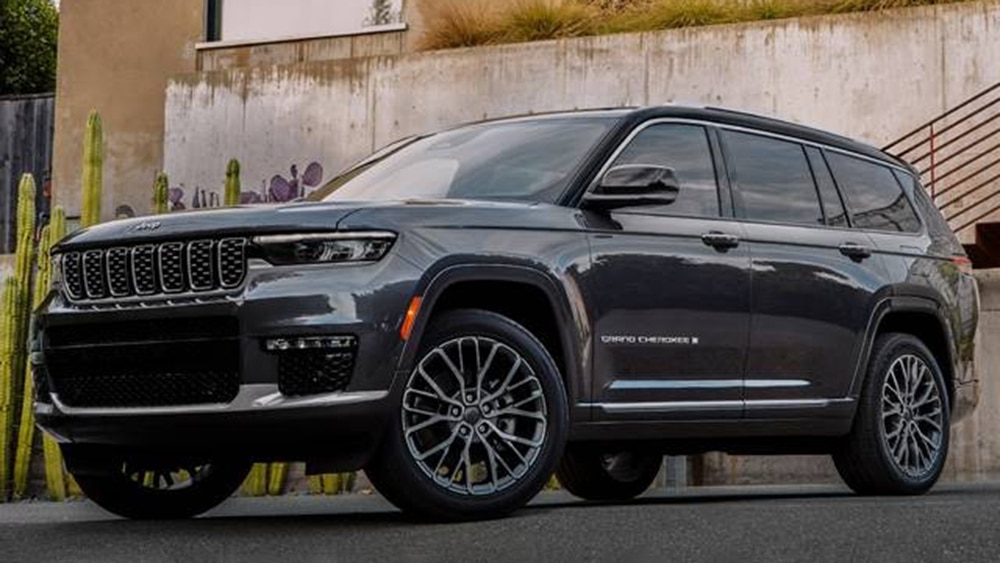
2. Jeep Grand Cherokee (2011–2019 Models)
The Jeep Grand Cherokee from this era is a capable SUV praised for off-road ability and comfort, but its suspension system often causes owners headaches. Many models come equipped with the Quadra-Lift air suspension, designed to improve ride height and comfort by automatically adjusting for load and terrain.
However, this system has proven to be one of the least reliable parts of the vehicle. Air struts and bags develop leaks over time, compressors fail, and electronic sensors malfunction, leading to sagging suspension, uneven ride height, and persistent clunking noises.
The Quadra-Lift system’s complexity also makes it costly and time-consuming to repair. Leaking air springs are often expensive to replace, and compressors, which are integral to maintaining system pressure, wear out prematurely due to overwork.
When these failures occur, the vehicle may sit unevenly or drop to a lower ride height, causing metal-to-metal contact or harsh impacts that generate clunks. In many cases, owners choose to disable or bypass the air suspension entirely, converting to coil springs to avoid the repeated issues and costs.
Even Grand Cherokees without air suspension aren’t free from suspension problems. The front and rear independent suspension systems feature several control arms and bushings that are prone to early wear.
This leads to knocking and rattling over bumps, uneven tire wear, and a vague or imprecise steering feel. Replacing worn bushings and ball joints may temporarily reduce noises but often doesn’t solve the root issue because the suspension geometry and load distribution exacerbate wear on the parts.
Owners often report frustration with the diagnosis process because clunks and knocks can originate from multiple sources, including sway bar links, control arms, strut mounts, or subframe mounts.
The interplay between these components means that fixing one noisy part may reveal or fail to resolve others. This cycle of repairs can lead to an expensive, drawn-out battle to quiet the suspension, making the Grand Cherokee a problematic choice for buyers seeking a trouble-free SUV.
3. Dodge Journey (2009–2020 Models)
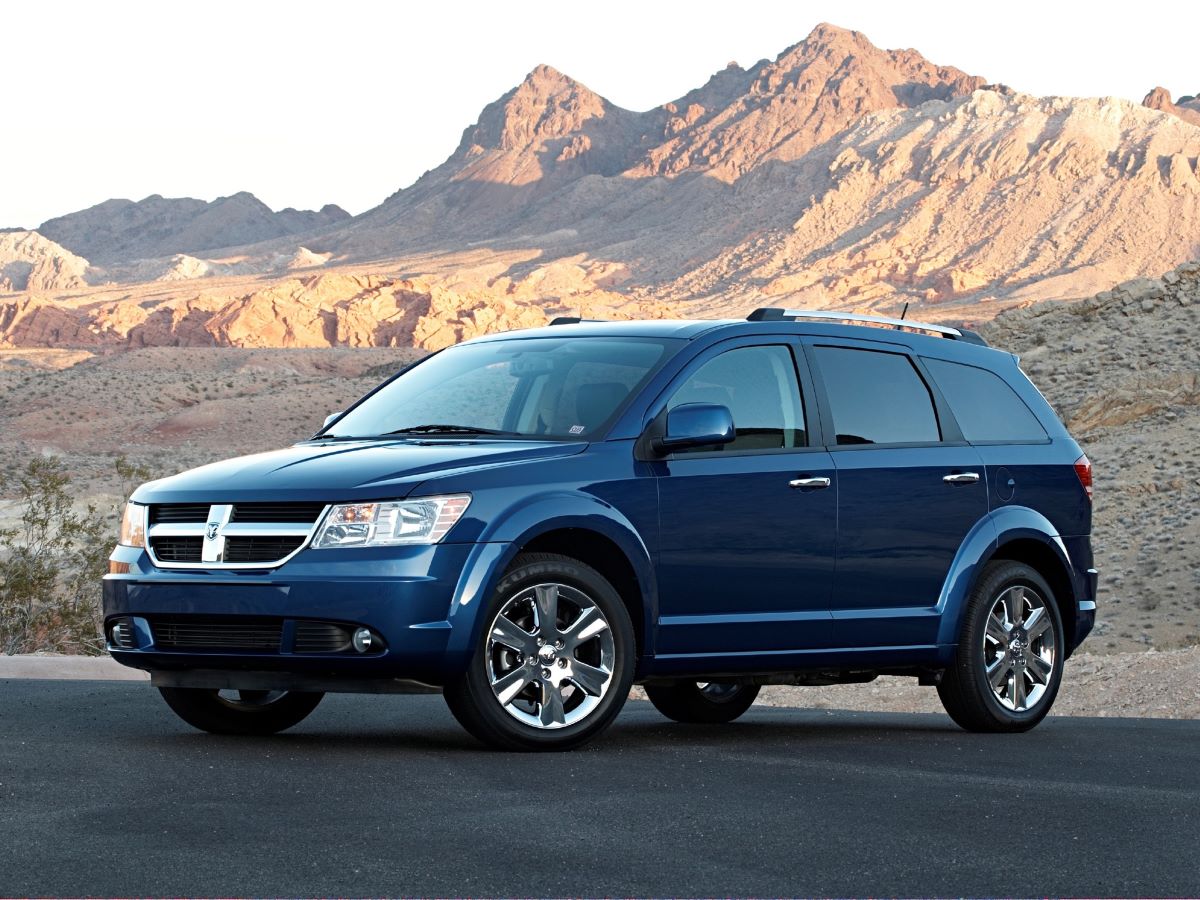
The Dodge Journey is frequently cited as one of the least reliable vehicles regarding suspension components, especially within the crossover segment. Despite its affordable price and roomy interior, the Journey’s suspension is often a weak point that contributes to a noisy, uncomfortable ride.
The front suspension uses a MacPherson strut design, while the rear employs a twist-beam axle setup, both of which suffer from poorly made bushings, ball joints, and other wear items that develop clunks and rattles fairly early in the vehicle’s life.
One significant issue with the Journey is the poor quality of suspension bushings, which are often made from low-grade rubber prone to cracking and drying out.
These deteriorated bushings allow excessive play in control arms and sway bars, creating the characteristic knocking and clunking noises over uneven roads or during turns. Many owners report that suspension noises become noticeable well before the 50,000-mile mark, forcing costly repairs or constant tightening and replacements.
The Journey’s suspension geometry and alignment tolerances also contribute to accelerated tire and component wear. When suspension components loosen or wear unevenly, the vehicle often develops uneven tire wear, worsening ride quality and increasing repair frequency.
This creates a negative feedback loop where suspension degradation causes further damage to tires and other suspension parts, resulting in increasingly frequent visits to the shop.
4. Land Rover Range Rover (2003–2012 Models)
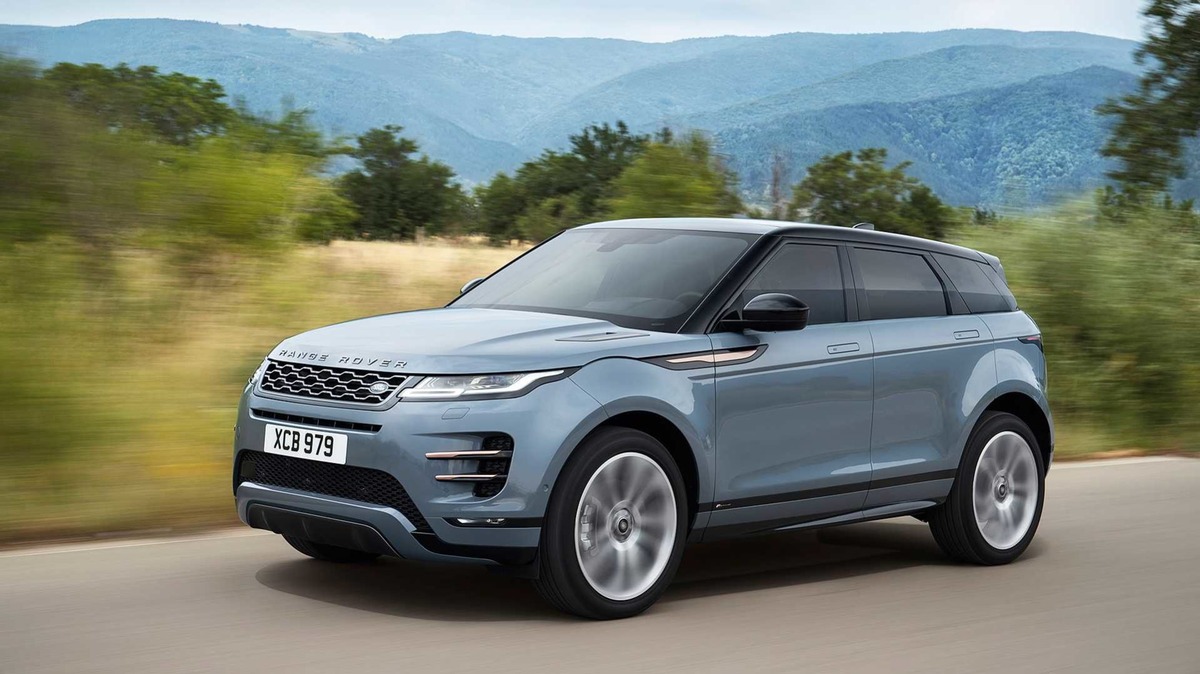
The third-generation Range Rover (L322) is legendary for its luxury, off-road prowess, and status, but its suspension system often becomes a costly source of frustration. This generation commonly features an advanced air suspension system designed to provide exceptional ride comfort and automatic leveling.
However, the complexity of the system means there are many points of failure. Air springs frequently develop leaks, compressors often fail, and electronic control modules can malfunction, leading to sagging suspension, clunks, and even vehicle limp modes.
Air suspension failure is almost inevitable on these models as they age, especially when exposed to rough terrain or harsh weather conditions. The air bags’ rubber tends to crack and deteriorate over time, causing slow leaks that the compressor struggles to compensate for.
This overworking shortens compressor life, creating a cascade of failures that quickly degrade ride quality. When one corner of the suspension sags or dips, it can cause parts to contact other components, producing distinctive clunks and knocking sounds.
Beyond air suspension woes, the Range Rover’s mechanical suspension parts also wear out prematurely. Control arms, ball joints, and bushings can deteriorate due to the vehicle’s weight and aggressive off-road use. Combined with air suspension failures, these problems contribute to a clunky, unpredictable ride that can erode confidence and enjoyment.
Owners often describe a cycle of expensive repairs with no lasting solution, underscoring why this luxury SUV can become a perpetual suspension headache.
5. Nissan Pathfinder (2005–2012 Models)
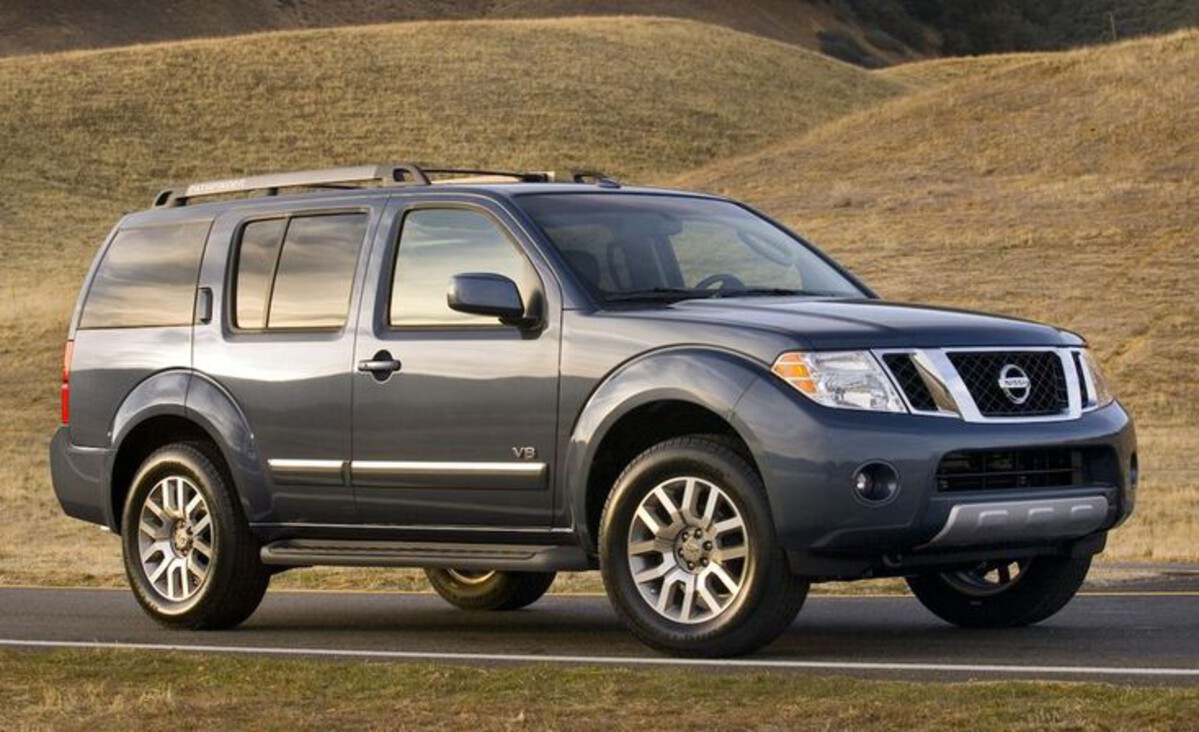
The Nissan Pathfinder from the mid-2000s to early 2010s has long been associated with suspension troubles that lead to persistent clunks and rattles. The vehicle uses a multi-link rear suspension paired with a MacPherson strut front setup, which should provide a balanced ride.
However, the real-world experience often tells a different story. Many Pathfinders suffer from early wear in rear suspension bushings and front lower control arms, leading to a noisy and unsettled ride.
The bushings in the rear multi-link suspension are a particular weak spot. They tend to deteriorate quickly, especially in vehicles exposed to winter salt or rough roads.
As these bushings wear, they allow excessive movement in the suspension arms, creating the characteristic knocking and clunking sounds. These noises are often more pronounced over bumps and during turns, affecting ride quality and driver confidence. Replacing these bushings can be a labor-intensive job, which adds to the frustration and cost.
Another common complaint involves the front lower control arm bushings and ball joints, which also wear out prematurely. As these parts degrade, the steering feel becomes vague and clunky noises emerge.
Poor front suspension condition can also cause uneven tire wear and alignment problems, compounding the vehicle’s suspension woes. Owners often report multiple visits to repair shops for suspension noise that returns after a few thousand miles.
