
Pickup trucks have long been more than just vehicles for hauling cargo or towing trailers. For many, they represent identity, lifestyle, and even status. Some trucks earn their place as neighborhood favorites, inspiring their owners to proudly talk about them at every opportunity.
Others end up as disappointing purchases that are quickly forgotten or traded in, with owners reluctant to even admit they once drove them.
The truck market is full of models that either live up to or fall short of expectations. Whether it’s because of power, reliability, design, or reputation, some trucks inspire loyalty while others quietly fade into obscurity.
The reasons for this divide can vary. Some trucks are built with performance and utility in mind and develop a cult following because they simply get the job done, year after year.
Others enter the market with high hopes and flashy promises, only to disappoint with poor build quality, constant maintenance issues, or underwhelming performance. Social factors also play a part. Some trucks gain a reputation in communities either for being rugged and dependable or for being poorly designed money pits.
Bragging rights often go to trucks that combine reliability, innovation, comfort, and towing strength, and that keep their value over time. These are the models that make owners proud to show up at a job site, family gathering, or off-road trail.
On the other side, some trucks make people cringe when they look back at their ownership experience. These are the ones plagued by recalls, transmission problems, rust issues, or disappointing fuel economy. They may have looked promising in ads or on the dealership lot but failed to deliver when put to real-world use.
Below is a breakdown of five trucks that owners are proud to own and frequently recommend, followed by five trucks that many wish they had never purchased.
These opinions are shaped by performance, dependability, comfort, reputation, and long-term satisfaction. This list reflects trends based on widely shared owner experiences, both from those who sing praises and from those who have learned their lessons the hard way.
5 Trucks Owners Brag About
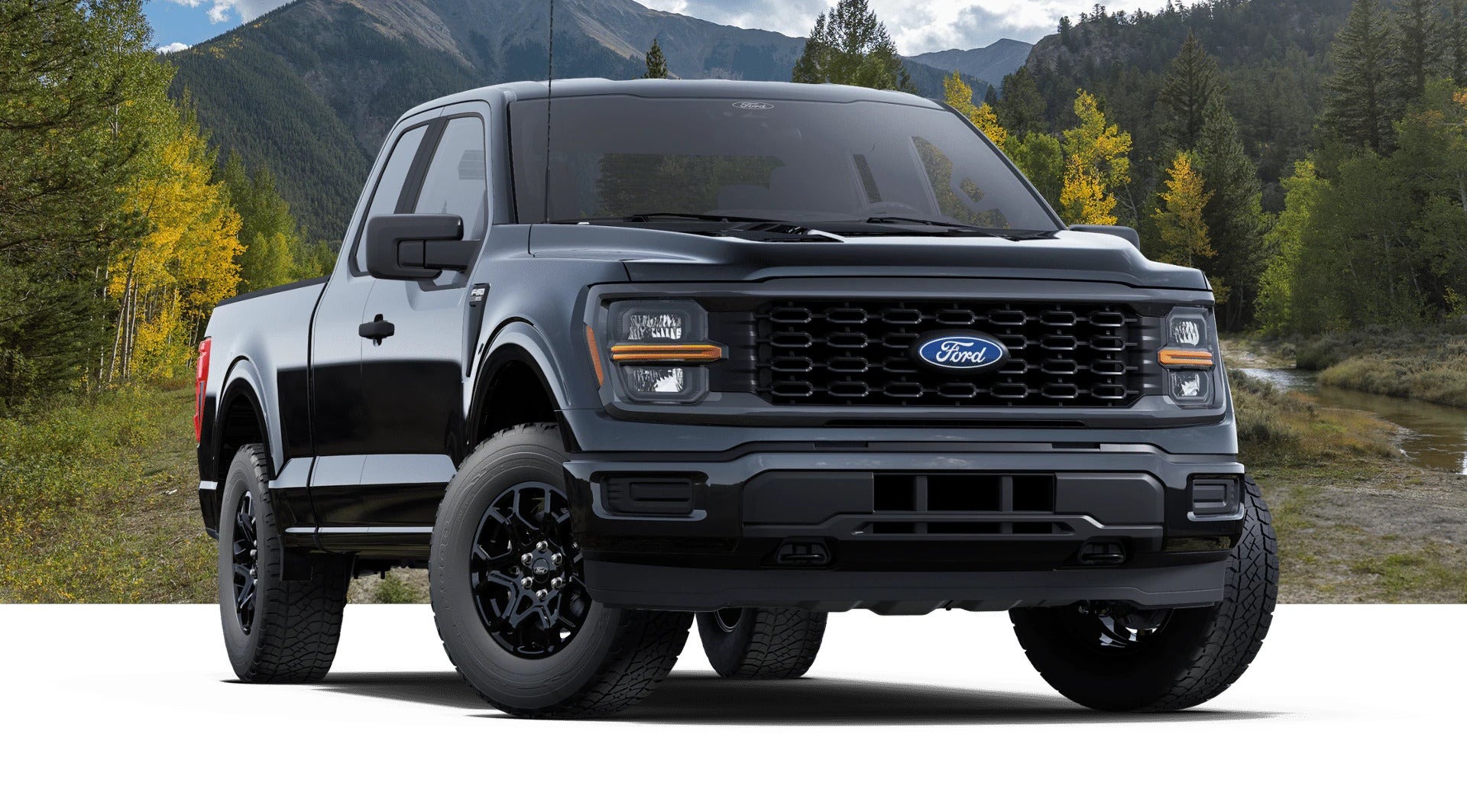
1. Ford F-150 (Especially from 2015–2020)
The Ford F-150 has long been a leader in the full-size pickup truck segment, and owners often highlight its perfect balance between capability, comfort, and modern technology.
One of the biggest reasons this truck garners so much praise is its range of powertrain options, especially the 3.5-liter EcoBoost V6, which delivers impressive towing capacity and fuel efficiency.
Drivers frequently mention how this engine offers strong low-end torque and smooth power delivery, making it ideal for everything from heavy hauling to daily commuting. Additionally, the recent generation F-150s introduced an aluminum body that significantly reduced weight without sacrificing strength.
This change improved handling, acceleration, and fuel economy, giving owners a noticeable difference compared to previous models. The truck’s versatility means it’s just as at home on a construction site as it is on a weekend camping trip.
Many owners brag about how their F-150 can switch roles effortlessly, handling tough jobs during the week and comfortable family outings on the weekend without missing a beat.
The interior of the F-150 is another area that owners rave about. From base models with durable materials to high-end trims that rival luxury SUVs, there’s an option for every type of buyer. Features like leather seats, ambient lighting, and advanced infotainment systems help transform the truck’s cabin into a relaxing space.
Owners often point out how spacious the crew cab is, allowing adults to sit comfortably in the back for longer trips. The dashboard layout is intuitive, with large touchscreen displays and physical controls that are easy to use while driving.
Many drivers also appreciate the variety of storage compartments, including under-seat bins and a large center console that helps keep the interior organized. This blend of practicality and comfort makes the F-150 appealing to those who use their trucks as daily drivers and not just workhorses.
Towing capability is one of the strongest points for the F-150, and owners often boast about the confidence they feel behind the wheel when pulling heavy trailers or hauling equipment.
With the proper towing package, this truck can handle over 13,000 pounds, a feat few full-size pickups can match. Many owners describe how the truck’s trailer sway control and adaptive cruise control systems help stabilize their load and reduce driver fatigue on long trips.
The availability of features like Pro Trailer Backup Assist is often mentioned as a game-changer, especially for those new to towing. This technology allows drivers to easily maneuver trailers into tight spots using a simple control dial, eliminating a lot of the stress that comes with reversing with a trailer attached.
Owners who tow boats, campers, or horse trailers frequently share stories of how these systems have saved them time and headaches, making the F-150 a favorite choice for anyone needing serious hauling power.
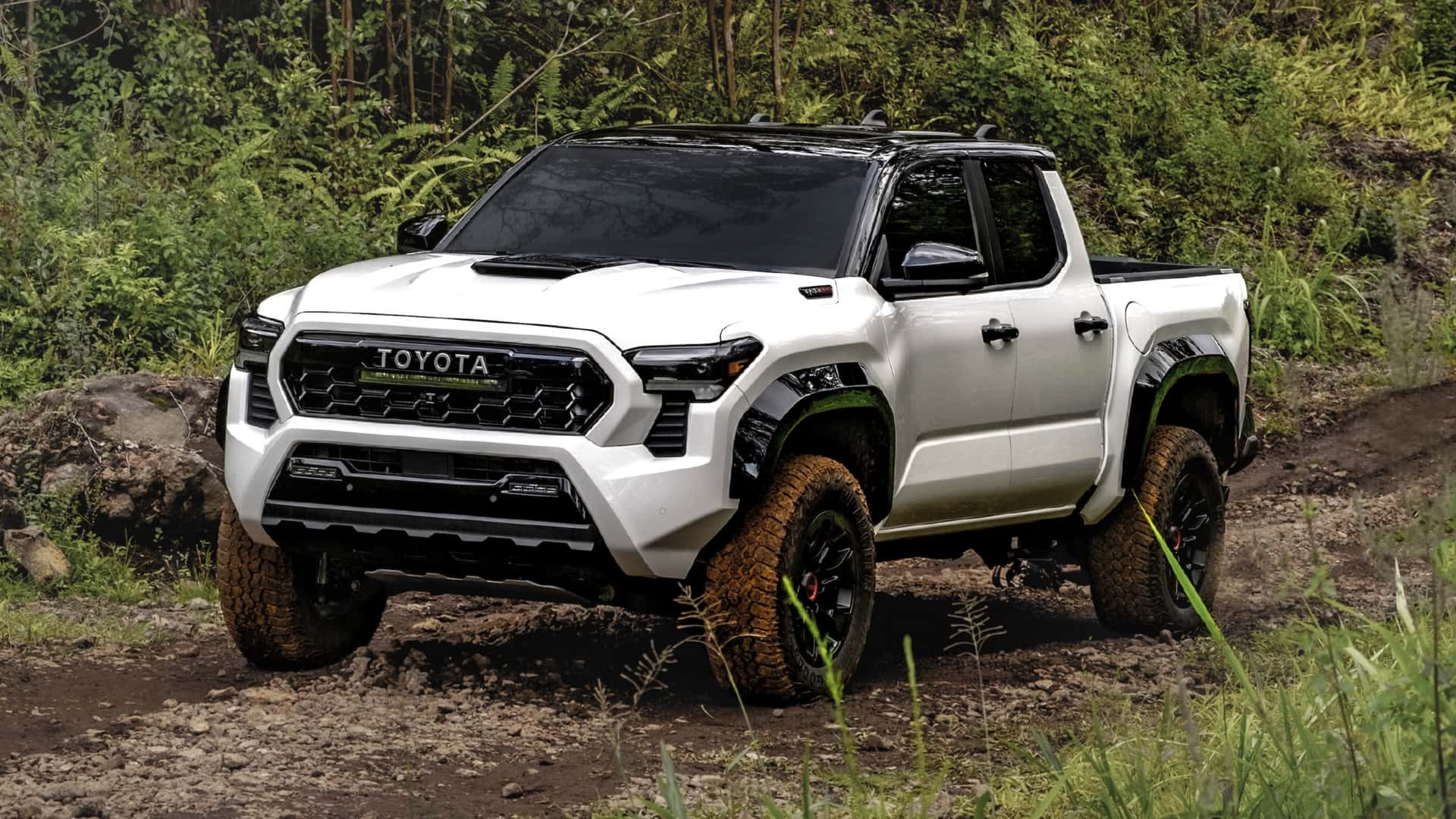
2. Toyota Tacoma (Especially from 2016–Present)
Toyota Tacoma owners often speak about their trucks with genuine enthusiasm, mostly because of their reputation for near-indestructibility and exceptional off-road capabilities. The Tacoma has carved out a strong niche as a reliable mid-size truck that withstands harsh conditions and long-term use without breaking down.
Many owners share stories of Tacomas lasting well past 200,000 miles with minimal repairs, attributing this to Toyota’s legendary engineering and quality control.
This reliability creates a sense of trust rarely seen in the truck market, especially in a segment known for wear and tear. Owners who have tested their Tacomas in rough environments from mountainous trails to desert landscapes often talk about how the truck performed flawlessly where others might have struggled or failed.
The off-road capability of the Tacoma is one of its most celebrated features. The TRD Off-Road and TRD Pro models come equipped with a range of specialized equipment designed to handle tough terrain. Crawl Control, multi-terrain select, and locking differentials work together to provide traction and stability in mud, snow, or rocky paths.
Owners often brag about taking their Tacomas deep into wilderness areas, confident that the truck will navigate obstacles that would stop other vehicles.
Suspension upgrades, skid plates, and all-terrain tires come standard or are easy to add, making the Tacoma a favorite for weekend adventurers and professional off-road drivers alike. Many owners become part of active off-road communities where their Tacomas are more than transportation they’re tools for exploration and adventure.
Resale value is another point where the Tacoma outshines many competitors. It consistently ranks near the top in retention of value, which owners find reassuring. When it comes time to sell or trade in the truck, many find they can recoup a significant portion of their initial investment, a rare feat in the automotive world.
This financial advantage, coupled with the truck’s long-term durability, adds to the appeal. Some owners consider the Tacoma not just a vehicle but a sound financial decision, as it tends to avoid steep depreciation that plagues other models. This reliability and value retention make owners feel smart about their purchase and proud to own a truck with a strong reputation.
Inside the cabin, the Tacoma strikes a balance between functionality and comfort. While it may not have the lavish interiors found in larger full-size trucks, owners appreciate its straightforward design and durability. The controls are logically placed and easy to use, with infotainment systems that provide Bluetooth connectivity, navigation, and smartphone integration.
Seating is comfortable enough for long drives, and the cabin materials hold up well to daily use and occasional outdoor gear mess.
Toyota’s focus on quality means that the interior doesn’t wear out quickly, which is something many owners brag about after years of ownership. For those who want a dependable, no-nonsense truck that can handle both work and play, the Tacoma remains a top choice with an enthusiastic following.
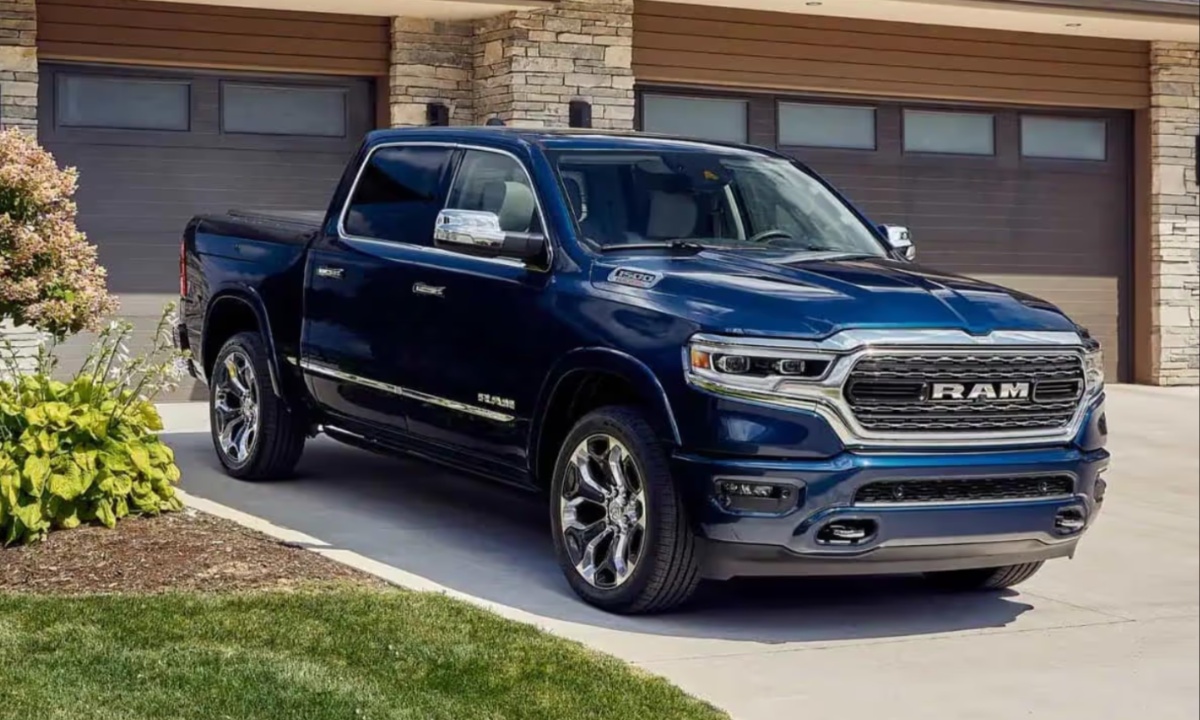
3. Ram 1500 (Especially from 2019–Present)
The Ram 1500 has undergone a remarkable evolution in recent years, transforming from a solid work truck into one of the most refined full-size pickups on the market. Owners consistently praise its comfortable ride quality, which is made possible by an innovative coil-spring rear suspension setup.
This design change sets the Ram apart from many competitors that rely on leaf springs, resulting in smoother handling over rough roads and a more controlled feel during highway cruising.
Drivers who use their trucks for both work and family life find this balance particularly valuable, as it means they don’t have to sacrifice comfort for capability. Many owners mention how the Ram feels more like a luxury SUV than a traditional pickup, which makes long drives less tiring and daily use more enjoyable.
The interior of the Ram 1500 is frequently described as one of the best in the truck segment. Owners brag about the high-quality materials, spacious cabin, and impressive tech offerings. Higher trims feature a massive 12-inch touchscreen that controls everything from climate to entertainment, and the system is praised for its responsiveness and user-friendly layout.
Premium leather seats with heating and ventilation, wood trim, and ambient lighting add to the upscale feel. Passengers often comment on the quietness of the cabin, which reduces fatigue during long trips. The Ram’s interior design appeals to those who want a truck that can serve as a comfortable daily driver without compromising on luxury or technology.
Performance options on the Ram 1500 are varied and robust. The standard 3.6-liter V6 provides respectable power and efficiency, while the available 5.7-liter HEMI V8 delivers strong acceleration and towing capacity. The addition of the eTorque mild-hybrid system in recent models helps boost fuel economy without sacrificing power.
Owners frequently brag about their trucks’ ability to tow large trailers, boats, and campers with ease. The Ram also offers an available diesel engine, which combines impressive torque with competitive fuel efficiency, appealing to those who tow regularly or want more mileage on the highway.
This range of options makes the Ram 1500 adaptable to many different needs and preferences, increasing owner satisfaction.
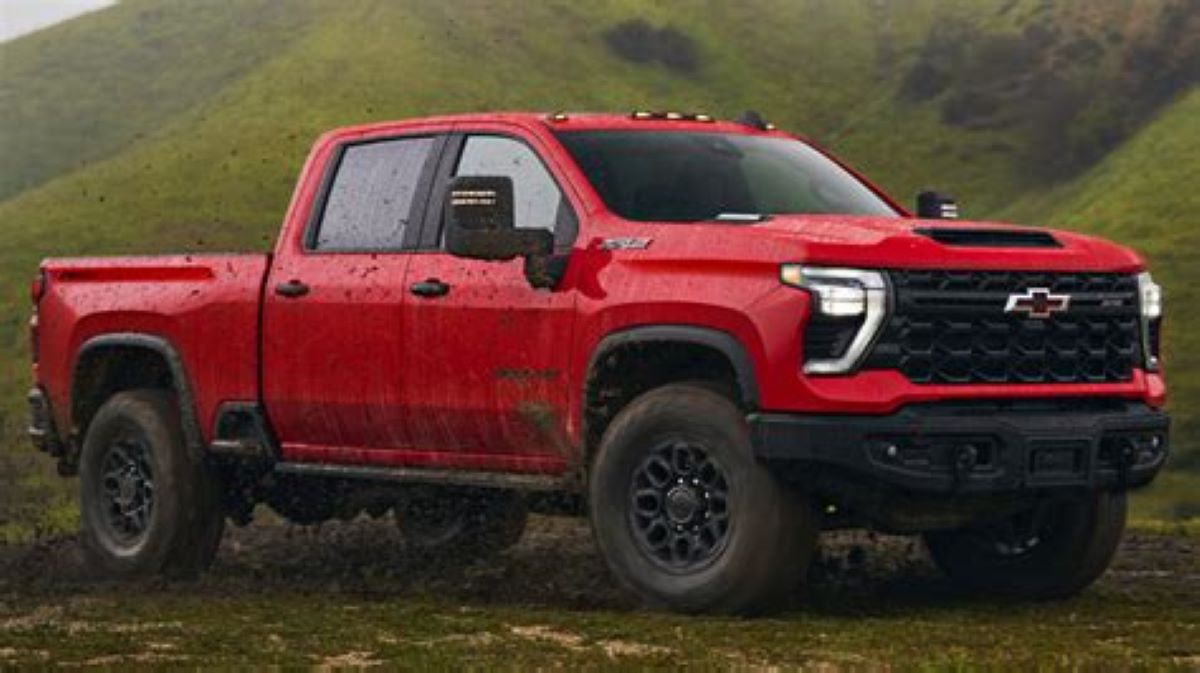
4. Chevrolet Silverado 2500HD (Especially from 2020–Present)
The Chevrolet Silverado 2500HD is a heavy-duty truck that earns respect for its raw power and ability to handle serious workloads. Owners often brag about its strong towing capacity, especially when equipped with the Duramax 6.6-liter turbo-diesel engine paired with the Allison automatic transmission.
This combination produces impressive torque and durability, allowing the truck to pull massive trailers, heavy equipment, and livestock without strain.
Many drivers who rely on their trucks for farming, construction, or commercial hauling emphasize how reliable the Silverado 2500HD feels even under constant heavy use. The truck doesn’t just meet expectations; it often exceeds them in real-world conditions where failure is not an option.
Inside, the Silverado 2500HD may not be as flashy as some luxury pickups, but its cabin is built with practicality and comfort in mind. Owners appreciate the spacious interior, with enough room to carry a full crew or family. Controls are logically arranged for ease of use, and the infotainment system supports modern features like Apple CarPlay and Android Auto.
Many drivers find that the seats offer good support during long hauls, and the cabin remains relatively quiet despite the truck’s size and power. This balance between rugged capability and interior comfort makes the Silverado 2500HD a top choice for those who need a serious work truck that can still handle daily driving.
Lastly, the Silverado 2500HD is often praised for its reliability over time. Many owners report putting hundreds of thousands of miles on these trucks with minimal major repairs. This longevity, combined with strong factory warranties and service support, adds to the satisfaction.
Owners often say their trucks don’t just perform well initially but continue to do so for many years, making it a smart investment. The sense of security that comes with owning a vehicle built to last is a big part of why the Silverado 2500HD remains a favorite among those who demand the most from their pickups.
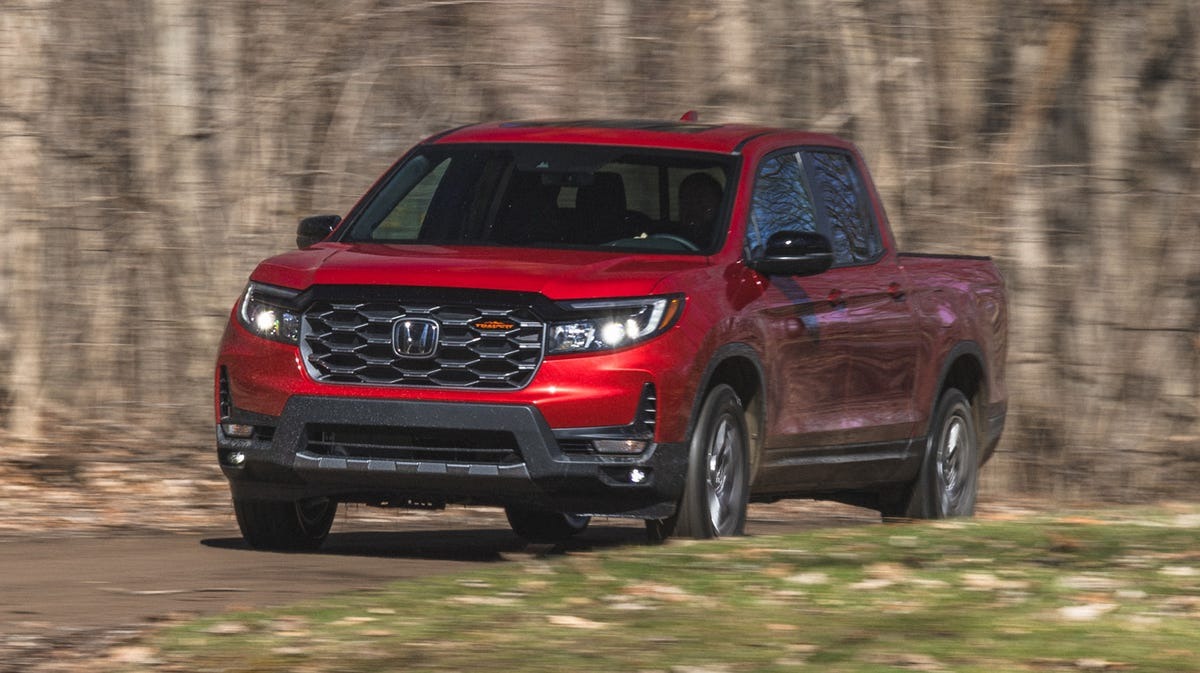
5. Honda Ridgeline (Especially from 2017–Present)
The Honda Ridgeline occupies a unique place in the truck market, and many owners proudly tout its blend of comfort, utility, and innovation. Unlike traditional body-on-frame trucks, the Ridgeline uses a unibody design that results in a car-like ride quality that is surprisingly smooth for a pickup.
Owners often express surprise at how quiet and composed the truck feels on the highway compared to larger, more truck-like pickups.
This makes the Ridgeline especially appealing for those who want a versatile vehicle that performs well both as a daily driver and a weekend hauler. The independent rear suspension contributes to this smooth ride, helping absorb bumps and providing better handling around corners.
Fuel efficiency is another area where the Ridgeline earns praise. Its V6 engine provides solid performance without guzzling gas, delivering better mileage than many full-size trucks. Owners who use their Ridgelines for commuting and light hauling appreciate the lower running costs, which add up over time.
The Ridgeline also offers respectable towing capacity, able to handle small trailers, boats, and campers with ease. For buyers who want a pickup but don’t need extreme towing or off-road ability, the Ridgeline hits the perfect balance. This combination of economy and capability makes owners feel like they’ve found a truck that fits their needs without compromise.
Finally, Honda’s reputation for reliability plays a big role in the Ridgeline’s popularity. Owners report that the truck requires little maintenance beyond regular oil changes and tires, with few unexpected repairs even after many miles. The Ridgeline shares many components with other Honda models known for longevity, adding to the peace of mind that owners enjoy.
For those who want a comfortable, practical, and trouble-free pickup, the Ridgeline often exceeds expectations. The owners who drive it tend to be vocal about how it blends the best traits of a car and a truck into one package, making it a source of pride for those who value smart design and everyday usability.
5 Trucks Owners Pretend They Never Bought
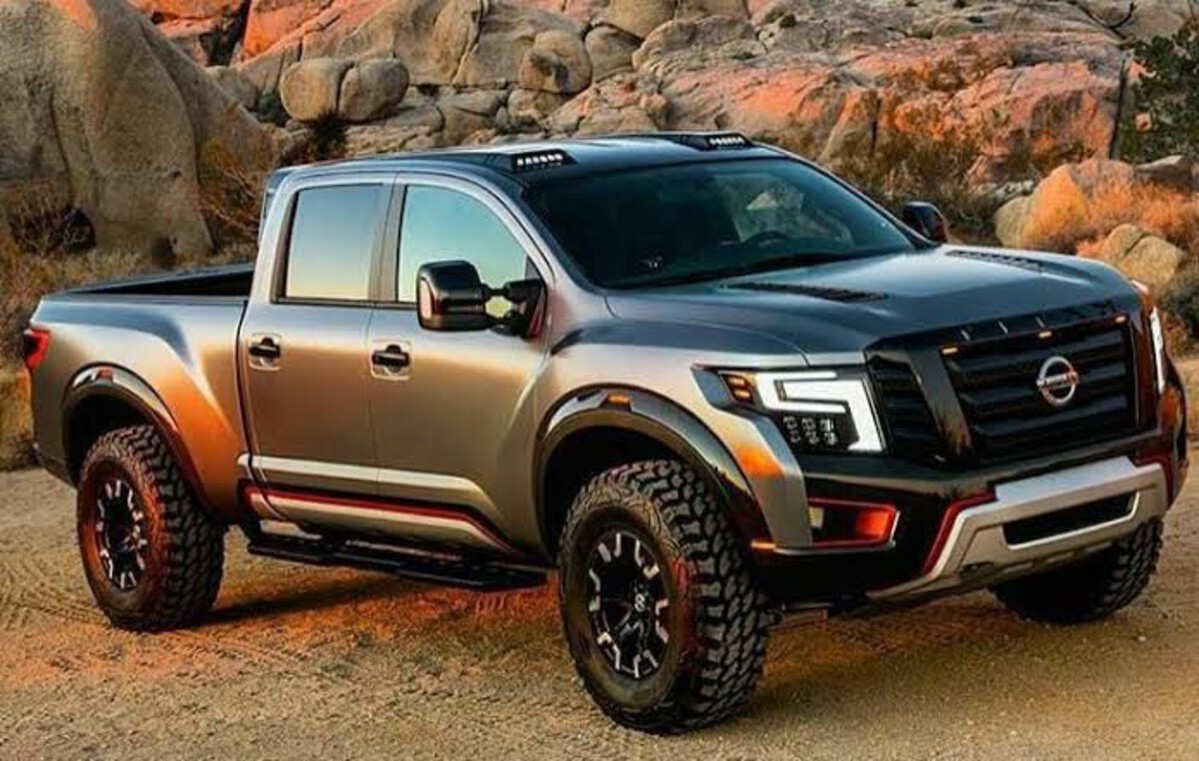
1. Nissan Titan (Especially from 2016–2023)
The Nissan Titan arrived on the scene with a lot of fanfare and big promises, but it failed to capture the hearts of many truck buyers. While it offered a strong V8 engine and impressive towing numbers on paper, real-world experiences often fell short.
Owners quickly realized that the transmission lacked the smoothness found in rivals, leading to a driving experience that felt jerky or hesitant under acceleration.
This was particularly noticeable during everyday driving or when trying to merge onto highways. Fuel economy was also a sore point, with many feeling that the Titan was too thirsty for a truck that didn’t deliver exceptional performance or features. Compared to competitors, the Titan felt like it was playing catch-up rather than leading.
On top of these frustrations, the Titan’s resale value was a major issue. Unlike more established trucks that hold their worth well, the Titan depreciated quickly. Owners who traded their Titans in after a few years often discovered that their trucks were worth much less than expected.
This financial hit left a lasting sting and discouraged many from recommending the model to others. Even Nissan loyalists sometimes expressed regret about choosing the Titan over better-supported competitors. The truck’s reputation suffered from this cycle, creating a perception that it was a gamble that didn’t pay off.
Lastly, the lack of enthusiasm for the Titan meant that it rarely appeared in conversations about reliable or desirable trucks.
Owners often preferred to avoid the subject or downplay their ownership experience. While the truck had some redeeming qualities, they were overshadowed by its shortcomings in ride quality, interior comfort, and value retention.
The Titan’s story serves as a cautionary tale about how difficult it is to break into the competitive full-size truck market without a truly exceptional product. Many owners still quietly wish they had chosen something else.
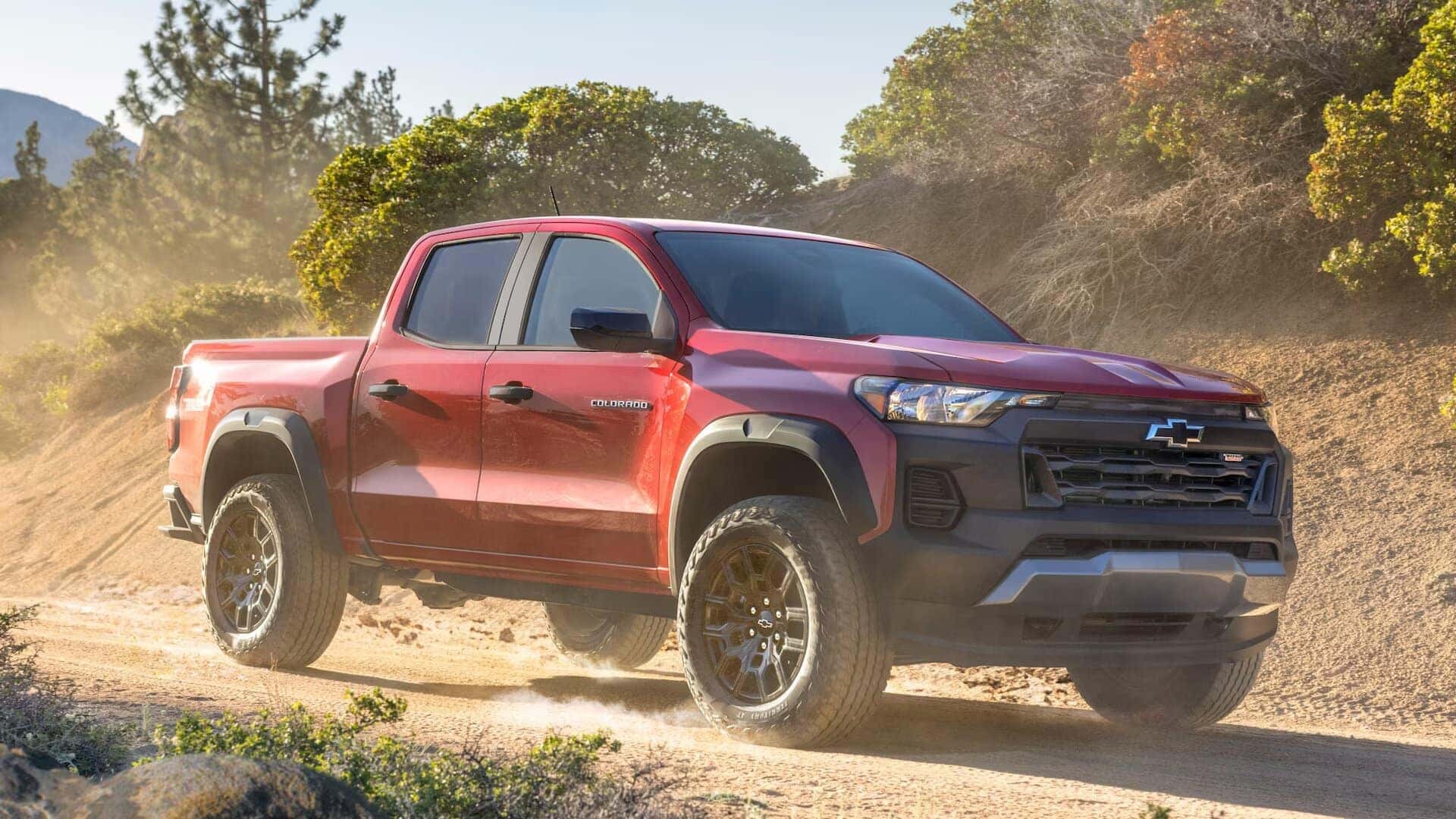
2. Chevrolet Colorado (Especially from 2015–2018)
When the Chevrolet Colorado reentered the midsize truck market, it sparked a lot of excitement due to its competitive pricing and diesel engine option. However, many owners soon encountered several frustrating issues that led them to regret their purchase. Early models struggled with inconsistent build quality.
Interior rattles, squeaks, and poorly fitting panels were common complaints that undermined the feeling of quality. Electronics were another weak point, with infotainment glitches, failing sensors, and electrical gremlins disrupting the driving experience. These flaws detracted from what should have been a solid, reliable truck in its segment.
The transmission was another source of widespread frustration, particularly the 8-speed automatic found in many models. Owners frequently mentioned harsh shifting, delayed downshifts, and occasional hesitations that made driving less smooth than expected.
While the transmission was supposed to improve fuel efficiency and performance, it often felt like a step backward in refinement. Even after software updates and recalls, these problems persisted for many owners, eroding confidence in the truck’s reliability. Some drivers found themselves actively wishing for the simpler transmissions offered by competitors.
Many early Colorado owners found themselves embarrassed by their choice and eager to move on to more dependable vehicles. The truck’s initial promise was overshadowed by real-world problems that damaged its reputation.
Owners often avoid discussing these years of the Colorado lineup or speak of them only to warn others. Although Chevrolet made improvements in later model years, the damage was done for many, turning what could have been a standout midsize truck into a regrettable purchase for a significant number of buyers.
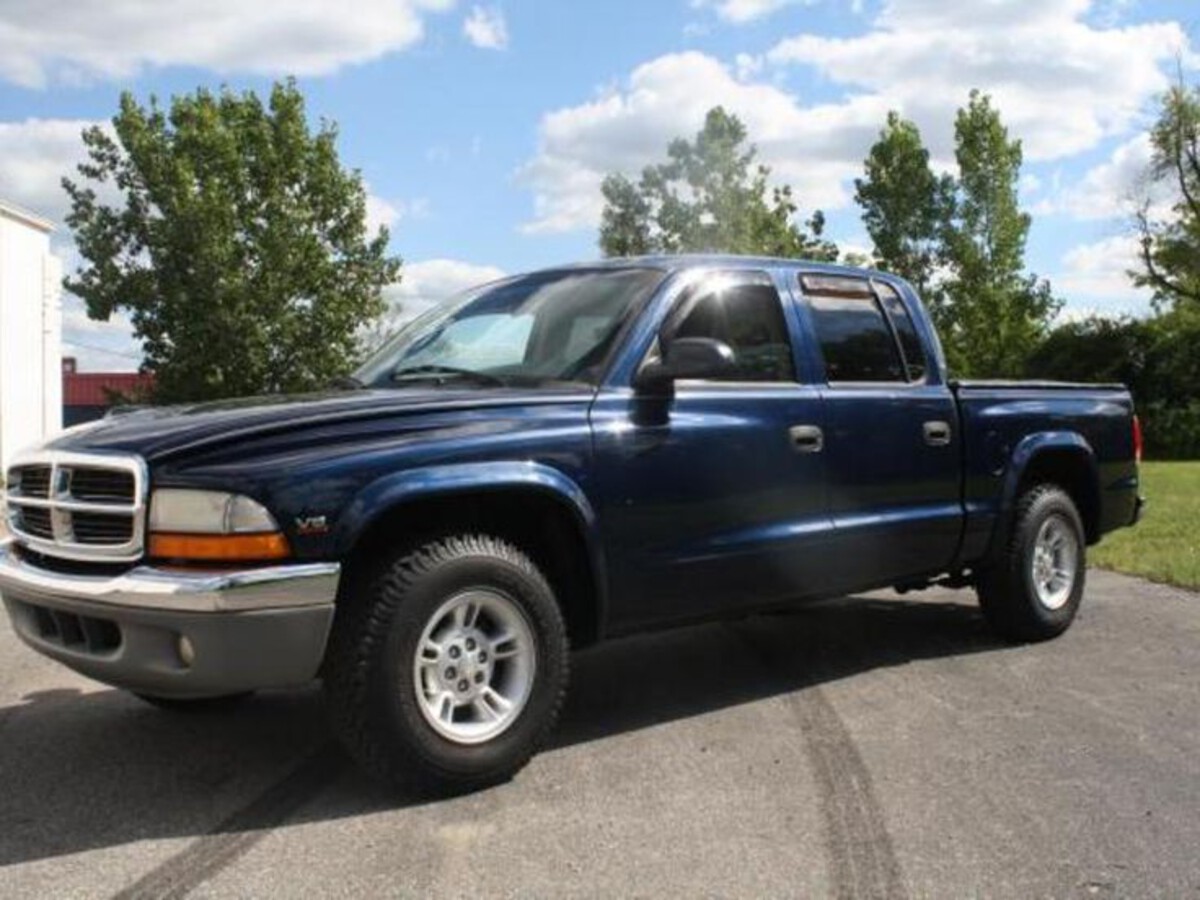
3. Dodge Dakota (Especially from 2005–2011)
The Dodge Dakota once held a solid position in the midsize truck market, but its later years left many owners with regrets. From 2005 to 2011, the Dakota suffered from a combination of aging design and mounting mechanical issues.
Buyers expected a rugged, reliable truck, but instead found themselves facing disappointing fuel economy, especially compared to other midsize pickups that were improving in efficiency.
The Dakota’s engines, which hadn’t seen significant updates, felt underpowered and outdated. This made the truck sluggish in everyday driving, especially when loaded or towing. Owners often expressed frustration over how little power was available, which limited the Dakota’s usefulness.
The ride and handling were also criticized. The Dakota attempted to adopt aggressive styling reminiscent of larger trucks but failed to deliver a matching driving experience. The truck’s suspension felt stiff and bouncy, making long drives uncomfortable.
Handling was vague and unresponsive, which affected driver confidence, particularly in emergency maneuvers. Owners who expected a balanced combination of utility and comfort were left disappointed. These issues compounded the perception that the Dakota was no longer competitive in its class.
Due to these factors, the Dakota faded into obscurity and became a model many owners wished to forget. Even Dodge enthusiasts rarely speak fondly of these later model years.
The truck’s reputation declined so much that Dodge chose not to revive the Dakota name for many years, signaling how seriously these problems affected brand perception. For those who bought a Dakota during this period, it’s often a chapter they prefer to quietly close, rather than one they look back on with pride.
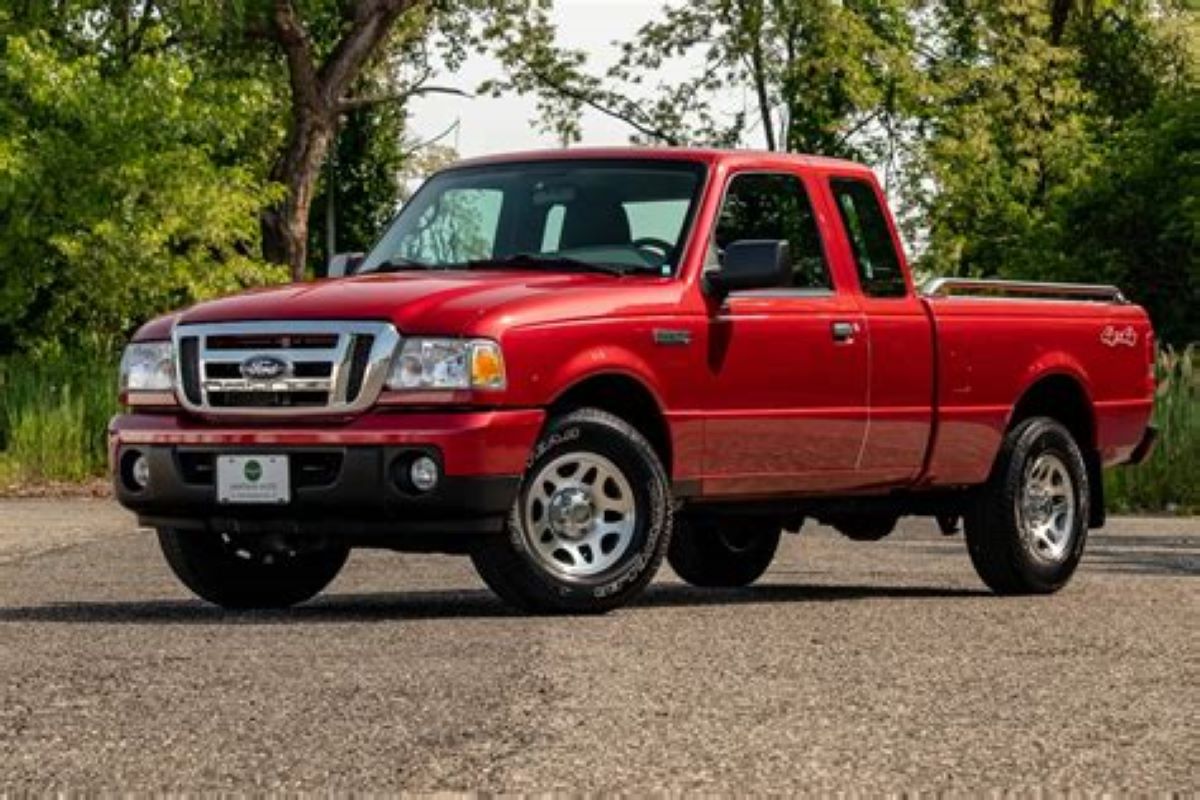
4. Ford Ranger (Especially from 2001–2011)
The Ford Ranger, while respected for its compact size and practicality, was also a source of dissatisfaction for many owners during its later years before being discontinued in North America. Models from 2001 to 2011 were seen as aging and lacking modern updates at a time when competitors were rapidly improving.
Buyers who expected a small truck that combined utility with comfort found the Ranger’s interior cramped and outdated. The cabin materials were often described as cheap, and the design felt stale, especially compared to more modern rivals like the Toyota Tacoma. For many, the Ranger began to feel like a relic that hadn’t kept up with the times.
Performance was another sticking point. The Ranger’s engines struggled to deliver sufficient power, especially when towing or hauling heavier loads. Acceleration was slow, and owners frequently complained about how the truck lacked the muscle needed for demanding work or highway merging.
The smaller size, while helpful in tight urban settings, also limited payload and towing capacities, which frustrated those who needed a versatile vehicle for work and recreation. This left many feeling that the Ranger was a compromise rather than a capable partner.
Reliability was a mixed bag. Some owners enjoyed trouble-free use for years, but many experienced common problems like transmission issues, overheating, and electrical gremlins. These recurring faults led to costly repairs and downtime that many felt was unacceptable for a truck of its price and reputation.
Additionally, as the Ranger aged, parts became harder to find, and dealerships provided less support, compounding owners’ frustrations. This lack of support made owning and maintaining the Ranger more difficult, especially as it neared the end of its production run.
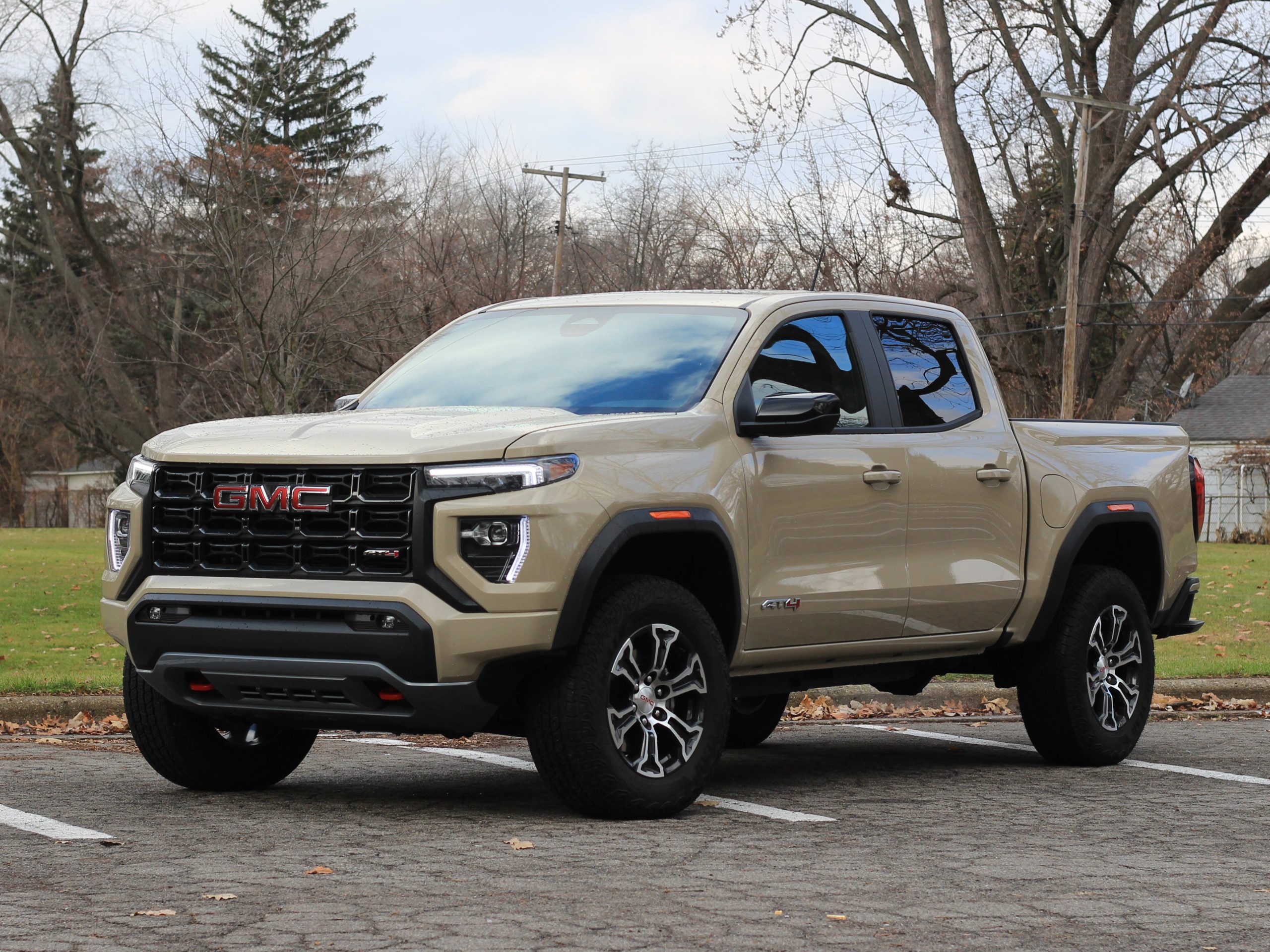
5. GMC Canyon (Especially from 2004–2012)
The early GMC Canyon models, closely related to the Chevrolet Colorado, faced many of the same issues that led owners to regret their purchase. From 2004 to 2012, the Canyon struggled with inconsistent build quality and mechanical problems that affected its reputation.
Owners reported that suspension components wore out prematurely, leading to rough rides and costly repairs. Electrical problems, including faulty sensors and intermittent failures, were also common, disrupting the driving experience. These flaws made the Canyon feel less solid and dependable than competing midsize trucks, creating buyer remorse among many.
Inside the cabin, the Canyon left much to be desired. The interior design was basic and uninspired, with low-quality materials that showed wear quickly. Owners frequently mentioned uncomfortable seats and a lack of sound insulation, which made highway driving tiring due to noise and vibration.
The infotainment system was outdated for its time, lacking features that had become standard in competitors. For those who used the truck daily, this lack of refinement became a significant drawback, especially when paired with the mechanical issues that also plagued the vehicle.
Performance-wise, the Canyon’s engine options were adequate but uninspiring. Acceleration was often described as sluggish, and towing capacity was limited compared to other midsize trucks in its class. Owners who expected a strong, capable truck for work or recreation felt let down by its modest power and less-than-stellar handling.
The Canyon didn’t offer any standout features that justified its purchase over more reliable or refined alternatives. This contributed to a perception that it was a “safe” but forgettable choice.
