
Comfort in a car isn’t just about how it feels during the first test drive. The real test of a vehicle’s comfort comes after years of ownership, thousands of miles on the odometer, and exposure to varying road conditions.
Some cars manage to retain their smooth ride, supportive seating, and noise insulation for years, while others seem to age poorly, with their suspension stiffening, interior materials wearing out, and seats that go from cozy to torture devices. Many buyers assume that all cars degrade the same way, but that’s far from true. There’s a clear difference between models designed with long-term comfort in mind and those that prioritize short-term appeal.
When looking at long-term comfort, several factors come into play. The quality of the seat materials, how well the suspension absorbs bumps over time, the effectiveness of sound insulation, and the durability of the cabin’s layout are just some of the key elements. It’s not enough for a car to feel luxurious on day one.
A truly comfortable car continues to provide that same relaxing driving experience five, eight, or even ten years later. It starts up quietly, handles road imperfections smoothly, and makes long trips feel easy on the body and mind. Whether you’re commuting daily or taking a road trip once a year, the difference is noticeable.
On the flip side, some cars seem pleasant at first but begin to lose their comfort edge after a few years. The seats lose their support, the suspension grows firm and noisy, and cabin materials start to squeak, rattle, or degrade.
These vehicles can become unpleasant to drive or ride in, and often leave their owners frustrated as their expectations of lasting comfort are unmet. These issues might not be glaringly obvious during the first couple of years, but they become increasingly difficult to ignore with time.
This article will take a look at five cars that have a strong reputation for maintaining comfort over a decade, and five that start well but tend to age poorly in terms of ride quality and comfort. It’s not just about brand reputation, but real-world aging and user experience. Let’s break down which models stand the test of time and which ones begin to feel tired before the odometer hits six digits.
Cars That Stay Comfortable for a Decade
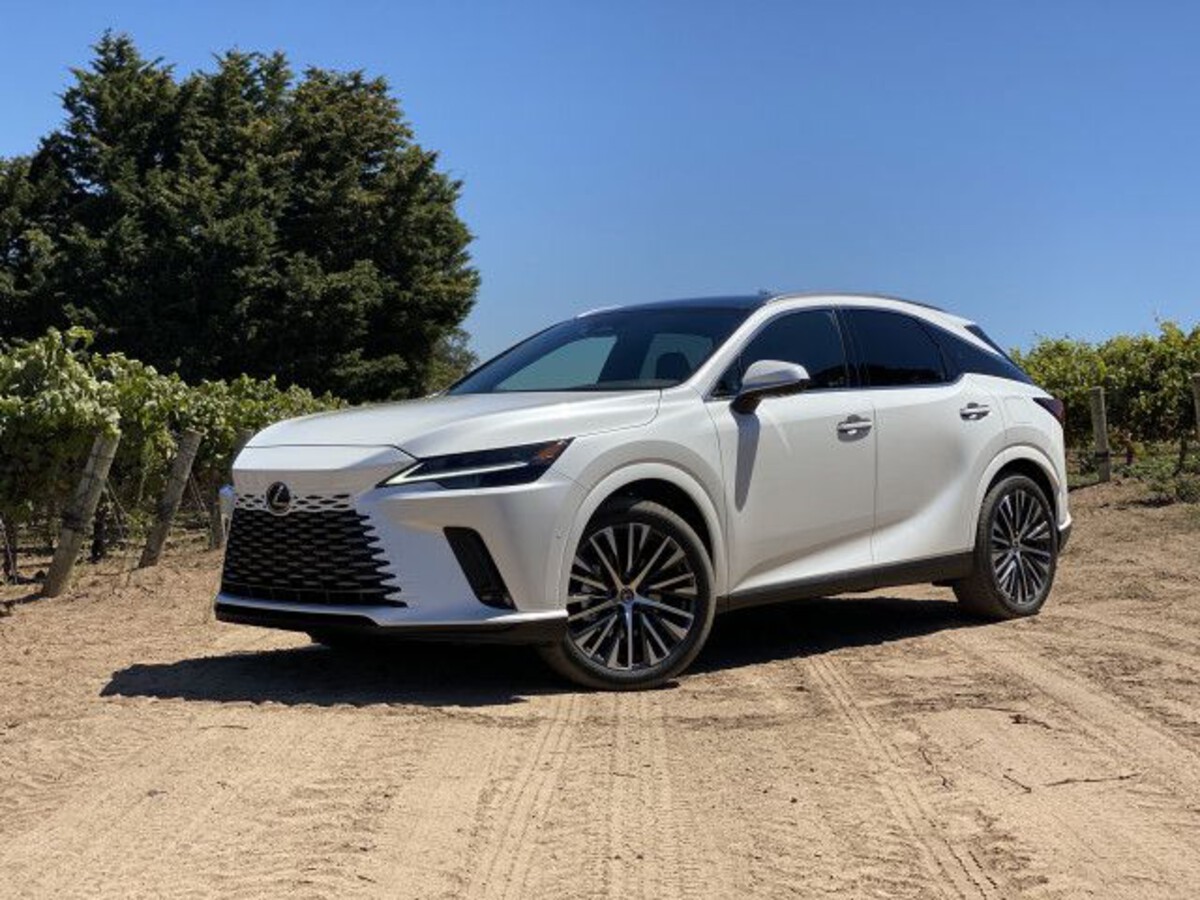
1. Lexus ES
The Lexus ES has consistently been praised for its ride comfort, and that isn’t something that fades with time. Even after ten years of use, this sedan manages to keep its calm, cushioned feel. The seats are wide, well-padded, and supportive enough to reduce fatigue on long drives. Lexus’s use of high-quality leather and durable stitching helps the cabin remain free of cracks and creases, giving the interior a near-new feel for much longer than average.
The suspension setup in the ES focuses on smoothness rather than sportiness. It glides over potholes and rough pavement, softening the impact for both the driver and passengers. What’s impressive is that this softness doesn’t seem to degrade much over time. While some vehicles develop clunks or looseness in the suspension after years of wear, the ES often retains its composed behavior, even past the 100,000-mile mark. That predictability makes it a favorite among those who want their car to feel the same year after year.
Noise insulation is another strength. Lexus takes sound-deadening seriously, and that becomes especially valuable as a car ages. Where other sedans may begin to let in more wind or road noise, the ES keeps a whisper-quiet cabin. The doors continue to close with a solid thud, and creaks or rattles rarely become a problem, thanks to the brand’s focus on quality fit and finish during production.
The Lexus ES proves that comfort isn’t something that needs to fade with age. Whether it’s used for daily driving or longer journeys, the car holds up incredibly well. Many long-term owners report minimal seat wear, smooth suspension operation, and a cabin that feels just as relaxing as it did on day one. It’s a quiet performer that never gets tiring to drive, and for people who value comfort above all else, it’s hard to beat.
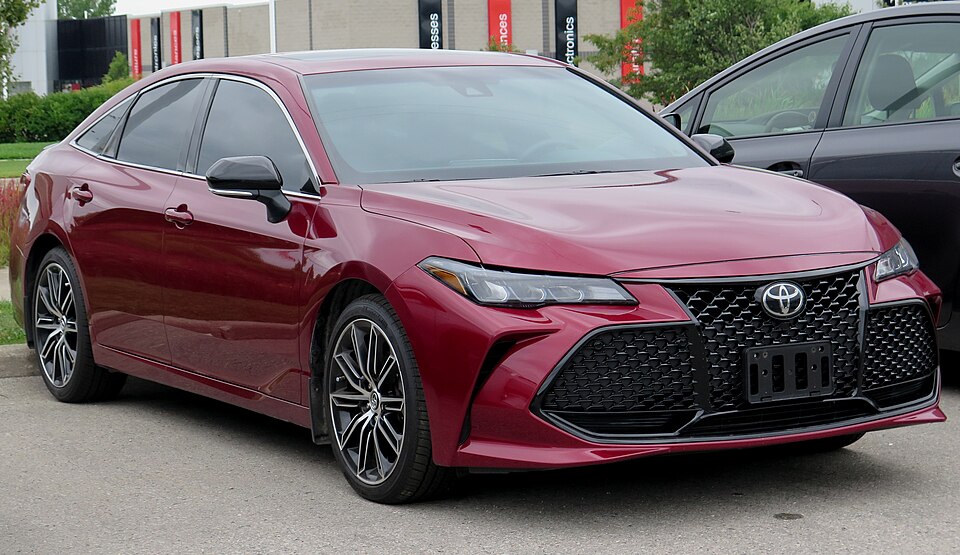
2. Toyota Avalon
The Toyota Avalon has built its reputation on being a larger, more refined step up from the Camry. From the beginning, it offers a plush, spacious interior and a suspension that’s tuned more for comfort than agility. Unlike some rivals that aim for sporty performance, the Avalon takes a relaxed approach, and that pays off over time. Its cabin doesn’t just look inviting, it stays that way, year after year.
The seats in the Avalon are among the best in the full-size sedan category. They’re wide, supportive, and cushioned enough to feel good on both short commutes and long trips. Toyota uses high-quality materials that don’t wear out quickly. Even after a decade, many Avalons still have firm seat cushions and intact upholstery, avoiding the sagging or tearing that affects many other sedans in this price range.
Ride quality is another area where the Avalon shines. It was designed to smooth out rough roads rather than react to them, and that trait carries on as the car ages. The suspension remains compliant and soft without feeling floaty. It doesn’t bottom out easily, and it soaks up cracks and potholes gracefully. That kind of long-term ride comfort is rare outside the luxury segment, and it’s one reason older Avalons remain desirable on the used market.
Interior noise levels stay impressively low as well. Toyota engineered the Avalon with solid insulation and tight construction. Doors and trim panels don’t rattle or vibrate as time passes, and wind noise is kept at bay even after hundreds of highway trips. That helps the cabin retain a sense of calm that most cars lose after a few years. It’s a quiet, comfortable cruiser that doesn’t lose its charm over time.
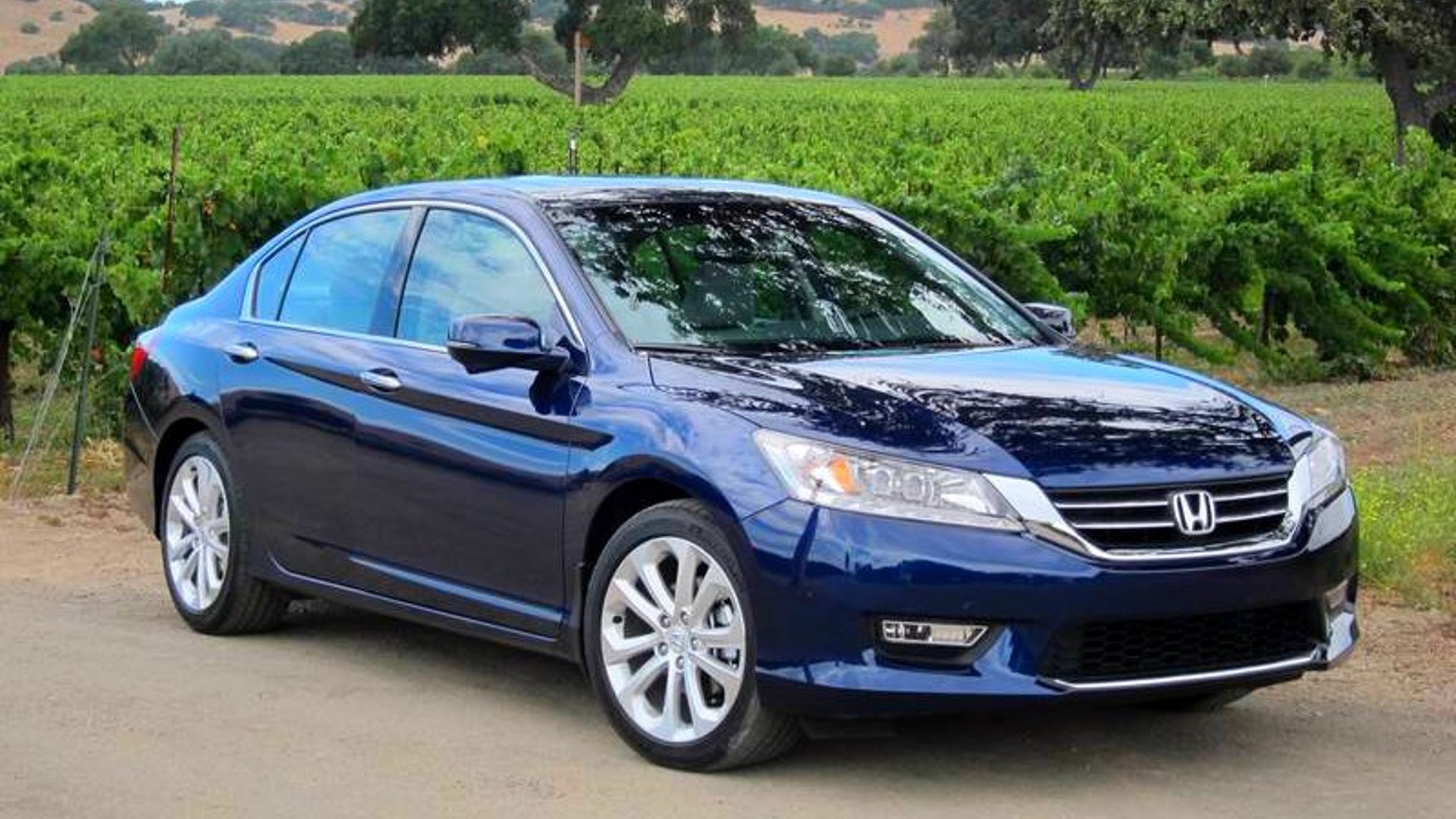
3. Honda Accord (Higher Trims)
While many people associate the Honda Accord with reliability, it also deserves credit for its long-lasting comfort, especially in the higher trims. Models like the EX-L and Touring come with leather seats, upgraded suspension tuning, and better sound insulation, which all contribute to a more refined driving experience. What’s surprising is how well these features hold up as the car ages.
The seats in these trims are well-designed with both softness and structure. They don’t collapse or become lumpy after years of use. Whether it’s the seat foam or the leather upholstery, Honda did a good job choosing materials that hold their form. Adjustable lumbar support and seat heaters also continue to work consistently over time, which adds to comfort on colder mornings or longer drives.
The Accord has always aimed for a balance between ride comfort and handling, but in the higher trims, it leans slightly more toward smoothness. The suspension handles road imperfections well, even after a decade. While cheaper cars may develop suspension noises or start to ride more harshly, the Accord manages to stay well-controlled and composed. It absorbs most bumps without drama, keeping both driver and passengers relaxed.
Road noise is an area where Honda made noticeable improvements in recent generations, and that holds up over the years. The Touring trim in particular benefits from acoustic glass and extra insulation. That means even as the car ages, it remains quieter than many rivals from the same era. It’s not just about materials either; the body structure is solid, and that reduces the likelihood of rattles and squeaks creeping in over time.
The higher-trim Accord models combine long-term reliability with surprising comfort retention. They feel solid and composed even as they near ten years old, and for many owners, the experience of driving one remains nearly as pleasant as when it was new. It’s a great choice for buyers who want practicality but don’t want to sacrifice comfort that lasts.
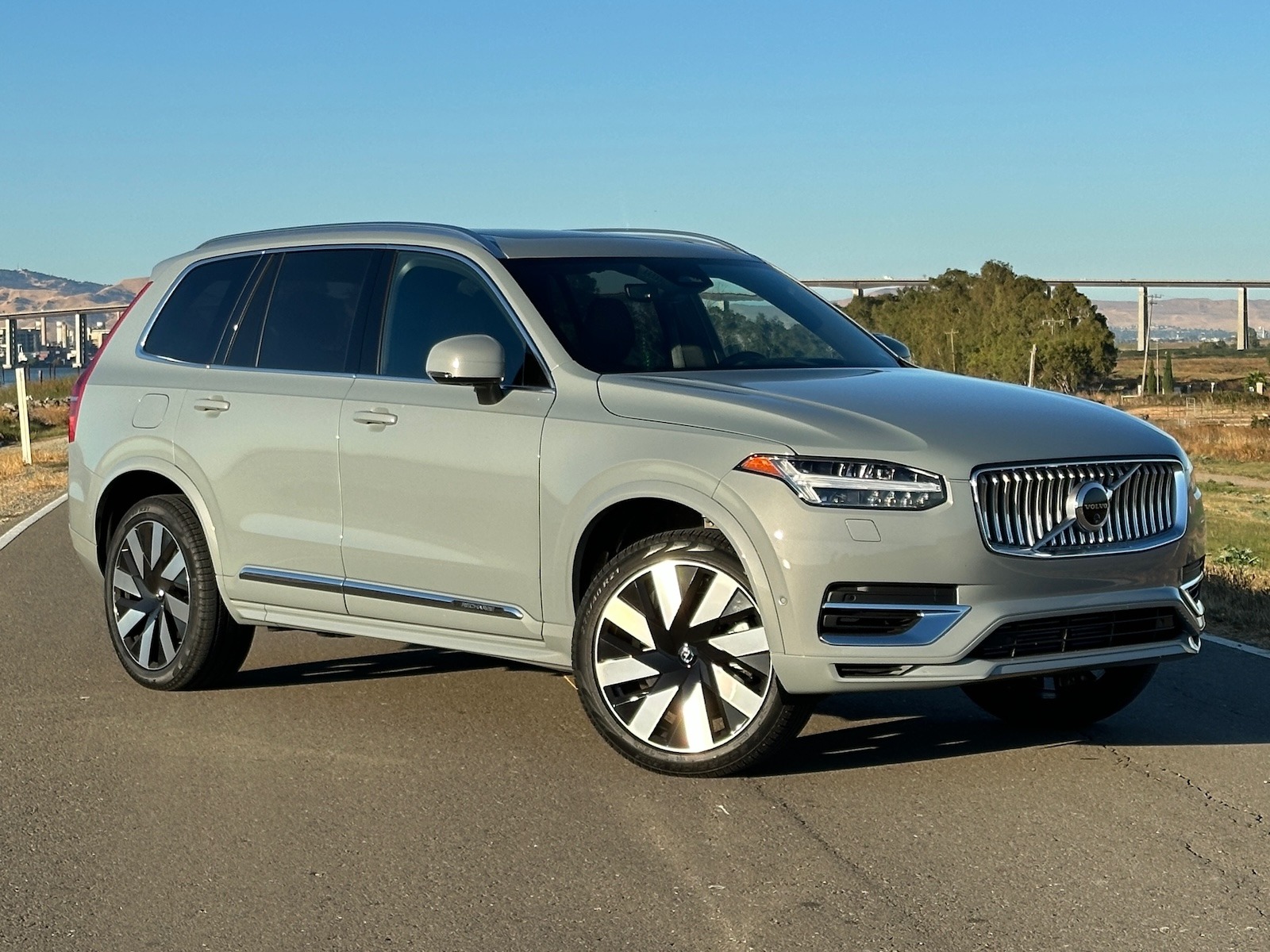
4. Volvo XC90
Volvo’s flagship SUV, the XC90, brings a different kind of comfort, one rooted in thoughtful design and high-grade materials. From the driver’s seat to the third row, it’s clear that this vehicle was built to offer a serene, supportive experience. What makes it stand out is how well that sense of calm and comfort holds up over time. Even after ten years, many XC90s feel like premium machines.
Volvo pays close attention to ergonomics, and it shows. The seats are firm in a way that supports the body rather than just softening impact. That firmness prevents sagging and keeps passengers in the correct posture during long drives. The upholstery, whether leather or cloth, also resists aging better than many competitors, avoiding the stretched or cracked appearance that plagues older SUVs.
Ride quality is excellent, thanks in part to the SUV’s suspension tuning and chassis design. It smooths out imperfections in the road without disconnecting the driver. Even with higher mileage, many XC90s retain this balanced ride. The vehicle doesn’t become overly firm or start crashing over bumps, which is a common issue with other aging SUVs. Volvo’s use of quality bushings and components helps keep the feel intact.
The cabin’s insulation and materials are also built to last. Soft-touch surfaces, premium plastics, and wood trim don’t rattle or fade easily. As a result, the XC90 remains quiet and inviting over the years. Road and wind noise are minimal, and even the climate controls and infotainment system continue to function reliably. The interior stays free of vibrations and squeaks, even on older models.
For families or anyone looking for a long-term SUV that doesn’t lose its comfort edge, the XC90 is a strong choice. The third-row seating, while not as spacious as some larger SUVs, still retains usability even after years of use. The middle-row seats often stay firm and functional, with their slide-and-recline mechanisms aging gracefully.
Parents frequently praise the long-lasting feel of the interior, which avoids the worn-out look that’s common in many family vehicles after a few years of heavy use. With thoughtful features and high attention to detail, this SUV continues to offer an experience that feels refined, no matter how long you own it.
Volvo also prioritizes climate control in a way that enhances comfort across seasons. Ventilation systems continue to work effectively over the years, and heated or ventilated seat options, when equipped, tend to remain functional. Unlike many competitors that experience issues with HVAC controls or failing vents as they age, the XC90’s systems have a better-than-average track record.
This helps ensure that comfort isn’t compromised due to failing electronics or inconsistent airflow. These small conveniences add up, and over a decade of use, they become more noticeable, especially for those who spend a lot of time behind the wheel.
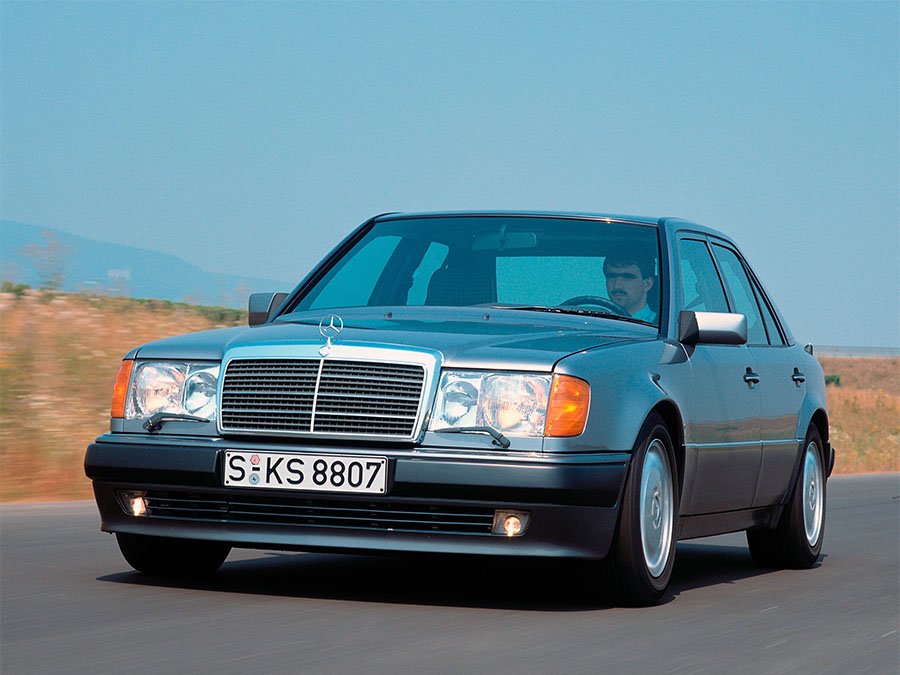
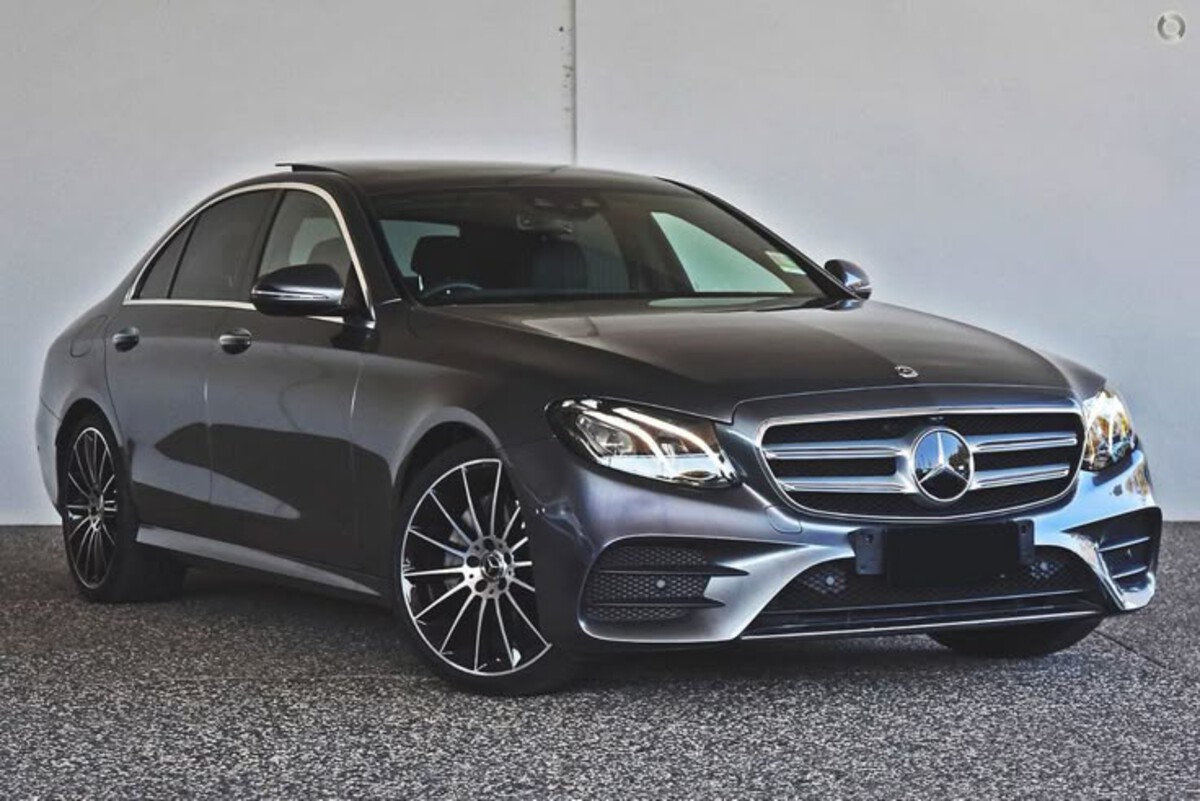
5. Mercedes-Benz E-Class
The Mercedes-Benz E-Class has long been a benchmark for ride quality and interior comfort, and that reputation holds up even over the span of a decade. From the thick-padded leather seats to the soundproofed cabin, the E-Class feels like a sanctuary on wheels. What sets it apart is the consistency of that comfort. Even after 100,000 miles, it still manages to provide a driving experience that rivals many new vehicles.
One of the key reasons for its long-term comfort is the quality of its suspension systems. Air suspension is an option on many trims, and when properly maintained, it delivers a cloud-like ride. While air systems can be expensive to repair, they don’t degrade as quickly as some fear.
Even the standard coil-spring setup is tuned for smoothness rather than stiffness. Unlike some luxury sedans that become firm or harsh as bushings wear out, the E-Class tends to age gracefully, maintaining a ride that feels composed and refined.
The seats, often finished in premium leather with detailed stitching, are built to last. They offer strong support, soft cushioning, and are typically power-adjustable with memory functions. These features continue working well past the five-year mark.
While cheaper cars see their seat padding collapse or their leather crack, the E-Class manages to retain a showroom-quality feel. Cabin materials like wood trim, aluminum accents, and soft plastics also stand up to age without peeling or fading, contributing to a feeling of quality that doesn’t vanish.
Interior quietness is another strength. Even older models still shut out road and wind noise effectively. Mercedes engineers its doors to close with a deep, solid sound, and that tightness remains over the years. The cabin doesn’t rattle, even on bumpy roads, and electronic features like seat adjusters, sunshades, and climate systems often continue functioning well.
All these details come together to make the E-Class a vehicle that remains calm, smooth, and genuinely luxurious over a long period, a rare feat in an industry where many cars lose their shine far too soon.
Cars That Turn Hard and Unpleasant Over Time
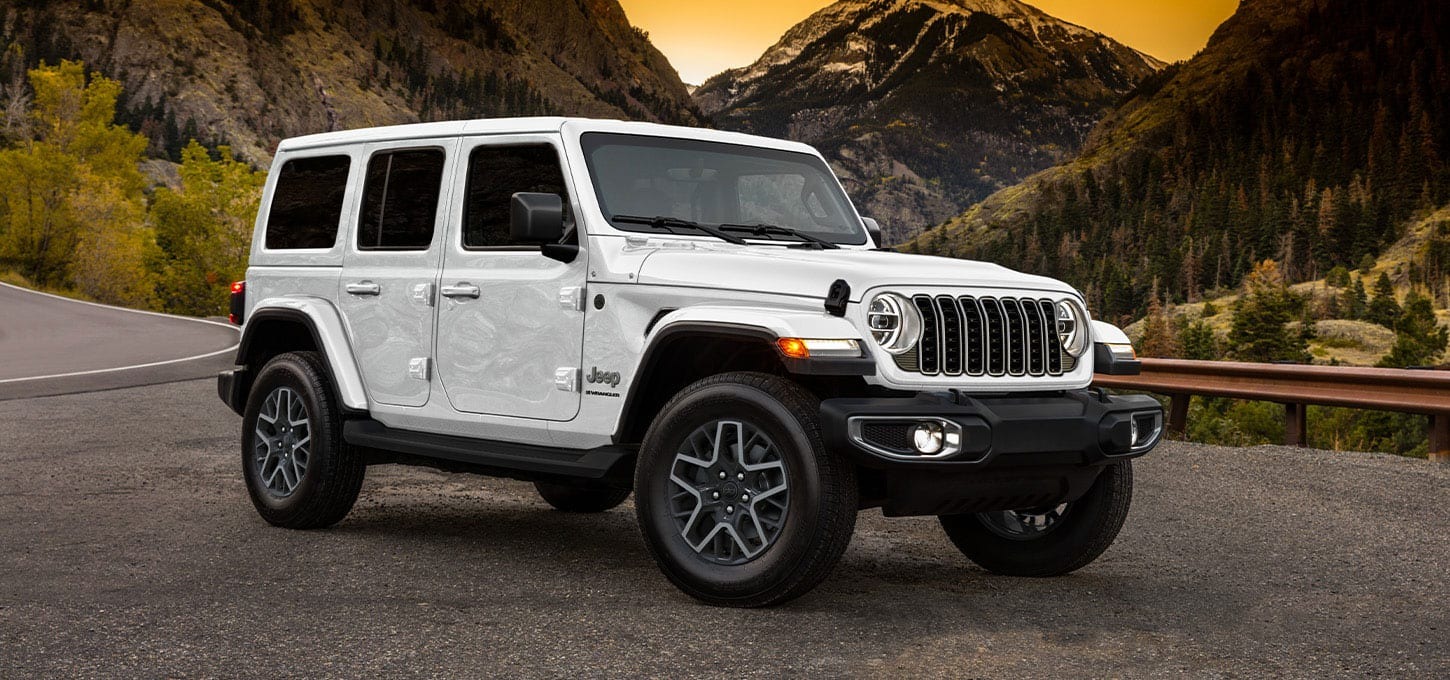
1. Jeep Wrangler
The Jeep Wrangler has always been more about rugged utility than comfort, but that tradeoff becomes more noticeable as the years go by. While new Wranglers might feel charming with their off-road vibe and upright seating position, long-term owners often find that comfort diminishes faster than expected. The ride becomes stiffer, and cabin noise increases significantly over time.
Part of the issue lies in the solid front and rear axles. These are great for crawling over rocks but not for handling rough pavement at highway speeds. As bushings and joints wear, the already bumpy ride becomes even more punishing.
Unlike independent suspension systems that age with more grace, the Wrangler’s setup becomes increasingly harsh, especially if it’s used for off-roading. Even daily drivers start to feel every bump and crack in the pavement after a few years.
Seats are another weak point. While the latest Wranglers offer improved support compared to older models, they still tend to lose cushioning and shape faster than rivals. Cloth seats fade quickly, and leather-trimmed versions don’t hold up as well as they should in extreme temperatures.
After several years, many owners report increased discomfort during longer trips, with minimal lower back support and a general sense of stiffness that becomes tiring over time.
The cabin also gets noisy. Wranglers aren’t known for soundproofing, and over time, seals wear out and road noise gets louder. The removable roof panels start to creak, and water leaks become more common in older models.
These issues contribute to a driving environment that’s less relaxing and more demanding with age. While the Wrangler excels in adventure and toughness, comfort is one area where time works against it, making it a poor fit for those who prioritize long-term ease and relaxation.
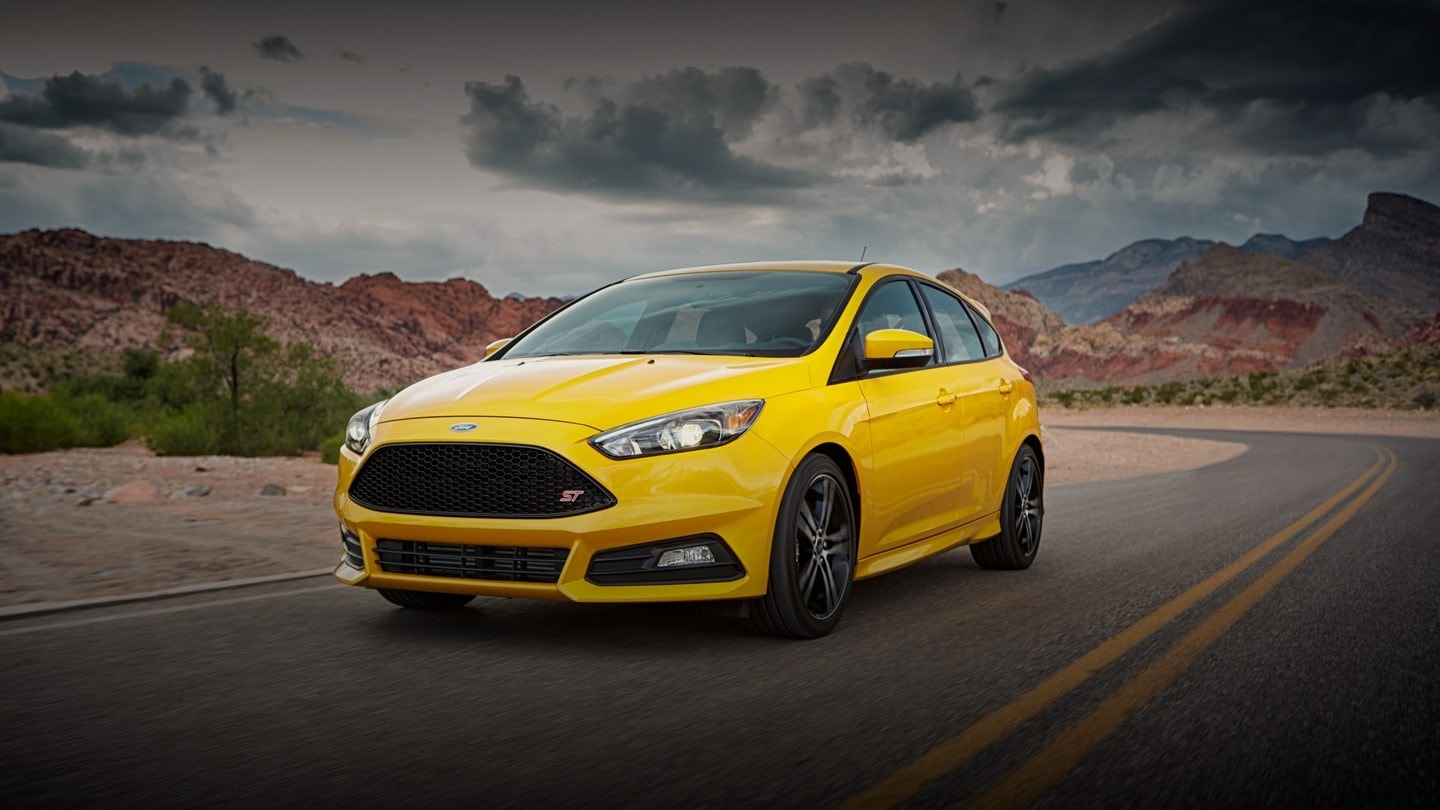
2. Ford Focus (3rd Generation)
The third-generation Ford Focus started strong, with European-influenced handling and a relatively upscale interior for its class. However, as the miles add up, this compact car begins to feel far less refined than it once did. The suspension stiffens noticeably with age, and the interior shows signs of wear earlier than many competitors.
Ride quality is one of the first things to go. While the Focus was tuned for a sporty feel, that precision becomes harsh as components wear out. The suspension begins to transmit road imperfections more directly to the cabin, making even modest potholes feel jarring.
Rear shocks and front struts often need replacement earlier than expected, and many owners find that the ride simply isn’t as composed after a few years, especially in areas with rough roads.
Seat comfort is another downfall. The seats initially seem firm and supportive, but after a few years, they tend to lose shape. The cushions flatten, and the fabric or leather starts to wear down and lose its feel.
Longer drives become more fatiguing, and the driving position, while fine at first, begins to feel awkward, especially as padding wears unevenly. Even upgrades like power adjustment or lumbar support don’t help much when the foam beneath it all has collapsed.
Interior quality suffers as well. Buttons wear down, plastics scratch easily, and rattles begin to emerge. The build quality simply doesn’t hold up to long-term daily use. Creaks from the dashboard or door panels become common, and the car starts to feel cheaper than it did at the dealership. For many owners, that transition from sleek to worn happens sooner than expected, which sours the ownership experience.
Noise levels are another weak spot. Sound insulation was never a strong suit in this model, and it only gets worse with time. Wind noise increases, especially around door seals and the sunroof, if equipped.
Tire roar becomes more noticeable as the suspension ages and the car starts to feel less planted on the road. All in all, the Focus begins its life feeling sharp, but ends up feeling worn and uncomfortable far too soon.
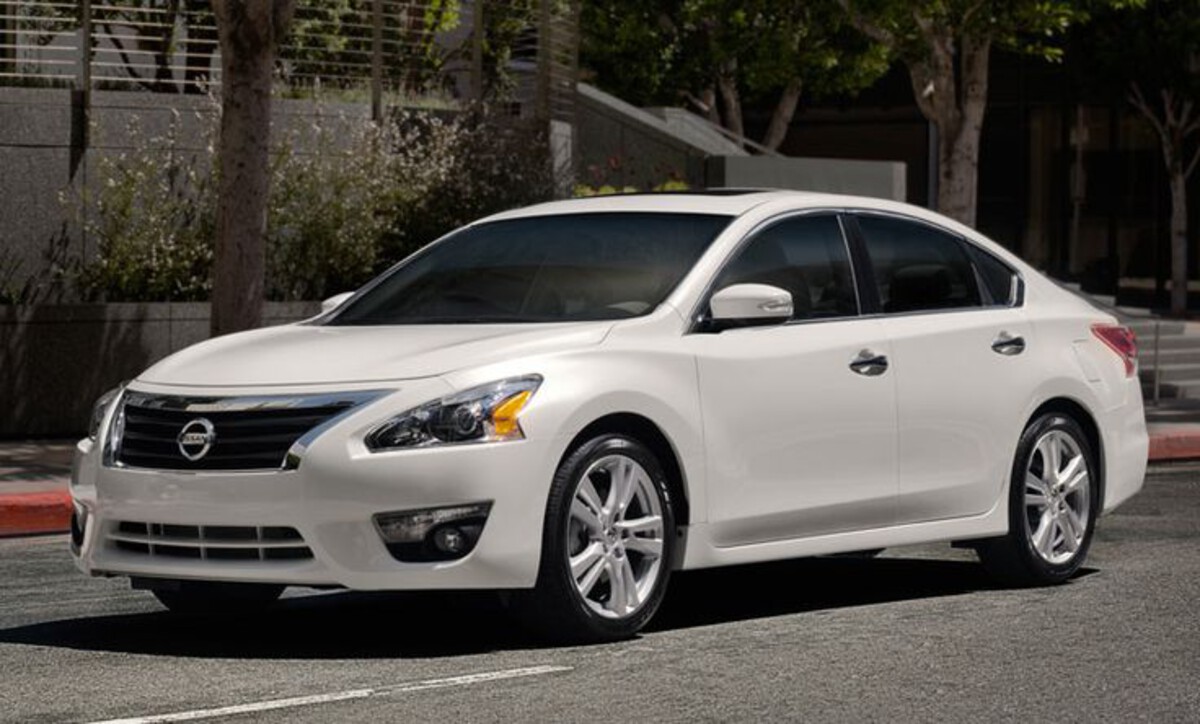
3. Nissan Altima (2013–2018)
The Nissan Altima from this generation was once a favorite for its roomy cabin and efficient powertrain. However, time hasn’t been kind to many of these models, especially in terms of comfort.
While the seats are initially praised for their NASA-inspired zero-gravity design, they don’t age as gracefully as buyers would hope. After several years, the once-supportive cushions start to feel flat and unstructured, turning long commutes into uncomfortable experiences.
One of the recurring issues in older Altimas is the degradation of the suspension system. The ride becomes noticeably stiffer, particularly at higher mileages. Bumps and cracks in the road start to translate more harshly into the cabin, which diminishes the calm driving experience the car once offered.
Worn-out struts and cheap bushings contribute to a ride that feels jittery and unsettled. It’s not uncommon for drivers to notice increased body motion on uneven roads, making the car feel less planted and more taxing to drive over time.
Interior materials are also a concern. The cabin feels decent when new, but cheaper plastics and thin fabric surfaces start to wear down quickly. Armrests can lose padding, door panels become scratched or discolored, and the dashboard often develops squeaks and vibrations after a few years.
In some models, the center console lid starts to loosen, and the seat trim detaches from its mounting points. These problems erode the perception of quality and contribute to a cabin that feels older than it is.
Another common complaint is related to noise. As the car ages, road and engine noise become more noticeable. Soundproofing in the Altima was never exceptional, and as seals and insulation wear, the cabin becomes louder and less relaxing.
Owners often find themselves raising the volume on the stereo to mask tire roar and wind buffeting. While the Altima can still be reliable mechanically, its decline in comfort and interior refinement makes it a less pleasant vehicle to own for the long haul.
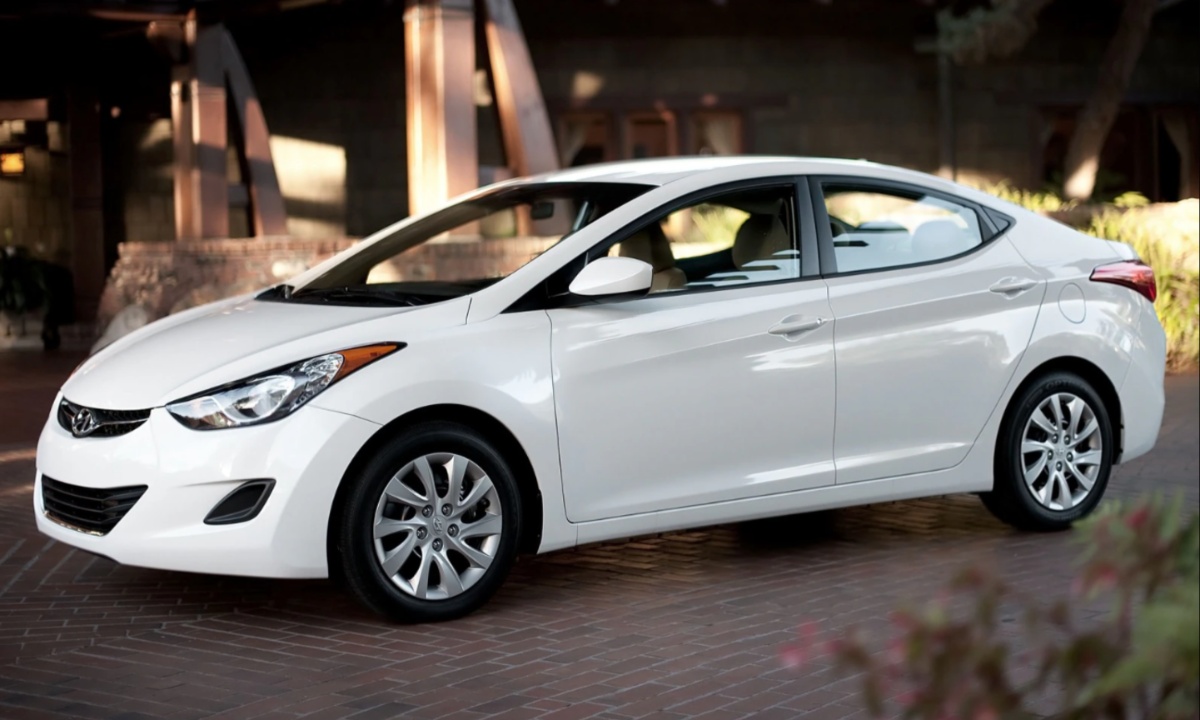
4. Hyundai Elantra (2011–2016)
When the Hyundai Elantra was redesigned in 2011, it received praise for its sleek styling and improved interior design. Buyers were drawn to its high value and long list of features for the price. However, many long-term owners have found that the comfort and refinement fade much quicker than anticipated. While the Elantra makes a great first impression, that feeling doesn’t last through the years.
Ride quality is one of the biggest drawbacks. The Elantra’s suspension was tuned more for sporty handling than comfort, and as components age, the ride grows increasingly firm and unsettled.
After five or six years, many drivers report feeling every imperfection on the road. On top of that, the rear suspension setup doesn’t handle uneven pavement well, leading to a jittery experience for backseat passengers. Unlike some rivals that soften gracefully over time, the Elantra tends to feel more brittle with age.
The seats also don’t hold up well. The initial firmness that made them feel supportive turns into a lack of cushioning after years of use. On longer drives, discomfort becomes more noticeable, especially in the lower back and thighs. The cloth material used in many base trims wears out quickly, showing discoloration and surface sagging earlier than expected. In higher trims with leather, the seat bolsters tend to crease and lose shape, giving the cabin a worn-out appearance.
Interior durability is another concern. Buttons, knobs, and plastic trim start to show their age well before the car hits ten years old. Climate controls become loose or unresponsive, touchscreen systems lag or freeze, and dash materials develop discoloration in hot climates. Even simple areas like cup holders or door handle surrounds begin to creak or break. The long-term tactile experience of the interior loses the precision and tightness it had when new.
Sound levels increase noticeably as well. The Elantra was never particularly quiet, but as weather stripping wears out and panels loosen, road and wind noise become intrusive.
Owners who commute or take frequent highway trips often find themselves fatigued from the noise. Without significant aftermarket upgrades or regular repairs, the Elantra becomes a car that simply feels old before its time, especially when compared to competitors that hold onto their comfort better.
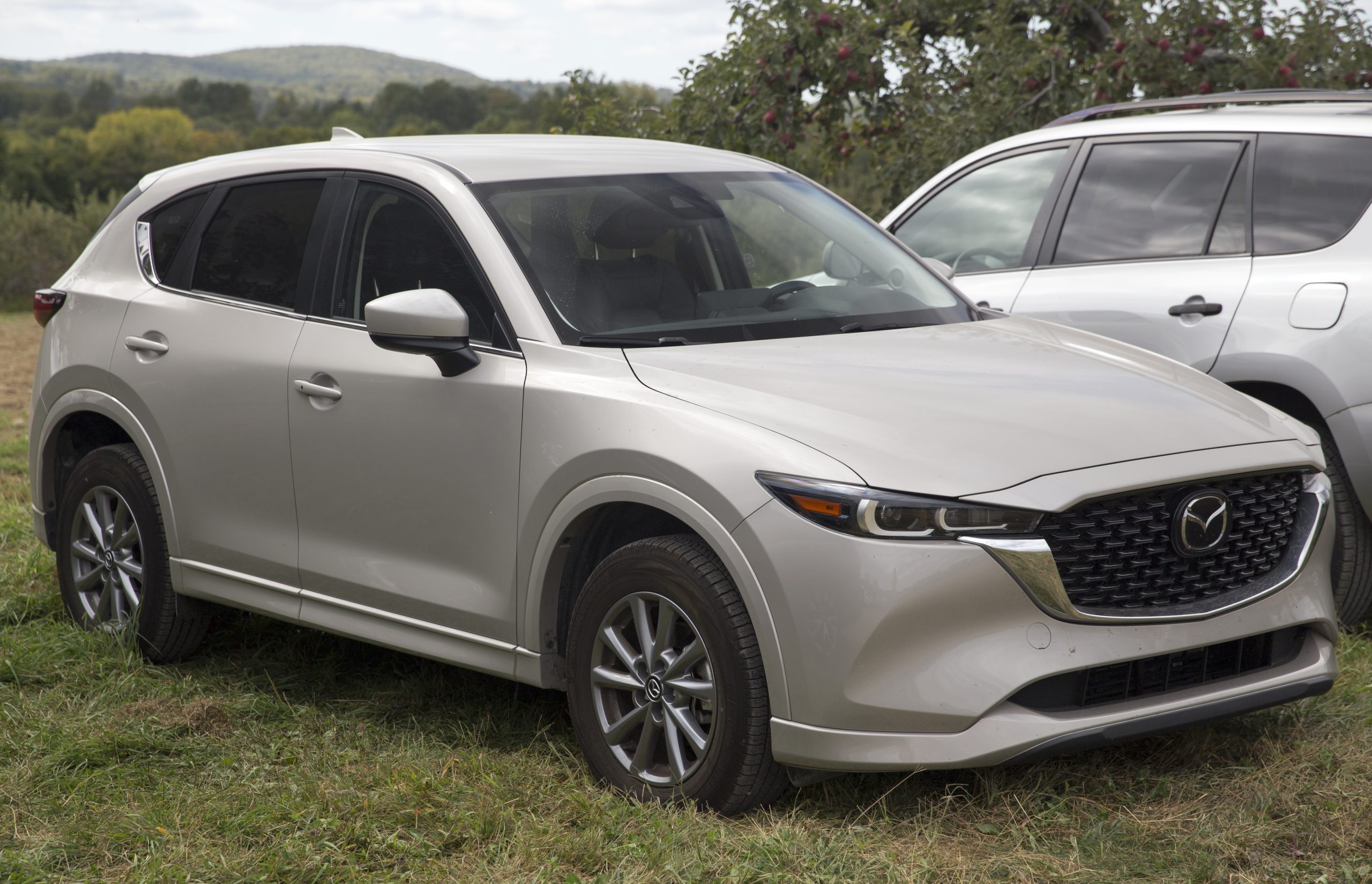
5. Mazda CX-5 (First Generation: 2013–2016)
The first-generation Mazda CX-5 made a great impression when it debuted, thanks to its stylish design and engaging driving dynamics. It was often praised for feeling more like a sporty hatchback than a small SUV, which attracted a wide audience.
However, the very things that made it feel sharp and agile early on are the same qualities that compromise comfort over the long term. As it ages, the CX-5’s ride becomes noticeably firmer and less pleasant, particularly for drivers who prioritize smoothness over sportiness.
When new, the suspension strikes a decent balance between responsiveness and comfort, but it doesn’t age as gracefully as rivals. Over time, the bushings, shocks, and struts tend to lose their compliance, and the ride becomes stiff and less forgiving. What once felt sporty now feels unnecessarily harsh, especially over cracks, potholes, or uneven terrain. Owners frequently report that even with normal driving and maintenance, the car begins to feel rougher much sooner than expected.
The seats are another mixed bag. They offer decent support at first, but the padding wears quickly and loses its resilience. On longer trips, the lack of depth and softness in the seat cushions becomes more obvious. Lower trims with basic cloth seats show signs of wear relatively early, and even leather-trimmed versions don’t hold up particularly well.
This can make the driving experience feel more tiring, especially as the seatback contours flatten out over time and provide less ergonomic support.
Interior refinement also becomes a weak point. While Mazda did a good job with design and layout, the materials don’t hold up as well as they appear at first. Scratch-prone surfaces, rattles from the dash, and faded trim pieces are all common after five to seven years.
The cabin can also become noisier as seals degrade and tire noise becomes more pronounced. For drivers who were drawn to the CX-5’s sporty character, the aging process reveals a car that puts performance ahead of lasting comfort, which might not suit owners in the long run.
