
Driving in hot weather can put any car to the test. Whether it’s a long commute in the middle of a summer afternoon or crawling through bumper-to-bumper traffic during a heatwave, engine cooling systems are under a lot of stress. For some vehicles, the heat doesn’t make much of a difference.
Their engineering, fan systems, radiator setups, and thermal management have been built to handle tough conditions. On the other hand, there are cars that tend to struggle in these situations, often prone to overheating when stuck in traffic or when the sun has been beating down all day. It’s not just older cars that face this issue; even some modern vehicles still have cooling system designs that are less than ideal.
People living in warm climates like Arizona, Nevada, or parts of California know the value of owning a car that can handle extreme heat without constantly requiring the air conditioning to be turned off to save the engine. When the temperature crosses 100 degrees and the car is idling in traffic, that’s when you find out how well your vehicle handles heat stress.
Poor cooling systems can lead to frustrating situations and expensive repairs, especially when radiators boil over or fans give out under pressure. The heat can also impact electronics and sensors, causing erratic behavior or performance issues.
There are several things that contribute to how a car handles high-temperature environments. This includes the radiator size, airflow management, engine design, fan efficiency, coolant system layout, and even how well the heat is dispersed away from the engine bay.
In this article, we’ll look at five cars that generally stay cool even in hot weather and five that are known to overheat, especially in traffic or under thermal stress. The cars mentioned come from various segments, including compact sedans, sports cars, and SUVs.
Some are well-known for their reliability in tough environments, while others have developed a reputation for trouble when the temperature rises. Whether you’re shopping for a new vehicle or wondering how your current one stacks up, this comparison can give a better idea of which vehicles manage the heat and which ones let it get the better of them.
Also Read: 5 Cars With Fast Climate Response vs 5 With Slow HVAC
Cars That Stay Cool in the Heat
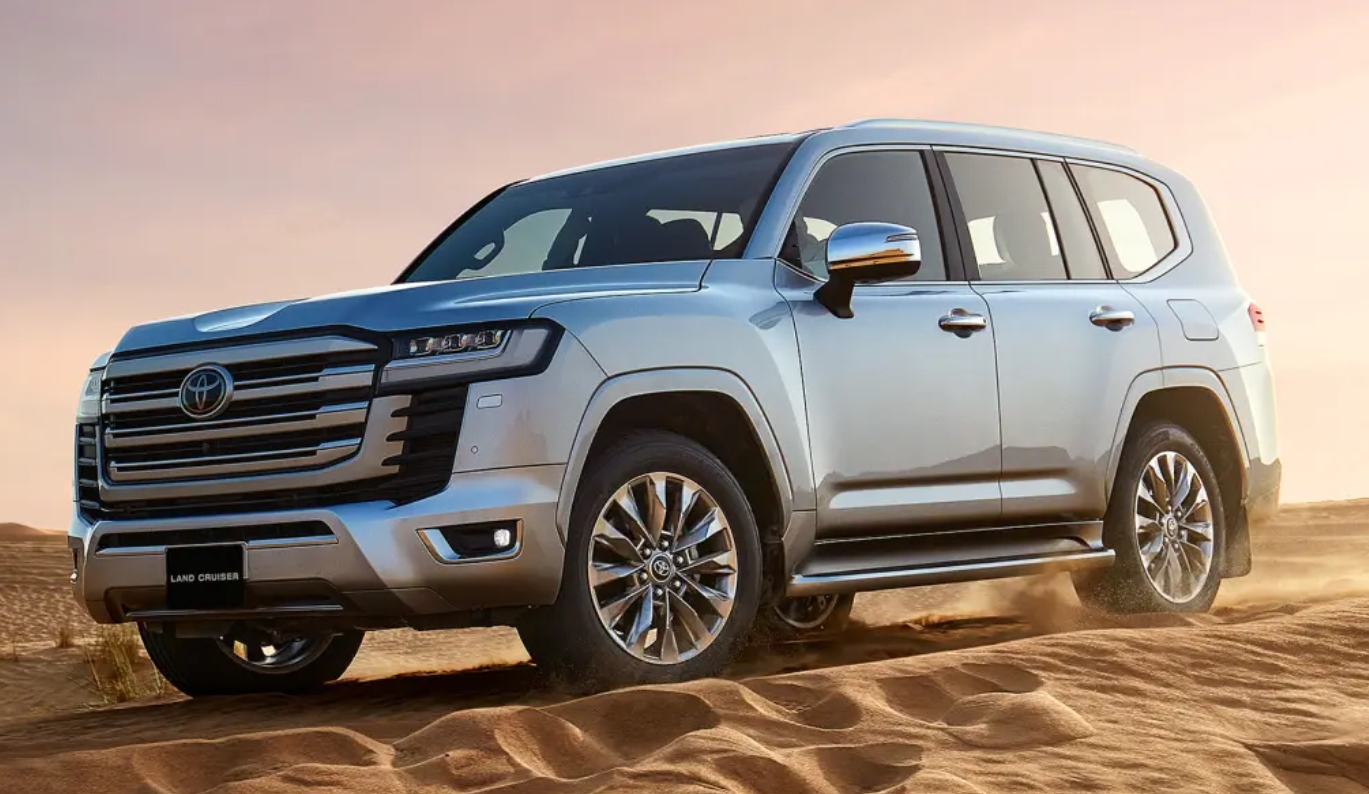
1. Toyota Land Cruiser
The Toyota Land Cruiser has earned a global reputation for surviving in harsh conditions, including desert environments where temperatures regularly hit extreme levels. It’s built to be rugged, dependable, and capable of handling both high-speed highway driving and crawling through difficult terrain.
One of the key reasons the Land Cruiser stays cool is its oversized cooling system. It features a large-capacity radiator, strong cooling fans, and carefully managed airflow paths that keep the engine at safe operating temperatures even when the vehicle is moving slowly or idling for long periods.
Another advantage is the vehicle’s engine design. The V8 powerplant found in many Land Cruiser models runs with an efficient heat dissipation layout. The engine compartment allows for smooth ventilation, and the car’s electronic management system is calibrated to manage engine load carefully when under thermal stress.
This helps to avoid situations where the heat climbs too fast for the radiator and fans to keep up. Additionally, Toyota uses high-quality materials for hoses, seals, and gaskets, which reduces the risk of failure from heat damage.
It’s also worth noting that many Land Cruisers come with transmission coolers as standard. This is important because overheating doesn’t just affect the engine; transmissions can also suffer in extreme heat. A dedicated transmission cooler helps reduce this problem, especially when the vehicle is towing, driving up steep grades, or working hard in stop-and-go traffic. These small touches make a big difference in long-term thermal performance.
While the Land Cruiser may not be the most fuel-efficient or the most modern in terms of tech features, its reliability and toughness in hot weather make it a favorite for off-roaders and people in hot climates. Whether it’s being used by safari guides in Africa or by construction supervisors in the Arizona desert, the Land Cruiser’s ability to stay cool without frequent mechanical issues sets it apart.
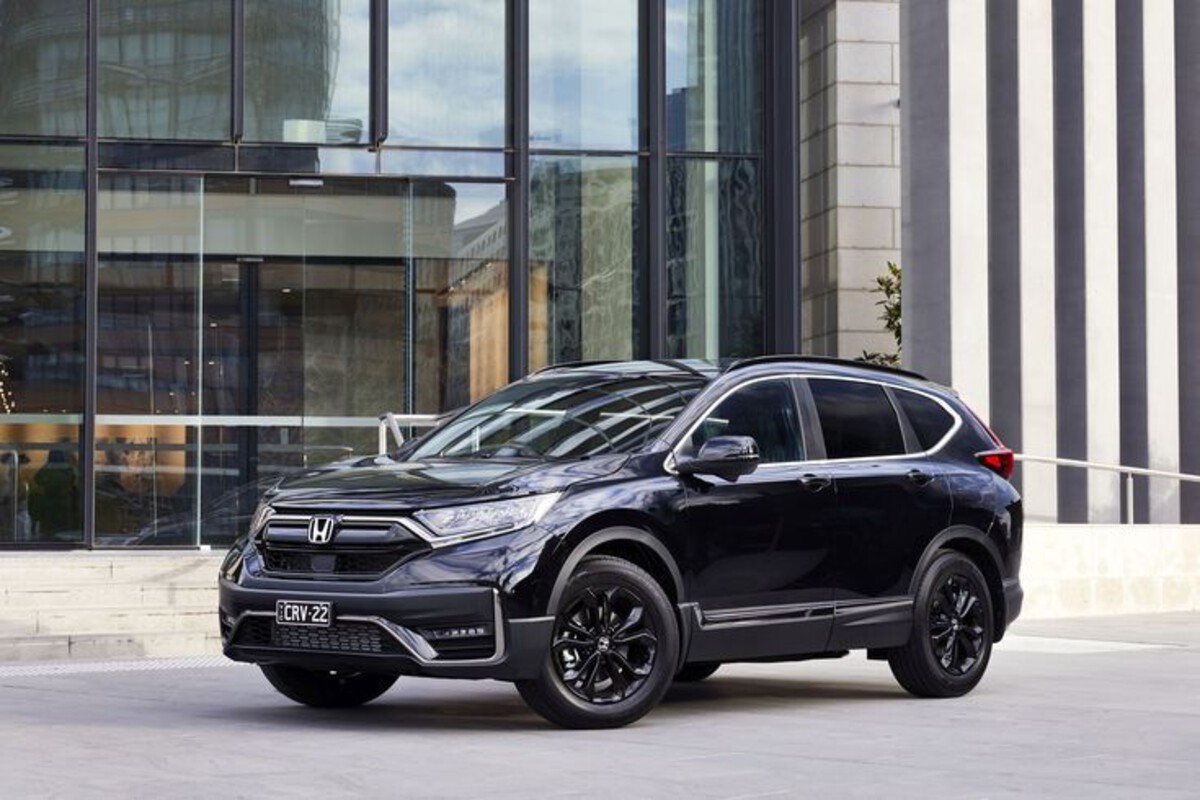
2. Honda CR-V
The Honda CR-V is another vehicle that consistently performs well in hot climates. It may not look like a heat-resistant warrior at first glance, but under the hood, it’s a smart piece of engineering. Honda has designed this compact SUV to be efficient, practical, and thermally balanced. The engine cooling system is surprisingly capable, especially considering the size of the engine and the relatively lightweight construction of the vehicle.
One of the things that helps the CR-V perform so well in heat is its smart thermal regulation. The thermostat, radiator fan, and water pump all work together in a way that prevents the engine from reaching dangerous temperatures. The fans are electronically controlled and respond quickly to rising heat levels.
This makes the vehicle very efficient in stop-and-go traffic, where traditional mechanical fans might be slower to react. The radiator design is also wide and positioned to get optimal airflow, even at lower speeds.
The CR-V’s efficient use of space under the hood means that hot air is not trapped for long. Instead, it’s moved away quickly, which reduces the risk of heat soaking the surrounding components. Air conditioning systems in CR-Vs are also quite reliable, which is a major plus when dealing with hot conditions. Unlike some cars, where using the AC puts extra strain on the engine, the CR-V seems to handle it without complaint, maintaining both comfort and performance.
Many people who live in hot areas and drive long distances daily have found the CR-V to be dependable. It doesn’t require any fancy modifications or upgrades to manage the heat, and regular maintenance is usually enough to keep it running cool. It’s a good example of how smart design can outperform brute force when it comes to thermal control in cars.
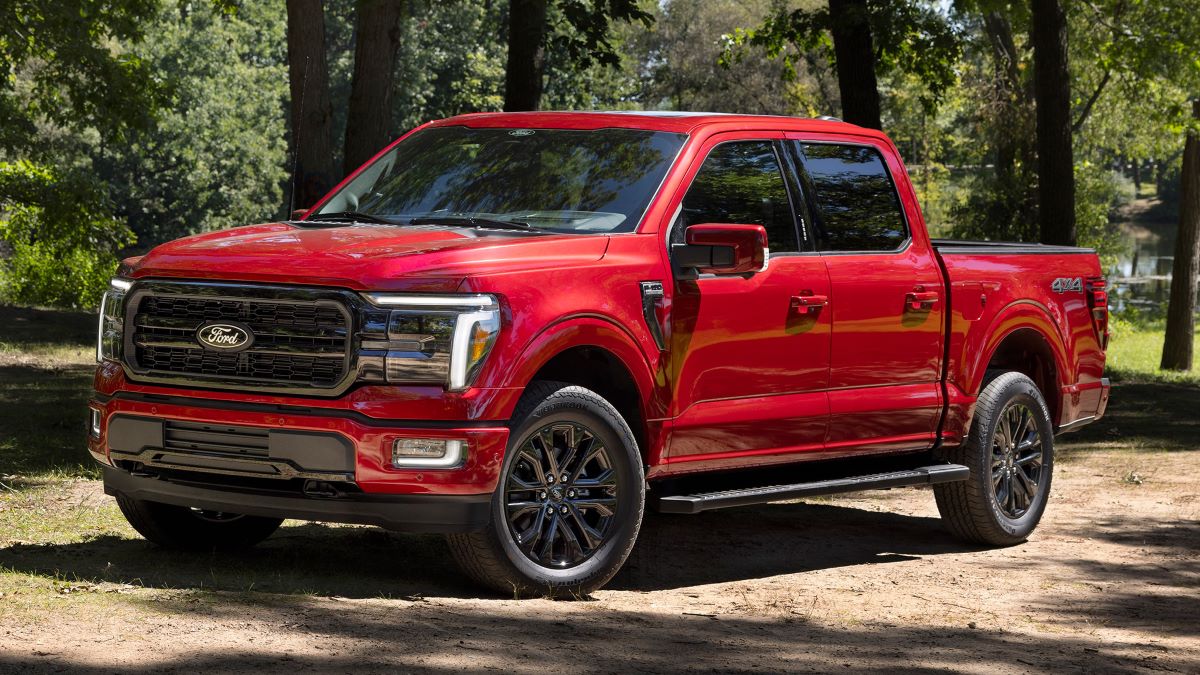
3. Ford F-150
The Ford F-150 is built for hard work, and that includes functioning well in the heat. This pickup truck is widely used across the United States, including in the southern and western states where high summer temperatures are the norm.
Whether it’s hauling tools to a job site or towing a trailer on a family road trip, the F-150 is expected to perform without overheating. Thankfully, Ford has put serious thought into its thermal management systems.
One major advantage of the F-150 is the variety of cooling options available. Higher trim levels and models with tow packages often come with upgraded radiators, oil coolers, and electric fans. These features are not just marketing buzzwords; they make a tangible difference in how the truck handles engine heat. Even in base models, the airflow to the engine bay is well managed, and the coolant system is robust. It’s not uncommon to find older F-150s still running smoothly even after years of use in harsh climates.
The turbocharged EcoBoost engines, while more complex, are also designed with cooling in mind. Intercoolers help regulate air temperature, and the turbo systems are protected by thermal shields and smart engine mapping. The truck also features software that can limit engine load temporarily if the system senses high temperature thresholds being crossed. This type of proactive management is key to preventing sudden breakdowns.
The F-150’s reliability in hot weather has made it a trusted workhorse for many. Farmers, contractors, and daily drivers rely on it for everything from commutes to heavy-duty hauling. Its strong thermal control systems allow it to idle in traffic for long periods without incident, making it a solid choice for those who spend a lot of time on the road during the summer.

4. Subaru Outback
The Subaru Outback may not be the first car that comes to mind when thinking of heat resistance, but it has earned a loyal following in a wide range of climates. One reason the Outback stays cool is its horizontally opposed (boxer) engine layout.
This design naturally allows for better heat distribution and reduces the risk of hot spots in the engine bay. With a lower center of gravity and efficient airflow design, the Outback maintains a consistent temperature even during long idles or slow traffic situations.
Another factor is Subaru’s use of smart fans and thermostats. These parts engage early and adjust quickly to rising temperatures, which is crucial in stop-and-go traffic. The Outback’s radiator is mounted in such a way that it catches a good amount of airflow, even at lower speeds. Subaru also includes a well-calibrated AC system that doesn’t overload the engine, something that’s important in hot weather.
People who use the Outback for long drives, particularly through desert or mountain roads, report few issues with overheating. The vehicle doesn’t require constant monitoring of the temperature gauge, and it rarely gives off warning signs of thermal stress when properly maintained. Regular oil changes and coolant flushes go a long way in keeping it stable, but even without excessive care, the Outback remains resilient.
The Outback’s performance in heat is part of what makes it so versatile. Whether you’re in snowy conditions or sitting in hot traffic under a blazing sun, the car adapts well. It’s this kind of reliability that has made it a go-to option for people who need a car that can perform in all seasons without needing a garage full of specialized tools and parts.
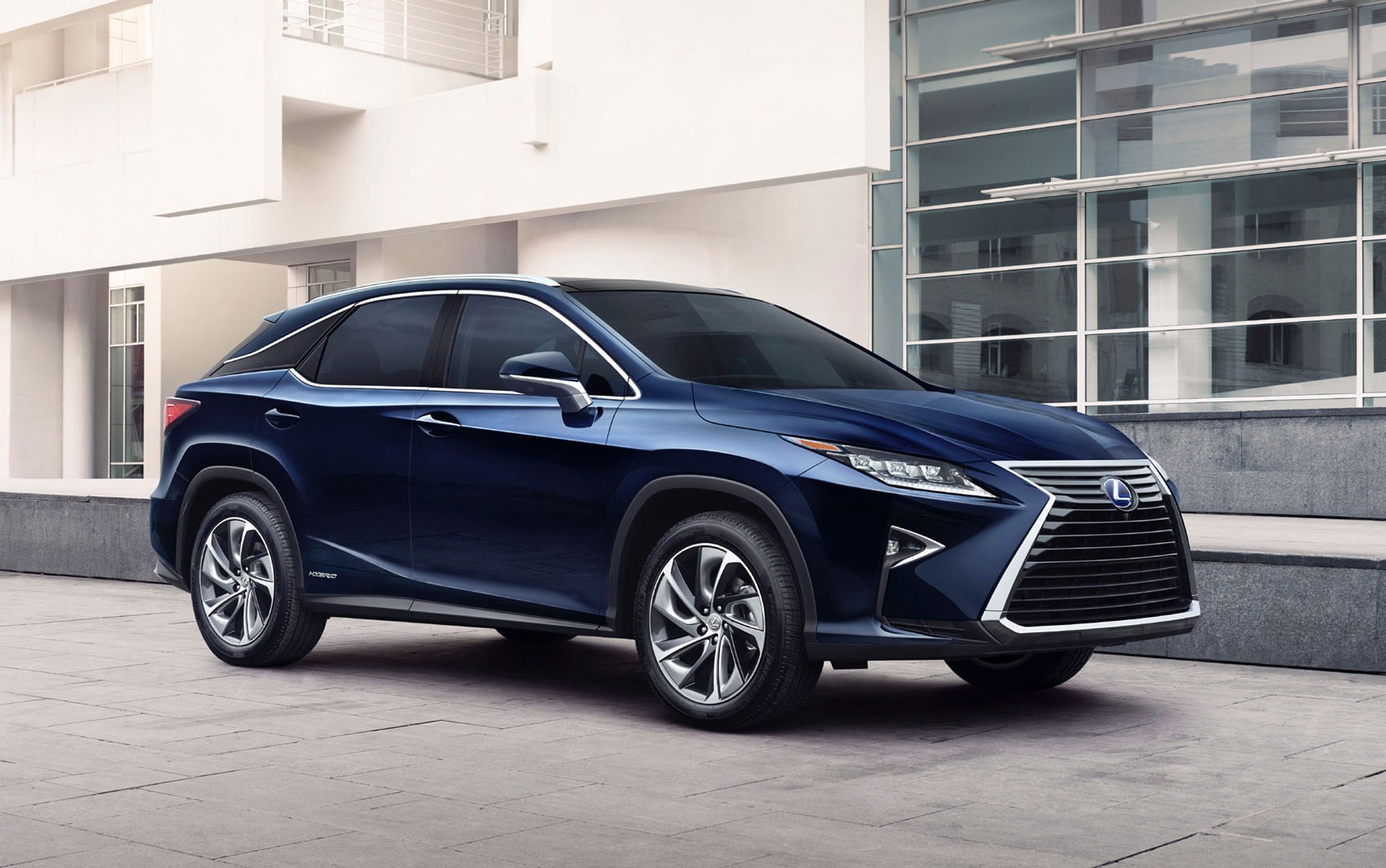
5. Lexus RX Series
The Lexus RX series stands out as one of the more refined vehicles that manages to stay cool in high-temperature environments, especially during slow-moving traffic. As a luxury crossover SUV, it’s designed not only for comfort but also for long-term reliability.
Under the hood, Lexus equips the RX with a highly efficient cooling system, including a large aluminum radiator, dual electric cooling fans, and an advanced thermal management system. These components work in sync to ensure the vehicle maintains safe engine temperatures, even when it’s idling for extended periods or climbing uphill during hot summer days.
Another advantage the RX has is its insulation and component layout. The engine bay is designed to disperse heat efficiently while protecting key electronics and hoses from prolonged exposure.
Lexus engineers have strategically positioned airflow channels and heat shields around sensitive components, which helps keep the entire engine compartment at a manageable temperature. This prevents localized hot spots that could otherwise trigger warning lights or sensor malfunctions, especially during urban traffic jams where the air isn’t moving fast enough to assist in natural cooling.
The climate control system in the RX also plays a role in its ability to handle heat. Because it’s a luxury vehicle, the system is powerful and designed to cool the cabin quickly, but it does so without placing undue strain on the engine.
Lexus uses a variable compressor that adjusts its workload according to ambient conditions, which helps balance comfort and engine load. Many owners report that even when the car is stuck in traffic with the AC running at full blast, the temperature gauge remains stable, indicating a well-balanced design that doesn’t trade off performance for luxury.
Long-term owners of the Lexus RX in warm regions often praise it for not only staying cool in traffic but also for requiring fewer cooling system-related repairs compared to other cars in its class. It’s a vehicle that was engineered with extreme environments in mind.
From the coolant routing to the quality of engine materials, every detail helps contribute to the RX’s strong performance in hot climates, making it a solid choice for anyone living in a region where summer temperatures routinely climb well past the comfort zone.
Cars That Tend to Overheat in Traffic
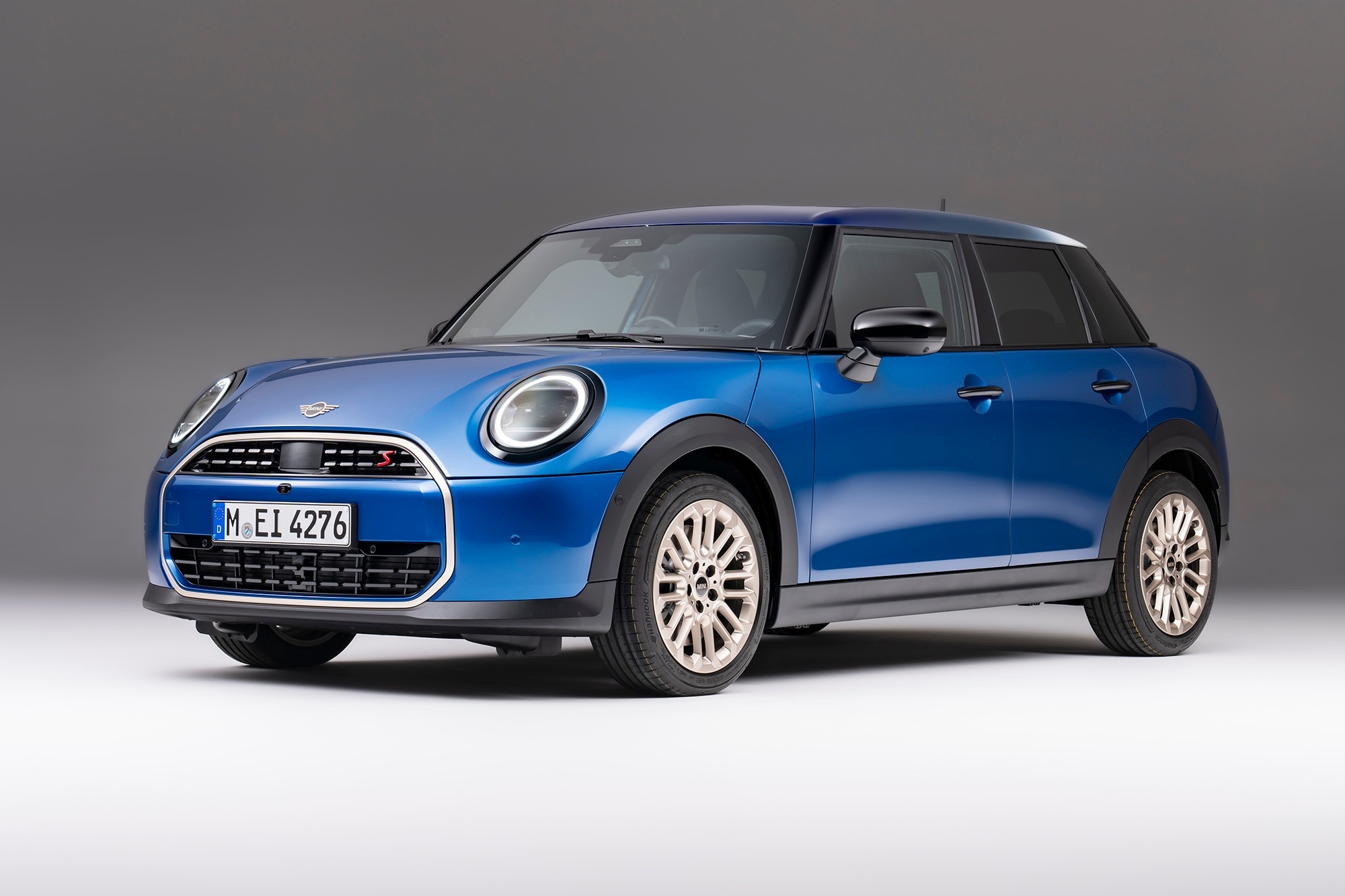
1. Mini Cooper (Especially Older Models)
The Mini Cooper is known for its stylish looks and agile handling, but it has had more than its fair share of thermal issues, especially in older models produced in the mid-2000s to early 2010s. One of the biggest problems with these vehicles is the cramped engine bay, which restricts airflow and traps heat.
When the car is idling or moving slowly in traffic, the temperature inside the engine compartment rises rapidly, and the small radiator struggles to keep up. Combined with a plastic thermostat housing that tends to fail, the car becomes vulnerable to overheating, sometimes without much warning.
Another issue with older Mini Coopers is the placement of the cooling fan. Some models rely heavily on a single electric fan, and if that component begins to wear down or malfunction, there’s not much redundancy to keep temperatures under control. This can become especially problematic during urban driving conditions when airflow from vehicle movement is minimal.
The car depends almost entirely on the fan and cooling system at that point, and even minor failures can quickly lead to overheating. Reports of cracked expansion tanks and coolant leaks are common among long-term owners who haven’t upgraded or replaced aging components.
In addition, the turbocharged variants of the Mini, such as the Cooper S, tend to generate even more heat than their naturally aspirated counterparts. The turbo system adds another layer of stress to the cooling system, especially when drivers use the vehicle for spirited driving and then get stuck in traffic afterward.
Without proper cooldown periods or routine maintenance, the heat can build up faster than the system can dissipate it. These issues can lead to warped components, coolant boiling over, or blown head gaskets in the worst cases.
While newer Mini Cooper models have addressed some of these cooling issues with better design and improved component materials, the reputation lingers. Anyone considering a used Mini, especially in hotter climates, should be cautious. Investing in an upgraded radiator, aftermarket fan kit, or even just consistent coolant flushes can help reduce the risk, but even then, the car still struggles more than others when stuck in long traffic queues under high temperatures.
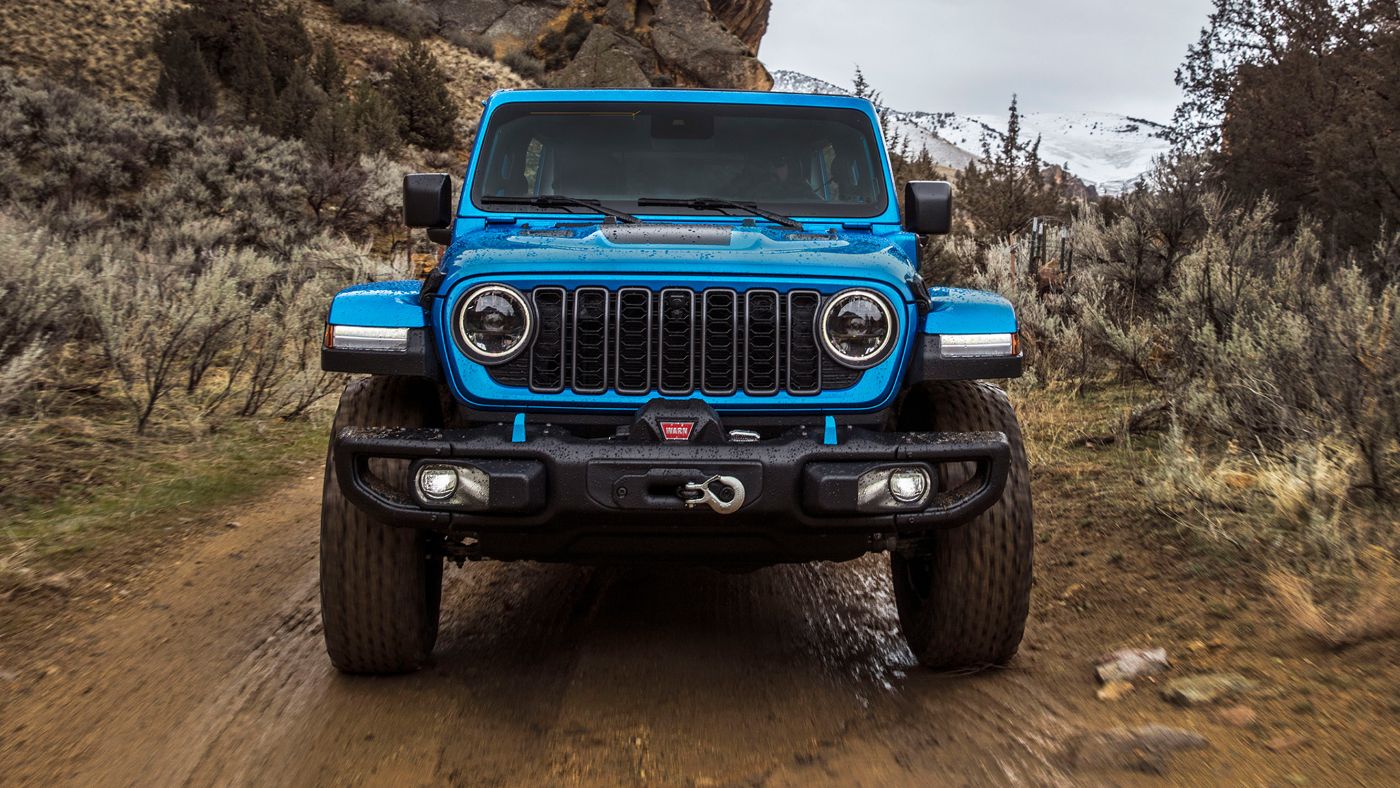
2. Jeep Wrangler (Pre-2012 Models)
The Jeep Wrangler is a popular off-road vehicle that many people use for daily commuting as well. While it shines in rugged terrain, older models, particularly those made before 2012, have a tendency to overheat when driven in city traffic, especially during the summer.
The engine bay on these models is quite narrow and restricted, which limits airflow and creates a heat trap when the car is stationary. The radiator itself is not particularly large, and the fans used during that era weren’t the most effective for moving air at idle speeds.
One common issue with these Wranglers is that their cooling systems were never designed with long, hot traffic jams in mind. They were engineered for low-speed off-road movement, where airflow through the grille is consistent even at low speeds.
Unfortunately, this design doesn’t translate well to urban driving, where sitting in traffic for 30 minutes or more can cause coolant temperatures to spike. The V6 engine in the older models tends to run hot to begin with, and without proper thermal compensation, the heat builds up quickly.
Another factor that contributes to overheating is the reliance on plastic radiator components and coolant reservoirs that degrade over time. In warm regions, the repeated expansion and contraction from temperature fluctuations cause these parts to crack, leading to coolant loss. If drivers don’t spot the issue quickly, it can result in overheating and engine damage.
Adding to the issue is that many owners install aftermarket modifications like lift kits and oversized tires, which increase engine load and make the cooling system work harder than it was originally designed to handle.
Although newer Wranglers have improved thermal management with better radiators and upgraded fan systems, older models still require frequent monitoring during hot-weather driving. Owners often resort to installing aftermarket radiators, auxiliary fans, or even hood vents to help reduce temperatures. Without these upgrades, it’s not uncommon for these vehicles to struggle when idling for extended periods in heavy traffic, especially during the hottest months of the year.
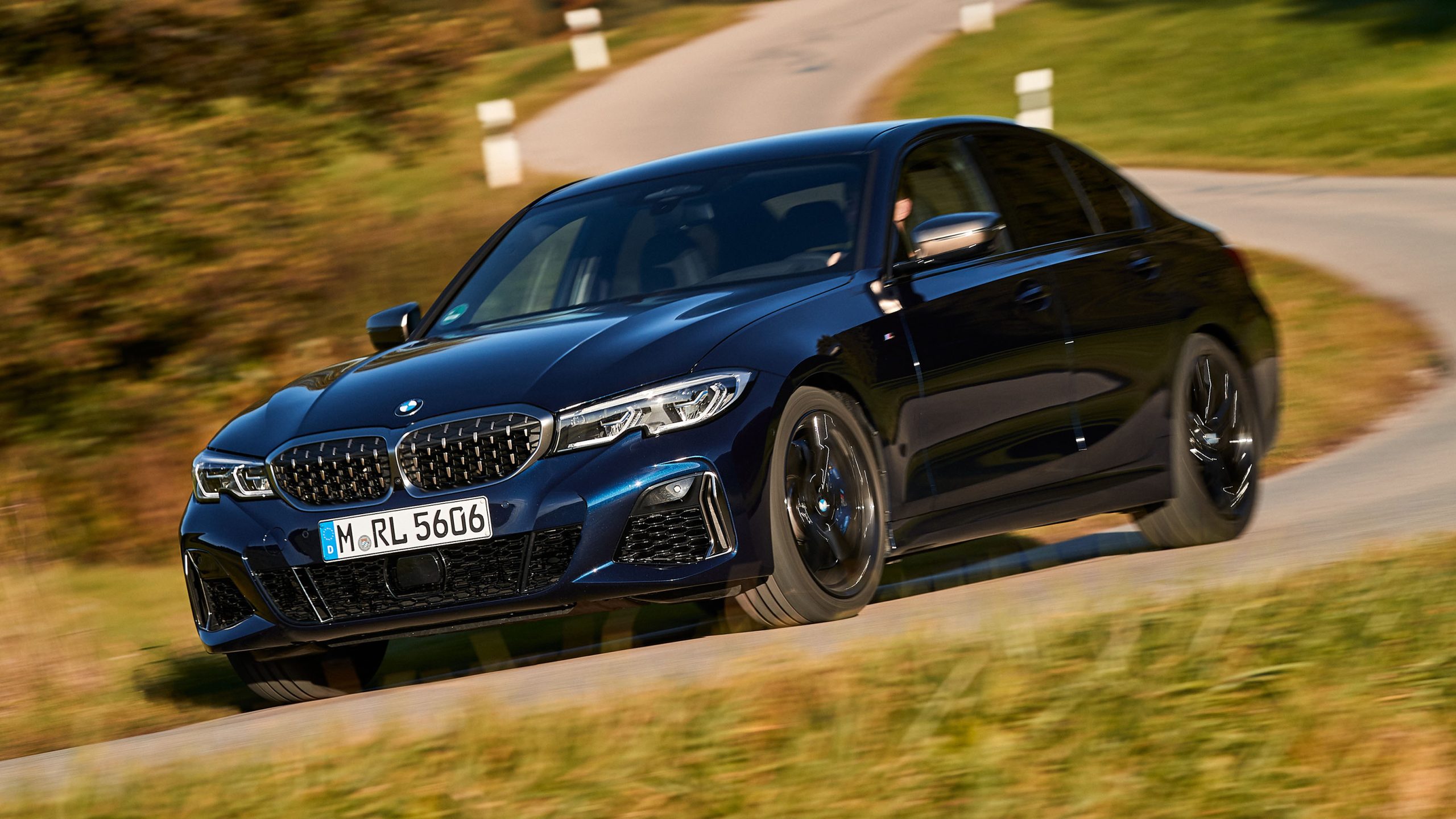
3. BMW 3 Series (E90 Generation)
The BMW 3 Series, particularly the E90 generation produced from 2005 to 2013, is a car that offers great handling and performance. However, it also has a reputation for thermal issues when stuck in traffic. The main problem lies in the vehicle’s over-engineered and somewhat delicate cooling system.
While the engine itself is quite robust, the components around it, such as the water pump, thermostat, and radiator, are known to wear out faster than expected, especially in warm climates. This makes the E90 susceptible to overheating if the system isn’t meticulously maintained.
One major concern is the use of an electric water pump rather than a traditional belt-driven one. While this design improves efficiency and performance under normal conditions, it tends to fail without much warning. When it does, coolant circulation stops almost entirely, leading to a rapid rise in temperature.
If this happens while the car is sitting in traffic, there’s little airflow to assist in cooling, and the temperature gauge can move into the danger zone within minutes. This issue is compounded by the fact that BMW’s temperature sensors and alerts are sometimes delayed or vague.
Another reason the E90 struggles in hot traffic conditions is the compact engine bay, especially in the 335i models with turbocharged engines. These produce significant heat, and the tight spacing makes it difficult for that heat to dissipate efficiently.
Combine this with high under-hood temperatures and sensitive electronics, and you’ve got a recipe for frequent problems. Drivers often report overheating warnings during summer traffic or when the AC is running at full capacity for extended periods.
Preventive maintenance can reduce the risk, but it doesn’t eliminate it. Many E90 owners invest in upgraded water pumps, aluminum thermostats, and larger radiators to help mitigate the issue. But unless these parts are proactively replaced or upgraded, the car remains vulnerable. It’s a vehicle that performs wonderfully under the right conditions but shows its weak spots when it’s forced to idle for long stretches in the heat.
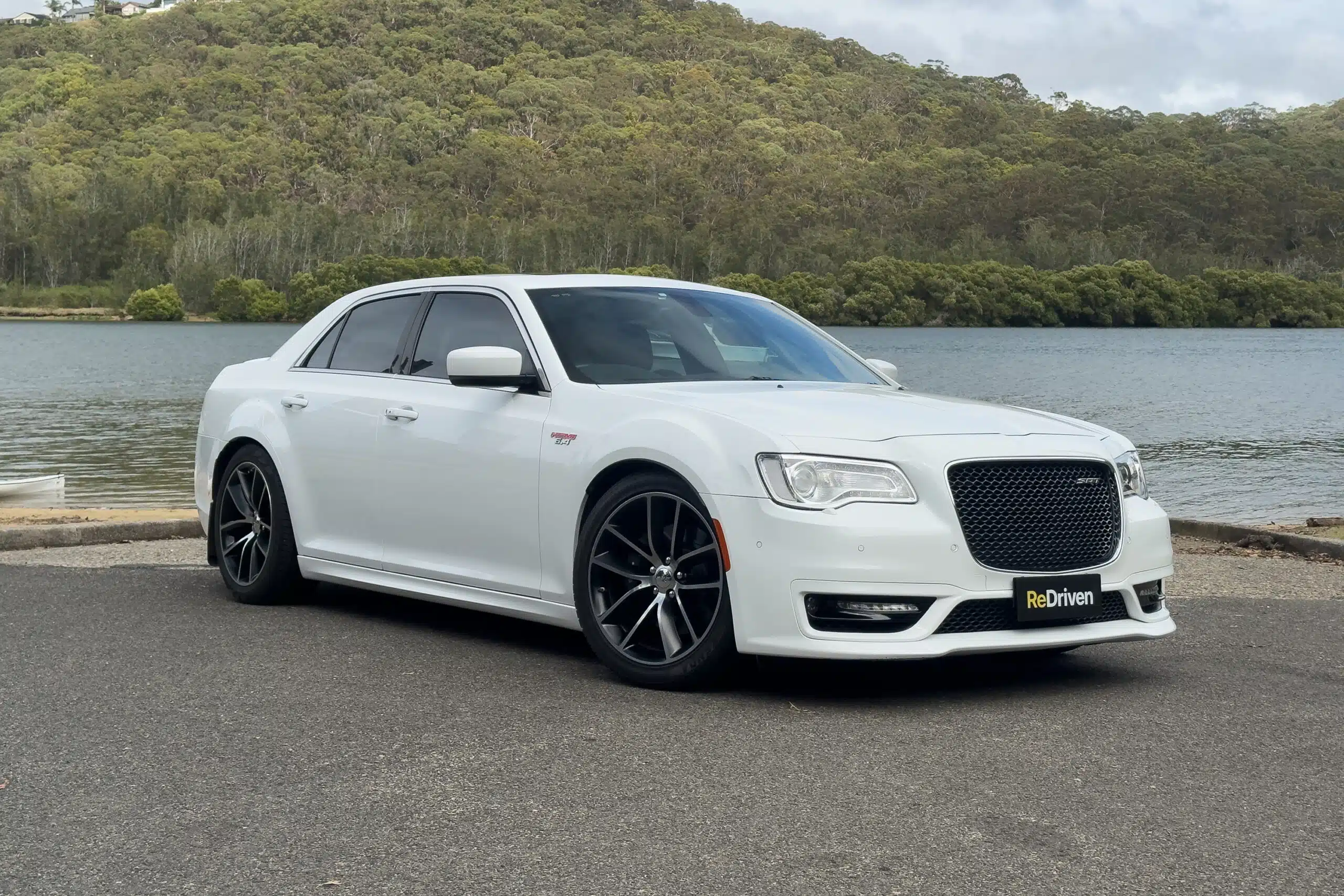
4. Chrysler 300 (Early V6 and HEMI Models)
The Chrysler 300, especially models produced in the mid-2000s to early 2010s, often struggles with overheating in traffic, particularly in warmer climates. While the car offers a spacious interior and a powerful engine, it suffers from a cooling system that hasn’t always matched the performance needs of its drivetrain. The V6 and HEMI V8 variants, in particular, generate significant heat during idling or slow driving, and the stock radiators installed in these vehicles can fall short in terms of heat dissipation.
One issue is the narrow grille and limited front-end airflow. The Chrysler 300 was designed with styling in mind, and while the sleek front end gives it a distinctive appearance, it also restricts the amount of air that reaches the radiator, especially at low speeds.
When traffic comes to a crawl, or when the car sits idling under a blazing sun with the AC blasting, heat accumulates rapidly under the hood. The fans sometimes don’t engage early enough to prevent this buildup, and drivers often see the temperature gauge climbing faster than expected.
Another problem lies in the coolant system layout and material quality. Chrysler used a number of plastic connectors and parts in the cooling system that are prone to failure after years of exposure to high heat cycles.
Radiator hoses, thermostat housings, and even water pumps can develop leaks or malfunctions that, while not immediately catastrophic, will slowly undermine the system’s ability to keep the engine cool. In some cases, owners have found that a weak or failing thermostat can prevent coolant from circulating properly, leading to localized overheating, especially in traffic conditions where natural airflow is minimal.
Upgrades are possible, and some owners have successfully added larger radiators, more efficient fans, or even external coolers to help improve thermal performance. However, these modifications require time, money, and often a bit of mechanical know-how.
For the average owner just trying to commute in the summer heat, the risk of unexpected overheating is a frustrating downside to an otherwise smooth and stylish ride. Unless carefully maintained and upgraded, the Chrysler 300, particularly the early models, remains a car to watch closely when temperatures begin to rise and traffic slows to a standstill.

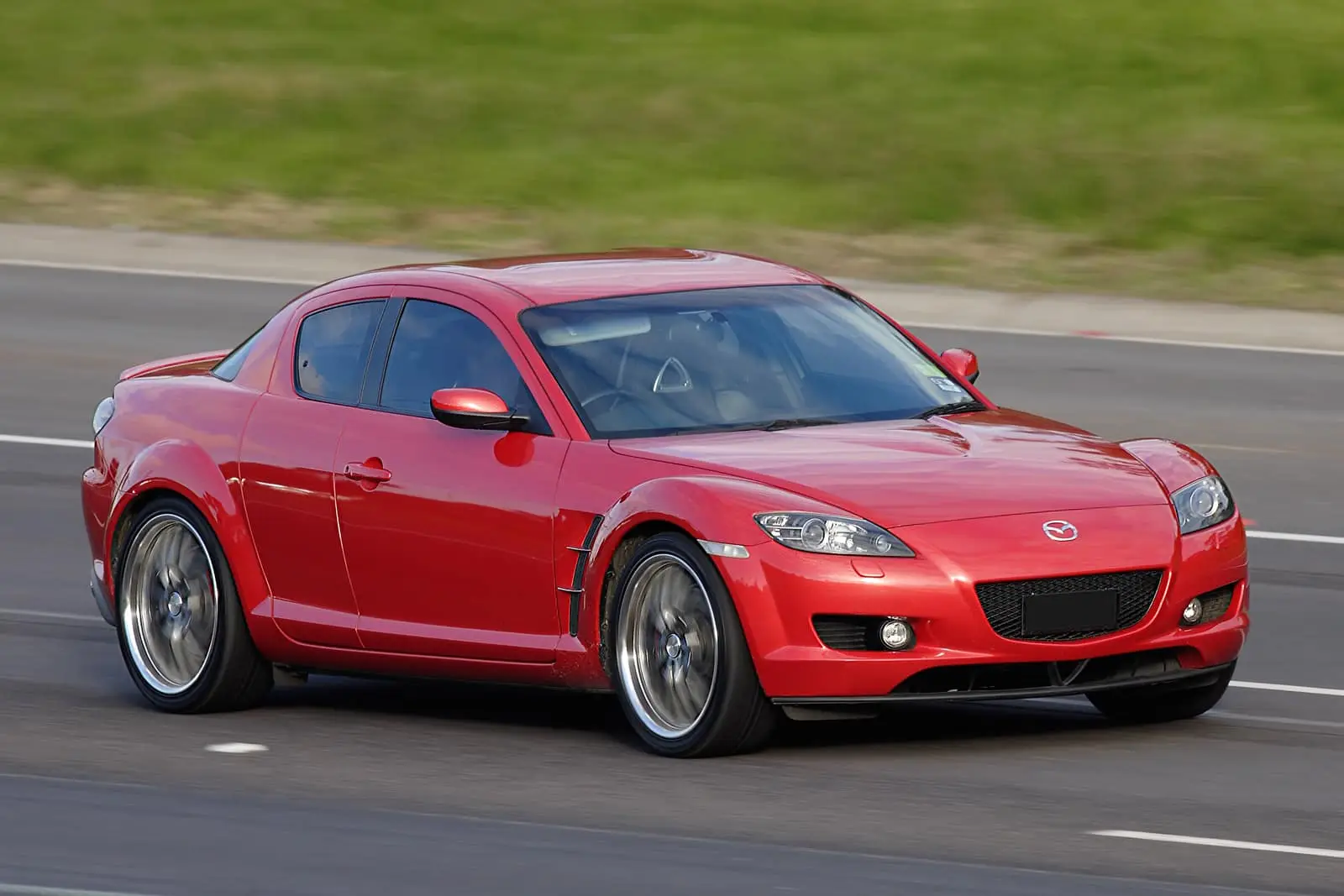
5. Mazda RX-8
The Mazda RX-8 has long held a unique place in automotive culture thanks to its rotary engine, but that same engine design also contributes to its issues with overheating, especially in traffic. Rotary engines naturally run hotter than piston engines because of the way combustion takes place within the housing.
In stop-and-go conditions or during long idles on hot days, the RX-8 struggles to maintain safe operating temperatures unless the cooling system is in perfect condition and the outside temperature is moderate.
One of the key weaknesses of the RX-8 is its radiator size. Stock radiators are often not sufficient to cool the engine under stressful conditions, particularly if the driver is using the air conditioner.
With limited space under the hood and a compact engine bay, the car relies heavily on its fans to regulate temperature. Unfortunately, the factory fan system isn’t particularly strong. When stuck in traffic without sufficient airflow, the rotary engine begins to build up heat quickly, which can cause engine seals to wear prematurely or even lead to warping of internal components.
Another problem is that many owners of the RX-8 aren’t aware of just how delicate the engine is when it comes to heat. Unlike piston engines that can handle a bit of abuse, the rotary unit is far more sensitive to temperature swings. A momentary lapse in cooling, whether due to a weak fan motor, low coolant, or just sitting in traffic too long, can lead to long-term damage.
Because the RX-8’s temperature gauge isn’t always precise, many drivers don’t realize there’s a problem until it’s too late. Over time, this has led to the car gaining a reputation for engine failures tied directly to heat management.
To its credit, the RX-8 can be upgraded with aftermarket solutions. Many enthusiasts install aluminum radiators, higher-CFM fans, and additional oil coolers to keep temperatures in check. However, these modifications are not cheap, and not all owners want to invest the extra money in a car that already requires more maintenance than average.
For those who drive in cool or temperate climates, the RX-8 may not pose many issues, but for drivers in warm, congested areas, it’s a vehicle that demands constant attention to avoid serious overheating problems.
