
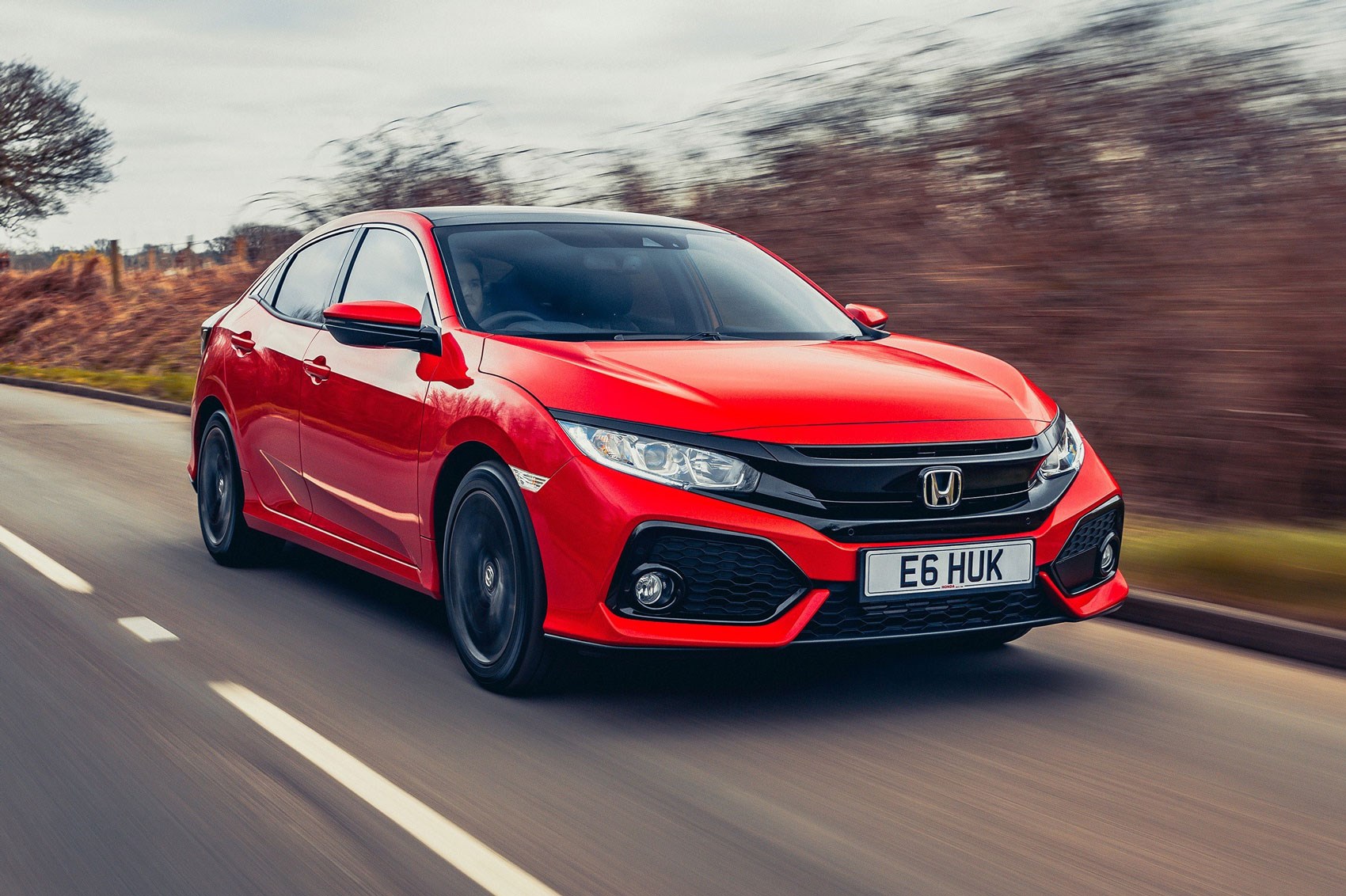
Oil leaks can turn car ownership into a frustrating mess. Whether you’re someone who checks the driveway every morning or only notices trouble when the low oil light flashes on the dash, it’s a problem that most drivers hope to avoid. Oil leakage doesn’t just stain the driveway; it often hints at bigger issues, like worn-out gaskets, cracked seals, or aging engine components.
While maintenance plays a big role in how long a vehicle stays clean and dry underneath, some cars are simply built better than others when it comes to holding in their fluids. Design decisions, manufacturing quality, and long-term durability can make or break a vehicle’s ability to stay oil-tight over time.
There are cars that, even after hundreds of thousands of miles, rarely show signs of leakage. This reliability comes from a combination of strong engineering, quality parts, and well-thought-out engine layouts. On the other hand, some vehicles have earned a reputation for leaking oil as if it’s part of their personality.
With certain models, no matter how many gaskets or seals get replaced, you’ll still find that annoying dark spot under your car. It’s not always about how new or expensive a car is, either. Some of the leakiest offenders are relatively recent, while some of the most reliable are older, simpler models built with longevity in mind.
This list highlights five cars that are widely regarded for their solid oil retention, followed by five that have frustrated owners and mechanics alike with their constant drips.
While individual experiences will vary and regular maintenance is always key, the following entries are based on commonly reported patterns, known engine designs, and mechanical reputation over time. If you’re looking to avoid the hassle of chasing oil leaks or wondering if your car’s driveway puddle is something to worry about, this breakdown may help set expectations.
Also Read: 10 Vehicles With Great Visibility for Short Drivers
5 Cars That Rarely Leak Oil
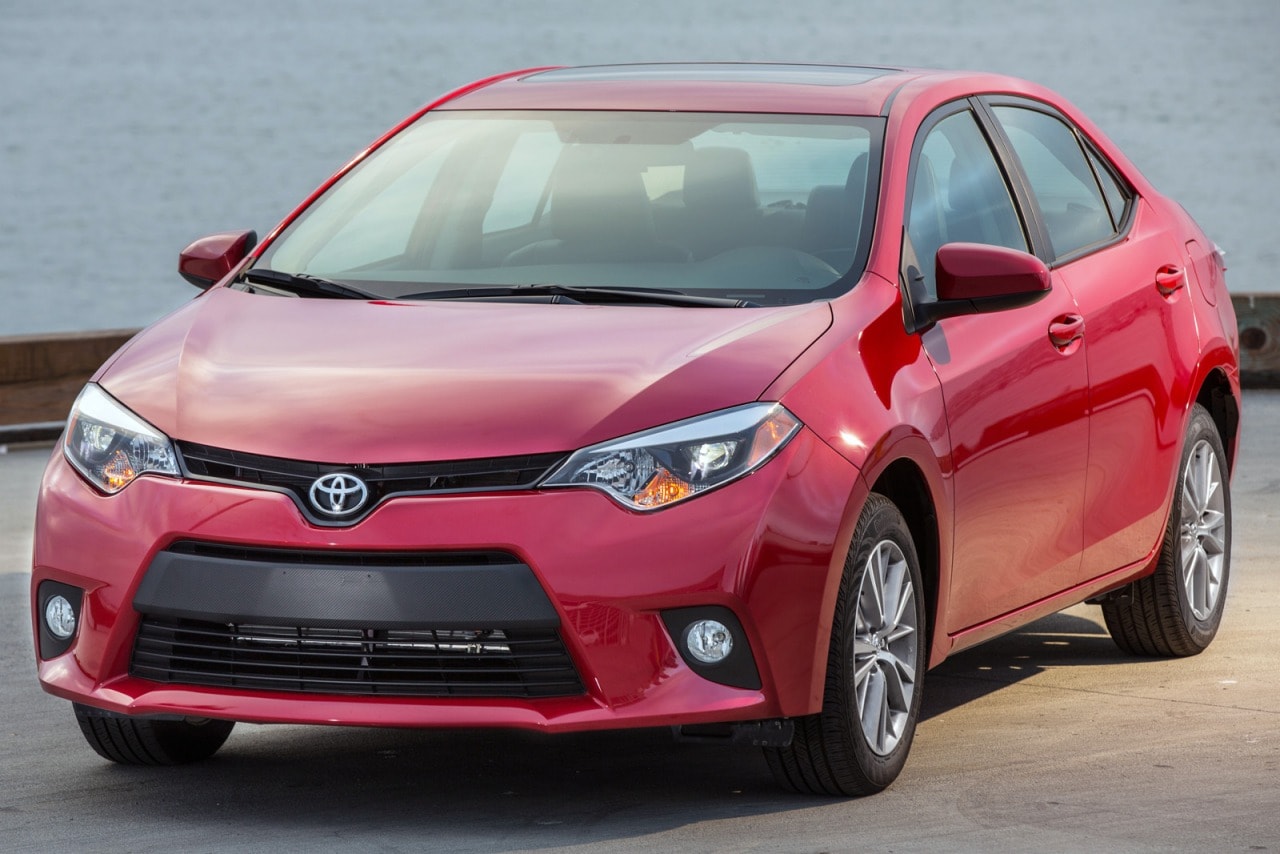
1. Toyota Corolla
The Toyota Corolla has long been praised for its bulletproof reliability, and that reputation holds up when it comes to oil leaks. This compact sedan features straightforward engine designs that avoid overcomplication. The materials used in engine construction are durable, and the engineering philosophy behind the Corolla tends to favor simplicity and longevity.
These factors work together to limit weak points in the engine where oil might seep or leak. Mechanics often note that even after years on the road, the Corolla’s seals and gaskets remain in decent shape, minimizing the risk of oil escaping.
Another reason the Corolla stays leak-free is the fact that Toyota doesn’t push the engine too hard. Unlike performance-oriented cars that run hotter or use turbochargers, the Corolla’s naturally aspirated engine keeps things moderate. Lower temperatures put less strain on seals, and the lack of forced induction means fewer pressure-related issues.
This balanced design leads to fewer breakdowns in engine components over time. Even in older models, it’s not uncommon to find Corollas that still don’t leak a drop of oil despite racking up hundreds of thousands of miles.
Regular maintenance remains important, of course. The Corolla benefits from routine oil changes using the correct type and grade of oil, as well as periodic checks for gasket wear. But the fact that it doesn’t develop leaks as quickly or frequently as some competitors means owners don’t have to worry as much.
That peace of mind adds a lot to the ownership experience, especially for drivers who rely on their vehicle day in and day out. For people who want a dependable car that won’t surprise them with a messy driveway, the Corolla fits the bill.
Toyota’s attention to quality control during manufacturing also plays a part. Engines are assembled with tight tolerances and consistent build quality, reducing the likelihood of weak spots or sloppy sealing from the factory.
Whether you’re buying new or picking up a used model with a decent service history, the chances are high that a Corolla will serve you without leaving stains behind. This clean record makes it a top choice among vehicles known for staying dry underneath.
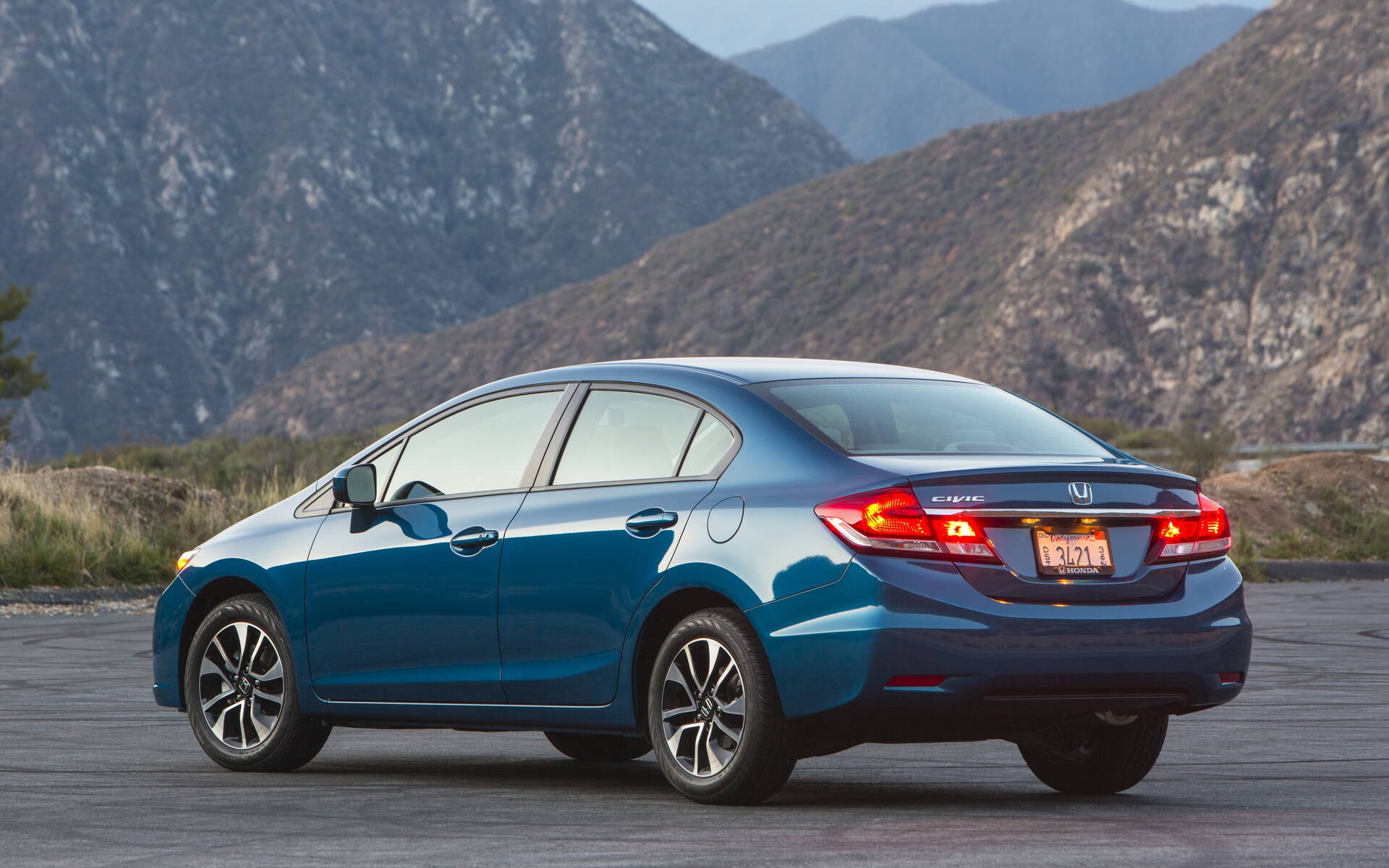
2. Honda Civic
The Honda Civic shares many of the same strengths as the Corolla when it comes to resisting oil leaks. Its compact yet well-engineered powertrain avoids the complex features that tend to cause problems down the line.
Hondas in general have a solid reputation for longevity, and the Civic is one of the brand’s best examples. Many owners drive their Civics for over 200,000 miles with only basic maintenance, and it’s not unusual to find that the underside of the engine still looks clean and dry after all those years.
A big factor in the Civic’s oil-tight performance is Honda’s attention to gasket design. Valve cover gaskets, oil pan seals, and timing covers tend to last longer than those found in less carefully engineered vehicles.
Even as rubber parts age, they seem to hold their form better in Civics than in cars with similar mileage. Honda also uses quality metal and aluminum components that don’t warp easily, keeping surfaces flush and tight. This reduces the chance of slow leaks forming due to uneven engine surfaces.
Because of its massive popularity, the Civic has benefited from decades of refinement. Problems seen in early generations were corrected in later models, and customer feedback helped engineers make smarter design choices over time.
By now, Honda has dialed in what works and avoided gimmicks that introduce long-term issues. In particular, the Civic’s engines tend to be free of design flaws that cause pressure build-up or poor circulation, which are both contributors to oil leakage.
Even when Civics do leak, it’s often after years of neglect or misuse. A Civic with regular oil changes and timely part replacements will typically stay dry much longer than the average car in its class.
Honda’s emphasis on function over flair has resulted in an efficient, well-built car that resists the kind of wear that leads to oil puddles. It’s no surprise that used Civics in good shape continue to be trusted by commuters and first-time drivers alike.
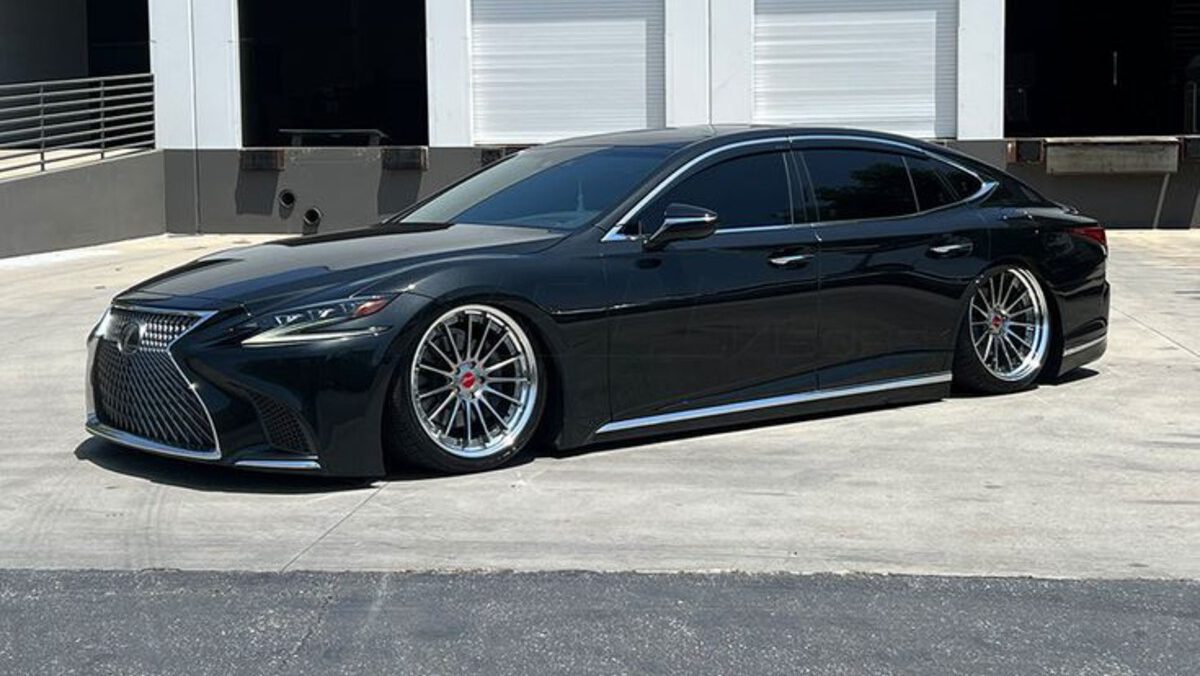
3. Lexus ES Series
The Lexus ES series offers something rare: luxury car refinement with the reliability of a Toyota underneath. Since Lexus is Toyota’s premium division, it benefits from the same attention to engineering detail while offering a quieter, more comfortable ride.
The ES models, especially the ES 300 and ES 350, are known for having some of the cleanest engine bays in the industry. These vehicles can go for years with virtually no fluid loss if maintained properly. Oil leaks are rarely reported in these models unless they’re severely neglected.
One reason the ES series resists oil leakage so well is the use of high-quality synthetic gaskets and precise machine work on mating surfaces. Even after years of heat cycling, these materials tend to maintain their seal.
Combined with conservative tuning and smooth engine operation, the internal pressure in ES engines remains well within manageable limits. Lower stress levels on the engine contribute directly to better gasket life and fewer opportunities for oil to escape.
The V6 engines in these cars are known for their smoothness and balance, which helps reduce vibration. Excessive engine vibration can cause components to loosen over time, especially in areas like valve covers or oil pans. The Lexus ES minimizes this risk thanks to engine mounts and driveline setups designed to isolate motion.
This attention to detail protects seals and gaskets from fatigue and helps prevent long-term seepage. In addition, the layout of the engine bay allows for easier access during service, meaning repairs are less likely to be rushed or botched.
Another overlooked reason the ES series avoids leaks is the demographic of its typical owners. Many Lexus drivers follow strict maintenance schedules and tend to service their vehicles at authorized centers.
This results in fewer patch-job repairs or ignored warning signs. The combination of great design, responsible ownership, and Toyota’s underlying durability keeps these cars clean underneath, even after years on the road.
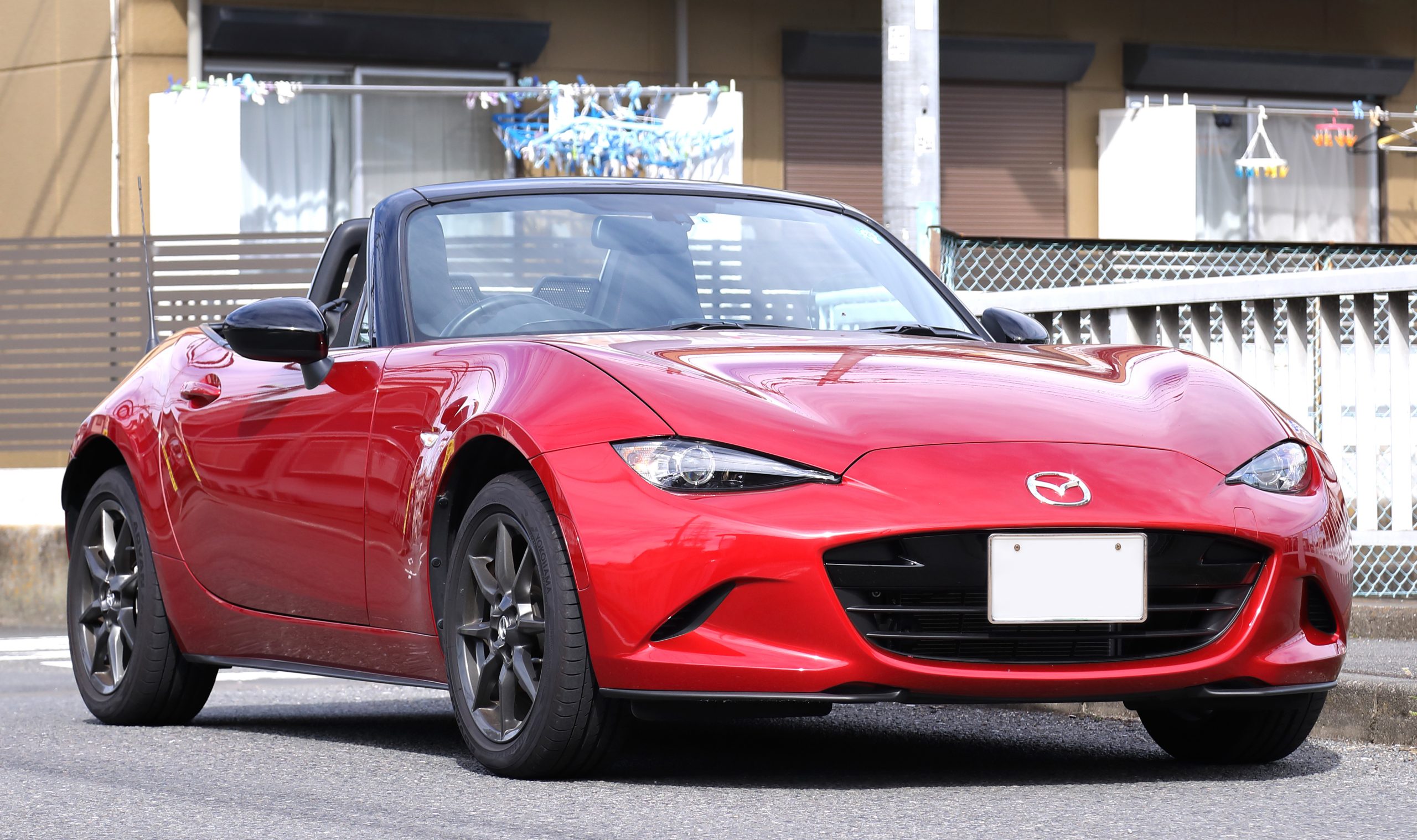
4. Mazda MX-5 Miata
The Mazda MX-5 Miata has built a reputation as a simple, fun, and surprisingly durable sports car. Even though it’s driven hard by many enthusiasts, it rarely suffers from the kind of oil leaks seen in other performance-focused vehicles.
This is partly due to its small, well-balanced engine, which is designed with durability in mind. The Miata keeps things uncomplicated, avoiding the kind of turbochargers or advanced electronics that complicate maintenance and increase the chances of oil issues.
A key factor in the Miata’s oil-tight nature is its inline-4 engine layout. This design is naturally balanced and doesn’t generate excessive vibration, which is a known cause of premature gasket failure.
In addition, the engine isn’t placed under extreme thermal stress, as it doesn’t need to generate huge amounts of horsepower to provide an enjoyable driving experience. Lower stress means that engine components like seals and O-rings tend to last longer without cracking or warping.
Mazda has also done a good job of placing components in a way that makes maintenance relatively easy. When a part does need replacement, it’s usually accessible without having to dismantle large sections of the engine.
This reduces the chance of service errors that can lead to leaks. Many older Miatas are still on the road today with dry engine bays and clean oil pans. That kind of reliability in a lightweight roadster is part of what makes the MX-5 so beloved.
Miata owners often take excellent care of their vehicles, which also contributes to the car’s reputation for leak-free performance. Regular oil changes, use of quality parts, and attention to engine health all combine to keep the car in good condition. It’s a strong example of a car that was built simply but built well. For people who want a fun car without the mess that often comes with it, the MX-5 delivers a surprisingly clean experience.
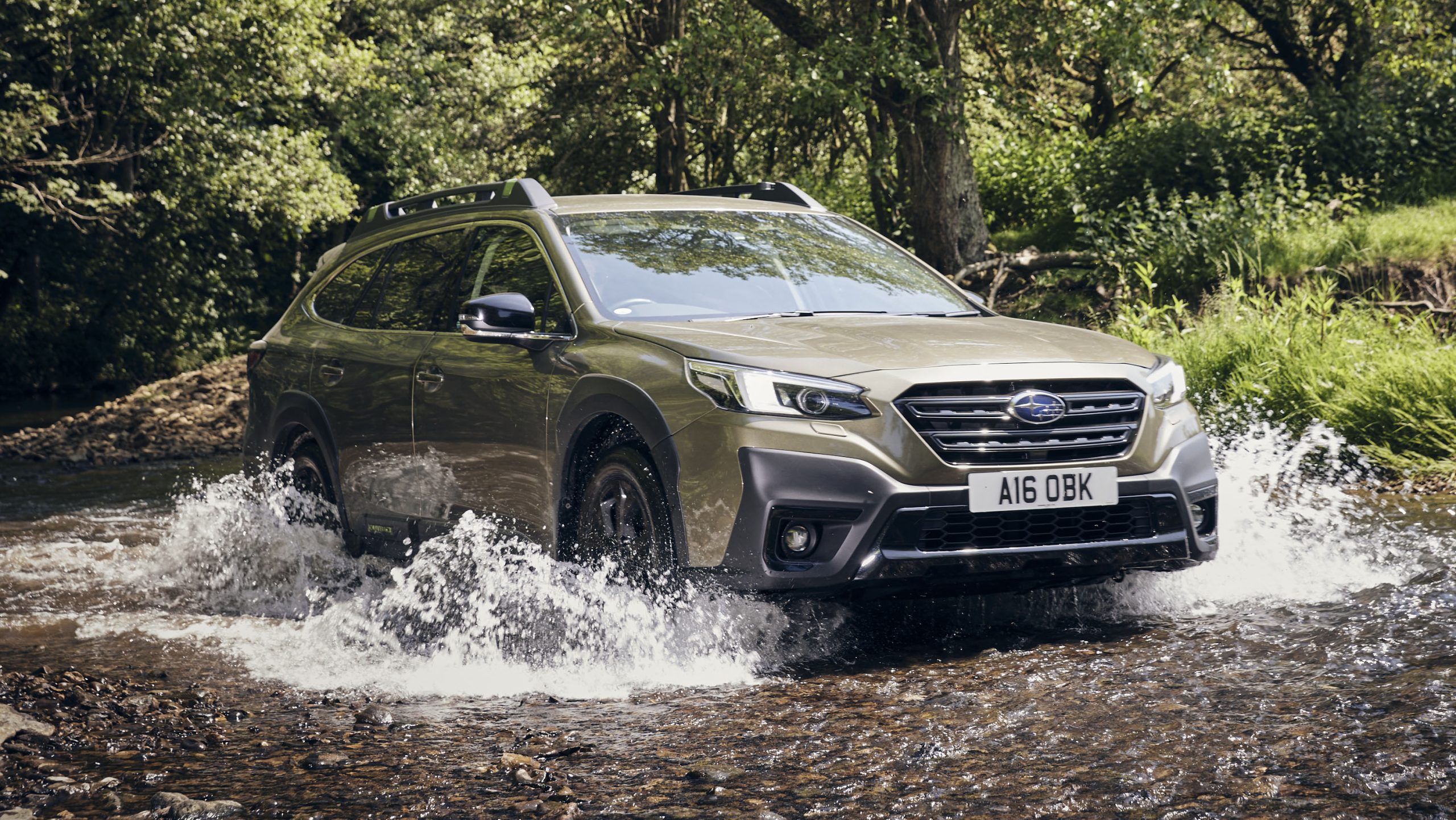
5. Subaru Outback (Recent Models)
Subaru has come a long way in addressing the oil leakage issues that plagued some of its older engines. While older Outbacks, especially those with the EJ25 engines, were notorious for head gasket failures and oil seepage, recent models, particularly those built in the past five to seven years, have shown dramatic improvements.
Subaru transitioned to a newer FB-series engine, which features upgraded gasket materials, better engine sealing technology, and revised head bolt torque specs. These changes have significantly reduced oil leakage and made the newer Outback models much more reliable when it comes to keeping fluids where they belong.
Another reason the newer Outbacks have cleaner track records is the use of synthetic oil and factory-sealed designs that reduce the number of external seals and gaskets that are vulnerable to wear. Modern engineering practices, such as tighter tolerances and improved crankcase ventilation, have helped these engines manage internal pressure more effectively.
When oil is circulating properly and pressure stays within expected limits, the chances of leaks around cam seals, oil pan gaskets, and valve covers drop significantly. Subaru also took steps to isolate heat-producing components from sensitive seals, lowering thermal fatigue over time.
One of the reasons Subaru loyalists keep coming back to the Outback is because of its balanced design philosophy: rugged capability combined with low maintenance stress. The symmetrical all-wheel-drive system is built into the car’s design from the ground up, which allows the engine to remain relatively simple in layout and accessible for repairs.
That ease of maintenance has likely contributed to better long-term outcomes in leak prevention. Technicians can reach necessary parts without bending or forcing things, which reduces the risk of damaging gaskets or improperly reinstalling components.
Finally, Subaru owners tend to be diligent with maintenance. It’s a vehicle often purchased by people who are intentional about longevity and practicality. They service their cars at regular intervals, pay attention to the condition of fluids, and keep an eye on early signs of wear.
Combined with the improved designs in recent generations, these responsible habits help keep the newer Outbacks clean and dry. While earlier models had a hard-earned reputation for leaking oil, the modern Outback is a much more dependable choice in this category.
Also Read: 10 Vehicles With Great Visibility for Short Drivers

6. BMW 3 Series (E90 and F30 Generations)
BMW’s 3 Series has long been appreciated for its handling, performance, and luxury appeal, but when it comes to oil retention, the E90 (2006–2011) and F30 (2012–2019) generations have earned a reputation for being messy.
Common complaints include oil filter housing gasket leaks, valve cover gasket leaks, and oil pan seepage, all of which can show up as early as 60,000 miles. The issue isn’t necessarily one of poor design, but rather the use of gasket materials that break down over time under the high heat of tightly packed engine bays.
The N52 and N20 engines used in these cars are known to run hot, and that consistent thermal stress accelerates the aging of rubber seals and plastic components. In particular, the oil filter housing is placed in a high-temperature zone and often begins to leak, dripping oil down onto the serpentine belt.
That’s more than just a mess; it can become a serious mechanical issue if the belt degrades or slips. Combine that with the fact that BMW engines are often mounted in a way that makes certain repairs labor-intensive, and it becomes easy to see why leaks are common and expensive to fix.
Another contributing factor is the frequency of overlooked maintenance or poor-quality aftermarket parts. Many 3 Series owners try to save money by delaying gasket replacements or choosing cheaper non-OEM parts, which tend not to last as long. This results in repeated leaks even after repairs are performed.
BMWs are engineered with high precision, so minor variations in gasket thickness or installation methods can lead to poor sealing. Once oil starts leaking from one part of the engine, it often finds its way into places it shouldn’t, making the diagnosis and repair even more complex.
Despite these issues, the 3 Series remains popular. But it’s a car that demands careful ownership. If gaskets are replaced on schedule and quality parts are used, leaks can be managed, but not always entirely prevented. For many owners, oil drips on the driveway become a normal part of the ownership experience. It’s almost expected that by the time a 3 Series hits six figures on the odometer, it’ll be leaving some stains behind.
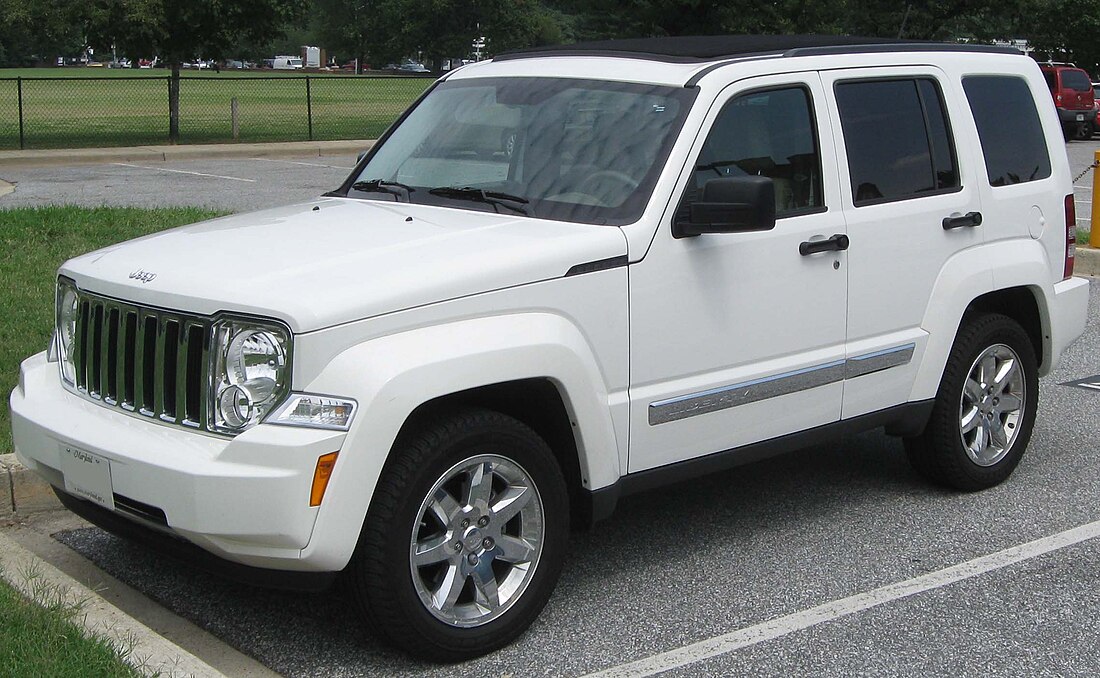
7. Jeep Liberty
The Jeep Liberty, particularly the models produced between 2002 and 2012, is known for being mechanically rugged in some ways but surprisingly leaky when it comes to engine oil. Many of these vehicles came equipped with the 3.7L PowerTech V6, an engine that has developed a reputation for leaking oil from multiple points.
Common culprits include valve cover gaskets, oil pan gaskets, and rear main seals. It’s not unusual for owners to replace one seal only to find another starting to seep shortly after. The issues often show up as the vehicle passes the 100,000-mile mark, and repairs can be both time-consuming and costly due to the cramped engine bay.
One reason for the Liberty’s leaky tendencies is the use of older engine designs that were not optimized for thermal expansion or consistent sealing under high-mileage conditions. These engines tend to run hot, and the materials used in sealing surfaces don’t always stand up well to years of heat cycling.
The result is a gradual breakdown of rubber components and metal surfaces that don’t quite seal as well as they used to. Once leaks start, they often continue in multiple areas until a full reseal is done, something most owners are hesitant to undertake due to the cost.
The Liberty’s off-road design also contributes indirectly to its oil leakage problems. Many of these vehicles see rough driving conditions, including dust, mud, and temperature swings that put extra strain on the engine components. These factors can speed up wear on seals and lead to early gasket failure.
The underbody of the Liberty tends to trap dirt and debris as well, which can build up around the engine bay and lead to corrosion or damage near oil-sensitive parts. Combined with aging materials, this makes the Liberty one of those vehicles you check underneath regularly.
While the Jeep Liberty has a loyal fan base that appreciates its go-anywhere capability and decent size, it’s not a model known for staying clean. Owners either get used to topping off oil every few weeks or spend a lot of money chasing leaks. For those who want an SUV with fewer headaches in the oil department, the Liberty is rarely a top choice.

8. Audi A4 (B7 and B8 Generations)
The Audi A4, particularly the B7 (2005–2008) and B8 (2009–2016) generations, has been another frequent offender when it comes to oil leaks. These vehicles often come equipped with turbocharged 2.0L engines that are well-regarded for performance but not so much for long-term reliability.
Common oil leak points include the valve cover gasket, camshaft chain tensioner gasket, rear main seal, and even the turbo oil lines. The problem is compounded by how tightly the engine components are packed, which makes diagnosing and fixing these leaks difficult and often expensive.
The turbocharged engines in these models generate significant heat, and over time, this takes a toll on plastic and rubber parts under the hood. The elevated pressure and temperature within the oil system often accelerate the degradation of seals.
Even with regular oil changes and proper care, these engines begin to develop slow leaks that gradually worsen. When left unaddressed, these leaks can affect engine performance and potentially cause more serious damage, particularly if oil drips onto hot exhaust components.
One of the frustrations with the A4 is that leaks can be difficult to isolate. Oil often travels across engine components, so a leak from the top of the engine might show up near the bottom or along the sides. This leads to multiple visits to the mechanic and a fair amount of guesswork if the issue isn’t immediately obvious.
Combined with high parts and labor costs, keeping an Audi A4 sealed and clean becomes a serious maintenance commitment. Some owners report spending thousands over several years just trying to chase down persistent leaks.
Despite these drawbacks, many A4 owners are willing to put up with the hassle because of the car’s driving dynamics, comfort, and styling. But that comes with the price of oil-related stress. If you park one of these on a clean driveway, chances are you’ll eventually see the familiar dark spot underneath. It’s almost considered part of the package with these turbocharged German sedans.
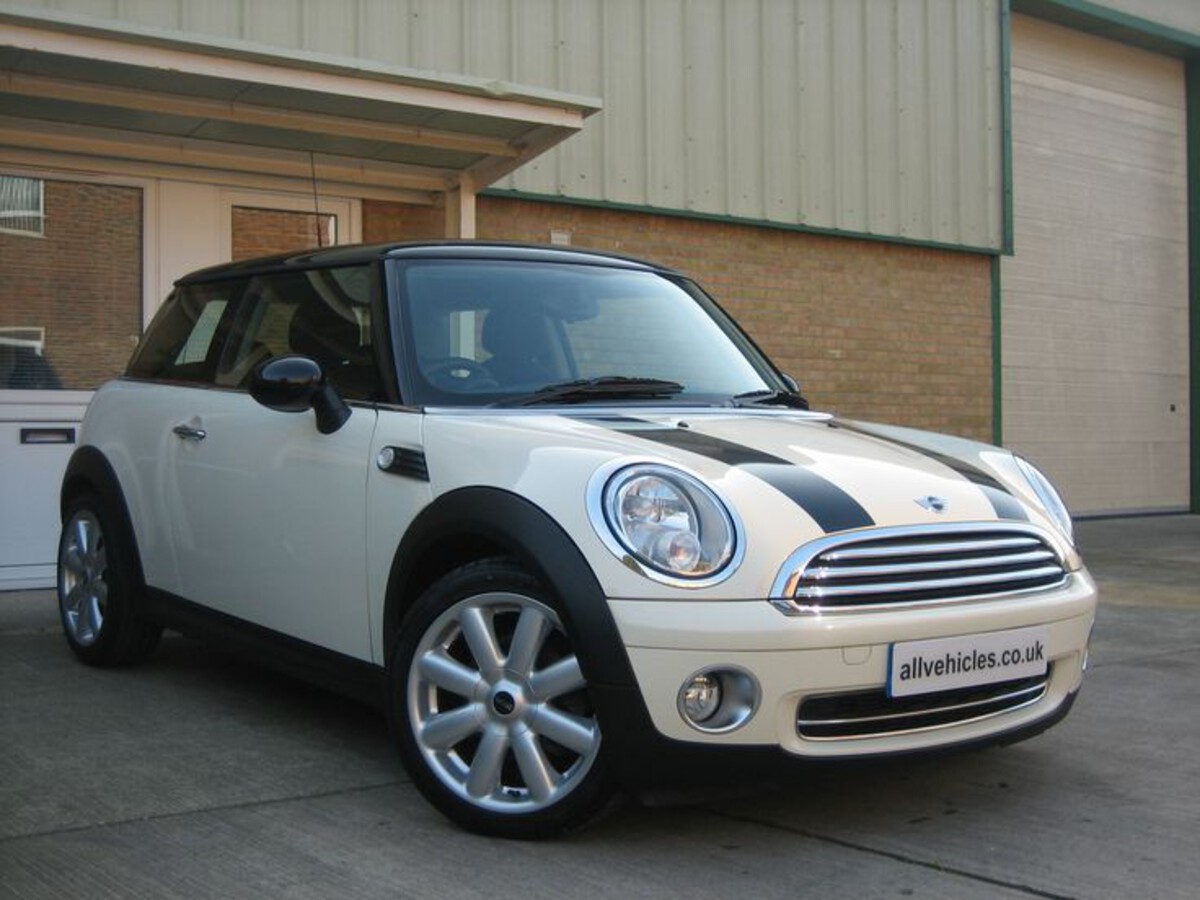
9. Mini Cooper (R56 Generation)
The Mini Cooper R56, which was produced between 2007 and 2013, is charming, sporty, and a lot of fun to drive. However, it’s also one of the most leak-prone small cars on the used market. It often suffers from oil leaks stemming from valve cover gaskets, timing chain covers, and turbo oil feed lines (on S models).
Even base models are known to develop leaks as they age, and the tight packaging under the hood only makes matters worse. Repairs are not only common but also more expensive than one might expect for a compact hatchback.
One of the major issues in the R56 generation is the timing chain tensioner system. When this starts to wear, it leads to excessive chain slap and eventual gasket failure. Even before that happens, many cars begin to leak from the valve cover or oil filter housing.
Owners often report seeing a burning oil smell, followed by visible spots on the driveway. If the problem isn’t caught early, it can result in engine damage or at least a very messy engine bay that makes further diagnosis difficult.
Mini Coopers are known for being fun project cars, but oil leaks quickly turn that fun into frustration. The cramped engine bay means even simple gasket replacements require significant labor.
For example, replacing an oil pan gasket might involve removing suspension components or the entire front subframe. The average DIY enthusiast may find themselves over their head, which means frequent trips to the shop or the burden of living with a leaking car.
Despite the charm and uniqueness of the Mini, reliability has never been its strongest suit. Leaks, especially in R56 models with over 60,000 miles, become almost expected. For some owners, it becomes part of the ownership experience, checking the oil regularly, keeping cardboard under the car, and learning which leaks are urgent and which are just inconvenient. It’s a car that demands attention and patience if you want to keep it on the road.

10. Land Rover Range Rover (2000s to Early 2010s)
The Range Rover, especially models produced from the early 2000s through the early 2010s, has earned a notorious reputation for oil leaks. These luxury SUVs often come equipped with powerful V8 engines, such as the Jaguar-sourced AJ-V8 or the older BMW-sourced M62. Both have their fair share of common oil leak points.
Valve cover gaskets, timing chain covers, and rear main seals are among the usual suspects, but in some cases, leaks develop from the oil cooler, the transmission interface, and even the oil pump itself. For many owners, oil spots on the garage floor become a regular part of living with a Range Rover.
One of the key reasons these vehicles leak so frequently is their complexity. Range Rovers pack a tremendous amount of hardware under the hood, and the engine bay gets extremely hot during operation. That heat accelerates the aging of gaskets, especially rubber and silicone-based ones.
With so many sensors, connectors, and interfaces between parts, there are simply more opportunities for oil to escape. In addition, the engines are built with tight tolerances and require specific torque specs for sealing surfaces. A small deviation during a repair can easily create a slow, persistent leak that gets worse over time.
The labor required to fix leaks on a Range Rover is another barrier. These SUVs are engineered in such a way that many components are stacked closely together, and simple tasks like replacing a valve cover gasket can take hours of disassembly. As a result, even minor leaks often go unaddressed until they become more serious.
The cost of these repairs, especially at authorized dealerships, easily climbs into the thousands. This means many owners simply learn to live with leaks, topping off oil regularly, and hoping the mess doesn’t turn into a bigger problem.
Despite its high price tag and luxury branding, the Range Rover doesn’t offer the mechanical reliability that many expect. It’s a vehicle chosen for its design, capability, and prestige, not for ease of ownership.
Unfortunately, oil leaks have become such a consistent issue that many buyers of used Range Rovers know to factor in fluid-related maintenance from day one. While some enjoy the driving experience enough to tolerate the quirks, others find themselves disappointed by how often this high-end SUV leaves a dark trail behind it.
