
The SUV market has grown rapidly over the past two decades, and much of its appeal is tied to the image of freedom, ruggedness, and versatility. Automakers love to sell this image, often using mountain roads, muddy trails, and desert scenery in their advertisements.
But when it comes to actual performance, not all SUVs live up to the hype. Some are more style than substance, dressed up in aggressive bodywork and plastic cladding to look the part, but lacking the mechanical components necessary for serious trail work. Meanwhile, a select few vehicles have earned their reputation not through clever marketing, but through proven capability on challenging terrain.
For drivers who truly intend to venture beyond pavement, whether it’s over rocky mountain paths, across deep snow, or through swampy trails, the difference between a real off-roader and a pretender is not minor. It can be the difference between confidently climbing out of a ditch and calling a tow truck in the middle of nowhere.
Key attributes such as a low-range transfer case, locking differentials, proper ground clearance, suspension articulation, and underbody protection make or break off-road performance. Some SUVs come factory-equipped with these features, built to withstand punishment and keep going long after the road ends.
At the same time, many modern SUVs have been engineered with on-road comfort and style as the top priorities. These vehicles might feature large wheels, luxury interiors, and bold design cues that mimic their trail-ready cousins, but underneath, they’re built more like tall cars.
They might look ready for a mud run or desert crawl, but one sharp rock or a deep rut could expose their limitations quickly. These “soft-roaders” may be ideal for suburban errands and weekend getaways, but putting them to the test off-road often reveals their shortcomings.
This article compares five SUVs that truly perform when taken off the beaten path to five others that are more showpiece than workhorse. By looking at the real-world capability of each vehicle, not just marketing promises, it becomes easier to understand what sets the true off-road machines apart from their fashionable counterparts.
5 Off-Road SUVs That Really Deliver
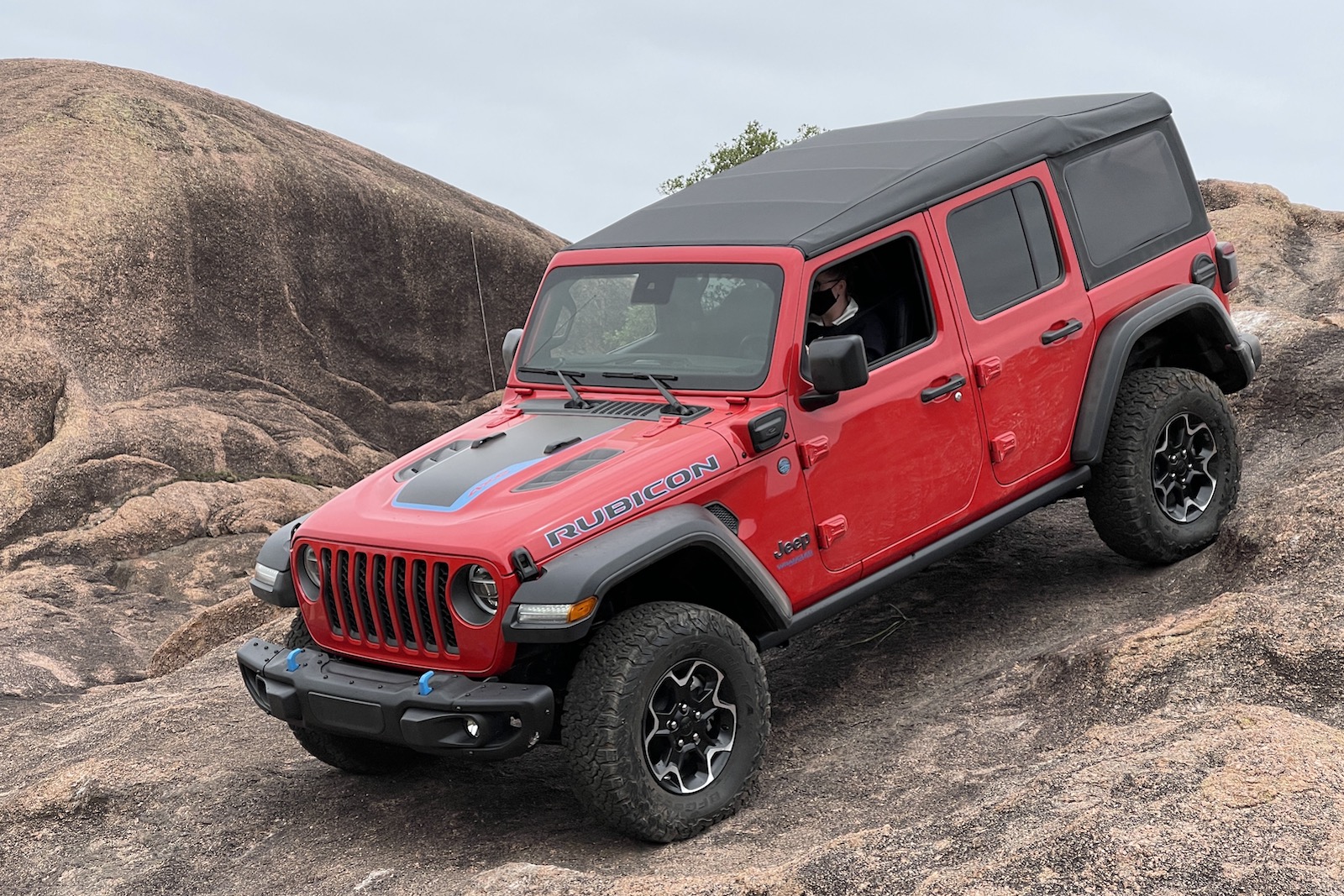
1. Jeep Wrangler Rubicon
The Jeep Wrangler Rubicon is one of the most iconic off-road vehicles for a reason. It carries a reputation built over decades of use in rugged conditions, from backwoods trails to rocky inclines. With a solid front and rear axle, heavy-duty skid plates, and front and rear locking differentials, it’s engineered from the ground up to conquer terrain most vehicles wouldn’t dare approach.
The Rubicon trim also comes with an electronically disconnecting front sway bar, allowing for greater wheel articulation on uneven surfaces. This mechanical setup, paired with real off-road tires, makes the Rubicon more than just an image, it’s a purpose-built machine.
What separates the Wrangler Rubicon from many competitors is its heritage and a design that hasn’t strayed far from its original mission. Unlike many SUVs that have evolved into luxury crossovers, the Wrangler has retained its boxy shape, body-on-frame construction, and utilitarian design.
The high approach, breakover, and departure angles are specifically designed for obstacle clearance, and with over 10 inches of ground clearance, it can handle rocks, logs, and deep ruts without issue. Jeep also offers various aftermarket and factory upgrades, making it easy for enthusiasts to tailor their Wrangler for specific types of terrain.
Another strength of the Rubicon is its off-road technology. The 4:1 Rock-Trac low-range gear ratio allows for slow, precise movement in technical situations, which is especially useful in rock crawling.
The Off-Road Plus mode also adjusts throttle response and traction control for steep climbs and descents. While it may lack some refinement on the highway, especially in terms of noise and ride comfort, the Rubicon more than makes up for that in the places paved roads don’t reach. It’s built with serious trail use in mind.
Despite its rugged focus, the latest generation of the Rubicon doesn’t skimp on modern features. It includes a full suite of infotainment options, leather seating, and advanced driver-assist technology if desired. This combination of hardcore capability and available luxury makes it unique. Most importantly, it proves itself where it counts: in the dirt, in the mud, and on the rocks.
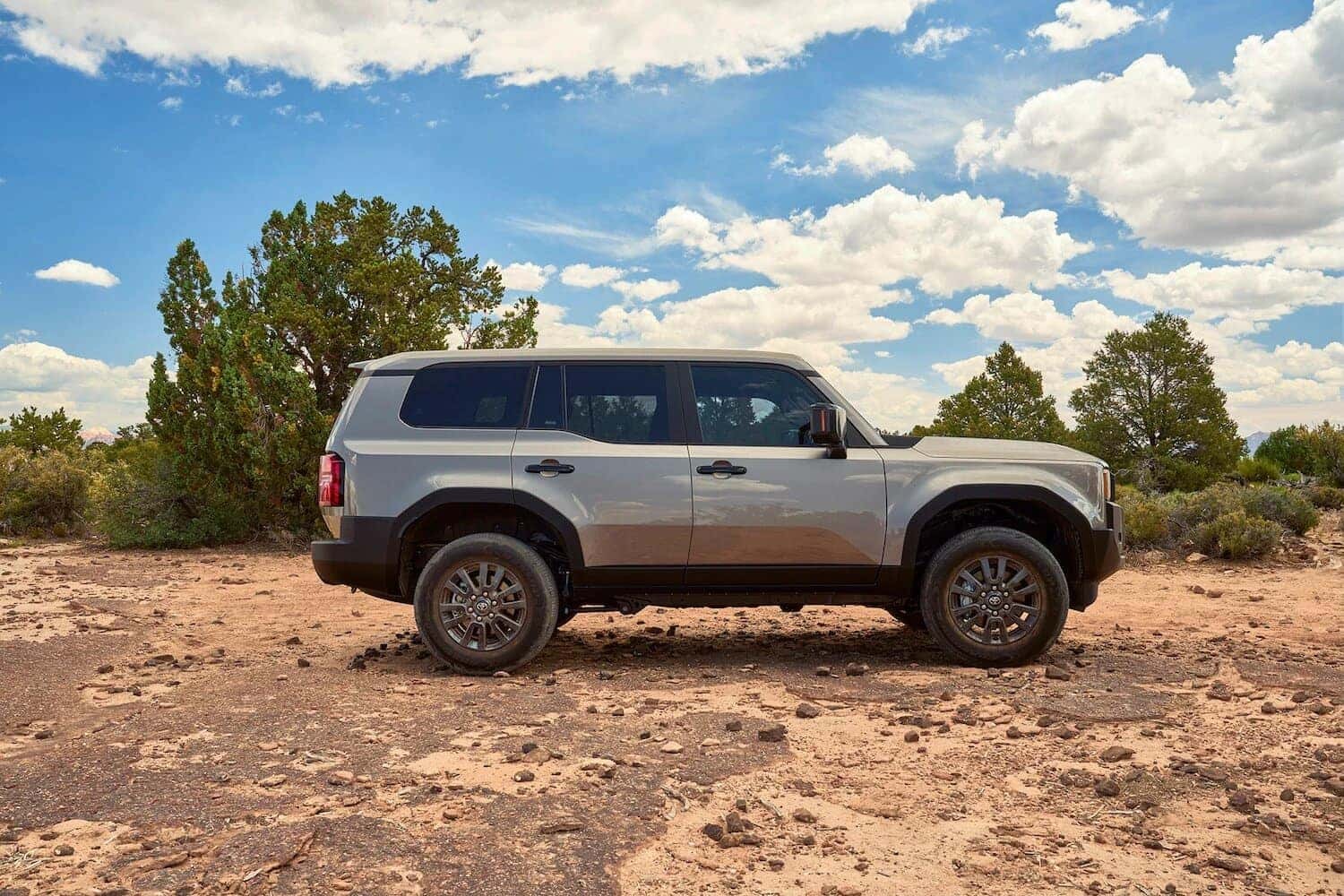
2. Toyota Land Cruiser (J300)
The Toyota Land Cruiser has long held a legendary status among off-road enthusiasts and global adventurers alike. The latest generation, known as the J300, continues that legacy with serious off-road hardware and engineering. Built on Toyota’s new GA-F platform, it features a rugged ladder-frame construction paired with a modern suspension setup.
It uses full-time four-wheel drive with a locking center differential and offers a Multi-Terrain Select system that adjusts throttle and traction settings depending on the surface. This is not a mall crawler, it’s built to work in harsh environments.
Part of what gives the Land Cruiser its unmatched reputation is its global use in demanding regions. From the deserts of the Middle East to remote parts of Africa and Australia, it has proven reliable in extreme heat, over vast distances, and in remote terrain where mechanical failure is not an option.
That kind of trust doesn’t come from marketing, but from decades of delivering under pressure. The latest version adds technology like a multi-terrain monitor that displays obstacles via exterior cameras, which helps in tricky maneuvers.
The Land Cruiser’s off-road ability is matched by its durability. Components are overbuilt, with high-torque drivetrains, heavy-duty suspension arms, and advanced cooling systems. The suspension, which features adaptive dampers, is tuned for off-road comfort and control, absorbing bumps and dips without bouncing passengers around. Ground clearance exceeds 9 inches, and the approach and departure angles are generous, making it a legitimate trail-ready vehicle even straight from the showroom floor.
What makes the Land Cruiser stand out is that it delivers this capability in a well-appointed package. It’s refined and quiet inside, with luxury touches that rival high-end SUVs, but the core of its identity is still grounded in resilience and function. While it may carry a high price tag, buyers get a vehicle that can handle deep snow, dunes, and forest trails without hesitation. For those who want luxury without sacrificing real ability, the Land Cruiser remains one of the most balanced choices available.

3. Ford Bronco Wildtrak
The reintroduction of the Ford Bronco made a significant impact on the off-road scene. Among the various trims available, the Wildtrak stands out for those who are serious about tackling tough terrain. With standard Sasquatch Package upgrades, including 35-inch all-terrain tires, high-clearance fender flares, Bilstein position-sensitive shocks, and front and rear locking differentials, the Wildtrak version is more than just nostalgic branding. It’s a fully modern off-road tool that delivers real performance.
One of the standout features of the Wildtrak is its GOAT (Goes Over Any Type of Terrain) drive mode system. This adjustable terrain management system allows the driver to fine-tune traction settings for mud, sand, snow, or rock. When combined with the two-speed transfer case and electronic differential locks, the system can tackle a wide range of obstacles. The Wildtrak also comes with steel bash plates and optional rock rails, which provide real underbody protection against trail hazards.
The Wildtrak benefits from its independent front suspension, which provides a more comfortable on-road ride than solid axle setups. While some purists prefer solid front axles for extreme off-roading, Ford’s tuning has found a good balance between capability and comfort.
The available 2.7-liter EcoBoost V6 provides strong torque for low-speed climbs, and the ten-speed automatic transmission delivers smooth gear changes, even when crawling. The combination of smart engineering and capable parts makes this Bronco more than a retro-looking novelty.
Inside, the Bronco Wildtrak offers modern features like washable floors, drain plugs, and waterproof switchgear, along with the tech conveniences most drivers expect. It’s designed to be used, not just admired. For those looking for a capable, factory-built off-roader with personality and heritage, the Bronco Wildtrak fits the bill. Its design isn’t just about looking rugged; it’s about handling the real demands of rugged terrain with confidence and competence.
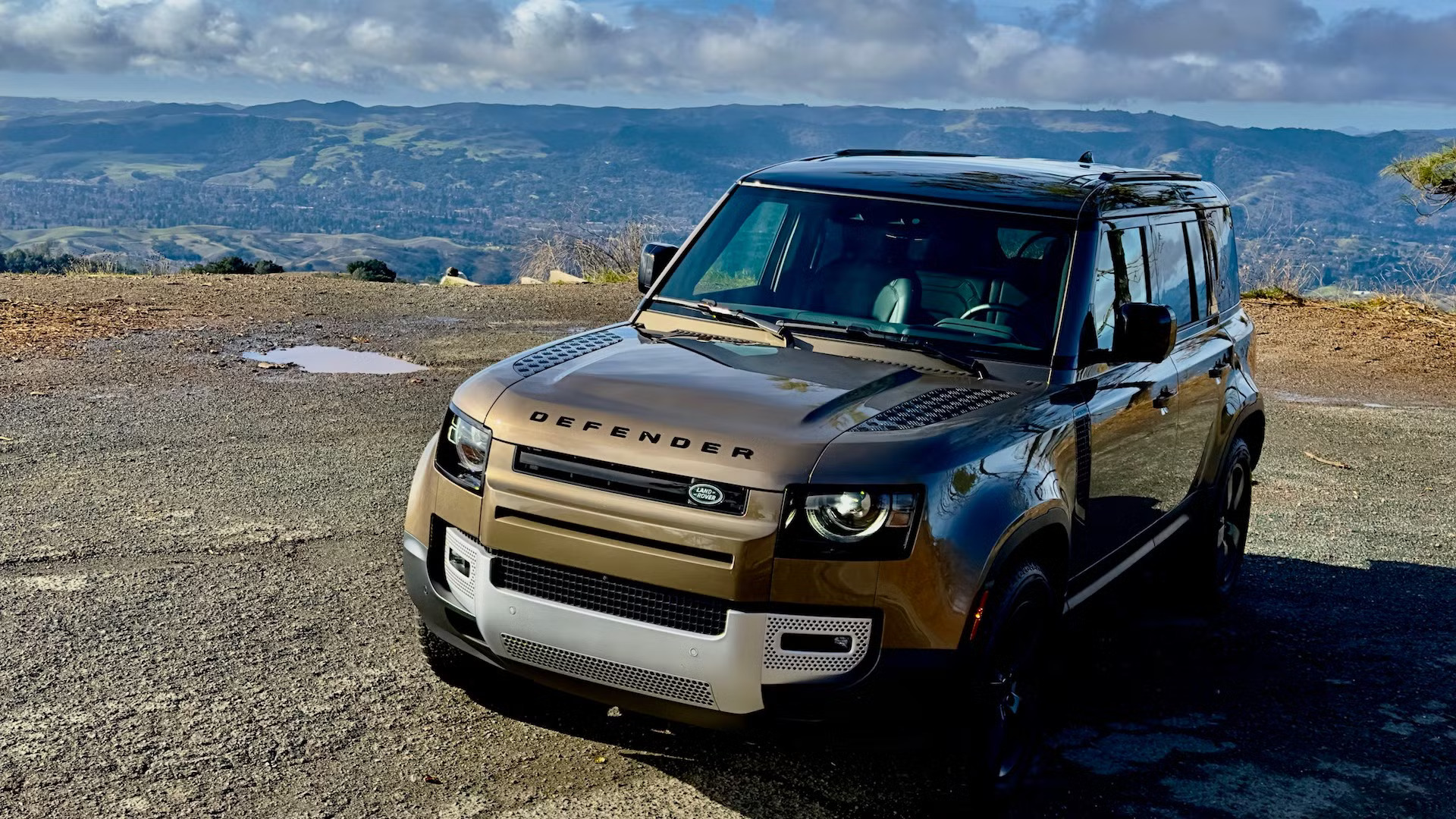
4. Land Rover Defender 110
The Land Rover Defender 110 blends old-school toughness with modern refinement, creating a unique combination that few vehicles can match. While earlier versions were Spartan and built with little concern for comfort, the new generation manages to retain its rugged character while incorporating technology and style. The Defender 110 is not a soft version of the original; it remains a true off-road contender, offering air suspension, a two-speed transfer case, and optional locking center and rear differentials.
The Defender’s off-road prowess is enhanced by its impressive ground clearance, nearly 12 inches with air suspension at full lift and strong approach and departure angles. Its Terrain Response system can automatically detect and adjust to changing surfaces, optimizing throttle, braking, and transmission behavior.
The optional off-road pack includes advanced camera systems to see over hills and around obstacles, giving the driver a huge advantage in navigating difficult terrain. This makes the Defender highly capable even for those with less trail experience.
Even with all its technology, the Defender does not compromise when it comes to raw capability. It is designed to ford over 35 inches of water, climb steep slopes, and handle highly uneven terrain without scraping its underbody. The suspension system can raise or lower the vehicle to suit conditions, and its long-travel design allows the wheels to stay in contact with the ground as much as possible.
This matters on loose rocks or uneven paths where traction is essential. Combined with the Defender’s impressive torque delivery, these features give it the capability to handle routes that would challenge most vehicles in its class.
One area where the Defender truly shines is in balancing luxury and utility. While it can wade through rivers and claw over rocks, it still offers a quiet cabin, comfortable seats, and a high-end infotainment system. There’s no sense of compromise when driving it around town either.
Unlike older off-roaders, which often felt clunky or agricultural on pavement, the modern Defender handles more like a refined SUV, without losing its rugged roots. This makes it appealing to drivers who want serious off-road capacity but also spend most of their time on regular roads.
Another reason the Defender stands out is how configurable it is. Buyers can select different engines, including a turbocharged inline-six or a more efficient four-cylinder, as well as a wide range of accessories designed for actual outdoor use. These include roof racks, winches, gear carriers, and integrated tow points.
Many of these upgrades are not just cosmetic but have been tested for real use. The Defender also supports over-the-air updates, which improve its systems over time and keep it competitive in terms of both performance and tech.
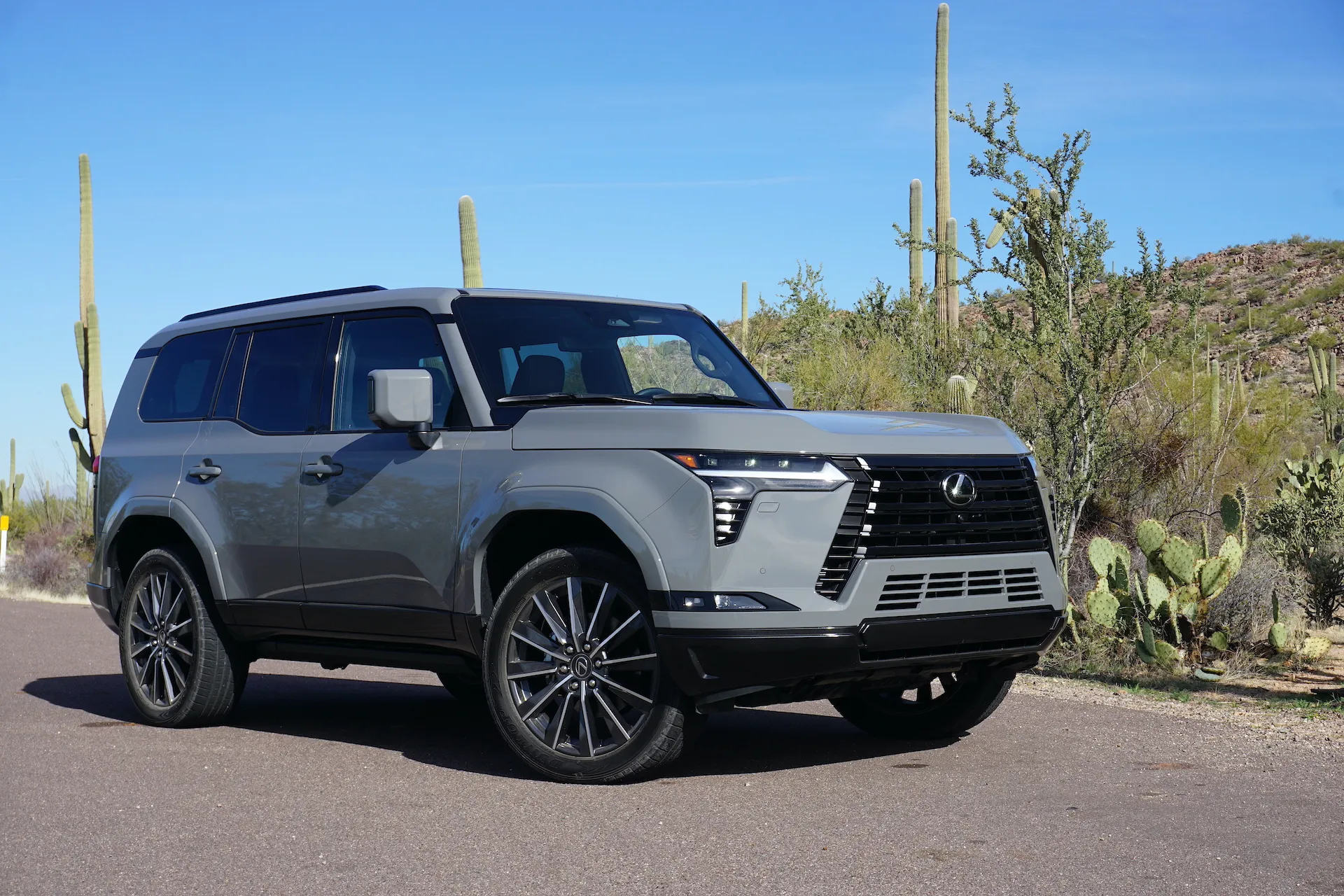
5. Lexus GX 550 Overtrail
The new-generation Lexus GX 550, particularly in its Overtrail trim, represents a significant step forward for off-road enthusiasts who want serious capability in a refined package. While Lexus has always been associated with luxury, the GX line has roots in the Toyota Land Cruiser Prado, meaning it shares its bones with one of the world’s most proven off-road platforms.
The Overtrail trim capitalizes on that foundation by incorporating features like a full-time four-wheel drive system, a two-speed transfer case, Multi-Terrain Select, and an electronically controlled locking rear differential.
What sets the Overtrail apart is how intentionally it is built for actual off-road use. Unlike standard luxury SUVs that focus more on pavement performance, the GX 550 Overtrail comes with 33-inch all-terrain tires, off-road-tuned suspension, and significant ground clearance.
Its adaptive variable suspension adjusts to terrain in real time, helping to stabilize the ride whether you’re crawling over boulders or descending steep slopes. Underbody protection is also included, which gives drivers peace of mind when dealing with sharp rocks or rugged trails.
Inside, Lexus does not abandon its luxury identity. The Overtrail still includes leather seats, premium materials, a full digital gauge cluster, and a massive infotainment screen. However, the layout and interface are clearly designed with practical use in mind.
Features like trail cameras, hill start assist, downhill assist control, and terrain view make it much easier to manage tough trails. The GX 550 also introduces Lexus’s latest off-road user interface, which gives real-time data on pitch, roll, wheel articulation, and driveline engagement.
The GX 550 Overtrail deserves credit because it doesn’t pretend to be something it’s not. It doesn’t trade its off-road ability for a sleeker look or lower stance. Instead, it embraces its role as a capable, rugged SUV that also happens to be comfortable and well-equipped.
It’s aimed at people who plan on using its features for real adventures, not just as a styling statement. In a market where many vehicles are moving away from real capability in favor of appearances, the GX 550 Overtrail stands firm with engineering that’s built for more than just looks.
5 Off-Road SUVs That Are Just for Show
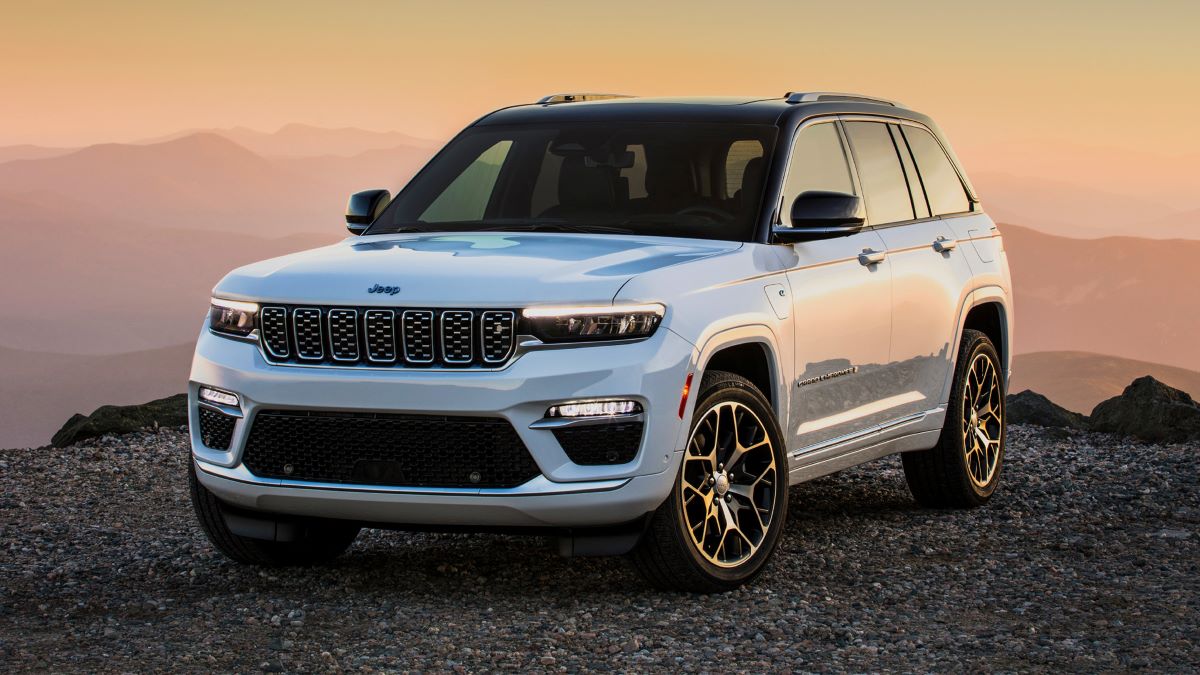
1. Jeep Grand Cherokee Overland
The Jeep Grand Cherokee Overland is often advertised with rugged imagery, portraying it as an off-road champion capable of navigating tough terrain with ease. While it does come from a brand known for off-road prowess, the Overland trim is far more aligned with luxury and style than real trail performance.
Unlike the Trailhawk version, the Overland does not come standard with many of the features necessary for serious off-roading. There’s no low-range transfer case in the standard configuration, and it lacks locking differentials, two features that are essential for crawling or uneven surfaces.
The Overland does offer an air suspension system, which can raise the ride height to improve ground clearance. However, this system is more focused on comfort and on-road dynamics than trail toughness. The suspension components and underbody protection are not robust enough to handle deep ruts or rocky climbs.
While the Grand Cherokee’s unibody platform provides good ride quality, it doesn’t offer the rigidity of a body-on-frame setup when tackling aggressive off-road conditions. Despite marketing images of the vehicle on dirt trails, the truth is that its capabilities are limited without the proper trim and equipment packages.
Another consideration is tire choice. The Overland usually comes with large-diameter wheels fitted with low-profile all-season tires that look stylish but do very little for off-road grip. These tires are prone to damage from sharp rocks or deep mud and lack the sidewall strength needed for rugged conditions.
If you’re not upgrading these tires and wheels yourself, you’re unlikely to get the traction or durability needed for anything beyond light gravel roads or groomed paths. The design was chosen more for appearance than performance.
Inside, the Overland is loaded with luxury features such as wood trim, quilted leather, a high-end audio system, and ambient lighting. While these features are pleasant, they underline the model’s focus: comfort over capability. It’s built to look the part in an urban or suburban setting, not to perform on a remote trail. For buyers who want the image of adventure without leaving paved roads, the Grand Cherokee Overland checks the boxes. But for serious off-roaders, it lacks the substance required to back up its styling.
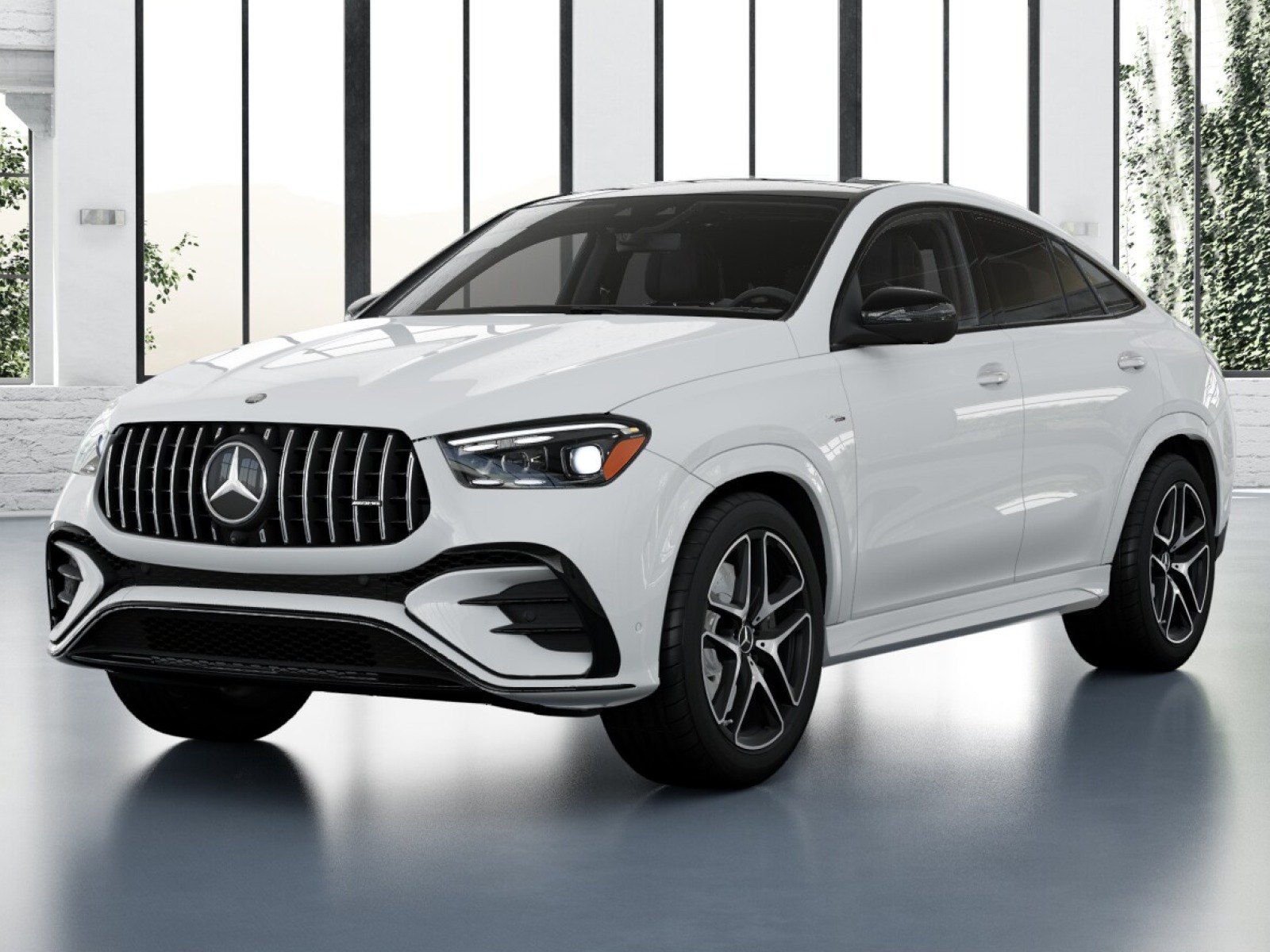
2. Mercedes-Benz GLE 450 4MATIC
The Mercedes-Benz GLE 450 4MATIC is a midsize luxury SUV that boasts advanced technology, a powerful drivetrain, and a sleek exterior. While Mercedes occasionally uses outdoor-themed marketing for this vehicle, the truth is that the GLE is far from a legitimate off-roader.
Despite having an all-wheel-drive system and some traction management software, it lacks the mechanical elements needed for serious trail use. It does not feature a low-range transfer case, nor does it have locking differentials, skid plates, or any off-road-specific suspension.
The GLE 450 is tuned almost entirely for on-road performance. Its air suspension does offer adjustable ride height, but it’s designed primarily to improve comfort and aerodynamics rather than trail clearance or articulation.
The ride is refined and composed on highways and in cities, but when taken onto rough or uneven terrain, it becomes clear that the platform is not designed to handle those conditions. The tires, like many in this segment, are road-biased and lack both tread depth and sidewall durability for rocky or muddy surfaces.
Mercedes emphasizes interior quality, and in that department, the GLE delivers. There are high-resolution digital displays, ambient lighting, soft leather, and cutting-edge driver assistance features. These comforts contribute to its premium status, but they also reinforce its role as a luxury vehicle first. Passengers are treated to an upscale environment, but there is little about the interior that suggests rugged use. The space is optimized for commuting, not for hauling gear or cleaning mud off the floors.
It’s important to note that many buyers are drawn to SUVs like the GLE for the elevated driving position, all-wheel-drive confidence in bad weather, and premium image. There’s nothing wrong with that, but calling it an off-road-ready SUV is misleading. Its real strength lies in comfort, technology, and daily usability. For those expecting true trail capability, the GLE 450 falls short, revealing itself as a refined road cruiser dressed in adventurous styling cues.
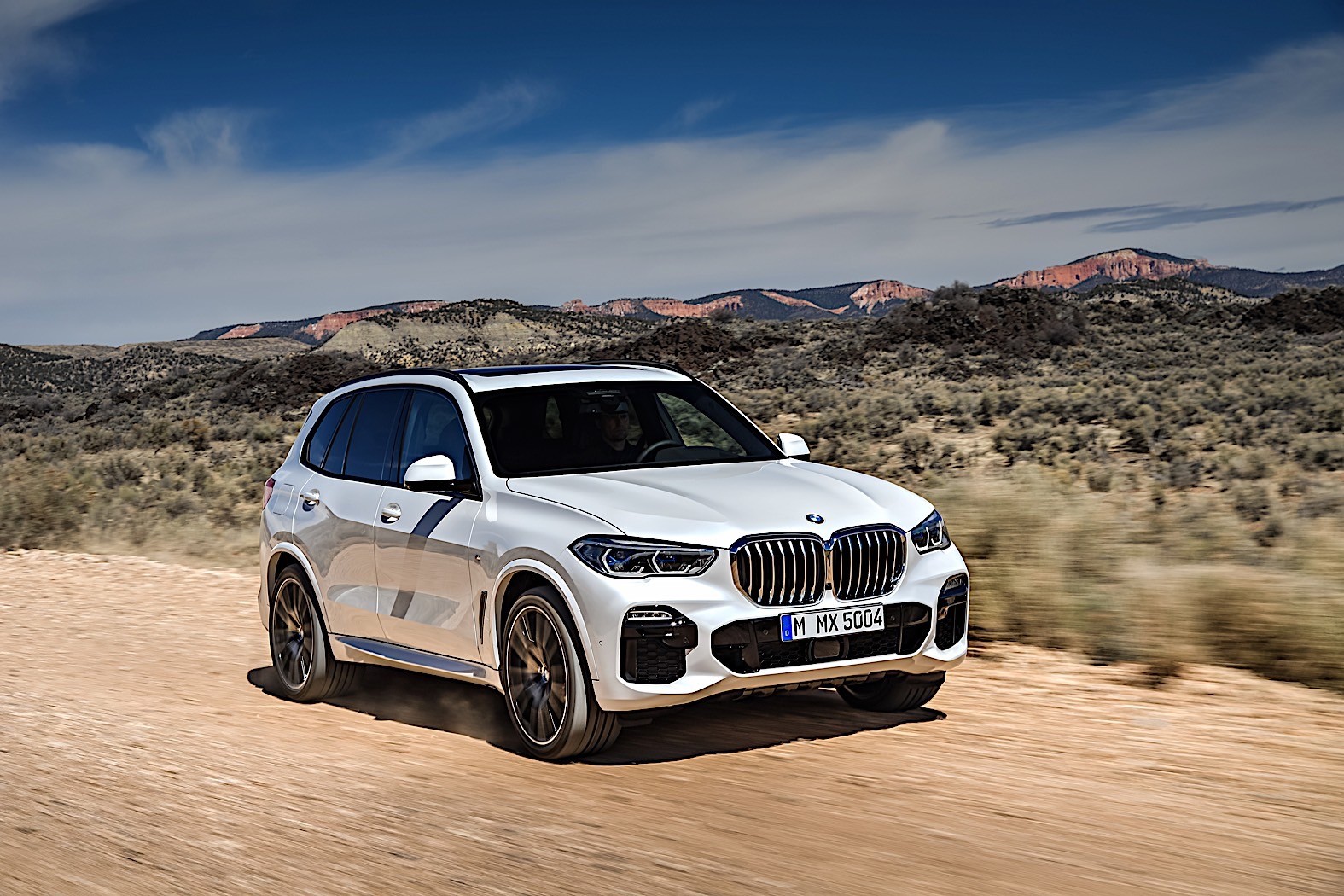
3. BMW X5 xDrive40i
The BMW X5 xDrive40i is often grouped into the luxury SUV category with an assumed air of adventure, but it’s clear that off-road performance was never its primary design goal. With aggressive styling, sporty wheels, and all-wheel-drive badging, it gives the impression of being capable on a trail.
However, its actual engineering is built around highway and urban driving, with a suspension setup and drivetrain tuned for grip on pavement rather than loose, unpredictable surfaces. It lacks the essential hardware for real off-roading, there is no low-range gearing, no locking differentials, and no underbody protection to speak of.
The xDrive all-wheel-drive system in the X5 is quite sophisticated when used on slick or wet roads. It actively monitors traction and redistributes power between the front and rear axles for stability and grip during spirited driving. However, this system is primarily electronic and not mechanical in nature.
It does not have the robustness required for uneven terrain or climbing steep inclines where wheel articulation and crawl ratios are critical. If a wheel lifts off the ground or the vehicle enters a rutted path, the system’s response is limited, and performance suffers significantly.
BMW does offer an “Off-Road Package” in some markets, but this package is modest at best. It includes drive mode adjustments and slightly more favorable approach angles, but it doesn’t fundamentally change the platform or increase durability.
The vehicle’s tires and wheels remain road-oriented, and the ride height is still too low to confidently navigate rocky or deeply uneven terrain. The X5 also features a relatively long wheelbase, which further reduces its breakover angle and makes bottoming out more likely during actual trail driving.
Inside the cabin, the X5 is designed for luxury, not for getting dirty. The materials are high-end and elegant, but not rugged or washable. The emphasis is on technology, comfort, and status. Heated and cooled seats, a panoramic sunroof, gesture controls, and leather surfaces dominate the experience.
None of these features is bad; they’re excellent for what the vehicle is meant to do. But that’s exactly the point. The X5 is a stylish, comfortable, road-focused SUV, ideal for families, executives, or long commutes. Its off-road appearance is largely for visual appeal, not trail performance, and any serious use beyond mild gravel roads will quickly expose those limits.

4. Audi Q7
The Audi Q7 is a midsize luxury SUV that projects sophistication, confidence, and performance. With its bold grille, sharp LED lighting, and Quattro all-wheel-drive branding, it presents itself as a vehicle ready to take on all types of driving conditions. But beneath the styling and polished presentation, the Q7 is largely designed for on-road excellence rather than trail exploration.
It doesn’t come with the foundational tools required for real off-road driving: no low-range gearing, no mechanical locking differentials, and no genuine underbody shielding. Audi’s Quattro system works beautifully for traction on wet or icy pavement but lacks the functionality for rugged off-road trails.
Much of the Q7’s engineering is tailored toward ride comfort and dynamic handling. It uses a unibody construction with multi-link suspension designed for absorbing bumps and cornering with precision. While it can handle light dirt roads or a snowy driveway, it’s not equipped for uneven terrain with rocks, steep inclines, or deep ruts.
Ground clearance is limited, especially with the sport-oriented trims that come with larger wheels and thinner tires. The air suspension, when optioned, can raise the body slightly, but it’s not sufficient to overcome the basic limitations of its platform or drivetrain configuration.
Another challenge for the Q7 off-road is its size and proportions. With a long wheelbase and overhangs at both ends, it struggles with approach, departure, and breakover angles. This makes it more likely to scrape or bottom out on even modest off-road obstacles.
And while it does offer a drive select system that includes “off-road” and “allroad” modes, these primarily adjust throttle response and shift points rather than providing actual traction enhancements. It gives the driver the impression of readiness, but those features are mainly cosmetic from a trail performance standpoint.
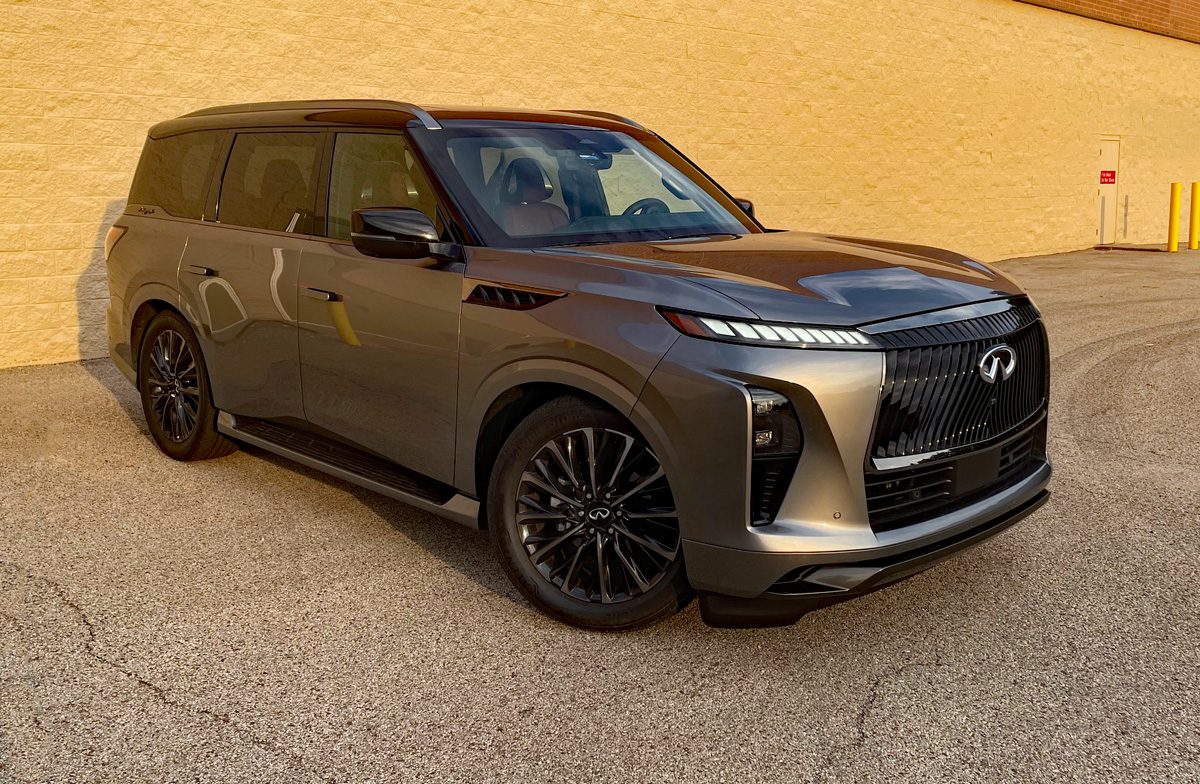
5. Infiniti QX80
The Infiniti QX80 might look like a beast with its large body, V8 power, and imposing grille, but its off-road credentials don’t quite match its size. Though it rides on a body-on-frame chassis similar to more rugged vehicles and shares a platform with the Nissan Armada, the QX80 leans heavily into luxury and highway cruising.
It does offer four-wheel drive as an option, but that system lacks the mechanical sophistication of more capable off-roaders. There’s no locking differential, no dedicated off-road crawl modes, and no real emphasis on articulation or underbody durability. Its large size and weight only further limit its practical trial usability.
What’s particularly misleading about the QX80’s appearance is how it presents itself as a strong, capable machine ready for more than just pavement. But with minimal ground clearance and poor approach and departure angles, it’s prone to dragging its bumpers and running boards when conditions get rough. Its 22-inch wheels, which come standard on higher trims, are fitted with low-profile tires that are more appropriate for urban roads than forest trails. The size and styling say “rugged,” but the components say “boulevard cruiser.”
The QX80’s suspension, while offering hydraulic body motion control, is optimized for reducing roll and bounce on pavement, not for managing rock-strewn paths or steep ascents. It’s a vehicle built to isolate passengers from the road, which works wonderfully on freeways and in urban traffic but provides very little feedback or control in rougher conditions.
The optional four-wheel drive system can help in bad weather or snow-covered roads, but it lacks the terrain-specific settings and hardware to adapt to real off-road challenges like sand, mud, or sharp elevation changes.
