
Dashboard durability might not be the first thing people consider when buying an SUV, but for anyone living in a hot climate or parking under direct sunlight, it’s a detail that can make a big difference in long-term satisfaction. The dashboard isn’t just about aesthetics; it’s a combination of structure, material quality, UV resistance, and design.
When exposed to the intense heat inside a closed vehicle, especially under the summer sun, the interior surfaces are tested beyond what many people expect. Cracks, warping, and peeling surfaces can make a vehicle that once looked refined feel aged, even if the rest of the car still runs perfectly.
This becomes especially frustrating for owners who took care of their vehicle otherwise. Cracked dashboards not only ruin the interior appearance but can also rattle, reflect light in unsafe ways, and potentially reduce resale value. Manufacturers make different choices when it comes to materials and coatings.
Some invest in soft-touch, UV-resistant plastics and foams that withstand years of heat without degrading. Others cut corners, especially in older models or in cost-sensitive markets, leading to dashboards that fall apart much earlier than expected.
There’s also a misconception that luxury brands are immune to this issue. While high-end SUVs often use premium materials, some of them still suffer from cracking dashboards due to poor design or unsuitable materials.
On the other hand, a few budget-friendly SUVs have surprisingly good track records, thanks to better engineering or updated components in later model years.
This article will compare five SUVs known for having dashboards that stay solid and clean for years, even under constant sun exposure, with five others that have developed a reputation for dashboard cracking.
Each SUV will be examined based on material choices, real-world longevity, and what owners have reported over time. If you’re shopping for an SUV and care about keeping your interior in good shape, this breakdown could save you some serious frustration later on.
Also Read: 5 Trucks with Engine Block Heaters vs 5 without Cold-Start Support
5 SUVs with dashboards that don’t crack
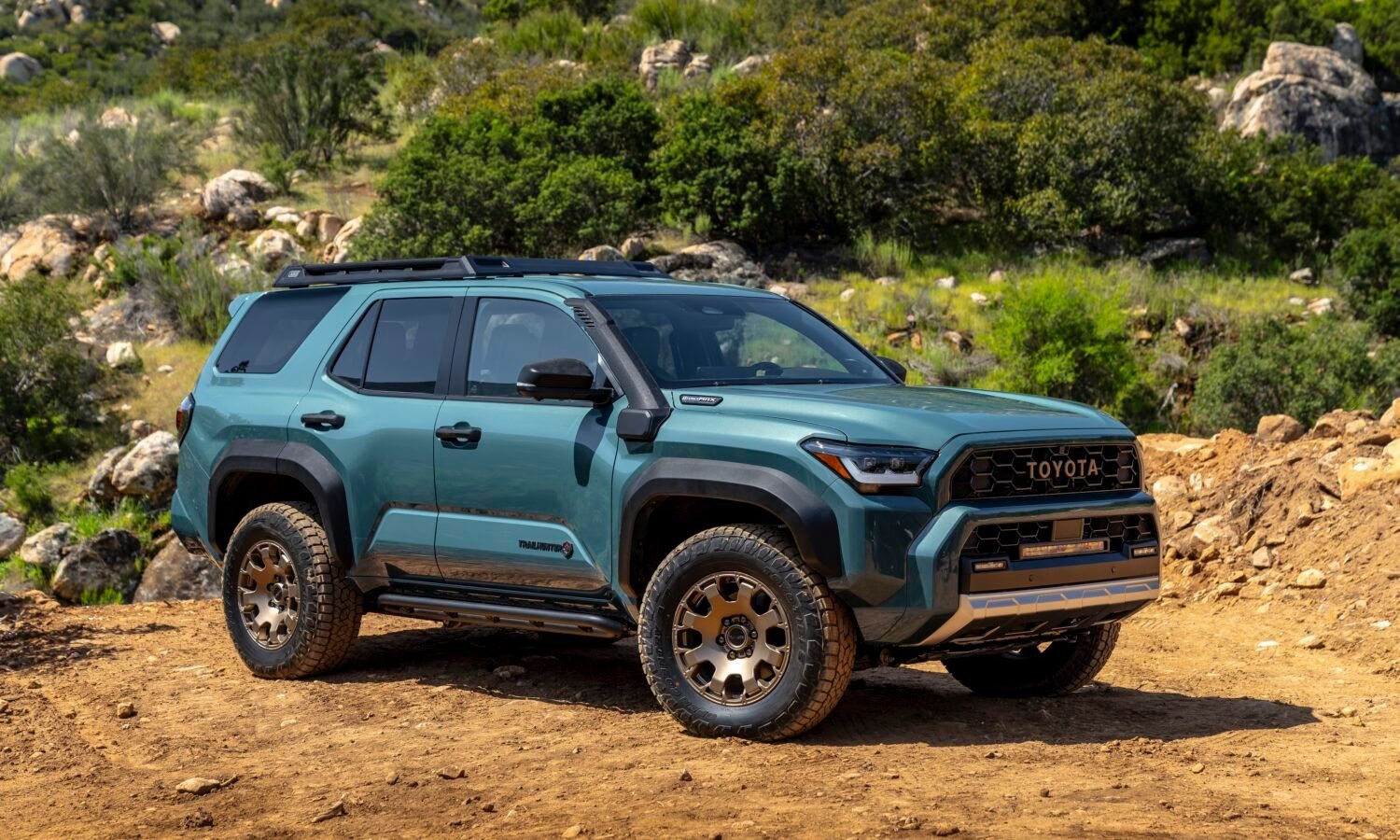
1. Toyota 4Runner
The Toyota 4Runner has built its reputation on reliability and long-term durability. One of the often-overlooked aspects of its toughness is its interior, particularly the dashboard.
Owners from places like Arizona, Nevada, and Texas regularly report that their dashboards look just as good after a decade as they did when the vehicle was new. Toyota seems to have chosen a combination of sturdy materials and thoughtful construction to keep the dash from buckling under harsh conditions.
What separates the 4Runner from others in its class is the lack of soft-touch plastics in earlier models, which might sound like a downside, but helps with durability. Instead of focusing purely on visual softness, Toyota prioritized resilience.
Even the newer models that include more refined interior materials continue to show a strong resistance to sun damage. The structure under the surface is reinforced, and UV protection is baked into the top layer of the dashboard.
Some SUVs depend too heavily on adhesives and foams to hold the dash together, which eventually break down under heat. The 4Runner’s dashboard, on the other hand, uses mechanical connections in several areas, reducing the risk of peeling or warping.
There’s also evidence that the vent layout helps reduce hot air buildup on the surface of the dash, which may help explain why it holds up better than many competitors.
With so many used 4Runners still on the road with pristine interiors, it’s no surprise that this SUV shows up on lists for best resale value and long-term ownership.
Whether you’re using it for daily commuting, road trips, or trail adventures, you’re not likely to worry about your dashboard falling apart in the sun. That’s one less thing to replace or cover up with a dashboard mat.
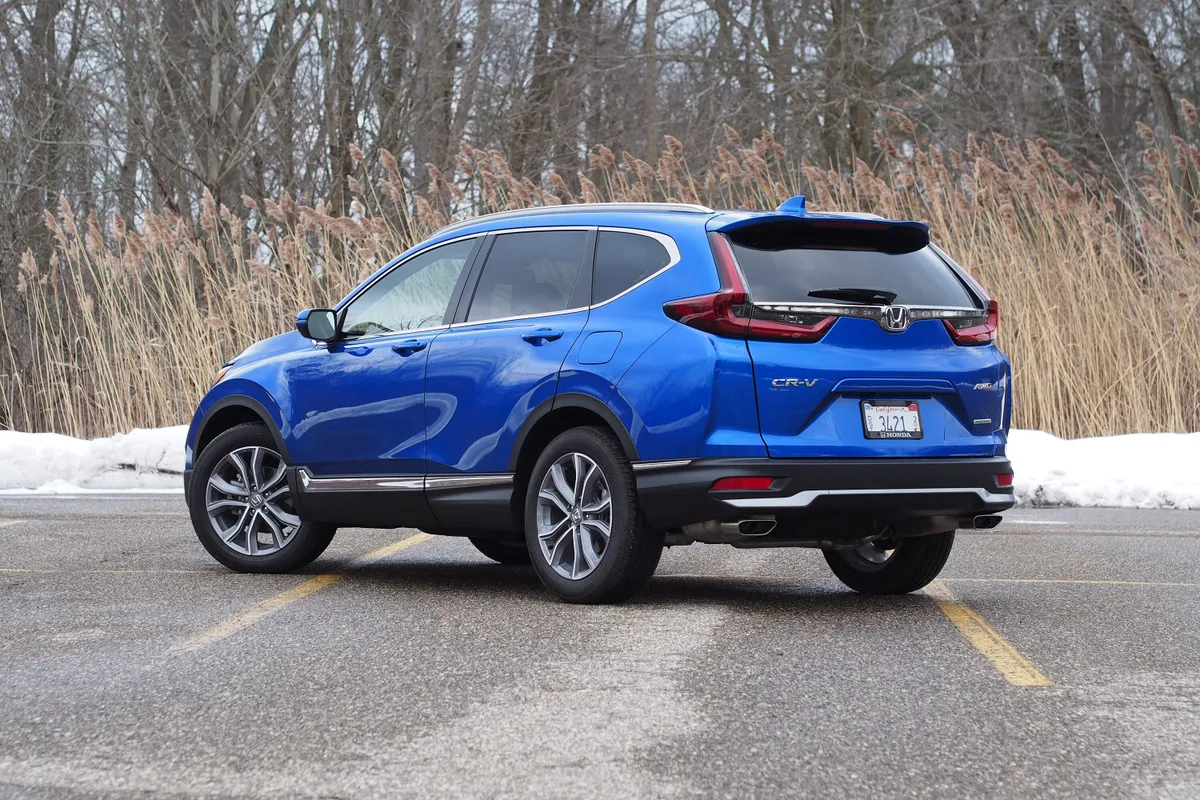
2. Honda CR-V
The Honda CR-V consistently ranks among the best-selling compact SUVs, and part of that comes from its long-term dependability, both mechanically and cosmetically.
Owners often praise how well the interior holds up over time, and dashboard durability is one area where the CR-V has quietly excelled. Unlike some rivals that show signs of cracking within just a few years, the CR-V’s dash remains intact and clean with minimal fading, even in direct sunlight.
The secret lies in the type of materials Honda uses for this SUV. Instead of using overly soft vinyl or foam layers, Honda went for medium-density plastics that are UV-resistant and don’t react dramatically to temperature swings.
The texturing of the dash surface also seems to play a role, as smoother finishes are more prone to showing stress lines and cracks, while the slightly grained surface used in the CR-V distributes heat and light more evenly.
Another factor contributing to the CR-V’s interior durability is the dashboard layout itself. The way the dash slopes and curves avoids hotspots caused by magnified sunlight.
Air vent placement and windshield angle also help disperse heat more efficiently. It’s not always the material itself that fails, but the way it’s exposed to repeated heating and cooling cycles, and the CR-V seems to have hit a sweet spot with both design and materials.
There are also very few reports of bubbling or adhesive failure beneath the dash surface, which can plague other SUVs over time.
Whether it’s a first-generation CR-V from the late ’90s or a modern hybrid version, the same level of care seems to have gone into how the dashboard is constructed. For anyone looking for an SUV where the interior will age gracefully, the CR-V is a smart and proven choice.
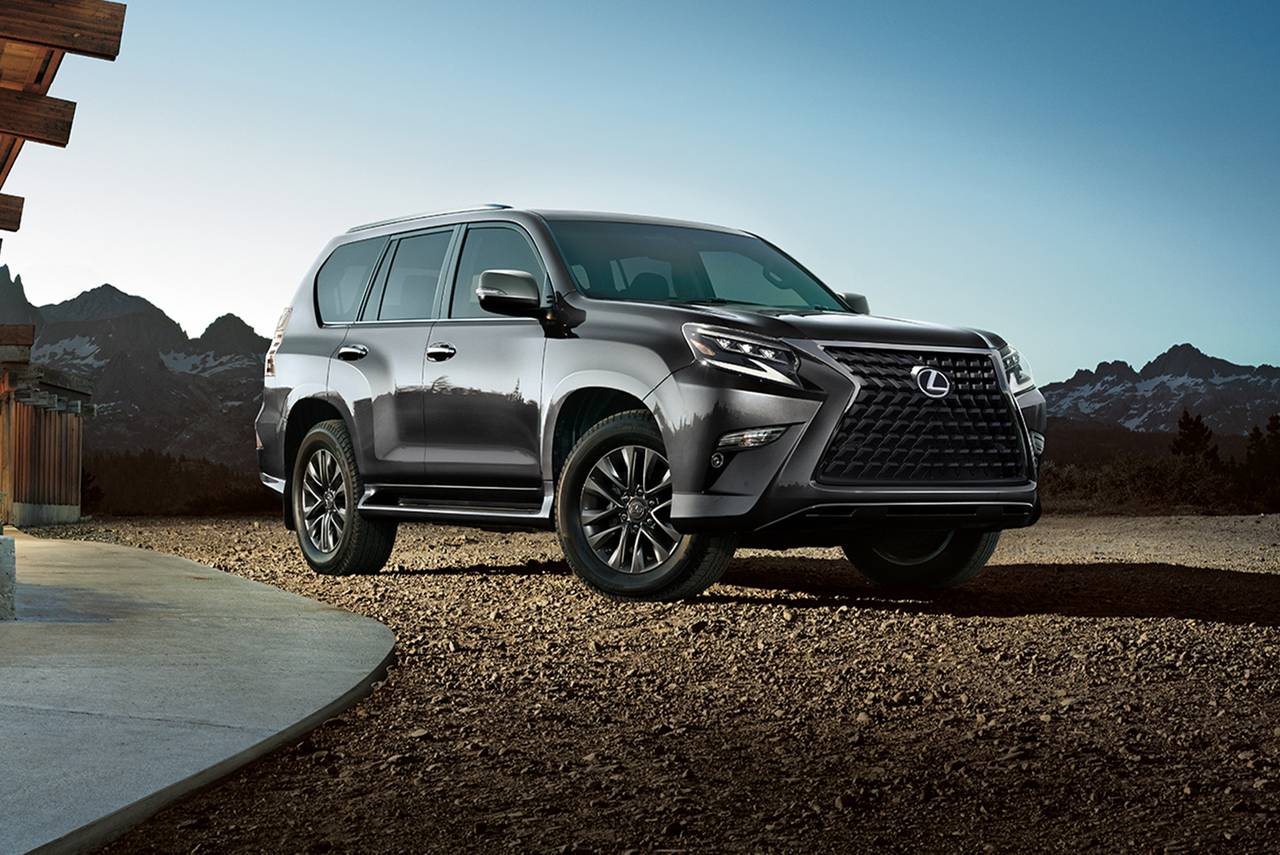
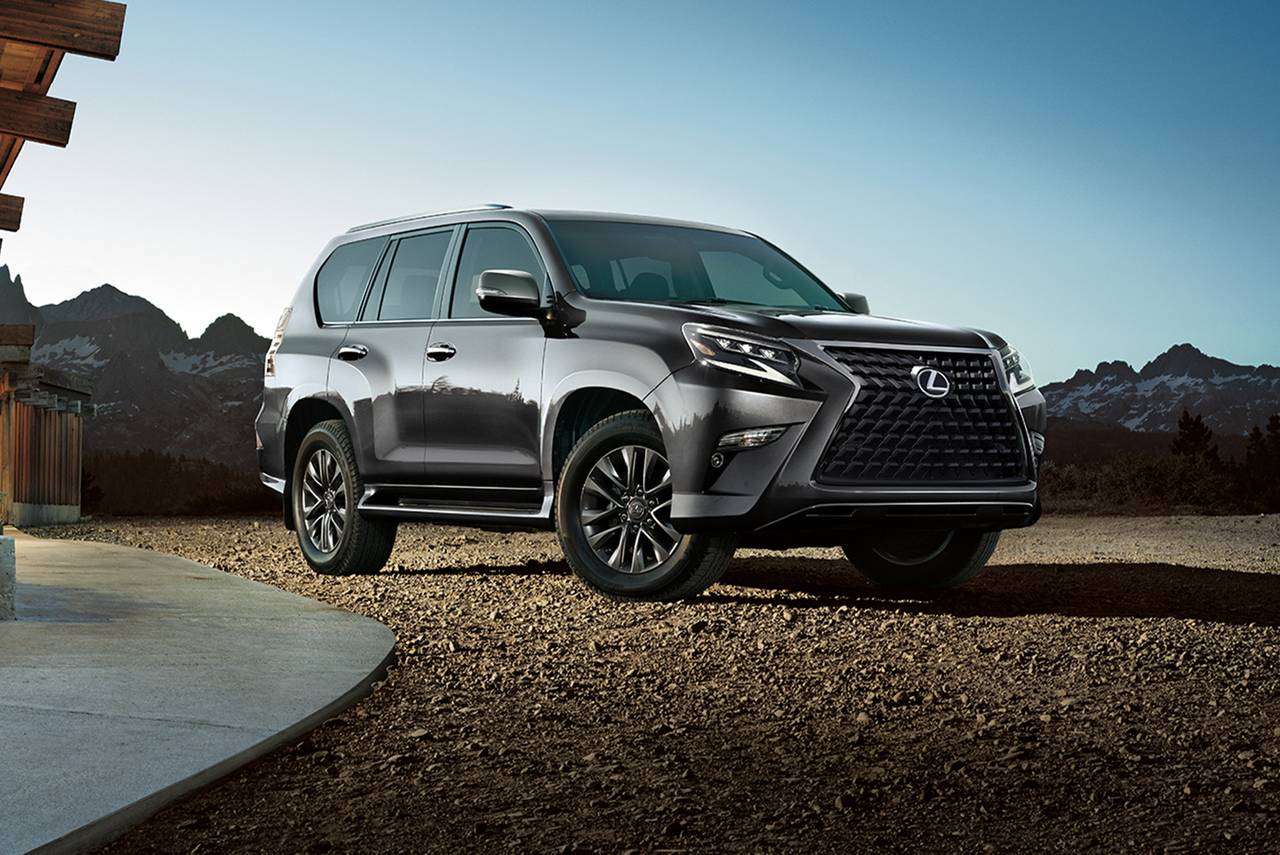
3. Lexus GX
Lexus has always aimed to deliver luxury and long-lasting quality, and the GX is a good example of that mission. One of the standout features of this SUV is how well its dashboard maintains its structure and appearance over time.
Even in warmer regions with brutal sun exposure, the GX has a solid track record of dashboards that don’t warp or crack prematurely.
Built on a platform shared with the Toyota Land Cruiser Prado, the GX benefits from Toyota’s engineering standards. The materials used in the dash are a mix of premium polymers and reinforced plastics that can handle expansion and contraction without forming stress cracks.
This SUV also includes built-in layers that resist UV radiation, something that’s crucial in desert climates where temperatures can cook a car’s interior in hours.
Lexus doesn’t just stop at materials, their fit and finish standards help reduce movement and vibration, which can lead to dashboard separation over time.
When everything is tightly secured and well-built from the beginning, the chance of something breaking apart later is lower. The GX’s design philosophy seems to follow the idea that if it looks strong, it should also be strong behind the scenes.
It’s worth noting that older GX models from the early 2000s have dashboards that still look good today if they’ve been moderately cared for. That’s a long lifespan for an interior component that’s constantly exposed to sun, heat, and friction.
People who buy these vehicles tend to keep them for the long haul, and the dashboard doesn’t give them a reason to rethink that decision. It’s one of those few SUVs where the inside can match the outside when it comes to lasting quality.
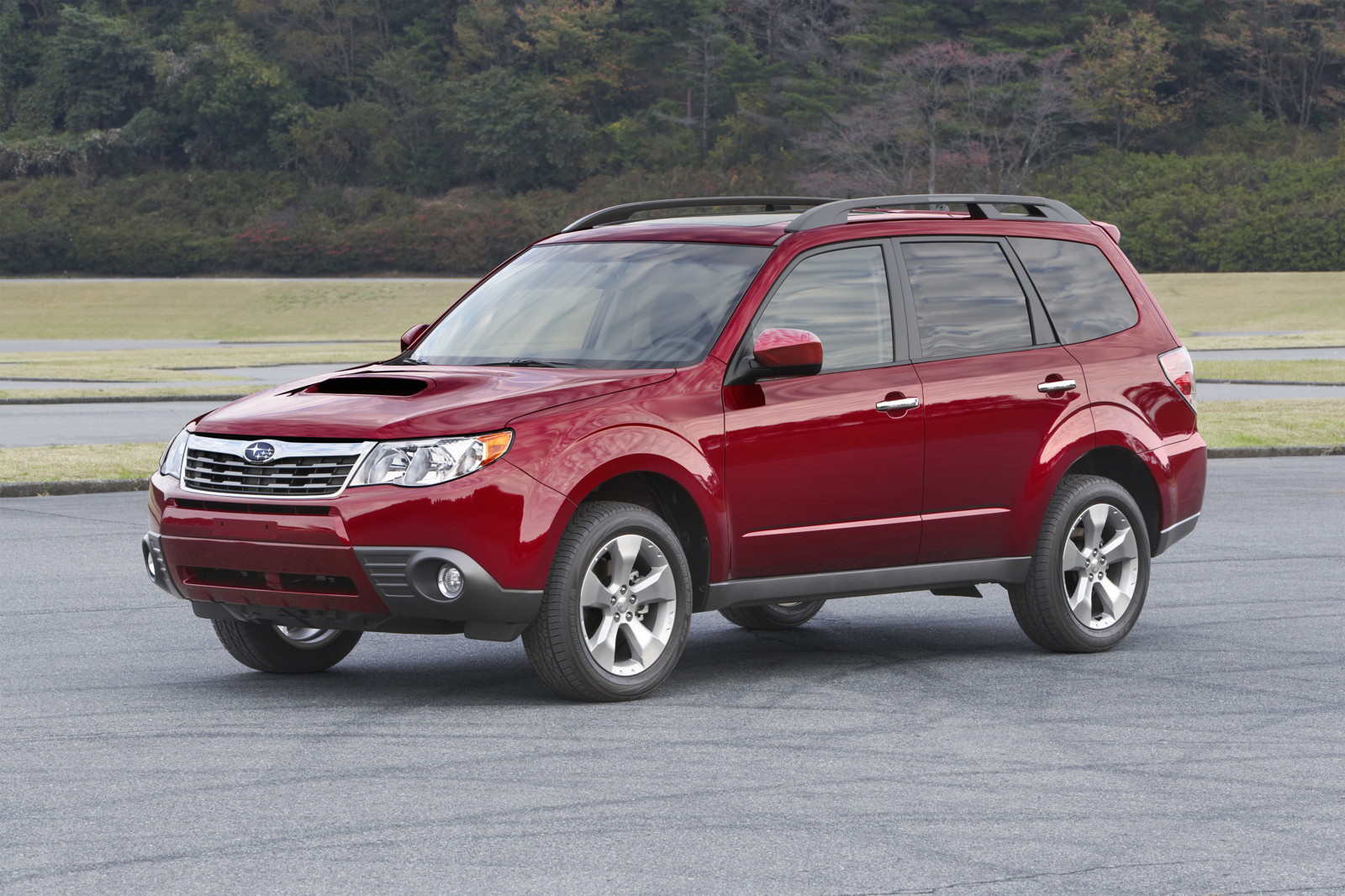
4. Subaru Forester
The Subaru Forester has earned a loyal following for its practicality and performance in all seasons, and while it’s not always considered flashy, it quietly delivers where it counts.
One of its lesser-known strengths is interior durability, particularly when it comes to dashboard cracking. For a compact SUV, the Forester’s interior materials stand up to sun exposure surprisingly well.
Part of the Forester’s success in this area comes from Subaru’s attention to regional demands. This SUV is popular in places with both cold winters and hot summers, so its components have to survive extreme shifts in temperature.
Subaru uses durable plastics that resist brittleness, which often causes cracks to form in dashboards exposed to heat. The dashboard may not feel luxurious, but it’s tough and maintains its form.
Another point in the Forester’s favor is how well the dash is insulated from direct sunlight. The shape of the windshield and dash minimizes direct sun concentration on one specific area.
Additionally, the surface coating used on the dashboard has been designed to absorb less heat while still resisting fading and drying. It’s not something owners usually think about, but it makes a big difference over time.
Owners of ten-year-old Foresters often comment on how the interior still looks new. It’s a rare thing to see in vehicles that have spent most of their lives in sunny parking lots.
There are a few widespread complaints about cracking, warping, or peeling from Forester dashboards, which makes it a reliable pick for those who want a low-maintenance cabin. It may not grab attention with flashy tech or wood trim, but it’s built to last, which is what counts when the sun is blazing.
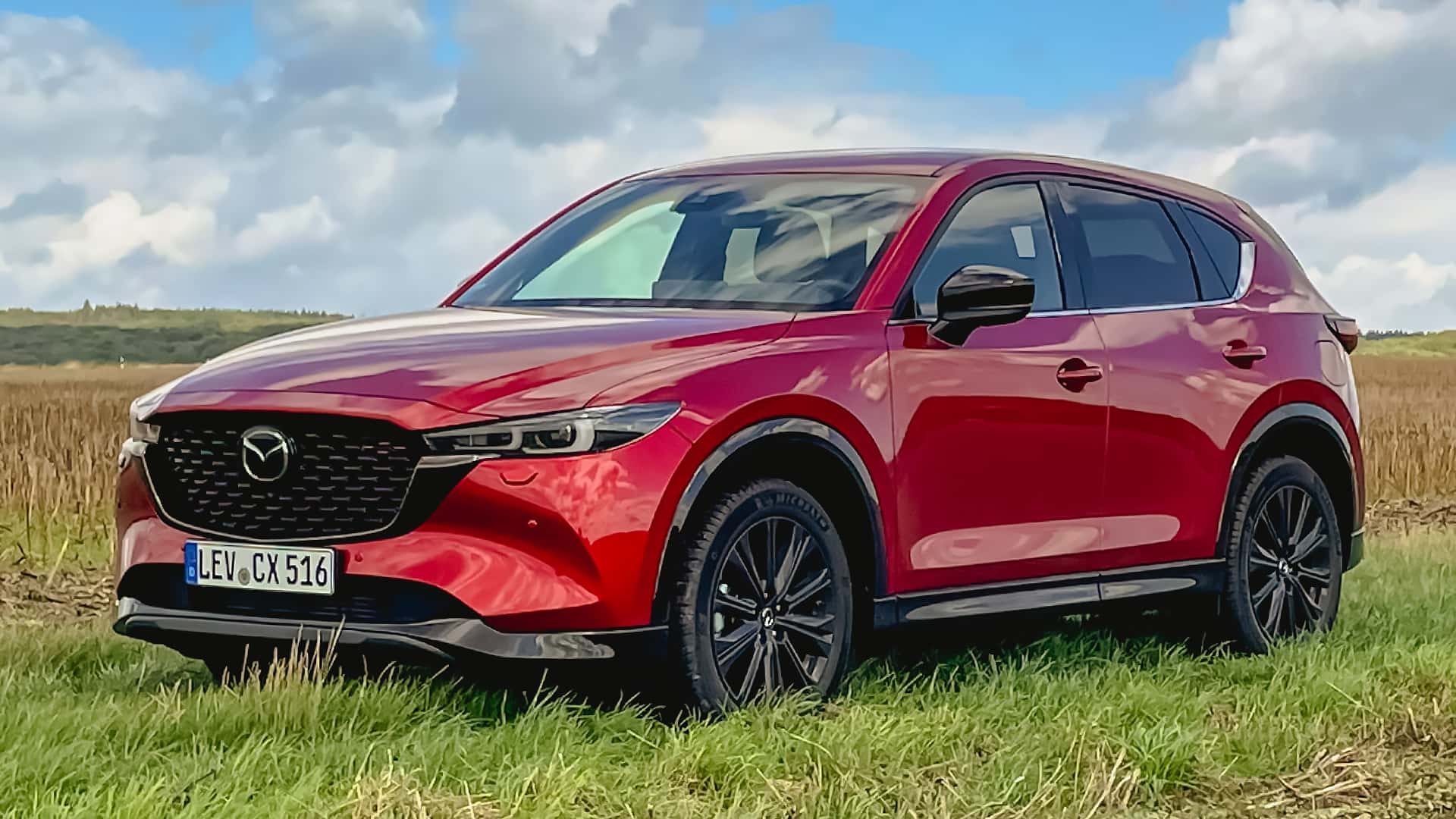
5. Mazda CX-5
The Mazda CX-5 offers a blend of modern design and smart engineering, and that includes how it handles heat inside the cabin. While Mazda vehicles once had a reputation for average interior durability, the CX-5 helped change that.
From the first generation onward, this compact SUV has featured dashboards that stand up well under constant exposure to heat and sunlight.
Mazda made improvements to its interior plastics by focusing on temperature stability and chemical resistance.The materials used in the dashboard don’t dry out easily, even when parked outside without shade.
This is especially important in regions where vehicles are routinely exposed to intense heat for months at a time. The textured surface of the dashboard is designed to prevent microcracking and surface peeling, two of the most common symptoms of sun-damaged interiors.
Even after several years of regular sun exposure, most CX-5s show no signs of dashboard failure, which is more than can be said for many of its competitors in the same price range.
A key part of this success lies in Mazda’s shift toward more refined and better-tested materials in their interiors after 2012. Before this, some Mazda vehicles had issues with fading and wear, but with the release of the CX-5, Mazda put real focus on making the cabin more resilient.
As a result, both the soft-touch areas and the harder plastics have proven capable of maintaining their integrity.
There’s also less reliance on glossy finishes that tend to show damage more easily under sunlight. The dashboard surface is matte and subtly textured, which not only resists glare but also minimizes thermal buildup on hot days.
Another factor that helps the CX-5 stand out is its cabin layout. The dashboard isn’t too flat or too angled, which helps disperse heat rather than focusing it in one area.
Combined with well-positioned vents and good airflow, the interior doesn’t experience the temperature spikes that can crack poorly designed dashboards.
This level of balance between style and functionality is something Mazda has quietly mastered. Owners benefit from a dashboard that looks upscale but doesn’t require special maintenance to stay intact.
5 SUVs with dashboards that crumble in the sun
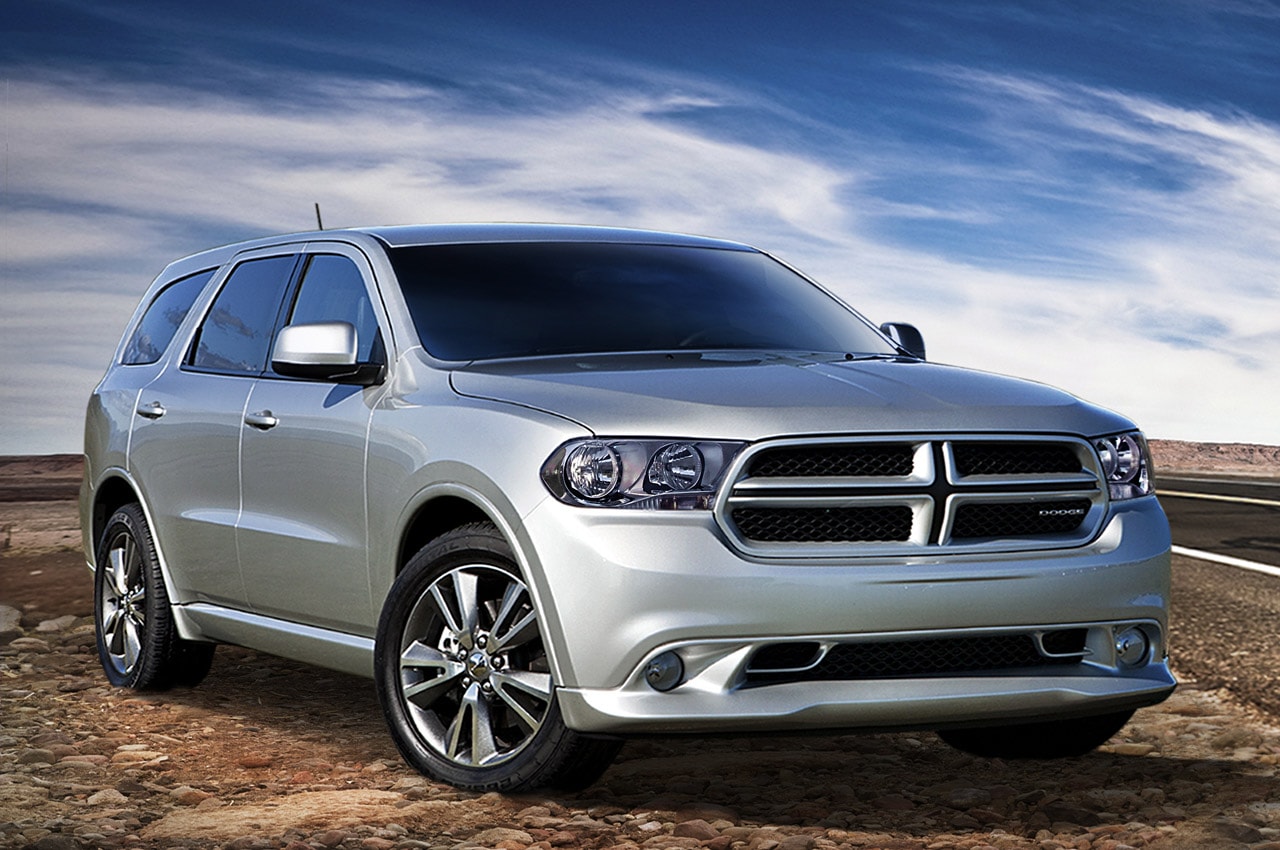
1. Dodge Durango (Early 2000s models)
The early 2000s Dodge Durango is a prime example of an SUV that didn’t hold up well under sun and heat, particularly when it came to dashboard quality. Owners of these models frequently report dashboards that cracked, caved in, or even broke into pieces over time.
This wasn’t a rare problem, it was widespread enough to form a pattern that made its way into automotive forums, repair shops, and customer complaints. The issue was especially bad in sun-heavy states like Florida, Arizona, and California, where UV exposure can be relentless.
The root of the problem lies in the materials Dodge used at the time. The dashboards in these Durangos were made with thin, brittle plastics and featured minimal UV protection. Unlike the sturdier dashboards in some of their competitors, these were prone to shrinking, cracking, and eventually breaking off entirely.
The sun would cause the plastic to expand and contract rapidly, which introduced stress fractures. Over time, the dashboard became so fragile that simply pressing on it could cause sections to crumble or cave in.
Another major issue was the lack of reinforcement underneath the dash surface. Instead of using a denser foam or solid structural base, the plastic top was left unsupported in many areas.
This led to sagging, vibrations, and in some cases, visible holes appearing near the defrost vents and instrument clusters. Even when the cracks were initially minor, they often spread rapidly once they began. Some owners tried to use dashboard covers, but these only served as band-aids rather than true solutions.
The problem was serious enough that aftermarket companies started producing full replacement dash shells, which became a common fix among owners.
While the Durango has improved in later generations, the legacy of the early 2000s models still haunts Dodge’s image when it comes to long-term interior quality. Buyers looking at used SUVs from this period are often warned to check the dashboard condition first, because it might already be disintegrating, even if the rest of the vehicle looks fine.
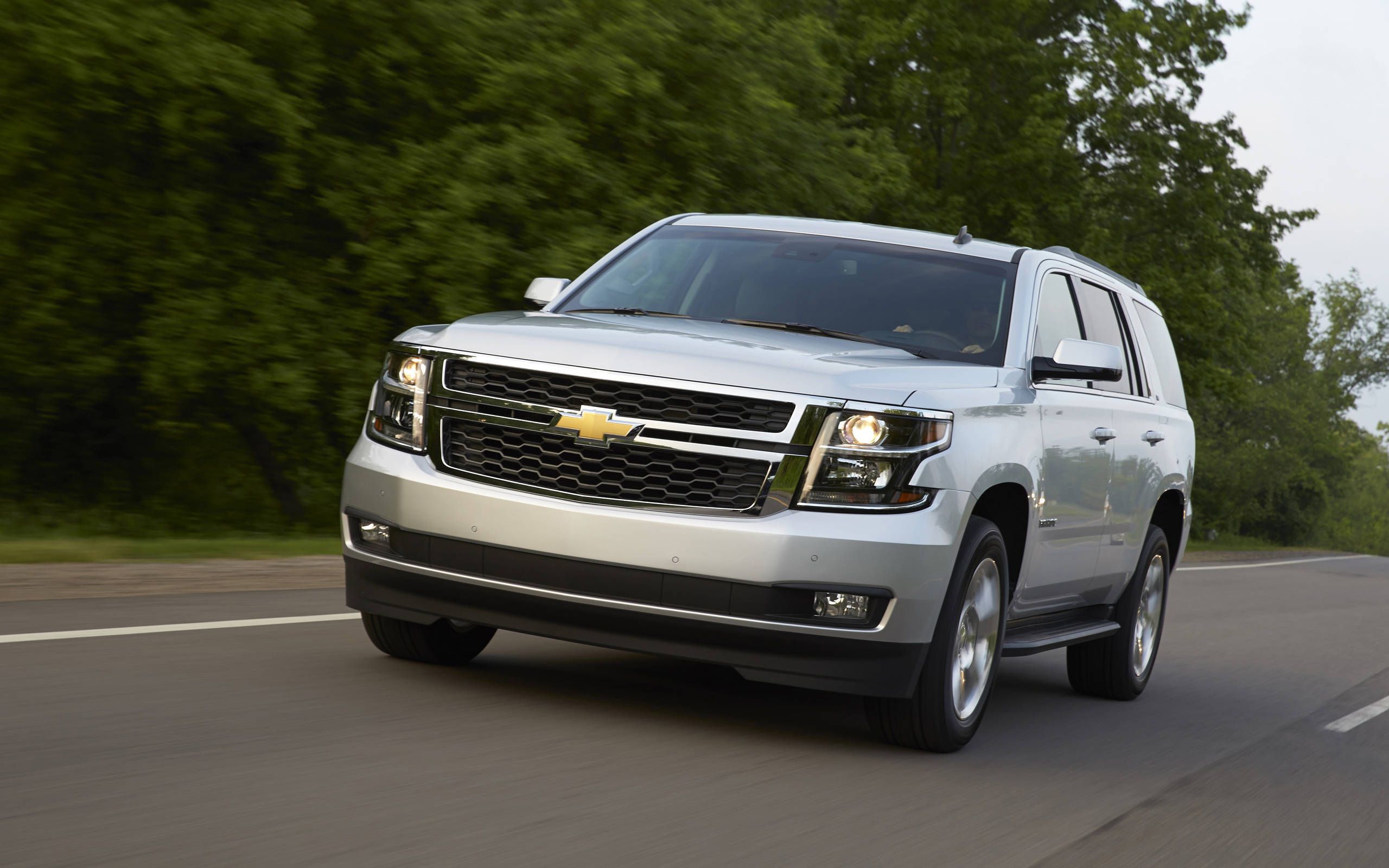
2. Chevrolet Tahoe (1999–2006)
The Chevrolet Tahoe from the late ’90s through the mid-2000s has developed a reputation for dashboard problems, especially under hot weather conditions. While this SUV was known for its rugged capabilities and large family-friendly design, the interior didn’t hold up quite as well as its drivetrain.
Owners in southern climates frequently complained about dashboards that developed large cracks near the passenger airbag and instrument panel. These weren’t just minor hairline cracks either some of them widened into major gaps that eventually turned into full sections of broken plastic.
GM used a type of hard plastic in the Tahoe dashboards that was more vulnerable to heat and UV radiation than what some other manufacturers chose during the same period. Once exposed to repeated cycles of heating and cooling, the surface lost flexibility and became brittle.
It wasn’t long before cracks started to form, particularly in areas where the dash curved or had built-in seams. These weak points acted like fault lines where heat stress would lead to full breakage over time.
One of the most noticeable signs of degradation came from the area around the defroster vents. The plastic surrounding these vents would often collapse or break entirely, leaving open holes that affected both the look and function of the HVAC system.
As with the Durango, some Tahoe owners turned to aftermarket covers and full dash replacements. However, many of these fixes were cosmetic and didn’t stop the underlying problem, which was a fundamental issue with the material composition.
Chevrolet didn’t issue any large-scale recalls for this problem, which only added to owner frustration. Those who bought these SUVs expecting long-term durability were often disappointed by how quickly the dashboard deteriorated in sunny environments.
While newer generations of the Tahoe have addressed many of these issues, these older models serve as a cautionary tale of what can happen when cost-cutting decisions ignore long-term environmental wear and tear.
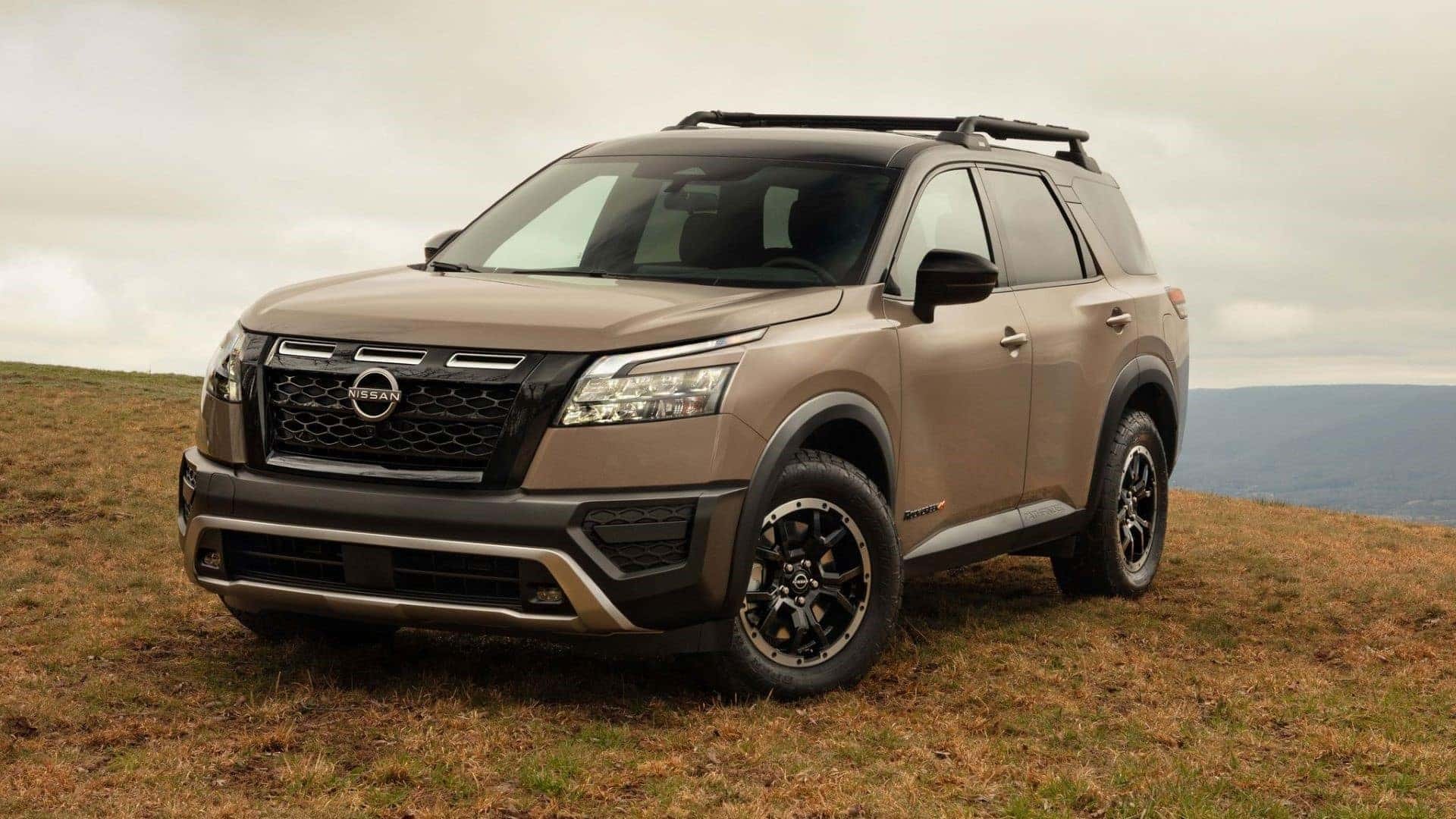
3. Nissan Pathfinder (2005–2012)
The Nissan Pathfinder from the mid-2000s into the early 2010s went through a period where dashboard quality took a noticeable hit.
Although this generation was praised for its ruggedness and V6 performance, it became infamous among owners in warmer climates for dashboards that cracked, melted, or turned sticky over time. What started as a minor issue for some quickly turned into a full-blown headache, especially in areas like the American Southwest.
What’s particularly frustrating about the Pathfinder is that the dash material not only cracked, but in many cases, became soft and sticky. This gooey texture made cleaning the dash nearly impossible and created a surface that could attract dust and debris.
Some owners compared it to the feeling of melted rubber or tar. This was likely due to the breakdown of the chemical compounds in the plastic and the adhesive beneath the surface, both of which were poorly suited for high temperatures and prolonged UV exposure.
As the material deteriorated, cracks would often form around the center console, glovebox, and air vents. The dashboard surface began to lose its original form, and entire chunks could eventually peel away. This was not just a cosmetic issue.
The surface condition affected the visibility of important displays, reflected light in unpredictable ways, and created distracting glare for drivers. For many, replacing the entire dash was the only viable solution, and even then, the new parts didn’t always resist the same issues.
Despite growing complaints, Nissan did not offer a consistent warranty remedy or customer support solution across the board. Some owners in select regions received limited assistance, but for many others, the cost of repair fell entirely on them.
This led to widespread dissatisfaction, and the issue became a blemish on what was otherwise a capable SUV. It remains one of the most discussed problems among used Pathfinder buyers today, especially those hunting for models in good condition.
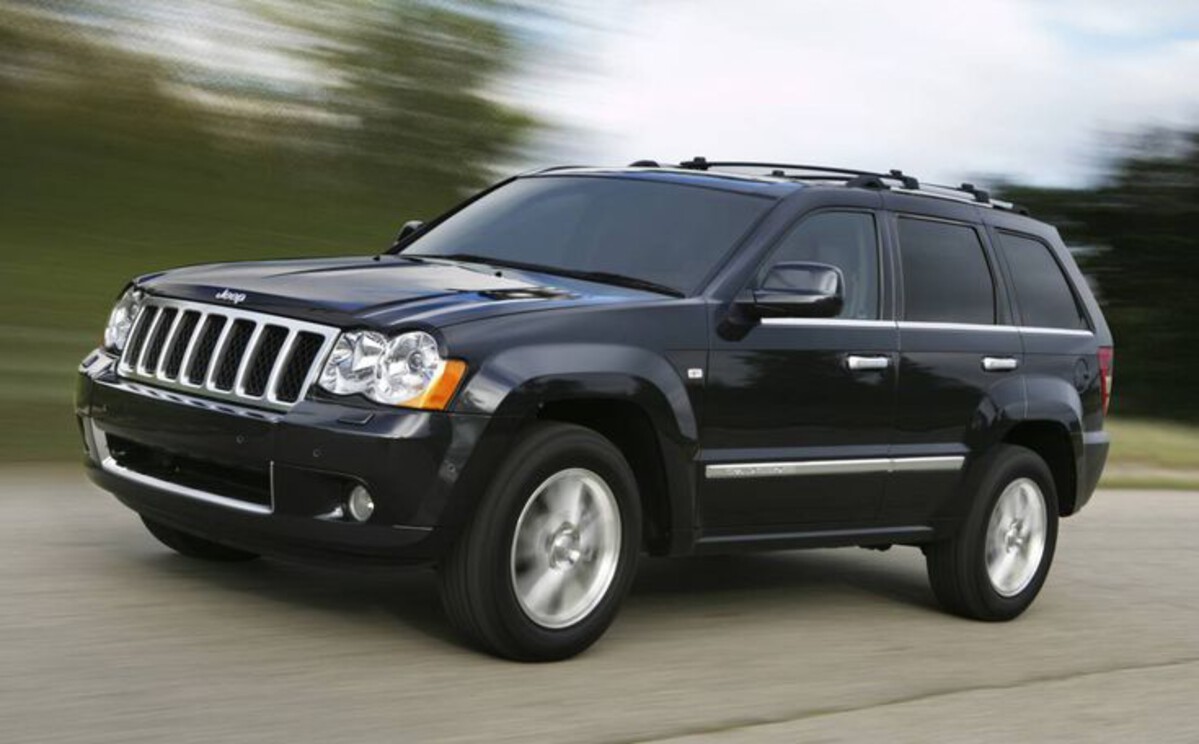
4. Jeep Grand Cherokee (1999–2004)
The Jeep Grand Cherokee from the turn of the century is a favorite among off-road enthusiasts and SUV fans alike, but its dashboard has become one of the most frequent complaints among long-term owners.
Specifically, models from around 1999 to 2004 have been prone to severe dashboard deterioration, especially in areas with intense heat and sunlight. While the vehicle itself could handle rugged terrain, the materials used in the cabin didn’t stand up to the more subtle but equally damaging effects of UV rays.
One of the key issues was the use of low-grade vinyl-like plastics on the surface of the dash. These materials lacked adequate UV stabilizers, so prolonged exposure to sunlight caused the top layer to dry out quickly.
As the dash heated up and cooled down each day, the material would shrink, leading to spider-web cracking patterns, particularly around the center and near the windshield. These areas are most exposed to direct sunlight and therefore break down more rapidly.
The dashboard wasn’t just prone to cracking. In many cases, sections of it would begin to lift or curl at the edges, especially where vents or seams had been placed. Once the warping began, the interior would develop rattling noises and misalignment issues that could interfere with proper HVAC operation or airflow.
Drivers often complained that the dashboard didn’t just look broken, it felt unstable, like it might fall apart entirely. Some even reported that cracked sections created sharp edges, which became a minor safety concern in case of airbag deployment.
Despite the popularity of the Grand Cherokee, Jeep did little to correct the problem during this production cycle.
This left owners to turn to third-party solutions like molded dash covers, fabric mats, or complete replacement dashboards each of which could cost hundreds of dollars and still might not last much longer than the original.
It’s a frustrating oversight in what is otherwise a tough, versatile SUV. And for used buyers today, it’s often one of the first things to check before finalizing a deal on an early-2000s Grand Cherokee.
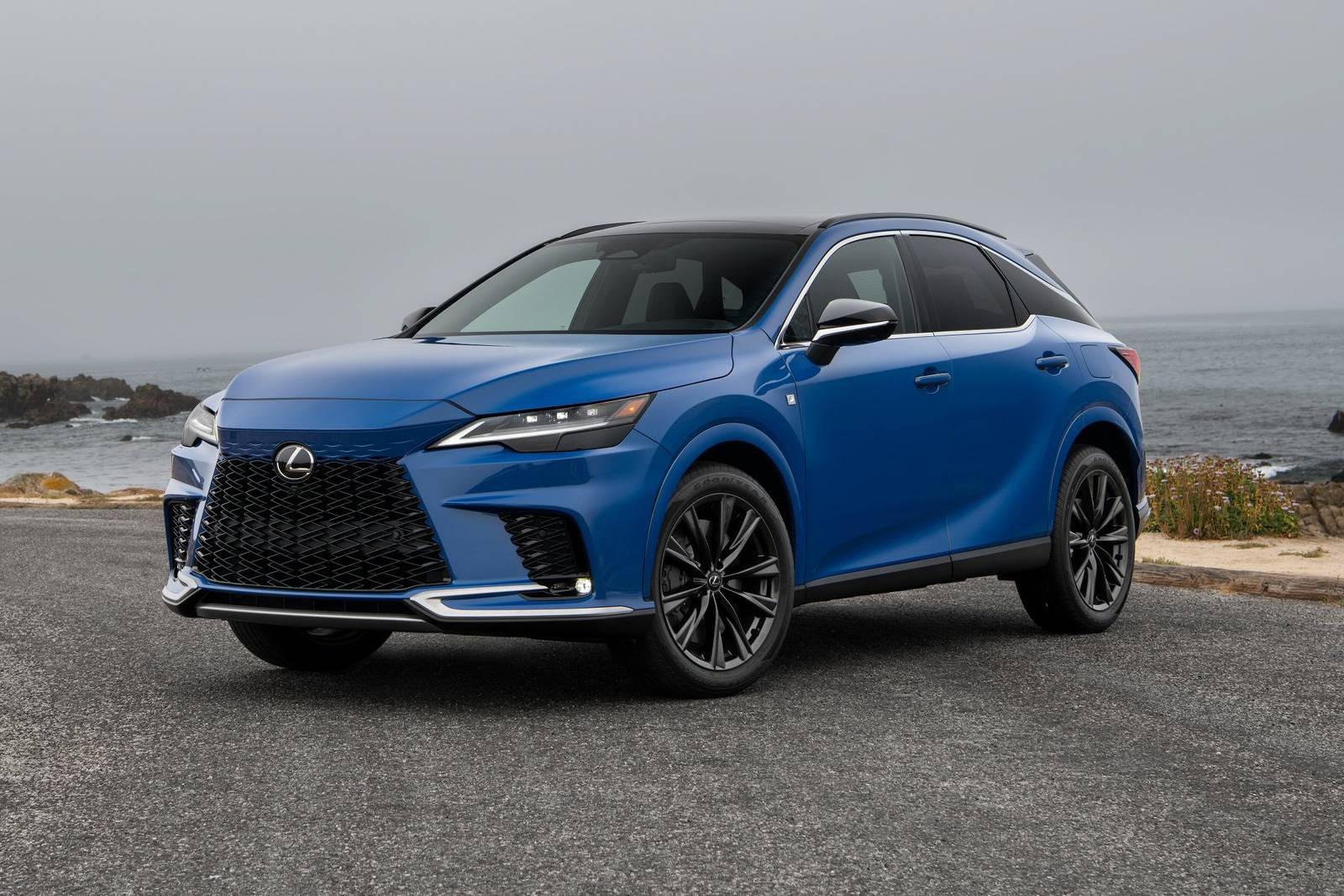
5. Lexus IS and RX (2007–2012)
While Lexus generally has a strong reputation for long-term quality, the IS and RX models produced between 2007 and 2012 stand out as rare exceptions.
These luxury vehicles were packed with features and styled beautifully, but many owners quickly discovered that the dashboard materials couldn’t hold up to heat and sun exposure. Specifically, dashboards began to melt, crack, or become sticky within just a few years, especially in climates like Florida, Texas, or Southern California.
The issue wasn’t just cosmetic. The dash surfaces in these models often turned soft and tacky to the touch, as though they were melting. This created a texture that trapped dust, left fingerprints, and even stuck to items placed on it.
In some vehicles, the dashboard would emit a strong chemical odor when heated, likely due to the breakdown of synthetic components used in the manufacturing process. This was especially disappointing for buyers who expected luxury-level durability from a high-end brand.
Cracking followed soon after the stickiness set in. Once the dash lost its structural integrity, small fractures would form around air vents and control panels. Over time, these cracks would widen into large breaks that couldn’t be repaired without replacing the entire dashboard.
Unlike some mainstream brands, Lexus dashboards were harder to replace due to their integrated electronics, stitched panels, and complex mounting systems, making fixes expensive and time-consuming.
To their credit, Lexus eventually acknowledged the problem and offered a limited warranty enhancement program for some affected models. However, the coverage was time-bound and not available for all customers, especially those outside the United States.
As a result, many owners had to cover the full cost of dashboard repairs themselves. The problem tarnished the otherwise solid image of these Lexus vehicles and remains a black mark on the company’s record for interior quality during that era.
Also Read: 5 Engines with Oversized Oil Pans vs 5 with Stock Pans That Crack
Dashboard durability may seem like a minor detail during the car-buying process, but over time, it becomes one of those small factors that make a big difference in ownership satisfaction.
A cracked, warped, or sticky dashboard can change how you feel about your vehicle every time you get behind the wheel.
It can reduce resale value, interfere with safety features, and create constant visual irritation even in vehicles that still run perfectly. When it comes to long-term quality, interior components matter just as much as what’s under the hood.
The five SUVs with reliable, sun-resistant dashboards, Toyota 4Runner, Honda CR-V, Lexus GX, Subaru Forester, and Mazda CX-5, have all proven themselves in harsh conditions.
These vehicles demonstrate that good engineering and material choices can preserve the look and feel of a car for many years.
They tend to avoid common shortcuts in dashboard construction and instead focus on materials that are properly treated, reinforced, and tested against heat. This makes them better suited for people who live in sunny climates or park their vehicles outdoors regularly.
On the other hand, the five models with dashboard issues, Dodge Durango (early 2000s), Chevrolet Tahoe (1999–2006), Nissan Pathfinder (2005–2012), Jeep Grand Cherokee (1999–2004), and Lexus IS/RX (2007–2012), represent a collection of otherwise capable vehicles let down by poor interior choices.
Whether it’s brittle plastic, sticky surfaces, or structural weaknesses, each of these models has faced widespread dashboard failure that owners didn’t expect. These issues often show up after warranties expire, leaving drivers to either pay for costly repairs or live with a deteriorated cabin.
Buyers looking at used SUVs would be wise to pay attention to the dashboard condition when evaluating a vehicle.
Cracks and defects can reveal more than just cosmetic wear, they can be signs of wider quality control issues. While no SUV is immune to wear and tear, some have been built with greater attention to environmental stress and long-term comfort.
If a clean, stable interior is important to you, it’s worth choosing a model with a strong reputation for dashboard durability. After all, you’ll be spending a lot of time inside your SUV and the dash will always be front and center.
