
When it comes to modern SUVs, people often focus on horsepower, off-road capability, infotainment, and advanced safety features. But sometimes, the most noticeable features during daily use are the smallest ones. Among these, cup holders hold a surprisingly critical spot.
Whether it’s your morning coffee, a cold water bottle, or your kid’s juice box, where and how cup holders are placed can significantly impact how comfortable or frustrating your drive becomes.
No one wants to awkwardly reach behind their elbow or juggle a drink between their legs because the interior design failed to account for basic convenience.
Cup holders have evolved. They’re no longer just shallow holes in the center console. Some are deep and adjustable. Others come with grips to hold multiple cup sizes.
Some are temperature-controlled, allowing your drink to stay hot or cold. But even the most advanced cup holder is worthless if it’s in the wrong spot.
Imagine buying a $50,000 SUV and finding out there’s no front cup holder for the passenger. Or worse, the rear-seat passengers get none at all unless they fold down the middle armrest, which isn’t always practical when there’s a third person seated.
People might laugh off cup holders as a trivial concern until they’re stuck in traffic, balancing a drink between their knees. Families with kids, rideshare drivers, and long-distance commuters know the value of these little compartments.
It’s not about luxury; it’s about function and common sense. The best SUVs think about the user experience at every level, including how and where drinks will be placed.
In this article, we’ll take a detailed look at five SUVs that got their cup holder placement right and compare them to five that left drivers and passengers wondering what went wrong. From front-row convenience to back-seat usability, we’ll assess how well these vehicles incorporate everyday practicality into their interior designs.
No internet research here, just a thoughtful analysis based on general knowledge, automotive logic, and how these features tend to work in real-world settings. Let’s break down which SUVs get it right and which ones could use a serious redesign in this small but impactful department.
Also Read: 5 Cars with Backup Cameras You Can Trust vs 5 That Are Blurry and Useless
5 SUVs With Cup Holders in the Right Spots
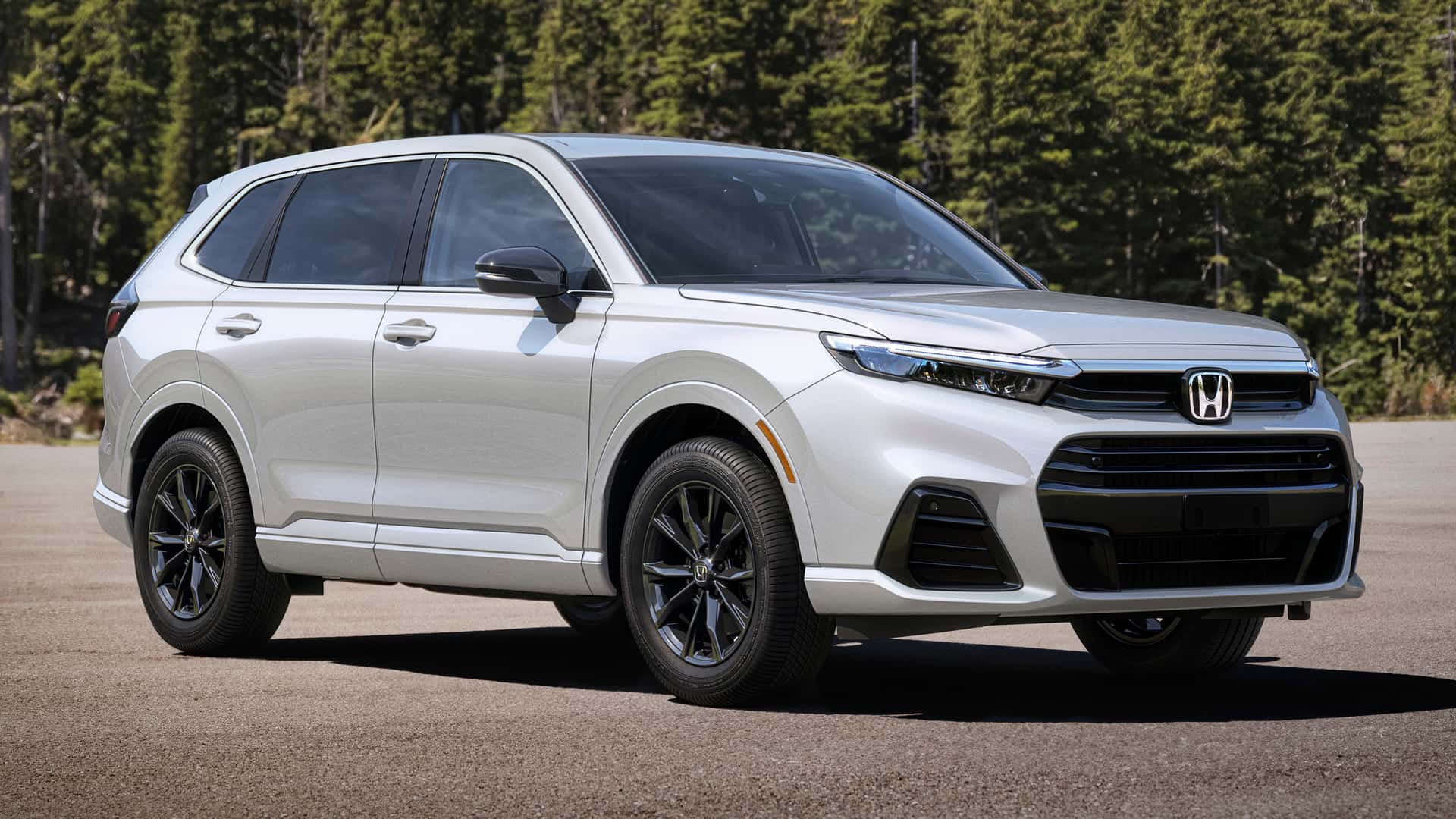
1. Honda CR-V
The Honda CR-V has long been known for its practicality, and its cup holder layout is no exception. In the front, the CR-V offers two generously sized cup holders between the driver and passenger seats.
These are deep enough to hold taller bottles and feature rubber grips to prevent drinks from sliding around. They’re also far enough apart that large drinks don’t bump into each other. This might seem like a minor design choice, but it actually makes a big difference during long drives.
Rear-seat passengers aren’t forgotten either. The CR-V includes cup holders in the rear armrest, which folds down from the center of the back seat. But unlike some SUVs, the CR-V also integrates door-mounted cup holders.
This means that if three people are sitting in the back and the armrest is up, the passengers still have a convenient place to stash drinks. Families and rideshare drivers particularly appreciate this layout because everyone, no matter where they’re seated, has a place for a beverage.
The placement is ergonomic. Whether you’re reaching from the driver’s seat or sitting in the back, you’re not forced to stretch awkwardly or twist your body.
This makes the cup holders not just available, but usable without discomfort. They don’t interfere with armrests, gear shifters, or other controls, which is often a problem in poorly designed interiors.
Honda also considered storage around the cup holders. There are additional storage trays and small cubbies nearby, which are perfect for snacks, charging cables, or wallets.
This synergy between different elements of the center console makes it feel like everything has a place, and the cup holders are part of that holistic design. It’s this attention to detail that places the CR-V among the top choices for people who value everyday functionality.
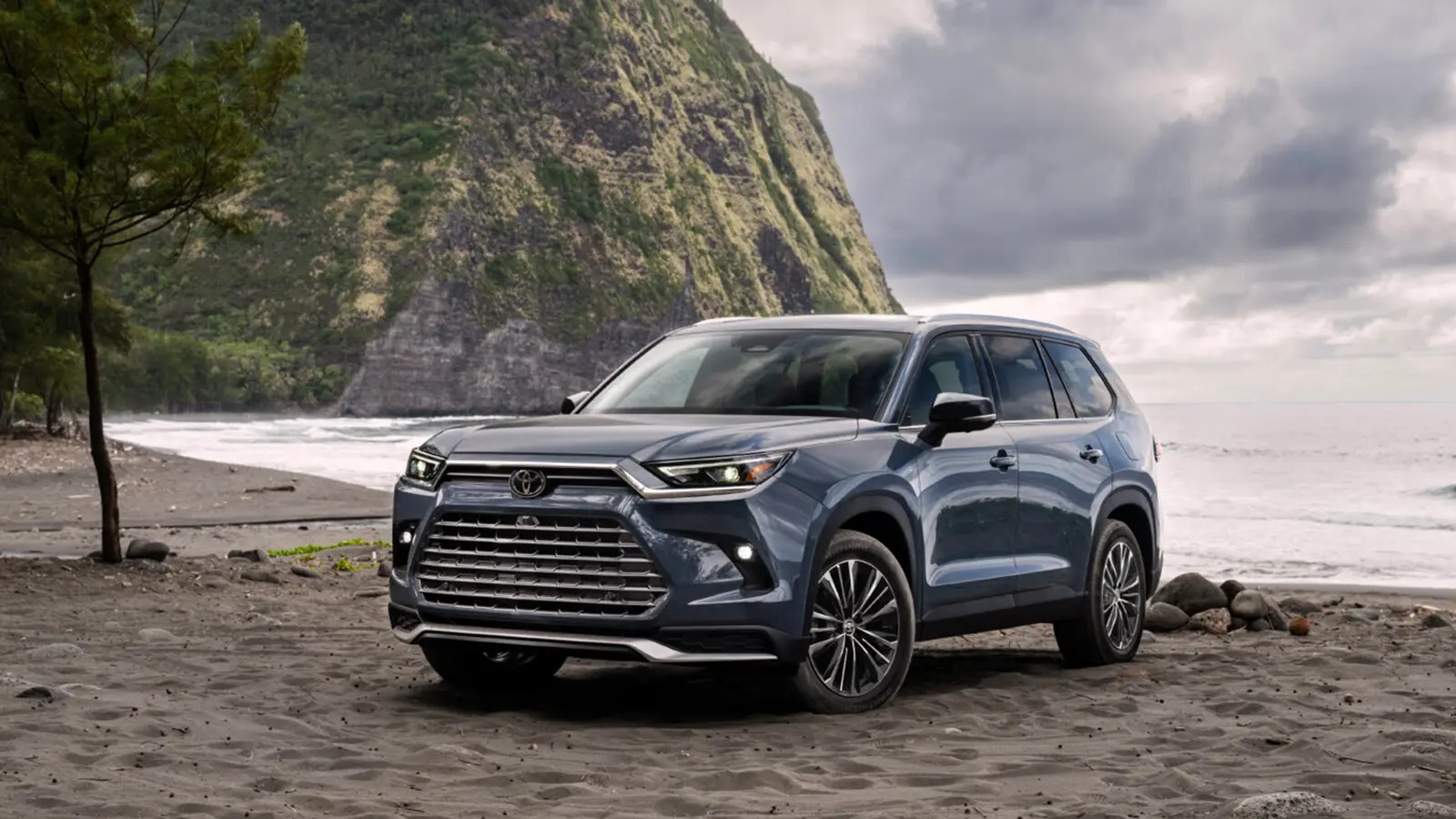
2. Toyota Highlander
The Toyota Highlander is another SUV that understands what families need. Cup holders are well-placed in nearly every row.
Up front, the layout includes two large holders in the center console, but it goes a step further by incorporating small shelves that can temporarily hold smaller items or serve as makeshift bottle rests when needed. The location doesn’t interfere with driving, and access feels natural.
Second-row passengers are treated to an above-average experience. If you opt for captain’s chairs, each seat has its own dedicated cup holder and small tray between them, which mimics the feel of a personal console.
In the bench seat configuration, the fold-down armrest includes dual holders, and door pockets are large enough to fit 1-liter bottles. This kind of versatility is important for larger families or people who often carry passengers of all ages.
The third row, often neglected in SUVs, doesn’t miss out either. Toyota managed to fit two cup holders into each side of the third-row seats, located in the trim panels near the armrest.
This is a critical addition because third-row passengers, especially kids, often feel the pinch when it comes to comfort. These placements are reachable without leaning forward or performing acrobatics.
The Highlander’s cup holders also pass the “real cup test.” They can fit various sizes, from small coffee cups to 32-ounce fast food drinks and the materials used provide grip so that the drink doesn’t wobble.
That extra consideration means fewer spills and fewer distractions. The consistency across all rows makes this SUV a top pick for cup holder placement.
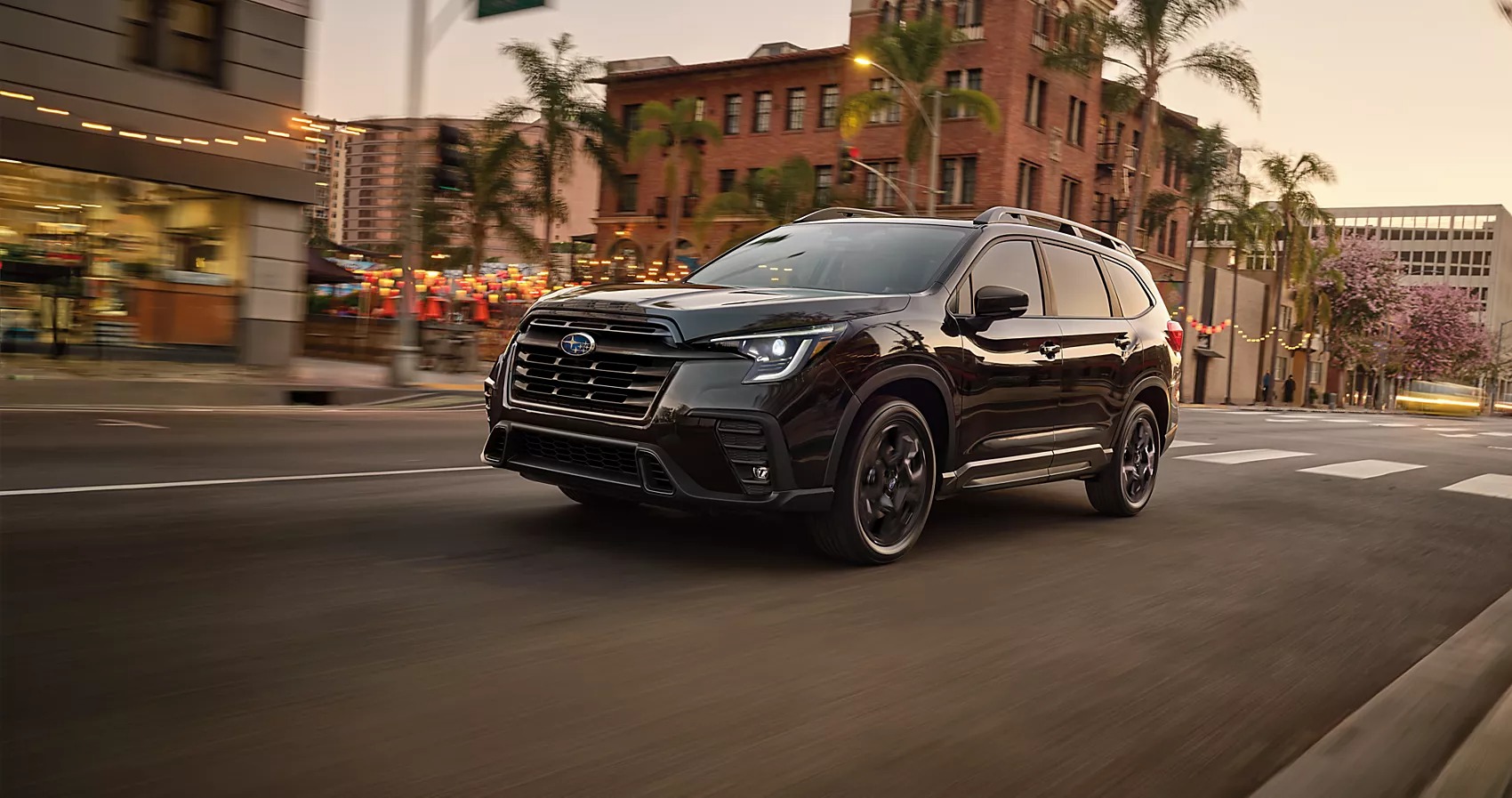
3. Subaru Ascent
The Subaru Ascent doesn’t just provide cup holders; it floods the cabin with them, nineteen in total. While that number might sound like overkill, they are all placed with purpose.
Subaru considered how families operate, especially those with kids in every row needing a place for a drink, juice box, or sippy cup.
Front-seat cup holders are located directly beside the gear selector. There’s also a small additional compartment in front of the shifter for storing keys or placing smaller cups.
Door pockets hold full-sized bottles without struggle. The positioning makes it easy for both driver and front passenger to reach their drinks without shifting posture.
In the second row, each door has a bottle holder, and there are two more located in the middle armrest (or in the center console if you have captain’s chairs).
This gives passengers at least two options, depending on what they’re carrying. For parents with children, this matters. Some cups have straws, others don’t, and kids don’t always place them back exactly. With options, there’s less risk of spills.
Even the third row has usable cup holders. They’re placed slightly ahead of the armrest, so passengers can reach them naturally with minimal effort.
This is a thoughtful detail. Many third-row holders are tucked awkwardly into the side trim or too far back, making them inconvenient. Subaru also lined these holders with soft rubber to reduce rattle and keep cups snug while driving.
Whether you’re headed on a road trip or just doing the school run, the Subaru Ascent’s abundance of cup holders, paired with their smart placement, makes it a standout.
4. Ford Explorer
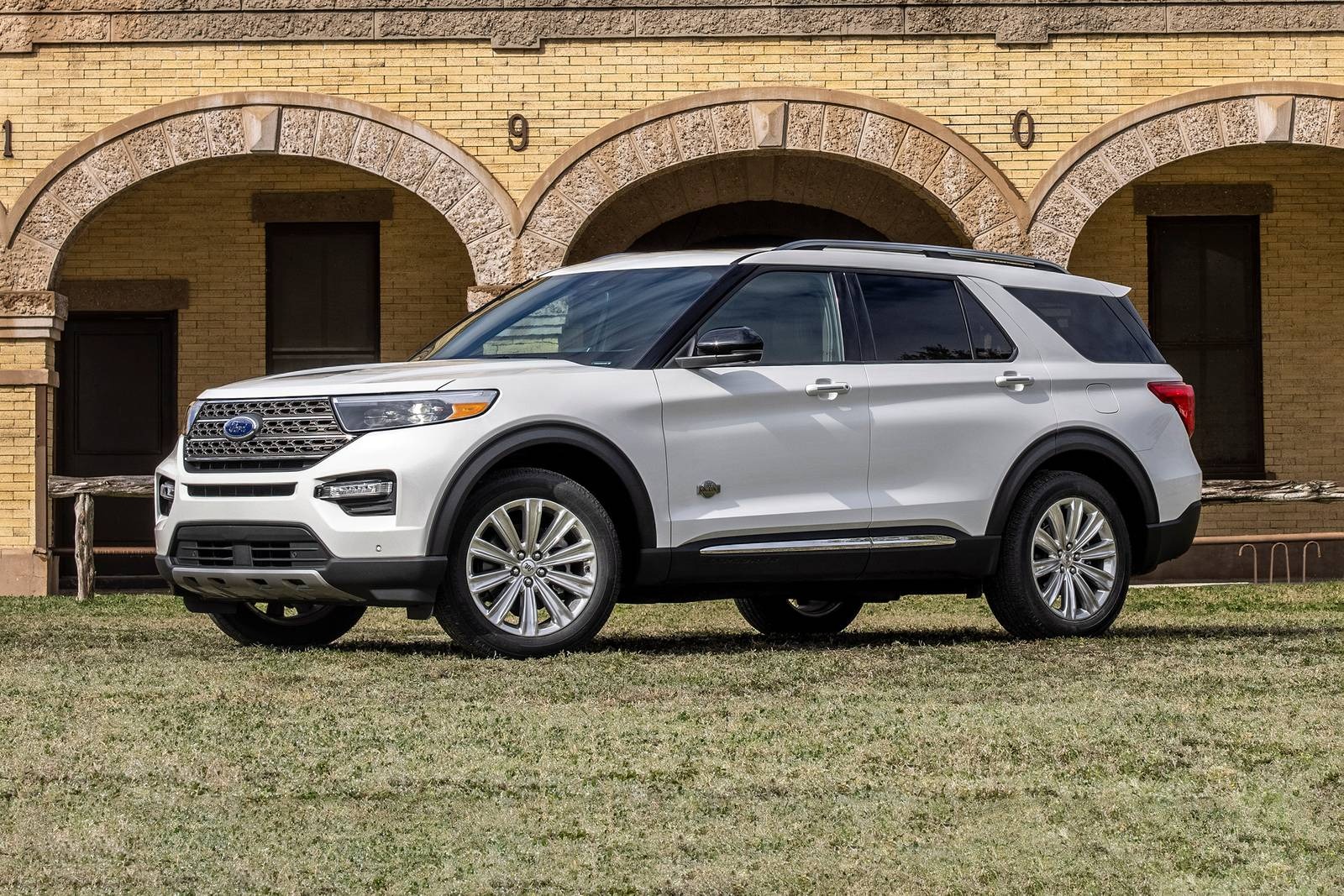
The Ford Explorer makes strong design choices with cup holders, particularly in the front and second rows. Drivers get two sizable holders, well-positioned near the gear shift but not so close that they interfere with controls.
Ford uses rubber inserts to keep different drink sizes stable, which adds to the comfort level during longer drives. What really stands out is how Ford considered the reach and visibility of these holders.
Drivers don’t need to look down and away from the road to find them. The center console is slightly angled in a way that makes grabbing a drink almost second nature. For taller drivers or those who often share their vehicle, this makes a big difference.
The rear seats also benefit from smart placement. In the captain’s chair version, each passenger has access to both a cup holder and a small tray, with enough space for a phone or snacks.
In the bench seat version, Ford includes fold-down cup holders and bottle holders in the doors. The spacing is wide enough to avoid crowding, even when all seats are occupied.
In the third row, cup holders are embedded in the side panels and are deep enough to hold taller bottles upright. They’re not just for show; they’re genuinely usable. Some SUVs include third-row holders that barely fit a small can, but Ford gives you space for a real water bottle or travel mug.
Ford’s cup holders feel like they were designed by people who actually sat in the car and asked, “Would I enjoy using this every day?” The result is a layout that balances form and function well, giving the Explorer high marks in everyday usability and convenience.
Also Read: 8 Best-Selling Cars by State and What They Say About Local Drivers
5. Kia Telluride
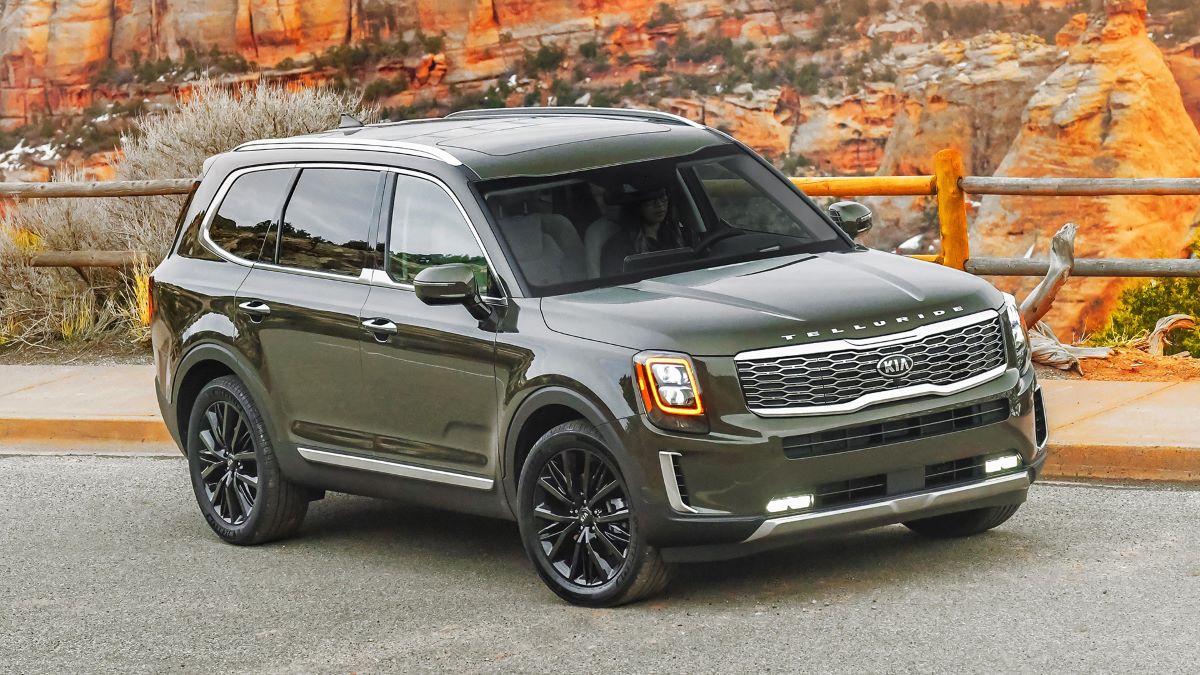
The Kia Telluride has earned a strong reputation for offering high-end features at a reasonable price, and one of its most appreciated interior qualities is its intuitive layout, cup holders included.
In the front row, the Telluride offers two deep, rubber-lined holders that are ideally placed in the center console between the driver and passenger seats.
They’re positioned slightly behind the gear shifter, allowing easy access without obstructing any of the critical controls or screens. The shape and depth make it easy to secure everything from a narrow travel mug to a larger fountain drink.
The rubber inserts also keep cups from rattling, which is a small but impactful touch, especially during long highway drives.
Second-row passengers are just as well cared for. Whether you opt for captain’s chairs or a bench seat, the Telluride includes cup holders molded into the doors and, depending on trim, also on the rear of the center console.
In captain’s chair configurations, the central armrest has an integrated tray with two cup holders, and these are deep enough to secure drinks even when the car is moving quickly or turning sharply.
The layout makes it easy for passengers to reach their drinks without having to shift or reach too far forward, and the armrest height is such that using the holders doesn’t require awkward angling of the arm.
What sets the Telluride apart even further is its thoughtful third-row cup holder placement. Too often, this row is treated as an afterthought, but in the Telluride, each side of the third row includes two cup holders.
These are built into the side panels at an accessible height, and there’s enough space for both a drink and a small personal item like a phone or a snack pack.
For larger families or carpools, this detail ensures that everyone gets the same level of comfort, regardless of where they’re seated.
The consistent placement and practical design make the Telluride a well-rounded SUV in every sense, and its cup holders reflect the same focus on user experience as the rest of the vehicle.
5 SUVs With Cup Holders Where You Don’t Need Them (or Nowhere at All)
1. Tesla Model X
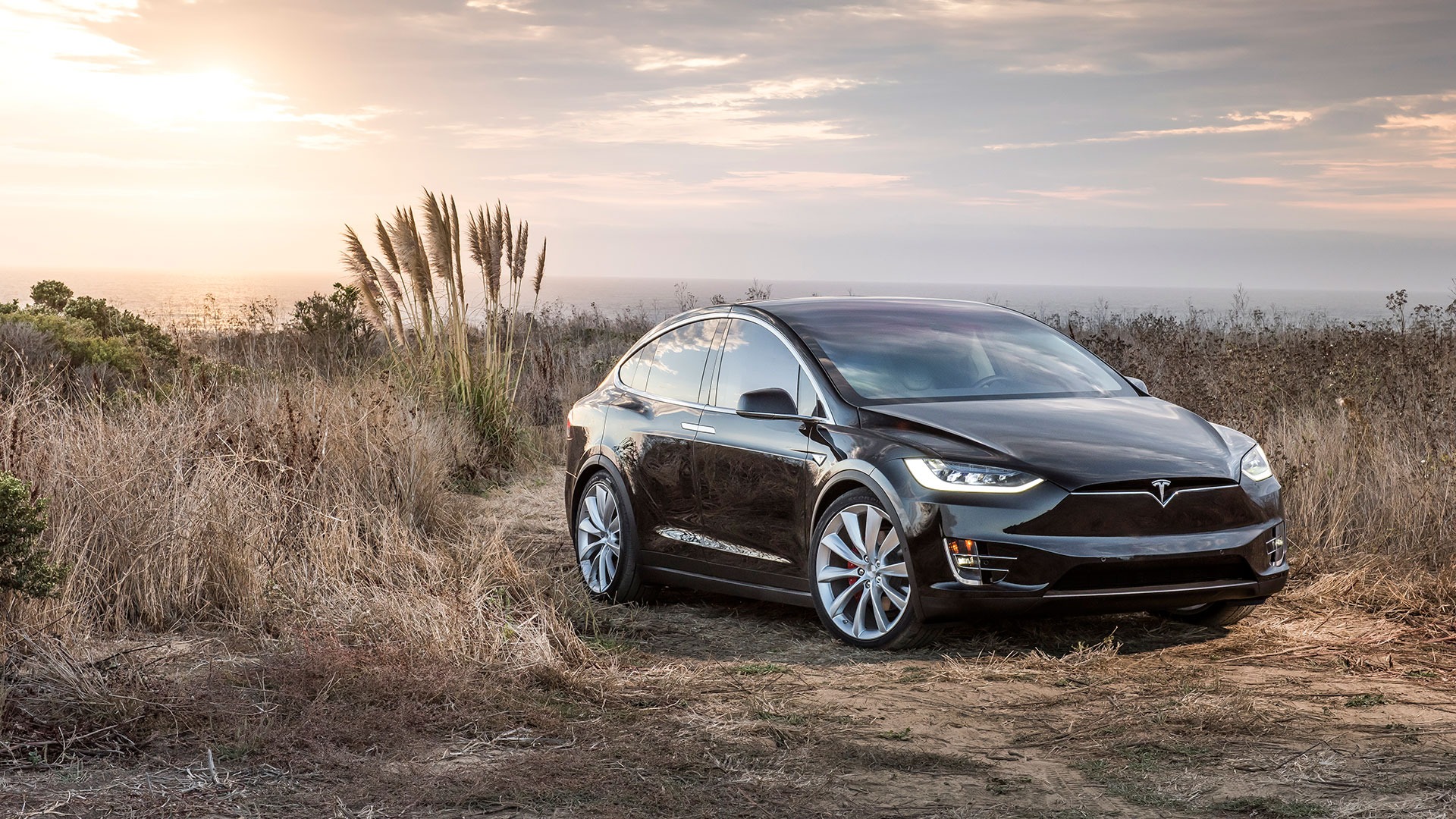
The Tesla Model X is futuristic in many ways, but when it comes to cup holder placement, it seems like the practical basics were overlooked. In the front row, the cup holders are placed between the seats as expected, but they’re set too far back, almost underneath the driver’s elbow.
This makes it difficult to reach your drink without twisting your arm or leaning back slightly, which is an odd design choice given the otherwise ergonomic approach Tesla takes with its touchscreen and controls. Furthermore, the holders lack adjustable grips or any soft padding, meaning cups can slide or tip if they’re not the perfect size.
The second row, depending on the configuration, can be even more frustrating. If you opt for captain’s chairs, there are no integrated cup holders unless you spring for a center console, which is not standard.
The alternative is to rely on folding armrests that, when lowered, include shallow cup holders that don’t provide much grip or depth. For parents with kids, this setup is a headache.
Drinks are more likely to spill, especially when the armrests aren’t sturdy or when children are too young to balance their drinks carefully.
Third-row passengers in the Model X have it worse. Despite the vehicle’s size and luxury status, Tesla included only small indentations on the side trim that barely accommodate a slim can. There’s no depth, no rubber grip, and barely enough width for a regular bottle.
In real-world terms, this means the third-row passengers might as well hold their drinks the whole time or not bring any. Considering the price point of the Model X and its reputation for innovative design, this lack of attention to basic in-cabin comfort feels like a glaring oversight.
Tesla’s emphasis on minimalism often comes at the cost of convenience, and the cup holders are a perfect example. While some may appreciate the clean design, everyday functionality suffers. Cup holders should make driving easier, not create a challenge.
Unfortunately, the Model X feels like it was built for form over function in this regard, and it stands out as one of the worst examples of poor cup holder planning in a modern SUV.
2. Jeep Wrangler 4-Door (Unlimited)
The Jeep Wrangler is built for adventure, no doubt. It’s rugged, capable off-road, and designed to be taken into places where paved roads end.
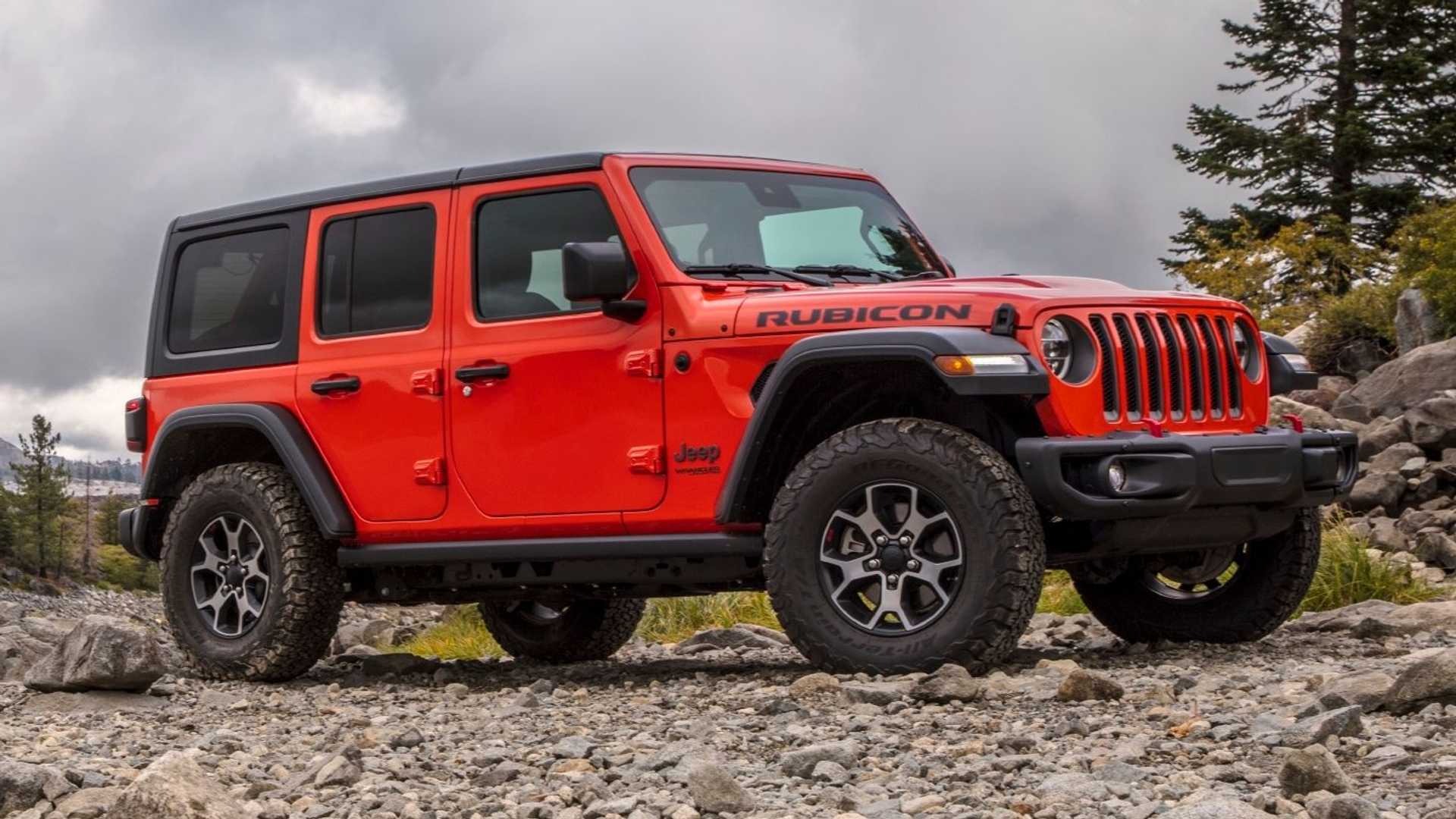
However, when it comes to in-cabin practicality, particularly with cup holders, the Wrangler leaves a lot to be desired. The front cup holders are placed in the center console but suffer from limited accessibility.
They’re deep and narrow, which may seem like a good thing until you try to pull a cup out and the rubber grip comes with it or the cup gets stuck altogether. Worse, they’re positioned so low and far back that drivers often have to look away from the road to find them.
The situation in the back seat is even less satisfying. Jeep includes a pair of cup holders between the rear seats at the base of the center console, but they’re so low to the floor that passengers need to lean forward and down to use them. This might be tolerable for adults, but for children or during a bumpy ride, it’s downright inconvenient.
Additionally, the door panels offer little to no room for bottles, which limits storage options for drinks altogether. For a vehicle often marketed to families and outdoor enthusiasts, you’d expect better consideration of how gear, food, and beverages are stored and accessed.
Adding to the frustration is the lack of armrest-based or seat-integrated holders. In many SUVs, the rear center armrest includes at least two cup holders, providing a more comfortable solution for rear passengers.
In the Wrangler, especially base trims, this feature is missing entirely. That means when the back seat is full, drinks are either being juggled between knees or left in bags and risk spilling all over the upholstery.
To some degree, you can forgive the Wrangler’s utilitarian approach; it’s not trying to be a luxury vehicle. But even utility vehicles need to handle daily driving needs.
Not everyone is off-roading every day, and during school runs, commutes, or weekend trips, simple features like properly placed cup holders matter. In the Wrangler, unfortunately, they just aren’t where you need them to be.
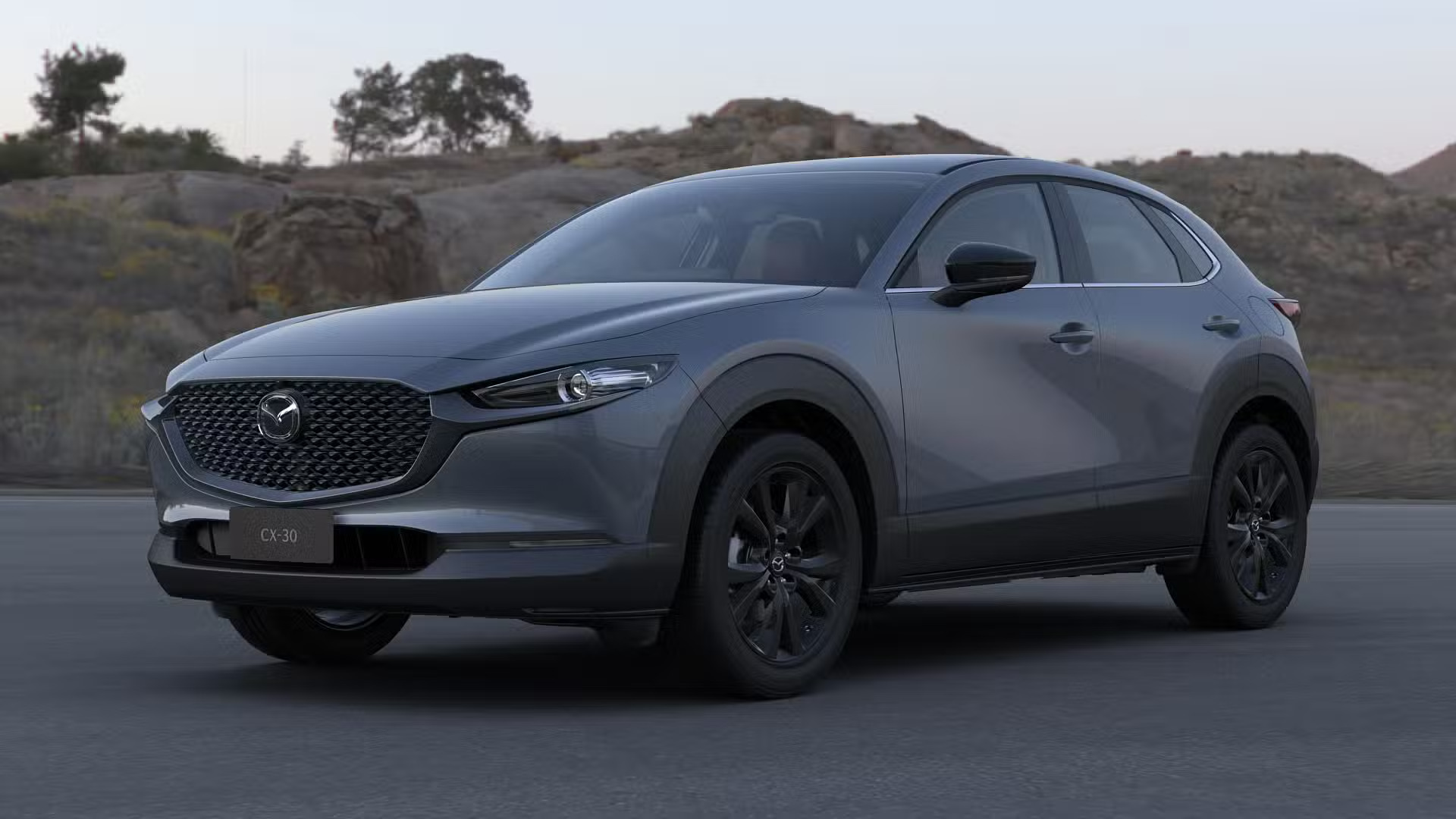
3. Mazda CX-30 (Included as a Compact SUV)
While the Mazda CX-30 isn’t the largest SUV in Mazda’s lineup, it still positions itself as a compact crossover and is frequently compared to other small SUVs. But when it comes to cup holders, the CX-30 is another example of design beauty that compromises basic utility.
In the front, the two cup holders are placed in the center console as expected. However, their placement, almost directly under the infotainment controls and gear selector, can make them inconvenient, especially when trying to access both your drink and the system interface.
If you’re holding a tall cup and try to change a setting or use the knob for navigation, you’re likely to bump into your drink.
Mazda vehicles are known for their clean, minimalist designs, which often prioritize a driver-centric layout. While this is usually a strength, in the case of the CX-30, it results in oddly limited storage and drink-holding capacity.
The front holders are shallow and narrow, making them incompatible with larger coffee mugs or insulated bottles.
There’s also no grip inside, so slimmer cans and cups slide around when turning or accelerating. This isn’t just inconvenient; it can become distracting while driving. Instead of a secure fit, you’re stuck trying to wedge napkins around your drink or holding it in your hand on longer trips.
Rear-seat passengers fare even worse. If you’re sitting in the back of a CX-30, there are no dedicated cup holders unless the armrest is folded down.
If the rear seat is carrying three people, there’s no option for drinks at all. The door pockets are too narrow and shallow to fit anything more than a small plastic water bottle.
For families or shared rides, this lack of options is frustrating. Passengers either skip bringing drinks or end up awkwardly trying to keep them between their legs or on the floor, where they can easily spill.
Mazda’s attention to aesthetics is admirable, but there’s a clear trade-off here. The cabin might look sleek, but it sacrifices essential day-to-day functionality.
For solo drivers who don’t rely on drink storage, this might not be a dealbreaker. But for anyone using the car for commuting, carpooling, or road-tripping, the CX-30 falls short where it shouldn’t: basic, usable drink holders in sensible spots.
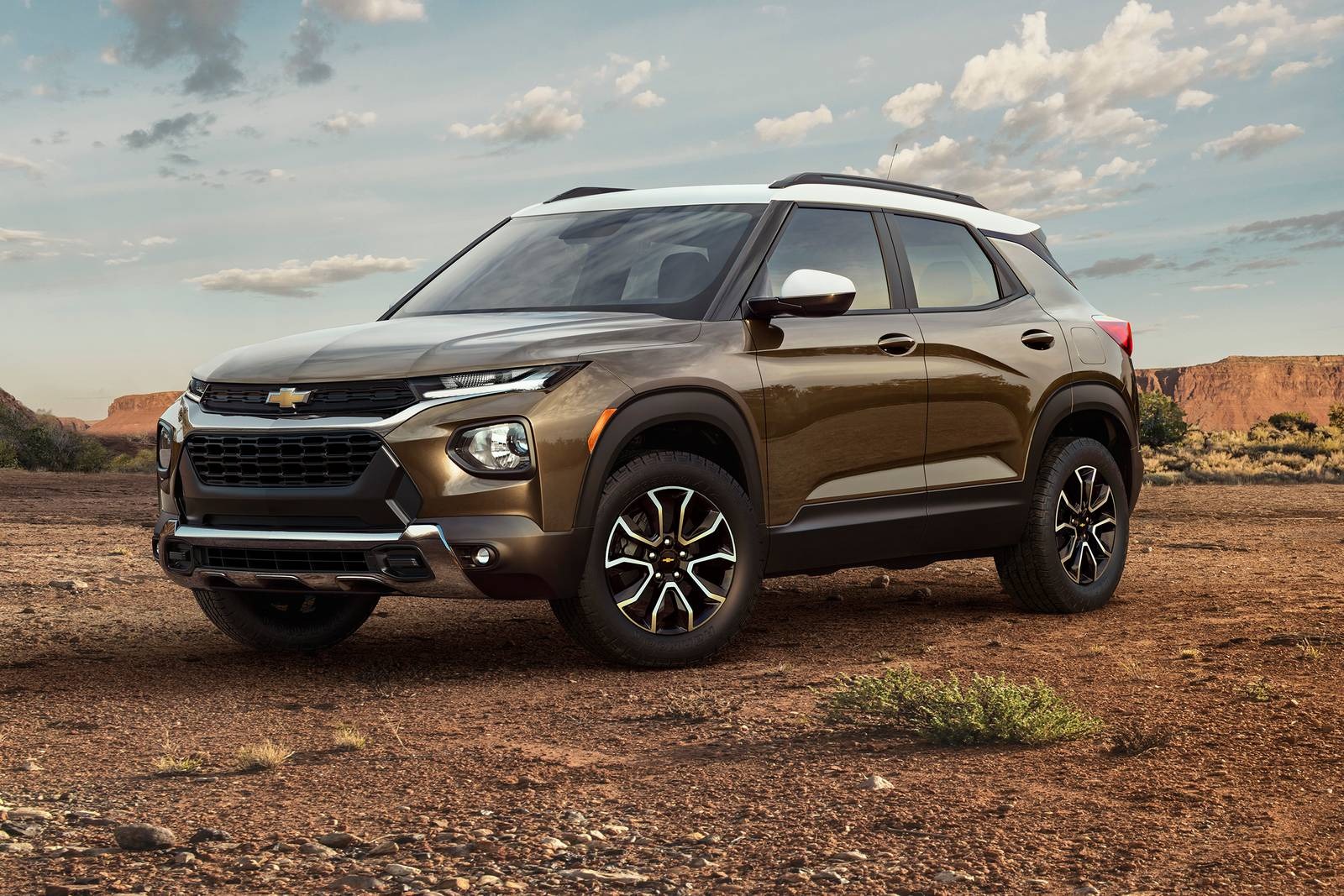
3. Chevrolet Blazer
The Chevrolet Blazer may win style points with its Camaro-inspired design and sporty angles, but when it comes to cabin functionality, particularly in the case of cup holder placement, it falls short. The front cup holders are set very far back on the center console, almost uncomfortably so.
For drivers, this makes for a slightly awkward reach that becomes more noticeable during quick turns or when you’re trying to grab your drink while keeping your eyes on the road.
Instead of being naturally within arm’s reach, the holders sit close to the elbow and behind the gear selector, forcing users into a stretch or an unnecessary lean every time they want a sip.
Things don’t improve much in the second row. While there is a fold-down center armrest that includes two cup holders, this only works if the middle seat is unoccupied. For families or anyone transporting more than four people, the rear-seat passenger in the middle is out of luck.
Furthermore, there are no cup holders integrated into the rear doors, which means that if the armrest is up, rear passengers have to either hold their drinks or wedge them awkwardly into seat-back pockets or floor mats, neither of which is ideal or even remotely secure.
For a vehicle that markets itself as a blend of sporty performance and family utility, the Blazer’s interior design prioritizes looks over usability. You can have sleek styling and still place cup holders where people can actually use them.
In the case of the Blazer, it’s as though the designers forgot to test how the layout would work in everyday driving scenarios. A stylish interior means little when the basic things, like a place to put your coffee, aren’t done right.
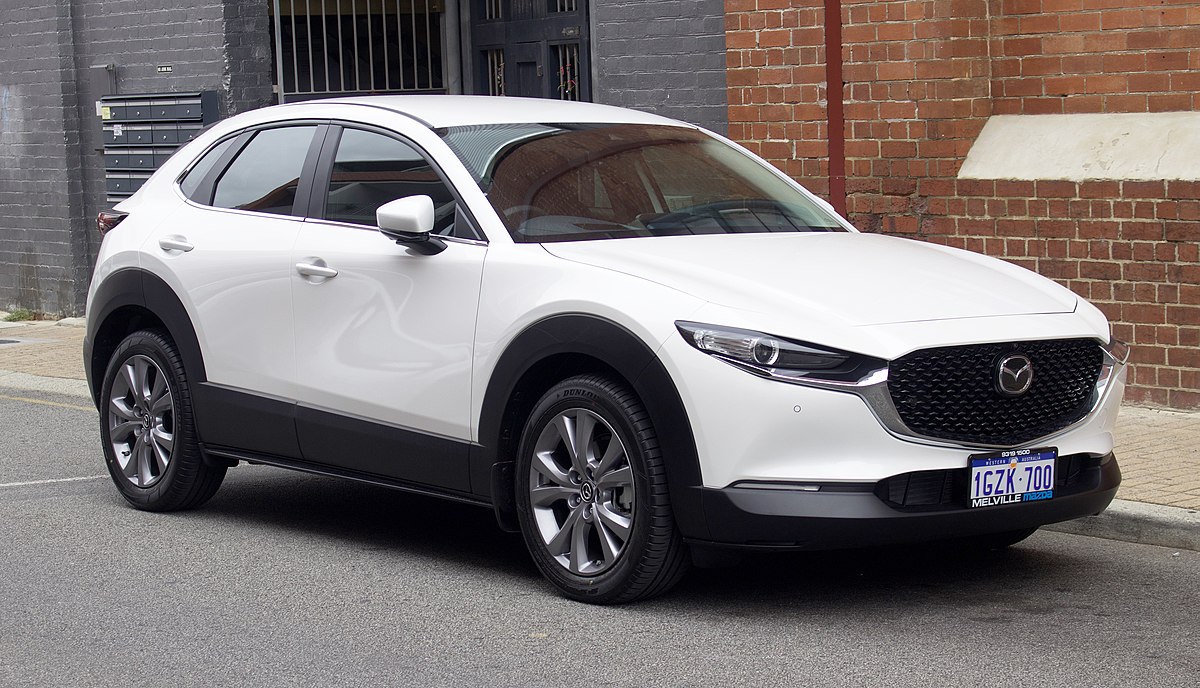
4. Mazda CX-30 (Subcompact SUV)
Although technically a subcompact SUV, the Mazda CX-30 deserves a spot here because many buyers consider it as an alternative to small crossovers, and it shares many features with compact SUVs. It shines in terms of styling and driver engagement, but once again, cup holder practicality is where the experience takes a hit.
The front cup holders are located between the seats, but they’re positioned right behind the gear shifter and under the armrest.
This may seem like a minor issue at first, but it quickly becomes a nuisance during daily use. If you have a larger cup or bottle, it interferes with resting your arm, and you’ll often find yourself awkwardly adjusting your elbow just to take a drink.
In addition, the design doesn’t support multiple cup sizes very well. Slim bottles are fine, but wider cups or travel mugs tend to lean or not fit snugly at all.
There are no adjustable grips or deep wells to secure drinks during a bumpy ride, which is especially surprising for a vehicle that’s otherwise engineered with great attention to detail.
The interior quality of the CX-30 is high-end for the class, but that makes the oversight even more noticeable. It feels like Mazda polished every inch of the dashboard but forgot about the utility of the cup holders entirely.
Things don’t get better in the back. The rear seat includes a fold-down armrest with cup holders, but again, this only works when there are two passengers in the back.
If the middle seat is used, there’s no alternative. Unlike many compact SUVs, the CX-30 doesn’t include bottle holders in the rear doors. This omission leaves rear passengers with nowhere to place drinks, which is particularly frustrating for families or anyone carrying passengers regularly.
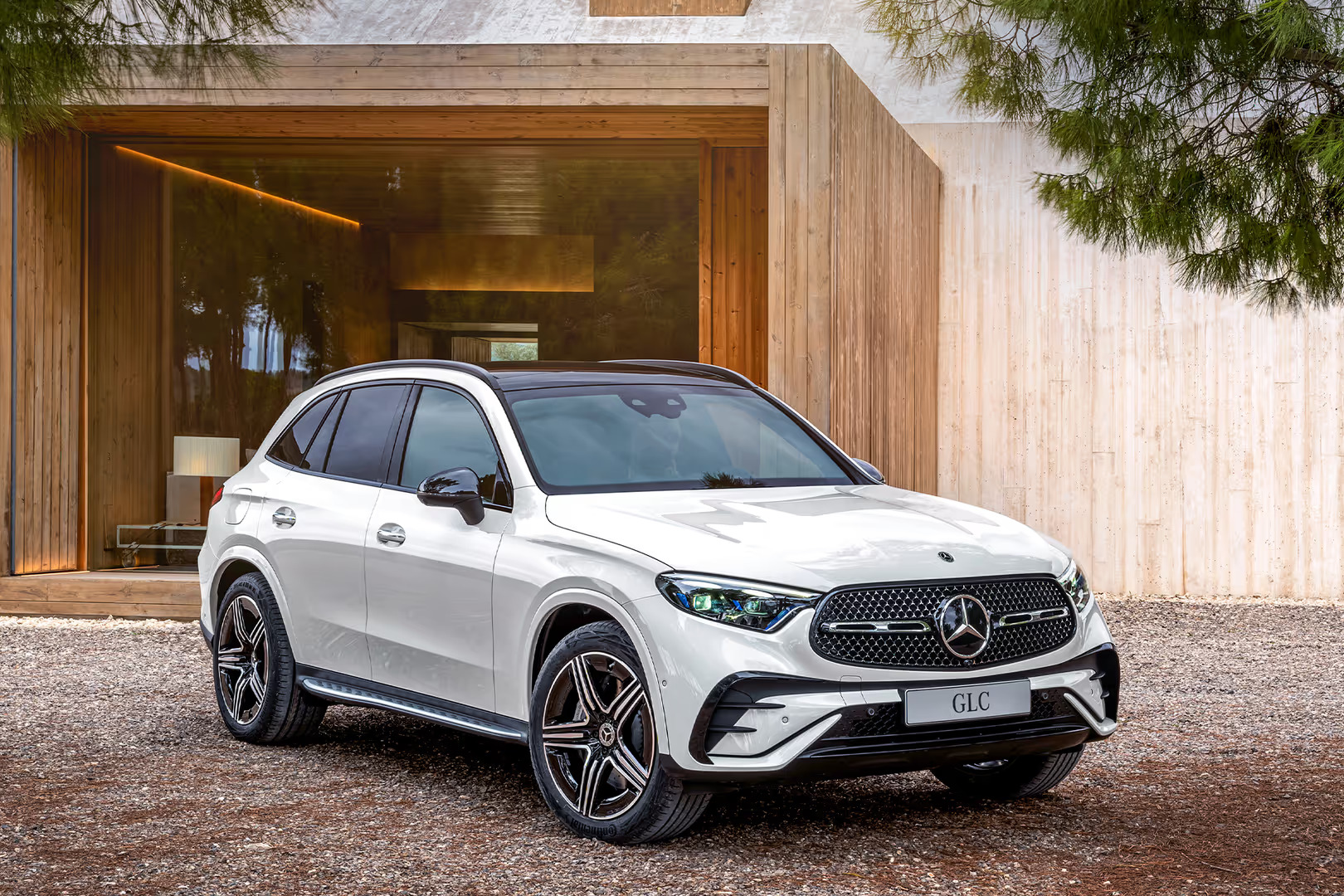
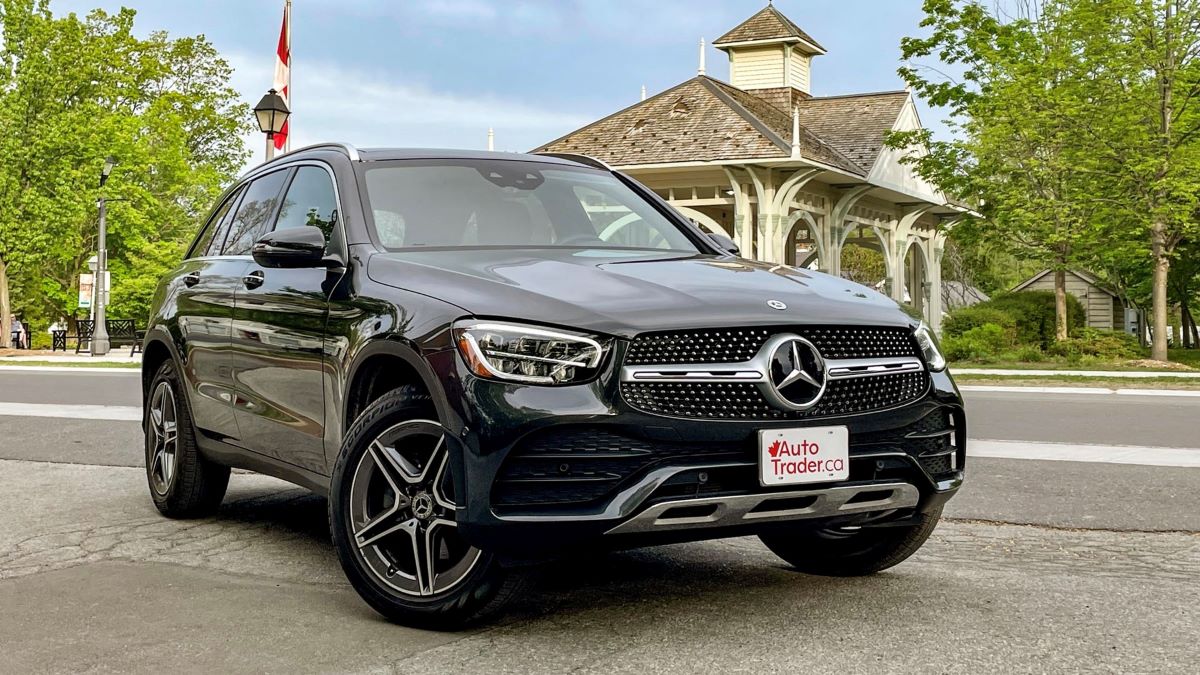
5. Mercedes-Benz GLC
You’d expect that a premium vehicle like the Mercedes-Benz GLC would get the small details right, but surprisingly, cup holder placement is not one of its strong points.
The front cup holders are located in a compartment below the infotainment controls and in front of the gear selector, but the space is extremely tight.
While the layout looks clean and polished, in actual use it’s cramped. Taller bottles or even medium-sized coffee cups block access to the media controls or bump into your hand when you’re adjusting the climate settings. It’s a classic case of style interfering with function.
Additionally, the cup holders are shallow, and while they do have some grip, they’re not well-suited to larger drinks or containers. Anyone who regularly picks up coffee on the way to work will find themselves constantly checking to make sure their cup hasn’t tilted or spilled slightly.
The layout also means that if you have both cup holders filled, you lose almost all usable space in the front storage area. This turns the beautifully designed front console into a cluttered, unusable zone every time you bring two drinks into the vehicle.
The second-row setup doesn’t rescue the situation either. Yes, there’s a fold-down armrest with cup holders, but the holders are hidden inside a pop-out mechanism that’s more finicky than functional.
It feels overengineered. You have to open the armrest, then pop open a plastic insert to access the holders, which only accommodate slim bottles or cups.
If you’re carrying passengers who are unfamiliar with the design, there’s a good chance they’ll overlook it altogether or struggle to get it open while the car is moving. It’s the kind of thing that looks great in a brochure but frustrates people during real-world use.
