
Modern vehicles come packed with features meant to enhance driver comfort and make every ride more enjoyable. Among the most appreciated additions is the automatic climate control system, a technology that promises to regulate interior temperature without the need for constant manual adjustments.
In theory, climate control systems should respond intelligently to the cabin’s temperature and adapt airflow and fan speed accordingly. However, not all systems are created equal. While some genuinely offer a seamless, effective way of maintaining comfort, others fall short, operating more as a marketing feature than a truly functional utility.
As car buyers increasingly seek comfort in all weather conditions, the performance of these systems becomes more than just a minor detail. Many manufacturers advertise dual-zone or tri-zone climate control systems, advanced sensors, and air purification functions.
But when tested in real-world conditions, whether in desert heat or freezing winters, only a few live up to their promises. A car might have the most futuristic control panel, complete with glowing digital screens and touch sliders, but if the temperature never quite feels right, that’s a big issue.
Some climate systems get it right through intelligent sensors, well-placed air vents, and responsive temperature control. Others, though, rely on flashy interfaces that don’t translate into real-world performance. This distinction matters not only for daily comfort but also for long drives, fuel efficiency, and even safety. Driving in extreme conditions with poor air circulation or fluctuating cabin temperatures can lead to distraction, fatigue, and discomfort.
In this article, we’ll break down five cars where the climate control systems do exactly what they’re supposed to do, keep the cabin comfortable without requiring constant attention. Then, we’ll contrast those with five vehicles that look like they offer premium climate control, but where user experience often says otherwise. The difference lies not just in design or branding, but in how consistently the systems respond to actual environmental needs.
Also Read: 5 Cars with Backup Cameras You Can Trust vs 5 That Are Blurry and Useless
5 Cars with Climate Control That Actually Works
1. Toyota Camry
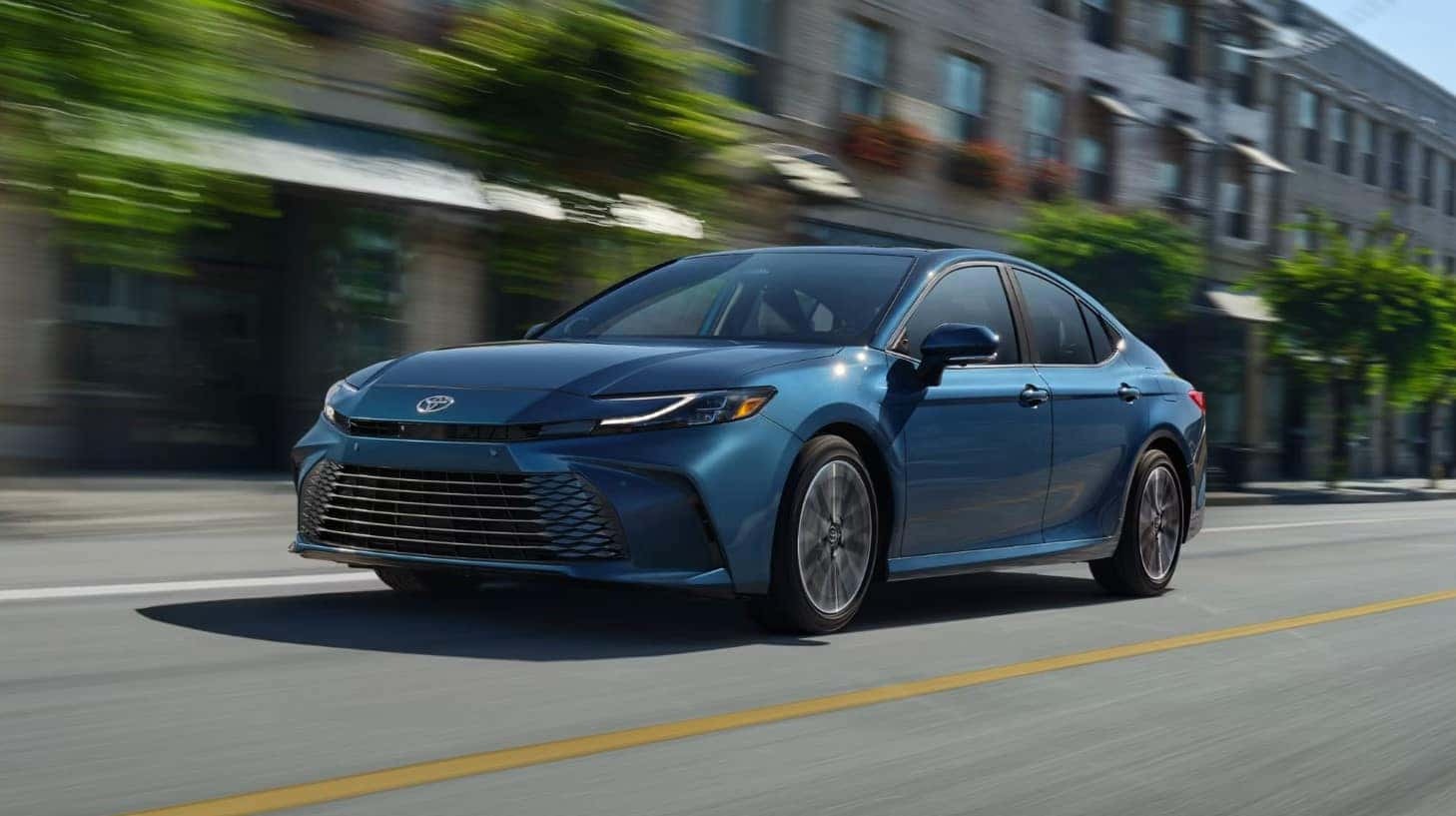
The Toyota Camry has long been a staple in the midsize sedan market, and one reason it continues to dominate is because of its comfort, including its reliable climate control system. The dual-zone automatic climate control, standard in many of its trims, isn’t just there for show.
It functions consistently across a wide range of temperatures, adjusting fan speed and air distribution with minimal delay. Drivers don’t have to keep fiddling with controls every time the sun hides behind a cloud.
One of the biggest strengths of the Camry’s system is its responsiveness. When a new temperature is selected, it doesn’t waste time gradually inching toward the setpoint. Instead, it gets to work immediately, either heating or cooling the cabin efficiently. Airflow is well-distributed, and there are enough vents for both front and rear passengers to stay comfortable. Even on hot days, the cabin cools down quickly, thanks to the Camry’s well-insulated interior and strong AC compressor.
Another practical advantage is the simplicity of its controls. While many newer vehicles try to integrate climate settings into touchscreen menus, the Camry still offers easy-to-use physical knobs and buttons. This means drivers can adjust settings without taking their eyes off the road, making it not only convenient but also safer. It’s the kind of setup that works well for anyone, whether tech-savvy or not.
Reliability is also a major win here. Toyota vehicles, including the Camry, are known for their long-lasting systems, and the climate control is no exception.
Owners report few issues even after several years of use, and the system continues to operate consistently regardless of mileage. In terms of both performance and ease of use, the Camry sets a standard that many other vehicles struggle to meet.
2. Honda CR-V
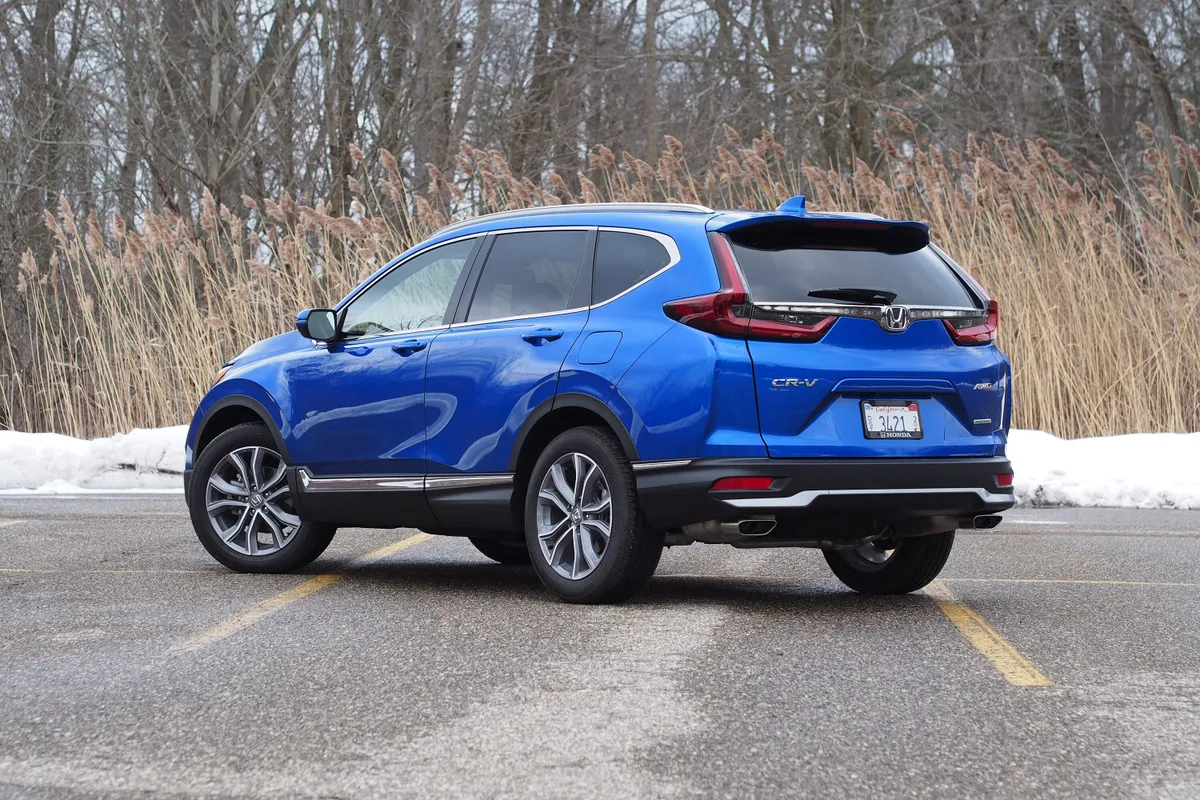
Honda’s CR-V is another vehicle that offers a surprisingly effective climate control system. It features a dual-zone setup that doesn’t just balance driver and passenger needs; it anticipates them. The automatic setting adapts intelligently to temperature fluctuations, ensuring that hot spots or cold corners in the cabin are minimized without micromanagement.
The design of the airflow system plays a big part in the CR-V’s success. Vents are placed strategically and offer great adjustability, especially for rear passengers. Whether it’s a summer road trip or a winter commute, the system does an excellent job of maintaining a steady and comfortable cabin environment. The CR-V doesn’t just blow cold or hot air, it circulates it properly to avoid unpleasant drafts or uneven temperatures.
User-friendliness is another area where the CR-V scores high. While it does incorporate some digital interface elements, it keeps essential functions accessible through physical controls. This hybrid design gives users flexibility without sacrificing intuitive access.
Even when the vehicle is turned off and restarted, the climate system remembers previous settings, which adds a layer of convenience not always found in competitors.
Long-term ownership also proves its worth. Reviews consistently praise the CR-V’s climate control for lasting performance. It doesn’t degrade easily, nor does it struggle when weather conditions become more extreme. Whether stuck in traffic on a humid day or navigating icy roads in January, the CR-V’s system remains reliable, proving that Honda prioritizes functionality over flashy features.
3. Volvo XC60
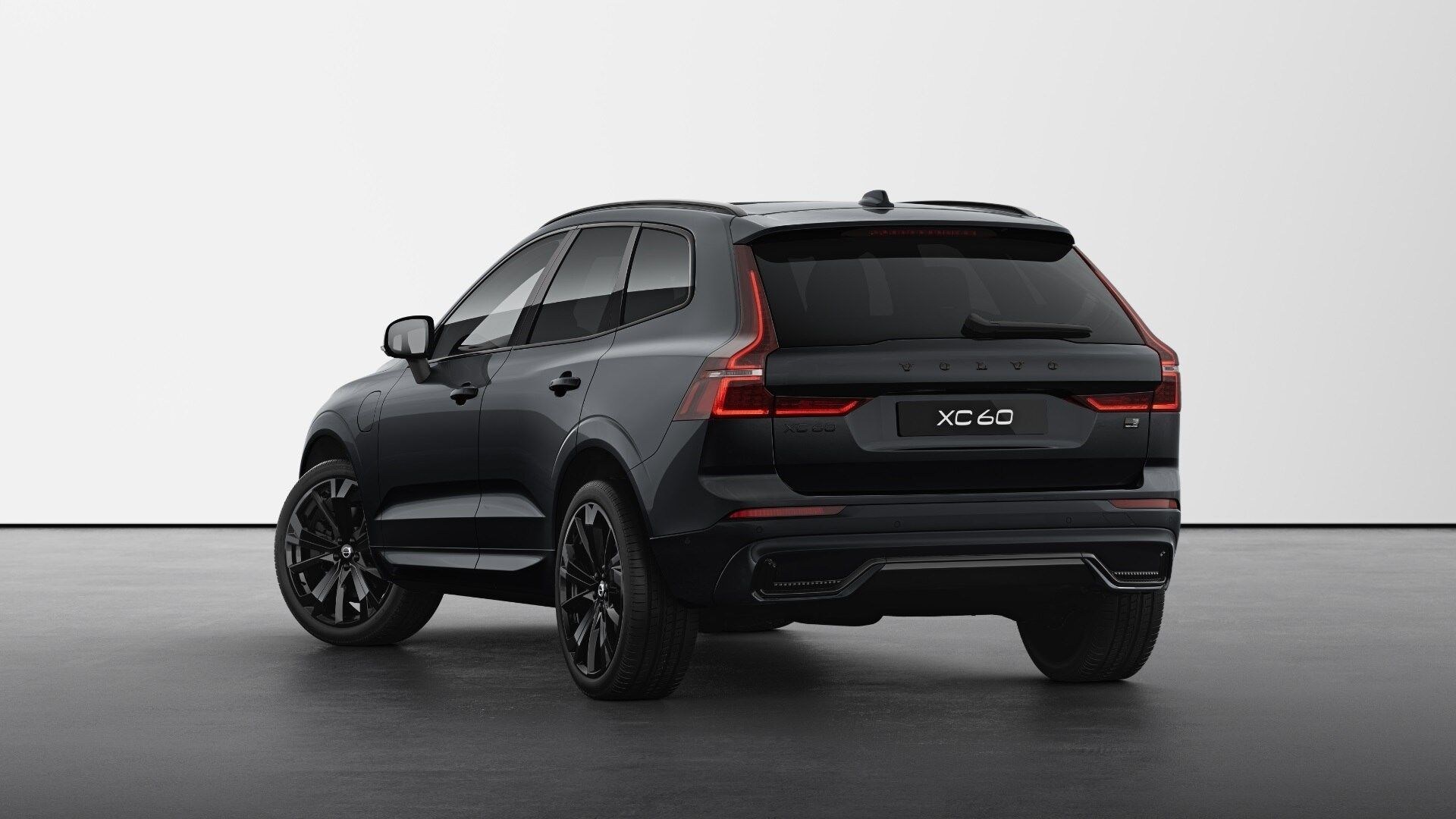
The Volvo XC60 combines luxury with practicality, and nowhere is that more evident than in its climate control setup. Featuring a multi-zone automatic climate control system with advanced filtration, the XC60 delivers consistent comfort to all passengers, front and back. The system is particularly effective at managing interior temperatures quickly, which is especially valuable in colder climates.
What sets the XC60 apart is its air quality system. It includes sensors that detect outside pollution levels and automatically switch to recirculated air when needed. This isn’t just about comfort, it’s about health. The system not only keeps the cabin at the right temperature but also ensures the air you’re breathing is cleaner. On long drives or in urban traffic, this can make a noticeable difference.
Volvo has also thought about the user experience. The touchscreen interface might look complex at first, but it’s logically laid out and responds quickly. Drivers can set different temperatures for each zone with just a few taps, and the system adjusts seamlessly. More importantly, it doesn’t require constant tweaking; once you’ve set your preferences, it maintains them well, even when external conditions change.
Durability and build quality contribute to its performance. The system doesn’t just work well when the car is new; it continues to function efficiently years down the line. The XC60 offers a climate system that isn’t just high-tech, but high-functioning, which is a balance many luxury vehicles fail to strike. It’s an example of thoughtful engineering rather than just visual appeal.
4. Hyundai Tucson
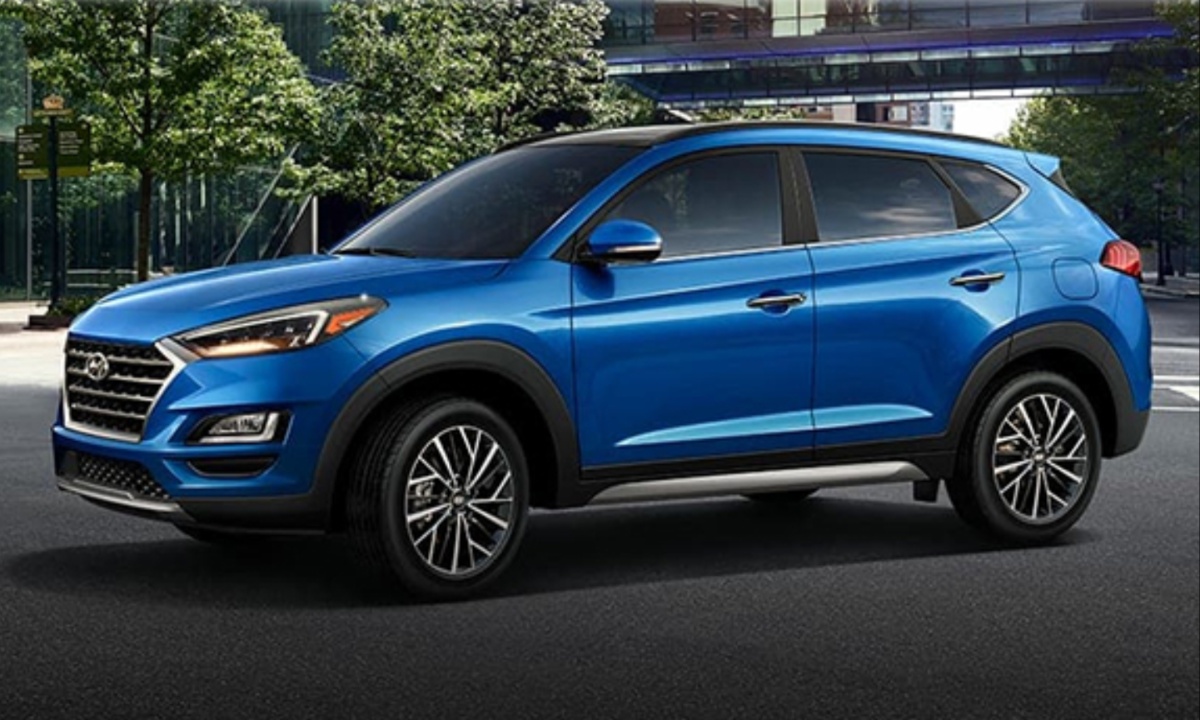
Hyundai has made major strides in quality over the past decade, and the Tucson is a shining example of how a mid-range vehicle can offer high-end features that work. The climate control system in the Tucson is simple but effective. It doesn’t try to be overly sophisticated, yet it manages to do what many more expensive cars can’t: keep the entire cabin at a consistently comfortable temperature.
The Tucson features dual-zone climate control in most trims, along with rear vents that offer decent airflow for backseat passengers. It also includes a driver-only mode that focuses airflow and cooling when only one person is in the car, saving energy and improving efficiency. This small detail reflects thoughtful engineering focused on real-world usage.
Temperature settings respond quickly, and the system adapts to sunload conditions surprisingly well. Whether parked in direct sunlight or starting up on a frosty morning, the Tucson’s climate control kicks in quickly and efficiently. The air conditioner and heater both perform well without creating noise or uneven airflow, which adds to the comfort of the ride.
Over time, Tucson’s climate system holds up with minimal issues. Hyundai’s build quality has improved, and that includes HVAC components. Users rarely report breakdowns or inconsistent performance. It performs better than some rivals that cost considerably more, proving that functionality doesn’t always have to come with a luxury price tag.
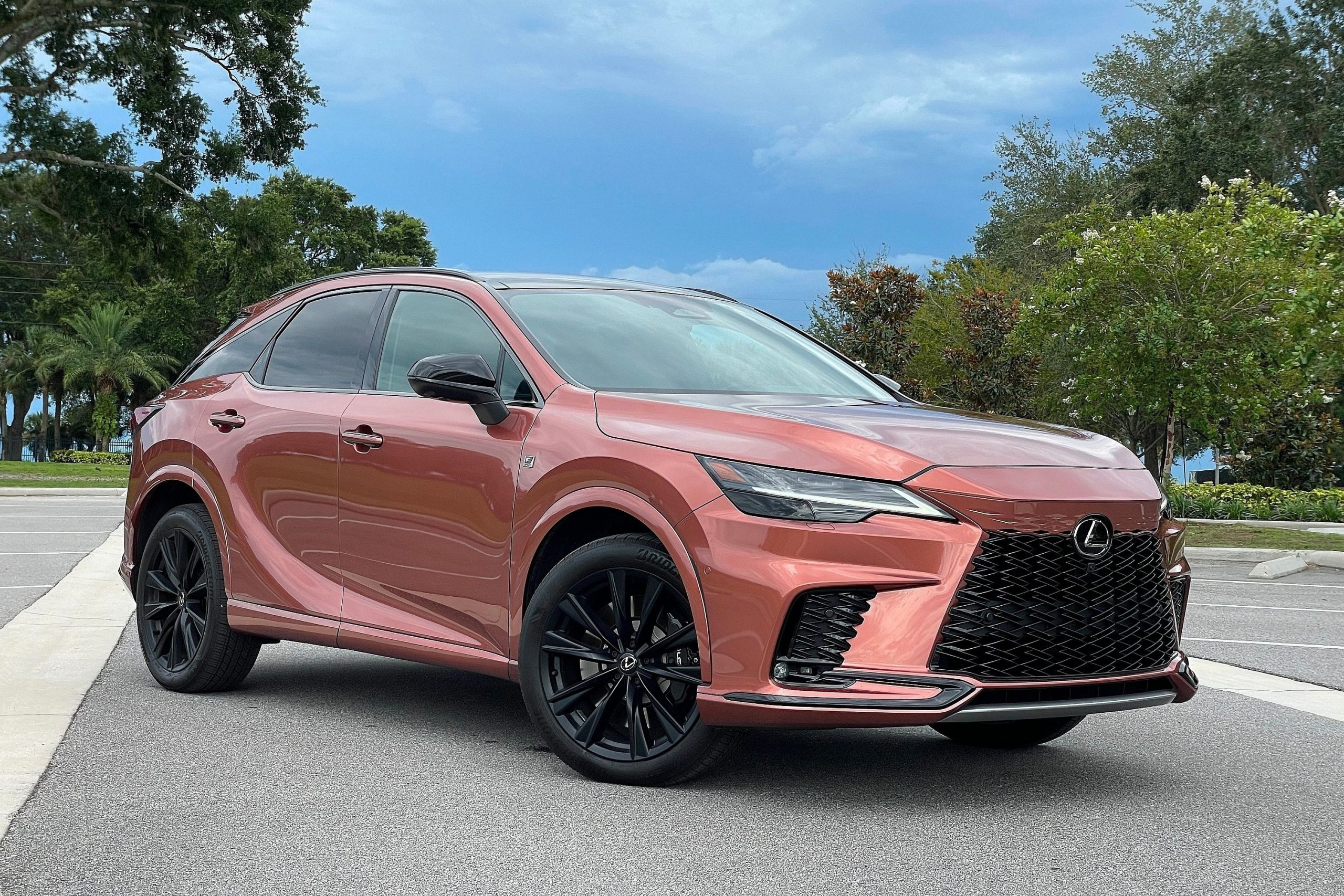
5. Lexus RX
The Lexus RX is a luxury SUV that doesn’t just promise comfort, it delivers it consistently, particularly through its advanced climate control system. With multi-zone temperature management, seat ventilation, and even a humidity sensor, the RX goes further than most vehicles in maintaining a pleasant interior environment.
The system is incredibly responsive and designed with precision. Set the temperature once, and the RX takes care of the rest. It quietly adjusts fan speed and airflow direction to avoid discomfort. Even in triple-digit heat or freezing conditions, the system balances performance and efficiency without blasting air unnecessarily. Passengers rarely need to ask for adjustments because the settings just feel right from the start.
Air vents are perfectly positioned, and airflow can be fine-tuned without effort. Even the rear seats enjoy the same level of climate comfort as the front, which is often overlooked in other vehicles. Lexus engineers have worked to ensure that every passenger experiences the same quality of climate control, not just the driver.
Another benefit is the long-term reliability of the system. Lexus vehicles are known for their strong quality standards, and the RX is no different. The climate control system remains just as effective after years of use as it is on day one. That kind of consistency is exactly what buyers expect from a luxury SUV and the RX delivers.
5 Cars Where Climate Control Is Just for Show
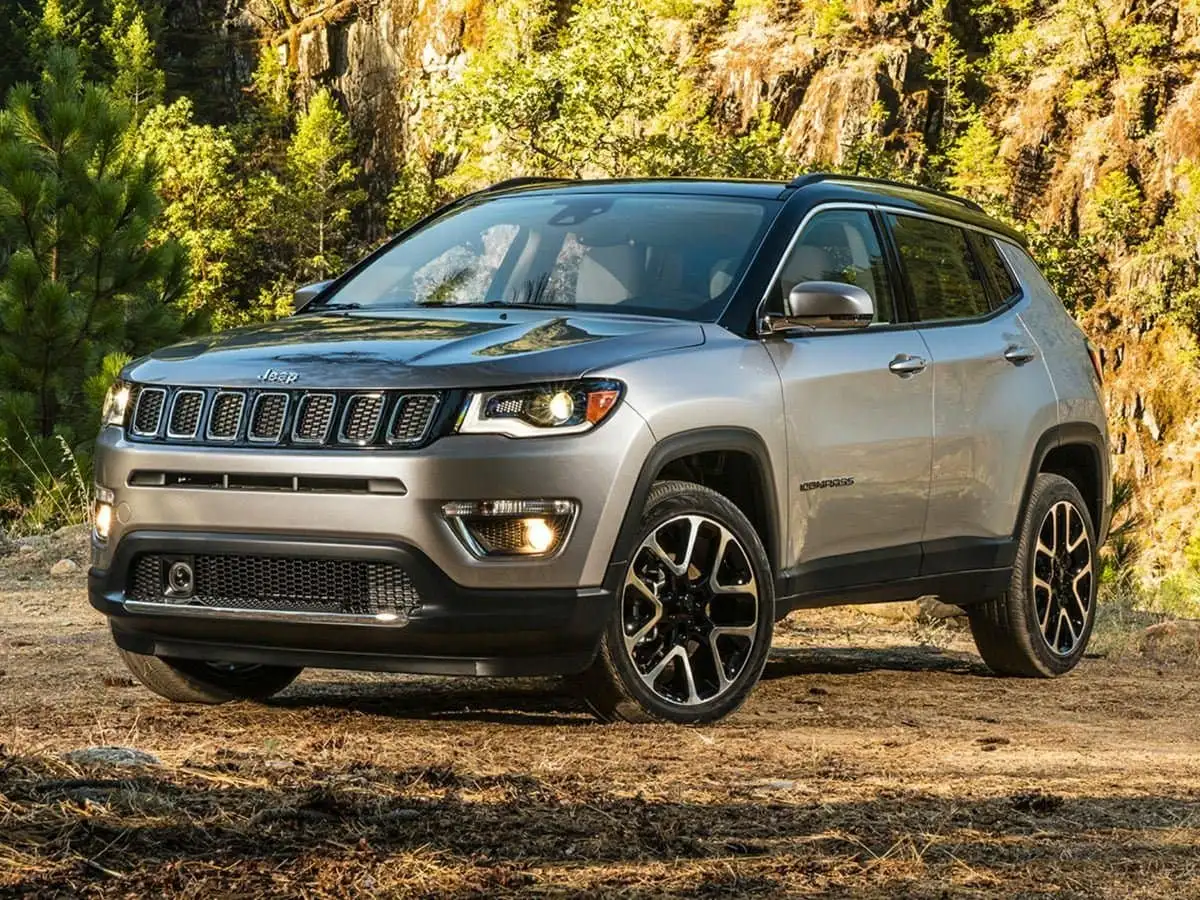
1. Jeep Compass
The Jeep Compass is marketed as a rugged compact SUV, but when it comes to climate control, the system doesn’t reflect the same toughness. Despite featuring an automatic climate control system in many of its trims, its actual performance leaves much to be desired.
The responsiveness of the system is inconsistent, often taking too long to cool the cabin in warmer climates or struggling to maintain a steady temperature during long drives. Instead of regulating the internal environment smoothly, it tends to overcorrect, blasting cold air when only a mild adjustment is needed, or heating up too aggressively even when the ambient temperature is moderate.
User complaints often point to how unreliable the system becomes over time. After a couple of years of use, sensors seem to misread cabin temperature, leading to incorrect adjustments. The airflow settings are equally frustrating. Even though the interface allows drivers to choose different zones or fan speeds, the actual distribution of air remains uneven.
Passengers in the rear often report weak airflow, and the front seat occupants may feel too hot or too cold, even with minimal changes to settings. It’s not uncommon to see drivers manually adjusting the fan speed repeatedly because the automatic setting simply doesn’t get it right.
The layout of the controls themselves doesn’t help either. Jeep opted for a mix of touchscreen and manual dials, but the implementation feels clumsy. The touchscreen controls lag, and some settings are buried in menus rather than being directly accessible.
This not only makes the operation less intuitive, especially while driving, but also increases the likelihood of user error or distraction. A climate control system should fade into the background of the driving experience, not demand constant attention because it can’t maintain comfort effectively.
Another major issue is long-term reliability. Owners have reported problems with sensors failing and the AC compressor wearing out prematurely.
These aren’t just isolated cases, either; they appear frequently enough in user forums and long-term reviews to raise concern. What’s disappointing is that, on the surface, the Compass appears well-equipped with modern climate features. But in practice, the system is more about aesthetic presence than functional excellence. It doesn’t deliver the performance you’d expect from its tech-forward appearance.
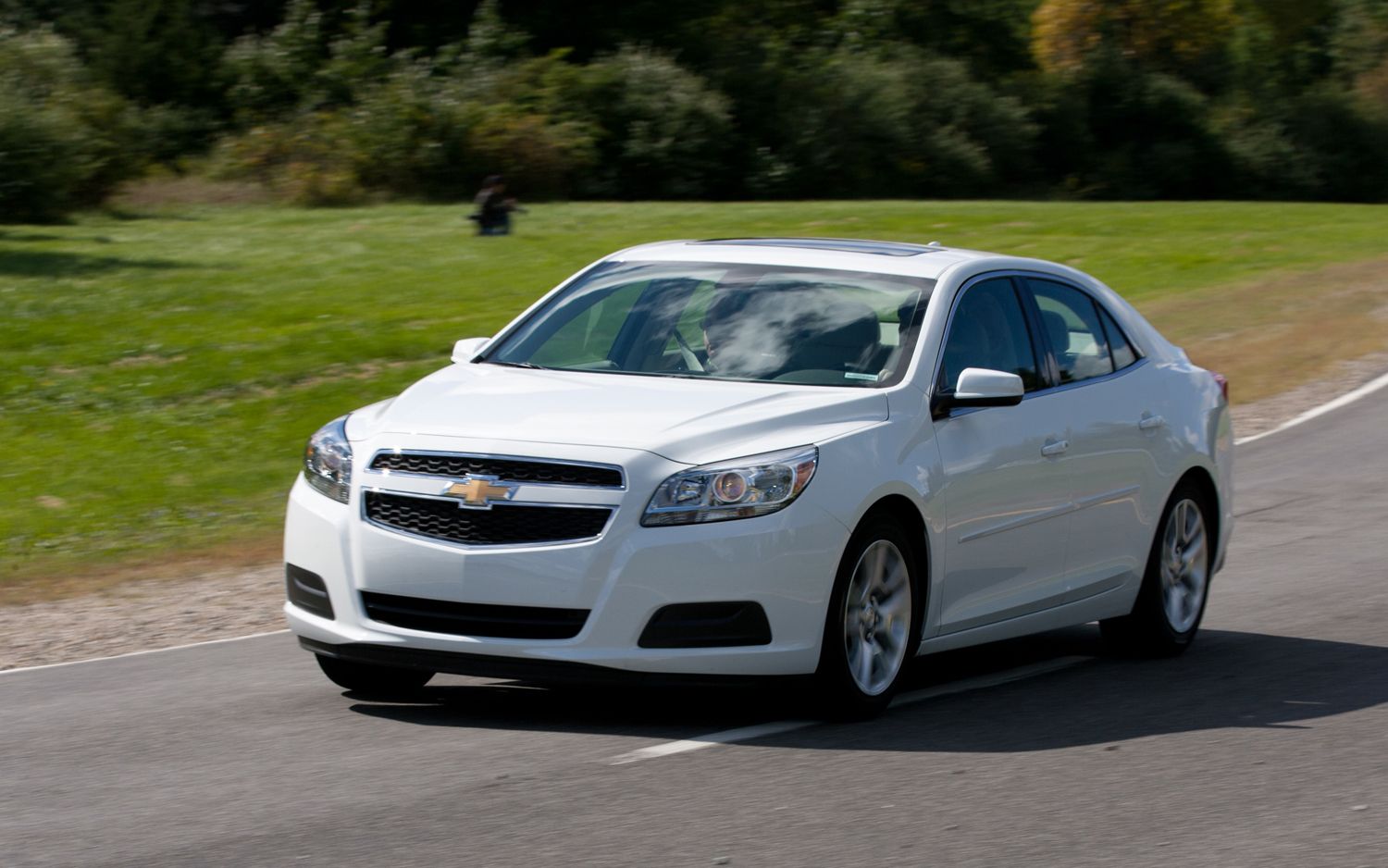
2. Chevrolet Malibu
The Chevrolet Malibu is another car that illustrates how a modern-looking climate control interface doesn’t guarantee a quality experience. The car comes with dual-zone automatic climate control in higher trims, which on paper should be a strong point.
However, in practice, the system rarely operates as expected. Adjusting temperatures doesn’t lead to immediate changes in the cabin environment, and there’s often a noticeable lag between setting a temperature and the system reacting to it. The delay is frustrating, especially when you’re trying to adjust quickly during rapidly changing external conditions like a rainstorm or sunny burst.
Part of the problem lies in how the sensors interpret the cabin’s actual temperature. Many users have pointed out that the system seems disconnected from real-world conditions. For example, setting it to 72°F may result in the cabin still feeling overly warm or excessively cool.
The inconsistency forces users to override the automatic setting regularly. This manual intervention defeats the purpose of having automatic climate control and turns a supposed convenience into a source of irritation. It creates a loop where you keep adjusting rather than simply enjoying the ride.
Another weak point is airflow distribution. Although the Malibu features multiple vents, the actual reach of the airflow, especially toward rear passengers, is poor. There are vents but not enough power behind them, making it harder for those in the back seat to feel any effect.
Even front-seat airflow feels weak at times, with the fan ramping up or down at odd intervals, seemingly without reason. The car might display all the expected digital indicators and settings, but the system’s output doesn’t match what you see on screen.
Longevity is also questionable. Many Malibu owners have reported climate control issues appearing early in the ownership period. Whether it’s a sensor failure, fan speed irregularity, or the system simply not responding to commands, these issues point toward a system built more for showroom appeal than lasting functionality. It’s a missed opportunity because with better tuning and reliability, the Malibu could easily offer the comfort it promises on paper.
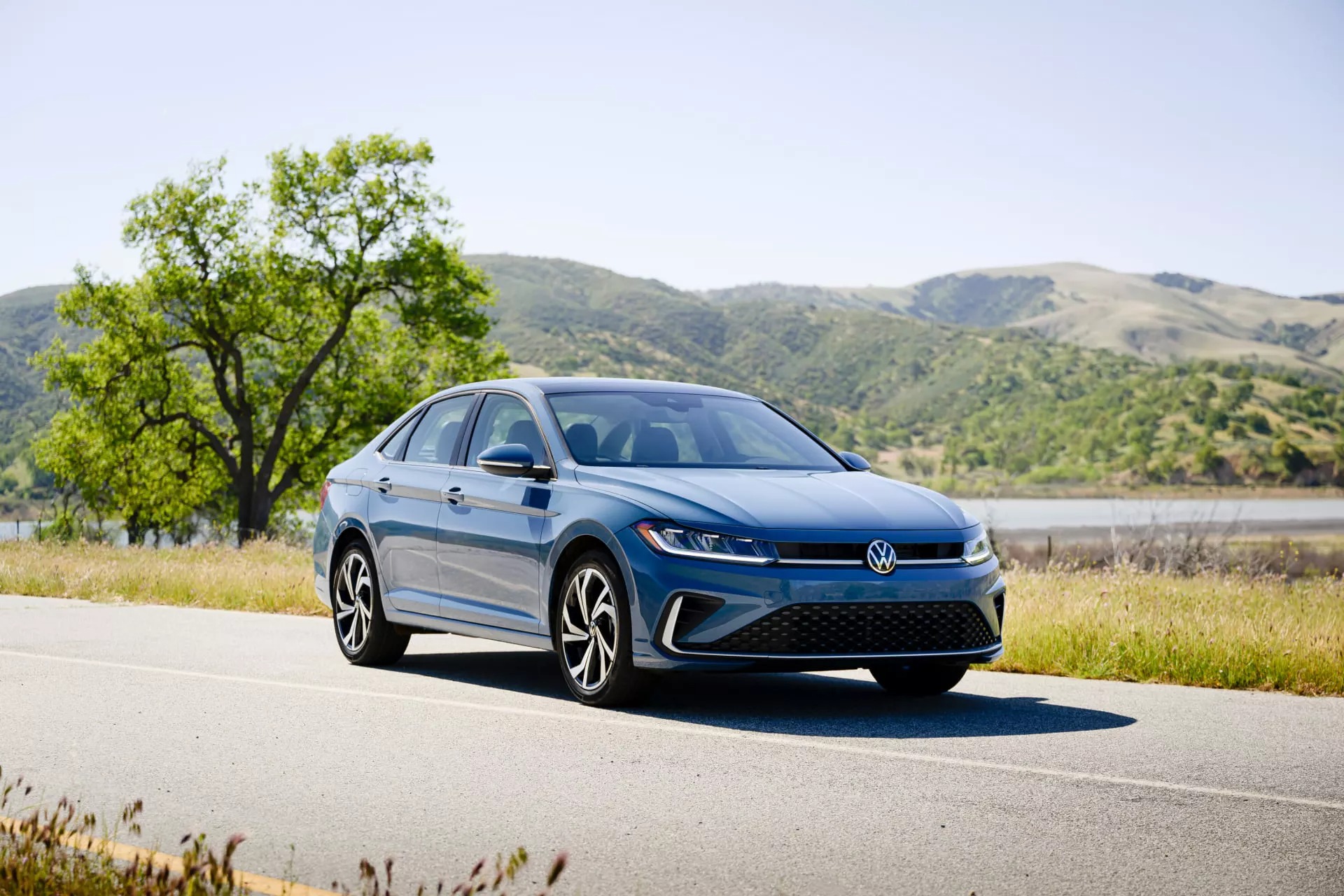
3. Volkswagen Jetta
Volkswagen vehicles often give an impression of refined engineering, and while the Jetta presents itself as a modern and tech-savvy sedan, its climate control performance doesn’t quite live up to expectations. Although higher trims feature dual-zone automatic climate control with a clean-looking interface, the system doesn’t adapt well to varying conditions.
For instance, when transitioning between outdoor temperatures or direct sun exposure, it fails to adjust airflow or temperature quickly, leaving occupants either sweating or reaching for a jacket. It’s a surprising oversight in an otherwise sharp car.
One major issue with the Jetta’s system is that it lacks real-world sensitivity. While the digital controls allow for precise temperature input, the cabin conditions often feel detached from those settings. There’s a tendency for the system to favor extreme responses.
On warm days, it frequently overcools the cabin, which is not only uncomfortable but also wastes energy. Conversely, during colder mornings, it might underperform until the engine warms up, leading to cold starts that linger longer than necessary. These lags affect the comfort of the ride significantly, especially for people commuting in regions with fluctuating weather.
The integration of climate control into the infotainment system can be another source of frustration. Physical buttons are limited, so users must rely on touchscreen controls for even basic temperature changes. This setup might look sleek in press photos, but in practice, it’s less than ideal, especially while driving.
The touch response isn’t always accurate, and menu navigation takes more time than it should. There’s no haptic feedback or shortcut button, so something as simple as increasing the fan speed requires multiple steps and divided attention, making it a hazard rather than a convenience.
Over time, durability becomes an issue. Owners have reported inconsistent AC output, with some units blowing warm air during the summer months despite being set to maximum cooling. These problems don’t appear to stem from misuse but rather from underdeveloped calibration and system design.
The climate system in the Jetta may look premium, but its actual performance and reliability fall far short of what you’d expect from a vehicle in its class.
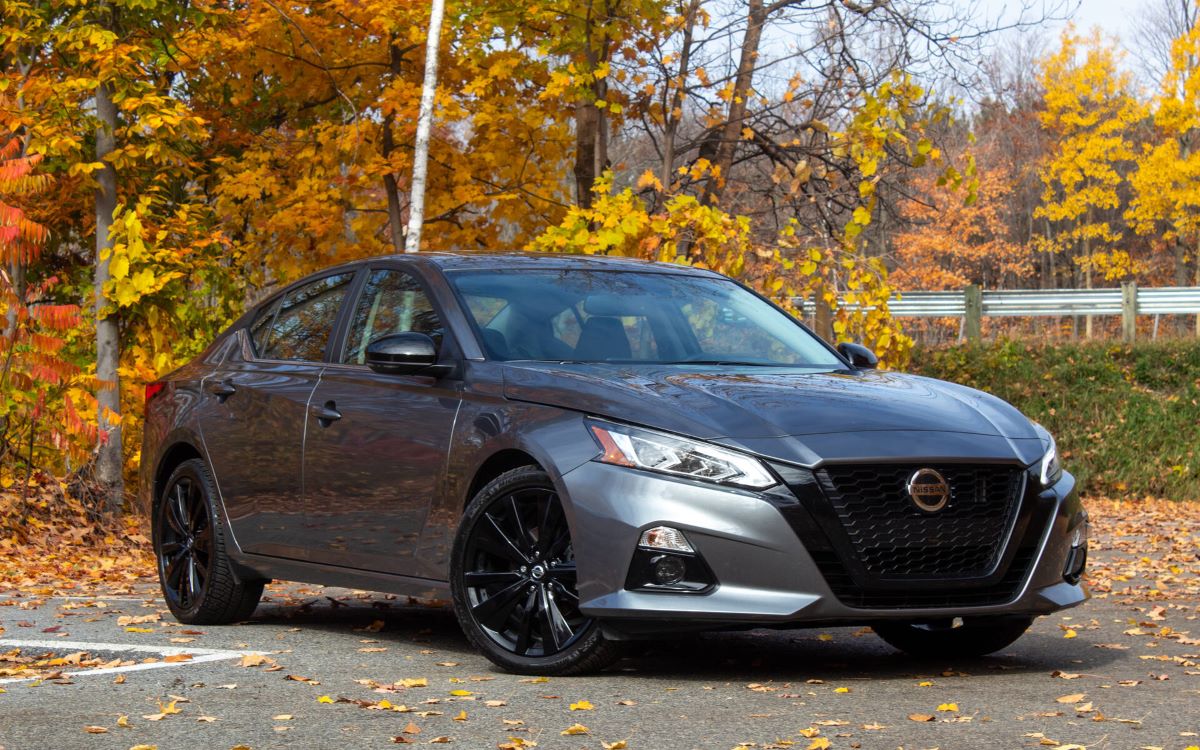
4. Nissan Altima
The Nissan Altima is a car that offers many comfort-focused features at an affordable price, and while it includes automatic climate control in most trims, the execution doesn’t quite match the promise. While the interface is intuitive and the system gives the appearance of a refined and responsive HVAC setup, real-world use tells a different story.
One of the most common complaints is how inconsistent the temperature feels throughout the cabin. Even when set to a standard level like 70°F, the cabin often has hot and cold zones, with front passengers feeling too cool and rear passengers barely getting any airflow.
There’s also a tendency for the system to react sluggishly to environmental changes. When a car’s been parked in the sun, you’d expect rapid cooling once the AC kicks in. But in the Altima, the system often starts slowly and ramps up only after several minutes, making short drives uncomfortable.
Similarly, in cold conditions, the heater may hesitate to warm up the cabin until after you’ve already arrived at your destination. This performance lag makes the automatic label feel misleading, as manual tweaks become necessary just to feel reasonably comfortable.
The fan settings also seem poorly calibrated. Even when turned to higher levels, the airflow remains modest, especially toward the footwell or rear vents. Nissan has placed vents in the right spots, but the power behind them is lacking. This results in a climate control system that struggles to affect the whole cabin evenly. The fan noise can also become intrusive when turned up high, an unfortunate compromise, since that’s often necessary to feel any meaningful temperature change.
Reliability over time is also questionable. Some Altima owners report sensors going out of calibration, and others have had issues with the system failing to respond to temperature adjustments at all. While the system might perform decently when the car is brand new, its long-term effectiveness fades. The climate control system ends up being one of those features that seems great during a test drive but prove frustrating after months of everyday use.

5. Ford EcoSport
The Ford EcoSport is positioned as a budget-friendly compact SUV with some premium-looking interior options. Unfortunately, its climate control system doesn’t live up to the expectations created by its glossy center console and digital controls. The system claims to offer automatic temperature regulation, but in practice, it operates more like a glorified manual AC.
The settings may look advanced, but the actual functionality is underwhelming. The AC system often takes a while to kick in fully, and even then, it doesn’t distribute cool or warm air evenly throughout the cabin.
One of the key problems is that the system struggles under load. In hot weather, especially with several passengers on board, it becomes clear that the cooling capacity isn’t sufficient. Rear-seat passengers get minimal airflow, and even those in the front may need to crank the system to max just to feel mildly cool.
The fan speeds are weak, and the vents are limited in their range of motion, further hindering proper airflow. It creates a situation where the climate control is present, but barely impactful, a visual feature more than a functional one.
The controls themselves are confusing. Ford placed many of the climate settings into a small screen interface that requires careful attention to operate. Adjustments aren’t always precise, and the system occasionally fails to hold the set temperature, drifting above or below the target.
Touch-sensitive controls, while stylish, don’t always register input correctly, especially while driving. The lack of tactile feedback can make even minor adjustments feel like a chore, reducing satisfaction with what should be a background utility.
Long-term durability is another sore spot. Complaints about poor cooling efficiency, failing AC compressors, and sensor issues begin appearing even in vehicles under 50,000 miles. These aren’t isolated cases and suggest a lack of investment in HVAC engineering during the car’s design phase.
Buyers expecting solid climate control based on the feature list might be disappointed to find that it’s just another checkbox ticked off without much attention to functionality. In the case of the EcoSport, the climate system is far more about appearances than actual comfort.
Also Read: 10 Cars With Tricky Seatbelt Buckles for Elderly Passengers
The difference between an effective climate control system and one that simply looks the part becomes clear over time, especially when subjected to real-world driving conditions. Cars that genuinely offer reliable climate control don’t just feature advanced-looking interfaces or boast about multi-zone capabilities.
They provide consistent temperature management, quick responsiveness, and long-term reliability, all without requiring constant adjustment or user frustration. Vehicles like the Toyota Camry, Honda CR-V, Volvo XC60, Hyundai Tucson, and Lexus RX deliver these qualities with impressive consistency, showing that climate control doesn’t have to be flashy, it just needs to work well.
In contrast, some manufacturers focus too heavily on design elements and surface-level features. The Jeep Compass, Chevrolet Malibu, Volkswagen Jetta, Nissan Altima, and Ford EcoSport demonstrate how a climate system can fall short when it prioritizes appearance over practicality.
These vehicles often feature touchscreens, digital displays, and multiple settings, but when it comes to real performance, maintaining comfort, adjusting quickly to temperature changes, or distributing air effectively throughout the cabin, they underdeliver. Systems that frequently require manual overrides, blow air unevenly, or degrade in quality over time can end up causing more discomfort than convenience.
For car buyers, it’s essential not to be swayed solely by marketing language or flashy dashboards. Instead, focus on how a system behaves during actual use. Does it respond immediately to your input? Is the airflow balanced and quiet? Can rear passengers feel the same level of comfort as those in front?
These are the kinds of questions that matter more than how many zones the system claims to have or whether the controls are embedded in a sleek touchscreen.
Climate control isn’t just a luxury feature, it’s a core aspect of everyday driving comfort. Whether you’re commuting to work, driving through a heatwave, or taking a long winter trip, a well-functioning system makes a significant difference in the experience.
Manufacturers that take the time to engineer their systems properly show a deeper understanding of their customers’ needs. Meanwhile, those who focus on looks over substance often disappoint when comfort matters most. Knowing which vehicles offer truly functional climate systems can help you make smarter, more satisfying decisions when choosing your next car.
