
Flooded roads present one of the most serious hazards for drivers, especially when weather conditions rapidly deteriorate due to heavy rain or flash flooding. For SUV owners, the perception often is that their vehicles are better suited to handle these conditions than smaller cars because of their size, ground clearance, and all-wheel or four-wheel drive capabilities.
However, the reality is more complicated. SUVs vary widely in their ability to safely traverse flooded roads, and some models can suffer immediate mechanical or electrical failures, leading to stalling or worse.
Understanding which SUVs can be trusted to keep going in the face of rising waters and which ones are prone to sudden breakdowns is essential knowledge for anyone living in flood-prone regions or areas where sudden storms and poor drainage can create hazardous road conditions.
When driving through floodwaters, several vehicle design factors come into play that determine safety and performance. The first and most critical is the height and placement of the engine air intake. Vehicles with air intakes positioned close to the ground risk sucking water into the engine, causing hydrolock, a condition where water enters the cylinders and stops engine function instantly.
This can lead to costly engine damage or even render the vehicle completely inoperable. Next, ground clearance is paramount; higher clearance reduces the likelihood that water will reach vital components like the transmission, exhaust, or electrical systems. Many SUVs, despite their size, have air intakes or other vulnerable components placed lower than expected, limiting their ability to safely ford flooded roads.
Electrical system protection is another vital factor. Water can cause shorts in wiring harnesses, sensors, and computers that modern vehicles rely on heavily. An SUV that isn’t designed to keep water out of sensitive electronics can stall or experience system failures even if the engine itself remains dry.
Additionally, a vehicle’s drivetrain and traction management systems influence how well it maintains control when roads become slippery or submerged. Four-wheel drive and locking differentials help maintain traction, but without proper engineering for water resistance, even the best traction systems can fail if water causes engine stalling or electrical faults.
While it is always safest to avoid driving through flooded roads altogether, many drivers find themselves forced to do so in emergencies or due to poor infrastructure. Knowing which SUVs have been engineered to withstand these conditions can be a lifesaver.
This article highlights five SUVs that are proven to handle flooded roads safely, thanks to careful design and engineering that protect engines, electrical systems, and drivetrains. It also identifies five SUVs that tend to stall instantly under flooded conditions because of lower air intakes, less protective design, or lack of suitable driver aids.
This knowledge is crucial to help drivers avoid costly repairs, reduce risks to personal safety, and make better choices when selecting a vehicle or planning a route during adverse weather.
Also Read: 5 Cars with Backup Cameras You Can Trust vs 5 That Are Blurry and Useless
5 SUVs That Handle Flooded Roads Safely
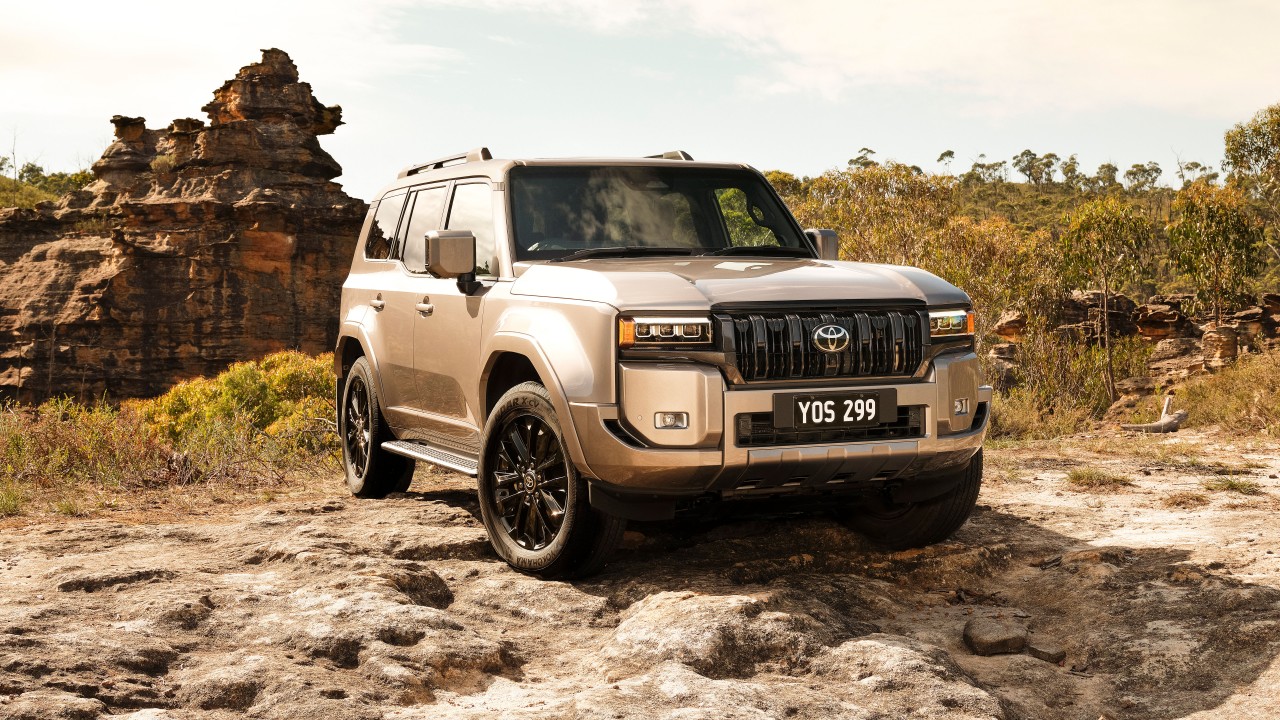
1. Toyota Land Cruiser
The Toyota Land Cruiser has long been regarded as one of the most durable and reliable SUVs in existence, especially in harsh and challenging environments. Its design includes a high ground clearance of over 8 inches, which allows it to navigate deeper waters without risking the infiltration of water into the engine bay or cabin.
The Land Cruiser’s air intake is positioned on the side of the vehicle, higher than many competing SUVs, which significantly reduces the risk of hydrolock when driving through water that might be 20 inches deep or more. This feature, combined with Toyota’s reputation for rigorous engineering standards, gives the Land Cruiser a distinct advantage in flooded conditions.
Beyond ground clearance and air intake placement, the Land Cruiser is equipped with a sophisticated four-wheel-drive system that includes locking differentials and advanced traction control. These systems allow the vehicle to maintain grip even on slippery underwater surfaces where mud, algae, or loose debris can cause loss of traction.
The suspension is robust and designed for extreme off-road conditions, enabling it to remain stable and controllable while driving through water with unseen obstacles underneath. The chassis is also engineered to minimize water intrusion, further protecting the engine and other critical components.
Toyota also focuses on protecting the electrical systems in the Land Cruiser, using sealed connectors and waterproofing techniques to prevent shorts or failures that can lead to stalling. The Land Cruiser’s reputation is bolstered by decades of use in areas with seasonal floods, deserts with occasional flash floods, and jungle environments.
It has proven its ability to withstand water crossings repeatedly without suffering breakdowns or costly damage. The vehicle’s engine, transmission, and other vital systems have been tested extensively to ensure reliability even after exposure to adverse conditions.
Finally, the Land Cruiser offers a suite of driver assistance technologies that aid safe navigation in challenging conditions. Hill descent control, traction control, and stability management systems work in concert to prevent loss of control on wet, slippery surfaces. This combination of mechanical durability, design foresight, and electronic aids makes the Land Cruiser one of the best SUVs available for anyone who needs to drive through floodwaters with confidence.
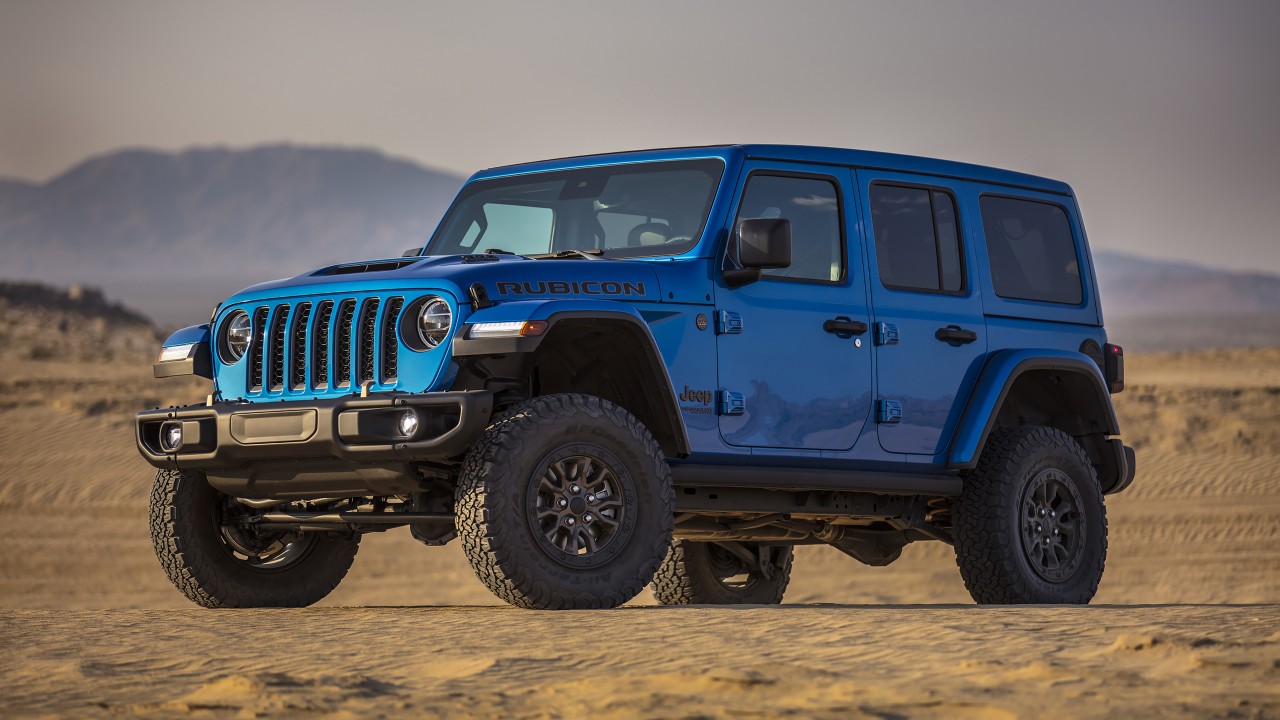
2. Jeep Wrangler
The Jeep Wrangler has become synonymous with ruggedness and off-road capability, making it naturally better suited for flooded road conditions than many other SUVs. One of the Wrangler’s standout features is its high ground clearance, typically around 10 inches, which helps keep key components well above water during crossings. Its engine air intake is positioned in such a way that moderate water levels rarely pose a risk of hydrolock. In fact, many Jeep Wranglers are equipped with snorkel kits as aftermarket or factory options, allowing for even higher wading depth and safer water crossings.
The Wrangler’s body-on-frame construction enhances its durability when driving over rough and unpredictable terrain, including water-covered roads. This design allows easier inspection and repair of damaged components after exposure to water. T
he Wrangler’s solid front and rear axles provide excellent traction when wheels are submerged in water and mud, ensuring that the vehicle can continue moving even if one wheel temporarily loses contact with solid ground.
Moreover, Jeep engineers have taken care to seal electrical wiring and sensitive sensors, helping prevent immediate stalling or electrical faults due to water exposure. Driver aids such as hill descent control, traction management, and locking differentials further enhance stability and control in wet, submerged conditions.
The Wrangler’s relatively simple mechanical layout compared to more electronically complex SUVs means fewer components are at risk of water damage or malfunction.
The Jeep Wrangler’s reputation is bolstered by decades of off-road use in extreme environments, including river crossings, muddy trails, and flooded areas. Its design philosophy embraces ruggedness and repairability, allowing owners to clean, dry, and service the vehicle easily after water exposure. This combination of mechanical strength, smart engineering choices, and driver aids make the Wrangler one of the safest and most reliable SUVs when crossing flooded roads.
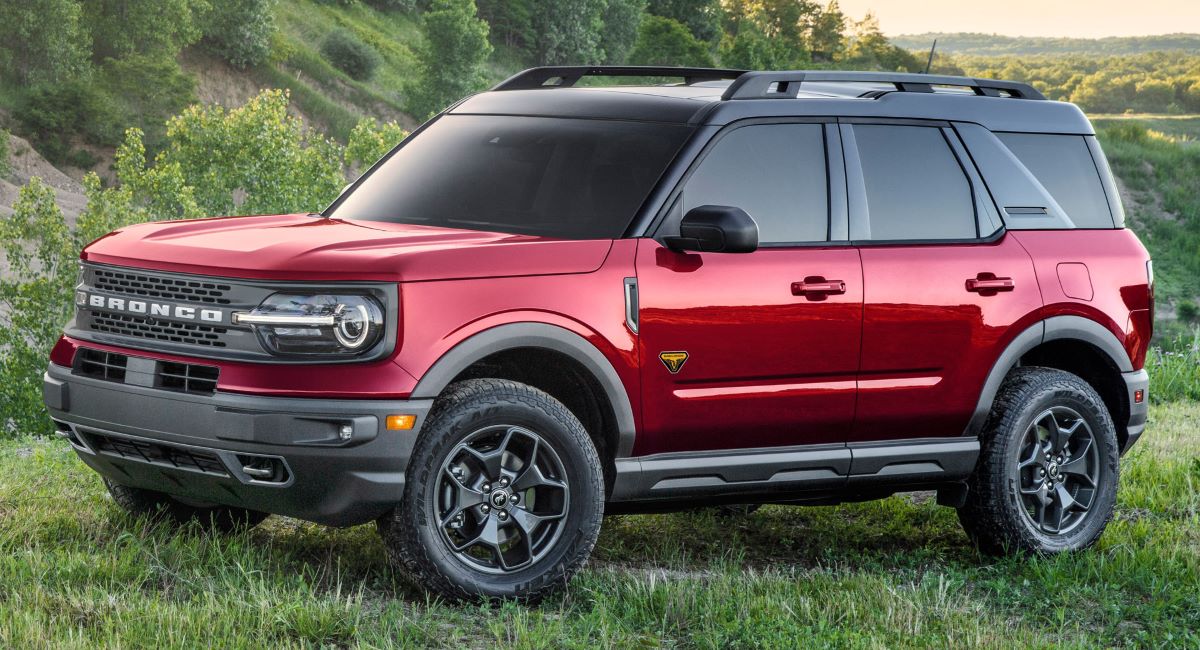
3. Ford Bronco
The latest Ford Bronco generation has been engineered to meet modern off-road demands, which includes handling flooded roads safely. One of its standout features is an elevated air intake and exhaust system designed to prevent water ingress during moderate water crossings.
Some trims also offer a “wade” mode that adjusts traction, throttle response, and suspension height to optimize the vehicle for flooded or waterlogged conditions. This active adjustment capability improves the Bronco’s chances of maintaining momentum and avoiding stalling in tricky flood situations.
Ground clearance on the Bronco can be electronically adjusted in select models, allowing drivers to raise the vehicle when approaching flooded roads or rough terrain. This flexibility is a significant advantage because it enables the Bronco to clear deeper water without risking damage to the undercarriage or engine components.
The Bronco’s independent front suspension and solid rear axle offer a balance between ride comfort and off-road durability, helping it remain stable and controllable in water.
Ford has also put considerable effort into protecting the Bronco’s electrical systems. Sealed connectors and water-resistant wiring reduce the chance of water-induced electrical faults that could cause sudden engine shutdowns or loss of control.
The Bronco’s terrain management system offers specific settings for mud, sand, and water, allowing drivers to tailor the vehicle’s behavior to the exact environment, improving grip and throttle control.
Finally, the Bronco benefits from a strong chassis and drivetrain design, including heavy-duty axles and a well-protected transmission. These components are designed to withstand harsh conditions and water exposure, making the Bronco a top contender for drivers needing reliable performance during floods or unexpected water crossings. Its combination of modern technology and mechanical toughness offers a safe and effective option for flood-prone areas.
4. Land Rover Defender
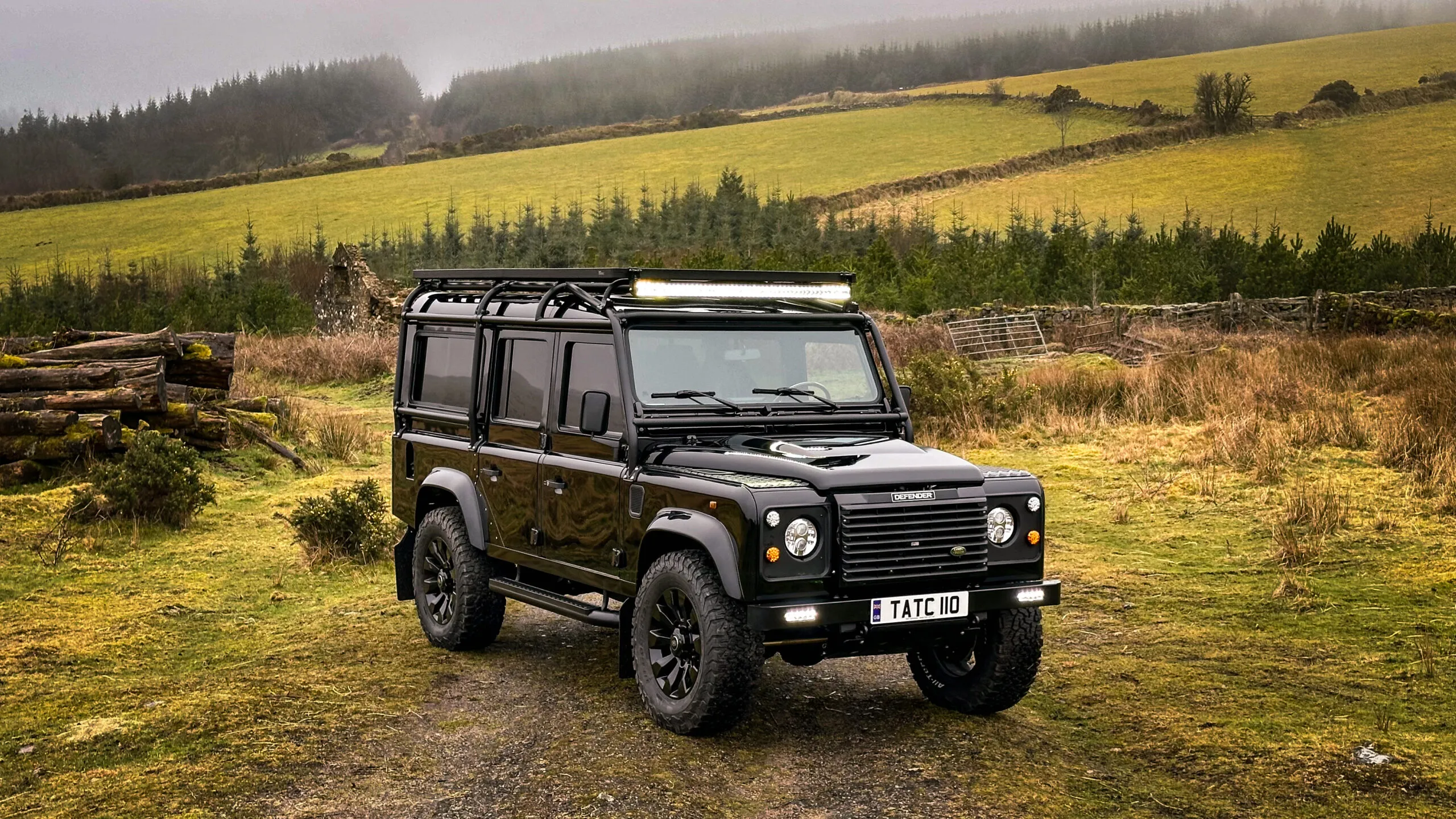
The Land Rover Defender has a long heritage of tackling tough environments, and its modern iteration carries forward this legacy with advanced features designed specifically for water crossings and flooded road conditions.
It boasts one of the highest factory-rated wading depths in the SUV segment, allowing it to safely traverse water over 35 inches deep, a depth that would disable many other vehicles. This impressive capability is thanks to its carefully engineered air intake and exhaust placement, both elevated and sealed to prevent water intrusion during deep fording.
In addition to its physical design, the Defender incorporates advanced waterproofing technologies that protect the electrical and mechanical systems. Sensitive components such as sensors, wiring harnesses, and electronic control units are sealed and treated to resist moisture damage, significantly reducing the risk of sudden stalling or electronic failures in floodwaters.
The vehicle’s Terrain Response system intelligently adapts traction control, throttle input, and braking to optimize performance on slippery, submerged surfaces.
The Defender’s chassis and suspension are designed to absorb impacts from underwater obstacles like rocks and debris while maintaining driver control. Its air suspension system allows adjustable ride height, which can be increased before entering water to improve clearance and reduce the risk of damage. The combination of these features provides drivers with exceptional confidence when crossing flooded roads, knowing their vehicle is engineered for these conditions.
Moreover, the Defender’s use of advanced driver assistance systems and robust four-wheel-drive technology makes it highly capable in slippery and flooded environments. It balances luxury and off-road toughness, offering a rare combination that allows safe passage through water without sacrificing comfort or performance. This comprehensive approach to flood resilience makes the Land Rover Defender one of the safest SUVs to drive through flooded roads.
5. Mercedes-Benz G-Class
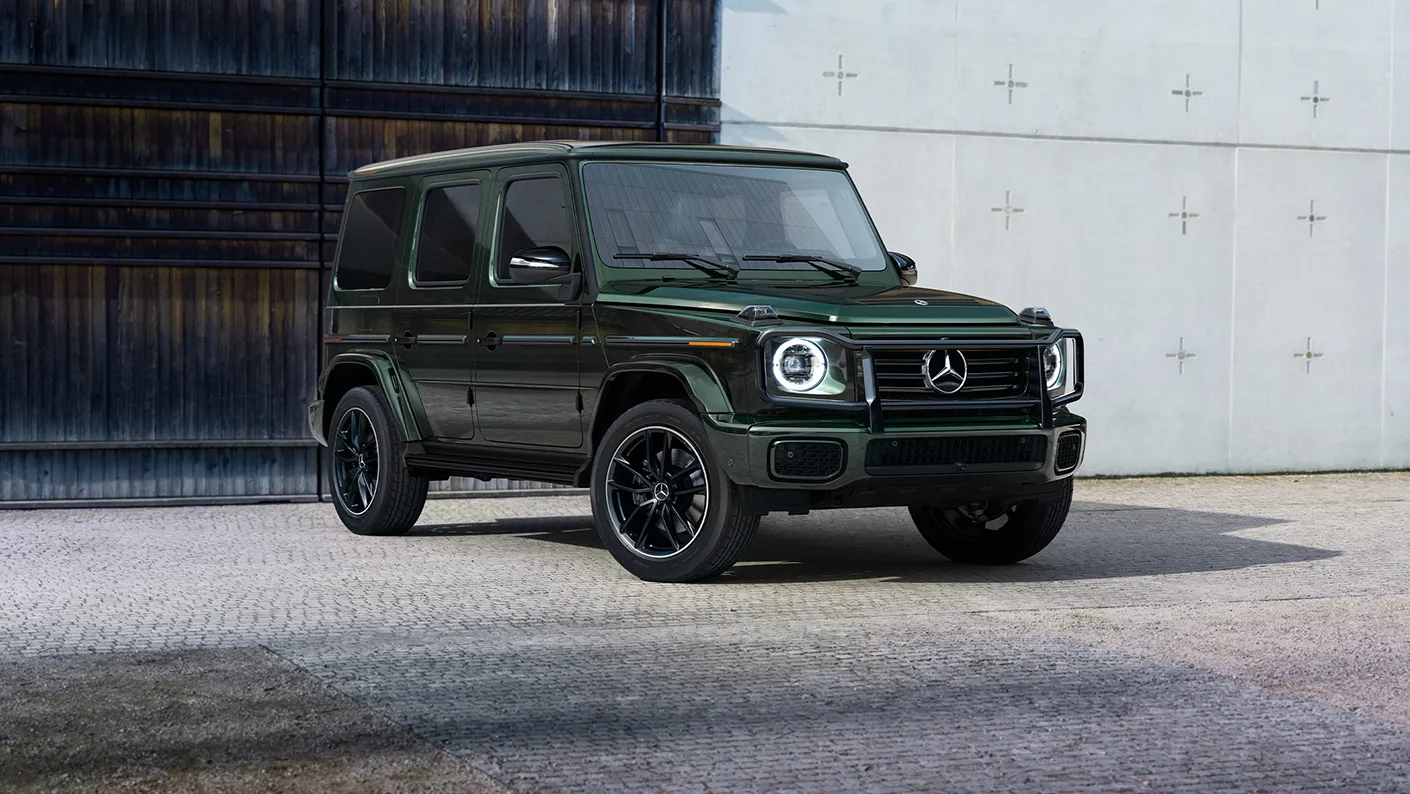
The Mercedes-Benz G-Class is widely recognized as a luxury SUV with serious off-road and flood capabilities, setting it apart from most other vehicles in its class. Its wading depth is rated at approximately 27.5 inches, which is among the best for luxury SUVs. This is made possible by its high ground clearance, rugged body-on-frame construction, and the careful positioning of the air intake and exhaust system to avoid water entry during moderate water crossings.
The G-Class is equipped with three fully locking differentials, allowing it to maintain traction even when driving through slippery or submerged surfaces. This, combined with its advanced all-wheel-drive system and electronic stability programs, ensures that the vehicle can maintain control and power through challenging flooded conditions. The vehicle’s chassis and suspension are built to withstand impacts from hidden underwater obstacles, keeping the ride stable and predictable.
Mercedes-Benz has also invested heavily in waterproofing the G-Class’s electrical and mechanical systems. Sealed engine compartments, moisture-resistant wiring, and protected control modules reduce the risk of electrical shorts or component failures caused by water exposure. These protective measures are critical in ensuring the vehicle does not stall when confronted with floodwaters, which is a common issue with less rugged SUVs.
Luxury does not come at the expense of capability in the G-Class. Its build quality and engineering allow it to operate in flood conditions that would disable many other SUVs, giving drivers confidence and peace of mind. For those who require a combination of premium comfort, rugged capability, and flood resilience, the Mercedes-Benz G-Class remains an unmatched option.
5 SUVs That Stall Instantly in Flooded Roads

1. Honda CR-V
The Honda CR-V is widely praised for its practicality, comfort, and fuel efficiency, making it a top choice for many families and urban drivers. However, despite these strengths, the CR-V’s design presents serious challenges when it comes to handling flooded roads.
One of the most critical issues lies in its ground clearance, which is typically around 7.8 inches, a figure that falls short compared to more rugged SUVs designed for off-road or water fording situations. This relatively low clearance means that when water levels rise even slightly, it can reach important engine components and electrical parts, increasing the risk of damage.
Perhaps the most significant vulnerability in the CR-V is the positioning of its engine air intake. Located low on the front end of the vehicle, this air intake is susceptible to sucking in water during shallow water crossings.
When water enters the engine’s combustion chamber, it causes hydrolock, a condition that immediately stalls the engine and can cause severe internal damage, such as bent connecting rods or cracked cylinders. Repairing hydrolocked engines is often expensive, and in many cases, the damage is so severe that the engine must be replaced entirely.
The CR-V’s electrical systems are another point of concern in flooded conditions. Modern vehicles rely on a complex network of sensors, control modules, and wiring harnesses to manage everything from engine timing to safety features. Unfortunately, the CR-V lacks extensive waterproofing measures for these components.
When water reaches these systems, it can cause electrical shorts or sensor malfunctions that lead to sudden stalling or erratic behavior. This makes navigating flooded roads even riskier, as the vehicle might lose power unexpectedly or fail to respond correctly to driver inputs.
Additionally, the CR-V’s drivetrain is optimized for on-road performance and light all-wheel-drive assistance, rather than rugged terrain or deep water fording. Its traction control system primarily prevents wheel slip on paved or lightly slippery surfaces and does not offer locking differentials or advanced traction aids suited for flooded or muddy terrain.
As a result, the CR-V struggles to maintain momentum on submerged roads, increasing the likelihood of getting stuck or stalled. For anyone living in flood-prone areas or regions with poor drainage infrastructure, the CR-V’s limitations make it a less safe choice when faced with sudden water hazards.
2. Nissan Rogue
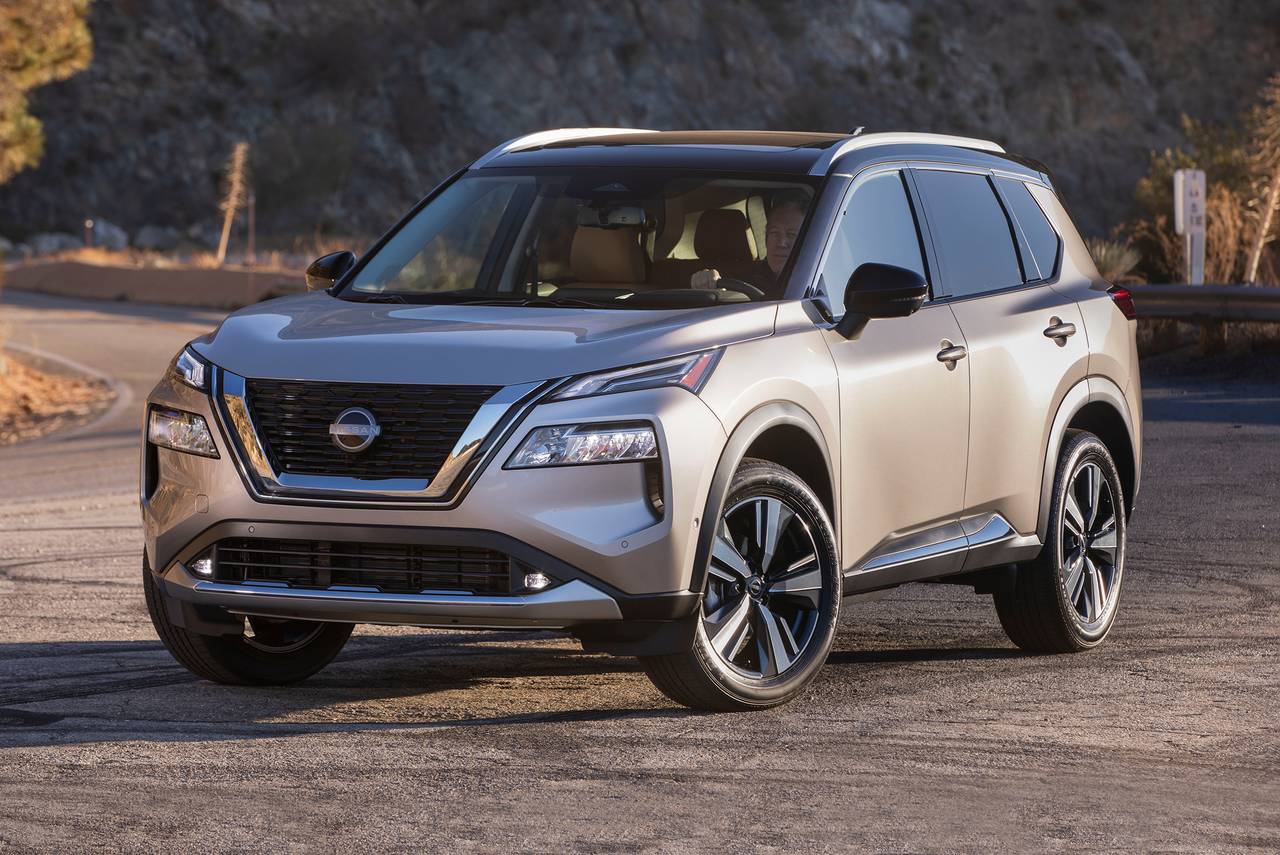
The Nissan Rogue is a popular compact SUV known for its comfort, technology features, and efficient powertrains. However, its performance in flooded road scenarios is weak due to several design shortcomings.
Ground clearance is one such factor, generally sitting around 8.4 inches depending on the model year, which is borderline for safely crossing even moderate water depths without risking damage. Although this clearance is slightly higher than the CR-V’s, it is still insufficient to fully protect the engine and vital systems from water intrusion in deeper puddles or flooding.
Like many vehicles in its class, the Rogue’s air intake is positioned low at the front of the engine bay. This placement makes it easy for water to be ingested during flood crossings, resulting in engine hydrolock and immediate stalling.
This issue is exacerbated by the Rogue’s engine design, which is not built with water fording in mind. Once water enters the cylinders, the internal components are stressed beyond their limits, potentially causing irreversible damage to pistons, rods, and cylinder walls.
Beyond engine vulnerability, the Rogue’s electrical system is another area where water exposure can cause serious problems. Its wiring harnesses and sensor modules are not comprehensively sealed against moisture, meaning that water can cause short circuits or sensor failures.
This may lead to sudden engine shutdowns or erratic operation of critical systems like fuel injection and ignition timing. The lack of waterproofing in these electrical components adds a layer of risk when crossing flooded roads.
Nissan equips some Rogue models with an all-wheel-drive system, but it is primarily designed to improve traction on dry or mildly slippery roads rather than in waterlogged or off-road conditions. The system does not include locking differentials or advanced flood handling modes, which would be necessary for navigating submerged surfaces safely.
As a result, drivers can experience loss of traction and control, leading to stalls or becoming stranded. In summary, while the Nissan Rogue offers many conveniences for everyday driving, it is not engineered to handle flooded roads safely, and drivers should exercise extreme caution or avoid such conditions altogether.
3. Mazda CX-5
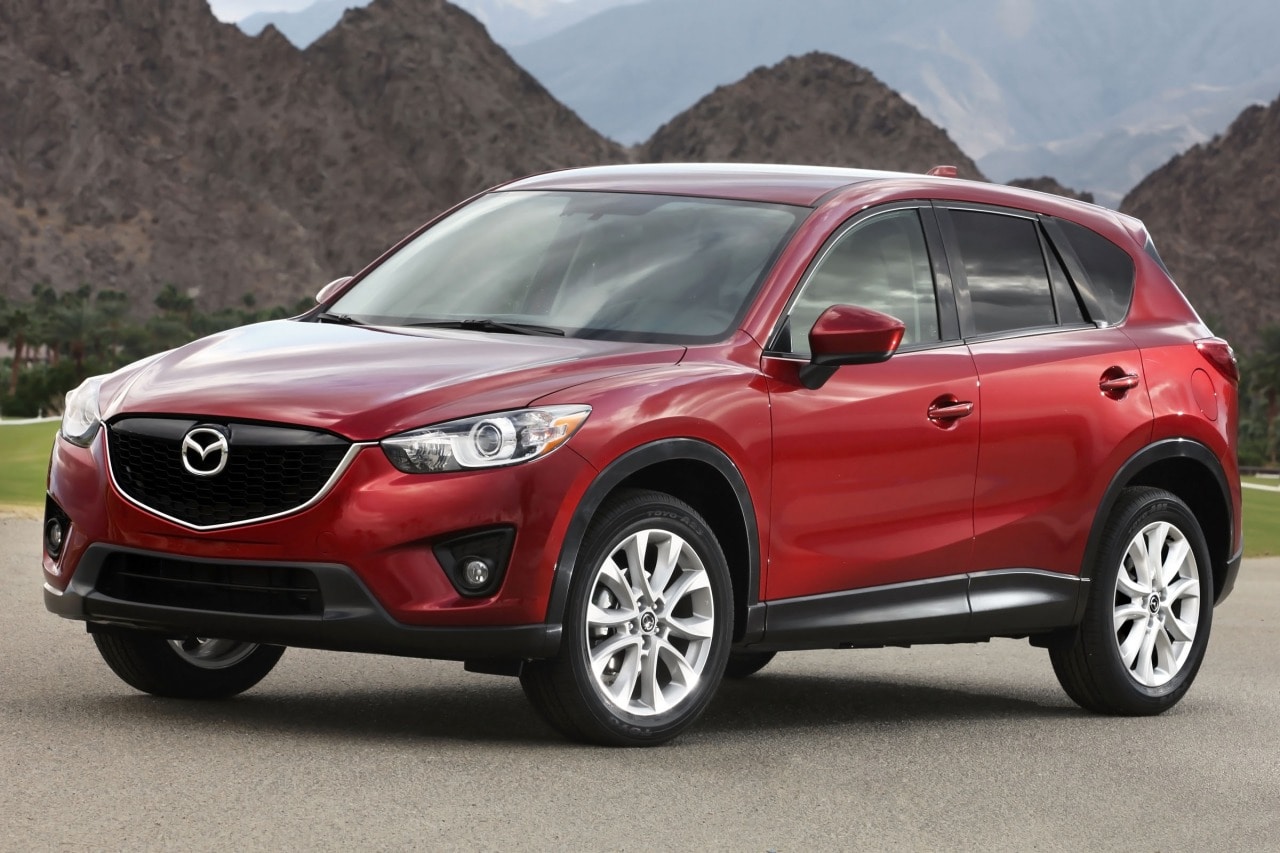
The Mazda CX-5 is often praised for its stylish design, responsive handling, and upscale interior, making it a standout in the compact SUV market. However, despite these appealing qualities, the CX-5 is poorly equipped to handle flooded road conditions.
One of the most significant issues is its modest ground clearance, which ranges from approximately 7.5 to 8.5 inches, depending on the model and trim. This height is insufficient to protect the engine bay and other critical components when encountering standing water or flooded streets, especially if the water depth approaches or exceeds these values.
Another major design flaw in the CX-5 for flood resilience is the positioning of the engine air intake. It sits relatively low on the front fascia, meaning that even moderate water levels can be sucked into the engine, causing hydrolock and instant stalling.
Hydrolock is a dangerous condition because water is incompressible, and when it fills the combustion chamber, it prevents the piston from completing its cycle. The resulting mechanical stress can cause significant internal damage, often necessitating expensive repairs or engine replacement.
The CX-5’s electrical components also lack sufficient waterproofing for use in submerged conditions. Modern vehicles depend heavily on sensors, electronic control units, and wiring harnesses to manage engine functions and driver assistance features.
In the CX-5, these components are vulnerable to water infiltration, leading to short circuits, sensor failures, or complete system shutdowns when exposed to floodwaters. This electrical susceptibility increases the risk of unexpected engine stalls or loss of critical functions while driving through flooded areas.
While the CX-5 does offer all-wheel drive on some trims, its system is optimized for improved grip on wet roads or light snow rather than off-road or water crossing capabilities. It lacks the specialized traction control settings or locking differentials necessary to maintain control and power in deep water.
Its suspension is tuned for road comfort and handling, not for rugged or submerged terrain, limiting its ability to cope with the forces and obstacles often encountered in flood conditions. As a result, the CX-5 is ill-suited for safely navigating flooded roads and is likely to stall or sustain damage under such circumstances.
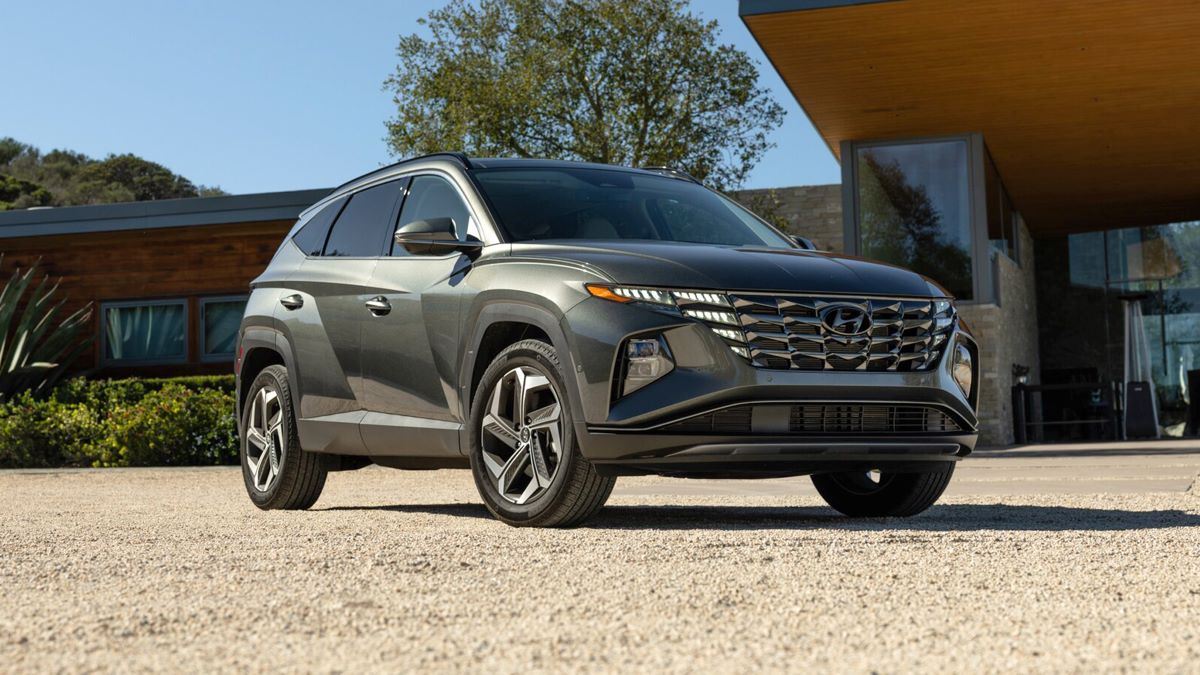
4. Hyundai Tucson
The Hyundai Tucson is a competitive compact SUV that appeals to buyers looking for value, comfort, and style. Nevertheless, it is not built to endure flooded roads without risk. The Tucson’s ground clearance is around 7.9 inches, which leaves it vulnerable to water reaching the engine bay during flood events. This clearance is lower than many SUVs designed with off-road or flood resilience in mind, increasing the chances that water will reach components that should remain dry.
The placement of the Tucson’s engine air intake is another critical weakness. Located relatively low in the front end, it is at risk of pulling in water when driving through flooded areas.
When water enters the engine through the air intake, it leads to hydrolock, which causes the engine to stall immediately and can result in severe internal damage to engine components. Repairing hydrolocked engines can be costly and time-consuming, making this a significant liability for Tucson owners who frequently encounter flood conditions.
Hyundai’s electrical system in the Tucson, while modern and efficient, lacks comprehensive waterproofing. Exposure to water can cause electrical shorts and sensor failures, which may trigger unexpected engine shutdowns or erratic vehicle behavior. These electrical vulnerabilities make driving through floodwaters particularly risky in Tucson, as a sudden loss of power or malfunctioning safety systems can put the driver and passengers in danger.
Furthermore, Tucson’s all-wheel-drive system is designed primarily to enhance traction on slippery surfaces such as rain-soaked roads or light snow, rather than deep water or mud. It does not feature locking differentials or specialized flood or off-road driving modes that could improve performance in these conditions.
The combination of limited ground clearance, low air intake placement, and insufficient electrical waterproofing means that the Tucson is not a reliable vehicle for navigating flooded roads and is highly prone to stalling and damage.

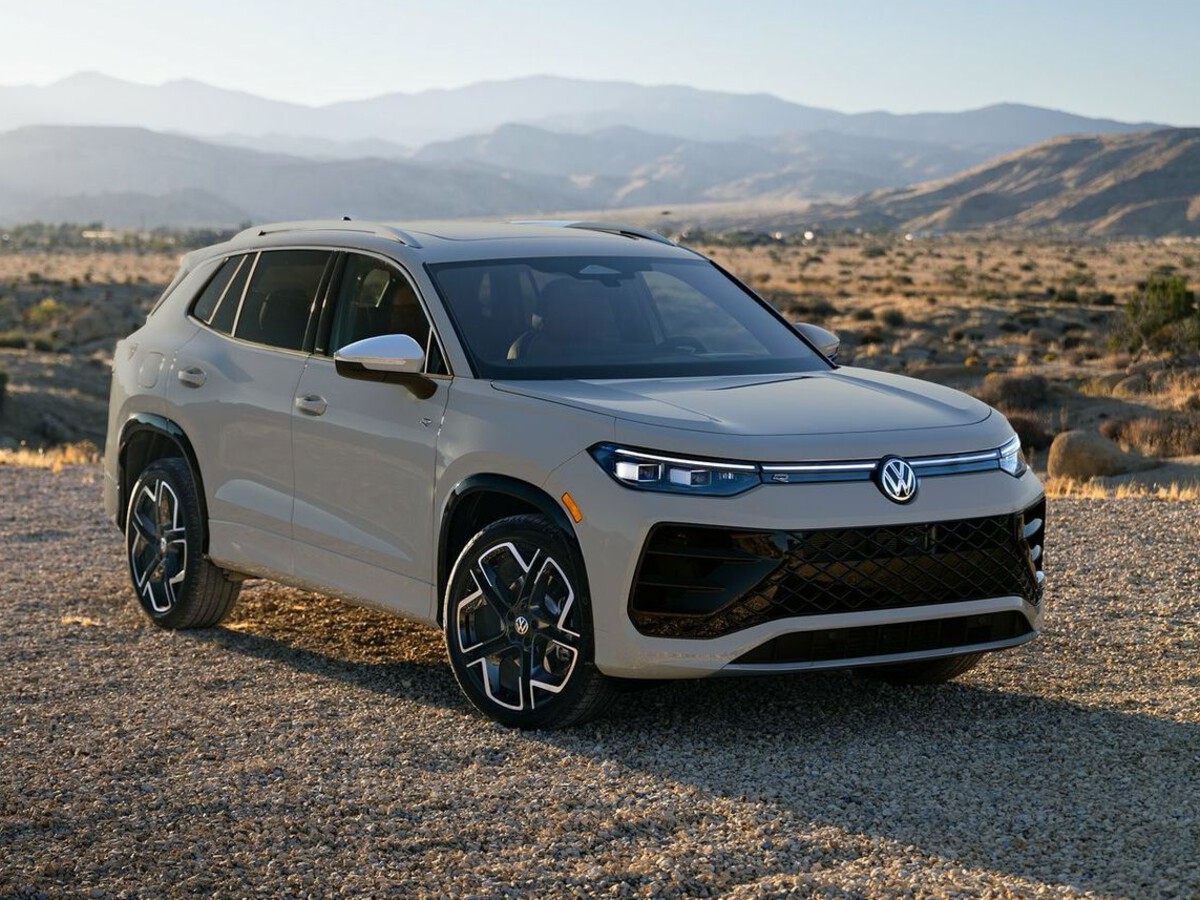
5. Volkswagen Tiguan
The Volkswagen Tiguan is a compact SUV that combines European styling, a comfortable interior, and a smooth ride, making it popular among urban and suburban drivers. However, when it comes to flooded roads, the Tiguan is vulnerable due to design factors that make it prone to stalling and mechanical damage. Its ground clearance generally measures around 7.9 inches, which is adequate for normal driving but insufficient to protect critical engine and drivetrain components in deeper water.
One of the Tiguan’s most significant weaknesses for flood driving is the low placement of its engine air intake. This positioning allows water to be easily drawn into the engine during flooded road crossings, resulting in hydrolock and immediate stalling.
The engine is not designed to handle water ingestion, and such an event can cause severe mechanical failures requiring costly repairs. This risk is heightened during heavy rain or flash flooding when water depths can rise quickly and unexpectedly.
The electrical systems in the Tiguan, though equipped with modern technology, are not comprehensively sealed against moisture. Water exposure can cause shorts in wiring and malfunctions in electronic control units, potentially leading to sudden engine shutdowns or loss of critical functions such as traction control or stability management. These electrical vulnerabilities further increase the risk of getting stranded in flood conditions.
While some Tiguan models feature all-wheel drive, the system is tailored primarily for enhanced grip on dry or moderately wet roads rather than deep water or mud. It lacks locking differentials and specific off-road or flood driving modes, limiting its ability to maintain traction and power in submerged conditions.
The suspension and chassis are also not designed to withstand the rigors of water crossings or the impacts from underwater debris, making the Tiguan more susceptible to damage and mechanical failures during floods. For drivers in flood-prone areas, the Tiguan’s limitations make it a risky choice when encountering flooded roads.
Also Read: 5 Porsche 911 Model That Stayed Reliable Over The Years
When it comes to driving through flooded roads, the differences between SUVs become starkly apparent. Vehicles designed with higher ground clearance, strategically placed air intakes, robust waterproofing for electrical components, and specialized all-wheel-drive or four-wheel-drive systems outperform those lacking these features.
SUVs like the Jeep Grand Cherokee, Toyota 4Runner, and Ford Bronco offer drivers greater confidence in flood-prone areas due to their rugged design and engineering focused on off-road and water fording capabilities. Their ability to maintain traction, avoid water ingestion in the engine, and protect sensitive electronics makes them safer and more reliable in such hazardous conditions.
Conversely, popular models such as the Honda CR-V, Nissan Rogue, and Mazda CX-5, while excellent for everyday driving and mild weather, are vulnerable in flooded scenarios. Lower ground clearance, low air intake positions, and insufficient waterproofing mean these SUVs can stall almost immediately when exposed to even moderate floodwaters. This not only jeopardizes the vehicle but also the safety of its occupants, as sudden stalls in water can leave drivers stranded in dangerous situations.
Understanding these differences is essential for making informed choices, especially for those living in regions susceptible to flooding. When selecting an SUV, considering its flood-handling capabilities can mean the difference between safety and risk during heavy rains and flash floods.
