
Winter driving presents unique challenges that test both the vehicle and the driver in ways that many other seasons never do. Snow, ice, freezing temperatures, and reduced daylight hours combine to create hazardous road conditions that can quickly turn even the most routine trip into a test of skill and safety.
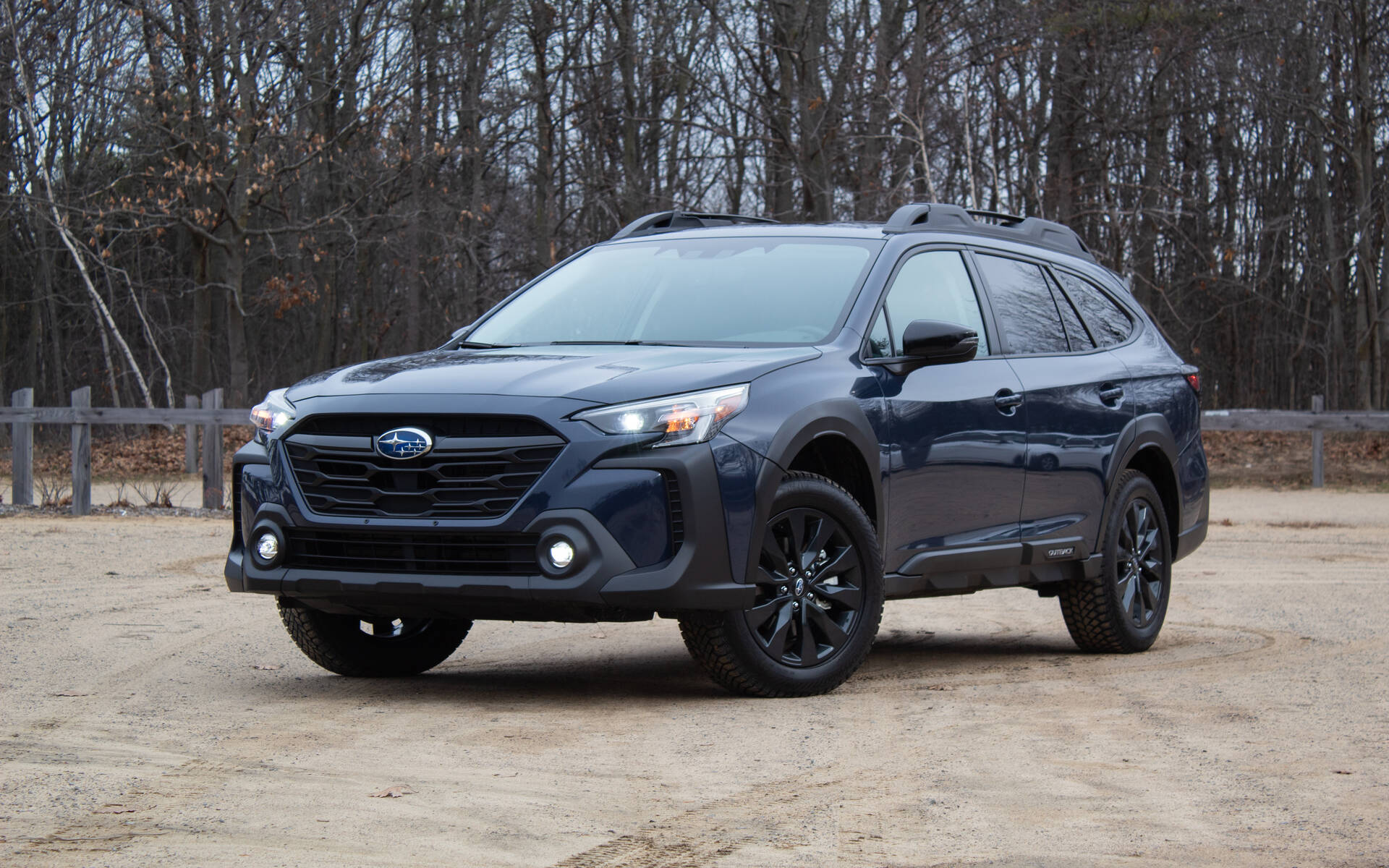
For those living in colder climates or frequently traveling in wintry conditions, selecting a vehicle designed to handle these elements is essential. The Subaru Outback has earned a well-deserved reputation as a winter-ready vehicle, built to maintain traction, stability, and control no matter how severe the weather becomes.
This reputation is rooted in decades of engineering innovation and thoughtful design, where every aspect of the vehicle works together to keep drivers safe on slippery, snow-packed roads.
The Outback’s unique blend of rugged capability and everyday comfort allows it to perform admirably across a variety of surfaces and conditions, giving its drivers confidence when the roads are covered in ice or snow. It is more than just a vehicle with all-wheel drive, although that system alone dramatically improves traction and control in winter.
From its advanced drivetrain to its safety electronics, structural design, and even interior features aimed at driver comfort, the Subaru Outback integrates numerous layers of protection. These systems are designed not only to help the vehicle maintain grip but also to assist drivers in avoiding accidents and handling unexpected winter hazards. Understanding the full scope of what makes the Outback so dependable in winter reveals why so many drivers trust it year after year.
This article will discuss ten key features that contribute to the Outback’s outstanding safety in winter conditions, each playing a unique role in managing the risks posed by cold, ice, snow, and reduced visibility. These features are not isolated; they interact to create a vehicle that can confidently tackle snow-covered highways, icy rural roads, and steep, slippery hills.
They range from mechanical systems designed to optimize traction to electronic aids that enhance vehicle control, all working in harmony to protect the driver and passengers. Additionally, comfort features play a surprisingly important role by reducing driver fatigue and distraction during cold-weather driving, thereby indirectly improving safety.
Whether it is the continuously active all-wheel drive system, advanced stability controls, or features designed to improve visibility and comfort, each of these ten elements helps to ensure that the Subaru Outback remains safe and reliable for life, through every winter season.
This comprehensive look at the vehicle’s winter-specific safety features will provide a clear understanding of why the Outback is often the preferred choice for those who face harsh winter climates regularly. As we explore each feature in detail, it becomes evident that Subaru’s commitment to winter safety is both broad and deep, making the Outback one of the safest vehicles to drive when the cold weather hits.
Also Read: 5 Hybrids With Great Parts Availability and 5 That Are Always Backordered
1. Symmetrical All-Wheel Drive (AWD)
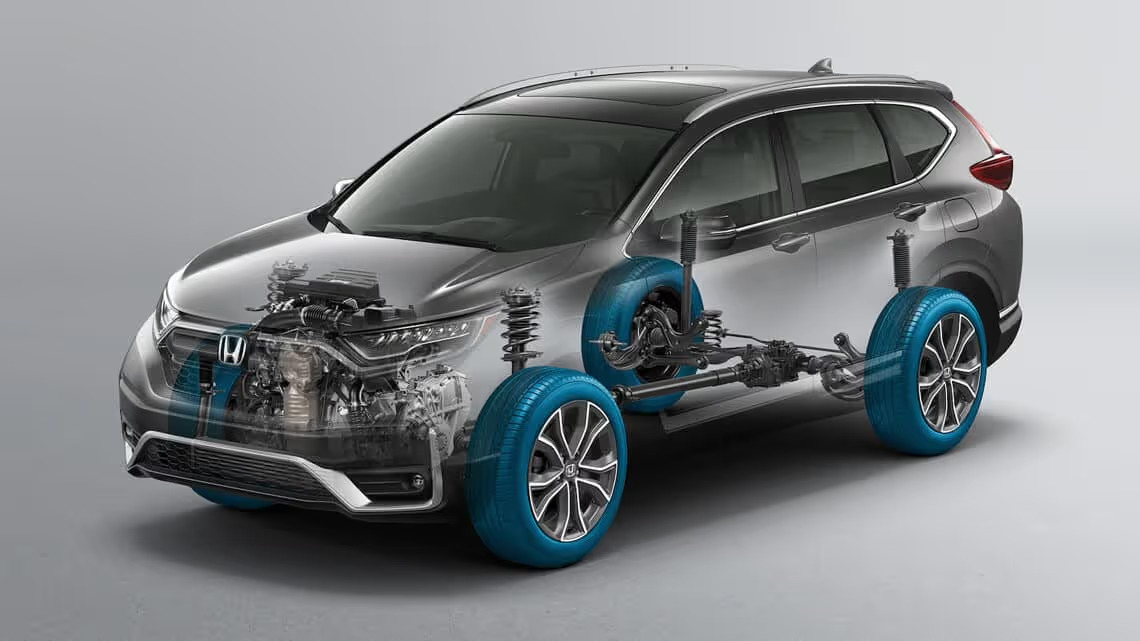
At the heart of the Subaru Outback’s winter safety is its Symmetrical All-Wheel Drive (AWD) system, one of the most effective features for maintaining control on slippery roads. Unlike conventional two-wheel-drive systems, which send power to only the front or rear wheels, the Symmetrical AWD continuously powers all four wheels.
This constant engagement provides balanced traction, which is crucial on snow-covered or icy roads where one or two wheels might otherwise lose grip. The system’s ability to adjust power distribution instantly helps prevent wheel spin and enhances forward momentum, especially when accelerating on low-friction surfaces such as ice patches or deep snow.
This means the Outback can maintain better stability and forward progress even in challenging winter conditions where other vehicles might struggle.
What makes Subaru’s AWD unique is its symmetrical design, meaning that the drivetrain components are aligned along the centerline of the vehicle in a balanced layout. This symmetry improves weight distribution and balance, contributing to more predictable handling and greater stability when cornering or driving over uneven snowy terrain.
The system is also designed to be proactive rather than reactive. It continuously sends torque to all wheels, not just when slip is detected, which results in smoother power delivery and more confidence in traction at all times. This continuous power distribution helps drivers maintain control without sudden shifts in traction that could cause instability.
The AWD system works hand-in-hand with Subaru’s electronic traction control and stability control systems. These technologies monitor wheel speeds and engine output and automatically adjust torque distribution when slip is detected, helping the driver maintain control even during sudden maneuvers or when road conditions change unexpectedly.
This is especially important during winter, when hidden ice patches, snowdrifts, or slushy roads can appear suddenly and require quick reactions. The AWD system’s responsiveness to these changes reduces the risk of spinning out or sliding off the road, which can be life-saving in many situations.
Moreover, the system supports safer acceleration and braking. On slick surfaces, applying too much power to any one wheel can cause it to spin, resulting in loss of traction and control.
By delivering power evenly and adjusting as necessary, the Symmetrical AWD system helps maintain a steady grip during acceleration and prevents excessive wheel spin during braking, which can cause the vehicle to skid. This balanced power delivery is a fundamental reason why the Subaru Outback remains one of the most stable and reliable vehicles to drive during winter conditions.
2. X-MODE with Hill Descent Control
The Subaru Outback’s X-MODE system is an advanced feature designed specifically to enhance winter and off-road driving capabilities, providing drivers with an additional layer of confidence when conditions get rough. X-MODE optimizes the engine, transmission, and braking systems to maximize traction and control on slippery or uneven surfaces such as snow, ice, or mud.
When activated, the system works by modifying throttle response and adjusting the all-wheel drive system to ensure that the vehicle’s wheels maintain grip, even in conditions where traction is limited. This helps the vehicle move more smoothly and steadily through snow-covered or icy patches without sudden loss of control.
One of the standout components of X-MODE is Hill Descent Control, which is especially useful for winter driving on steep, icy inclines. Rather than relying on the driver to modulate the brakes manually during a descent, Hill Descent Control automatically applies individual wheel braking to maintain a controlled, slow speed down slopes.
This feature is crucial in winter because braking on icy or snow-packed hills can easily lead to wheel lockup or skidding, which often causes loss of control. By regulating brake pressure carefully and preventing wheel lock, Hill Descent Control enables a smooth, safe descent, allowing the driver to focus entirely on steering.
X-MODE’s ability to manage throttle and braking extends to situations involving uneven terrain or deep snow. The system continually monitors wheel spin and adjusts engine output and braking to keep the vehicle moving forward without getting stuck.
This helps prevent situations where a driver might lose momentum or get stranded in snow drifts or icy ruts, common hazards in winter driving. X-MODE’s low-speed operation allows the Outback to move with more precision and less chance of slipping, which is particularly helpful when maneuvering through snow-covered driveways, parking lots, or off-road trails.
Furthermore, X-MODE integrates with the vehicle’s traction and stability control systems to provide an all-encompassing safety net for drivers. By maximizing the capabilities of the AWD system and providing precise braking on all four wheels, this technology ensures that the Outback can handle not just typical winter roads but also more challenging off-pavement conditions.
This capability makes the Outback a versatile vehicle that can confidently take on a wide range of winter scenarios, from everyday city driving to remote backcountry adventures.
3. Vehicle Dynamics Control (VDC)
Vehicle Dynamics Control (VDC) is a critical safety feature that greatly improves the Subaru Outback’s handling and stability in winter driving conditions. VDC is an electronic stability control system that monitors the vehicle’s movement and driver input to help prevent loss of control caused by skidding or sliding on icy or snowy roads.
When the system detects that the vehicle is beginning to slide, whether due to oversteer, understeer, or sudden changes in direction, it automatically intervenes by applying brakes to individual wheels and adjusting engine power to bring the vehicle back on its intended path.
In winter, when the road surface can be unpredictable and slick, maintaining control during cornering or evasive maneuvers is paramount. VDC’s ability to sense slight deviations from the driver’s intended direction and correct them helps prevent situations where a vehicle might spin out or veer off the road.
This system is especially useful when sudden obstacles or changes in the road surface cause the vehicle to lose grip unexpectedly. VDC ensures that the Outback maintains directional stability by dynamically managing braking and throttle inputs, providing a steady and controlled driving experience even in the most challenging conditions.
The system works seamlessly with the vehicle’s Anti-lock Braking System (ABS) and traction control to provide comprehensive safety coverage. By coordinating power and braking adjustments, VDC prevents wheel slip while also maintaining steering ability, allowing drivers to keep control even when braking hard or navigating sharp turns on ice or packed snow.
Unlike older stability control systems that might react too late or too harshly, Subaru’s VDC is tuned to intervene smoothly and predictably, minimizing any unsettling sensations for the driver.
Because VDC operates continuously in the background, drivers may not always be aware of its active role in maintaining control. However, its constant monitoring and subtle corrections make a significant difference in reducing accidents during winter.
It effectively compensates for the unpredictable nature of icy roads, helping drivers maintain confidence and control even when conditions deteriorate unexpectedly. In many winter driving scenarios, VDC can be the difference between a safe journey and a potentially dangerous skid or crash.

4. High Ground Clearance
The Subaru Outback’s high ground clearance is one of its defining features that contributes significantly to winter safety and capability. Ground clearance refers to the distance between the lowest point of the vehicle’s underbody and the surface of the road.
With approximately 8.7 inches of clearance, the Outback stands taller than many other vehicles in its class, providing crucial advantages when driving through snow, ice, or uneven terrain. This elevated stance allows the vehicle to pass over deeper snow without the risk of becoming stuck or damaging the underside of the car.
Snow depth can vary widely during winter, sometimes accumulating rapidly and unevenly across roads, driveways, and parking lots. Vehicles with lower clearance are at higher risk of getting bogged down when the snow piles up, especially if it is wet, heavy, or packed down.
The Outback’s generous clearance reduces the chance of snow packing under the vehicle or dragging the chassis on rough surfaces hidden beneath the snow. This not only prevents mechanical damage but also ensures that the wheels maintain contact with the ground, preserving traction and steering ability.
In addition to aiding mobility in deep snow, high ground clearance also improves driver visibility. Being positioned higher off the road allows the driver to see further ahead and around obstacles like snowbanks or ice patches.
Better visibility gives the driver more time to identify hazards, make safer decisions, and react appropriately to changing road conditions. This is especially important during winter storms or on roads that have not yet been fully cleared of snow.
The high clearance also makes the Outback capable of navigating roads that may be compromised by winter weather, such as gravel or dirt roads covered in snow, or rural paths with ice patches and uneven surfaces.
Combined with the vehicle’s AWD system, this allows the Outback to travel places where many other vehicles might hesitate or become stuck. The elevated ride height supports safer, more confident driving in winter by ensuring the vehicle remains mobile, visible, and protected from hidden road hazards.
5. Heated Seats and Steering Wheel
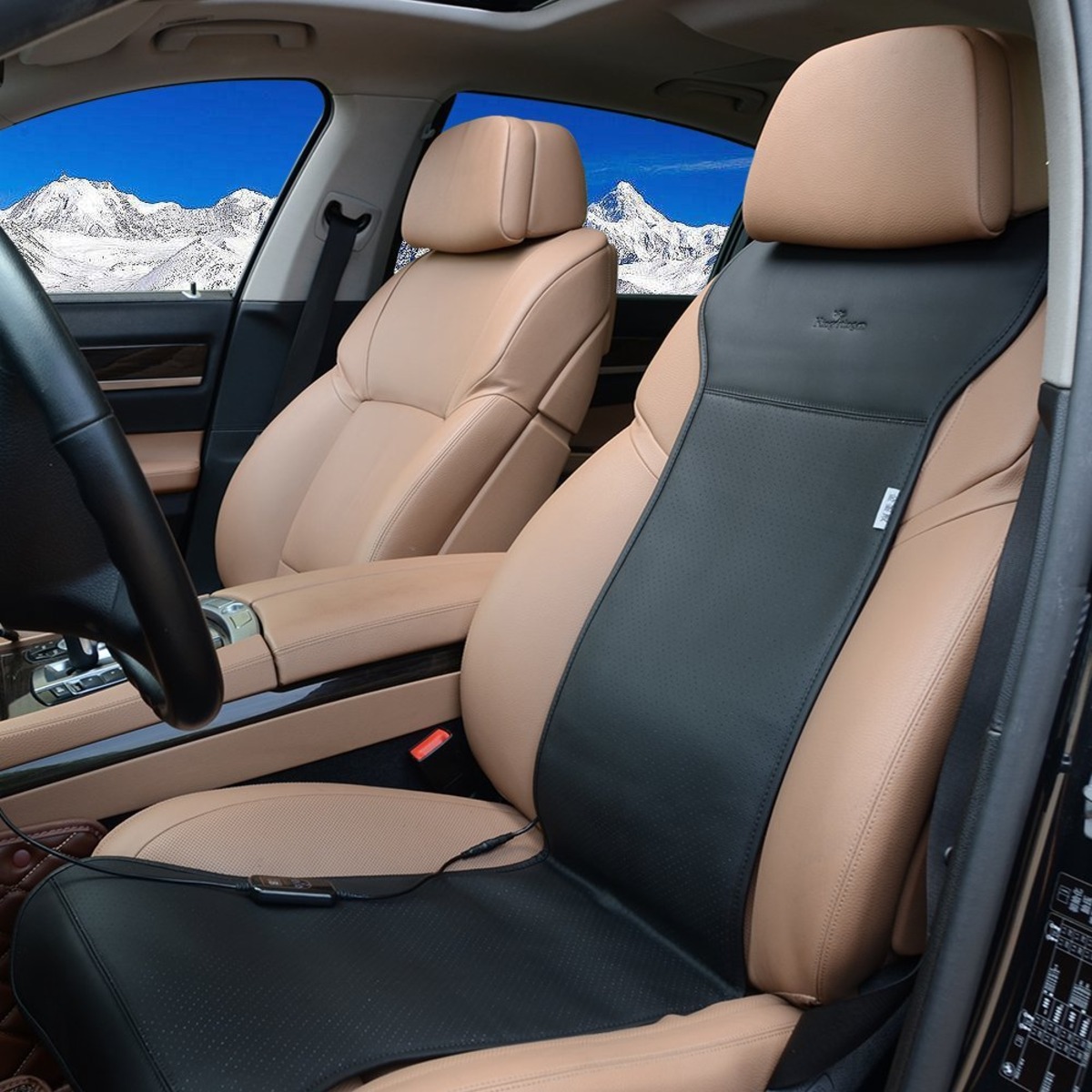
While it may not seem like a traditional safety feature, the Subaru Outback’s heated seats and heated steering wheel play an important role in winter driving safety by enhancing driver comfort and focus. Cold temperatures can lead to discomfort and distraction, which are significant contributors to accidents.
When drivers are cold, they tend to tense up, shift frequently in their seats, or become fatigued more quickly, all of which can impair their ability to concentrate and respond quickly to road hazards. The warmth provided by heated seats helps maintain body temperature and reduces stiffness, allowing drivers to remain comfortable and alert during long winter drives.
The heated steering wheel is particularly beneficial because cold hands can decrease grip strength and reaction time. When hands are numb or chilled, they may slip on the wheel or struggle to execute precise steering inputs.
By keeping the steering wheel warm, Subaru helps drivers maintain better control of the vehicle, especially in sudden maneuvers or emergencies where quick reactions are necessary. This can be crucial when navigating slippery roads or avoiding unexpected obstacles.
These heated features encourage drivers to wear lighter gloves or no gloves at all, which can improve tactile feedback and steering precision. Bulky winter gloves often reduce dexterity and can make it harder to operate controls or respond swiftly to changing road conditions. By providing direct warmth through the vehicle’s heating elements, the Outback promotes safer, more natural driving movements.
Moreover, heated seats and steering wheels contribute to faster warming of the cabin, which improves comfort and reduces the time spent trying to get warm while driving.
A comfortable driver is a safer driver, as physical comfort supports mental alertness and reduces distractions. In cold climates where temperatures can drop well below freezing, these features significantly enhance the driver’s ability to maintain control and focus throughout winter journeys.
Also Read: 5 Hybrids That Last Forever and 5 That Fail by Year Three
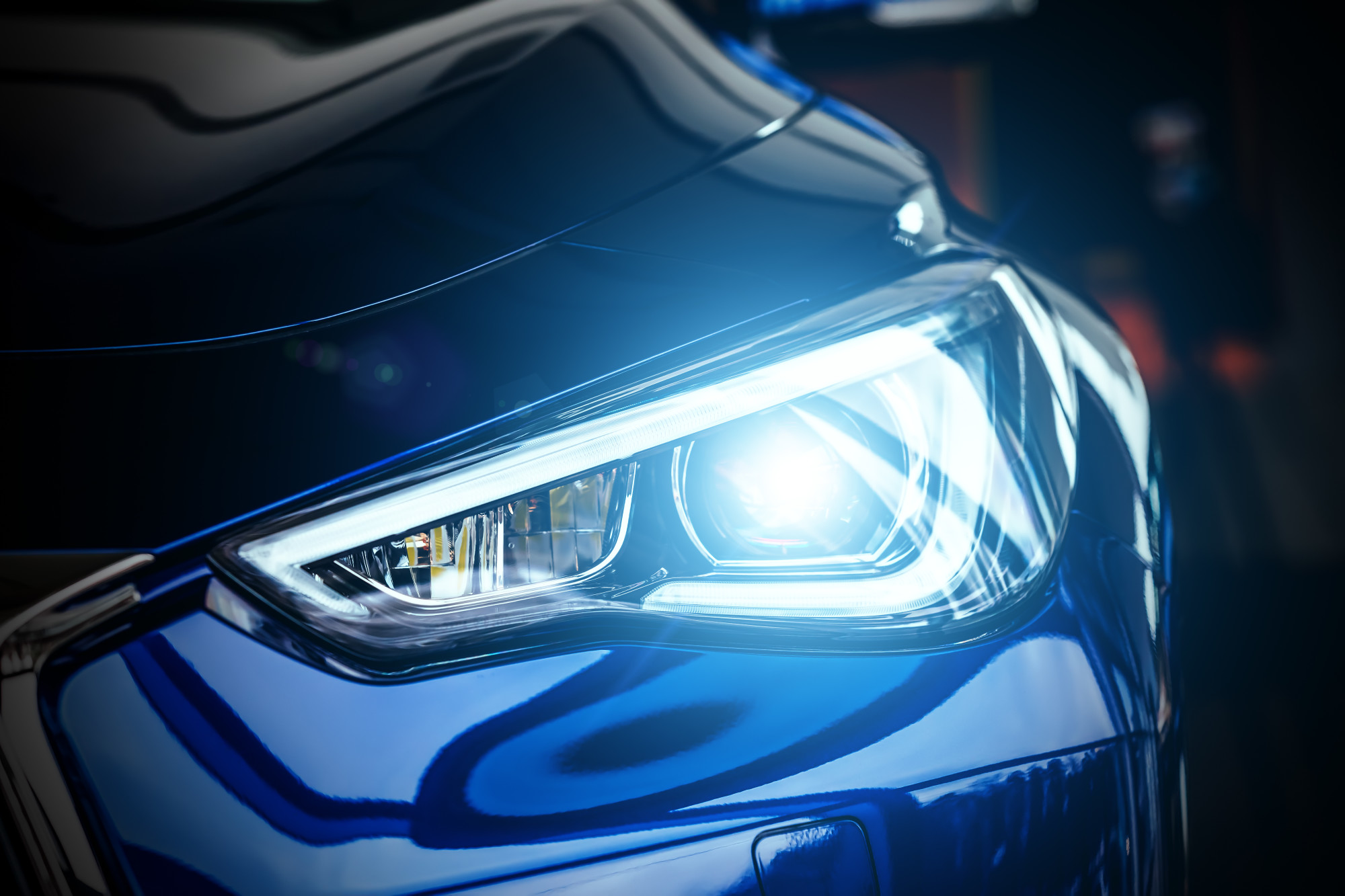
6. LED Headlights and Fog Lights
Winter conditions often come with reduced visibility, whether due to early sunsets, fog, heavy snow, or blowing wind. The Subaru Outback’s LED headlights and fog lights address these challenges by providing powerful, clear illumination that improves the driver’s ability to see and be seen on the road.
Compared to traditional halogen bulbs, LED lights produce a brighter, whiter light that more closely resembles daylight, which reduces eye strain and makes it easier to spot road signs, lane markings, and obstacles in poor visibility conditions.
The focused beam pattern of LED headlights also helps to reduce glare, a common issue when driving in snowy weather. Snow and ice reflect light strongly, which can create blinding reflections that hinder vision.
LED headlights minimize this effect by directing light more precisely, allowing the driver to see farther and more clearly without causing excessive glare that could distract or blind other drivers. This is particularly important during heavy snowfall or fog, where visibility is already compromised.
Fog lights complement the headlights by providing additional illumination closer to the road surface. Positioned lower on the vehicle, fog lights cut through fog, snow, and rain by illuminating the road immediately in front of the car.
This helps reveal lane edges, snowbanks, and ice patches that might otherwise be difficult to detect. By improving visibility in these conditions, fog lights reduce the chances of veering off the road or misjudging distances.
The combination of LED headlights and fog lights ensures that the Outback remains highly visible to other drivers, too. Being seen is just as important as seeing, especially in winter when road conditions are hazardous and traffic can be unpredictable.
Together, these lighting systems provide a crucial safety advantage that enhances the driver’s situational awareness and ability to react promptly in low-light and adverse weather conditions.

7. Advanced Braking System with ABS and Brake Assist
Stopping safely on winter roads requires more than just good tires and careful driving; it demands a braking system capable of adapting to slippery and unpredictable surfaces. The Subaru Outback is equipped with an advanced braking system that includes both Anti-lock Braking System (ABS) and Brake Assist, which together improve braking performance in hazardous winter conditions.
ABS is vital because it prevents the wheels from locking up during hard braking, a common cause of skidding and loss of control on icy or snow-covered roads. Instead of allowing the wheels to stop turning, ABS rapidly pulses the brakes to maintain tire rotation and traction with the road.
This pulsing action gives the driver the ability to steer while braking hard, allowing them to avoid obstacles rather than slide uncontrollably in a straight line.
Without ABS, hard braking on ice would likely cause the vehicle to slide forward with little steering control, increasing the risk of collisions. ABS is particularly useful in winter when stopping distances are already significantly longer, and maintaining control during emergency braking can be lifesaving.
Brake Assist complements ABS by detecting emergency braking situations, such as when the driver presses the brake pedal rapidly, and automatically increasing braking force to maximum levels. Many drivers do not apply full braking power in panic situations due to hesitation or insufficient pedal pressure.
Brake Assist compensates for this by ensuring that braking is as effective as possible during sudden stops, helping to reduce stopping distances and avoid accidents. On slippery winter roads, every extra inch gained in stopping distance can prevent collisions.
Together, these systems work with the vehicle’s traction and stability control technologies to provide a smooth and balanced braking response. This integration helps prevent uneven braking that could cause the vehicle to spin or slide, ensuring that the Outback slows down predictably and safely. The advanced braking system is a cornerstone of the vehicle’s winter safety, giving drivers confidence that they can stop when needed without losing control.
8. Robust Frame and Body Structure
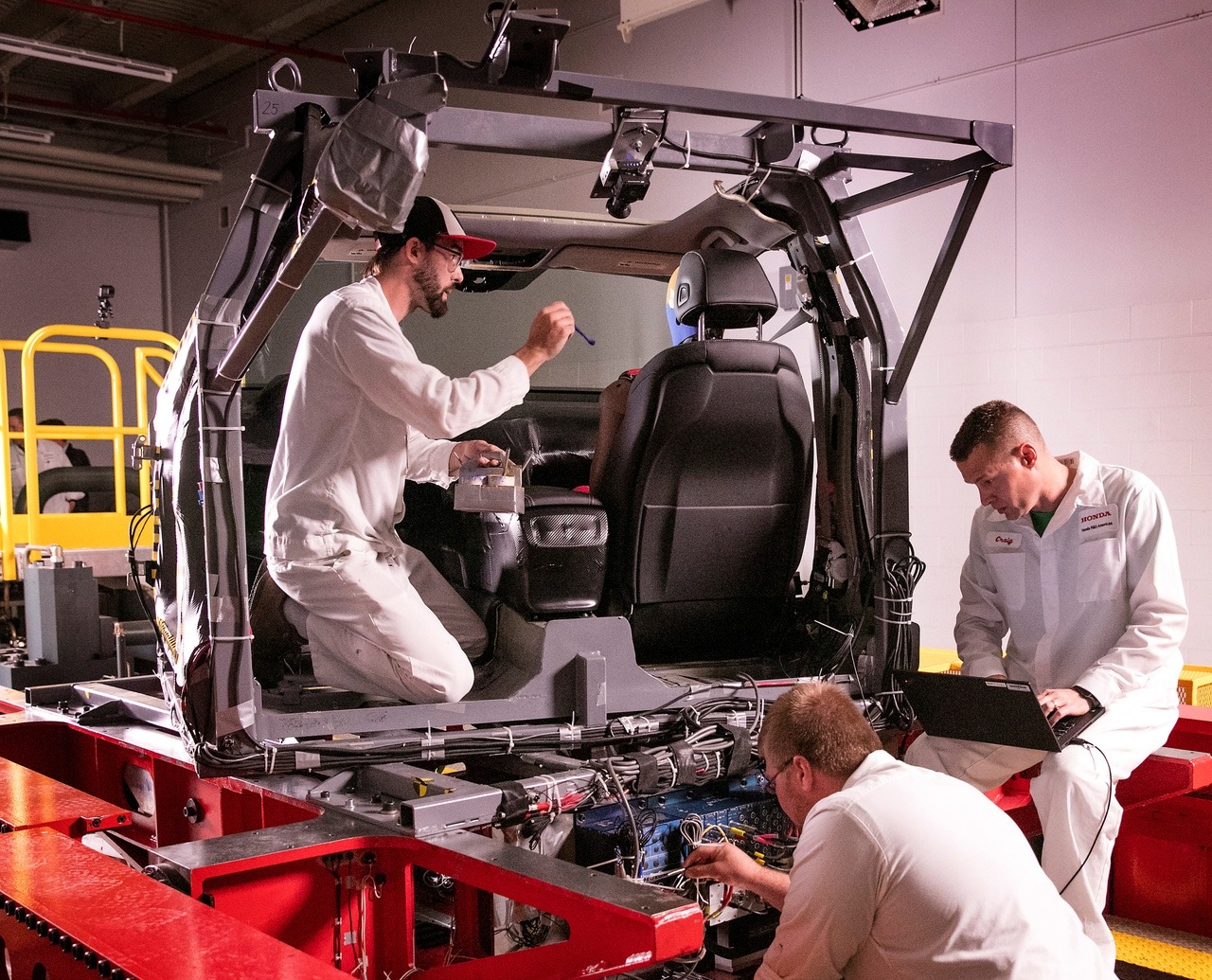
The Subaru Outback’s design includes a robust frame and body structure that enhances occupant safety during collisions, which is particularly important during winter when accidents can happen due to icy or slippery roads.
The vehicle uses high-strength steel in critical areas to create a reinforced safety cage around passengers, helping to absorb and distribute impact forces during a crash. This reduces the likelihood of serious injury by minimizing deformation of the passenger compartment and providing a strong barrier against intrusion.
Winter driving presents unique risks, such as sliding off the road into snowbanks, colliding with guardrails, or encountering other vehicles that have lost control.
The Outback’s body structure is engineered to withstand these impacts and protect occupants even in side collisions or rollovers, which can be more common during icy conditions. The design includes strategically placed crumple zones that absorb impact energy, reducing the force transferred to passengers.
Beyond crash protection, the vehicle’s sturdy frame also improves handling stability by reducing chassis flex. A more rigid frame helps maintain consistent suspension geometry and responsiveness, which is crucial for control on slippery roads. This stability can help prevent accidents by allowing drivers to make precise steering inputs and maintain traction during challenging maneuvers.
In addition to the strong frame, the Outback is equipped with a comprehensive airbag system and seatbelt technologies that work together to protect occupants. Front, side, and curtain airbags deploy in coordinated ways to cushion and shield passengers.
Seatbelt pretensioners tighten the belts instantly during a collision to hold passengers securely in place, reducing the risk of injury. Together, these structural and safety features create a vehicle that not only helps avoid accidents but also protects occupants if an accident does occur.
9. Tire Options and Tire Pressure Monitoring System (TPMS)
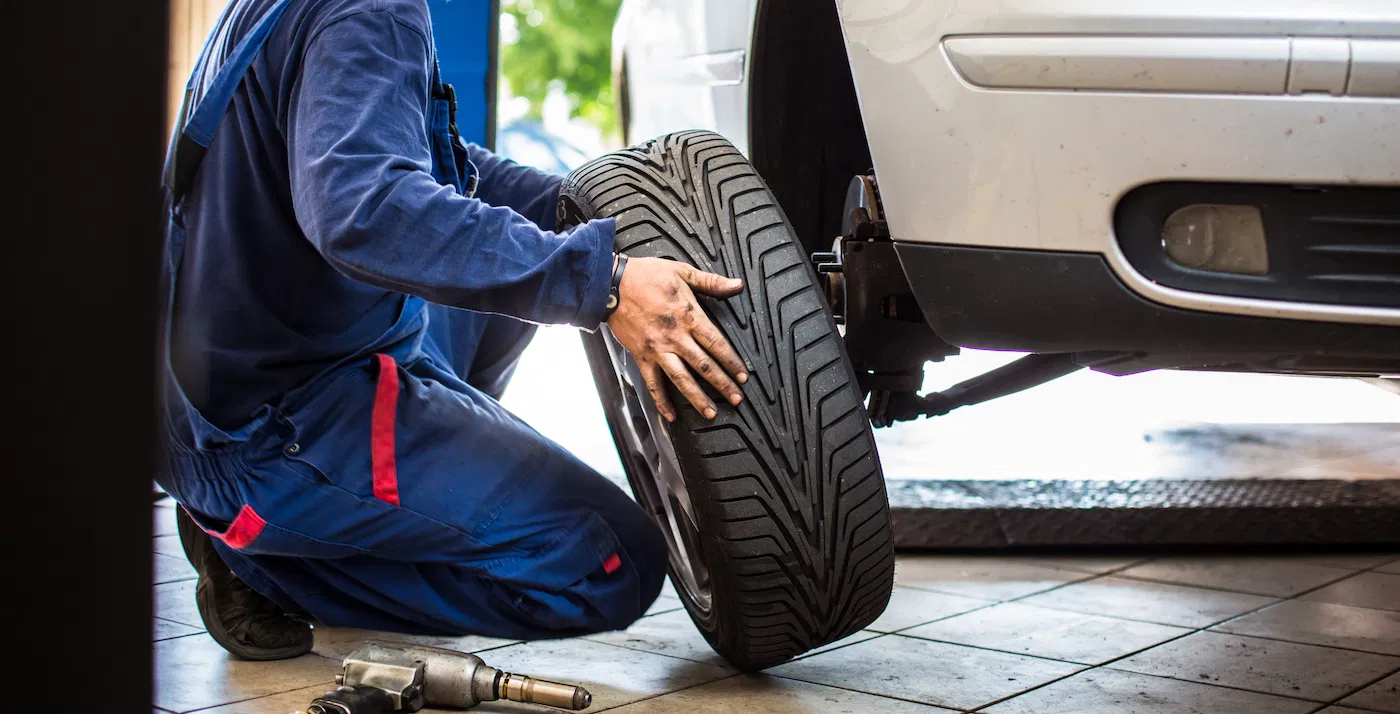
Tires play a fundamental role in winter safety because they are the only contact point between the vehicle and the road surface. The Subaru Outback supports a wide range of tire options suitable for winter driving, including dedicated winter tires designed with specialized tread patterns and rubber compounds.
These tires maintain flexibility in cold temperatures and provide enhanced grip on ice and snow, significantly improving the vehicle’s ability to brake, accelerate, and corner safely in winter conditions. Choosing the right tires is one of the most important decisions a driver can make for winter safety, and the Outback’s compatibility with various winter tire models allows drivers to tailor their setup for optimal performance.
To further enhance safety, the Outback is equipped with a Tire Pressure Monitoring System (TPMS), which alerts the driver if tire pressure drops below safe levels.
Proper tire inflation is critical in winter because cold temperatures cause air pressure to decrease, leading to underinflated tires. Underinflation reduces tire contact with the road and can cause uneven wear, negatively impacting traction and increasing the risk of blowouts. TPMS helps ensure that tires maintain proper pressure, optimizing grip and handling.
The combination of suitable winter tires and the TPMS contributes to vehicle stability and control. Winter tires with deep treads and softer rubber grip snow and ice more effectively than all-season tires, while TPMS provides peace of mind that tire pressure issues won’t go unnoticed.
Together, these features help the Outback perform safely and predictably in harsh winter conditions, reducing the chances of losing control or experiencing tire-related failures.
Additionally, the Outback’s AWD system works in tandem with the tires to distribute power effectively, but it is the tires that determine how well that power translates to the road. Well-maintained, winter-appropriate tires are essential to fully leveraging the Outback’s winter safety features.

10. Driver Assistance Technologies
Modern Subaru Outbacks come equipped with a suite of driver assistance technologies that enhance winter safety by helping drivers avoid accidents before they happen. Subaru’s EyeSight Driver Assist technology includes features such as adaptive cruise control, pre-collision braking, lane departure warning, and lane-keeping assist.
These systems use cameras and sensors to monitor the road and traffic around the vehicle, providing warnings and even intervening if necessary to prevent collisions.
In winter, when road conditions are slippery and visibility may be poor, these assistance features are especially valuable. Adaptive cruise control helps maintain a safe following distance on icy highways, automatically adjusting speed to prevent tailgating or sudden braking.
Pre-collision braking can detect an impending collision with vehicles or pedestrians and apply brakes automatically to reduce impact severity or avoid the collision entirely. Lane departure warning alerts the driver if the vehicle drifts out of its lane without signaling, a common risk on snow-covered roads where lane markings may be obscured.
Lane-keeping assist gently steers the vehicle back into its lane if it senses unintentional drifting, helping drivers stay safely on course even during fatigue or distraction. These technologies reduce the cognitive load on drivers during difficult winter conditions and provide an extra set of “eyes” to monitor hazards. They can also assist during low-traction situations by helping maintain lane discipline and preventing sudden collisions caused by skidding or poor visibility.
Together, these driver assistance technologies form a comprehensive safety net that complements the Outback’s mechanical and structural winter safety features. By proactively helping drivers avoid accidents and maintain control, they contribute significantly to the vehicle’s reputation as one of the safest and most reliable choices for winter driving.
