

The Dodge Charger has long been celebrated as a symbol of raw power, distinctive design, and performance-driven engineering. Whether it’s a classic muscle car from the ’60s or a modern high-performance sedan, the Charger holds a special place in automotive history.
But no matter how powerful the engine or sleek the design, no car can maintain peak performance without proper care. Reliability isn’t something that comes built-in; it’s something that’s earned over time through consistency in maintenance and attention to detail. If you’re aiming to keep your Dodge Charger running strong for decades, it starts with the right habits.
Maintenance isn’t just about changing the oil and rotating the tires every now and then. It’s about building a schedule and sticking to it. Every part, from the engine down to the rubber seals, is part of a much larger system that relies on balance.
Let one area slip, and the entire system can feel the impact. That’s why long-term reliability is less about fixing things when they break and more about keeping them from breaking in the first place.
This article lays out ten crucial checks that every Dodge Charger owner should perform regularly. These aren’t theoretical suggestions; they’re based on what keeps engines from seizing, transmissions from failing, and electrical systems from going haywire.
Many Charger enthusiasts drive their vehicles well past 200,000 miles. Some even touch 300,000. But that kind of longevity doesn’t happen by accident. It’s a direct result of habits that focus on prevention, inspection, and proactive care.
Every item in this guide serves a purpose. Some checks help you catch small problems before they become expensive ones. Others keep the car’s performance crisp, responsive, and fuel-efficient.
Together, they form a kind of contract between you and your vehicle: take care of it, and it will take care of you. Whether your Charger is a daily driver, a weekend cruiser, or a garage queen, these ten checks are the foundation of long-term reliability.
Also Read: 5 Bikes That Handle Touring Miles and 5 That Hate Distance
1. Regular Engine Oil Inspection and Change
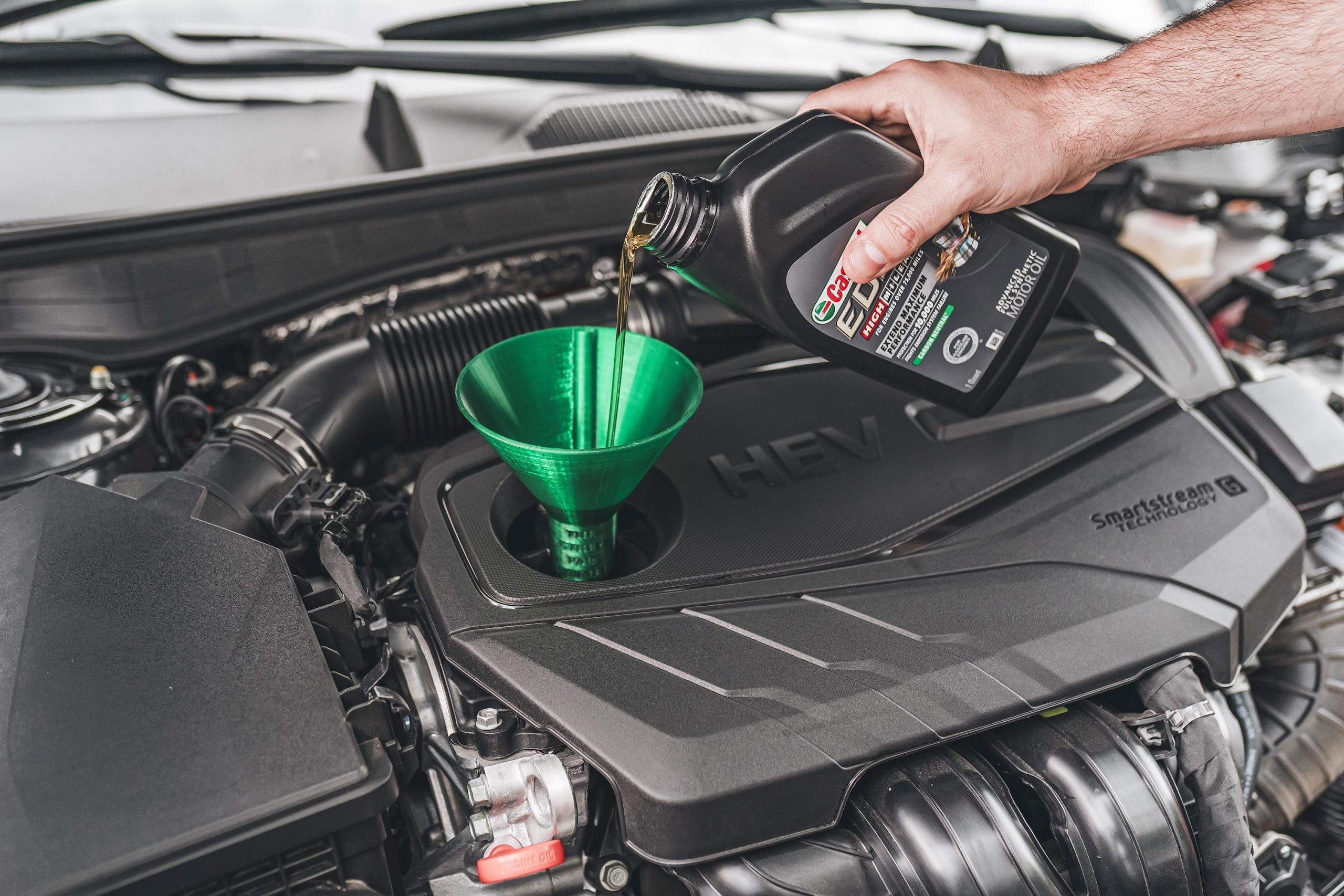
Oil is the bloodstream of your Dodge Charger’s engine. Without it, friction builds, heat rises, and internal components grind themselves to dust. That’s why oil checks and timely changes are the absolute foundation of keeping any engine, especially a performance-tuned V6 or V8, in solid condition. It’s not just about checking the dipstick once in a while. It’s about knowing what you’re looking for and how to respond to what you see.
Start by checking the oil level every couple of weeks or before any long drive. This quick act gives you a snapshot of your engine’s health. If the oil level drops consistently between checks, there could be a leak or the engine might be burning oil internally.
Either scenario, if left unchecked, can spiral into major repairs. You also want to look at the oil’s color and consistency. Fresh oil is amber and translucent. Dirty oil turns dark and gritty, signaling it’s time for a change or that contaminants are present in the engine.
Timing matters just as much as the oil itself. Stick to a strict interval. For synthetic oil, which most Chargers require, the rule of thumb is between 5,000 to 7,500 miles, depending on your driving style and climate.
Some owners stretch it to 10,000 miles, but that’s playing with fire if you drive hard or deal with stop-and-go traffic daily. Make sure the oil filter is replaced along with the oil. That filter traps harmful debris that could otherwise recirculate through the engine.
Choosing the right oil matters too. Dodge specifies what viscosity you need, usually 5W-20 or 0W-20 for newer models, and sticking to it keeps tolerances tight. Don’t fall into the trap of bargain oils or skipping a change to save a few bucks.
The cost of neglect is far higher than any routine maintenance expense. Keep receipts and log every oil change. Over time, this builds a maintenance history that’s useful not only for your records but also if you ever decide to sell the vehicle.
2. Transmission Fluid Check and Service
If the engine is the heart of your Charger, then the transmission is the nervous system that tells the wheels how to behave. Whether you’re driving a snarling SRT or a steady V6, transmission health directly affects how smooth your car feels under acceleration and deceleration. Poor shifts, hesitation, or jerky movements can all be early signs of neglect. Keeping the transmission fluid in top condition is critical to preventing costly issues.
Start by locating the transmission dipstick, if your model has one. Many newer vehicles have sealed transmissions, which makes fluid inspection harder but not impossible. If yours has a dipstick, check the fluid level with the engine running and warm. Look at the color and smell.
Healthy transmission fluid should be pinkish-red and nearly odorless. Burnt-smelling, dark brown fluid is a red flag and means it needs changing, or there could be underlying problems like overheating.
The typical interval for changing transmission fluid in a Dodge Charger varies. Some owners stick to 60,000-mile intervals; others recommend a flush as early as 30,000 miles for performance models.
Automatic transmissions in Chargers are complex and expensive to replace. Neglecting fluid changes can lead to slipping gears, overheating, and complete transmission failure. Manual transmissions have their own fluid needs and also require regular service, though less frequently.
If you tow with your Charger or do a lot of aggressive driving, the fluid wears out faster. Heat is the enemy here. Once fluid breaks down, it loses its ability to lubricate and cool the internal components.
That’s when clutches wear out, valves stick, and shift points get erratic. When having the fluid changed, always use the manufacturer-recommended type. Some fluids are specifically designed for high-performance applications and have additives that help resist heat breakdown.
A fluid service might seem like a hassle, especially on sealed units that require lifts and special tools. But skipping it is far worse. Transmission rebuilds often run into the thousands. A simple check and fluid refresh at the right time helps ensure that you won’t be stuck with unexpected repairs or worse, a car that won’t move when you hit the gas.

3. Cooling System Monitoring
Overheating is one of the most destructive things that can happen to any engine. Even a brief spike in temperature can warp heads, blow gaskets, and lead to engine failure. The cooling system is what stands between smooth operation and catastrophic damage. Keeping this system in good working order is one of the smartest things you can do for your Charger’s longevity.
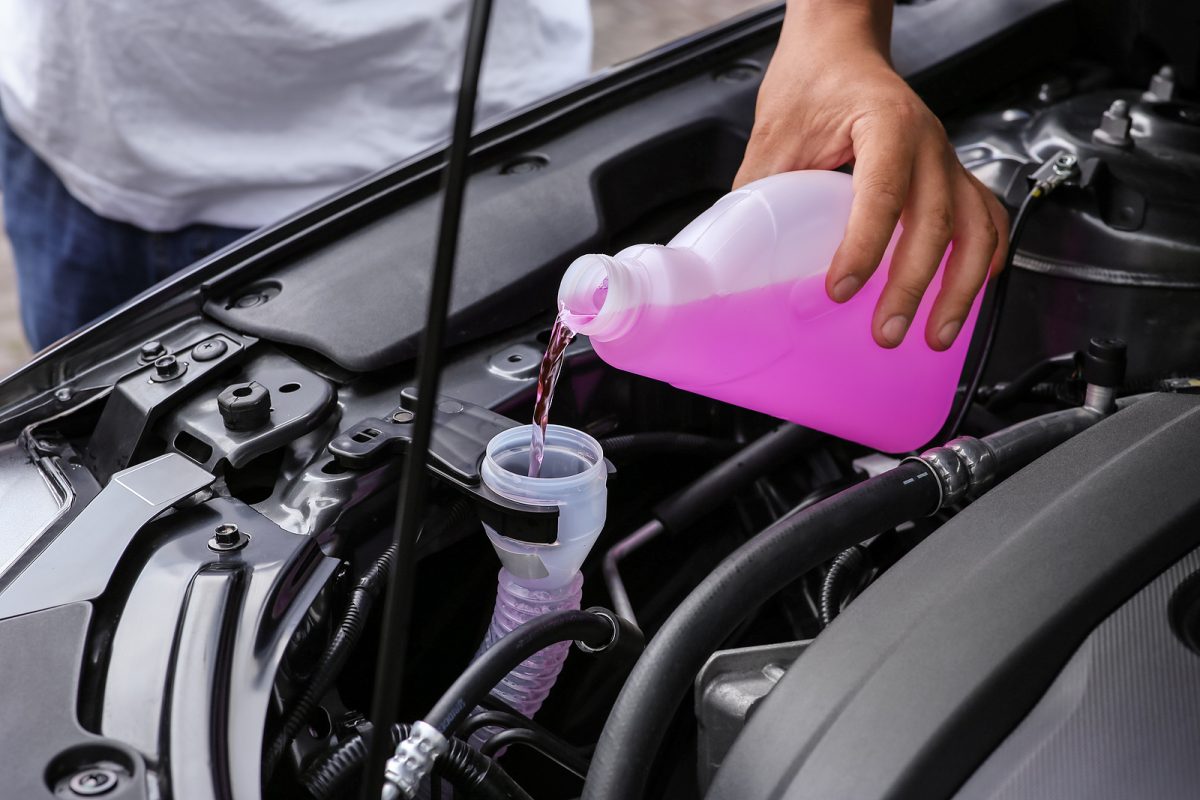
Coolant levels should be checked at least once a month. Wait for the engine to cool completely before opening the reservoir. Look for the proper fill line. If the coolant is consistently low, it could mean there’s a leak. Inspect the ground under your car after it’s been parked for signs of fluid. Leaks can come from hoses, the radiator, the water pump, or the heater core. Any of these can spell trouble if ignored for too long.
Flushes are also important. Old coolant can become acidic and damage metal parts. Every 3 to 5 years, depending on the coolant type, you should do a full flush and refill. Use only the correct type of antifreeze.
Dodge specifies what works best for their engines, and mixing incompatible coolants can lead to sludge, corrosion, and poor heat transfer. If you live in a hot climate, your coolant may need to be checked more often due to the increased thermal load.
The thermostat and radiator cap also deserve attention. If the thermostat sticks, it can cause overheating or prevent the engine from reaching proper operating temperature. A faulty cap might let coolant boil over or leak.
Hoses should be inspected for bulges, cracks, or softness, which are all signs of weakening. Fans and sensors, particularly electric cooling fans, should be tested occasionally to ensure they activate at the right time.
Temperature gauge behavior is another clue. If the needle starts creeping past the halfway point or fluctuates wildly, something is off. Don’t ignore it.
That’s your car’s way of telling you the cooling system needs attention. Waiting until the warning light comes on might be too late to prevent serious damage. Preventing overheating is all about being proactive, and the small amount of time spent inspecting coolant and components can save thousands in repairs.
4. Suspension and Steering Inspection
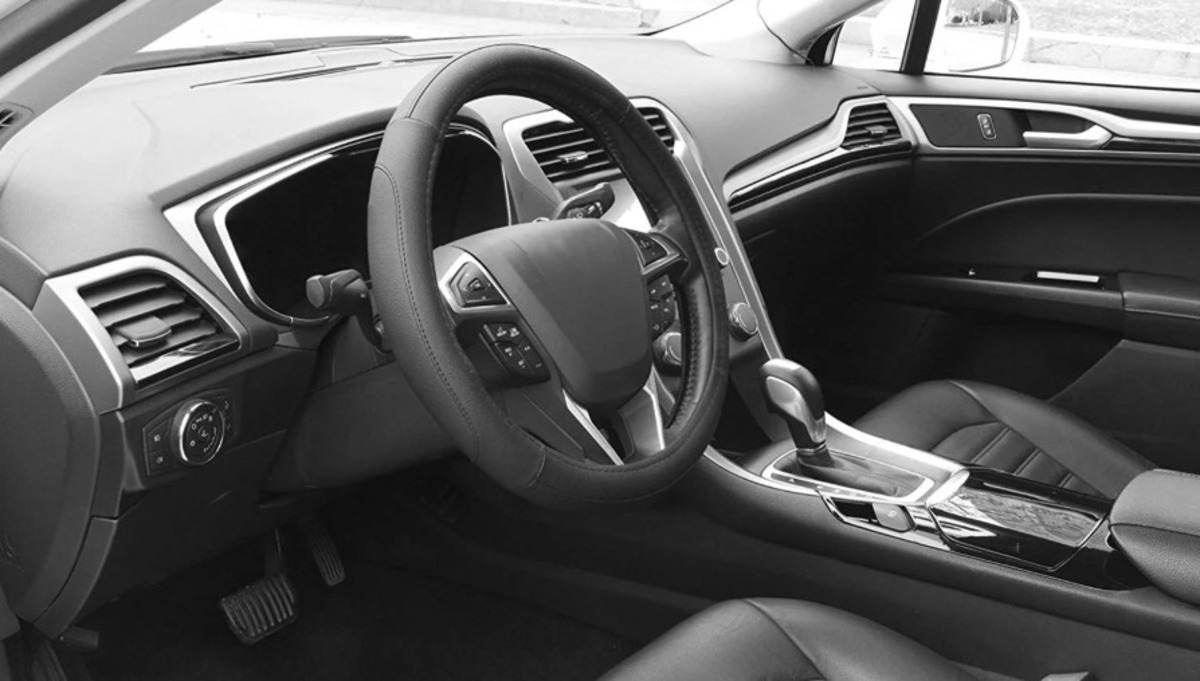
Suspension might not get the spotlight like the engine or exhaust, but it plays a massive role in how your Charger feels on the road. Over time, worn suspension parts can make the ride feel sloppy, reduce handling precision, and even create dangerous driving conditions.
Regular inspection of the suspension and steering components helps maintain that confident Dodge ride and cornering performance the Charger is known for.
Start by listening. If you hear clunks, rattles, or creaks when going over bumps or turning, something is off. Common culprits include worn ball joints, control arm bushings, tie rod ends, or sway bar links.
These parts don’t usually fail all at once, they degrade slowly, so catching wear early allows for simple repairs before it spreads and causes other components to work harder and wear faster.
Tire wear is another giveaway. Uneven patterns often point to alignment issues or bad suspension geometry. If your Charger is pulling to one side or the steering wheel isn’t straight, an alignment check is overdue. A misaligned vehicle not only handles poorly but also chews through tires at an accelerated pace, costing more money in the long run.
Shocks and struts are essential to keeping the tires planted on the road. When they wear out, braking distances increase, body roll gets worse, and overall ride comfort diminishes. Test them by pushing down on the corners of the car. If the car bounces more than once, it could be time for replacements. Even if they don’t seem completely dead
5. Brake System Checks
Brakes are arguably the most important safety feature on any vehicle, and for a performance-focused car like the Dodge Charger, they’re also a critical part of the driving experience. A well-maintained brake system ensures responsive stopping, confident cornering, and peace of mind, whether you’re commuting or pushing the car a bit harder on open roads.
Skipping regular brake checks can lead to expensive repairs or even hazardous situations. The brake system isn’t just about pads and rotors; it’s a network of components working together under intense pressure and heat.
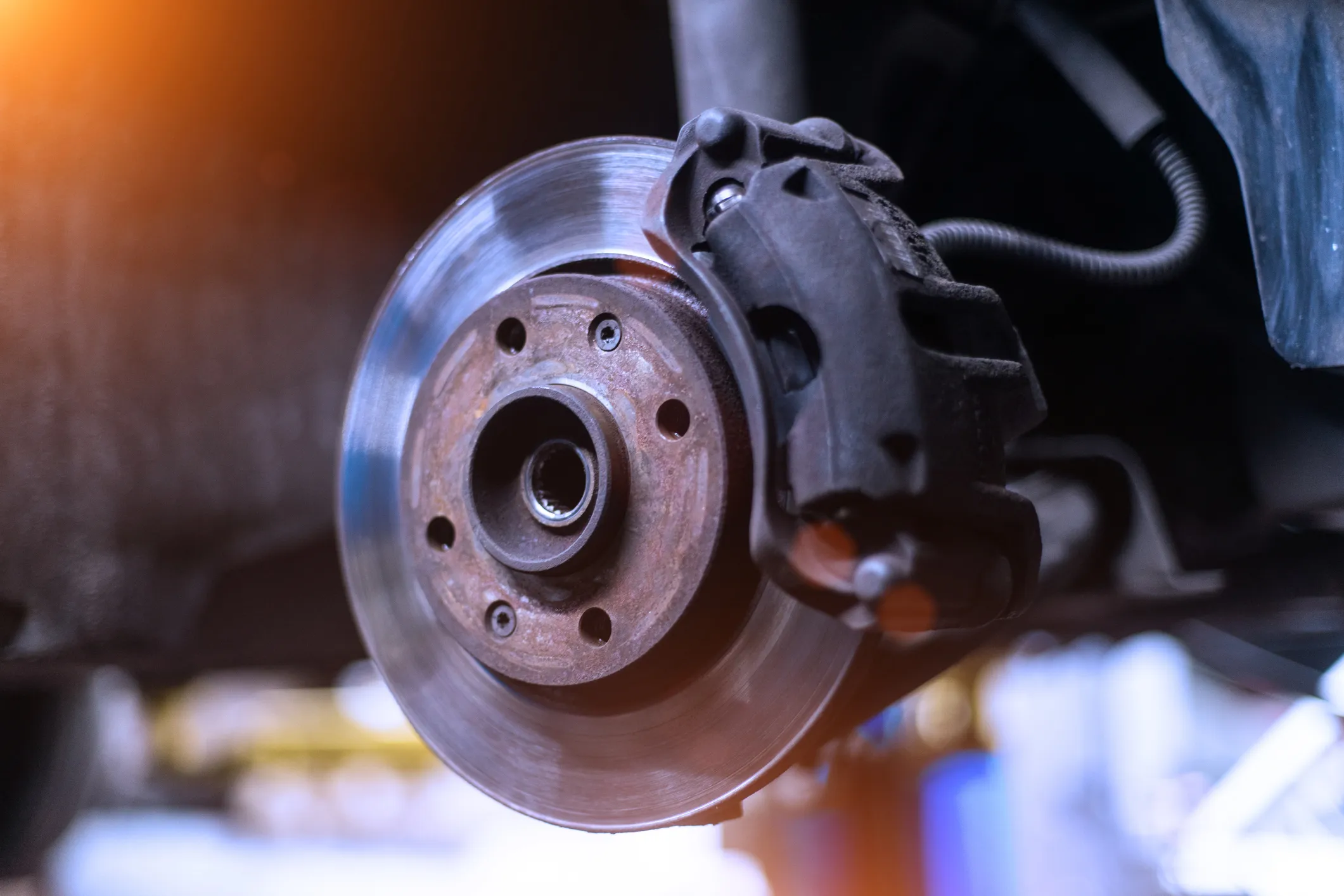
Start by regularly inspecting brake pads and rotors. Pads wear down over time, and once they hit the metal backing, they can dig into rotors, causing deep grooves and irreversible damage. Replacing pads before this happens preserves your rotors and ensures consistent performance.
Listen for squeaking or grinding sounds; both can indicate worn pads. If your Charger feels like it’s taking longer to stop or the pedal feels soft, that’s a sign to get the brakes checked immediately. Hard braking, especially in heavier Chargers with larger V8s, wears components faster, so high-performance models should be inspected more often than a base trim.
Brake fluid is another critical but often forgotten component. It absorbs moisture over time, which reduces its boiling point and can lead to a spongy brake feel or fade under heavy braking. This is particularly dangerous in performance driving or mountain conditions, where brakes are used aggressively.
Most manufacturers recommend changing brake fluid every 2–3 years. You can test it yourself using inexpensive test strips, or have a shop measure its moisture content. If it’s dirty or contaminated, flush it completely and refill with the recommended DOT type.
Don’t overlook the brake lines and hardware. Inspect rubber lines for cracks, swelling, or leaks. Steel lines should be checked for corrosion, especially in regions with road salt or high humidity. Also, pay attention to caliper behavior; if one side is hotter than the other after driving, the caliper may be sticking.
That creates uneven braking, steering pull, and rapid pad wear. Keeping the brake system in good shape is not just about safety; it affects performance, tire longevity, and your overall driving confidence. Chargers are built to stop as well as they go, but only if the system is maintained with care and regular attention.

Also Read: 5 Bikes That Love Long Rides and 5 That Hate Leaving Town
6. Tire Maintenance and Alignment
Tires are the only parts of your Charger that touch the road, so their condition plays a huge role in performance, handling, and safety. Worn or improperly inflated tires can degrade fuel efficiency, reduce traction, and even damage suspension components over time.
Many Charger owners, especially those driving high-powered models like the Scat Pack or Hellcat, invest in performance tires, but even premium rubber won’t last if you neglect basic maintenance. Keeping your tires in top condition is one of the simplest and most effective ways to maintain reliability.
Start by checking tire pressure at least once a month and before long trips. Underinflated tires increase rolling resistance, which not only lowers fuel efficiency but also creates excess heat and uneven wear. Overinflated tires can reduce the size of the contact patch, compromising grip and braking performance.
Your Charger’s tire pressure recommendation can be found on a sticker inside the driver’s door. Use a reliable gauge, and don’t rely solely on the tire pressure monitoring system; it can lag or miss subtle changes. Seasonal temperature shifts can affect pressure significantly, especially in areas with wide climate variation.
Tread depth is just as important. Tires with low tread are more prone to hydroplaning and have reduced grip in wet or snowy conditions. Use the penny test or a tread depth gauge to check. Uneven wear can signal alignment problems, suspension issues, or even unbalanced tires.
Rotate tires every 5,000 to 7,000 miles to promote even wear, especially if your Charger is rear-wheel drive or if you drive aggressively. Regular rotations not only improve performance but also extend the life of your investment in quality tires.
Alignment and balance checks should be part of your regular service routine. Misaligned wheels can cause your Charger to pull, decrease steering responsiveness, and create excessive tire wear on the inner or outer edges. Even hitting one deep pothole can knock alignment out of spec.
Balancing ensures that tires rotate evenly and prevents vibration at speed. If your steering wheel shakes above 60 mph, it’s time for a balance. Keeping alignment and balance in check helps your car handle predictably and makes long drives more comfortable and safer.
Finally, choose tires that match your driving habits and climate. All-season tires are versatile, but performance tires offer superior grip. If you live where winters are harsh, a dedicated set of snow tires is a smart investment. Changing to season-appropriate tires improves traction and protects your daily set from extreme wear.
Treat tires like a key component, because they are. Their condition affects almost every other system in the vehicle, and consistent attention here prevents a cascade of avoidable issues elsewhere.
7. Battery and Charging System Health
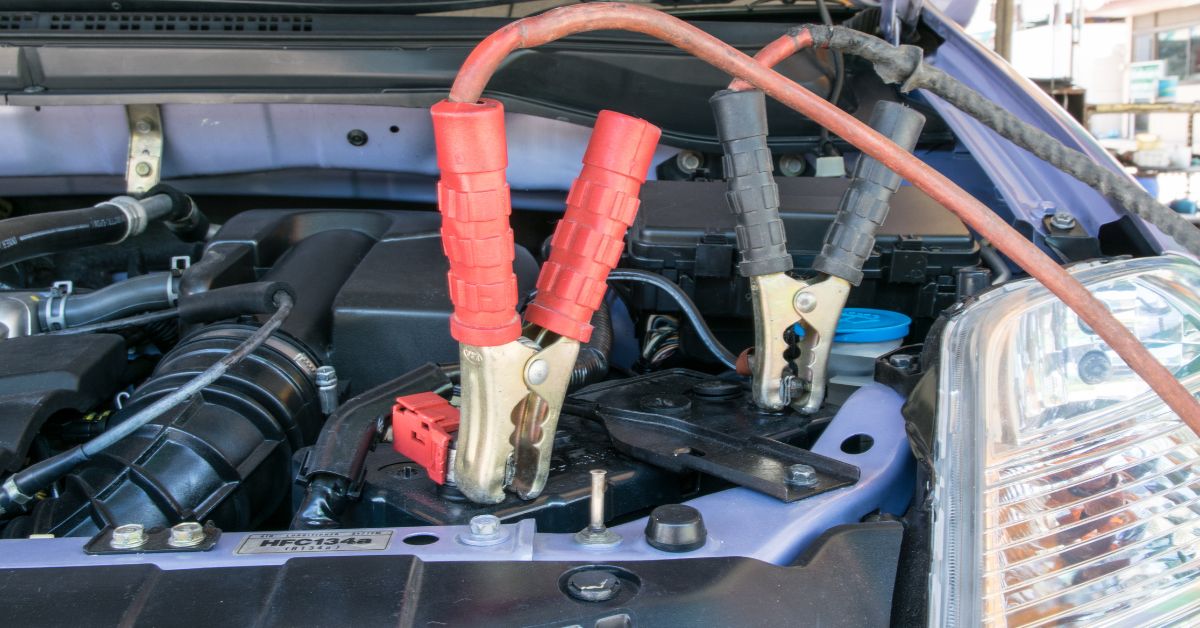
The battery might seem like a simple component, but it’s the cornerstone of your Charger’s electrical system. Without a healthy battery, your car won’t start, your electronics will malfunction, and your alternator will work overtime trying to compensate.
Modern Chargers are packed with electronic features, from infotainment to digital climate control, and all of them draw power even when the car is off. Taking care of your battery and charging system is essential for long-term reliability, especially in models equipped with push-to-start systems and active safety features.
Check the battery terminals regularly for corrosion. White or greenish buildup can interrupt the connection, causing poor starts or even shutting down systems mid-drive. Clean terminals with a mixture of baking soda and water, and apply a thin layer of dielectric grease or petroleum jelly to prevent future buildup.
Make sure the connections are tight. Loose terminals can lead to intermittent electrical issues that are hard to diagnose and can trigger dashboard warning lights even if the components are working properly.
Test the battery’s voltage periodically. A healthy battery should read around 12.6 volts when the car is off and about 13.7 to 14.7 volts when running. If readings fall outside that range, the battery may be weak or the alternator might not be charging correctly. Batteries typically last between 3 to 5 years, depending on climate and usage.
Heat kills batteries faster than cold, so if you live in a hot region, keep an even closer eye on performance. Modern smart chargers can recharge a low battery without overcharging, and they’re a good tool for owners who park their vehicles for long stretches.
The alternator and voltage regulator should also be tested during routine service. A failing alternator can mimic a bad battery, and you might replace a battery unnecessarily if the root cause isn’t identified. If headlights dim when idling or you notice flickering interior lights, get the charging system tested.
Many auto parts stores will test batteries and alternators for free. Investing a few minutes in these checks can prevent the frustration of a no-start situation or being stranded unexpectedly. Electrical problems tend to snowball, so prevention is worth far more than reactive repairs.

8. Air Filter and Intake System Maintenance
Clean air is just as important to your Charger’s engine as clean oil. The air filter keeps dirt, dust, and debris out of the engine’s combustion chamber. Over time, a clogged filter can choke airflow, reduce fuel efficiency, and limit horsepower.
The engine must work harder to pull air through a dirty filter, and that strain can wear down other components like spark plugs and sensors. Whether your Charger is naturally aspirated or supercharged, keeping the intake system clean ensures optimal performance and longevity.
Inspect the engine air filter every 10,000 to 15,000 miles, or sooner if you live in dusty areas or drive on gravel roads. Most filters are easy to access, they sit in a rectangular or cone-shaped housing and can be checked without tools. Hold the filter up to a light.
If you can’t see light through it, it’s time to replace it. Don’t wait for symptoms like rough idling or sluggish acceleration. By then, efficiency has already been compromised. Replacing the air filter is cheap, quick, and immediately improves air-to-fuel ratios.
Don’t overlook the cabin air filter either. While it doesn’t affect engine performance, it does impact your comfort. A clogged cabin filter reduces HVAC efficiency, leads to musty smells, and makes it harder to defog windows.
Like the engine filter, it should be replaced regularly, often every 15,000 to 20,000 miles. For maximum airflow, especially during summer or winter when the HVAC system works hardest, this small change makes a big difference in comfort and system health.
The intake tract should also be free of debris and oil residue. Some Chargers, particularly older models or those driven hard, may develop oil blow-by that settles in the intake. Installing a catch can on the PCV system can help prevent this. It collects oil vapor before it enters the intake manifold, keeping sensors and valves cleaner for longer.
This is a common mod among Charger enthusiasts and is particularly useful for supercharged or high-revving V8 engines. Clean intake sensors, like the MAF and MAP, periodically with the correct cleaner to ensure accurate readings. Airflow sensors that misread can throw off your fuel trims and affect drivability.
Keeping the intake system clean and efficient doesn’t just help with daily reliability; it ensures that your Charger is always ready to deliver the performance Dodge designed it for. Regular filter replacements, minor mods like catch cans, and sensor cleaning go a long way in keeping your powertrain breathing freely and running smoothly for years.
9. Spark Plugs and Ignition System Monitoring
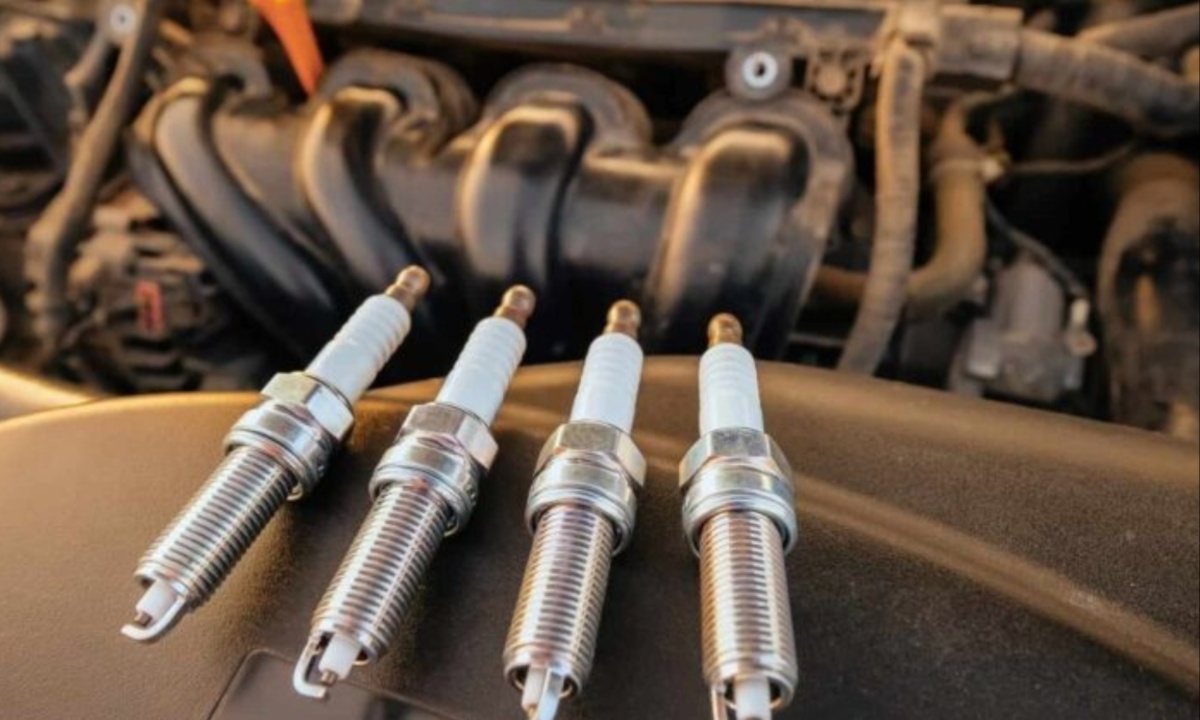
Spark plugs are small components that have a massive impact on engine performance and longevity. In the Dodge Charger, especially in HEMI-equipped models or turbocharged variants, proper combustion relies on a clean and properly functioning ignition system.
If the plugs are fouled, worn, or incorrectly gapped, you’ll notice everything from rough idle and sluggish acceleration to poor fuel economy and even engine misfires. These small parts need regular attention to keep the whole engine running smoothly, especially over the long haul.
Manufacturers typically recommend replacing spark plugs every 60,000 to 100,000 miles, depending on the type. Chargers with performance engines often use iridium or platinum-tipped plugs, which last longer and offer better heat resistance. Still, wear and carbon buildup are inevitable.
If your car is idling rough, hesitating under load, or flashing the check engine light with misfire codes, spark plugs are one of the first places to look. Changing them at the recommended interval avoids these problems and prevents the coil packs from overworking.
While inspecting spark plugs, pay attention to the condition of each one. Plugs with oily residue could indicate valve cover gasket leaks or deeper internal issues, while white deposits may suggest coolant intrusion or a lean burn condition. Uneven wear across plugs can also point to cylinder-specific problems. Replacing them isn’t just about mileage; it’s about condition. Even a “long-life” plug can fail early under harsh driving conditions or if the engine is under constant high load.
The ignition coils and wires (where applicable) are equally important. Coil-on-plug systems can degrade with heat and age, and if one coil goes bad, it can cause significant performance drops and long-term engine stress. Swapping coils between cylinders when diagnosing misfires is a common DIY method to narrow down bad components.
Regularly scanning your Charger’s OBD system for pending codes, even if there’s no check engine light, can help catch ignition issues early. A strong ignition system doesn’t just help your Charger perform well; it ensures each combustion cycle happens efficiently, minimizing wear on pistons, valves, and the catalytic converter.

10. Routine Software and Sensor Checks
Modern Chargers are far more than mechanical machines. They’re driven by software, dozens of sensors, and electronic control modules that oversee everything from throttle response and transmission shifting to fuel economy and emissions. While mechanical maintenance is still essential, keeping your car’s electronic systems up-to-date and error-free is equally important if you want reliability that stretches into the 200,000-mile range and beyond.
One of the best habits you can build is regularly scanning your car’s onboard diagnostics. A basic OBD-II scanner gives you access to stored and pending codes that might not trigger a check engine light immediately but still indicate a developing issue.
These might involve emissions sensors, knock detection, fuel trims, or air/fuel ratio balance. The earlier you catch electronic glitches, the easier and cheaper they are to fix. Ignoring them can result in inefficient operation, failed inspections, or stress on major systems like the catalytic converter.
Software updates are another often-overlooked part of vehicle reliability. Dodge occasionally releases ECU, TCM, or BCM updates that fix bugs, improve drivability, or adjust parameters for improved efficiency or reliability.
These updates are typically done during service appointments at dealerships, but they can be requested if you’re experiencing odd behavior. Staying on top of updates ensures your Charger is operating with the latest calibrations, which can directly improve fuel economy, throttle control, and emissions system performance.
Sensor maintenance is trickier because many sensors are passive and fail gradually. The Mass Air Flow (MAF), Manifold Absolute Pressure (MAP), O2 sensors, and throttle position sensors are all critical to your Charger’s optimal operation.
Cleaning or replacing these at the right intervals prevents misreading that could lead to poor performance or even engine damage. For example, a slow-reading O2 sensor can cause rich or lean conditions, which over time degrade spark plugs and catalytic converters. Simply put, accurate sensors equal accurate engine control.
