

Owning a Hyundai Elantra offers a blend of style, efficiency, and dependability that suits a wide range of drivers. Whether it’s a new model fresh from the dealership or a car that has been a reliable companion for years, the Elantra delivers an enjoyable driving experience. Yet, like all vehicles, it requires ongoing attention to preserve its condition.
What separates a car that feels brand new for many years from one that quickly shows wear and tear is often the small, consistent habits that owners develop over time. The weekend is the ideal opportunity to dedicate time and care toward these habits, allowing owners to focus on maintenance and cleaning without the distractions and time constraints of a busy weekday.
Routine care does more than just keep the vehicle looking good; it plays a vital role in protecting its mechanical integrity and extending its lifespan. A Hyundai Elantra that receives regular upkeep retains higher resale value and avoids costly repairs by catching small problems early.
Weekend habits need not be overwhelming or time-consuming; instead, they are manageable tasks that, when repeated regularly, create a significant positive impact. Taking time to thoroughly wash and wax the exterior, check tire pressure, inspect fluids, and clean the interior all contribute to the vehicle’s health.
Many Hyundai Elantra owners may focus primarily on engine and mechanical service, but neglecting the car’s cosmetic and everyday maintenance can lead to premature aging. Dirt and grime on the paint can cause fading and corrosion, tires lose their grip and safety if ignored, and interior materials degrade quickly without proper cleaning and conditioning.
Weekend routines provide the perfect window to address these areas in a relaxed manner, ensuring that the vehicle is not only functional but also visually appealing and comfortable.
Beyond the physical benefits, regular maintenance fosters a deeper connection between the owner and the car. Spending a few hours each weekend caring for the Hyundai Elantra reinforces a sense of pride and responsibility. This approach encourages mindfulness about the vehicle’s needs and builds habits that can prevent neglect.
The following ten weekend habits are designed to keep the Hyundai Elantra looking and feeling like new, protecting both its appearance and its performance for the road ahead.
Also Read: 10 Cars With Tricky Seatbelt Buckles for Elderly Passengers
1. Regular Exterior Washing and Gentle Waxing
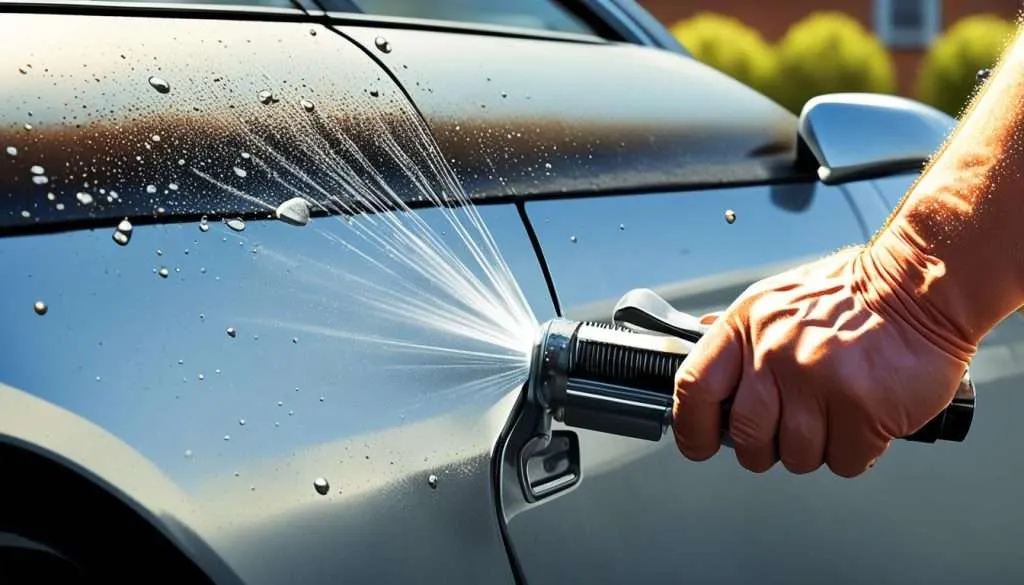
One of the most important ways to keep a Hyundai Elantra looking like new is through regular exterior washing. Over a week, the car is exposed to numerous environmental contaminants, including dust, dirt, bird droppings, tree sap, pollen, and pollution.
These elements not only dull the paint but, if left unattended, can embed themselves into the clear coat, leading to permanent damage such as scratches or fading. By setting aside time on the weekend to thoroughly wash the vehicle, owners can prevent the accumulation of these harmful substances and maintain a glossy finish.
Using a car-specific soap, which is designed to gently remove grime without stripping protective wax, helps preserve the paint’s integrity. Additionally, employing a microfiber wash mitt or sponge and washing the car in a shaded area avoids swirl marks and water spots.
Waxing is the next crucial step after washing and often distinguishes a merely clean car from one that truly shines. Applying a quality wax or paint sealant forms a protective barrier on the car’s surface, repelling water, dirt, and ultraviolet rays. This layer not only adds depth and luster to the paint but also protects it from fading caused by prolonged sun exposure.
Waxing also makes future washing easier, as dirt and grime are less likely to stick to a properly waxed surface. Although some may view waxing as an occasional task, making it a regular part of weekend care, about once a month, can keep the Elantra’s paint looking fresh and vibrant year-round.
The washing and waxing routine does not need to be time-consuming or require professional tools. Many Hyundai Elantra owners find satisfaction in mastering the basics themselves, using simple supplies such as a wash bucket, a hose with a gentle spray nozzle, microfiber towels, and a good-quality wax.
After washing, drying the car carefully with a soft microfiber towel prevents water spots, which are tiny mineral deposits left behind by evaporated water and can dull the finish. Attention to detail in drying, such as getting into door jambs and around trim pieces, helps the car maintain a showroom-quality appearance.
By dedicating weekend time to washing and waxing, Hyundai Elantra owners protect their investment and enjoy the pride that comes with a clean, well-maintained vehicle. Prompt attention to minor scratches or paint chips can also be addressed during these sessions, preventing rust or corrosion. Over time, this habit keeps the exterior looking sharp and helps the vehicle stand out on the road as if it were just rolled off the assembly line.
2. Tire and Wheel Maintenance
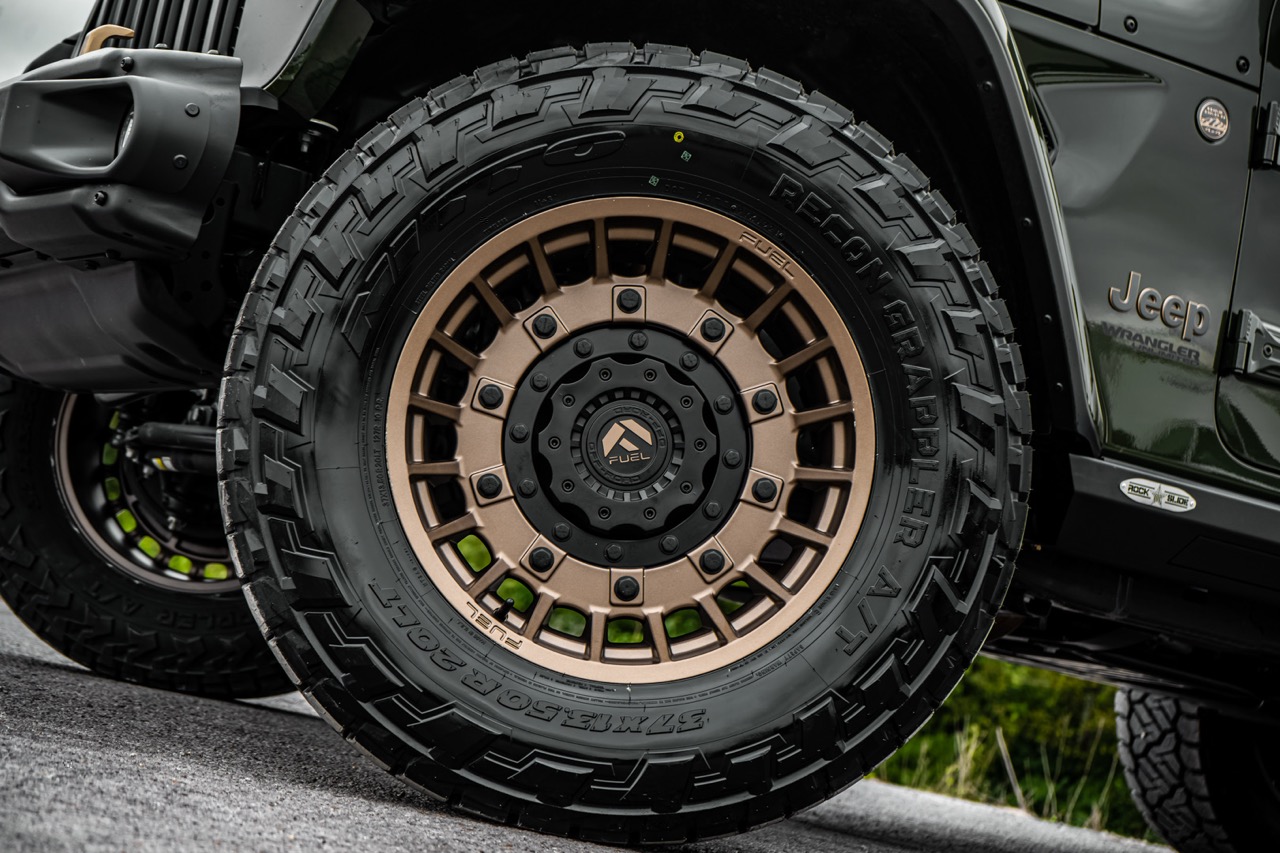
Tires and wheels are more than just the parts that keep the car rolling; they contribute significantly to the safety, performance, and appearance of a Hyundai Elantra. Over time, wheels accumulate brake dust, dirt, and grime that dull their finish and can cause corrosion if not cleaned regularly. Neglecting the wheels diminishes the car’s aesthetic appeal and may lead to costly damage.
By dedicating a portion of the weekend to tire and wheel care, owners help maintain both the look and functionality of these components. Using a wheel-specific cleaner that targets brake dust and road grime without damaging the finish is essential. Gentle scrubbing with a soft brush ensures the removal of stubborn dirt while protecting the surface from scratches.
Tire maintenance goes hand in hand with wheel care and is critical for safety and fuel efficiency. Tires must be properly inflated to the manufacturer’s recommended pressure to provide optimal traction, handling, and longevity. Regular pressure checks, which fluctuate due to temperature changes, are easily done on weekends with a simple tire pressure gauge or at gas stations equipped with air compressors.
Underinflated tires lead to poor fuel economy and uneven wear, while overinflated tires reduce traction and increase the risk of blowouts. Weekend attention to tire pressure keeps these risks in check.
Inspecting the tread depth and looking for uneven wear or damage such as cuts, bulges, or punctures is another crucial task. Worn tires compromise braking distance and grip, particularly in wet or icy conditions.
Identifying these signs early allows for timely tire replacement, which is safer and more cost-effective than waiting for tire failure. Additionally, rotating tires according to recommended intervals, often every 5,000 to 7,000 miles, ensures even wear, extending the life of all four tires and maintaining balanced handling.
Applying tire dressing after cleaning also adds to the visual appeal of the car, restoring a rich, dark black finish to tires and preventing cracking caused by sunlight exposure. A well-maintained set of tires and wheels not only boosts confidence on the road but complements the Hyundai Elantra’s polished exterior look, reinforcing the impression of a cared-for vehicle.
3. Interior Cleaning and Care
The interior of the Hyundai Elantra is the driver’s personal space, influencing comfort, hygiene, and the driving experience. Over time, the cabin collects dust, dirt, food crumbs, and stains from daily use, which, if neglected, can lead to unpleasant odors, discoloration, and premature wear of upholstery and trim. Setting aside weekend time for comprehensive interior cleaning ensures the car remains a pleasant environment for every trip.
Vacuuming is the foundation of interior care, and thorough attention to carpets, floor mats, and seats removes embedded dirt that can wear down fibers. Using attachments to reach tight spaces such as under seats, between seat cushions, and along door sills captures dust and debris often overlooked in quick cleans. Removing mats for washing or replacement maintains a tidy floor area and prevents mold or mildew buildup.
Cleaning hard surfaces like dashboards, center consoles, and door panels with appropriate cleaners not only removes dirt and fingerprints but also protects plastics and vinyl from drying and cracking.
Specialized cleaners with UV protection shield these surfaces from sun damage, a common cause of fading and brittleness. Soft cloths or microfiber towels are recommended to avoid scratches and maintain a smooth finish.
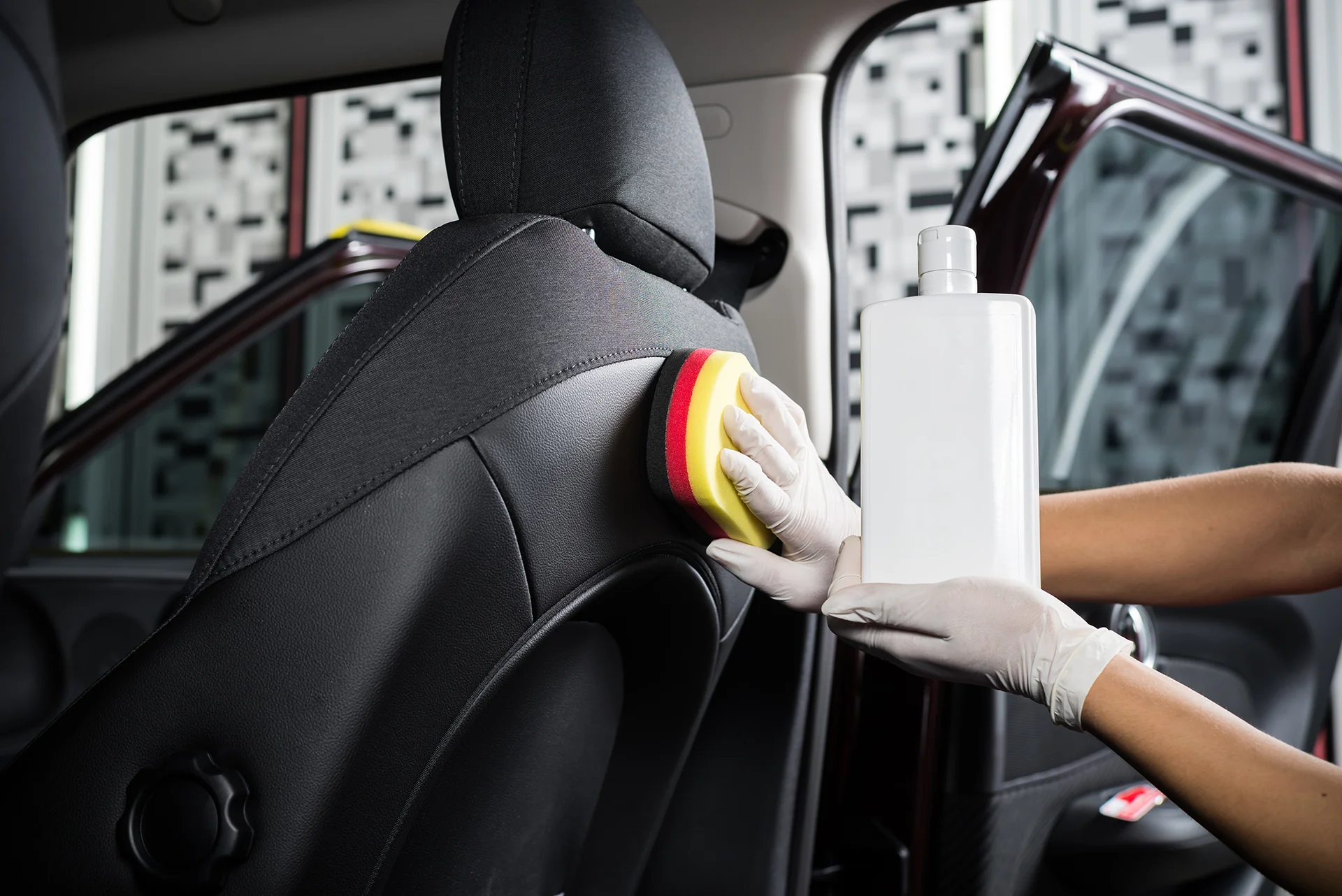
For seat materials, care varies depending on whether the Elantra is equipped with fabric, leather, or leatherette upholstery. Fabric seats benefit from stain removers and deodorizing sprays to tackle spills and odors. Leather or leatherette seats require gentle cleaning and conditioning to maintain suppleness and prevent cracking. Conditioning also restores a subtle sheen and improves comfort. Window cleaning inside the car removes smudges and foggy film, enhancing visibility and creating a bright, inviting cabin.
Attention to small details, such as cleaning air vents, cup holders, and storage compartments, prevents the buildup of dust and grime. Removing unnecessary clutter, organizing personal items, and using sunshades during hot days protect the interior from heat damage and fading. Keeping the cabin clean and well-maintained not only improves comfort but also sustains the vehicle’s resale value by signaling responsible ownership.
4. Checking Fluid Levels and Under-the-Hood Inspection
Taking time on weekends to inspect fluid levels and under-the-hood components plays a vital role in keeping a Hyundai Elantra mechanically sound. Fluids are the lifeblood of the vehicle, ensuring that various systems operate smoothly and efficiently.
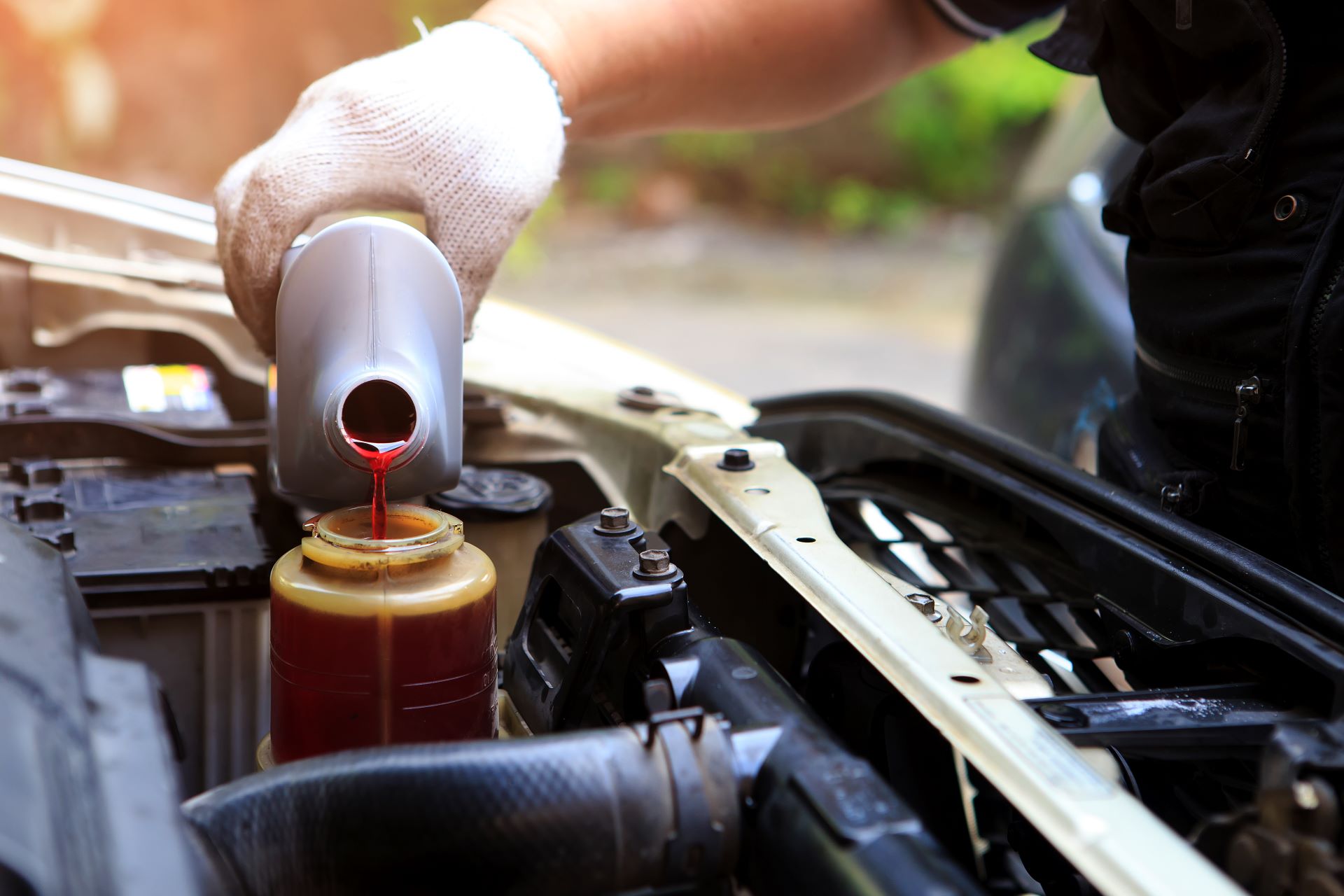
Engine oil lubricates moving parts, coolant regulates temperature, brake fluid supports braking performance, transmission fluid facilitates smooth gear changes, and windshield washer fluid helps maintain clear vision. Neglecting these essential fluids can lead to mechanical breakdowns, overheating, or compromised safety.
Regularly checking fluid levels involves removing caps or reservoirs and using dipsticks or sight gauges to ensure proper amounts. This routine enables early detection of leaks, which may be indicated by consistently low levels or visible puddles under the car.
Addressing leaks promptly prevents costly damage. Additionally, fluid condition is important; for example, oil that appears dirty or smells burnt signals the need for a change, while coolant should be clear and free of debris.
A brief visual inspection of the engine bay can reveal other issues that may otherwise go unnoticed. Checking for cracked or brittle hoses, loose clamps, or worn belts helps catch problems before they cause breakdowns. Corrosion or buildup on battery terminals can also be identified and cleaned during this time. Ensuring that the battery is securely mounted prevents vibrations that can shorten its lifespan.
Topping off fluids or scheduling replacements during the weekend ensures the vehicle is ready for both daily driving and longer trips. Monitoring changes in fluid color or texture provides insight into the engine’s health. For example, milky or foamy oil may indicate coolant mixing due to a gasket failure, while dark transmission fluid may suggest contamination.
Weekend attention to these vital mechanical elements prevents unexpected failures, improves reliability, and extends the life of the Hyundai Elantra. By cultivating this habit, owners stay proactive in vehicle care and enjoy peace of mind on the road.
5. Regular Tire Rotation and Alignment Checks
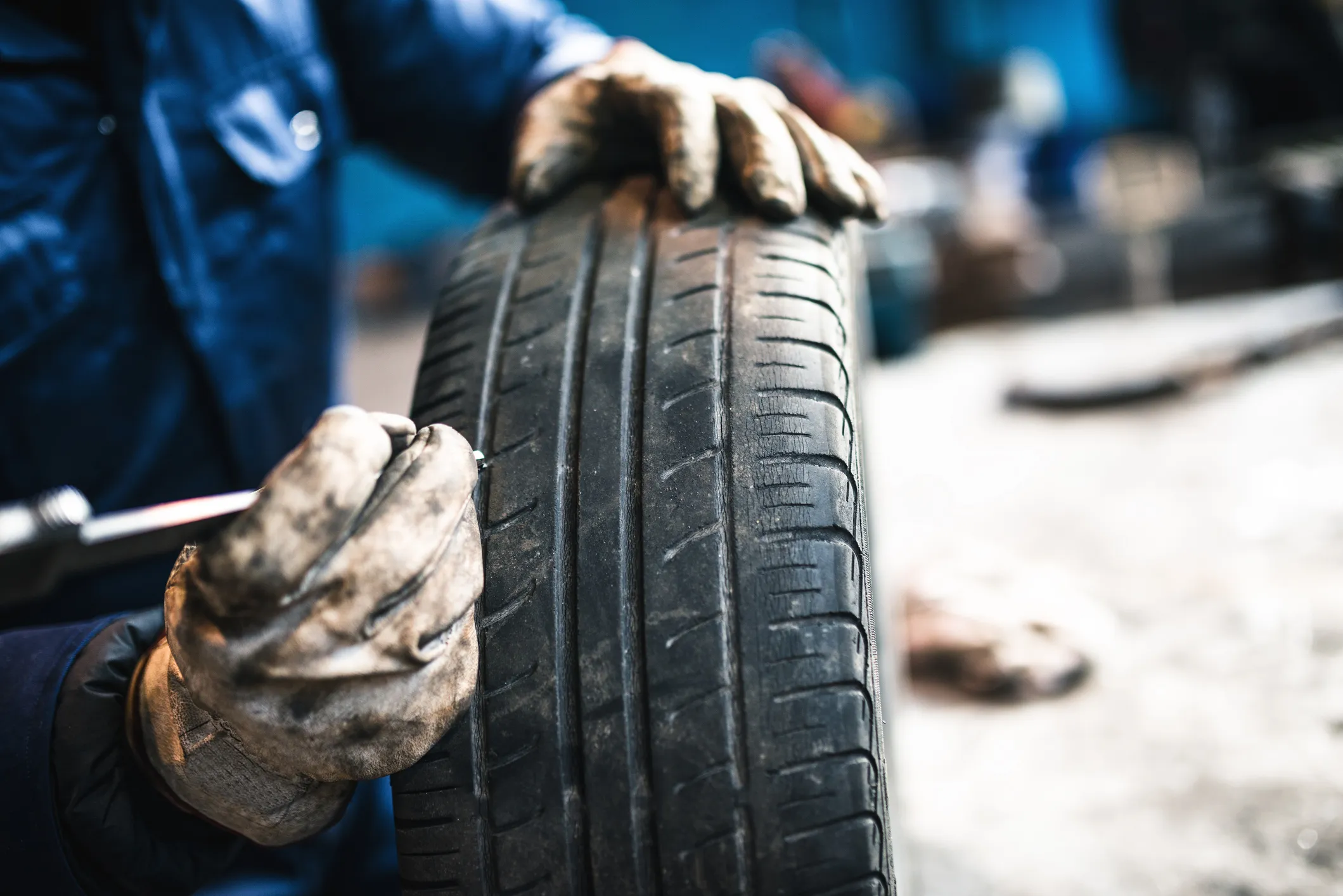
Even tire wear is critical for safety, comfort, and cost-efficiency when driving a Hyundai Elantra. The habit of regularly rotating tires and checking alignment contributes significantly to maintaining balanced handling and extending tire lifespan.
During a typical drive, front tires wear faster on the outside edges due to steering and cornering forces, while rear tires experience different stress patterns. Tire rotation, swapping tires between front and rear positions, and sometimes side to side, ensures more uniform wear.
Many vehicle manufacturers, including Hyundai, recommend rotating tires every 5,000 to 7,000 miles. Weekend time can be used to schedule this service or, for the mechanically inclined, to perform it at home with the right tools and safety precautions. Proper rotation helps prevent uneven tread wear, reduces the chance of vibrations while driving, and promotes safer braking and handling. Skipping this habit can lead to early tire replacement and uneven vehicle performance.
Wheel alignment, on the other hand, involves adjusting the angles of the wheels so that they are perpendicular to the ground and parallel to each other. Misalignment can cause the car to pull to one side, steering wheel vibration, or uneven tire wear. While alignment requires specialized equipment usually found at service centers, owners can monitor signs such as a crooked steering wheel when driving straight or rapid tire wear as indicators that alignment is needed.
Early detection of alignment issues during weekend inspections helps schedule timely corrections, preventing further damage. Proper alignment not only improves tire life but also ensures optimal fuel efficiency and driver control.
By combining tire rotation and alignment checks in a weekend routine, Hyundai Elantra owners invest in smoother, safer driving experiences and save money over the long term. These steps also help maintain the aesthetic appeal of tires and wheels, reinforcing the vehicle’s fresh and well-kept appearance.

6. Protecting the Car from the Elements
Exposure to natural elements is one of the main causes of wear on a Hyundai Elantra’s exterior and interior. Sunlight, rain, snow, wind, and pollution all contribute to gradual deterioration if preventive measures are not taken.
Weekend habits focused on protecting the vehicle from these elements can preserve the car’s look and mechanical integrity.
Whenever possible, parking the Hyundai Elantra in a garage or covered area protects it from direct sunlight, which causes paint fading and interior cracking. For owners without access to covered parking, investing in a quality car cover provides a protective shield against ultraviolet rays, bird droppings, tree sap, dust, and rain. A cover that fits snugly and breathes well prevents moisture buildup, which can cause mold or corrosion.
Treating rubber door and window seals with silicone spray or rubber protectants keeps them supple and prevents drying, cracking, and shrinkage caused by sun and cold weather. Well-maintained seals also ensure tight closures, which reduce wind noise and water leaks during rainy conditions.
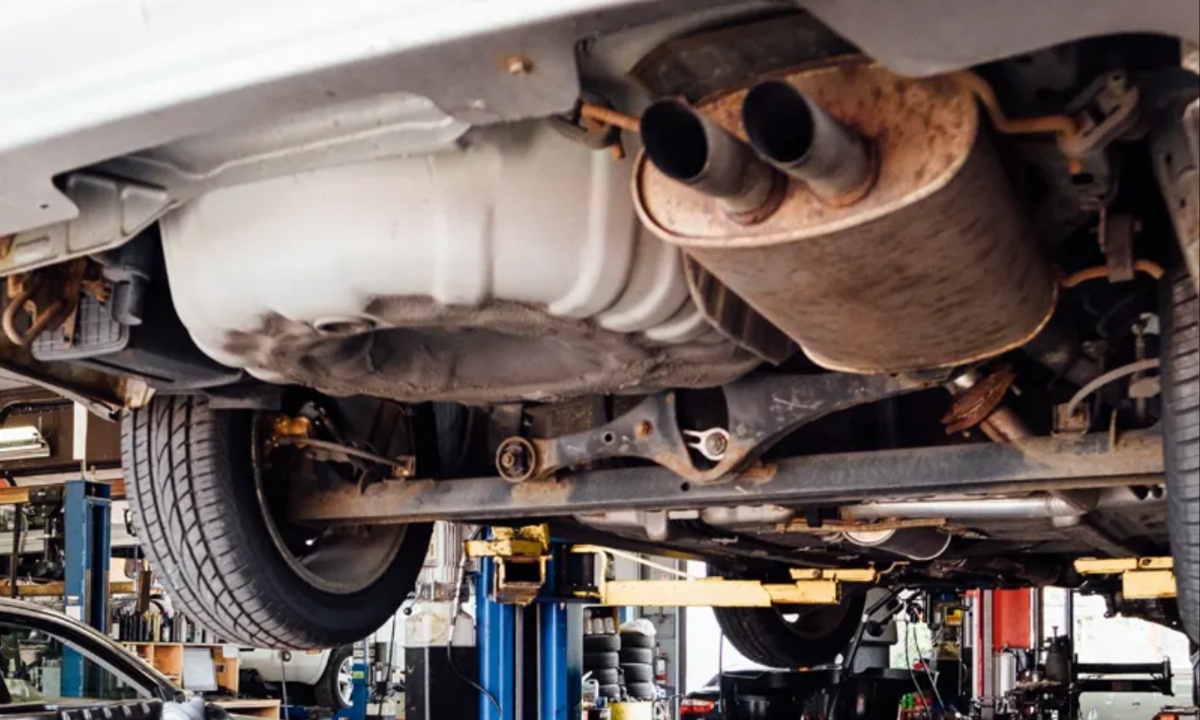
After the winter months, washing off salt and grime from roads is particularly important. Road salt is corrosive and can lead to rust on the car’s undercarriage and wheel wells. Taking time on the weekend to clean these areas, especially after snowy or icy weather, protects the vehicle’s structural components.
This habit of proactive environmental protection reduces the likelihood of costly repairs related to rust, fading, or seal damage. It also preserves the Hyundai Elantra’s aesthetic appeal and functionality, ensuring that the car remains attractive and reliable through all seasons.

7. Battery Maintenance and Electrical Checks
The battery and electrical system are fundamental to the Hyundai Elantra’s ability to start, power accessories, and maintain safety features. Corrosion buildup, loose connections, or a weakening battery can cause frustrating and inconvenient breakdowns. Regular weekend inspection and maintenance of these components helps prevent such problems and ensures the vehicle’s reliability.
Battery terminals often accumulate corrosion over time, visible as a white or greenish powdery substance. This corrosion impedes the electrical connection, making it difficult to start the engine or operate electrical systems efficiently. Cleaning terminals with a mixture of baking soda and water, followed by rinsing and drying, removes this buildup. Applying a protective spray afterward helps slow future corrosion.
Checking the tightness and condition of battery cables prevents loose connections that can cause intermittent electrical failures. Inspecting the battery casing for cracks or leaks also helps identify a battery nearing the end of its useful life. Testing battery health with a multimeter or battery tester can be done at home with affordable devices or at service centers during routine maintenance.
Beyond the battery, electrical checks include ensuring that headlights, brake lights, turn signals, interior lights, and dashboard indicators function properly. Non-working bulbs should be replaced promptly to maintain safety and avoid traffic violations. This habit also extends to testing the operation of power windows, locks, and infotainment systems.
By incorporating battery and electrical system care into weekend routines, Hyundai Elantra owners minimize the risk of inconvenient failures and ensure all vehicle systems operate as intended. This habit contributes to safer, more dependable driving experiences.

8. Keeping the Windshield and Windows Clear
Visibility is one of the most critical safety factors while driving. Maintaining a clean windshield and windows improves the driver’s ability to react to changing road conditions and hazards. Weekend attention to cleaning and inspecting glass surfaces enhances safety and comfort.
Using a dedicated glass cleaner and a soft microfiber cloth ensures that both the inside and outside of the windshield and windows are free of dirt, smudges, and streaks. These contaminants can scatter light, causing glare during daylight or nighttime driving and reducing visibility. Cleaning the glass regularly removes films created by pollution, smoke, or moisture, which can otherwise fog the surfaces.
In addition to cleaning, inspecting the condition of windshield wipers and replacing worn or cracked blades improves their ability to clear rain, snow, and debris effectively. Functional wipers reduce streaking and provide a clear view during adverse weather conditions.
Maintaining the windshield washer fluid reservoir by filling it with quality fluid helps ensure that the spray system can remove stubborn dirt and bugs while driving. Testing that the washer nozzles spray evenly and reach the windshield is a quick step to verify the system is operational.
This weekend habit of glass care directly impacts driving safety and comfort, reducing eye strain and improving the driving experience. A clear, streak-free windshield and windows contribute to the Hyundai Elantra’s “like-new” feeling every time the car hits the road.
9. Organizing and Maintaining Emergency Supplies
While emergency preparedness is often overlooked in car maintenance, organizing and maintaining emergency supplies is a crucial weekend habit for Hyundai Elantra owners. Having a well-stocked emergency kit can make the difference between being stranded and resolving minor issues quickly.
Checking the contents of an emergency kit ensures that essential items such as jumper cables, a first aid kit, a flashlight with fresh batteries, basic tools, a reflective vest, and warning triangles are present and in good condition. Expired or missing items should be replaced promptly. Adding extras like bottled water, a tire pressure gauge, and a portable phone charger can also enhance preparedness.
Keeping the trunk or cargo area organized prevents supplies from shifting during driving, which can cause damage or create hazards in sudden stops. Using storage bins or organizers can help separate emergency items from daily belongings, making access quick and easy when needed.
Regularly reviewing and updating emergency supplies also gives owners peace of mind. Knowing that the Hyundai Elantra is prepared for breakdowns, flat tires, or minor medical issues allows drivers to feel more confident on the road.
This simple habit of organizing and maintaining emergency supplies promotes safety and readiness, complementing the vehicle’s physical upkeep with practical preparation.
10. Scheduling Regular Professional Inspections
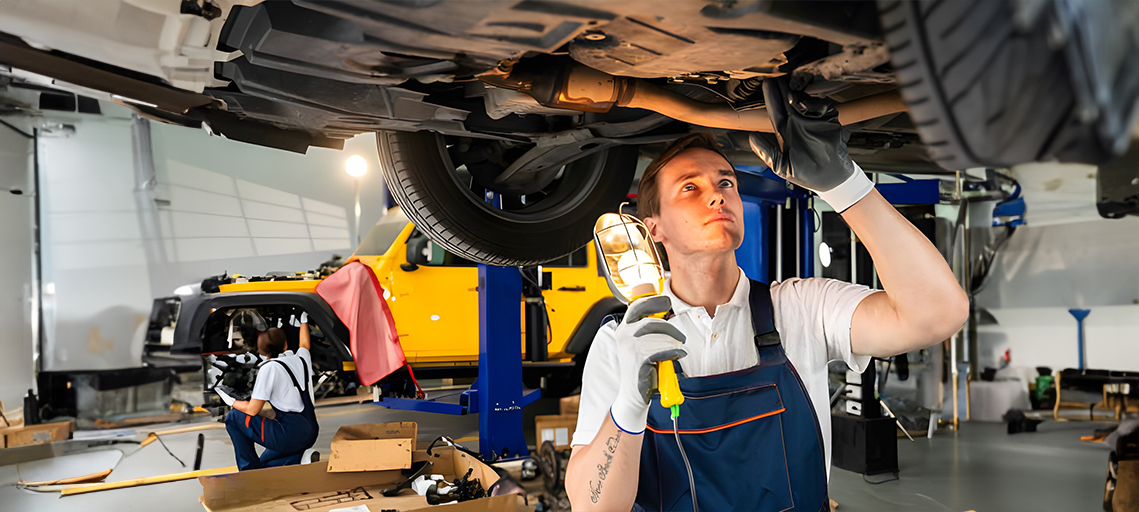
Although many maintenance habits can be performed by owners, professional inspections remain vital for thorough vehicle care. Scheduling these appointments on weekends, when time is available, helps ensure that Hyundai Elantra owners keep their car in peak condition with expert oversight.
Professional inspections cover systems that require specialized knowledge and equipment, including brakes, suspension, engine diagnostics, exhaust systems, and emissions.
Mechanics can identify developing issues before they become major problems, saving money and preventing breakdowns. Adhering to the Hyundai recommended maintenance schedule preserves warranty coverage and maintains the car’s reliability.
Before a scheduled service, weekend preparation includes reviewing the owner’s manual, noting any unusual noises, smells, or performance changes, and communicating these observations to the mechanic. This detailed feedback assists in targeted diagnostics and repairs.
Scheduling regular inspections also ensures the timely replacement of wear items like brake pads, belts, and filters. The added benefit is receiving expert advice on any upgrades or modifications that might improve the driving experience or vehicle longevity.
Incorporating professional inspections into a weekend routine balances do-it-yourself care with expert maintenance, giving Hyundai Elantra owners confidence that their vehicle remains safe, efficient, and in like-new condition.
Also Read: 10 Cars With Tricky Seatbelt Buckles for Elderly Passengers
Maintaining a Hyundai Elantra in pristine condition over time requires consistent effort, attention, and a well-rounded approach to care. The ten weekend habits outlined throughout this article serve as a comprehensive guide for owners who want to preserve the look, feel, and mechanical health of their vehicle.
Each habit, from regular exterior washing to scheduling professional inspections, plays a vital role in ensuring the car not only performs reliably but also retains its aesthetic appeal and value. By committing to these practices, Hyundai Elantra owners foster a relationship with their car that goes beyond mere transportation, turning maintenance into a rewarding routine that benefits both driver and vehicle.
One of the key takeaways is that caring for the car is not a single task but a series of interconnected efforts. The exterior, interior, mechanical components, and safety systems all require attention, and weekend time provides the perfect opportunity to focus on these areas without rushing.
Consistent washing and waxing protect the paint and finish, while tire and wheel care improve safety and ride quality. Cleaning and conditioning the interior maintains comfort and hygiene, making every drive more enjoyable. Meanwhile, routine checks of fluid levels, battery health, and windshield clarity prevent common problems that can escalate into costly repairs.
Moreover, the importance of preventing damage caused by environmental factors cannot be overstated. Protecting the vehicle from the sun, moisture, and corrosive substances helps the Hyundai Elantra age gracefully and avoid deterioration.
This proactive mindset, combined with organized emergency preparedness and regular professional inspections, ensures that the car remains reliable and ready for any situation. These weekend habits transform basic maintenance into a lifestyle choice that supports long-term ownership satisfaction.
The value of these routines extends beyond physical care. They encourage mindfulness, patience, and responsibility, qualities that naturally lead to better driving habits and vehicle stewardship.
For many owners, the time spent on weekend care becomes an opportunity for reflection, pride, and connection with their car. This attention helps detect small issues early, avoids neglect, and saves money by reducing the need for expensive repairs.
Maintaining a Hyundai Elantra like new is about consistency and care. By embracing these weekend habits, owners protect their investment, enjoy a safer and more comfortable ride, and experience the satisfaction that comes with driving a vehicle that feels fresh, reliable, and well-loved for years to come.
