

A Honda Civic is known for being one of the most reliable and fuel-efficient cars on the road. When maintained properly, it can easily surpass the 200,000-mile mark while still running strong. However, simply reaching that milestone isn’t enough to guarantee ongoing efficiency.
Once a vehicle has logged over 200,000 miles, its systems have undergone a lot of wear. Keeping the car operating smoothly at this stage requires more attention to detail than ever. The habits you develop as a driver and owner can make a significant difference in whether the car continues to perform efficiently or begins to deteriorate.
Efficiency isn’t just about gas mileage. It also refers to how well the engine runs, how smoothly the transmission shifts, how cleanly it burns fuel, and how much longer the components can last before needing to be replaced.
A Civic with over 200k miles can still feel nearly as responsive and capable as it did years ago, but only if certain daily habits are practiced consistently. Most of these habits aren’t difficult. They just require awareness and consistency. Once they become part of your routine, they can extend the lifespan of the car and help you avoid costly repairs.
While many people think efficiency depends solely on major maintenance or expensive repairs, the truth is that simple daily practices can make a bigger difference than people realize. Small efforts, when repeated every day, keep parts lubricated, fluids circulating properly, and systems functioning under less stress.
These habits also allow early signs of wear to be caught before they become serious problems. For a Honda Civic that has already proven its longevity by reaching 200k, these daily behaviors can help ensure that it continues running strong and cost-effectively for many more miles.
Also Read: 10 Cars With Tricky Seatbelt Buckles for Elderly Passengers
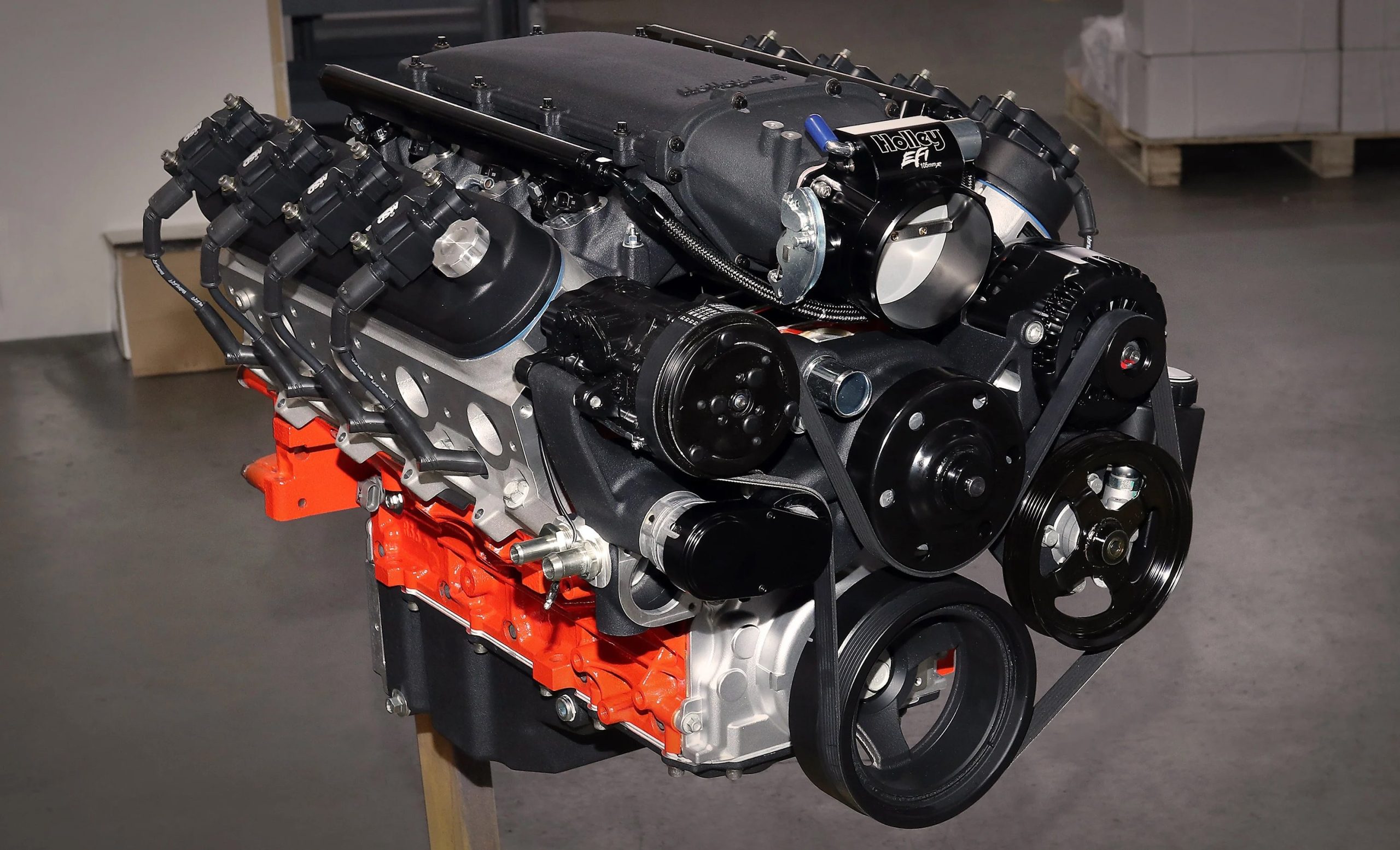
1. Letting the Engine Warm Up Properly Before Driving
When a car has over 200,000 miles on it, metal parts, seals, and gaskets have already seen significant expansion and contraction over the years. Starting the engine and immediately driving off, especially in colder weather, can cause extra strain on these components.
Letting the engine idle for 30–60 seconds before driving allows oil to fully circulate through the engine, lubricating the moving parts. This simple habit reduces friction and allows the car to perform more smoothly from the beginning of your trip.
Older engines need a bit more time to adjust to operational temperature, and rushing into driving before the car is ready can result in sluggish response, increased fuel consumption, and even damage over time.
Warming up the engine also helps sensors and emission systems get to operating temperature, improving their accuracy and function. This directly affects how efficiently fuel is burned and how smoothly the engine adjusts to changes in driving conditions.
It’s important to strike a balance, though. Long idling isn’t necessary and can waste fuel, but that brief minute before pulling out of your driveway gives everything a chance to stabilize.
On very cold mornings, that minute may stretch slightly longer, but it should still be short and purposeful. Make it a part of your daily routine, start the car, get your seatbelt on, adjust the mirrors, and check your dashboard while the engine warms. By the time you’re ready to drive, the car is too.
Doing this consistently not only improves the driving experience but also plays a big role in long-term engine health. It may seem small, but over thousands of starts, that extra minute of warm-up becomes a major protective measure against early engine wear.
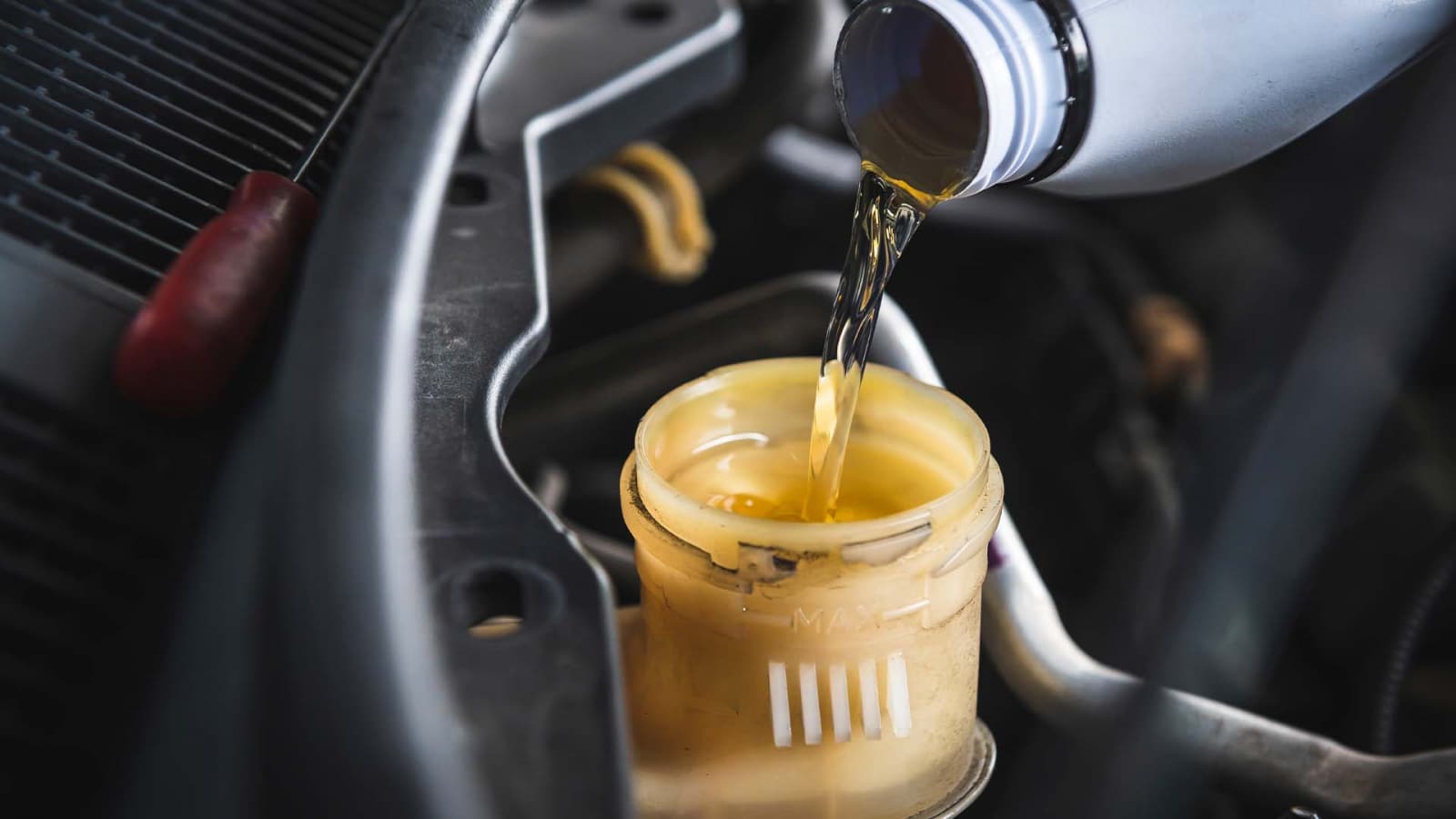
2. Monitoring Fluid Levels Before or After Your Drive
Checking your Civic’s vital fluids regularly can prevent some of the most common causes of inefficiency and breakdowns in high-mileage cars. While most drivers wait for a warning light or symptom to indicate a problem, a simple visual check every day or two can catch issues before they start. Oil, coolant, transmission fluid, brake fluid, and even windshield washer fluid all play roles in how efficiently the vehicle operates.
At over 200,000 miles, seals and gaskets are more likely to develop leaks. A slow leak can go unnoticed until it becomes serious. By taking a minute each day to pop the hood and visually inspect fluid levels, you create a routine that helps you stay ahead of these potential issues.
If you park in the same spot regularly, checking the ground under your vehicle for drips is also a quick way to spot problems early. Keep a flashlight in your glove box so you can check fluids even during early or late drives when visibility is lower.
Some drivers also get into the habit of checking their dipstick after shutting off the engine, especially on longer trips or in extreme weather. Monitoring your oil not just for level, but also for color and texture, gives insight into how the engine is wearing internally. Clean, properly maintained oil is vital for efficiency. It reduces friction, helps manage heat, and keeps sludge from forming inside the engine.
This habit takes less than two minutes a day, but over time it can prevent overheating, engine knock, poor gas mileage, and costly repairs. With high-mileage Civics, this small act becomes even more important as the margin for error gets smaller the older the car becomes.

3. Driving Smoothly and Avoiding Hard Acceleration
One of the best things a Civic owner can do for efficiency, especially after crossing the 200k mark, is to drive gently. Hard acceleration, aggressive braking, and sudden lane changes all stress components that are already working harder than they did when the car was newer. Smooth driving allows the transmission to shift at optimal points, keeps engine RPMs lower, and reduces wear on tires and suspension.
When you accelerate gradually, the engine doesn’t have to burn as much fuel to get up to speed. This improves your miles per gallon and also reduces the heat and pressure inside the engine.
High-mileage engines are more susceptible to heat-related issues like head gasket failure or oil breakdown. Keeping acceleration moderate and steady helps avoid spikes in engine temperature and pressure.
Likewise, braking gradually rather than suddenly is easier on your brake system. Pads, rotors, and calipers all last longer when used gently. High-mileage vehicles are more likely to suffer from brake wear issues, especially if the system hasn’t been overhauled recently. Smooth braking habits also reduce the chances of causing extra strain on the ABS or traction control systems, both of which are expensive to replace or repair.
Adopting a patient and deliberate driving style pays off every day. Not only does it improve fuel efficiency, but it also reduces the chance of mechanical failures caused by stress or overheating.
The Civic is a car that rewards smooth driving, and with more than 200,000 miles under the hood, it deserves that extra care and attention. Turning this into a daily mindset will not only help keep the car running efficiently but will likely make you a safer driver as well.
4. Paying Attention to Warning Lights and Sounds
Many car problems start small and grow worse because the signs are ignored. In a high-mileage Honda Civic, listening for unusual sounds and checking the dashboard every time you start the car is a crucial habit. Warning lights like the check engine, oil pressure, or temperature light should never be brushed off. These are signals that something has already gone outside the safe operating range and needs attention.
If your Civic is past 200,000 miles, the sensors and systems might occasionally throw false warnings, but that doesn’t mean they should be ignored. Learning to recognize the difference between a persistent issue and a temporary one can save you from expensive problems.
For example, a flickering check engine light usually signals a serious misfire, while a steady light may indicate something less urgent, like an oxygen sensor. Either way, a scan tool or trip to the mechanic should follow soon after the light appears.
Unusual sounds, like squealing belts, knocking from the engine, or groaning from the suspension, often start quietly and grow louder over time.
The earlier they’re noticed, the easier and cheaper they are to fix. A loose belt can be replaced easily, but if ignored, it could snap and leave you stranded. Likewise, a minor wheel bearing issue can become a full-blown safety hazard if it progresses unnoticed.
Making a habit of actively paying attention each time you start and drive the vehicle adds an extra layer of protection. If something feels or sounds different, trust that instinct and investigate. Over time, this practice builds a personal knowledge base of what’s normal and what’s not for your specific vehicle. High-mileage cars often have quirks, but consistent attention helps separate harmless ones from serious issues.
5. Keeping Tires Properly Inflated and Aligned
Tire maintenance is often underestimated when talking about efficiency, but it plays a huge role. A Civic with 200k miles needs to be driven on tires that are properly inflated, balanced, and aligned to maximize efficiency and safety.
Underinflated tires create more rolling resistance, which makes the engine work harder and burn more fuel. Overinflated tires reduce traction and wear unevenly. Either condition shortens the lifespan of the tires and decreases fuel efficiency.
Checking tire pressure daily or at least several times a week takes less than a minute and helps prevent long-term issues. Temperature changes can cause tire pressure to fluctuate, especially overnight. Having a reliable tire pressure gauge in your car makes it easy to keep things in check. Many gas stations also offer free air pumps, so topping off when needed doesn’t cost anything but time.
Proper alignment and balance are just as critical as inflation. A misaligned vehicle can drag slightly to one side, increasing the resistance on your tires and forcing the engine to work harder to maintain forward motion. This subtle inefficiency may not be immediately noticeable, but over time, it adds wear to your tires and decreases fuel economy.
If your Civic has more than 200,000 miles, suspension components may already have seen some wear or even minor damage from road use. Even if the tires appear fine, the alignment could still be off. Make it a habit to notice if your steering wheel pulls slightly or if your tires wear unevenly; these are signs that alignment should be checked.
Rotating your tires regularly also helps maintain even tread wear, improving traction and reducing strain on the drivetrain. While tire rotation is typically done every 5,000 to 7,000 miles, being mindful of tread wear daily can alert you to issues much sooner.
Get into the habit of glancing at the tire tread when you walk past your car. Uneven wear on just one tire may suggest a suspension or alignment issue you wouldn’t notice otherwise.
By treating your tires as part of your daily inspection routine, you keep your Civic running smoother, safer, and more efficiently. Every part of the vehicle depends on the tires being in good condition, and neglect in this area tends to show up as decreased fuel economy and increased wear in unexpected places. For a high-mileage car, tire care is not optional; it’s a core part of long-term efficiency.
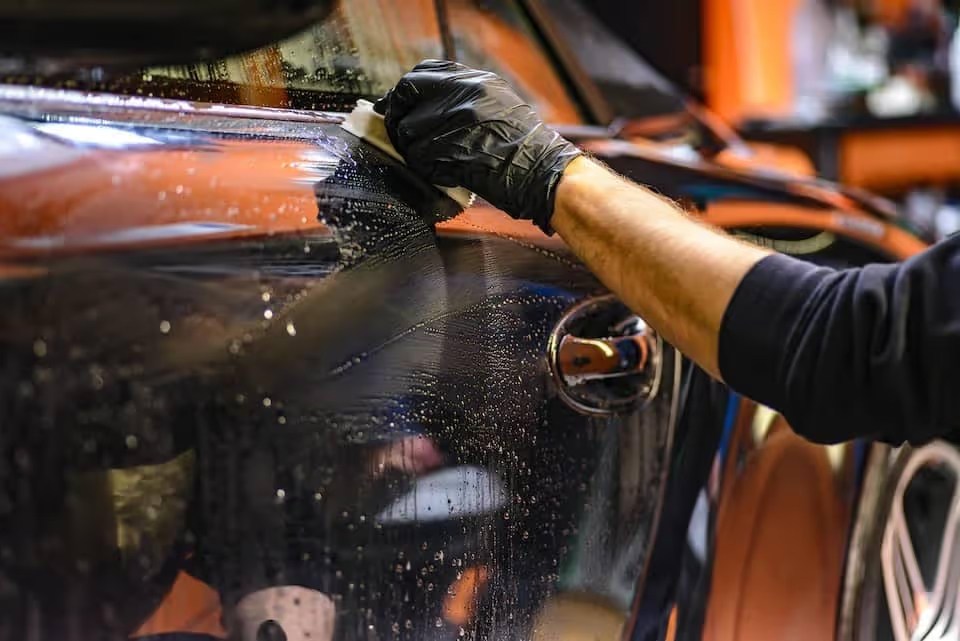
6. Keeping the Interior and Exterior Clean and Free of Clutter
While this may sound cosmetic at first, keeping your Civic clean inside and out has a surprising impact on efficiency, especially when the car has high mileage. Dirt, road grime, and salt buildup can cause corrosion over time.
Even if your Civic’s body panels still look solid, hidden rust can form underneath, particularly around the suspension components, brake lines, and exhaust system. Washing your car regularly prevents this gradual damage and helps preserve aerodynamics and underbody performance.
Beyond preventing rust, a clean car moves more efficiently through the air. Mud on the wheel wells, bugs on the grille, or layers of grime on the windows all increase drag and reduce visibility. While the effect on fuel efficiency might seem minor in a single drive, over thousands of miles, this resistance adds up. Taking five minutes to wipe down windows and mirrors before driving also keeps sensors, cameras, and side mirrors functional, especially on newer Civic models with driver-assist technology.
Interior cleanliness matters just as much. Carrying around excess items in the trunk or cabin can weigh the car down. Even an extra 50 to 100 pounds of gear that doesn’t need to be there can lead to a measurable drop in fuel economy.
Heavy toolboxes, unnecessary car parts, or forgotten sports equipment should be removed to lighten the load. Get into the habit of checking your back seat and trunk each day for items you don’t need to haul around.
In addition to keeping the car clean, paying attention to interior odors or moisture can help you spot signs of HVAC problems, coolant leaks, or clogged drains early. Moldy smells or fogged-up windows could indicate a problem that, if caught early, is much easier to fix. Keeping the cabin ventilated and clear of debris also improves air circulation, which affects everything from defogging performance to HVAC load on the engine. A well-maintained Civic doesn’t just run better, it feels better to drive every day.

7. Parking Strategically to Minimize Environmental Wear
Where and how you park your Civic each day has a major influence on how well it ages. Sun, rain, snow, and pollution can all contribute to accelerated wear on your vehicle. Parking in shaded or covered areas whenever possible protects the paint, interior, and sensitive rubber components from UV damage. Over time, constant exposure to sunlight can cause dashboards to crack, seats to fade, and plastic components under the hood to become brittle.
Beyond sunlight, environmental contaminants like tree sap, bird droppings, and road salt can cause corrosion and discoloration on the car’s surface. Parking under certain types of trees may seem like a good way to get shade, but if those trees attract birds or drop sap, you’re trading one issue for another. Choosing your parking spot with care, even if it means walking an extra block, can spare your Civic’s finish and undercarriage a lot of damage over the years.
The weather also plays a role. During winter months, parking in areas where snow or ice is likely to build up underneath the vehicle can trap moisture and salt in the undercarriage.
That’s a recipe for rust, especially on a car that’s already traveled over 200,000 miles. Parking on dry, clean surfaces or using rubber mats in a garage can reduce this risk. If your only option is street parking, consider using a car cover or at least rinsing off the vehicle frequently during winter to keep salt from accumulating.
Strategic parking also affects your daily start. Parking on a steep incline or uneven surface can put strain on the parking brake or transmission. High-mileage vehicles with worn mounts or brake components are especially susceptible to this.
Parking on level ground, if available, can help the car settle evenly and reduce unnecessary wear. Turning daily parking into a conscious decision rather than a habit of convenience gives your Civic better conditions to survive another hundred thousand miles or more.
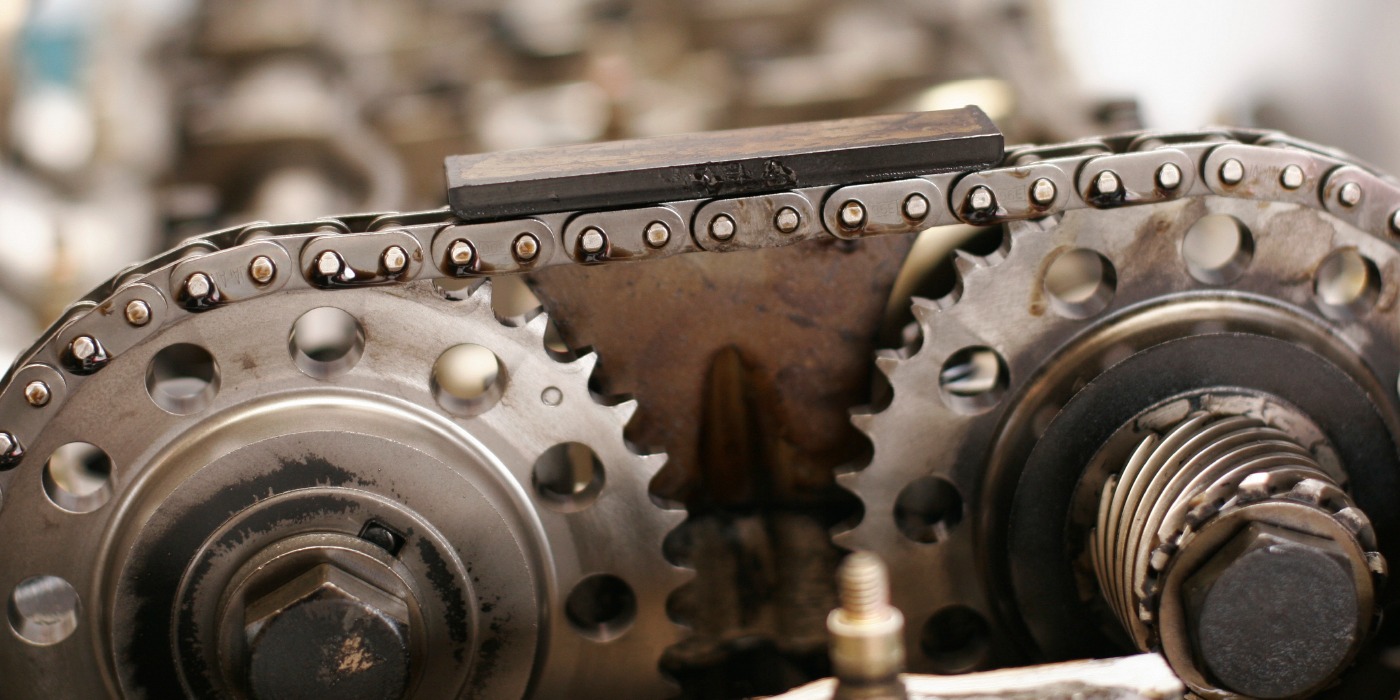
8. Listening to Engine Rhythm and Performance Changes During Each Drive
After 200,000 miles, your Honda Civic has likely developed a certain rhythm that you can feel and hear if you pay attention. This includes the way the engine idles, how it sounds when accelerating, and how it responds to throttle input.
By familiarizing yourself with the normal “feel” and sound of your car, you give yourself a valuable tool to detect changes earl, sometimes before they even trigger a warning light. A new vibration, hesitation, or rattle might be the first clue that something needs attention, and catching it early often leads to a cheaper and simpler repair.
High-mileage engines naturally develop a bit more character over time, but there’s a clear difference between character and inconsistency. If you notice a slight drop in power when accelerating, or the engine seems to stumble when shifting gears, that’s worth paying attention to.
It could be something as small as a dirty fuel injector or a clogged air filter, or it could be a sign of a misfire or timing issue. Either way, tuning into those subtle changes and noting when they happen (cold start, uphill, highway speed) helps mechanics diagnose problems more accurately and quickly.
Your Civic may also begin to give off different sounds as parts wear, squeaking belts, slight ticking from the valvetrain, or even changes in exhaust tone. If you don’t listen regularly, you’ll miss the gradual shift and only respond when the problem is obvious.
Getting in the habit of starting your drive with the stereo off lets you pay attention during those first few minutes. That’s when issues are most likely to show up, when the car is still warming up, and everything hasn’t expanded to its normal operating size yet.
This habit doesn’t require any mechanical skill. You don’t have to know what the sound means, you just have to recognize that it’s new. Keeping a mental or written log of changes can help identify patterns. Over time, your own ears become an important part of your Civic’s maintenance system. A well-tuned ear is one of the most overlooked tools in car care, and for a high-mileage Civic, it might be the one that gives you the longest lead time before a serious issue develops.

9. Using the Right Fuel and Keeping the Fuel System Clean
Fuel quality and system cleanliness play a big role in efficiency, especially in a vehicle that’s gone through hundreds of thousands of combustion cycles. While the Honda Civic is designed to run on regular unleaded fuel, not all fuels are the same.
Using quality fuel from a reputable brand with added detergents can help keep your injectors clean and your combustion consistent. This doesn’t mean using premium gas if your car doesn’t call for it, but it does mean avoiding off-brand stations with questionable fuel turnover or additives.
Over time, the fuel system builds up carbon deposits on the injectors, inside the combustion chamber, and on the intake valves. These deposits reduce efficiency, cause uneven idling, and lead to hard starts or rough performance under load. Using a fuel system cleaner periodically helps keep those deposits under control, but so does choosing high-quality fuel every day. A cleaner burn means fewer emissions, more power, and better mileage, all without needing to open the hood or change a single part.
The fuel filter (if your model has a serviceable one) and the fuel pump also work harder as the car ages. Contaminants or debris from aging gas tanks, especially in older Civics, can reduce fuel pressure and clog the system.
If you ever notice sluggish acceleration, longer crank times, or inconsistent throttle response, it could be a sign that the fuel delivery system needs attention. While these are larger issues that require service, they often start as minor inconsistencies that go unnoticed unless you’re actively paying attention.
Get in the habit of fueling at the same reliable locations, tracking your miles per gallon regularly, and noting any performance dips. Keep your tank above one-quarter full as a daily practice to avoid sediment from being pulled through the system. These small habits reduce wear on the fuel pump and maintain even delivery pressure. On a Civic that’s already delivered 200k miles of service, the way you manage fuel input now can either extend or shorten the life of key components down the road.

10. Recording and Reviewing Driving Logs and Maintenance Notes
Few habits are as effective at preventing future issues as consistently recording your car’s performance and maintenance details. While it may seem tedious, keeping a small notebook in the glovebox or using an app to track maintenance, fuel economy, and small performance notes allows you to spot trends that would otherwise go unnoticed.
For example, if your fuel economy starts dipping slightly every month, it may suggest a slow-developing problem like a failing oxygen sensor, even before any warning lights appear.
Daily or weekly logging doesn’t need to be complex. Simply recording mileage, fuel added, and anything unusual (like a noise, hesitation, or dashboard warning) gives you a reference point if problems escalate. It also makes conversations with your mechanic much more efficient. Rather than describing a vague “something feels off,” you can offer a timeline of when the issue started and what you’ve observed. That kind of detail can save hours of diagnosis time and help catch problems early.
For high-mileage Civics, staying organized with records becomes increasingly valuable. You can look back and see when the timing belt was last changed, when the last brake job was done, or whether that oil change at 185k was synthetic or conventional.
When maintenance gets spread across multiple shops, keeping your log ensures nothing gets overlooked. Over time, this record also becomes useful if you decide to sell the car; buyers appreciate a well-documented history, especially for a vehicle with over 200k miles.
Turn it into a short habit: after each fuel fill-up, make a quick note of the date, mileage, and anything you noticed during the drive. Once a month, skim your log to look for patterns. As the car ages, it may not have the same consistency it once did, but tracking its behavior helps you stay in control.
Rather than reacting to problems, you start anticipating them. And that shift in mindset is often what separates high-mileage cars that struggle from those that keep performing year after year.
Also Read: 10 Cars With Tricky Seatbelt Buckles for Elderly Passengers
Maintaining a Honda Civic efficiently after passing the 200,000-mile mark isn’t about luck or spending thousands on upgrades. It’s about consistency, awareness, and small daily decisions that reduce wear, improve performance, and catch issues early.
The Civic was built for longevity, but like any machine, it depends on the behavior of its operator for how well it ages. Many of these habits require no tools, no special knowledge, and very little time. Yet they can be the difference between a car that feels like it’s on its last leg and one that continues to drive with strength and smoothness.
These seven daily habits form a protective foundation. Letting the engine warm up helps preserve the powertrain. Checking fluids reduces the risk of expensive breakdowns. Driving smoothly preserves fuel, transmission life, and brake systems. Paying attention to lights and sounds ensures you catch problems while they’re still manageable.
Keeping tires in top condition improves traction, safety, and efficiency. A clean car, inside and out, helps prevent hidden damage and lightens the load on every trip. And finally, choosing your parking spot thoughtfully protects your Civic from silent threats that accumulate over time.
The truth is, most high-mileage vehicles don’t fail because of one catastrophic event; they wear down from thousands of small things being neglected. By turning these habits into a regular part of your day, you break that cycle and take control of your car’s long-term health. A Civic at 200,000 miles is far from finished. With the right attention, it can remain a reliable and efficient companion for years to come.
