
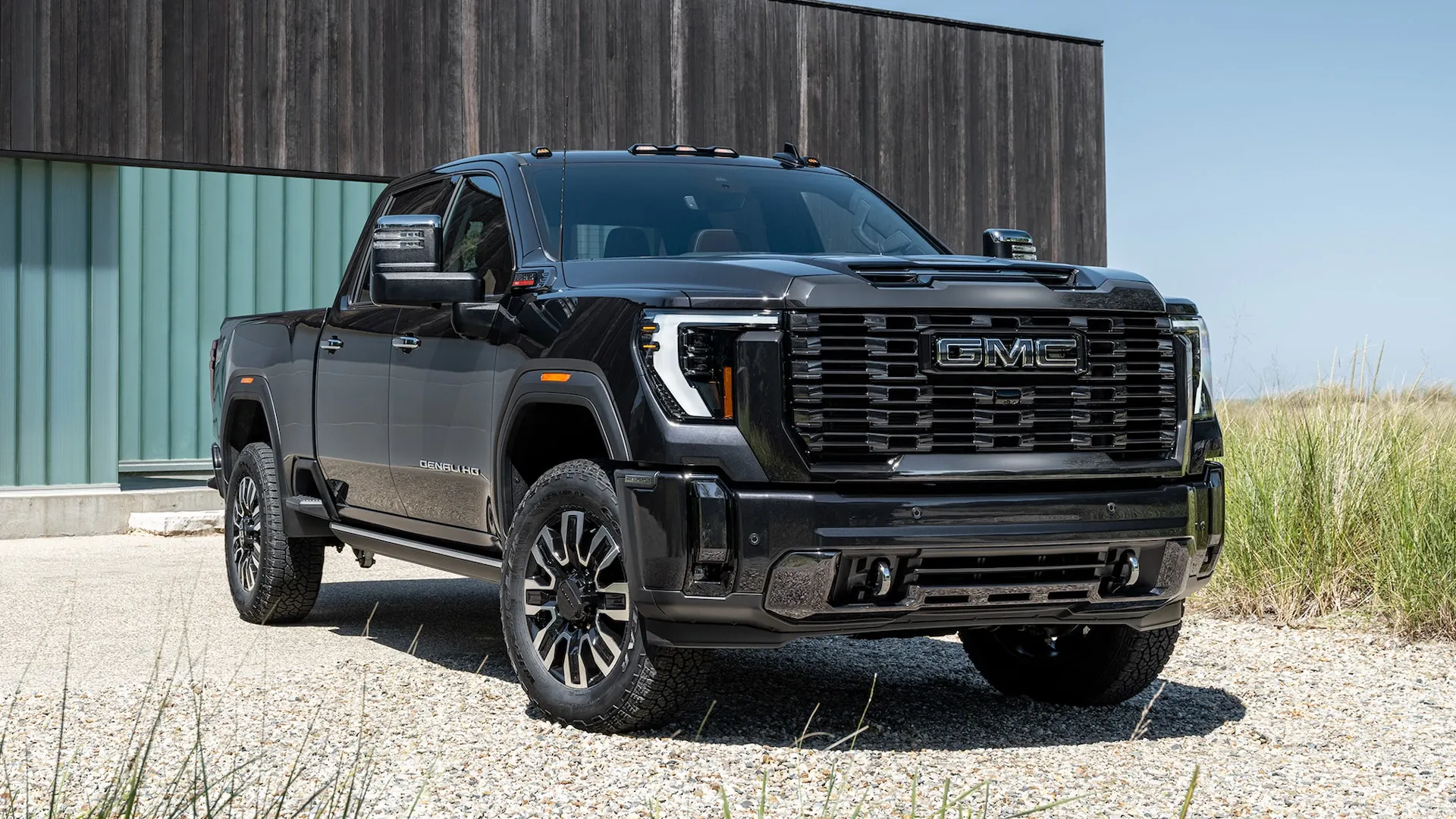
The GMC Sierra is often regarded as one of the most dependable full-size pickup trucks on the market, especially for those who value durability, strength, and a comfortable driving experience. Its powerful engine options, advanced towing capabilities, and sleek design have helped the Sierra carve out a solid reputation.
However, no truck is immune to wear and tear, and even the GMC Sierra can fall victim to premature failure if it’s not maintained properly. Many Sierra owners unknowingly adopt habits or neglect certain maintenance routines that can slowly degrade the performance and lifespan of their trucks.
These aren’t always glaring issues that raise red flags immediately; rather, they tend to accumulate quietly, leading to problems that can become expensive or even dangerous over time.
The mistakes discussed here are not exclusive to the most recent Sierra models. Whether you own a 1500, 2500HD, or 3500HD, and whether your truck is from the early 2000s or one of the newer trims, the same principles apply. Every Sierra, no matter how tough it seems, depends heavily on proactive maintenance and attention to detail.
It’s easy to think of trucks as built-to-last machines that can take punishment without complaint, but that mindset can actually speed up their decline.
This article breaks down 12.9 common oversights that Sierra owners make. These are real-world mistakes, some large, some subtle, that directly contribute to engine problems, transmission failure, poor fuel efficiency, and even complete breakdowns.
While some of these are well-known among car enthusiasts and mechanics, others are often overlooked by even seasoned drivers. Understanding and addressing them can make the difference between a Sierra that lasts 10 years and one that starts giving up after just five.
Think of this as a user manual for what not to do. Whether you’re a daily commuter, a heavy hauler, or someone who uses the Sierra primarily for recreation, avoiding these oversights can significantly extend your truck’s life and save you thousands in repair bills. Let’s go through each one with the attention it deserves.
Also Read: 5 Hybrids With Under-Hood Durability Vs 5 With Electrical Fire Risks
1. Ignoring Transmission Fluid Checks
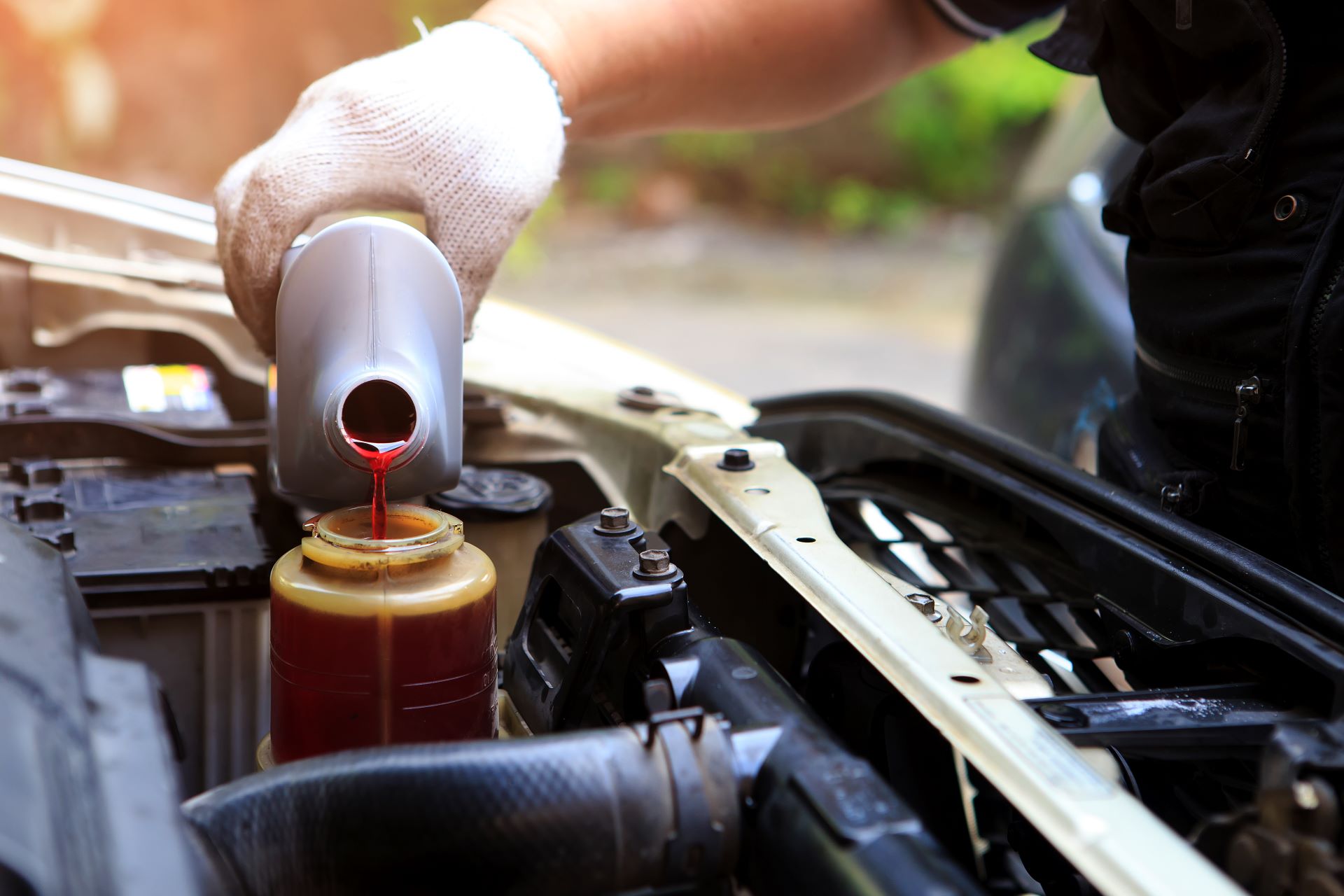
Transmission fluid is the lifeblood of any automatic transmission, and in a GMC Sierra, neglecting it can cause major issues sooner than you’d expect. This is especially true for models that are used for towing or hauling, which puts extra strain on the transmission system.
Many owners think that because the truck is running smoothly, there’s no need to inspect the fluid regularly. Unfortunately, this approach often leads to undetected wear that builds up silently.
Over time, transmission fluid breaks down due to heat and friction. When this happens, it no longer lubricates and cools the components effectively. As a result, gears start slipping, hard shifts occur, and eventually, full transmission failure becomes a real possibility. Unlike engine oil, transmission fluid isn’t something most drivers are reminded to check frequently, so it tends to be ignored.
Another oversight is using the wrong type of fluid or not replacing the filter during a fluid change. GMC recommends specific fluid types for different models and transmission types, and using a general-purpose ATF can lead to damage over the long term. Skipping the filter replacement is another costly shortcut that reduces the effectiveness of your transmission maintenance.
The cost of a full transmission replacement on a Sierra can range from several thousand dollars to even more, depending on labor and parts availability. This expense can be avoided almost entirely by simply checking and changing the fluid at the proper intervals, ensuring you’re using the recommended fluid type, and replacing the filter when needed. It’s a small investment that protects a major component.

2. Overloading Beyond Towing Capacity
The GMC Sierra is marketed as a powerhouse of towing and hauling, but that doesn’t mean it’s invincible. One of the most common oversights is pushing the vehicle beyond its rated towing or payload capacity. While doing this once or twice might not cause instant damage, making it a routine can wear out the drivetrain, suspension, brakes, and even the engine much faster than normal.
Exceeding the towing limit puts enormous strain on the transmission and engine, especially when climbing steep inclines or driving in hot weather. It can cause transmission overheating, faster brake wear, and axle fatigue. Owners who regularly haul trailers, boats, or heavy work equipment sometimes rely on the Sierra’s reputation without double-checking the specifications of their specific model.
Suspension systems take a big hit, too. Leaf springs and shocks are designed to carry a certain maximum weight. Over time, excess weight will cause these parts to sag, bottom out, or wear unevenly, leading to alignment issues and decreased control on the road. This not only makes the vehicle unsafe but also uncomfortable to drive.
Another hidden consequence of overloading is increased tire stress. Tires not rated for the load they’re carrying are at greater risk of blowouts, especially at highway speeds. That turns a maintenance issue into a safety hazard. Replacing overworked parts regularly can cost far more than just sticking within the manufacturer’s recommended limits.
The Sierra is built for hard work, but like any tool, it has its limits. Respecting the towing and payload capacities can go a long way in keeping the truck running reliably for years without major issues. It’s not about being cautious, it’s about being smart.
3. Neglecting the Cooling System
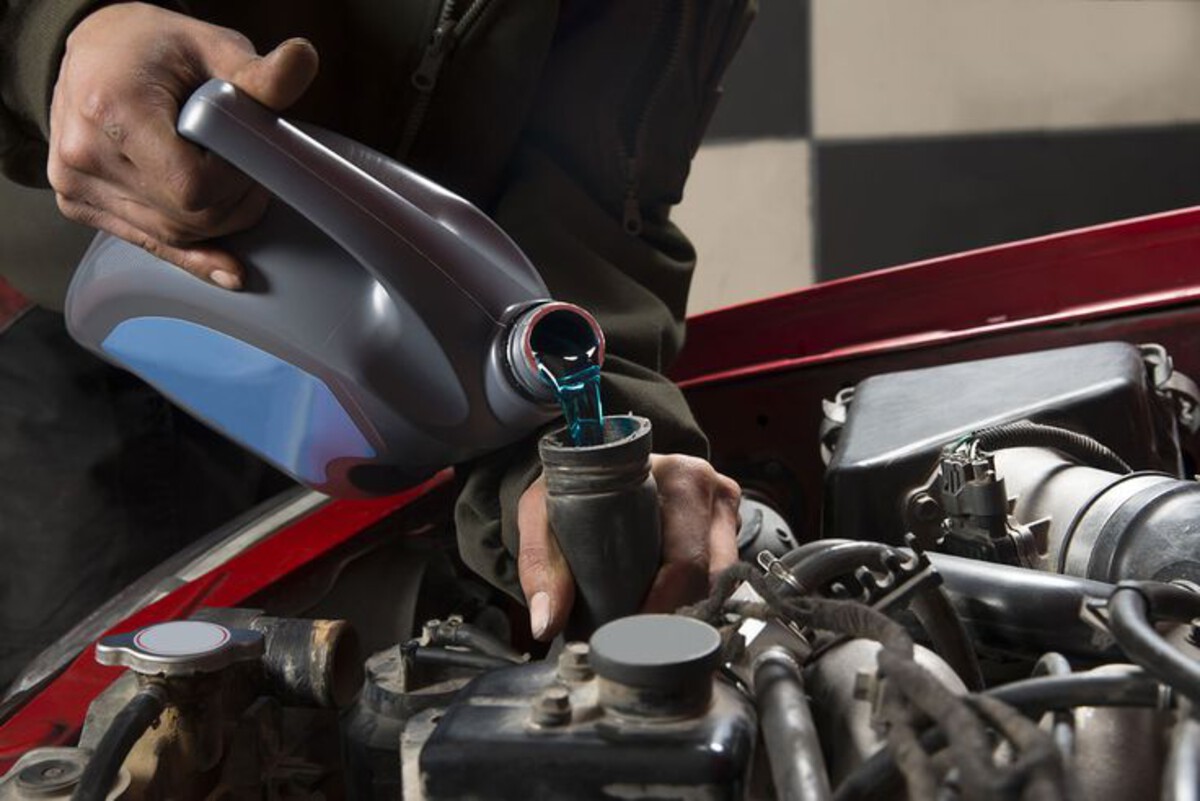
The cooling system in a GMC Sierra is often taken for granted until the engine starts overheating. That’s when the real problems begin. The cooling system involves more than just the radiator; it includes the water pump, hoses, thermostat, and coolant fluid itself. Each of these components must work in harmony to keep the engine at an optimal temperature, especially under load.
Many Sierra owners don’t flush the cooling system or replace the coolant at the recommended intervals. Old or contaminated coolant becomes corrosive over time and can lead to internal rusting, scaling, and eventually, blockages in the radiator. That restricts the flow of coolant and increases the risk of overheating, especially in warmer climates or under heavy towing conditions.
Thermostats and water pumps are also common failure points. A sticking thermostat can trap heat inside the engine, while a failing water pump may not circulate coolant effectively. These issues often give subtle early signs, like temperature gauge fluctuations or reduced heater performance, but they’re easy to ignore until the problem becomes critical.
Another problem arises when aftermarket radiators or cheap replacement hoses are installed. These components may not offer the same performance or fit as OEM parts. They may degrade quickly or not seal properly, causing slow leaks or coolant loss that often goes unnoticed until it’s too late.
Preventative maintenance of the cooling system isn’t glamorous, but it’s essential. An overheated engine can lead to warped cylinder heads, blown head gaskets, and even full engine replacement. Addressing minor cooling issues early can save thousands down the line.
4. Failing to Address Engine Misfires
An engine misfire is often brushed off by many Sierra owners, especially if it only happens occasionally. However, ignoring repeated misfires can be a major mistake. A misfire indicates that one or more cylinders in the engine are not firing correctly, which puts stress on other components and can lead to long-term engine damage.
Misfires can be caused by a range of issues: faulty spark plugs, worn ignition coils, dirty fuel injectors, or vacuum leaks. The Sierra’s onboard diagnostic system usually triggers a check engine light when a misfire occurs, but many people either ignore the light or delay diagnosing the problem.
One of the most overlooked causes of misfires is low-quality fuel. While the Sierra is designed to run on regular gasoline, consistently using poor-quality fuel with high ethanol content or contaminants can foul spark plugs and injectors more quickly. This leads to inconsistent combustion, lower fuel efficiency, and performance loss.
In addition to reduced power, misfires lead to unburned fuel entering the exhaust system. This increases emissions and can cause damage to the catalytic converter, an expensive component to replace. Persistent misfiring also affects the balance of the engine and puts unnecessary wear on pistons and valves.
Fixing a misfire early is usually simple and inexpensive. Ignoring it can set off a chain reaction of problems that reduce your truck’s lifespan. Don’t treat it as a minor hiccup, it’s a warning sign you can’t afford to miss.
5. Skipping Regular Differential Service
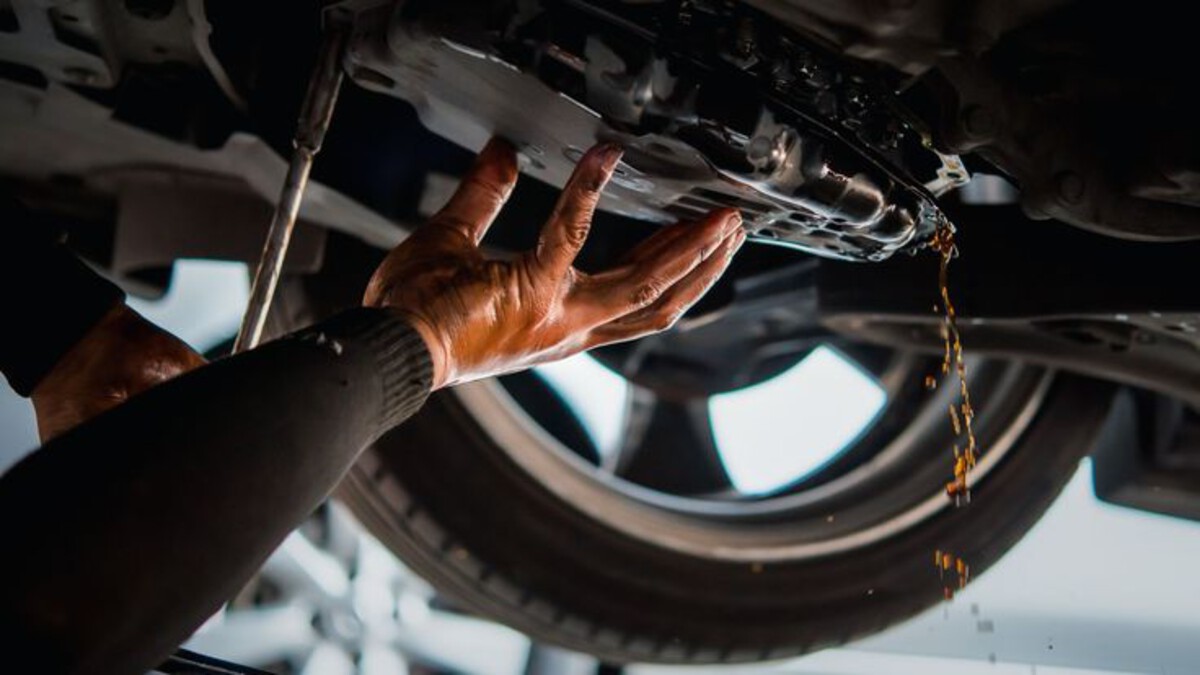
The differential is one of the most neglected components on many GMC Sierras, especially those with four-wheel or all-wheel drive systems. Owners often forget it even exists until it starts making noise, leaks fluid, or fails.
But the differential plays a crucial role in how power is distributed from the transmission to the wheels, particularly when turning or driving on uneven terrain. Neglecting to service it can result in accelerated wear, noise during driving, and eventually total mechanical failure that leaves the vehicle undrivable.
The factory usually fills the differential with high-quality fluid that can last a decent amount of time, but not forever. Over time, the fluid breaks down due to heat and contamination from metal shavings, especially if the truck is used for heavy-duty work like towing or off-road driving.
Once the fluid loses its protective properties, metal parts within the differential start to grind against each other, generating excessive wear and heat. If ignored for long enough, this can lead to bearing failure, gear damage, and costly repairs or replacements. Unlike engine oil, there’s no warning light for differential fluid quality, which makes it easy to forget.
Another problem arises when people try to save time or money by topping off or replacing differential fluid themselves without following the correct procedure. Some may use the wrong type of gear oil, fail to clean out the magnet at the bottom of the housing, or neglect to reseal the cover properly.
These small missteps can lead to leaks or reduced performance. It’s worth noting that front and rear differentials may require different service schedules or fluid types, especially in all-wheel drive models.
Servicing the differential isn’t a frequent task, but it is a vital one. Doing it every 30,000 to 60,000 miles, depending on use conditions, can prevent one of the most expensive driveline failures. Just because it’s out of sight doesn’t mean it should be out of mind. A smooth, quiet ride and long-lasting drivetrain depend on proper care of this hidden but vital system.
6. Relying Too Heavily on Factory Maintenance Schedules
While the factory-recommended maintenance schedule for the GMC Sierra is a good starting point, it’s not a one-size-fits-all solution. Many owners make the mistake of assuming these schedules apply universally, regardless of how or where they drive.
This oversight can lead to premature failure of critical components, especially when the vehicle is subjected to more demanding conditions than what the schedule assumes. If you tow frequently, drive in dusty environments, or idle for long periods, you’ll need to maintain your truck more aggressively than the standard guide recommends.
Factory schedules are developed under ideal test conditions, not real-world use. They assume that the vehicle is driven gently, on clean roads, and with minimal load stress. But the moment you start hauling equipment, towing a camper, or driving through rugged terrain, those assumptions no longer apply.
Components like the engine oil, transmission fluid, air filter, and spark plugs all wear out faster in such conditions. If you stick blindly to the factory intervals, you’re likely to miss early warning signs or delay services until it’s too late.
A good example of this is oil change intervals. The factory might recommend changes every 7,500 miles, but if you’re hauling or operating in extreme heat, oil quality degrades much quickly. Extending that interval under those conditions can lead to engine sludge, loss of lubrication, and eventually reduced compression or internal engine wear. Similarly, factory brake service intervals don’t account for the wear caused by towing a trailer down a steep grade or regular city stop-and-go driving.
Adjusting your maintenance based on usage isn’t just wise, it’s necessary. Think of the factory schedule as a base, not a ceiling. Use it as a general guide, but also monitor how your truck is performing. Pay attention to odd sounds, smells, or changes in driving behavior. Your truck is talking to you all the time, you just have to listen and act accordingly.
7. Using Aftermarket Parts of Questionable Quality
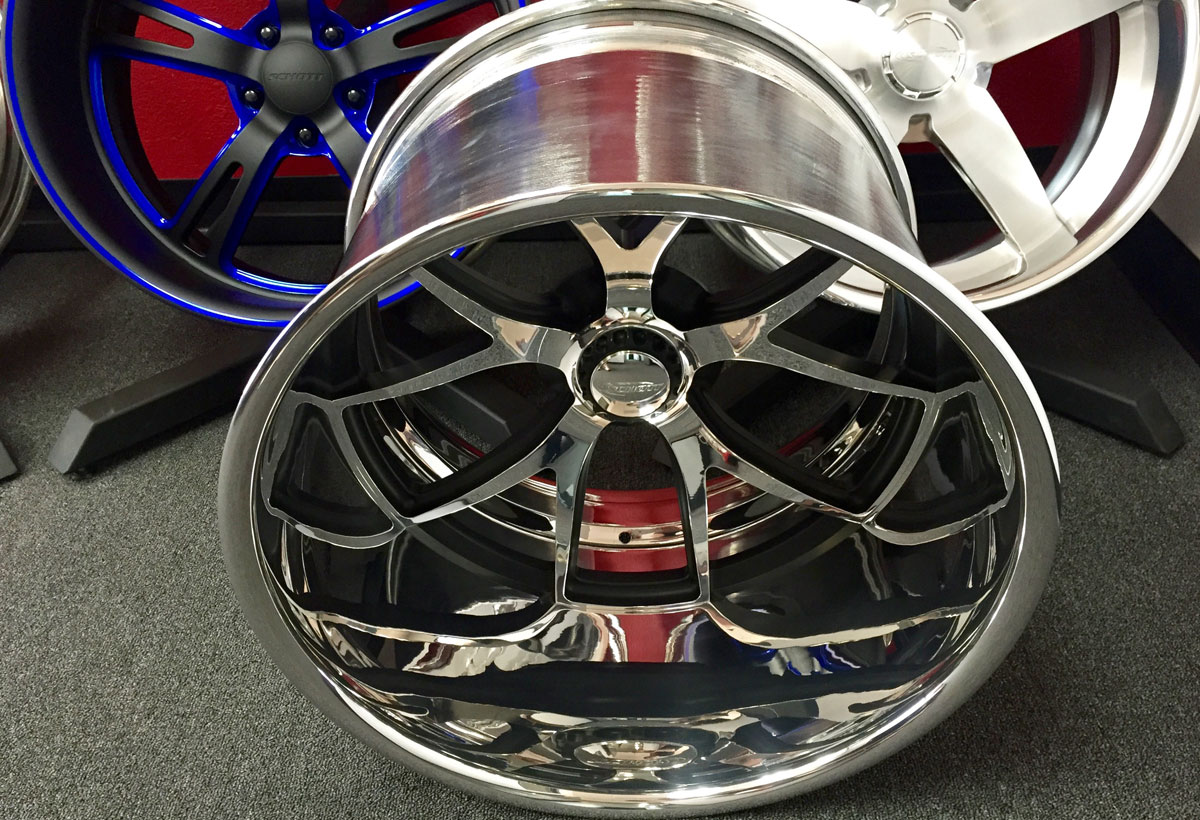
Aftermarket modifications are common for GMC Sierra owners. Lift kits, performance chips, LED lights, larger wheels, and cold air intakes are just a few of the upgrades drivers often install. While customization is part of the truck ownership experience, using poorly manufactured or incompatible aftermarket parts is a decision that can quickly backfire. It may seem like a way to save money or improve performance, but the wrong part can reduce reliability and even damage factory components.
Suspension modifications, for example, can affect everything from wheel alignment to driveline angles. A poorly installed or low-quality lift kit can result in uneven tire wear, handling issues, premature axle wear, or even frame stress over time.
Likewise, performance chips that promise better fuel economy or power often interfere with factory tuning and sensors, sometimes causing check engine lights, erratic shifting, or increased emissions. What starts as an upgrade can turn into a headache very quickly.
Another concern is with replacement parts that don’t meet OEM specifications. Many people opt for cheap brake pads, filters, or sensors to cut costs. But these parts often don’t perform as well under stress, especially in a heavy vehicle like the Sierra.
Cheap brake components may overheat more quickly or wear unevenly, putting you at risk during sudden stops. A low-cost sensor might give inconsistent readings, which can throw off the vehicle’s computer and affect everything from fuel efficiency to power delivery.
Not all aftermarket parts are bad, some brands are highly trusted and even outperform OEM components. The key is to research thoroughly and make sure any part you install is compatible with your specific Sierra model and usage. If you’re unsure, consult with a knowledgeable mechanic or stick with factory parts. The initial savings from a cheaper part aren’t worth it if it ends up causing a major breakdown.
8. Letting Small Leaks Go Unchecked
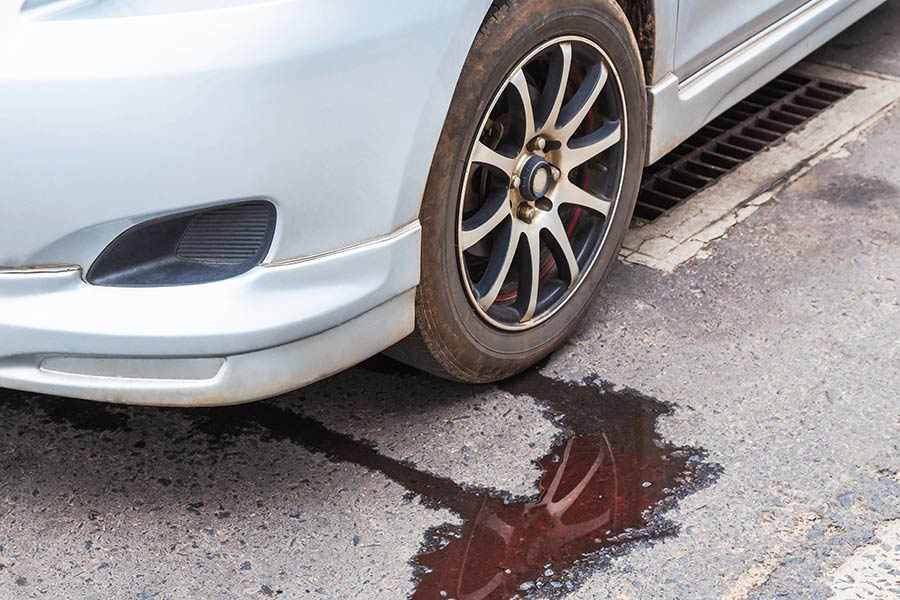
Small leaks might not seem like a big deal, just a few drops of oil here, some coolant there, maybe a bit of transmission fluid staining the driveway. But letting them go unaddressed is one of the fastest ways to shorten the lifespan of your GMC Sierra. These minor leaks often indicate developing problems, and what begins as a harmless drip can evolve into a full-blown mechanical failure.
Engine oil leaks, for example, can come from valve cover gaskets, oil pan gaskets, or seals that have become brittle over time. If unnoticed, they reduce the engine’s oil level. Low oil levels mean inadequate lubrication, which increases internal engine wear.
Before long, you may notice a tapping sound from the valvetrain, rough idle, or even overheating due to increased friction. That seemingly harmless stain under your truck could be the start of major engine issues.
Coolant leaks are especially dangerous because they can affect the engine’s ability to maintain a stable temperature. A slow leak from a hose or radiator seam may not seem serious at first, but as the coolant level drops, the risk of overheating increases. Overheating just once can cause serious damage to head gaskets and aluminum engine components. Replacing a blown head gasket or cracked cylinder head is far more costly than fixing a leaky hose early on.
Transmission fluid leaks can be equally catastrophic. They often start at seals, gaskets, or the cooler lines, and many Sierra owners don’t notice them right away. As the fluid level drops, gear shifts become harsh, delayed, or erratic. Eventually, the transmission can slip, overheat, or fail. By the time the symptoms show up clearly, the damage is usually already done.
The best approach is simple: never ignore a leak, no matter how minor it appears. Regular inspections and quick action can prevent minor leaks from turning into major problems. A little attention now saves a lot of money and downtime later.
9. Delaying Brake System Maintenance
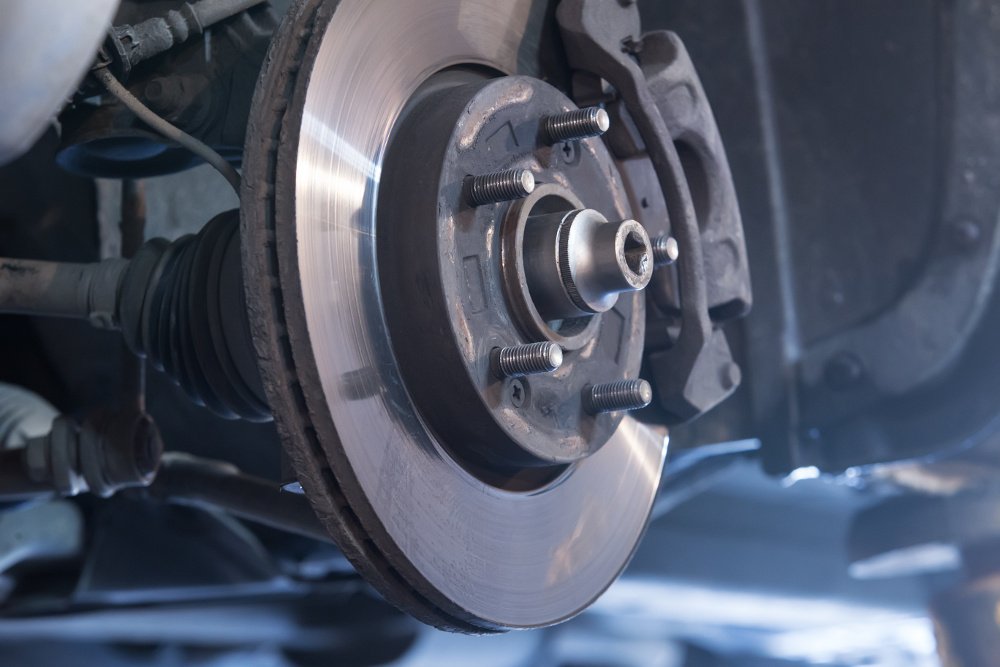
Brakes are often thought of only when they start making noise, but by the time squealing or grinding occurs, the problem has already gone too far. The GMC Sierra, with its size and weight, especially when towing or carrying heavy loads, puts more strain on its brake system than smaller vehicles. Delaying brake maintenance is not just risky from a safety perspective; it also contributes to early wear of other important components and reduces the truck’s longevity.
One common mistake Sierra owners make is assuming that brake pads can be run until they’re completely worn out. The problem with this logic is that worn pads don’t just stop working; they start damaging other parts.
Once the pads get too thin, the metal backing comes into direct contact with the brake rotors, causing deep grooves, warping, and uneven wear. This kind of damage usually requires replacing the rotors entirely rather than resurfacing them, which is more expensive. If the issue is left unresolved, the calipers may also seize or fail from excess heat.
Brake fluid is another overlooked part of the system. It doesn’t just sit there; it absorbs moisture over time, especially in humid or wet climates. That moisture reduces the fluid’s boiling point, which can cause the brakes to feel soft or spongy, and in severe cases, lead to brake fade under heavy use.
Dirty or degraded brake fluid can also cause internal corrosion in the master cylinder or ABS module, leading to more costly repairs that could’ve been avoided with regular fluid flushes every few years.
Another factor in premature brake failure is driving behavior. Aggressive braking, riding the brakes downhill, or constant stop-and-go city driving generates a lot of heat and wears down pads and rotors faster than normal.
Many owners don’t realize that how they drive has a direct impact on how often their brakes need service. Ignoring the early signs of wear, like a soft pedal, pulling to one side, or vibration during braking, means missing the chance to catch a small issue before it gets worse.
Maintaining the brake system isn’t just about pads and rotors. It’s about keeping the entire setup, fluid, calipers, sensors, and lines, in top shape. Regular inspection and early intervention ensure your Sierra not only stops when you need it to but also stays structurally sound and mechanically reliable for years longer.
10. Forgetting About Undercarriage and Frame Protection
One of the most critical but least addressed aspects of Sierra maintenance is undercarriage and frame care. While the truck is designed to handle rough terrain, road salt, mud, and water exposure, that doesn’t mean the frame is invincible. Rust is a silent enemy that can creep in slowly, especially in regions with snowy winters or coastal climates.
Forgetting to clean, inspect, and protect the undercarriage is an oversight that causes long-term structural damage, often going unnoticed until it’s too late.
Rust typically starts in small patches on exposed frame rails, brackets, or weld points. If the truck is driven frequently on salted roads during winter or through muddy areas, these contaminants cling to the underside and begin corroding the metal.
Sierra owners often focus on washing the body and paint but ignore the undercarriage, which collects the most debris. Rust on the frame weakens structural integrity and, in severe cases, can even compromise safety features like towing mounts or suspension points.
Another vulnerable area is the fuel and brake lines, which often run along the frame. When rust sets in, it can eat through these lines, causing leaks that are not only dangerous but expensive to repair. By the time leaks appear or frame holes are noticed, the damage is usually extensive.
Replacing a rotted brake line might be manageable, but replacing an entire frame or dealing with safety inspections failing due to rust can render the truck unusable or unsellable.
Many Sierra models, especially older ones, don’t come with comprehensive rustproofing from the factory. Aftermarket undercoating or rust protection sprays are available but need to be reapplied regularly to remain effective. Owners also overlook simple but effective habits, like rinsing the undercarriage after driving on salted roads or through deep mud. A simple hose rinse a few times per season can drastically slow down rust formation.
Investing time and a small amount of money into undercarriage care goes a long way. A solid, rust-free frame ensures that the truck remains safe, passes inspections, and retains value. Neglecting this area, even if everything else on the truck is well-maintained, can cause the vehicle to break down far earlier than expected.
Also Read: 5 Trucks With Steel Frames Resisting Rust Vs 5 With Corrosion Issues
The GMC Sierra is built with toughness in mind, but even the most durable machines break down early if they’re not treated right. What many owners don’t realize is that it’s not just the big failures that cut a truck’s life short; it’s the slow accumulation of small oversights.
Things like skipping fluid checks, delaying brake service, or ignoring a check engine light may not seem urgent in the moment, but over time, they place increasing stress on the systems that keep the truck running. Eventually, that stress adds up to serious, expensive breakdowns that could have been avoided with simple preventative care.
Every oversight mentioned here, whether it’s neglecting the transmission, overloading the truck, using low-quality aftermarket parts, or forgetting about the undercarriage, is rooted in a common theme: assuming the truck can handle anything without regular attention.
The truth is that while the Sierra is built to perform, it still depends on careful, consistent maintenance to deliver the longevity and reliability its reputation is built on. No amount of factory engineering can compensate for poor ownership habits.
Taking care of a Sierra doesn’t require expert-level mechanical knowledge. It simply requires awareness, consistency, and a willingness to respond to the small signs of wear before they become large problems.
Checking fluids, servicing differentials, inspecting for leaks, keeping the undercarriage clean, and using the right parts, all of these steps are manageable for any owner who wants to protect their investment. And that’s exactly what a Sierra is: an investment. It’s not just a truck, it’s a tool, a workhorse, and in many cases, a trusted part of daily life.
The difference between a Sierra that breaks down after 120,000 miles and one that keeps going strong past 250,000 often comes down to how well those common oversights were avoided. Being proactive doesn’t just save money in the long run; it ensures that the truck remains safe, strong, and dependable when it’s needed most.
So whether you’re using your Sierra for hard labor, long trips, or everyday driving, keeping these risks in mind can help you get the full lifespan the vehicle was designed to offer. Treat it right, and it will return the favor mile after mile.
