

The Chevy Malibu is a well-known midsize sedan that has been part of American roads for decades. It combines comfort, efficiency, and moderate performance, making it a popular choice for commuters and families alike. While it’s not a luxury vehicle, the Malibu is built to handle regular daily use and can last for well over 200,000 miles when properly maintained.
However, like any car, it has its weak points. Whether you’re driving a newer model or hanging onto an older one, small issues can stack up quickly. The good news is that a lot of the problems that shorten a Malibu’s lifespan can be avoided with relatively simple fixes.
Most people associate vehicle longevity with major overhauls or expensive repairs, but that’s often not the case. A lot of mechanical issues develop slowly from neglect. For instance, skipping oil changes, ignoring warning lights, or using cheap parts can all shave years off a car’s lifespan.
On the other hand, paying attention to routine maintenance and handling small problems before they get bigger can make all the difference. Owners who take the time to understand the common pain points of their Malibu tend to get more years and better performance from their car. Fortunately, most of the steps that help a Malibu last longer don’t require special skills or a massive budget. They just need consistency and awareness.
The following ten fixes are not complicated, but they are effective. These are not luxury upgrades or extreme modifications. They’re straightforward actions that any Malibu owner can take, often at home or during a standard maintenance visit. The focus is on practicality.
These suggestions apply to most model years and engine types, whether you’re driving the popular 2.5L four-cylinder or the turbocharged 1.5L from later models. By sticking with these fixes, you improve your odds of keeping the car reliable well beyond its expected lifespan. If the goal is to avoid early breakdowns and expensive shop visits, these are the areas that deserve the most attention.
Also Read: 5 Trucks With Steel Frames Resisting Rust Vs 5 With Corrosion Issues

1. Stick to Regular Oil Changes
One of the simplest and most effective ways to extend the life of a Chevy Malibu is by changing the engine oil on schedule. Oil keeps the engine lubricated, reduces friction, and helps maintain temperature control. Over time, oil breaks down and collects debris, which makes it less effective.
When oil is dirty or old, it can no longer protect the engine properly. If left unchanged for too long, it can lead to premature wear or even engine failure. Most Malibu engines need an oil change every 5,000 to 7,500 miles depending on the oil type used and driving conditions.
It’s easy to underestimate the importance of this task. Some drivers get used to pushing their car a few thousand miles beyond the recommended interval, assuming it won’t make much difference. But those extra miles can make things worse in the long run.
The Malibu’s engine, particularly in the 2.4L or 2.5L variants, has a reputation for getting noisy or sluggish when oil is ignored. Synthetic oil is highly recommended for these engines because it maintains its protective qualities longer and helps the car handle extreme temperatures better.
Another critical aspect is using the right oil filter. A cheap or incorrect filter won’t clean the oil properly, which defeats the purpose of an oil change. Sticking with original equipment manufacturer (OEM) filters or well-reviewed aftermarket options can make a difference.
And always check the oil level between changes. If the oil is consistently low, it could be a sign of a leak or slow-burning consumption issue that needs attention. Fixing those problems early can prevent much bigger repairs later.
Doing your own oil changes can save money, but even if you prefer to go to a shop, sticking to a schedule is what matters most. Setting reminders based on mileage or using a maintenance app can help you stay consistent. With proper oil maintenance, the engine will stay cleaner, run smoother, and last longer. Ignoring it, even occasionally, risks shortening the engine’s life dramatically.
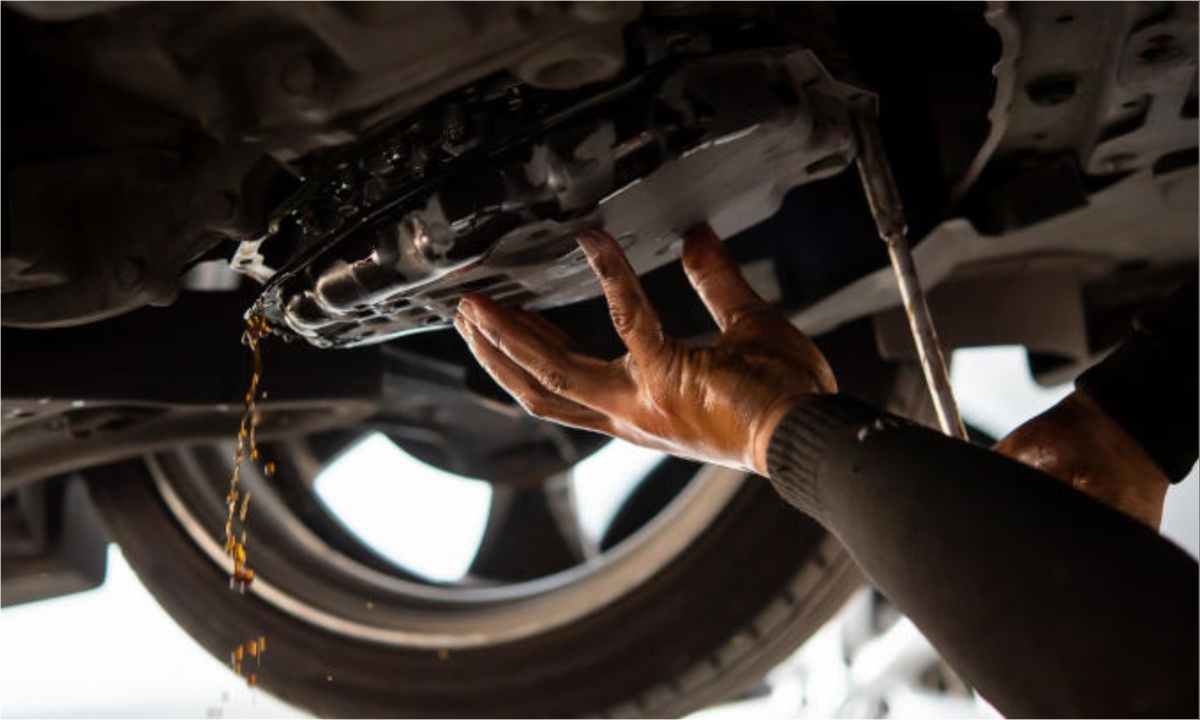
2. Replace the Transmission Fluid at the Right Time
Transmission fluid is often ignored until there’s a problem. But like engine oil, it breaks down over time and stops working as well as it should. In automatic Chevy Malibu models, particularly those from 2008 onward, transmission issues are one of the more common long-term complaints.
Slipping gears, delayed shifting, or sudden jerks during acceleration are signs of fluid-related problems. Replacing the transmission fluid at the right interval can prevent or reduce those symptoms.
Many Malibu owners mistakenly believe the transmission is “sealed for life” and never needs service. While the transmission doesn’t require constant attention, it’s far from maintenance-free. GM may suggest longer intervals for fluid replacement, but most experts recommend replacing it every 50,000 to 60,000 miles to stay on the safe side. If the car is regularly driven in heavy traffic, hot climates, or mountainous terrain, it’s even more important to stay proactive.
Doing a full transmission fluid exchange is better than a basic drain and fill, especially if the fluid is dark or has a burnt smell. That usually indicates it’s overdue for a change. It’s also wise to replace the transmission filter when applicable, especially in older models. Clean fluid helps the internal parts move smoothly and reduces the risk of metal particles or grime wearing things down prematurely.
Some shops will argue that changing the fluid too late might “shock” the transmission into failure. That theory is mostly based on situations where a neglected transmission already has significant wear. The better option is to never let it reach that point. Sticking to fluid change intervals early on avoids the buildup that leads to these concerns in the first place. Keeping the transmission in good condition can add years of dependable service to your Malibu.
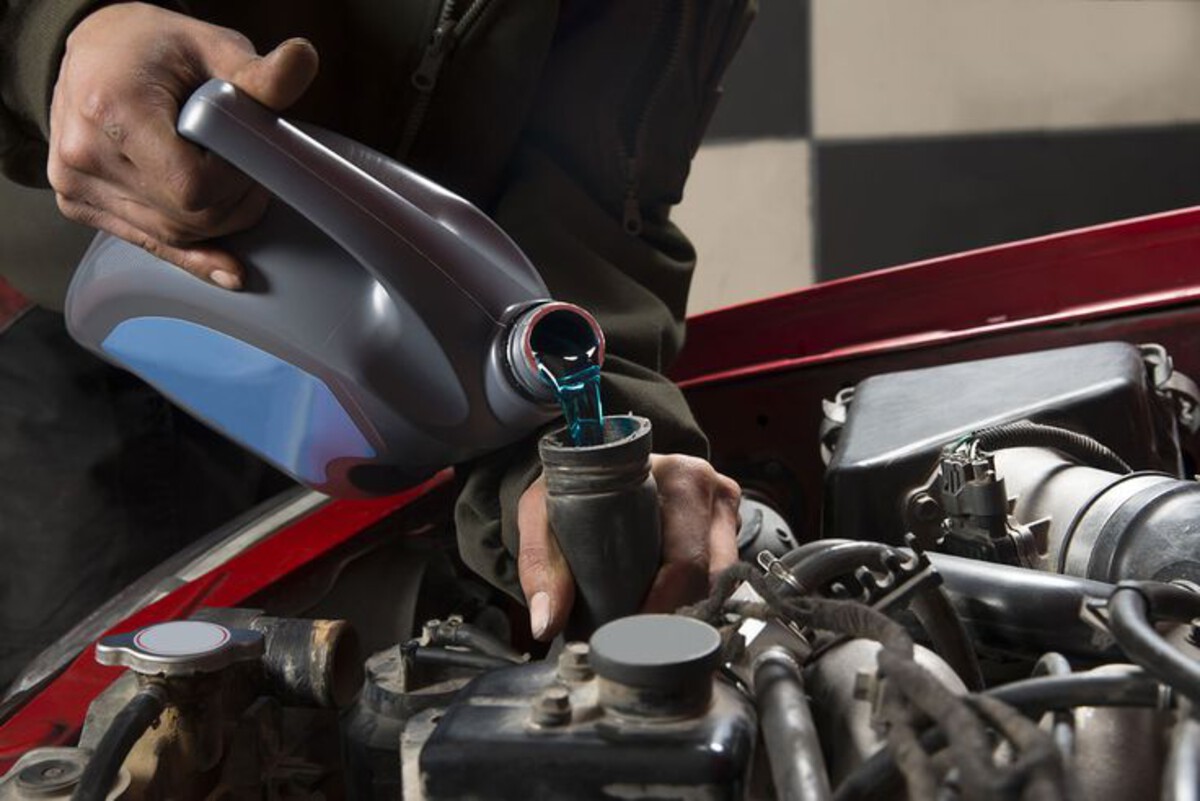
3. Keep the Cooling System Clean and Functional
An overheated engine can cause major damage in minutes. One of the best ways to protect your Malibu from such damage is by keeping the cooling system clean and functional. The system includes the radiator, water pump, thermostat, cooling fans, and coolant itself.
When any of these parts fail or get clogged, the temperature of the engine can rise too quickly, leading to cracked gaskets, warped cylinder heads, or even complete engine failure. These problems are expensive and often avoidable.
Coolant (also known as antifreeze) needs to be replaced periodically. Over time, it loses its ability to transfer heat and prevent corrosion inside the cooling system. The recommended coolant flush interval for most Malibus is every 5 years or 100,000 miles, but this can vary based on the model and driving conditions.
If the coolant looks rusty, thick, or discolored, it’s time to change it. Using the correct type of coolant for your specific Malibu model is crucial. Mixing types or using the wrong one can cause deposits that block coolant flow.
It’s also a good idea to periodically inspect the radiator hoses and the radiator itself for leaks or damage. Cracks, bulges, or soft spots in hoses are signs that they’re at risk of failure. A leak in the radiator might not always leave a puddle under the car but can cause the coolant level to slowly drop.
Regularly checking and topping off the coolant reservoir helps prevent the engine from running hot. Also, make sure the cooling fans are functioning properly. They often go unnoticed until the car starts overheating in traffic or at idle.
Preventive maintenance on the cooling system isn’t flashy, but it saves a lot of money and hassle. Replacing a water pump or a radiator hose is far cheaper than replacing a head gasket or an entire engine. By keeping the cooling system in good shape, the Malibu’s engine is more likely to last well into high mileage territory without major issues.
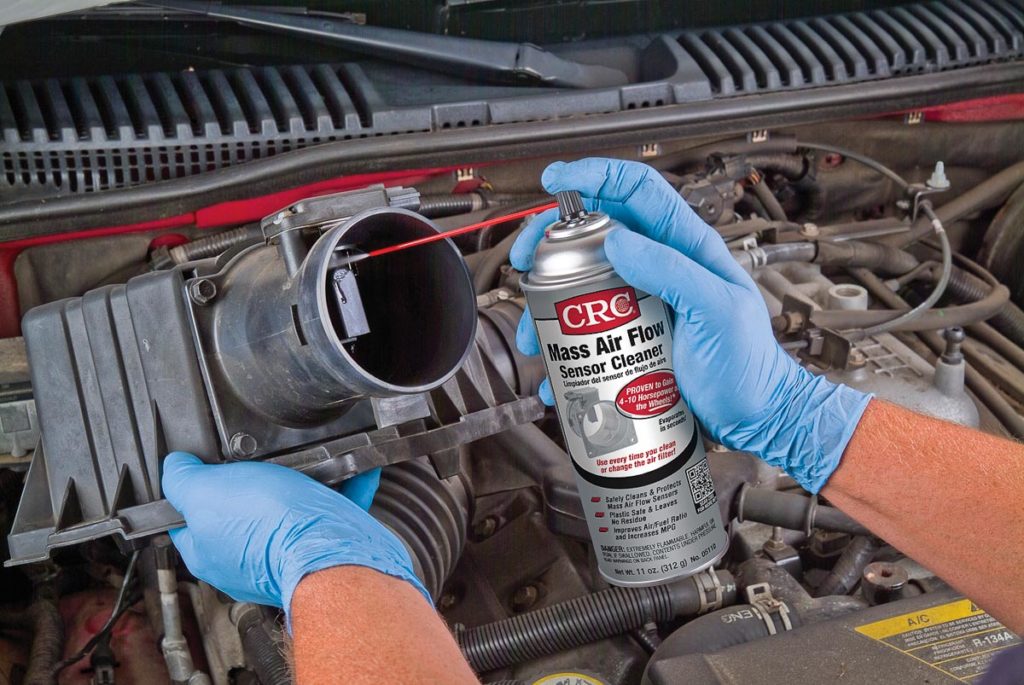
4. Clean or Replace the Mass Air Flow Sensor
The mass air flow (MAF) sensor measures the amount of air entering the engine and helps the car’s computer decide how much fuel to inject. When the MAF sensor gets dirty or starts failing, it can throw off that balance. This leads to poor fuel economy, sluggish acceleration, rough idling, or even a check engine light. Keeping this sensor clean or replacing it when needed is a small fix that can help the Malibu run more smoothly and efficiently over the long term.
The MAF sensor tends to collect dust, oil, or tiny debris from the intake air over time. This is especially true in areas with dusty roads or if the air filter isn’t replaced regularly. Cleaning the sensor is a simple and inexpensive process.
There’s a specific MAF cleaner available at auto parts stores that’s designed to clean the sensor without damaging it. Spraying it carefully (never touching it directly) and letting it dry before reinstalling can often restore its function.
In some cases, the sensor may be too far gone for cleaning to work, especially if it’s been exposed to engine oil or fuel vapors from a faulty PCV valve. When that happens, replacement is the better option. OEM sensors are usually more reliable than generic replacements, and they don’t cost too much. When replaced, the car’s performance often improves immediately, with quicker throttle response and more stable engine behavior.
If ignored, a bad MAF sensor can cause the engine to run rich (too much fuel) or lean (too little fuel), both of which cause long-term wear.
In the worst-case scenario, it can shorten the lifespan of the catalytic converter or damage spark plugs. This simple fix, done once every couple of years or whenever symptoms arise, helps the Malibu’s engine breathe correctly and burn fuel more efficiently, two keys to longevity.
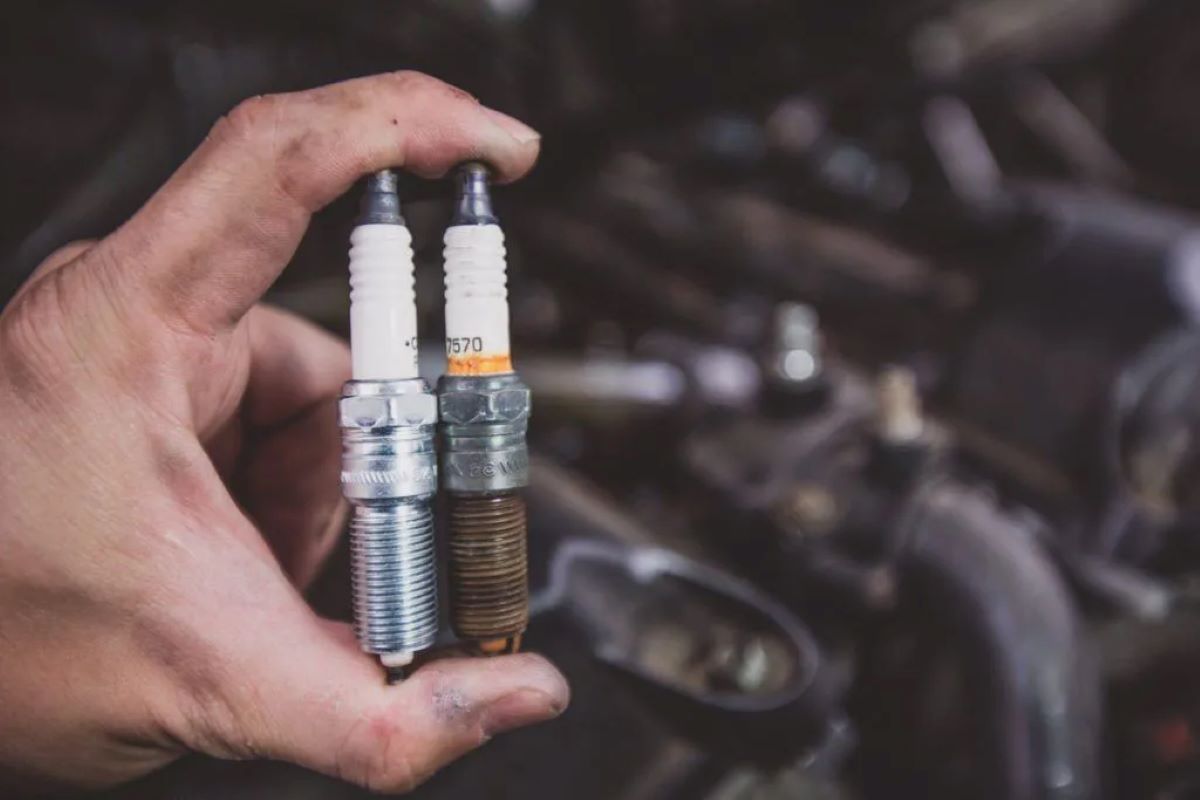
5. Replace Spark Plugs Before Performance Drops
Spark plugs play a critical role in how efficiently the engine runs. They ignite the air-fuel mixture inside the combustion chamber, and if they’re worn out, misfires and hesitation become common. While some modern spark plugs are marketed as “long life” and may last up to 100,000 miles, they shouldn’t be left in place that long without inspection.
In the Chevy Malibu, especially in models with the 2.4L or 2.5L engines, worn spark plugs can lead to rough idling, decreased fuel economy, and even damage to the ignition coils over time.
A common mistake is waiting until the engine starts running poorly before checking the spark plugs. By that point, you may already be losing efficiency and putting extra strain on the ignition system. Replacing them around 60,000 to 80,000 miles, even if they appear to be functioning, helps preserve engine performance and keeps emissions in check. Spark plugs are relatively cheap, and replacing them is usually straightforward. In many models, it can be done in under an hour with basic tools.
Another factor to consider is the type of spark plug you use. While aftermarket options may seem appealing due to price, sticking with the correct type, usually iridium or platinum plugs specified by GM, ensures proper combustion and timing. Cheap plugs may wear out faster, cause erratic engine behavior, or fail under high heat. Replacing the ignition coils at the same time is not always necessary, but if you notice any misfires or shaking during acceleration, it’s worth checking both.
Worn spark plugs don’t just cause inconvenience; they can shorten the life of the engine by forcing it to work harder to produce the same power. Misfires can lead to unburned fuel reaching the catalytic converter, which is expensive to replace if damaged.
Keeping the spark plugs in good condition contributes directly to longer engine life and improved drivability. It’s one of those tasks that has a big payoff for very little time and money investment.
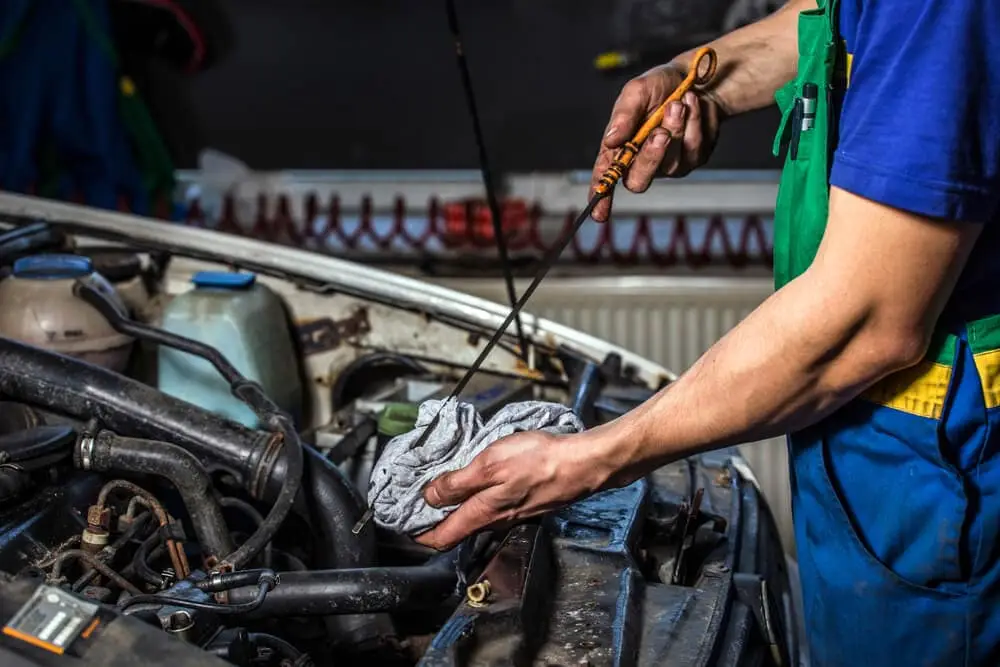
6. Watch for Oil Leaks and Fix Them Early
Oil leaks are a warning sign that should never be ignored, even if they appear small at first. Over time, a slow leak can result in low oil levels, which in turn reduces the lubrication your engine needs to function properly. This creates friction and excess heat, two of the main enemies of engine longevity. On Chevy Malibus, oil leaks commonly come from valve cover gaskets, oil pan gaskets, and timing cover areas. While these aren’t always urgent emergencies, leaving them unattended invites bigger problems.
Detecting oil leaks early isn’t complicated. Look under the car for drips, check for oil smells when the engine is hot, and keep an eye on the oil level using the dipstick. Even modern engines that seem sealed can develop leaks over time due to heat cycling and aging rubber seals. In Malibus with higher mileage, this becomes especially likely. Catching the problem early and resealing the leaking area is usually much cheaper than dealing with the consequences of engine damage.
It’s also a good habit to check the oil level every couple of weeks, especially if the vehicle is older or past 100,000 miles. Even small leaks or slow oil consumption can add up quickly. Running an engine with low oil, even briefly, increases internal wear dramatically.
If the oil pressure warning light comes on, stop driving immediately and check the oil level. That light usually means the oil pressure has dropped to a dangerously low point, not just that the oil is a little low.
Some drivers try to avoid repair costs by just “topping off” the oil frequently, but this is a temporary fix at best. Leaks often get worse, and the constant low-oil condition stresses the engine. Over time, bearings, camshafts, and piston rings may suffer damage. Addressing leaks when they’re still small keeps the car running stronger for longer and avoids the kind of hidden engine wear that often leads to early retirement.
7. Replace the Cabin and Engine Air Filters Regularly
It might seem like a small detail, but dirty air filters can reduce the efficiency of your Malibu and contribute to long-term wear. There are two main filters to watch for: the engine air filter and the cabin air filter.
The engine air filter helps ensure clean air enters the engine for combustion. If it gets clogged, airflow is restricted, which can cause the engine to run rich (too much fuel, not enough air). This results in poor gas mileage, increased emissions, and added wear on components like spark plugs and oxygen sensors.
Most drivers don’t think about the engine air filter until the car feels sluggish. However, it’s recommended to inspect and possibly replace it every 15,000 to 30,000 miles, depending on the driving environment. If you live in a dusty or urban area, or regularly drive in traffic, the filter can get dirty much faster. A quick check takes only minutes, and most filters are easy to access. Replacing it before it gets clogged helps keep your engine breathing properly, which improves both performance and efficiency.
The cabin air filter doesn’t affect the engine, but it does affect your HVAC system and comfort. A dirty cabin filter can reduce airflow from the vents, make the system work harder, and let dust and allergens enter the car. If the blower motor has to push air through a clogged filter, it’s more likely to burn out over time. Like the engine filter, this one should be checked annually and replaced when it appears dirty or after about 15,000 to 20,000 miles.
Both filters are inexpensive and take only a few minutes to replace. Ignoring them leads to more expensive consequences in the long term. An engine that’s forced to work harder due to restricted airflow will burn more fuel and potentially wear down faster.
A simple air filter change can be one of the easiest ways to keep your Malibu running strong and your driving experience more comfortable.
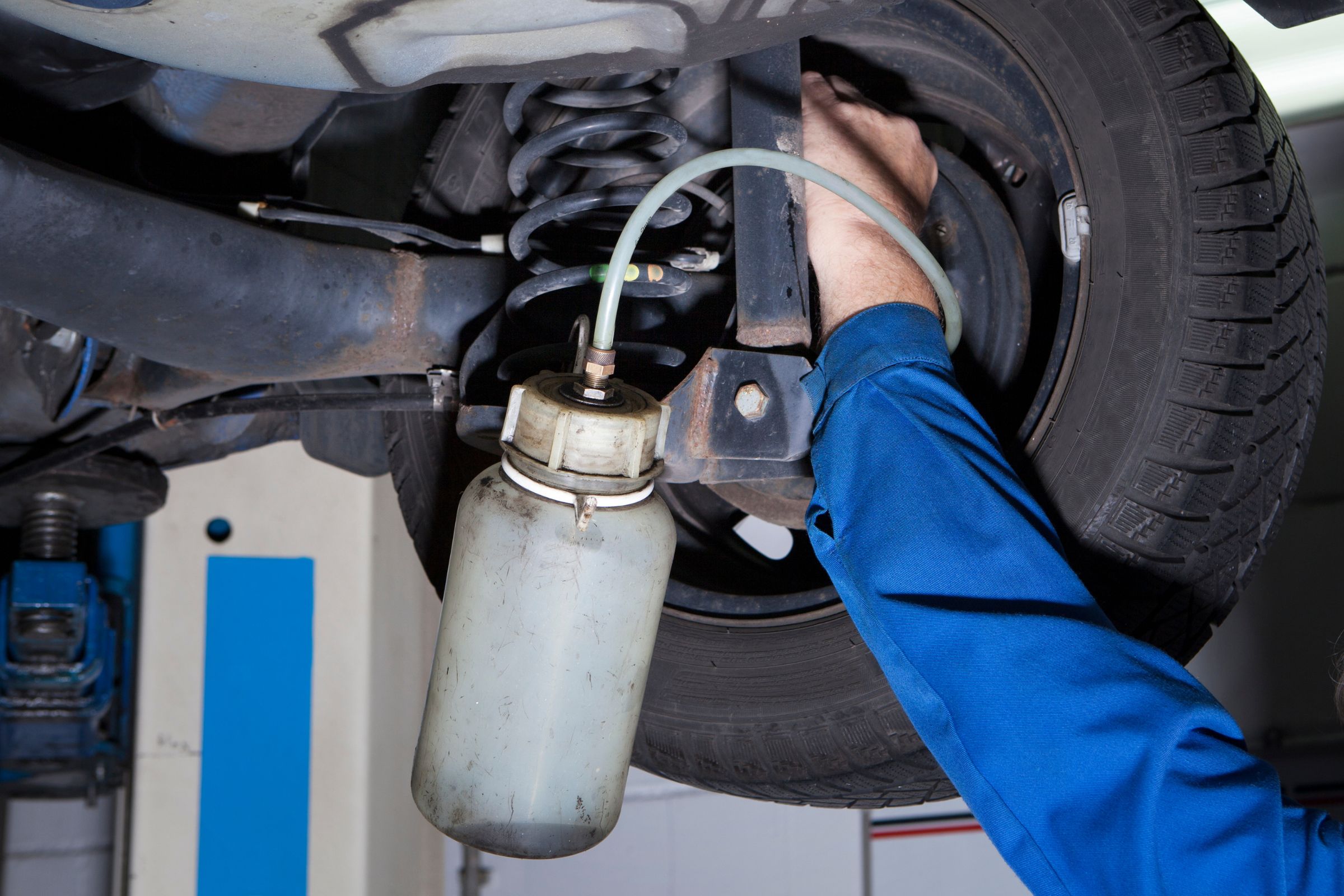
8. Flush the Brake Fluid Every Few Years
Brake fluid is often overlooked, but it plays a critical role in your Malibu’s safety and long-term braking performance. Over time, brake fluid absorbs moisture from the air, even in a sealed system. This reduces its boiling point, which can lead to brake fade under heavy use.
In addition, water in the system can corrode internal brake components, leading to sticking calipers, worn master cylinders, or degraded anti-lock braking system (ABS) components. Flushing the brake fluid every two to three years is a simple fix that helps keep the braking system reliable and responsive.
Most drivers never think about the condition of their brake fluid unless the pedal starts to feel soft or they notice decreased stopping power. Unfortunately, by the time symptoms appear, damage may already be underway. Fresh brake fluid is usually clear to light yellow. When it turns dark brown or black, it’s overdue for replacement. Even if you don’t drive aggressively, moisture accumulation happens slowly over time, and skipping brake fluid flushes leads to hidden corrosion inside the system.
A proper brake fluid flush involves bleeding all four brakes and refilling the reservoir with new fluid, which helps remove old fluid and contaminants. It’s not difficult for a skilled DIYer or mechanic and doesn’t cost much compared to the damage it prevents.
ABS systems, in particular, are sensitive to dirty fluid and can become unreliable or fail outright if the fluid isn’t kept clean. Replacing or repairing ABS components is far more expensive than simply flushing the fluid on time.
Maintaining the brake fluid not only extends the life of the braking system but also keeps you and your passengers safer. A car that stops well prevents accidents and helps avoid last-second collisions. Keeping the braking system in good health through fluid maintenance is an often-ignored step in long-term vehicle care, but it pays off for any Malibu that’s expected to last well into the six-figure mileage range.
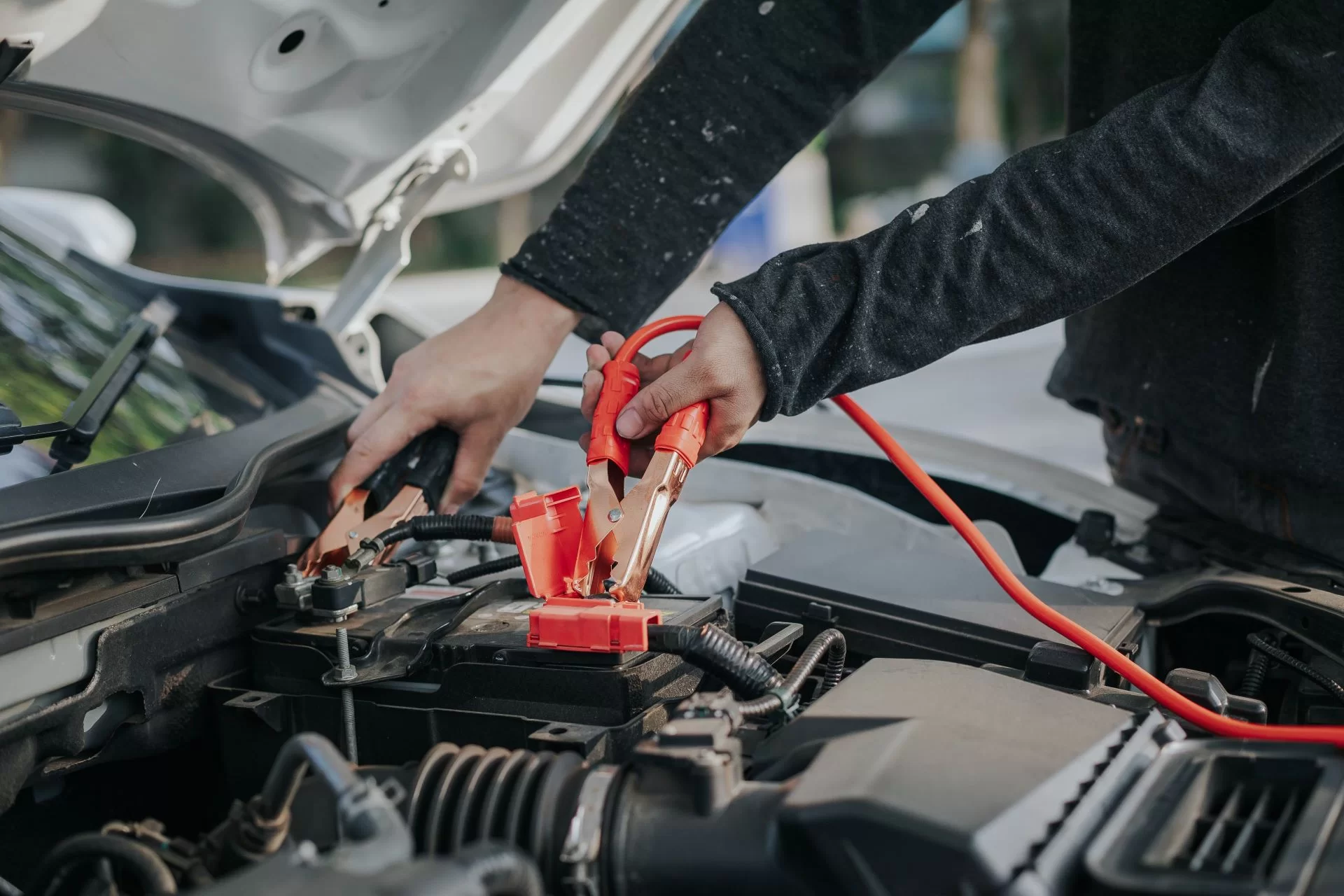
9. Keep the Battery and Charging System in Good Shape
A healthy battery and charging system aren’t just about being able to start the car. They support the entire electrical system, including sensors, the ignition, lights, and the infotainment unit. If the battery or alternator isn’t working properly, other systems begin to fail, leading to a chain reaction of electrical problems.
On newer Chevy Malibus, which depend heavily on electronics for engine management, climate control, and safety features, power stability is especially important.
Many owners don’t think about the battery until it fails, but weak batteries can cause misfires, rough idling, or even random warning lights due to voltage drops. Modern Malibus also have systems that regulate fuel injection and throttle control electronically. If the battery is low on charge or the alternator isn’t charging consistently, you may notice poor drivability or even stalling. It’s not just about cranking power; it’s about voltage consistency across multiple systems.
It’s a good idea to check the battery terminals for corrosion every few months. A buildup of white or green residue can interfere with the battery’s ability to deliver power. Cleaning the terminals with a wire brush and applying a battery terminal protector helps maintain good contact.
Also, test the alternator output during routine service visits. If the alternator is underperforming or overcharging, it can shorten battery life and lead to system errors.
Replacing the battery every 3 to 5 years is a safe interval for most drivers. Even if it still cranks, an aging battery can’t hold a full charge and is more likely to fail without warning. A sudden failure can strand you, but worse, it can stress other components like the starter motor or onboard computers. Maintaining the battery and charging system extends the life of multiple components in the Malibu and avoids frustrating electrical glitches down the road.
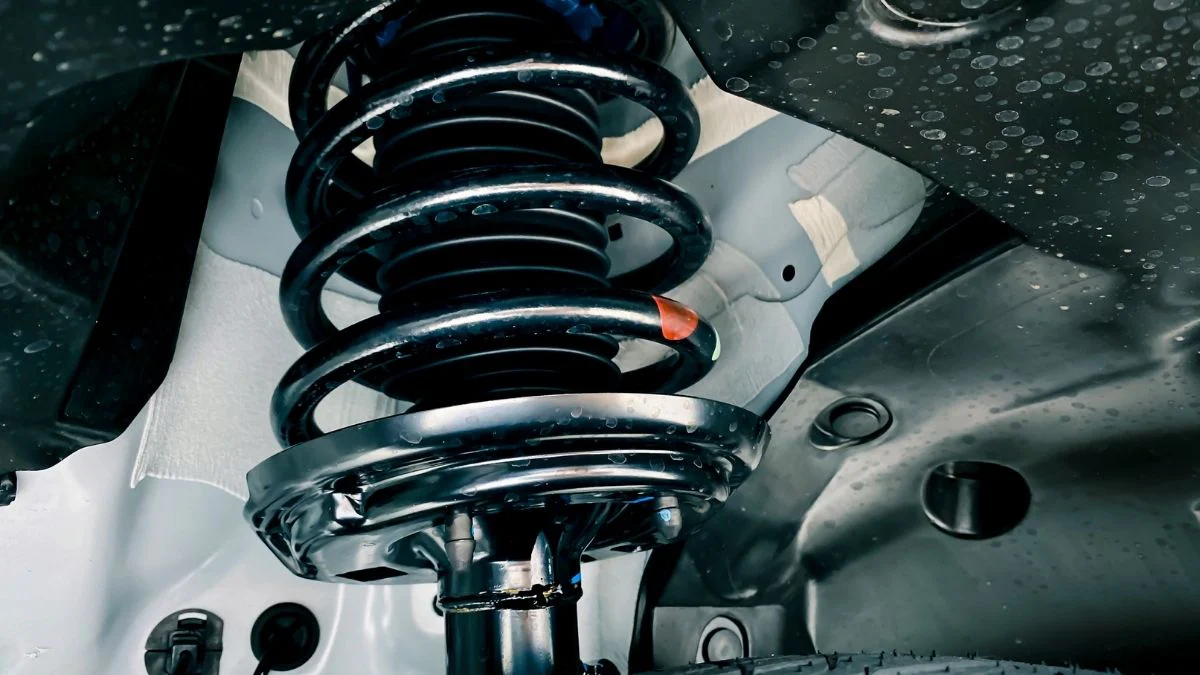
10. Address Suspension Noises Before They Become Safety Issues
Suspension components wear gradually, and many drivers get used to subtle noises or rough handling without realizing it. Clunks over bumps, loose steering, or squeaks during turns are all early signs that something is off. The Malibu, like many sedans, has struts, control arms, bushings, and sway bar links that need attention as the mileage climbs. Ignoring those sounds can lead to more serious wear, including tire damage, misalignment, or steering instability.
Suspension repairs don’t always need to be expensive, especially when problems are caught early. For example, replacing a sway bar link or stabilizer bushing is usually inexpensive and quick.
But if that noise is left alone, it can lead to stress on the control arms or cause uneven tire wear that affects fuel economy and safety. By fixing the small issues when they appear, you avoid the expensive domino effect of related component failures.
Many Malibu owners start to notice suspension looseness after 80,000 to 100,000 miles. This is the point where struts and bushings begin to show wear. Replacing struts or shocks not only improves handling but also protects other parts like ball joints and tie rods from extra stress. It also improves ride comfort, which is important for driver satisfaction over the long term. A car that handles well is more likely to be maintained and used properly.
Don’t forget to get a proper alignment after replacing suspension parts. Poor alignment affects handling and increases tire wear, which shortens their lifespan and reduces fuel economy.
Suspension isn’t just about comfort; it affects the car’s ability to brake and turn safely. Keeping this system in good working order makes your Malibu more enjoyable to drive and adds thousands of miles of useful life without the risk of dangerous failures.
Also Read: 5 Hybrids With Under-Hood Durability Vs 5 With Electrical Fire Risks
Taking care of a Chevy Malibu doesn’t have to be complicated or expensive. The key to extending the life of this popular sedan lies in consistent, straightforward maintenance and timely attention to small problems.
The ten fixes outlined, from regular oil and transmission fluid changes to addressing suspension noises, represent practical steps that any Malibu owner can take to keep their car running reliably for many miles. These are not luxury upgrades or advanced mechanical tasks, but rather simple actions that prevent minor issues from becoming major repairs.
Maintaining the engine oil and transmission fluid ensures that the Malibu’s heart and drivetrain remain healthy, reducing wear and tear that can lead to costly failures. Similarly, keeping the cooling system in good shape protects the engine from overheating, a silent but common cause of premature engine damage.
Small sensors like the mass air flow sensor, and components like spark plugs and air filters, play a crucial role in efficiency and smooth running. Cleaning or replacing them as needed helps the car perform at its best and avoid unnecessary strain.
Ignoring leaks, worn suspension parts, or old brake and battery fluids may not cause immediate problems, but over time they can cause serious damage or unsafe conditions.
Proactive care, such as replacing spark plugs before misfires develop or flushing brake fluid regularly, not only extends the Malibu’s mechanical lifespan but also improves safety and driver comfort. Regular inspections and simple repairs keep the vehicle dependable and reduce the likelihood of breakdowns that could lead to expensive shop visits.
A Chevy Malibu that receives these basic fixes on schedule is more than just a vehicle; it becomes a trusted companion on the road, ready to handle daily demands and long trips alike. Taking a little time and effort to care for the car pays off in the form of years of reliable service, smoother driving, and peace of mind. These simple fixes provide a clear path to making the most of your Malibu and enjoying it well beyond the typical lifespan.
