
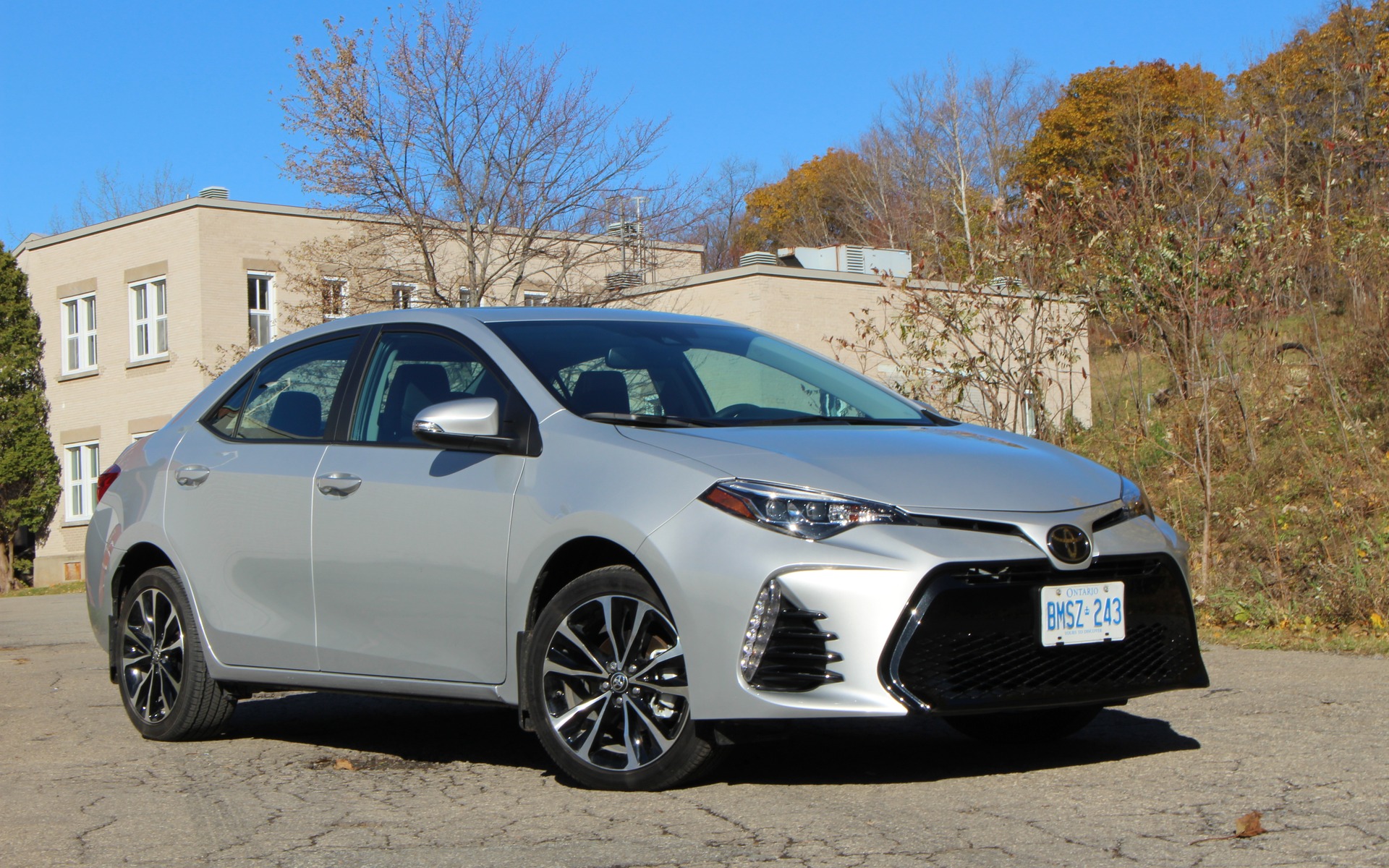
The Toyota Corolla is widely recognized for its reliability, efficiency, and long lifespan. Owners often boast of their Corollas lasting over 300,000 miles with minimal trouble. However, no matter how durable a car is, neglect and poor driving habits can lead to significant engine damage.
Many drivers unknowingly sabotage their engines by repeating simple mistakes that accumulate over time. These errors may not show immediate consequences, but they quietly degrade engine health, reduce fuel efficiency, and increase the risk of failure.
A common misconception is that regular cars, especially reliable ones like the Corolla, can tolerate lazy maintenance and careless operation. While Corollas are more forgiving than many other vehicles, they are still machines with specific needs. Each component, from the timing chain to the cooling system, works in a delicate balance.
Disrupting that balance by ignoring warning signs, skipping oil changes, or using cheap parts can result in permanent damage. It’s not about whether the car is built well; it’s about how it’s treated over time.
Another mistake drivers make is assuming that small issues won’t matter. A tiny oil leak, a sluggish start, or a faint knocking noise may seem like minor concerns, but they are often signs of deeper problems. By continuing to drive without addressing these issues, owners invite serious trouble. Waiting until the car breaks down before taking action usually means repairs will be much more expensive and time-consuming.
This article outlines ten of the most common mistakes that can lead to engine failure in a Toyota Corolla. These are not rare scenarios; they happen to thousands of cars every year, often because the drivers are unaware of the damage they’re causing.
Each section will explain the mistake in detail, how it affects the engine, and what steps can be taken to avoid it. Whether you’ve owned your Corolla for ten years or just drove it off the lot, understanding these mistakes can help you protect your engine and keep the car running for years to come.
Also Read: 5 SUVs That Handle Flooded Roads Safely and 5 That Stall Instantly
1. Ignoring Oil Changes
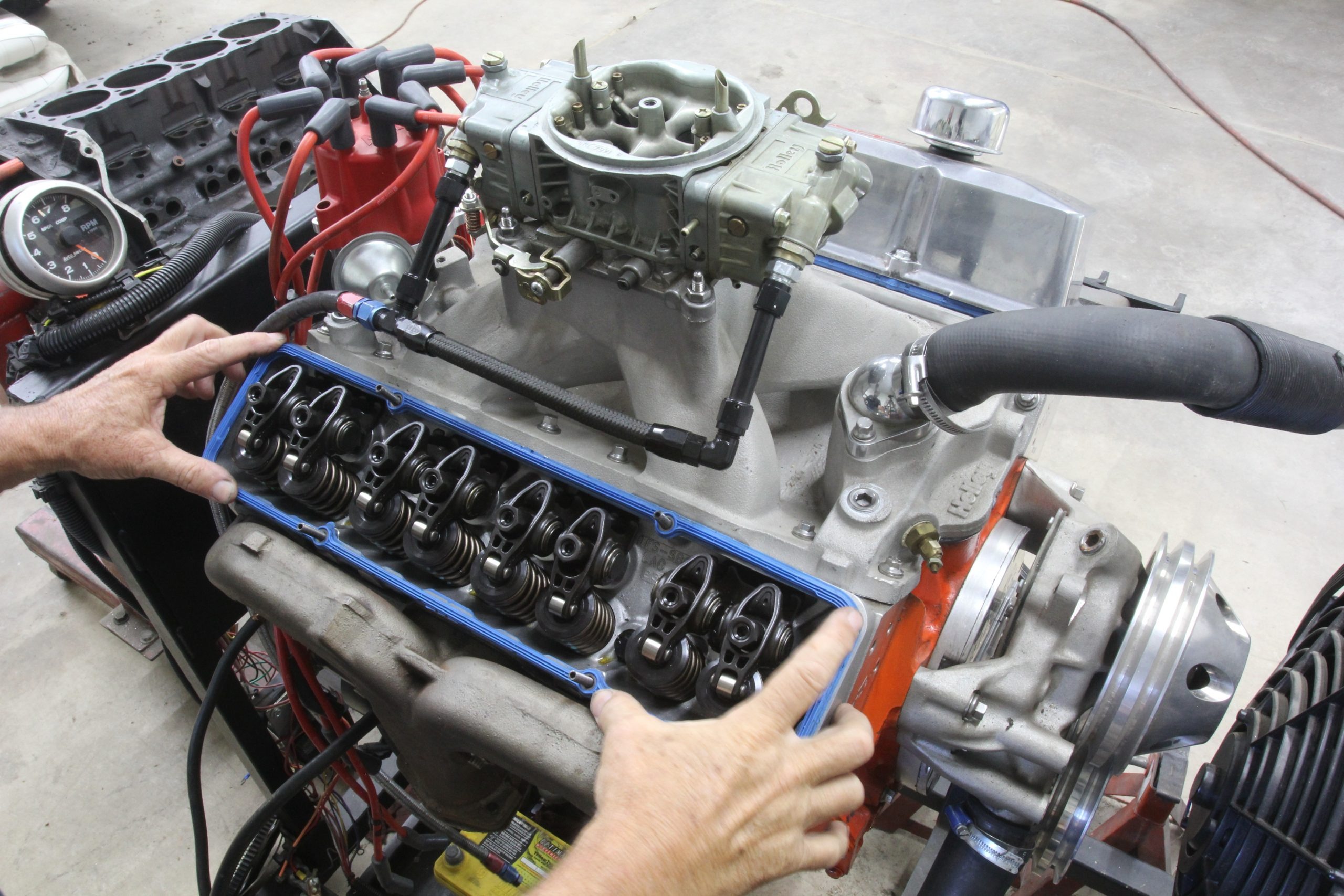
Failing to change the engine oil regularly is one of the most harmful mistakes a Corolla owner can make. Engine oil acts as a lubricant, protecting the moving parts inside the engine from friction and heat. Over time, the oil breaks down, becoming less effective at reducing wear and carrying away debris. If it’s not replaced at the right intervals, the oil thickens and loses its ability to protect the engine, leading to premature wear and potential failure.
Some drivers push oil changes far beyond the recommended intervals, especially if they believe synthetic oil allows for longer gaps. While synthetic oil can last longer than conventional oil, it still has limits.
Toyota typically recommends changing the oil every 5,000 to 10,000 miles, depending on the model year and driving conditions. Ignoring this recommendation means contaminants like dirt, carbon, and metal shavings accumulate, causing internal damage to engine components such as pistons, bearings, and camshafts.
In many cases, the oil filter is also neglected. The filter is responsible for trapping harmful particles, and when it becomes clogged, dirty oil continues to circulate through the engine. A dirty filter can restrict oil flow, leading to low oil pressure, which is especially dangerous during high-speed or hot-weather driving. This increases the risk of engine overheating or seizure. It’s a chain reaction that begins with skipping a simple oil change.
To avoid this mistake, owners should stick to a consistent oil change schedule and use the correct oil type specified in the vehicle manual. Regular checks of oil level and quality between services can also help catch problems early.
Waiting too long between oil changes may save a few dollars now, but it significantly increases the risk of costly engine repairs in the future. An oil change is one of the most basic, affordable forms of maintenance, yet it plays one of the most critical roles in keeping a Corolla engine alive.
2. Overheating the Engine
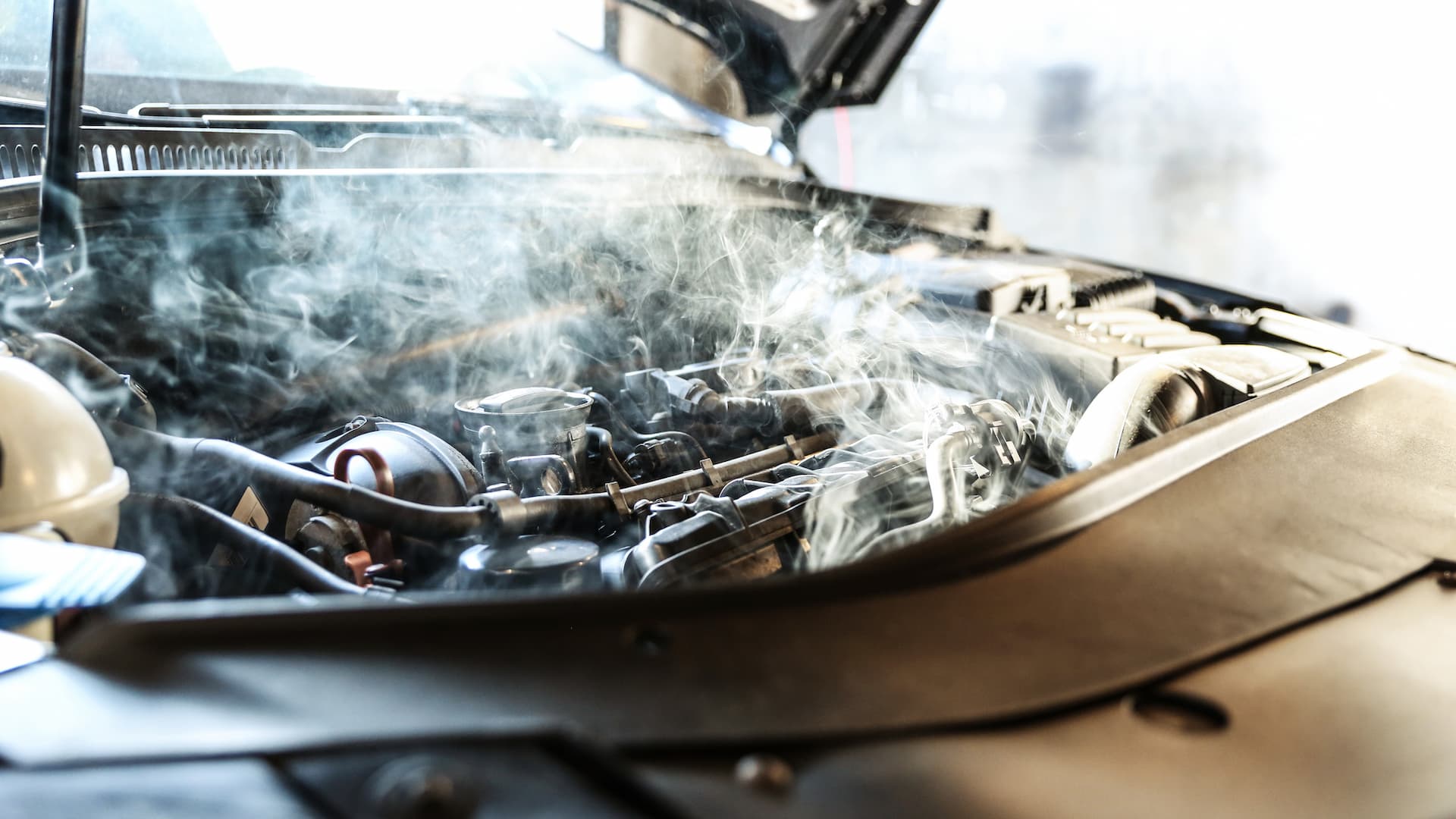
Overheating is another major cause of engine failure, and it often results from a lack of attention to the cooling system. The engine generates a large amount of heat when running, and the cooling system’s job is to keep that heat in check. If any part of this system fails, the engine temperature can rise rapidly. Continued overheating can warp the cylinder head, crack the engine block, or destroy the head gasket, all of which are expensive to repair.
Many Corolla drivers underestimate the importance of coolant, assuming it’s just another fluid. In fact, the mixture of water and antifreeze helps regulate temperature and prevents corrosion inside the radiator and engine. Using the wrong type of coolant or failing to replace it at proper intervals can reduce its effectiveness. Over time, coolant breaks down and can become acidic, causing damage to the radiator, water pump, and other cooling components.
Another common mistake is ignoring signs of an overheating engine. If the temperature gauge climbs into the red, steam appears from under the hood, or the heater suddenly blows cold air, these are immediate warnings. Driving even a few more miles in this condition can cause irreversible damage. Some drivers also continue to run the air conditioner during an overheating episode, putting even more strain on the system.
To prevent engine damage due to overheating, it’s essential to maintain the entire cooling system. This includes regular coolant flushes, checking for leaks, inspecting the radiator and hoses, and replacing the thermostat or water pump when needed.
Also, be cautious about driving in hot weather or stop-and-go traffic without monitoring engine temperature. A properly functioning cooling system is one of the most crucial defenses against engine destruction, and it needs as much attention as any other system in the car.
3. Running Low on Oil
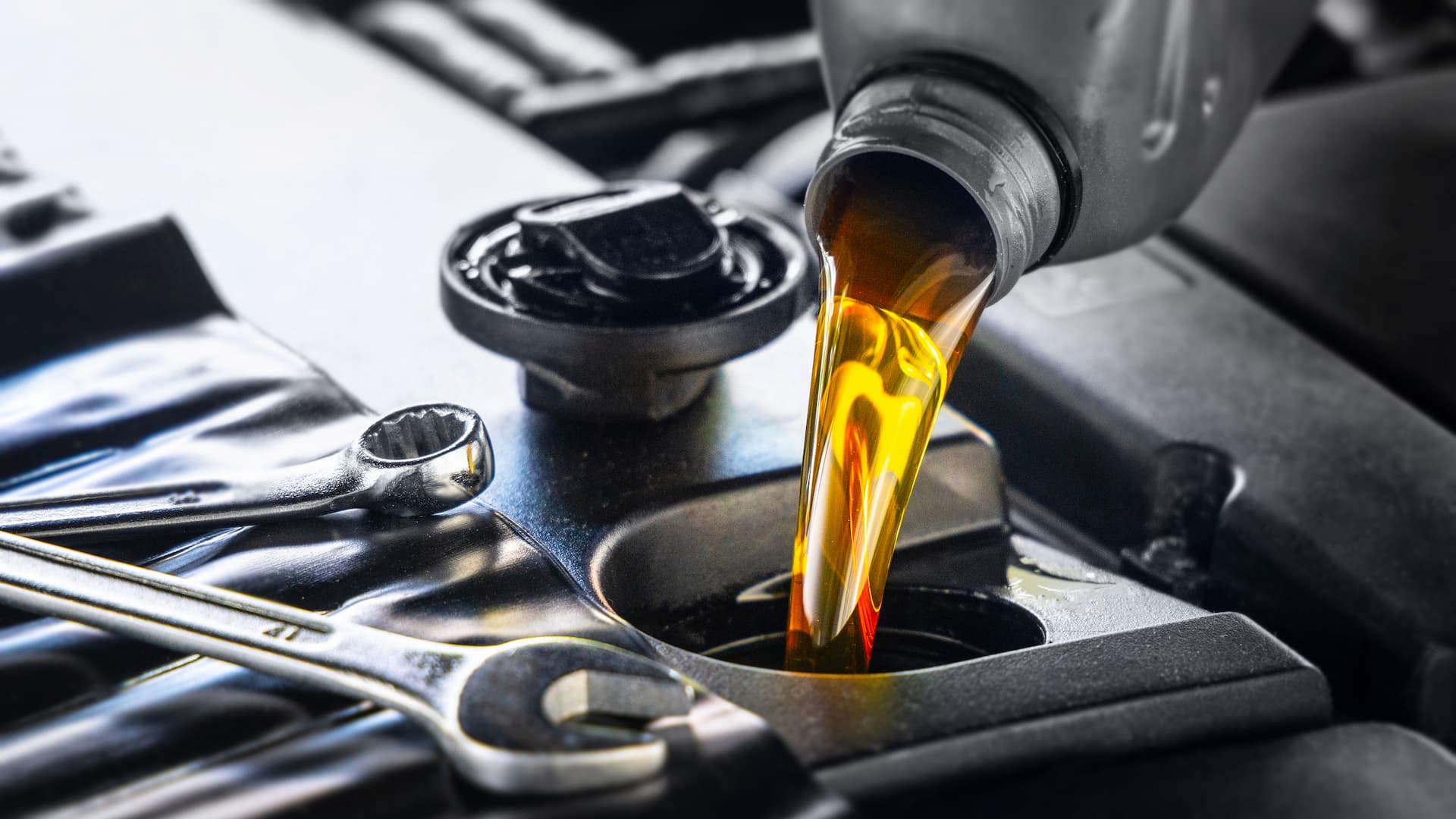
While oil changes are vital, even more urgent is the need to keep the engine oil at a proper level at all times. Many Corolla owners make the mistake of not checking their oil between services, assuming everything is fine if the car seems to be running normally. However, engines can burn oil or develop small leaks that reduce oil levels without any immediate sign of trouble. Running the engine with too little oil can quickly lead to catastrophic failure.
Low oil levels mean that not all parts of the engine are receiving sufficient lubrication. This creates increased friction, which leads to higher temperatures and faster wear. In extreme cases, components can seize or grind against each other until they are destroyed.
Parts like the crankshaft, camshaft, and pistons are especially vulnerable. Even a few minutes of running with very low oil can lead to thousands of dollars in engine damage.
Some drivers wait for the oil warning light to appear before taking action. However, by the time the light comes on, damage may already be occurring. The oil pressure warning light indicates that the pressure has dropped to a dangerously low level, not just that the oil is a little low. Relying on this warning is a risky approach. Regular manual checks are far safer.
To avoid this issue, check the oil at least once a month, especially if your Corolla has high mileage. This involves pulling the dipstick, wiping it clean, reinserting it, and checking the level and color of the oil. If the oil looks dirty or is below the minimum line, it’s time to act. Keeping oil topped up between changes is just as important as changing it on schedule. It’s a simple step, but it can make the difference between a long-lasting engine and one that fails prematurely.

4. Using Cheap or Wrong Oil
Engine oil quality matters more than some people think. Many Corolla owners assume that all oil is basically the same, or they choose the cheapest option available to save money. This is a critical mistake. Using the wrong viscosity or a poor-quality oil can result in insufficient lubrication, higher friction, and reduced engine life. Toyota designs its engines with specific oil requirements, and ignoring those can have long-term consequences.
Each engine is engineered to operate best with a certain type of oil, usually specified in the owner’s manual. This includes not just viscosity (such as 0W-20 or 5W-30) but also the oil’s certification and additive package. Using oil that is too thick can result in poor circulation at startup, while oil that is too thin may not provide adequate protection at high temperatures. Either case can lead to increased engine wear.
In addition to using the wrong type, some drivers buy low-grade or unverified oil brands. These cheaper products may lack proper detergents and additives, or they might not meet the specifications required by the vehicle manufacturer. Over time, this can lead to sludge buildup, poor performance, and damage to sensitive components like the variable valve timing system.
To avoid this mistake, always use oil that meets Toyota’s recommended specifications. Look for oils with proper certifications like API SN or SP, and buy from trusted brands. It’s also worth noting that synthetic oils generally provide better performance and longer life than conventional oils. While the upfront cost may be higher, quality oil reduces the risk of costly engine repairs down the road. Saving a few dollars by using cheap oil often turns out to be a very expensive decision in the long run.
5. Neglecting the Timing Chain or Belt
Many Toyota Corolla models come equipped with a timing chain instead of a timing belt, and while timing chains are designed to last much longer, they are not invincible. A common misconception among drivers is that because the car has a chain instead of a belt, there’s no need to think about it at all.
This mindset leads to serious neglect. Over time, even a timing chain can stretch, wear out, or fail if not properly maintained. When this happens, it can throw off the engine’s timing, leading to poor performance, stalling, or complete engine failure. In some cases, a failed timing chain can cause the pistons to collide with the valves, destroying both and requiring a full engine rebuild.
What contributes most to timing chain wear is dirty oil and irregular maintenance. The chain relies on clean, well-lubricated oil to stay functioning properly. As oil breaks down or becomes contaminated, it no longer provides the same level of protection. Grit and sludge can accumulate on the chain and tensioners, increasing friction and wear.
In high-mileage Corollas, this is particularly dangerous because the chain components are already subject to years of stress. Once the tensioner fails or the chain becomes loose, you might hear rattling noises from the engine. These sounds are often ignored by drivers until they become louder or the engine starts to misfire, but by then, damage may already be underway.
Drivers often overlook this issue because there’s no official replacement interval for timing chains like there is for timing belts. However, Toyota recommends inspection at certain mileage points, especially once the car exceeds 120,000 miles.
This check can identify early signs of wear and save the engine from a potentially devastating failure. Mechanics can inspect the tensioner, chain slack, and the condition of guides during routine services. The cost of preventative maintenance is minor compared to the damage a failed timing chain can cause.
To prevent timing chain problems, stick to regular oil changes using high-quality oil, especially in high-mileage vehicles. Pay attention to engine noise and don’t ignore warning signs like rough idling, poor fuel economy, or metallic sounds on startup. If your mechanic mentions early signs of chain wear, address them promptly. Preventing a timing chain failure is far easier and less expensive than dealing with the aftermath of an engine that’s lost its timing and destroyed itself from the inside.
Also Read: 5 Bikes That Start Every Time and 5 That Need a Kickstart
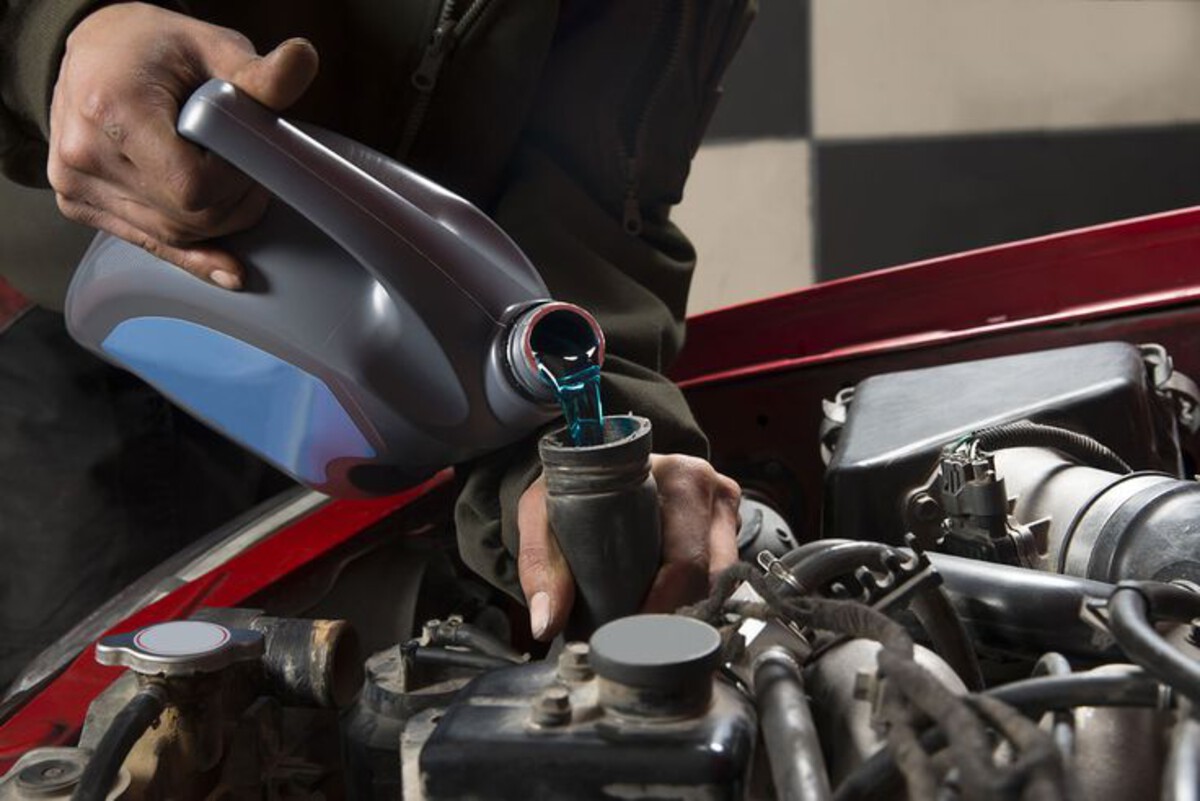
6. Driving with a Faulty Cooling System
The cooling system is often neglected until the engine begins overheating or something visibly fails, like a hose bursting or steam pouring out of the hood. This reactive approach is dangerous and often comes too late to save the engine.
The cooling system isn’t just about preventing overheating; it also helps regulate consistent engine temperature, which is crucial for efficient combustion and component longevity. Running a Corolla with a malfunctioning cooling system can lead to warped cylinder heads, blown head gaskets, and even cracked engine blocks, all expensive and sometimes irreversible problems.
Corolla owners sometimes ignore signs that the cooling system is in distress. These might include fluctuating temperature readings, coolant smells, or a low coolant reservoir. Other symptoms include a noisy water pump, coolant leaks on the ground, or the heater blowing cold air when the engine is warm.
Each of these signs suggests that one or more parts of the system are not doing their job. If the water pump is failing, for example, coolant may not circulate effectively, leaving hot spots in the engine. If the thermostat sticks shut, coolant cannot flow to the radiator, causing a rapid rise in engine temperature. Even a small leak in a radiator hose can cause pressure loss, allowing the engine to boil over under stress.
Another factor that shortens engine life is using the wrong coolant type or not flushing it at proper intervals. Many drivers assume that topping off coolant with water or random antifreeze is fine, but mixing incompatible fluids can lead to sludge buildup and corrosion inside the radiator and engine.
Over time, this can clog the radiator or heater core, reducing cooling efficiency and causing temperature fluctuations. Toyota specifies particular types of long-life coolant for the Corolla, and deviating from these recommendations can compromise the whole system.
To protect your engine, regularly inspect your radiator, hoses, thermostat, and water pump for signs of wear or damage. Replace coolant according to the manufacturer’s recommended interval, usually every 100,000 miles or so, depending on the model year. Avoid simply topping off and ignoring the root issue when coolant levels drop. A functioning cooling system is as important to engine life as oil is, and any issues should be addressed before they become engine-killers.

7. Using Poor-Quality Fuel or Ignoring Fuel System Issues
Fuel quality plays a critical role in engine health. Using low-grade or contaminated gasoline can slowly poison the engine over time. While the Corolla is designed to run on regular unleaded fuel, this doesn’t mean that all fuel labeled “regular” is the same.
Gasoline from unknown or discount stations can sometimes be mixed with water or lack the detergents necessary to keep injectors and valves clean. Over time, this results in carbon buildup, injector clogs, and rough engine performance. Misfires, hesitation, or poor fuel economy are often early signs that the fuel system is suffering.
Another mistake is ignoring problems like clogged fuel filters or dirty injectors. The fuel filter helps keep dirt and contaminants out of the engine. If it’s never replaced, it can become clogged, restricting fuel flow and forcing the fuel pump to work harder. Eventually, this can lead to pump failure.
Dirty injectors can spray fuel unevenly, leading to inefficient combustion, knocking, and even cylinder damage. Some drivers treat these symptoms with fuel additives, but this is not always a reliable fix, especially if the root issue is mechanical or the buildup is too advanced for a simple additive to resolve.
Drivers who allow their fuel tanks to run nearly empty regularly also risk damaging the engine. The fuel pump is located inside the tank and uses gasoline to cool itself. When the fuel level is too low, the pump runs hotter, leading to premature wear.
Sediment that settles at the bottom of the tank over time can also be sucked into the fuel lines, especially when the tank is nearly empty, clogging injectors and filters. This is particularly risky in older Corollas, where the tank may have years of residue at the bottom.
The solution is simple but requires discipline. Use fuel from reputable stations, avoid running the tank near empty, and follow Toyota’s recommended service intervals for fuel system components.
Periodic use of high-quality fuel system cleaners can help, but they are not a substitute for proper maintenance. When performance issues arise, have them diagnosed rather than masking the symptoms. A healthy fuel system keeps the engine running smoothly, while neglecting it introduces inefficiencies that can lead to serious mechanical failures.
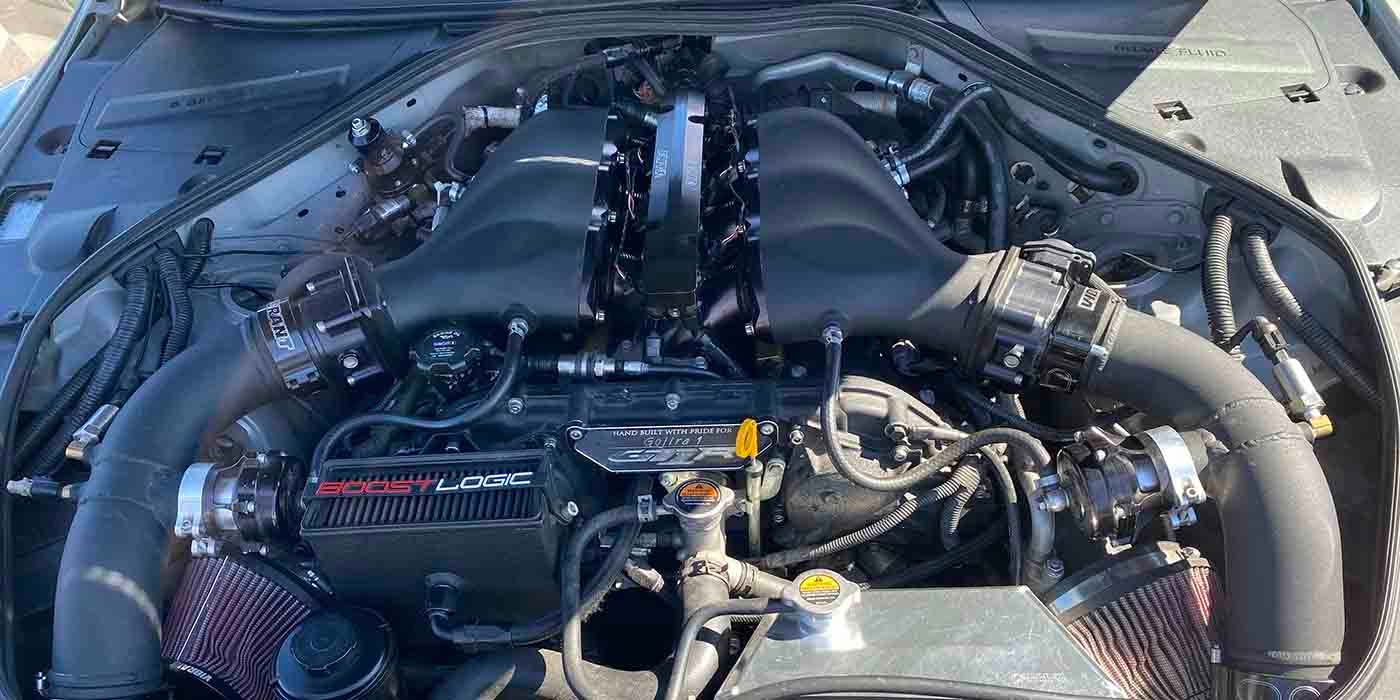
8. Delaying Check Engine Light Diagnostics
The check engine light is often treated like a nuisance rather than a warning. Drivers might cover it with tape, ignore it for months, or delay getting it checked until the car starts running poorly. This is one of the most dangerous habits a Corolla owner can develop.
The check engine light doesn’t just illuminate for minor issues, it can also signal serious engine problems that require immediate attention. Delaying diagnostics allows small problems to turn into major ones, and in some cases, complete engine failure.
Many modern Corolla models use advanced onboard diagnostics (OBD-II) that detect problems in the engine, transmission, and emissions systems. A failing oxygen sensor, a malfunctioning mass airflow sensor, or a misfiring cylinder can all trigger the light.
If ignored, these issues can cause the engine to run too rich or too lean, resulting in internal damage. For example, a misfire can overheat the catalytic converter or cause unburned fuel to wash down cylinder walls, stripping away essential lubrication and increasing wear.
Another problem is that some drivers use generic code readers or internet advice to “clear” the light without addressing the cause. Resetting the light doesn’t fix the underlying issue; it simply hides it until it becomes worse.
In some cases, drivers ignore the light for so long that multiple systems begin to fail, making it more difficult and costly to diagnose the root problem. By the time the car exhibits obvious symptoms, such as reduced power, smoke, or overheating, significant damage may have already occurred.
To avoid this mistake, never ignore the check engine light. As soon as it appears, schedule a diagnostic scan using a professional-grade scanner. While some issues may be minor, such as a loose gas cap, others could involve serious engine or emissions components.
Early diagnosis allows you to fix problems while they are still manageable. Waiting too long turns what could be a $100 repair into a multi-thousand-dollar engine job. Paying attention to warning lights is one of the most cost-effective ways to protect your Corolla’s engine.
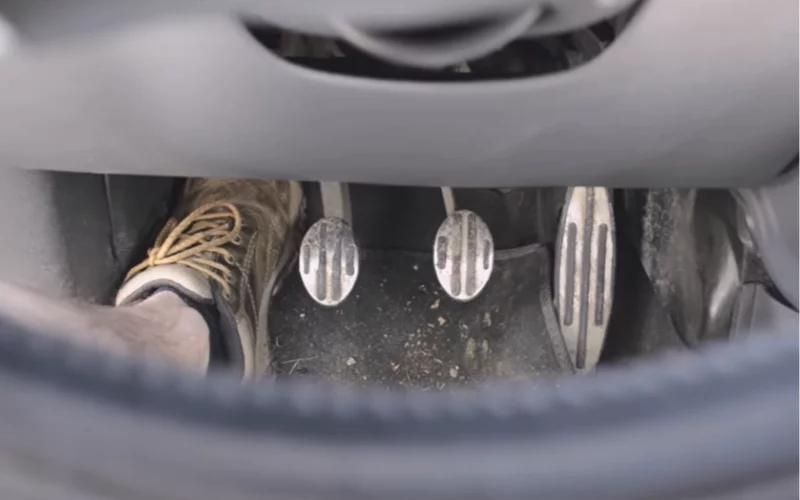
9. Poor Driving Habits and Hard Acceleration
While the Toyota Corolla is built for longevity and daily commuting, it’s not designed to withstand constant harsh driving. Many owners underestimate the long-term consequences of aggressive acceleration, sudden braking, and over-revving the engine.
These habits may not cause immediate breakdowns, but they take a serious toll on the engine and its components over time. Flooring the gas pedal regularly, especially when the engine is cold, puts extreme stress on internal parts such as pistons, valves, and the crankshaft. It also increases the temperature and pressure inside the cylinders, raising the risk of wear and even catastrophic failure in older or poorly maintained engines.
One of the biggest mistakes drivers make is revving the engine high during startup, especially in cold weather. When an engine is cold, oil has not yet fully circulated through all the moving parts. High RPMs during this period can cause metal-on-metal contact, which accelerates wear.
Similarly, driving aggressively right after starting the car, without giving it time to reach proper operating temperature, reduces the effectiveness of the lubrication and cooling systems. Over time, this leads to scuffing on the cylinder walls, degraded bearings, and reduced engine lifespan. This is especially dangerous in high-mileage Corollas, where parts are already naturally more fragile.
Repeated hard acceleration also stresses the fuel system, mounts, and transmission. The constant jerking forces the engine to work harder and increases fuel consumption. The throttle body and intake system become coated with excess carbon, affecting air-fuel ratios and reducing performance.
When paired with poor maintenance, these habits can compound existing problems like worn spark plugs or a dirty mass airflow sensor, pushing the engine toward failure. Aggressive driving also raises engine temperatures faster than normal, placing added strain on the cooling system, which, if already weak or neglected, can lead to overheating and damage.
The safest way to preserve your Corolla’s engine is to adopt smoother, more consistent driving habits. Accelerate gradually, especially when the engine is cold, and avoid excessive high-speed driving in hot weather or traffic. While occasional hard acceleration won’t immediately destroy the engine, making it a regular habit will shorten its life significantly.
By driving more gently, you not only improve engine longevity but also increase fuel economy and reduce wear on other critical systems. Good driving habits are one of the most overlooked but powerful tools in keeping an engine running strong for hundreds of thousands of miles.

10. Skipping Routine Maintenance and Inspections
The final mistake on this list is perhaps the most important and most common: skipping regular maintenance. Corolla owners often fall into the trap of believing that the car is so reliable it doesn’t need constant attention.
While it’s true that the Corolla has a reputation for durability, that reputation is built on the assumption that owners will follow the recommended service schedule. Skipping inspections, oil changes, fluid flushes, and filter replacements might not cause problems right away, but it sets the stage for serious engine trouble down the road. Reliability is not a license for neglect.
Routine maintenance includes more than just oil changes. It also involves replacing the air filter, spark plugs, coolant, transmission fluid, and serpentine belts at recommended intervals. Each of these parts plays a crucial role in keeping the engine running smoothly.
For instance, a dirty air filter reduces airflow, causing the engine to work harder and burn more fuel. Old spark plugs can misfire, decreasing efficiency and increasing stress on the pistons. Ignoring fluid changes can lead to overheating, contamination, and loss of lubrication, all of which can ruin an otherwise healthy engine.
Regular inspections help catch issues early, such as small leaks, worn hoses, or weak sensors. A small oil or coolant leak might seem insignificant, but if left unchecked, it can escalate into a full-blown engine failure.
Similarly, a cracked vacuum hose or loose sensor wire can throw off engine performance, triggering errors in the ECU and causing the engine to run too lean or rich. Without regular diagnostics and under-the-hood checks, these problems remain hidden until symptoms become severe. By that point, the damage is often far more costly to repair than it would have been to prevent.
To protect your Corolla’s engine, follow the maintenance schedule in the owner’s manual closely. If you buy the car used, start with a full inspection and bring all services up to date. Keep a record of what’s been done and when, and don’t rely on the assumption that previous owners were meticulous.
Preventive maintenance is always cheaper than emergency repairs. It ensures not only engine longevity but also reliability, safety, and peace of mind. Treat your maintenance schedule like a vital checklist, not an optional guideline, and your Corolla will reward you with years of dependable performance.
