
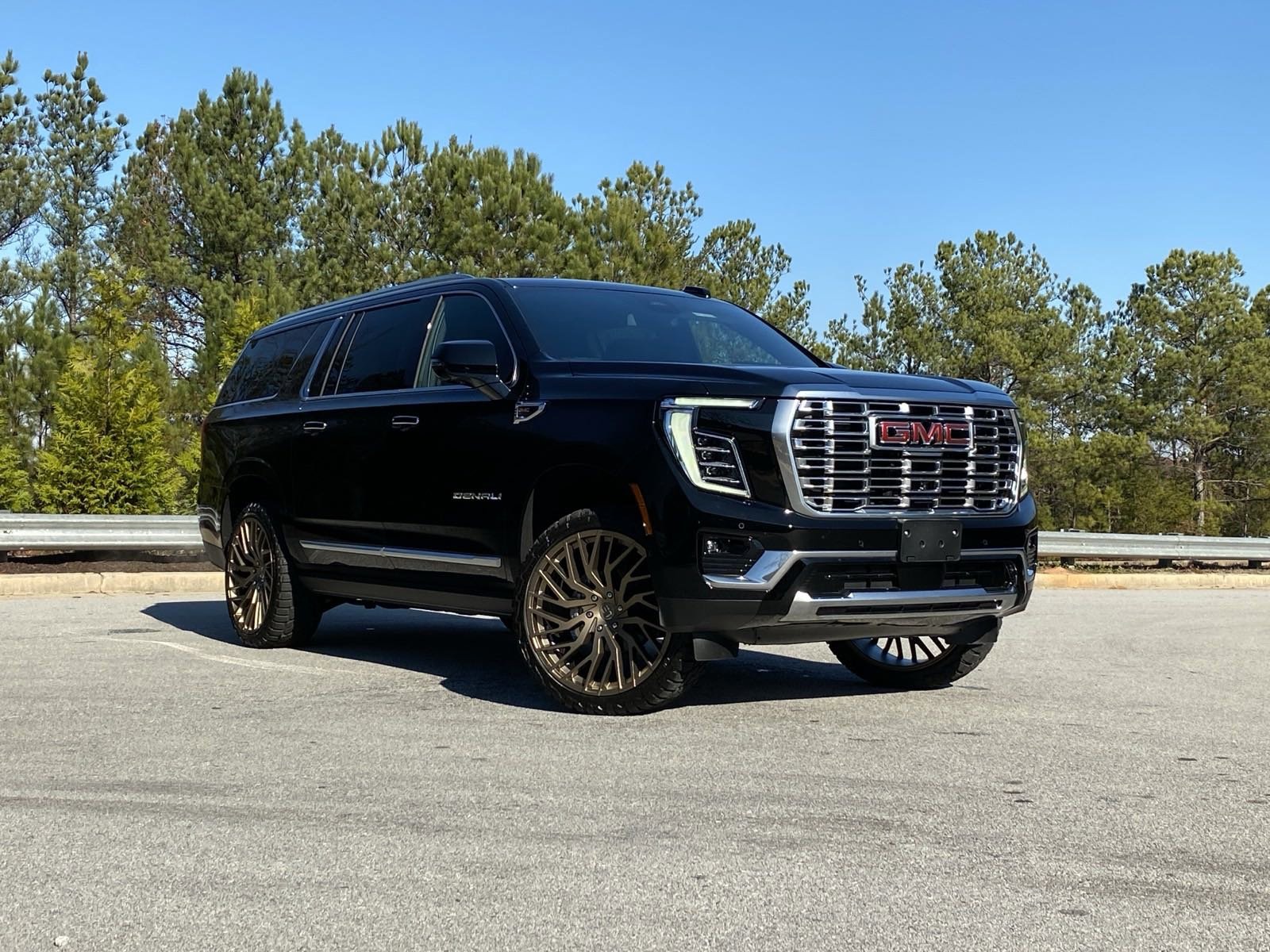
The GMC Yukon has long been respected for its durability, size, and capability. Many owners buy one expecting years of reliable performance, whether it’s used for family transport, long-distance travel, or towing duties. But to get a Yukon safely past the 300,000-mile mark isn’t just a matter of luck or good fortune.
It’s the result of dedication, knowledge, and discipline. While the truck is built to last, getting to such a high mileage safely means taking steps that many drivers overlook or delay. In fact, many Yukons never make it that far, not because they’re incapable, but because the necessary care and maintenance were not provided consistently.
A vehicle like the Yukon is subjected to a wide range of stresses over time. From hot summers to icy winters, from stop-and-go traffic to steep mountain towing, these stresses slowly wear down parts and systems. But the key difference between a Yukon that fails at 180,000 miles and one that runs smoothly well past 300,000 is how its owner responds to the early signs of wear and tear.
Maintenance is not just about oil changes and tire rotations. It’s about understanding the vehicle’s systems, staying ahead of problems, and investing in quality parts when replacements are needed.
Many owners who reach the 300,000-mile mark successfully develop a relationship with their vehicle. They learn its habits, recognize when it feels different on the road, and keep detailed records of work that’s been done. This approach doesn’t just keep the vehicle alive; it keeps it safe.
Safety isn’t just about airbags and seatbelts. It’s also about brakes that stop reliably, steering that stays precise, and engines that don’t stall at the wrong moment. By focusing on the areas that matter most, owners can not only reach this impressive milestone but do so with peace of mind and confidence.
Here are the 10 things that keep a GMC Yukon safe and dependable beyond 300,000 miles.
Also Read: 5 Bikes That Start Every Time and 5 That Need a Kickstart
1. Consistent Engine Maintenance
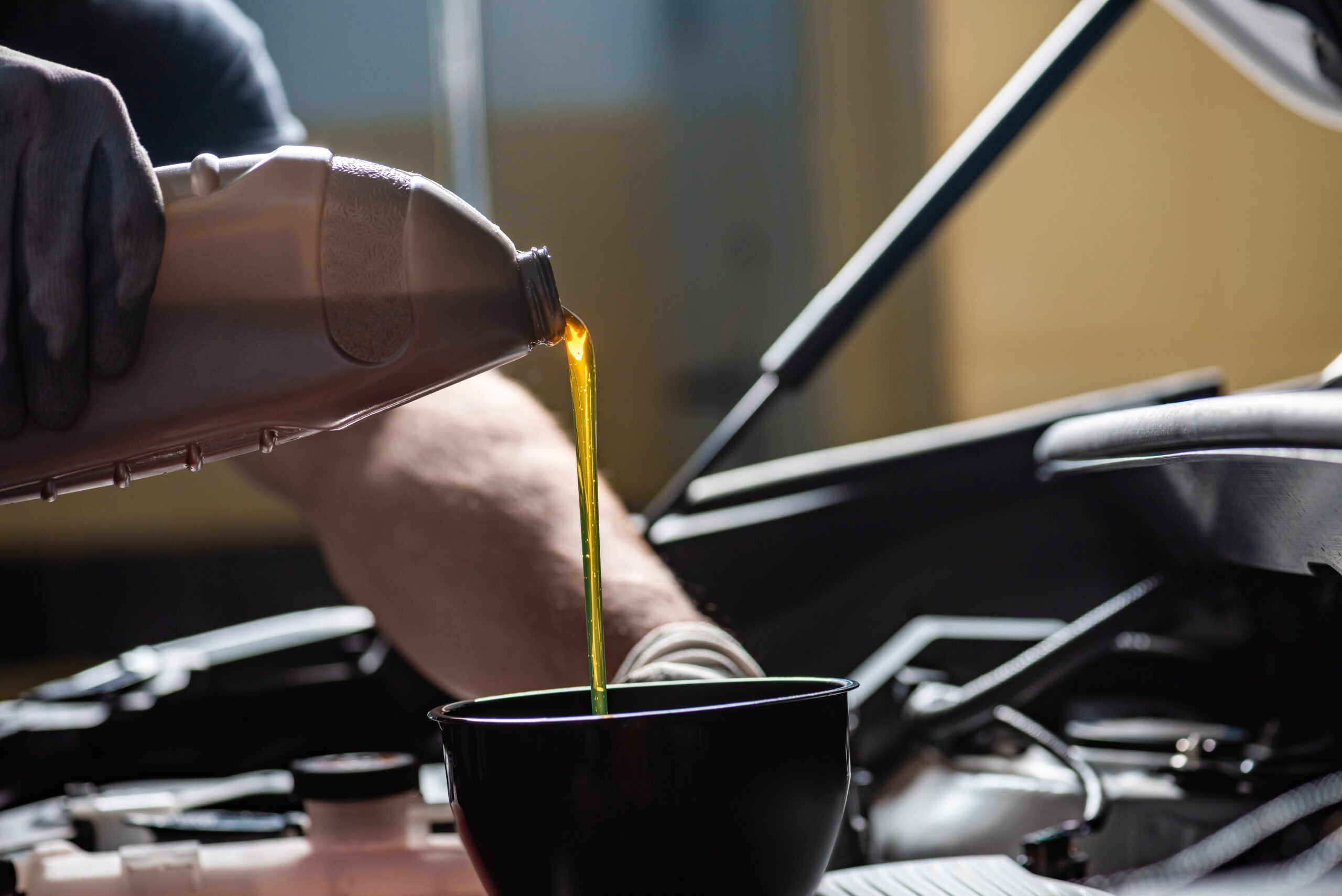
The engine is the heart of any vehicle, and for the Yukon to remain safe over 300,000 miles, its engine must receive regular, thorough care. Oil changes are the foundation of this, and using the correct oil grade and intervals recommended in the manual makes a noticeable difference.
Allowing old, dirty oil to remain in the engine wears down internal components much faster. It’s also important not to cheap out on filters. High-quality oil and air filters help reduce contaminants, which over time can affect performance and safety.
Aside from oil changes, the engine’s cooling system needs to be closely monitored. Overheating is one of the fastest ways to cause engine failure, which is not just costly but dangerous, especially at highway speeds. Keeping the radiator clean, replacing coolant at the right intervals, and ensuring the thermostat and water pump are functioning as they should all contribute to the engine’s longevity and reliability. A sudden engine failure in traffic can put the driver and others at serious risk.
Many long-term owners also make it a habit to inspect belts and hoses regularly. Cracks or signs of wear can lead to a broken serpentine belt or coolant leak. If these issues happen while driving, the vehicle can lose power steering or overheat quickly.
These risks grow with age and mileage, so proactive replacements are a must after a certain point. Investing in OEM or better-than-stock parts ensures these components last as long as possible between changes.
Lastly, listening to the engine and learning its usual sounds helps spot early problems. A ticking noise, hesitation, or drop in performance can point to fuel injector issues, timing problems, or sensor malfunctions. Addressing them early prevents worse outcomes down the line. A healthy engine isn’t just about efficiency; it ensures the vehicle won’t leave you stranded or cause a road hazard due to sudden breakdowns.

2. Transmission Care and Fluid Management
The transmission takes a beating over the life of a Yukon, especially if it’s used for towing, hauling, or regular highway driving. One of the most common reasons Yukons fail before 300,000 miles is a neglected transmission.
Many drivers believe transmissions are sealed systems that don’t need attention, but that’s not true. Regular fluid changes are critical. Old, dirty fluid causes increased friction and heat, which wear down internal components. Flushing and refilling with the right type of transmission fluid is essential to keep shifting smooth and reliable.
Another key to transmission health is avoiding overheating. Just like the engine, heat is the enemy of longevity. Towing without a transmission cooler or driving aggressively in high temperatures can push the system past safe limits. Many experienced Yukon owners install aftermarket coolers if they plan on towing regularly, and the difference in long-term reliability is noticeable. Keeping temperatures in check ensures that internal seals and clutch packs don’t degrade prematurely.
Paying attention to how the vehicle shifts is one way to identify problems early. Slipping gears, hesitation when shifting, or strange noises are all early signs of trouble.
Rather than waiting for a major failure, addressing these symptoms early on, either with a fluid service or replacing solenoids, can prevent catastrophic failure. Ignoring them often results in needing a full rebuild or replacement, which is far more expensive and risky.
Finally, software updates and learning transmission behavior are often overlooked. Modern Yukons come with adaptive transmissions that adjust to driving style. Resetting adaptive learning or updating transmission software can restore performance and prevent rough shifting, which can stress components and increase the chance of failure during operation. All of this contributes not just to longevity, but to safe operation over the long haul.
3. Brake System Upkeep
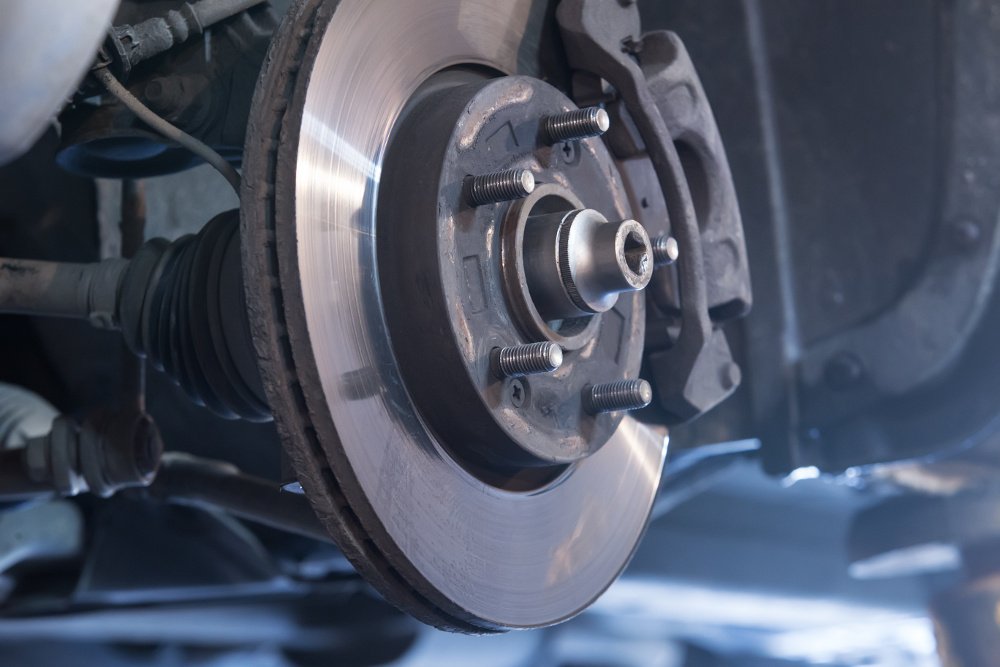
No system affects safety more directly than the brakes. Worn-out brake pads, old fluid, and failing components can lead to reduced stopping power and longer braking distances, which is especially dangerous in a heavy SUV like the Yukon. To maintain safe braking performance over 300,000 miles, it’s important to treat the brakes as more than just a wear item. Pads and rotors should be replaced before they reach the end of their life, not after.
Many owners choose higher-performance brake pads and rotors that offer better heat dissipation and longer life, especially for vehicles used in mountainous areas or heavy traffic. Using upgraded parts reduces the risk of brake fade, which can be dangerous when driving downhill or stopping from highway speeds.
It’s also important to regularly inspect calipers and ensure they are moving freely. A sticking caliper can cause uneven wear, overheating, and eventually brake failure.
Brake fluid is often ignored, but it plays a huge role in the system’s effectiveness. Over time, fluid absorbs moisture, which reduces its boiling point and can introduce air into the system. Regular flushing, every 2–3 years, is a small investment that greatly improves performance and safety. Dirty brake fluid can also damage ABS components, leading to costly repairs or loss of stability control.
Another aspect to consider is how the vehicle feels under braking. Pulsation, pulling to one side, or odd noises are signs that something is wrong. These symptoms should never be ignored, even if the vehicle still stops. Any issue with braking compromises safety, especially in emergencies. Addressing brake concerns quickly and with quality parts is a major factor in keeping a Yukon safe well past the 300,000-mile point.
4. Suspension and Steering Maintenance
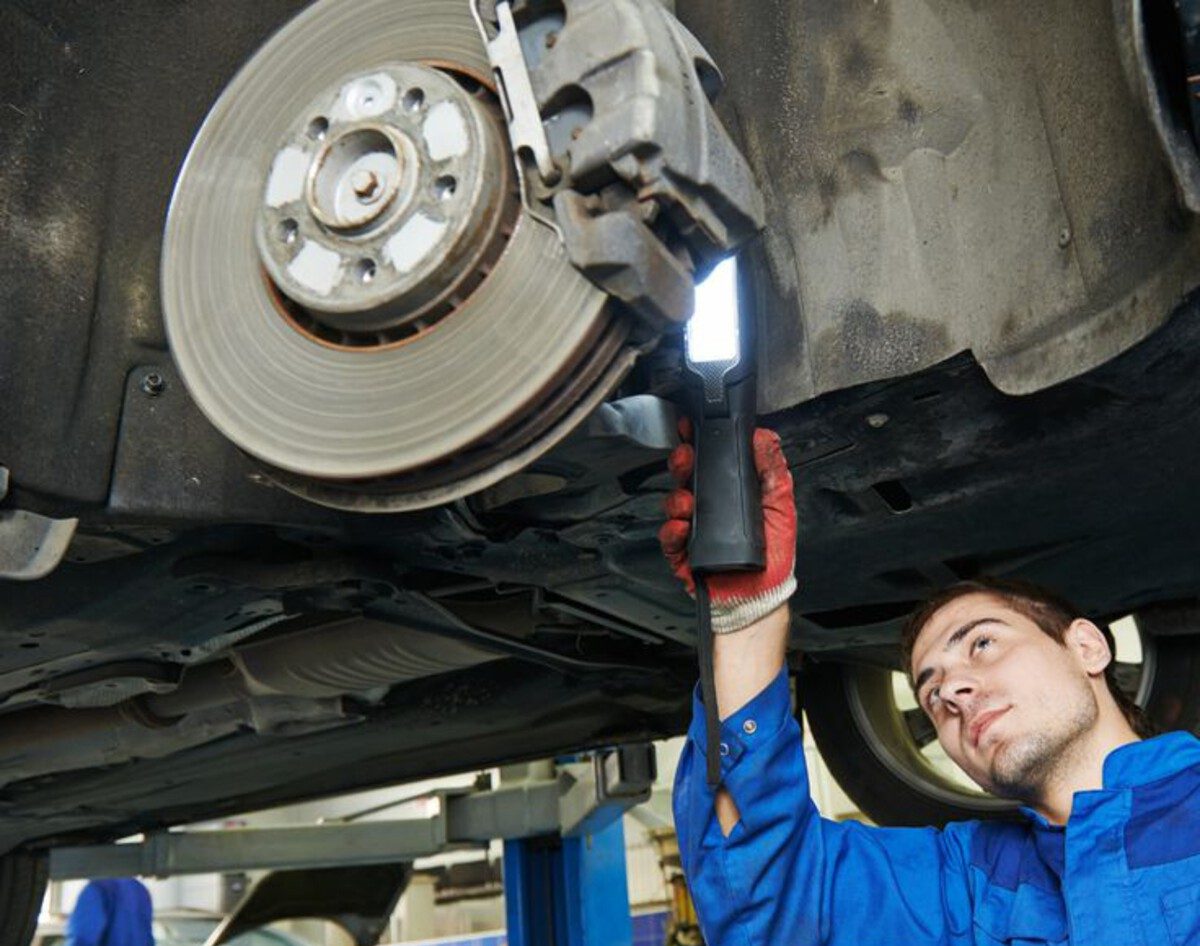
As a Yukon racks up miles, its suspension and steering components take on thousands of impacts from bumps, potholes, and general road wear. These parts aren’t just about comfort, they’re directly tied to how the vehicle handles and reacts during emergency maneuvers. Worn shocks or struts reduce road contact, leading to increased stopping distances and less predictable handling, which can create unsafe conditions.
Ball joints, control arms, and bushings are all critical components that wear over time and need to be inspected during routine service. If ignored, a failed ball joint can cause a loss of control, especially during turns. Many high-mileage owners replace these parts preemptively around 150,000–200,000 miles to avoid risks. Using OEM or better components ensures that the replacements will hold up under the stress of extended use.
Steering components like tie rods and steering racks also need attention. Signs of wear include looseness in the steering wheel, clunking sounds, or difficulty maintaining lane position. A sloppy or unresponsive steering system doesn’t just feel uncomfortable; it reduces the driver’s ability to respond quickly in an emergency. Making sure these parts are tight and aligned properly keeps the Yukon predictable and safe to drive.
Alignment checks and wheel balancing also play a role in both safety and component longevity. Misalignment causes uneven tire wear, which reduces traction. It also stresses suspension parts unnecessarily. Regular alignments, especially after suspension work or hitting a major pothole, help keep the vehicle driving straight and stable. It’s a relatively small maintenance step that has a major effect on safety over time.
5. Tire Quality and Rotation Habits
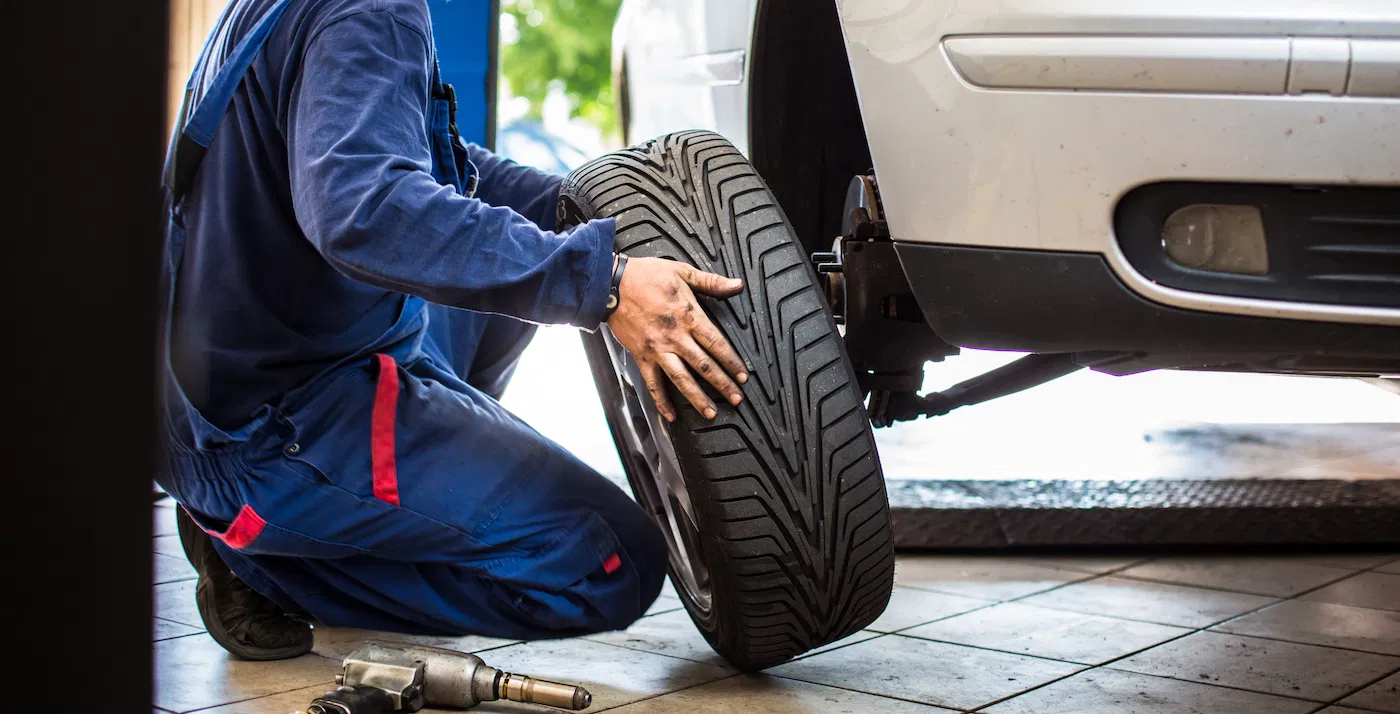
Tires are the only part of the vehicle that touches the road, so their condition is critical to safety. As a Yukon approaches high mileage, worn or aged tires become a serious risk.
Not only do they lose traction, but the rubber compound can degrade over time, increasing the chance of blowouts or tread separation. High-mileage vehicles should never run on old, dry-rotted tires, even if they still have tread left. Replacing tires on time and choosing the right ones for the Yukon’s weight and driving conditions makes a big difference.
Rotating tires every 5,000 to 7,500 miles helps promote even wear. On a full-size SUV like the Yukon, uneven tire wear can lead to pulling, vibrations, and reduced grip, especially in bad weather. Some owners overlook tire rotations, which eventually results in premature replacement and degraded handling. Keeping this rotation schedule consistent helps tires last longer and ensures all four corners of the vehicle respond the same in an emergency.
Tire pressure should also be checked regularly. Even a few PSI off can affect handling and braking, particularly under load or during high-speed driving. Underinflated tires heat up faster and are more prone to failure. Overinflated tires, on the other hand, reduce contact with the road, which can lead to skidding or sliding in slippery conditions. Investing in a digital pressure gauge and checking once a month can prevent a range of safety issues.
Finally, choosing quality tires designed for SUVs with appropriate speed and load ratings is key. Not all tires are made to handle the weight and torque of a Yukon, especially one with passengers and cargo. Discount tires may save money upfront, but wear quickly and don’t perform as well in emergencies. Sticking with trusted brands that meet or exceed OEM specifications is an easy way to reduce the chances of accidents and maintain confidence behind the wheel.
6. Electrical System Reliability
While often overlooked, the electrical system plays a major role in vehicle safety. From engine control to lighting and sensor operation, everything depends on a clean and stable electrical supply. In a Yukon pushing past 300,000 miles, electrical issues become more likely due to corrosion, worn wires, and aging connectors. Keeping this system in good shape means more than just replacing a dead battery. It requires periodic inspection of grounds, terminals, and fuses.
One of the most important safety-related electrical components is the lighting system. Headlights, brake lights, and turn signals must function consistently, especially for nighttime or bad weather driving.
Dim lights or flickering signals are often caused by failing alternators, corroded terminals, or poor ground connections. Regular checks and immediate replacement of bad bulbs or connectors ensure that other drivers can always see your vehicle clearly.
Sensors like ABS, traction control, and airbag modules rely heavily on accurate electrical signals. When these systems fail or throw codes, the driver may lose important functions without even realizing it. Scanning the vehicle occasionally, even when the check engine light isn’t on, can catch faults before they cause real problems. Replacing aging sensors before they fail can keep safety systems active and functioning properly.
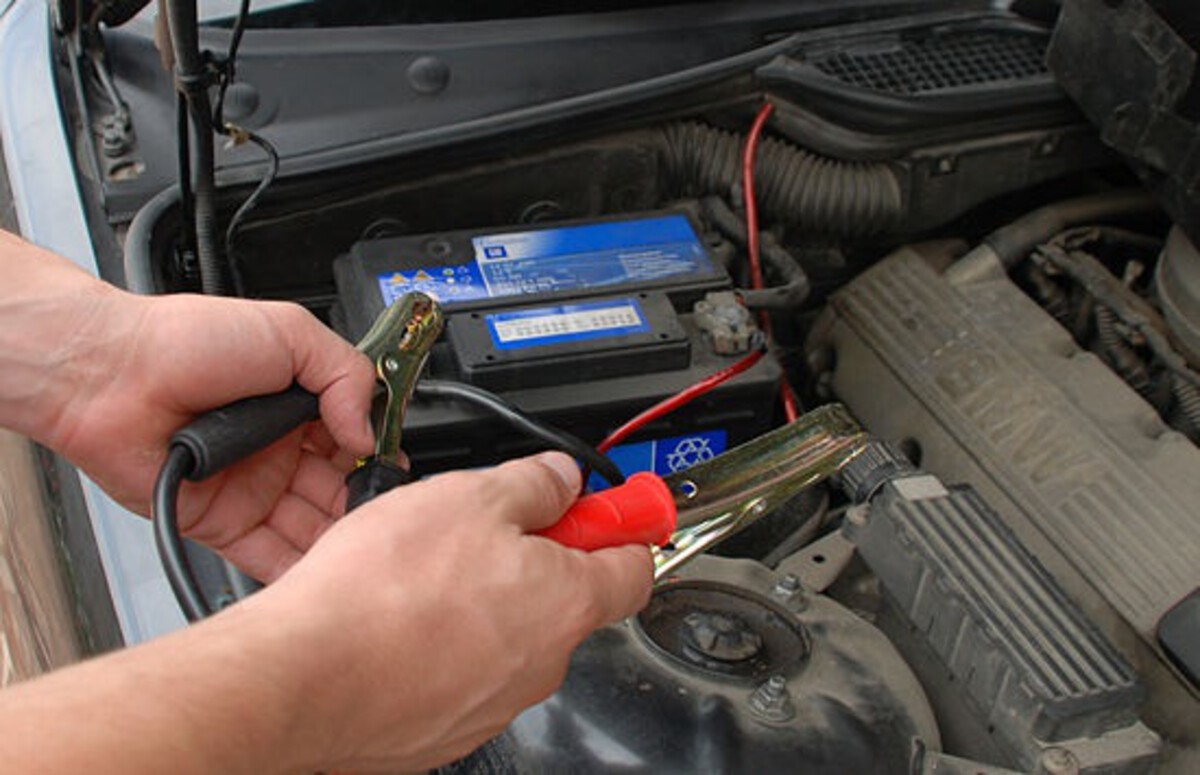
Batteries should also be replaced before they reach the end of their life. A sudden battery failure doesn’t just leave the vehicle stranded; it can trigger voltage spikes that damage sensitive electronics. Installing a quality battery, checking charging voltages, and maintaining clean terminals helps preserve the rest of the vehicle’s systems. Avoiding electrical problems keeps the Yukon reliable and ensures all the safety tech works when it’s needed most.
7. Rust Prevention and Frame Protection
Corrosion can be the silent killer of high-mileage vehicles, especially in regions where roads are salted during the winter. Even if the engine and transmission are in perfect shape, rusted frames, brake lines, and suspension mounts can make a vehicle unsafe to drive. On the Yukon, the large frame and body-on-frame design offer strength, but they’re also vulnerable to long-term exposure to salt and moisture.
One of the best ways to keep rust from becoming a problem is regular undercarriage cleaning. Spraying the underbody during and after the winter months removes salt that can settle in tight corners. Many Yukon owners who reach 300,000 miles safely make this a routine part of ownership. It takes only a few minutes and significantly slows the corrosion process.
In addition to cleaning, rust-proofing sprays or coatings can be applied to the frame and key metal components. There are products specifically designed for this, offering a barrier that prevents moisture from reaching bare metal. Doing this early in the vehicle’s life and touching it up each year gives maximum protection. Even older vehicles can benefit from a rust treatment if it’s applied before the rust has taken hold.
Inspecting for rust is also important. Brake lines, fuel lines, control arms, and subframe mounts are common failure points. If rust is caught early, these parts can be cleaned and coated, or replaced before they weaken to the point of failure. Structural integrity is essential for crash safety and towing, so catching rust before it compromises strength is a must. A rust-free Yukon stays safer much longer.
8. Fuel System Cleaning and Monitoring
The fuel system, like the engine and transmission, can degrade over time due to build-up and wear. Dirty fuel injectors, clogged fuel filters, and weak pumps reduce performance and can cause misfires, which not only hurt fuel economy but can create unsafe driving situations. A properly maintained fuel system helps the Yukon deliver consistent power and smoother operation, even as the miles climb.
Using high-quality fuel can prevent much of the buildup that harms injectors and valves. Premium gas is not always required, but gasoline with detergent additives can reduce deposits. Every few months, many owners also run fuel system cleaners through the tank. These additives break down carbon and restore injector spray patterns, improving throttle response and idle quality.
The fuel filter is another critical component. On some models, it’s integrated into the pump, but if yours is serviceable, it should be replaced regularly. A clogged filter strains the pump and can result in reduced power or stalling, especially under load. Replacing the pump and filter with quality parts before they fail is a common practice among long-term owners aiming to avoid being stranded.
Monitoring how the Yukon responds to acceleration, load, and idle speed gives clues to the health of the fuel system. Surging, hesitation, or excessive cranking times point to fuel delivery problems. A scan tool can help monitor fuel trims and catch issues early. Keeping the fuel system clean and functioning well ensures the vehicle remains predictable, efficient, and above all, safe in every driving situation.
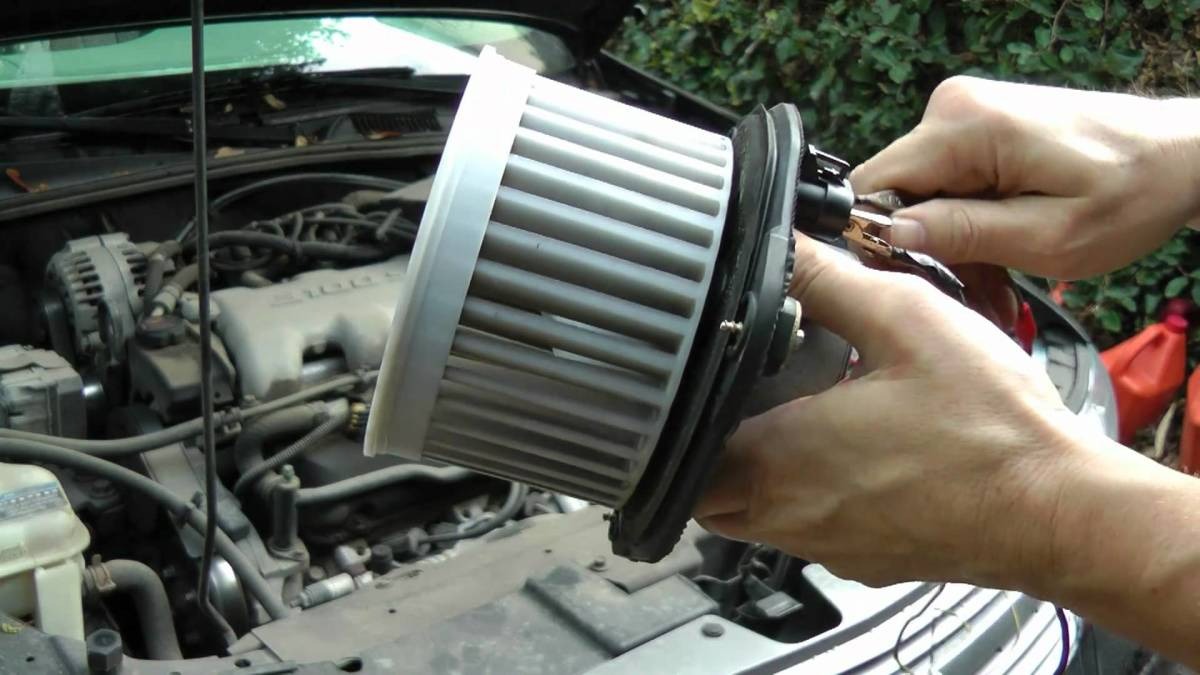
9. HVAC and Defrost Systems
Comfort systems may not seem like a safety concern at first, but defrosting, ventilation, and air conditioning all play a bigger role than they’re often given credit for. A failed defroster can lead to fogged-up windows that obscure vision, which is extremely dangerous at night or during rain. Proper heating and cooling also keep the driver alert and reduce fatigue, especially on long drives.
The blower motor, cabin filter, and HVAC controls should be maintained just like any other system. A clogged cabin filter restricts airflow and puts strain on the blower, eventually causing it to fail. If the blower isn’t functioning, defrosting and air conditioning won’t work properly, leading to vision issues from foggy glass. Replacing this filter once or twice a year is an easy way to keep the system efficient.
Heater cores and evaporators can also leak or clog with time. These components are more difficult to access, but they’re essential for maintaining a safe and functional HVAC system. Slow leaks can cause coolant loss and overheating, while mold or bacteria in the evaporator can affect air quality. Catching these issues early by paying attention to odd smells or reduced airflow helps avoid long-term problems.
AC systems also need regular checks. A working air conditioner isn’t just about cooling. It removes humidity from the cabin, which speeds up defrosting. Recharging the system and fixing any refrigerant leaks ensures it operates effectively. Keeping the interior clear and windows fog-free is just as important for safety as brake lights or traction control.
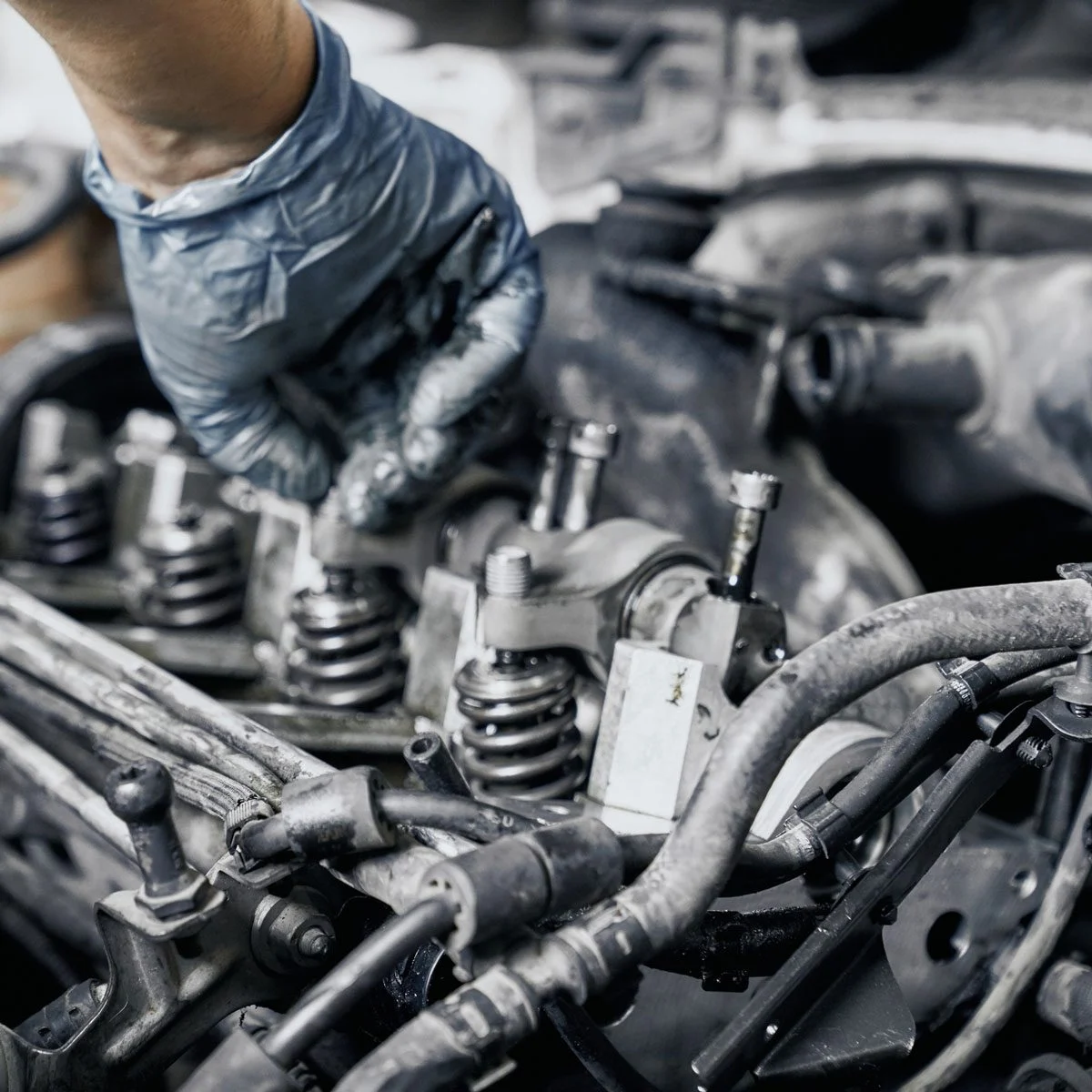
10. Regular Inspections and Listening to the Vehicle
Finally, the habit of regular inspections ties everything together. Yukons that pass the 300,000-mile mark are usually owned by people who pay attention to the small signs. This means inspecting the vehicle thoroughly once a month, listening for new sounds, watching for leaks, and taking even small symptoms seriously. That level of attention helps catch issues before they grow into something dangerous.
Checking fluid levels, looking for cracks in belts and hoses, inspecting lights, and confirming tire wear patterns are small but essential habits. These steps take less than 15 minutes and can catch issues like a small oil leak, a worn belt, or a low coolant level, any of which can cause a major breakdown if ignored. Maintenance isn’t always about replacing parts; sometimes, it’s just about staying aware.
Being familiar with the Yukon’s normal behavior is what separates safe high-mileage vehicles from those that are a liability. If the engine starts slower than usual, if there’s a new vibration, or if the fuel mileage drops unexpectedly, those are all clues. Many high-mileage owners keep a small notebook in the glovebox to record these observations and maintenance dates.
Building a relationship with a trusted mechanic is also part of this mindset. Getting an extra set of eyes on the vehicle during oil changes or routine services adds another layer of protection. Mechanics can spot wear that the driver might miss. Staying ahead of problems through inspection and awareness means you’re not relying on luck to stay safe; it becomes a calculated effort.
Also Read: 5 SUVs That Handle Flooded Roads Safely and 5 That Stall Instantly
Reaching 300,000 miles with a GMC Yukon isn’t just a mechanical milestone; it’s a reflection of consistent care, attention to detail, and respect for what the vehicle needs to stay safe and reliable. While the Yukon is built with strength and endurance in mind, no vehicle is immune to wear, aging parts, or the effects of time and mileage.
The difference between a Yukon that lasts and one that fails early often comes down to how seriously its owner treats maintenance and safety. Skipping routine service or ignoring small warning signs may not cause immediate trouble, but over time, these habits add up and can compromise the integrity of the vehicle.
Safety isn’t just about passing inspections or making sure the airbags deploy. It’s about ensuring that every system, from brakes and tires to electronics and steering, performs as it should in both normal and emergency conditions.
The steps outlined in this article aren’t difficult, but they do require a mindset that prioritizes long-term thinking over short-term convenience. Preventive maintenance, quality parts, and regular inspections take time and cost money, but they also provide peace of mind and contribute directly to the safety of everyone in the vehicle.
Many Yukon owners who surpass 300,000 miles don’t do it by accident. They take ownership seriously. They learn the feel and sound of their vehicle. They make notes when something changes, and they address problems before they escalate.
This approach reduces the risk of sudden failures, keeps the vehicle predictable in tough driving conditions, and preserves the Yukon’s ability to operate safely, no matter the environment. It also builds trust, not just in the machine, but in the decisions made along the way.
There’s no secret formula. The keys are consistency, quality, and attention. Whether it’s checking fluids, replacing worn components, or staying on top of rust and corrosion, every step matters. Reaching and safely exceeding 300,000 miles is not just about making the vehicle last longer; it’s about making every mile count. For Yukon owners who put in the effort, the reward is not just longevity, but a vehicle that remains dependable, safe, and strong, mile after mile, year after year.
