

The Chevy Cruze has earned a reputation as a dependable and efficient compact car, appealing to drivers who want a practical vehicle that balances performance and fuel economy. It delivers decent power for everyday driving needs, while promising good miles per gallon that help keep fuel costs manageable.
However, fuel economy numbers don’t always stay constant. Over time, a variety of small factors can gradually chip away at that initial efficiency, causing you to visit the pump more often than expected. Whether it’s mechanical wear, environmental conditions, or driving habits, there are many reasons a Cruze might begin losing MPG as the miles add up.
The good news is that many of these causes can be controlled or prevented by taking straightforward actions that don’t require specialized skills or expensive parts.
Fuel economy is influenced by far more than just how far you drive or the speed at which you travel. It’s affected by everything from the condition and pressure of your tires to the quality and freshness of your motor oil. Even seemingly minor details, like the cleanliness of the air filter or how heavily loaded the car is, can add up to make a significant difference.
In the case of the Chevy Cruze, a car designed to be efficient from the factory, these factors can be especially impactful. By maintaining proper care and paying attention to the details, you ensure that your car uses fuel in the way it was intended, helping you squeeze the maximum miles out of every gallon.
Understanding how and why fuel economy drops is important because the decline rarely happens suddenly. Instead, it’s a slow and subtle process that can go unnoticed until the difference becomes large enough to feel in your wallet. Small inefficiencies combine, creating a steady decline in performance and savings.
Thankfully, many of the causes behind reduced MPG are easy to spot and fix. The goal here is to identify those small, manageable wins, things anyone can do or monitor, which, when added together, preserve your Cruze’s fuel efficiency and extend the life of the vehicle. This guide will walk through ten simple but effective steps to keep your Cruze running economically.
These ten tips focus on practical changes and maintenance habits that won’t break the bank but will deliver noticeable benefits. From maintaining tire pressure and replacing air filters to moderating driving habits and limiting unnecessary idling, each strategy is geared toward preventing the gradual loss of fuel economy.
By adopting these habits and regularly checking key components, you’ll keep your Chevy Cruze running efficiently for years to come and avoid the frustration of watching your MPG numbers slip away. This approach helps you save money, reduce emissions, and enjoy a better driving experience.
Also Read: 10 Cars With Tricky Seatbelt Buckles for Elderly Passengers
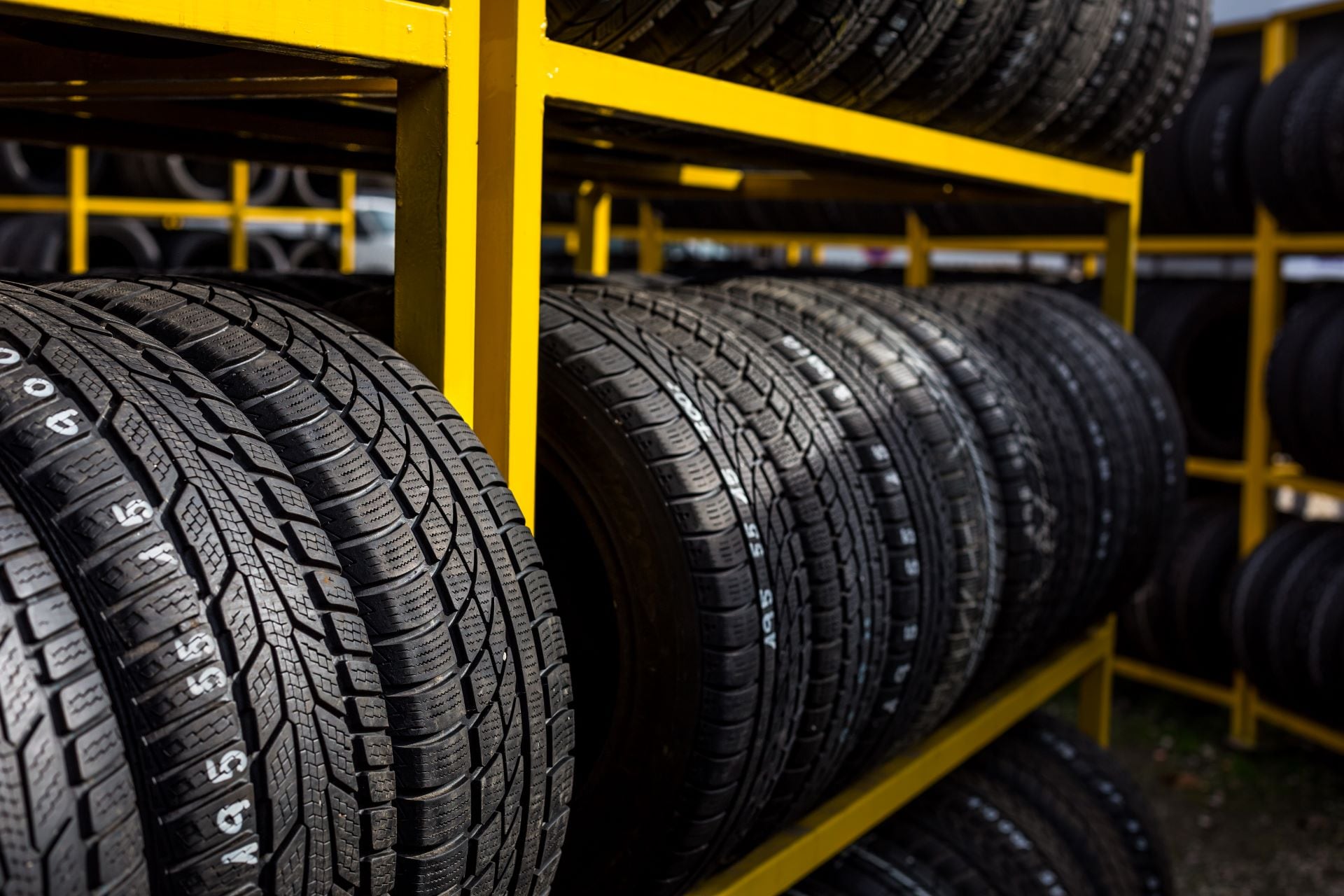
1. Keep Tires Properly Inflated
Tires are one of the most important components when it comes to fuel efficiency because they directly influence how much energy is needed to move your vehicle forward. When tires are underinflated, the area of the tire in contact with the road increases, causing greater rolling resistance.
Think of this as the tire dragging along the pavement more than it should, which forces the engine to work harder just to keep your car moving at the same speed. Even a small drop of 2 to 3 PSI below the manufacturer’s recommended pressure can reduce your fuel economy noticeably over time. Maintaining correct tire pressure keeps friction low and allows the tires to roll more freely, which means the engine doesn’t have to expend unnecessary energy pushing the car forward.
The correct tire pressure for a Chevy Cruze is usually listed on a sticker inside the driver’s door jamb or in the owner’s manual. Many drivers don’t make it a habit to check tire pressure regularly because modern cars have tire pressure monitoring systems that only alert when levels are dangerously low.
However, those alerts come too late to prevent gradual fuel loss and increased tire wear. Ambient temperature changes also cause tire pressure to fluctuate naturally; for example, colder weather can reduce pressure by several PSI. Checking the tires once a month with a simple gauge is a quick and easy way to keep pressure at the optimal level and avoid subtle MPG losses.
Maintaining proper tire inflation not only benefits fuel economy; it also significantly extends tire life. Underinflated tires wear unevenly, especially along the outer edges of the tread, reducing their lifespan. This uneven wear means you’ll need to replace tires sooner than expected, adding unnecessary cost to vehicle ownership.
Additionally, underinflated tires can negatively affect wheel alignment and balance, leading to a cascade of issues, including vibration, uneven braking, and increased suspension wear. By keeping tire pressure at the recommended level, you prevent these issues from arising, saving you money on repairs and replacements.
Another major advantage of keeping tires properly inflated is improved safety. Correctly inflated tires provide better traction, steering response, and braking performance. This is especially important in wet or slippery conditions where traction is critical.
Tires with insufficient pressure are more prone to overheating, which can cause blowouts or sudden failure on the road. By checking your tires regularly and keeping them properly inflated, you’re not only preserving fuel economy but also making your driving experience safer and more comfortable.
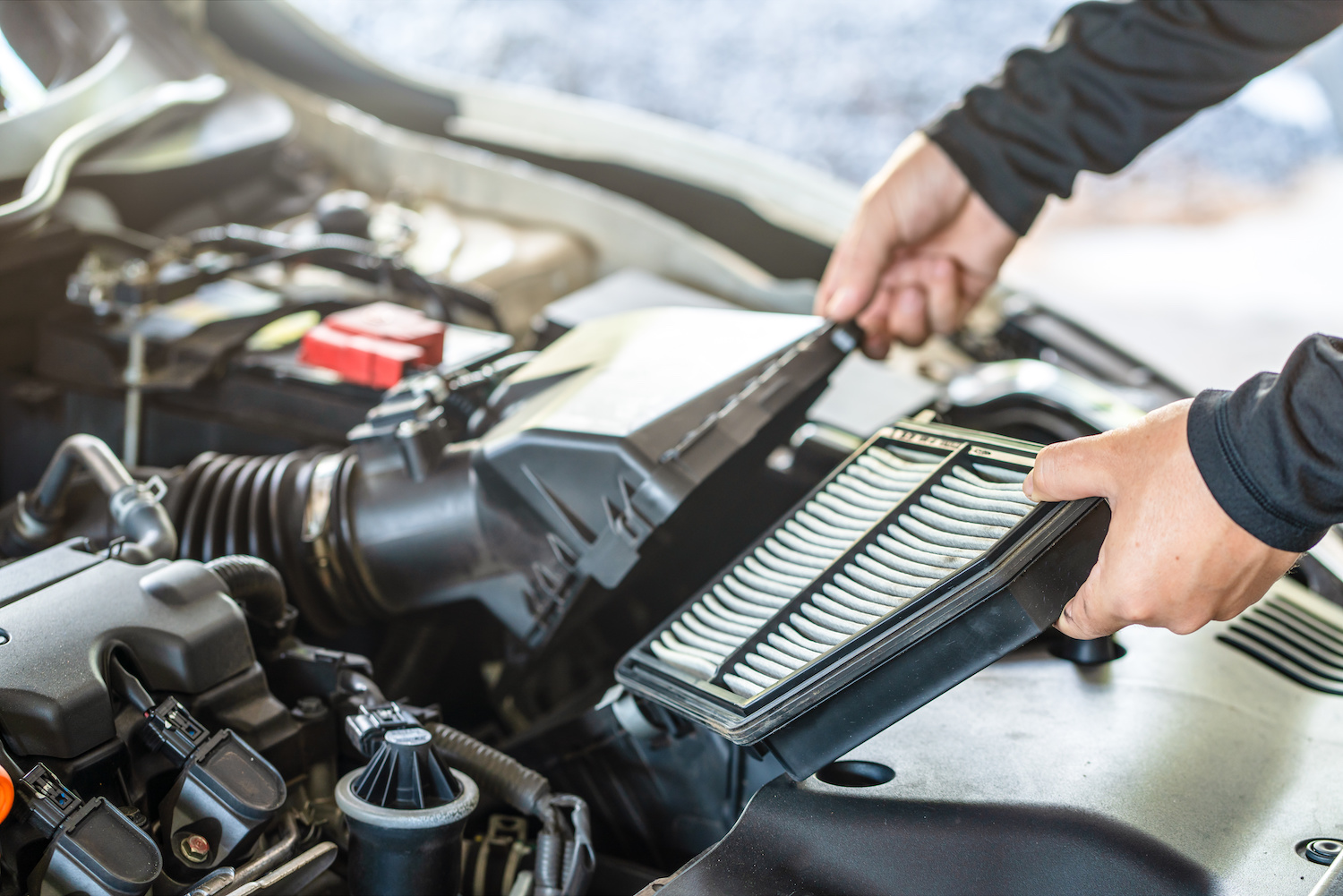
2. Change Your Air Filter Regularly
The air filter is a simple yet essential part of your Chevy Cruze’s engine system. Its job is to prevent dirt, dust, and other contaminants from entering the engine’s combustion chamber by filtering the air that flows into the intake manifold. Clean air is critical because the engine relies on a precise mix of air and fuel to burn efficiently.
When the air filter becomes clogged or dirty, it restricts airflow and causes the engine to compensate by burning more fuel in order to maintain performance. This inefficiency leads directly to reduced miles per gallon. For a car like the Cruze, which is engineered for balanced air-fuel mixtures, keeping the air filter clean ensures the engine runs smoothly and efficiently.
The replacement interval for air filters can vary depending on driving conditions and the environment where you live. Manufacturers usually recommend replacing the air filter every 15,000 to 30,000 miles, but this number can be much lower if you often drive on dusty roads or in polluted cities.
If you frequently drive in stop-and-go traffic or in construction zones, your filter will clog faster. It’s a good practice to visually inspect your air filter during routine oil changes or tire rotations to see if it appears dirty or damaged. Changing the air filter is often a straightforward task, requiring just a few simple tools or no tools at all, making it a great do-it-yourself job for any Cruze owner.
Using a clean air filter not only improves fuel economy but also contributes to better throttle response and acceleration. When the engine receives the correct amount of clean air, it can ignite the fuel more completely and generate more power with less fuel wasted.
If you’ve noticed sluggish acceleration or a sudden drop in fuel economy, the air filter is often a prime suspect and an easy fix. Neglecting to replace the air filter can also cause other issues, such as increased engine deposits and higher emissions.
While some people try to “clean” reusable or disposable air filters by blowing compressed air or tapping out debris, this is usually only a temporary fix. Filters are designed to trap particles within their fibers, which eventually become saturated and reduce airflow.
Investing in a high-quality replacement air filter is a low-cost way to maintain your Cruze’s fuel economy and engine health. Proper maintenance of the air filter is a small effort that pays off with improved performance, reduced emissions, and better MPG.
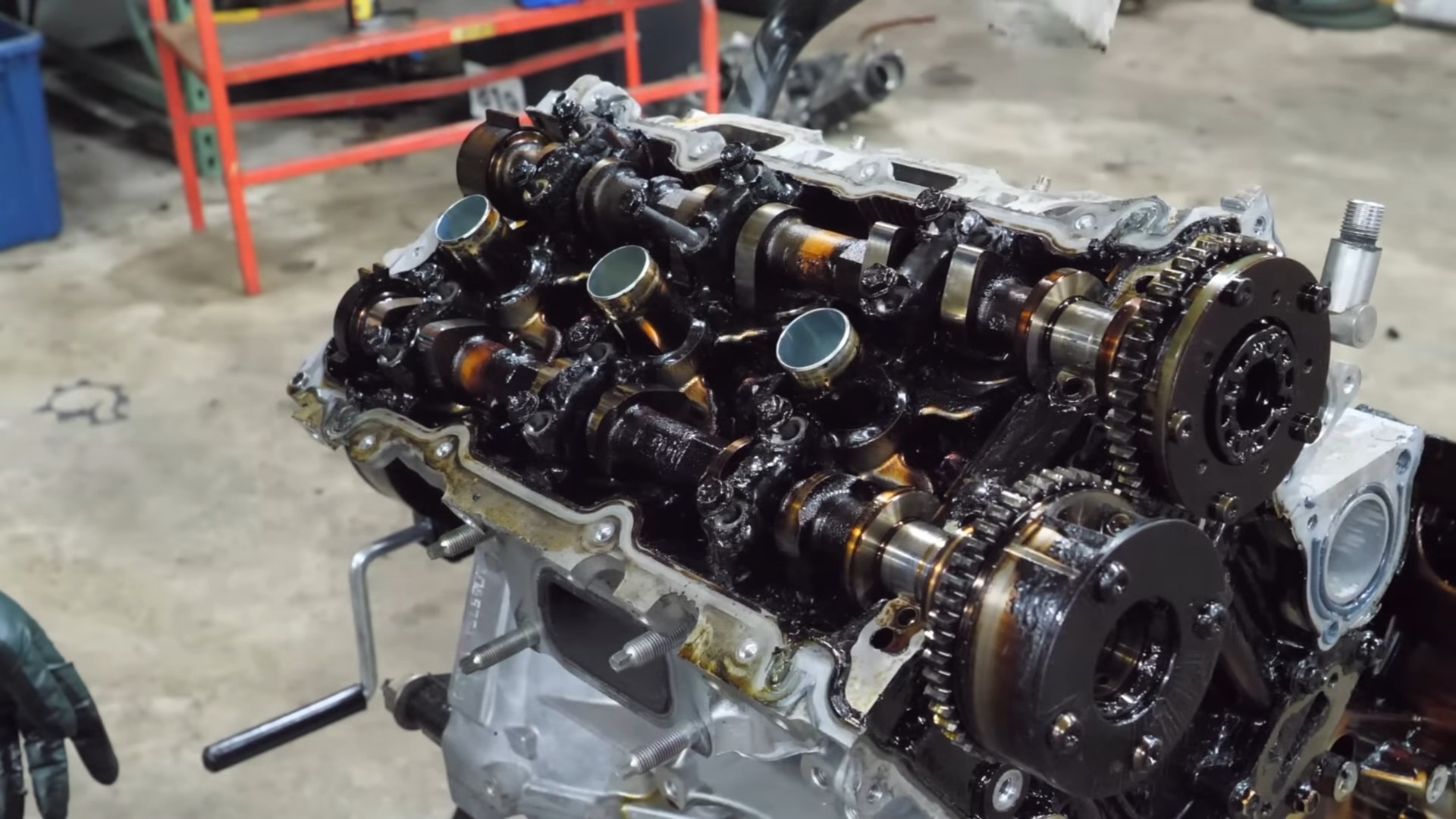
3. Use the Right Motor Oil
Motor oil is a critical fluid that does much more than just lubricate the moving parts inside your engine. It reduces friction, dissipates heat, and helps keep the engine clean by suspending contaminants and preventing corrosion. Using the correct grade of motor oil is crucial for ensuring your Chevy Cruze’s engine operates efficiently.
The wrong oil can increase internal friction or fail to protect components properly, causing the engine to use more fuel than necessary. The manufacturer’s recommendation for the Cruze typically calls for a synthetic 5W-30 oil, a viscosity grade selected to provide the best balance between protection and fuel economy.
Thicker oils tend to flow less easily, especially when the engine is cold. This can increase resistance inside the engine, making it work harder and burn more fuel to move the pistons and other parts. On the other hand, oils that are too thin might not provide enough protection during hot operation or under heavy load, risking premature engine wear.
That’s why it’s important to stick to the viscosity grade and type recommended for your specific model and driving conditions. Synthetic oils, while more expensive upfront, generally maintain their properties better and last longer than conventional oils, providing sustained protection and efficiency.
As motor oil ages, it accumulates dirt, combustion byproducts, and metal particles from engine wear. These contaminants degrade the oil’s lubricating ability and increase engine friction. Delaying oil changes beyond the recommended interval can significantly reduce fuel economy and increase the risk of engine damage.
For Cruze owners, following the oil change schedule outlined in the owner’s manual or indicated by the oil life monitoring system is essential to keep the engine running smoothly and efficiently. Frequent short trips or stop-and-go driving can shorten oil life, so it’s important to consider your driving habits when deciding on oil change frequency.
Using high-quality synthetic oil not only helps maintain fuel economy but can also improve engine performance and longevity. Synthetic oils resist breaking down under heat and maintain consistent viscosity, which means the engine’s moving parts stay better lubricated throughout the driving cycle.
This reduces frictional losses and helps your Cruze deliver the fuel economy it was designed to achieve. Regular oil changes with the right oil are a relatively small investment compared to the cost of engine repairs or poor fuel efficiency over time.
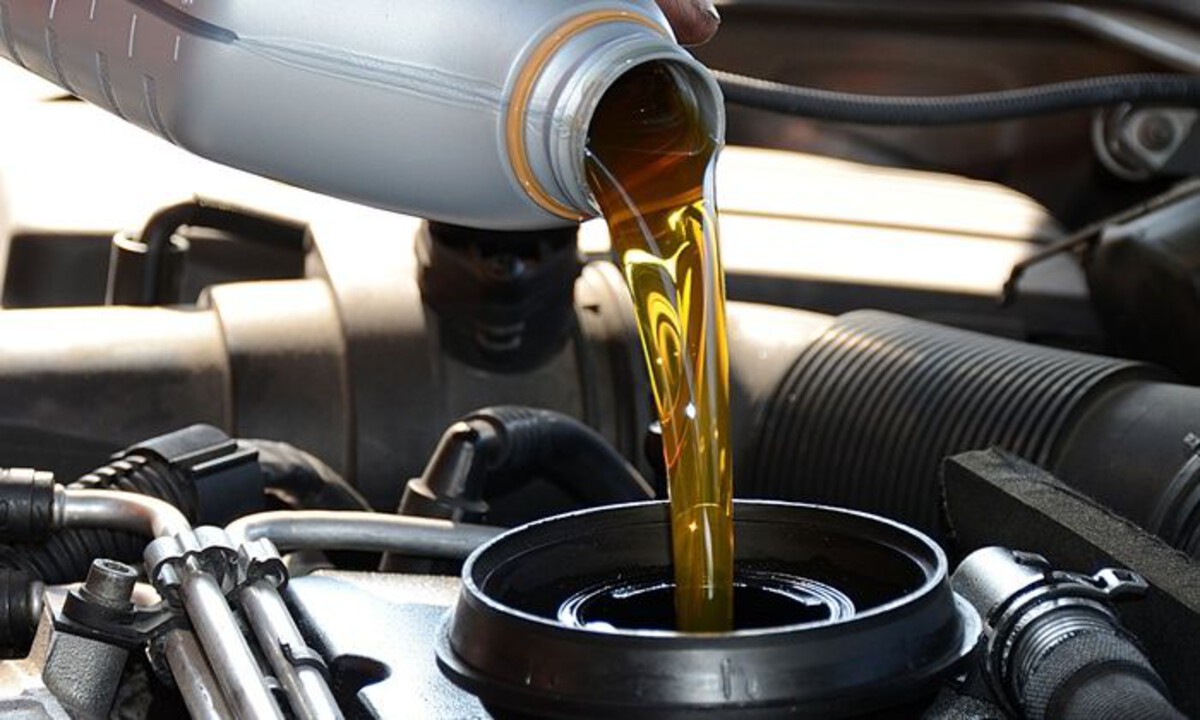
4. Drive Smoothly and Avoid Aggressive Acceleration
The way you drive plays a significant role in how much fuel your Chevy Cruze consumes. Aggressive acceleration, sudden stops, and hard cornering all demand more power from the engine and, as a result, more fuel.
When you floor the gas pedal to quickly merge or speed up, the engine is forced to burn fuel at a much higher rate than if you had gradually increased speed. This type of driving behavior dramatically reduces fuel economy because the engine’s efficiency drops when it is pushed beyond gentle, steady operation.
Smooth driving isn’t just about comfort; it’s about efficiency. Accelerating gently and anticipating traffic flow allows you to maintain a more constant speed, which optimizes fuel consumption. For example, rather than waiting until the last moment to speed up for a green light, easing into acceleration early means less fuel wasted on hard bursts of power.
Similarly, coasting to a stop instead of braking suddenly keeps momentum in the car, reducing the need for rapid acceleration afterward. This approach not only saves gas but also reduces wear on the brakes and tires, lowering maintenance costs over time.
In addition to acceleration habits, maintaining consistent speeds is crucial. Rapid fluctuations in speed force the engine to continually adjust fuel delivery, which is less efficient than steady cruising. Using cruise control on highways helps with this by keeping the speed constant, avoiding unnecessary acceleration and deceleration. For city driving, this isn’t always practical, but even keeping a steady pace in stop-and-go traffic by scanning the road ahead can help reduce fuel consumption.
Aggressive driving also creates more heat and stress on the engine and drivetrain components. Over time, this stress can lead to increased maintenance issues, including faster oil degradation and worn spark plugs, both of which impact fuel economy.
The benefits of smooth driving extend beyond fuel savings to better vehicle health and longevity. By consciously practicing calm, deliberate driving habits, you protect your Chevy Cruze’s fuel economy and enhance your own safety and comfort on the road.

5. Limit Unnecessary Weight in the Vehicle
Adding weight to your vehicle may seem harmless at first glance, but carrying extra pounds significantly affects fuel efficiency. The Chevy Cruze is designed to be light and nimble, making it fuel-efficient under normal loads. However, every additional 100 pounds of cargo can reduce your MPG by about 1 to 2 percent, depending on driving conditions. This means that a heavy load of tools, sports equipment, or other gear stored in the trunk or rear seats slowly forces the engine to burn more fuel to move the same distance.
Many drivers forget about the extra weight they carry around every day. It’s common for cars to become storage areas for everything from grocery bags and gym bags to seasonal items like snow chains or gardening tools. Over time, this clutter adds up, and the Cruze’s engine must work harder to propel the increased load. The effects are especially noticeable during acceleration and when climbing hills, where more power is needed to overcome gravity and inertia.
Roof racks and cargo carriers also add weight and affect aerodynamics. Even if the roof rack is empty, it creates wind resistance that makes the engine work harder to maintain highway speeds. The Cruze’s aerodynamic design helps reduce drag, but any protrusions or external equipment disrupt airflow and cause additional fuel consumption. If you don’t use your roof rack regularly, removing it can improve MPG noticeably, especially on longer trips.
Managing the weight you carry is about being intentional with what stays in your car. Regularly clean out unnecessary items and keep your trunk and cabin free of clutter. Carry only what you need for your daily routine or specific trips. By reducing extra weight and minimizing drag, you help your Chevy Cruze maintain its fuel efficiency and enjoy better handling, braking, and acceleration.
Also Read: 10 Cars With Tricky Seatbelt Buckles for Elderly Passengers
6. Keep Up With Scheduled Maintenance
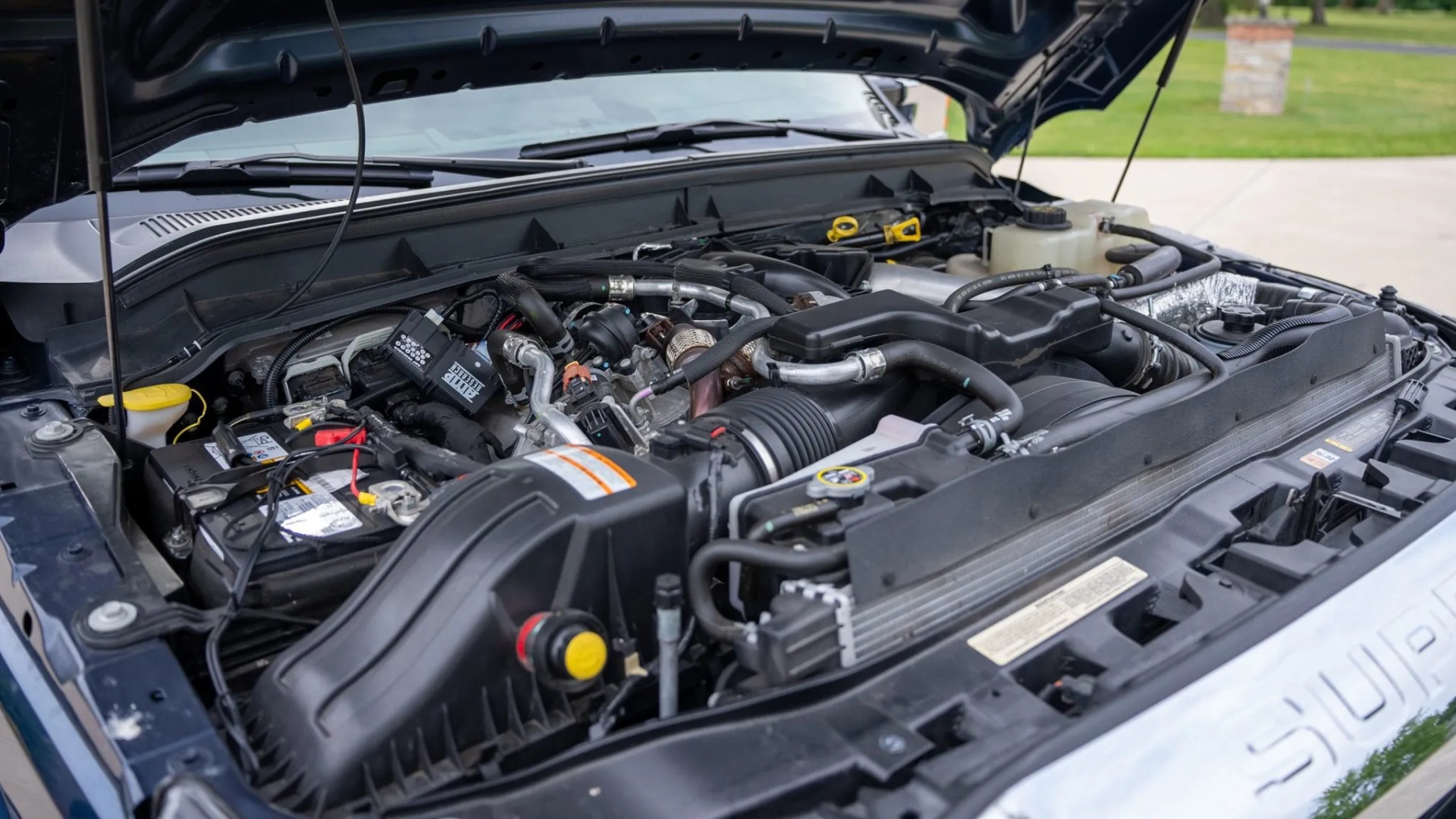
Routine maintenance is the foundation for preserving fuel economy in any vehicle, including the Chevy Cruze. As your car ages and accumulates mileage, parts wear out, fluids degrade, and sensors become less accurate. If these issues are ignored, they can cause the engine to run less efficiently, leading to increased fuel consumption. Regularly following your Cruze’s recommended service intervals ensures all systems function properly and prevents small problems from turning into major fuel-sapping issues.
One of the most important aspects of scheduled maintenance is replacing spark plugs on time. Spark plugs ignite the fuel-air mixture in the engine cylinders, and worn or fouled plugs can cause misfires or incomplete combustion. This results in wasted fuel and reduced engine performance. For the Cruze, replacing spark plugs around the manufacturer’s suggested mileage helps keep combustion efficient and fuel usage optimal.
Fuel system maintenance is equally critical. Dirty fuel injectors or clogged fuel filters restrict the flow of fuel into the engine, forcing it to work harder. This inefficiency lowers MPG. Using a fuel system cleaner periodically and replacing fuel filters as recommended can help keep injectors spraying fuel evenly and engines running smoothly.
Additionally, oxygen sensors play a major role in managing the fuel-air mix. If these sensors become faulty, the engine may run rich (too much fuel), wasting gas and reducing efficiency.
Transmission fluid, coolant, and air filters also require regular attention. Transmission issues can cause slipping or delayed shifting, leading to higher fuel consumption. Clean coolant helps maintain optimal engine temperature, preventing overheating or excessive cold running, both of which affect fuel use. Air filters, as mentioned earlier, are vital for keeping airflow steady and clean. Neglecting any of these maintenance tasks can quietly drain your fuel economy over time.
Keeping a maintenance log and following the intervals listed in your owner’s manual is the best way to protect your Cruze’s fuel efficiency. Service centers can also perform diagnostic checks to identify problems before they become obvious or costly. By investing a little time and money in scheduled maintenance, you not only maintain your fuel economy but also extend the life and reliability of your vehicle.
7. Reduce Idle Time
Idling is one of the easiest ways to waste fuel without getting anywhere. When your Chevy Cruze’s engine is running but the vehicle is not moving, the engine still consumes fuel to keep itself going. Although modern engines are more efficient than ever, prolonged idling can still cause significant fuel consumption that adds up over time. For example, waiting in long drive-thru lines, sitting in traffic jams, or warming up your car on cold mornings can all lead to unnecessary fuel loss if done excessively.
Many drivers believe it’s beneficial to warm up their car by letting it idle for several minutes before driving, especially in colder climates. However, this is a misconception. Today’s fuel-injected engines, like those in the Cruze, warm up faster when driven gently rather than sitting still.
The engine reaches its optimal operating temperature more quickly under load, which actually improves fuel efficiency and reduces emissions. Idling for more than 30 seconds, except in traffic, is usually a waste of fuel.
Modern vehicles sometimes include stop-start technology that automatically shuts off the engine when the car is stationary and restarts it when the brake is released. This feature is designed to reduce idle fuel consumption, especially in stop-and-go traffic.
However, not all Cruzes are equipped with this system, especially older models. For drivers without it, manually turning off the engine during long stops, such as when waiting for more than a minute or two, can save a surprising amount of fuel over the course of a year.
Beyond fuel savings, reducing idle time helps prevent engine wear and minimizes air pollution. Idling engines emit more pollutants than those running at operating temperature because combustion is incomplete. Reducing idle time not only protects your wallet but also contributes positively to the environment and helps keep your Cruze running cleaner and more efficiently.
8. Use A/C Wisely
Air conditioning provides comfort, especially in hot weather, but it can be one of the larger contributors to increased fuel consumption in a car like the Chevy Cruze. When the A/C compressor engages, it places an extra load on the engine, requiring additional fuel to maintain performance. Depending on how often and how aggressively you use the air conditioning, your MPG can drop anywhere from 5 to 10 percent or more, especially in stop-and-go driving or during heavy use.
Using A/C efficiently means being mindful of when and how you turn it on. If the vehicle has been parked in the sun for a while, start by opening the windows to let hot air escape before turning on the A/C.
Using the recirculate setting rather than pulling in outside air helps cool the cabin more quickly and reduces the compressor’s workload because it’s cooling already cooled air. Additionally, rather than setting the A/C to the coldest temperature right away, setting it to a comfortable but moderate temperature can save fuel.
At lower speeds, such as in city driving, it might be more fuel-efficient to roll down the windows instead of running the A/C. This reduces the strain on the engine caused by powering the compressor. However, at highway speeds, open windows increase aerodynamic drag and can actually reduce fuel economy. So, on longer trips, it’s often better to keep the windows up and use the air conditioning moderately.
Balancing comfort and efficiency with your A/C use can make a noticeable difference in your fuel consumption, especially during summer months or in hotter climates. Being strategic about how you use air conditioning helps keep the Cruze comfortable without sacrificing too much in fuel economy.

9. Keep Wheels Aligned and Balanced
Proper wheel alignment and balancing are vital to maintaining optimal fuel economy in the Chevy Cruze. When your wheels are not aligned correctly, they do not point straight ahead, causing the tires to drag or scrub against the road surface.
This misalignment creates extra resistance and forces the engine to work harder, leading to increased fuel consumption. Over time, poor alignment also causes uneven tire wear, which reduces tire life and negatively affects handling and safety.
Balancing the wheels is equally important for smooth driving and fuel efficiency. Unbalanced wheels cause vibrations at certain speeds, which can feel uncomfortable and put additional strain on the suspension components. These vibrations force the vehicle’s systems to compensate, wasting energy and reducing fuel economy. Balanced wheels ensure that the weight is evenly distributed around the tire, allowing for smooth rotation and reducing wear on tires and other components.
Signs that your wheels may be out of alignment or unbalanced include the car pulling to one side, uneven tire wear patterns, or noticeable vibrations through the steering wheel or seat. If you experience any of these symptoms, it’s a good idea to have a professional inspection. Many service centers offer free or low-cost alignment checks and can correct these issues quickly.
Routine alignment and balancing not only improve fuel efficiency but also enhance driving comfort and safety. Keeping your Chevy Cruze’s wheels properly maintained helps ensure it runs smoothly, handles predictably, and uses fuel as efficiently as possible. It’s a relatively low-cost maintenance item with high returns in both performance and fuel savings.

10. Check the Oxygen Sensor
The oxygen sensor is an essential component in your Chevy Cruze’s engine management system. Located in the exhaust stream, it measures the amount of oxygen in the exhaust gases and sends this information to the engine control unit (ECU).
The ECU then adjusts the fuel injection system to ensure the engine receives the optimal air-fuel mixture for combustion. If the oxygen sensor is faulty or failing, it can cause the engine to run either too rich (excess fuel) or too lean (insufficient fuel), both of which reduce fuel efficiency.
A malfunctioning oxygen sensor can cause a significant drop in MPG, sometimes by as much as 15 to 20 percent. The engine compensates for faulty readings by delivering more fuel than necessary to avoid running lean, which wastes gas. Over time, this leads not only to higher fuel consumption but also to increased emissions and potential damage to the catalytic converter.
Oxygen sensors don’t always fail suddenly. More often, they degrade gradually, meaning the problem can go unnoticed until fuel economy noticeably drops or the check engine light comes on. Regular diagnostic scans, either at a service center or with an OBD-II reader, can detect early signs of sensor failure before they cause serious issues.
Replacing a faulty oxygen sensor is relatively inexpensive and can be done quickly. Once replaced, many drivers notice an immediate improvement in fuel economy, engine responsiveness, and smoother operation. It’s a small investment that ensures your Cruze’s engine management system operates correctly, maximizing fuel efficiency and minimizing harmful emissions.
