

The Toyota RAV4 has become one of the most dependable and popular compact SUVs globally. Built with durability in mind and a strong reputation for reliability, the RAV4 has earned the trust of families, commuters, and outdoor enthusiasts alike. But reaching 300,000 miles on any car, no matter how reliable, requires more than just good intentions.
It takes a combination of disciplined maintenance, mindful driving, and a long-term commitment to keeping the vehicle in top condition. The RAV4 is built to last, but it still relies heavily on how it’s treated by its owner. With consistent care and a proactive mindset, this SUV can go far beyond the average vehicle’s lifespan.
For most drivers, getting a car past 150,000 miles is already seen as a significant achievement. Hitting the 200,000-mile mark is often celebrated. But reaching 300,000 miles is something that only a small percentage of drivers achieve, and it doesn’t happen by accident.
It involves careful planning, attention to every sound and vibration, and the willingness to invest time and money into keeping every system of the vehicle running smoothly. It’s about understanding the vehicle’s needs and meeting them at every step, even when it’s inconvenient or costly in the short term. Those who do reach this milestone are often the most detail-oriented, informed, and disciplined car owners.
High-mileage RAV4 owners share several traits: they track oil changes religiously, they choose quality parts over cheap alternatives, and they fix problems before they become disasters. They don’t just drive their vehicles; they know them inside and out.
From the cooling system to the suspension to the tiniest rubber bushing, nothing is overlooked. They also respect the vehicle’s limits. That means no reckless towing, no unnecessary idling, and no ignoring that strange vibration or blinking warning light. Each decision is made to extend the vehicle’s usable life.
This article breaks down the nine most effective habits and strategies that help owners push their Toyota RAV4 to the 300,000-mile milestone and beyond. These tricks aren’t gimmicks; they’re practical, proven techniques rooted in basic mechanical understanding and real-world experience. Whether you’re just starting with a new RAV4 or are trying to extend the life of an older model, these principles can make all the difference.
Also Read: 10 Cars With Tricky Seatbelt Buckles for Elderly Passengers
1. Stick to a Consistent Maintenance Schedule
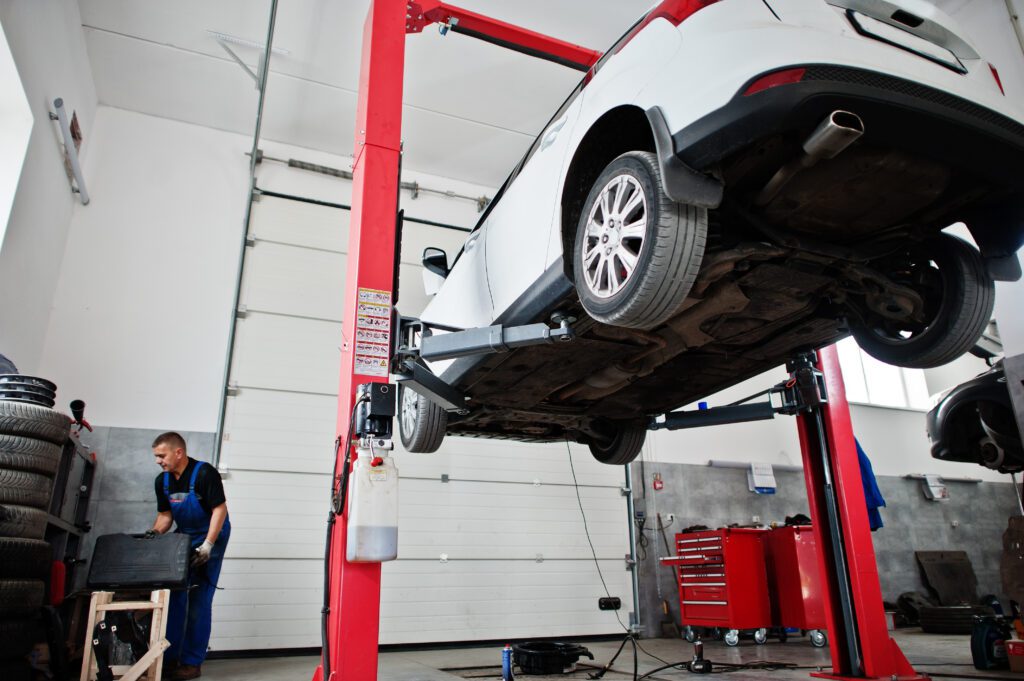
One of the most important habits for any long-term vehicle owner is maintaining a strict service schedule. Many people skip routine maintenance because their car seems to be running fine, but that’s exactly the problem. Most issues in vehicles develop quietly and gradually.
By the time you notice something’s wrong, it may have already caused internal damage. A consistent maintenance schedule addresses the needs of your RAV4 before they turn into serious mechanical failures. That includes routine oil changes, air filter replacements, tire rotations, and fluid checks, all performed on time, not just when you feel like it.
Oil changes are perhaps the single most important maintenance task you can perform. The oil keeps your engine lubricated and reduces friction, which in turn lowers engine temperatures and wear. Using the right grade of oil and changing it regularly keeps the engine clean and efficient.
Old, dirty oil can turn into sludge and clog critical pathways in the engine, leading to overheating and even failure. Sticking to an oil change every 3,000 to 5,000 miles with synthetic oil is a smart rule of thumb, especially for those who drive in stop-and-go traffic or under heavy loads.
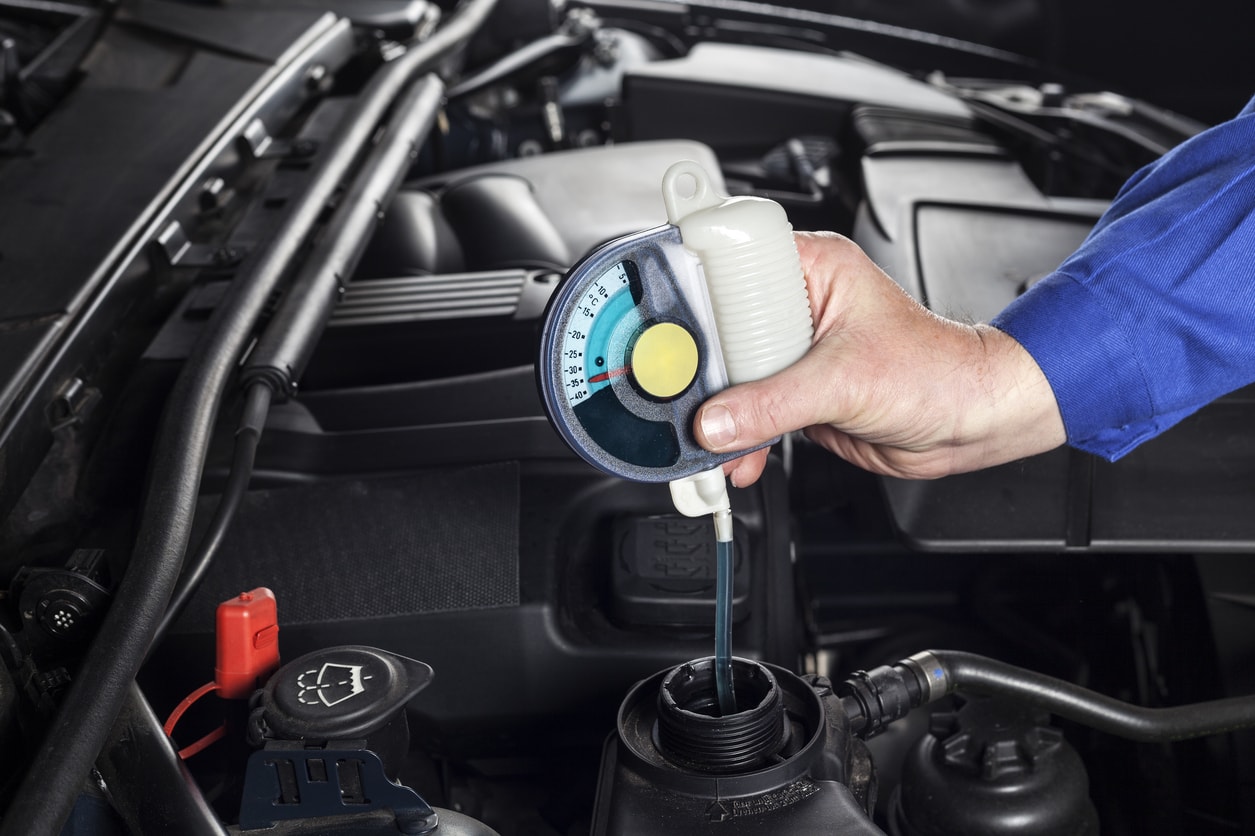
Fluid maintenance goes beyond just engine oil. Coolant, transmission fluid, brake fluid, and even windshield washer fluid all play vital roles in vehicle health. For example, dirty transmission fluid can cause slipping and harsh shifting, while old coolant can corrode your radiator and heater core.
Every fluid has a life expectancy and begins to break down over time. Following your RAV4’s maintenance manual and checking these fluids monthly keeps your systems running as they should.
Finally, maintenance is more than just doing the bare minimum. High-mileage RAV4 owners often go the extra mile by checking belts, hoses, spark plugs, and other wear-prone parts before they fail. Replacing these parts early may seem excessive, but it’s a lot cheaper than dealing with the consequences of a breakdown. Preventive maintenance saves time, money, and frustration, and it’s essential to reaching the 300,000-mile mark.
2. Use High-Quality Fluids and Parts
The difference between a vehicle that lasts and one that doesn’t often comes down to the quality of the materials used to maintain it. While it might be tempting to grab the cheapest oil, filters, and replacement parts, that choice can come back to haunt you over time.
The RAV4 is designed to operate with specific tolerances and materials, and subpar components can accelerate wear or even cause damage. High-quality fluids and parts may cost more upfront, but they provide superior protection and performance, making them a smart investment for anyone aiming for long-term durability.
Synthetic oil, for instance, is far more stable at high temperatures than conventional oil. It resists breaking down, maintains viscosity, and flows better at startup, all of which protect engine components during the most stressful moments. This is particularly important if you drive in extreme heat, cold, or heavy traffic, where oil is under constant pressure. The engine in a RAV4 is built to last, but it needs proper lubrication, and synthetic oil provides that for a longer period than standard alternatives.
When it comes to filters, air, oil, fuel, and cabin, not all are created equal. Premium filters capture more contaminants and allow for better airflow. A clogged air filter forces the engine to work harder to draw in oxygen, reducing efficiency and power. Inferior oil filters may allow dirt and metal particles to circulate, damaging engine bearings and internal surfaces.
Cabin filters, often overlooked, can even impact HVAC performance if neglected too long. Sticking with OEM filters or trusted aftermarket brands ensures your RAV4 gets what it needs to stay clean and efficient.
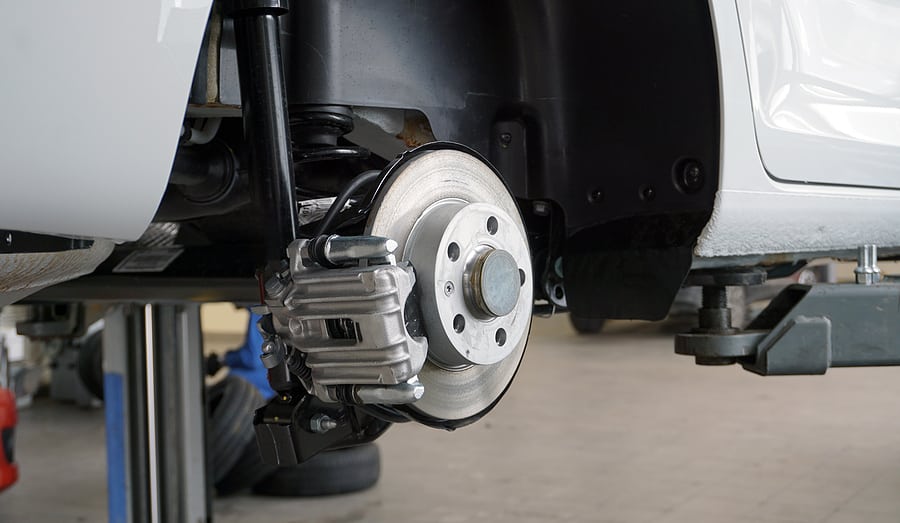
Even larger parts like brake pads, spark plugs, belts, and suspension components should be chosen carefully. Cheap parts wear out quickly, leading to more frequent replacements and even the risk of damaging surrounding systems. For example, low-quality brake pads can wear unevenly, damaging rotors and affecting stopping performance. Spending a bit more on premium components pays off by delivering consistent performance, better longevity, and fewer mechanical issues down the line.

3. Practice Gentle Driving Habits
Driving style has a direct and measurable impact on a vehicle’s long-term health. Aggressive driving, rapid acceleration, hard braking, sharp turns, and unnecessary idling can shorten the life of nearly every component in your Toyota RAV4. Many high-mileage owners will tell you that the way you drive matters just as much as how often you maintain the vehicle. Smooth and consistent operation places less stress on the engine, transmission, brakes, and suspension, which helps them last significantly longer.
Acceleration is one of the biggest stressors on your engine and transmission. Flooring the gas pedal might feel fun or necessary in certain situations, but it sends a wave of force through the drivetrain that increases wear. Gentle acceleration allows engine oil and transmission fluid to properly circulate and protects internal parts from friction. It also helps fuel injectors, pistons, and valves operate within safe thermal and mechanical limits, which is crucial as the vehicle ages.
Braking habits are just as important. Constant hard braking leads to rapid wear on brake pads and rotors, and it increases heat that can warp or crack these components. In the long run, this leads to more frequent and expensive brake replacements.
Good driving habits involve looking ahead, anticipating traffic, and slowing down gradually. This not only protects your braking system but also reduces the chance of accidents or emergency repairs.
Idling might seem harmless, but it can be incredibly damaging over time. When your car is idling, it’s burning fuel inefficiently and producing excess carbon buildup in the engine. Modern engines are designed to warm up quickly while driving, not while sitting still.
Long idling sessions contribute to engine wear and waste gas. Instead, start your RAV4, give it 30 seconds to 1 minute, and then begin driving gently. This approach allows the oil to circulate while putting the engine under only light load, ideal for long-term health.
4. Address Issues Promptly
One of the clearest indicators of a long-lasting Toyota RAV4 is how quickly and decisively its owner deals with mechanical or performance issues. Ignoring problems, even seemingly minor ones, is one of the fastest ways to reduce a vehicle’s lifespan.
Unusual sounds, warning lights, changes in fuel efficiency, or even a faint vibration in the steering wheel can all be early signs of a bigger issue brewing. Those who reach 300,000 miles consistently pay attention to these early warning signs and act on them quickly, preventing small problems from evolving into large and expensive repairs.
For example, something as simple as a faint whining noise during acceleration might indicate a failing belt, low transmission fluid, or an issue with a wheel bearing. If ignored, this could lead to a snapped serpentine belt, transmission overheating, or even a seized wheel hub. By addressing the sound early, a relatively minor repair can be made for a small cost. But letting it go could result in being stranded on the side of the road with a tow truck on the way, and a much bigger repair bill waiting.
One of the most critical systems to monitor is the cooling system. An overheating engine can be catastrophic, and it often starts with a slow coolant leak or a stuck thermostat, problems that are easy and cheap to fix if caught early.
Drivers who pay attention to coolant levels, temperature gauges, and any odd smells coming from the engine bay are better positioned to prevent overheating disasters. Replacing a thermostat or a radiator hose is a simple task, but replacing an overheated head gasket or warped cylinder head can cost thousands.
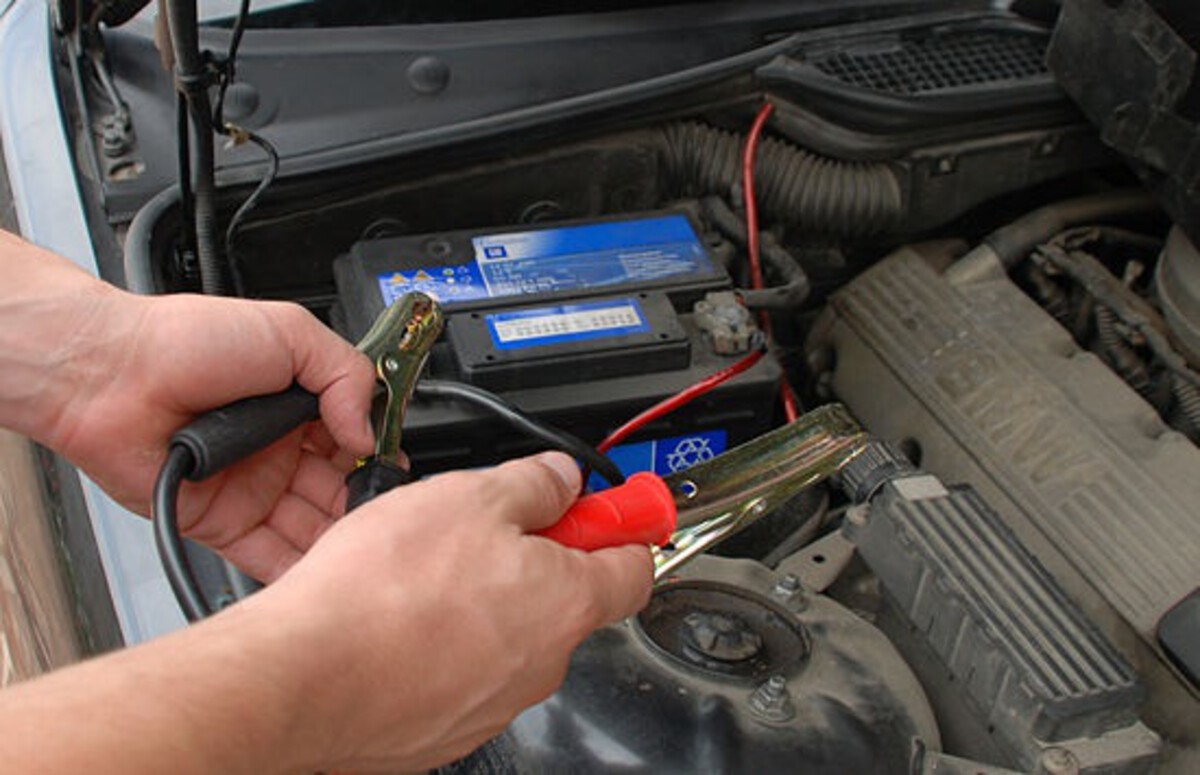
Even non-mechanical issues, like electrical malfunctions or battery corrosion, should be addressed immediately. A small short in a wire or a dirty battery terminal might not seem important, but over time, it can result in erratic electrical behavior that affects sensors, lights, and engine timing.
High-mileage owners often use basic tools and a maintenance routine to regularly inspect and clean battery terminals, test fuses, and ensure that their RAV4’s electronic systems are in top shape. In the long run, prompt action prevents decay, downtime, and major failures.
5. Keep the Engine Clean and Cool
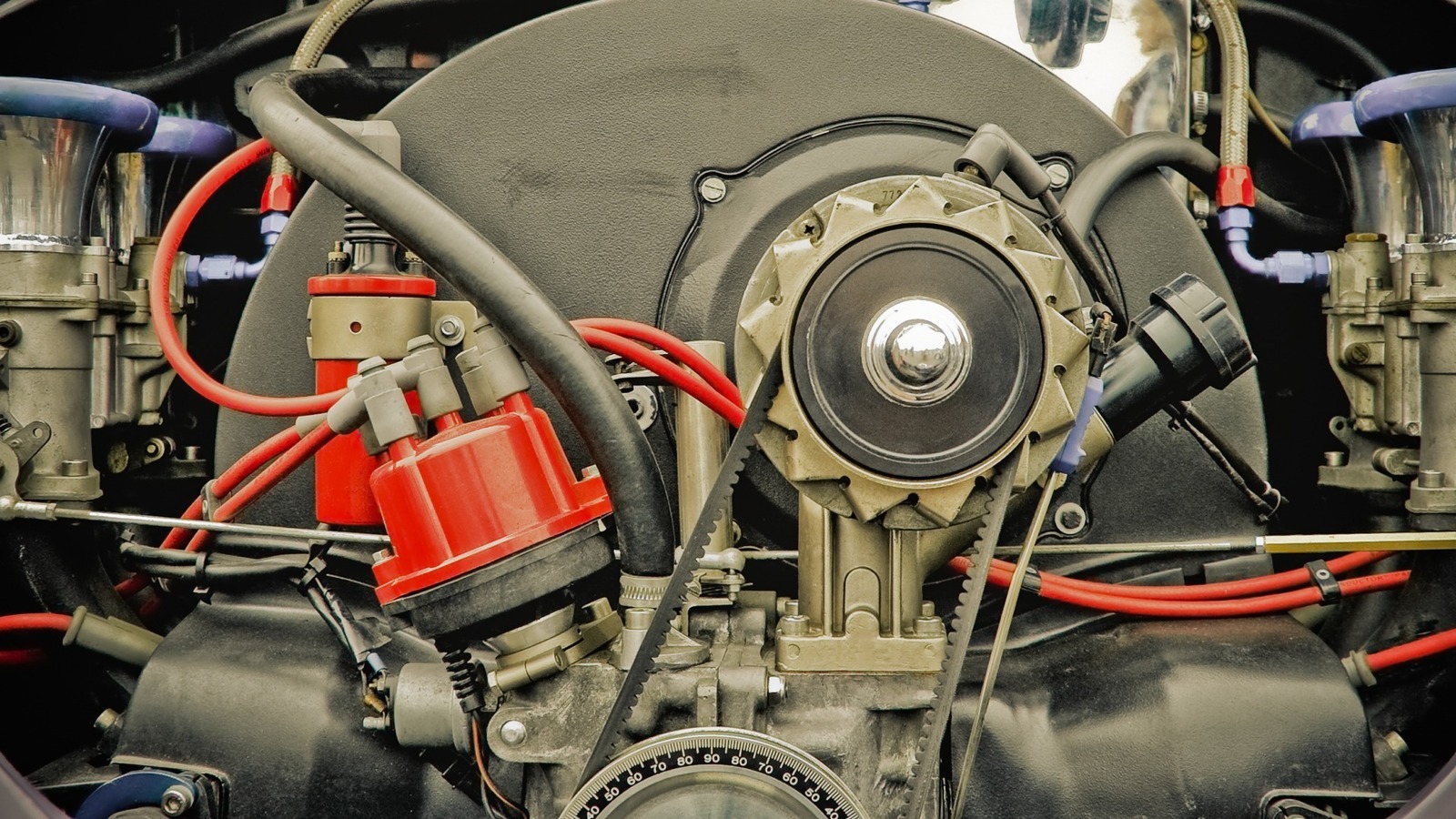
The engine is the heart of any vehicle, and keeping it both clean and cool is essential if you want it to run for 300,000 miles or more. Heat is one of the primary enemies of engine longevity, and over time, excessive or poorly managed heat can warp components, damage seals, and increase internal wear.
Likewise, a dirty engine, whether externally or internally, will not perform at its best. Owners who maintain a clean engine, both in terms of appearance and internal cleanliness, tend to experience fewer breakdowns and smoother performance.
Coolant system maintenance is at the top of the list when it comes to engine care. The coolant circulates through the engine block and radiator to manage operating temperature, and when the system fails, overheating occurs. Flushing the coolant system every few years helps remove scale, sediment, and rust that can clog the radiator and restrict flow.
Replacing worn radiator hoses, the thermostat, and the radiator cap can all improve pressure regulation and cooling efficiency. If the water pump begins to leak or make noise, replacing it before it fails is far less costly than dealing with the aftermath of an overheated engine.
Keeping the engine bay clean may not seem important at first glance, but it has practical benefits. Dirt and oil buildup trap heat and reduce the effectiveness of natural airflow around engine components. In addition, leaks are easier to spot when the engine is clean.
A little oil around a valve cover gasket might not be obvious if the engine is coated in grime, but a clean engine bay allows you to spot and fix leaks while they’re still minor. Regular degreasing with a mild cleaner and cloth can make this task simple and safe.
Internally, engine cleanliness is achieved through frequent oil changes with quality synthetic oil and using top-tier fuel that contains detergents. These detergents reduce carbon deposits inside the combustion chamber, on the fuel injectors, and along the intake valves.
High-mileage owners sometimes use fuel additives sparingly to clean out deposits and keep fuel system components working well. While not a replacement for regular maintenance, these tools can help extend the efficiency and smoothness of the engine over time.
Also Read: 10 Cars With Tricky Seatbelt Buckles for Elderly Passengers
6. Maintain the Transmission Properly
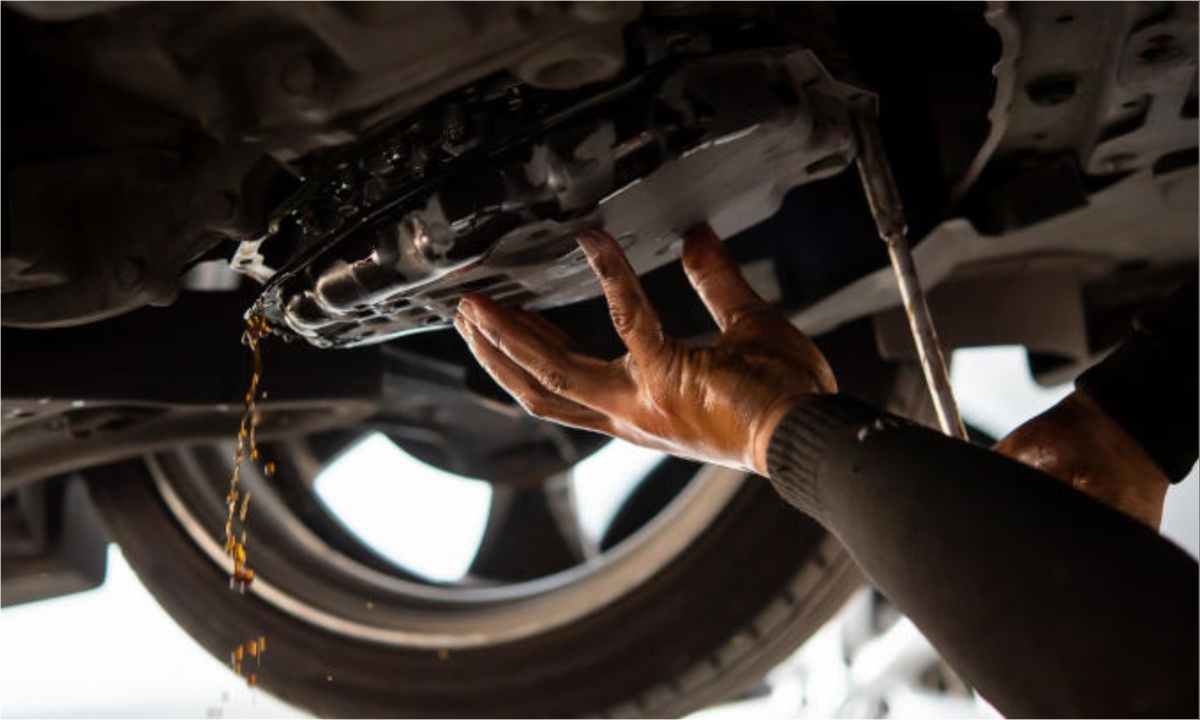
If the engine is the heart of the vehicle, the transmission is its nervous system, channeling power to the wheels with precision and control. Yet the transmission is also one of the most commonly neglected systems. People often don’t think about their transmission until it starts slipping or making noise, and by then, significant damage may already be done.
Those who keep their RAV4s running for 300,000 miles pay close attention to transmission maintenance, understanding that this complex component needs just as much care as the engine.
Changing the transmission fluid at regular intervals is the most effective way to extend transmission life. Over time, transmission fluid becomes contaminated with debris and heat-damaged particles. If left unchanged, this fluid can no longer protect gears, valves, and seals from excessive wear.
Dirty fluid also causes the transmission to run hotter, and heat is the number one enemy of transmission components. While opinions vary on the exact timing of fluid changes, most high-mileage owners recommend changes every 30,000 to 60,000 miles using Toyota-approved fluid.
Transmission cooling is another important but overlooked area. On RAV4 models that are used for towing, driving in the mountains, or traveling in very hot climates, the transmission works harder and runs hotter.
In these cases, installing an external transmission cooler can drastically reduce internal temperatures and prolong the lifespan of the transmission fluid and parts. Many DIYers install a basic cooler in front of the radiator to help dissipate heat before it can do damage. It’s a small investment that can extend the life of the entire vehicle.
Driving behavior also affects the transmission. Sudden acceleration, abrupt stops, and shifting between drive and reverse while still rolling can all stress the transmission unnecessarily.
High-mileage drivers often allow their car to come to a complete stop before shifting gears, and they accelerate gradually to prevent jolting the transmission. In cold weather, they may let the vehicle idle for a minute or two to allow fluids to circulate, especially before engaging in heavy driving. These small habits collectively make a huge difference over thousands of miles.
7. Regularly Inspect and Replace Suspension Components
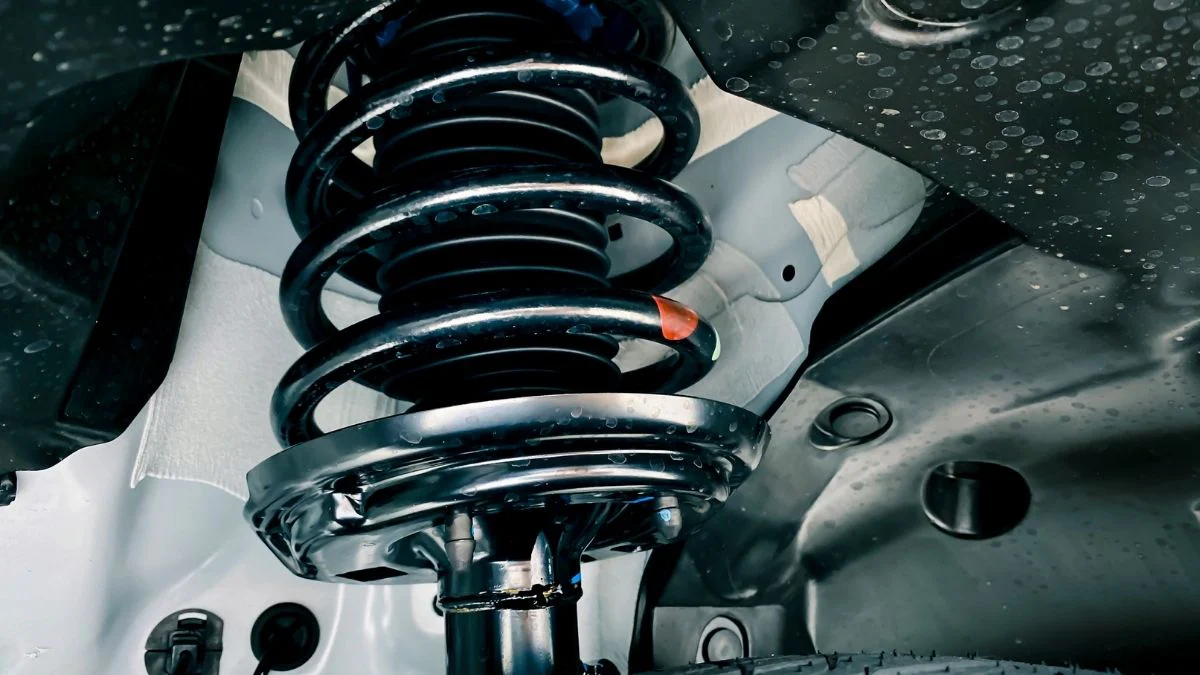
The suspension system plays a critical role in the health of your RAV4, not just in terms of ride quality but also in how it protects the frame and other mechanical components. When suspension parts wear out, the effects are felt throughout the vehicle.
Poor suspension can lead to uneven tire wear, poor steering response, vibrations, and even increased strain on the drivetrain. High-mileage RAV4 owners understand this and treat the suspension system as a core area for routine inspection and timely replacement.
Shock absorbers and struts are the first suspension parts to wear down, usually between 50,000 to 100,000 miles, depending on driving conditions. As they wear out, they lose their ability to control wheel movement. This makes the ride bouncier and causes the tires to lose consistent contact with the road.
Not only is this dangerous in emergencies, but it also increases wear on ball joints, tie rods, and bushings. Replacing worn shocks and struts early helps preserve other components and maintains predictable handling.
Bushings, sway bar links, and control arms also degrade over time, especially in vehicles driven in rough or icy conditions. Rubber bushings crack and lose elasticity, leading to clunking sounds and imprecise handling. If left unattended, the extra movement caused by failing bushings can affect alignment and increase vibration. Regular visual inspections underneath the car and occasional visits to a trusted mechanic help catch these issues before they turn into safety concerns or expensive repairs.
Alignment checks should be part of routine maintenance, especially after replacing suspension parts or hitting potholes. Misalignment leads to uneven tire wear and makes the vehicle pull to one side. This not only wears out tires prematurely but also causes the driver to fight the steering wheel on long drives.
High-mileage RAV4 owners know the value of getting alignments checked at least once a year or whenever new tires are installed. Maintaining straight and level alignment reduces long-term stress on steering components and ensures a smoother, quieter ride.
8. Protect the Exterior and Underbody
While most people focus on what’s under the hood, those who reach 300,000 miles with their Toyota RAV4 understand that protecting the exterior, especially the underbody, is just as important.
Corrosion doesn’t just affect the look of the vehicle; it can compromise its structural integrity, ruin suspension mounting points, eat through brake and fuel lines, and eventually render a vehicle unsafe or irreparable. Protecting the body and frame from rust and deterioration is one of the smartest moves a long-term RAV4 owner can make.
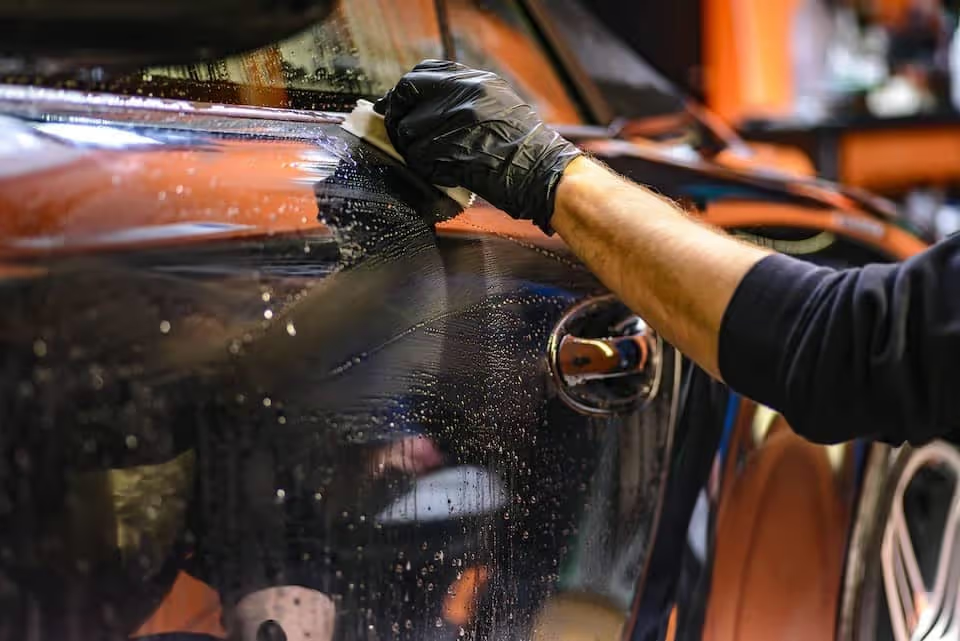
This begins with regular washing, especially in regions that experience snow or use road salt during the winter. Salt is highly corrosive and will cling to the underbody, wheel wells, and suspension components long after roads have cleared.
Rinsing off the salt every few weeks and giving the undercarriage a deep clean at the end of the winter season helps prevent rust from forming. A quality underbody wash at a car wash or done at home with a pressure washer can remove debris and salt from even hard-to-reach places.
Applying rust protection products, such as undercoating sprays or oil-based rust inhibitors, provides a second layer of defense. These treatments bond to the metal and repel moisture, preventing corrosion from starting or spreading. Some owners apply rustproofing every 1 to 2 years, particularly if they drive on salted roads or near the ocean. While this may seem excessive, it’s a small investment compared to the cost of welding, structural repairs, or the loss of the vehicle due to corrosion.
Paint maintenance matters too. Keeping the exterior clean and waxing it regularly protects the paint layer from UV damage, oxidation, and environmental pollutants. Chips and scratches should be addressed promptly with touch-up paint or sealant to prevent exposed metal from rusting.
Even something like clogged sunroof drains or deteriorated weather stripping can cause water to leak into the cabin, damaging electronics and encouraging mold or rust in hidden areas. Every detail matters when aiming for the 300,000-mile goal, and keeping the vehicle’s exterior in top shape is one of the clearest signs of a serious and committed car owner.
9. Monitor Tire Health and Drive with Proper Alignment
Tires may not seem like they directly impact engine or transmission longevity, but they’re a crucial part of keeping a RAV4 running safely and smoothly into the high-mileage zone. Worn or improperly inflated tires create extra resistance, which forces the engine and transmission to work harder.
They also increase stopping distances, reduce traction, and lead to uneven wear on suspension components. That’s why those aiming for 300,000 miles treat tire care as an essential part of vehicle maintenance.
Tire pressure should be checked at least once a month and always before long road trips. Driving on underinflated tires reduces fuel efficiency and generates more heat, increasing the risk of a blowout.
Overinflated tires, on the other hand, offer less grip and wear down the center tread more quickly. The correct pressure can be found in the door jamb sticker and should be maintained consistently. Investing in a good quality tire gauge and checking pressures at home ensures that this critical maintenance step isn’t overlooked.
Tire rotation is another necessary habit. Front and rear tires wear differently due to steering, braking, and drivetrain forces. Rotating tires every 5,000 to 7,000 miles ensures even wear, extends tire life, and maintains balanced handling. Uneven tire wear can lead to vibrations and make suspension components like tie rods and control arms work harder. Skipping rotations might not cause an immediate failure, but over time, it adds unnecessary stress to the vehicle’s systems and leads to more frequent replacements.
Wheel alignment plays a major role as well. Even slightly misaligned wheels can pull the vehicle to one side, create extra resistance, and cause tires to wear unevenly. Misalignment can result from hitting potholes, curbs, or just regular driving over rough roads.
High-mileage RAV4 owners typically get alignments checked once a year or anytime new tires are installed. Some also get it done after replacing suspension parts. Proper alignment doesn’t just protect the tires; it keeps the entire steering and suspension system operating as intended.

10. Keep a Maintenance Log and Learn Your Vehicle
The final and often overlooked strategy to help a Toyota RAV4 reach 300,000 miles is maintaining a detailed service log and developing a deeper understanding of how the vehicle behaves over time. While regular maintenance and high-quality parts are essential, keeping track of everything you do and how the vehicle responds to it, adds another layer of control and insight.
A written or digital log becomes an invaluable tool that helps you notice patterns, predict upcoming needs, and make smarter decisions. Long-term RAV4 owners often credit their attention to documentation and familiarity with their car for catching problems early and making informed repair choices.
A maintenance log should include oil changes, fluid top-offs, part replacements, tire rotations, battery changes, and even simple things like when you replaced wiper blades. Include the date, mileage, and what was done. Over time, this log shows clear trends.
For instance, if you see that your brakes usually last 60,000 miles, you’ll know when to start planning for the next replacement. Or if you had a battery fail after only two years, you can prepare for a warranty claim or investigate why it didn’t last. Without a log, it’s easy to forget when things were done or miss signs of recurring issues.
Learning how your RAV4 sounds, feels, and responds is just as important as logging service. You don’t need to be a mechanic, but having a baseline for what’s “normal” helps you quickly recognize when something changes. Maybe the engine idles slightly louder than usual, or the transmission starts hesitating before shifting.
Maybe the steering feels a bit looser than last month. These are subtle differences, but high-mileage owners notice them. Familiarity allows you to act quickly, saving the vehicle from further damage and giving you the advantage when speaking to a mechanic.
Lastly, learning the quirks of your specific RAV4 model year, common issues, known recalls, and best replacement parts makes your ownership more informed and efficient. Online forums, user manuals, and even local RAV4 owner communities are full of knowledge from people who have pushed their vehicles past 200,000 and 300,000 miles.
You don’t have to guess what works or doesn’t; you can learn from those who’ve done it. When you combine this knowledge with a solid logbook and consistent habits, your RAV4 becomes more than just a daily driver, it becomes a well-managed machine capable of going the distance.
