

The Honda Odyssey has long been a trusted vehicle for families, known for its spacious interior, smooth ride, and reliable performance. But even a minivan as reputable as the Odyssey is not invincible. Families push vehicles to their limits.
Between daily commutes, grocery runs, sports practice, road trips, and spilled juice boxes, a family vehicle goes through more wear and tear in a year than most vehicles see in several. Kids climb in with muddy shoes, teenagers slam the doors, and pets shed hair across the upholstery. Under all this pressure, even the most robust van can start showing signs of strain if not properly maintained.
Keeping a Honda Odyssey in good shape through years of family use requires attention, routine, and some willingness to get your hands a little dirty, or, at the very least, to stay consistent with service appointments. Many people mistakenly think that a reliable vehicle can take care of itself, but reliability is the result of good care, not a substitute for it.
Even something as seemingly simple as checking tire pressure regularly can add months or even years to a vehicle’s useful life. The good news is that you don’t have to be a mechanic to help your Odyssey survive the daily punishment of family use. It’s about creating habits that protect the vehicle’s structure, appearance, and performance.
This guide outlines ten practical and important steps that help your Odyssey not just survive but serve your family reliably for years. From simple maintenance routines to smarter driving habits, each step is aimed at reducing long-term costs, avoiding breakdowns, and keeping the vehicle comfortable and safe for everyone riding in it.
These aren’t just tips for car enthusiasts; they’re guidelines for any parent or caregiver juggling a busy household. If you own a Honda Odyssey or are considering one as your family hauler, these ten steps can make all the difference between a van that wears down quickly and one that becomes a trusted part of your family’s life.
Also Read: 10 Cars With Tricky Seatbelt Buckles for Elderly Passengers
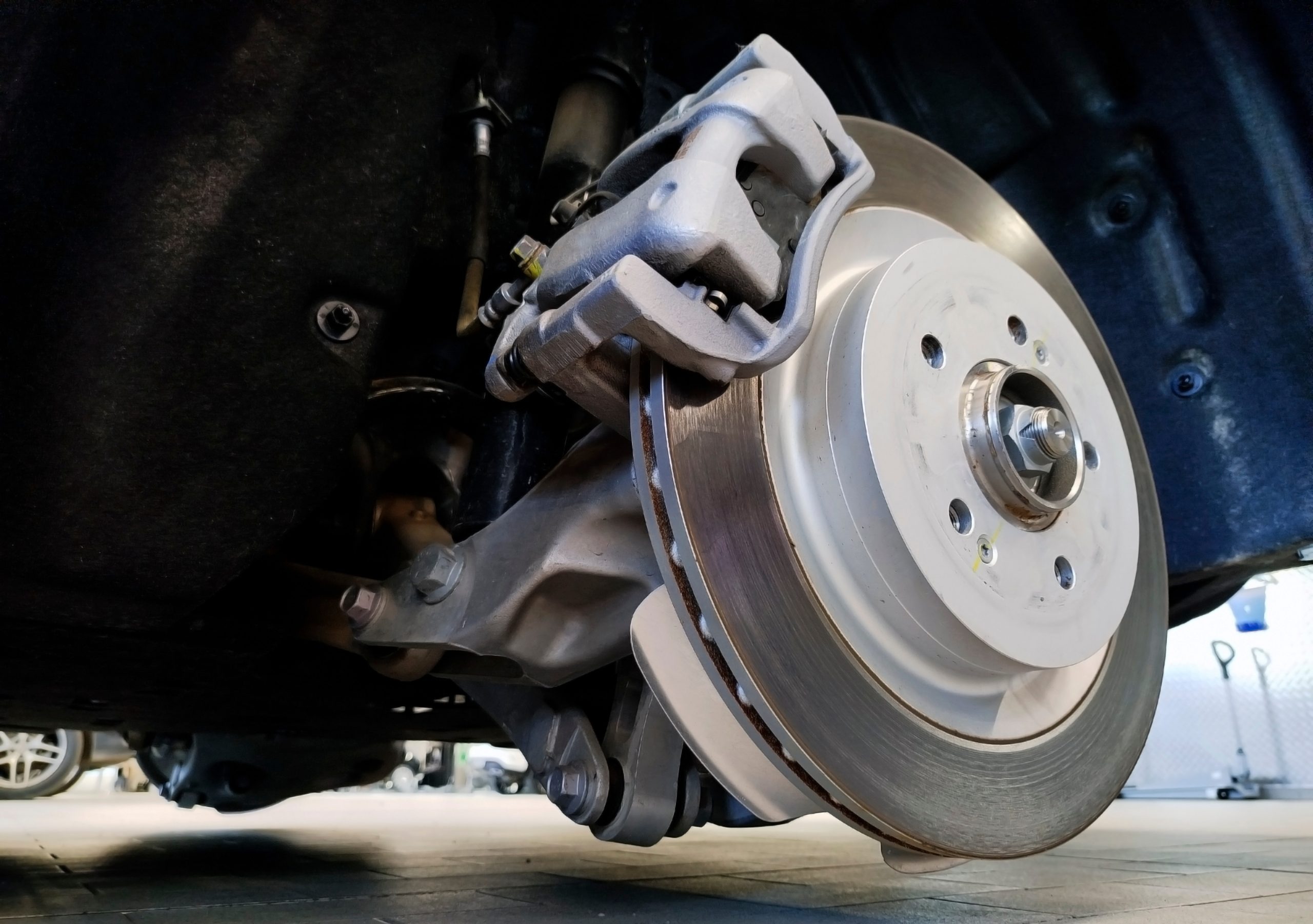
1. Stick to a Regular Maintenance Schedule
One of the most critical things you can do to keep a Honda Odyssey running well is to follow its recommended maintenance schedule without skipping or postponing services. The owner’s manual outlines everything from oil change intervals to timing belt replacements, and these aren’t just suggestions.
They are based on engineering data and real-world tests that indicate when key parts begin to degrade or require replacement. Ignoring that schedule leads to slow deterioration, and over time, can result in costly repairs or complete failure of major components.
Families often get caught up in the chaos of everyday life and delay routine tasks like oil changes, fluid checks, or brake inspections. It’s understandable, but the longer these services are put off, the more you risk damaging your vehicle.
For example, skipping oil changes leads to dirty, sludgy oil that can damage your engine over time. Missed tire rotations cause uneven wear, making your tires noisy, uncomfortable, and unsafe. Regularly checking and maintaining transmission fluid is another common oversight, yet it’s critical for an Odyssey’s performance, especially in older models.
Keeping up with service appointments is especially important in a vehicle that’s used by many different people in different ways throughout the week. A family van might be driven by both parents, maybe even a teen driver, and everyone drives a little differently.
That can put varied pressure on the engine, transmission, and suspension. If the van is frequently loaded down with kids, gear, and groceries, you’re putting extra strain on the vehicle’s systems. This makes routine maintenance even more essential.
Make it easy by setting reminders in your phone or using a vehicle maintenance app. Many modern Odysseys will show maintenance alerts right on the dash, so you don’t have to guess. Don’t ignore these notices. The small investment of time and money in keeping up with your service schedule will pay off in the form of a quieter ride, fewer mechanical issues, and better resale value when it’s time to upgrade or pass the vehicle along.
2. Keep the Interior Clean and Organized
A cluttered and dirty van interior isn’t just an eyesore; it can contribute to long-term damage and discomfort. The Honda Odyssey’s interior is designed to handle the chaos of family life, but there’s a limit to how much dirt, grime, and abuse it can take. Spilled drinks, sticky fingers, pet fur, and crumbs can all wreak havoc on the upholstery, electronics, and even the air quality inside the vehicle. Regular cleaning goes a long way in preserving comfort and preventing permanent damage.
Start by building a routine for cleaning out the car at least once a week. Trash builds up faster than you realize when a vehicle is used for school drop-offs, sports games, and fast food runs. Empty food containers, old receipts, and wrappers should be cleared out before they attract ants or start to smell. Encourage your kids to take their belongings with them when they leave the car, whether it’s a lunchbox, backpack, or soccer cleats. Over time, this habit reduces how much ends up lost or stuck under seats.
Vacuuming the carpets and seats regularly helps prevent dirt from becoming ground-in and damaging the fabric or leather. If your Odyssey has leather seats, conditioning them every few months keeps the material from drying out and cracking. For cloth seats, spot-cleaning stains quickly before they set is key. Floor mats should be removed and cleaned to avoid mold or unpleasant smells, especially in wet or muddy weather.
Keeping an organizer in the back or behind the seats helps manage toys, electronics, and emergency items. Many families benefit from keeping a small bin for essentials like tissues, hand sanitizer, or wipes, especially if young kids are on board. When the car stays clean and organized, it feels more comfortable, and you’re less likely to overlook maintenance problems that get hidden under clutter. It also means you’re not embarrassed if you need to give someone a ride unexpectedly.
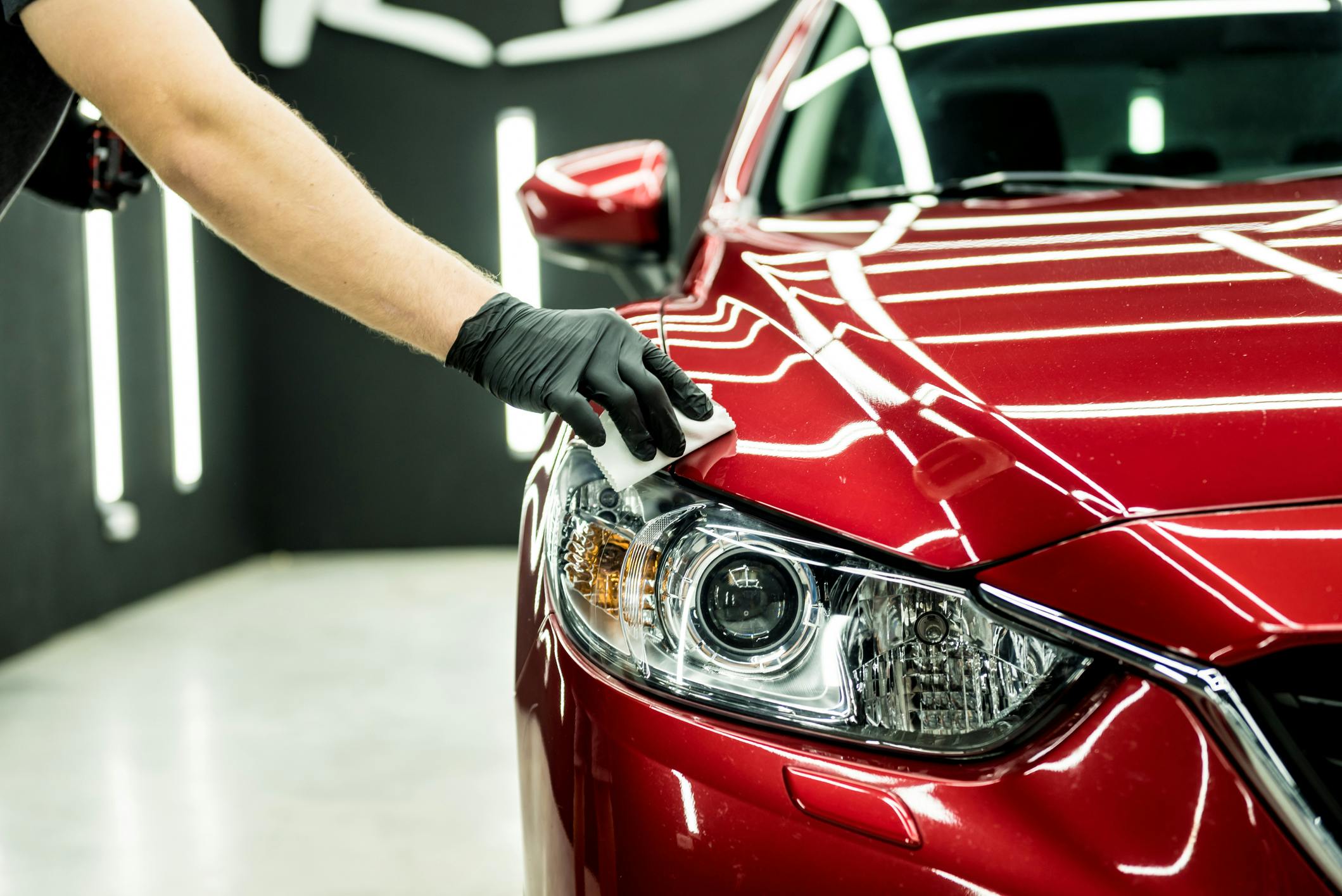
3. Protect the Exterior from Long-Term Wear
The outside of your Odyssey takes a daily beating from sun, rain, road debris, and even your garage door if you’re not careful. Keeping the exterior in good shape is more than just vanity; it helps prevent rust, paint damage, and eventually even structural wear. A well-maintained exterior also holds more resale value and reflects how well you’ve taken care of the vehicle.
Washing the van regularly removes harmful substances like road salt, bird droppings, and tree sap, all of which can eat away at the paint if left too long. Even something as common as dust can scratch the surface when wiped away carelessly. Use proper car wash soap, not dish soap, which can strip away protective coatings. Dry the vehicle thoroughly after washing to avoid water spots, especially if you live in an area with hard water.
Waxing the Odyssey every few months adds a layer of protection against UV rays, rain, and pollutants. This doesn’t need to be an elaborate process; even a simple spray wax can provide some level of defense. Waxing also keeps the paint looking newer, and water will bead off instead of soaking in. Pay attention to the rubber seals around the windows and doors, as these can dry out and crack over time. Applying a rubber protectant helps keep them pliable.
Don’t ignore small scratches or chips. They may seem minor, but even a tiny scratch can begin to rust if moisture gets underneath. Use a touch-up paint kit specific to your vehicle’s color code to cover any nicks. If your Odyssey is frequently parked outdoors, consider using a car cover or at least parking in shaded areas. This protects the finish from sun exposure and keeps the interior cooler, which also helps preserve materials inside.
Tire shine and wheel cleaning aren’t just cosmetic. Clean wheels and tires help you spot leaks, cracks, or damage early. When the vehicle looks good, it often inspires more care from its drivers and passengers, encouraging everyone in the family to treat it with a little more respect.

4. Manage Cargo Weight and Load Distribution
Many families take full advantage of the Odyssey’s cargo space, often loading it up with sports equipment, groceries, luggage, or even home improvement supplies.
While the van is built to carry a fair amount of weight, it’s not immune to damage from overloading or uneven weight distribution. Managing how and how much you carry plays a big role in keeping the suspension, tires, and brakes in good condition over the long term.
Start by understanding your vehicle’s weight limits. The owner’s manual provides a maximum payload figure, which includes passengers and cargo. It’s easy to exceed that limit during vacations or weekend projects without realizing it. Overloading stresses the suspension system, can cause uneven tire wear, and increases stopping distance, which compromises safety. It also increases fuel consumption, which adds up quickly on longer drives.
Avoid keeping heavy items in the van permanently unless necessary. A stroller, folding chairs, or a bin of emergency supplies might seem harmless, but their constant weight adds strain over time. If you’re transporting something heavy, place it as low and as centrally as possible. Putting all the weight in the rear increases pressure on the rear suspension and can affect how the van handles, especially when turning or braking.
When packing for trips, use the van’s built-in cargo features like hooks, nets, and under-floor storage to keep things secure. Loose items can become dangerous in a sudden stop, especially if they’re heavy or sharp. Consider using bins to keep things organized and prevent rolling around. If you need to carry oversized items, make sure they’re secured with proper tie-downs and don’t obstruct mirrors or rear visibility.
By respecting the weight limits and organizing the cargo effectively, you reduce long-term strain on the Odyssey’s mechanical systems. Every component, from the suspension springs to the alignment of the chassis, is affected by how consistently the van is weighed down. Many drivers don’t consider how much impact even a few hundred pounds can have over time, but the effects compound.
Brakes wear out faster when they’re constantly stopping a heavy load. Shocks and struts begin to sag, reducing ride quality and increasing the chance of bottoming out. These problems are costly to fix and often completely preventable through mindful packing and regular unloading.
Families that frequently tow trailers or small campers with their Odyssey should pay particular attention to tongue weight and towing limits. Not all trims are equipped the same way, and towing capacity varies based on whether the Odyssey has the factory-installed towing package.
Even with a proper hitch, it’s essential to balance the trailer load to avoid excessive downward force on the rear suspension. An improperly loaded trailer can cause sway and greatly increase the risk of an accident. If towing becomes a regular activity, consider investing in auxiliary equipment like a weight distribution hitch to help keep the ride level and stable.
Even during day-to-day driving, weight affects fuel economy. The more unnecessary gear or cargo you carry around, the more fuel your vehicle consumes. This isn’t just a financial issue; it adds extra emissions and creates more wear on engine components.
Lastly, educating every driver in the household about weight and balance is important. If a teenager or a babysitter uses the van occasionally, they should also understand the importance of packing smart and securing cargo properly. A well-managed load protects everyone’s safety and ensures the Odyssey continues running like it should for as long as you need it.
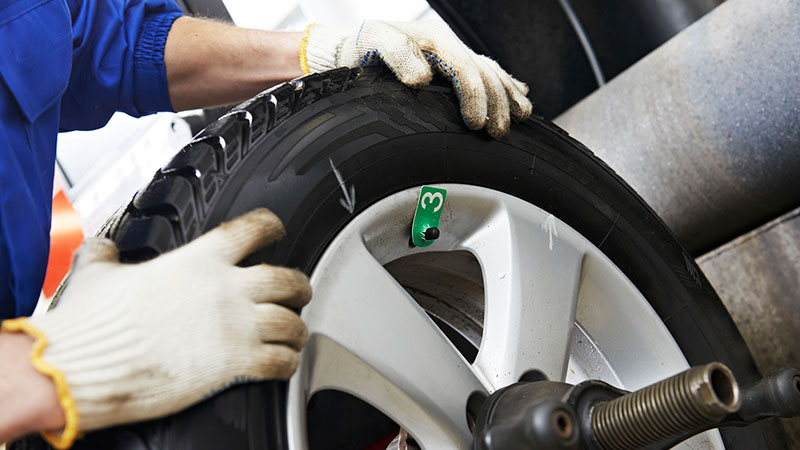
5. Rotate and Replace Tires Properly
Tires are among the most critical safety components of any vehicle, and they bear the brunt of a family van’s daily use. Constant city driving, highway cruising, sharp turns in parking lots, and frequent braking all contribute to tire wear, and when tires aren’t rotated or maintained properly, they wear out faster and less evenly. Uneven tire wear doesn’t just shorten the lifespan of the tire; it also compromises the Odyssey’s handling, traction, and ride comfort.
The manufacturer typically recommends rotating the tires every 5,000 to 7,500 miles. This simple routine task helps even out wear between the front and rear tires, which endure different stresses. On a front-wheel-drive vehicle like the Odyssey, front tires wear more quickly due to the weight of the engine and steering forces.
Without regular rotation, you’ll find yourself replacing front tires long before the rears, creating uneven grip and a lopsided driving feel. It can also put extra strain on the suspension and alignment.
It’s not just rotation that matters; regular tire pressure checks are equally vital. Driving on under-inflated tires reduces fuel economy and increases the chance of a blowout, especially during highway travel in hot weather.
On the flip side, overinflated tires lead to less contact with the road and more rapid center wear. It’s important to check the pressure at least once a month and before any long road trip, using the pressure rating found on the driver’s side door jamb rather than the number printed on the tire itself.
When it comes time to replace the tires, don’t skimp. The Odyssey is a heavy vehicle, and the wrong type of tire can affect braking distance and cornering stability. Invest in quality tires that match your driving conditions, whether that means all-season, winter tires, or touring options designed for smoother rides.
And when you replace them, always check alignment and balance. Misalignment can lead to new tires wearing unevenly in just a few thousand miles, costing you money and compromising safety once again.
Also Read: 10 Cars With Tricky Seatbelt Buckles for Elderly Passengers
6. Keep Fluids Topped Off and Fresh
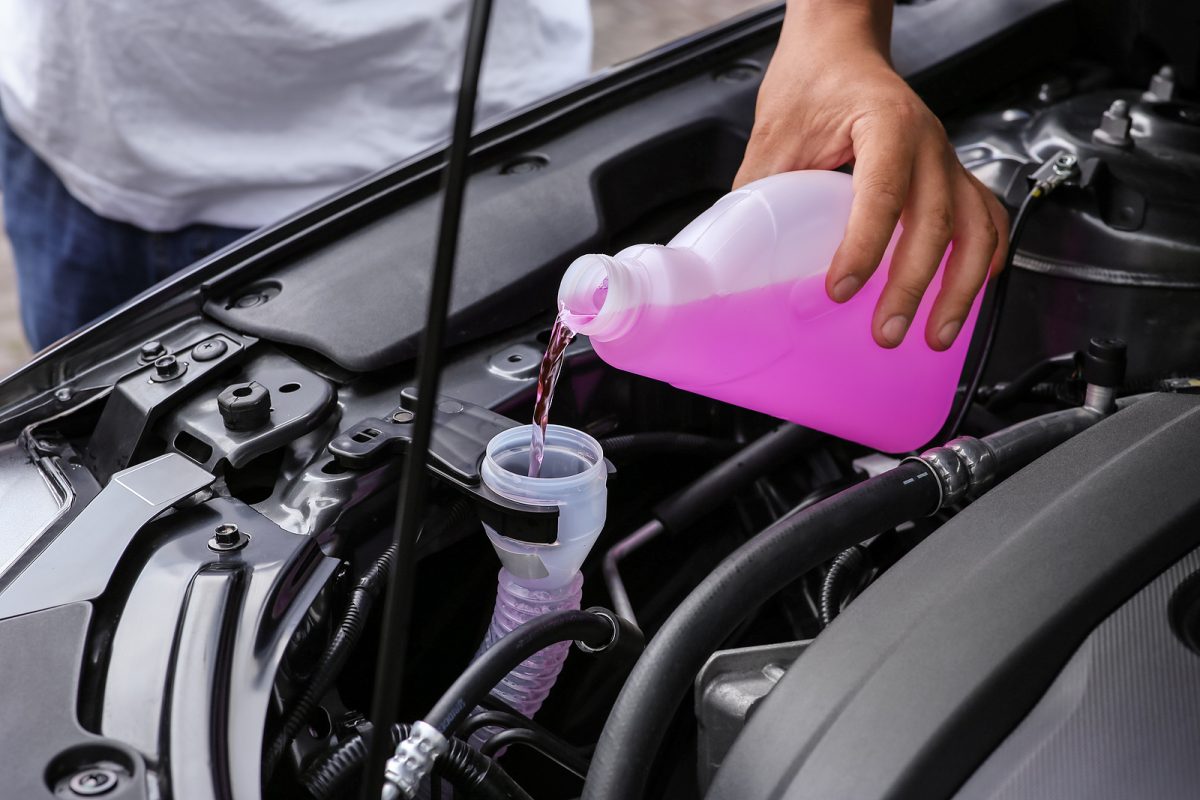
Fluids are the lifeblood of your vehicle’s major systems. From engine oil to transmission fluid, coolant, brake fluid, and even windshield washer fluid, each one plays a vital role in performance and longevity. For a family vehicle like the Odyssey that sees regular, sometimes rough use, keeping these fluids clean and at proper levels is not optional. Neglecting fluid maintenance is one of the quickest ways to shorten the lifespan of your minivan.
Engine oil is the most commonly discussed, and for good reason. Clean oil ensures that your engine stays lubricated, reducing heat and friction. But not everyone realizes how quickly oil degrades under short, stop-and-go trips, the kind of driving most family vans experience.
If most of your mileage is local or includes frequent idling during school pickups, your oil may need changing sooner than the suggested interval. Many owners make the mistake of using mileage as the only measure, when driving conditions can be just as important.
Transmission fluid is another area often ignored until problems arise. A slipping transmission or delayed shifting is usually a sign of neglected fluid. The Odyssey’s automatic transmission is well-engineered but sensitive, and dirty or low fluid will quickly cause damage.
Fluid should be checked according to the manual, and if it appears dark or smells burnt, it should be changed immediately. Make sure to use the exact fluid type specified by Honda, mixing brands or types can cause more harm than good.
7. Protect the Electronics and Interior Features
Modern Honda Odysseys come with a wide array of tech features designed to keep families comfortable, entertained, and safe. Dual-zone or tri-zone climate control, rear-seat entertainment, power sliding doors, backup cameras, USB ports, and even built-in vacuums in certain models—all these conveniences rely on properly functioning electronics.
Unfortunately, family vehicles are prime environments for spills, dust, wear, and general abuse, which can interfere with these systems over time.
Simple precautions can go a long way. Use screen protectors on touch displays to prevent scratches and smudging. Keep food and drinks away from USB ports and climate control panels, especially if kids are sitting near them. Even one spilled drink into a vent or control unit can create electrical issues that are costly to repair. Many owners regret not enforcing stricter food rules in the car after the first expensive service visit for a failed door motor or broken entertainment screen.
It’s also a good idea to inspect key systems every couple of months. Make sure all buttons work properly, check that power windows respond as expected, and test the backup camera for clarity and responsiveness.
If your Odyssey has power sliding doors or tailgate, listen for any change in sound or speed—this can indicate motor wear. Catching a small malfunction early gives you the chance to fix it before it turns into a complete failure that leaves you stranded or inconvenienced with kids and groceries in tow.
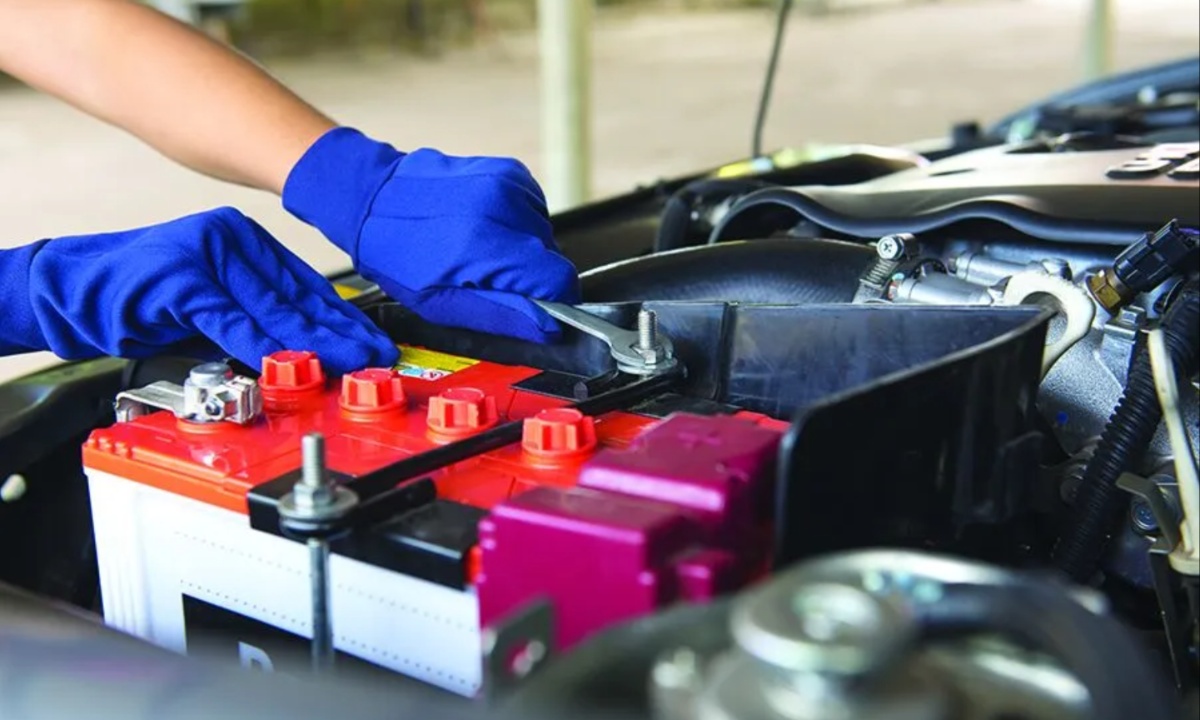
Battery condition is another often overlooked area. In family use, the vehicle might sit idle over weekends or during school holidays, only to be used intensely during weekdays. Frequent short trips can drain the battery faster than you expect, especially if electronics are left running while the engine is off.
Make it a habit to test the battery before winter and summer, and replace it every few years before signs of failure appear. A simple maintenance check on electronic systems will ensure everything runs as it should, saving you frustration during critical family moments.

8. Teach All Drivers in the Family to Drive Responsibly
A Honda Odyssey often sees use from more than one driver, especially in larger families. Parents, older siblings, and sometimes even babysitters or grandparents may all take turns behind the wheel.
This variety of driving styles can place inconsistent strain on the vehicle, especially if some drivers are rougher than others. Teaching every driver in the household how to operate the vehicle with care is one of the most effective ways to extend its lifespan and reduce wear across critical components.
Hard acceleration, sudden braking, and sharp cornering can all increase wear on tires, brakes, and suspension. While the Odyssey is designed to handle the weight of a family and their gear, it’s not built for aggressive driving habits. When young drivers or hurried adults treat it like a sportier vehicle, they accelerate its decline.
The brake pads wear down faster, the engine works harder, and fuel economy takes a noticeable hit. Gentle starts and stops might not seem like a big deal in the moment, but over months and years, they translate to real savings and mechanical longevity.
Beyond mechanical strain, driving behavior also impacts safety. Teaching everyone who drives the Odyssey to be aware of blind spots, braking distances, and the vehicle’s size helps reduce the likelihood of accidents. The Odyssey is longer and taller than many sedans or compact cars, so parking, reversing, and merging require a bit more patience and caution.
Even features like lane-keeping assist and parking sensors can’t compensate for rushed or careless driving. A driver who knows the limits of the vehicle will avoid scenarios that put stress on the body, the transmission, or the safety systems.

9. Store the Vehicle Properly When Not in Use
There are times in the year when a family vehicle like the Odyssey sees less use, summer vacations, school breaks, or even during extended travel. Properly storing your van during these idle periods is an often-overlooked habit that makes a substantial difference in the long-term reliability and cosmetic condition of the vehicle.
Whether it’s for a week or a couple of months, the way you leave the Odyssey parked can have lingering effects on its fluids, tires, battery, and even its finish.
First, consider the location. Parking in a garage protects the vehicle from weather damage and direct sunlight. Long-term exposure to UV rays can fade paint and dry out rubber seals around windows and doors. If garage parking isn’t available, try to use a car cover or find shaded, sheltered parking to protect it from rain, sap, or bird droppings. Leaving a vehicle uncovered for long periods often results in a grimy windshield, water spots, or, worse, accelerated corrosion in areas where moisture accumulates.
Before storing it for more than a few days, take a few basic precautions. Make sure the gas tank is at least half full to prevent moisture buildup inside the tank. You might also consider adding a fuel stabilizer if the vehicle won’t be started for several weeks.
Check the tire pressure and inflate to the proper PSI, as tires tend to lose air when sitting. In fact, prolonged immobility can create flat spots on the tires. If the storage period will exceed a month, moving the car slightly every couple of weeks or using tire cradles can help maintain shape and performance.
10. Pay Attention to Warning Signs Early
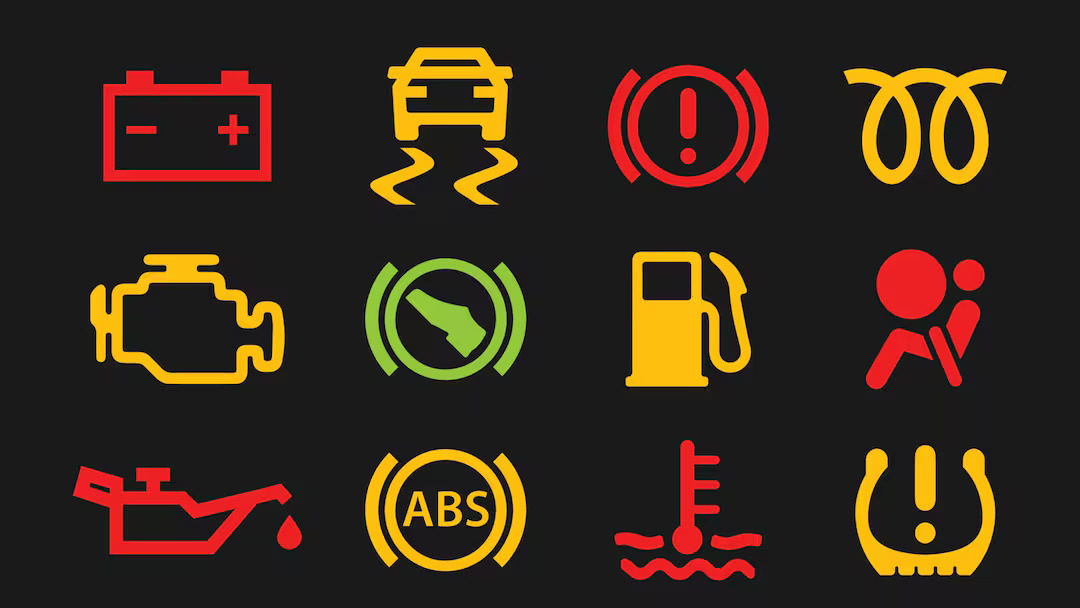
Vehicles almost always give some kind of warning before something goes wrong. Whether it’s a sound, a smell, a light on the dash, or even a small change in performance, these early signals are the Odyssey’s way of telling you something needs attention.
Ignoring those signs, especially in a vehicle used as frequently and heavily as a family minivan, often leads to bigger and more expensive issues later. Learning to recognize and act on small problems before they grow is one of the smartest habits a family can build.
The check engine light is a good example. Many people continue to drive for days or weeks after this light appears, assuming it’s just a sensor error or something minor. Sometimes that’s true, but sometimes it’s not. That light could indicate anything from a loose gas cap to a failing catalytic converter.
If left unchecked, even a minor issue can develop into a major repair. Diagnostic tools are inexpensive now, and many auto parts stores will read codes for free. There’s no excuse to drive around blind to your vehicle’s health.
Listen to how the vehicle sounds. Grinding brakes, whining from the transmission, or clicking during turns can all be signs of parts wearing out. Addressing these early not only avoids larger repair bills but also prevents sudden breakdowns. When a family is depending on the vehicle to get to school, appointments, or weekend outings, any unexpected issue can create chaos. Treat your Odyssey like you would a member of the household. If it’s acting out of character, check in on it right away.
