

The Kia Soul has built a reputation for being a reliable, quirky compact vehicle with plenty of space and personality. Many owners are surprised by how long it can last with the right care, often pushing beyond the 200,000-mile mark.
For those who plan to keep their Soul running strong well past that milestone, the difference between a worn-out machine and a dependable daily driver lies in simple, consistent habits.
Most high-mileage stories don’t come from luck but rather from diligence, awareness, and routine maintenance that prevents minor issues from turning into costly problems. Vehicles don’t just die from age, they wear down from neglect, inconsistent care, and aggressive driving habits that add up over time.
Some owners may look at 200,000 miles as an unreachable goal, especially in a compact car like the Soul, but this model has proven that it’s more than capable when given a fighting chance. The key is to stop thinking about car maintenance as just reacting when something breaks.
Instead, the mindset should shift toward prevention. People often overlook the simple truth that every mile counts. Every trip, long or short, contributes to wear and tear, but the car responds differently when it’s being treated with patience and respect.
It’s not just the engine that matters. Longevity is also about the health of the transmission, the cooling system, the brakes, the electronics, and even the quality of tires and alignment. Skipping oil changes or ignoring check-engine lights might seem harmless in the moment, but these decisions stack up, turning what was once a strong vehicle into an unreliable money pit.
On the other hand, taking the time to address minor issues early, keeping track of scheduled services, and using high-quality fluids and parts can significantly extend the life of a vehicle.
These nine practical habits and strategies are designed for real drivers who want to maximize their Kia Soul’s potential. None of them involves major overhauls or expensive upgrades. Instead, they are based on practical steps that are affordable, consistent, and proven to work.
With a bit of patience and discipline, keeping your Kia Soul running smoothly past 200,000 miles becomes a reachable and realistic goal. Whether you’re already closing in on that number or just getting started, these hacks can make a real difference.
Also Read: 5 Cars with Climate Control That Works vs 5 That’s Just for Show
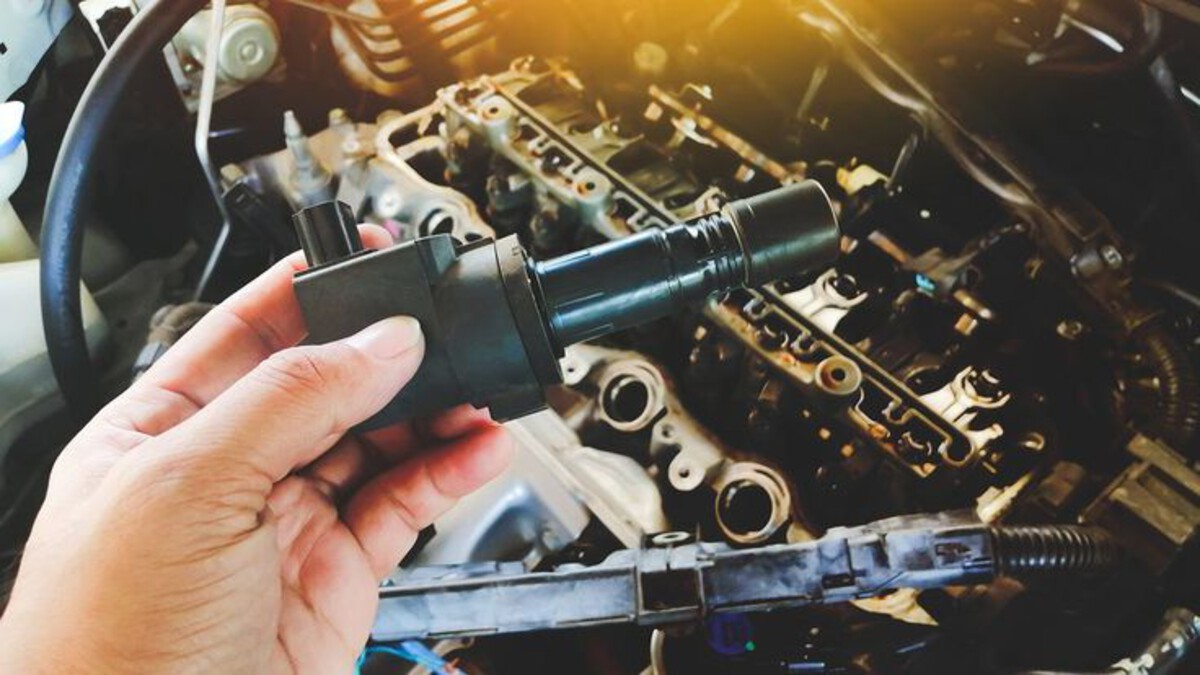
1. Stick to the Oil Change Schedule Like a Religion
Regular oil changes are the single most important habit for keeping any engine healthy, especially one that’s expected to reach 200,000 miles or more. For the Kia Soul, clean engine oil helps reduce internal friction, carry away debris, and maintain proper cooling in the motor.
Over time, oil breaks down and loses its ability to lubricate effectively. Even synthetic oil has a limited lifespan and should be changed at intervals recommended by the manufacturer or sooner if driving conditions are harsh.
Many people underestimate how quickly oil degrades under stress. Short trips, stop-and-go traffic, and extended idling all put extra strain on the engine. These conditions generate more contaminants, which settle into the oil and reduce its effectiveness.
Ignoring this buildup can result in sludge forming in the engine, blocking vital oil passages and reducing performance. Over time, this leads to wear on key components like the timing chain, valve lifters, and pistons. Once these parts begin to fail, repairs become expensive and often not worth the cost on an older vehicle.
It’s not just about changing the oil but also using the correct type. Kia recommends a specific viscosity and grade for each engine.
Using oil that’s too thin or thick, or choosing cheap products that don’t meet proper standards, can shorten the engine’s life significantly. High-mileage oils can also help by including additives that condition old seals and reduce internal wear. For a vehicle that has already surpassed 100,000 miles, this makes a noticeable difference over time.
One of the best long-term habits is keeping a detailed record of each oil change. This includes the date, mileage, oil type, and any additional services done at the time. Not only does this provide peace of mind, but it also helps with resale value if you ever decide to sell the car. A consistent oil change history proves the car has been well-maintained and is less likely to surprise its next owner with mechanical problems.
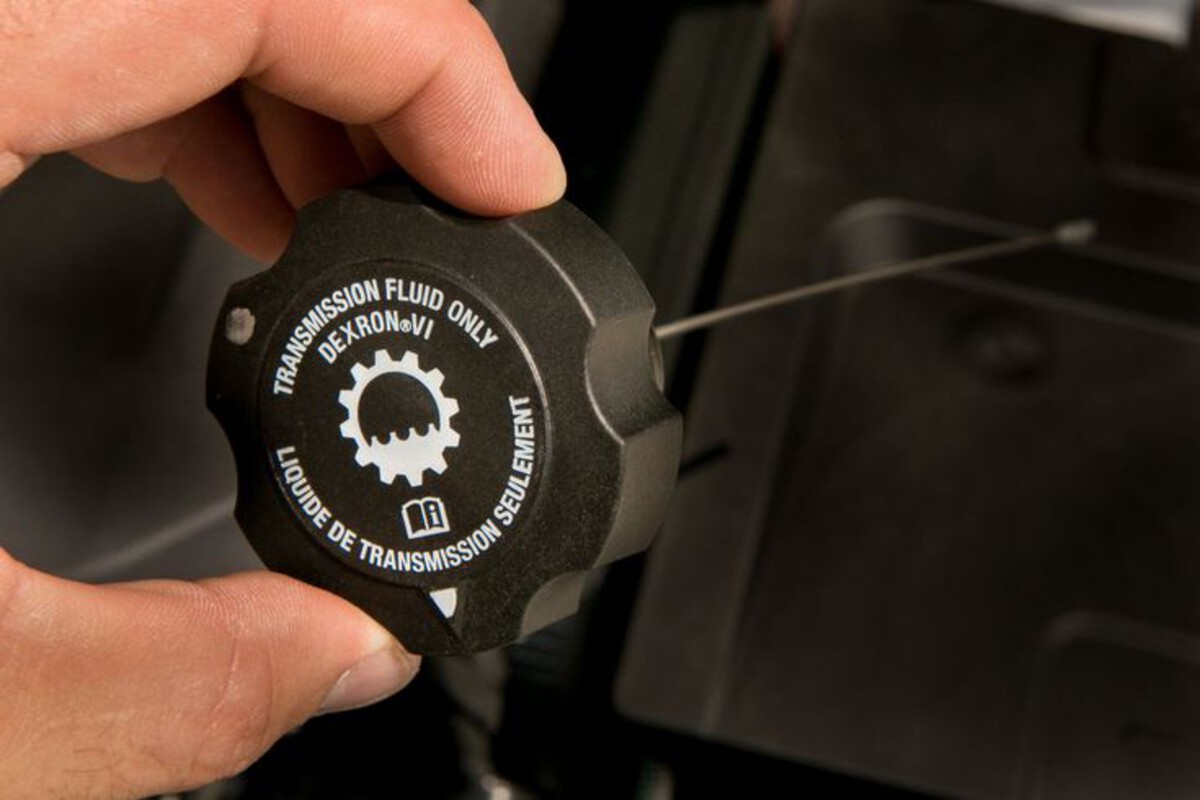
2. Don’t Ignore the Transmission
Many high-mileage failures happen because the transmission is overlooked until there’s already a problem. For the Kia Soul, the automatic transmission, especially in older models, requires specific attention to fluid condition and shifting behavior. Transmission fluid degrades over time, much like engine oil, but with less obvious symptoms until failure is imminent. Once a transmission starts slipping or shifting roughly, it’s often too late to reverse the damage.
Regularly changing the transmission fluid and filter (if applicable) every 30,000 to 60,000 miles can add years to the life of the drivetrain. Even though some manufacturers advertise “lifetime” fluid, this is often marketing language that doesn’t reflect real-world usage.
Fluid that’s burnt or contaminated doesn’t protect internal components like it should. It also leads to the buildup of debris inside the valve body and solenoids, resulting in sluggish performance or harsh shifting.
Paying attention to early signs can prevent disaster. If the car starts hesitating between gears, shifts abruptly, or makes unusual noises during acceleration, these are all early warnings.
Rather than waiting for the problem to get worse, having the transmission inspected and serviced immediately can prevent a full rebuild or replacement. On a vehicle as affordable as the Soul, major transmission repairs often exceed the value of the car itself, making prevention critical.
For those who drive manual transmission models, keeping the clutch system healthy is just as important. Replacing a clutch is cheaper than rebuilding an automatic, but abuse such as riding the clutch or shifting aggressively can wear components quickly.
Again, consistent driving habits and timely maintenance matter more than any single fix. Taking care of the transmission ensures the car stays drivable, efficient, and safe well beyond the 200,000-mile point.
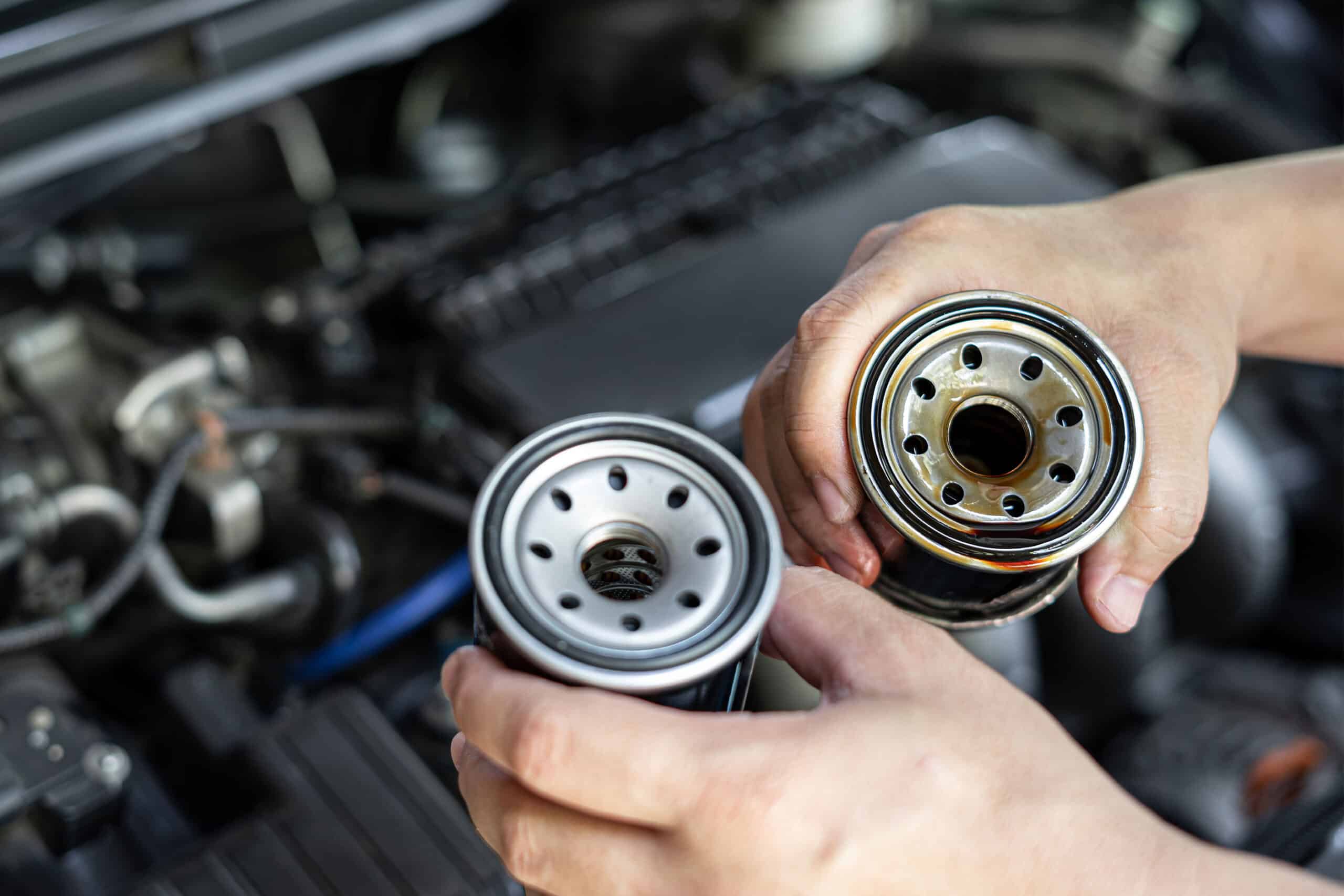
3. Use Only Quality Filters and Fluids
Every system in the Kia Soul relies on clean fluids and air to function properly. Using cheap or low-quality filters may save a few dollars in the short term, but this shortcut often leads to bigger problems down the road. Filters protect the engine, transmission, and cabin from harmful particles. When they clog or fail early, they reduce performance and force the system to work harder than necessary.
The air filter, for example, helps the engine breathe cleanly. A dirty or poorly designed filter restricts airflow, reducing efficiency and even triggering check-engine lights related to airflow sensors.
The same goes for fuel filters, which protect the engine from dirt in the fuel line. If this becomes clogged, fuel pressure drops and acceleration suffers. While not all Kia Soul models have user-serviceable fuel filters, those that do should be checked and replaced as needed.
Cabin air filters might not affect engine performance directly, but they play a big role in keeping the HVAC system working well. A clogged cabin filter strains the blower motor, makes the AC less effective, and can introduce odors into the cabin. This is especially important for drivers in dusty or humid climates, where mold or debris can build up quickly inside the air intake.
Coolant and brake fluids should also be checked and flushed at regular intervals. Old coolant loses its ability to regulate engine temperature and can corrode internal components like the radiator or heater core.
Brake fluid absorbs moisture over time, reducing braking performance and potentially damaging the master cylinder or calipers. Using quality fluids that meet or exceed Kia’s specifications, along with reliable name-brand filters, keeps these systems protected and performing properly.
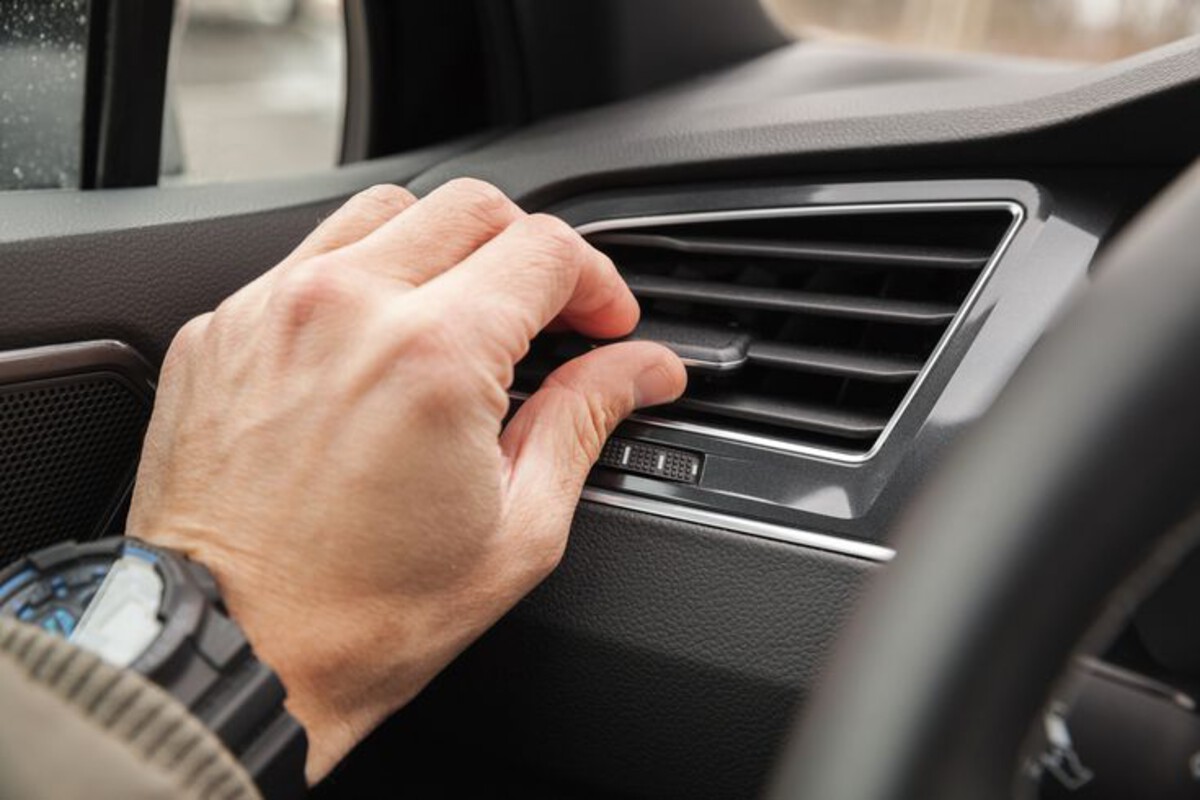
4. Keep the Cooling System in Top Shape
The cooling system is often overlooked until something goes wrong, but it plays a crucial role in the longevity of the engine. Overheating is one of the fastest ways to destroy an otherwise healthy vehicle. For Kia Soul owners aiming to go beyond 200,000 miles, making sure the cooling system is clean, leak-free, and functioning properly should be a top priority.
The radiator, thermostat, water pump, and hoses all work together to manage engine temperature. If any one of these fails, temperatures can spike quickly. Even a small coolant leak can turn into a major issue if left unchecked.
It’s important to inspect hoses for cracks or bulges, ensure the radiator fan kicks in as it should, and keep coolant levels topped off. The engine temperature gauge should always sit at a normal operating level, and any sudden changes need to be investigated immediately.
Coolant itself degrades over time, especially when mixed with the wrong type or left unchanged for too long. Most owners forget that coolant not only regulates temperature but also protects the system from corrosion. When it breaks down, rust and deposits form inside the engine block and radiator. These can restrict flow, damage the water pump, and lead to expensive repairs that could have been avoided with a simple coolant flush every few years.
Many owners think topping off coolant is enough, but this can actually make things worse if the wrong type is used. Mixing incompatible coolants can cause them to gel or crystallize, clogging the entire system.
Always refer to the manual or use the same exact type that’s already in the car. In older Kia Souls, the cooling system is particularly sensitive to contamination, making this one of the most important long-term maintenance tasks.
Taking care of the cooling system adds years to the life of the engine. It also improves fuel economy and reduces the risk of head gasket failure or warped engine components, which often signal the end of a car’s useful life. Preventing overheating is one of the simplest and most effective ways to keep your Kia Soul running strong for the long haul.
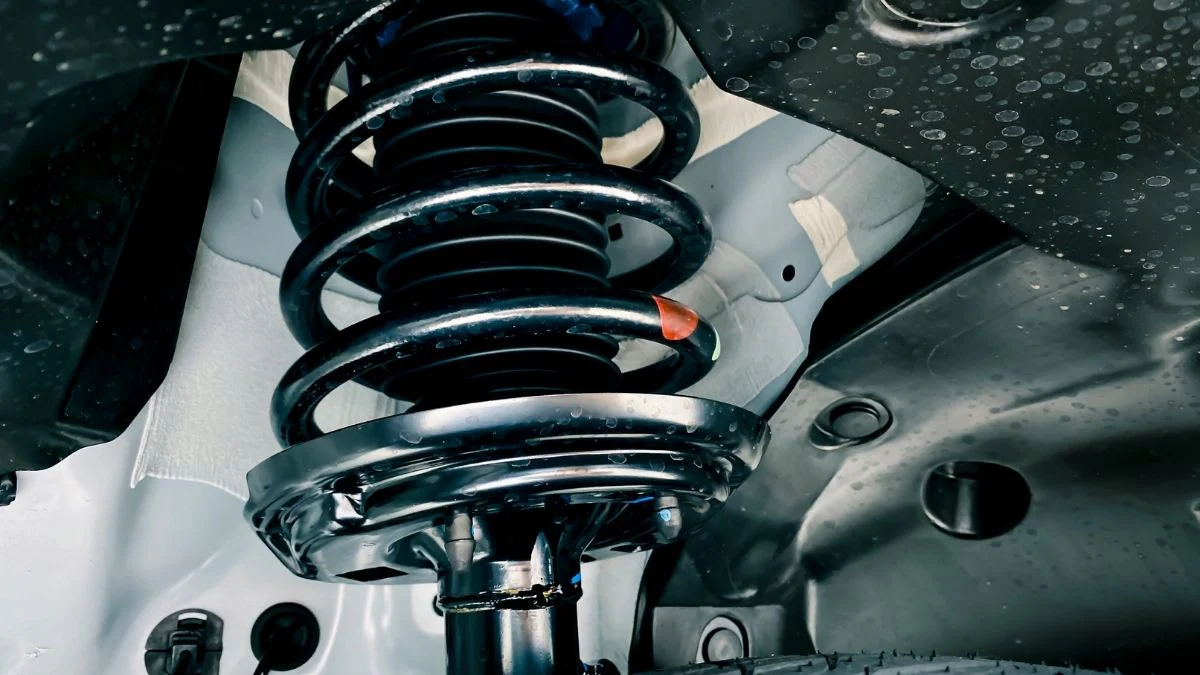
5. Replace Worn Suspension Parts Before They Fail Completely
Suspension components play a bigger role in long-term vehicle health than most people realize. When the suspension starts to wear out, the impact goes far beyond a rough ride. It affects tire wear, steering response, braking distance, and even the integrity of the chassis over time.
For a Kia Soul aiming to reach and exceed 200,000 miles, keeping the suspension in good condition prevents small problems from developing into costly structural issues. Struts, shocks, control arms, bushings, and sway bar links all wear gradually and can become loose, creaky, or unstable without obvious failure symptoms at first. Many drivers don’t notice a decline because they adapt to it over time, mistaking changes in handling or ride quality as “just getting older.”
When worn suspension components are left unaddressed, other parts of the vehicle begin to compensate. For example, worn-out shocks reduce your ability to stop effectively because they can’t keep the tires planted firmly on the road. That forces the brake system to work harder, potentially overheating and wearing pads or rotors faster than normal.
In the same way, bad bushings allow for excessive movement in the steering and suspension systems, which can misalign the wheels and cause uneven tire wear. All of this puts additional strain on other systems, increasing the chance of a failure down the line. Many of these components are affordable and can be replaced as part of a scheduled maintenance plan rather than waiting until something breaks.
An often-overlooked tip is to inspect the alignment every year, or more often if driving on rough or poorly maintained roads. Misaligned wheels not only make the car harder to control, but also dramatically shorten tire lifespan and fuel economy.
Getting an alignment may seem like a minor service, but it brings the suspension geometry back to factory settings, keeping everything working together smoothly. This kind of attention to detail becomes more important as the car ages and tolerances naturally widen in bushings, joints, and steering components.
Some owners wait until the car is almost undrivable before addressing the suspension, thinking it’s not essential. But doing so invites extra wear across multiple systems. By replacing tired shocks, worn ball joints, or cracked bushings before they fail completely, the car remains safe, balanced, and efficient.
A well-maintained suspension not only makes driving more comfortable but also significantly extends the useful life of the vehicle and keeps other components from wearing prematurely due to excessive vibration or misalignment.
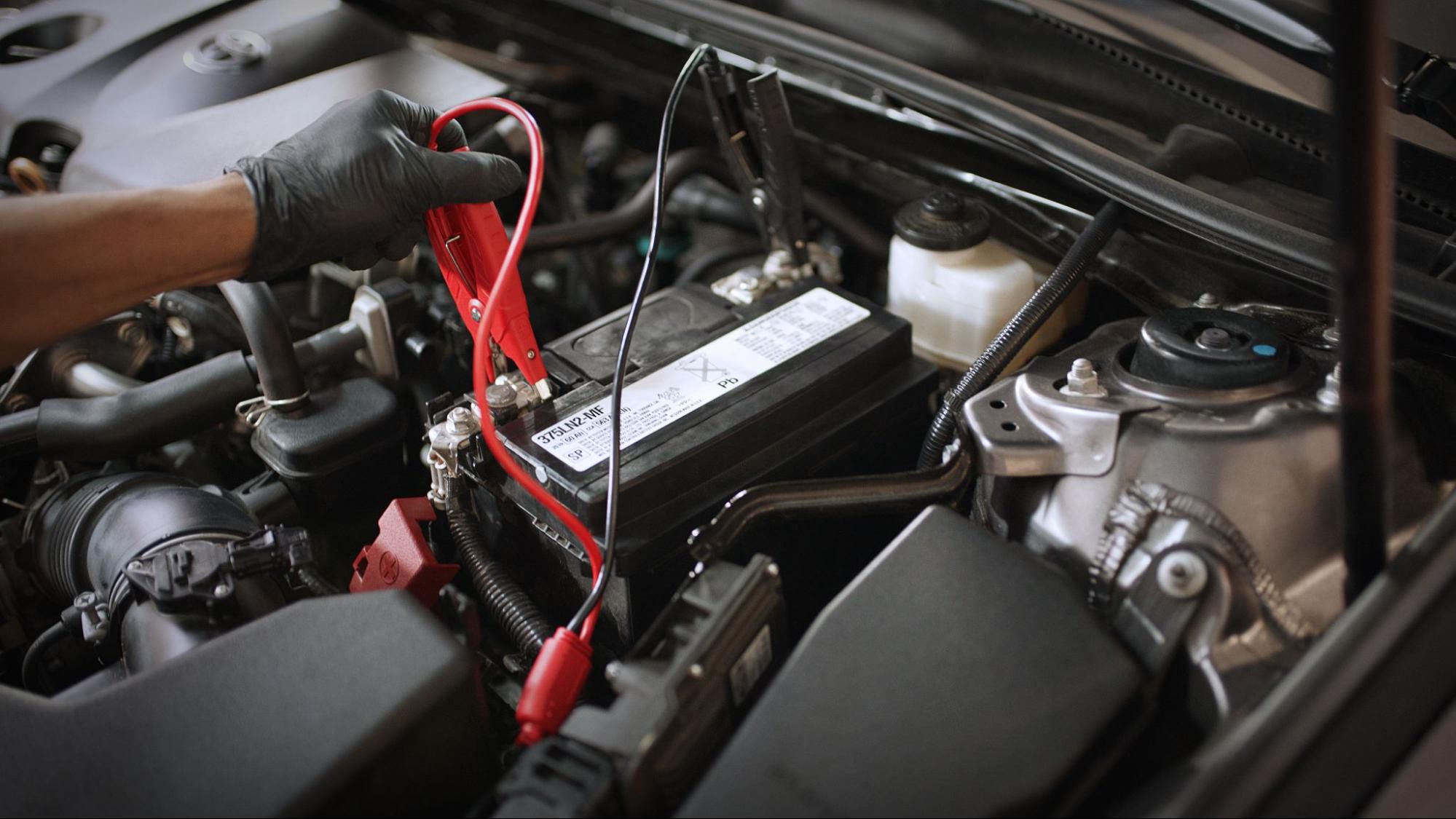
6. Maintain the Battery and Electrical Connections
Electrical issues in older vehicles are notoriously difficult to diagnose and fix, especially once corrosion or shorts begin spreading through the system. The battery, alternator, and starter are the primary components most people think about when dealing with car electronics, but the web of wiring and connectors that link all the systems together can be just as important.
The Kia Soul, especially in higher trims with extra features, relies heavily on a solid electrical foundation to run its infotainment system, sensors, lighting, and power accessories. To keep it running smoothly past 200,000 miles, taking care of these components early and consistently is essential.
The most basic and critical habit is keeping the battery terminals clean and tight. Corrosion on the terminals leads to poor connections, especially during cold starts or when the battery is under load. If left untreated, it can damage the battery itself or cause voltage fluctuations that confuse the car’s sensors and electronics.
It’s good practice to check the battery at every oil change, visually inspecting for bulges, leaks, or acid buildup and testing the voltage to ensure it’s charging properly. Replacing an old battery before it fails can prevent unexpected breakdowns and avoid the kind of deep discharge that can shorten the life of other electrical components.
Beyond the battery, grounding points should also be inspected and cleaned if needed. Poor grounds can lead to intermittent electrical problems that seem random and frustrating. Dash lights flickering, sensors giving false readings, or accessories behaving erratically are often the result of poor grounding.
These problems can be time-consuming to diagnose and often go unresolved because the root cause is hidden under a dirty or corroded bolt somewhere in the frame. Spending a little time each year checking major ground straps and electrical junctions can prevent countless headaches later.
The alternator and starter motor also deserve attention as the car ages. These components are typically replaced once or twice in the life of a vehicle, but signs of wear often appear long before they fail. If the car hesitates to start or if the headlights dim when accessories are turned on, these could be early signs of a weakening alternator.
Addressing these issues early keeps the entire electrical system stable and ensures that every component, from the engine control module to the rear hatch switch, receives the correct voltage. Electrical health becomes increasingly critical in older vehicles, making it one of the core areas to monitor when aiming for long-term reliability.
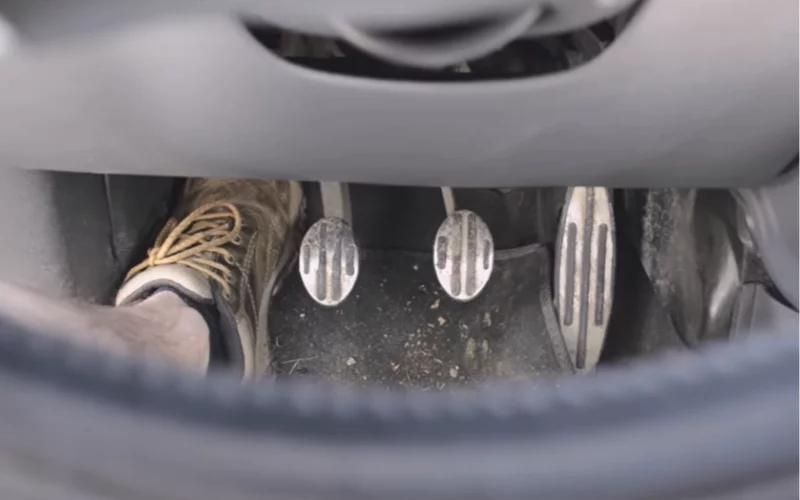
7. Drive Smoothly and Avoid Aggressive Acceleration
Driving style is one of the most overlooked factors when it comes to long-term vehicle health. The way a car is driven every day has a direct impact on how long components last and how hard the systems have to work.
In the case of the Kia Soul, which is built for practical city and suburban use, gentle driving habits can significantly reduce wear and stress on everything from the engine and transmission to the suspension and brakes. Quick acceleration, harsh braking, and sudden turns might not seem like a big deal in the moment, but they add up over thousands of miles.
Over time, this type of driving slowly erodes the condition of the car, making it more likely to develop problems before reaching high-mileage milestones.
Smooth driving means accelerating moderately, braking early and gradually, and avoiding unnecessary strain on the drivetrain. It also involves anticipating traffic and maintaining a steady speed rather than constantly adjusting throttle and brake inputs.
These habits reduce the load on key systems, lower fuel consumption, and decrease heat buildup in the engine and transmission. Many components, especially in automatic transmissions, wear significantly faster under harsh or erratic use. Smooth shifts, consistent speeds, and light throttle inputs help maintain the longevity of clutches, torque converters, and gearboxes.
In addition to protecting mechanical components, smooth driving also protects tires and alignment. Taking corners aggressively or running over potholes at high speeds can throw the suspension out of alignment and cause uneven tire wear. This leads to shorter tire life, poor handling, and more frequent suspension repairs.
By contrast, easing through turns and avoiding unnecessary impacts helps keep the entire chassis in better condition. For cars like the Soul, which rely on tight packaging and compact design, maintaining structural balance becomes more important over time as wear begins to affect components unevenly.
It’s also important to allow the engine to warm up before pushing it hard. Starting the car and immediately driving aggressively forces cold oil to work harder and increases internal friction, especially in winter. Giving the engine just a few minutes of light use before applying full throttle improves lubrication and reduces long-term wear.
This is one of the simplest yet most effective ways to reduce the strain on critical moving parts. Drivers who treat their vehicles with mechanical sympathy almost always see better long-term results than those who treat every green light like a drag race.
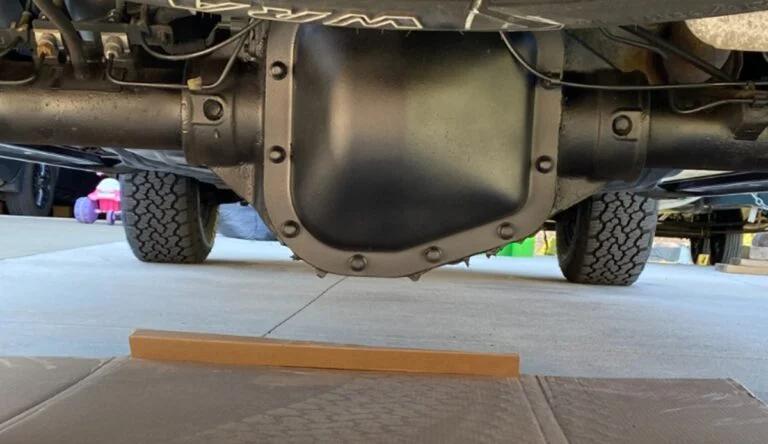
8. Keep the Undercarriage Clean and Protected
Most drivers focus on what they can see, the engine bay, the tires, the dashboard, but the undercarriage is where a lot of silent damage happens over time. For any vehicle driven in wet, snowy, or salty conditions, corrosion is one of the leading causes of failure past 200,000 miles.
Rust doesn’t just affect the body panels; it compromises brake lines, fuel lines, mounting points, and structural reinforcements. Once it sets in, it’s hard to reverse. Keeping the undercarriage clean and protected is one of the best ways to ensure your Kia Soul remains safe and reliable well into high-mileage territory.
The best strategy is to regularly wash the underside of the car, especially during and after winter. Salt and road chemicals stick to metal surfaces and accelerate oxidation, particularly around welds and seams. A high-pressure rinse every few weeks in the winter months removes buildup and helps prevent rust from getting a foothold.
If you live in a dry climate, this might not seem necessary, but dirt and moisture can still combine to trap water against metal parts. A few minutes at a car wash with an underbody sprayer can make a big difference over the long term.
In addition to cleaning, applying undercoating or rust-proofing treatments once every couple of years can significantly slow the corrosion process. Products like rubberized coatings or oil-based rust inhibitors help seal off vulnerable areas, including wheel wells, brake lines, and crossmembers.
It’s important to apply these treatments properly, clean the surface first, allow it to dry, and apply the coating evenly to avoid trapping moisture underneath. Some owners even schedule annual underbody inspections during routine maintenance to catch early signs of rust or damage before they become serious.
Another key detail is to keep an eye on drain holes and body plugs. These small openings allow water to escape from critical areas, but they can get clogged with debris or road grime. When blocked, water collects and pools in areas like the rocker panels, spare tire well, or door sills, quietly promoting rust from the inside out.
Keeping these clear and free of debris is a small task that goes a long way. By treating the undercarriage as an important part of the maintenance routine, you can avoid the kind of damage that totals a vehicle long before the engine or transmission gives out.
9. Regularly Inspect and Replace Wear Items Like Belts and Hoses
As a Kia Soul approaches and surpasses the 200,000-mile mark, the importance of replacing wear items such as belts and hoses cannot be overstated. These components may seem minor compared to the engine or transmission, but they are critical to the function and reliability of the vehicle.
Belts drive essential systems, including the alternator, water pump, and air conditioning compressor, while hoses circulate coolant and fuel throughout the car. If any of these parts fail unexpectedly, they can cause serious engine damage or leave you stranded on the side of the road.
Timing belts, if your Kia Soul model uses one instead of a timing chain, must be replaced on schedule. A broken timing belt can result in catastrophic engine damage because it causes the pistons to collide with valves. Even with timing chains, tensioners, and guides wear out and may require replacement.
Similarly, serpentine belts handle multiple accessory drives and can crack, fray, or snap due to age and heat exposure. Inspecting belts for signs of wear, cracking, or glazing every few months and replacing them when needed is a relatively inexpensive preventative measure that can save thousands in repairs.
Hoses also degrade over time due to constant exposure to heat, pressure, and engine fluids. Coolant hoses, fuel lines, and vacuum hoses all need to be checked regularly for leaks, bulges, or brittleness. Small cracks or leaks in a hose may seem trivial, but they can quickly turn into serious problems.
A coolant hose rupture can cause an engine to overheat, while a fuel hose leak is a fire hazard. Vacuum hoses are just as important because they affect the engine’s ability to regulate fuel and air properly, impacting performance and emissions. Being proactive with hose replacements prevents sudden breakdowns and maintains engine health.
In addition to visual inspections, listening for unusual sounds such as hissing, squealing, or knocking can help catch problems early. Belts that slip or squeal often indicate misalignment or wear, while hissing noises may reveal a vacuum leak.
Regular maintenance shops will often check these items during routine service intervals, but it’s also beneficial for owners to perform their own basic checks or have a trusted mechanic inspect the vehicle thoroughly. Taking these steps ensures that your Kia Soul stays in good mechanical condition, helping to extend its life well past 200,000 miles.
Also Read: 10 Cars With Tricky Seatbelt Buckles for Elderly Passengers
Consistency and Care Make Longevity Possible
Reaching 200,000 miles in a Kia Soul is not just a matter of chance; it’s the result of consistent effort and careful attention to maintenance. Each of these nine hacks plays a crucial role in making sure your car stays healthy and reliable over time.
From sticking religiously to oil change schedules to maintaining the electrical system, from protecting the undercarriage from corrosion to replacing belts and hoses before failure, these steps work together to prevent the kind of wear and tear that can prematurely end the life of a vehicle.
