
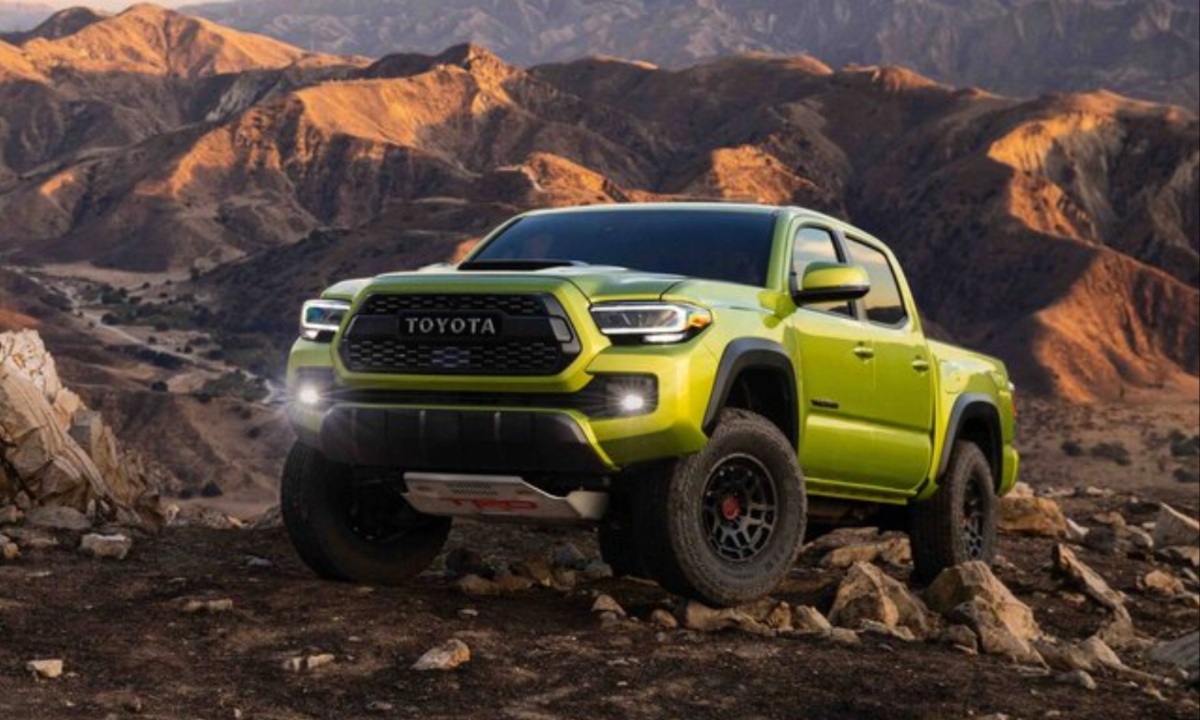
The Toyota Tacoma has earned a reputation as a tough, reliable midsize pickup that appeals to a wide range of drivers, from those needing a dependable work truck to outdoor enthusiasts tackling rough trails. Its robust design and mechanical reliability are well regarded, but like any vehicle exposed to the elements, the Tacoma’s frame is vulnerable to rust over time.
Rust poses a serious threat beyond just cosmetic damage: it can weaken the metal, affect the structural safety of the truck, and lead to costly repairs if not addressed early. Preventing rust is therefore a priority for many Tacoma owners who want to preserve their investment and keep their trucks on the road and off it for years to come.
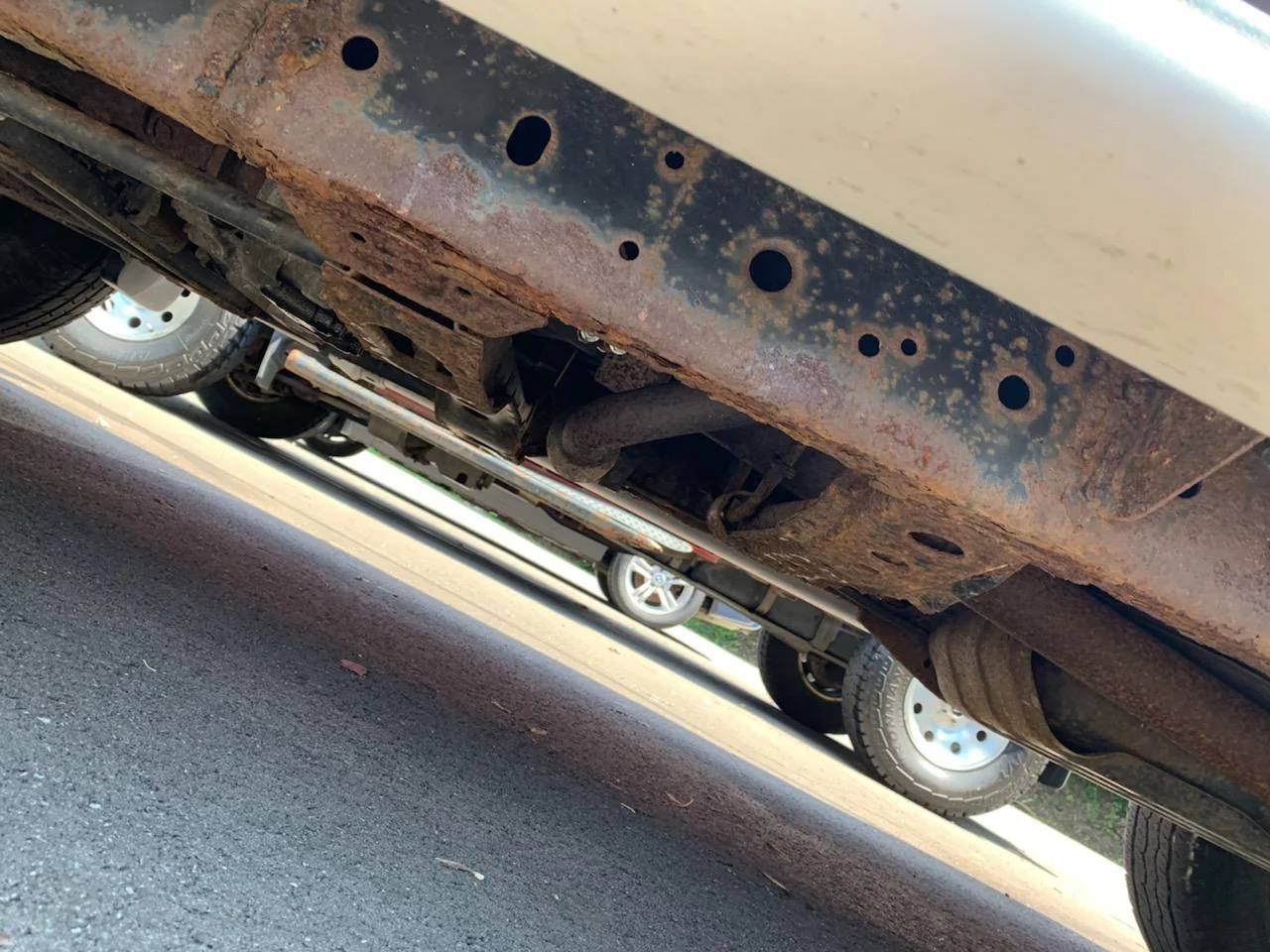
Rust on the Tacoma’s frame typically begins when moisture, dirt, and corrosive materials like road salt accumulate and linger on exposed metal surfaces. This problem tends to worsen in regions with heavy snowfall, coastal areas with salty air, or places where off-road driving kicks up mud and debris.
Even though Toyota applies protective coatings to the frame during manufacturing, these factory treatments may wear down over time or prove insufficient under harsh conditions. Additionally, scratches, chips, and dents on the frame’s paint or coating create weak points where rust can take hold more easily.
Fortunately, Tacoma owners don’t have to simply accept rust as an inevitable issue. There are many upgrades and maintenance strategies available that significantly reduce the chances of rust developing or spreading on the frame.
These measures range from professional-grade coatings to physical shields that block exposure to simple but effective cleaning routines that prevent the buildup of corrosive agents. By taking a proactive approach and using the right combination of upgrades, truck owners can ensure their Tacoma frame stays solid and rust-free much longer than expected.
This article outlines ten of the best rust prevention upgrades specifically for the Toyota Tacoma frame. Each option is explained in detail, including how it works, its advantages, and practical considerations.
Whether a truck owner wants a high-end professional solution or a DIY-friendly method, there is valuable information here to help keep the frame protected. Through these efforts, the Tacoma can maintain its rugged capability and value over time, even in challenging environments.
Also Read: 5 Engines That Rarely Fail Smog and 5 That Always Fail Tests
1. Applying Professional Frame Coating
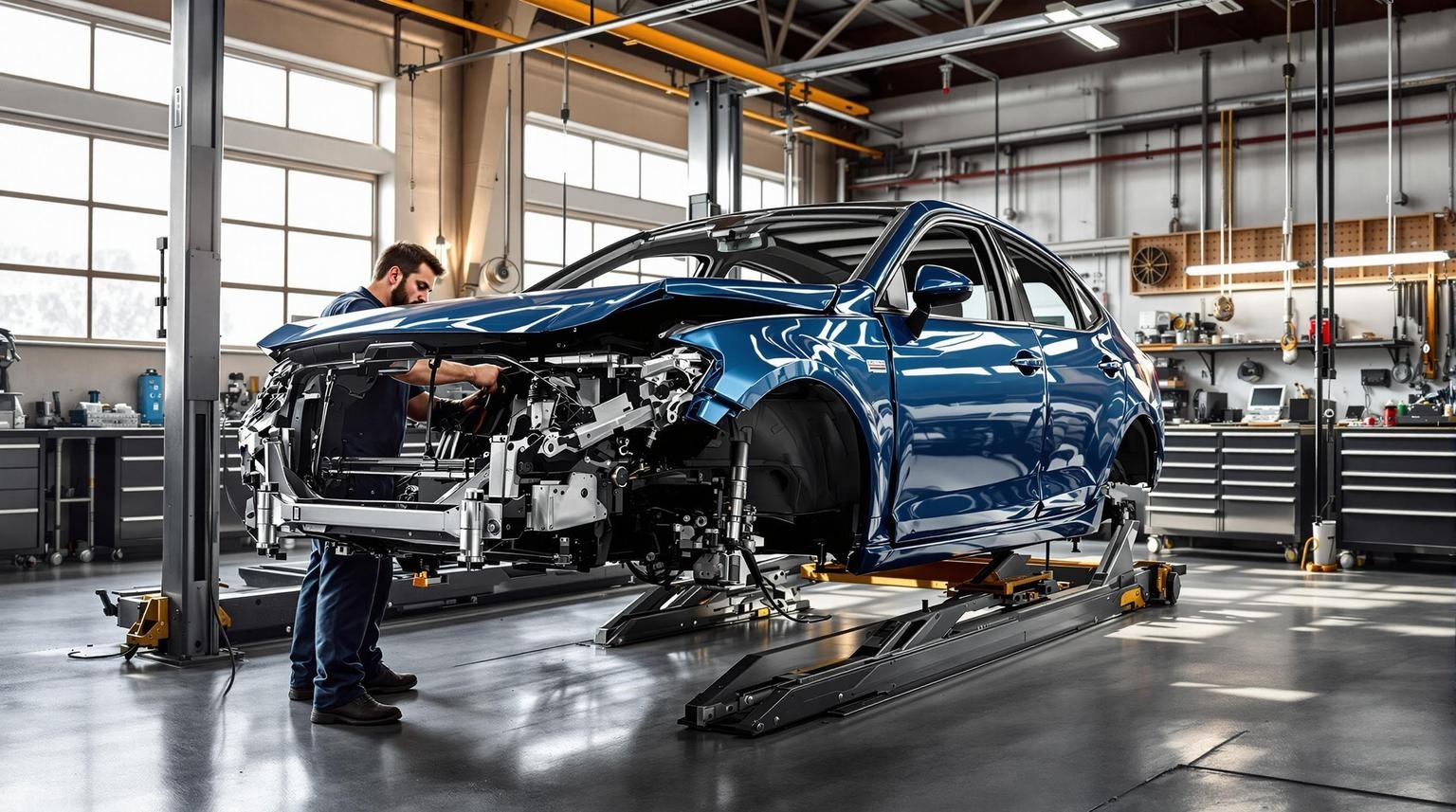
One of the most dependable ways to shield a Toyota Tacoma’s frame from rust is by having a professional frame coating applied. This process involves thoroughly cleaning the frame, often using methods like pressure washing or abrasive blasting to remove any dirt, grime, and existing rust spots.
Once the frame is fully prepped and dry, a thick rubberized or epoxy-based coating is sprayed evenly across the entire surface. This coating bonds tightly with the metal to create a tough, waterproof barrier that prevents moisture, salt, and other corrosive substances from reaching the frame.
Professional frame coatings are designed to endure severe road conditions. They resist cracking, peeling, and damage caused by vibrations, impacts, and debris kicked up during off-road adventures or daily driving. Many coatings also include anti-corrosive chemicals that actively prevent oxidation, even if the coating is scratched or damaged. This added durability ensures the frame remains protected for many years after application.
The preparation and application process are key factors in the success of this upgrade. Skilled technicians typically remove any surface rust, clean the frame carefully, and apply the coating under controlled conditions to maximize adhesion.
This thorough process guarantees that the protective layer will be uniform and effective, covering every nook and cranny of the frame’s complex shape. Some shops may offer additional undercoating for body panels, but focusing on the frame’s structural metal is crucial to maintaining the vehicle’s safety and longevity.
Although professional frame coating can be somewhat expensive, often costing several hundred dollars depending on the extent of the coverage, it is a worthwhile investment. It can extend the frame’s lifespan by years and reduce the likelihood of expensive repairs related to corrosion damage. Furthermore, a rust-free frame can boost resale value and give truck owners peace of mind, knowing their vehicle is well-protected.
2. Installing Frame Armor or Skid Plates
Another practical upgrade that offers both rust protection and physical defense is installing frame armor or skid plates on the Tacoma. These heavy-duty metal plates are custom-designed to fit underneath the truck, covering sensitive and vulnerable sections of the frame and undercarriage.
Originally intended to protect the frame from damage during off-road driving, such as from rocks, logs, or rough terrain, they also serve a valuable function by blocking water, mud, salt, and debris from directly contacting the metal.
Frame armor is typically constructed from durable steel or aluminum, materials chosen for their strength and corrosion resistance. The plates are contoured to fit snugly, minimizing gaps where moisture or dirt could accumulate.
By creating a physical shield between the elements and the frame, skid plates reduce the likelihood that rust-causing substances will build up on the metal surface. This is especially important in areas of the frame that are difficult to clean regularly.
For Tacoma owners who frequently drive off-road or in harsh weather conditions, frame armor is an excellent addition to rust prevention efforts. It can also be combined with professional coatings or rust sprays for enhanced protection.
Installation varies in complexity, sometimes requiring drilling, welding, or bolting to the frame. While some experienced owners may install these themselves, professional installation ensures the plates fit securely and do not interfere with the truck’s suspension or exhaust systems.
Costs for frame armor depend on material quality and coverage area, ranging from a few hundred to over a thousand dollars for full protection. Despite the expense, this upgrade pays off by preserving the truck’s structural integrity and reducing the risk of costly rust repairs.
3. Regular Underbody Washing and Maintenance
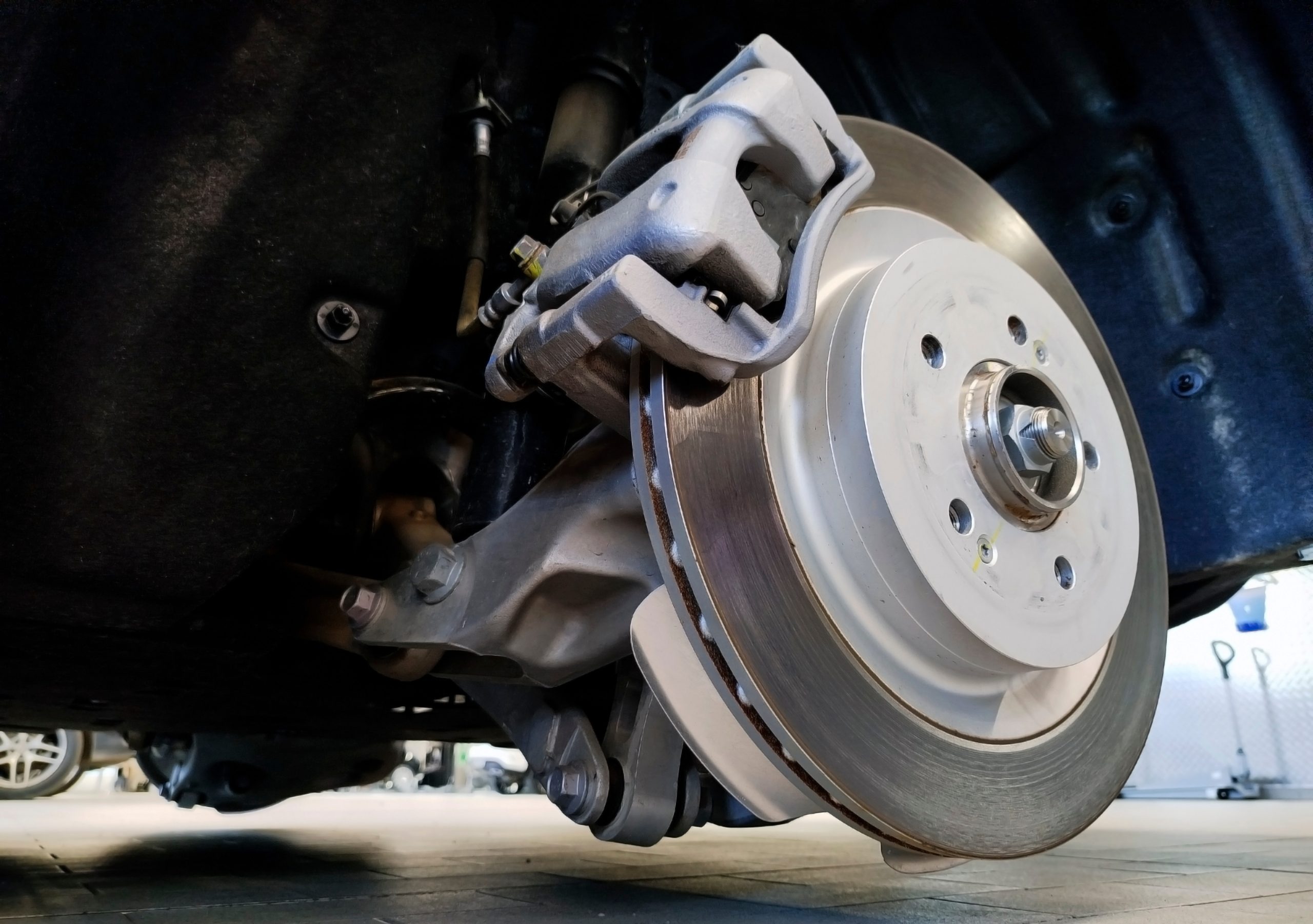
Routine underbody washing is one of the simplest yet most effective ways to prevent rust on a Toyota Tacoma frame. Dirt, mud, road salt, and other corrosive materials tend to accumulate under the truck, especially on the frame, suspension, and wheel wells. When left unwashed, these contaminants hold moisture against the metal, speeding up the oxidation process that leads to rust.
This issue is particularly acute in areas that use road salt during winter months, where salt crystals can embed themselves deep in the undercarriage and frame crevices. Washing the underbody frequently removes these corrosive agents before they have a chance to cause damage. Ideally, Tacoma owners should wash the undercarriage after any trip on salted roads, as well as after off-road use where mud and debris are likely.
Using a pressure washer with an underbody attachment helps reach all parts of the frame that are otherwise difficult to clean. Some car washes offer dedicated undercarriage washes, or owners can do it at home with appropriate equipment. In addition to washing, inspecting the frame regularly for any chips, scratches, or early signs of rust is important. These spots can then be treated promptly with rust inhibitors or touch-up paint.
While washing alone won’t stop rust, it is an essential maintenance habit that supports other rust prevention upgrades. Combined with coatings or sprays, regular cleaning significantly reduces the risk of corrosion buildup and extends the life of the truck’s frame.
4. Using Rust-Resistant Paint or Primer
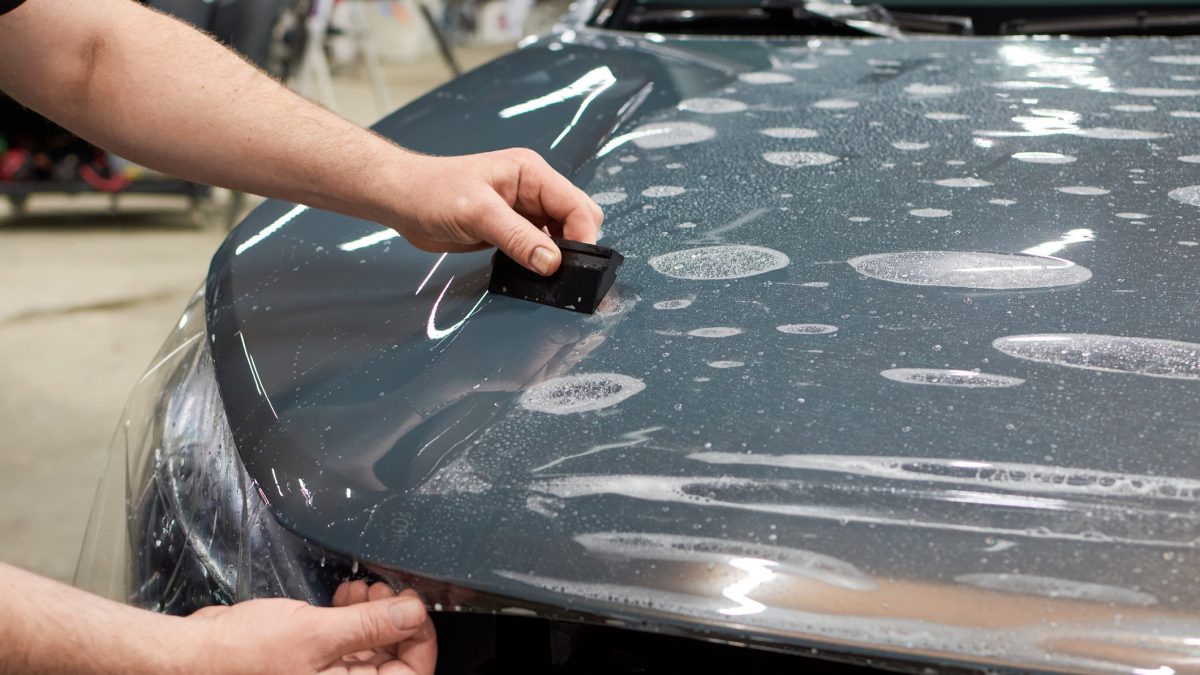
Applying rust-resistant paint or primer is a valuable upgrade for Tacoma owners looking to add another layer of defense against corrosion. This method involves carefully cleaning the frame and sanding down any rusted or damaged spots before applying a specially formulated primer that inhibits rust. After the primer dries, a durable automotive paint is applied over it to seal and protect the metal surface.
Rust-resistant primers contain chemicals that chemically bond with the steel, preventing oxidation from progressing. The paint used on top is often oil-based or epoxy-based, providing excellent adhesion and resistance to chipping or peeling. Together, these coatings create a barrier that keeps moisture, salt, and dirt away from the metal, limiting opportunities for rust to form.
This option is well-suited for owners who prefer a do-it-yourself approach or want to refresh the protective layers on an older vehicle. While it requires careful surface preparation and some skill to apply evenly, it can be done at home with the right tools and products. The paint also adds an aesthetic benefit by giving the frame a clean, uniform appearance.
A potential downside is that painted coatings may wear down faster than professional rubberized or epoxy coatings, especially if exposed to frequent impacts or harsh driving conditions. Periodic inspection and touch-ups are necessary to maintain the protection. Still, rust-resistant paint and primer provide an affordable and effective way to slow rust progression on the Tacoma frame.
5. Adding Drainage and Ventilation Enhancements
Moisture trapped inside the hollow sections and cavities of the Toyota Tacoma’s frame can accelerate rust formation, as water that remains stagnant inside these areas causes metal to oxidize from the inside out.
To combat this issue, some Tacoma owners invest in drainage and ventilation modifications designed to improve water evacuation and airflow around these enclosed spaces. These upgrades might involve drilling strategically placed drain holes in box frame sections, installing ventilation ports, or adding moisture-absorbing materials to the hollow frame areas.
Boxed frame sections, common in many trucks, can unintentionally trap water, mud, and corrosive road salt, especially after driving through puddles, snow, or muddy trails.
Without proper drainage, this trapped moisture remains inside the frame, creating an ideal environment for rust to form undetected. Adding drain holes allows accumulated water to escape, preventing prolonged exposure of metal surfaces to moisture. These holes need to be placed thoughtfully, considering structural integrity and preventing further debris ingress.
Ventilation ports are another approach that encourages airflow within the frame cavities, promoting faster drying after wet conditions. Some owners complement these mechanical changes by placing moisture-absorbing desiccant packets or materials inside hollow sections, particularly if the vehicle is stored in humid climates or not used frequently. These absorbers trap humidity and reduce condensation inside the frame, further limiting rust risks.
Implementing drainage and ventilation modifications usually requires some technical skill, as improper drilling or alterations can compromise frame strength or void warranties. It is advisable to have a professional evaluate and perform these changes to ensure they enhance protection without introducing new weaknesses.
When combined with external protective coatings and regular cleaning, these internal improvements provide a holistic rust prevention strategy, safeguarding even the hidden parts of the Tacoma’s frame from corrosion.
6. Installing Rust-Preventive Spray Systems
Rust-preventive spray systems have gained popularity as a cost-effective and flexible method for protecting the Toyota Tacoma’s frame from corrosion. These aftermarket products come in various formulas, typically containing waxes, oils, or chemical inhibitors designed to create a moisture-resistant barrier over metal surfaces.
One of the main benefits of these spray systems is their ease of application, allowing owners to maintain rust protection themselves without needing expensive professional services.
Wax-based sprays are formulated to create a soft, pliable coating that adheres well to complex surfaces and penetrates tiny crevices and seams where rust often starts. These wax coatings repel water by forming a hydrophobic layer that causes moisture to bead up and roll off the metal, reducing the time water stays in contact with the frame.
Oil-based sprays, sometimes referred to as penetrants, work by seeping deep into joints, welds, and hollow cavities to protect areas that are difficult to reach with thicker coatings. These oils often contain additives that slow oxidation and chemically inhibit rust formation.
One of the advantages of spray systems is their reapplication flexibility. They can be applied at home easily, either with aerosol cans or pump sprayers, enabling Tacoma owners to refresh protection regularly or after heavy exposure to corrosive conditions like winter roads. This repeatability helps keep rust at bay over time, especially when combined with regular underbody washing.
While these sprays do not offer the same long-term durability or impact resistance as professional rubberized coatings, they are an excellent supplemental layer. When used as part of a broader rust prevention routine, spray systems can significantly reduce corrosion risks, extending the lifespan of the Tacoma’s frame and undercarriage components.
7. Using Galvanized or Stainless Steel Replacement Parts
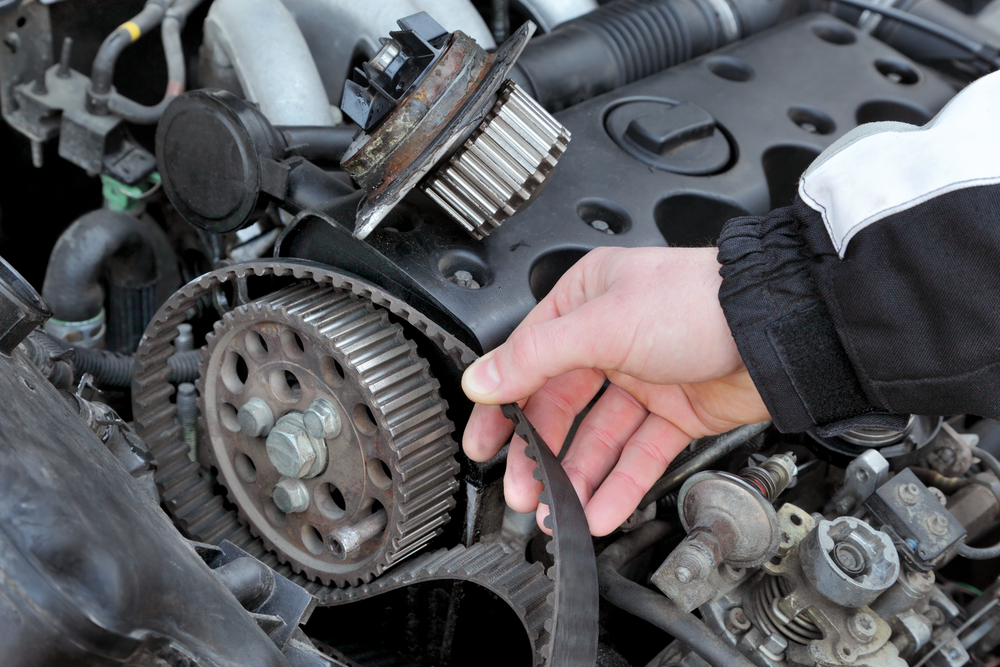
When replacing components attached to or near the Tacoma’s frame, opting for galvanized or stainless steel parts is a smart way to improve rust resistance. Galvanized steel parts are coated with a thin layer of zinc, which serves as a sacrificial barrier against corrosion.
When the zinc layer is exposed to the environment, it corrodes first, protecting the underlying steel. Stainless steel, meanwhile, contains chromium and other alloying elements that naturally resist rusting, even in harsh conditions like road salt exposure or coastal air.
Many parts, such as bolts, brackets, suspension components, and mounting hardware, are prone to rust because they are exposed to water, dirt, and salt on a regular basis.
Using galvanized or stainless steel replacements for these components ensures they last much longer and maintain their structural integrity, reducing the need for frequent repairs or replacements. This is particularly valuable in areas where rust can spread from small parts to the surrounding frame, accelerating damage.
Although galvanized and stainless steel parts typically come with a higher upfront price compared to standard steel, their long-term durability justifies the cost. They require less maintenance, resist surface corrosion, and help preserve the truck’s safety and value over time. Tacoma owners should consider prioritizing these rust-resistant parts during routine maintenance or frame repairs, especially if the vehicle is frequently used in environments prone to corrosion.
By integrating these materials into the truck’s repair and upgrade routine, owners add another layer of defense that complements coatings, sprays, and other protective measures, collectively enhancing the frame’s longevity.
8. Applying Ceramic Coating to the Frame
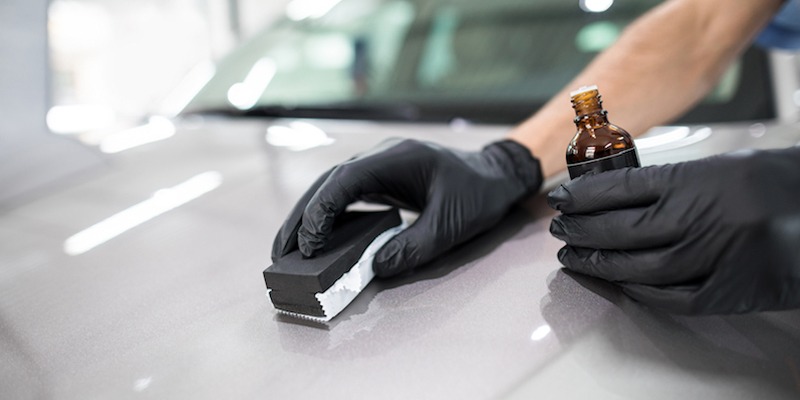
Ceramic coatings have emerged as a modern, high-performance option for protecting vehicle frames from rust and corrosion. Originally designed to protect automotive paint, ceramic coatings use advanced silica-based compounds that bond chemically with metal surfaces, forming an exceptionally hard, durable, and hydrophobic layer. When applied to a Tacoma’s frame, this coating acts as a shield against water, mud, salt, and other corrosive elements that contribute to rust formation.
One of the key advantages of ceramic coatings is their superior resistance to scratching, chipping, and chemical wear compared to traditional rubberized or epoxy-based undercoatings. The coating’s hydrophobic properties cause water and contaminants to bead up and roll off quickly, limiting the contact time between moisture and metal surfaces. This not only slows down oxidation but also makes cleaning the frame easier, as dirt and grime are less likely to adhere strongly.
Applying ceramic coating to a frame requires meticulous surface preparation. The frame must be cleaned thoroughly to remove all dirt, grease, and existing rust or coatings. Professionals typically use pressure washing, degreasers, and sometimes abrasive methods to ensure the metal is ready for bonding. The ceramic solution is then sprayed or brushed on and left to cure under controlled conditions for maximum effectiveness.
While ceramic coatings tend to be more expensive than conventional rust prevention methods, their longevity and minimal maintenance requirements make them an appealing choice for Tacoma owners seeking cutting-edge protection. With proper application and occasional upkeep, ceramic coatings can preserve the structural integrity of the frame for many years, even under tough driving conditions.
9. Using Undercoating Sealants
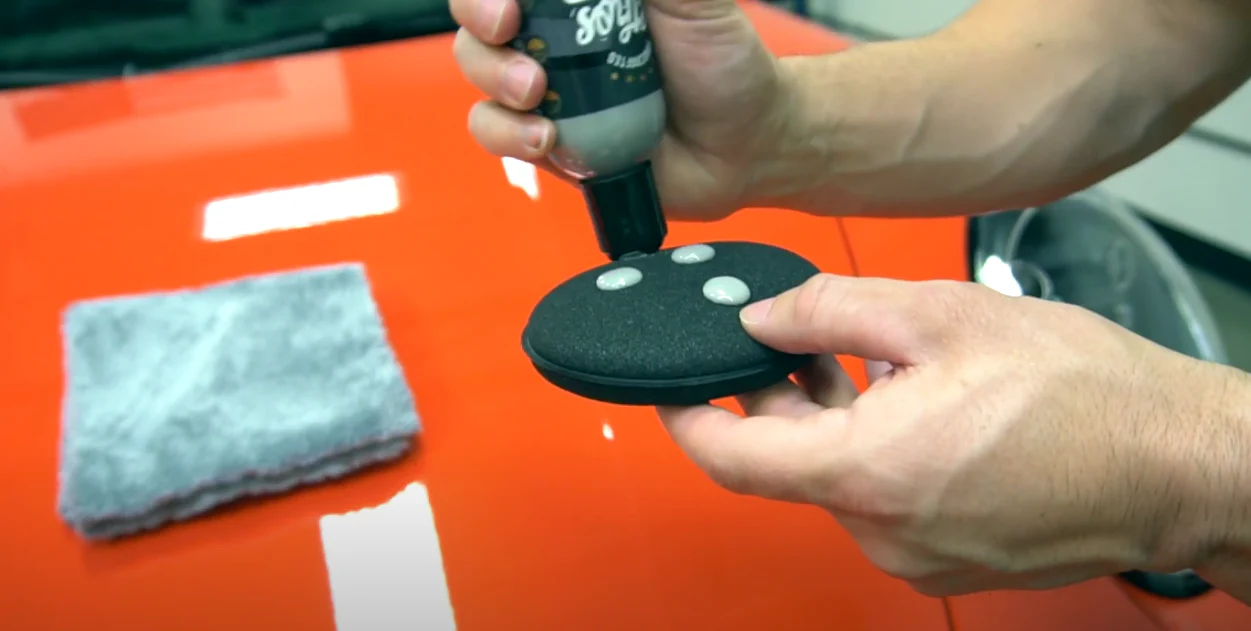
Undercoating sealants are a popular choice among Tacoma owners to shield the vehicle’s underbody and frame from rust. These products usually come as rubberized or asphalt-based sprays that form a thick, flexible, and protective layer on the truck’s underside. This layer guards the metal frame against water, road salt, dirt, and other elements that cause corrosion, making it a practical upgrade for drivers in all kinds of environments.
The rubberized nature of these sealants allows them to adhere tightly to the frame while remaining flexible enough to withstand vibrations, impacts, and temperature changes without cracking or peeling. Additionally, undercoating sealants provide sound-dampening benefits by reducing road noise and vibrations transmitted through the chassis, enhancing the driving experience.
Before applying undercoating sealant, it is vital to clean the underbody thoroughly and remove any existing rust or flaking paint. The sealant is then sprayed or brushed on in multiple layers and allowed to cure fully to form a resilient, waterproof barrier. Many professional automotive shops offer undercoating services, but DIY kits are also available for those who prefer to do it themselves.
Maintenance is key to keeping the sealant effective; over time, it can chip or wear down, especially in areas subject to heavy abrasion. Regular inspection and reapplication of undercoating every few years helps maintain continuous protection. Undercoating sealants offer an affordable and efficient way to reduce rust risks and extend the life of the Tacoma’s frame and undercarriage components.
10. Routine Inspections and Prompt Rust Repairs
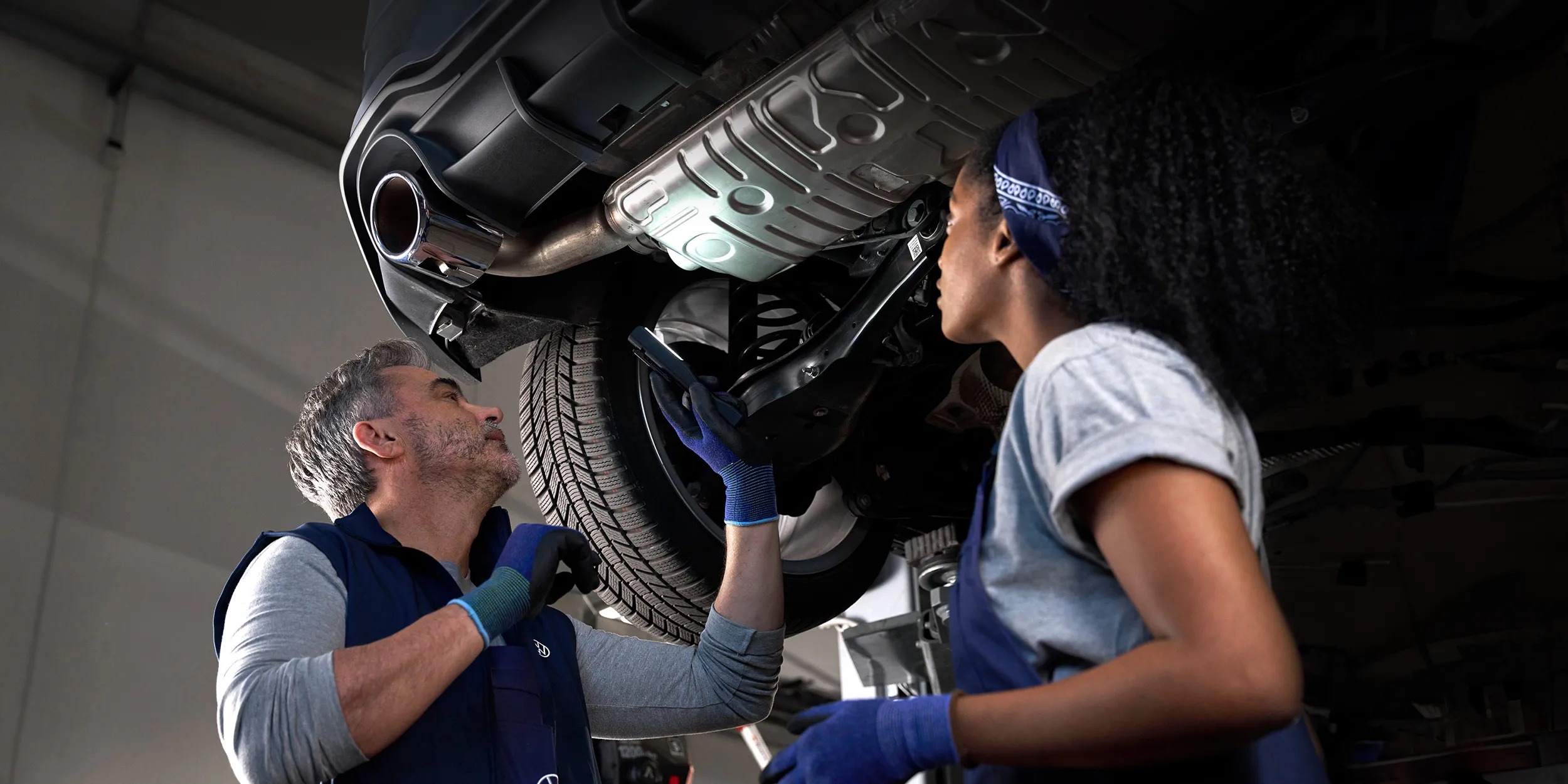
No matter how many preventive upgrades a Tacoma owner employs, routine inspections and prompt rust repairs remain essential for maintaining the truck’s frame integrity. Rust typically begins as small, localized spots that can be difficult to detect without close examination. Regularly checking critical areas such as weld joints, suspension mounting points, frame edges, and inside cavities allows owners to catch corrosion in its early stages before it spreads and weakens structural components.
Inspections should be performed at least once or twice a year, and more frequently if the vehicle regularly encounters harsh conditions such as salty roads, heavy rains, or off-road trails. Visual checks can be complemented by using tools like flashlights or mirrors to inspect hard-to-see areas. Signs of rust include bubbling paint, discoloration, surface roughness, or flaking metal.
When rust is identified, prompt action is necessary to prevent further damage. Removing rust involves sanding, grinding, or wire brushing the affected area down to clean metal. Afterward, applying rust converter chemicals helps neutralize any remaining oxidation and prepares the surface for sealing. Finally, repainting with rust-resistant primers and protective coatings seals the metal against future exposure.
If rust has compromised the frame severely, professional assessment and repairs may be required, potentially including welding or replacement of damaged sections. Timely rust control not only preserves the Tacoma’s structural safety but also protects its resale value.
Consistent inspections combined with rapid treatment form the backbone of any rust prevention strategy. They complement upgrades like coatings, sprays, and mechanical modifications by catching and addressing corrosion before it can cause serious problems.
Also Read: 5 Engines That Survive the Salt Belt and 5 That Rust Inside
Preventing rust on a Toyota Tacoma frame is not simply about preserving the truck’s appearance; it is fundamentally about maintaining the vehicle’s structural integrity, safety, and long-term value. Rust can quietly undermine the strength of the frame over time, especially in harsh environments where moisture, road salt, mud, and debris constantly challenge the metal’s durability.
Without effective protection, rust can lead to costly repairs, reduce the truck’s lifespan, and compromise its performance in critical situations. Therefore, implementing a comprehensive rust prevention plan is essential for any Tacoma owner who wants to ensure their vehicle remains dependable and resilient.
The variety of rust prevention upgrades available today provides Tacoma owners with numerous options tailored to their needs, budgets, and driving conditions. Professional frame coatings offer robust, long-lasting protection by creating a tough barrier that withstands moisture, salt, and abrasion.
Frame armor and skid plates add an extra layer of physical defense, shielding the most vulnerable parts of the frame from direct exposure and mechanical damage. Meanwhile, simple but crucial habits like regular underbody washing help remove corrosive substances before they can do harm, serving as a foundation for all other protective measures.
Other innovative solutions, such as ceramic coatings, bring cutting-edge technology to the table, offering a hard, hydrophobic surface that repels contaminants and reduces cleaning time. Spray-on rust inhibitors and undercoating sealants provide convenient, repeatable protection that can be applied at home or professionally, keeping the frame sealed against moisture between more extensive treatments.
Additionally, upgrading to galvanized or stainless steel replacement parts helps reduce corrosion risks in areas prone to rust, while improvements to drainage and ventilation address hidden moisture inside frame cavities, tackling rust from the inside out.
None of these upgrades alone guarantees rust immunity, which is why combining multiple approaches yields the best results. Most importantly, regular inspections and prompt repairs allow Tacoma owners to catch rust early and stop it from spreading. This proactive mindset, alongside consistent maintenance and the right protective upgrades, ensures the Tacoma’s frame remains strong and rust-free for many years, even under demanding driving conditions.
Investing time and resources into rust prevention protects not just the truck but also the safety and confidence of the driver. A well-maintained Tacoma with a rust-free frame is better equipped to perform, handle rough terrain, and retain its resale value.
For owners committed to preserving their trucks, these rust prevention strategies are indispensable tools that safeguard one of the most critical components, the frame, and secure the Tacoma’s reputation as a rugged and reliable vehicle for the long haul.
