
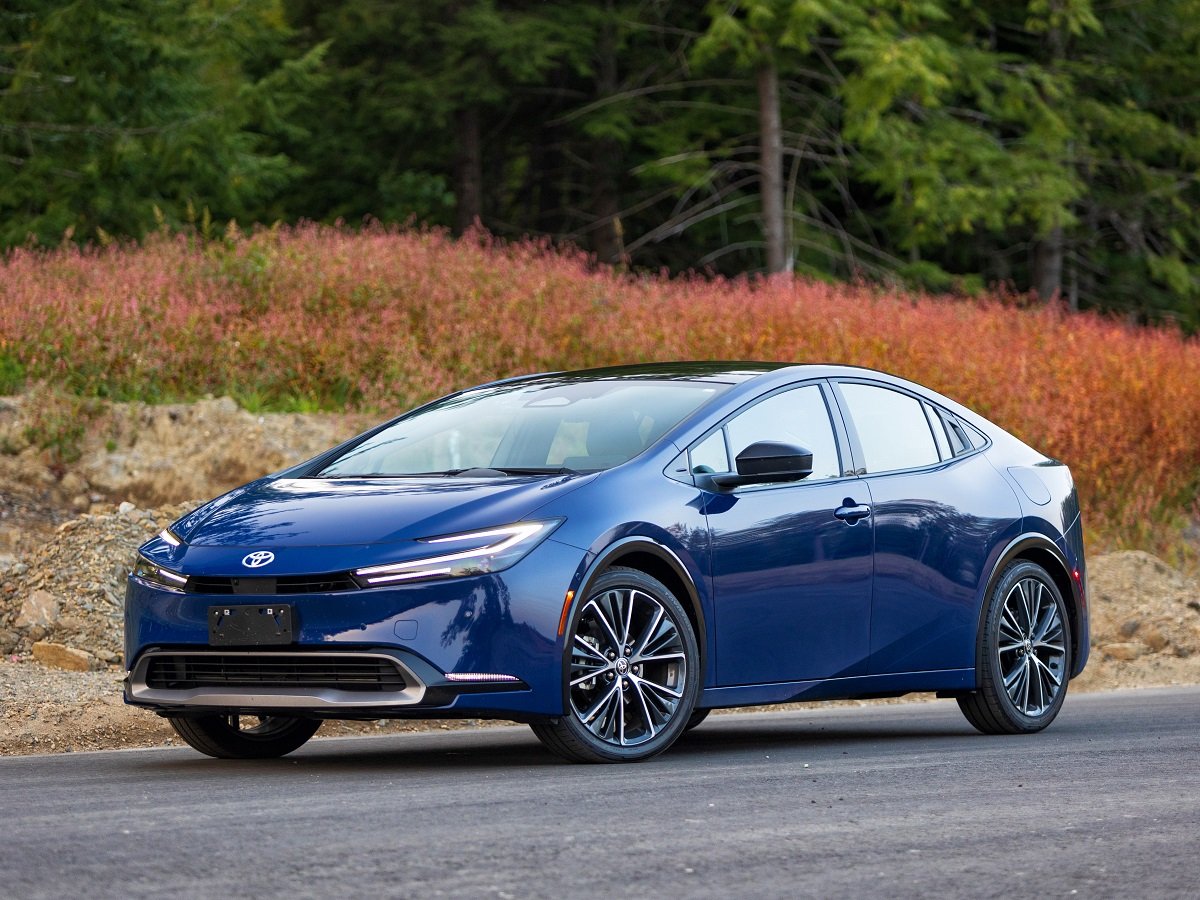
The Toyota Prius has long held a reputation as one of the most reliable and fuel-efficient hybrid vehicles on the market. Since its introduction, it has earned the trust of drivers who value long-term durability and environmental consciousness. Yet, one component that occasionally stirs up concern among owners is the hybrid battery.
This battery is the heart of the Prius’s hybrid system, and its failure can be both inconvenient and expensive. Thankfully, with consistent attention and smart habits, most Prius batteries can last well beyond their expected lifespan. Understanding what affects battery health and implementing small, proactive actions can significantly reduce the chances of unexpected failure.
Battery failure often doesn’t come out of nowhere. In many cases, it’s a result of ongoing neglect or stressors that could have been avoided. The good news is that there are patterns to recognize and actions to take that make a real difference.
The Prius’s hybrid battery is engineered to last between 8 to 10 years, or around 100,000 to 150,000 miles, depending on how it’s treated. With careful management, many drivers have reached even higher mileages without facing battery-related problems. The secret lies in how the car is used, maintained, and stored over time.
While the car’s built-in management systems are designed to optimize the battery’s performance, the driver’s behavior plays a key role in determining how smoothly that system operates. From basic driving techniques to simple maintenance habits, there’s a lot the average owner can do.
These aren’t overly technical actions either. They’re practical, simple habits that, once formed, become second nature. Small changes like consistent driving, occasional long trips, or checking ventilation can have a greater impact than many people realize.
The sections that follow break down ten habits that can significantly improve the odds of keeping your Toyota Prius battery in good shape for the long haul. Each habit stands on its own as a pillar of battery health, and together, they form a reliable approach to hybrid car care. If you’re looking to avoid a surprise trip to the mechanic and save thousands in potential repair bills, these habits are worth building into your daily routine.
Also Read: 5 Engines That Rarely Fail Smog and 5 That Always Fail Tests

1. Drive Your Prius Regularly
Cars are meant to be driven, and the Prius is no exception. One of the most common mistakes Prius owners make is letting the car sit unused for extended periods. The hybrid battery slowly discharges over time, and if it’s not recharged regularly through driving, the charge can drop to a level that affects its health.
Leaving your car parked for weeks without use puts the battery at risk of deep discharge, which causes strain on individual cells and weakens the battery’s strength. Even just driving a few miles a couple of times a week can help maintain a healthy charge level and keep the system active.
Short trips alone, however, may not always be enough. Frequent stop-and-go trips under five miles might not allow the hybrid battery to reach its optimal temperature and performance range.
A good practice is to include occasional longer drives where the car can run for 20 to 30 minutes or more. This allows the battery to operate across its full range, which can help balance the individual cells. Balanced cells tend to last longer and perform more consistently than those that are only partially charged and discharged repeatedly.
Letting a Prius sit for too long also invites another problem: moisture buildup and condensation in the battery compartment. This is especially true in humid or cold environments. Moisture can lead to corrosion on electrical contacts or rust on battery cooling fans. Both issues reduce the system’s efficiency and increase the likelihood of failure. Regular use keeps components dry and allows the battery cooling system to do its job effectively, extending the system’s useful life.
Owners who travel or park their car for extended periods should consider investing in a battery maintenance charger designed for hybrid systems. While not always necessary, especially for daily drivers, it can be a good tool for those who leave their car unused for weeks at a time. Still, the best solution remains routine driving, which keeps everything working and reduces the likelihood of deterioration.
2. Monitor the Hybrid Battery Fan
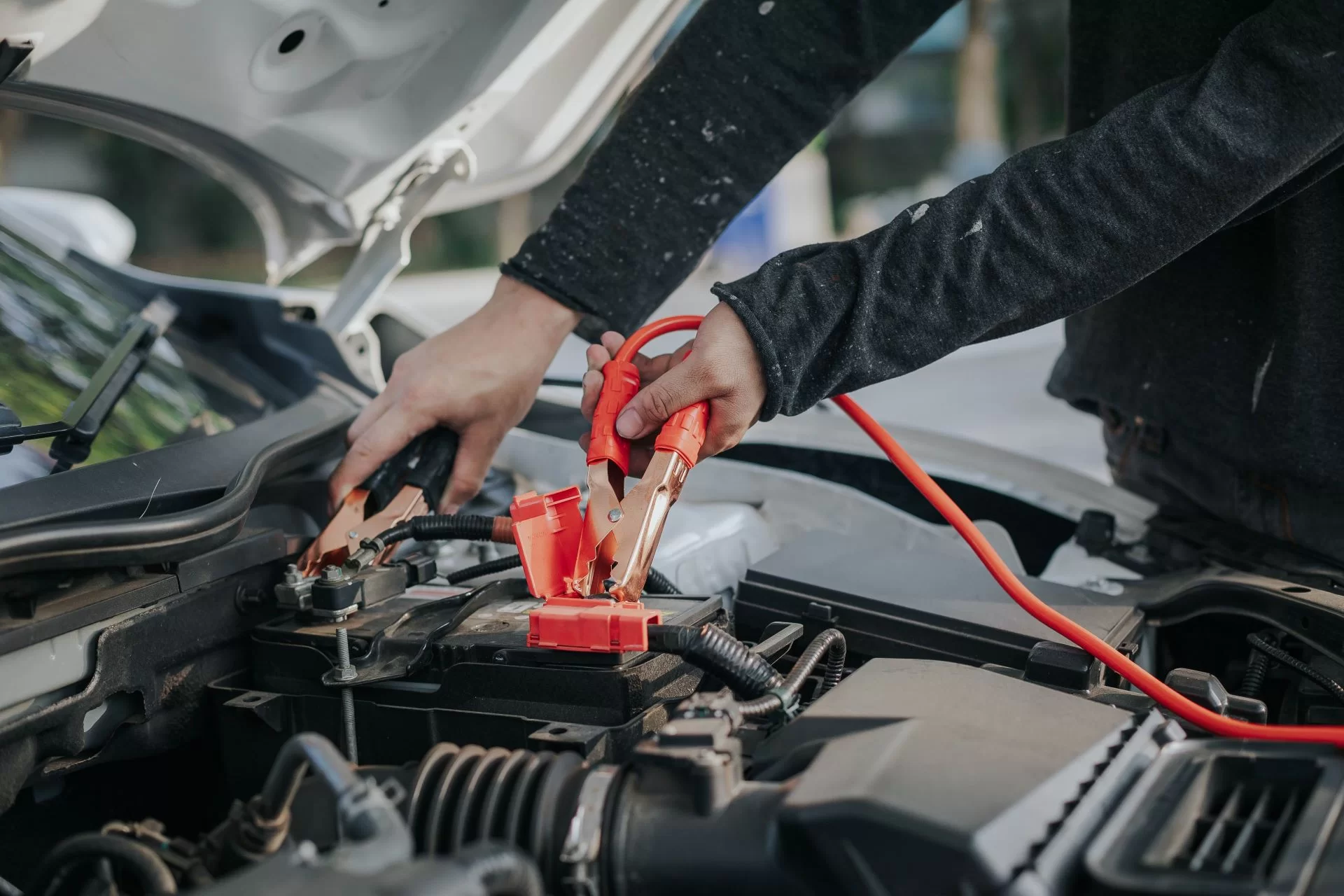
The battery cooling fan plays a key role in keeping temperatures within safe limits. As the Prius battery works, it generates heat. That heat needs to be removed efficiently, or the cells can wear out faster. The fan pulls in air from the cabin to cool the battery compartment, and over time, it can get clogged with dust, pet hair, and other debris. If the airflow becomes restricted, cooling performance drops, which raises battery temperature and stresses the system.
Cleaning the fan is often overlooked during regular maintenance. This is especially true for owners with pets or those who drive in dusty or sandy environments. You don’t need to be a professional to check the fan. With some patience and basic tools, you can access the fan housing, inspect for buildup, and clean it out if needed. Doing this once every 12 to 18 months can prevent unnecessary overheating and protect the longevity of your battery pack.
A fan that has to work harder because of blockages not only becomes noisy, but also increases power consumption. This creates more wear on the electrical system and adds pressure to the hybrid battery itself.
As airflow is reduced, the battery may frequently operate above its ideal temperature. Even minor temperature increases over a long period can degrade battery cells, leading to reduced efficiency and, eventually, failure.
Some models of the Prius have sensors that detect fan performance issues, but many problems can go unnoticed until damage is already done. Visual inspection is one of the most reliable ways to catch problems early. Owners who take the time to clean or replace the fan as needed often find that their battery runs cooler and more consistently, and they enjoy better performance from their hybrid system.
3. Keep the Battery Compartment Cool
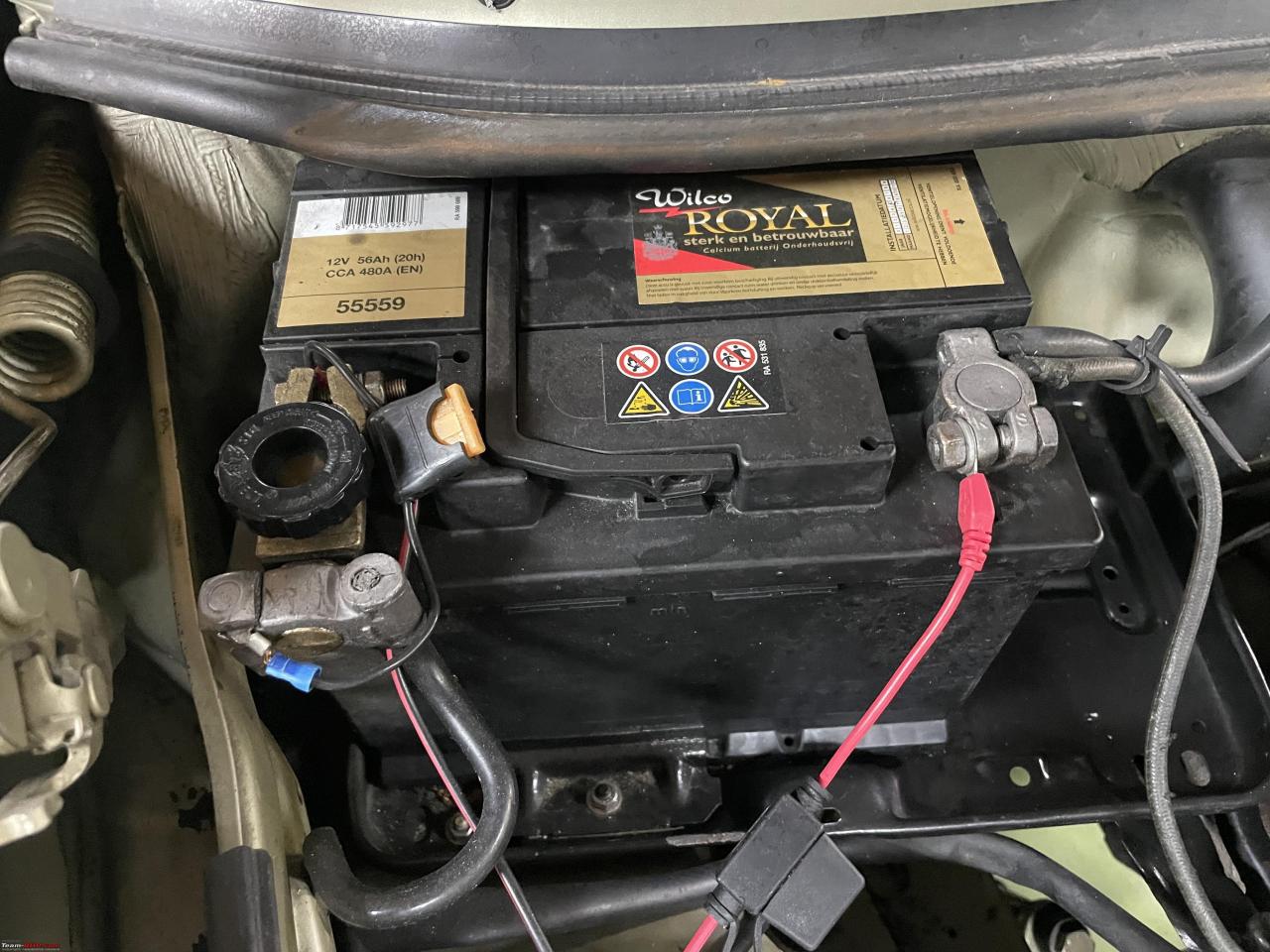
Heat is the enemy of battery health. The Prius battery performs best within a certain temperature range. Repeated exposure to high temperatures will speed up the chemical wear of the cells, which leads to permanent capacity loss. While the Prius has systems in place to regulate battery temperature, these systems rely on the environment to some degree. Parking habits, interior temperatures, and even how the car is ventilated all influence battery temperature.
One easy way to reduce battery stress is by parking in shaded areas, especially during summer. Leaving the car in direct sunlight causes the interior temperature to rise dramatically, and since the battery pulls cooling air from the cabin, that hot air ends up being used to try to cool the battery. This puts the entire system at a disadvantage. Even something as simple as using a windshield sunshade or tinted windows can make a difference in cabin temperature and, by extension, battery temperature.
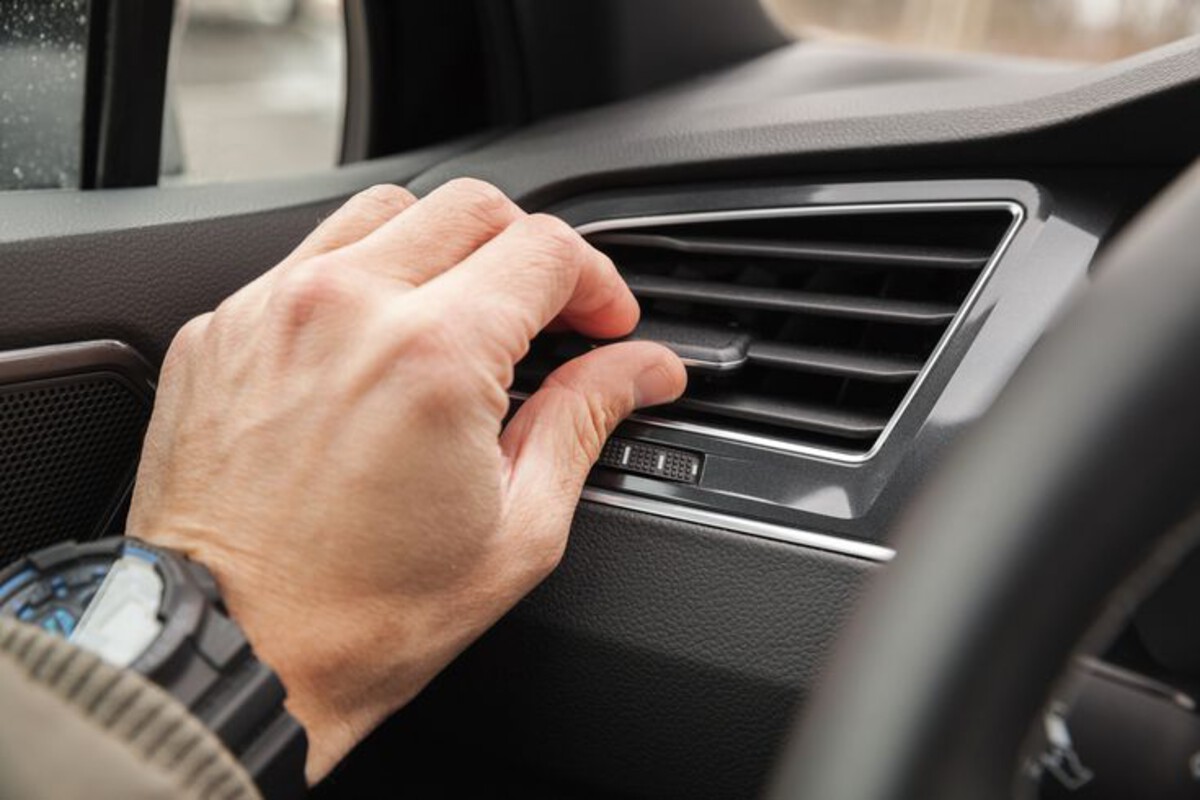
During very hot weather, it’s smart to crack the windows slightly or use window visors to allow some ventilation. This prevents excessive heat buildup inside the car. It also helps the battery fan work more effectively when the car is first started. In addition, running the air conditioning for a minute or two before driving can help cool the cabin air that will be used to regulate battery temperature.
Some Prius owners use aftermarket battery cooling fans with stronger airflow. While these can help in extreme climates, they are not always necessary. In most cases, controlling the cabin temperature and keeping the car out of intense heat is enough to keep the battery safe. The goal is not to eliminate heat, but to avoid prolonged exposure to high temperatures that degrade cell chemistry over time.

4. Avoid Aggressive Driving Habits
How the car is driven has a direct impact on battery health. Rapid acceleration, hard braking, and frequent speed changes put more strain on the hybrid system. The Prius is designed to balance power from the gasoline engine and electric motor smoothly, but when the driver demands sudden power, the battery is forced to deliver high energy output in a short time. Doing this repeatedly increases heat, stresses the battery pack, and leads to faster wear.
Smooth acceleration and gradual braking are ideal. When you accelerate gently, the Prius uses more electric power at first, then blends in engine power when needed. This reduces sudden loads on the battery and keeps temperature and power levels more stable.
Similarly, when you brake gradually, the regenerative system has time to recover energy and send it back to the battery. This energy recycling helps maintain charge and reduces the load placed on the battery during acceleration.
City driving with frequent stops and short bursts of speed is one of the toughest environments for the hybrid battery. By changing how you handle traffic lights and stop signs, you can reduce this strain. For example, easing off the accelerator earlier and coasting into stops allows the battery to recharge more efficiently while reducing wear on the system. These small adjustments can add up to significant improvements in battery health over time.
Drivers who make a conscious effort to treat the hybrid system gently often see longer battery life, better fuel economy, and fewer maintenance issues. It’s not about driving slowly but about driving smoothly. The Prius responds well to predictable inputs, and when you develop good habits behind the wheel, the car rewards you with longer-lasting components.
5. Pay Attention to Warning Signs and Error Codes
The Prius is equipped with a sophisticated onboard diagnostic system that monitors the condition of its hybrid components, including the battery. Many drivers, however, tend to ignore early signs of trouble or dismiss warning lights until a more serious issue arises.
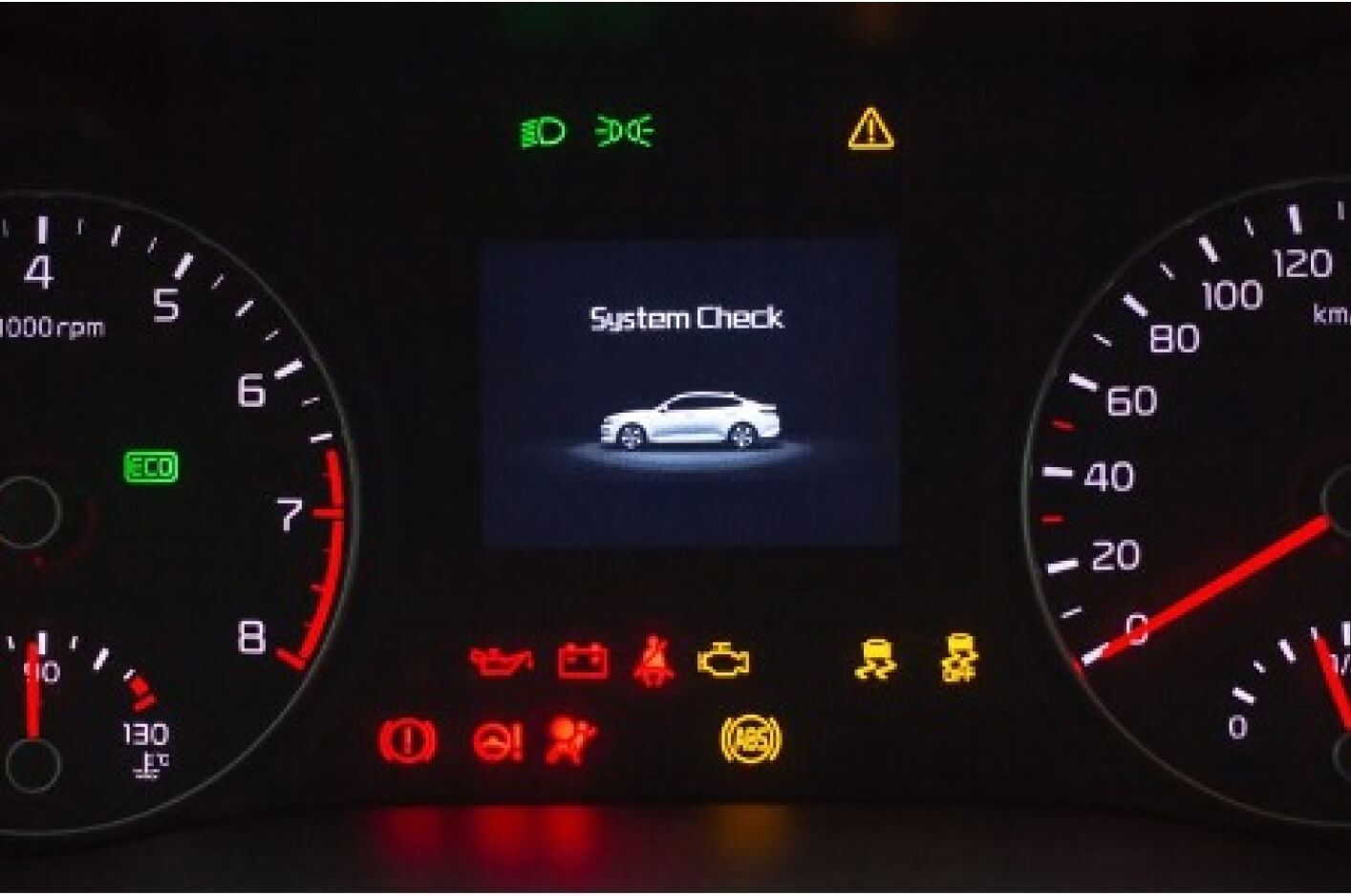
Paying close attention to dashboard indicators, especially the check hybrid system or battery warning icons, can give you an early chance to address issues before they develop into full-blown battery failure. Ignoring these warnings increases the risk of more extensive damage and reduces the likelihood that a minor issue can be resolved with a simple fix.
Beyond dashboard lights, other subtle signs may indicate battery stress. Reduced fuel efficiency, inconsistent power delivery, or the engine staying on longer than usual are signs that the battery might not be operating at full capacity.
If the battery charge fluctuates rapidly, jumping from nearly full to almost empty in a short time, it could be a sign of cell imbalance or degradation. These symptoms should not be brushed off as minor annoyances. They are often the first clues that the battery needs attention, and addressing them early can make a major difference in the system’s lifespan.
Having a scan tool that can read hybrid-specific codes is one of the most useful tools a Prius owner can have. Generic code readers may not show the specific battery module or cell information, while a hybrid-capable diagnostic tool can. It allows you to identify weak modules, detect sensor faults, and even assess battery temperatures.
With this data, you or your mechanic can make informed decisions about what kind of service is needed. In many cases, early intervention might prevent full battery replacement by addressing a single failing module or fixing a software glitch.
Routine inspections, especially after crossing major mileage thresholds like 100,000 miles, should include a look at battery health. Many hybrid mechanics can run a full battery diagnostic test, including stress testing and capacity measurement.
If you catch a weak battery early, you may be able to recondition it or replace individual modules instead of paying for an entirely new pack. Taking a proactive approach based on warning signs can save you significant money and downtime in the long run.
Also Read: 5 Engines That Survive the Salt Belt and 5 That Rust Inside
6. Service the Inverter and Cooling System
The inverter is a critical component in the Prius hybrid system, converting DC power from the battery to AC for the motor and vice versa. It generates heat as it operates, and just like the hybrid battery, it relies on a dedicated cooling system to keep it functioning properly.
If this cooling system fails or becomes inefficient, the inverter can overheat, placing additional stress on the battery. A failure in the inverter cooling circuit can also shut down the entire hybrid system, sometimes causing the car to enter a fail-safe mode or even stop running altogether.
Maintaining proper coolant levels is key. The Prius has separate coolant reservoirs for the engine and the inverter. Some owners mistakenly assume there is only one system and neglect the inverter coolant entirely. Over time, coolant can degrade or evaporate, especially in high-mileage vehicles.
A low coolant level can lead to reduced heat transfer efficiency, which increases thermal strain on both the inverter and the hybrid battery. Checking the coolant level regularly and topping it off with the correct Toyota-specified coolant helps avoid overheating and long-term damage.
Like all cooling systems, the inverter circuit is also subject to wear. The water pump that circulates the coolant can fail, and the coolant passages may become clogged with debris or scale. If you notice that the inverter coolant reservoir is not moving fluid while the car is in the ready mode, it might indicate that the inverter pump has stopped working.
Replacing this pump is relatively affordable and far less expensive than dealing with an inverter or battery failure caused by overheating. Many hybrid shops recommend replacing the inverter water pump around 100,000 to 120,000 miles as a preventative measure.
In addition to the inverter system, the cooling performance of the battery itself depends on clean air flow and a functioning cooling fan, as discussed earlier. These two systems are separate but work toward the same goal: temperature control. If either system is neglected, the battery will have to work under suboptimal thermal conditions.
This added heat not only reduces battery efficiency but also accelerates chemical aging, especially during high-load scenarios like uphill driving or summer commutes. Keeping both cooling systems clean and efficient is an easy way to support the battery indirectly while ensuring long-term hybrid reliability.

7. Maintain Proper Tire Pressure and Alignment
At first glance, tire maintenance might seem unrelated to battery longevity. However, underinflated or misaligned tires create more rolling resistance, forcing the hybrid system to work harder to move the car. This added strain means more frequent use of the electric motor and battery, especially during acceleration and low-speed driving.
Over time, this extra load reduces battery efficiency and contributes to faster wear. Maintaining correct tire pressure ensures smoother driving, better fuel economy, and less stress on the hybrid components.
Incorrect alignment causes the car to constantly resist forward motion, leading to uneven power distribution and additional energy consumption. This forces the hybrid battery to compensate more frequently, as the system tries to maintain efficiency despite mechanical resistance.
You might notice the car pulling to one side or the steering wheel being slightly off-center. These are not just driving annoyances. they are indications that your hybrid system is being overused to maintain performance.
Tires should be checked at least once a month, and pressure should be adjusted based on manufacturer specifications, which are typically found on a sticker inside the driver’s door.
Overinflation can be as problematic as underinflation, reducing grip and leading to uneven tire wear. When tires are properly inflated and aligned, the energy needed to propel the vehicle is minimized, which means the hybrid system, especially the battery, doesn’t have to pick up slack caused by mechanical inefficiencies.
Rotating your tires regularly and ensuring proper balancing also contribute to a smoother ride and balanced power delivery. When the car glides effortlessly, the battery stays within its optimal operating range more consistently. In contrast, an unbalanced or struggling car demands sudden power bursts from the battery, leading to cell stress and potential overheating. It’s often the overlooked maintenance tasks, like tire care, that produce the greatest indirect benefits to battery life.

8. Avoid Excessive Load and Towing
While the Prius is capable of handling normal daily use and occasional heavier loads, it was not designed for towing or carrying excessive weight. Overloading the car places additional demand on the hybrid battery, especially during acceleration and hill climbing. When the car is heavier than recommended, the hybrid system relies more heavily on the electric motor to get moving. This means the battery discharges more quickly and heats up faster, which can shorten its lifespan over time.
Many Prius owners modify their vehicles with roof racks, bike carriers, or even trailer hitches. While some of these modifications are within acceptable limits, others push the car beyond its intended capabilities.
Adding 300 to 500 extra pounds consistently, even if it’s spread out as cargo, gear, or passengers, causes performance to drop and battery wear to increase. If you often drive with heavy loads, you may notice decreased electric-only range or reduced regenerative braking efficiency. These are signs that the battery is working harder than it should.
When it comes to towing, Toyota generally advises against it for most Prius models. Attempting to tow even small trailers adds a level of stress that the hybrid system is not optimized to handle. The inverter, electric motor, and battery are all sized to balance efficiency and performance under moderate loads. Overloading these components repeatedly will accelerate wear and lead to potential failure. It’s not just about mechanical strength but thermal and electrical limits as well.
If you occasionally need to transport large or heavy items, try to spread the weight evenly and avoid prolonged driving in high-load conditions. Also, monitor how the car behaves, listen for changes in acceleration, overheating warnings, or fan noise.
These are all indicators that the system is under strain. When possible, reduce extra weight by removing unused roof racks or empty cargo boxes. The less weight the hybrid system has to carry, the less energy is demanded from the battery, and the longer it will last.
9. Recondition the Battery Periodically
As Prius batteries age, individual cells begin to drift apart in terms of voltage and capacity. This imbalance causes the battery management system to work harder to maintain performance, and it may eventually lead to warning lights or failure.
Reconditioning is the process of cycling the battery through controlled charge and discharge phases to bring these cells back into balance. It doesn’t fix dead cells, but it can extend the usable life of a battery that’s beginning to show early signs of degradation.
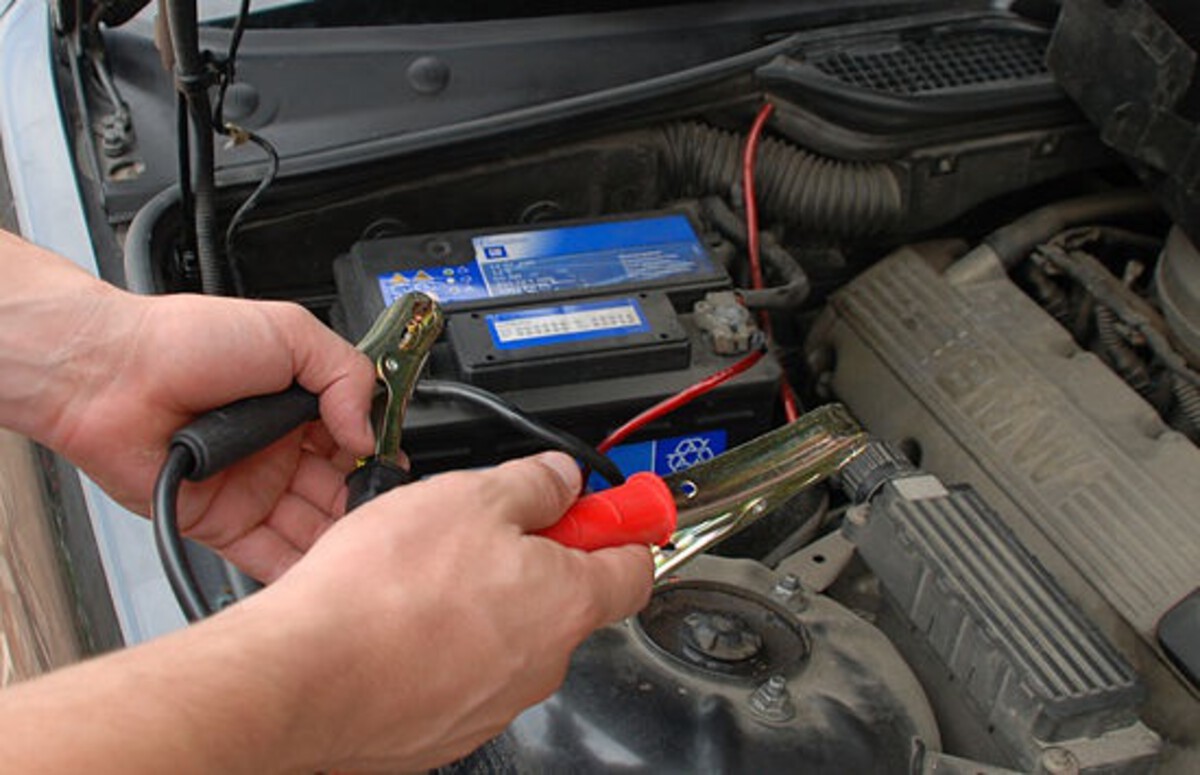
Battery reconditioning can be done with specialized equipment that’s available at some independent hybrid repair shops. These tools allow for deep discharge and controlled recharging, which redistributes capacity across all cells. After a successful reconditioning session, the battery often shows improved voltage consistency, better charge retention, and more stable power delivery. Many owners report noticeable improvements in fuel economy and a reduction in battery-related warning lights after reconditioning.
Some mechanically inclined owners choose to buy reconditioning kits and perform the process themselves. While this can be effective, it requires a fair amount of patience and a basic understanding of hybrid systems.
The reconditioning process can take days, as it involves cycling the battery pack multiple times and monitoring data throughout the process. If not done correctly, it can lead to further imbalance or even damage, so it’s best left to professionals unless you’re confident in your skills.
Reconditioning works best when performed early in the degradation process, not after the battery has completely failed. It’s most effective on batteries that still function but show signs of weakening performance.
As a preventative habit, reconditioning every 50,000 to 70,000 miles can help delay the need for a full replacement. It’s not a permanent solution, but when timed right, it can buy years of additional use from your original battery pack.

10. Use the Right Mechanic and Avoid Quick Fixes
Hybrid vehicles are complex, and while some routine maintenance overlaps with conventional cars, the battery system requires specialized knowledge. Using a general mechanic who is unfamiliar with hybrid systems can result in incorrect diagnoses, improper repairs, or risky shortcuts. It’s important to find a mechanic who understands hybrid batteries, has access to the correct diagnostic tools, and knows how to service the battery and related systems safely.
Avoid shops that offer quick fixes or claim to “reset” warning lights without addressing the underlying cause. Battery failures don’t go away with a reset; they typically worsen with time. In some cases, shady operations will clear codes just long enough to sell the vehicle, leaving the next owner with a failing battery.
A good mechanic will investigate warning lights, run proper diagnostics, and explain what’s happening inside the battery pack rather than masking the issue temporarily.
It’s also common to encounter used battery packs being sold online or by small repair shops at a lower cost. While some of these may still be functional, many are cobbled together from old modules with inconsistent performance.
Installing a mismatched or poorly tested battery can cause more problems than it solves. Inconsistent modules will fight against each other during charging and discharging cycles, leading to more wear and a faster failure.
Having a relationship with a reliable hybrid specialist can save time, stress, and money in the long run. Whether you need routine inspections, battery testing, or module replacements, they can provide options tailored to your budget and needs.
You don’t always have to replace the entire battery if one or two modules are failing. A knowledgeable mechanic can often offer balanced, thoughtful repairs that extend your battery’s useful life rather than pushing premature replacement.
