

The Subaru Forester has earned a reputation for reliability, utility, and performance in all kinds of road conditions. It’s a vehicle that attracts drivers who value safety, practicality, and a certain rugged charm. Whether it’s used for daily commuting, weekend adventures, or family errands, the Forester tends to hold up well against years of use.
That said, even the most reliable vehicles can fall victim to premature wear and failure if not treated with proper care. What really shortens a car’s lifespan isn’t just its design or mileage; it often comes down to how it’s driven and maintained. With poor habits, even the most durable SUV can develop expensive problems that could have easily been avoided.
Drivers sometimes fall into routines that seem harmless on the surface. A quick start here, a delayed oil change there, these little decisions add up. In many cases, these habits stem from a lack of understanding about how mechanical systems work, or from misplaced confidence that a rugged vehicle like the Forester can “take anything.”
But like any machine, the Forester requires consistent upkeep and respect for its limits. The issue isn’t that the vehicle is fragile. The real problem is when drivers assume it’s indestructible. This assumption can lead to careless behavior, and over time, the consequences become harder to ignore.
Owning a Subaru Forester comes with the responsibility of treating it as more than just a workhorse. It’s a finely engineered machine that, when neglected, will show signs of strain earlier than expected. From its boxer engine to its symmetrical all-wheel drive system, every component is designed with performance and longevity in mind.
But those features won’t protect it from bad habits. It’s often the subtle things that erode its reliability over time. Small maintenance oversights and driving missteps don’t cause issues overnight, but left unchecked, they will catch up.
This article outlines nine bad habits that are known to lead to the early decline of a Subaru Forester. These aren’t just hypothetical scenarios; they reflect real-world patterns that have led many Foresters to the junkyard well before their time. If you’re serious about keeping yours running smoothly for years to come, it’s worth paying attention to these avoidable mistakes.
Also Read: 5 Cars with Climate Control That Works vs 5 That’s Just for Show
1. Ignoring Regular Oil Changes
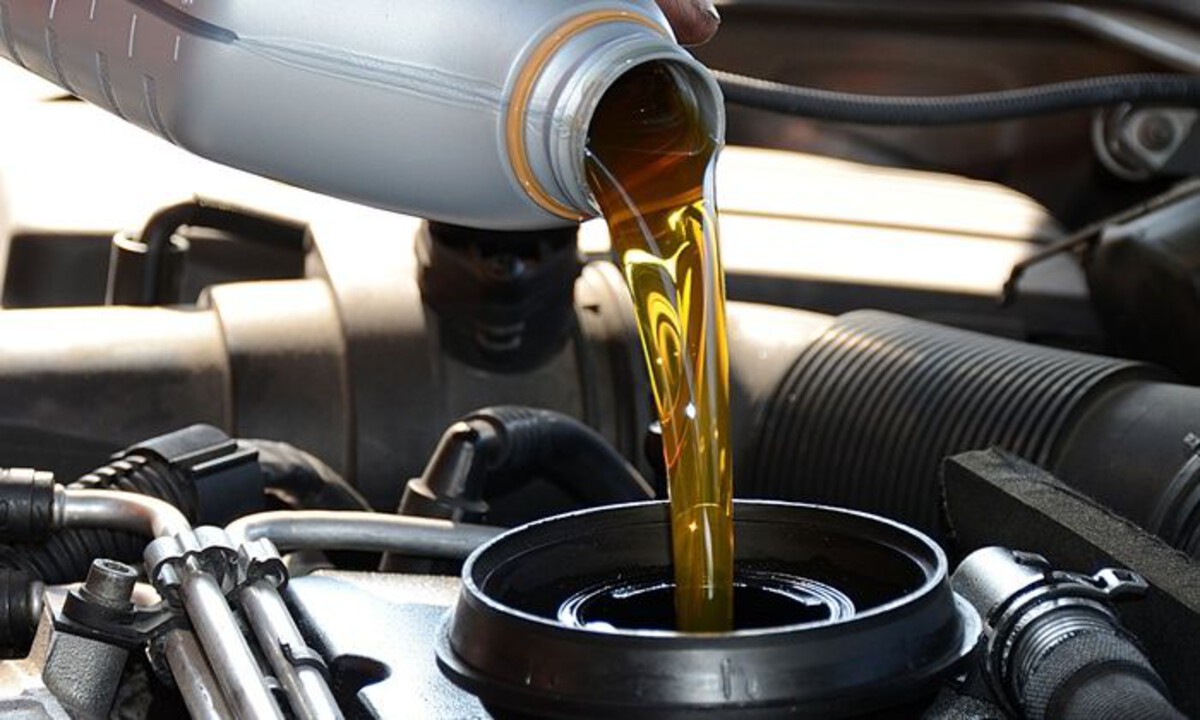
Regular oil changes are among the most basic yet essential tasks for any internal combustion engine. The Subaru Forester’s boxer engine, while efficient and relatively smooth, still relies on clean oil to lubricate its moving parts. Over time, oil breaks down and loses its ability to properly coat engine components.
This leads to friction, heat buildup, and eventually, wear and tear. Skipping oil changes might save money in the short term, but the long-term consequences can be financially draining. A neglected oil change schedule allows contaminants to circulate freely within the engine, accelerating internal damage.
Some owners stretch the intervals between oil changes far beyond the recommended limits, especially if the car “seems to be running fine.” But this false sense of security can be dangerous. Modern engines might not show obvious signs of distress until the damage is already done.
By the time knocking or ticking noises appear, internal wear may be significant. Subaru engines in particular are sensitive to oil quality and level. The boxer design places the cylinders horizontally, making oil distribution unique. A drop in oil pressure or quality affects these engines faster than others.
Another problem arises when people use the wrong type of oil. Not all motor oils are created equal, and using a viscosity or grade not specified in the owner’s manual can alter the engine’s performance. Cold starts become harsher, wear increases, and fuel efficiency may drop. It’s not just about changing the oil often; it’s about using the right oil, too. Some drivers opt for cheap options without realizing the long-term cost of doing so. That cost can include a complete engine rebuild.
Lastly, many Subaru Forester models have been known to consume oil more quickly than expected, especially in older model years. This makes it even more important to monitor oil levels between changes. Relying solely on mileage to determine when to check or change the oil can be risky.
Being proactive about oil changes not only extends the life of the engine but also prevents more expensive failures like camshaft or crankshaft damage.
2. Driving Hard on a Cold Engine
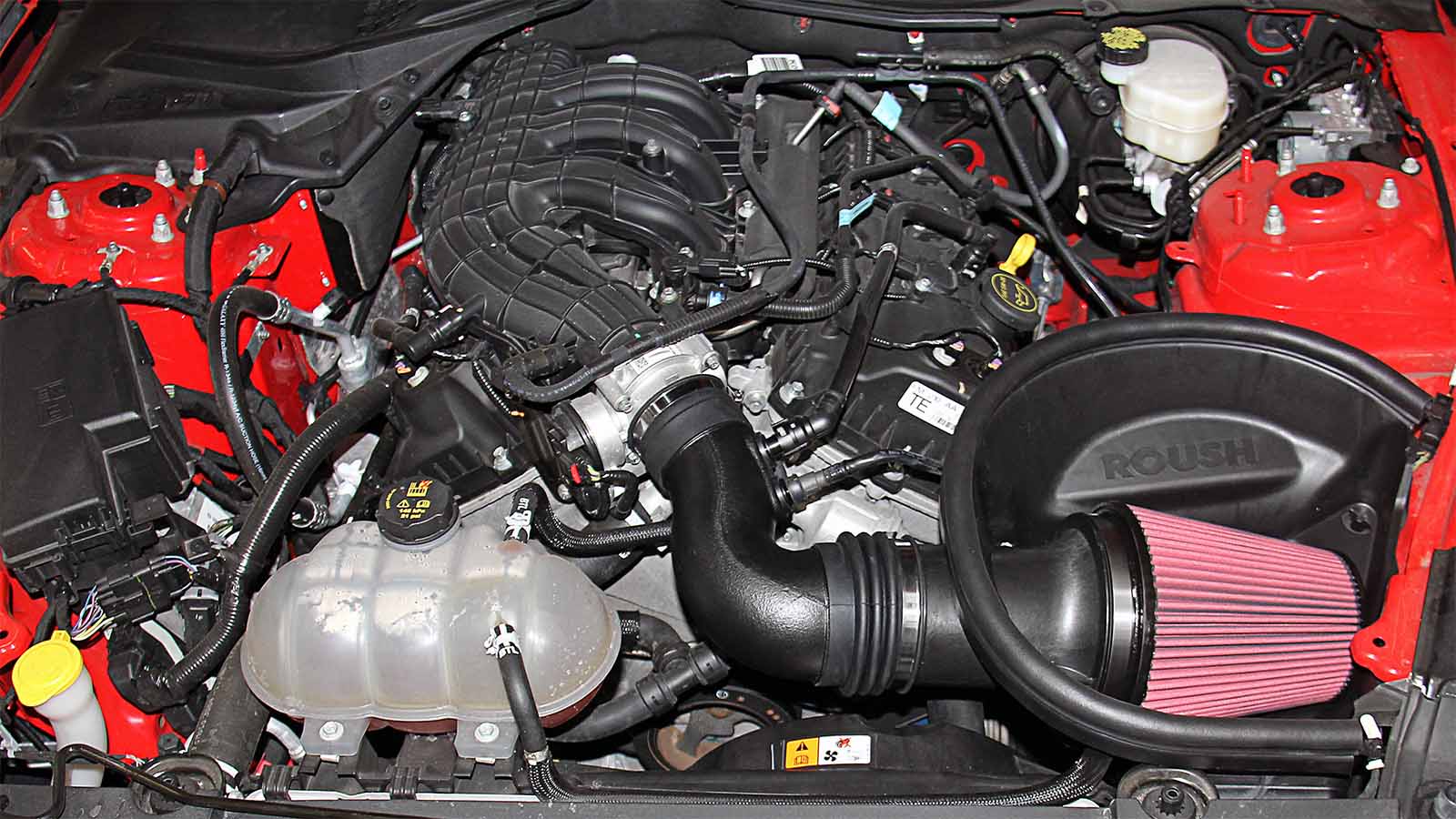
A cold engine is not ready for full performance, no matter how powerful or advanced it might be. Many drivers jump into their Forester on a cold morning and immediately start driving aggressively, pushing the throttle hard or driving at highway speeds within the first few minutes.
This is one of the worst things you can do to any vehicle, but it’s especially bad for the Subaru Forester. The engine oil takes time to reach optimal operating temperature and fully circulate through all components. Until then, friction levels remain high, and that causes gradual internal wear.
The boxer engine design also means the pistons are oriented horizontally, moving side-to-side instead of up and down. This configuration is efficient but has specific needs when it comes to lubrication.
When oil is cold and thick, it doesn’t reach all the necessary areas quickly enough. Revving the engine before it’s ready puts strain on components that aren’t yet properly protected. Over time, this can lead to piston slap, excessive valve wear, and even timing chain issues. These are not cheap problems to fix.
Warming up the engine doesn’t necessarily mean idling it for 15 minutes. In fact, prolonged idling is also not ideal. The best approach is to start the vehicle, let it run for about 30 seconds to a minute, and then drive gently until the engine warms up fully.
This practice gives the oil time to circulate while allowing the engine to reach operating temperature gradually. It’s a balance between not rushing the engine and not wasting fuel or contributing to carbon buildup with excessive idling.
Driving hard when the engine is cold is a habit born out of impatience or lack of awareness. But just because the car “feels fine” doesn’t mean everything inside is functioning optimally.
Many of the most damaging effects won’t be obvious until well down the road, when engine performance drops or noises become noticeable. At that point, it’s often too late to undo the damage. Treating the engine with patience, especially during cold starts, is a small change that can add years to your Forester’s life.
3. Neglecting Transmission Maintenance
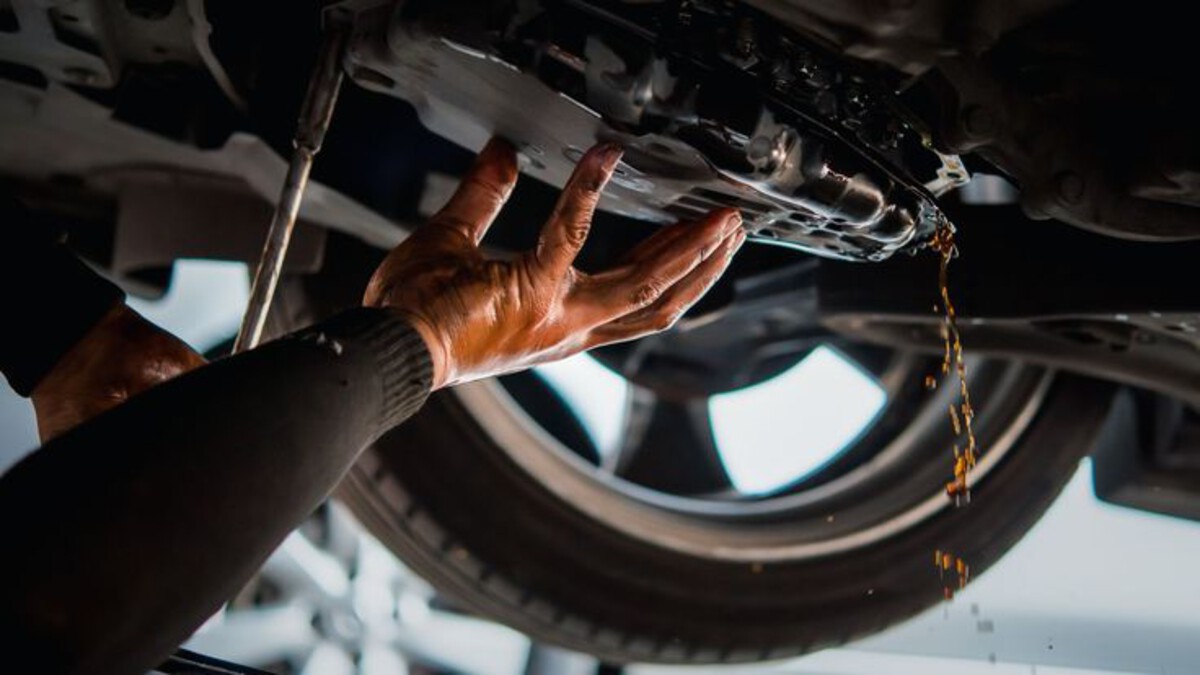
The transmission is a vital part of any vehicle, and in the Subaru Forester, especially in models equipped with CVTs, it requires particular attention. Many drivers assume that transmission fluid is “lifetime,” especially because some automakers suggest very long service intervals.
However, this mindset is dangerous. CVT (Continuously Variable Transmission) systems rely on clean, temperature-stable fluid to function properly. When that fluid degrades or becomes contaminated, shifting becomes rough, performance dips, and eventually the transmission may fail.
Ignoring CVT fluid changes is a habit that creeps up quietly. Most drivers don’t feel the effects immediately. The car may still shift fine even after 100,000 miles without service. But that doesn’t mean the transmission is healthy. Fluid breakdown happens gradually. It can lead to metal shavings and clutch debris circulating through the system.
These contaminants increase friction and heat, and over time, they can ruin the inner components. Once damage sets in, repairs can be extremely expensive. Replacing a CVT often costs more than $5,000.
Another mistake is confusing a sealed transmission with a maintenance-free one. Some Subaru Foresters don’t have a traditional dipstick for checking transmission fluid, leading owners to believe there’s nothing to do. But just because it’s harder to check doesn’t mean maintenance isn’t required.
Fluid changes should still be done, ideally around 60,000 to 90,000 miles depending on usage. Towing, hill driving, and high temperatures accelerate wear on the transmission and fluid alike. Ignoring these conditions and skipping fluid service will reduce lifespan.
Some owners even make the mistake of using incorrect fluid when they do attempt a DIY change. Subaru CVTs require a very specific type of transmission fluid, and using the wrong formula can cause performance issues or lead to early failure. It’s a simple mistake that can have large consequences. To keep your Forester running smoothly, it’s not just about changing the fluid, it’s about doing it correctly and on schedule. Overlooking this one area can cancel out all the care you’ve taken elsewhere on the vehicle.

4. Overloading the Vehicle
Subaru Foresters are often praised for their cargo space and ability to handle rough roads. As a result, many owners end up treating them like trucks, loading them with gear, tools, or even towing trailers beyond the car’s capacity. This habit might not seem harmful at first glance, but overloading puts strain on every part of the vehicle, from the suspension to the engine to the brakes. The added weight affects how the car handles, increases stopping distance, and raises internal temperatures during operation.
Repeatedly carrying loads heavier than recommended can wear out suspension components prematurely. Springs and struts are designed for a specific weight range. When you exceed it, they compress more than intended, which changes the ride height and alignment.
This leads to uneven tire wear and unstable handling. Over time, shocks lose their effectiveness, and the car begins to feel bouncy or rough on the road. Replacing suspension parts can be costly, especially if multiple components are worn due to constant overloading.
The drivetrain also suffers when a vehicle is pushed past its limits. Extra weight means the engine has to work harder, especially when climbing hills or accelerating from a stop. This adds stress to the CVT or manual transmission,
The drivetrain also suffers when a vehicle is pushed past its limits. Extra weight means the engine has to work harder, especially when climbing hills or accelerating from a stop. This adds stress to the CVT or manual transmission, which already has to balance torque with fuel efficiency.
The strain leads to more heat generation, and without sufficient cooling, internal components wear out faster. The CVT in particular, isn’t known for handling high-stress loads very well. Subaru designed the Forester as a compact SUV, not a full-size hauler, and when it’s used like one, performance drops and repair needs rise.
Brakes are another system that take a serious hit from overloading. Heavier loads mean longer stopping distances, which forces the brake pads and rotors to absorb more energy with every stop. This extra demand causes brake components to overheat and wear faster.
Warped rotors, fading brakes, and grinding noises are all signs of a system under stress. If you regularly drive with heavy loads and don’t adjust your brake maintenance schedule accordingly, you’re creating a recipe for brake failure. Even worse, the added stopping distance creates a higher risk of accidents.
One often overlooked consequence of overloading is tire damage. Every vehicle has a specified load rating for its tires, and exceeding this rating shortens the tire’s life dramatically. Sidewalls can weaken, heat buildup increases, and blowouts become more likely, especially during summer driving. Improperly inflated tires only make this worse.
Drivers often assume their tires can handle “just a little more,” but that little more adds up. Tires carry the full burden of excess weight, and failure here can be catastrophic, especially at highway speeds.
To avoid these issues, it’s essential to respect the Forester’s payload and towing limits. This information is clearly outlined in the owner’s manual and should be followed strictly. Investing in a small trailer, distributing weight evenly, and checking tire pressure before loading the car can go a long way.
Just because a vehicle has space doesn’t mean it’s meant to carry everything you can fit inside. Overloading is an easy habit to form and a hard one to break, but avoiding it is one of the best ways to preserve your Forester’s reliability.
5. Skipping Coolant System Maintenance
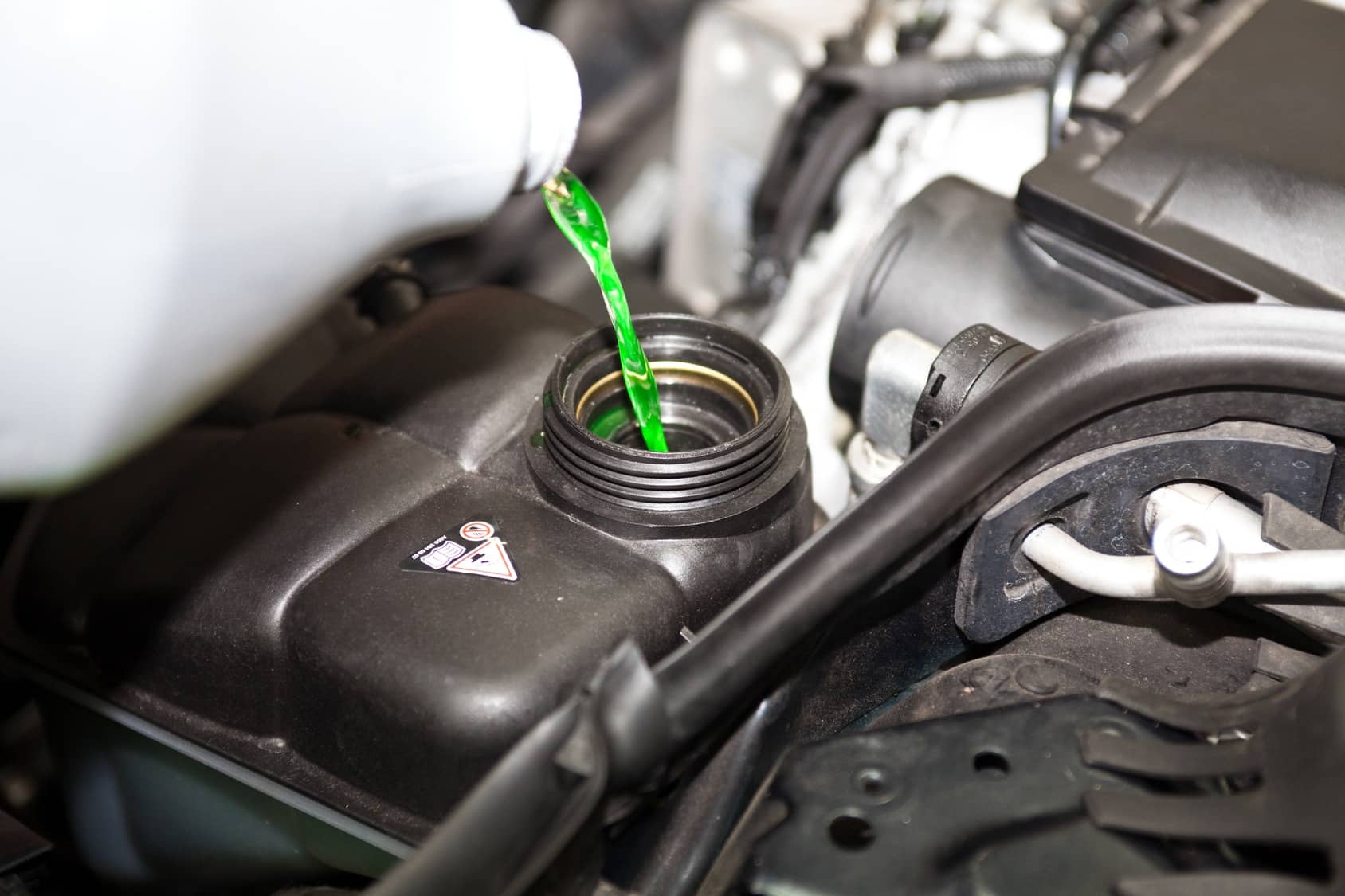
Cooling system maintenance is often overlooked until a problem arises, but by then, the damage may already be extensive. Subaru engines, especially the flat-four boxer design, rely on stable operating temperatures to run efficiently and prevent internal damage.
Over time, coolant loses its effectiveness, it becomes acidic, contaminated, or diluted, which reduces its ability to transfer heat. Neglecting to flush and refill the coolant at recommended intervals invites overheating, which is one of the fastest ways to ruin an engine. High temperatures warp metal, damage head gaskets, and can even crack the engine block.
Many Forester owners underestimate the importance of this system because they’ve never had a visible issue. There’s often no warning until something fails, like a radiator hose bursting or a thermostat sticking shut. But long before these visible signs, the internal components of the cooling system can corrode or become clogged.
The water pump, radiator, and heater core all depend on clean coolant to operate properly. If sludge builds up or seals begin to leak, cooling efficiency drops rapidly. This can create localized hot spots in the engine where coolant flow is restricted.
One of the most common and costly issues in older Subaru Foresters is head gasket failure, and poor cooling system maintenance is often a factor. Excess heat and pressure cause gaskets to wear out prematurely. While Subaru improved gasket materials in later models, the risk remains.
Overheating due to old coolant or clogged radiators accelerates this process. Repairing head gaskets is labor-intensive and expensive, making prevention through proper coolant maintenance far more sensible. It’s much easier to flush the system every few years than to pull the engine for gasket replacement.
Routine checks are simple but crucial. Monitoring coolant levels regularly, checking for discolored or sludgy fluid, and listening for unusual fan noises can provide early warning signs. If you’re topping off coolant often, there’s probably a leak somewhere, whether it’s internal or external. Ignoring these signs will only lead to higher costs down the road. Coolant system neglect is not dramatic at first, but the long-term damage it causes can be catastrophic for a Subaru Forester’s engine health.
Also Read: 10 Cars With Tricky Seatbelt Buckles for Elderly Passengers
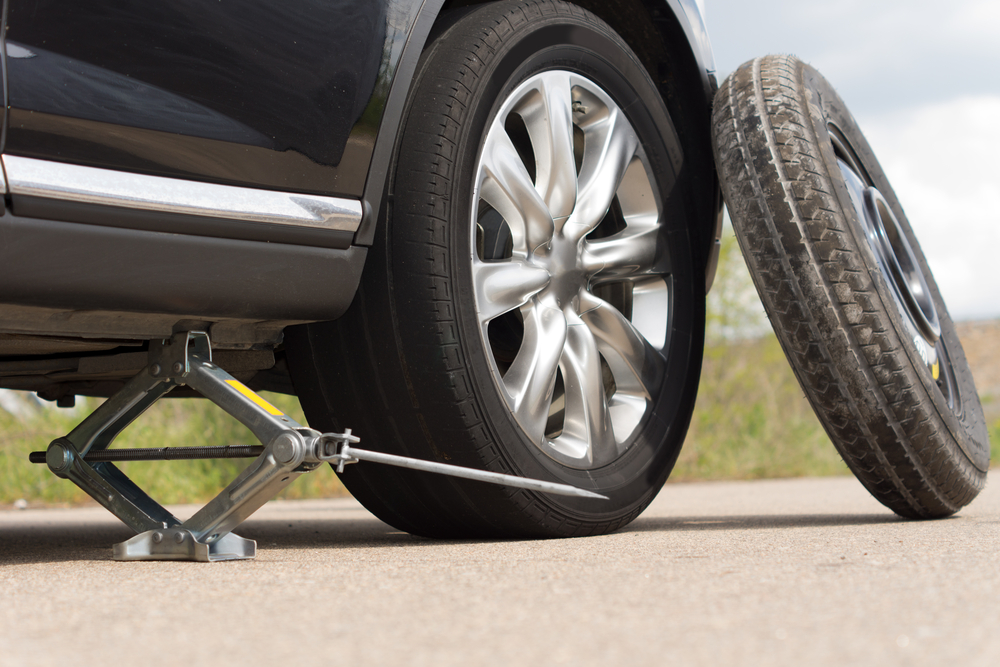
6. Driving with Uneven Tire Wear or Mismatched Tires
The Subaru Forester’s symmetrical all-wheel drive system is one of its standout features, providing consistent traction in all kinds of conditions. However, this system depends on even tire wear and uniform tire sizes to function correctly. Driving with mismatched tires, or even tires of the same brand that are worn unevenly, can cause problems with the drivetrain.
The system constantly monitors and adjusts torque distribution, and when one wheel rotates at a different speed, it puts stress on the differentials and center coupling. Over time, this results in premature wear and potentially expensive repairs.
Many drivers don’t realize that rotating tires regularly is essential not just for extending tire life, but for protecting the all-wheel drive system itself. Failing to rotate tires can cause the front tires to wear more quickly than the rear, especially in vehicles that do a lot of turning in urban environments.
This creates a size mismatch, even if all four tires were originally identical. The slight difference in circumference is enough to confuse the all-wheel drive system into thinking a wheel is slipping, prompting it to overcompensate and overstress mechanical components.
Using the wrong tire size is another issue. Some owners replace a single flat tire without replacing the others, thinking it’s fine because the new tire has the same size printed on the sidewall. But if the other three tires are partially worn, the rolling circumference will still be different.
This inconsistency may seem minor, but it disrupts the balance of torque distribution. The system is designed to handle occasional slippage, not a constant rotational mismatch. Prolonged imbalance leads to internal friction in the differential, excessive heat, and eventually failure.
To prevent these problems, tires should always be replaced in sets of four unless you can perfectly match tread depth on the new tire. Tire rotations should be done every 5,000 to 7,500 miles, or sooner if wear patterns appear uneven. Alignment and balancing checks also help prevent uneven tire wear from developing in the first place.
Skipping these steps may seem convenient in the short term, but long-term damage to the all-wheel drive system can cost thousands of dollars to fix. Maintaining even tire wear is one of the simplest yet most important steps to keeping a Subaru Forester running as it should.
7. Letting Rust and Corrosion Go Untreated
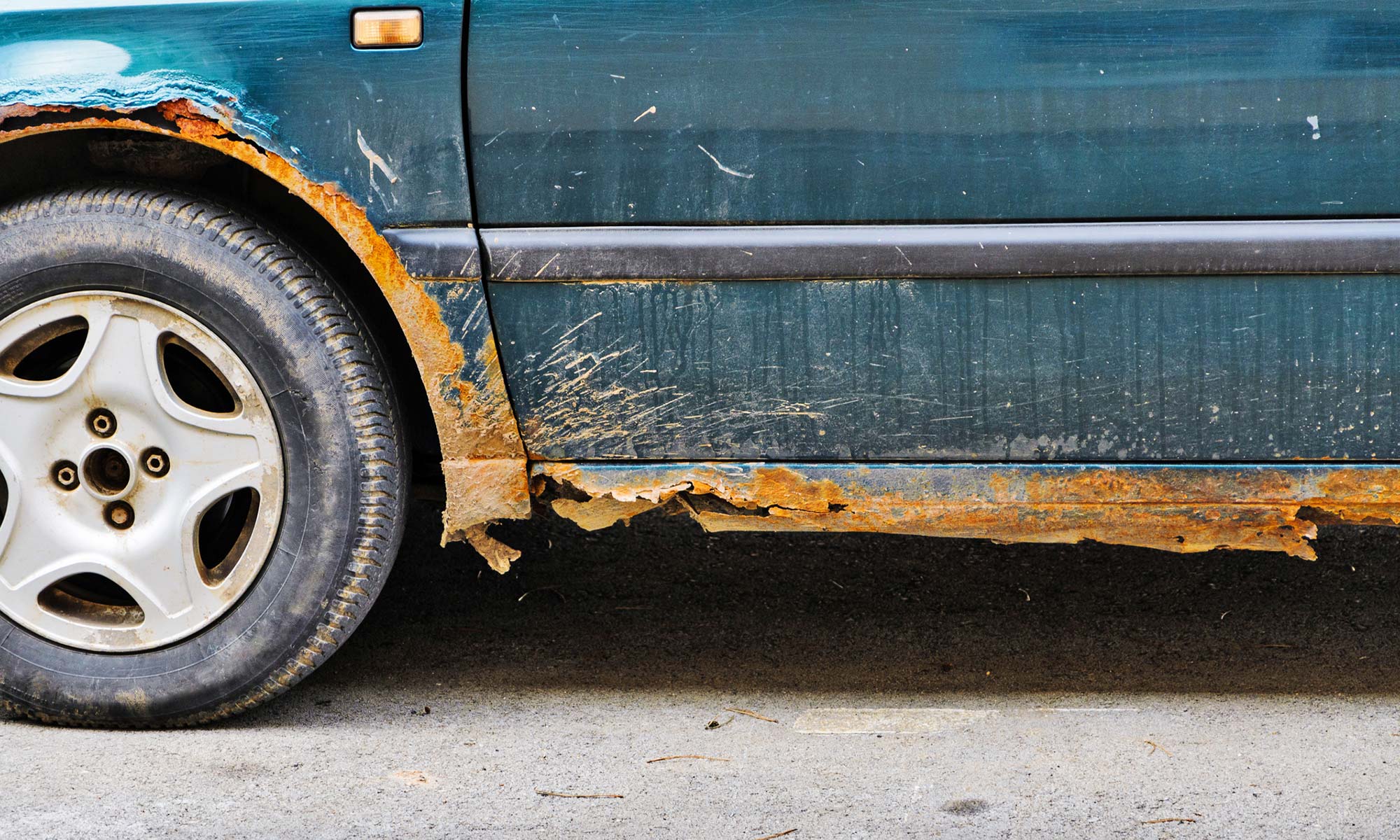
Rust may not seem like a major threat at first glance, especially in a car like the Forester that’s known for being solid and well-built. But corrosion creeps up slowly and, once it takes hold, can spread quickly. Subaru Foresters are commonly used in regions with snow, road salt, and wet conditions, all of which accelerate the rusting process. Neglecting to wash the undercarriage or inspect key structural areas during routine maintenance invites corrosion to silently destroy your vehicle from the bottom up.
Rust usually starts in hidden spots: the wheel wells, subframe, exhaust mounts, and rocker panels. These areas are out of sight and often ignored until the damage is severe. What begins as surface rust can turn into flaking metal, structural weakness, and in some cases, complete part failure.
Control arms, brake lines, and fuel lines are all vulnerable, and when they rust through, the vehicle becomes unsafe or even inoperable. Once rust compromises safety-critical components, the cost of repair may exceed the value of the vehicle.
The electrical system isn’t immune, either. Corroded grounds and connectors can cause intermittent issues that are difficult to diagnose. Dash warning lights, power window problems, and even transmission shifting issues can be traced back to corroded wires or failing grounding points.
In wet environments, water seeps into connectors and begins to oxidize metal contacts. Without regular inspection and proactive treatment, electrical gremlins start appearing, and they can mimic more serious mechanical failures.
To slow or stop rust progression, preventive maintenance is essential. This means regular washing, especially after driving on salted roads, and applying protective coatings to exposed underbody components. Many Forester owners choose to have their vehicles professionally undercoated with rust inhibitors, especially in northern climates.
While it might seem like an extra expense, it’s a small price to pay compared to replacing structural components or having the car fail a safety inspection. Rust doesn’t just ruin appearance, it shortens the life of your vehicle in a way that’s often irreversible.
8. Delaying Brake Service and Repairs
Brakes are among the most important safety systems in any vehicle, and the Subaru Forester is no exception. Yet far too many drivers delay brake maintenance, ignoring warning signs like squealing, grinding, or a soft pedal feel.
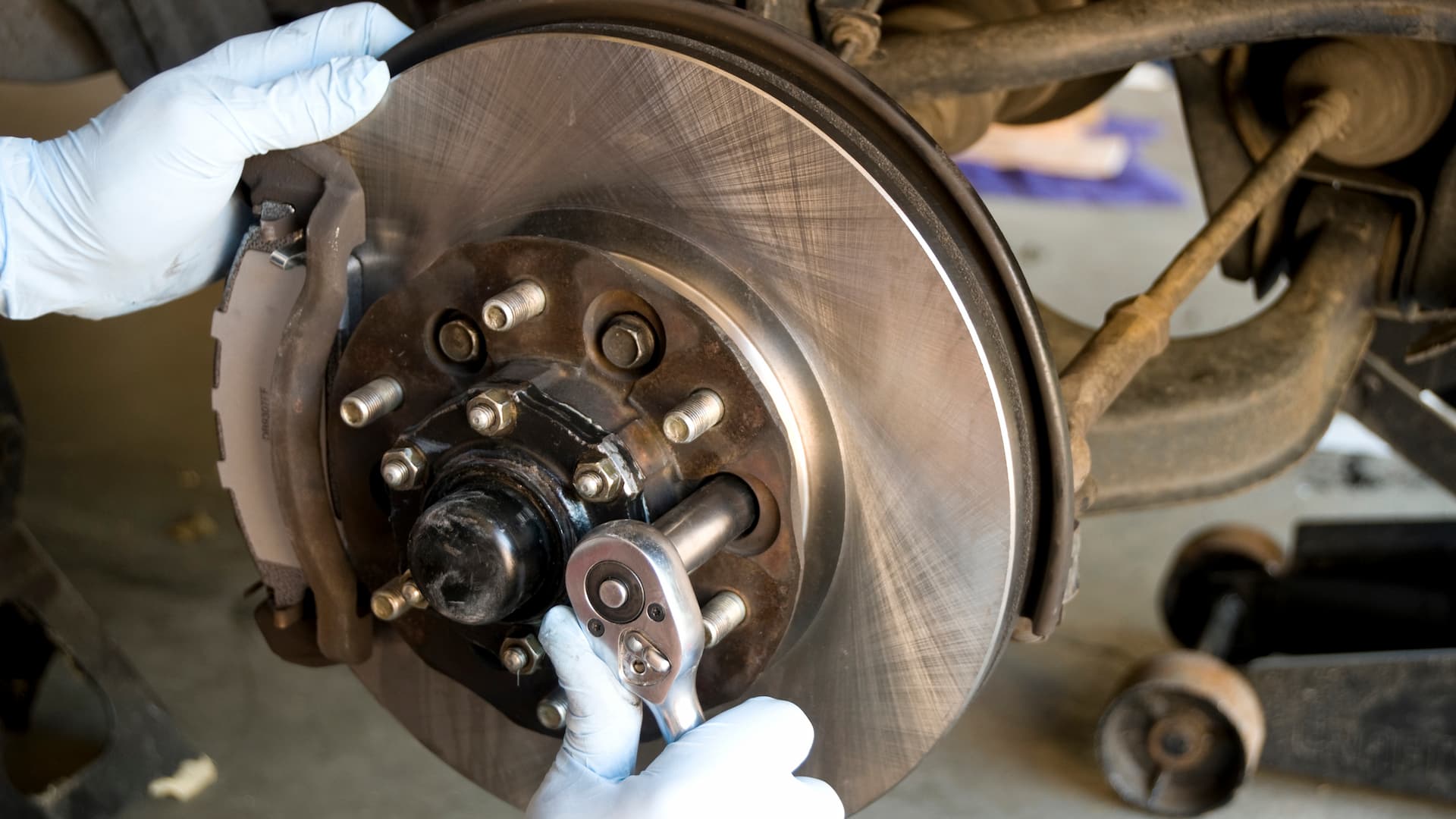
These early symptoms usually indicate worn pads or failing components, and putting off service only makes the problem worse. Brake pads are designed to wear out over time, but if they’re allowed to go too far, they can damage the rotors. Once that happens, stopping power is reduced, braking distance increases, and repair costs multiply.
Some drivers develop the habit of riding the brakes or braking late during stops. This generates more heat and wears components out faster. In hilly areas, it’s especially common to see warped rotors on Foresters that have been driven aggressively.
Warping occurs when the rotor becomes uneven due to excessive heat, causing vibration or pulsation when braking. This doesn’t just affect comfort, it reduces the effectiveness of braking and makes it harder to control the vehicle. Continued use of worn or warped components also adds stress to the calipers, which are more expensive to replace.
Many Forester owners assume that as long as the car still stops, everything must be fine. But a well-functioning brake system should operate smoothly and quietly. Any noises or changes in pedal response are signals that service is overdue.
Ignoring these can lead to the loss of braking performance during emergencies, which puts you and others at serious risk. Worse, failing brakes can cause collateral damage, affecting wheel bearings, suspension parts, or even triggering ABS system faults. The longer you wait, the more extensive the repair becomes.
Regular inspections and timely brake service are straightforward but essential. Most experts recommend having your brakes checked at least once a year or every 12,000 miles. In regions with stop-and-go traffic or mountainous terrain, more frequent checks are wise.
Replace pads before they wear to metal, and don’t ignore minor issues. Brake fluid should also be flushed periodically to maintain hydraulic pressure and prevent internal corrosion. If safety and long-term ownership are priorities, then consistent brake care is non-negotiable for any Subaru Forester.
9. Using Cheap Parts or Fluids During Maintenance
Maintenance doesn’t just mean getting the job done, it also means using the right parts and fluids. Some Forester owners try to cut corners by using low-quality aftermarket parts or off-brand fluids.
While this might save a few dollars initially, it can severely compromise the performance and reliability of the vehicle. Subaru engines and transmissions are designed with specific tolerances in mind, and using inferior parts can disrupt that balance. Whether it’s an air filter, spark plug, or oil filter, quality matters more than people realize.
Cheap parts often don’t meet OEM specifications. For instance, a bargain-priced oil filter might not filter as effectively or might not have the proper pressure relief valve. Over time, this can lead to dirty oil circulating through the engine, increasing wear.
Similarly, off-brand spark plugs might not fire consistently, leading to poor combustion, engine knocking, and reduced fuel economy. Timing components made from low-grade materials may stretch or break early, which can have disastrous consequences in interference engines. The short-term savings often lead to long-term damage.
Fluids are another area where compromise can cost more than expected. Subaru CVTs require a very specific transmission fluid to maintain proper function and cooling. Using the wrong fluid, even one marketed as a general “CVT compatible” option, can lead to erratic shifting, shuddering, or complete failure of the transmission.
The same applies to coolant, which must be compatible with aluminum engine components and Subaru’s system design. Brake fluid and power steering fluid also have specific grades and formulations that must be adhered to.
To keep a Subaru Forester healthy, use OEM or high-quality equivalent parts and fluids from reputable sources. It’s worth paying extra for parts that are built to last and engineered to perform within factory tolerances. If you’re doing DIY maintenance, take the time to verify part numbers and specifications.
If you’re working with a mechanic, don’t hesitate to ask what parts they’re using. A trustworthy shop will always be transparent. In the end, using the right components isn’t a luxury, it’s a key part of keeping your vehicle dependable and safe.
