

The Toyota Crown is a vehicle with a long-standing legacy of durability, comfort, and engineering excellence. It is widely regarded as one of Toyota’s flagship sedans, often associated with luxury, refinement, and, most importantly, reliability. Unlike many luxury sedans that tend to require expensive upkeep or exhibit signs of wear as mileage increases, the Toyota Crown has earned a reputation for aging gracefully.
Many owners of this model report continued smooth operation and dependable performance well beyond 200,000 kilometers, a milestone that can be challenging for many vehicles to reach without significant mechanical problems.
This longevity is a testament to Toyota’s engineering philosophy, but it is also a result of attentive maintenance and care by the owners themselves. Understanding the nuances of keeping a Toyota Crown reliable past this significant mileage marker requires knowledge of both the vehicle’s mechanical intricacies and practical maintenance strategies.
The journey to surpassing 200,000 kilometers with a Toyota Crown isn’t simply a matter of chance or luck. It involves deliberate choices regarding maintenance routines, timely repairs, and a mindset that prioritizes preventive care over reactive fixes.
The Crown’s robust construction, paired with Toyota’s dedication to quality parts and systems, lays a solid foundation. However, many components naturally degrade over time due to wear and environmental factors.
Factors such as engine oil quality, cooling system integrity, transmission care, and suspension upkeep all contribute to the vehicle’s ability to perform reliably in the long run.
In addition, the driving habits of the owner, local climate conditions, and the availability of quality parts also play a crucial role. This article consolidates the essential tricks that Toyota Crown owners and enthusiasts recommend to extend the lifespan and reliability of these vehicles well beyond the 200,000-kilometer threshold.
The practices covered here have been gathered from experienced mechanics, Toyota Crown forums, and long-time owners who have witnessed firsthand the common issues that arise in high-mileage vehicles. Many of these strategies are simple yet effective, emphasizing consistency and attention to detail.
From selecting the right type of oil to paying close attention to electrical systems, the cumulative effect of these steps helps prevent costly breakdowns and keeps the car running smoothly.
Additionally, these tricks are relevant regardless of the specific generation or engine type of the Crown, making them broadly applicable. In today’s automotive landscape, where many cars are built with shorter lifespans, the Toyota Crown stands out as a model that can continue providing excellent service with proper care and dedication.
By understanding and applying these ten tricks, Toyota Crown owners can greatly improve the chances of their vehicles staying on the road longer without unexpected mechanical failures. The aim is to provide practical advice that is actionable and rooted in the real-world experiences of people who have cared for these cars over hundreds of thousands of kilometers.
Whether you are a new owner or someone who has owned a Crown for many years, these insights can help you make informed decisions about maintenance and repair. The result is a vehicle that not only reaches but comfortably exceeds the 200,000-kilometer milestone while maintaining the performance, comfort, and reliability that make the Toyota Crown a beloved sedan around the world.
Also Read: 5 Cars with Climate Control That Works vs 5 That’s Just for Show
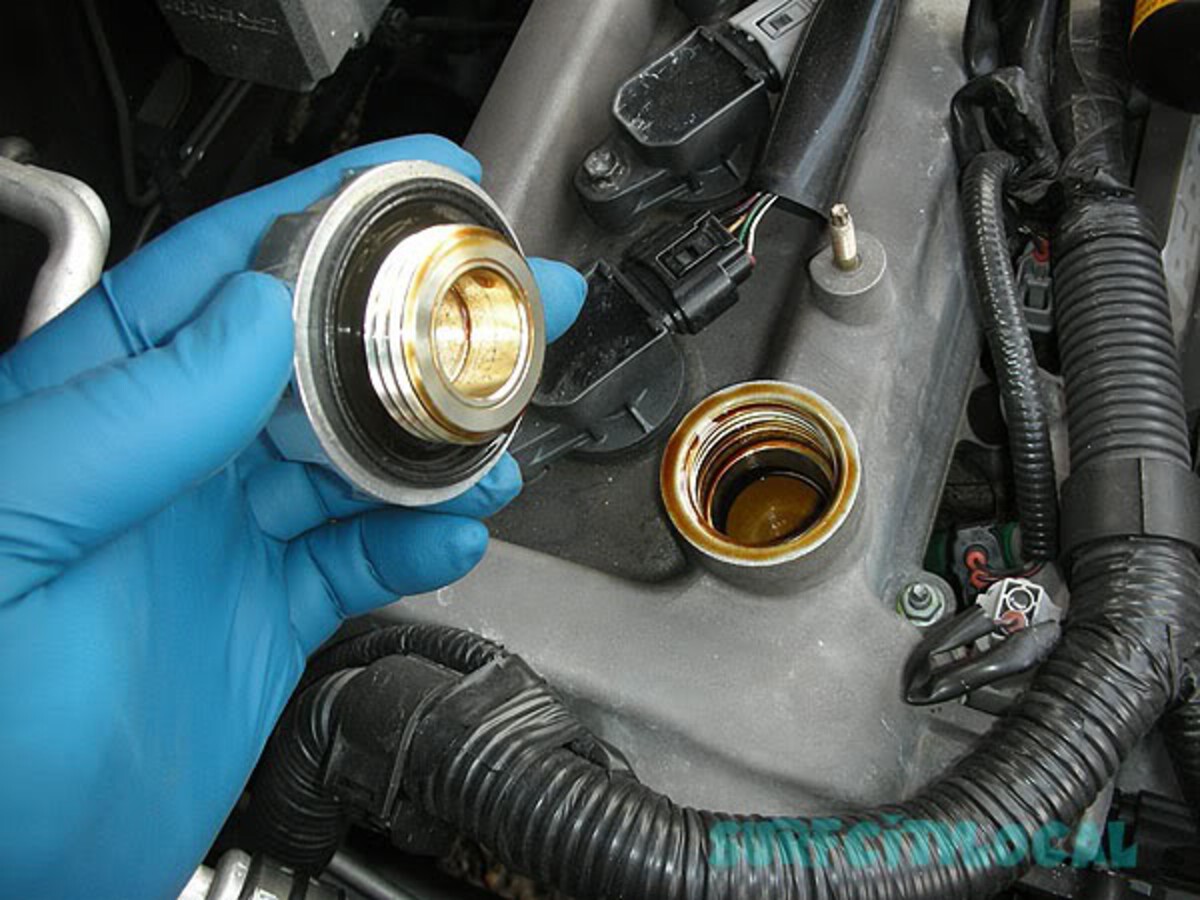
1. Prioritize Regular Oil Changes with Quality Synthetic Oil
The importance of regular oil changes cannot be overstated when it comes to keeping a Toyota Crown running smoothly past 200,000 kilometers. Engine oil performs several critical functions within the engine: it lubricates moving parts, reduces friction, absorbs heat, and carries away contaminants.
Over time, however, oil breaks down and becomes less effective at protecting the engine. Using high-quality synthetic oil specifically designed to withstand high temperatures and long intervals between changes is a key factor in preserving engine health.
Synthetic oils contain additives that reduce sludge buildup and improve viscosity, especially under extreme conditions, helping to maintain optimal lubrication and cleanliness inside the engine.
Owners of Toyota Crowns often report that switching to fully synthetic oil can make a noticeable difference in how the engine feels and performs. Synthetic oils retain their protective qualities longer, allowing for extended intervals between oil changes, which is particularly beneficial for vehicles driven on highways or in moderate climates.
However, even with synthetic oil, it’s important not to stretch oil changes too far beyond recommended intervals. For the Crown, a typical recommendation is every 5,000 to 7,500 kilometers, though those who drive under harsher conditions may need to change oil more frequently. Sticking to a strict oil change schedule helps prevent the accumulation of dirt and metal particles that can accelerate engine wear and eventually lead to costly repairs.
In addition to the oil itself, changing the oil filter during every oil service is crucial for maintaining engine cleanliness. The oil filter traps impurities and prevents them from circulating through the engine’s delicate components. Using a genuine Toyota oil filter or a reputable aftermarket brand ensures that the filtration is effective and consistent.
Neglecting the filter can result in restricted oil flow or allow contaminants to damage the engine. Many owners have found that regular oil and filter changes significantly extend the lifespan of their Crown’s engine, allowing it to run reliably beyond 200,000 kilometers with minimal issues.
Beyond just changing the oil and filter, it is also recommended to periodically check the oil level and condition between services. Low oil levels or dark, gritty oil may indicate leaks, engine problems, or overdue maintenance. Catching these signs early allows owners to take corrective action before minor issues turn into major engine damage.
Monitoring oil consumption is also important in older engines, as excessive oil use could point to worn piston rings or valve seals. Promptly addressing these issues keeps the Toyota Crown’s engine running efficiently and protects its reliability well past the 200k milestone.
2. Maintain the Cooling System to Prevent Overheating
The cooling system in a Toyota Crown is essential for managing engine temperature and preventing overheating, a factor that becomes increasingly important as the vehicle ages and the mileage rises.
The engine generates a significant amount of heat during operation, and without an efficient cooling system, this heat can cause severe damage to critical components such as the cylinder heads, head gaskets, and pistons
Overheating may lead to warped metal parts, cracked heads, or catastrophic engine failure, any of which can be expensive and time-consuming to repair. For vehicles aiming to reliably surpass 200,000 kilometers, maintaining the cooling system in excellent condition is one of the fundamental practices.
One of the key elements of this system is the coolant, which not only prevents freezing in cold temperatures but also raises the boiling point of the engine’s cooling fluid to avoid overheating.
Coolant degrades over time, losing its ability to protect the system against corrosion and heat. This degradation can lead to rust formation inside the radiator and engine passages, reducing the efficiency of heat transfer and potentially causing blockages.
Toyota Crown owners should adhere to a strict coolant replacement schedule, typically every two to three years or 40,000 to 60,000 kilometers, depending on the coolant type used. Flushing the cooling system to remove old coolant and contaminants ensures that the engine stays within the optimal temperature range.
Beyond coolant changes, the physical components of the cooling system such as the radiator, hoses, water pump, and thermostat require careful inspection and maintenance. Radiators can become clogged with dirt or debris, which limits airflow and heat dissipation. Bent or damaged radiator fins can reduce cooling efficiency as well.
Routine cleaning or professional radiator servicing helps maintain proper airflow. The rubber hoses that circulate coolant are susceptible to cracking and leaks due to heat and age.
Replacing these hoses before they fail prevents sudden coolant loss and overheating. Similarly, the water pump, which moves the coolant through the engine and radiator, can wear out or leak, particularly at higher mileage. Many mechanics recommend replacing the water pump during major service intervals or alongside timing belt changes to prevent unexpected failures.
Thermostats regulate coolant flow based on engine temperature, opening and closing at specific points to ensure the engine warms up quickly but does not overheat. A failing thermostat can cause the engine to run too hot or too cold, both of which are detrimental to performance and longevity.
Regularly checking thermostat operation and replacing it if necessary helps maintain consistent engine temperatures. The radiator cap, often overlooked, plays a crucial role in maintaining system pressure, which raises the boiling point of the coolant and prevents bubbles that can disrupt circulation. A faulty radiator cap can cause pressure loss and overheating, so it should be inspected and replaced if its seal weakens.
In sum, diligent care of the cooling system is vital to the Toyota Crown’s long-term reliability. Overheating is one of the primary causes of engine failure in high-mileage vehicles, but by performing regular coolant flushes, inspecting key components, and replacing worn parts proactively, owners can protect their engine and keep their Crown running smoothly well beyond 200,000 kilometers.
3. Use Genuine or High-Quality Replacement Parts
Choosing genuine or high-quality replacement parts when maintaining or repairing a Toyota Crown has a profound impact on the vehicle’s durability and reliability. The Toyota Crown is engineered with precision, and many of its parts are designed to meet specific tolerances and performance standards that generic or low-quality aftermarket parts may fail to meet.
While it might be tempting to opt for cheaper alternatives to save money in the short term, this approach often leads to compromised vehicle performance, increased wear, and more frequent repairs in the long run.
For wear-and-tear items such as brake pads, filters, belts, and spark plugs, using parts that meet Toyota’s original specifications ensures that these components interact smoothly with other systems. For example, brake pads with inferior materials can lead to decreased stopping power, excessive noise, and faster rotor wear.
Conversely, genuine or high-quality parts provide consistent braking performance, reduce the risk of squealing, and extend the lifespan of associated components. Similarly, air and oil filters that meet Toyota’s standards effectively trap dirt and contaminants, preventing them from circulating through the engine and causing damage.
More critical components like timing belts, sensors, water pumps, and ignition coils demand even greater precision in manufacturing. The timing belt is responsible for synchronizing engine movements, and a poorly made belt may stretch or fail prematurely, resulting in catastrophic engine damage.
Sensors and ignition components influence engine management systems, fuel injection, and emissions controls. Using parts that are specifically designed for the Crown reduces the chance of malfunctions, engine misfires, or error codes that could lead to expensive diagnostic work.
Furthermore, Toyota’s vehicles increasingly rely on electronic components and complex systems. Using parts that are not designed to the manufacturer’s standards can create compatibility issues, potentially causing system errors or false warnings on the dashboard. Genuine or OEM parts are thoroughly tested to work seamlessly with the vehicle’s onboard diagnostics and electronic control units, maintaining system integrity.
In the broader sense, investing in genuine or high-quality parts can also protect the vehicle’s resale value and ensure a consistent driving experience. While upfront costs may be higher, the reduction in unexpected breakdowns, better fuel efficiency, and fewer maintenance headaches more than compensate over time.
Toyota Crown owners who have consistently used genuine parts often report fewer mechanical issues, longer intervals between repairs, and a car that simply feels more reliable and refined after many kilometers.

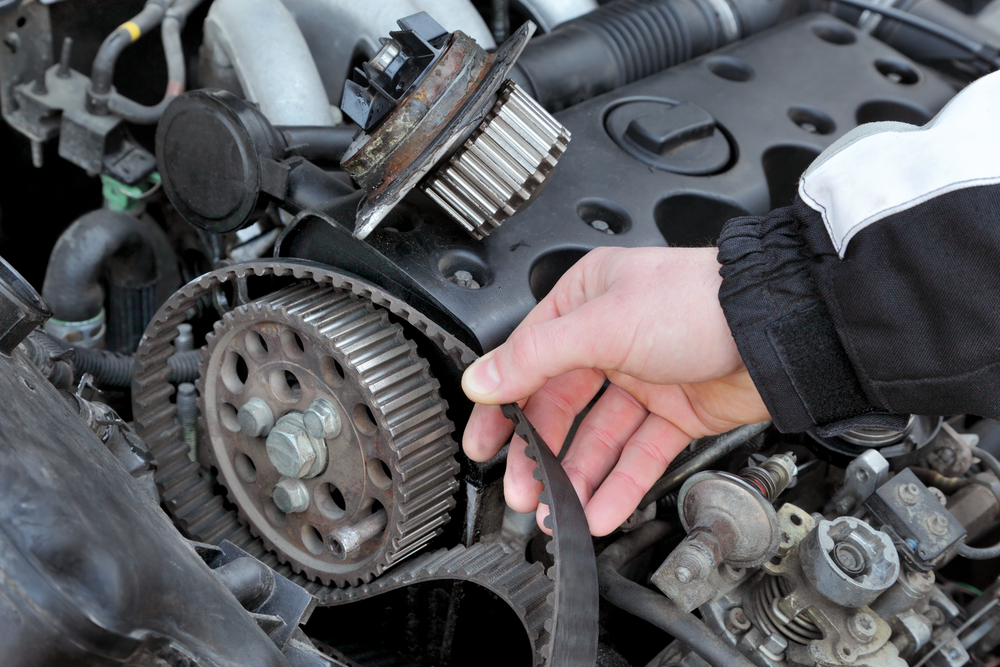
4. Regularly Inspect and Replace the Timing Belt
The timing belt is a vital component in the Toyota Crown’s engine, controlling the timing of the camshaft and crankshaft to ensure that valves open and close at precise intervals during the engine’s cycle. Failure of the timing belt can cause serious and costly engine damage, often resulting in bent valves, damaged pistons, or a complete engine rebuild.
Because of this, regular inspection and replacement of the timing belt are critical tricks for maintaining reliability, especially when targeting mileage well beyond 200,000 kilometers.
Toyota typically recommends replacing the timing belt between 90,000 and 150,000 kilometers, depending on the engine variant and model year, but this interval should not be extended just because the vehicle seems to run fine.
Even if no visible signs of wear appear, the belt’s rubber and internal fibers degrade over time, becoming brittle and prone to snapping under stress. Waiting too long to replace the timing belt can lead to sudden, catastrophic failure that may leave owners stranded or facing costly repairs.
During timing belt replacement, it is prudent to replace associated components such as the tensioner, idler pulleys, and water pump simultaneously. These parts work in conjunction with the belt and experience similar wear. A failing tensioner can cause improper belt tension, resulting in slippage or early belt failure.
The water pump, often located near the timing belt, is subject to leaks or bearing wear. Replacing it during timing belt service avoids additional labor costs and reduces the risk of pump failure, causing belt damage later.
Visual inspection of the timing belt for cracks, glazing, or missing teeth can provide an early warning. However, many timing belts show little external wear before failure, making adherence to recommended replacement intervals the safest approach.
Skilled mechanics will also check pulley alignment and belt tension to ensure proper operation. Keeping the timing belt in optimal condition not only preserves engine health but also prevents unexpected breakdowns that can severely disrupt driving and incur heavy repair bills.
In conclusion, the timing belt is a critical element of the Toyota Crown’s engine longevity. Replacing it on schedule and inspecting related components carefully is a simple but powerful trick that protects the engine from major damage, enabling the vehicle to reach and exceed the 200,000-kilometer milestone with confidence.

5. Keep the Transmission Fluid Fresh and Check for Leaks
The transmission system plays a vital role in the Toyota Crown’s drivability and longevity. It is responsible for transferring power from the engine to the wheels efficiently, and like the engine, it depends heavily on clean, well-maintained fluid to function properly.
Transmission fluid lubricates the many moving parts within the transmission, prevents overheating, and helps ensure smooth gear shifts. Neglecting transmission fluid changes or failing to address leaks can lead to premature transmission wear or even complete failure, a costly and complex repair that can easily exceed the value of the vehicle itself.
Owners aiming to maintain reliability past 200,000 kilometers must prioritize regular transmission fluid changes, following Toyota’s recommended intervals or opting for more frequent changes if the vehicle is used under severe conditions such as city driving, towing, or hot climates.
Over time, transmission fluid degrades and becomes contaminated with metal shavings and debris from internal components, reducing its lubricating properties and causing increased friction. This degradation leads to harsher gear changes, overheating, and accelerated wear of clutches and gears. Fresh, clean fluid helps maintain hydraulic pressure and smooth gear operation, essential for preserving the transmission’s health.
In addition to regular fluid changes, monitoring the transmission for leaks is crucial. Common leak points include the transmission pan gasket, output shaft seal, and cooler lines. Even a small leak can result in a significant drop in fluid levels over time, which in turn causes poor lubrication and overheating.
A low fluid level can trigger warning lights or unusual noises, but in some cases, problems develop gradually without immediate signs. Routine inspection of the transmission area for puddles or stains on the ground, combined with checking fluid levels under the hood, helps catch leaks early.
When changing the fluid, using the correct type of transmission fluid specified by Toyota is important, as using the wrong fluid can cause compatibility issues, lead to slipping gears, or damage seals. Many Toyota Crown owners report that following the manufacturer’s fluid specifications and intervals keeps the transmission shifting smoothly well past the 200,000-kilometer mark.
Additionally, during transmission service, replacing the transmission filter (if applicable) ensures contaminants are removed and fluid flow remains unrestricted.
Transmission maintenance extends the life of this critical system and prevents unexpected breakdowns. Ignoring transmission fluid health can quickly turn into expensive repairs, but by staying vigilant with fluid changes and leak inspections, Toyota Crown owners can enjoy a smooth, reliable driving experience for many kilometers to come.
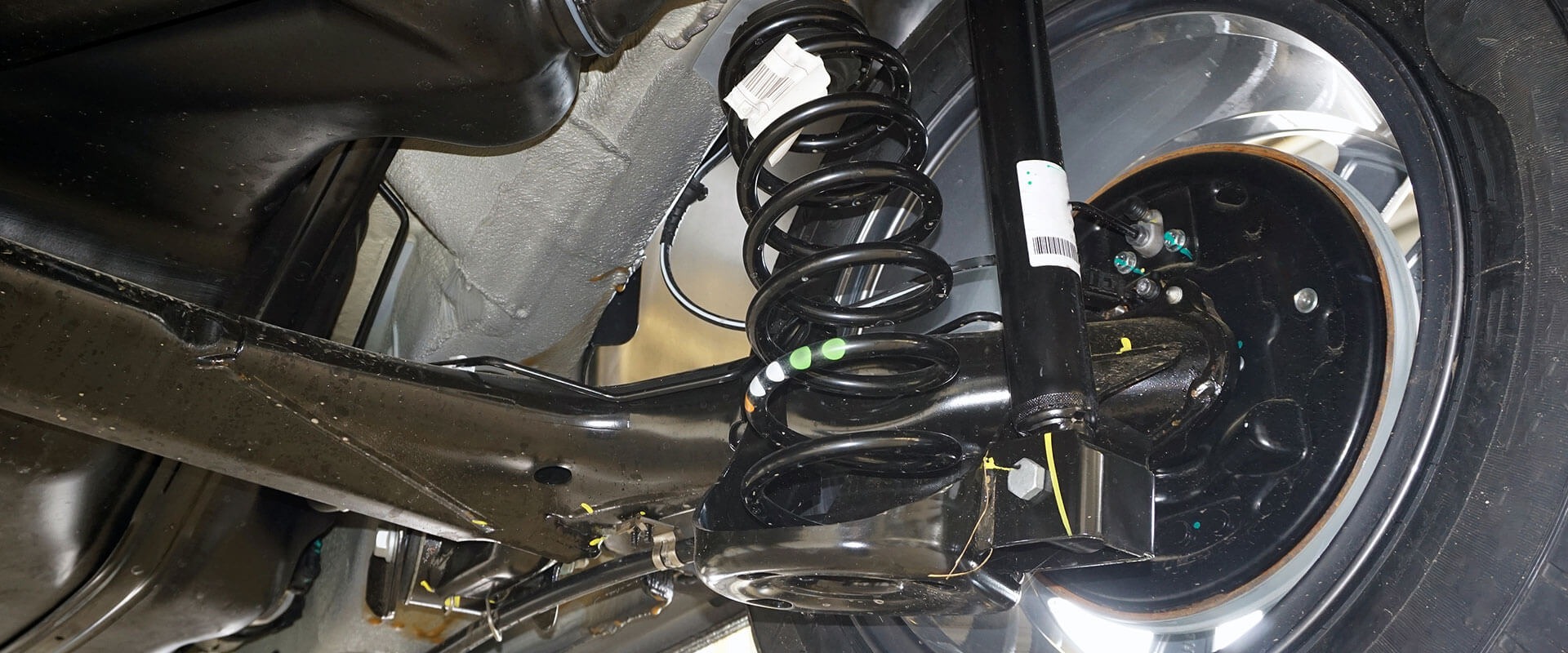
6. Regularly Check and Service Suspension Components
The suspension system of the Toyota Crown is designed to provide a comfortable ride while ensuring vehicle stability and safety. Over time and with high mileage, suspension components such as shocks, struts, bushings, ball joints, and control arms wear out due to constant exposure to road conditions, weather, and driving habits.
Worn suspension parts can lead to poor handling, uneven tire wear, and an uncomfortable ride, all of which reduce the reliability and safety of the vehicle. Regular inspection and timely replacement of these components are essential to keep the Crown driving smoothly past 200,000 kilometers.
Shock absorbers and struts play a crucial role in absorbing road shocks and controlling body movement during acceleration, braking, and cornering. As these parts age, their ability to dampen vibrations diminishes, resulting in a bouncy or unstable ride.
Owners who notice excessive bouncing, nose diving during braking, or increased body roll in corners should have their shocks or struts checked immediately. Replacing worn shocks or struts not only restores ride quality but also prevents additional stress on other suspension and steering parts.
Rubber bushings, which isolate vibrations and allow controlled movement of suspension components, deteriorate over time due to exposure to heat, moisture, and road salt. Cracked or hardened bushings cause clunking noises, reduced suspension precision, and misalignment.
Ball joints, which connect control arms to the steering knuckles, also wear with use, leading to play in the steering system and potentially dangerous driving conditions. Routine inspection of bushings, ball joints, and control arms for cracks, excessive play, or corrosion helps identify parts that need replacement before they cause further damage.
Maintaining proper wheel alignment and balancing is equally important. Misaligned wheels cause uneven tire wear and poor handling, which can put additional strain on suspension components.
Many Toyota Crown owners perform wheel alignment checks regularly, especially after suspension repairs or tire changes, to ensure the car tracks straight and wears tires evenly. Regularly rotating tires also contributes to even wear and extends the life of both tires and suspension parts.
In summary, the suspension system is a complex network of components that require ongoing care to maintain the smooth and safe driving experience the Toyota Crown is known for. Addressing suspension issues early and replacing worn parts as needed can prevent bigger problems, maintain comfort, and contribute significantly to the vehicle’s long-term reliability beyond 200,000 kilometers.
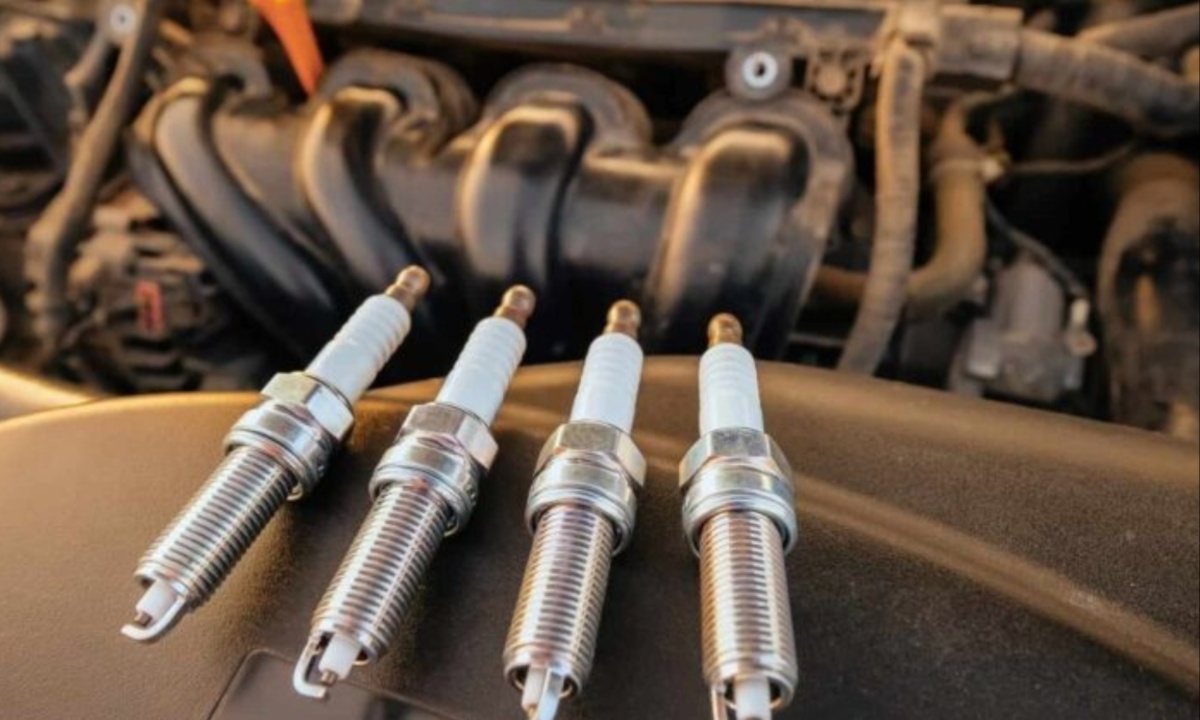
7. Regularly Inspect and Replace Spark Plugs and Ignition Components
The ignition system is fundamental to the Toyota Crown’s ability to start smoothly, maintain fuel efficiency, and run without misfires, especially as mileage climbs past 200,000 kilometers. Spark plugs are at the heart of this system, responsible for igniting the air-fuel mixture inside the engine cylinders.
Over time, spark plugs wear out, their electrodes erode, and deposits accumulate, which can cause incomplete combustion, rough idling, and reduced power output. Neglecting to inspect and replace spark plugs and related ignition components regularly can lead to poor engine performance, higher fuel consumption, and increased emissions.
Toyota recommends replacing spark plugs at specific intervals, typically every 100,000 kilometers for iridium or platinum types used in many Crown models. However, checking the plugs more frequently becomes important as the car ages, especially if the engine shows signs of rough running or hard starting. Worn spark plugs create a weak or inconsistent spark, which can cause misfires that stress other engine parts and the catalytic converter. Timely replacement ensures a strong, consistent spark and helps maintain smooth engine operation.
Alongside spark plugs, other ignition components such as ignition coils, wires, and distributor caps (in older models) should be inspected regularly. Ignition coils generate the high voltage necessary to create a spark at the plug, and when they fail, the engine may hesitate, stall, or show check engine lights.
Old or damaged spark plug wires can reduce the electrical current flow, causing weak sparks and misfires. Ensuring these components are in good condition helps maintain reliable ignition and reduces the risk of sudden engine problems.
Many Toyota Crown owners who maintain their ignition system as part of regular service report better fuel economy and consistent engine performance well past the 200,000-kilometer mark.
Replacing ignition components might seem like a minor or occasional task, but it plays a significant role in keeping the engine running efficiently and preventing more serious mechanical issues down the road. Regular inspections and replacements keep the Crown’s engine responsive and reliable even after many years of use.
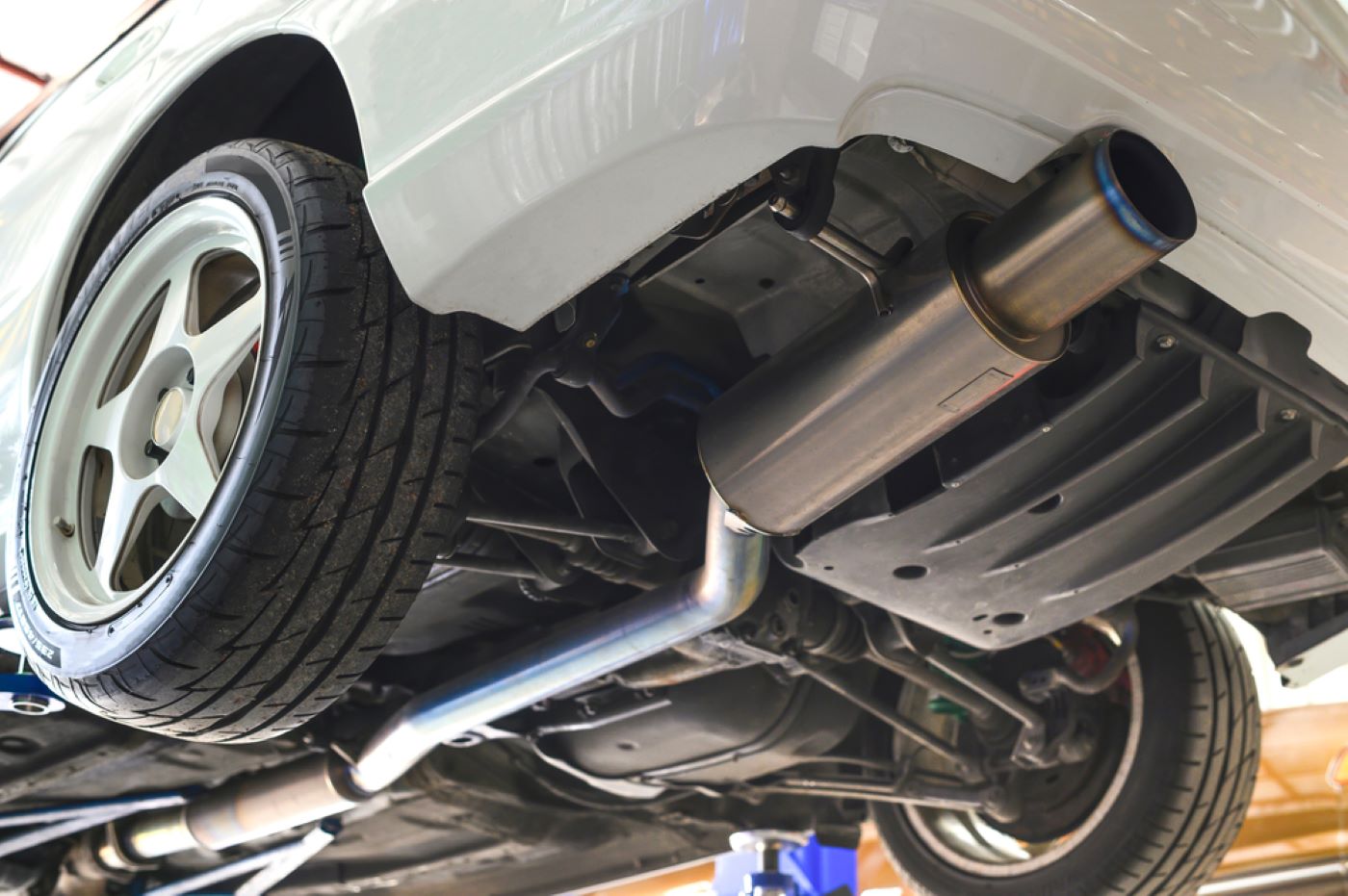
8. Pay Close Attention to the Exhaust System
The exhaust system of the Toyota Crown serves several critical functions: directing harmful gases away from the cabin, reducing emissions, and helping maintain engine efficiency by managing backpressure.
Over time, components such as the exhaust manifold, catalytic converter, muffler, and pipes are exposed to intense heat, moisture, and road debris, making them susceptible to corrosion, cracks, and leaks. A compromised exhaust system not only affects the vehicle’s performance but also poses environmental and safety hazards, making regular inspection and maintenance essential, especially as the vehicle passes the 200,000-kilometer mark.
One of the common issues with older Toyota Crowns is rust formation on the exhaust pipes and muffler. Rust can cause holes or cracks that lead to exhaust leaks, which reduce engine efficiency and create loud noises. Exhaust leaks can also allow toxic gases like carbon monoxide to enter the passenger cabin, posing serious health risks.
Regular visual inspections of the exhaust system, particularly in regions with high humidity or heavy road salt use, help identify areas needing repair or replacement before leaks worsen.
The catalytic converter, which reduces harmful emissions by converting toxic gases into less harmful substances, can degrade over time or become clogged. Symptoms of a failing catalytic converter include reduced engine power, increased fuel consumption, and the illumination of the check engine light. Prompt diagnosis and replacement of a failing catalytic converter ensure compliance with emissions regulations and help maintain engine performance.
Exhaust hangers and clamps also require periodic checks. These components secure the exhaust system to the vehicle and prevent excessive movement that could lead to damage or disconnections. Broken hangers or loose clamps can cause rattling noises and stress points in the exhaust system, leading to premature failure. Replacing worn hangers and tightening clamps as needed contributes to the longevity of the exhaust system.
Maintaining the exhaust system in good condition not only supports engine efficiency but also contributes to the Toyota Crown’s smooth and quiet ride. It is an often-overlooked area of maintenance that, when properly addressed, helps the vehicle maintain its reliability, environmental friendliness, and safety well beyond 200,000 kilometers.
