

The Chevy Colorado diesel has gained a solid reputation among midsize truck enthusiasts for its blend of power, efficiency, and reliability. Many owners appreciate how this truck balances everyday usability with the ruggedness necessary for heavier tasks, thanks to its turbo-diesel engine and well-engineered design.
However, like any diesel vehicle, keeping the Colorado diesel running strong over time requires consistent care and attention to certain maintenance and operational practices. Small, straightforward steps can make a significant difference in preserving engine life, fuel economy, and performance. With the right approach, owners can avoid costly repairs and enjoy their truck’s capabilities for years.
One of the reasons diesel trucks like the Chevy Colorado require special attention is their unique engine characteristics. Diesel engines work at higher compression ratios and rely heavily on proper fuel combustion and lubrication. This means neglecting routine maintenance tasks, such as fuel filter replacement or oil changes, can quickly lead to expensive damage.
Fortunately, many of the best maintenance habits don’t require deep mechanical expertise or complicated tools. These “easy wins” are accessible to most owners and help maintain the truck’s efficiency and durability. From simple fluid checks to proper driving habits, each small effort contributes to a stronger engine and better truck health.
This article highlights ten practical and straightforward actions that any Chevy Colorado diesel owner can take to keep their truck performing at its best. These actions cover maintenance routines, fuel management, and driving behaviors, offering a comprehensive approach to longevity and dependability.
Whether you are new to diesel ownership or a seasoned truck enthusiast, understanding and applying these tips will help you avoid common pitfalls and ensure your Colorado diesel stays strong through thousands of miles.
By focusing on these simple yet effective strategies, you not only protect the heart of your truck but also maximize your investment in it. From preserving engine components to maintaining fuel efficiency, these easy wins are about more than just upkeep; they’re about enhancing the experience of owning and driving a Chevy Colorado diesel.
Also Read: 5 Cars with Climate Control That Works vs 5 That’s Just for Show
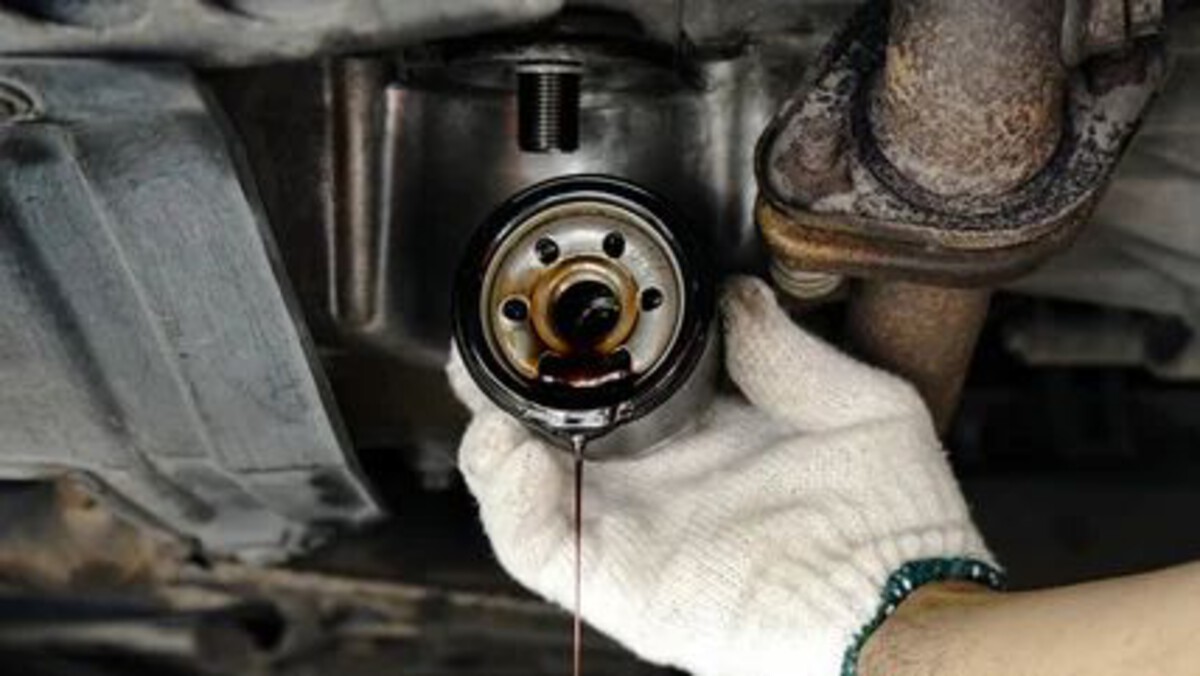
1. Regular Oil and Filter Changes
One of the most critical factors in keeping any diesel engine running smoothly is maintaining a consistent oil change schedule. The Chevy Colorado diesel, like most diesel vehicles, relies heavily on clean, high-quality oil to lubricate internal components, reduce friction, and dissipate heat.
Over time, engine oil degrades and becomes contaminated with soot and other combustion byproducts, which can accelerate wear and cause damage if not changed regularly. Sticking to the manufacturer’s recommended oil change intervals, or even shortening them if you use your truck under harsh conditions, is essential for protecting the engine.
Along with oil changes, replacing the oil filter each time you change the oil ensures that the oil circulating through the engine remains clean and free of debris. A clogged or dirty oil filter reduces oil flow and can cause poor lubrication, resulting in increased engine wear or even failure.
Because diesel engines operate under higher pressure and temperatures than gasoline engines, oil quality and cleanliness are particularly crucial. Many diesel engine oils are formulated with additives that help control soot and protect against corrosion, so choosing the right oil is also an important consideration.
Neglecting oil and filter maintenance can lead to sludge buildup, which impairs engine efficiency and eventually causes costly damage. While some owners may be tempted to extend oil change intervals to save money or time, this short-term thinking often leads to greater expenses down the road. Paying attention to the oil light or engine diagnostics and taking immediate action when issues arise will help prevent long-term damage and ensure the truck runs reliably.
Finally, when performing oil changes, make sure to use the proper oil grade specified by Chevrolet and consider synthetic oils designed for diesel engines, which offer better performance under extreme conditions. By prioritizing regular oil and filter changes, owners give their Chevy Colorado diesel a solid foundation for longevity and strong performance.

2. Fuel Filter Replacement and Quality Fuel
Diesel fuel quality and fuel filter maintenance are two pillars of a healthy diesel engine. The Chevy Colorado diesel depends on clean fuel to run efficiently, and any contamination in the fuel can have serious consequences.
Diesel fuel can contain water, dirt, and other impurities that damage the fuel injection system, reduce combustion efficiency, and lead to costly repairs. The fuel filter plays a vital role by trapping these contaminants before they reach the engine, but over time the filter itself can become clogged and less effective.
Replacing the fuel filter at regular intervals, as recommended in the owner’s manual, is an easy step that helps prevent fuel system problems. A clogged filter reduces fuel flow and puts extra strain on the fuel pump, which can eventually cause pump failure.
Additionally, it leads to poor engine performance, rough idling, and reduced fuel economy. Since diesel fuel systems operate under very high pressure, clean filters are critical to maintaining optimal injector function and avoiding damage.
Besides maintenance, the quality of the diesel fuel you use is equally important. Using fuel from reputable stations reduces the risk of contamination and ensures that your truck receives fuel with the proper cetane rating and additives. Some diesel fuels include detergents and lubricants that help keep injectors clean and the fuel system running smoothly. Avoid filling up at stations where the fuel tanks may be poorly maintained, as this increases the chance of water or sediment contamination.
In colder climates, using diesel additives or winterized fuel blends can help prevent gelling and fuel line freeze-ups, which can otherwise leave you stranded. Combining good fuel with timely filter replacements not only protects the engine but also improves power delivery, fuel efficiency, and emissions control. This simple maintenance step is one of the easiest wins for keeping your Chevy Colorado diesel strong.

3. Proper Cooling System Maintenance
The cooling system is often overlooked but plays a critical role in the health of a diesel engine. The Chevy Colorado diesel’s turbocharged engine generates a significant amount of heat during operation, and the cooling system must efficiently manage this heat to prevent engine overheating. Overheating can cause serious damage to engine components, including warped cylinder heads, gasket failure, and even catastrophic engine failure if left unchecked.
Regularly inspecting and maintaining the coolant level and quality is an easy but often neglected step. Coolant deteriorates over time, losing its ability to resist corrosion and prevent freezing or boiling. Old or contaminated coolant can clog passages in the radiator and engine, reducing cooling efficiency. Flushing the cooling system and replacing the coolant according to the manufacturer’s schedule ensures the system remains in peak condition.
Checking hoses, clamps, and the radiator for leaks or cracks is also important. A small coolant leak can cause a drop in system pressure and lead to overheating issues. Additionally, the thermostat and water pump should be tested periodically to make sure they are functioning correctly. A faulty thermostat may cause the engine to run too hot or too cold, both of which reduce performance and increase wear.
Since diesel engines work under high loads and generate substantial heat, maintaining the cooling system is one of the simplest ways to avoid expensive repairs. Proper coolant levels and clean, leak-free components mean the engine stays at the optimal temperature for combustion and efficiency. Staying on top of this routine maintenance step helps keep your Chevy Colorado diesel running strong, especially during demanding tasks.
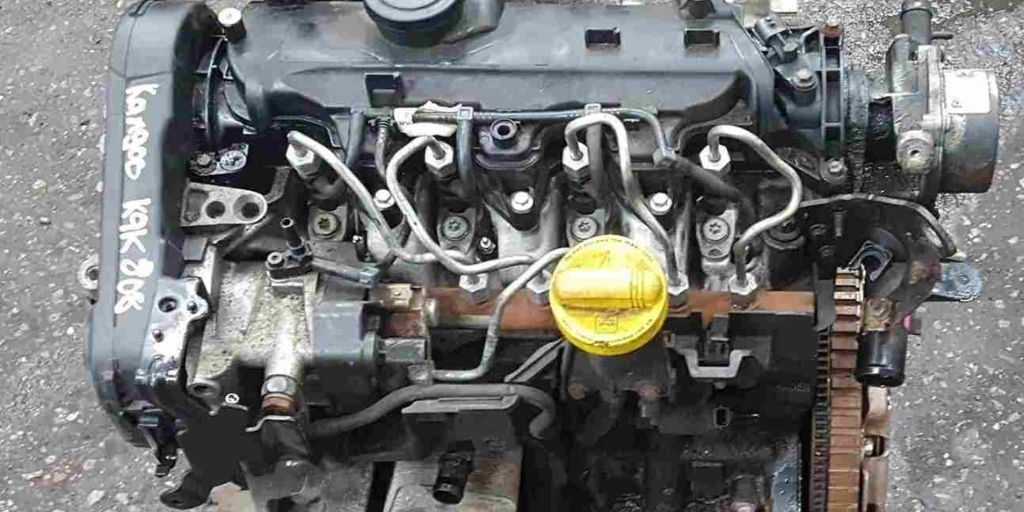
4. Using the Correct Diesel Engine Oil and Fluids
Diesel engines require specific fluids to perform optimally and prevent wear, and the Chevy Colorado diesel is no exception. Using the proper diesel engine oil and fluids tailored for the truck’s engine design is essential for maintaining long-term reliability and performance. Many owners may assume that any oil or fluid will do, but the truth is that diesel engines have unique needs compared to gasoline engines.
Diesel engine oil has to handle higher soot levels and more extreme pressures, so it typically includes detergents and additives that keep the engine clean and protect against wear and corrosion. Using the oil viscosity grade and specifications recommended by Chevrolet helps ensure proper lubrication and reduces the risk of engine damage. Using the wrong oil can cause sludge buildup, increased friction, and accelerated wear of internal components like the piston rings and cylinder walls.
Besides engine oil, other fluids such as transmission fluid, differential oil, and coolant should also meet manufacturer specifications. Many diesel trucks use special formulations designed to handle heavy-duty use and higher temperatures. Using inappropriate fluids in these systems can lead to poor shifting, increased wear, or overheating.
The cost difference between recommended fluids and generic options is minimal compared to the potential damage from improper lubrication.
Pay attention to fluid change intervals as well. Even the best fluids degrade over time and lose their protective properties. Staying on top of regular fluid changes helps avoid problems that often manifest after extended use, such as clogged passages, reduced heat dissipation, or gear damage. When combined with consistent oil changes, using the correct fluids keeps your Chevy Colorado diesel running at peak condition and extends the life of vital components.
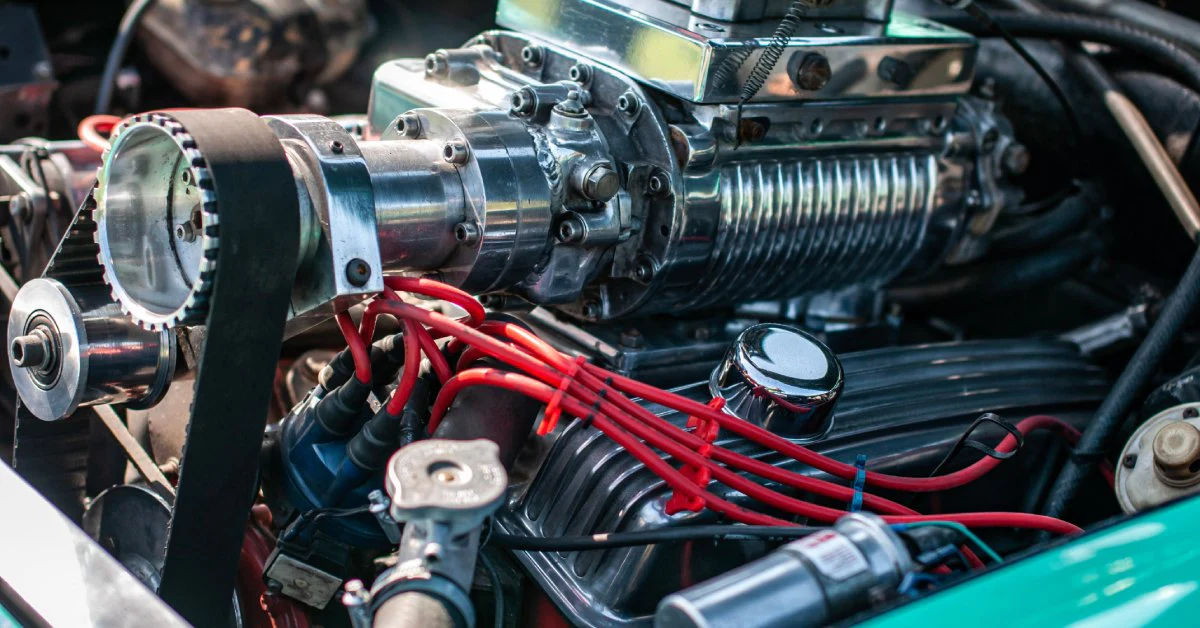
5. Maintaining the Turbocharger
The turbocharger is one of the most important components that gives the Chevy Colorado diesel its power and efficiency. It compresses the air entering the engine to allow more fuel to be burned, resulting in better performance and fuel economy. Because it operates at extremely high speeds and temperatures, the turbocharger requires proper care to ensure longevity and avoid costly repairs. Neglecting this critical part can lead to decreased power, excessive smoke, or even complete turbo failure.
One of the simplest yet most effective ways to care for the turbo is by allowing the engine to warm up properly before pushing it hard. Turbochargers rely on a steady flow of oil to lubricate their moving parts, and cold oil does not flow as well as warm oil.
Starting the engine and driving gently for the first few minutes gives the oil time to circulate thoroughly and reach the turbo’s bearings, reducing wear. Similarly, after a long or demanding drive, it is a good practice to let the engine idle for a short time before shutting it off. This cooldown period prevents the oil from overheating and coking inside the turbo housing, which can cause damage over time.
Regular oil and filter changes also indirectly protect the turbocharger. Since turbochargers are lubricated by engine oil, dirty or degraded oil can quickly cause bearing wear or damage. Using the correct oil grade and high-quality oil filters helps ensure clean oil circulation and preserves the turbo’s delicate components. Some owners also recommend periodically inspecting the turbo hoses and intercooler for leaks or cracks, as air leaks can reduce boost pressure and impair performance.
By incorporating these simple habits into regular maintenance, you significantly reduce the risk of premature turbo failure. A well-maintained turbocharger not only improves power and responsiveness but also enhances fuel efficiency and engine longevity. Taking care of the turbocharger is one of the easiest and most impactful wins for keeping the Chevy Colorado diesel strong and reliable.
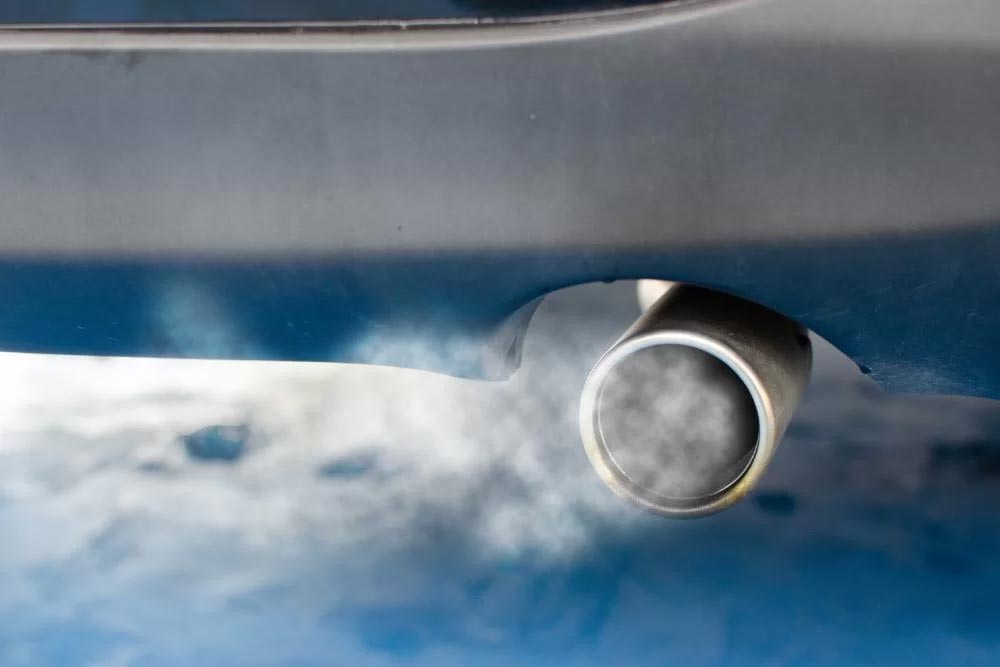
6. Proper Diesel Exhaust Fluid (DEF) Management
Modern diesel engines, including the Chevy Colorado diesel, rely on diesel exhaust fluid (DEF) to meet emissions standards and keep the engine running cleanly. DEF is a urea-based solution injected into the exhaust stream to reduce harmful nitrogen oxide (NOx) emissions by breaking them down into harmless nitrogen and water vapor. While DEF helps the environment and keeps your truck compliant with regulations, proper DEF management is essential for avoiding engine performance issues or potential damage.
One of the easiest steps is to regularly check the DEF level and refill it before it gets too low. Many trucks have warning lights or gauges to alert drivers when the DEF is running low, but ignoring these warnings can lead to the engine entering a reduced power mode or even refusing to start until DEF is replenished. Running out of DEF can cause serious inconvenience and may require dealer intervention to reset systems.
Additionally, using only high-quality DEF that meets the ISO 22241 standard is critical. Poor-quality or contaminated DEF can clog the injection system, sensors, or catalytic converters, leading to costly repairs. It’s best to purchase DEF from reputable suppliers and store it properly to avoid contamination. DEF should be kept away from direct sunlight and extreme temperatures, which can degrade its quality.
Keeping the DEF system clean and functioning correctly also means periodic inspections of the tank, lines, and injector components. Any leaks, blockages, or sensor malfunctions can affect the truck’s emissions control system and drivability.
Maintaining the DEF system not only ensures compliance with emissions regulations but also protects engine components and maintains peak engine performance. Proper DEF management is a simple but essential part of keeping the Chevy Colorado diesel strong and ready for the road.
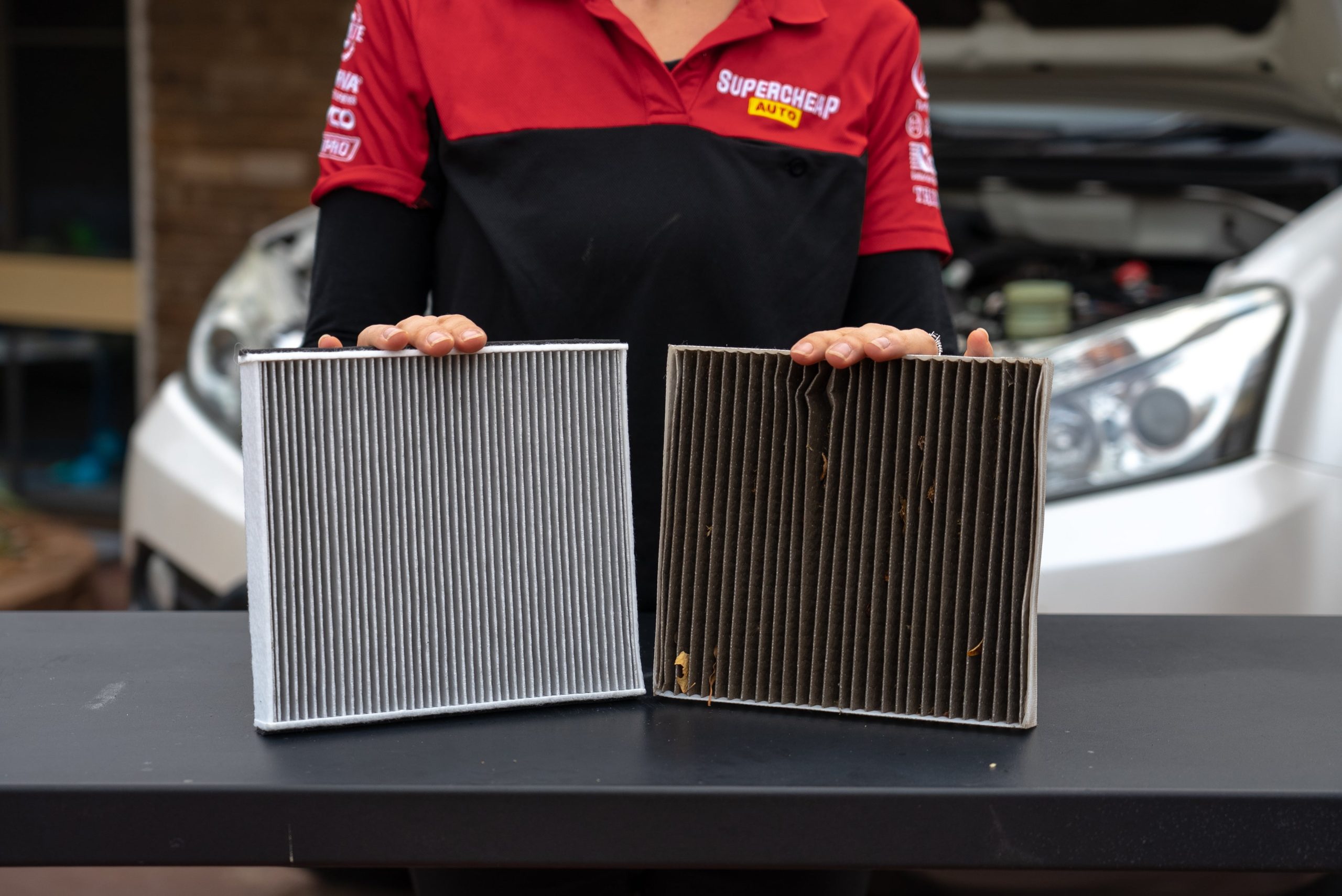
7. Air Filter Inspection and Replacement
The air filter is a critical but often overlooked component of the engine’s intake system. It prevents dirt, dust, and other airborne particles from entering the engine, which could otherwise cause premature wear or damage. Diesel engines require a steady supply of clean air to achieve proper combustion and maintain power, so keeping the air filter clean is vital for performance and longevity.
Regular inspection of the air filter is an easy step that can pay big dividends. Depending on driving conditions, the air filter may need to be checked more frequently. For example, if you frequently drive on dusty roads, construction sites, or off-road, the filter can become clogged faster.
A dirty or clogged air filter restricts airflow, forcing the engine to work harder and reducing fuel efficiency and power output. In severe cases, it can cause black smoke from the exhaust and increased engine wear.
Replacing the air filter is usually a straightforward task and relatively inexpensive compared to other repairs. It’s important to follow Chevrolet’s recommended replacement intervals or adjust them based on your specific environment and usage. Some owners prefer to upgrade to high-performance air filters that provide better airflow and filtration, which can improve throttle response and engine efficiency.
Besides protecting the engine, a clean air filter helps maintain the health of other components like the turbocharger and fuel injection system. Contaminants entering the engine can quickly degrade these parts, leading to costly repairs. By simply inspecting and replacing the air filter regularly, you keep your Chevy Colorado diesel breathing clean air and running strong.
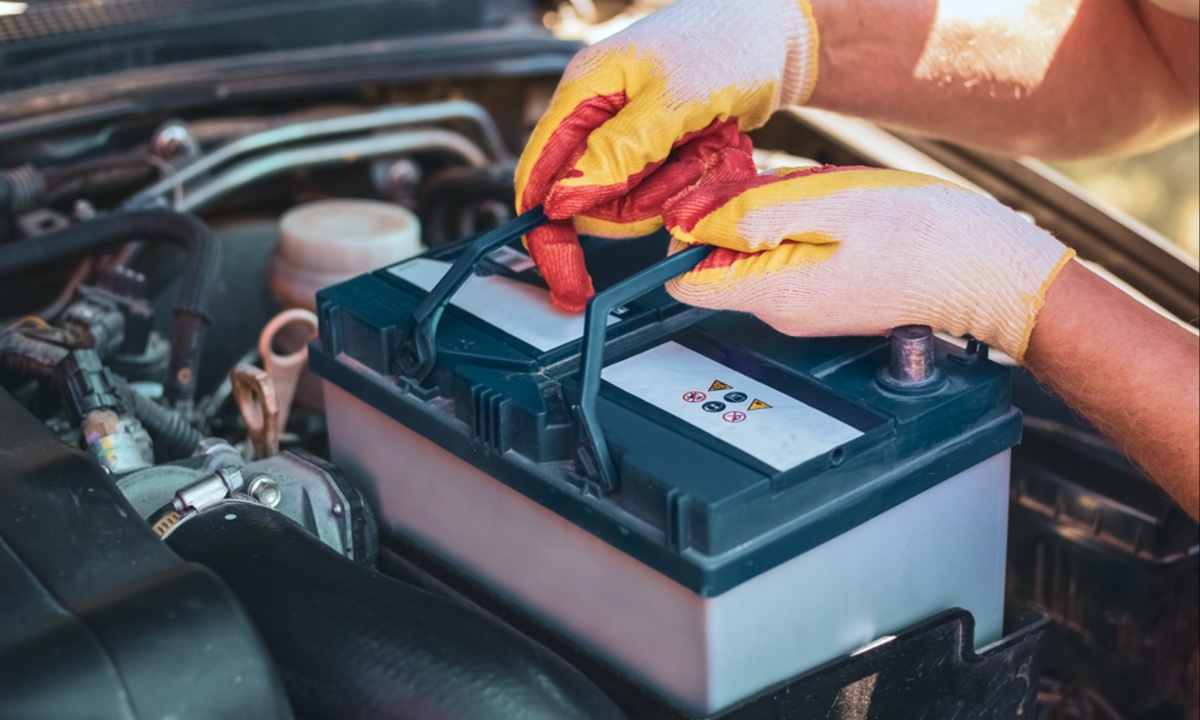
8. Monitoring and Maintaining Battery Health
The battery is often taken for granted but plays a crucial role in starting and operating the diesel engine. Diesel engines require more cranking power than gasoline engines due to their higher compression ratios, making a healthy battery essential for reliable starts, especially in cold weather. Neglecting battery maintenance can lead to unexpected failures, leaving you stranded and potentially damaging the starter motor or other electrical components.
One of the best ways to keep the battery in good shape is to perform regular inspections. Look for signs of corrosion on battery terminals, which can interfere with the electrical connection. Cleaning the terminals with a mixture of baking soda and water can help maintain a strong connection. It’s also important to check the battery case for cracks, leaks, or swelling, all of which indicate the need for replacement.
Battery voltage and charge can be tested using a multimeter or by having it checked at a service center during routine maintenance. Batteries lose capacity over time, and extreme weather conditions, both hot and cold, can accelerate this process. If your battery is more than three to five years old, consider replacing it proactively to avoid surprises.
Proper battery maintenance also includes ensuring the alternator and charging system are functioning correctly. A failing alternator may not fully charge the battery, leading to repeated issues and a shortened battery life. Using a battery maintainer or trickle charger can be beneficial for trucks that sit unused for long periods, preventing battery drain and ensuring a strong start when needed.
By keeping an eye on the battery and performing simple maintenance tasks, you ensure your Chevy Colorado diesel starts reliably every time and that the electrical system supports all necessary functions without issue.

9. Tire Maintenance and Proper Inflation
Tires are the only point of contact between your Chevy Colorado diesel and the road, making their condition and inflation crucial for safety, performance, and fuel efficiency. Diesel trucks tend to be heavier and may carry heavier loads, so proper tire care is even more important to support this weight and maintain handling stability.
Maintaining proper tire pressure according to the manufacturer’s specifications is one of the easiest ways to extend tire life and improve fuel economy. Underinflated tires increase rolling resistance, causing the engine to work harder and consume more fuel.
Overinflated tires, on the other hand, can lead to uneven wear and reduced traction. Regularly checking tire pressure with a reliable gauge and adjusting as necessary helps maintain the ideal contact patch and ride quality.
Beyond inflation, rotating tires at recommended intervals ensures even wear across all four tires, which prolongs their lifespan and maintains balanced handling. Inspecting tires for signs of damage such as cuts, bulges, or uneven wear patterns can catch potential problems early and prevent blowouts or failures on the road.
Additionally, selecting tires suited for your typical driving conditions, whether all-terrain for off-road use or highway tires for mostly paved roads, ensures optimal performance and safety. Tires designed for diesel trucks also tend to be more robust and able to handle heavier loads.
Proper tire maintenance is a simple, cost-effective way to keep your Chevy Colorado diesel operating safely and efficiently, contributing to both fuel savings and driving confidence.
10. Driving Habits that Preserve Engine Health
How you drive your Chevy Colorado diesel has a direct impact on the engine’s health and longevity. Unlike gasoline engines, diesel engines are built to handle steady torque and high compression, but aggressive driving can accelerate wear and reduce efficiency. Adopting smooth, thoughtful driving habits is one of the easiest ways to keep the diesel engine strong over time.
Avoiding rapid acceleration and hard braking reduces stress on the engine and drivetrain. Diesels benefit from gradual throttle application, allowing the turbocharger to spool smoothly and combustion to remain efficient. Frequent high-revving or lugging the engine at low RPMs can cause excessive soot buildup and strain internal components like the turbo and fuel injectors.
Another important habit is allowing the engine to warm up before demanding full power, especially in cold weather. Cold diesel engines do not lubricate as well initially, so starting with a gentle warm-up helps prevent premature wear. Similarly, giving the engine time to cool down after heavy use, by idling briefly before shutting off, helps protect the turbocharger and prevents heat soak damage.
Using the correct gears and avoiding lugging the engine, where the engine is working hard at low RPM, improves fuel economy and reduces wear. When towing or hauling, driving within the truck’s limits and using engine braking or lower gears helps avoid overheating and unnecessary strain.
Consistent, mindful driving habits combined with regular maintenance keep the Chevy Colorado diesel running smoothly, preserving its power, efficiency, and reliability for years to come.
Also Read: 10 Cars With Tricky Seatbelt Buckles for Elderly Passengers
Maintaining a Chevy Colorado diesel in strong, reliable condition doesn’t have to be complicated or overwhelming.
By focusing on these ten easy wins, regular oil and filter changes, timely fuel filter replacement, proper cooling system upkeep, using the correct diesel engine fluids, caring for the turbocharger, managing diesel exhaust fluid correctly, inspecting and replacing the air filter, maintaining battery health, keeping tires properly inflated and rotated, and adopting smart driving habits, owners can protect their investment and enjoy dependable performance for years.
Each of these steps, while seemingly simple, addresses critical aspects of diesel engine health and truck longevity. The diesel engine’s unique demands mean that neglecting even small maintenance tasks can lead to costly repairs or reduced efficiency.
However, the great news is that most of these tasks are easy to understand and carry out without specialized tools or advanced mechanical knowledge. Regular oil and filter changes alone can prevent sludge buildup and wear that significantly degrade engine life. Fuel system care ensures the injectors and pumps continue to operate smoothly, safeguarding performance and fuel economy.
Similarly, maintaining the cooling system and using the proper fluids helps the engine run at optimal temperatures and keeps internal parts protected against corrosion and wear. Turbocharger care and DEF management are essential to preserving power delivery and emissions compliance, two key benefits of the modern diesel platform.
Meanwhile, replacing the air filter, monitoring battery health, and maintaining tires contribute to drivability, efficiency, and safety. Smart driving habits further extend engine life by minimizing undue stress and optimizing combustion.
In combination, these maintenance and operational practices provide a comprehensive approach to keeping the Chevy Colorado diesel strong. They help avoid common problems such as overheating, fuel contamination, premature wear, and emissions system failures. Following these easy wins not only protects the engine but also enhances your day-to-day experience with the truck, improving reliability, responsiveness, and fuel savings.
The Chevy Colorado diesel rewards owners who invest a little time and care into routine upkeep. These straightforward actions build a foundation for a powerful, efficient, and durable truck that meets your work needs, play, and everything in between. By adopting these practices, you ensure your Chevy Colorado diesel remains a trustworthy partner on the road for miles and years ahead.
