
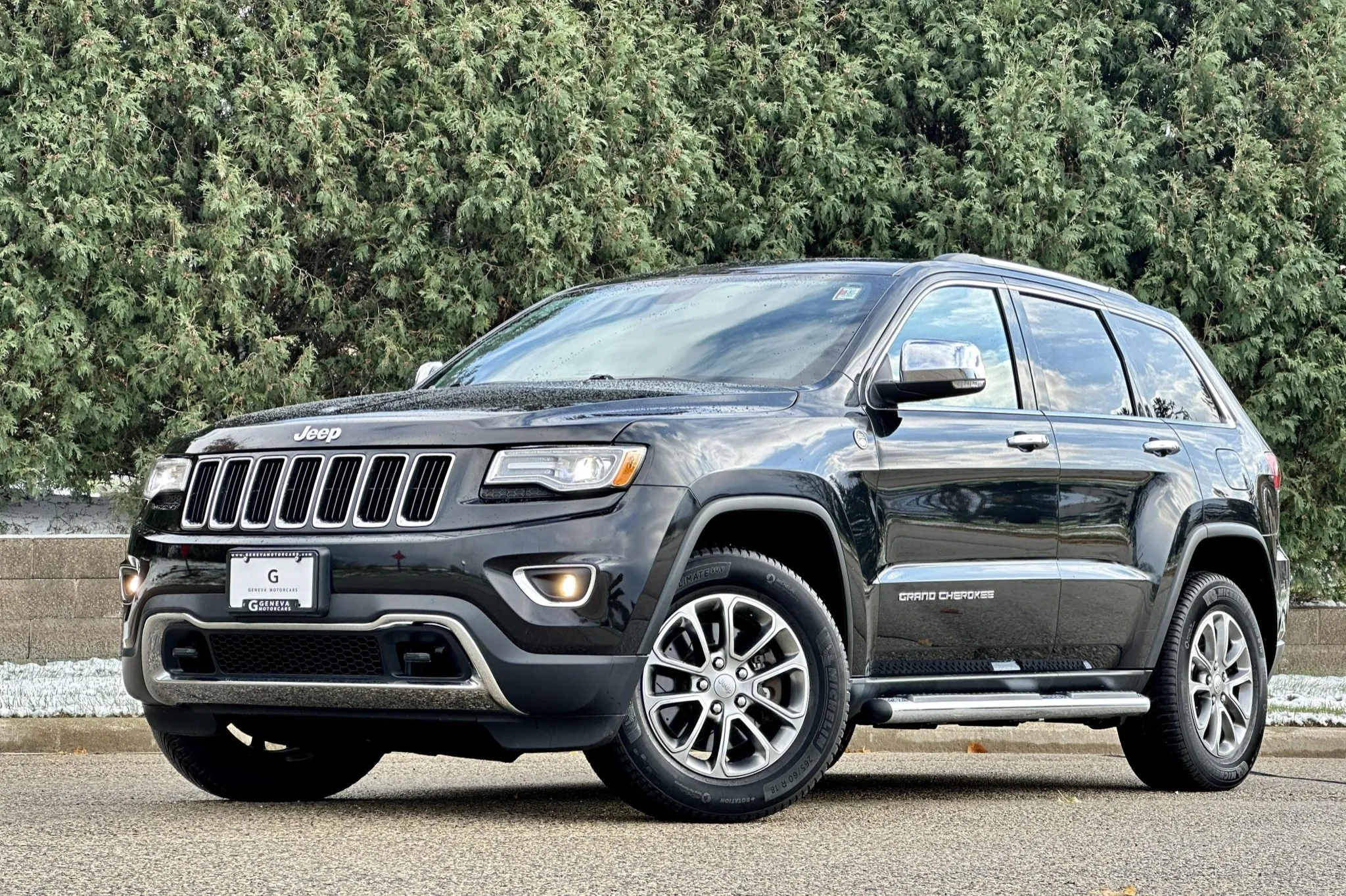
The Jeep Grand Cherokee is often praised for its strong off-road capabilities paired with a refined driving experience. With its powerful engine options, rugged suspension systems, and advanced four-wheel-drive setups, it’s built to handle a range of terrains, from rocky inclines to muddy trails.
However, just because a vehicle is engineered for toughness doesn’t mean it’s invincible. Even the most durable off-road SUVs, like the Grand Cherokee, can face premature wear or significant damage when handled improperly.
Many Jeep Grand Cherokee owners take their vehicles off-road with the assumption that they can throw anything at them without worry. Unfortunately, this mindset can lead to serious consequences.
Poor driving habits, lack of maintenance, and simple overconfidence are all common reasons why even the most capable rigs suffer breakdowns or degraded performance over time. And once a system fails, it’s not just a matter of inconvenience; repairs on modern off-road vehicles can be costly and complex.
The truth is, it’s not just the terrain that’s hard on the vehicle; it’s the way the vehicle is driven and maintained. A driver who doesn’t respect the mechanical limits of their Jeep or ignores essential upkeep can cause far more damage than any mud hole or rocky trail ever will. Misuse over time can strain suspension parts, fry transmissions, warp brakes, and even crack the frame or body mounts if left unchecked.
Knowing what to avoid is just as important as knowing what to do. Certain habits might seem harmless or even go unnoticed by the driver at the time, but repeated behavior eventually catches up.
Whether you’re a weekend trail rider or a regular off-road enthusiast, it’s crucial to understand which actions are slowly destroying your vehicle. Avoiding these habits can mean the difference between years of reliable performance and frequent, expensive trips to the mechanic.
Here are 10 habits that can destroy your Jeep Grand Cherokee off-road if you’re not careful.
Also Read: 5 Steering Racks That Stay Tight vs 5 That Loosen Quickly
1. Ignoring Regular Maintenance After Trail Use
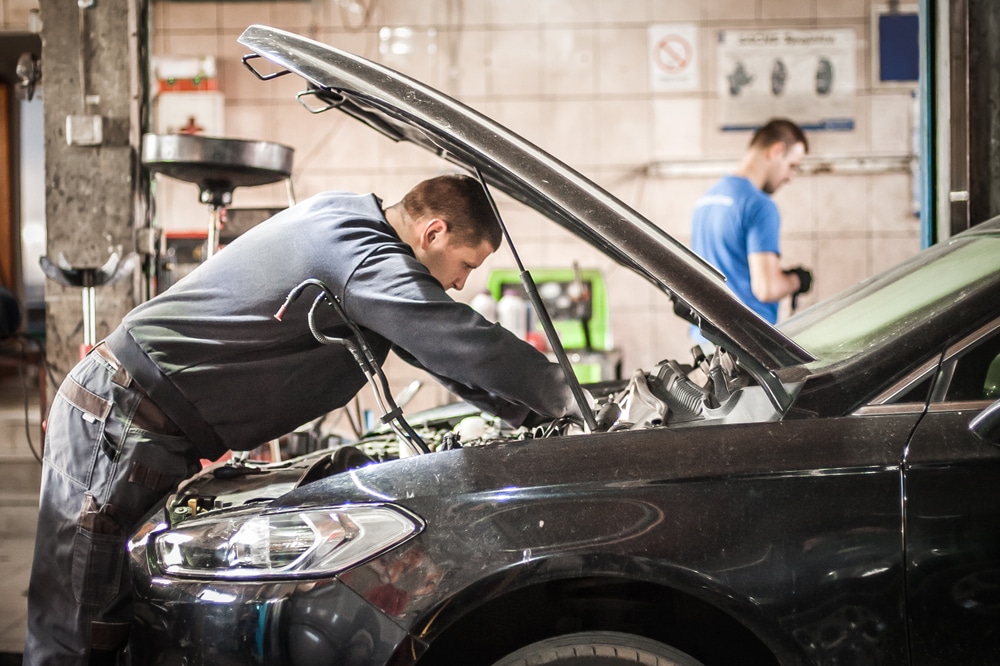
Skipping post-trial maintenance is one of the fastest ways to shorten the life of any off-road vehicle. Dirt, dust, mud, and water aren’t just messy, they’re destructive when allowed to sit on or inside your vehicle’s systems.
After a day of off-roading, most drivers want to just park and relax, but failing to clean and inspect the vehicle is where the damage often begins. Brake calipers can seize from mud buildup, suspension joints can wear prematurely, and fluids can become contaminated if they’re not checked.
Your Jeep Grand Cherokee might feel fine after a trail run, but that doesn’t mean everything is in perfect shape. Fluids like transmission oil, differential oil, and even engine oil can degrade faster when subjected to steep inclines or water crossings.
If you’ve been through water, there’s also a risk of water entering differentials and transfer cases, which can lead to internal corrosion or gear failure. Catching this early is as simple as checking for cloudy or milky fluid. Ignoring it, however, means risking total failure down the road.
Belts and pulleys also take a beating during off-road use, especially in muddy or sandy environments. These materials are abrasive and get into places they shouldn’t. If they’re not washed off, they can cause your belts to slip, squeak, or eventually snap. Over time, the strain from contaminated pulleys will wear on the tensioner system and make replacements necessary much sooner than usual.
Then there’s the electrical system. Many newer Grand Cherokees rely on sensors to monitor performance, and these can fail when coated with debris or exposed to water. If your check engine light comes on after a trail day, one of these sensors likely got dirty or damaged. Regular checks with an OBDII scanner and visual inspections can prevent a minor issue from turning into a major failure. Skipping post-trial maintenance doesn’t save time, it multiplies repair costs later.
2. Using the Wrong Tire Pressure for Terrain
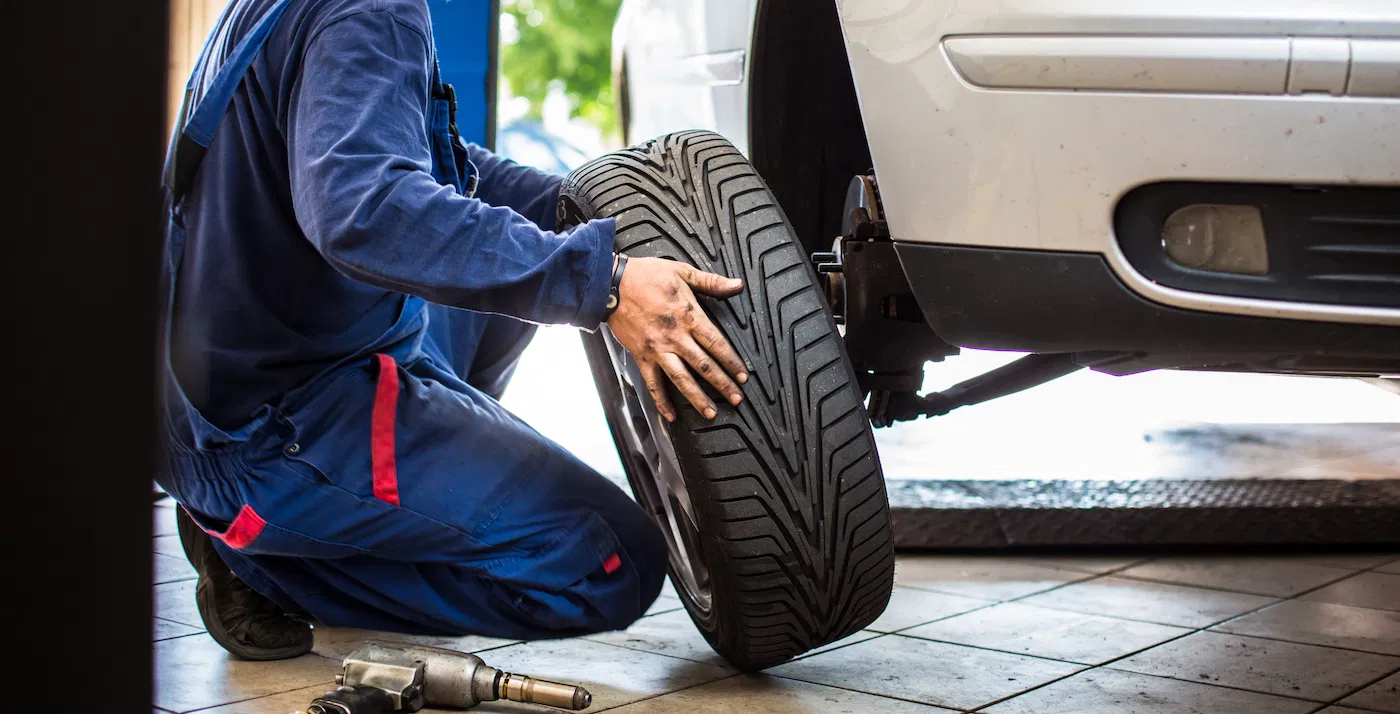
Improper tire pressure is more than just a traction problem; it can damage your tires, wheels, suspension, and drivetrain. Many drivers forget that off-roading requires different tire pressure settings than daily highway driving.
Running tires at full street pressure while off-roading can cause excessive bouncing and make the vehicle feel uncontrollable, particularly on loose dirt or rocks. This can also lead to a harsher ride that puts extra stress on the suspension system.
Lowering your tire pressure helps in giving the tire more surface contact with the terrain, improving grip and reducing the chance of getting stuck.
However, going too low without the proper knowledge can result in the tire popping off the bead, which can leave you stranded. For untrained drivers, airing down sounds simple, but it needs to be matched to tire size, load rating, and the terrain. Driving too far on improperly aired tires also accelerates wear, particularly on the shoulders.
On the other hand, not airing down at all during rocky trails can lead to punctures, bent rims, or sidewall damage. When tires are overinflated on uneven surfaces, the rubber doesn’t flex properly and becomes more prone to tears. It also transmits more shock to the suspension and body, increasing the chances of bent control arms or broken mounts.
It’s not just about setting the pressure before the trail; you need to re-inflate properly before hitting the pavement again. Driving home with underinflated tires after a day of wheeling can destroy the sidewalls and overheat the tire, increasing the risk of a blowout. Investing in a portable air compressor and tire deflator isn’t just for convenience; it protects one of the most important systems of your Jeep. Skipping these steps is like walking a tightrope without a safety net.
3. Off-Roading Without Skid Plates
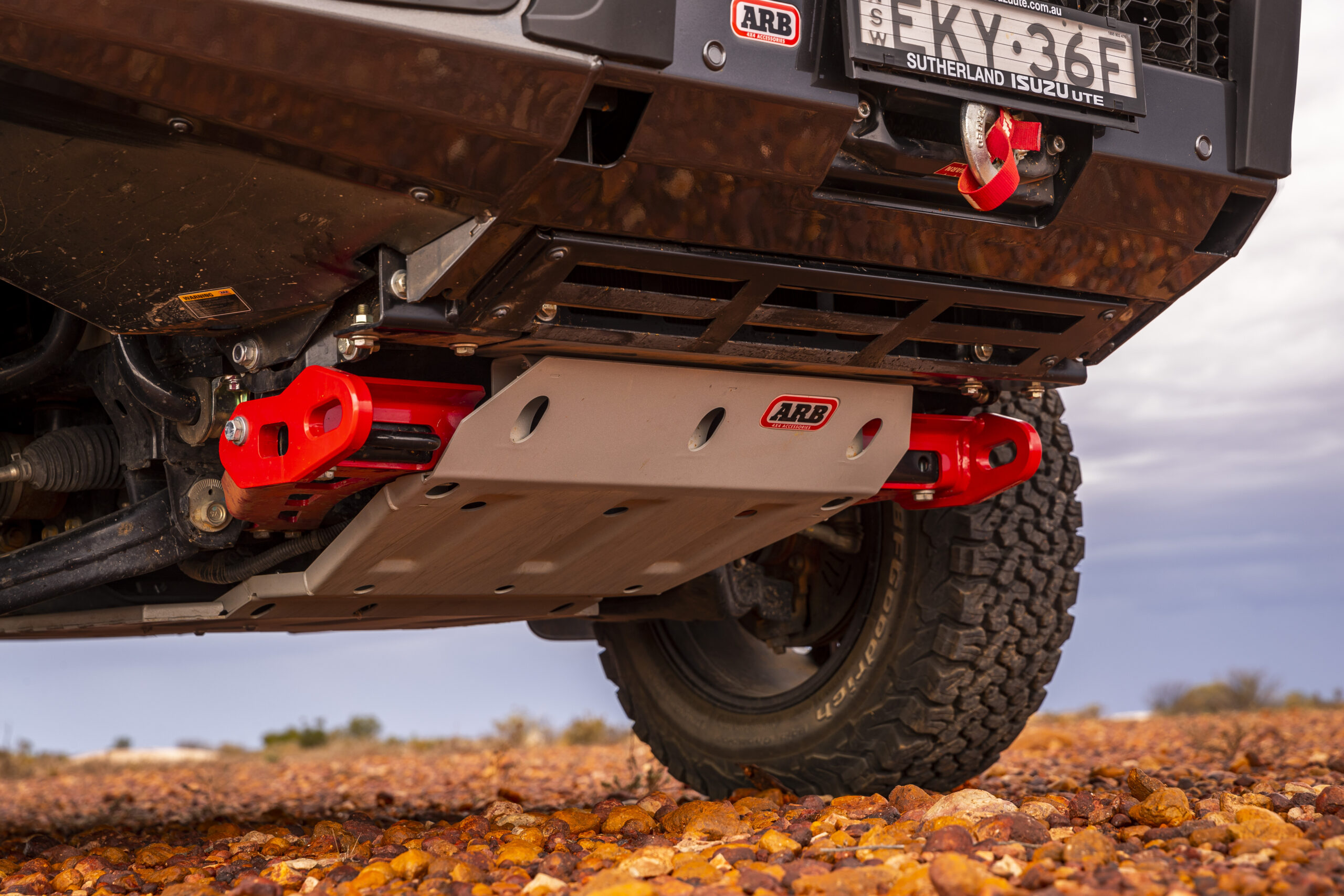
The Jeep Grand Cherokee doesn’t come with complete underbody protection from the factory, especially on non-Trailhawk trims. Going off-road without proper skid plates can be a catastrophic mistake. The undercarriage houses vital components like the oil pan, transmission, fuel tank, and transfer case, all of which are vulnerable to rocks, stumps, and uneven terrain. A single hit in the wrong place can lead to fluid leaks or permanent mechanical damage.
Drivers who underestimate the importance of underbody protection often don’t realize the threat until it’s too late. For example, a small branch can pierce a transmission pan or dent an oil pan, causing a slow leak that might not be obvious until your Jeep is starved of fluid. And the worst part is, some of this damage might not show symptoms right away. The real trouble can start days or even weeks later when you suddenly lose power or overheat.
Trail cameras and sensors might help you spot obstacles, but they don’t replace the need for solid physical protection. While the Grand Cherokee has impressive approach and departure angles, they don’t protect what’s under the body. If you’re driving over boulders or through rutted trails without adequate skid plates, you’re playing with fire. Even aftermarket lift kits won’t save these components from bottoming out under the vehicle.
Adding quality skid plates might seem like an expensive upgrade, but it’s nothing compared to the cost of a new transmission or cracked transfer case.
Many off-roaders also forget to inspect their skid plates after a trail ride. Dents and impacts can push the plate up into the component it’s supposed to protect, causing secondary damage. Keeping your Jeep safe below the belt is just as important as protecting its exterior. If you’re skipping this, your off-roading hobby might be leading your rig to an early grave.

4. Overloading the Vehicle
Carrying too much weight is a common mistake that goes unnoticed until something fails. The Jeep Grand Cherokee is capable, but it’s not designed to carry a house. Between gear, passengers, rooftop tents, and recovery equipment, the added weight can easily exceed safe limits. This puts extra strain on the suspension, brakes, drivetrain, and even the cooling system. Eventually, something gives.
Suspension components wear out much faster under constant heavy loads. Springs can sag, bushings wear unevenly, and shocks lose their ability to dampen.
If you’re bouncing around on trails while carrying several hundred pounds of extra weight, you’re essentially abusing the vehicle with every bump. Over time, this changes the vehicle’s ride height and can even affect alignment, leading to irregular tire wear and poor handling.
The braking system also suffers. Brakes are engineered with a specific weight range in mind. Adding too much weight means it takes longer to stop, and you’re also heating up the rotors and pads more than they were meant to handle. In off-road conditions, this can be dangerous, especially when descending steep grades. If your brakes overheat, you lose control. Once that happens, all the off-road tech in the world won’t help.
Then there’s the engine and transmission. Climbing trails or pulling yourself out of a ditch while overloaded forces these systems to work harder than normal. The transmission gets hotter, the engine revs higher, and components wear down quicker. It might not seem like a problem at first, but those extra strain cycles shorten the life of parts like the torque converter, drive shafts, and differential gears. That weight adds up to expensive problems over time.
If you’re serious about off-roading with your Jeep Grand Cherokee, take the time to calculate your payload and towing weight. Distribute gear wisely, use roof racks sparingly, and remember that lighter usually means longer life for your vehicle. Overloading isn’t just inefficient, it’s a hidden killer for your off-road setup.
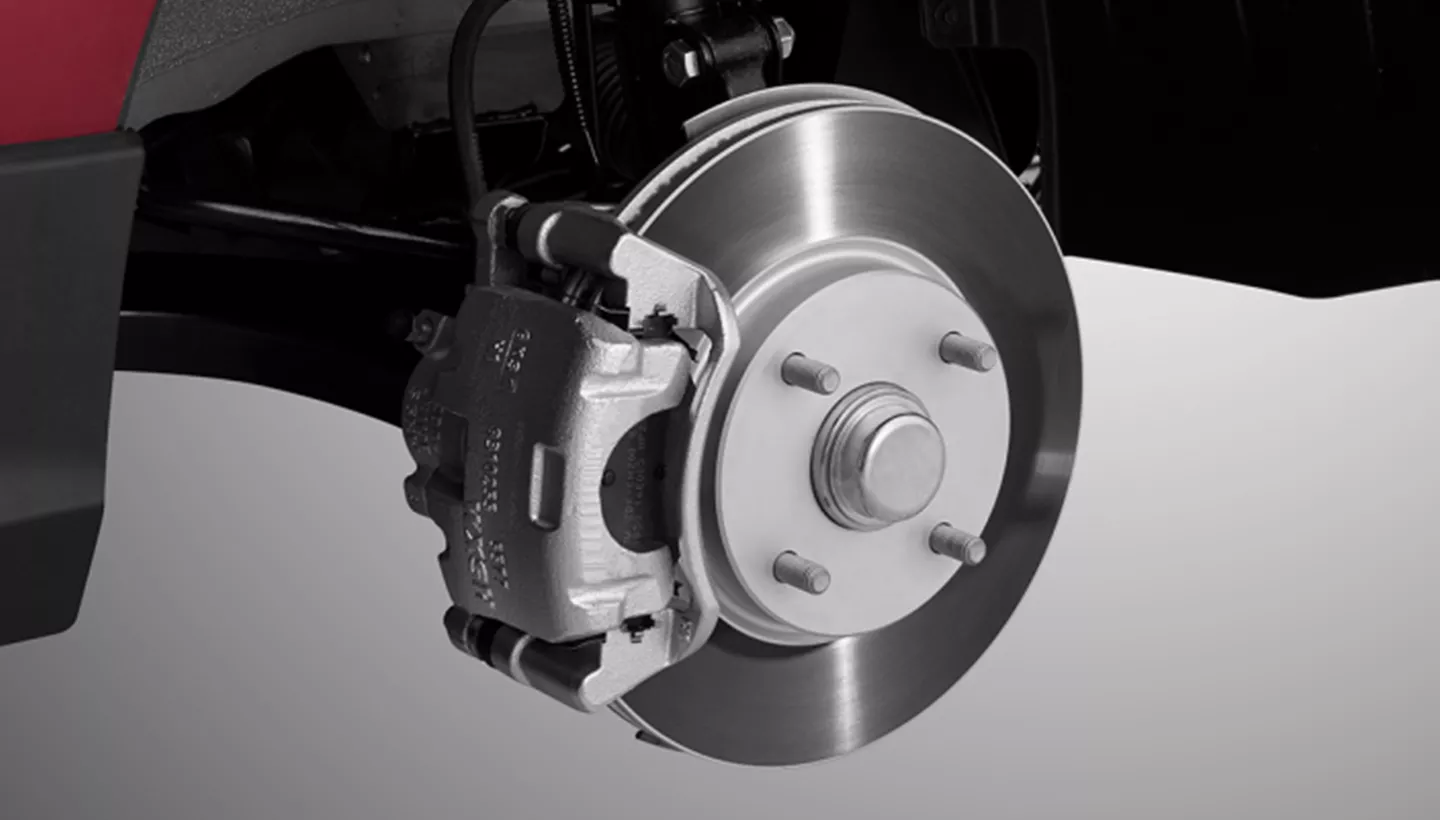
5. Riding the Brakes on Descents
One of the biggest mistakes off-road drivers make, especially on steep descents, is riding the brakes continuously. This habit is extremely hard on the braking system, and it becomes even more dangerous when combined with added trail weight or wet and uneven terrain.
The Jeep Grand Cherokee is equipped with modern braking systems, often including hill descent control on certain models, but no amount of automation can override the laws of physics or mechanical stress when the driver is constantly pressing the brake pedal down a long incline.
When brakes are applied non-stop over a long distance, the heat generated can quickly exceed what the rotors and pads are designed to handle. This leads to a condition known as brake fade. The hotter the components get, the less effective they become.
What starts as firm stopping power turns into a mushy pedal feel, and eventually, the brakes may stop responding altogether. On an off-road trail, this can be life-threatening, especially on a descent with obstacles, tight turns, or sudden elevation changes. Brake fade doesn’t give you much warning, and if you’ve already committed to a slope, you may not have time to recover.
Even if you avoid total brake failure, riding the brakes prematurely wears down both the pads and rotors. This reduces braking performance in general and requires you to replace components far more frequently.
Warped rotors are another common result. The heat from prolonged braking causes the metal to deform, which then results in vibration during everyday stops. These vibrations put stress on calipers and suspension components, turning one small mistake into a system-wide issue.
A better approach involves using engine braking by downshifting to lower gears before beginning the descent. The Grand Cherokee, especially those with selectable terrain systems, is capable of managing slopes without relying entirely on the brake pedal.
Letting the transmission and engine manage some of the load dramatically reduces wear and keeps your brakes cool and responsive when you really need them. Relying on the brakes as your only method of control is not just inefficient, it’s a gamble that many Jeep owners learn the hard way.
Also Read: 5 Infotainment Units With Reliable Software vs. 5 That Are Glitchy
6. Driving Too Fast on Trails
Speed is the enemy of control off-road. Many drivers, especially those who come from highway or sport driving backgrounds, struggle to adjust to the slower pace required on trails. A Jeep Grand Cherokee, while powerful and comfortable, is not built for high-speed off-road racing unless heavily modified.
Yet, too many drivers treat off-road trails like rally stages, pushing the throttle harder than needed and ignoring the terrain’s demand for caution. This habit leads to significant and widespread damage over time.
At higher speeds, the suspension system is put under extreme pressure. Every bump, dip, or rock hits harder and with more force. Components such as control arms, sway bar links, and shock absorbers are all designed with certain tolerances in mind. When you exceed those tolerances repeatedly, they start to fail. Bushings tear, mounts bend, and shocks lose damping ability. Eventually, your smooth off-road ride turns into a bouncy, unpredictable mess that compromises both comfort and safety.
Driving too fast also increases the chance of undercarriage strikes, especially on uneven terrain. Your approach and departure angles may be solid on paper, but at speed, your ability to react to dips, rocks, and roots drops dramatically.
The faster you’re moving, the more likely you are to bottom out or slam into something you could have avoided at a slower pace. The damage isn’t always immediate, either; stress cracks and mounting damage can develop over time and cause parts to fail under normal use later.
Additionally, fast driving often results in poor decision-making. A driver who is speeding on a trail is less likely to follow a proper line, avoid sensitive terrain, or watch for trail conditions ahead. That kind of impatience can also cause rollovers or slide-outs, particularly on slick surfaces like mud or snow.
Off-roading is about precision and control, not adrenaline and speed. Respecting the terrain and adjusting your pace is not only safer but also keeps your Jeep in running condition longer. Excess speed may be fun in the moment, but it’s one of the surest ways to destroy your Grand Cherokee before its time.
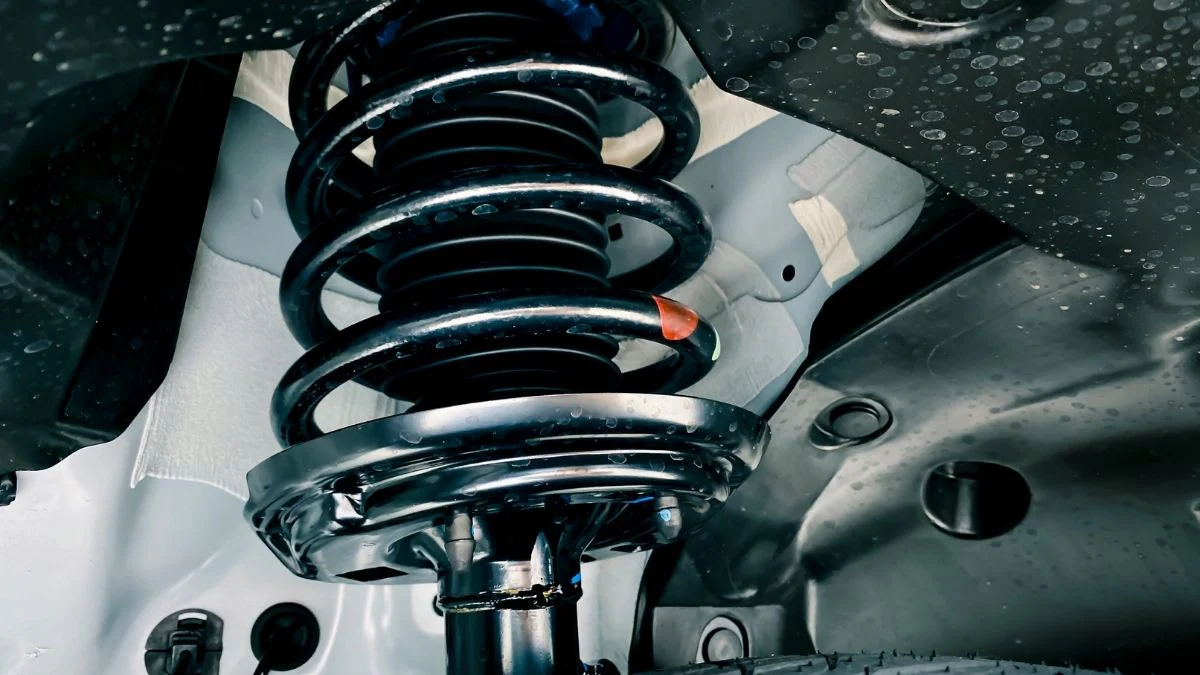
7. Neglecting Suspension and Steering Components
The suspension and steering system in the Grand Cherokee takes a beating off-road, even under careful driving. These components are responsible for absorbing shocks, maintaining control, and keeping the tires in proper contact with the ground. Yet many drivers ignore them until something starts making noise or the handling begins to feel off.
This neglect can cause more than just discomfort; it leads to unsafe driving conditions and expensive repairs that could have been avoided with simple checks and maintenance.
Control arms, tie rods, ball joints, and bushings are all prone to wear, especially after frequent trail use. These parts often face repeated stress, flexing, and impact with minimal cushioning, particularly if you’re not running upgraded aftermarket components. Once these parts start to wear, your alignment goes out of spec. That affects tire wear, handling response, and braking efficiency. The result is a vehicle that starts to feel unstable and unpredictable on and off the road.
A worn-out steering rack or damaged tie rod can be dangerous. These components are critical for maintaining direction and stability. Off-road, a failed steering part can result in loss of control in difficult terrain where precision matters most.
Imagine trying to navigate a narrow mountain trail with your steering pulling left or feeling vague, that’s a risk no driver should take. If ignored, worn steering parts can also affect electronic systems like traction control and adaptive steering, which rely on accurate input to function correctly.
Regular inspections are essential. After every major off-road trip, you should check for play in the steering wheel, uneven tire wear, and clunks or rattles over bumps. These are all signs that something in your suspension or steering setup is compromised.
Replacing components like ball joints or bushings early might seem costly, but it’s far cheaper than replacing the entire front suspension assembly or dealing with the aftermath of an accident caused by component failure. Maintaining your suspension isn’t just about ride comfort, it’s about control and long-term reliability.
8. Crossing Deep Water Without Preparation
Water crossings can be a thrilling part of the off-road experience, but they come with serious risks when done improperly. The Jeep Grand Cherokee is capable of handling moderate water depths, especially in trims with elevated ride height or air suspension, but too many drivers plunge into water without knowing how deep it is or how to cross safely. What follows can be a cascade of mechanical failures, most of which are entirely avoidable.
One of the first things at risk is the air intake system. If water gets sucked into the intake, it can enter the engine and cause hydrolock. When this happens, water fills the combustion chamber, and since water can’t compress like air, it bends or breaks internal engine components such as connecting rods. Hydrolocking is catastrophic and often leads to total engine replacement. This level of damage can occur in seconds if the intake is low or improperly sealed and the water is deeper than expected.
The electrical system is another point of failure. Water and electronics don’t mix, and even though many connectors in newer Grand Cherokees are sealed, they are not immune to prolonged submersion.
A single water crossing can cause sensor errors, dashboard warnings, and erratic behavior in drivetrain systems if water infiltrates connectors or control modules. This is especially concerning in models with selectable terrain systems, as water damage may lead to false readings or a complete shutdown of the off-road systems.
Water also threatens driveline components. If your differential breather tubes are not extended or sealed properly, water can enter the differential or transmission housing. Contaminated fluid loses its lubricating properties and leads to accelerated wear, internal rust, and eventual failure of gears or bearings. These issues don’t always show up immediately but will lead to costly repairs in the weeks or months following the crossing.
Before any water crossing, check depth, current, and the condition of the exit point. Know where your intake and breather hoses are. If necessary, install a snorkel and extended breathers. Taking a slow, steady approach and avoiding splashes can also reduce the risk. Cross without preparation, and you’re gambling with the health of your entire powertrain.
9. Relying Too Much on Electronics and Driver Aids
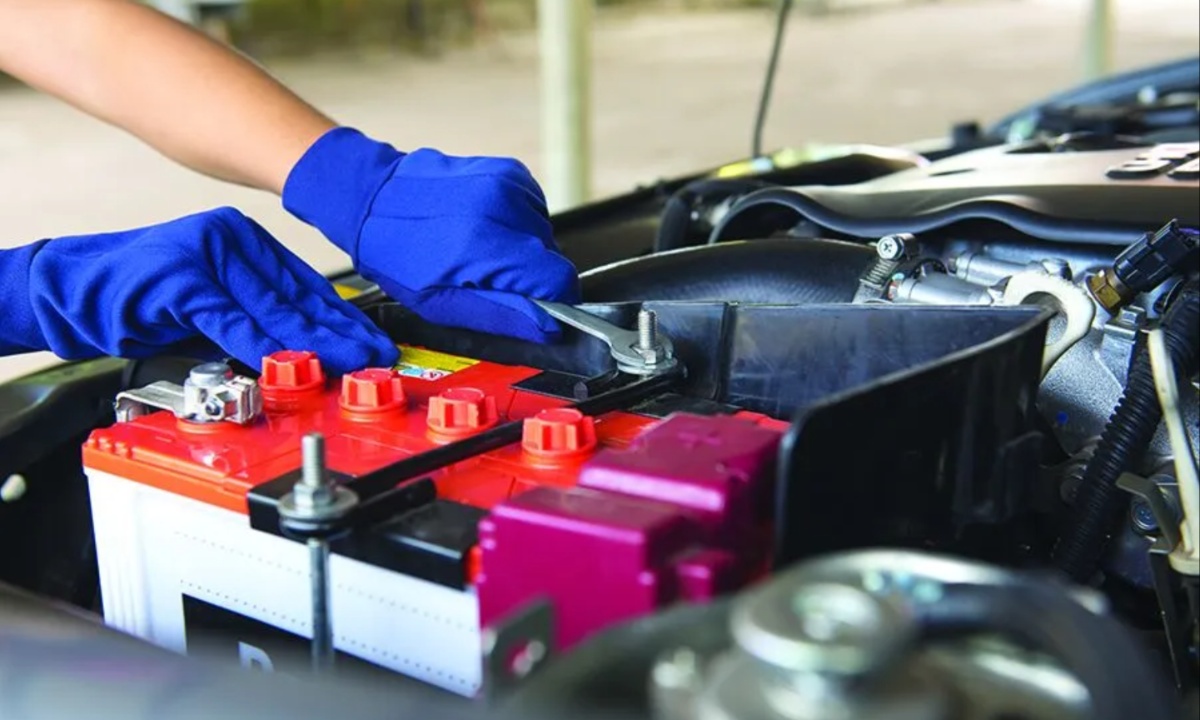
Modern Jeep Grand Cherokees come loaded with driver aids and electronic off-road tools designed to enhance performance and safety on difficult terrain. Features like hill descent control, traction management systems, air suspension height adjustment, and terrain response modes make the Grand Cherokee more accessible to drivers with limited off-road experience.
However, relying too heavily on these electronic systems can become a dangerous habit, especially when they’re misunderstood or misused. Electronics are meant to assist, not replace, driver awareness and skill.
One common issue arises when drivers assume the vehicle can “handle itself” in every situation just because they’ve selected the correct terrain mode. For example, putting the Jeep into “Rock” or “Sand” mode doesn’t mean the driver no longer needs to pay attention to throttle control, tire placement, or vehicle momentum.
Terrain modes tweak settings like throttle response and torque distribution, but they cannot override poor judgment or improper technique. Blind reliance on these systems often results in getting stuck or, worse, damaging parts of the drivetrain due to misuse of power delivery.
Another risk is that these electronic systems are not infallible, especially in harsh environments. Mud, water, and dust can interfere with sensor readings or cause systems to malfunction. For example, if a wheel speed sensor fails during a trail ride, traction control and ABS may stop functioning correctly.
A driver who depends solely on those features may panic or lose control when they suddenly become unavailable. It’s important to remember that these aids are supplemental. They can reduce effort, but they can’t replace core driving skills like knowing how to crawl over obstacles or how to recover a stuck vehicle manually.
Over time, habitual dependence on electronics can also cause a false sense of security. Drivers stop learning the fundamentals of off-road driving and instead trust the buttons and screens to do the work. This not only puts the Jeep at risk but also compromises the safety of the driver and passengers.
If you’re heading out into remote terrain, it’s critical to understand your vehicle’s systems, not just how to activate them, but what their limitations are. Developing good off-road instincts and treating the tech as a backup rather than a primary tool will make both you and your Grand Cherokee far more capable and durable in the long run.
10. Skipping Recovery Gear and Planning
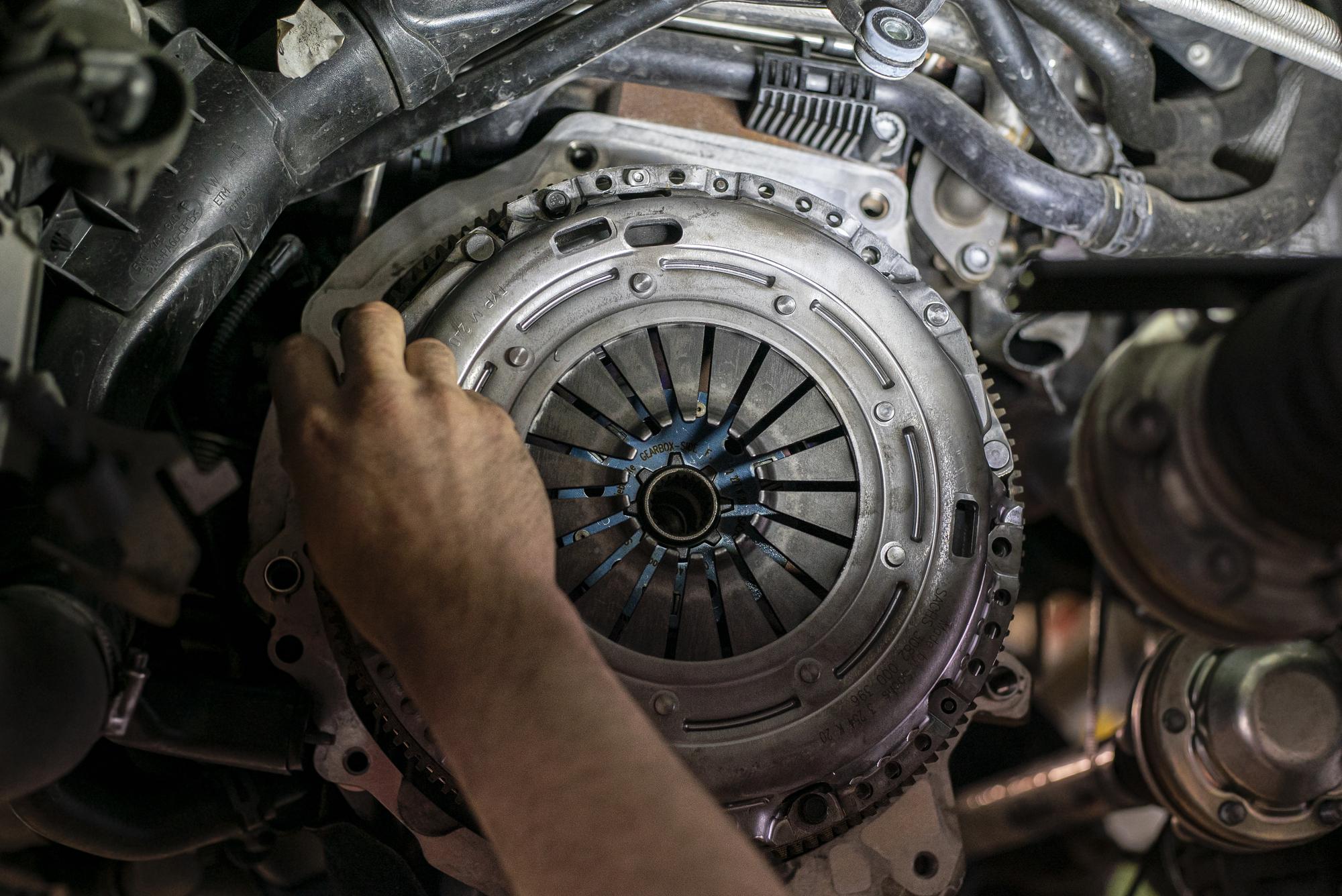
Perhaps the most dangerous habit of all is heading off-road without proper recovery gear or a solid plan. Too many Grand Cherokee owners assume their vehicle’s capabilities will keep them out of trouble, and they neglect the need for tools that can get them unstuck or out of a jam.
Recovery gear is not just for show; it’s essential when off-roading in unfamiliar or challenging terrain. And without it, even a small mishap can turn into a long, expensive, or even life-threatening ordeal.
One of the first things every off-roader should have is a recovery strap rated for the vehicle’s weight. Grand Cherokees are heavy, especially once loaded with gear or passengers. A basic strap won’t cut it. If you get stuck in deep mud or snow, you need a proper snatch strap or kinetic rope, and a second vehicle capable of pulling you out.
Even with four-wheel drive, traction control, and locking differentials, there are plenty of scenarios where self-recovery isn’t possible. Without the right gear, you’re completely reliant on someone else bailing you out, or worse, damaging your vehicle trying to improvise.
Winches, traction boards, and high-lift jacks are also important tools. A winch can get you out of a solo situation when no one else is around. But installing one and never learning how to use it is just as dangerous as not having one at all. Improper winch use can lead to snapped cables and serious injury.
Traction boards can give you just enough grip to move out of a stuck position without needing a tow. High-lift jacks allow for tire changes or lifting your Jeep off a rock or log that it’s hung up on. All of these tools are investments in keeping your trip safe and damage-free.
Planning is equally critical. Always know the trail difficulty before you go. Study maps, check recent trail conditions, and make sure your Grand Cherokee is equipped for that level of challenge. Let someone know where you’re going and when you expect to return.
A GPS or offline map app is a must, especially in areas without cell service. Simply wandering into the backcountry without preparation is reckless. The Jeep might be tough, but no amount of engineering can save you from poor planning and a lack of recovery tools.
Skipping recovery gear and planning may not damage your Jeep immediately, but it drastically increases the chance that damage will occur when things go wrong, and things will go wrong eventually. Whether it’s a roll, a stuck tire, a water crossing gone bad, or a mechanical issue in the middle of nowhere, having the right equipment and a well-thought-out plan is what keeps you moving forward and keeps your Jeep out of the repair shop.
