
Hybrid vehicles have become more than just a trend in the modern automotive industry. They represent a significant shift in how people think about fuel economy, sustainability, and long-term maintenance. While the fuel-saving aspect of hybrids is often what attracts buyers, another factor that is just as important, but less discussed, is battery longevity.
Many potential hybrid owners worry about the cost of replacing the hybrid battery, which can range anywhere from $2,000 to $6,000 depending on the model and battery type. This concern often overshadows the impressive engineering that goes into many hybrid vehicles.
The truth is, not all hybrids are created equal when it comes to battery reliability. Some are engineered with robust systems that rarely require battery replacements for hundreds of thousands of miles. These vehicles not only offer excellent gas mileage but also prove to be cost-effective in the long run.
What most people overlook is that hybrid batteries are not the fragile pieces of equipment they were once believed to be. In fact, many of the hybrid models that were released over a decade ago are still running with their original battery packs.
This durability is a result of clever energy management systems, efficient cooling methods, and consistent charging cycles that avoid both overcharging and full discharges. Manufacturers like Toyota, Honda, and Ford have led the way in building hybrids with long-lasting components.
Their early adoption and refinement of hybrid technology have allowed them to develop systems that prioritize battery health over time. When choosing a hybrid vehicle, it pays to know which models have a track record for reliability, especially when it comes to battery performance.
This list includes ten hybrids that have consistently shown excellent battery reliability over the years. These cars are known for going well beyond 150,000 or even 200,000 miles without needing a battery replacement. They’ve earned reputations not just from manufacturer claims, but from real-world experiences shared by long-term owners and mechanics alike.
Whether you’re shopping for a new hybrid or a used one, knowing which models have stood the test of time will give you confidence that you’re making a smart investment. Below are ten hybrid vehicles that rarely require battery replacements, based on their history of performance, owner satisfaction, and durability.
Also Read: 5 Sedans That Feel Solid After 15 Years vs 5 That Don’t
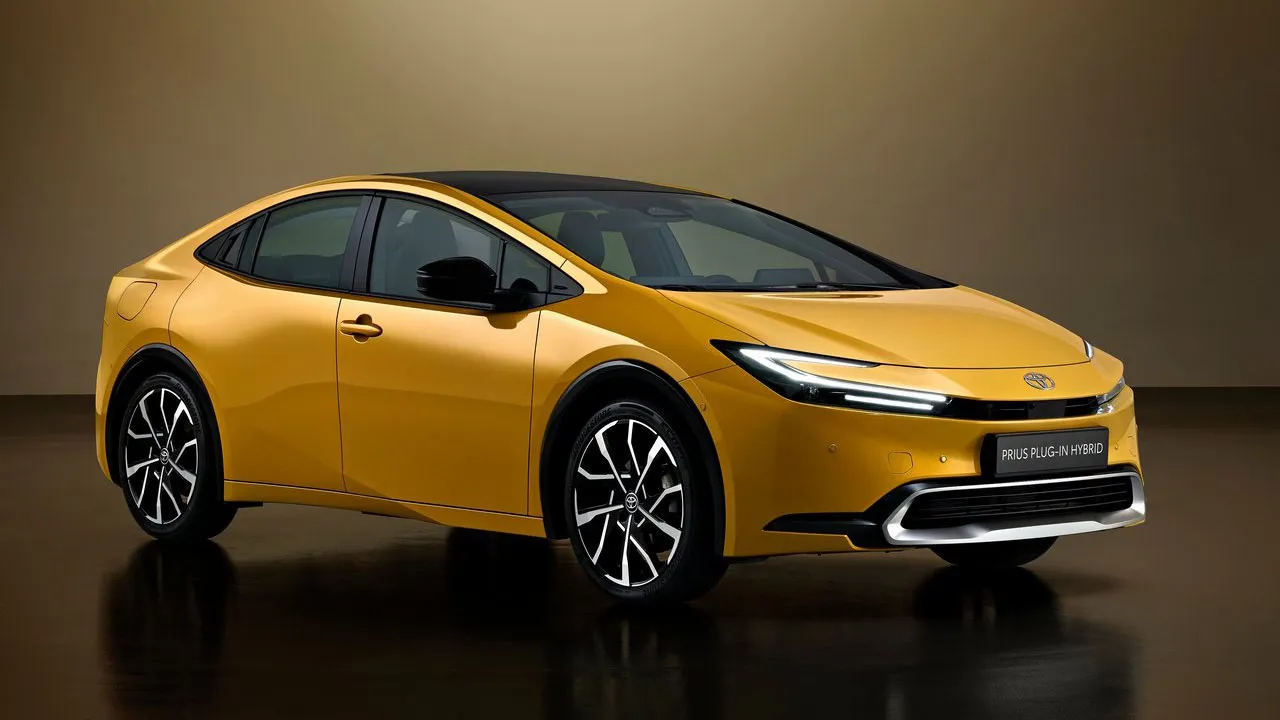
1. Toyota Prius (All Generations)
The Toyota Prius is often the first car that comes to mind when talking about hybrids. It has been on the road since 1997 and was one of the earliest mass-produced hybrid vehicles. What makes the Prius stand out is its consistent track record for reliability, particularly with the hybrid battery.
Most Prius owners report that their vehicles can exceed 200,000 miles without needing a battery replacement. The Prius uses a nickel-metal hydride (NiMH) battery, which is known for its resilience and ability to handle long-term usage. This battery type also handles temperature changes better than some of the newer lithium-ion alternatives, which helps preserve its longevity.
Toyota’s hybrid system is designed with longevity in mind. The battery pack is actively cooled with a fan, and the system never allows the battery to be fully charged or fully depleted. This kind of battery management reduces stress on the cells and extends their lifespan.
Toyota also programmed the car’s regenerative braking system to put a light, continuous charge back into the battery during daily driving, which maintains a healthy energy balance. Many mechanics and Prius owners find that the original battery often lasts the life of the vehicle, particularly when basic maintenance is followed.
The Prius has also benefited from consistent technological updates over the years. Each new generation has seen improvements in battery durability and power efficiency, yet the reliability factor has remained strong.
Many Prius taxis in cities across the world rack up hundreds of thousands of miles without experiencing battery failure. This level of endurance has made the Prius a symbol of hybrid reliability and a go-to choice for anyone wanting minimal battery maintenance.
In used car markets, the Prius holds its value well, partly because of this reputation. Even older models from the mid-2000s can still be found running on their original batteries. Because of its long-standing performance and reliable engineering, the Prius remains one of the best examples of a hybrid that rarely needs a battery replacement.
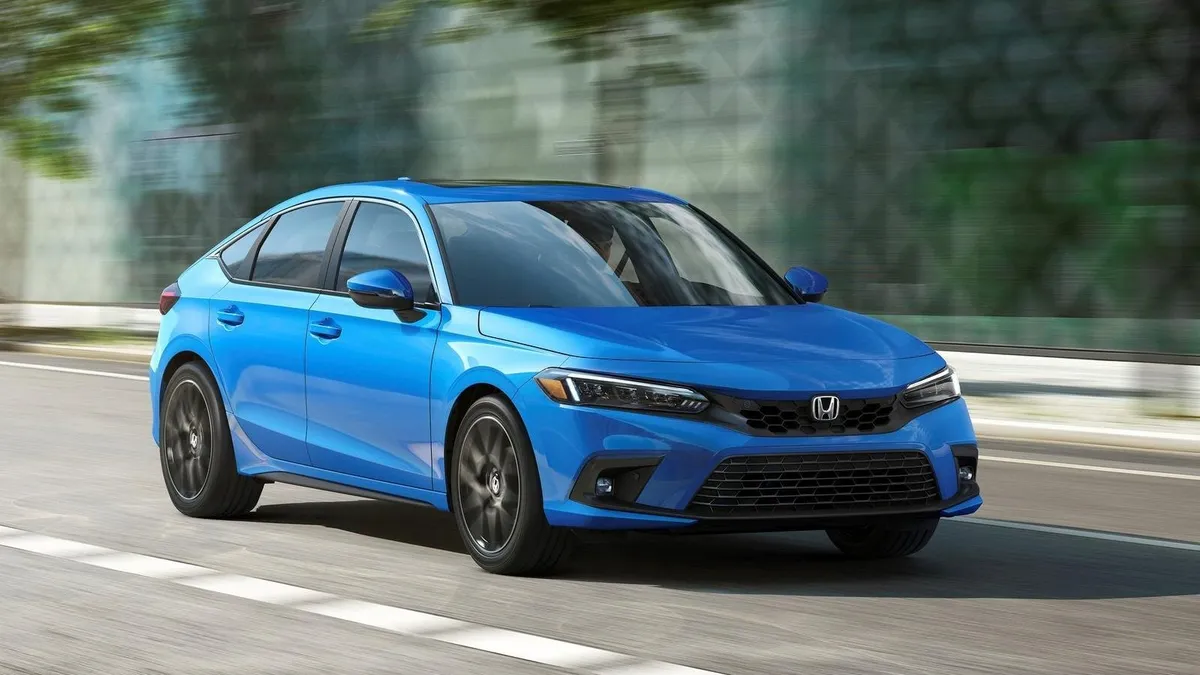
2. Honda Civic Hybrid
The Honda Civic Hybrid, particularly from the 2006 to 2011 model years, earned a solid reputation for reliability and fuel economy. While earlier models had some issues with battery performance, Honda improved the hybrid battery systems in these later models, making them more robust and long-lasting.
The Civic Hybrid uses an Integrated Motor Assist (IMA) system, which is simpler than some of the other hybrid setups. This simplicity works in its favor when it comes to long-term reliability.
Honda’s battery packs in this generation were also NiMH, and while they aren’t as robust as Toyota’s, they still held up remarkably well for many users. The key to their longevity was consistent use and proper driving habits.
Drivers who used the hybrid regularly and didn’t let it sit idle for long periods often saw more than 150,000 miles on the original battery. The car’s system also includes a built-in computer that monitors battery health, giving drivers early warning if there are any potential issues.
One of the advantages of the Civic Hybrid is its traditional sedan styling, which appeals to those who want the fuel economy of a hybrid without the unique look of the Prius. It drives like a standard Civic and offers the same level of comfort and handling, but with added fuel savings. This made it a favorite among commuters and people looking for a daily driver that would not be expensive to maintain over time.
Although the Civic Hybrid doesn’t match the Prius in terms of sheer battery durability, it holds its own as one of the more dependable options in the hybrid market.
With proper care and timely maintenance, many of these cars have continued to operate with their original battery packs, saving their owners thousands in potential repair costs. For a more traditional-looking hybrid with strong battery reliability, the Civic Hybrid remains a smart option.
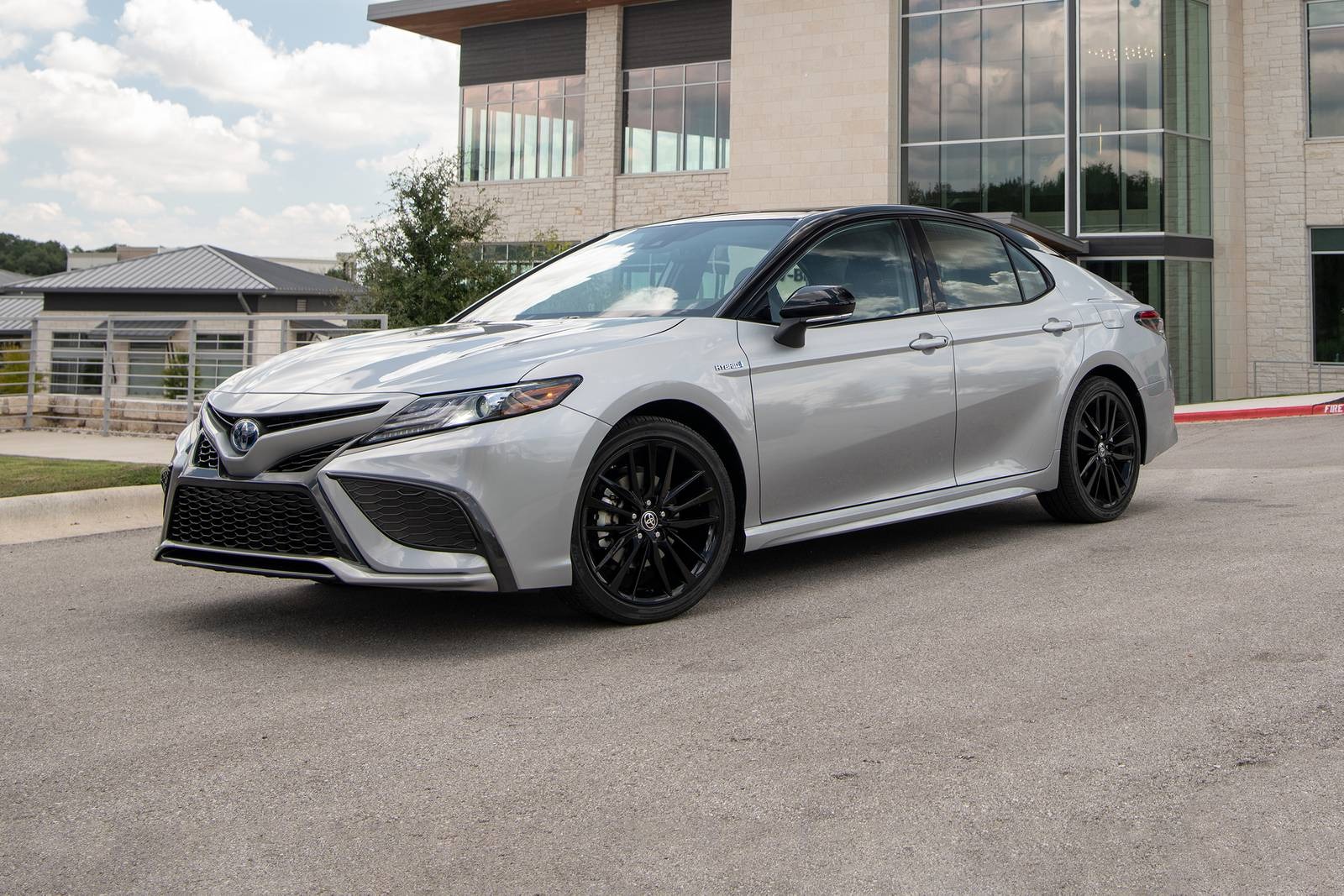
3. Toyota Camry Hybrid
The Toyota Camry Hybrid combines the reliability of Toyota’s hybrid system with the comfort and practicality of a midsize sedan. Introduced in 2007, the Camry Hybrid shares much of its technology with the Prius but delivers a different driving experience.
What sets it apart is the way it seamlessly blends power and efficiency without compromising comfort. Just like the Prius, the Camry Hybrid benefits from Toyota’s proven hybrid battery system, which is engineered to last.
The Camry Hybrid uses a NiMH battery pack in earlier generations and lithium-ion in newer ones, both of which are managed by Toyota’s well-designed control systems. These systems regulate how the battery charges and discharges, preventing extreme levels that can degrade performance over time.
As a result, the batteries tend to last for the life of the car. Many owners report over 200,000 miles with no issues related to the hybrid battery. The cooling system also helps extend battery life, especially in warmer climates where overheating can be an issue.
For families or individuals looking for a roomier and more traditional vehicle, the Camry Hybrid is an appealing choice. It delivers better fuel economy than the standard Camry while retaining its reputation for low maintenance costs and strong resale value. Owners also enjoy the smoother ride that comes with the electric assist, particularly in stop-and-go traffic where the hybrid system shines.
The Camry Hybrid proves that a hybrid vehicle doesn’t need to be small or oddly shaped to be efficient and reliable. Its battery system is built on years of Toyota’s hybrid experience, and that foundation continues to serve drivers well. Whether for commuting, road trips, or daily errands, the Camry Hybrid stands as one of the most durable hybrids available when it comes to battery life.
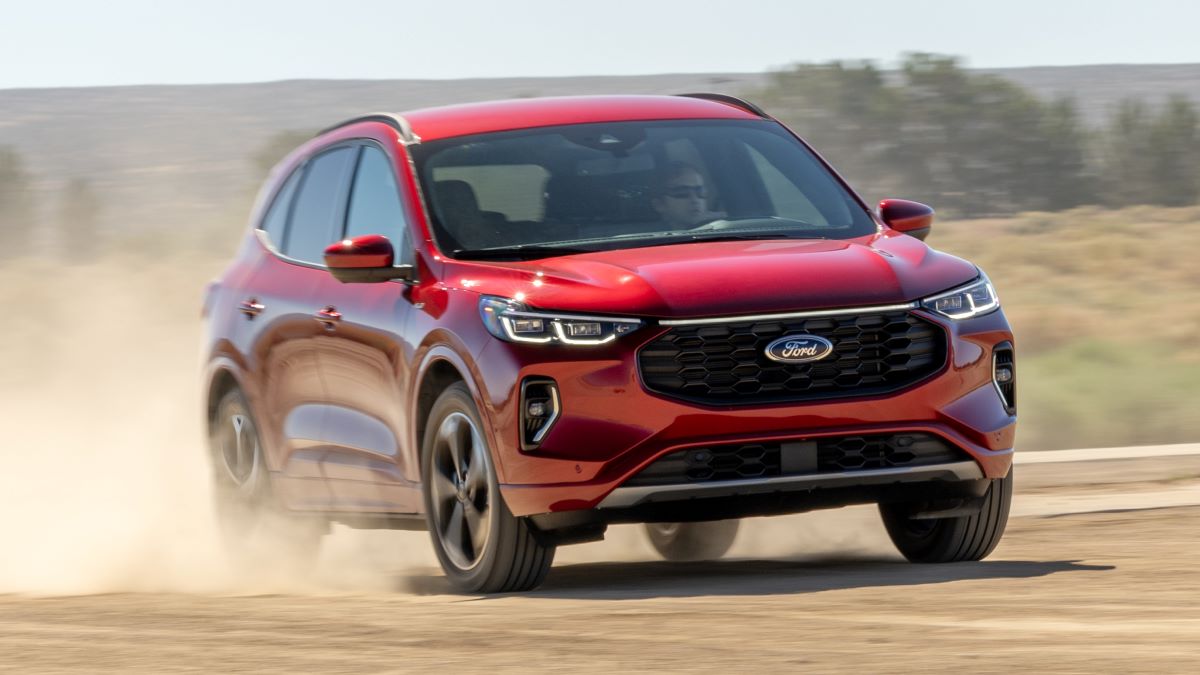
4. Ford Escape Hybrid (2005–2012)
The first-generation Ford Escape Hybrid was one of the earliest American-made hybrids and remains one of the most reliable when it comes to battery longevity. Ford collaborated with Toyota on some of the hybrid system components, which gave the Escape a solid foundation for durability.
As a compact SUV, it offered something that was rare at the time, utility combined with hybrid efficiency. What made the Escape Hybrid special was how well its battery system held up under varied driving conditions.
The Escape Hybrid uses a NiMH battery pack that is mounted beneath the cargo floor. This battery is well-protected and benefits from an air cooling system that prevents overheating. Many owners of the first-generation model have reported driving over 200,000 miles without any battery-related issues.
Taxi fleets in New York City used Escape Hybrids extensively and provided real-world proof of their battery resilience, with some vehicles lasting over 300,000 miles before requiring any significant hybrid system maintenance.
In addition to its reliable battery, the Escape Hybrid offered the flexibility of an SUV with better fuel economy than most competitors in its class. It provided a practical choice for families or professionals who needed cargo space but didn’t want to sacrifice mileage.
Its all-wheel-drive option made it popular in regions with challenging weather, and the hybrid system didn’t compromise its performance in these conditions.
Ford’s early success with the Escape Hybrid set the stage for the company’s future hybrid development. Though newer hybrid SUVs are now on the market, the original Escape Hybrid remains a standout for its long-lasting battery and robust performance. If you’re in the market for a used hybrid SUV that has a strong track record for battery life, the first-generation Escape Hybrid is worth considering.
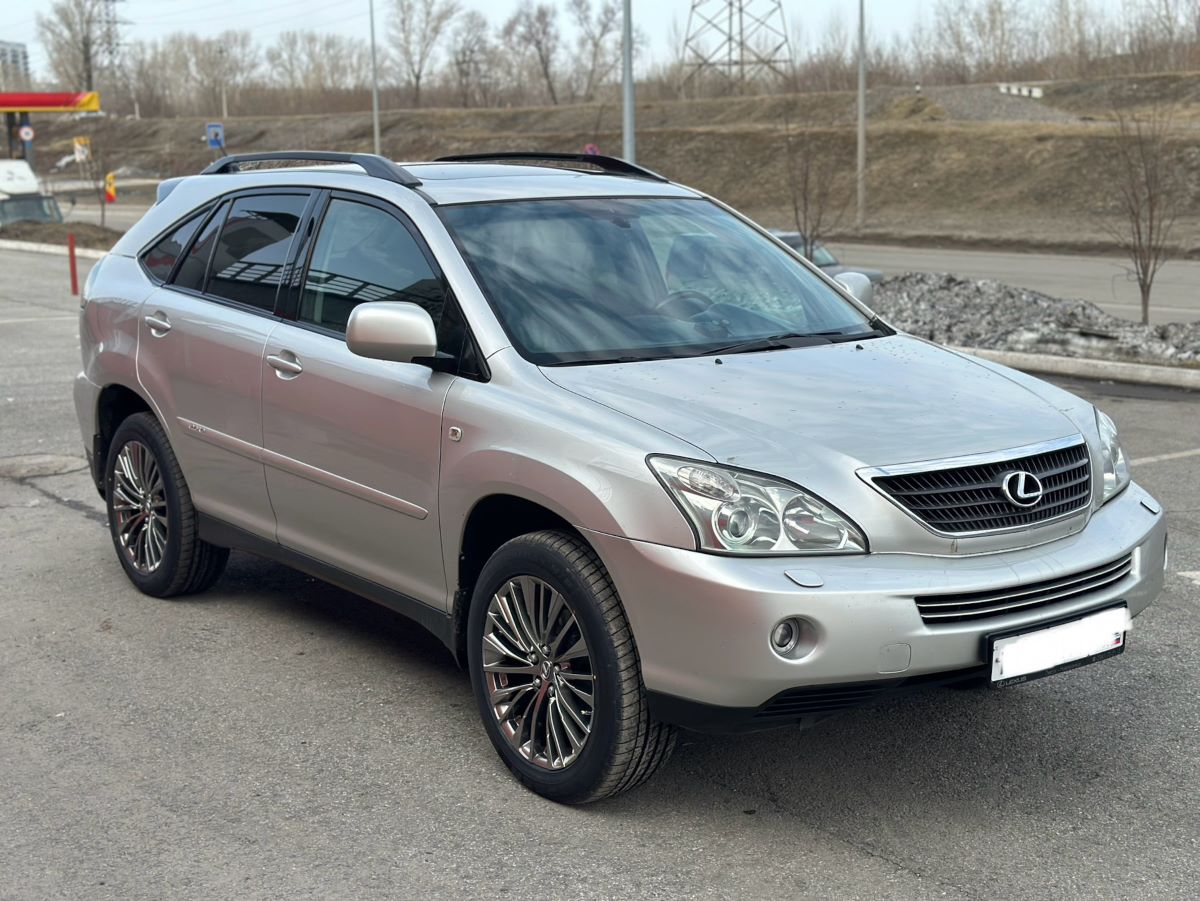
5. Lexus RX 400h / RX 450h
The Lexus RX hybrid series brought luxury to the hybrid SUV market while still maintaining strong performance in battery longevity. The RX 400h debuted in 2005 and was one of the first luxury hybrid SUVs available. It shared many components with Toyota’s hybrid systems but wrapped them in a more refined and comfortable package.
The RX 450h followed a few years later with more power and improved fuel economy. Despite the additional features and complexity of these luxury models, the battery systems remained remarkably durable. Many owners report well over 200,000 miles without any hybrid battery failure, which is especially impressive for a heavier SUV that demands more from its electrical system.
The battery packs in both the RX 400h and RX 450h are nickel-metal hydride in the earlier models and lithium-ion in newer versions. Both types benefit from a dedicated cooling system and smart energy management software that carefully controls charging and discharging rates.
This precision helps maintain battery health over time. Lexus also ensured that the hybrid components were not just functional but seamlessly integrated with the vehicle’s performance and comfort systems.
The regenerative braking is smooth, the transitions between electric and gas power are nearly unnoticeable, and the cabin remains quiet even when the hybrid system is working hard. These characteristics add to the sense of quality that drivers expect from the Lexus brand, while also contributing to system longevity.
One of the key aspects that helps the RX hybrids maintain such long-lasting batteries is their usage pattern. Many owners use them as daily drivers, family haulers, or long-distance cruisers, all of which are driving behaviors that support consistent battery cycling.
Unlike some hybrids that may suffer from lack of use, the RX hybrids often benefit from regular operation, which keeps the battery active and healthy. In areas with extreme climates, the battery cooling and heating systems have proven effective in preventing temperature-related degradation, further supporting long-term reliability.
Lexus, being Toyota’s luxury division, benefits from the same engineering excellence that underpins Toyota’s reputation for hybrid dependability.
However, the RX series stands out not just for battery durability but also for offering a refined driving experience without compromising on efficiency. For those wanting a hybrid SUV with a comfortable interior, smooth ride, and an excellent record of battery reliability, the RX 400h and RX 450h continue to be top-tier choices.
Also Read: 5 Audi A6 Years With Strong Builds vs 5 Without
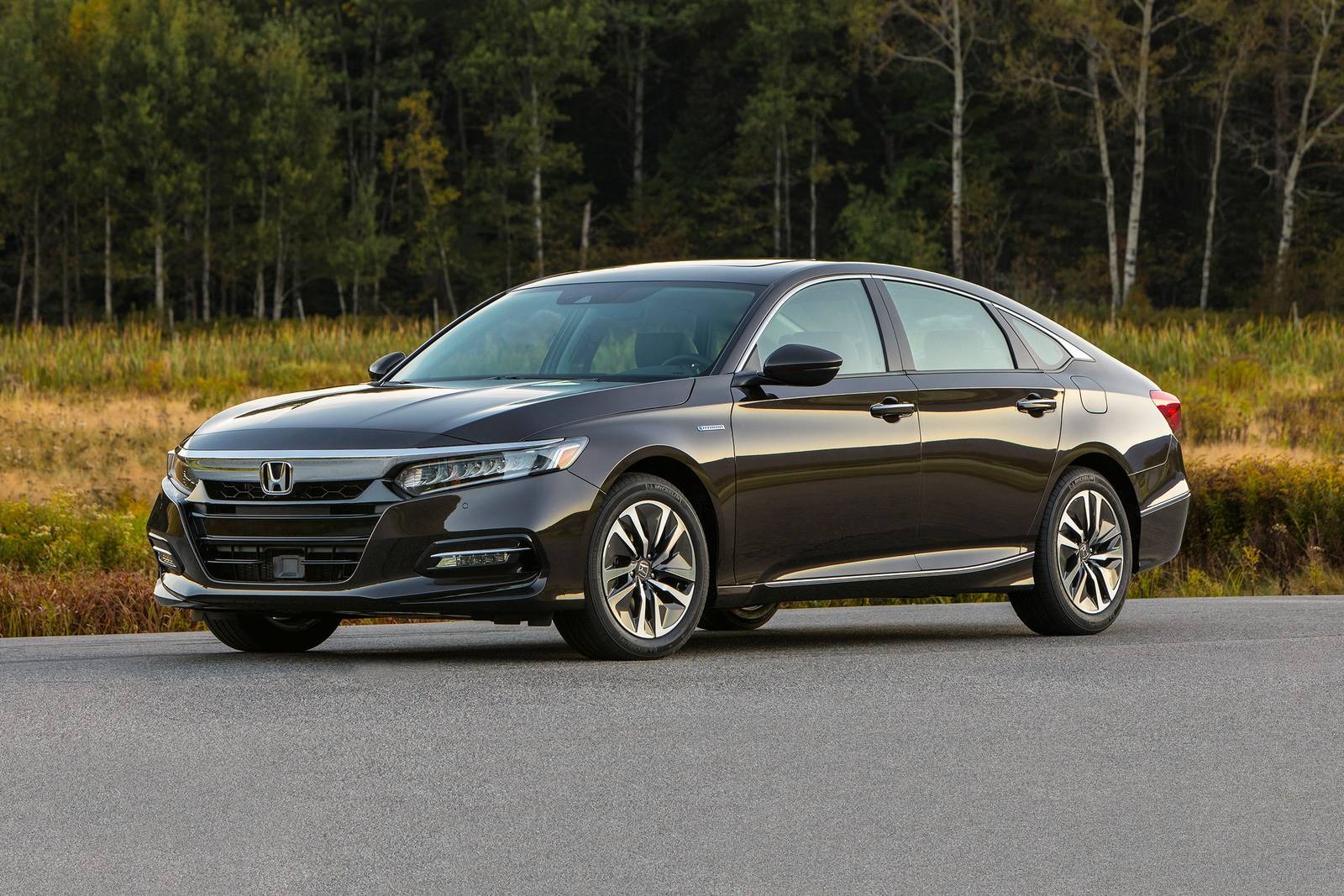
6. Honda Accord Hybrid (2014–2017)
The Honda Accord Hybrid from 2014 to 2017 marked a turning point for Honda’s hybrid technology. This generation used the “Earth Dreams” hybrid powertrain, which featured a two-motor system, one for driving the wheels and another for generating electricity.
This setup not only improved efficiency but also enhanced battery durability. Honda switched to lithium-ion batteries in this model, which worried some buyers initially due to past concerns about lithium-ion stability. However, over time, the Accord Hybrid proved to be one of the most reliable hybrids in its class, particularly in how well its battery system held up with regular use.
One of the reasons for the Accord Hybrid’s strong performance is the way Honda managed the battery charge cycle. The system keeps the battery operating in a narrow state-of-charge window, avoiding full discharges and overcharging, both of which are common causes of battery degradation.
This means the battery is rarely stressed, which greatly increases its expected life. The battery is also actively cooled using a fan system, ensuring consistent operation even during hot weather or under heavy loads. Owners frequently report that their Accord Hybrids continue to operate efficiently after 150,000 to 200,000 miles, with no signs of battery wear or capacity loss.
Another point in favor of this generation of Accord Hybrid is its reputation for blending hybrid efficiency with traditional sedan performance. The electric motor provides excellent low-end torque, while the gas engine takes over seamlessly at highway speeds.
Drivers often find the Accord Hybrid more engaging to drive than other hybrids in its class. Additionally, because it is a midsize sedan, it offers plenty of space and comfort, making it ideal for longer commutes or family travel. Honda managed to build a hybrid that doesn’t feel compromised, and that has added to its popularity and long-term dependability.
When it comes to long-term ownership costs, the Accord Hybrid fares well. Its battery system has a low failure rate, and routine maintenance is straightforward.
Even in the used market, it is considered a safe bet because of its strong history of reliability. For anyone who wants a hybrid that performs well, is enjoyable to drive, and rarely requires a new battery, the 2014–2017 Accord Hybrid fits the bill with ease.
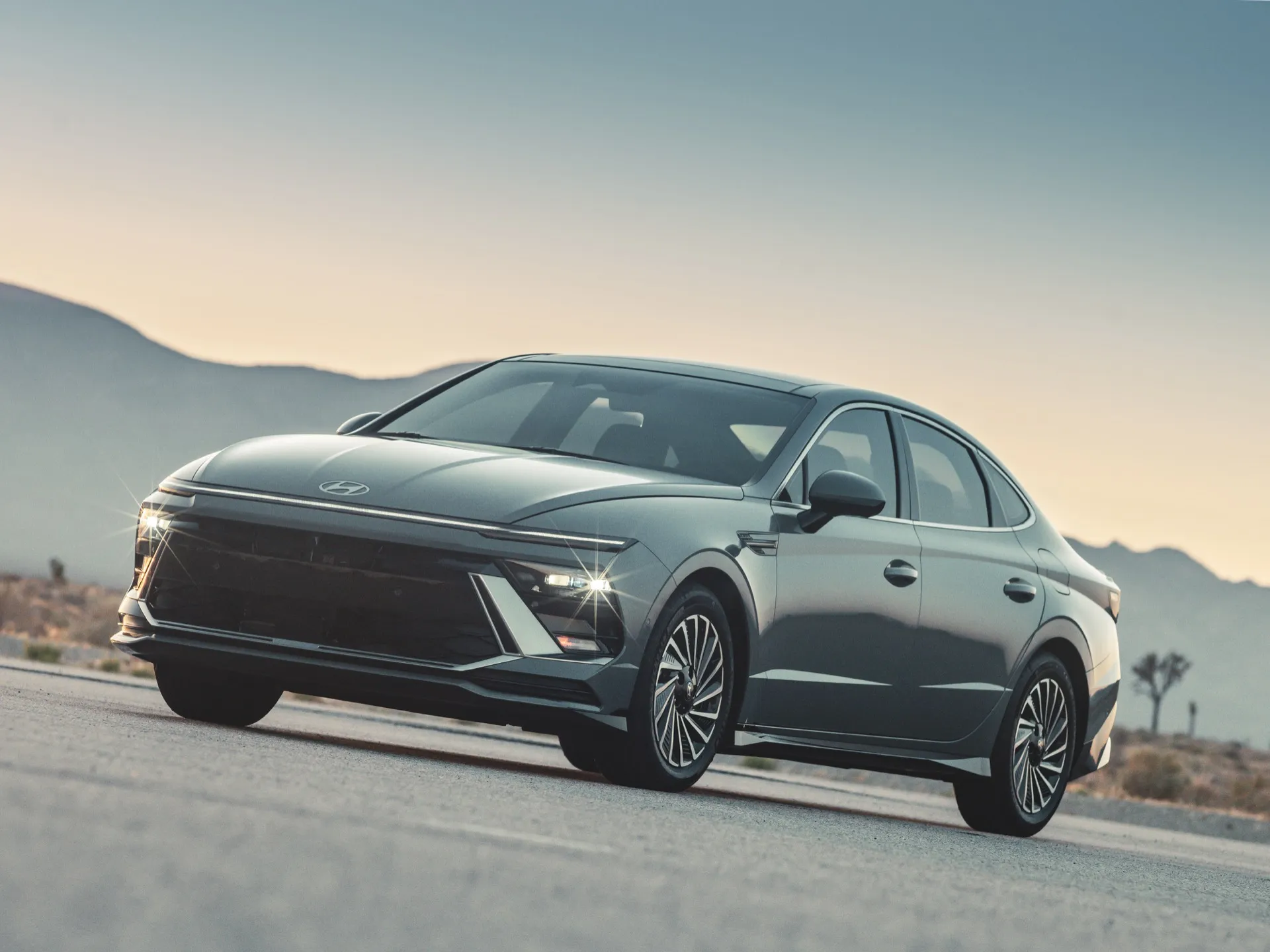
7. Hyundai Sonata Hybrid (2011–2015)
The first-generation Hyundai Sonata Hybrid offered a compelling combination of value, features, and battery reliability. Introduced in 2011, this hybrid sedan represented Hyundai’s entry into the hybrid market with a unique design and a lithium-polymer battery, a departure from the more common nickel-metal hydride and lithium-ion systems.
The lithium-polymer battery was marketed as being more durable and compact, with a lower risk of swelling or overheating, and so far, it has lived up to much of that promise. Even a decade after its launch, many Sonata Hybrids from this period are still running on their original battery packs.
Hyundai’s approach to battery management was conservative but effective. The hybrid system is designed to use the battery gently, avoiding full charge and deep discharge cycles. By keeping the battery within this safe operating range and using an integrated cooling system to manage temperature, Hyundai ensured longer battery life.
While not quite as robust as Toyota’s systems, the Sonata Hybrid has nonetheless proven itself to be dependable. Owners commonly report reaching 150,000 to 180,000 miles without any battery issues. Those who keep up with basic maintenance and avoid prolonged idleness often see even better results.
The Sonata Hybrid also benefited from Hyundai’s generous warranty program, which included a 10-year or 100,000-mile hybrid battery warranty.
This coverage gave buyers confidence, especially those unfamiliar with hybrid technology. However, in many cases, the battery lasted far beyond the warranty period. The vehicle itself offered a quiet, smooth ride with a fairly spacious interior and user-friendly technology, making it a practical choice for families or individuals looking for affordable hybrid transportation.
For drivers who want a hybrid sedan that doesn’t carry a premium badge but still delivers in terms of battery reliability, the Hyundai Sonata Hybrid from this generation is a solid pick. Its lower resale price makes it attractive on the used market, and its battery system has shown that it can endure years of regular use without failing. While Hyundai wasn’t initially known for hybrids, this early attempt proved that the company could compete with more established hybrid manufacturers.
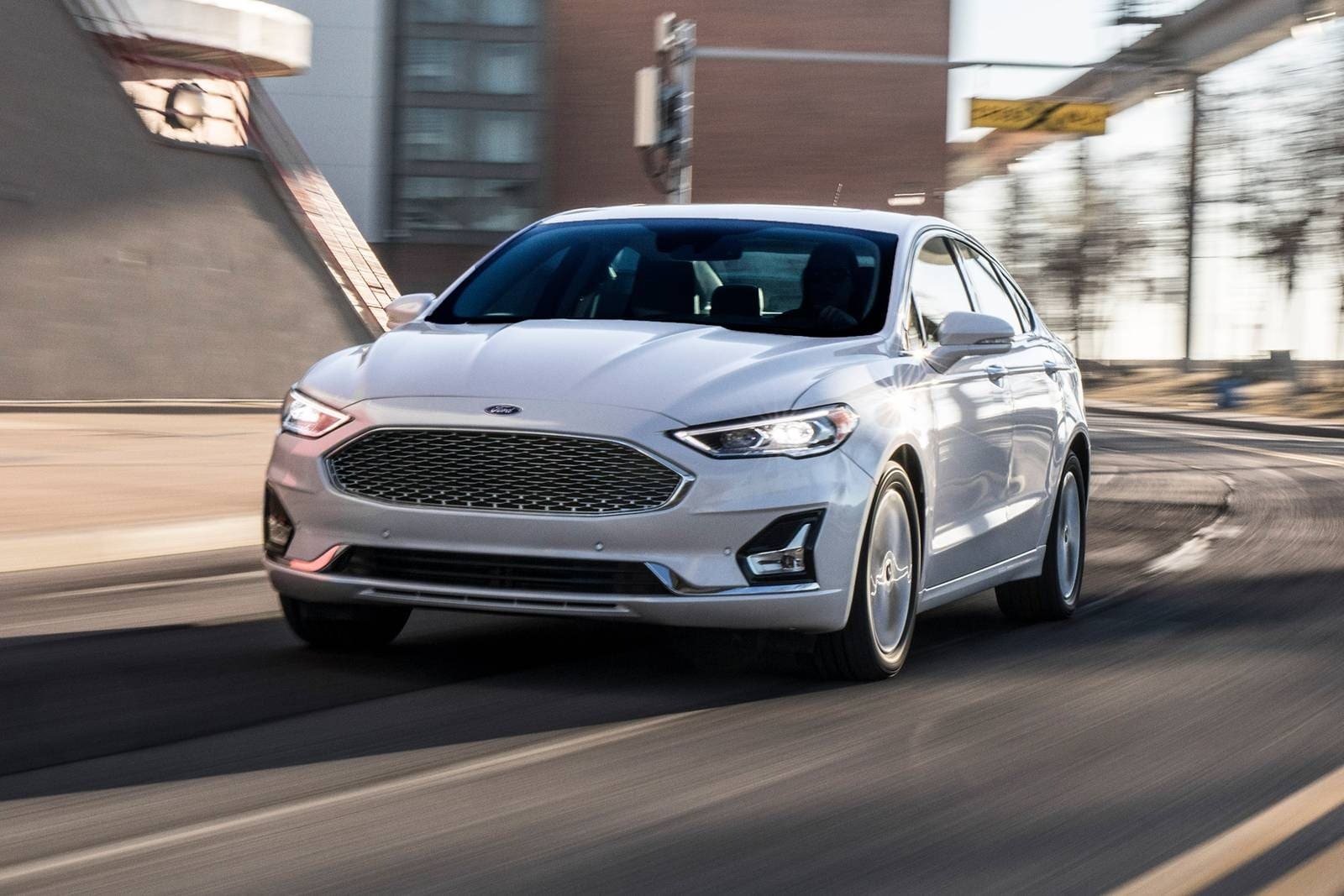
8. Ford Fusion Hybrid (2013–2020)
The Ford Fusion Hybrid, particularly from the 2013 model year onward, represents one of Ford’s most successful hybrid implementations. This midsize sedan combines comfort, strong fuel economy, and a battery system that has proven to be highly dependable over time.
Ford refined its hybrid technology after the success of the Escape Hybrid, and the result was a more polished and robust battery system. The Fusion Hybrid uses a lithium-ion battery, which is smaller and lighter than the older nickel-metal hydride versions, yet still very durable when managed correctly.
One of the strengths of the Fusion Hybrid is how well the battery integrates into the driving experience. Ford’s hybrid system transitions smoothly between electric and gasoline power, with regenerative braking contributing to battery charge while also extending brake life.
The battery pack is air-cooled and located in a secure compartment, reducing exposure to extreme temperatures. In terms of longevity, many Fusion Hybrid owners report over 150,000 to 180,000 miles with the original battery still functioning well. The battery software monitors health constantly and adjusts behavior if any signs of degradation appear, helping to preserve long-term performance.
The Fusion Hybrid also excels in driver satisfaction. It offers a quiet and composed ride, a well-designed cabin, and a traditional sedan look that appeals to a wide audience. It doesn’t advertise itself as a hybrid aggressively, which makes it appealing to those who prefer subtlety in their car design.
The technology inside the Fusion Hybrid, including features like MyFord Touch, adaptive cruise control, and parking assist, adds to its reputation as a modern and capable vehicle. Importantly, none of these tech features negatively impact battery life, showing that Ford struck a good balance between innovation and reliability.
When it comes to long-term costs, the Fusion Hybrid performs admirably. Its maintenance needs are modest, and the battery has a solid track record of longevity. It’s also backed by an 8-year or 100,000-mile battery warranty, which adds peace of mind. For drivers who want a hybrid that looks and feels like a regular sedan, yet offers strong battery durability, the Fusion Hybrid remains one of the more practical and dependable options in its class.
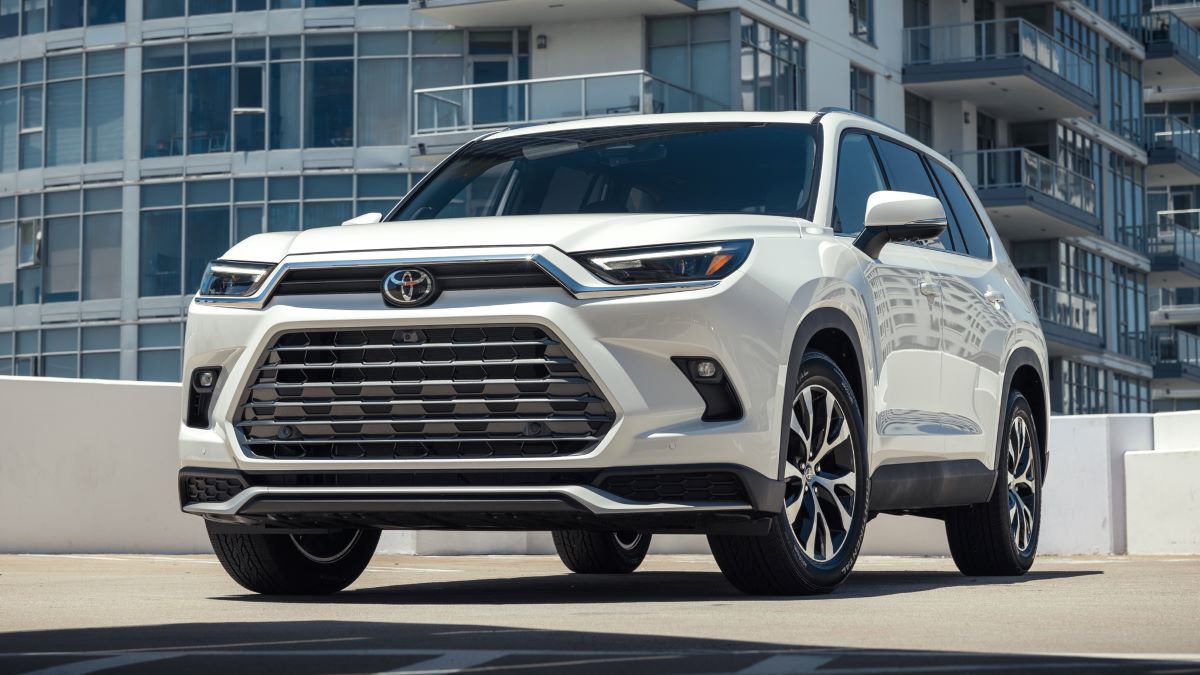
9. Toyota Highlander Hybrid (2006–2013)
The Toyota Highlander Hybrid stands as one of the most reliable hybrid SUVs ever built, not just for its durability but especially when it comes to its battery performance. First introduced in 2006, the Highlander Hybrid was among the earliest midsize hybrid SUVs on the market and proved that larger vehicles could also benefit from hybrid technology without compromising on utility.
It uses Toyota’s Hybrid Synergy Drive, the same core system found in the Prius and Camry Hybrid, but scaled up to handle the demands of a heavier and more powerful vehicle. Even with that added pressure, the Highlander Hybrid’s battery has shown impressive longevity, often lasting well beyond 200,000 miles without needing replacement.
The Highlander Hybrid’s battery pack in the first two generations is a nickel-metal hydride type, designed with robust cooling systems and installed in a protected area of the vehicle. Its powertrain is balanced so that the electric and gasoline motors share the load efficiently, preventing strain on any one component.
Regenerative braking is also more effective in a heavier vehicle like the Highlander, which leads to more consistent energy recapture and battery charging. The software governing the hybrid system continuously monitors battery performance and keeps it operating within safe parameters. Because of this, battery degradation happens very slowly, and failures are relatively rare.
For people interested in a long-lasting, practical hybrid that doesn’t require frequent or expensive maintenance, the Highlander Hybrid is an easy recommendation. It’s particularly attractive on the used market because its battery record is one of the strongest in its category.
Many used Highlander Hybrids can still be found on the road today running on their original battery, with minimal issues reported by long-time owners or fleet managers. It’s a prime example of Toyota’s commitment to hybrid durability at scale.
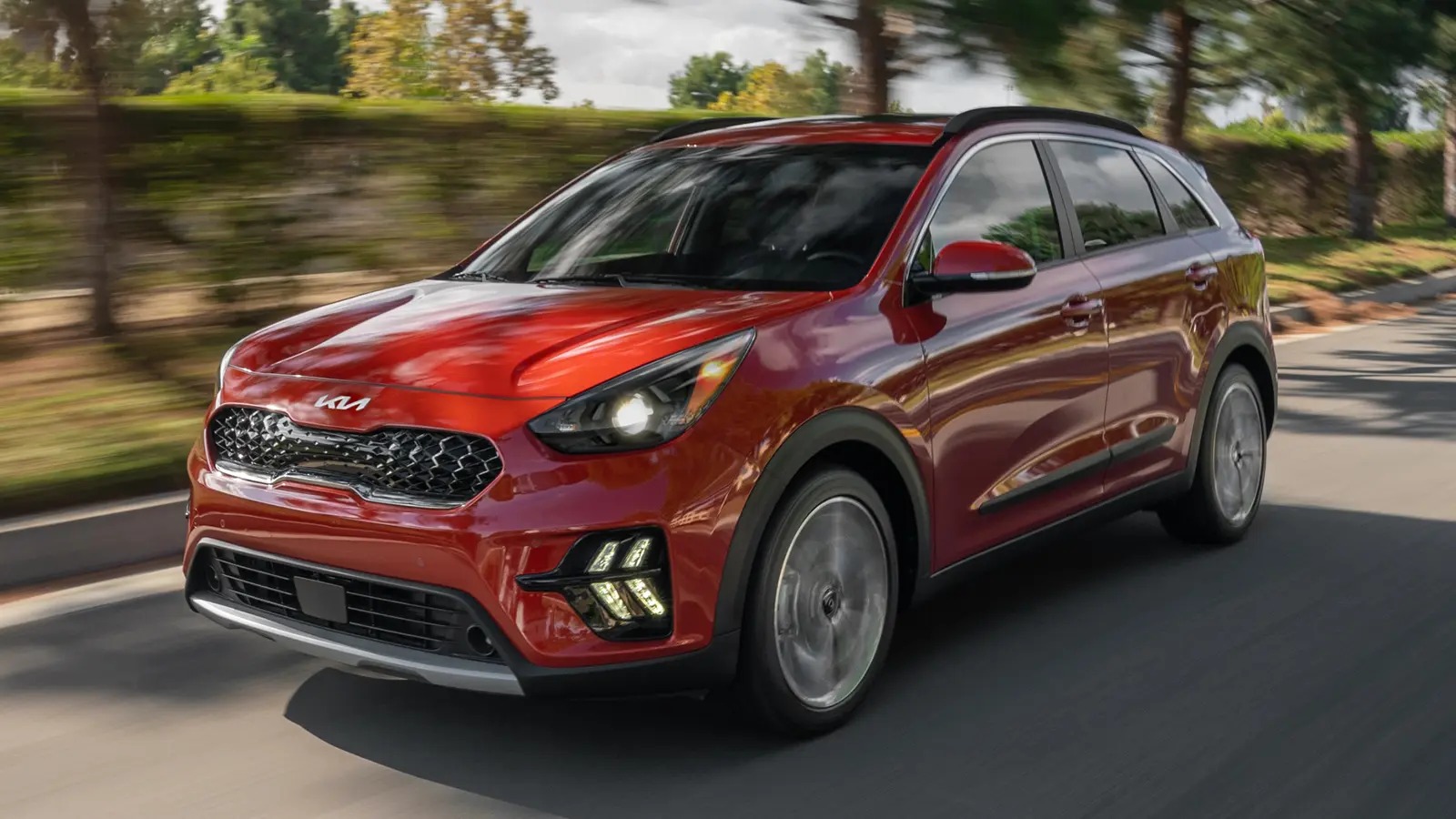
10. Kia Niro Hybrid (2017–Present)
The Kia Niro Hybrid represents one of the newer entries on this list, but it has already established itself as a standout when it comes to battery reliability. Introduced in 2017, the Niro Hybrid is a subcompact crossover that combines a sleek design with impressive fuel efficiency and a lithium-ion polymer battery system that has proven to be both stable and long-lasting.
Even though it’s only been around for a few years, the Niro’s performance in terms of battery wear and hybrid system health has been. Thousands of drivers have already passed the 100,000-mile mark with their original battery showing no significant degradation, which bodes well for even longer-term use.
Kia engineered the Niro’s hybrid system with simplicity and efficiency in mind. The battery pack is mounted beneath the rear seats, which protects it from heat exposure and physical damage while also contributing to a lower center of gravity. This improves handling and stability, making the Niro feel more planted on the road than other hybrids in its class.
The battery cooling system is passive but effective, and the energy management software is well-tuned to keep the battery operating in an ideal range. Because of these factors, the chances of a battery failure are significantly reduced, and routine maintenance on the hybrid system is minimal.
The Niro Hybrid is also offers a more traditional driving feel, with a six-speed dual-clutch transmission instead of the continuously variable transmission (CVT) found in many other hybrids. This makes it more engaging to drive while still maintaining fuel economy figures in the 50-mpg range.
For urban drivers or commuters, the Niro provides the best of both worlds: high efficiency and a more conventional vehicle experience. It’s also equipped with modern features like adaptive cruise control, lane-keeping assist, and wireless smartphone integration, all standard or widely available in most trims, making it an easy daily driver choice.
