
American V8 engines have always carried a special reputation for being durable, overbuilt, and endlessly adaptable. These powerplants have found their way into everything from muscle cars to trucks, boats, hot rods, and even custom motorcycles.
What sets the most legendary American V8s apart isn’t just their performance numbers or how fast they can push a quarter-mile. It’s how long they last, how much abuse they can take, and how easily they can be rebuilt, modified, and revived again and again.
Some of these engines have been in production for decades, and even when newer technology came along, mechanics and gearheads stuck with them.
There’s something practical and almost romantic about an engine that just won’t give up. Whether it’s a small-block or big-block, carbureted or fuel-injected, pushrod or overhead cam, these engines keep running.
In many cases, they are still on the road today, not because of nostalgia, but because they simply work. They’re built with thick metal, simple architecture, and proven design elements. These aren’t engines built to impress with fancy tech, they’re built to keep going, no matter the miles, weather, or abuse thrown at them.
The engines on this list have proven themselves not only in factory form but in countless modified configurations. Drag racers, tuners, street racers, off-roaders, and restorers all turn to these engines when they need something reliable and capable of handling power upgrades.
Their presence in junkyards, swap meets, and race shops is evidence of how widespread and respected they are. Parts are plentiful, knowledge is shared widely, and tools to work on them are already in most garages across the country.
Here are ten American V8s that simply refuse to quit. Each of them has a long history, a reputation for durability, and a community that keeps them alive year after year. Whether you’re a fan of classic iron or more modern metal, you’ll likely recognize many of these names. What they all share in common is a refusal to be counted out.
Also Read: 5 Honda Sedans That Rarely Break vs 5 That Constantly Do
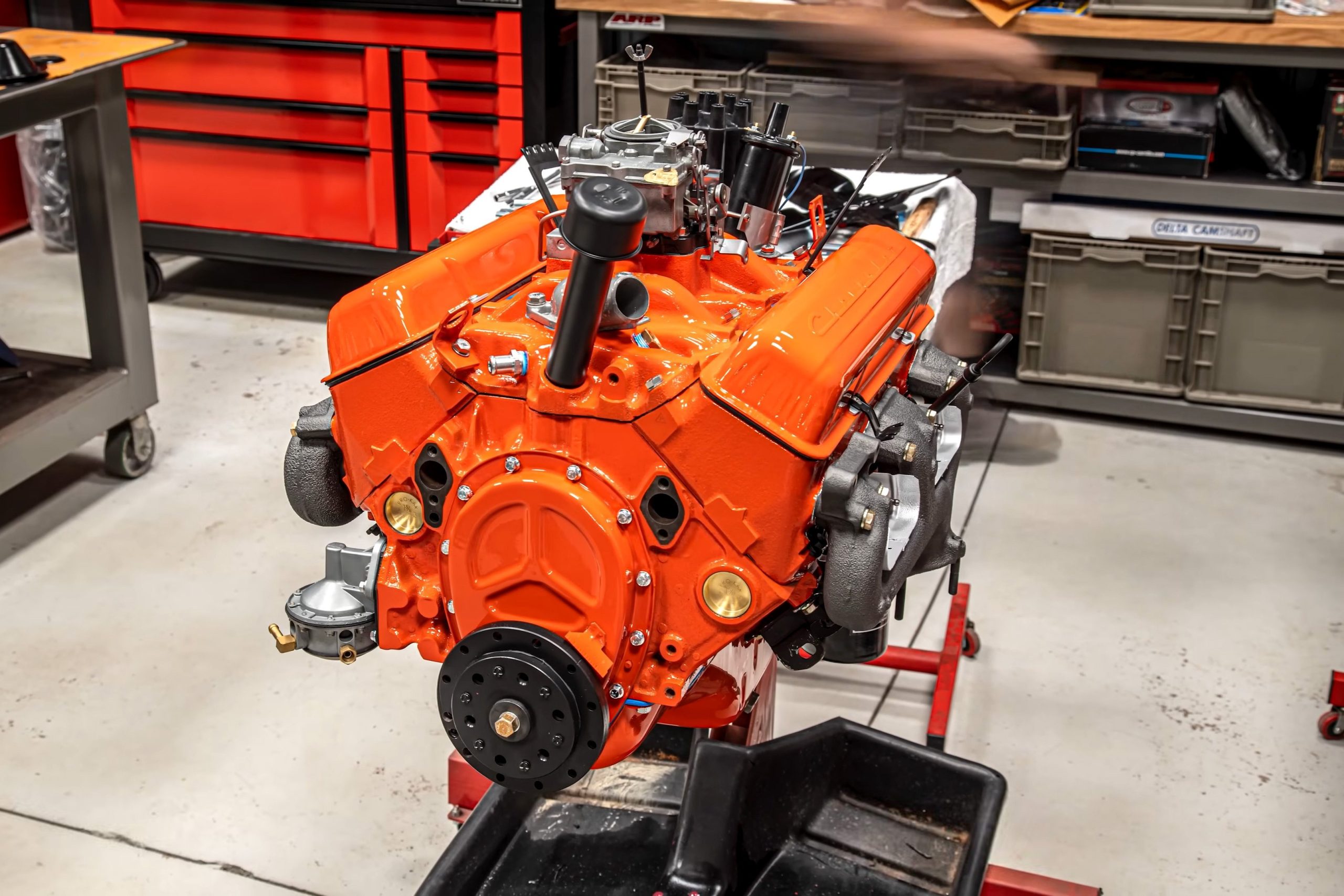
1. Chevrolet 350 Small-Block
The Chevy 350 is arguably the most recognized V8 in the world. Introduced in 1967, it quickly became the backbone of General Motors’ engine lineup. Found in everything from the Camaro and Corvette to pickup trucks and full-size sedans, the 350 earned its reputation through reliability and ease of maintenance.
Its architecture was so solid that it remained in production for decades with only minor changes. The engine’s compact size, light weight, and affordability helped it dominate the market for years.
One of the biggest strengths of the 350 is how easy it is to work on. Most parts are interchangeable across decades, and because of its popularity, aftermarket support is massive.
Rebuilding a 350 is often a weekend job for seasoned mechanics, and even amateurs can take it apart and put it back together with the help of a manual and some patience. There’s no shortage of rebuild kits, performance parts, and guides available. Its modular nature makes it a favorite for hot rodders and drag racers who want to push power while maintaining a solid base.
Even when GM moved on to newer LS engines, the 350 kept its loyal following. Plenty of shops still rebuild these engines, and some manufacturers even produce new crate versions.
Whether you’re looking for torque in a street rod or a durable workhorse for a pickup, the 350 keeps showing up as a dependable choice. Its longevity isn’t just about nostalgia; it’s about performance that keeps delivering without drama.
There are still thousands of these engines running strong today. Some of them have never been opened, pushing past 200,000 miles. Others have been rebuilt two or three times but continue to power everything from weekend cruisers to daily drivers. The Chevy 350 represents the blueprint of what a V8 should be: simple, strong, and always ready.
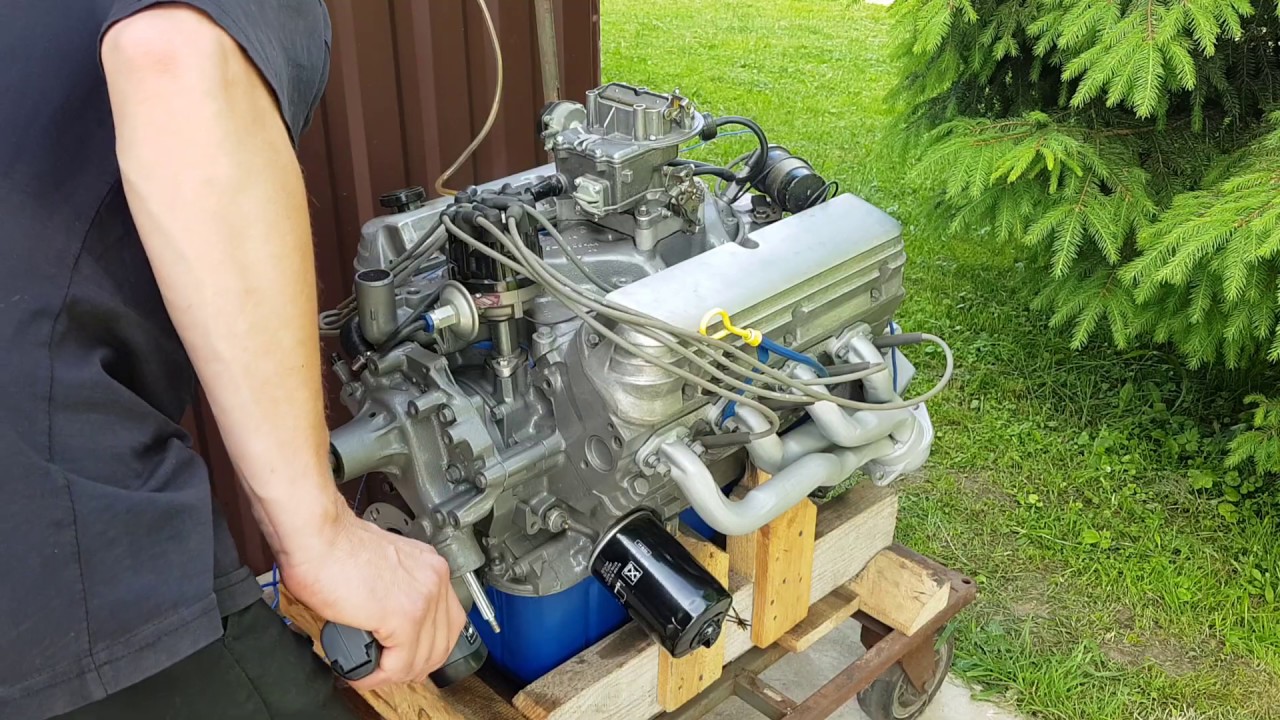
2. Ford 302 Windsor
The Ford 302 Windsor, also known as the 5.0L V8, has a reputation for being nearly indestructible. It was introduced in the late 1960s as part of Ford’s small-block V8 family and gained widespread fame in the 1980s and early ’90s.
The 5.0-liter version in particular became legendary thanks to its use in the Mustang GT, where it helped define an era of affordable American performance. But beyond the muscle car scene, this engine showed up in trucks, vans, and even full-size cars.
One of the reasons the 302 continues to survive is its rock-solid design. It’s a relatively simple pushrod engine that doesn’t overcomplicate things. That simplicity is part of what makes it reliable.
When problems do arise, repairs are often straightforward and cost-effective. This is especially important in daily drivers and work vehicles, where downtime means money lost. Mechanics across America know this engine inside and out, and that shared experience means problems are usually solved quickly.
Enthusiasts love the 302 because it takes well to modifications. Whether it’s intake swaps, cam upgrades, or forced induction, the engine can handle a surprising amount of performance tuning without sacrificing reliability.
The 5.0 Mustang aftermarket remains alive and well, and many of those parts can be used on any 302 build. It’s not uncommon to see these engines built for racing, then tuned back for street use without any long-term damage.
Even today, the 302 is a common sight at car meets, junkyards, and swap events. It’s the kind of engine that gets pulled from an old pickup and thrown into a custom project car with little more than some mounts and wiring. That level of adaptability is rare, and it’s what makes the Windsor 302 one of the V8s that refuses to quit.
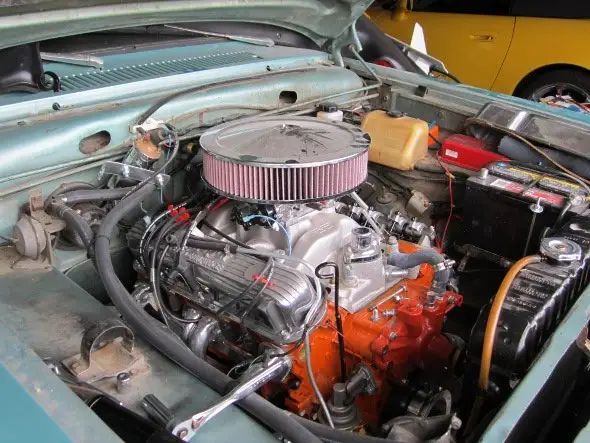
3. Dodge 318 LA
Often overshadowed by its bigger brothers like the 340 and 360, the Dodge 318 LA (Lightweight A-block) V8 is one of the most underrated yet long-lasting American engines. Introduced in the early 1960s, it became a staple in Dodge’s lineup for decades.
It powered everything from Chargers to pickups and even full-size sedans. Its combination of decent performance and bulletproof construction made it a favorite among working-class Americans who needed a motor that would start every morning and keep going no matter what.
What makes the 318 special isn’t outrageous horsepower or torque numbers. It’s the fact that it just keeps going. The engine has thicker cylinder walls than some competitors, strong internals, and a forgiving design. Many 318s went over 200,000 miles without major overhauls. Farmers, contractors, and delivery drivers often ran these engines hard, day in and day out, and the 318 simply took the punishment.
Another reason the 318 sticks around is that it responds well to care and minor upgrades. A simple intake and carburetor swap can wake up its performance, and there are plenty of cam and header kits available.
While it may not be the first choice for a race car, it’s a great foundation for a reliable cruiser or weekend project. The parts are still available, and the community that supports Mopar engines keeps the knowledge flowing.
Even though Dodge has moved on to more modern HEMI engines, the 318 is still being pulled from junked cars and revived in home garages. Some people rebuild them just for the challenge. Others use them in off-road trucks or classic restorations. No matter where it ends up, the 318 shows up, starts up, and keeps going, living up to its reputation as a dependable American V8.
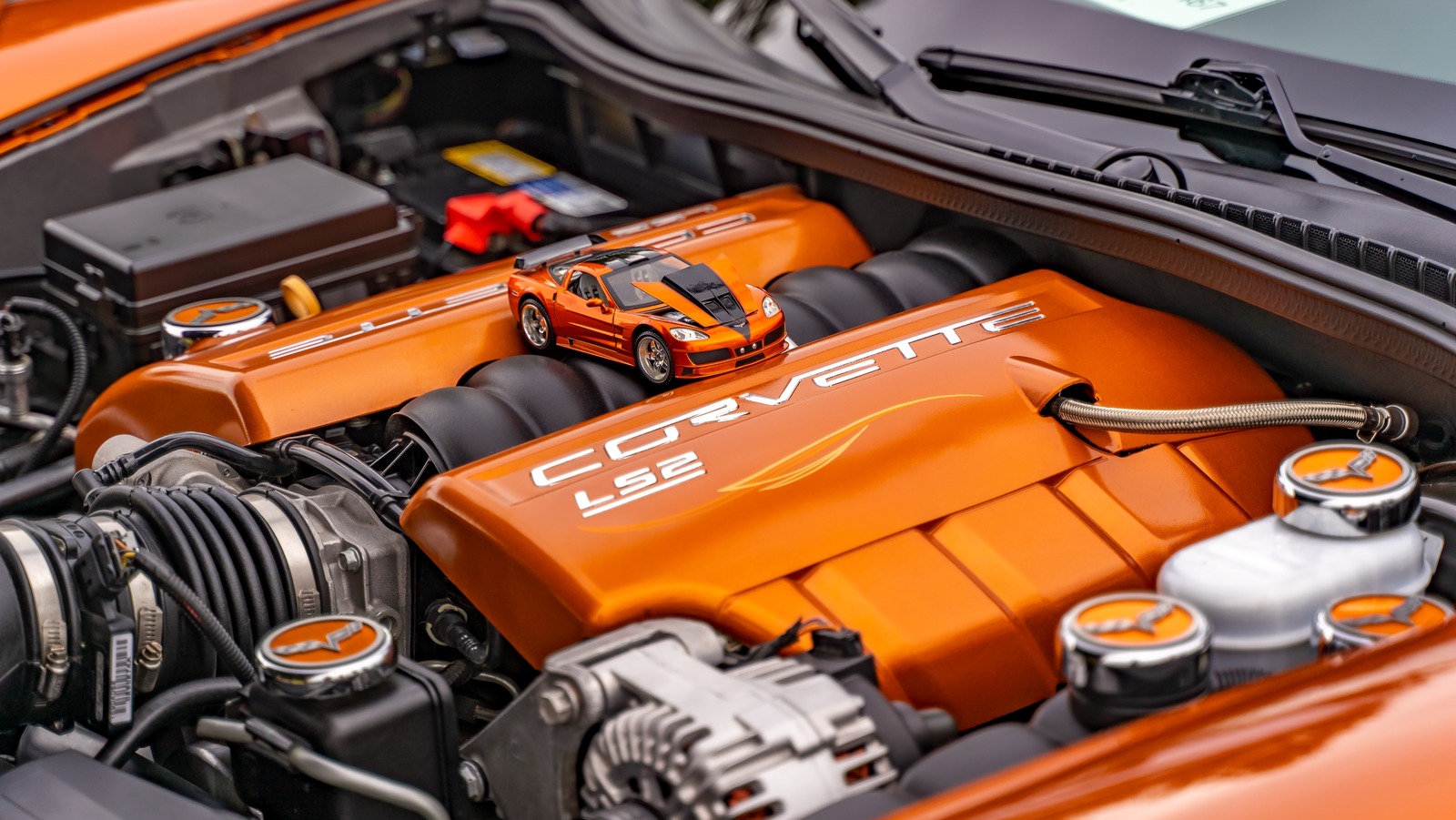
4. Chevrolet LS V8 Series
The LS engine family represents GM’s modern take on the V8, and it has proven to be just as tough as the small-blocks that came before it. Launched in the late 1990s with the LS1 in the Corvette, the LS line quickly expanded into trucks, SUVs, and performance cars.
What sets the LS apart is its combination of modern engineering, high performance, and incredible longevity. These engines are known to last well past 200,000 miles with basic maintenance.
One of the biggest reasons for the LS’s durability is its engineering. Despite being modern, it retains a pushrod design, which reduces complexity and keeps the engine compact.
The block and heads are cast with tight tolerances and high-quality materials, allowing them to handle higher loads without failure. Many people don’t realize that stock LS engines can handle boost and high RPM without major internal upgrades, which is a testament to how overbuilt they are from the factory.
The LS engine has also become the most swapped engine in America. It fits in just about anything with an engine bay. From classic muscle cars and pickup trucks to Miatas and BMWs, the LS swap has become almost cliché because it’s just that good. Cheap, plentiful, and easy to tune, the LS has changed the game for both street and race builds. Its modular design makes it easy to mix and match parts, and the aftermarket is massive.
Even as electric power begins to enter the mainstream, the LS engine shows no signs of going away. It’s still in production in various forms, and there are brand-new crate engines available for custom builds. The LS doesn’t just refuse to quit; it keeps getting better. It’s a perfect example of how an American V8 can evolve without losing the qualities that make it
Another advantage of the LS series is how easy it is to tune. Even first-time tuners with basic software and access to a dyno can extract reliable gains from a stock LS. Whether it’s an LS1, LS3, or an iron-block LM7 or LQ4, these engines take well to bolt-ons like cams, headers, and intake upgrades.
Many tuners have pushed stock-bottom-end LS engines to over 600 horsepower with the right supporting modifications. It’s this kind of resilience under stress that keeps the LS series running strong long after others would have given up.
There’s also something to be said about the LS’s affordability and accessibility. While performance engines from European or Japanese manufacturers may require expensive parts and labor, LS engines can be found in junkyards, online classifieds, or salvage yards for a fraction of the price.
Many first-time builders choose LS engines because they provide excellent power per dollar. The sheer number of trucks and SUVs built with these engines means there’s always a donor vehicle somewhere, and pulling the engine is often a straightforward job.
5. Chrysler 5.7L HEMI
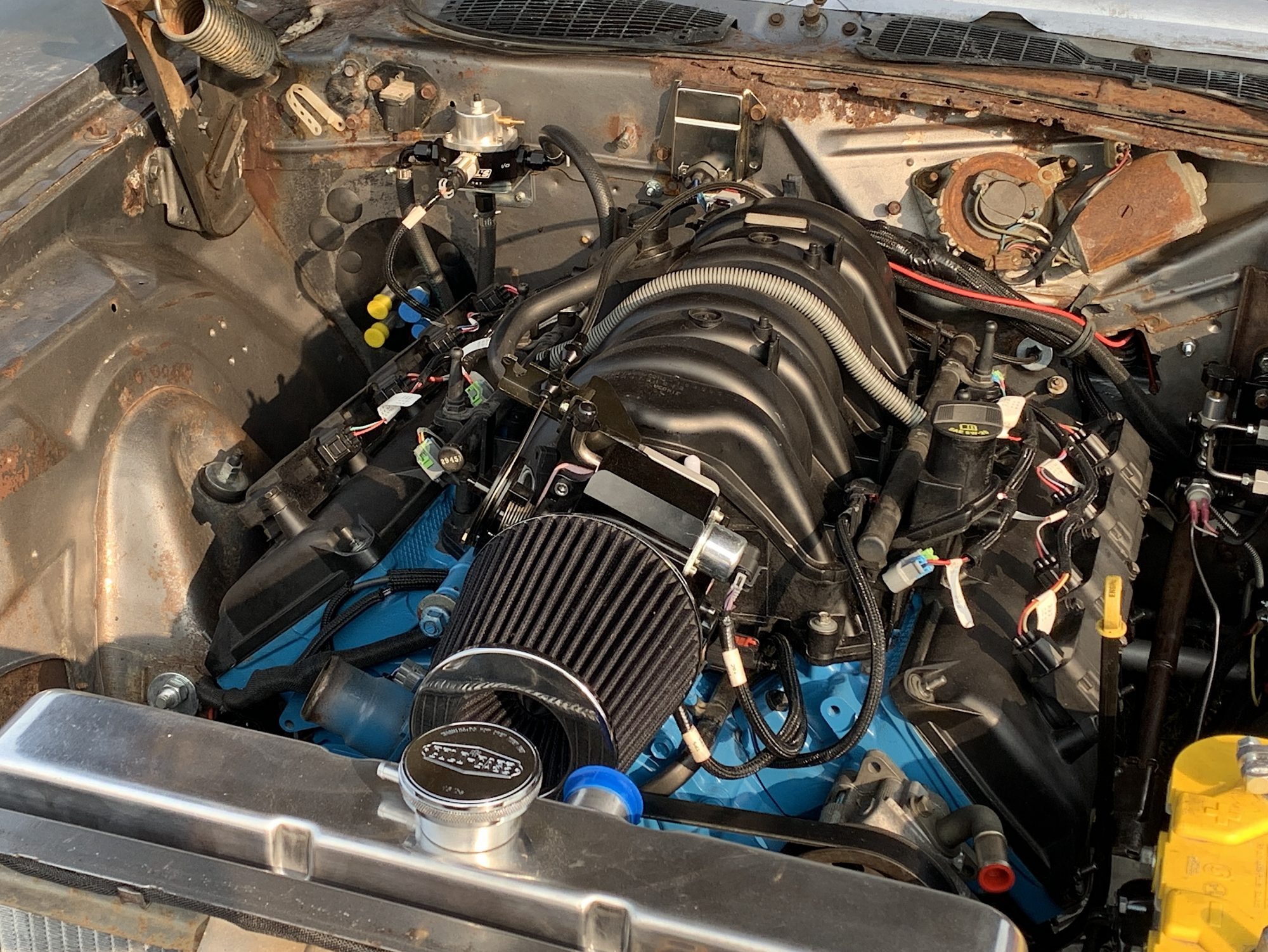
The 5.7L HEMI, introduced in 2003, helped Chrysler re-establish its performance identity in the 21st century. It revived the legendary HEMI nameplate from the muscle car era, and while it’s a different engine from the old 426s of the 1960s, the spirit remains the same.
This modern HEMI brought back the hemispherical combustion chamber in a new format, combining performance with longevity. It quickly became a staple in the Dodge Ram, Charger, Challenger, and even Jeep models.
One of the reasons the 5.7 HEMI refuses to quit is that it was built from the ground up with durability in mind. The block is beefy, the internals are stout, and even in stock form, it can handle a surprising amount of power.
With multi-displacement technology (MDS), it also runs more efficiently at cruising speeds, helping it stay relevant in an era where fuel economy began to matter more. While MDS has its critics, many owners report high mileage with minimal issues, especially when regular maintenance is followed.
Despite being newer than some others on this list, the 5.7 HEMI has already earned its reputation for long service life. It’s not uncommon to find Ram trucks with over 250,000 miles still running their original HEMI engines.
Enthusiasts have found that with upgraded cams, better exhaust systems, and proper tuning, the 5.7 can deliver serious performance without compromising reliability. It’s also one of the few modern V8s that still feels raw in the right setup, loud, torquey, and muscular.
As long as Dodge continues to support rear-wheel-drive V8 performance, the HEMI will have a place. But even if future regulations push it out of production, the 5.7 has already proven it will live on in the aftermarket. From off-road builds to restomod muscle cars, it’s becoming a go-to swap choice. With strong aftermarket support and a growing library of tuning resources, the 5.7L HEMI is here to stay.
6. Ford 460 Big-Block
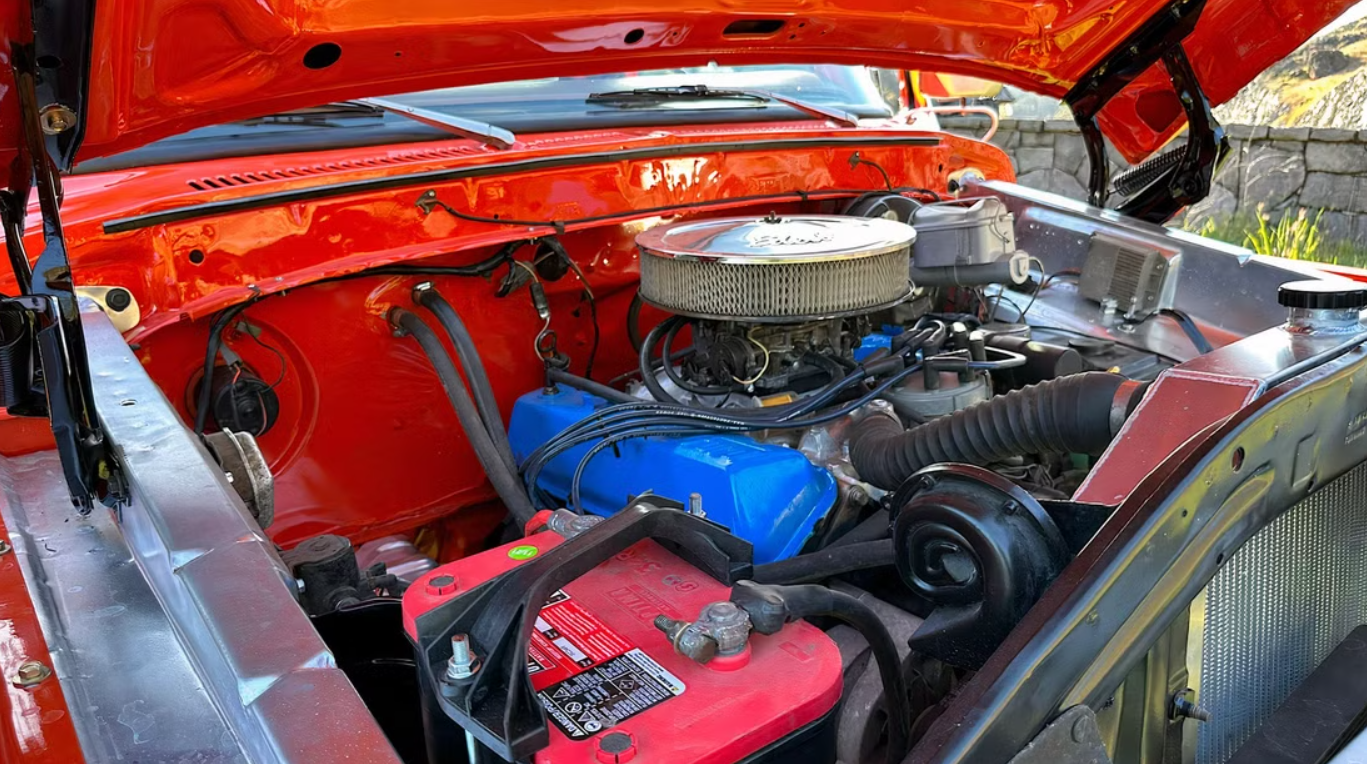
Ford’s 460 cubic inch V8 is a monster, plain and simple. Built as part of the 385 engine family, the 460 first appeared in the late 1960s and continued production well into the ’90s for trucks and industrial use. It’s not just big in displacement, it’s big in physical size and torque output. This engine was never designed for lightweight sports cars; it was made for moving heavy loads, pulling trailers, and handling the kind of work that chews through lesser engines.
The 460 is one of those engines that’s tough to kill. Thanks to its thick cast iron block and overbuilt internals, it can handle neglect, abuse, and still keep going. In motorhomes, it powered massive RVs for decades. In Ford’s heavy-duty trucks, it moved payloads without complaint.
People who owned vehicles with the 460 often report it as the most reliable part of their rig. Oil changes and basic care are usually enough to keep it going for years.
What makes the 460 interesting is how well it performs in both work and performance applications. While it was often detuned in factory trim, with some basic bolt-ons and a cam swap, the 460 can easily produce big torque and horsepower.
Drag racers and truck pullers have been using these engines for decades because of their natural ability to handle high loads. The aftermarket, while not as big as the small-block scene, is still healthy with plenty of intake, cam, and header options available.
Even though the era of big-blocks in new vehicles has passed, the 460 remains in high demand for swaps and rebuilds. You’ll find them in old-school Broncos, classic Fords, and even boats. For people who want simple, raw power with long-term reliability, the 460 stands out. It’s not the most refined engine, but that’s not the point. The point is, it works. It lasts. It pulls hard. And it doesn’t stop.
7. Oldsmobile Rocket 455
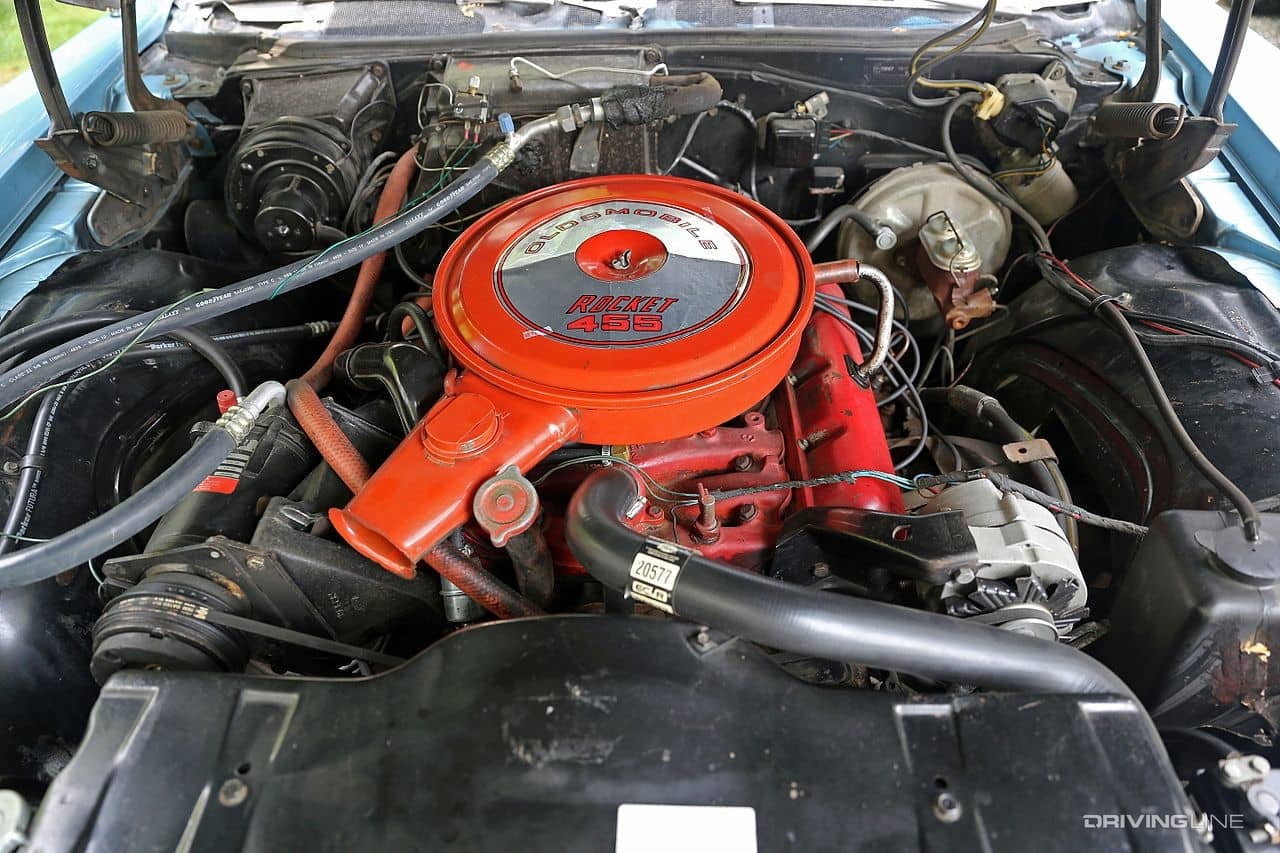
The Oldsmobile 455, part of the famous Rocket V8 series, was a dominant force in the late 1960s and early 1970s. While often confused with other GM divisions’ 455 engines (like Buick or Pontiac), the Olds 455 was its own unique animal.
With a high torque output at low RPM, it became a favorite for luxury muscle cars like the Oldsmobile 442 and the Toronado. But its real legacy is how long it has lasted in the hands of gearheads.
What gave the Rocket 455 staying power was its sheer strength. Designed for high output and low-stress operation, the engine features a strong bottom end and generous bearing surfaces.
Despite being produced during the muscle car era, the 455 was often overbuilt in comparison to its rivals. Even in smog-era versions with reduced compression, the 455 could move heavy cars with ease. Many of these engines ran strong into the 200,000-mile range before needing a rebuild.
The aftermarket support for the 455 isn’t as big as for Chevy or Ford engines, but it’s dedicated. Enthusiasts continue to build and race these motors because they offer something different: torque down low and a deep, unique exhaust note.
These engines aren’t about screaming high RPMs, they’re about rolling into the throttle and feeling a wave of power push you forward. With the right build, the 455 becomes a perfect engine for a big cruiser or restomod project.
Today, Oldsmobile may be long gone, but the 455 lives on in garages and car shows. Builders still hunt for good blocks, and machine shops that know these engines still take on rebuilds. Whether it’s restoring a 442 or dropping one into a custom project, the Olds 455 refuses to fade away. It’s a piece of muscle car history that continues to move metal decades after its final factory installation.
8. Pontiac 400 V8
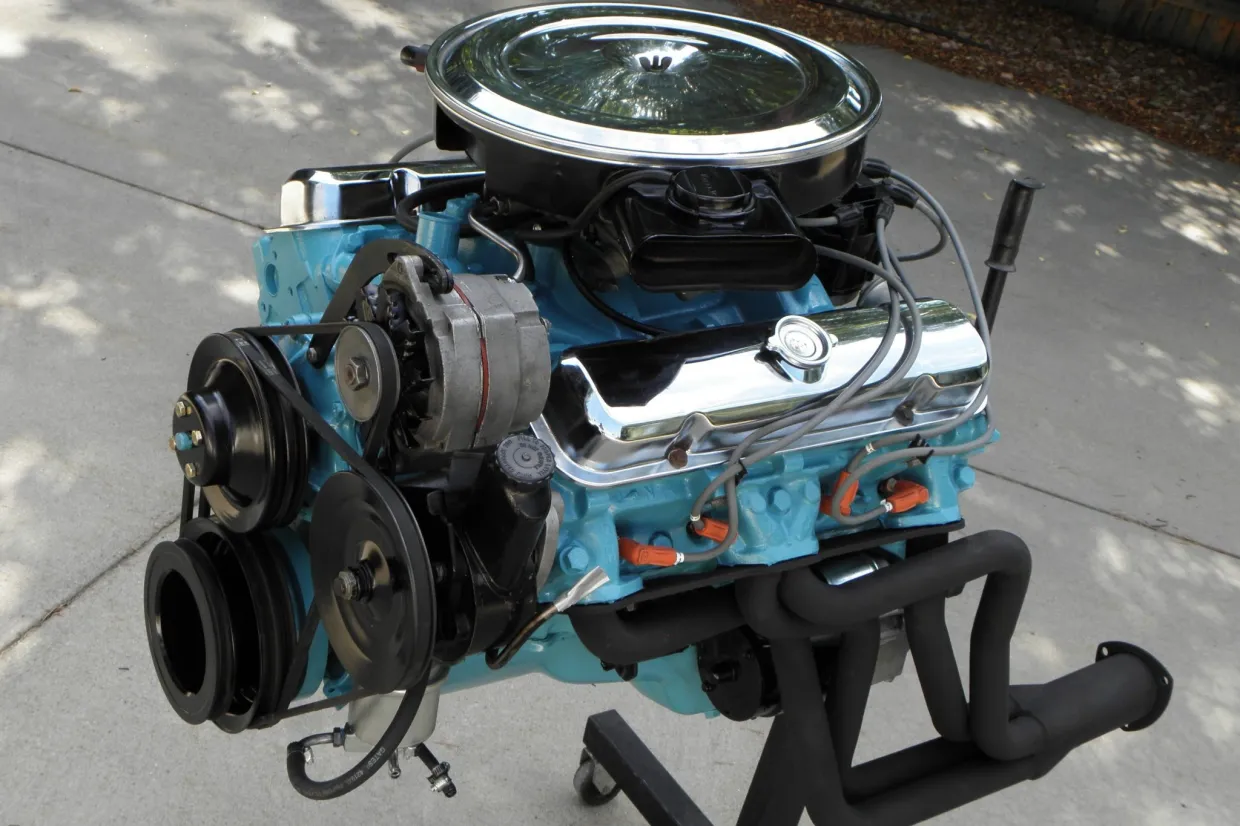
The Pontiac 400 V8 is another standout from the golden age of muscle cars, and it’s still respected today for its durability and performance. Introduced in the late 1960s, the Pontiac 400 powered legends like the GTO, Firebird, and Trans Am. Unlike other divisions under the GM umbrella, Pontiac built its own V8 engines, and the 400 was the sweet spot between performance and longevity.
What made the Pontiac 400 so durable was its balanced design. It had enough displacement to make big torque, but not so much that it became inefficient or difficult to tune.
With proper maintenance, these engines regularly ran past 150,000 miles, and many factory internals held up well to mild performance upgrades. The cast iron block and heads were strong, and Pontiac’s engineering choices gave it a bit more low-end grunt compared to some rivals.
While it was eventually overshadowed by larger engines like the 455, the 400 remained a favorite among racers and restorers. It takes well to upgrades like aluminum heads, modern cams, and updated ignition systems.
The Pontiac aftermarket continues to support it with reproduction parts and performance enhancements. People restoring classic Trans Ams often go out of their way to retain the original 400 block, valuing its authenticity and reliability.
Despite Pontiac shutting down in 2010, the 400 remains a staple in the muscle car community. Collectors and restorers prize the engine not just for its power but for how well it holds up under heavy use.
This V8’s relatively simple design, overhead valves actuated by pushrods, a cast iron block, and heads, means there are fewer weak points compared to more complex modern engines. Additionally, the availability of reproduction parts and rebuilt cores makes it accessible for enthusiasts who want to keep their classics running.
The enduring love for the Pontiac 400 also lies in its unique sound and feel, which many owners describe as more “raw” and “muscular” than other GM V8s of the time.
Another reason the 400 persists is its versatility. While it was primarily a performance engine in muscle cars, the Pontiac 400 also found its way into trucks and other GM vehicles, albeit less commonly. Its torque delivery at lower RPMs made it practical for hauling and everyday driving, adding to its reputation as a reliable and flexible engine.
For those who seek a balance between performance and dependability in a classic package, the Pontiac 400 continues to be a go-to choice. Builders often praise the block’s ability to take on forced induction and stroker kits, pushing it far beyond its factory specifications while still maintaining durability.
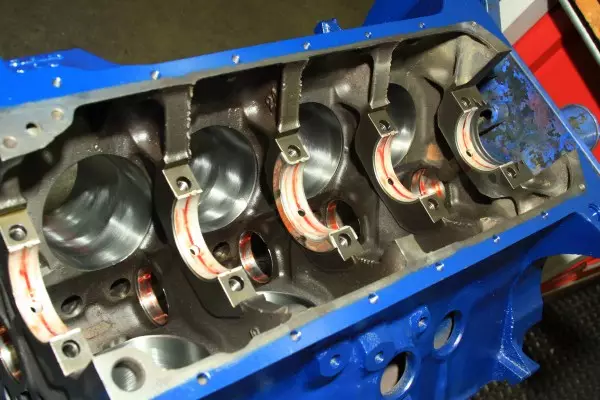
9. Ford 390 FE Big-Block
The Ford 390 FE big-block is one of those engines that is often overlooked but is incredibly tough and reliable. Produced from the late 1950s through the early 1970s, it served in a variety of vehicles, from muscle cars like the Mustang and Torino to heavy-duty trucks. The FE series, which includes the 390, was designed to handle heavy loads and high RPM, giving it a reputation as a workhorse with performance potential.
The 390’s durability comes from its thick cylinder walls and robust internal components. It was built to withstand the stresses of both performance and commercial use, which is why it often lasted longer than many contemporaries in tough conditions.
These engines were often found in police cars and taxis, which put them through demanding stop-and-go driving with little rest. Despite this, the 390 FE rarely suffered catastrophic failures, earning the respect of mechanics and drivers alike.
Performance-wise, the 390 could be tuned to produce respectable horsepower for its time, and it responded well to upgrades like better carburetors, exhaust headers, and camshaft swaps. Racers and enthusiasts often sought out the 390 for its balance of torque and high-RPM capability.
This balance made it a versatile engine for drag racing, road racing, and street use. Although the FE family is known for its complex design, the 390 remains one of the easier ones to work on with a large following of experts and enthusiasts.
Today, the Ford 390 FE continues to show up in classic Ford restorations and custom builds. It’s favored for its mix of durability, performance potential, and historical significance.
For anyone looking to build a classic Ford with an engine that can handle daily driving as well as weekend racing, the 390 FE is a compelling choice. Its legacy as a V8 that refuses to quit is well-earned through decades of proven performance in some of the toughest conditions imaginable.
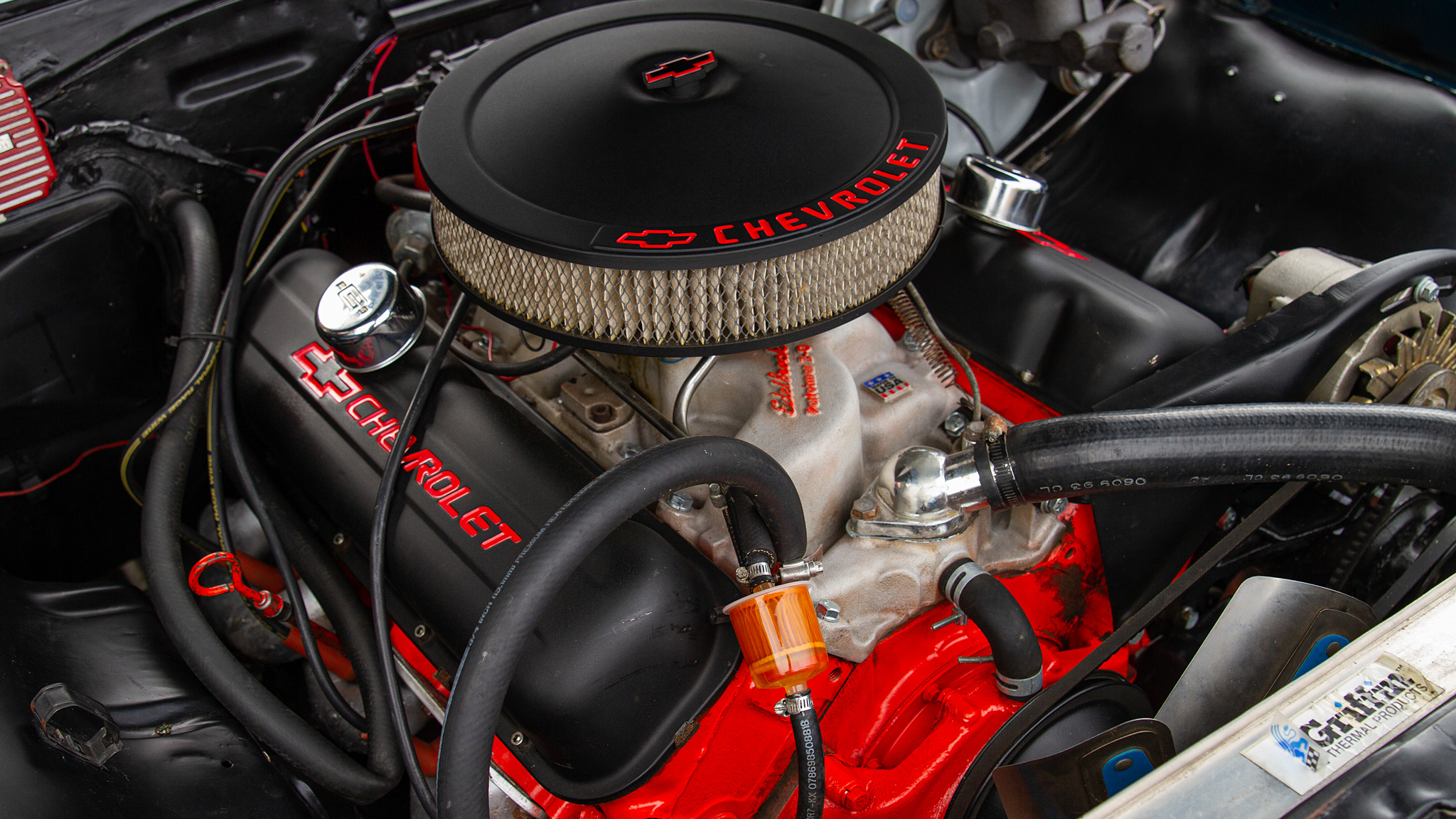
10. Chevrolet Big-Block 454
The Chevrolet 454 big-block is the quintessential heavy-hitter in the American V8 world. Introduced in the early 1970s, it was GM’s response to the increasing demand for raw power in muscle cars, trucks, and boats.
Known for its massive displacement and torque, the 454 was one of the largest engines ever produced by Chevrolet and quickly gained fame for its ability to move heavy vehicles with ease. While emissions regulations eventually tamed its output, the 454’s fundamental strength remained unchanged.
One of the key reasons the 454 refuses to quit is the solid engineering behind its cast iron block and forged internals. These components were designed for high horsepower and torque applications, meaning the engine could be pushed hard without fear of immediate failure.
The 454 became a favorite in drag racing, marine, and towing applications because of its ability to produce sustained power without overheating or mechanical breakdown. It also developed a strong aftermarket following, with performance parts ranging from high-flow heads to stroker kits readily available.
In terms of longevity, many 454 engines have crossed the 300,000-mile mark with basic maintenance. The engine’s large displacement means it rarely has to be revved hard to produce power, which reduces wear and tear.
Many truck owners praise the 454 for its torque output, which is ideal for hauling and towing. Classic car restorers also value it for its iconic status and the unmistakable rumble it produces. When properly maintained, the 454 is capable of delivering decades of dependable service.
The Chevrolet 454 big-block continues to be a cornerstone of American V8 culture. It’s a favorite for hot rod builders, muscle car restorers, and anyone looking for big, reliable power. Even in today’s era of smaller, turbocharged engines, the 454 stands as a symbol of an era where size and strength mattered most. Its durability and performance keep it relevant, proving that some engines truly refuse to quit.
Also Read: 5 Honda Civic Years That Last Forever vs 5 That Don’t
American V8 engines have shaped automotive history, creating legends through their strength, durability, and adaptability. From the compact and versatile Chevy 350 to the massive torque monster that is the Chevy 454, each engine on this list has earned a reputation for reliability and performance.
These V8s have powered generations of vehicles, been swapped into countless projects, and continue to thrive in garages and race tracks across the country.
What makes these engines refuse to quit is not just the quality of their design but the community and culture built around them. Enthusiasts, mechanics, and racers continue to maintain and improve these engines, ensuring their legacy endures. Whether in original form or heavily modified, these engines represent the best of American engineering: simplicity, strength, and passion.
As the automotive world changes with new technologies and electrification, the spirit of these V8s remains alive in the hearts of those who value raw power and mechanical reliability. These ten engines are more than just machines, they are icons that continue to prove that American V8s are built to last.
