
When considering the purchase of a vehicle, many potential buyers look for reliability, ease of maintenance, and longevity. Mechanics, being the professionals who deal with cars daily, often have valuable insight into which vehicles stand the test of time and which tend to cause headaches.
Their recommendations often revolve around cars that are not only dependable but also simpler to repair and maintain, saving owners money and stress in the long run.
Conversely, some cars, despite their appeal or features, come with complicated designs or notorious issues that lead mechanics to advise caution or avoidance.
This article presents five cars that mechanics tend to recommend due to their proven reliability, solid build, and lower repair costs.
It also lists five models or types of cars that many mechanics warn against, either because of their frequent breakdowns, expensive parts, or complex engineering that complicates repairs. Understanding these perspectives can help buyers make smarter choices and avoid future frustrations.
Also Read: 5 Chevy Silverado Years That Run Forever vs 5 That Don’t
5 Cars That Mechanics Recommend
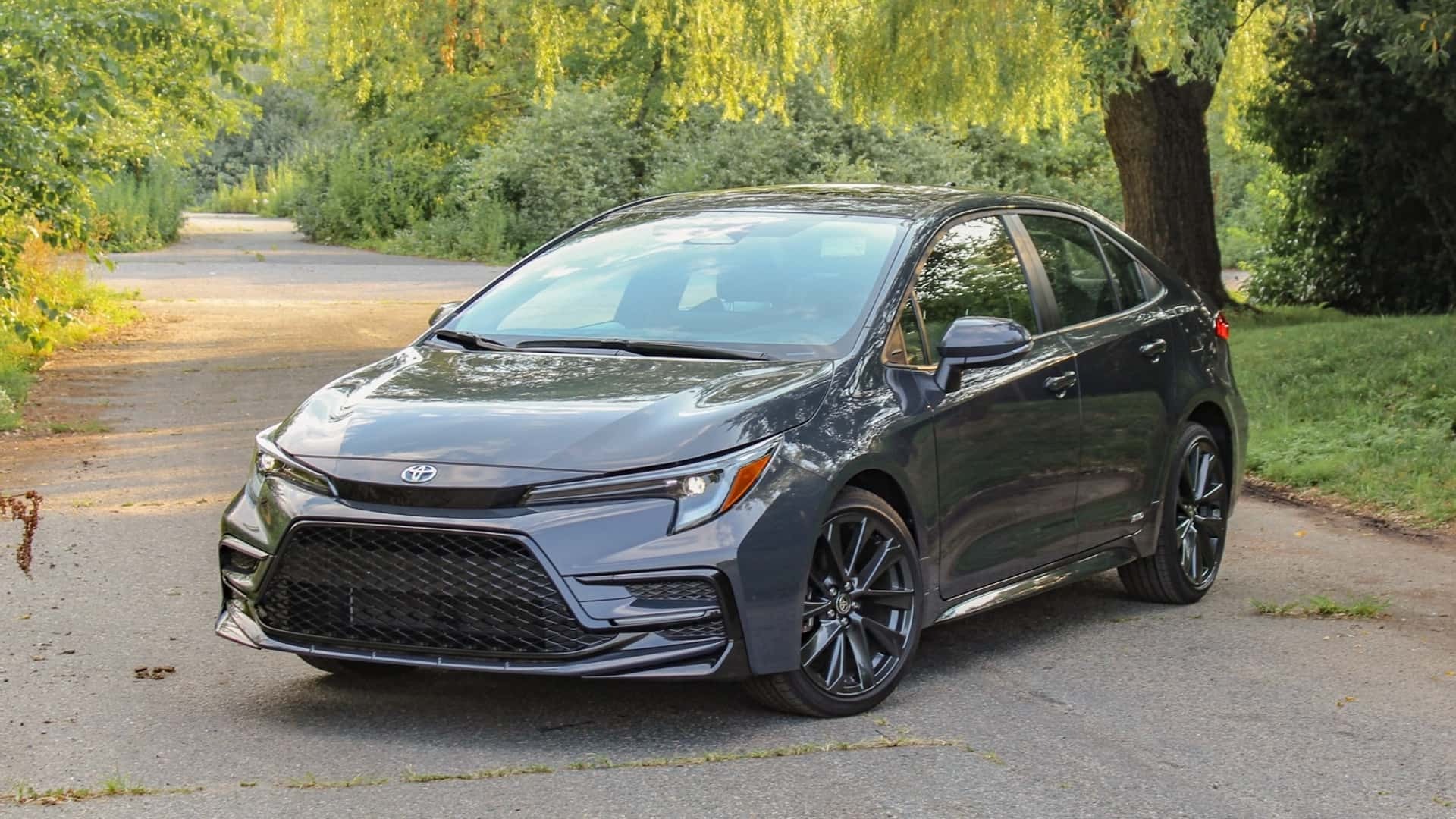
1. Toyota Corolla
The Toyota Corolla has built an exceptional reputation over the years as a vehicle synonymous with reliability and longevity.
Mechanics consistently point to this model as one of the best choices for anyone looking for a dependable car that can withstand the wear and tear of daily use without frequent visits to the repair shop.
The Corolla’s engine and transmission systems are well-engineered, with a design focused on endurance rather than flashy performance.
This practical approach means that with regular maintenance, such as oil changes, filter replacements, and brake servicing, the vehicle can easily surpass 200,000 miles, sometimes even reaching 300,000 miles or more.
The parts required for the Corolla are abundant and affordable, which makes repairs less costly and ensures that even small independent garages are well-equipped to service these cars.
This factor significantly reduces repair turnaround times and expenses compared to more specialized or luxury vehicles.
Beyond its mechanical robustness, the Corolla is known for its straightforward design. Mechanics appreciate that it avoids unnecessary complexity, especially in older models that tend to avoid overly complicated electronics and sensors.
This simplicity means that diagnosing and fixing issues is generally less time-consuming, which benefits both the mechanic and the car owner.
This accessibility allows many owners to perform routine upkeep themselves, saving money and increasing their understanding of their vehicle. It also reduces the likelihood of serious problems developing unnoticed because regular maintenance can be done easily.
The Corolla’s reputation is not just based on luck; Toyota continuously improves their models with incremental upgrades that fix minor issues and improve performance, making newer generations even more reliable.
Mechanics also admire Toyota’s commitment to quality control during manufacturing. Each Corolla is built with precise standards, and this consistency means fewer factory defects and recalls compared to many competitors.
When Corollas do enter a mechanic’s shop, it is often for scheduled maintenance rather than urgent repairs, which speaks volumes about the vehicle’s resilience. The strong resale value of the Corolla further proves its lasting appeal and reliability in the eyes of consumers and mechanics alike.
People tend to hold on to Corollas for many years because they trust that the car will keep running smoothly without significant issues cropping up unexpectedly.
Fuel efficiency and safety are additional reasons mechanics recommend the Toyota Corolla. Its efficient engines help owners save money at the pump, and the car’s light but sturdy frame, along with modern safety features, contributes to a safer driving experience.
The Corolla manages to balance cost, reliability, ease of maintenance, and everyday practicality, which is why mechanics frequently advise prospective buyers to consider this car as one of the smartest automotive investments they can make.
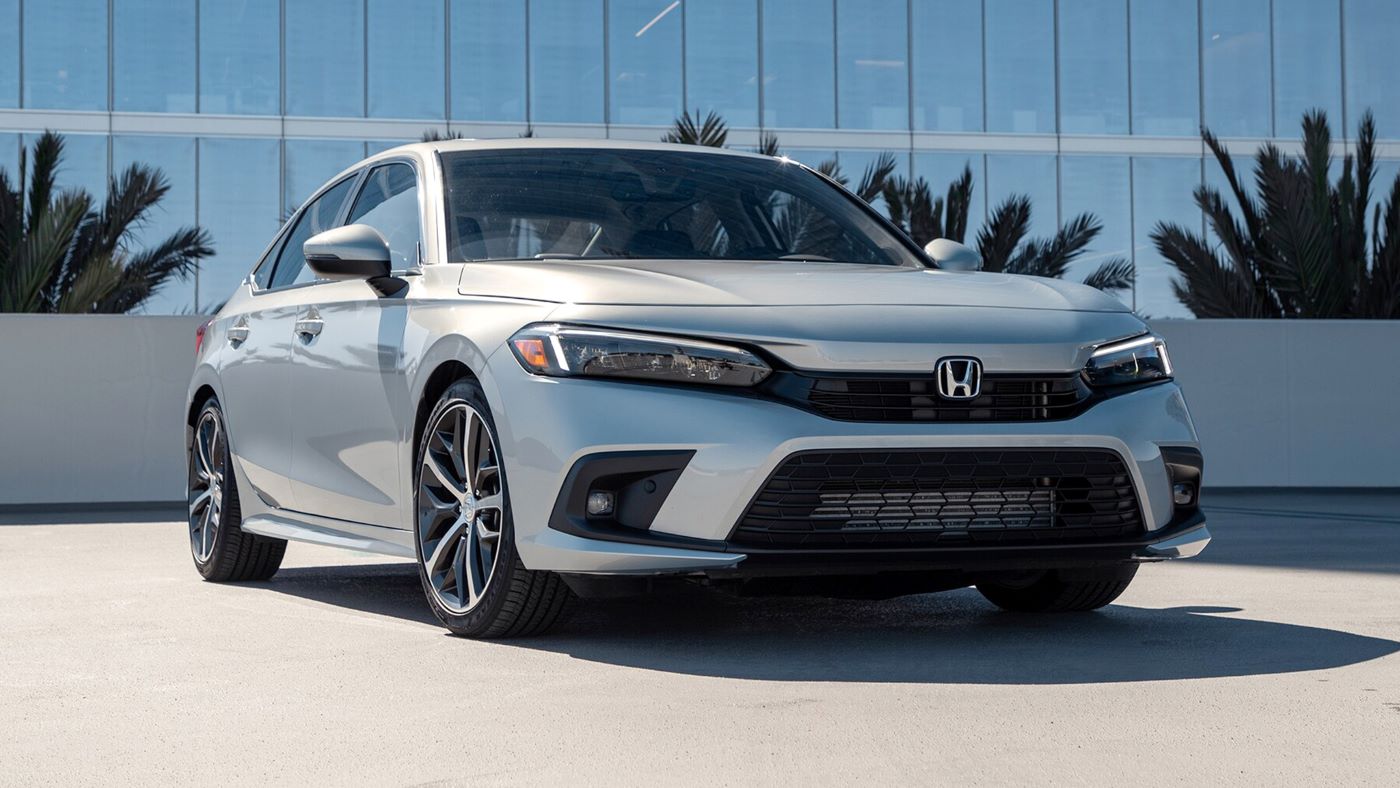
2. Honda Civic
The Honda Civic has a longstanding reputation as a reliable and practical vehicle that appeals to a broad range of drivers, from young commuters to families looking for a trustworthy car. Mechanics often praise the Civic for its solid engineering and the longevity of its components.
The engines used in the Civic, especially the four-cylinder models, are known for their robust construction and resistance to common failures seen in other vehicles.
When maintained properly with regular oil changes, timely replacements of belts and filters, and periodic tune-ups, Civics tend to accumulate high mileage with minimal issues. Many examples remain in excellent working condition well beyond 150,000 miles, sometimes crossing 200,000 miles with ease.
One of the factors that makes the Civic a mechanic’s favorite is the combination of reliability and driving enjoyment. While it is undeniably practical, the Civic also offers responsive handling and a comfortable ride, making it a well-rounded car.
Unlike some vehicles that sacrifice performance for reliability, the Civic manages to provide a fun driving experience without compromising mechanical integrity. This balance means that the Civic appeals to those who want a dependable daily driver that still feels engaging behind the wheel.
Mechanics also highlight the Civic’s relatively simple but effective design. Electrical issues are rare compared to other cars in its class, and the transmission, whether manual or automatic, is generally durable. When repairs are necessary, parts are widely available and affordable, which keeps repair bills reasonable.
Additionally, the engine bay layout is user-friendly, allowing easier access for routine maintenance and repairs. This user-friendliness reduces labor time and makes the Civic a favorite among mechanics who value efficiency and practical design.
Honda’s focus on quality manufacturing and continuous improvements over the years has helped the Civic maintain a strong reputation for durability. Each new generation has seen refinements that address minor issues and improve fuel efficiency, emissions, and safety.
This ongoing development means mechanics see fewer recurring problems and better performance as the car ages. The Civic’s strong resale value also reflects the confidence buyers and mechanics have in its long-term dependability. For anyone looking for a car that blends affordability, reliability, and enjoyment, mechanics frequently point to the Honda Civic as an excellent option.
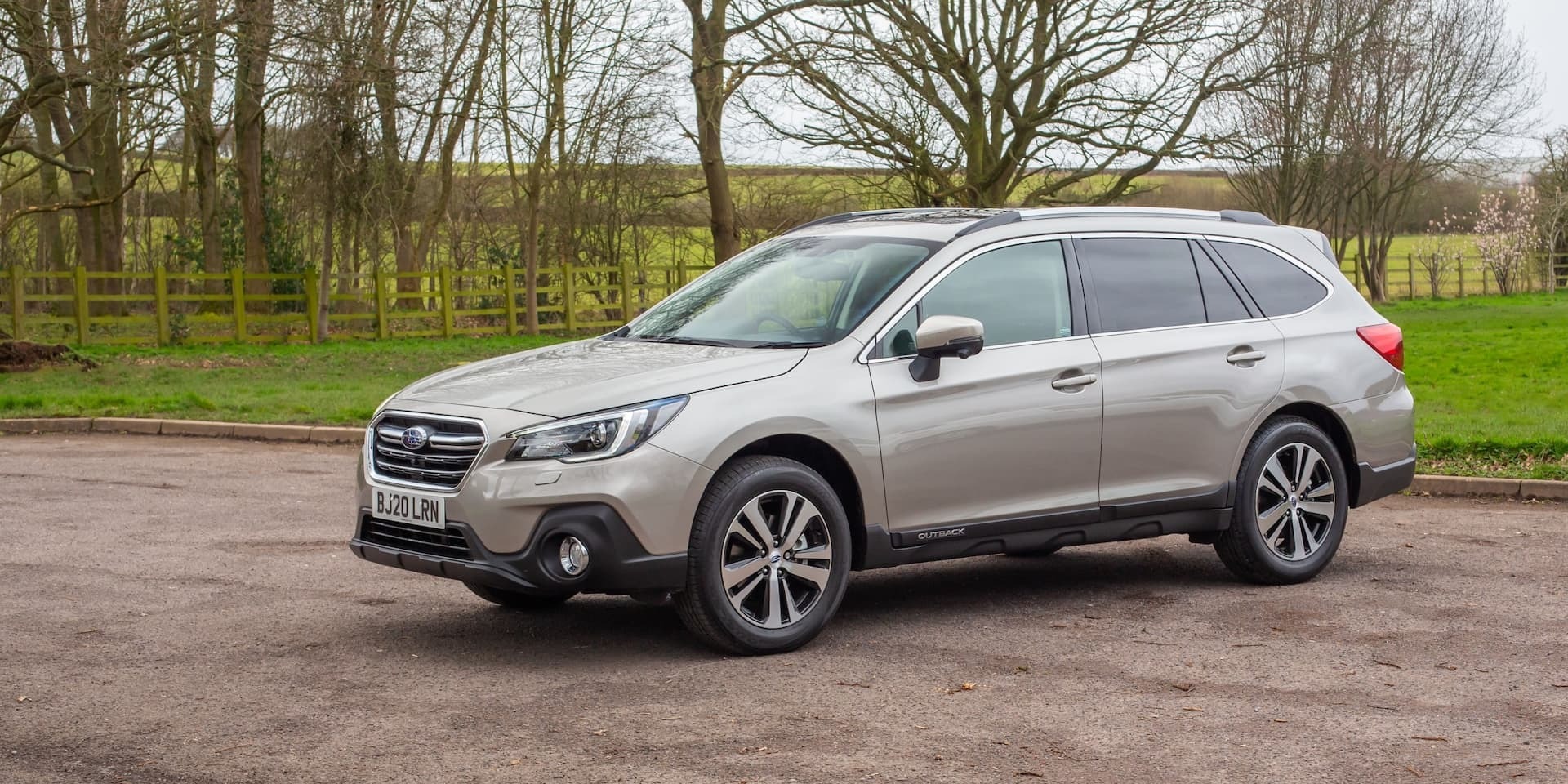
3. Subaru Outback
The Subaru Outback is well-regarded by mechanics, especially for those who need a vehicle capable of handling diverse road conditions without sacrificing reliability.
One of the key reasons mechanics recommend the Outback is its standard all-wheel-drive system, which is robust and designed to provide traction and stability in a variety of weather and terrain.
Unlike some AWD systems that are more complex and prone to failures, Subaru’s symmetrical AWD setup is praised for its durability and effectiveness.
This drivetrain system provides drivers with confidence during winter months or off-road adventures, and it requires regular but straightforward maintenance to remain dependable over the years.
The Subaru boxer engine, a unique feature in many Outback models, is another point of interest for mechanics. The horizontally opposed design contributes to a lower center of gravity, improving vehicle stability and handling.
While the boxer engine is more complex than traditional inline engines, mechanics who specialize in Subaru vehicles appreciate its longevity when owners adhere to scheduled maintenance.
Head gasket issues, common in older Subaru models, have been significantly reduced in newer versions due to engineering improvements. Regular oil changes and timely inspection of the cooling system are critical to keeping these engines running without major problems.
Subaru also designs the Outback with practicality and durability in mind. The interior offers spacious cargo and passenger room, making it popular for families and outdoor enthusiasts alike.
Mechanics note that Subaru uses components that are rugged and built to withstand heavy usage, which means these vehicles often avoid frequent major repairs.
The cost of maintenance for the Outback is generally reasonable, with many owners enjoying years of trouble-free driving. Additionally, Subaru parts are widely available, and many mechanics are well-versed in handling the brand’s specifics, ensuring that repairs and service are efficient and accurate.
While some components of the Outback, such as the AWD system and specialized engine parts, might be more expensive than typical sedans, the longevity and fewer major failures offset these costs. The vehicle’s strong safety ratings and solid resale value also contribute to its appeal.
For those living in climates with rain, snow, or rough roads, mechanics often recommend the Subaru Outback as a practical, reliable, and versatile vehicle that delivers excellent value over its lifespan.

4. Ford F-150
The Ford F-150 is widely regarded by mechanics as one of the most dependable and easy-to-maintain pickup trucks available. Known for its rugged construction and durable engine options, the F-150 has earned its place as a staple in both work and personal vehicle lineups across North America.
Mechanics often highlight the truck’s powerful yet reliable V8 engines, as well as the newer EcoBoost turbocharged engines, which offer a balance of power and fuel efficiency without sacrificing reliability.
These engines are designed to handle heavy loads and tough conditions, making the F-150 a trusted choice for owners who rely on their truck daily.
Another aspect mechanics appreciate about the F-150 is its straightforward mechanical design. Unlike some modern trucks that use complex electronic systems and unusual layouts, the F-150’s chassis and drivetrain are relatively simple and robust.
This simplicity allows for easier diagnosis of issues and faster repairs, which reduces labor costs for owners. The F-150 is also one of the most common trucks on the road, meaning parts are widely available and affordable, which is a major advantage compared to less common or luxury trucks that can have high parts costs and limited service options.
The versatility of the F-150 is another reason it receives strong mechanical recommendations. The truck is built to handle a wide range of tasks, from towing and hauling to everyday commuting. Its suspension and drivetrain components are designed to endure heavy use, even in challenging conditions, such as construction sites or rough off-road terrain.
This durability means the F-150 often experiences fewer breakdowns and mechanical failures compared to other trucks that might be designed more for style than substance.
In addition to its mechanical strengths, the F-150 has maintained strong resale value and a loyal customer base for decades.
The combination of dependability, ease of repair, and availability of parts makes the Ford F-150 a top recommendation from mechanics for anyone in need of a reliable, hard-working truck that can also serve as a comfortable daily driver. Whether for work or recreation, the F-150 stands out as a practical choice with proven staying power.
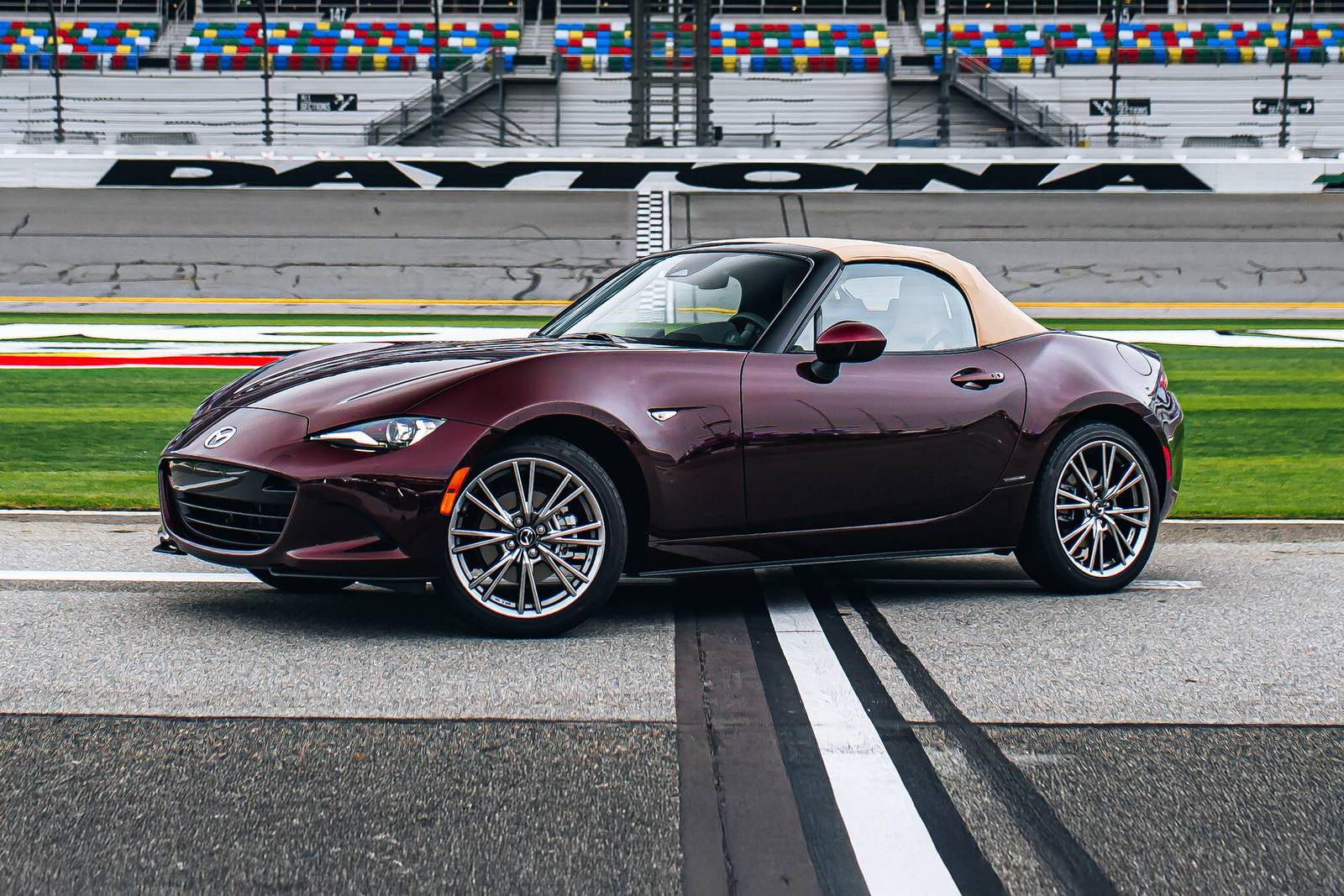
5. Mazda MX-5 Miata
The Mazda MX-5 Miata has earned a special place in the hearts of both car enthusiasts and mechanics for its unique combination of fun, simplicity, and reliability. Unlike many sports cars that come with complex and expensive mechanical systems, the Miata boasts a straightforward design that is built to last.
Mechanics often praise the Miata’s inline-four engine and manual transmission for their durability and ease of maintenance. These components have been refined over generations, resulting in a car that performs well and requires relatively low upkeep compared to other vehicles in the sporty category.
One of the reasons the Miata stands out for mechanics is its lightweight construction and balanced chassis, which contribute to excellent handling without placing undue stress on the drivetrain or suspension.
This balanced engineering means the car doesn’t suffer from common sports car problems like excessive wear or frequent expensive repairs.
The simplicity of the mechanical layout also means that repairs are usually straightforward, and replacement parts are widely available and affordable, helping keep maintenance costs low.
Mazda’s attention to build quality in the MX-5 Miata is evident in the long life span these cars tend to have. With regular maintenance such as oil changes, brake servicing, and timely replacement of worn parts, many Miatas can reach high mileage while retaining their performance and reliability.
The car’s reputation for reliability means mechanics rarely see it return to the shop for major repairs, which is a significant advantage for owners looking for an enjoyable yet dependable vehicle.
The Miata also offers a driving experience that is rare among affordable sports cars. It is nimble, responsive, and lightweight, providing a fun and engaging ride while remaining easy to maintain and cost-effective to own.
This combination of qualities makes the Mazda MX-5 Miata a frequent recommendation from mechanics for buyers who want a sporty car that won’t burden them with constant repairs or high maintenance costs.
Also Read: 9 Best Vehicles That Survive Multiple Generations of Owners
5 Cars Mechanics Warn You Against
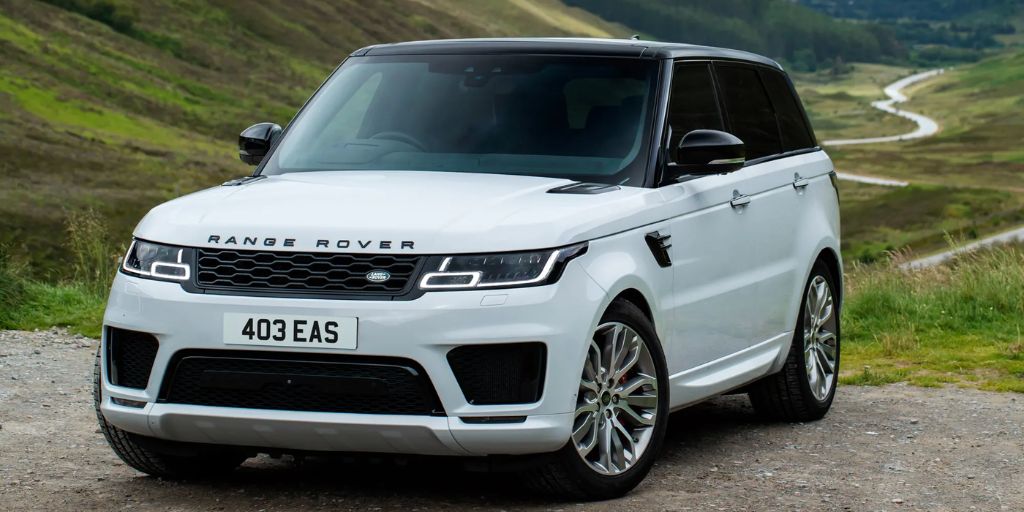
1. Land Rover Range Rover
The Land Rover Range Rover is a vehicle that often draws attention for its luxurious features, off-road capabilities, and upscale design. However, behind the premium branding and sophisticated appearance lies a reputation for mechanical and electrical issues that mechanics frequently warn prospective buyers about.
One of the most common complaints involves the vehicle’s highly complex air suspension system, which provides a smooth ride and adjustable height but is prone to failure as the vehicle ages.
Mechanics often encounter older Range Rovers with collapsed suspensions or leaking components, and the cost of repairing or replacing this system can run into the thousands. Even routine wear can lead to unexpected and expensive repairs.
Another recurring problem with the Range Rover is its electrical system. These vehicles are packed with advanced technology, but the high number of sensors, wiring modules, and electronic features can lead to persistent electrical gremlins.
Mechanics report that diagnosing issues in the Range Rover often takes longer than with simpler vehicles due to the number of interconnected systems.
Malfunctions in navigation, climate control, parking sensors, and even power windows are not uncommon. Unfortunately, these problems are rarely cheap to fix, and even authorized dealerships sometimes struggle to find permanent solutions to recurring faults.
Parts availability is another major challenge. While parts for Range Rovers can be sourced, they tend to be more expensive than those for more common vehicles, and the labor involved in servicing or replacing these parts is often extensive. Some owners are surprised by the frequency of necessary repairs and the steep price tags attached to even basic services.
Mechanics also point out that many independent repair shops lack the specialized tools or software needed to work on modern Range Rovers, meaning owners often have no choice but to return to dealerships for service.
Despite their aesthetic appeal and strong marketing, Range Rovers are generally not considered a wise long-term investment by mechanics. The vehicle’s high ownership costs, unpredictable maintenance needs, and complex design make them a poor choice for buyers looking for dependable transportation.
Unless someone is fully prepared for the financial and logistical demands of maintaining this vehicle, most mechanics will suggest exploring other options that provide greater peace of mind and lower total cost of ownership.
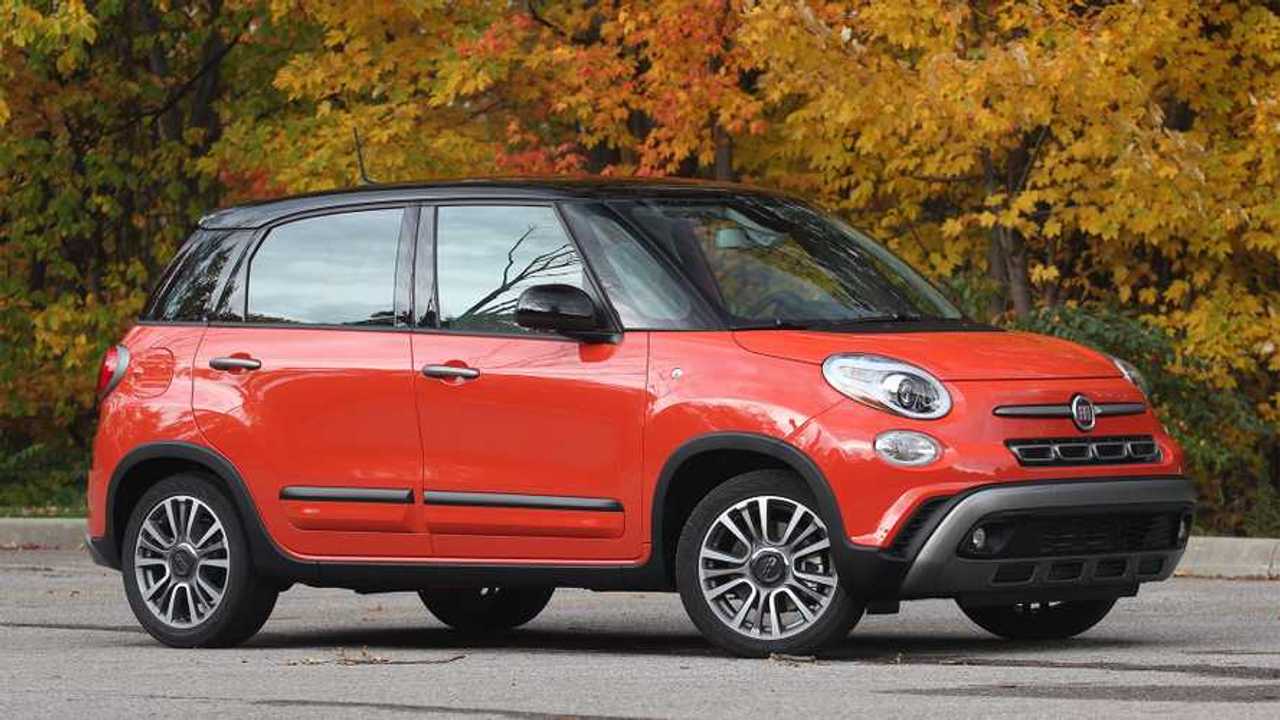
2. Fiat 500
The Fiat 500 is a vehicle that initially wins over buyers with its compact size, charming European styling, and city-friendly maneuverability. However, once the novelty wears off and the car has a few years of use, many owners find themselves facing mechanical problems that far outweigh the vehicle’s initial appeal.
Mechanics frequently caution potential buyers about the Fiat 500 because of its history of reliability concerns, especially in the North American market.
One of the most notorious issues involves the car’s automatic transmission, which has been a point of frequent failure in earlier models. Problems such as rough shifting, hesitation, and outright failure of transmission components are common and expensive to repair.
Another major area of concern is the electrical system. Despite its small size, the Fiat 500 contains a surprisingly complex arrangement of electronics and sensors. These components often experience malfunctions that cause warning lights to appear, accessories to stop working, or systems to behave unpredictably.
Mechanics report that even relatively minor electrical problems can be time-consuming to diagnose and repair, especially given the tight engine bay and limited access to internal components. These issues tend to grow worse as the vehicle ages, especially if it has not been consistently maintained.
Aside from the transmission and electrical woes, there are also concerns about the build quality of the Fiat 500. Interior components such as door handles, window regulators, and dashboard controls tend to wear out more quickly than in similarly priced competitors.
The compact engine design may make the car efficient on fuel, but it also means that basic repairs can be more labor-intensive than expected.
For example, changing a spark plug or accessing the timing belt may require removing other components, driving up labor costs significantly. Many mechanics express frustration over how difficult it is to work on the Fiat 500 compared to other small hatchbacks.
While the Fiat 500 has a quirky and fun personality that may appeal to certain drivers, most mechanics agree that its charm does not compensate for its frequent repair needs and high cost of maintenance.
For someone who needs a dependable, low-maintenance vehicle for daily use, the Fiat 500 is typically not at the top of the recommendation list. Mechanics often advise buyers to consider other compact vehicles from brands with stronger reliability records and better long-term ownership experiences.
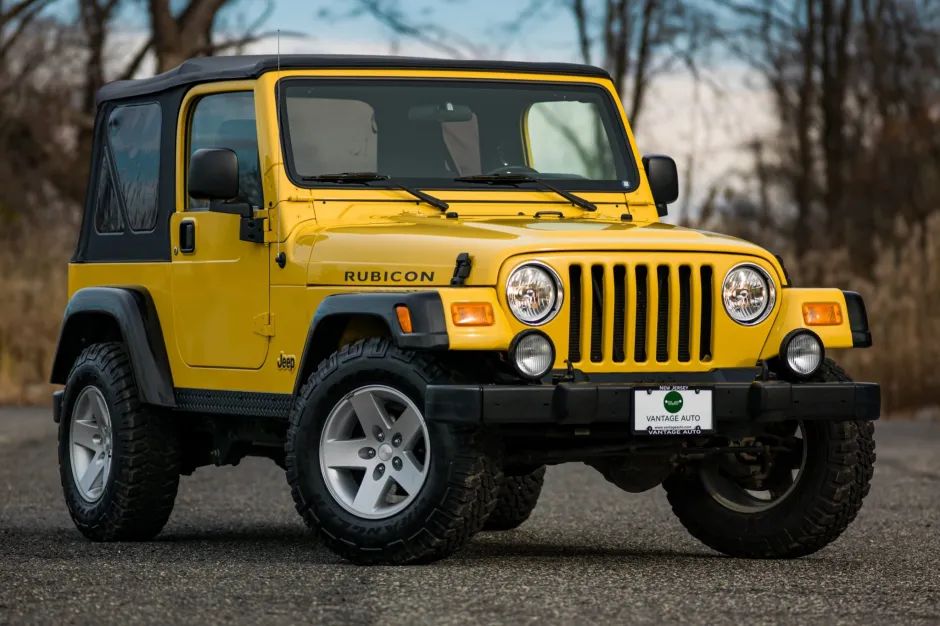
3. Jeep Wrangler (Older Models)
The Jeep Wrangler, especially older models produced before major overhauls in design and reliability standards, often draws criticism from mechanics despite its rugged reputation and cult-like following.
While the Wrangler is marketed as a go-anywhere, do-anything vehicle, many of the earlier versions suffer from a range of mechanical and structural problems that make them costly and inconvenient to own long-term.
One of the most common issues seen by mechanics involves the drivetrain, particularly the transfer case and differential components. These parts can wear prematurely, especially if the vehicle is regularly used off-road or has been modified with larger tires and aftermarket suspension kits.
In addition to drivetrain concerns, older Jeep Wranglers are known for having chronic problems with rust, especially in regions where road salt is used during winter months. The undercarriage, suspension mounts, and even frame components can suffer from corrosion that, if left unchecked, can compromise the structural integrity of the vehicle.
Mechanics often caution that once rust takes hold in critical areas, the cost of repairs may outweigh the value of the vehicle. For many owners, rust leads to a series of expensive interventions such as frame repairs, panel replacements, or even complete rebuilds.
Suspension and steering systems also tend to suffer from wear and instability over time. The so-called “death wobble,” a violent front-end vibration that occurs at certain speeds, is a well-documented issue with older Wranglers. This problem is often caused by worn ball joints, tie rods, or track bars, and it can be difficult to fully eliminate.
Even after replacing affected parts, some mechanics report that the problem can persist due to the design of the front axle and suspension geometry. This can make driving the vehicle at highway speeds both uncomfortable and potentially dangerous if not addressed properly.
Mechanics also mention frequent electrical issues in older Wranglers, ranging from faulty sensors to failing alternators and wiring harness problems. Because many Wranglers are used in off-road conditions, water intrusion and dirt contamination can exacerbate these electrical problems.
While enthusiasts often accept these quirks as part of the Jeep lifestyle, mechanics typically recommend newer models or alternative off-road vehicles for buyers who want similar performance without constant repairs.
While the Jeep Wrangler has undeniable appeal, mechanics frequently warn buyers to carefully inspect older models and budget for ongoing repairs.
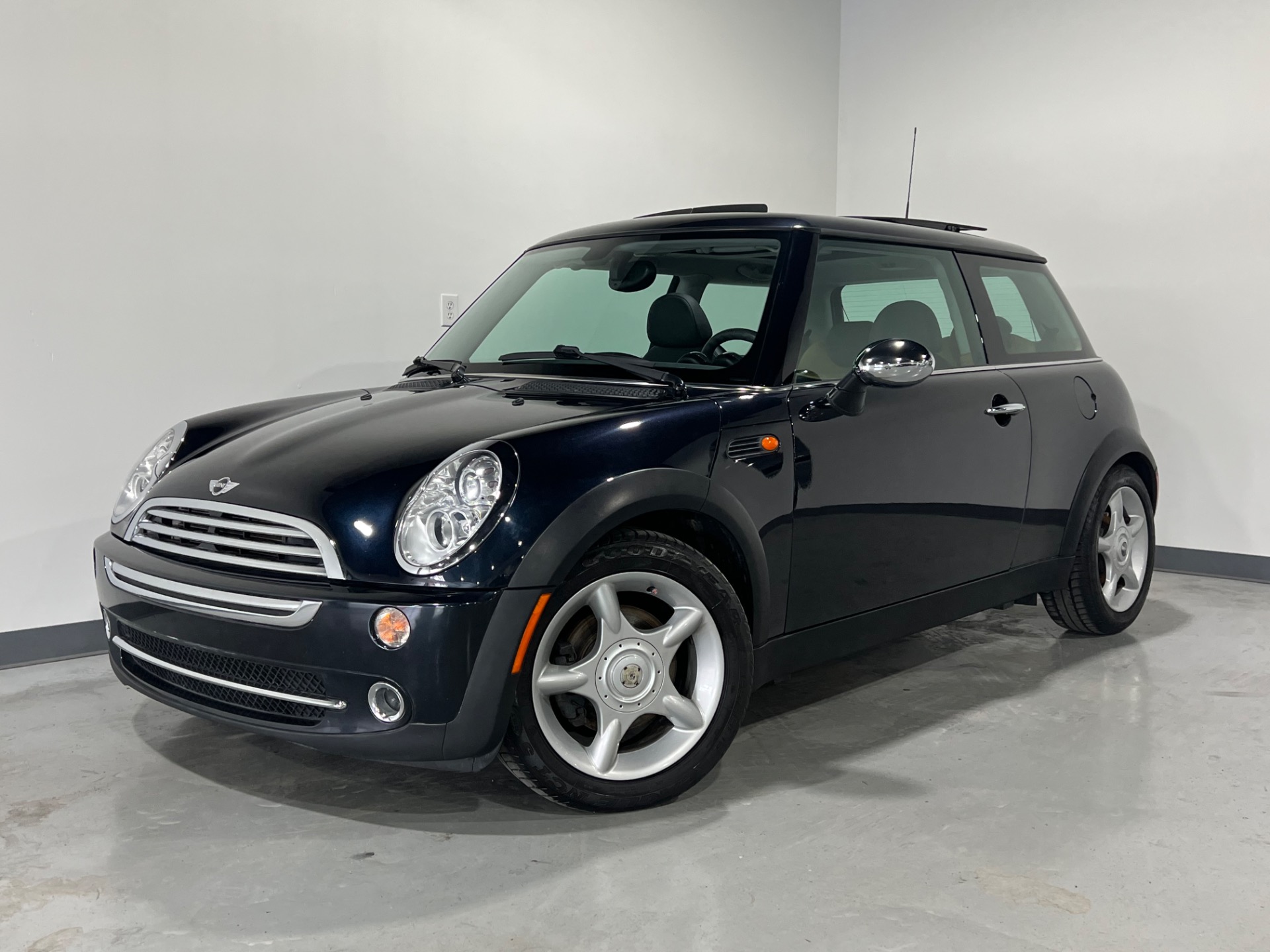
4. Mini Cooper (Older Generations)
The Mini Cooper is known for its stylish design, sharp handling, and sporty character, but older generations, particularly those produced before significant engineering updates, are often flagged by mechanics as problematic. One of the most common complaints involves engine reliability.
Many of these older Minis are equipped with turbocharged engines that tend to suffer from carbon buildup, leaking valve cover gaskets, and failing timing chains.
Timing chain issues are especially worrisome because they can cause catastrophic engine failure if not addressed early. The replacement of a timing chain in a Mini is labor-intensive and expensive, which makes it a major concern for owners trying to manage repair costs.
Another significant problem mechanics often encounter is related to the automatic transmission, particularly in the CVT-equipped models. These transmissions are known to fail prematurely, and replacing or rebuilding them can cost several thousand dollars.
What makes this worse is the fact that in many cases, regular servicing of the transmission does not guarantee longevity, and some units fail well before 100,000 miles.
Because of the design of the Mini Cooper, accessing and replacing the transmission requires a considerable amount of labor, adding to the repair cost. Mechanics frequently report that once these transmissions begin to exhibit symptoms of failure, the car becomes more of a financial liability than a viable daily driver.
Electrical issues are another weak point for older Mini Coopers. Malfunctions in power steering systems, dashboard electronics, and sensors are common complaints. These problems can be particularly frustrating to diagnose due to the tightly packed engine bay and non-standard electrical layout.
In some cases, even experienced mechanics need to spend extra time pinpointing the source of the problem. This leads to higher diagnostic fees and labor costs.
Interior wear is another issue, with components like seat mechanisms, window regulators, and trim pieces wearing out faster than expected, especially in earlier models.
While the Mini Cooper can be an enjoyable vehicle when it’s running well, its long-term maintenance and repair history make it a car that many mechanics urge caution with.
The combination of frequent mechanical issues, costly repairs, and a complicated design makes it less than ideal for buyers who want a hassle-free ownership experience.
Those attracted by the styling and performance of the Mini are often better off purchasing a newer, certified model with a solid warranty or choosing another sporty compact with a stronger record for reliability.
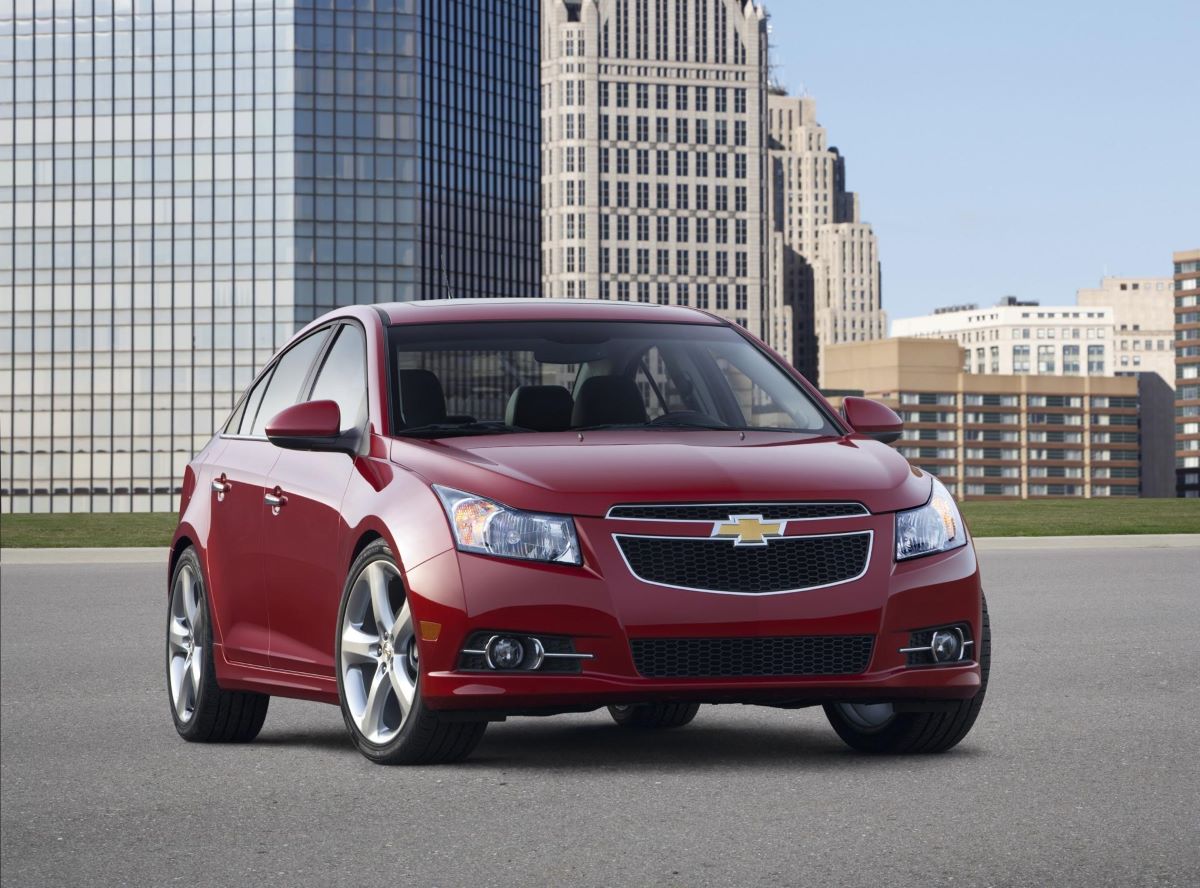
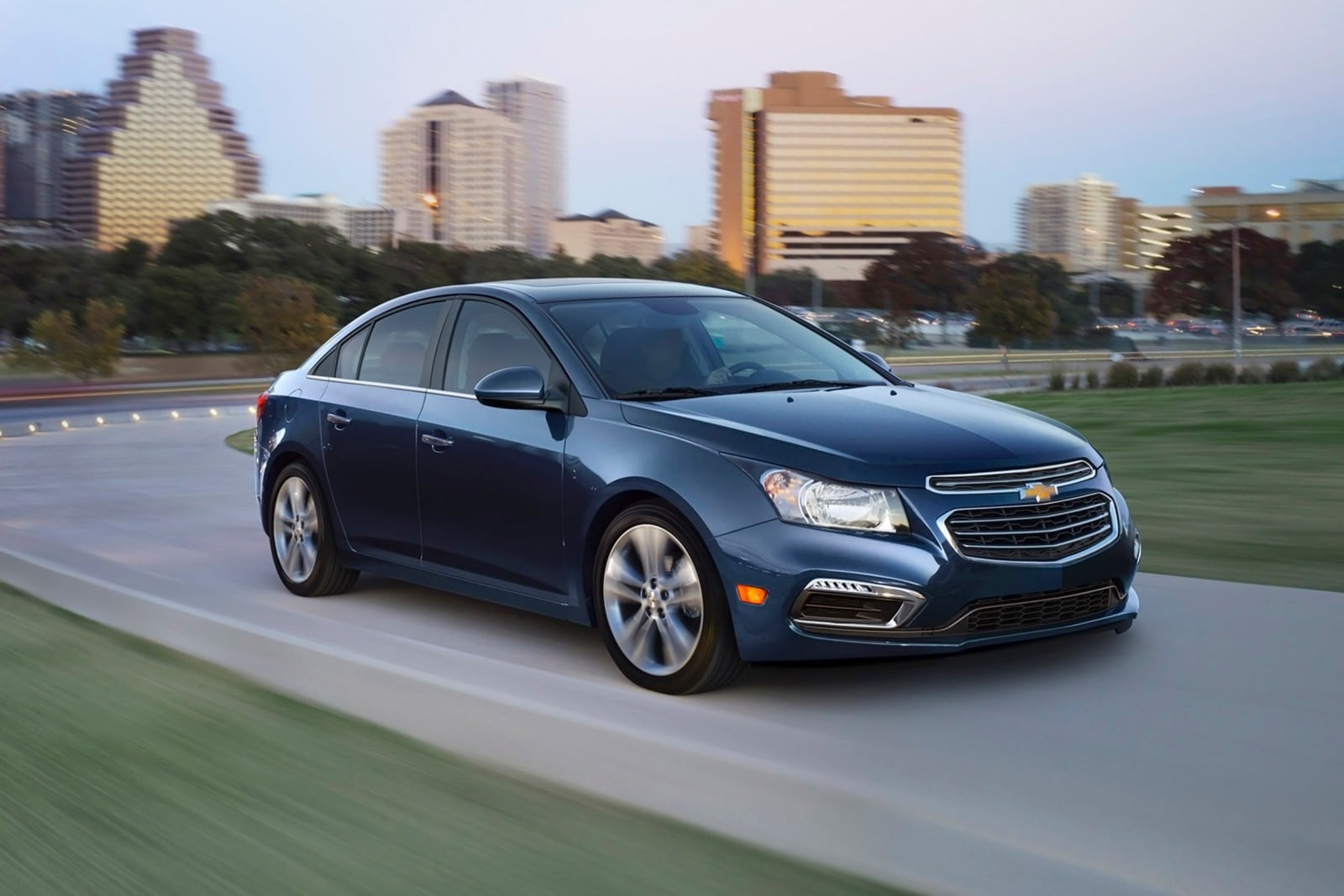
5. Chevrolet Cruze (First Generation)
The first-generation Chevrolet Cruze was introduced as a fuel-efficient compact sedan aimed at budget-conscious consumers, but its mechanical track record has caused many mechanics to advise against buying one used. One of the most widespread issues involves the engine’s timing chain and associated components.
These parts are critical to the engine’s operation, and failure can lead to serious internal damage. Unfortunately, the early Cruze models are known for premature timing chain wear or tensioner failure, which often leads to rough idling, check engine lights, and, in worst-case scenarios, complete engine failure.
Mechanics warn that while replacement is possible, it is not cheap and may not be worth the investment on older or high-mileage vehicles.
Another commonly reported issue with the Cruze is related to the cooling system. Many owners experience coolant leaks caused by faulty water pumps, hoses, or even the thermostat housing. These leaks, if unnoticed, can result in overheating and engine damage.
Replacing the cooling components can be labor-intensive due to cramped engine bay design, especially in models with the turbocharged 1.4L engine.
This setup also suffers from other reliability issues such as turbocharger failure and oil leaks, which become more frequent as the car ages. Mechanics report seeing many of these problems regularly, often before the car even hits the 100,000-mile mark.
Electrical problems also plague early Cruze models. From faulty sensors and misfiring dashboard lights to erratic power windows and door lock malfunctions, these issues may seem minor individually but contribute to a sense of unreliability.
Diagnosing these problems is not always straightforward, and some require multiple visits to fix completely. Furthermore, the Cruze’s automatic transmission can also be a trouble spot, especially in models that have been subjected to heavy stop-and-go traffic or aggressive driving.
Mechanics frequently cite shifting issues, delayed engagement, or complete transmission failure as common reasons for costly repair visits.
Despite its appealing design and affordable pricing, the first-generation Chevrolet Cruze has too many mechanical vulnerabilities to be considered a safe used car purchase by most mechanics. While newer models have improved significantly, the original Cruze often requires a steady stream of repairs that can quickly add up.
Mechanics typically recommend steering buyers toward other compact sedans with stronger reliability records and fewer known engineering flaws. For drivers looking to avoid frequent shop visits and keep long-term costs low, the early Cruze is not usually a wise choice.
