
Hybrid cars have become an increasingly popular choice for drivers seeking better fuel efficiency, reduced emissions, and a balance between electric and gasoline power. They were initially introduced as a niche solution, but over time, hybrids have established themselves as a practical option for many consumers worldwide.
These vehicles combine internal combustion engines with electric motors, theoretically offering the best of both worlds, less fuel consumption without sacrificing the range or power that traditional engines provide.
However, the long-term reliability and durability of hybrid vehicles can vary significantly between models, brands, and engineering designs. Some hybrids have proven themselves capable of enduring high mileage and years of use without major issues, while others have disappointed owners with costly repairs or premature failures.
When considering a hybrid, longevity is often a major factor for buyers who want to ensure their investment lasts over time. Hybrid technology is relatively newer compared to traditional gasoline cars, which means that early models or certain designs may not have had the time or engineering maturity to prove their long-term resilience.
On the other hand, some hybrid models have surprised owners by running smoothly well beyond 200,000 or even 300,000 miles, challenging the misconception that hybrids are complicated or fragile.
Understanding which hybrids tend to last and which don’t can help prospective buyers make smarter choices. Some models offer proven durability in their battery systems, transmissions, and internal combustion engines, while others may have weak points that require more frequent maintenance or lead to expensive repairs.
The following sections will highlight five hybrid vehicles that are known to surprise owners with their longevity and reliability, followed by five hybrids that have not lived up to expectations in the long run. This comparison aims to provide a balanced view of hybrid longevity, helping readers recognize the strengths and potential pitfalls when choosing a hybrid car.
Also Read: 5 Cars That Collectors Love and 5 That Nobody Wants
5 Hybrids That Surprise Owners With Longevity
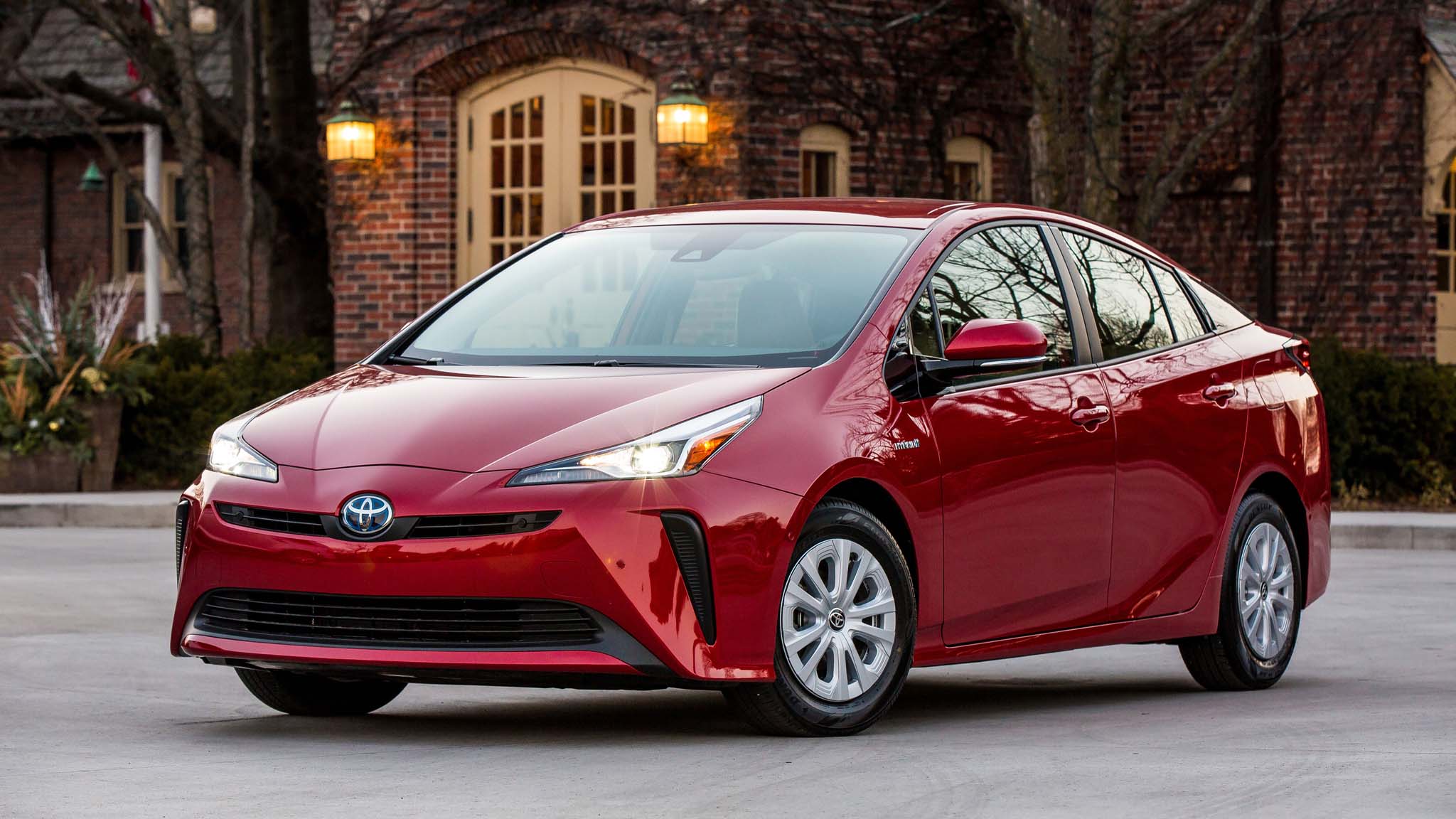
1. Toyota Prius
The Toyota Prius has become nearly synonymous with the word “hybrid,” and for good reason. Since its global debut in 1997, it has consistently proven to be one of the most durable and reliable hybrid vehicles on the market. The Prius was among the first hybrids available to the mass market and quickly established a strong track record for efficiency, minimal maintenance, and long-term viability.
Many Prius owners report easily reaching 200,000 miles or more, with some even surpassing 300,000 miles without experiencing serious mechanical problems. Its hybrid components, including the electric motor and control systems, have aged remarkably well compared to early hybrids from other manufacturers. This long-lasting performance has helped build a reputation that keeps buyers returning to the Prius year after year.
Much of the Prius’s longevity can be credited to Toyota’s conservative engineering philosophy. Toyota rarely overcomplicates its hybrid powertrains, focusing instead on dependability and simplicity. The Hybrid Synergy Drive system used in the Prius blends the electric motor and gasoline engine in a smooth and predictable manner.
This avoids unnecessary strain on any single component and improves the chances of all parts lasting longer. Additionally, the system is finely tuned to prioritize low-stress operation, which not only aids fuel efficiency but also helps prevent premature mechanical wear. Owners who stick to routine maintenance often find that the Prius keeps running well with fewer visits to the mechanic than similarly aged non-hybrids.
Battery life is another area where the Prius consistently surprises its owners. Toyota initially used nickel-metal hydride (NiMH) batteries, which were later supplemented by lithium-ion in some versions. Both types have demonstrated excellent durability, especially when compared to early hybrids from other brands.
Prius batteries are known to last 8 to 10 years or more under normal conditions, and Toyota’s sophisticated battery management systems help preserve the lifespan by avoiding full discharges or overcharging. Even when battery replacements are needed, they are more affordable today than ever before due to greater availability and improved aftermarket options.
Beyond the mechanical components, the Prius benefits from a solid, lightweight build and carefully considered design choices. Its aerodynamic shape reduces fuel use, but also lowers wind resistance and strain on the engine. Interior materials, while utilitarian, hold up well over time, and the car’s infotainment and climate control systems typically remain functional for years.
Furthermore, the vehicle has widespread support among mechanics, extensive aftermarket resources, and a strong online community that helps owners share tips for extending their vehicle’s lifespan. All of these elements combine to make the Prius a hybrid that consistently surprises even skeptical buyers with its ability to endure far longer than expected.
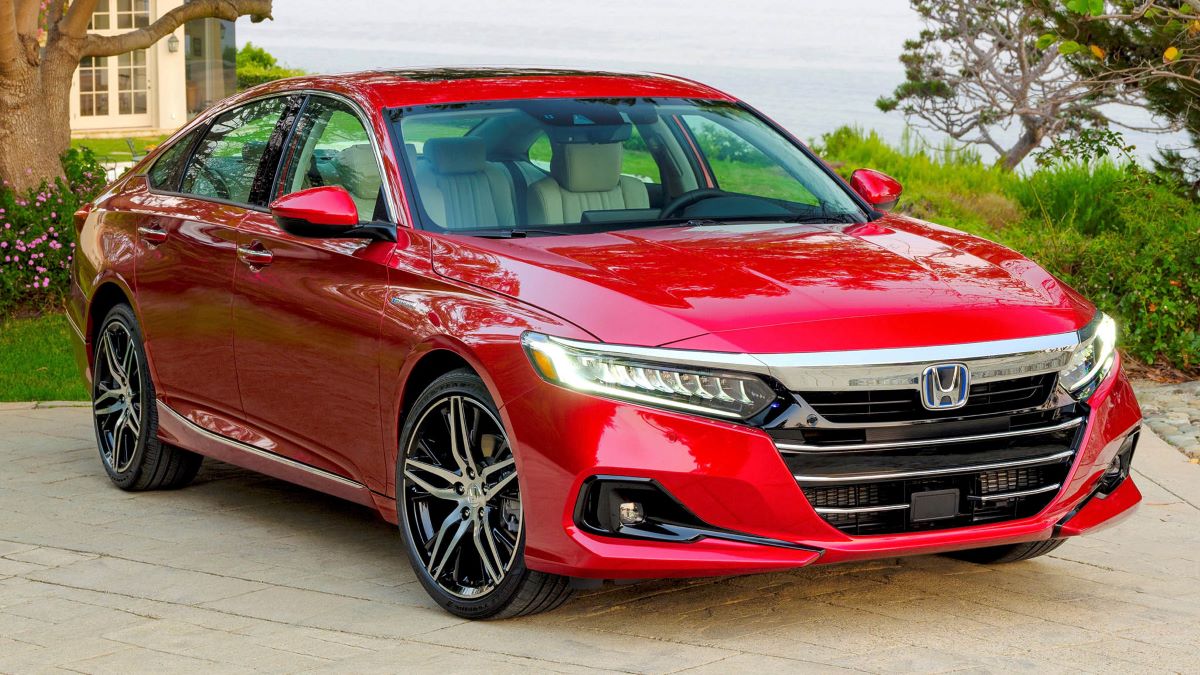
2. Honda Accord Hybrid
The Honda Accord Hybrid has earned its place among the most enduring hybrid vehicles by combining Honda’s well-established reputation for engine reliability with a thoughtfully designed hybrid system. Honda has long been praised for creating cars that age gracefully, and the Accord Hybrid is no exception.
While it doesn’t dominate hybrid headlines in the same way as the Prius, many owners find themselves pleasantly surprised at just how reliable and efficient this vehicle is even after years of daily use. The blend of quiet performance, comfortable driving dynamics, and rock-solid dependability makes the Accord Hybrid a long-distance champion for families, commuters, and road warriors alike.
What sets the Accord Hybrid apart is its unique powertrain design. Rather than relying solely on a traditional transmission, newer models use an electronic continuously variable transmission (e-CVT) that delivers power more smoothly and with fewer moving parts. This reduces the chance of mechanical failure over time.
The 2.0-liter Atkinson-cycle four-cylinder engine used in the hybrid variant is another example of Honda’s conservative yet durable engineering. These engines are known to last hundreds of thousands of miles when properly maintained, and in the hybrid setup, they work in harmony with dual electric motors that assist with acceleration and reduce load on the gasoline engine.
The hybrid battery used in the Accord is typically lithium-ion, which has shown good resilience in both hot and cold climates. Battery degradation is relatively slow, thanks to Honda’s intelligent thermal and energy management systems that prevent overheating and preserve charge cycles.
Regular maintenance, such as fluid changes, battery inspections, and cooling system checkups, go a long way in ensuring the system’s health over time. Compared to some early hybrids that experienced high-voltage battery failures, the Accord Hybrid has emerged as a more mature, refined system capable of handling long-term usage.
Comfort and build quality also contribute to the Accord Hybrid’s appeal over the long run. The interior materials are chosen with longevity in mind, offering durability as well as a touch of refinement.
The cabin insulation, suspension components, and body panels all show fewer signs of aging than many competitors after a decade of use. In short, the Honda Accord Hybrid is not only a smart choice for those seeking fuel savings, but it’s also a surprisingly long-lasting car that many owners find continues to serve them well far beyond initial expectations.
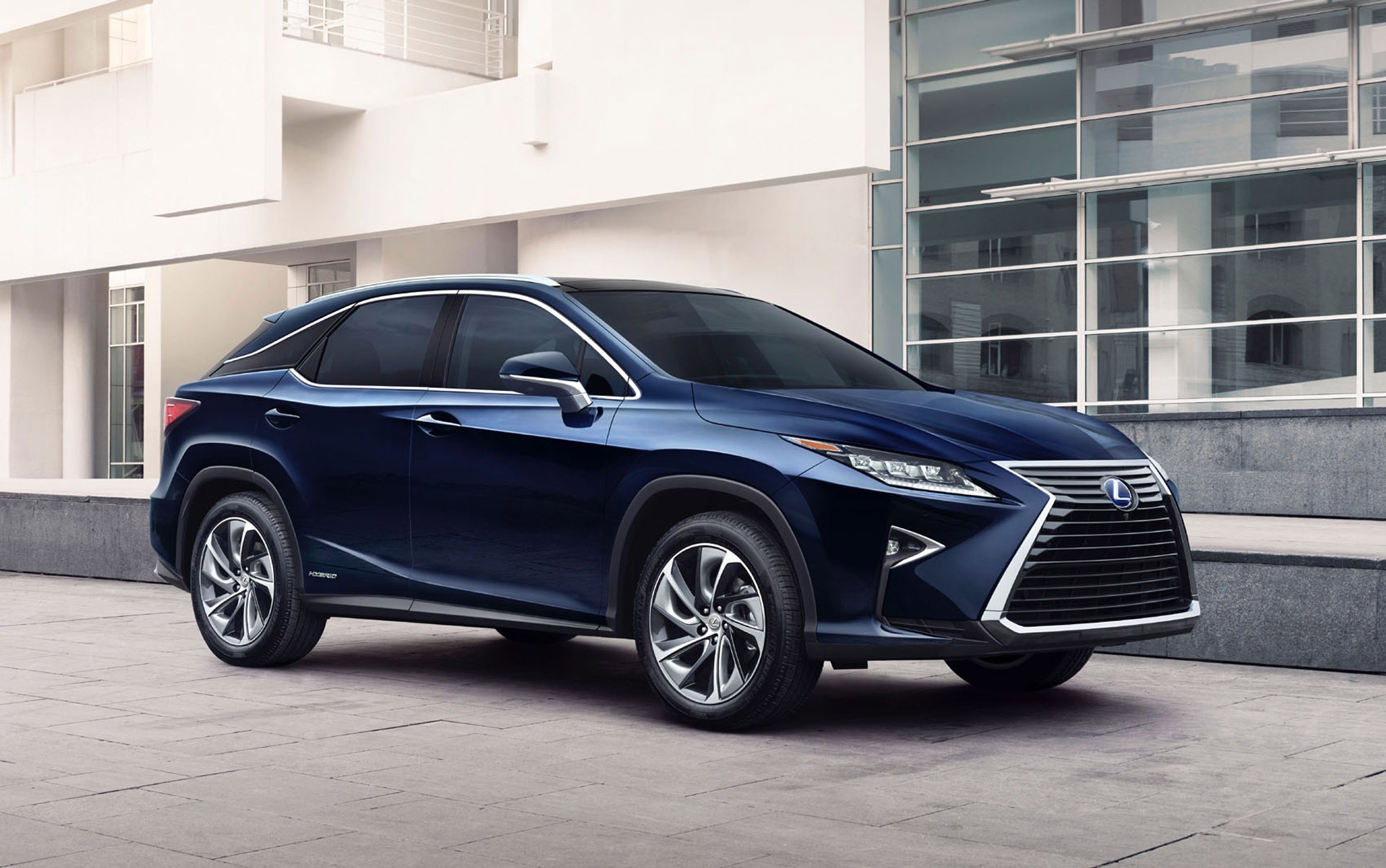
3. Lexus RX 450h
The Lexus RX 450h stands as a prime example of a luxury hybrid SUV that doesn’t sacrifice reliability for premium features. While many luxury vehicles focus on high-end technology and comfort at the expense of long-term durability, the RX 450h manages to excel in both areas.
Lexus, Toyota’s luxury division, carries over much of Toyota’s hybrid expertise into this upscale platform, resulting in a hybrid SUV that routinely exceeds expectations in terms of mileage and durability. Owners often report reaching 200,000 miles or more with only basic maintenance, a feat that few other luxury hybrids can claim with the same consistency.
One of the reasons the RX 450h maintains such strong longevity is its powertrain design. It combines a 3.5-liter V6 engine with multiple electric motors and Toyota’s tried-and-true eCVT transmission system. While this setup is more complex than what you’d find in a Prius, it’s engineered to be robust and efficient under a wide range of driving conditions.
Whether commuting in traffic, cruising on highways, or climbing steep grades, the RX 450h’s system distributes power effectively while minimizing wear and tear. This balance of performance and stress reduction is key to the vehicle’s long-lasting operation.
The RX 450h also benefits from Lexus’s famously stringent quality control and use of high-grade materials. From paint to interior trim, the vehicle is designed to resist aging and withstand daily wear better than many of its peers.
The cabin remains quiet and luxurious even after years of use, and electronic systems, including navigation and infotainment, are known to remain functional longer than those in some European competitors. Maintenance is simplified through excellent dealership support, comprehensive service documentation, and access to OEM parts that tend to remain available for years.
Finally, resale value and owner satisfaction scores for the RX 450h tend to remain high, which reflects not only the quality of the build but the confidence people have in its long-term dependability.
Whether it’s being used as a family hauler, executive commuter, or occasional road trip machine, the Lexus RX 450h consistently outperforms expectations for hybrid longevity. It’s not just a comfortable and capable SUV, it refuses to quit, even after years of loyal service.
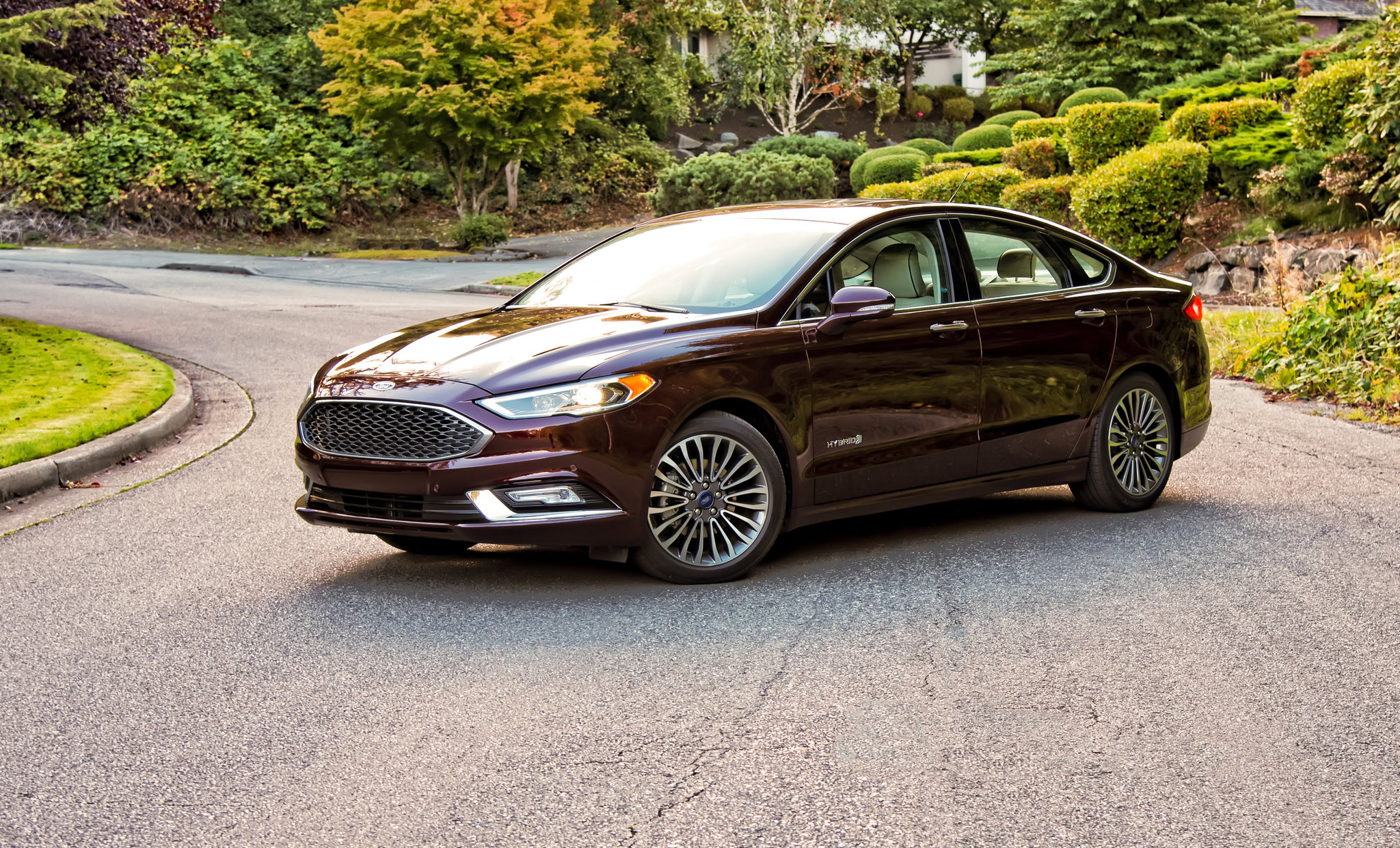
4. Ford Fusion Hybrid
The Ford Fusion Hybrid has become a quiet success in the hybrid world. While it doesn’t always grab headlines like its Japanese competitors, it has steadily built a reputation for being a reliable and surprisingly long-lasting vehicle.
Many Fusion Hybrid owners have driven their cars well beyond 150,000 miles with few major issues, making it one of the more resilient American-built hybrids available. Its appeal lies in the way it balances a familiar sedan driving experience with the benefits of hybrid efficiency and modern design.
The heart of the Fusion Hybrid is its well-designed 2.0-liter four-cylinder engine mated to an electric motor and eCVT transmission. Ford’s hybrid system, while inspired by similar architectures used by Toyota, was developed with unique modifications and software optimizations that have aged well.
The power delivery remains smooth even after years of driving, and the electric motor provides enough low-end torque to reduce the strain on the gasoline engine. This collaborative system reduces engine load, which is often a contributor to long-term engine wear in traditional gasoline vehicles.
One factor that helps the Fusion Hybrid’s longevity is its strong chassis and well-built interior. Unlike some budget hybrids that compromise on build quality to achieve lower prices, the Fusion maintains a solid body structure and durable materials throughout the cabin.
The car is comfortable on long drives, and road noise stays surprisingly low, even in older models. The battery pack, typically lithium-ion in later models, has proven to be stable and long-lasting when proper thermal management is maintained. While no hybrid battery is invincible, Fusion batteries tend to avoid early failure with regular servicing.
Ford’s wide dealer network also helps keep long-term maintenance manageable. Replacement parts are relatively affordable compared to European hybrids, and service information is widely available to independent mechanics.
Additionally, many Fusion Hybrids were used in fleet settings or as taxis, and data from those high-mileage use cases has only further cemented the car’s reputation for durability. The Ford Fusion Hybrid is a strong example of an American-made hybrid that doesn’t just offer efficiency but delivers the kind of endurance that makes it a great long-term investment.
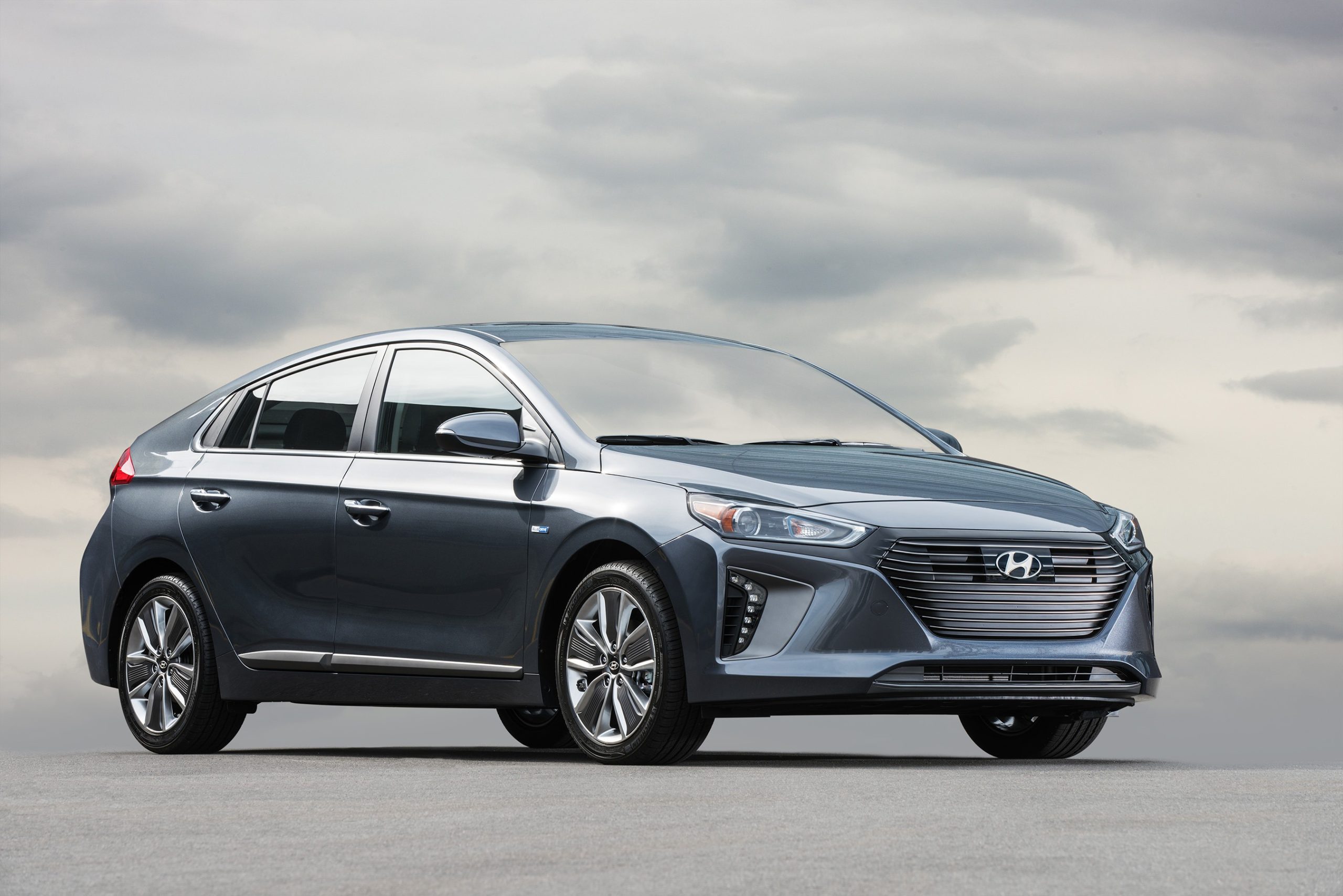
5. Hyundai Ioniq Hybrid
The Hyundai Ioniq Hybrid is a relatively newer face in the hybrid world but has quickly gained respect for being a solid, dependable choice. Hyundai entered the hybrid market with a clear strategy: deliver competitive fuel efficiency without sacrificing build quality or reliability.
The Ioniq Hybrid, launched in 2016, was engineered with lessons learned from earlier competitors, and the result is a car that often surprises owners by requiring fewer repairs and offering consistent performance over the years. Its design prioritizes both longevity and affordability, a rare combination in the hybrid segment.
At the core of the Ioniq’s success is a 1.6-liter Atkinson-cycle engine paired with a permanent magnet electric motor and a lithium-ion polymer battery. Unlike many hybrids that use eCVTs, Hyundai equipped the Ioniq with a 6-speed dual-clutch transmission, offering a more engaging drive while still maintaining efficiency.
This hybrid setup has proven to be extremely reliable, with battery packs showing minimal degradation even after prolonged use. The hybrid system is managed by software that keeps charging cycles within optimal ranges, preventing premature battery aging and keeping energy delivery smooth.
Another key factor in the Ioniq Hybrid’s long-term success is Hyundai’s robust warranty, especially for the hybrid battery and powertrain. The warranty provides a safety net for owners and also signals Hyundai’s confidence in its engineering.
When coupled with regular maintenance, such as battery cooling system checks, transmission fluid replacements, and software updates, the Ioniq Hybrid proves capable of lasting well beyond 150,000 miles with relatively few issues. Owners frequently praise it for being a low-hassle, high-efficiency commuter that doesn’t feel like it will fall apart after just a few years.
Interior durability also contributes to its long-term appeal. Despite being priced lower than many hybrids, the Ioniq’s cabin materials are thoughtfully chosen to resist wear, and its design is clean and easy to maintain.
The infotainment system and climate controls tend to work reliably over time, and the car’s lightweight frame doesn’t sacrifice crash safety or driving stability. The Hyundai Ioniq Hybrid punches above its weight class, surprising owners with its ability to handle years of daily use while maintaining the kind of mechanical and electrical integrity that other models in its price range often fail to deliver.
Also Read: 10 Cars That Still Sell Above MSRP in 2025
5 Hybrids That Don’t Impress With Longevity
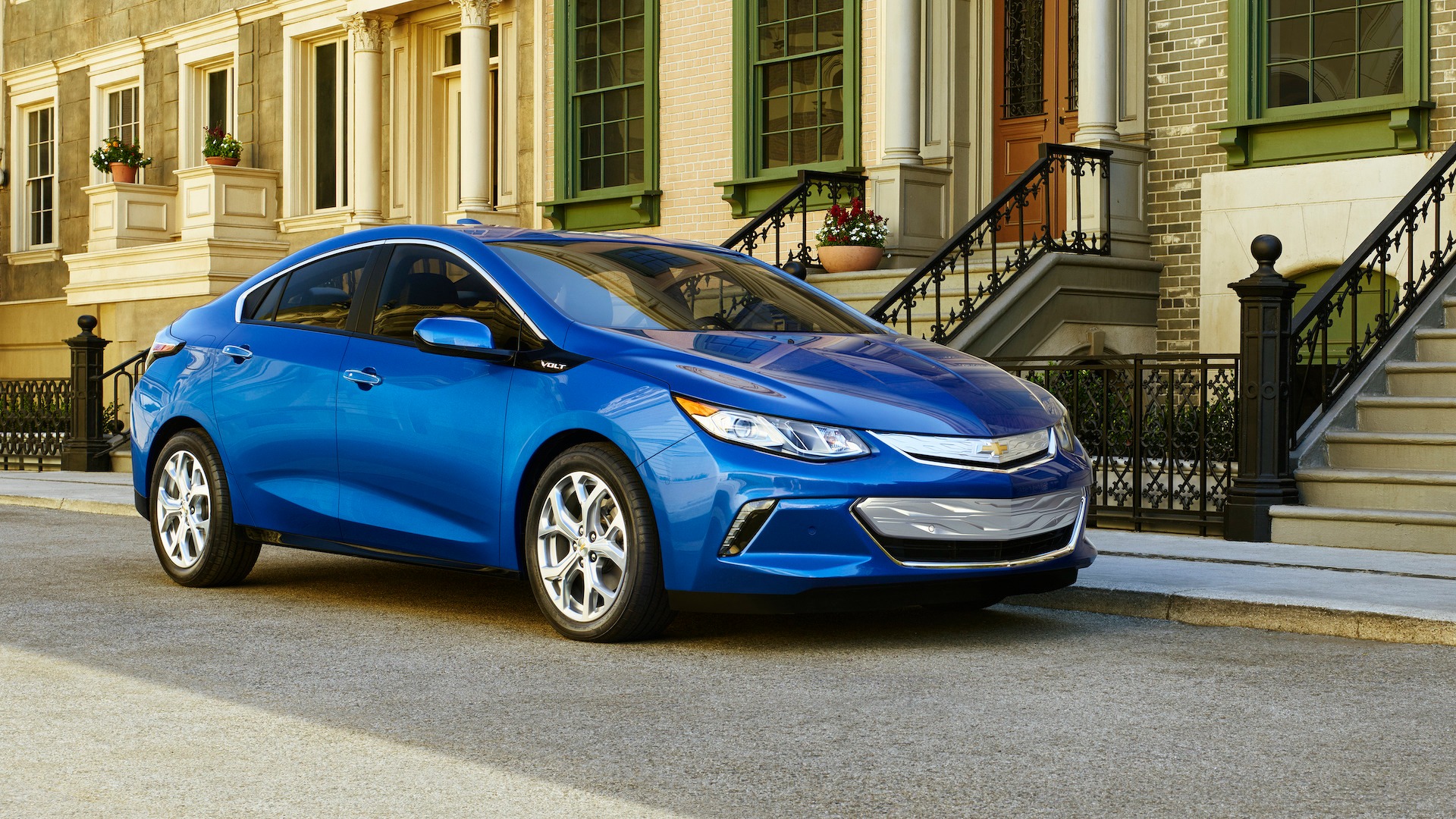
1. Chevrolet Volt
The Chevrolet Volt was a bold and innovative move when it launched, combining a plug-in electric system with a gasoline engine acting as a range extender. On paper, it offered the best of both worlds: a decent electric-only range for daily commuting and a backup engine for longer trips.
Early adopters were drawn to the Volt’s promise of extended range without range anxiety. However, as the years went by, many owners began encountering issues that challenged the Volt’s ability to remain a reliable long-term vehicle. While it wasn’t a complete failure, the Volt’s hybrid system introduced several complexities that made high-mileage ownership more difficult and expensive than anticipated.
One of the most concerns revolves around the Volt’s battery pack. Although Chevrolet engineered the battery with an advanced thermal management system to preserve longevity, many first-generation models have faced early degradation.
Some owners reported noticeable declines in electric range within just 6 to 8 years, and battery replacements, though less common than in pure EVs, were prohibitively expensive. Replacement costs often exceeded several thousand dollars, making repairs uneconomical for older models. While newer battery tech improved slightly in the second generation, it still couldn’t fully escape its predecessor’s shadow in terms of long-term durability.
Beyond the battery, the Volt’s internal combustion engine and power electronics added layers of complexity that made repairs more challenging. Because the vehicle relies on a unique transmission and power distribution system, few independent mechanics had the expertise to service it effectively, especially after GM discontinued the model.
When problems did occur, like generator control module failures or cooling system issues, they were often difficult to diagnose and fix. In many cases, dealers lacked familiarity with the more nuanced problems affecting aging Volts, leading to frustration and high repair bills.
While the Volt was undoubtedly a technological milestone and served an important role in advancing hybrid development, its real-world track record for longevity remains inconsistent. Owners hoping for 200,000+ miles without major expenses are often disappointed, especially once the factory warranty ends.
The complexity that made the Volt so innovative also turned it into a vehicle that could become a liability after a decade of use, especially for budget-conscious drivers seeking long-term dependability.
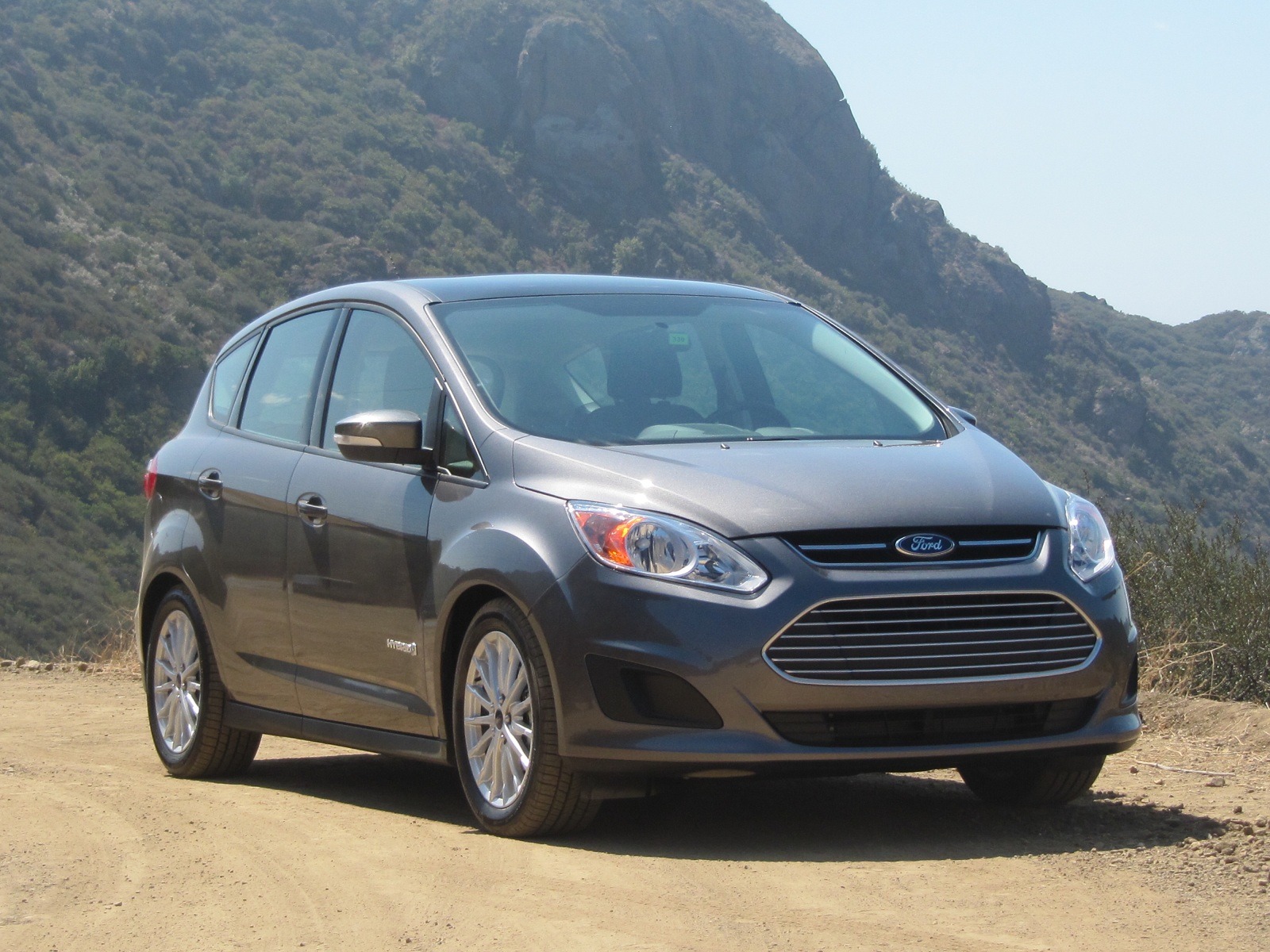
2. Ford C-Max Hybrid
The Ford C-Max Hybrid aimed to compete directly with established players like the Toyota Prius, offering American buyers a compact, fuel-efficient hybrid with a more traditional car feel. It seemed promising at launch, boasting solid EPA ratings and a more spacious interior than its rivals.
However, over time, the C-Max Hybrid has developed a reputation for falling short when it comes to durability and long-term ownership satisfaction. While many owners were initially pleased with the performance and driving experience, problems often began surfacing earlier than expected, especially for those who kept their vehicles beyond 100,000 miles.
One of the most common issues affecting the C-Max Hybrid is premature battery wear. Although it used lithium-ion battery technology, which in theory should have offered better life expectancy, many owners reported degradation and performance loss well before the eight-year mark.
Cooling systems designed to manage battery temperature were prone to failure, leading to overheating and reduced efficiency. When these systems broke down, they could cause a chain reaction of problems, affecting not just the battery but also the electronic control systems tied to the hybrid drive. In many cases, this led to unexpected repair costs, especially for vehicles outside the warranty window.
The transmission also proved problematic in a number of C-Max models. Ford’s eCVT hybrid system, while initially praised for smooth performance, has been known to develop issues like shuddering, slipping, or abrupt power loss after moderate to high mileage.
Unlike traditional transmissions, hybrid eCVTs are more expensive to repair or replace due to the integrated electric motor and complex software interactions. These failures often require dealership-level repairs, and labor costs can be steep. Many owners felt blindsided by these problems, especially since Ford marketed the C-Max as a low-maintenance alternative to both conventional cars and other hybrids.
Additional issues, such as electrical glitches, failing sensors, and uneven build quality, further compound the C-Max Hybrid’s longevity challenges. While it offered good ride quality and was enjoyable to drive in its early years, these advantages don’t always translate to a dependable vehicle in the long term.
For many owners, the C-Max Hybrid became increasingly expensive to maintain as it aged, forcing them to weigh the cost of ongoing repairs against the value of replacement. As a result, it’s often seen as a cautionary tale for buyers tempted by early performance but seeking long-term peace of mind.
3. Toyota Prius C
The Toyota Prius c was introduced as a more affordable, compact version of the popular Prius, designed to attract younger buyers and those looking for a budget-friendly hybrid option. At first glance, it seemed like the perfect solution: a reliable Toyota hybrid in a smaller, more city-friendly package.
And while it did inherit much of the Prius DNA, it also made a number of compromises that have affected its long-term performance and reliability. Unlike its larger sibling, the Prius c does not always impress when it comes to aging gracefully, particularly under high-mileage or high-stress conditions.
The vehicle’s small size and lightweight build, while great for urban driving, can also contribute to premature wear in other areas. Suspension components, interior trims, and even some electronics tend to degrade faster than in the standard Prius.
Owners have reported rattling dashboards, worn-out seat fabrics, and failing door components at lower mileages than would typically be expected from a Toyota. While these issues don’t always affect drivability, they contribute to a feeling that the vehicle is “aging fast,” which affects satisfaction and perceived reliability.
Another challenge for Prius c owners is that, unlike the standard Prius, this model doesn’t enjoy the same level of aftermarket support or owner community. Fewer third-party parts are available, and fewer mechanics are familiar with the quirks of the smaller hybrid system.
This can drive up repair costs and limit options for cost-effective maintenance. For buyers who hoped the Prius c would match the legendary durability of its bigger sibling, the reality is often disappointing. While it’s not a bad car by any means, it doesn’t quite live up to the Toyota hybrid reputation when it comes to long-term reliability.
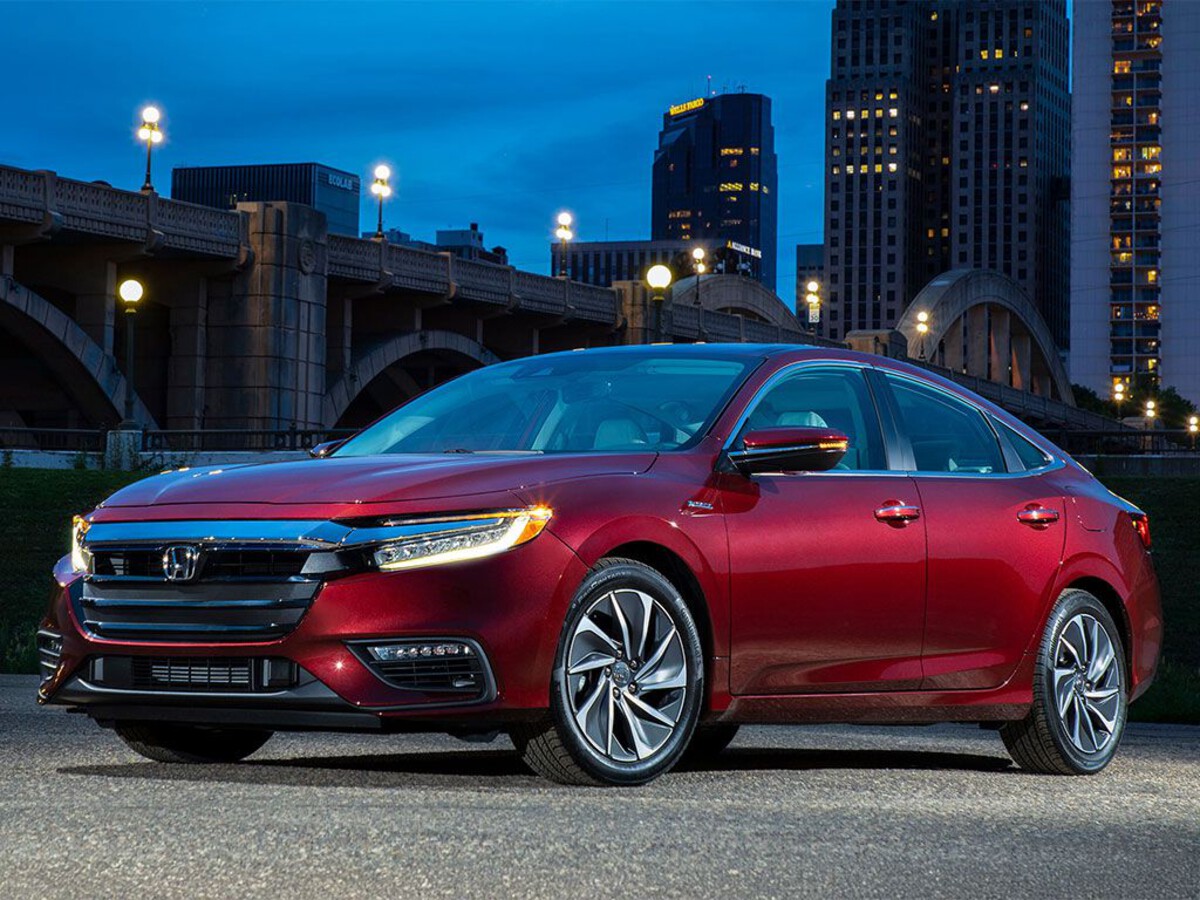
4. Honda Insight (First Generation)
The first-generation Honda Insight holds an important place in automotive history as one of the first mass-produced hybrid vehicles sold in the United States. Its futuristic design, feather-light body, and exceptional fuel economy were groundbreaking at the time.
However, its longevity has always been a concern, especially compared to more modern hybrid vehicles. While a few dedicated owners have managed to keep their first-gen Insights on the road for 200,000 miles or more, the majority encounter significant mechanical and electrical issues long before that point, making the car a risky choice for anyone looking for a reliable long-term vehicle.
Beyond the battery, the first-gen Insight suffered from electrical gremlins, particularly related to its Integrated Motor Assist (IMA) system. The IMA was responsible for blending electric and gasoline power, but early implementations had limitations. Failing control modules, sensor errors, and power delivery issues were not uncommon.
Because the vehicle was produced in relatively low numbers, finding experienced mechanics or affordable replacement parts became a challenge as these cars aged. Some owners were forced to rely on specialty shops or salvage yards just to keep their vehicles operational, which added to the inconvenience and cost.
Additionally, the car’s extremely lightweight construction, while great for fuel efficiency, came with trade-offs in terms of durability and crash safety. The aluminum body panels were expensive to repair, and the Spartan interior materials wore out quickly.
Road noise, rattling, and vibrations became more pronounced as the car aged, making it less comfortable to drive over time. While the first-generation Insight was a technological marvel for its day, it simply doesn’t hold up as a dependable, long-lasting hybrid compared to the vehicles that followed. It remains a piece of hybrid history, but it is not a recommended choice for long-term ownership.
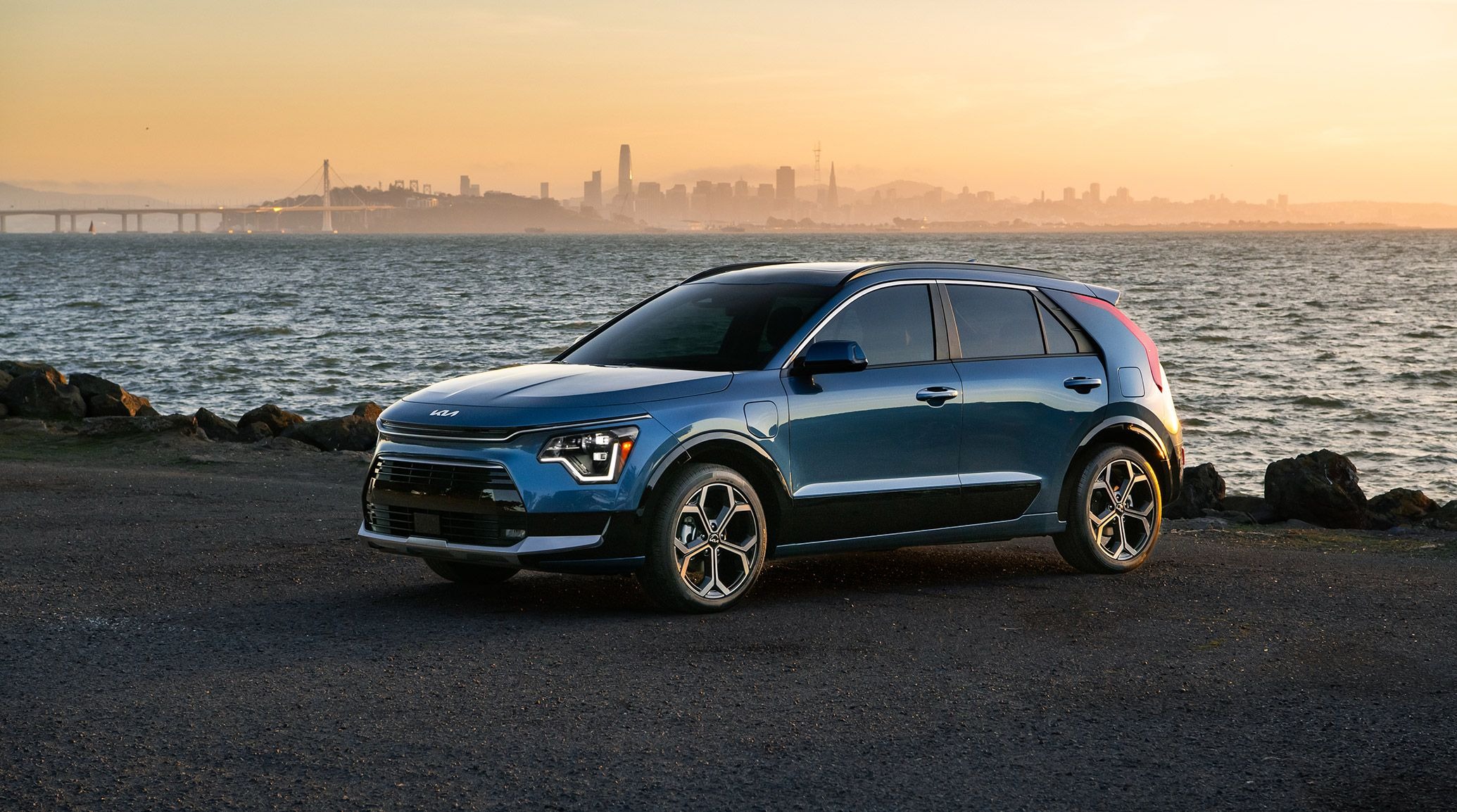
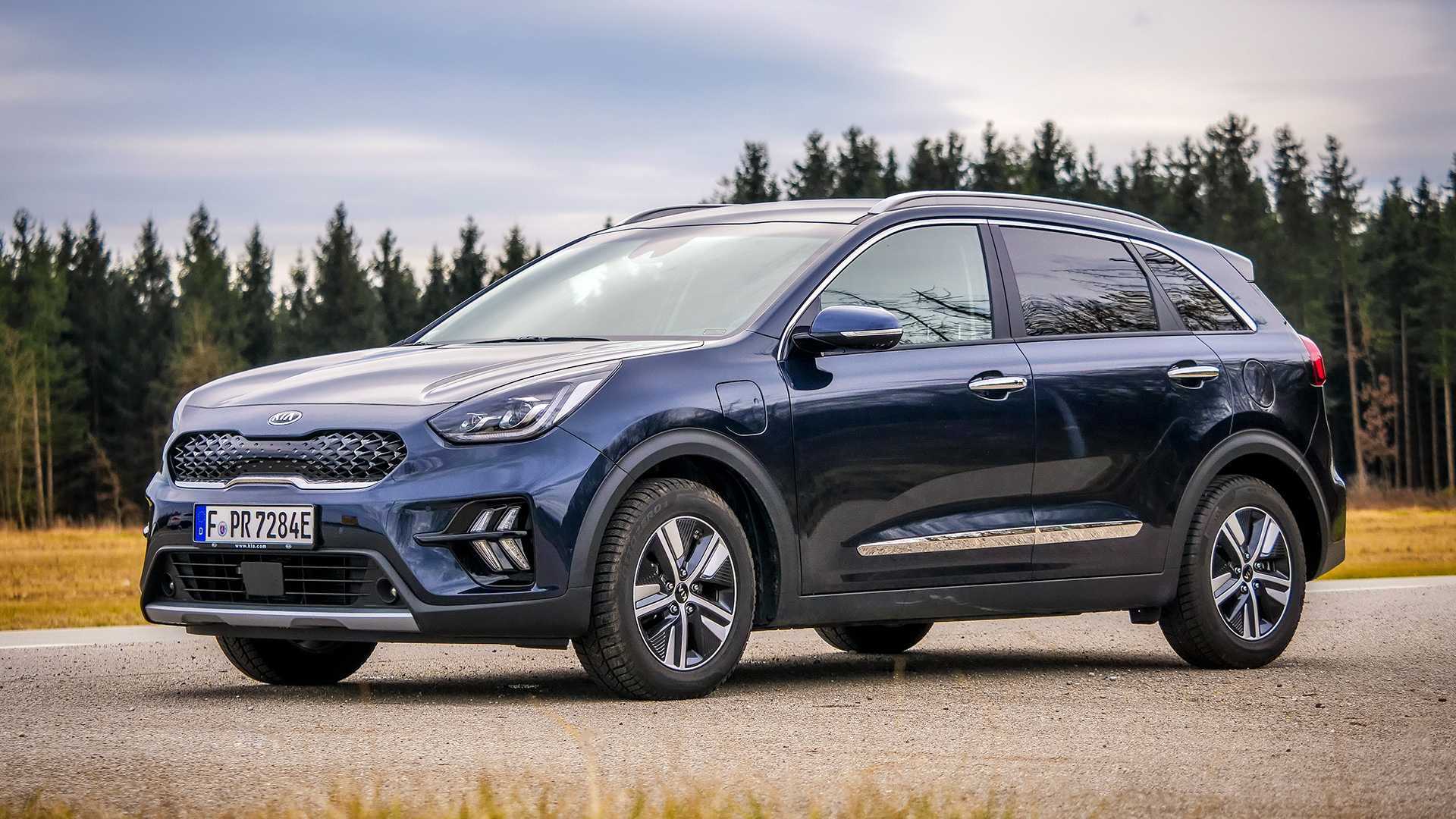
5. Kia Niro Hybrid
The Kia Niro Hybrid entered the market as a compelling alternative to compact crossovers and hatchbacks, combining a practical body style with hybrid efficiency and a competitive price tag. Early reviews praised its fuel economy, stylish design, and generous feature list.
However, as more Niro Hybrid models have aged past the 5-year and 100,000-mile mark, a growing number of owners have begun to voice concerns over reliability and long-term durability. What initially seemed like a well-priced, fuel-efficient hybrid has, for some, become a source of frustration due to premature battery degradation, electrical system faults, and drivetrain issues that show up earlier than expected.
Battery and hybrid system issues have also been noted in the Niro Hybrid, particularly related to the high-voltage battery cooling system. Several owners have experienced check engine lights, battery warning messages, or total shutdowns related to thermal management problems or electronic control module malfunctions.
In extreme cases, these problems require battery replacement or complex diagnostics that many independent mechanics aren’t equipped to handle. While Kia offers a strong warranty on paper, getting coverage for hybrid-specific issues can sometimes be difficult, depending on dealer interpretation and diagnostic results.
In terms of build quality, the Niro also tends to show wear more quickly than its competitors. Interior plastics and seat materials don’t age well, and drivers often notice creaks, rattles, or trim failures earlier than expected.
Suspension components, such as bushings and struts, also tend to degrade faster, especially for those who drive on rougher roads or commute long distances regularly. These aren’t catastrophic problems on their own, but when combined with drivetrain concerns, they add to a perception that the Niro is better suited as a short-term hybrid solution rather than a vehicle built for the long haul.
