
Electric vehicles (EVs) have rapidly transformed the automotive industry over the past decade, reshaping how we think about personal transportation and sustainability. As their popularity grows, so too does interest in how these vehicles hold up over time, particularly in terms of resale value.
Unlike traditional internal combustion engine cars, EVs come with unique factors influencing their depreciation. These include battery life and health, technological updates, government incentives, charging infrastructure, and brand perception.
Some models seem to maintain their value quite well, becoming smart choices for buyers looking for long-term worth. Others, however, experience steep drops in value, sometimes due to limited range, slower charging, or newer, more advanced competitors flooding the market.
The EV market is still relatively young, which means resale value patterns are evolving as technology advances and consumer preferences shift.
Early adopters often faced rapid depreciation because the first generation of EVs lacked range and had high costs for battery replacements.
Today, improvements in battery technology, software updates, and expanded charging networks mean that some models are more resilient in retaining value.
Additionally, brand strength and reputation, combined with performance and desirability, contribute to how much an EV will be worth after several years of use. Buyers considering an EV for their next car must weigh these factors carefully, as the financial implications of depreciation can be substantial.
In this article, we will identify five electric vehicles that tend to hold their value well and five that often experience significant drops.
Understanding these trends can help potential buyers make more informed decisions and avoid vehicles that may cost them more in the long run due to rapid depreciation.
While every vehicle’s resale value can be affected by external factors like regional demand or individual condition, patterns do emerge that reflect broader consumer sentiments and industry shifts.
Highlighting both ends of the spectrum gives a balanced view of the current EV industry and what to watch out for when buying or selling one of these vehicles.
Choosing an electric vehicle is not just about the upfront cost or environmental benefits; it also involves considering how the vehicle’s value will change over time. This can influence trade-in offers, private sales, and ownership costs.
By focusing on those EVs that maintain strong resale value and contrasting them with those that don’t, this article aims to provide clarity on what features, brands, and models tend to be the safest investments.
Whether you’re a first-time EV buyer or someone looking to upgrade, these insights are crucial in navigating a market that is still rapidly evolving.
Also Read: 15 SUVs That Keep Their Brakes Intact for Decades
5 EVs That Retain Value
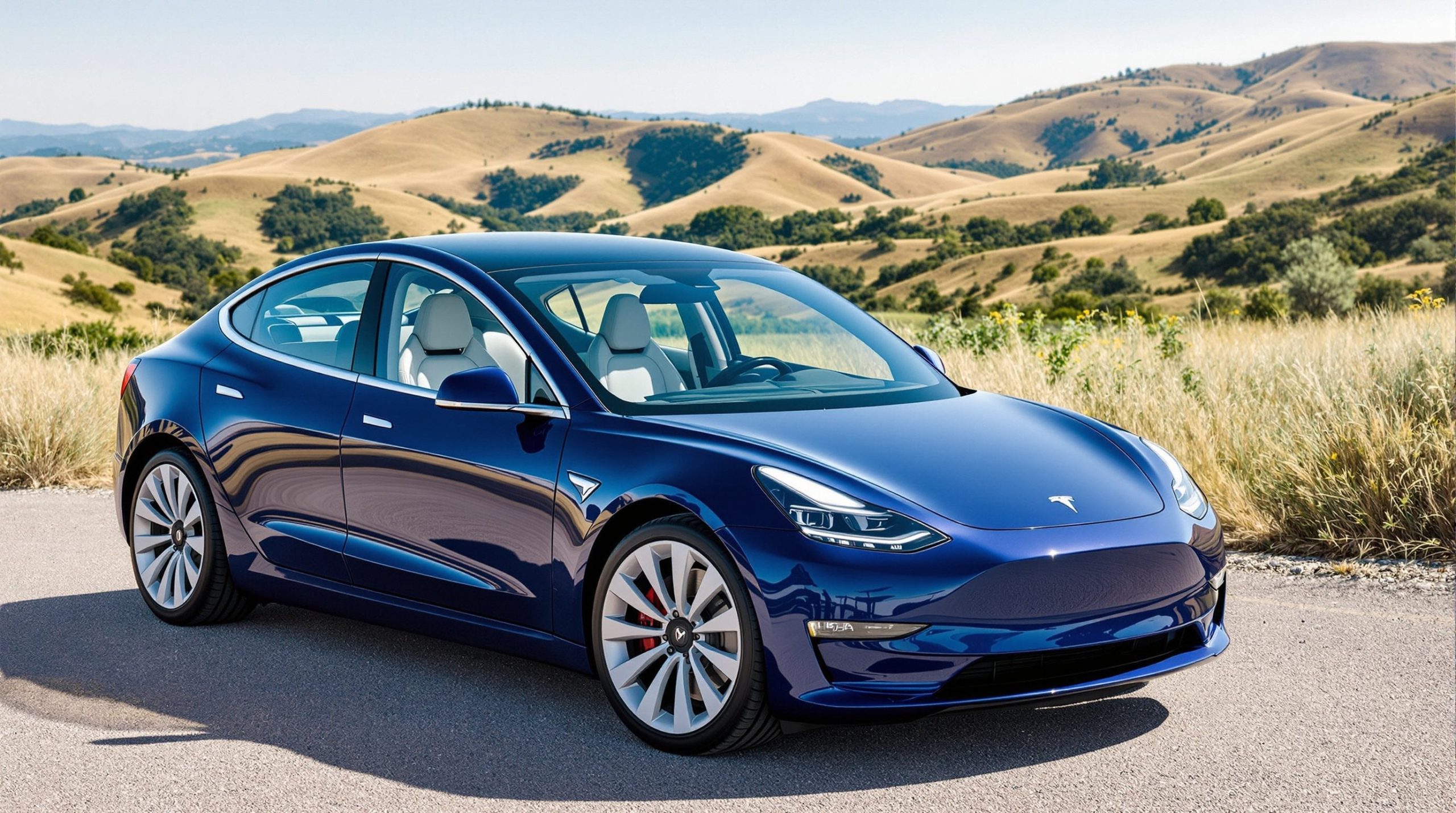
Tesla Model 3
The Tesla Model 3 is often the benchmark by which other EVs are judged when it comes to value retention. A large part of its success comes from Tesla’s established brand presence and its strong association with cutting-edge innovation in the electric vehicle space.
The Model 3 consistently ranks high in resale value, thanks to a combination of brand loyalty, over-the-air software updates, and superior performance.
Buyers are drawn to the Model 3 for its minimalist design, impressive range, and the unique driving experience that the electric drivetrain and instant torque provide. Even as new models enter the EV market, demand for the Model 3 remains high in the secondhand market, allowing sellers to command higher prices.
One of the strongest contributors to the Model 3’s retained value is Tesla’s proprietary Supercharger network, which offers unmatched convenience for long-distance travel. Unlike most other EVs that rely on third-party chargers with varying reliability, Tesla’s charging infrastructure is widespread, fast, and well-maintained.
This exclusive network enhances the ownership experience significantly and is a major selling point for prospective buyers. When people look for a used EV, knowing they can access fast and reliable charging is a huge plus, and no brand currently competes on this level with Tesla.
The performance of the Model 3 also plays a major role in maintaining its value. Even the base models deliver impressive acceleration and handling, while the Performance variants rival sports cars.
This performance doesn’t significantly degrade over time, and many used buyers find that they can still enjoy near-new capabilities without paying the price for a brand-new vehicle. Furthermore, Tesla’s regenerative braking and efficient power management mean reduced wear and tear, which translates to lower maintenance costs and stronger resale appeal.
Another crucial aspect is how Tesla handles vehicle updates. Unlike traditional automakers that save significant improvements for new model years, Tesla continuously updates software across its fleet.
These updates often include enhancements to driving behavior, entertainment systems, battery efficiency, and even safety features.
As a result, a three-year-old Model 3 might have nearly the same software features as a brand-new one, which reduces the feeling of obsolescence and helps maintain resale value over time.
Lastly, Tesla’s reputation for battery durability has improved over the years. Early concerns about battery degradation have largely been addressed through real-world data showing only minimal capacity loss after years of use.
This reliability, combined with the brand’s high visibility and technological image, positions the Model 3 as a long-lasting investment. The vehicle appeals to both tech enthusiasts and environmentally conscious buyers, widening its resale market and helping it avoid the sharp depreciation curves seen in many other EVs.
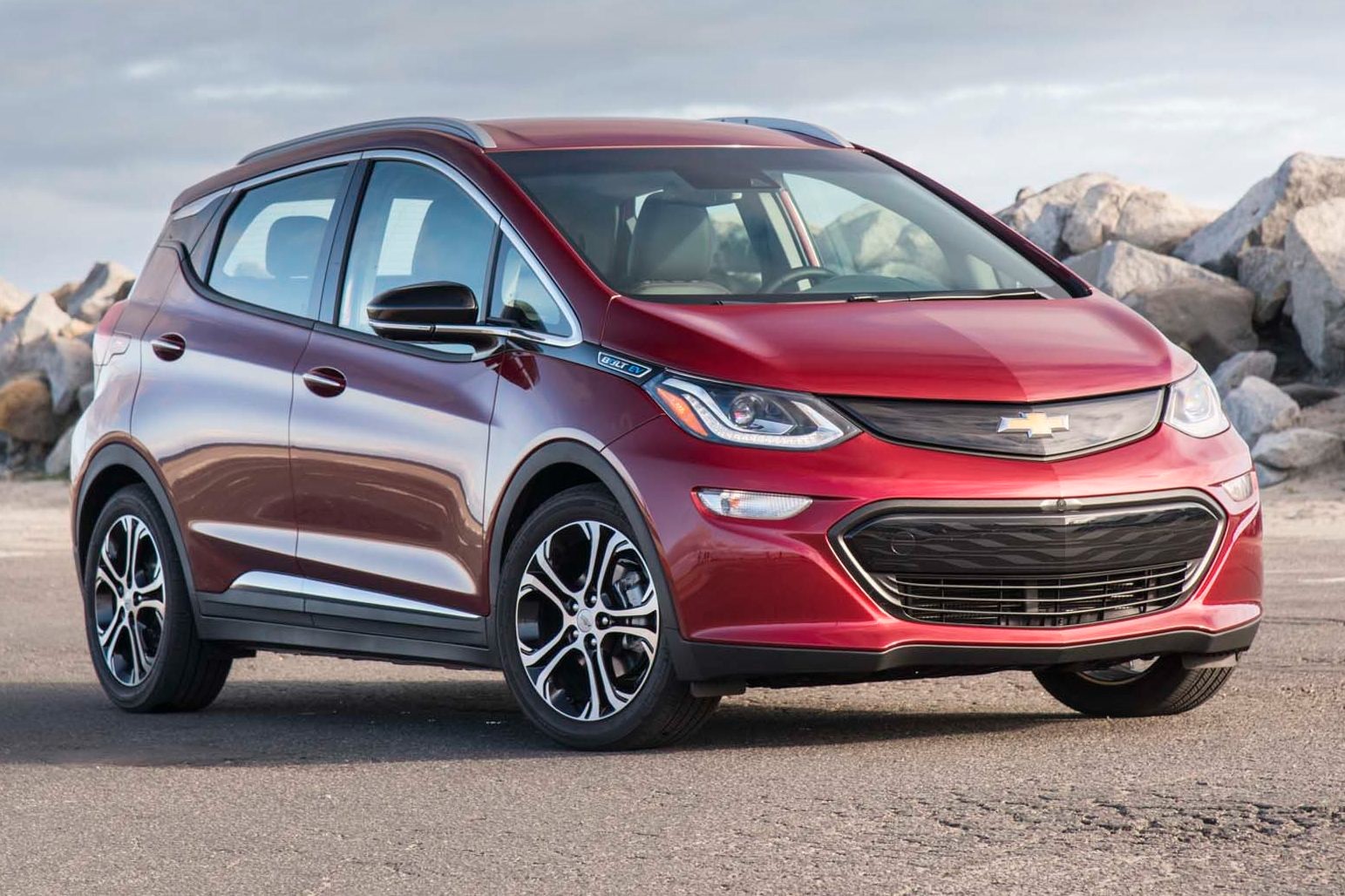
Chevrolet Bolt EV
The Chevrolet Bolt EV stands out as one of the few affordable electric vehicles that manages to retain a good portion of its value. Initially introduced as a compact and cost-effective alternative to more premium electric cars, the Bolt has matured into a well-rounded offering.
Its most compelling feature is its electric range, which rivals more expensive models. This, combined with its practicality and decent driving dynamics, makes it an attractive option for used car buyers. Even though it’s not a flashy car, its reputation for consistency helps maintain its position in the resale market.
A significant reason the Bolt retains value is due to its relatively low entry price, making depreciation less drastic in terms of total dollar loss. While more expensive EVs can lose tens of thousands of dollars in value over a few years, the Bolt’s lower MSRP acts as a buffer.
The value-for-money proposition is strong: buyers get a usable range of over 250 miles in newer models, decent infotainment features, and modern safety tech without breaking the bank. These practical traits make it a favorite among budget-conscious EV buyers who want performance without a luxury badge.
Despite facing a major battery recall, Chevrolet handled the issue with extended warranties and complete battery replacements, which actually strengthened the Bolt’s standing among consumers. Many used Bolts on the market now come with brand-new battery packs, essentially resetting their usable life.
This is an uncommon scenario where a recall, rather than damaging the car’s reputation, ended up improving its resale value. Buyers looking at used models often see these newer batteries as a bonus, increasing confidence and keeping demand strong.
The Bolt’s compact size, hatchback utility, and smooth ride quality also make it suitable for city dwellers and commuters alike. It’s not just an affordable EV; it’s also a convenient one.
The car fits easily into tight parking spaces, provides good visibility, and has enough cargo space to be practical for daily tasks. These traits widen its appeal and allow it to hold value in a variety of urban and suburban markets. It’s particularly attractive for buyers transitioning from gasoline-powered hatchbacks or compact sedans.
Moreover, Chevrolet’s widespread dealer and service network make owning a Bolt relatively stress-free. Unlike startup EV companies with limited support infrastructure, Chevrolet ensures accessibility for maintenance and repairs across the country.
This service availability boosts buyer confidence when purchasing used Bolts, as they don’t have to worry about long waits or rare parts. Combined with the affordability, reliability, and surprisingly strong feature set, the Bolt has earned its place as one of the better value-retaining EVs on the market today.
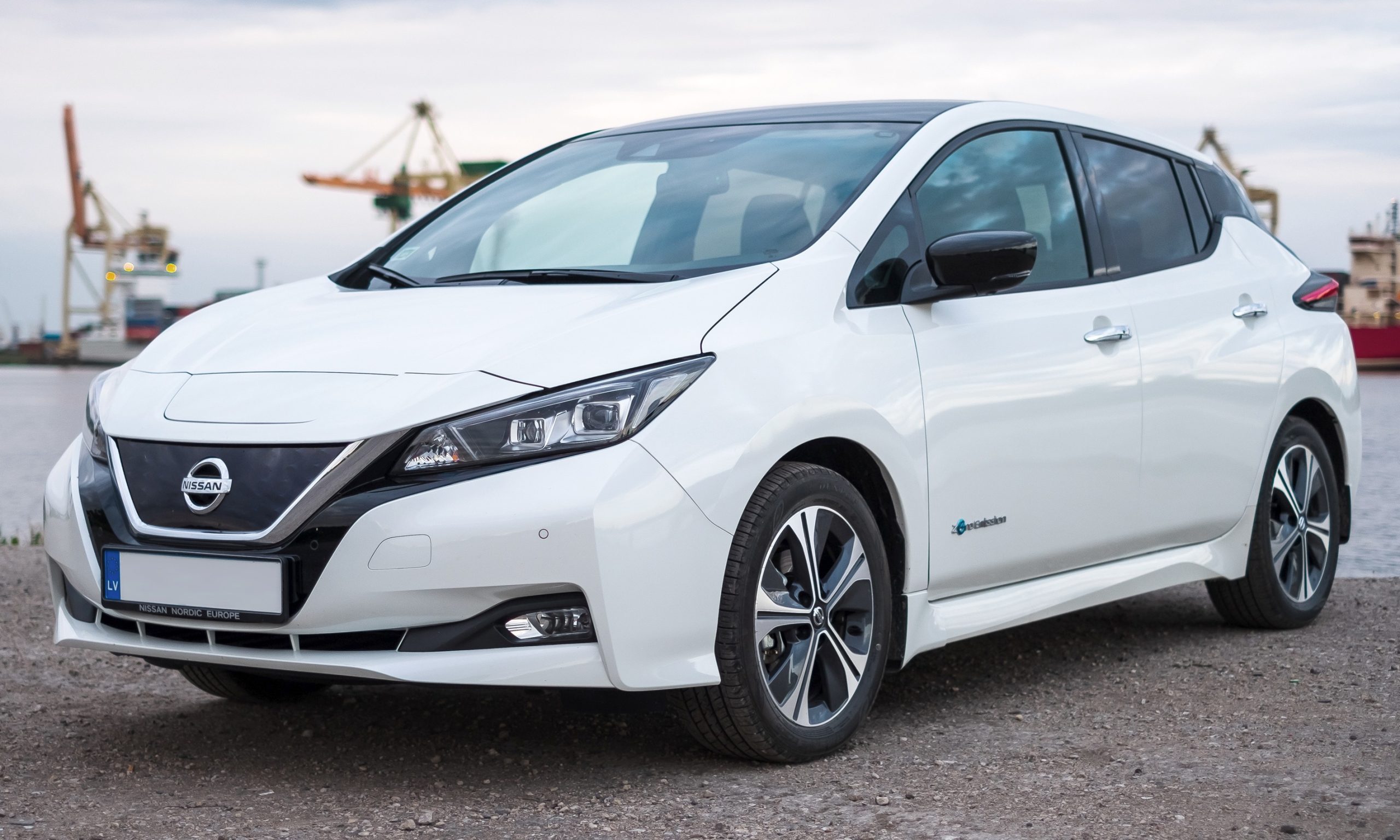
Nissan Leaf (Second Generation)
The second-generation Nissan Leaf represents a significant improvement over the first model, both in terms of range and design. Introduced with more modern styling and enhanced performance, it has managed to retain its value far better than its predecessor.
Buyers are drawn to its balanced offering of affordability, familiarity, and improved capabilities. Its reputation for reliability and Nissan’s brand strength help it remain a solid choice in the used market. For many, the Leaf serves as a practical daily commuter with minimal complications.
Battery technology in the newer Leaf is much improved. While early models were criticized for battery degradation, especially in hot climates, Nissan has since introduced better thermal management systems. This has significantly improved the longevity of the battery, which is a crucial factor for resale value.
Buyers of used Leafs from the second generation can expect a more predictable and consistent driving range, which reduces the anxiety surrounding used EV purchases. These advancements have turned the Leaf from a cautionary tale into a dependable option.
Another reason the Leaf holds value is its strong presence in both new and used markets. It was one of the first widely available EVs and has built a loyal user base over the years. The availability of parts, experienced mechanics, and familiarity with the model all contribute to smoother ownership.
Buyers in the used market often prioritize hassle-free experiences, and the Leaf delivers that with its straightforward design and strong support network. This reliability adds to its perceived value over time.
The Leaf is also a popular choice for ride-share drivers, delivery services, and urban fleets, especially in regions where incentives support electric vehicle use. This sustained demand in the commercial and budget-conscious sectors helps support resale prices.
It isn’t just individual owners who seek out used Leafs, businesses do too. This creates a broader resale audience and minimizes the risk of the car sitting unsold for long periods, further reinforcing its value retention.
Lastly, Nissan has kept the Leaf relevant through gradual updates and pricing that remains competitive. While it doesn’t feature the most cutting-edge design or performance, it offers a dependable and affordable EV experience.
The second-generation Leaf is well-suited for people who value function over flair. It remains one of the more consistent EVs in terms of resale value, especially for those looking for reliable, all-electric transportation without premium pricing.
Porsche Taycan
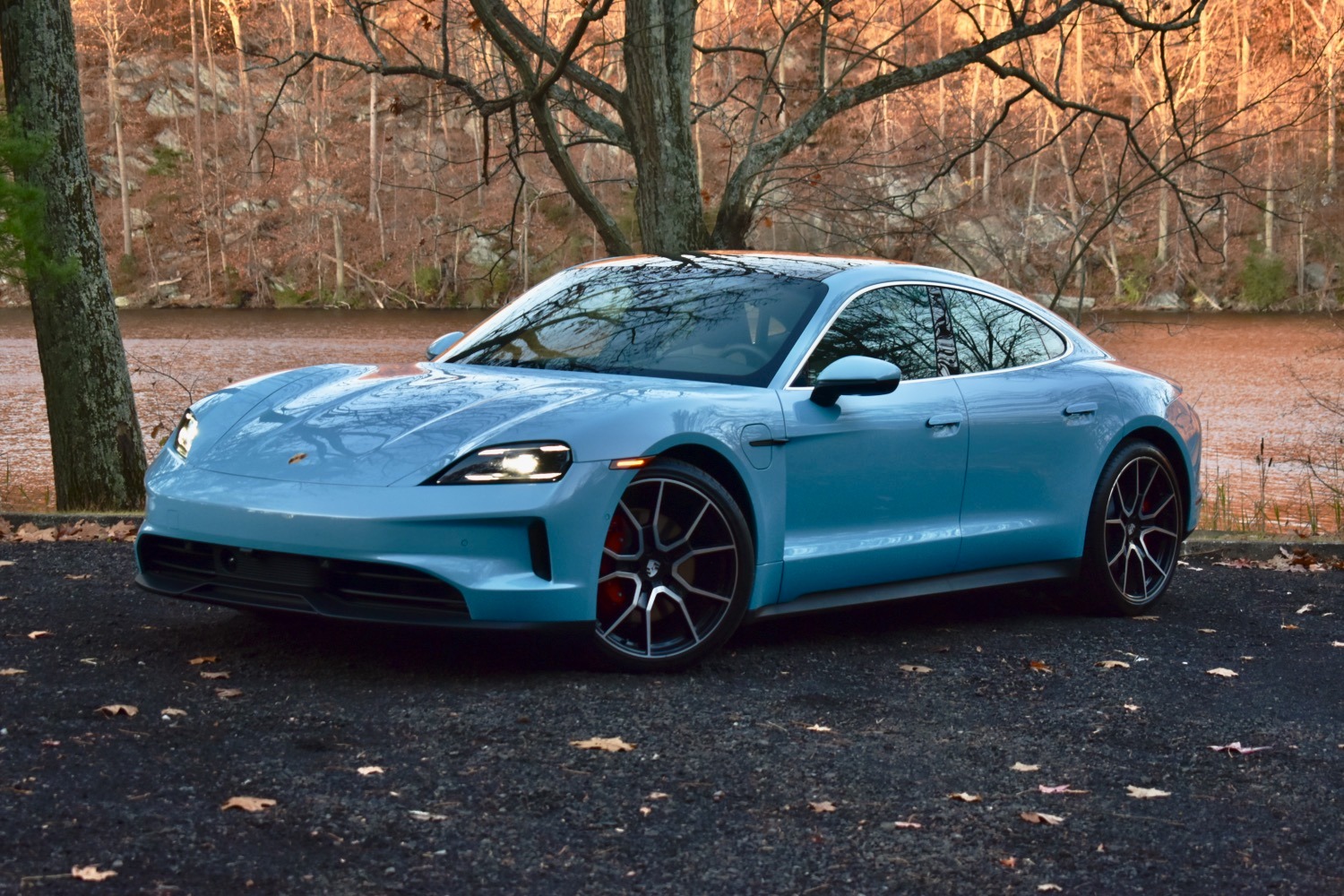
The Porsche Taycan has successfully carved out a niche in the electric performance car market, earning a reputation for delivering on both luxury and driving excitement. As one of the few EVs that truly appeals to sports car enthusiasts, it retains its value much better than most high-end electric vehicles.
Porsche has built its brand on precision engineering and performance, and the Taycan continues this tradition in a modern, electric form. Buyers recognize that they’re not just buying an electric car, they’re buying a Porsche.
The Taycan’s 800-volt electrical system is one of the key technical advantages that contributes to its value retention. It allows for ultra-fast charging that few other vehicles on the market can match. This means less downtime and more convenience, which is particularly important in the luxury segment.
People spending a premium on a used Taycan want a vehicle that still feels advanced and competitive with newer models, and the Taycan delivers that experience. Its tech-forward approach ensures that it doesn’t become obsolete quickly.
The vehicle’s driving dynamics are another highlight. The Taycan provides a driving experience that rivals gas-powered sports sedans, with tight steering, low center of gravity, and stunning acceleration.
Even used models continue to impress when it comes to performance, which keeps demand high. Unlike many other EVs, where older versions feel dated, the Taycan’s engineering ensures it stays relevant in terms of both capability and experience. This performance consistency is a major factor in retaining value.
Additionally, Porsche limits production to maintain exclusivity, which directly supports higher resale prices. Taycans are not mass-market vehicles, and this controlled supply helps protect their market value.
Unlike some competitors that flood the market with inventory, Porsche maintains a level of scarcity that keeps used prices elevated.
For buyers who want something distinctive, the Taycan’s uniqueness in design and driving feel makes it a compelling option even years after release.
The Taycan also benefits from Porsche’s strong customer support and after-sales services. Owners of used Taycans enjoy the same premium service and attention as those who bought new, which adds to the appeal.
Extended warranties, certified pre-owned programs, and the brand’s general focus on customer satisfaction help keep resale values high. For those who want a luxury EV that doesn’t just fade into the background after a few years, the Porsche Taycan remains a standout choice.
Hyundai Kona Electric
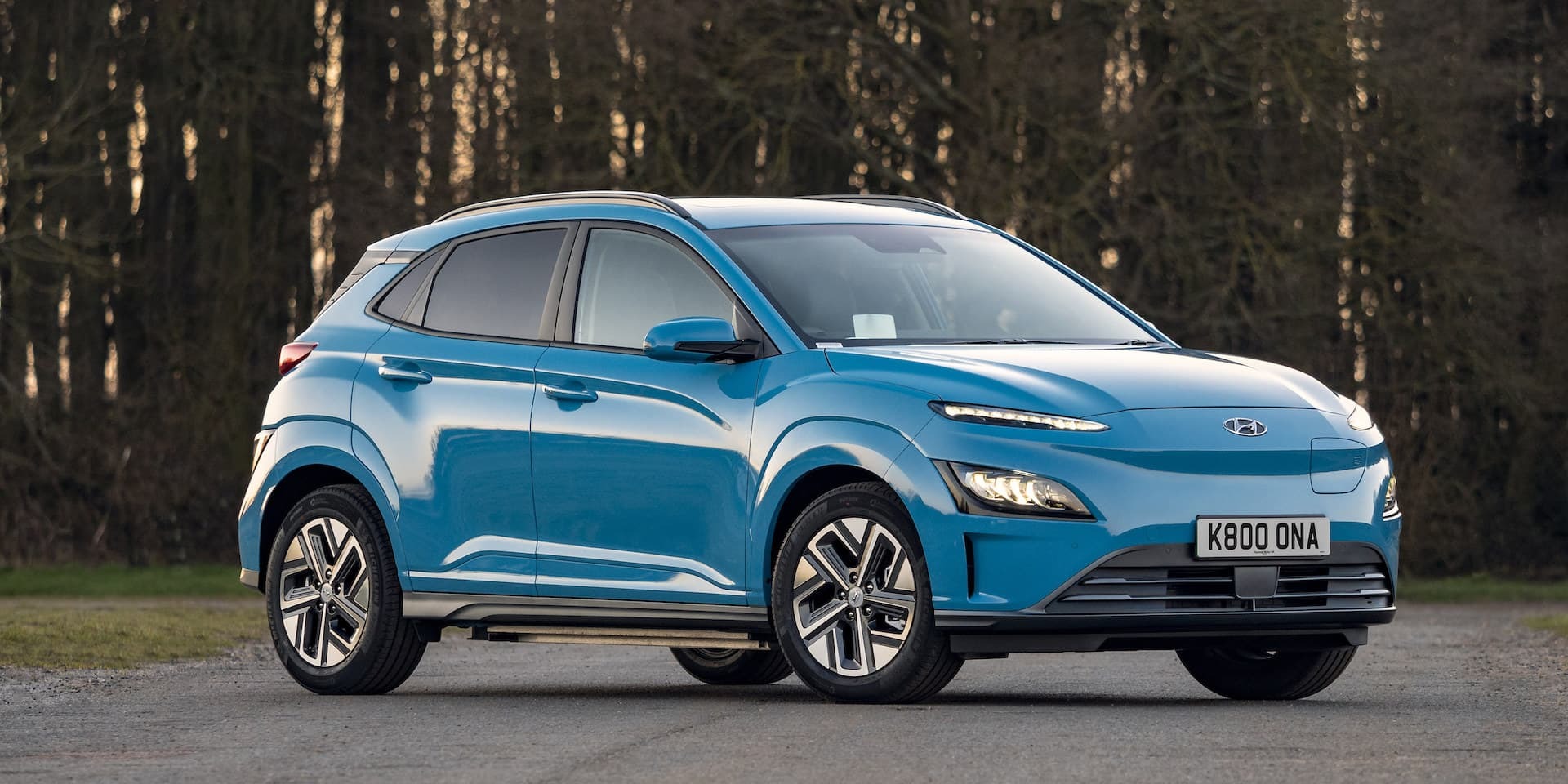
The Hyundai Kona Electric has proven to be one of the most dependable value-retaining electric crossovers on the market. Its combination of range, affordability, and practicality has made it popular among first-time EV buyers and experienced owners alike.
While not a luxury vehicle, the Kona Electric strikes a balance between efficiency and comfort that appeals to a wide demographic. As crossovers continue to dominate the automotive market, the Kona Electric’s body style also contributes to its desirability.
A key strength of the Kona Electric is its electric range, which surpasses many vehicles in its price category. Offering over 250 miles per charge in ideal conditions, it meets the needs of most drivers without causing range anxiety.
Buyers looking at used EVs often consider range as a top priority, and the Kona delivers without the high price tag of premium models. This makes it a highly competitive choice in the used market and supports stronger resale prices.
Hyundai also provides one of the best warranties in the industry, which extends to the battery in the Kona Electric. Knowing that a vehicle is still under warranty is a major draw for used buyers. This warranty coverage reduces uncertainty around potential repair costs and enhances the vehicle’s appeal.
Buyers looking for a safe, no-surprises EV are more likely to consider the Kona Electric, and that trust leads to better value retention over time.
The Kona Electric also offers a good suite of tech features, including an intuitive infotainment system, driver-assistance aids, and solid safety ratings. These are features that buyers increasingly expect, even in used vehicles.
Hyundai has done a good job of equipping the Kona with enough standard features to make it feel modern and competitive. This helps ensure that it remains appealing even as newer EVs are released, which protects its resale value.
Finally, the Kona Electric benefits from Hyundai’s growing reputation for building reliable electric vehicles. As the automaker continues to invest in EV development and infrastructure, the brand’s image improves, and that boosts consumer confidence.
Buyers in the used market are increasingly looking at Hyundai as a serious player in the EV space, not just a budget alternative. The Kona Electric, with its well-rounded package, remains a strong choice for those looking for long-term value in an affordable EV.
Also Read: 15 SUVs That Dealers Beg to Buy Back
5 EVs That Plummet in Value
BMW i3
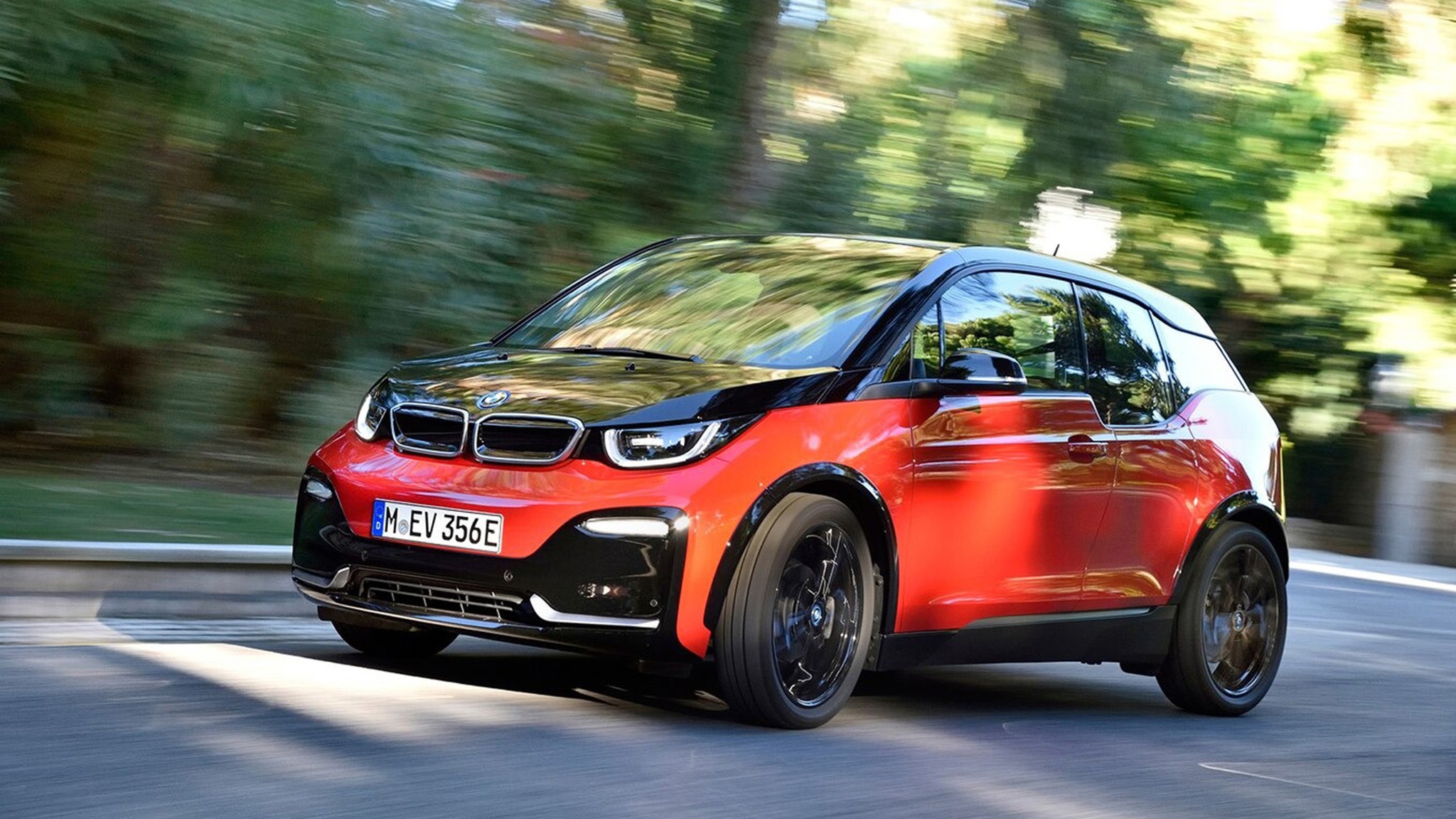
The BMW i3 was introduced with high expectations, positioned as a premium urban EV with unique styling and eco-conscious engineering. While it initially gained attention for its carbon fiber chassis and quirky design, these features did not age well in the eyes of many consumers.
The futuristic look that once made it stand out now limits its mass appeal, especially as EV design trends have shifted toward more conventional aesthetics.
Many potential buyers on the used market find the i3’s design polarizing, which restricts its resale audience and drives prices down more quickly than other premium EVs.
Another critical issue is the i3’s limited electric range, especially in early models. With full-electric versions offering less than 100 miles per charge and the range-extender variant providing only modest improvement, the i3 falls far behind modern standards.
While acceptable a decade ago, today’s EV buyers expect significantly longer ranges, even in compact city cars. This gap between expectation and capability makes the i3 harder to sell in the used market and causes steeper depreciation.
Compounding the problem is BMW’s decision to discontinue the i3, leaving owners with concerns about future support and parts availability. While BMW has a solid service network, phasing out a model raises uncertainty for long-term ownership.
Potential buyers are less inclined to invest in a used vehicle with a discontinued platform and unknown future servicing costs. This uncertainty hurts confidence and further reduces the i3’s resale value.
The i3’s interior, while innovative and made from sustainable materials, also divides opinions. The use of recycled fabrics, open-pore wood, and minimalist layout creates an atmosphere unlike any other BMW, but not necessarily in a way that appeals to buyers seeking a luxury experience.
Many used buyers associate luxury with plush interiors and modern infotainment systems, and the i3 falls short in delivering that traditional feel. As a result, its uniqueness becomes a drawback in a competitive resale environment.
Finally, the i3 lacks many of the features that newer EVs now offer as standard, such as advanced driver-assistance systems and robust fast-charging capabilities.
Its slower charging speeds and reliance on older technology make it feel outdated, even if the car is relatively new in model year terms. These limitations contribute to a steeper decline in value, with many i3s selling for a fraction of their original price within just a few years.
Nissan Leaf (First Generation)
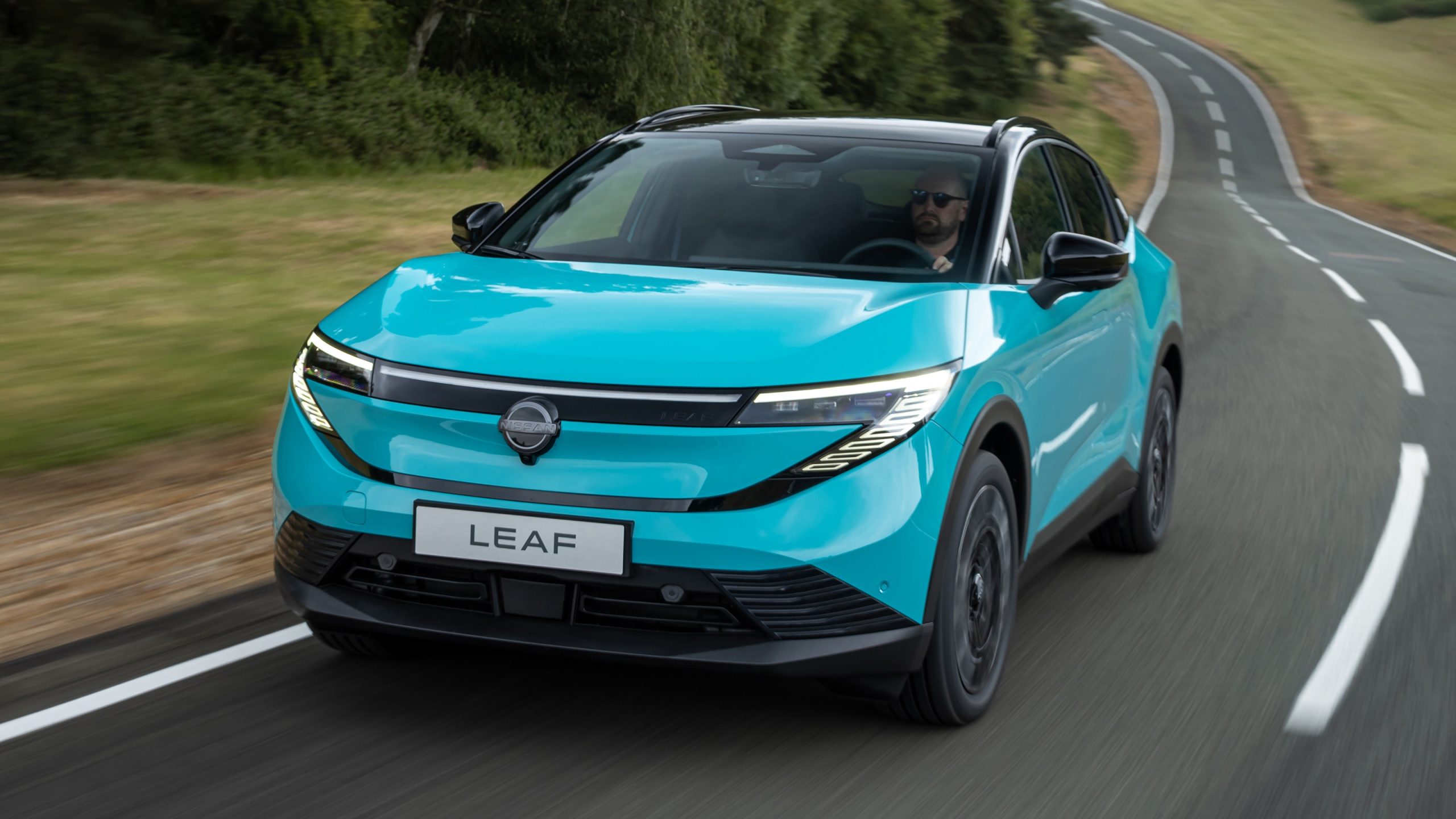
The first-generation Nissan Leaf was a groundbreaking vehicle when it launched, offering the first widely available all-electric car at an affordable price. However, being first to market came with compromises, especially in battery technology.
One of the main reasons for its rapid depreciation is the lack of an active thermal management system for the battery.
This design flaw led to significant battery degradation, especially in hot climates, reducing usable range drastically after just a few years of use. This issue remains a major red flag for buyers in the used EV market.
Range limitations also play a big role in the Leaf’s resale struggles. Early models often had a range of around 70 to 80 miles per charge, which was acceptable at launch but quickly became inadequate as newer models surpassed 200 miles. This short range restricts its usability to urban commuting, limiting the vehicle’s appeal.
The inability to confidently travel long distances makes the first-generation Leaf less attractive in a world where range anxiety is still a top concern for many EV shoppers.
Another challenge is its aging technology and interior. While functional, the first-gen Leaf’s infotainment system, cabin materials, and driver-assistance features lag behind modern expectations.
Even for a budget EV, the car’s interior does little to convey long-term value. Buyers comparing it to newer budget options with more tech and better build quality often pass over the Leaf in favor of something that feels fresher and more contemporary.
The Leaf also suffers from a large supply of used units on the market due to its popularity when new and heavy government incentives supported high sales volume.
These incentives made it easy for buyers to get into a new Leaf but inflated the depreciation curve once those subsidies were no longer available. With so many used Leafs available and relatively low demand, prices continue to fall, hurting resale value further.
Lastly, Nissan’s focus has shifted to newer EV models, and while support for the Leaf remains, it’s not at the forefront of the company’s electric strategy.
This limits the investment in keeping the Leaf’s platform competitive or up-to-date through software or hardware upgrades. As a result, the first-generation Leaf quickly feels outdated and lacks the staying power that other electric cars have managed to maintain in the used vehicle market.
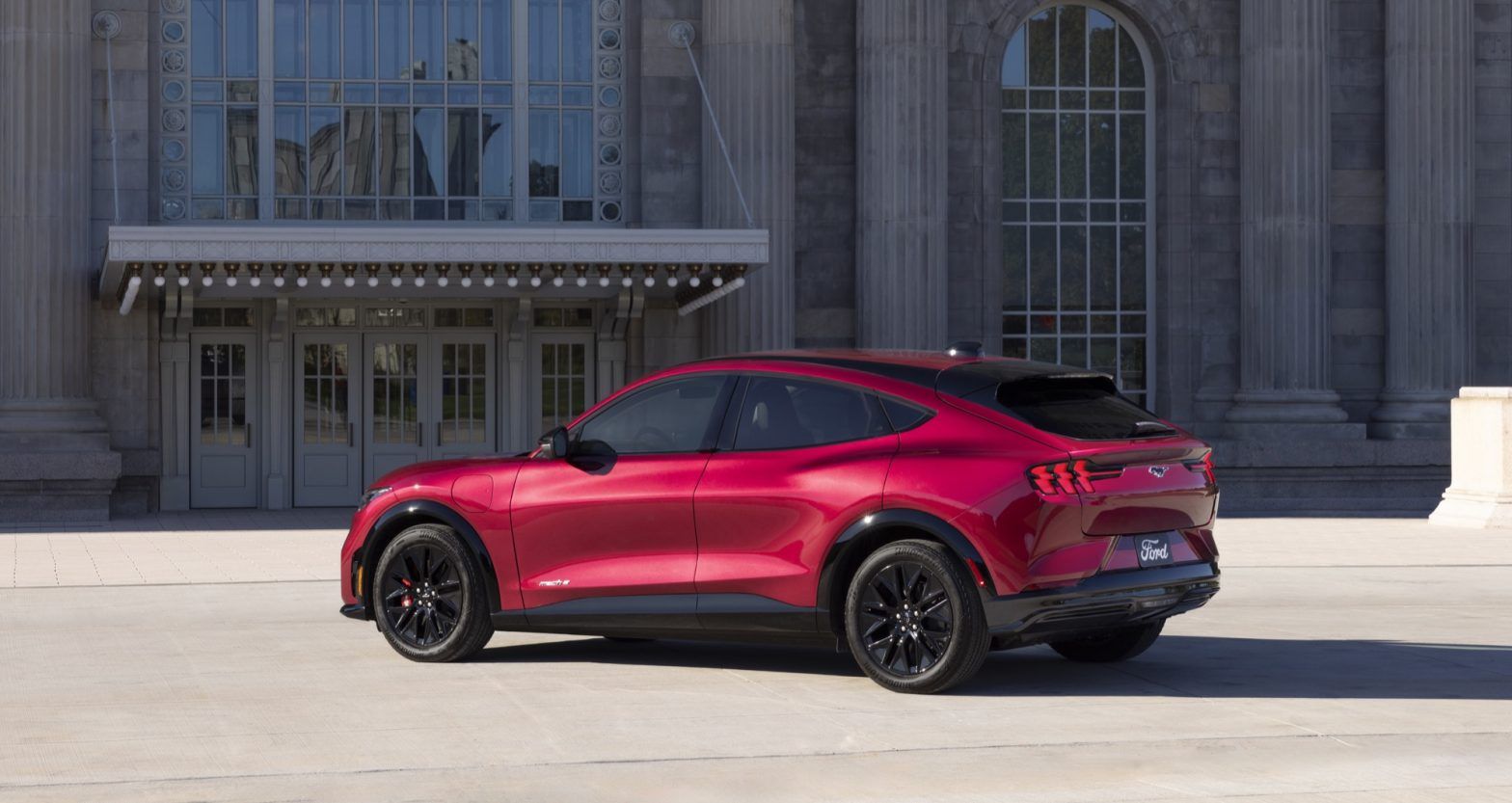
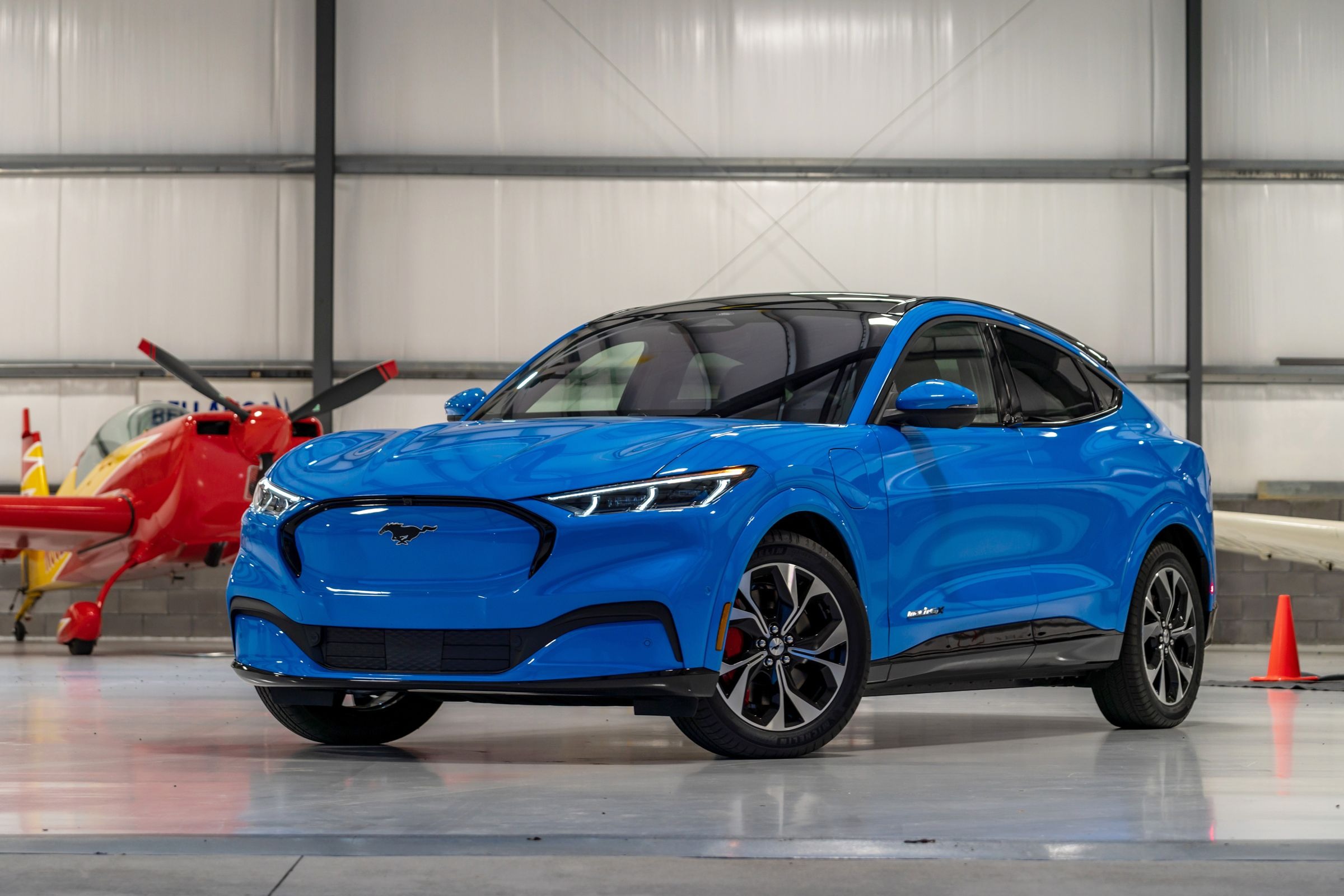
Ford Mustang Mach-E (Early Models)
The Ford Mustang Mach-E was initially met with enthusiasm, combining the Mustang name with electric innovation. However, the early production models have shown significant depreciation, partly due to software issues and build quality inconsistencies.
Buyers who got in early found themselves dealing with various software bugs, including glitches with the infotainment system and inconsistent driving range displays.
These problems created hesitation in the used market, with some buyers preferring to wait for more refined newer builds instead of taking a chance on early versions.
The vehicle’s branding also contributes to its resale challenges. While the Mustang name was intended to lend excitement and performance pedigree, not all buyers embraced the idea of a four-door electric crossover wearing the Mustang badge.
This branding disconnect created confusion and divided opinions, affecting the perceived identity of the vehicle. On the used market, cars that lack a clear identity often face difficulty commanding strong resale prices, especially when buyer expectations aren’t met.
Additionally, the Mach-E’s fast evolution hurts the value of earlier models. Ford has already implemented several upgrades and improvements to newer variants, making the original builds seem outdated within just a few years.
Better range, quicker charging, and software refinements in newer models make early Mach-Es less attractive. When buyers can get more for roughly the same price by purchasing a newer model, the value of the earlier ones falls quickly.
The pricing of the early Mach-E also contributes to its depreciation. Ford positioned it as a premium SUV, but many buyers found the initial price tag hard to justify, especially compared to other EVs offering similar or better performance and features.
This initial overpricing inflates the percentage loss in resale value, as later models or competitive vehicles offer better value for money. In turn, used Mach-Es must be priced more aggressively to sell, which pushes depreciation even further.
Lastly, Ford’s inconsistent rollout of over-the-air updates and limited access to fast charging compared to competitors like Tesla impacts user satisfaction. While the Mach-E is a solid vehicle, it exists in a segment with fast-moving competition.
Its weaknesses in charging infrastructure access, inconsistent user experience, and identity confusion all play a part in making it depreciate more quickly than expected for a vehicle carrying the Mustang name.
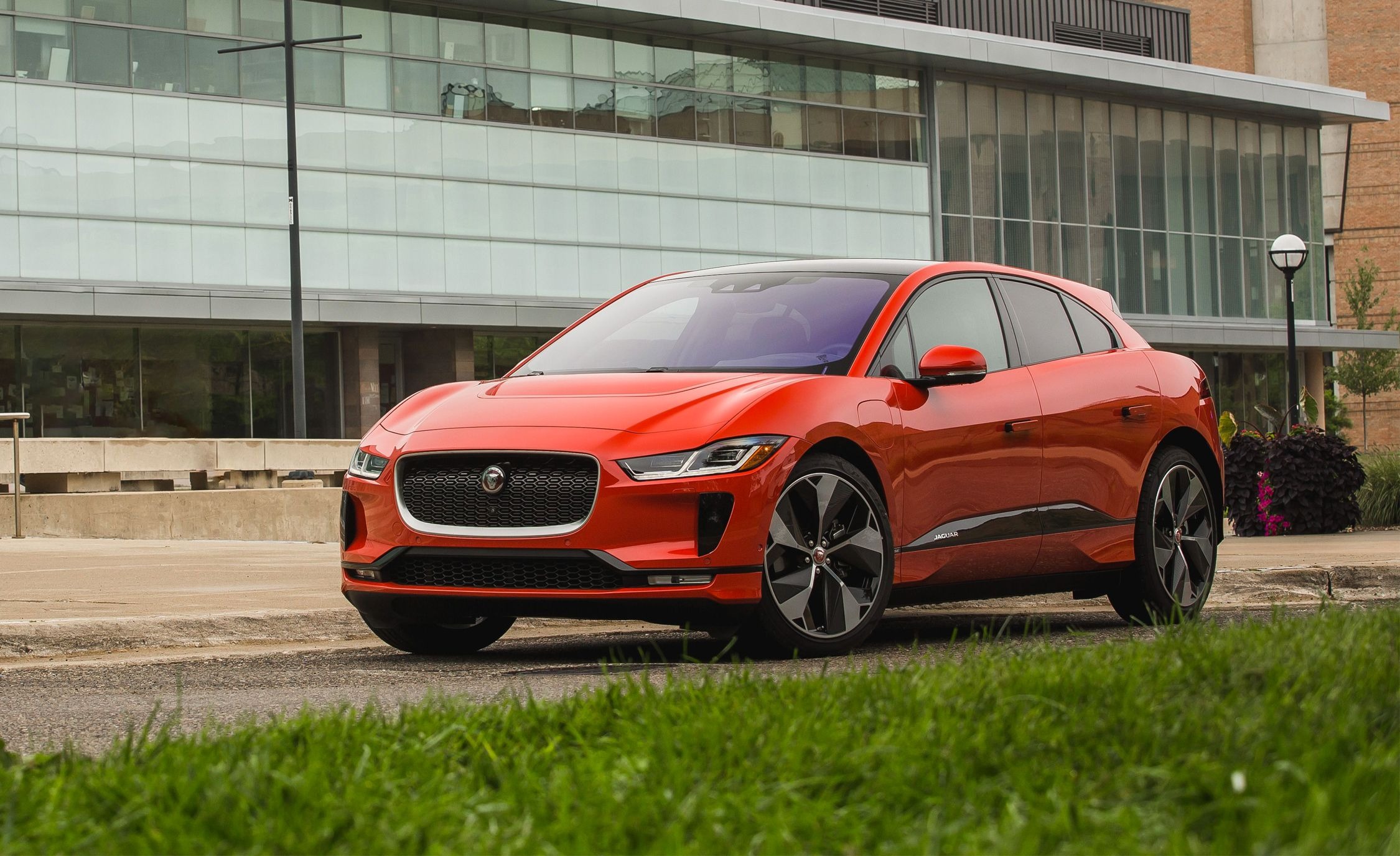
Jaguar I-PACE
The Jaguar I-PACE was one of the first premium electric SUVs to challenge Tesla, but despite initial acclaim, it has suffered significant depreciation. One of the primary reasons is Jaguar’s limited brand strength in the electric space.
While the I-PACE offers excellent performance and a luxurious interior, the brand doesn’t command the same buyer confidence in the EV world as Tesla or even Porsche. For many used car buyers, the combination of high price and perceived brand weakness results in lower demand.
Charging infrastructure and software have also been problematic for I-PACE owners. Unlike Tesla vehicles that benefit from an integrated charging network and robust software, the I-PACE relies on third-party charging networks that can be inconsistent in performance.
Additionally, the vehicle’s software has been criticized for being laggy and unintuitive, detracting from the premium experience. In a segment where tech matters greatly, this creates negative perceptions that impact resale value.
Maintenance and repair costs further limit the appeal of a used I-PACE. As a luxury brand, Jaguar parts and service can be expensive, and not all dealerships are equipped to handle EV-specific repairs. The risk of high ownership costs discourages budget-conscious used car buyers.
Even if the initial price of a used I-PACE is attractive, the potential costs down the line can make buyers hesitant to commit, especially when competitors offer more predictable and affordable ownership.
Another issue is the limited availability of model updates. While the I-PACE received some incremental upgrades, it has not kept pace with the speed of innovation seen from other brands.
Tesla, for instance, updates its vehicles via software on a near-monthly basis, while Jaguar’s approach has been slower and more conservative.
This makes older I-PACE models feel dated quickly, which erodes value faster and creates a weaker position in the resale market.
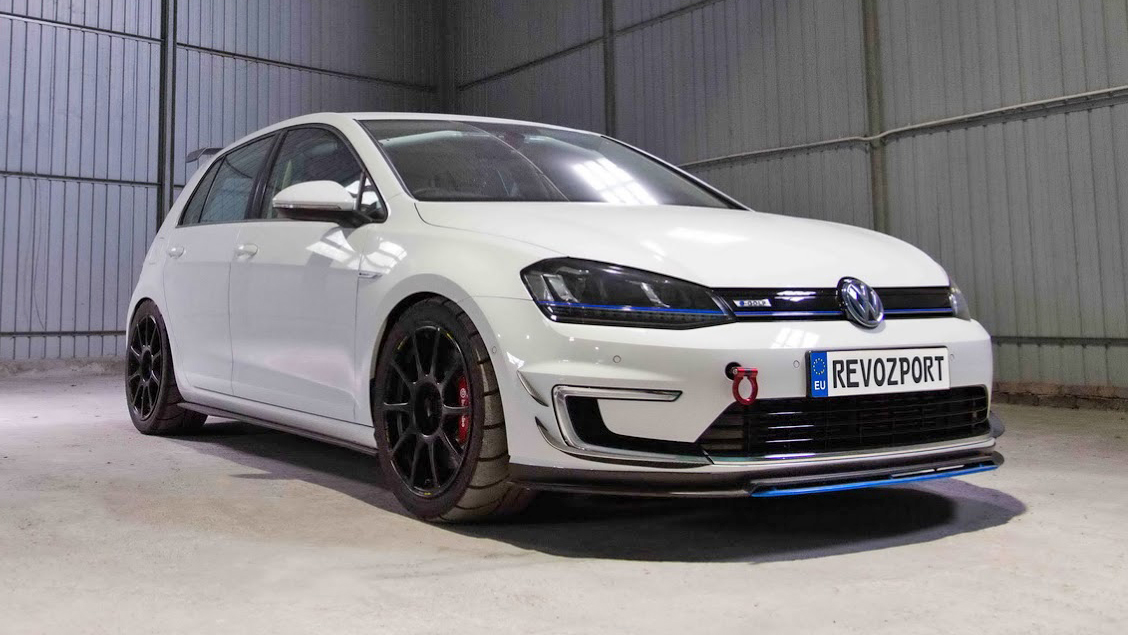
Volkswagen e-Golf
The Volkswagen e-Golf was a logical step for the brand to transition into electric mobility, but it didn’t hold value well in the used market. One of the key issues is that the e-Golf was built on a platform designed for gasoline-powered cars, which resulted in compromises in design and functionality.
Limited range and slower charging were significant drawbacks, especially when compared to purpose-built EVs that came out around the same time or shortly after. These limitations made the e-Golf less appealing as a long-term investment.
Its electric range was modest at best, hovering around 125 miles on a full charge under ideal conditions. In real-world scenarios, especially in colder climates or with highway driving, that range dropped even further.
This made the e-Golf impractical for anyone who needed more than basic city commuting. While acceptable in early EV markets, this limited usability quickly became a liability as other automakers pushed forward with longer-range options, relegating the e-Golf to the bottom tier of consideration for many used buyers.
The vehicle also lacked standout features that would give it a unique place in the EV market. While it carried the familiar Golf name and styling, it failed to offer anything particularly memorable or exciting in its electric form.
It didn’t have a strong brand identity as an EV, nor did it capture the imagination of buyers like Tesla or even Nissan did with their early entries. This lack of differentiation means that many buyers overlook it when browsing used EVs, reducing demand and therefore value.
Another challenge for the e-Golf was its market timing. It arrived just as EV technology was beginning to evolve rapidly. Within a few years, newer EVs offered more range, better charging, and far more features for only a slightly higher price.
This compressed the e-Golf’s value proposition and made it obsolete faster than Volkswagen anticipated. As a result, used models struggle to justify their price tags, leading to more aggressive price reductions and steeper depreciation.
Finally, Volkswagen has since shifted its electric focus to the ID line, starting with the ID.4, which leaves the e-Golf in a strange transitional space. Without continued development, updates, or strong support, the e-Golf has become a forgotten chapter in VW’s EV journey.
While it served its purpose during a time of experimentation, it now sits on used car lots as a reminder of how quickly EV tech has advanced, and how brutal the depreciation curve can be for models that don’t keep up.
