
Trucks have long been the backbone of industries and everyday work, prized for their power, durability, and ability to handle tough tasks. Whether it’s hauling heavy loads, off-roading, or just daily commuting, a truck’s reliability can make or break a user’s experience.
One of the biggest concerns for any truck owner is how often the vehicle might need towing due to breakdowns or mechanical failures.
A truck that frequently requires towing can lead to unexpected costs, lost time, and frustration. Conversely, trucks that rarely need towing offer peace of mind and better long-term value.
Reliability depends on various factors including engineering, build quality, maintenance, and the intended use of the truck. Some models have earned a reputation for being tough and dependable, managing to withstand years of hard work without major issues.
Others, despite sometimes having impressive specs on paper, have proven to be less dependable and more prone to mechanical problems. This can be influenced by the complexity of the vehicle, the quality of parts, and how the trucks handle wear and tear.
In this article, the focus will be on highlighting five trucks that have earned recognition for rarely needing towing due to their strong reliability and durability. These models tend to have fewer mechanical failures, better build quality, and user feedback praising their longevity.
On the other hand, there will also be a discussion of five trucks that are known to frequently require towing, often due to recurring issues, design flaws, or less robust engineering.
Understanding these differences can help current and prospective truck owners make better decisions based on reliability rather than just specifications or brand loyalty.
Through this comparison, truck owners, enthusiasts, and buyers can get a clearer picture of which models tend to stay on the road and which ones might leave you stranded more often than not.
It’s a reminder that while trucks are designed to be tough, some manage to live up to that promise far better than others. Let’s get into the details of these trucks and what makes them stand out on either side of the reliability spectrum.
5 Trucks That Rarely Need Towing
1. Toyota Tacoma
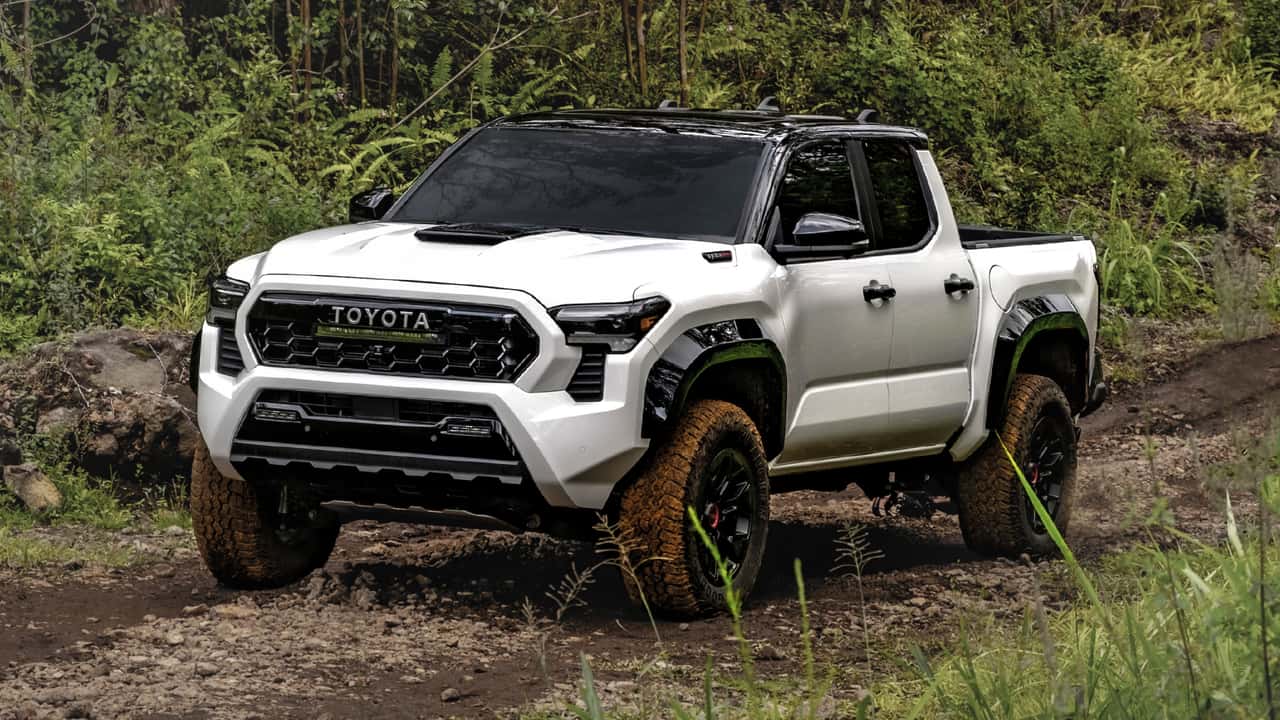
The Toyota Tacoma has earned a reputation that few trucks in the midsize category can match when it comes to reliability. Its reputation is grounded not only in the quality of its construction but also in the company’s conservative approach to engineering.
Toyota prioritizes durability over flashy features, which means the Tacoma often comes equipped with engines and components that have been tested extensively over the years. This approach results in fewer surprises for owners in terms of mechanical failure or unexpected breakdowns.
The Tacoma’s engine options, such as the 4.0-liter V6, are known for their smooth operation and long lifespan, resisting common issues like head gasket failures or oil leaks that plague many trucks.
This reliability extends to the transmission as well, where Toyota tends to use durable automatic and manual options that withstand heavy use.
Beyond the powertrain, the Tacoma’s build quality contributes significantly to its low towing rates. Its chassis is made of strong steel and features reinforcements in key stress points, allowing it to endure rough treatment on the job or on rugged trails without structural problems that might necessitate a tow.
Suspension components are designed to absorb impacts effectively, maintaining the truck’s drivability and minimizing wear on critical parts.
This engineering focus also means that the Tacoma handles off-road environments with less strain on mechanical parts compared to some competitors, making it a favorite among outdoor enthusiasts who need a dependable vehicle far from repair shops.
Maintenance for the Tacoma is straightforward, with parts readily available and repairs often manageable by experienced mechanics or even owners with some DIY skills. Toyota’s extensive dealership and service network also supports owners with timely access to genuine replacement parts and certified technicians.
This accessibility reduces downtime and prevents minor issues from escalating into breakdowns that could require towing. Regular oil changes, brake inspections, and tire rotations keep the Tacoma running smoothly well beyond the typical lifespan expected of many trucks in this segment.
Finally, owner feedback and industry surveys consistently rank the Tacoma high in reliability. Many drivers report their trucks surpassing 200,000 miles with little to no major repairs. The Tacoma’s ability to maintain strong resale value further reflects its reputation as a truck that rarely leaves drivers stranded.
This reliability has helped Toyota build a loyal customer base that trusts the Tacoma to handle daily driving and more demanding tasks without constant worry about costly or inconvenient breakdowns.
2. Ford F-150
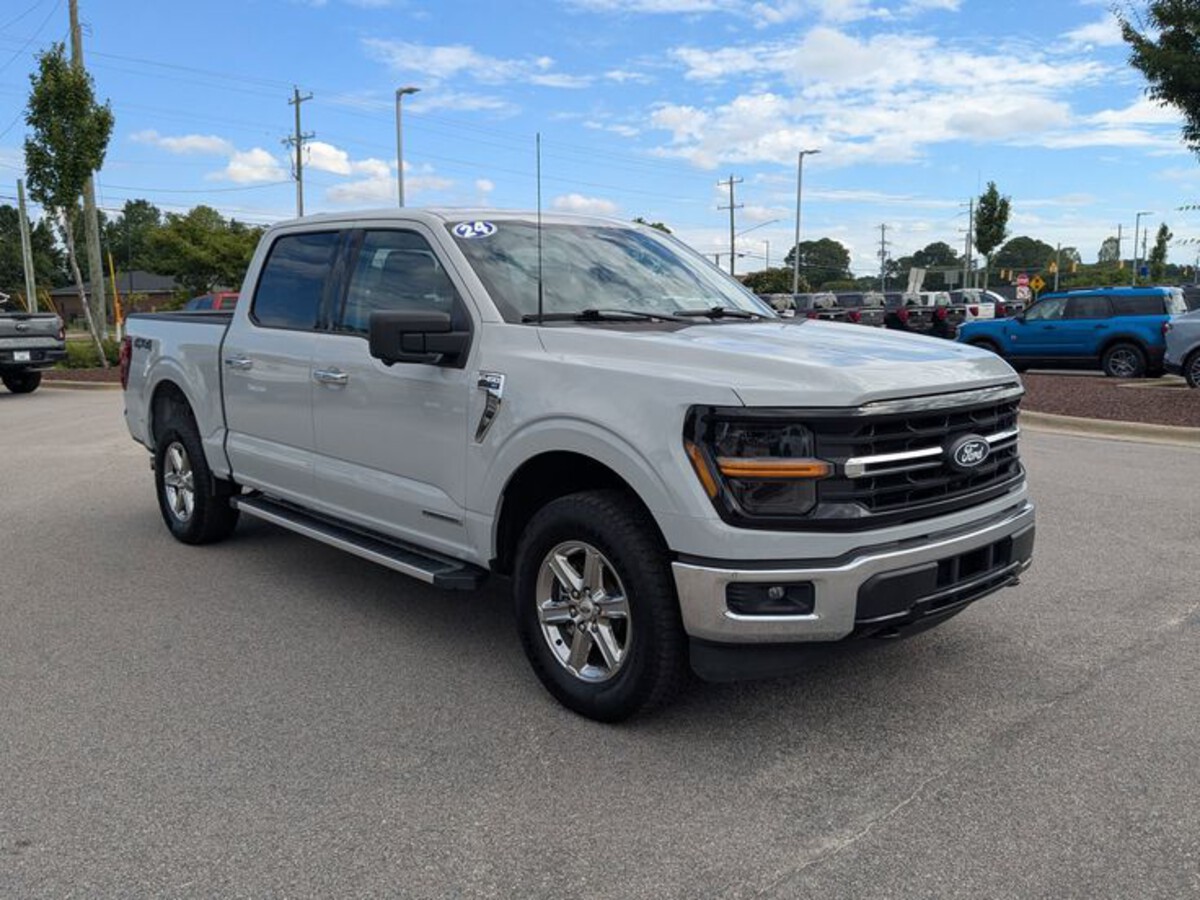
The Ford F-150 has remained the best-selling truck in America for decades, and a major reason for this success is its well-earned reputation for durability and reliability. Ford’s engineering philosophy for the F-150 balances power, comfort, and robustness to create a vehicle that can withstand a variety of uses.
The truck’s wide range of engine options, including the proven 3.5-liter EcoBoost V6 and the 5.0-liter V8, provide power without sacrificing long-term dependability.
These engines are designed with advanced materials and cooling systems that minimize wear and reduce the risk of overheating or premature component failure, key factors that contribute to the truck’s low towing rates.
The F-150’s frame and body construction are built to endure harsh environments and heavy workloads. High-strength steel is used throughout the chassis, giving it the ability to absorb shocks and distribute stress efficiently.
This means that even when towing heavy trailers or carrying significant payloads, the truck remains stable and less prone to mechanical or structural failures.
Additionally, Ford has engineered the suspension system to balance ride comfort with durability, using components that resist damage from potholes, rough terrain, and daily wear.
This thoughtful design decreases the likelihood of breakdowns caused by suspension or frame issues, which are common reasons trucks might need towing.
Routine maintenance on the F-150 is generally accessible and not overly complex, making it easier for owners to keep their trucks in good condition.
Ford’s extensive dealer and service network ensures that replacement parts and professional care are widely available. Furthermore, the F-150’s onboard diagnostics provide timely alerts for maintenance needs, allowing owners to address minor issues before they escalate.
This proactive approach to upkeep plays a significant role in reducing the chances of unexpected breakdowns. Owners often praise the F-150 not only for its strength and capability but also for its long-lasting performance in tough conditions.
The truck’s ability to handle demanding jobs without frequent mechanical failures or towing incidents has made it a dependable choice for both commercial operators and private users.
It is not unusual to see F-150s on the road with hundreds of thousands of miles on the odometer, running reliably and without requiring major repairs that lead to towing.
3. Chevrolet Silverado 1500
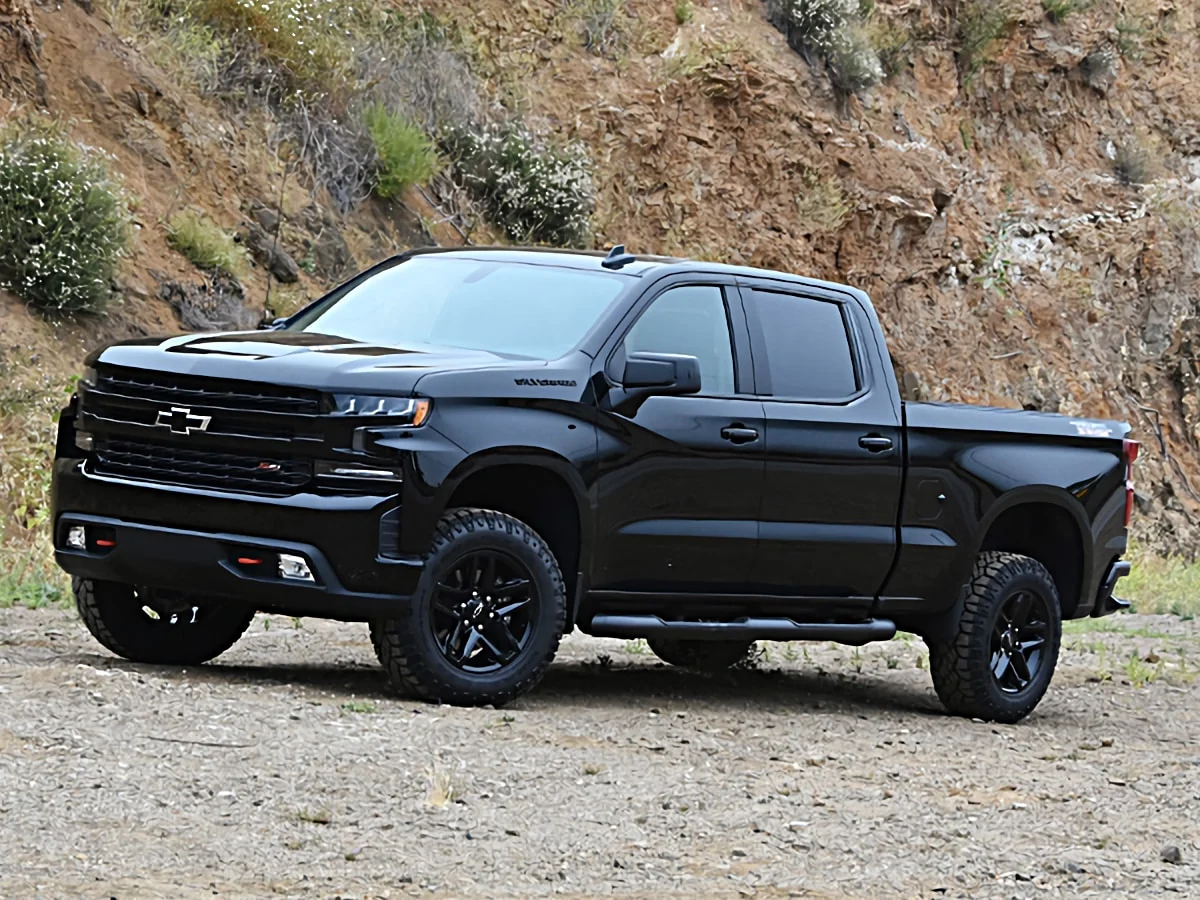
The Chevrolet Silverado 1500 is known for striking a balance between power and reliability, especially in the full-size pickup market. Chevrolet has consistently worked to refine the Silverado’s engines and drivetrains to reduce mechanical failures and increase longevity.
The truck’s popular 5.3-liter V8 engine is one of the most reliable powerplants in its class, often praised for its strong performance and resistance to common issues like overheating or timing chain problems.
The Silverado’s transmissions, including both automatic and manual options, are engineered to handle heavy loads without premature wear, which contributes significantly to the truck’s reputation for reliability.
The Silverado also features a strong frame and suspension setup designed to withstand heavy hauling and off-road use. The frame’s reinforced construction helps prevent twisting or cracking under stress, a common reason for trucks needing towing.
Suspension components are built to maintain stability and absorb shocks, reducing the strain on other parts of the truck. This is especially important for users who rely on their trucks for towing trailers or transporting heavy cargo, as it helps prevent breakdowns related to wear and fatigue.
Routine maintenance is made easier by the truck’s design, which allows mechanics relatively straightforward access to major components. Chevrolet supports this with a solid warranty and extensive service network, ensuring that parts and repairs are accessible and affordable.
These factors combine to minimize downtime and keep the Silverado on the road. Owners of the Silverado often highlight its ability to handle years of hard work without requiring significant repairs or towing assistance.
In addition, the Silverado’s blend of performance and comfort has contributed to its strong resale value, a reflection of its durable build and lasting appeal. This truck’s reputation is supported by a wide base of satisfied customers who consistently report minimal mechanical issues over long ownership periods.
For many, the Silverado stands out as a full-size pickup that can be counted on to deliver reliable service without frequent interruptions or the need for towing.
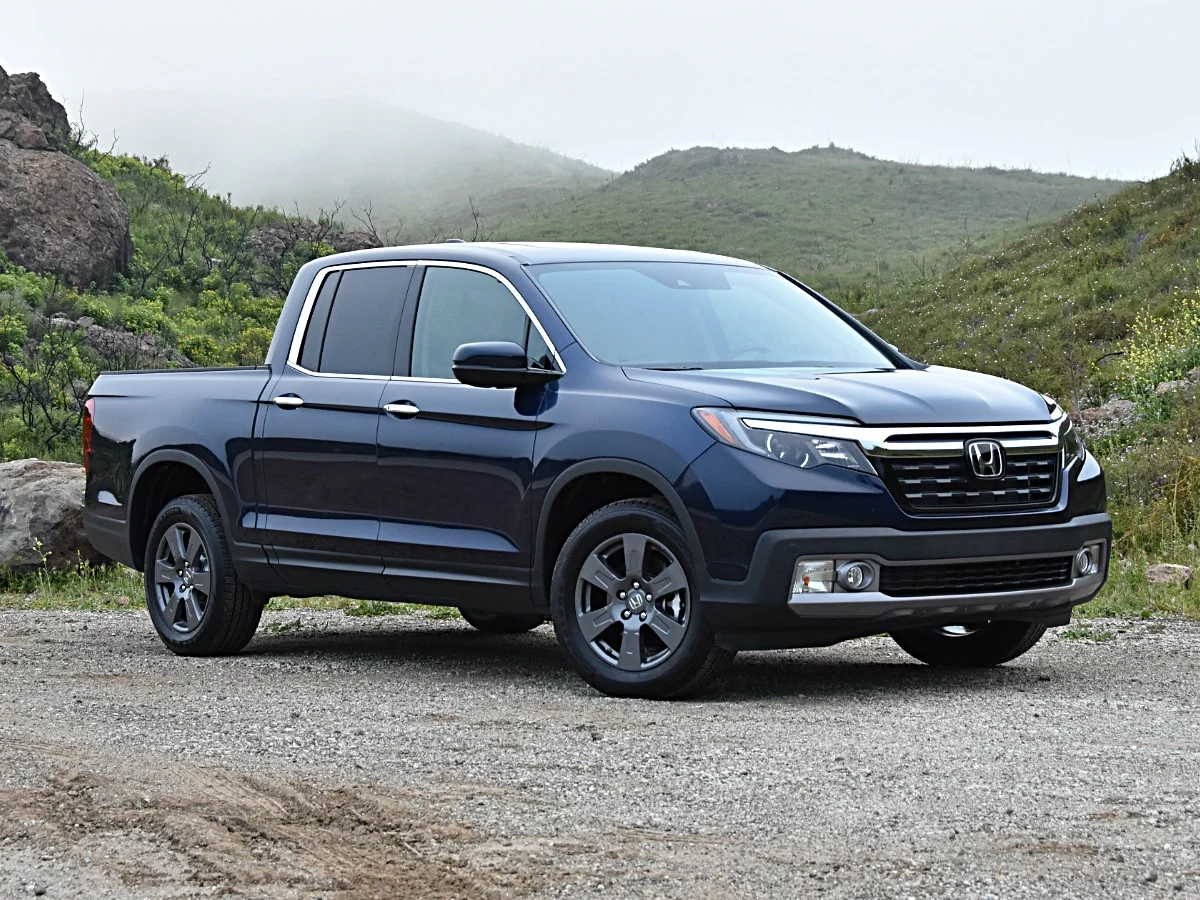
4. Honda Ridgeline
The Honda Ridgeline distinguishes itself from many traditional trucks through its unibody construction and car-like ride, which contribute to its impressive reliability record. Honda’s engineering focus has been on creating a vehicle that combines the utility of a truck with the refinement and dependability of a passenger car.
This unique approach reduces the typical stress on frames and suspensions found in body-on-frame trucks, leading to fewer mechanical issues that could result in towing.
The Ridgeline’s 3.5-liter V6 engine, paired with a smooth-shifting automatic transmission, is renowned for its efficiency and durability, avoiding many of the breakdowns that afflict other trucks.
The Ridgeline’s suspension is designed to provide comfort without sacrificing strength, employing independent rear suspension to improve handling and reduce wear on components. This design helps the truck maintain stability and control on a variety of surfaces, from highways to mild off-road trails.
As a result, the truck tends to avoid the kind of suspension failures or chassis damage that can lead to breakdowns and towing calls. Honda also employs high-quality materials throughout the vehicle, including corrosion-resistant coatings that help preserve the body and frame over time.
Maintaining the Ridgeline is generally straightforward and less costly than some competitors, thanks in part to the availability of parts and Honda’s reputation for engineering vehicles with fewer mechanical faults.
The Ridgeline often receives high marks in reliability studies and owner satisfaction surveys, with many owners reporting trouble-free driving for well over 150,000 miles. Its safety ratings also help reduce the likelihood of accidents that could otherwise necessitate towing.
While the Ridgeline may not be suited for heavy-duty towing or extreme off-roading, it excels in everyday use and light hauling tasks. For drivers who want a dependable truck that performs well without frequent maintenance headaches or the risk of sudden breakdowns, the Honda Ridgeline represents a strong choice.
5. Ram 1500 (Recent Models)
Recent versions of the Ram 1500 have made significant progress in addressing the reliability issues that affected earlier models. The improvements in engine design, such as the adoption of the 3.6-liter Pentastar V6 and improved HEMI V8 engines, have contributed to better fuel efficiency and reduced mechanical failures.
These engines benefit from advanced engineering features like variable valve timing and improved cooling systems, which enhance durability and reduce the chance of breakdowns that might require towing.
The Ram 1500’s frame and suspension have also been strengthened in newer models, improving the truck’s ability to handle heavy payloads and rough terrain without compromising reliability.
The introduction of air suspension options has not only improved ride comfort but also helped distribute weight more effectively, reducing strain on mechanical components. These upgrades have contributed to a reduction in common causes of towing, such as suspension failures or frame damage.
Owners of newer Ram 1500s often praise the truck’s combination of power and comfort with improved dependability.
The truck’s modern electronics and diagnostic systems provide early warnings of potential issues, allowing preventative maintenance that helps avoid breakdowns. Ram’s extensive service network and readily available parts further support owners in maintaining their trucks in top condition.
The improvements in recent Ram 1500 models have helped change the narrative around this truck, positioning it as a reliable option that rarely needs towing when properly maintained.
Many owners report long-term satisfaction and a lower incidence of mechanical failures compared to older generations, making it a strong contender in the full-size pickup market.
5 Trucks That Constantly Do
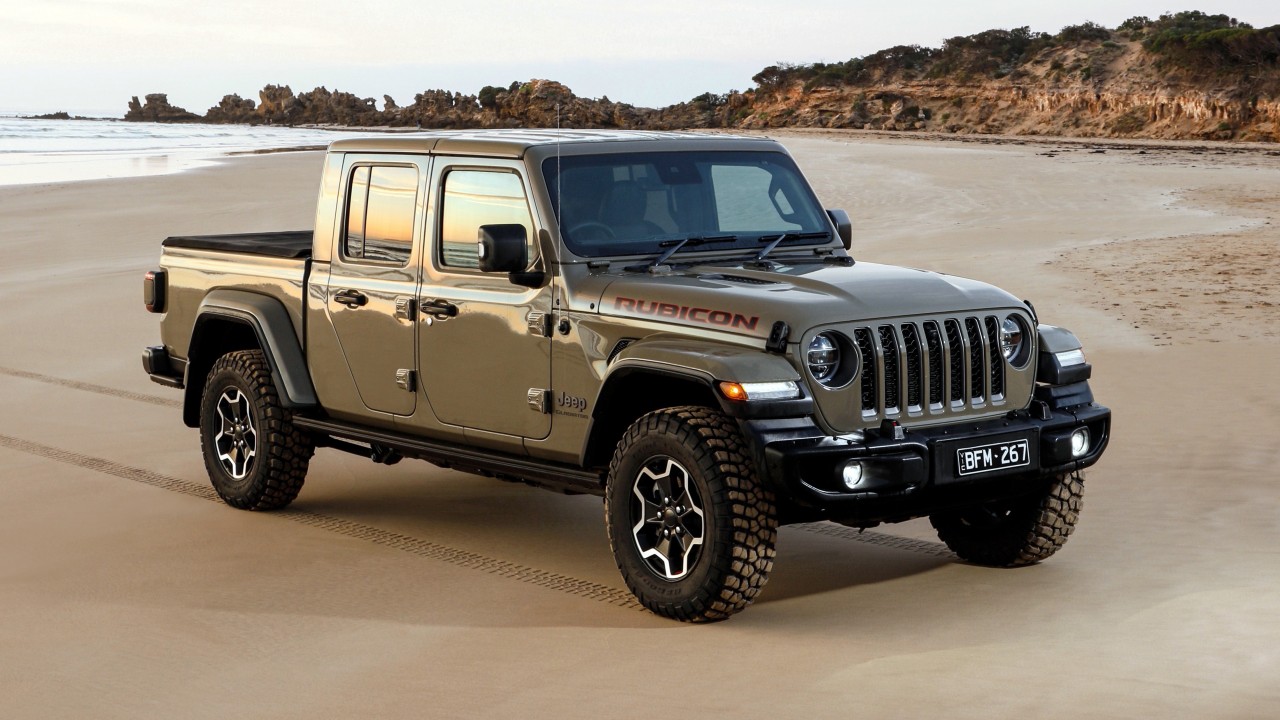
1. Jeep Gladiator (Early Models)
The Jeep Gladiator, particularly the early models after its reintroduction, has faced challenges with reliability that have led to frequent towing incidents.
While the Gladiator has been widely praised for its rugged styling and off-road capability, the mechanical and electrical issues found in these early years have hampered its reputation.
A significant number of owners reported problems with the drivetrain, including the transfer case and transmission systems, which are critical for a vehicle intended to handle tough terrain.
These components suffered from premature wear and malfunctions, often leaving drivers stranded during off-road excursions or even on regular roads.
Compounding these drivetrain issues were electrical system malfunctions that ranged from sensor failures to wiring harness problems. These glitches could cause the vehicle to shut down unexpectedly or exhibit erratic behavior, forcing drivers to seek towing services.
Electrical problems are notoriously difficult to diagnose and repair, especially in trucks built with complex wiring layouts for advanced features, which the Gladiator certainly has. The combination of mechanical strain from off-roading and the vulnerability of early electronics resulted in higher-than-average towing frequency.
Additionally, because the Gladiator is designed for adventure and often used in remote locations, the difficulty in accessing specialized repair facilities makes these breakdowns particularly inconvenient. Owners sometimes had to wait longer periods for parts or service, which increases downtime and frustration.
The reputation of early Gladiators for towing-heavy experiences has lingered even as Jeep has worked to improve newer models. Prospective buyers seeking a reliable, low-maintenance truck may find the Gladiator’s early years less appealing due to these documented challenges.
Despite improvements in later production runs, the Gladiator’s early reliability issues serve as a cautionary tale about the risks of introducing new models with unproven systems. It highlights the importance of rigorous testing and quality assurance, especially for trucks expected to perform under extreme conditions.
Until these issues were addressed, the early Gladiator remained one of the trucks most frequently requiring towing due to unexpected mechanical and electrical failures.
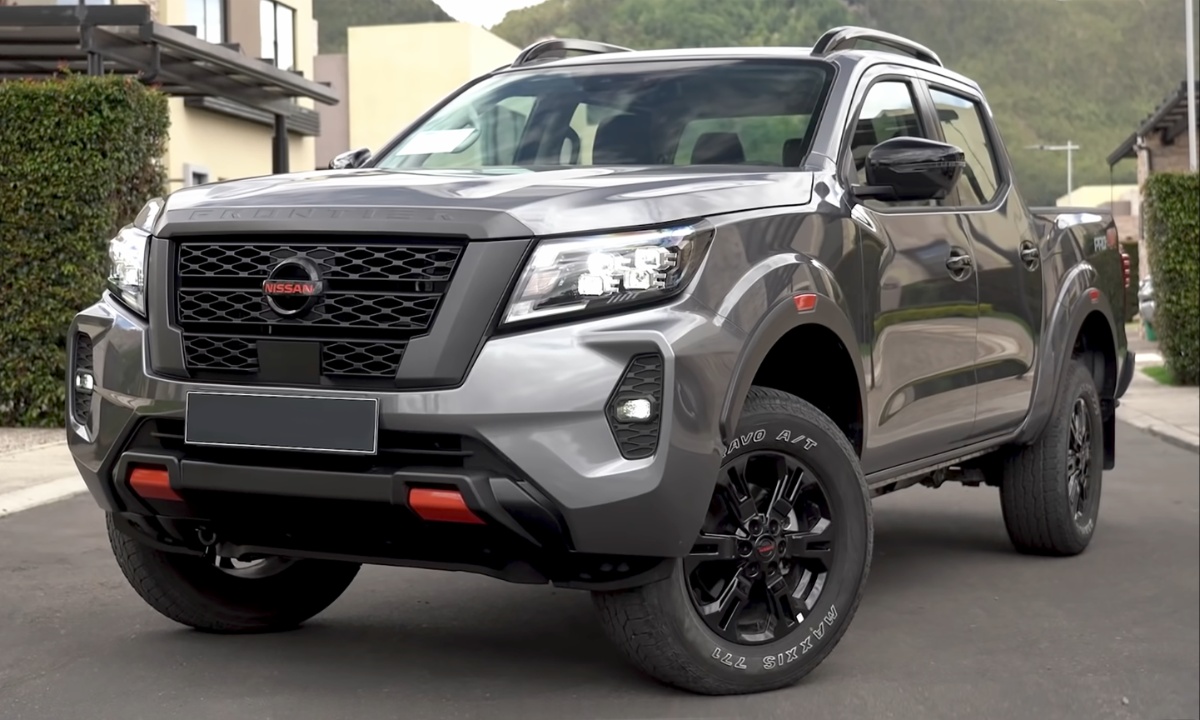
2. Nissan Frontier (Older Generations)
The Nissan Frontier has had a mixed history when it comes to reliability, with the older generations being particularly prone to issues that increase towing frequency.
One of the primary problems reported by owners relates to the automatic transmission, which has been known to suffer from premature failures, such as slipping gears, erratic shifting, or complete breakdowns.
Transmission failure is a common reason for trucks needing to be towed, as it can leave the vehicle immobilized and unsafe to drive. These issues were often accompanied by cooling system problems that could cause the engine to overheat, further compounding the risk of costly breakdowns.
Rust and corrosion are other significant concerns for older Frontiers, particularly in regions where road salt is used extensively during winter.
Corrosion affects critical components such as the frame, suspension mounts, and brake lines, weakening the truck’s structural integrity and leading to failures that necessitate towing. In some cases, rust damage can become severe enough to warrant the vehicle being taken off the road until repairs are completed, adding to the towing statistics.
Parts availability and service network limitations also contributed to the Frontier’s challenges. Because the truck was less popular than some American brands in certain markets, obtaining specific replacement parts could be difficult or expensive, leading to prolonged repairs.
These factors resulted in longer periods where the vehicle was out of commission and sometimes required towing just to get it to a repair shop.
While Nissan has improved the Frontier’s reliability in newer models, the early and mid-2000s trucks retain a reputation for frequent mechanical troubles.
For owners seeking a dependable truck that won’t leave them stranded, the older Frontier models have often been a source of frustration due to their higher likelihood of needing towing compared to other trucks in the same class.
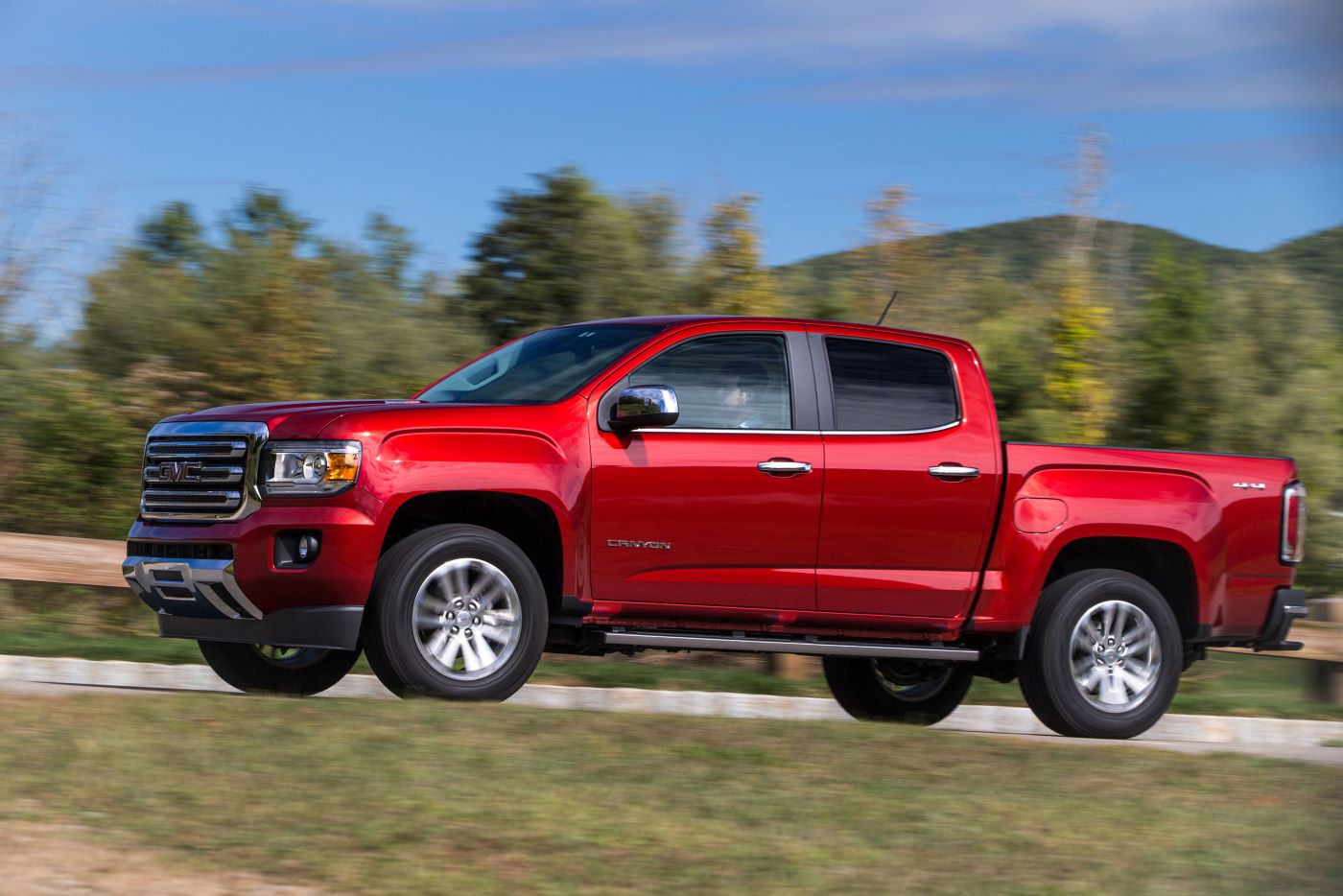
3. GMC Canyon (Certain Model Years)
The GMC Canyon has demonstrated varying levels of reliability depending on the model year, with certain years suffering from problems that have caused frequent towing.
Transmission failures are among the most common issues reported, with owners describing symptoms such as rough shifting, hesitation, or complete transmission lock-up.
These problems tend to occur unexpectedly, often leaving drivers stranded and requiring immediate towing services. The transmission issues stem from both mechanical failures and sometimes faulty transmission control modules, which control gear changes electronically.
Electrical problems are another frequent cause of towing in affected GMC Canyon models. Problems with sensors, wiring harnesses, and onboard computers can cause the truck to enter limp mode or shut down entirely, forcing drivers to stop and seek help.
Diagnosing these electrical issues is often complex and expensive, especially when multiple components are involved. Such complexity increases repair times and costs, contributing to the truck’s reputation for unreliability in certain years.
Other reported mechanical failures include engine overheating, fuel system malfunctions, and cooling system leaks. These problems contribute to sudden breakdowns that prevent the truck from being driven safely.
The accumulation of these issues in some GMC Canyon model years has resulted in higher-than-average towing rates compared to its competitors. While GMC has addressed many of these problems in newer generations, the patchy reliability record of earlier years remains a concern for potential buyers.
Owners of troubled Canyon models often face costly repairs and extended periods without use of their trucks, making ownership frustrating.
This history underscores the importance of thorough research before purchasing used trucks from specific model years known for reliability issues. For those prioritizing a truck that stays on the road, some GMC Canyon years are best avoided due to their tendency to require frequent towing.
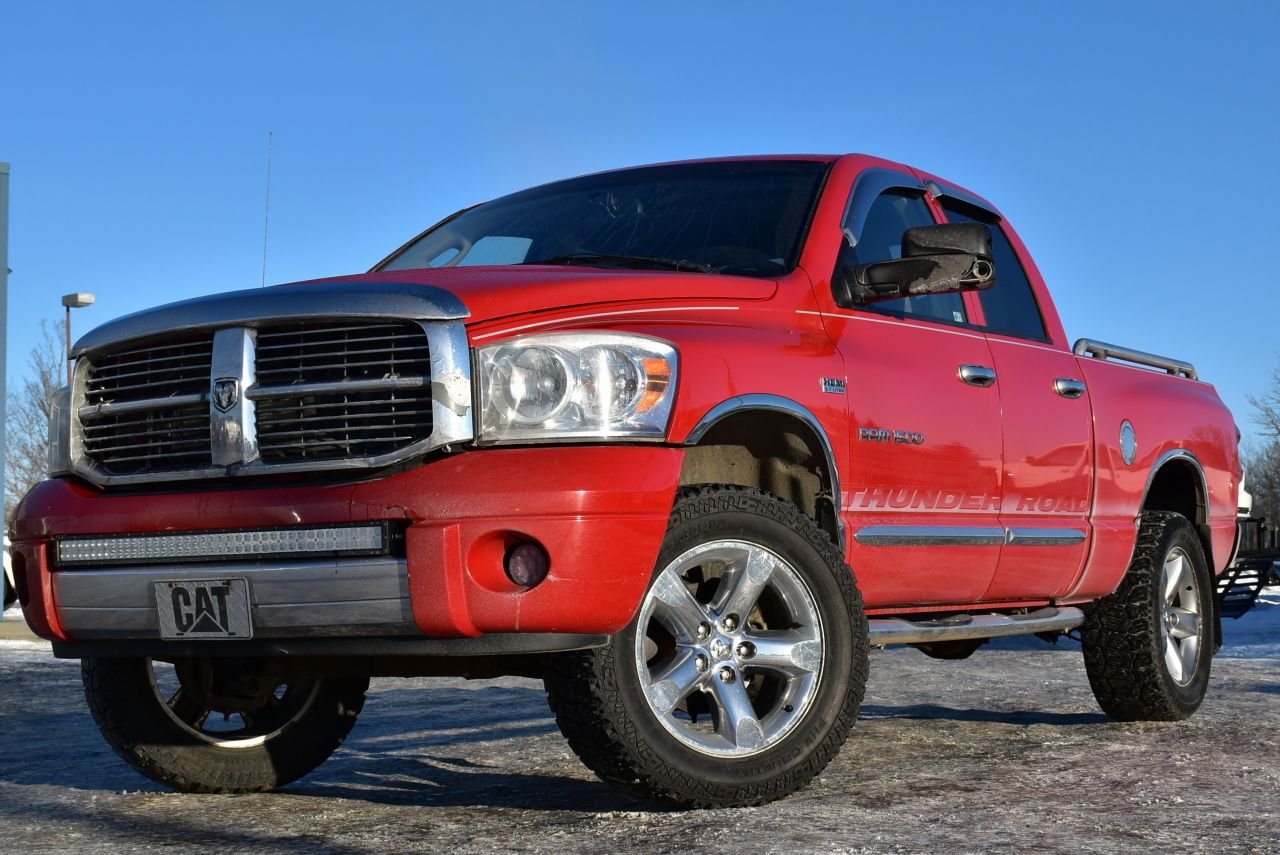
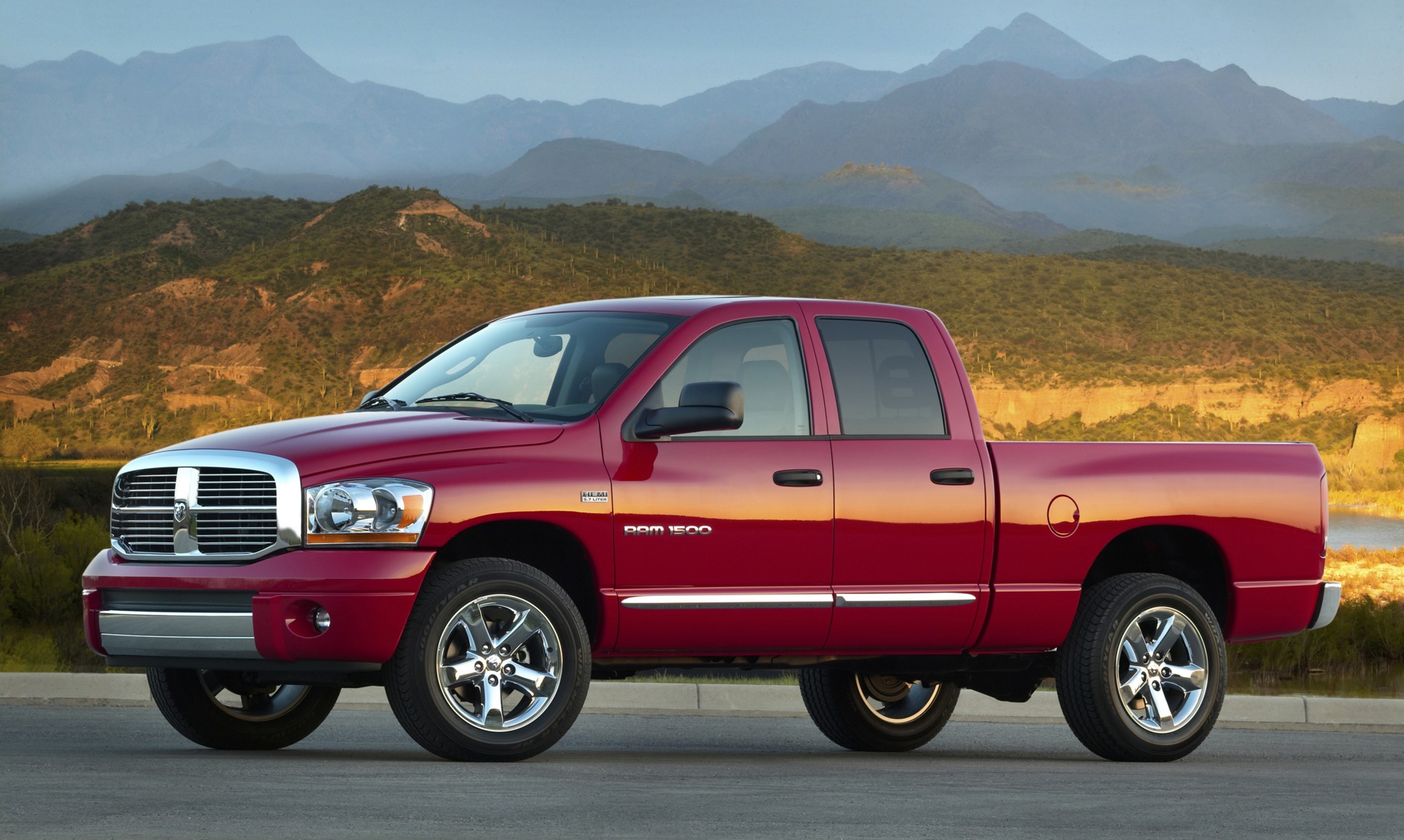
4. Dodge Ram 1500 (Early 2000s)
The Dodge Ram 1500 models from the early 2000s earned a reputation for being more prone to breakdowns and mechanical failures than many of their competitors. These trucks commonly experienced issues with their transmissions, including slipping, hard shifting, and complete failures.
Transmission problems are one of the most frequent reasons any truck requires towing, as they directly impact the ability to move the vehicle. In the Ram’s case, these failures sometimes occurred prematurely, even with proper maintenance, leading to frustration among owners.
The early 2000s Ram 1500 also struggled with electrical issues that affected starting systems and caused intermittent stalling.
Faulty wiring, sensor problems, and other electrical malfunctions could immobilize the truck unexpectedly, often requiring roadside assistance or towing to a repair shop. These electrical problems were compounded by the trucks being heavily used in demanding work environments where reliability is crucial.
Rust and corrosion were additional factors that contributed to towing needs for these models. Many trucks suffered from frame and body rust that compromised structural safety and required towing to service centers for repairs.
The combination of mechanical and structural issues led to frequent breakdowns and increased repair costs. For owners using these trucks for work, the downtime caused by such failures was especially problematic.
Though the Dodge Ram 1500 has improved substantially in newer generations, the early 2000s models are often cited in owner reports and reliability studies as examples of trucks that required towing more often than average. This legacy affects resale value and makes these trucks less appealing for buyers seeking dependable, low-maintenance pickups.
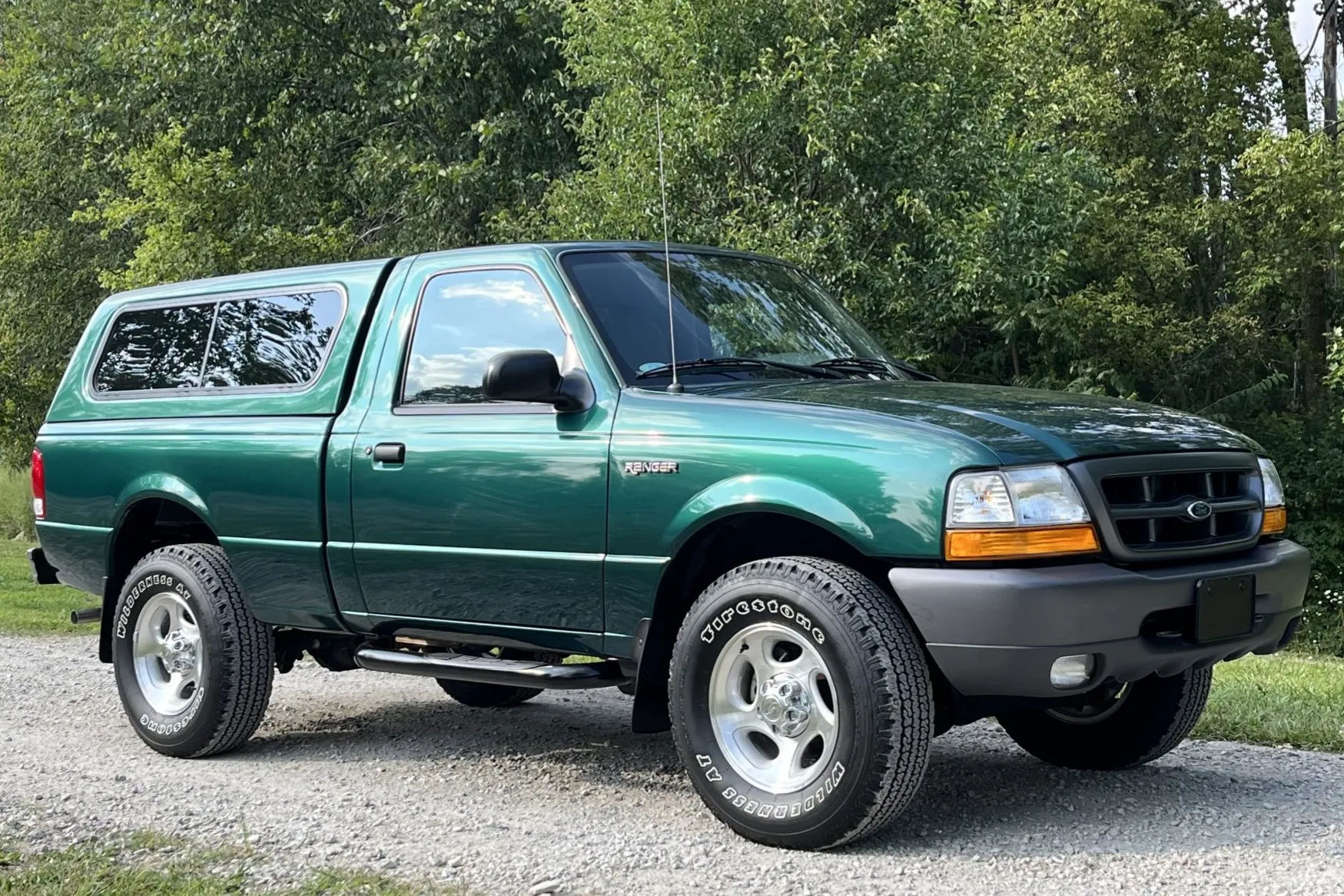
5. Ford Ranger (Older Models)
Older Ford Ranger models, especially those from the 1990s through the early 2000s, are known to have reliability issues that increase towing frequency.
Transmission failures were a common problem, with many trucks experiencing premature wear that led to slipping gears, difficulty shifting, or complete transmission failure. When the transmission fails, the truck becomes undrivable and requires towing, which made this a frequent issue for early Rangers.
Engine overheating was another common problem, caused by issues such as radiator leaks, faulty thermostats, or water pump failures. Overheating can result in engine damage or sudden loss of power, situations that often necessitate towing to prevent further harm.
Owners reported these problems especially in older trucks that had been subjected to heavy use without timely repairs. Electrical system issues were also prevalent in these older Rangers, including faulty sensors, wiring shorts, and malfunctioning ignition systems.
These electrical problems could cause the truck to stall unexpectedly or prevent it from starting, leading to towing calls. The combination of aging electrical components and exposure to harsh environments increased the likelihood of such failures.
Rust damage affected many Rangers in cold climates where salt and moisture accelerate corrosion. This rust not only compromised the structural integrity of the truck but also caused failures in brake lines and suspension components, making the vehicle unsafe to drive. As a result, many Rangers needed to be towed for repairs to address these safety concerns.
Although newer Ford Ranger models have improved reliability, the older trucks still carry a stigma for frequent mechanical failures and towing needs. Owners of these early Rangers often recount multiple breakdowns and towing experiences, making the truck less desirable for those seeking a consistently reliable vehicle.
When choosing a truck, reliability is one of the most critical factors that can significantly impact ownership experience. Trucks that rarely need towing often represent years of thoughtful engineering, quality materials, and proven powertrains.
Vehicles like the Toyota Tacoma, Ford F-150, Chevrolet Silverado 1500, Honda Ridgeline, and recent Ram 1500 models have earned their reputations by consistently delivering dependable performance across various driving conditions.
These trucks tend to have durable engines, robust frames, and suspensions designed to withstand tough workloads, which reduces the risk of breakdowns.
Furthermore, the availability of parts and accessible maintenance options contributes to minimizing downtime and keeping these trucks on the road for hundreds of thousands of miles. Owners benefit from peace of mind knowing their vehicles are less likely to leave them stranded, whether on the highway or off the beaten path.
On the other hand, certain trucks have developed reputations for frequent towing needs, often due to recurring mechanical or electrical problems.
Early Jeep Gladiators, older Nissan Frontiers, some GMC Canyon models, Dodge Ram 1500 trucks from the early 2000s, and older Ford Rangers have all faced issues that have caused more breakdowns and costly repairs.
These challenges can stem from transmission failures, rust and corrosion, electrical system malfunctions, and other wear-prone components.
Such problems not only inconvenience owners but also increase ownership costs and reduce satisfaction. For drivers who depend on their trucks for work or everyday transportation, frequent towing can lead to significant disruptions and lost productivity.
Choosing the right truck involves considering not only performance and style but also the history of reliability. Researching model years, understanding common issues, and evaluating maintenance costs can help buyers select trucks that offer both capability and long-term durability.
By opting for vehicles known for their low towing frequency and strong dependability, owners can enjoy greater confidence on the road and fewer unexpected setbacks.
