
Automotive paint is more than just a cosmetic feature. It serves as a protective layer that shields the metal beneath from harsh weather, ultraviolet rays, and environmental pollutants. Over time, paint can degrade due to exposure to sun, rain, road salts, and other external elements.
One of the main indicators of paint failure is oxidation, which gives the surface a dull, chalky appearance. While some car manufacturers invest heavily in durable paint technologies and protective coatings, others use paints that may look vibrant at the showroom but fail to withstand the test of time.
Understanding the differences between cars whose paint resists oxidation and those prone to rapid deterioration can help buyers make informed decisions, especially for those living in sunny or coastal regions.
Factors affecting paint longevity include the type of paint used, the quality of the clear coat, environmental exposure, and maintenance routines.
Modern automotive paints often come with multiple layers: a primer that bonds to the metal, a base coat that provides color, and a clear coat that protects against UV rays and minor scratches.
Vehicles with high-quality clear coats and advanced paint formulations tend to retain their gloss and vibrancy for many years, even with minimal maintenance.
Conversely, cars with lower-grade paints or thinner clear coats often begin to show signs of oxidation within just a couple of years. Environmental exposure can exacerbate the process, especially in areas with strong sunlight, acid rain, or salt-laden air near the ocean.
While regular washing and waxing can slow the degradation process, it cannot entirely compensate for inherent weaknesses in the paint formulation.
This article highlights five cars whose paint shows remarkable resistance to oxidation, maintaining its luster and protective qualities over time.
It also contrasts these with five cars that have a reputation for chalking or fading after only two summers, demonstrating the impact of paint quality and environmental factors on automotive finishes.
By comparing these vehicles, readers can better understand which models are likely to maintain their aesthetic appeal and which may require more intensive maintenance to prevent premature deterioration.
Cars Whose Paint Resists Oxidation
1. Lexus LS
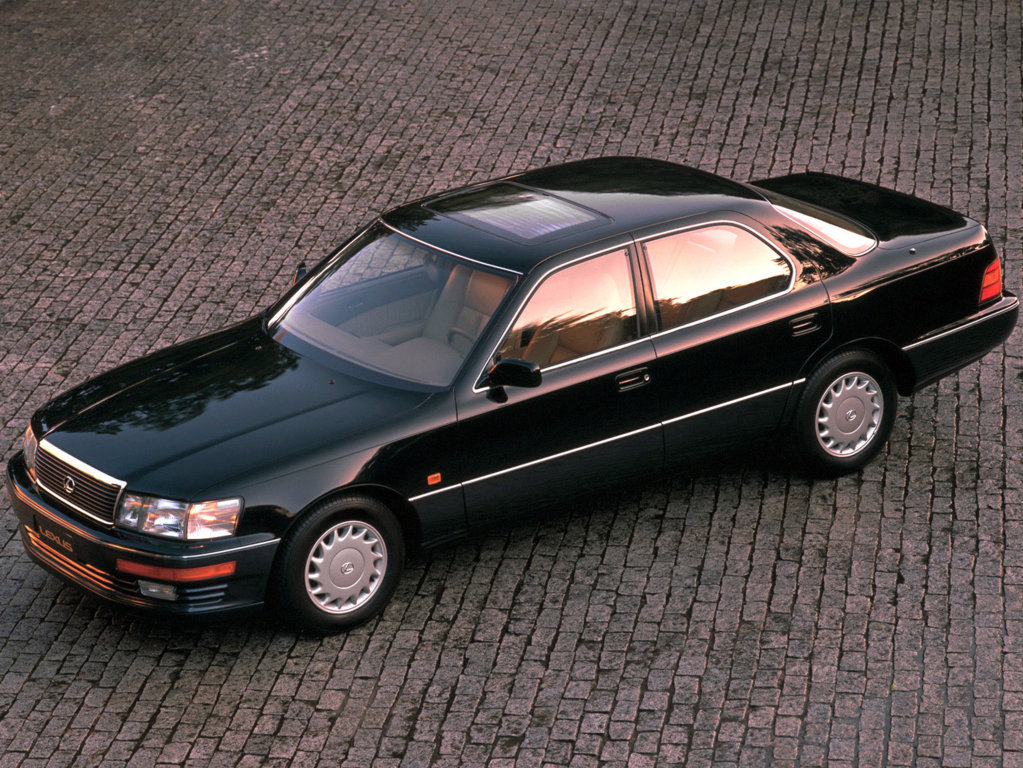
The Lexus LS is widely regarded as one of the most refined luxury sedans on the market, and this reputation extends to the quality of its paint. Lexus employs a multi-stage painting process that is meticulous and precise, designed to provide both aesthetic beauty and long-term protection.
Each vehicle undergoes a series of steps that begin with a corrosion-resistant primer, followed by a high-quality base coat that gives the car its vibrant color, and finally a specially formulated clear coat that protects against ultraviolet damage and minor abrasions.
This process, combined with the controlled baking of each layer at exact temperatures, ensures that the paint adheres perfectly to the body panels and retains its durability for years.
Owners consistently report that even LS models over a decade old maintain an impressive depth of color and a mirror-like finish, which is unusual for vehicles exposed to regular sun and weather conditions.
The pigments themselves are carefully selected to resist fading, and the clear coat has chemical additives that reduce chalking and oxidation.
The clear coat on the Lexus LS is specifically engineered to resist minor scratches, swirl marks, and environmental damage. Regular car washes, when done with proper techniques and non-abrasive products, are usually sufficient to maintain the paint’s pristine condition.
Unlike vehicles with thinner or less durable coatings, the LS’s paint does not quickly lose its gloss or develop chalky spots, even after exposure to sunlight, pollution, or acid rain. This resilience makes it an attractive choice for buyers who prioritize long-term ownership and reduced maintenance requirements.
Beyond aesthetics, the robust paint system also provides functional benefits by acting as a barrier against moisture and contaminants that could otherwise lead to corrosion over time.
This dual purpose of beauty and protection is part of what distinguishes the LS from other luxury sedans that may prioritize appearance over long-term durability.
Even when subjected to heavy washing, occasional chemical cleaning, or environmental stress, the LS paint demonstrates remarkable stability, which contributes to the vehicle’s reputation for longevity. In short, the Lexus LS represents a benchmark for paint durability in the automotive industry.
Owners frequently highlight how well the Lexus LS handles harsh conditions, including high-temperature regions, coastal climates with salt air, and areas with heavy rainfall. The clear coat resists fading and oxidation even when the vehicle is left outdoors for prolonged periods, a testament to the engineering behind its finish.
Additionally, the multi-layer process creates a depth and richness of color that enhances the vehicle’s luxury appeal while simultaneously protecting the underlying metal from corrosion.
This thoughtful approach to paint application ensures that the vehicle maintains a high level of visual quality without requiring constant detailing or protective coatings.
Finally, the Lexus LS demonstrates how proper engineering, materials selection, and process control can dramatically extend paint life. Unlike cars that may appear vibrant initially but deteriorate quickly under environmental stress, the LS maintains a consistent, glossy finish over many years.
The combination of chemical resistance, UV protection, and physical durability makes it one of the most reliable options for buyers concerned with maintaining their vehicle’s appearance.
Even vehicles exposed to frequent sun, dust, or road debris remain visually appealing, highlighting the success of Lexus’s approach to paint longevity.
The LS is a clear example of how investing in quality materials and detailed manufacturing processes pays off, giving owners confidence that their car will remain both beautiful and protected for years to come.
2. Toyota Land Cruiser
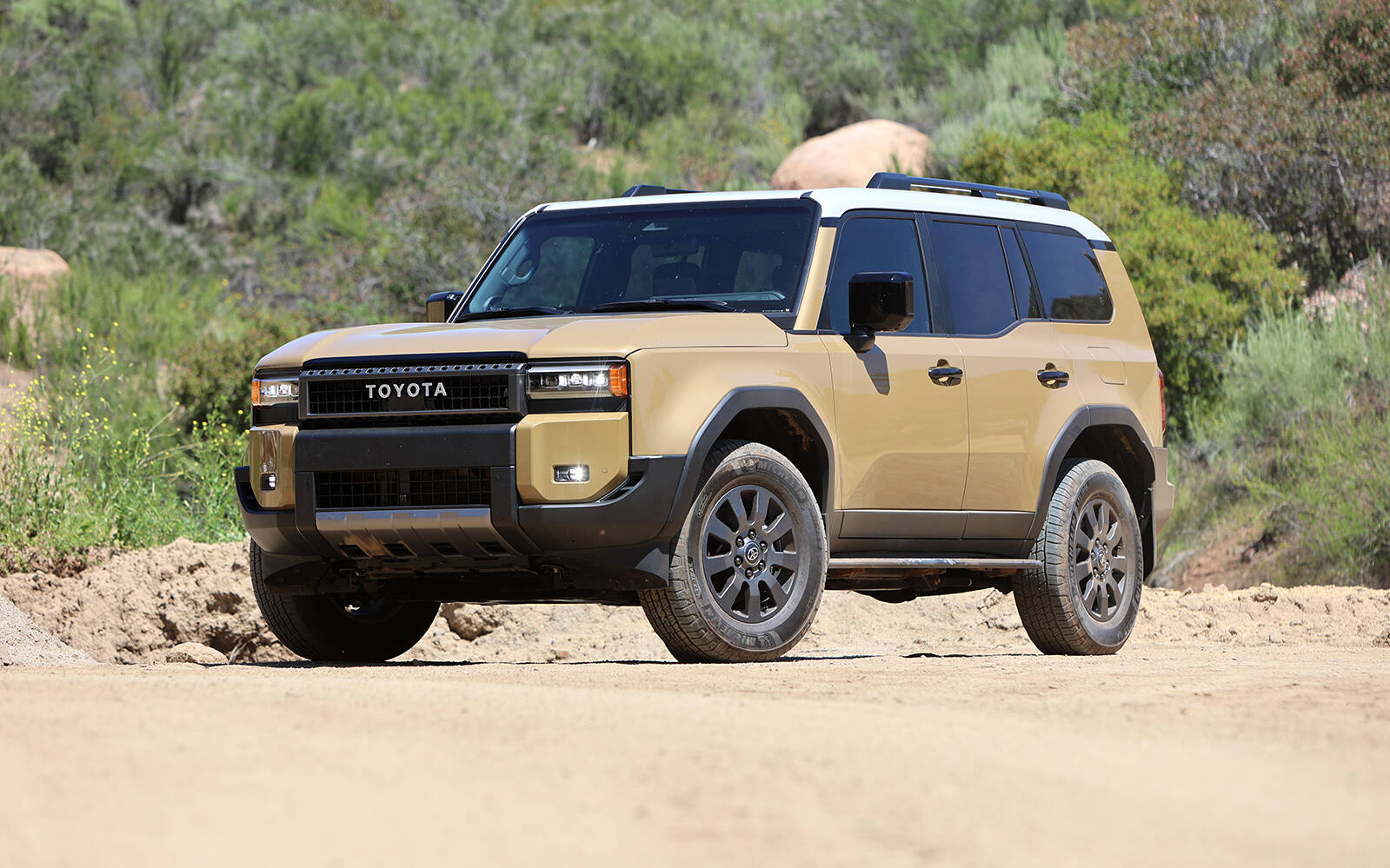
The Toyota Land Cruiser has earned a reputation for exceptional durability, not just mechanically but also in terms of its exterior finish. This rugged SUV is designed to withstand harsh off-road conditions, extreme weather, and long-term use without significant cosmetic degradation.
One of the key aspects of the Land Cruiser’s resilience is its paint system, which is formulated to resist oxidation, fading, and chalking even in the harshest environments.
Toyota employs a multi-layer paint process, including primers, base coats, and clear coats, which work together to form a protective barrier over the vehicle’s metal body panels.
This barrier protects against ultraviolet radiation, road debris, and chemical exposure such as road salts, which can accelerate oxidation in weaker paint systems. The clear coat itself is thicker than that on many comparable vehicles, providing additional resistance to scratches and maintaining gloss over time.
Owners of the Land Cruiser frequently report that vehicles retain their visual appeal for years, even when regularly exposed to mud, sand, salt, or extreme heat.
The pigments used in the base coat are chemically stable, meaning they do not break down under prolonged UV exposure, and the bonding between layers ensures that oxidation does not easily penetrate to the metal beneath.
Additionally, the smooth and even surface created during the factory painting process reduces the accumulation of dirt and contaminants, which can contribute to premature fading. While regular washing and periodic waxing enhance the paint’s longevity, the inherent quality of the Land Cruiser’s finish minimizes the effort required to maintain its appearance.
This combination of advanced chemistry and precise manufacturing results in a vehicle whose exterior remains as resilient as its mechanical components.
The thick clear coat and high-quality pigments serve not only to retain color but also to prevent micro-abrasions and surface damage that can lead to oxidation. This durability gives Land Cruiser owners confidence that their vehicles will continue to look good even after exposure to sunlight, rain, and other environmental challenges.
Finally, the Land Cruiser provides practical advantages beyond aesthetics. The durable paint acts as a protective barrier against rust and corrosion, which are common issues in SUVs used in off-road and coastal conditions. Maintaining the vehicle’s exterior is therefore simpler and less costly over time.
Buyers can rely on the combination of Toyota’s proven engineering and premium paint materials to deliver long-term value.
The Land Cruiser’s paint longevity, paired with its mechanical reliability, reinforces its position as one of the most robust and low-maintenance vehicles available, offering both visual and functional benefits that endure for years.
3. Honda Accord
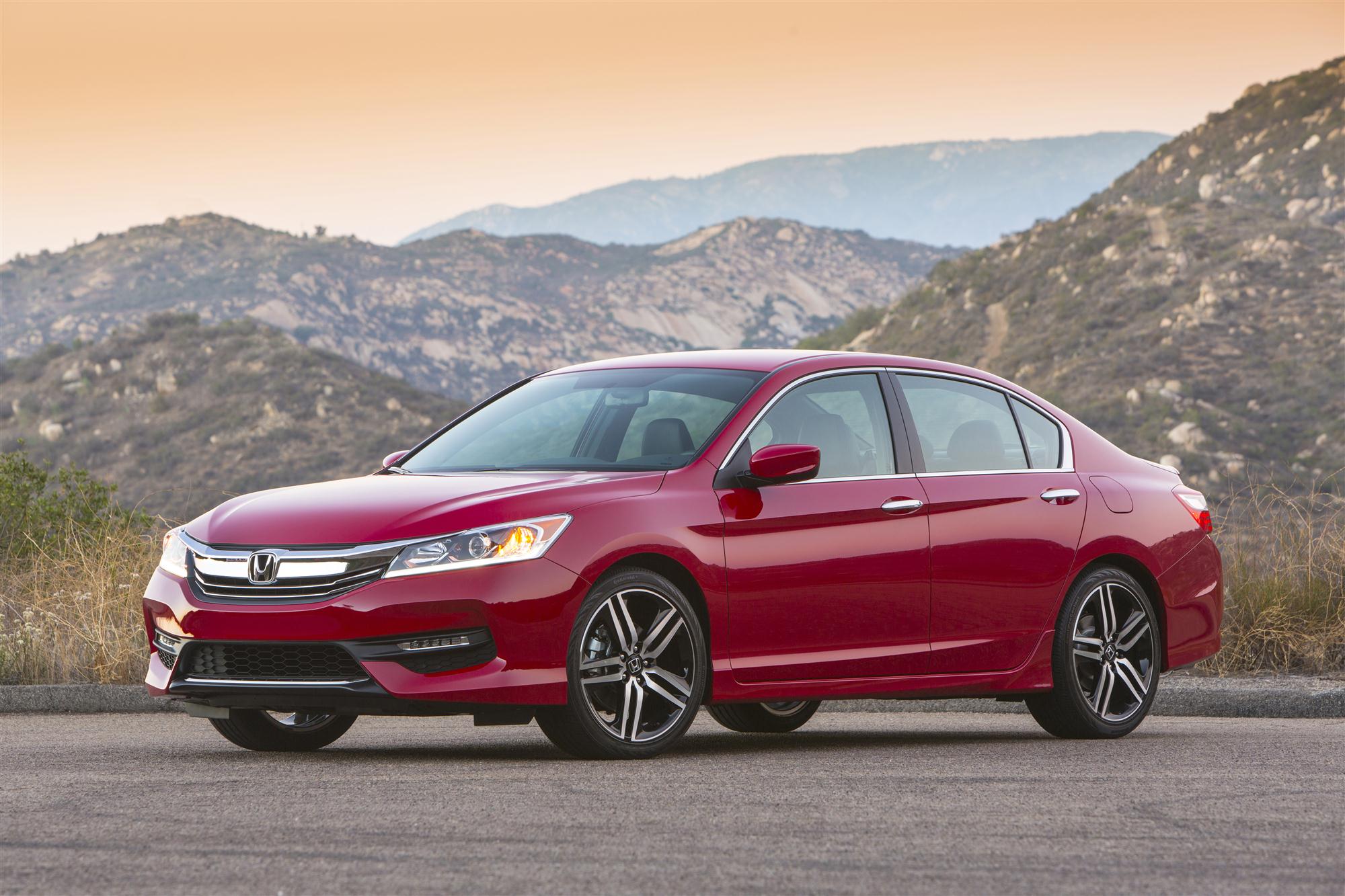
The Honda Accord has long been a benchmark for reliability and quality in the mid-size sedan segment, and this extends to the durability of its paint. Honda’s multi-layer painting system combines a corrosion-resistant primer, a stable and vivid base coat, and a high-quality clear coat with UV inhibitors.
This process ensures that the vehicle’s finish remains vibrant and glossy for many years, even when exposed to sunlight, pollution, and minor abrasions.
Owners often remark that older Accords maintain a showroom-like appearance with minimal maintenance, which is particularly impressive given the frequency of daily driving and exposure to varying environmental conditions.
The pigments used are chemically stable and carefully blended to resist fading, providing long-lasting color depth that continues to look fresh.
The clear coat on the Accord not only protects against UV-induced oxidation but also minimizes surface damage caused by road debris and contaminants. Unlike vehicles with thinner or less resilient coatings, the Accord’s finish resists the chalky appearance associated with paint degradation.
The longevity of the paint is particularly evident in regions with strong sun exposure. The combination of stable pigments and protective clear coats allows the Accord to retain its color and gloss even after prolonged outdoor storage.
Finally, the paint system used on the Honda Accord contributes not only to aesthetics but also to functional protection. By preventing oxidation and minor surface damage, the coating indirectly protects the metal beneath, reducing the risk of corrosion.
This combination of beauty and utility is an important consideration for buyers who prioritize long-term value and resale potential. The Accord’s paint longevity complements its mechanical reliability, resulting in a vehicle that remains both attractive and dependable for years, illustrating Honda’s commitment to producing cars that stand the test of time.
4. Subaru Outback
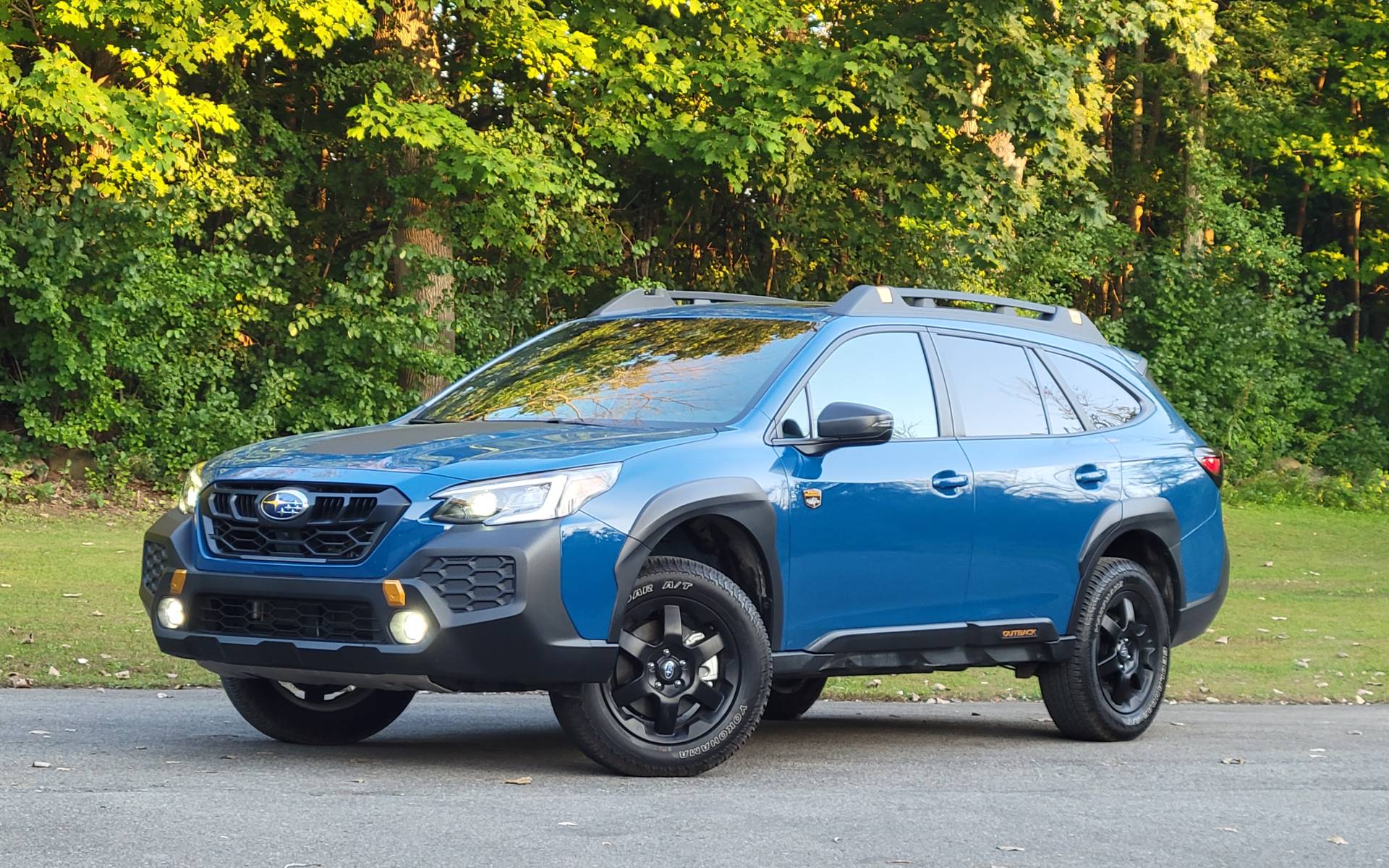
The Subaru Outback is designed for adventure and practicality, and its exterior durability reflects this engineering philosophy. The paint system incorporates multiple layers, including a corrosion-resistant primer, a durable base coat, and a clear coat fortified with UV inhibitors and chemical stabilizers.
In addition to its protective qualities, the Outback’s paint has a smooth, consistent finish that reduces the likelihood of dirt, dust, and pollutants embedding into the surface. This makes routine maintenance easier and more effective, allowing the paint to retain its gloss with minimal effort.
The combination of chemical stability in the pigments and the protective clear coat creates a resilient finish that holds up over time. Vehicles show uniform color and minimal fading, demonstrating the effectiveness of Subaru’s engineering and material selection in preventing oxidation.
The Outback’s paint durability is particularly in extreme climates, from hot, arid regions to humid coastal areas. The factory-applied clear coat contains additives that prevent micro-cracking and degradation caused by ultraviolet exposure.
Finally, the longevity of the Outback’s paint system contributes to vehicle value and functionality. By maintaining a protective layer over the metal body, the paint reduces the risk of rust and corrosion, which is particularly important for vehicles used in snowy or salty environments.
The combination of chemical resistance, UV protection, and physical durability allows the Outback to perform well both visually and structurally, providing owners with confidence that their vehicle will remain attractive and protected for years to come. This paints a clear picture of Subaru’s commitment to producing durable and low-maintenance vehicles.
5. Mercedes-Benz E-Class
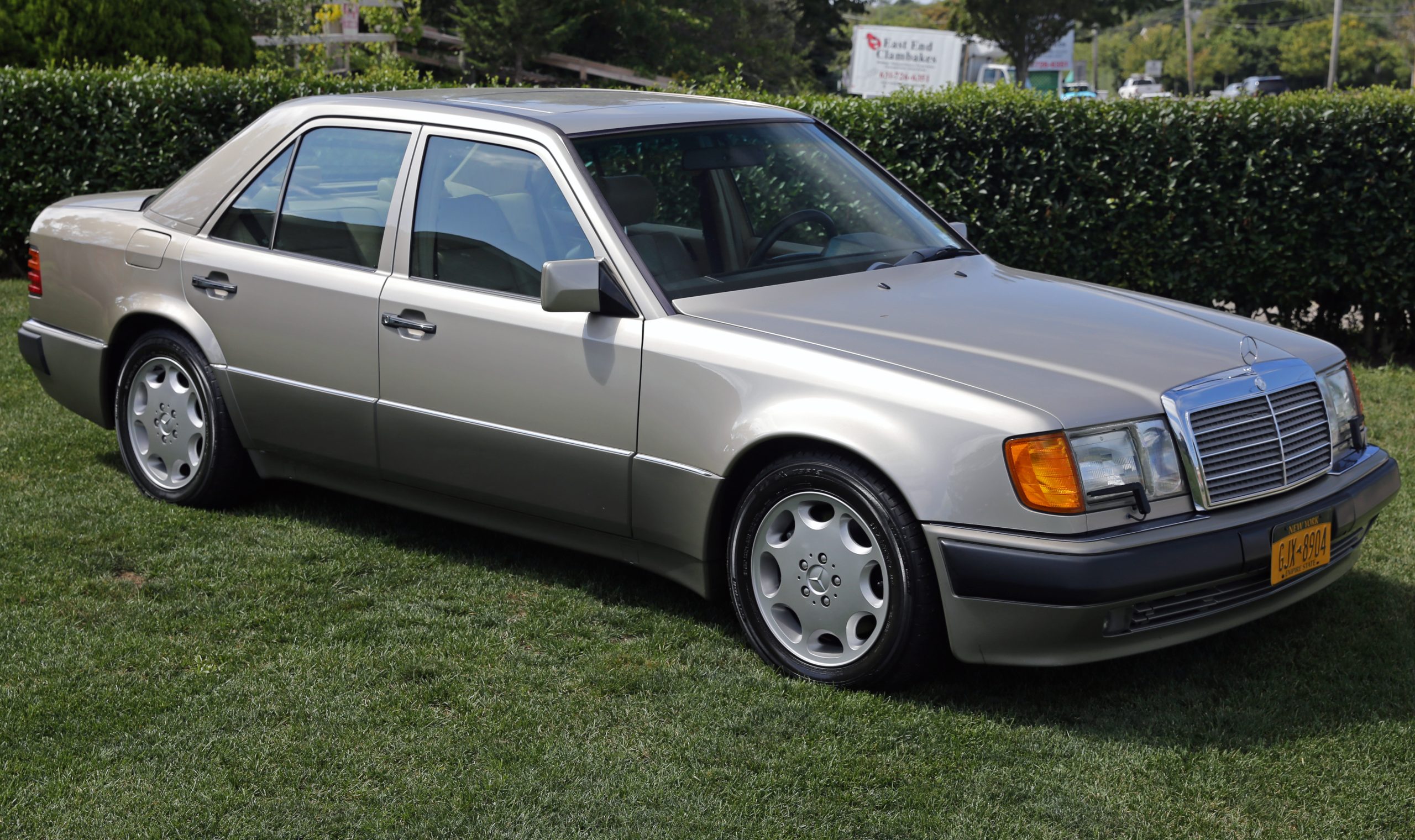
The Mercedes-Benz E-Class is synonymous with luxury, engineering excellence, and meticulous attention to detail, which extends to its paint quality.
The vehicle undergoes a sophisticated multi-stage painting process, incorporating advanced primers, base coats, and clear coats specifically engineered to resist oxidation and fading.
The pigments used in the base coat are chemically stable, providing long-lasting color depth, while the clear coat contains additives that prevent damage from ultraviolet light and environmental pollutants.
Owners consistently report that even E-Class models over ten years old retain a high level of gloss and color richness, setting them apart from many vehicles in the same class.
The E-Class also performs exceptionally well in regions with high sun exposure, extreme temperatures, or coastal climates. The paint’s chemical stability and protective clear coat prevent fading, chalking, and discoloration, even when the vehicle is parked outdoors for extended periods.
Owners note that the vehicle maintains its luxury appearance without requiring constant detailing or protective coatings, reflecting Mercedes’ investment in durable finishes that align with the car’s premium positioning.
Finally, the Mercedes-Benz E-Class demonstrates how advanced materials and meticulous factory processes create a vehicle with paint that is both beautiful and functional.
The robust finish not only enhances visual appeal but also protects the underlying metal from corrosion, contributing to the long-term integrity of the vehicle.
This combination of durability, aesthetics, and low maintenance ensures that the E-Class remains an appealing choice for buyers who value both luxury and longevity.
The paint quality complements the vehicle’s mechanical reliability, reinforcing Mercedes’ reputation for excellence in design, engineering, and material selection.
Cars Prone to Chalking in Two Summers
1. Chevrolet Camaro
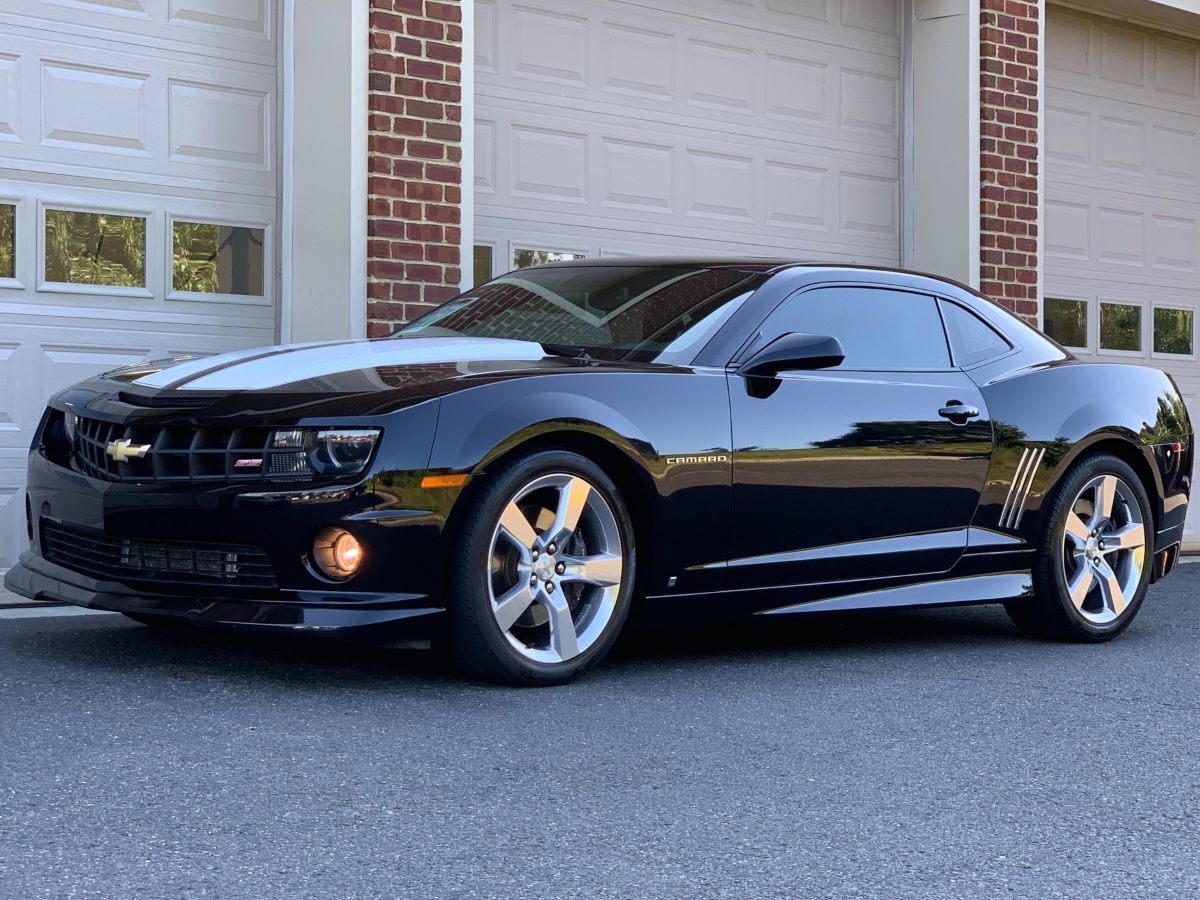
The Chevrolet Camaro is a bold and iconic sports car, known for its aggressive styling and powerful engines. However, certain model years of the Camaro have shown a tendency for the paint to degrade quickly when exposed to strong sunlight and environmental stress.
This chalking occurs because some versions of the Camaro were coated with paint that lacked sufficient UV inhibitors or protective clear coat thickness.
When the paint layers are exposed to prolonged sunlight, the pigments can break down, and the clear coat can begin to lose its bond with the base coat, resulting in a chalky or faded appearance.
Owners in hot climates often report that by the second summer, the once vibrant colors appear dull, with the glossy finish noticeably diminished. The phenomenon is particularly pronounced on darker colors such as black or deep blue, where oxidation becomes immediately visible.
While washing the car removes dirt and surface dust, it cannot restore the chemical degradation caused by UV exposure. This rapid paint deterioration highlights the importance of both pigment quality and protective coatings in resisting environmental wear.
Another contributing factor to the Camaro’s paint issues is the relatively thin factory-applied clear coat on certain trims and model years. The thin clear coat cannot fully shield the base coat from the sun’s ultraviolet rays, allowing oxidation to progress more rapidly.
Chemical agents in pollutants and acid rain can accelerate the chalking process, particularly on vehicles left outdoors for extended periods without shade. Even with regular waxing, which can temporarily protect the surface, the underlying degradation of the paint continues.
Owners in regions with strong summer sunlight or high UV indexes often face a two-year period in which the paint visibly degrades, even under standard care routines.
The chalking problem not only diminishes the aesthetic appeal but can also lower resale value, as buyers frequently associate visible oxidation with neglect or higher maintenance costs.
Finally, the Chevrolet Camaro provides a cautionary example of how paint chemistry and application processes affect longevity.
While the vehicle remains an exciting sports car mechanically, the visual degradation caused by insufficient UV protection and a thinner clear coat demonstrates that even high-performance vehicles are vulnerable to environmental wear.
For owners concerned with preserving the exterior, additional protective measures such as regular ceramic coatings, high-quality waxes, or covered parking become necessary.
Without these precautions, the paint is likely to show chalking within just two summers, particularly on darker or metallic finishes, illustrating the importance of both material quality and proper environmental protection in automotive paint.
2. Ford Mustang
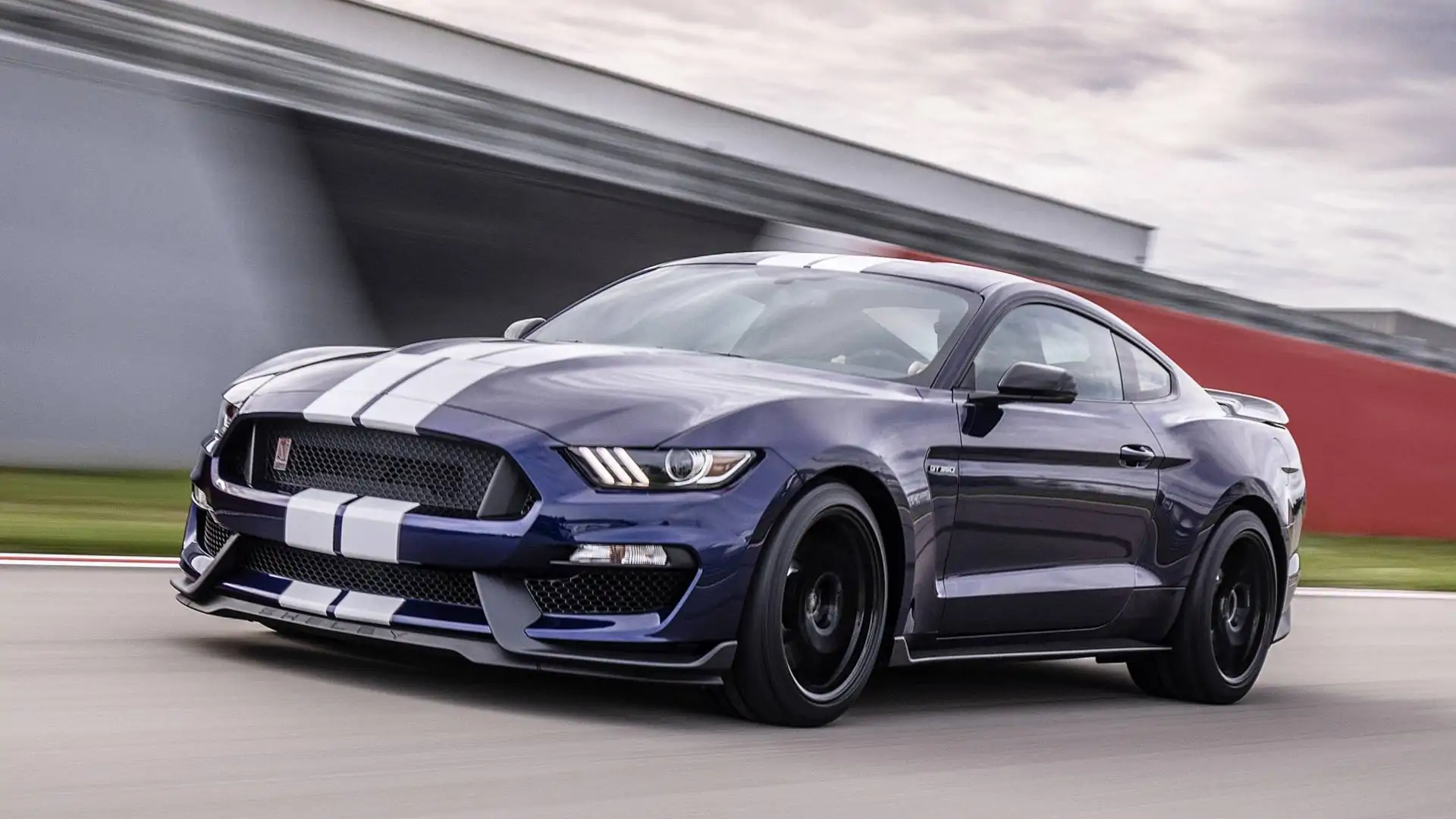
The Ford Mustang has a long legacy of performance and style, but certain model years have demonstrated rapid paint degradation in sunny climates.
Mustang paint can be prone to oxidation and chalking due to the combination of high-gloss pigments and insufficient UV-protective clear coats in some trims.
Within two summers, owners have reported that the vibrant colors fade noticeably, often developing a chalky or powdery texture on exposed surfaces such as the hood, roof, and trunk.
This is especially true for black, red, and metallic finishes, which are more susceptible to pigment breakdown under prolonged sun exposure.
Washing and routine maintenance may temporarily remove surface dust, but they cannot reverse the chemical changes occurring in the paint layers themselves. The visible effects of oxidation not only reduce the visual appeal of the vehicle but also indicate that the protective qualities of the paint are being compromised.
The paint system on the Mustang, while attractive initially, sometimes lacks the durability seen in competitors with thicker clear coats or chemically stabilized pigments. When exposed to intense sunlight or high heat, the clear coat can degrade unevenly, exposing the base layer to environmental stressors.
The chalking issue also underscores the delicate balance between aesthetics and durability in sports cars. Ford prioritized glossy, vibrant finishes and bold color options that catch the eye, but in doing so, certain finishes sacrificed long-term resilience.
This makes the Mustang an example of how style-focused vehicles can sometimes be more vulnerable to environmental damage than their more conservatively styled counterparts.
Finally, the Ford Mustang illustrates the practical challenges of maintaining high-gloss paint in vehicles with aggressive styling and outdoor exposure. Even with careful washing and waxing, the chemical breakdown of the paint and clear coat can lead to visible chalking within just two years in sunny climates.
While the Mustang remains a desirable and iconic vehicle, its susceptibility to paint degradation highlights the importance of preventive care and environmental protection.
Buyers who prioritize long-term paint appearance must be proactive in applying additional protective coatings or avoiding prolonged sun exposure to preserve the vehicle’s vibrant colors. This serves as a reminder that high-performance aesthetics do not always guarantee long-term durability.
3. Dodge Challenger
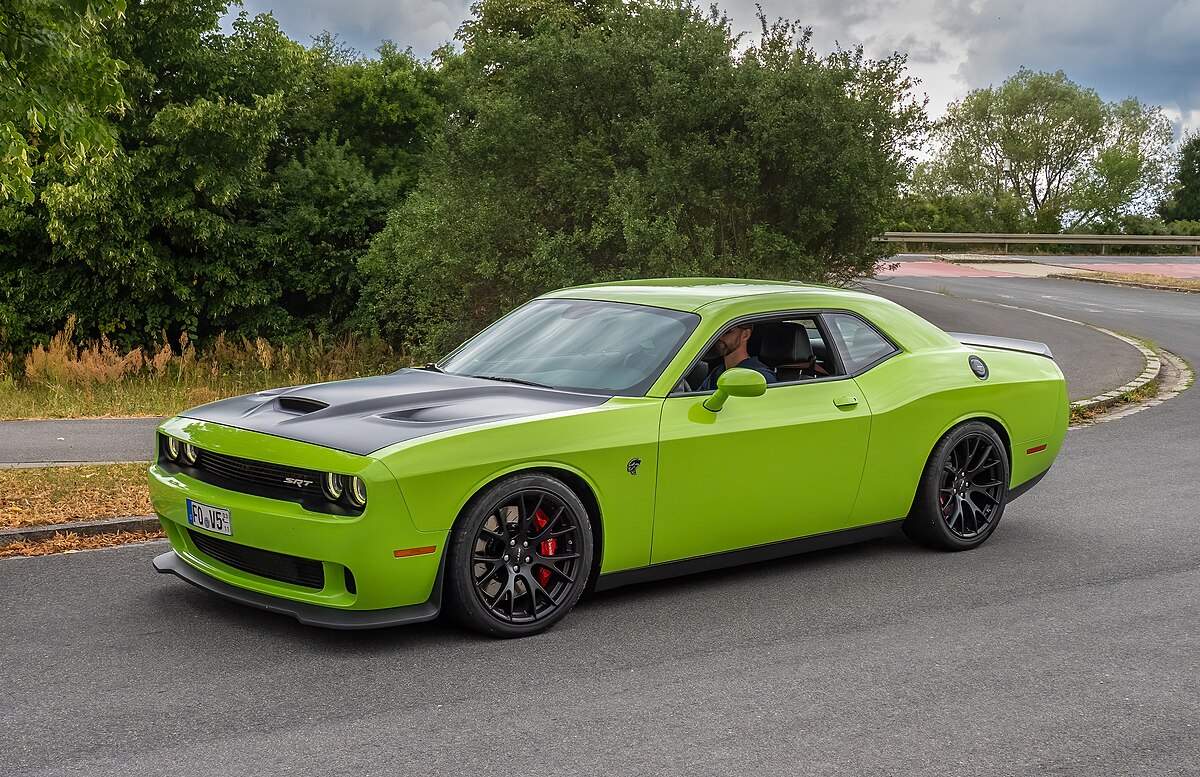
The Dodge Challenger is known for its muscular design, wide stance, and retro appeal, but certain model years show rapid paint degradation in warm, sunny environments.
The high-gloss finishes used on these Challengers, particularly darker shades like black, deep blue, and metallic red, can break down quickly when exposed to ultraviolet rays.
The Challenger’s susceptibility to chalking is compounded by environmental factors such as sun exposure, salt air, acid rain, and heat fluctuations. These elements accelerate the degradation process, causing uneven fading across different panels.
The metallic and candy paint finishes, which appear strikingly vibrant when new, are particularly prone to color shifts as the pigments break down and the clear coat becomes chalky.
Many owners have reported that after just two summers of outdoor exposure, previously shiny finishes develop a matte or powdery appearance, especially on the hood and roof, where sunlight exposure is most intense.
This visible deterioration detracts from the appeal of the vehicle, making it appear older and less cared-for than it actually is.
The paint chemistry and application process used on the Challenger prioritize visual impact over long-term durability. While the factory finishes deliver bold, eye-catching colors and mirror-like gloss initially, they often lack sufficient UV inhibitors or protective layers to withstand repeated exposure to harsh sunlight.
Finally, the Dodge Challenger demonstrates how powerful aesthetics can sometimes come at the cost of long-term paint resilience. Despite its striking appearance and mechanical performance, certain model years show visible signs of chalking and fading much sooner than competitors with more robust paint systems.
The vehicle highlights the importance of additional protective measures for paint preservation, including the use of sealants, waxes, or covered parking. Without these precautions, the visually appealing exterior is at risk of premature aging, illustrating that even premium-looking paint can degrade quickly under environmental stress.
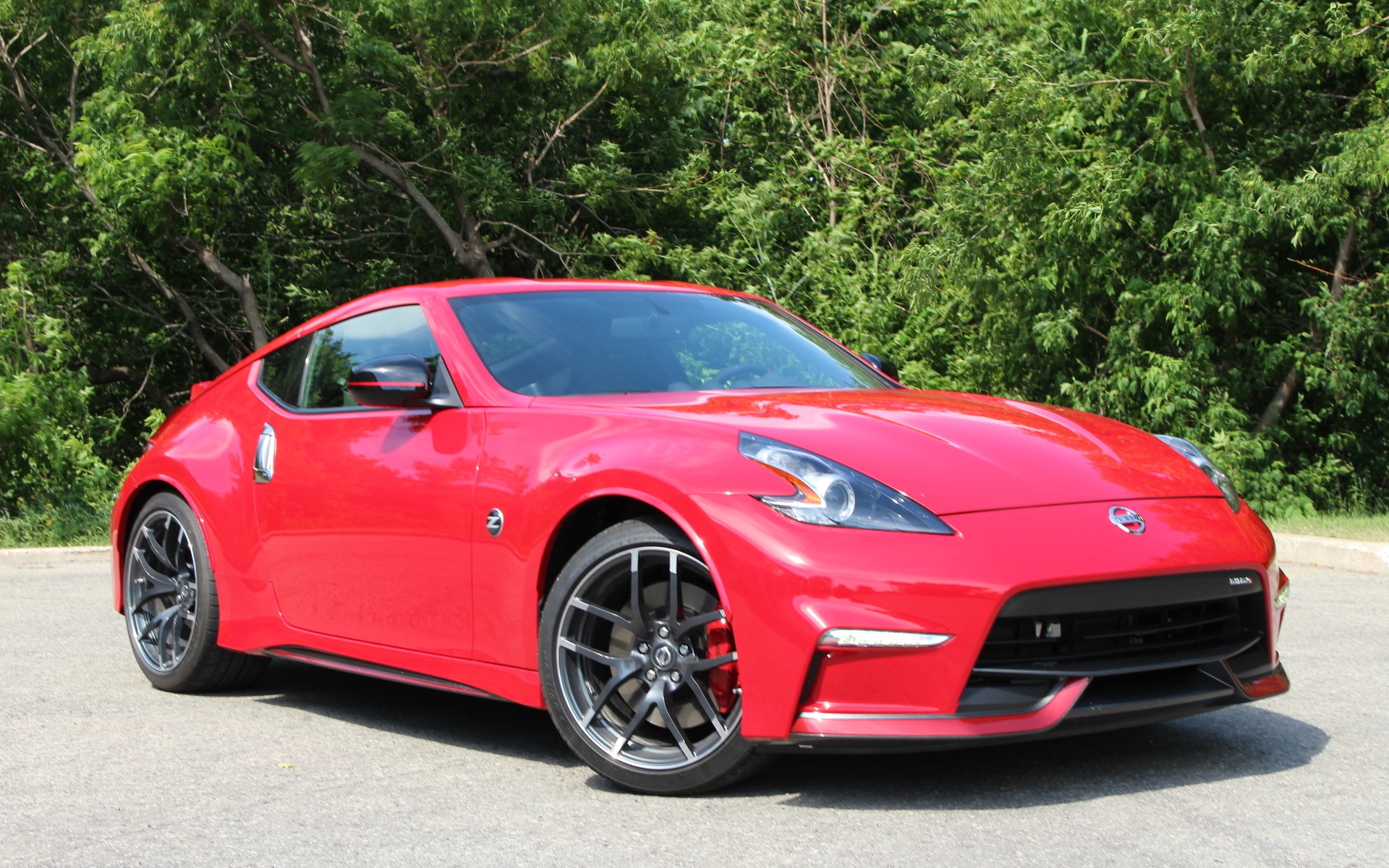
4. Nissan 370Z
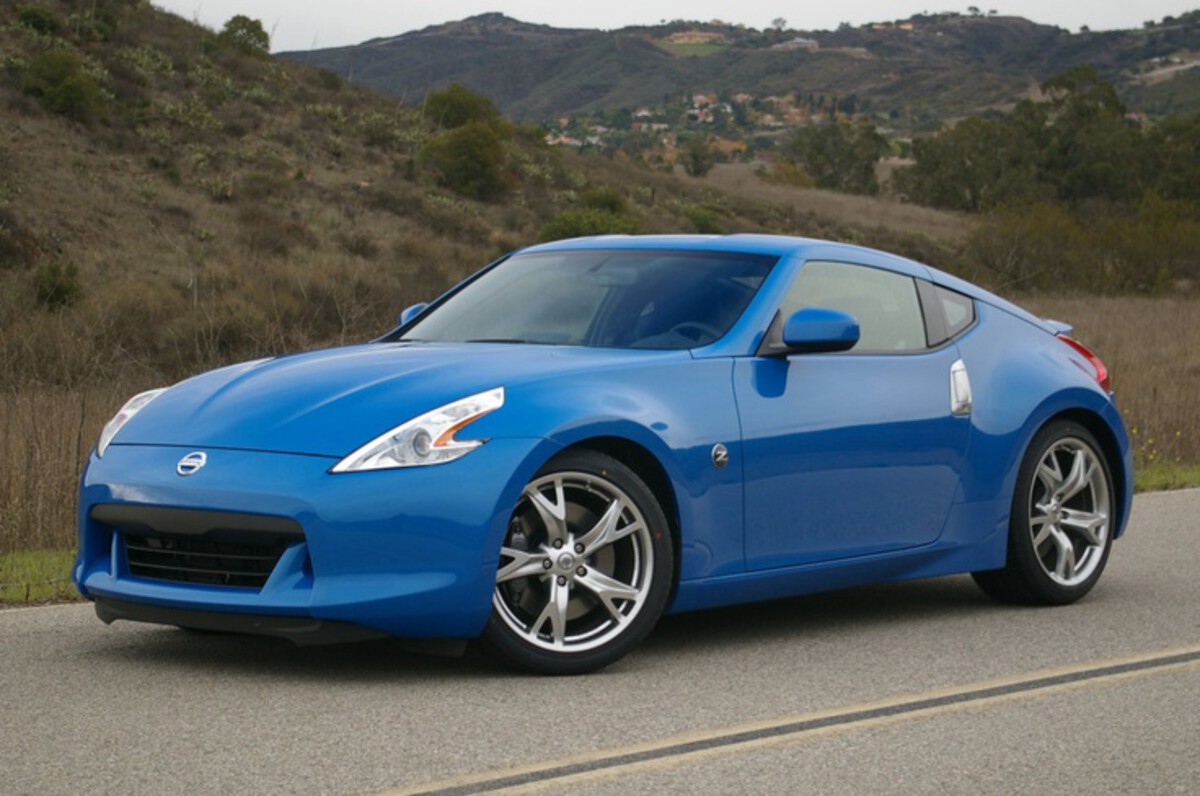
The Nissan 370Z is a compact sports car known for sharp styling and responsive handling, but some model years experience rapid paint chalking in sunny climates. The high-gloss and metallic finishes applied to the 370Z can break down quickly under ultraviolet light, resulting in a faded or chalky appearance after two summers.
Darker colors are particularly vulnerable, as their pigments are more prone to chemical degradation from heat and sun exposure. Even when regularly washed and waxed, the protective clear coat can wear unevenly, allowing oxidation to progress on the base coat.
Owners often report noticeable fading on the hood, roof, and rear deck, where sunlight exposure is most intense, highlighting the limitations of the factory-applied paint system.
Metallic and pearlescent colors, while visually striking, can appear inconsistent or blotchy as the clear coat oxidizes, making the chalking problem more apparent. In many cases, the car’s youthful appearance diminishes within two years, even with careful care and maintenance.
This issue underscores the delicate balance between visual aesthetics and paint durability in performance-oriented vehicles. Nissan prioritized bold, eye-catching finishes on the 370Z, but in doing so, the long-term resilience of the paint can be compromised.
Finally, the Nissan 370Z illustrates the practical challenges of maintaining long-term paint appearance on a compact sports car. While the vehicle is designed to impress with aggressive styling and vibrant colors, its paint system can succumb to visible oxidation within just two summers.
This demonstrates the importance of preventive care, additional coatings, and mindful parking practices for maintaining visual appeal. Buyers must be aware that even high-quality-looking finishes can degrade quickly under environmental stress, and proactive measures are often required to preserve the car’s original aesthetic over time.
5. Volkswagen GTI
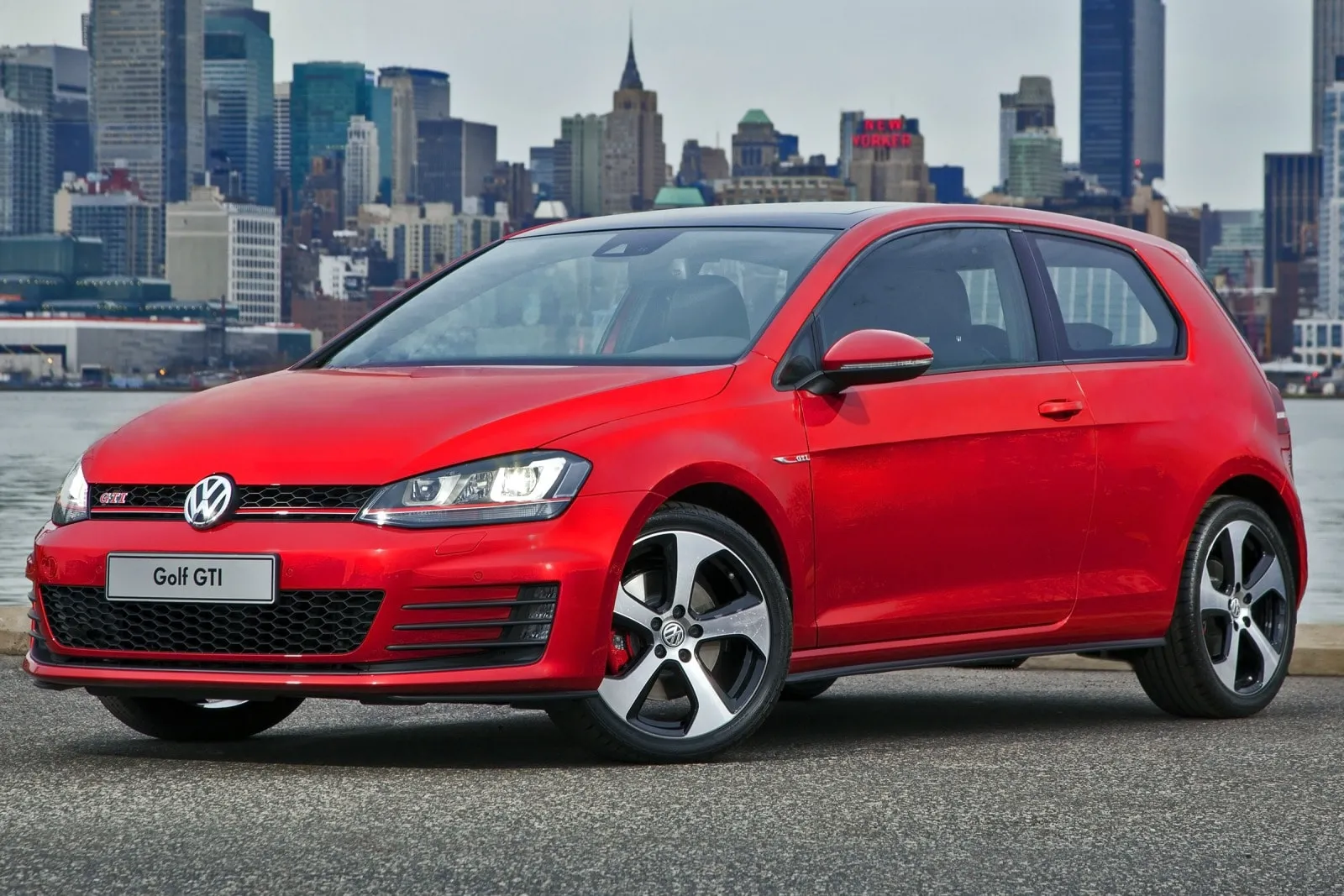
The Volkswagen GTI is celebrated for its sporty performance and European styling, yet certain model years are prone to rapid paint chalking in high-sunlight regions.
Darker and metallic paint colors, such as black, deep red, and dark blue, often exhibit oxidation on exposed surfaces within two summers.
The chalking is caused by a combination of thin factory clear coats and pigments that lack sufficient UV protection, allowing the base coat to oxidize and lose its gloss.
Owners frequently notice that horizontal surfaces, including the roof, hood, and rear deck, develop a powdery texture, creating a visual contrast with less-exposed areas.
Standard washing and waxing provide only temporary protection and cannot reverse the chemical breakdown occurring within the paint layers themselves.
Environmental factors, such as intense sunlight, salt air, and pollution, exacerbate the GTI’s paint degradation. The high-gloss and metallic finishes, while attractive initially, can fade unevenly as the clear coat deteriorates, leaving behind a dull and chalky appearance.
Finally, the Volkswagen GTI illustrates how even small vehicles with initially impressive paint can experience rapid oxidation and chalking. Without additional preventive measures, the exterior appearance can deteriorate within just two summers, particularly on darker and metallic colors.
This highlights the importance of protective coatings, covered parking, and careful maintenance to preserve both aesthetics and long-term value.
The GTI serves as a reminder that vibrant paint alone does not guarantee durability and that environmental factors play a critical role in long-term appearance retention.
