
Classic Japanese sedans have earned a devoted following for their reliability, timeless design, and mechanical honesty. While sports cars like the Supra or RX-7 often steal the spotlight, the sedans of the same era carry an understated charm that continues to win over enthusiasts.
These cars represent a period when Japanese engineering prioritized balance, practicality, and durability over unnecessary extravagance. They were designed to last, to be driven daily, and to deliver a smooth, confident ride without excessive maintenance costs. For many drivers, these sedans are a bridge between the nostalgic simplicity of older cars and the usability of modern transportation.
Another reason classic Japanese sedans remain desirable is their accessibility. They provide an affordable entry point into vintage car ownership. Unlike many European or American classics that require expensive upkeep or hard-to-find parts, Japanese models tend to have strong aftermarket support and a global community of enthusiasts ready to share knowledge and parts.
Their engines are known for lasting hundreds of thousands of miles, and their interiors, while simple, are functional and durable. For those looking to enjoy something unique on a modest budget, these sedans offer a rewarding experience without draining finances.
Many of these models also reflect the rise of Japan’s automotive dominance during the 1980s and 1990s. Manufacturers like Toyota, Nissan, Honda, and Mazda refined their craft during these years, producing vehicles that could rival luxury European brands while retaining affordability.
The result was a golden age of sedans that balanced comfort, economy, and performance in ways that still feel relevant today. Whether someone wants a weekend cruiser or a dependable daily driver, these cars offer plenty of character for the price.
The following sections highlight ten classic Japanese sedans that continue to stand out for their value, dependability, and charm. Each one has its own appeal, whether through robust engineering, elegant styling, or nostalgic appeal.
These cars may not fetch high auction prices, but they deliver something more meaningful: a connection to an era when craftsmanship and practicality worked hand in hand, giving everyday drivers a sense of pride every time they turned the key.
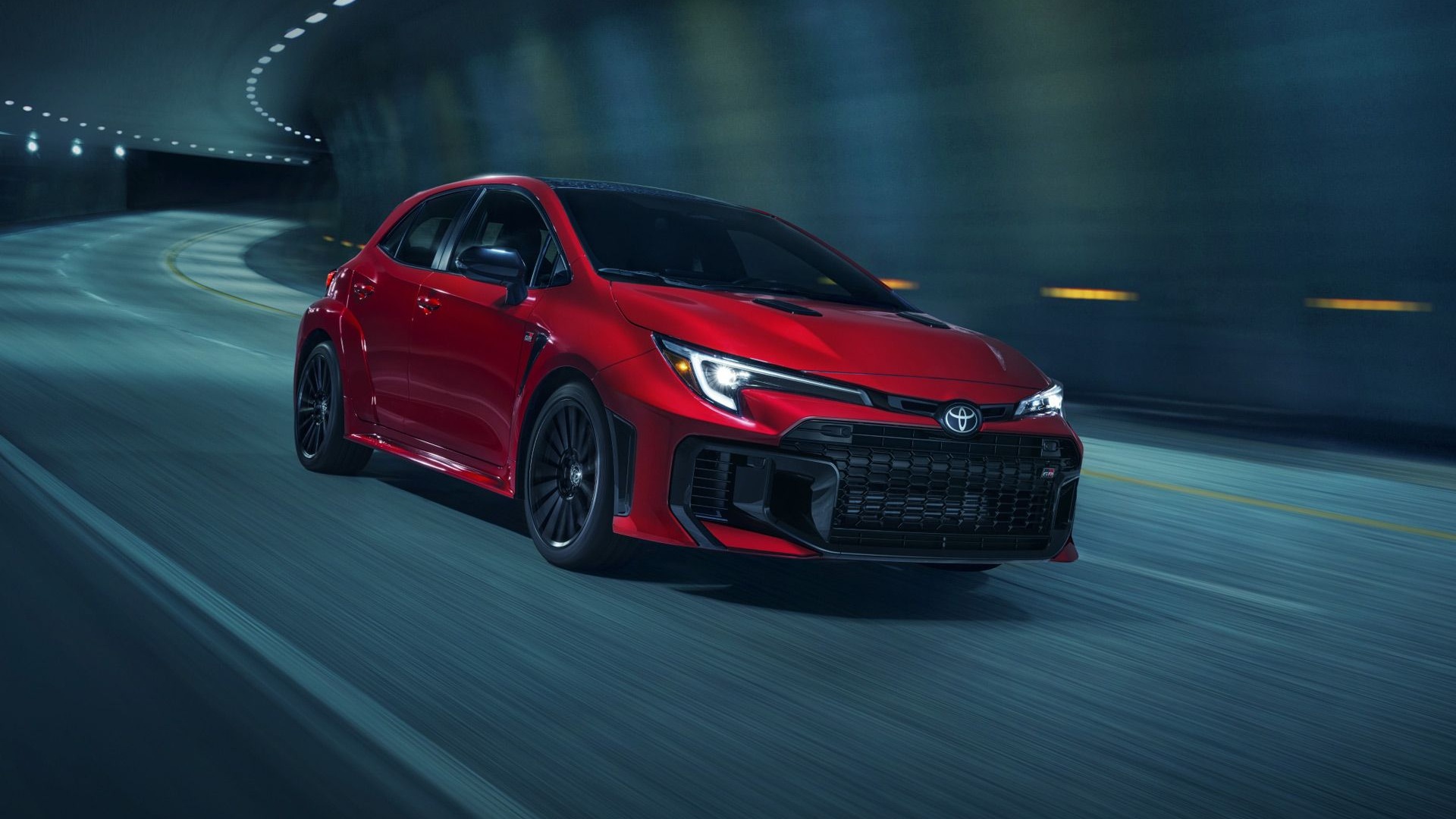
1. Toyota Corolla (AE101 and AE111 Series)
The Toyota Corolla has long been a symbol of dependable engineering and sensible design. The early 1990s AE101 and AE111 generations remain particularly popular among budget-conscious enthusiasts who appreciate how these models balance simplicity and refinement.
These cars were built during a period when Toyota’s production quality was at its peak, and their lightweight chassis and responsive engines made them surprisingly fun to drive. Even today, they are easy to maintain, and parts are widely available. While they might not be fast, their smooth power delivery and sturdy construction make them feel timeless.
What makes the AE101 and AE111 series especially attractive is how they blend economy with driving enjoyment. Models equipped with the 4A-GE engine offer a spirited experience, delivering an engaging sound and lively acceleration for their modest size.
The suspension setup, while soft by modern standards, provides a comfortable and balanced ride suitable for long drives or daily commutes. Many owners enjoy customizing these Corollas, as they accept a wide range of aftermarket upgrades that can enhance both performance and style without excessive cost.
Inside, these Corollas demonstrate Toyota’s commitment to practicality. The cabin layout is simple, with intuitive controls and supportive seats. The materials may not rival luxury cars, but their durability is hard to match.
Even after decades of use, many examples remain free from major interior wear, showing the longevity of Toyota’s craftsmanship. These cars also have strong fuel economy, often achieving impressive mileage figures that make them perfect for drivers who value efficiency.
The appeal of the AE101 and AE111 lies in their understated nature. They do not demand attention, yet they deliver satisfaction in every aspect of ownership.
Their reputation for reliability is well-earned, and their driving dynamics remind owners why so many people fell in love with Toyota in the first place. For anyone seeking a classic sedan that is affordable, easy to maintain, and still enjoyable behind the wheel, the Corolla from this era stands as a smart and dependable choice.
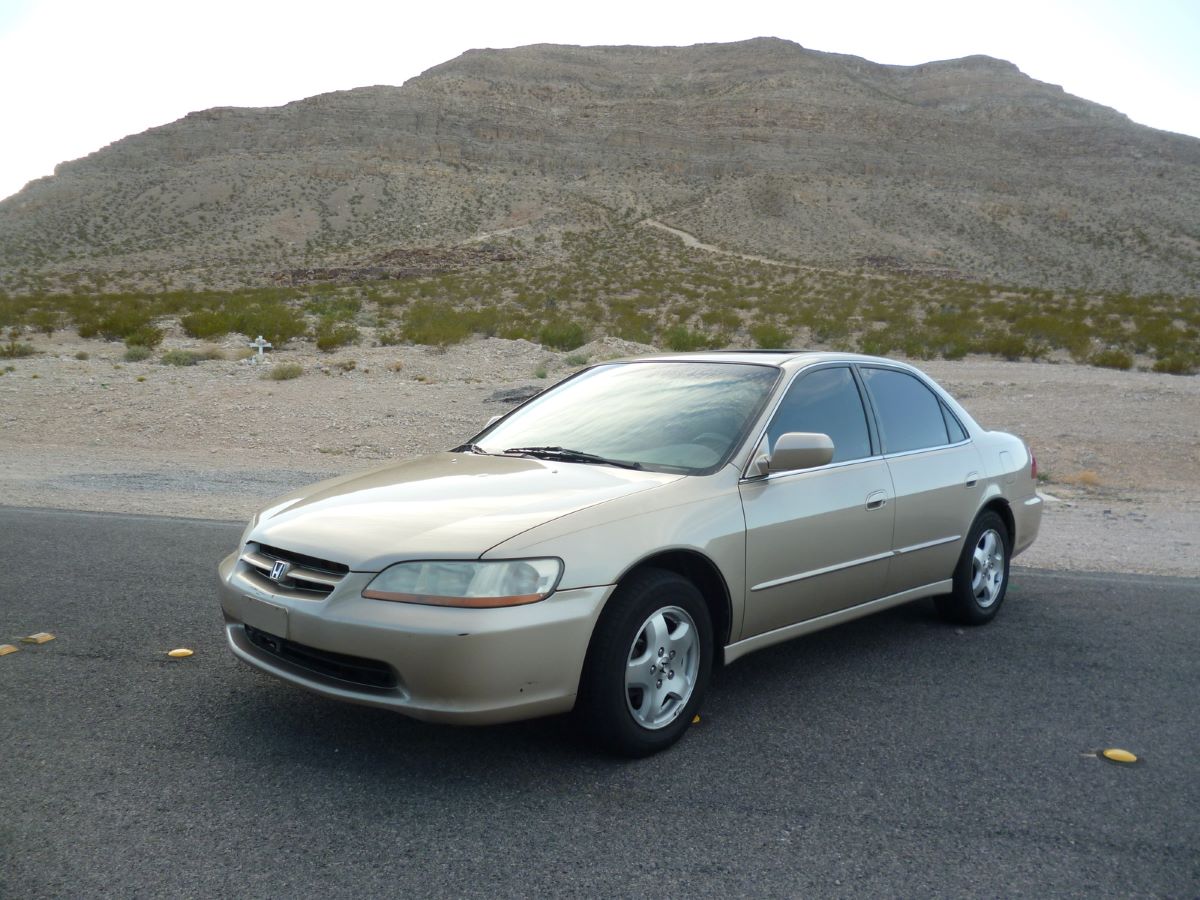
2. Honda Accord (1990s Models)
Few sedans represent long-term value and driver enjoyment better than the 1990s Honda Accord. During this decade, Honda’s engineering philosophy reached a near-perfect balance of mechanical simplicity, smooth powertrains, and excellent fuel efficiency.
The Accord from this era offered solid construction, a spacious interior, and engines that could run reliably for decades with only routine maintenance. It quickly became a favorite among families and commuters alike, and it remains one of the most trusted classic sedans for anyone on a budget.
The early to mid-1990s Accords are especially for their design quality. The body lines are clean and proportional, giving the car an elegant but understated look. Under the hood, engines like the F22 and H22 series are known for their durability and tunability.
The manual transmission models deliver a surprisingly engaging experience, and even the automatic versions maintain smooth performance. These cars were built during a period when Honda paid close attention to build quality, resulting in interiors that still hold up remarkably well.
Inside, the cabin reflects a sense of thoughtful engineering. The dashboard design emphasizes simplicity and ergonomics, with clearly labeled controls and supportive seating. The materials, while modest, age gracefully and maintain a cohesive appearance.
Many owners praise the Accord for its visibility and comfort, qualities that make it easy to drive long distances without fatigue. Its practicality extends to maintenance as well, since replacement parts are widely available and relatively inexpensive.
One of the reasons the 1990s Accord continues to be admired is its ability to serve multiple roles. It can be a dependable daily driver, a project car for enthusiasts, or a comfortable highway cruiser. The aftermarket community remains active, offering suspension upgrades, engine swaps, and styling accessories for those who wish to personalize their cars.
The Accord’s combination of balance, reliability, and modest running costs makes it an enduring favorite among those who appreciate cars that work as hard as they look good.
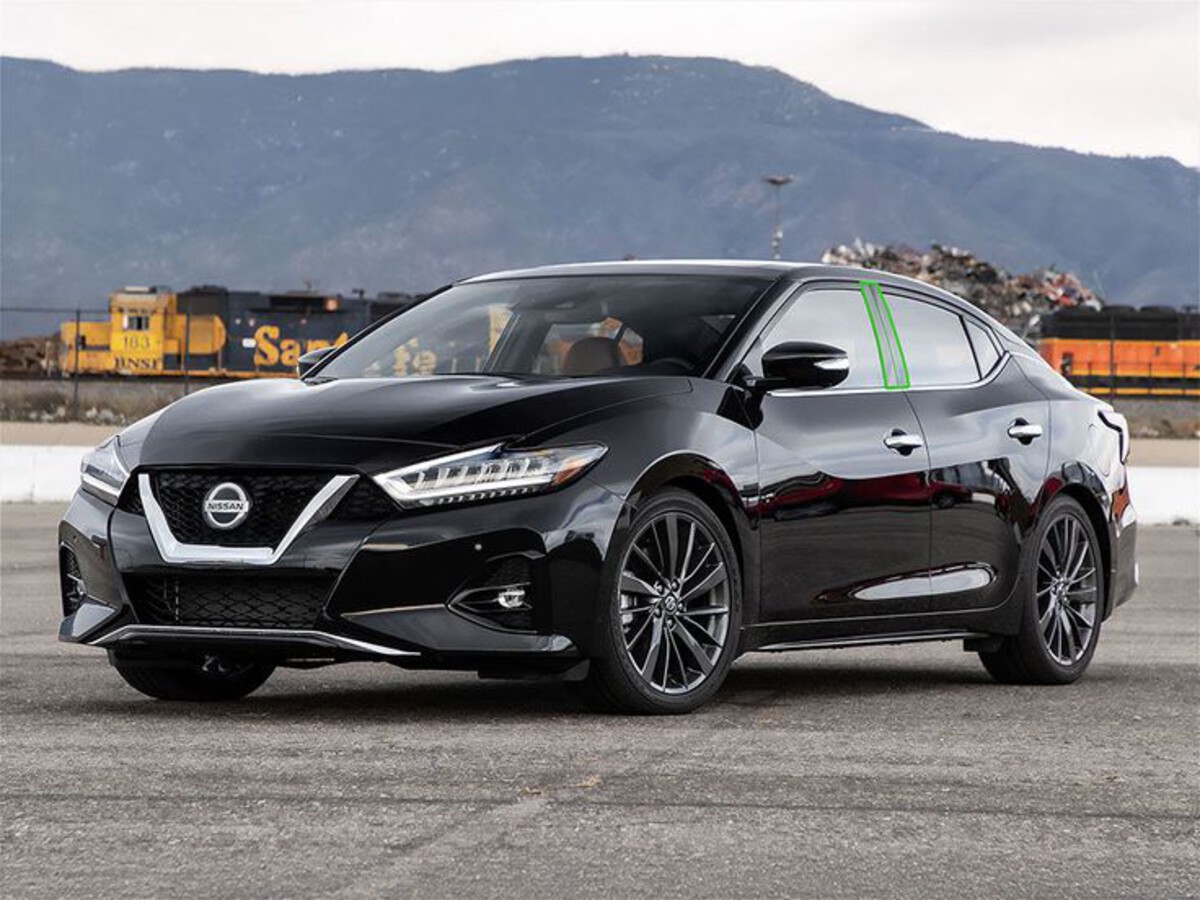
3. Nissan Maxima (Late 1980s to Early 2000s)
The Nissan Maxima holds a special place in Japanese automotive history as a sedan that successfully blended performance and comfort. Marketed as the “four-door sports car” during its heyday, it provided a lively driving experience without sacrificing practicality.
The third- and fourth-generation models, produced in the late 1980s through the 1990s, are especially regarded for their strong V6 engines and durable drivetrains. These cars offered a level of refinement and performance that rivaled many higher-priced European models.
What set the Maxima apart was its smooth, responsive power delivery. The VG30 and later VQ30 engines became well-known for their longevity and pleasant exhaust note. These engines gave the Maxima a level of confidence on the road that few other sedans in its price range could match. The steering and suspension were tuned for stability, making highway travel comfortable and cornering surprisingly sharp for a midsize car. Even today, a well-kept Maxima offers performance that feels satisfying and genuine.
The Maxima’s cabin design was another highlight. It combined functional simplicity with touches of sophistication, offering soft seats and intuitive controls. The car provided excellent visibility, and its build quality helped it age gracefully.
Many examples still retain their original upholstery in good condition, and electronic features such as power windows and climate control often remain functional after decades of use. This attention to detail demonstrates Nissan’s focus on longevity and owner satisfaction.
For budget-minded enthusiasts, the Maxima represents exceptional value. It offers the power of a sporty coupe with the practicality of a sedan, often for a fraction of the price of comparable classics.
Maintenance is straightforward, and the availability of used parts makes ownership cost-effective. Its reputation for durability ensures that well-maintained examples can continue to provide enjoyable driving for years to come. For those seeking an affordable Japanese sedan with genuine character and performance, the Maxima remains a compelling option.
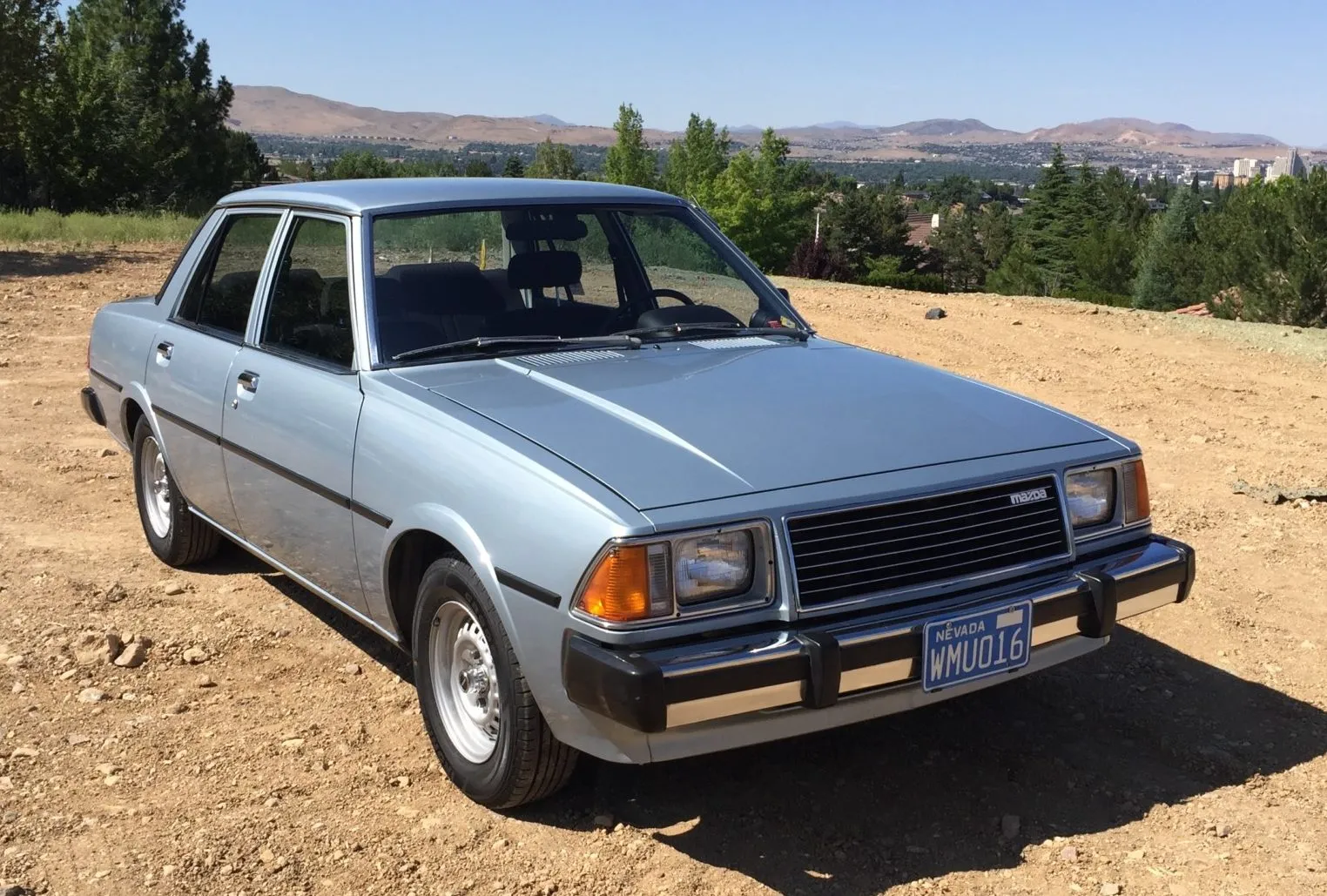
4. Mazda 626 and Millenia
Mazda’s reputation for producing cars that combine driving enjoyment with comfort extends to its classic sedans. The 626 and Millenia models from the 1990s stand out as affordable options that carry a refined, almost European feel. The 626 offered a balanced mix of practicality and sportiness, while the Millenia aimed for near-luxury appeal without excessive cost. Both cars illustrate Mazda’s engineering creativity and dedication to offering something slightly different from its competitors.
The Mazda 626 was known for its crisp handling and light steering, giving drivers a sense of connection that many other sedans lacked. Its available V6 engine provided strong midrange torque and smooth acceleration, while the manual transmission versions offered surprising engagement.
The 626’s suspension tuning favored comfort without losing precision, making it an enjoyable car for both city driving and longer trips. Its reliability record remains impressive, with many still on the road after decades of service.
The Millenia took Mazda’s design philosophy further, introducing unique technology such as the Miller-cycle engine in certain versions. This engine used an advanced compression system that improved efficiency and power delivery.
The Millenia’s interior design was upscale, featuring leather seating, wood-like trim, and refined ergonomics. It was positioned slightly above mainstream sedans but cost significantly less than luxury models from Europe or the United States. This balance of sophistication and affordability continues to make it an interesting classic choice.
Both models also benefit from Mazda’s consistent commitment to driver-focused engineering. The steering feedback, ride balance, and gearbox smoothness reflect a level of tuning that keeps these cars engaging to drive even today. Replacement parts are generally accessible, and the mechanical layouts are simple enough for home mechanics to maintain.
These qualities make the 626 and Millenia appealing for those who appreciate distinctive yet affordable classic sedans that stand apart from the crowd.
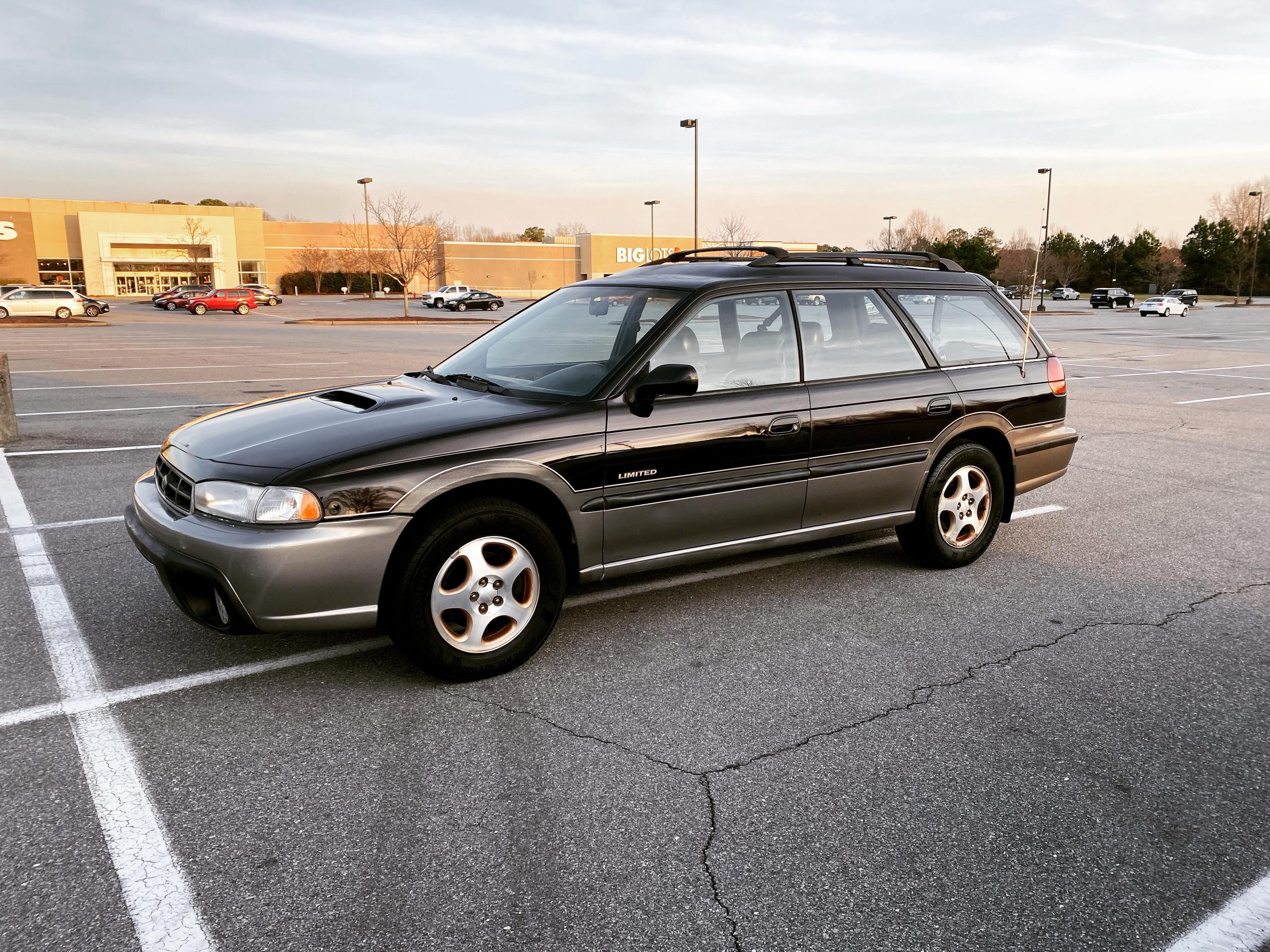
5. Subaru Legacy (1990s Models)
Subaru’s Legacy models from the 1990s hold a special place among Japanese sedans for their combination of practicality, all-weather capability, and durability. Unlike most sedans of the era, the Legacy came standard with all-wheel drive on many trims, giving drivers confidence in rain, snow, or slippery conditions.
This unique feature allowed the car to appeal not only to commuters but also to drivers who valued reliability and safety in diverse climates. The chassis design was robust, and the boxy yet aerodynamic styling gave it a presence on the road without being overly flashy.
Under the hood, the Legacy offered a range of engines, from naturally aspirated flat-fours to turbocharged variants that provided spirited acceleration and impressive handling for a sedan of its size. The flat-four “boxer” layout contributed to a low center of gravity, improving stability in corners and creating a more balanced driving experience.
For those who enjoy a connected feeling behind the wheel, these models remain surprisingly engaging even compared to some modern sedans, with predictable steering and composed suspension behavior.
Inside, the Legacy demonstrated Subaru’s commitment to utility and comfort. The cabins were spacious for both front and rear passengers, with thoughtfully arranged controls that prioritized ergonomics. The seats, though modestly styled, were supportive enough for long trips, and visibility was excellent thanks to the car’s upright design.
Many examples from this period remain mechanically sound and retain their interiors in good condition, proving that Subaru’s build quality focused on longevity as much as functionality.
Ownership of a 1990s Legacy is often practical and cost-effective. Replacement parts are relatively easy to source, and the engines’ longevity ensures that basic maintenance is all that is required for continued reliability.
Enthusiasts appreciate the Legacy’s ability to take on light modifications, particularly in suspension and engine tuning, without sacrificing its original comfort and versatility. For drivers looking for an affordable classic Japanese sedan that stands out through capability and durability, the Legacy remains a compelling option.
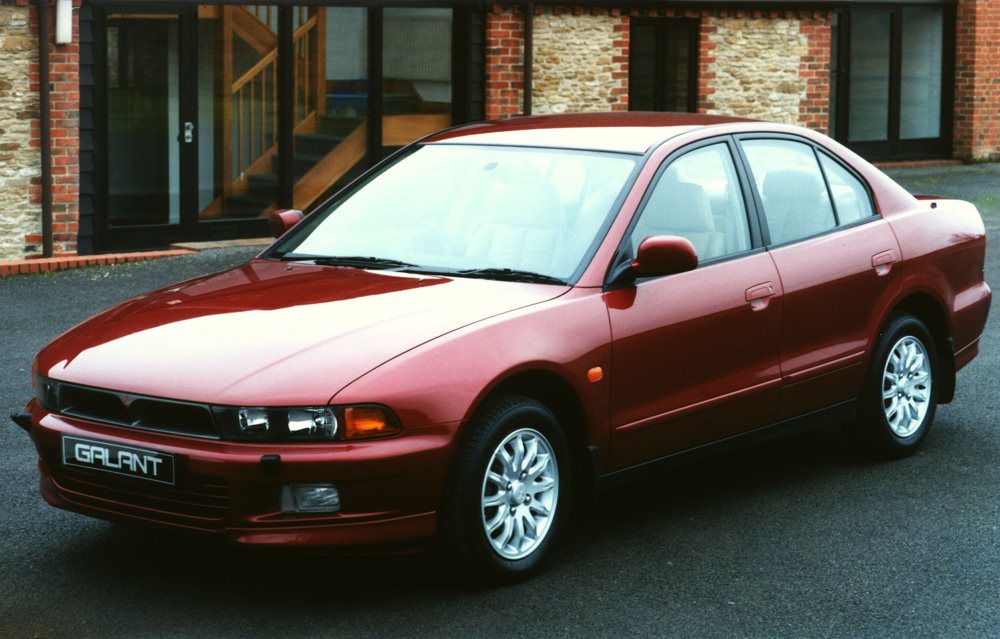
6. Mitsubishi Galant (1990s to Early 2000s)
The Mitsubishi Galant from the 1990s and early 2000s offers a blend of durability, comfort, and performance that makes it an attractive choice for budget-conscious collectors.
While not as glamorous as some of its contemporaries, the Galant was a well-engineered midsize sedan that delivered consistent performance, reliable mechanics, and a refined ride. Its design was straightforward yet elegant, and its chassis was built to endure daily use without major issues. For drivers seeking practicality combined with a touch of sportiness, the Galant fits the bill perfectly.
Many Galant models came equipped with Mitsubishi’s inline-four and V6 engines, which were known for their durability and straightforward maintenance requirements. The V6 variants, in particular, offered smooth acceleration and comfortable highway cruising, making them suitable for longer commutes.
Transmission options ranged from manual to automatic, both of which provided dependable performance. Additionally, the suspension was tuned to prioritize comfort while still delivering stable handling, giving drivers confidence in a variety of driving conditions.
The interior of the Galant was designed with both driver and passenger comfort in mind. Spacious seating, intuitive controls, and a well-laid-out dashboard created a pleasant environment for daily driving. While the materials were not luxurious, they were resilient and practical, showing little wear even in vehicles that have been used for decades.
Features such as air conditioning, power windows, and optional sunroofs added to the appeal, demonstrating that comfort was a priority in the design process.
The value proposition of the Galant remains strong in the used car market. Well-maintained models can often be found at reasonable prices, and parts are relatively easy to obtain thanks to Mitsubishi’s global presence.
Its reputation for reliability ensures that owners can enjoy classic sedan ownership without the financial burden associated with less practical vehicles. For enthusiasts or practical drivers alike, the Galant represents an excellent choice for an affordable, dependable Japanese sedan with understated charm.
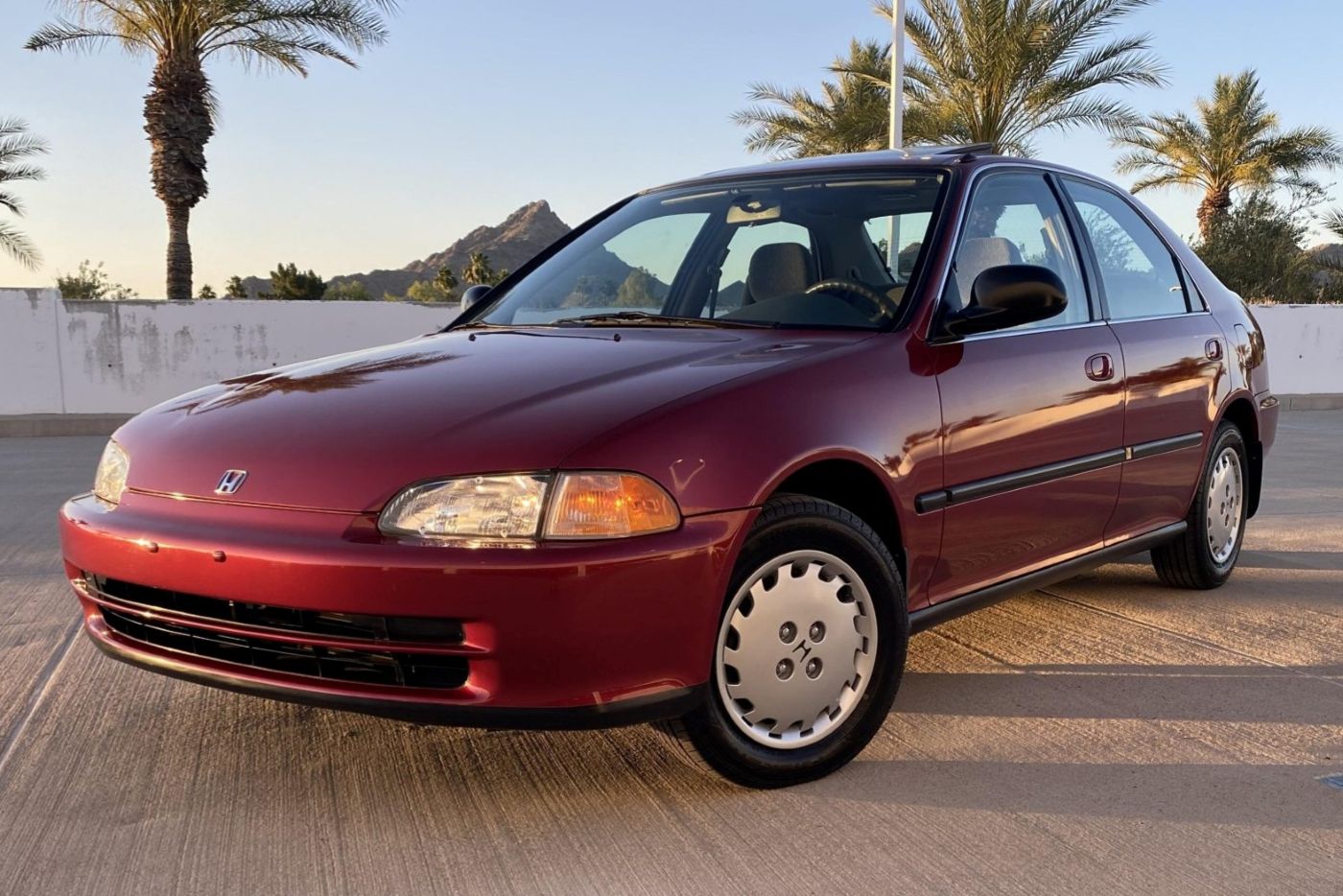
7. Honda Civic (Late 1980s to 1990s Sedans)
While the Honda Civic is often associated with compact hatchbacks and sporty coupes, the sedan variants from the late 1980s to the 1990s are classic examples of practicality and efficiency. These sedans offered a dependable driving experience with a focus on reliability, fuel economy, and mechanical simplicity.
Despite their modest appearance, they were well-engineered machines capable of enduring high mileage with minimal issues. For many first-time classic car enthusiasts, these Civics are the ideal introduction to Japanese automotive quality.
The engines in these Civic sedans were known for their longevity and ease of maintenance. The B-series engines, particularly in higher trim levels, offered spirited performance and were highly tunable. Even the smaller engines provided consistent reliability and remarkable fuel efficiency, which contributed to the Civic’s reputation as an economical daily driver.
The suspension was tuned to provide comfort and nimble handling, creating a driving experience that was predictable and enjoyable on both urban streets and country roads.
Inside, the Civic sedans maintained a clean and functional design. While compact, the cabin layout made efficient use of space, with practical storage areas and straightforward controls. Seats were comfortable for their size, and the materials used were durable enough to withstand years of use without significant deterioration.
Features varied depending on trim, but even basic models offered a level of quality and attention to detail that helped the Civic stand out from competitors.
These sedans are also attractive due to their affordability and availability. Replacement parts are abundant, and a strong community of enthusiasts supports repairs and modifications. Many owners choose to upgrade suspension components or engines to enhance performance while retaining the car’s fundamental reliability.
The combination of long-term dependability, low operating costs, and simple design makes these Civic sedans a timeless choice for those seeking an affordable, classic Japanese car with practical usability and enduring appeal.
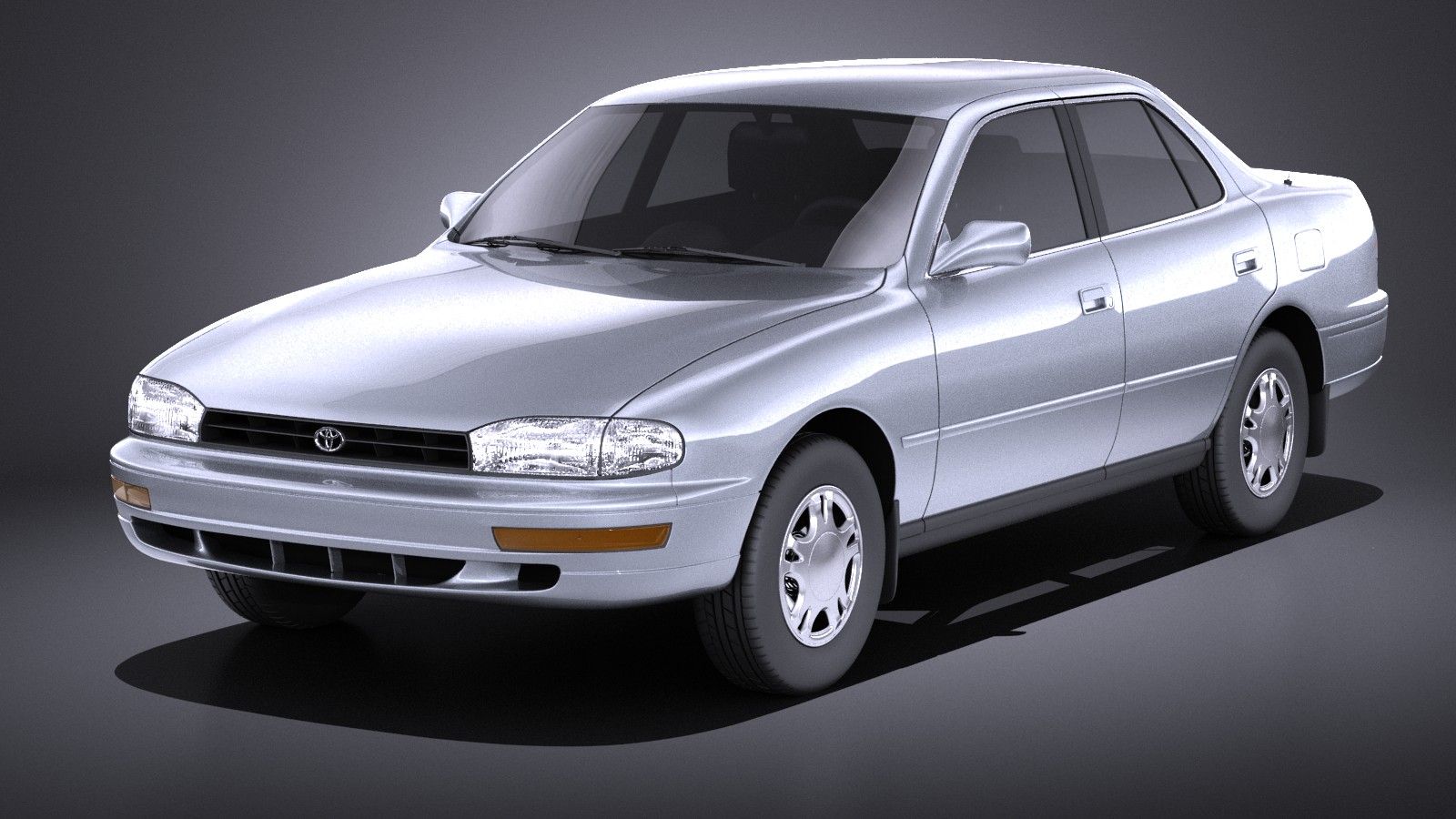
8. Toyota Camry (Late 1980s to Early 2000s)
The Toyota Camry from the late 1980s through the early 2000s earned a reputation for its balance of comfort, reliability, and everyday usability. While the Camry has often been viewed as a family sedan rather than a driver’s car, its engineering excellence and long-lasting components make it a prime candidate for budget-conscious classic car enthusiasts.
These models were built to endure daily commuting, long road trips, and varied weather conditions without major issues, establishing the Camry as a symbol of dependable transportation.
Under the hood, Camry models were equipped with a range of inline-four and V6 engines. These engines are renowned for their simplicity, reliability, and longevity. Regular maintenance allowed many examples to reach mileage figures that few cars of the era could match.
The transmission systems, both manual and automatic, offered smooth operation and consistent performance, and the suspension provided a balance of comfort and road stability. These cars were designed to minimize driver stress and maximize reliability over time.
The interior of the Camry exemplifies Toyota’s philosophy of durable practicality. Seating was comfortable for both short and long journeys, and controls were ergonomically arranged.
The materials may have been basic compared to luxury sedans, but they were engineered to withstand years of daily use. Many Camry owners report interiors that remain in good condition decades after purchase, a testament to the car’s thoughtful design and the manufacturer’s focus on longevity and ease of ownership.
Camrys of this era also remain highly accessible and affordable in the used car market. Replacement parts are easy to find, and their widespread popularity ensures that mechanically sound examples are plentiful. The combination of comfort, reliability, and minimal upkeep makes these Camrys a solid investment for those seeking a classic Japanese sedan that remains practical, enjoyable to drive, and easy to maintain even decades after leaving the factory.
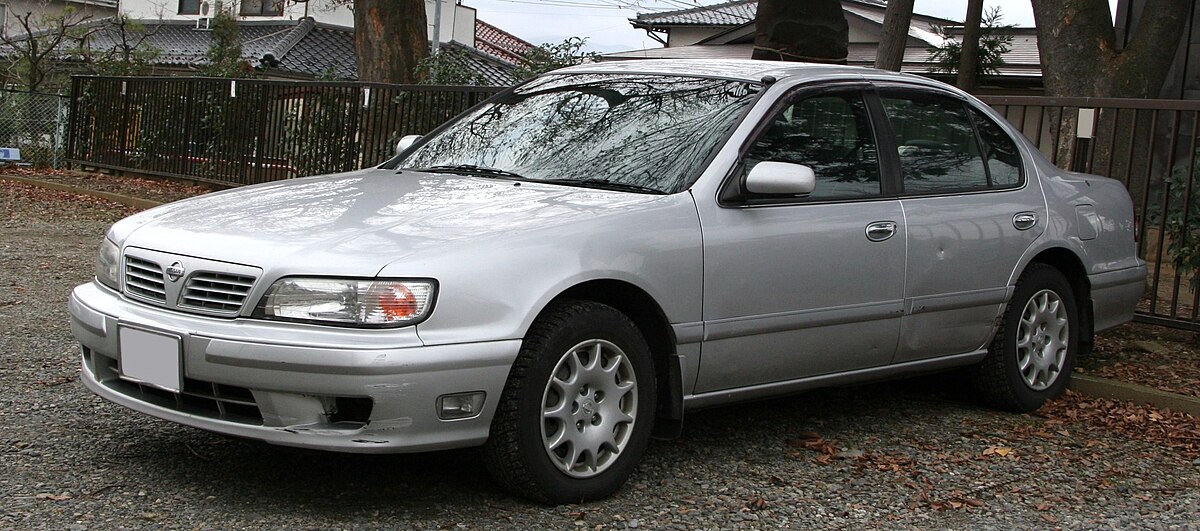
9. Nissan Cefiro (1990s Models)
The Nissan Cefiro, though less well-known outside of Asia, is a classic Japanese sedan that blends refinement, smooth performance, and reliability. Produced primarily in the 1990s, it was designed to offer a comfortable driving experience comparable to higher-end luxury sedans while remaining affordable and accessible.
Its rear-wheel-drive layout on earlier generations added a degree of driving engagement that distinguished it from many front-wheel-drive competitors, while its engines were built for longevity and smooth operation.
Under the hood, the Cefiro often came with inline-six engines that delivered linear power and a refined feel. These engines were well-regarded for their durability and were capable of high mileage with minimal issues when properly maintained.
The suspension provided a plush ride suitable for long-distance cruising, and steering was responsive enough to give drivers a sense of control. Many enthusiasts appreciate how the Cefiro balances smooth highway driving with subtle sportiness, making it a versatile and enjoyable vehicle.
The interior of the Cefiro emphasizes comfort and practicality. Seating is generous, particularly in the rear, and controls are laid out intuitively. Materials were higher quality than many sedans in its price range, with soft-touch surfaces and a refined finish. The car’s quiet cabin and well-insulated interior contribute to a more luxurious feel, making it a pleasant environment for daily driving or extended trips.
For those seeking value in a classic Japanese sedan, the Cefiro represents a compelling option. Its combination of smooth engines, balanced ride quality, and spacious interior makes it ideal for drivers who appreciate understated luxury without paying a premium.
With proper maintenance, these cars remain reliable, accessible, and enjoyable, making them a unique addition to any collection of affordable classics.
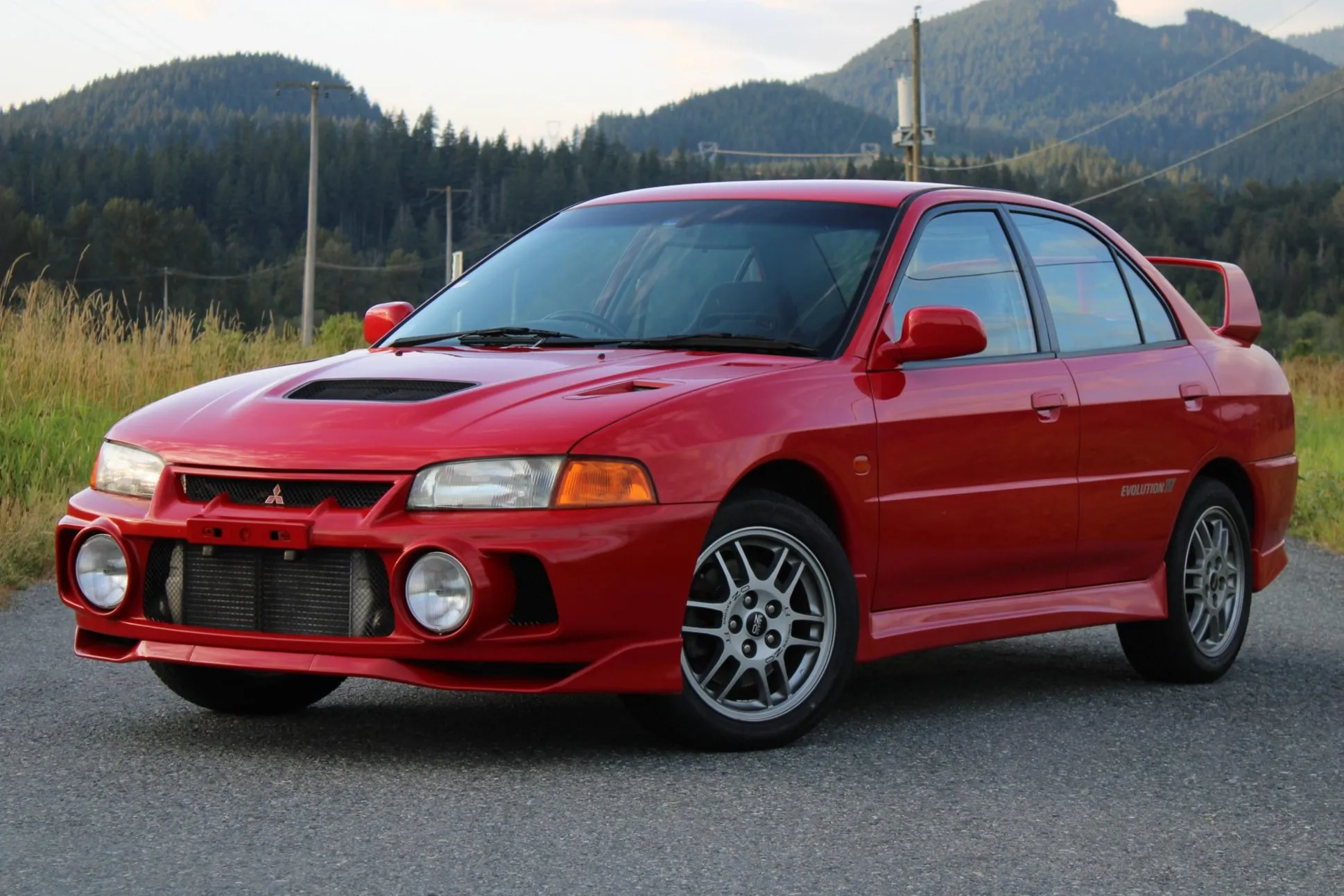
10. Mitsubishi Lancer (Early 1990s Sedans)
The Mitsubishi Lancer from the early 1990s is often remembered for its affordability, reliability, and versatility. While it is commonly associated with compact performance models, the standard sedan versions offered an excellent balance of practical transportation and engaging driving dynamics. These cars were designed to be economical yet dependable, providing solid value for everyday use while retaining some character that makes them appealing to enthusiasts today.
Engines in these Lancer sedans were primarily small-displacement four-cylinder units that offered consistent performance and exceptional reliability. Manual and automatic transmissions were available, and both were known for their longevity when properly maintained.
Suspension tuning favored comfort while maintaining responsive handling, making the car enjoyable on twisty roads without sacrificing smoothness on the highway. The Lancer’s light weight contributed to its nimble character, and fuel efficiency was impressive for its era.
Inside, the Lancer combined practicality with functional simplicity. Cabin space was adequate for passengers and cargo, and controls were straightforward to operate. Seats were supportive for daily driving, and the materials used were durable enough to endure years of use with minimal wear.
While the interior lacked luxury features, it focused on longevity and functionality, ensuring that owners could rely on the vehicle for both commuting and longer trips.
The Mitsubishi Lancer’s appeal today lies in its combination of affordability, reliability, and character. Parts are relatively easy to obtain, and many examples remain in excellent condition due to their robust engineering. For those seeking a practical classic Japanese sedan that is fun to drive, economical to maintain, and widely available, the early 1990s Lancer offers a compelling choice, providing a balance of usability and nostalgia for enthusiasts and casual drivers alike.
