
Diesel engines have earned a reputation for durability and longevity, traits that have allowed certain vehicles to persist well beyond the typical lifespan of gasoline-powered cars. While modern diesel technology focuses on efficiency, emissions control, and electronics, vintage diesel vehicles remain a testament to simplicity and mechanical resilience.
Many enthusiasts and collectors seek out these older machines, not only for their reliability but also for the character and history they carry. From classic pickups that still handle heavy loads to passenger cars that quietly cover hundreds of thousands of miles, these vehicles offer a glimpse into a period when engines were built to last. Maintenance often meant practical, hands-on work.
The appeal of vintage diesel vehicles extends beyond their mechanical reliability. For owners, these vehicles represent a connection to an era when diesel power was seen as the workhorse of industry, agriculture, and transportation.
The engines are often straightforward, with fewer electronic components than modern counterparts, making repairs more accessible to owners who enjoy maintaining their vehicles themselves. Many of these cars and trucks are also fuel-efficient, especially for their time, and can still serve as practical transportation while standing out on the road due to their unique appearance.
Collectors appreciate vintage diesels not only for their endurance but also for the sense of accomplishment that comes with keeping one running. Some models have become iconic due to their engineering innovations, such as turbocharging or direct injection, while others are celebrated for their robustness, capable of operating in demanding conditions for decades.
Even in regions where diesel is less common today, these vehicles often become conversation pieces, bridging generations of automotive design and inspiring interest in the history of diesel technology.
This article highlights ten vintage diesel cars and trucks that continue to operate reliably decades after their release. Each of these vehicles demonstrates that careful engineering, combined with attentive maintenance, can result in machines that are still functional and enjoyable today.
From sedans to heavy-duty trucks, these diesel engines have earned their reputation for endurance, and they serve as a reminder that vehicles from past generations can outlast many of their modern counterparts if properly cared for.
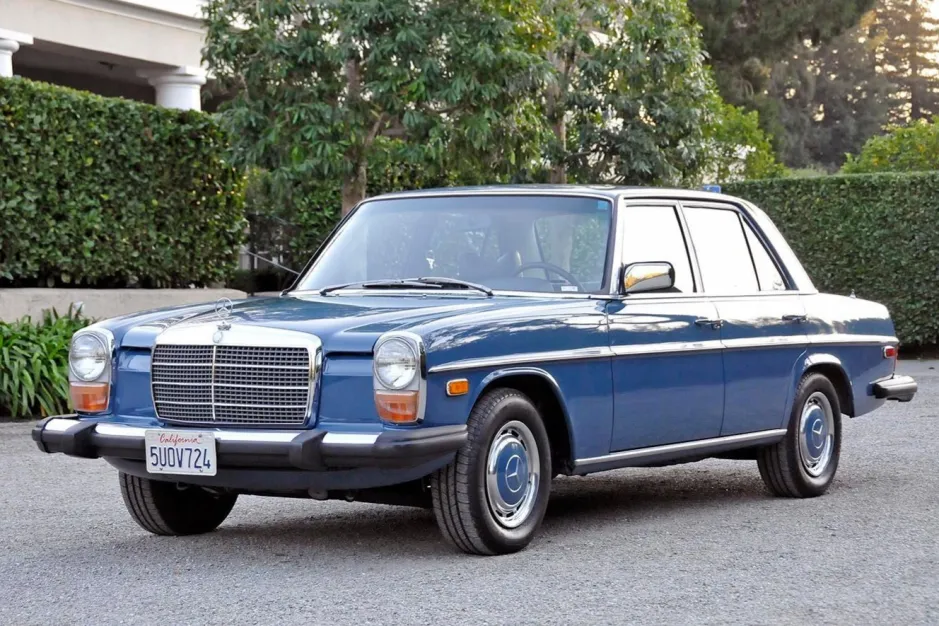
1. Mercedes-Benz 240D (W123 Series)
The Mercedes-Benz 240D, introduced in the late 1970s, represents one of the most famous diesel-powered cars in automotive history. Its straight-four engine was modest in terms of power, producing just enough horsepower for everyday driving, but it was renowned for running hundreds of thousands of miles without major issues. Many W123 series cars remain on the road today, a testament to the engineering quality that Mercedes-Benz invested in their chassis, drivetrain, and diesel powerplants.
These cars featured a robust build, with thick steel panels and a design philosophy focused on durability rather than frills. Interiors were simple yet functional, with materials chosen to withstand decades of use.
Maintenance for the 240D was straightforward for anyone familiar with older diesel engines, and spare parts remain relatively available thanks to the model’s popularity. Enthusiasts often praise the W123 for its quiet engine operation, especially given the period in which it was produced, and the fact that it could cover long distances without frequent service.
Beyond reliability, the 240D became a symbol of understated elegance. While its 2.4-liter diesel engine did not deliver performance comparable to gasoline counterparts, it offered fuel efficiency and consistent performance, making it ideal for long-distance commuting or professional use.
Many drivers found that the car’s ability to keep running under challenging conditions, including cold winters and extended highway travel, set it apart from competitors. The combination of longevity, practicality, and comfort contributed to its enduring reputation.
Collectors and diesel enthusiasts continue to seek out W123s, particularly the 240D, for restoration or daily driving. Its continued presence on roads across Europe, North America, and other regions attests to the lasting value of well-built diesel engines.
While modern cars offer technological advantages, few can match the simplicity and reliability of a 240D when it comes to long-term durability and ease of ownership.
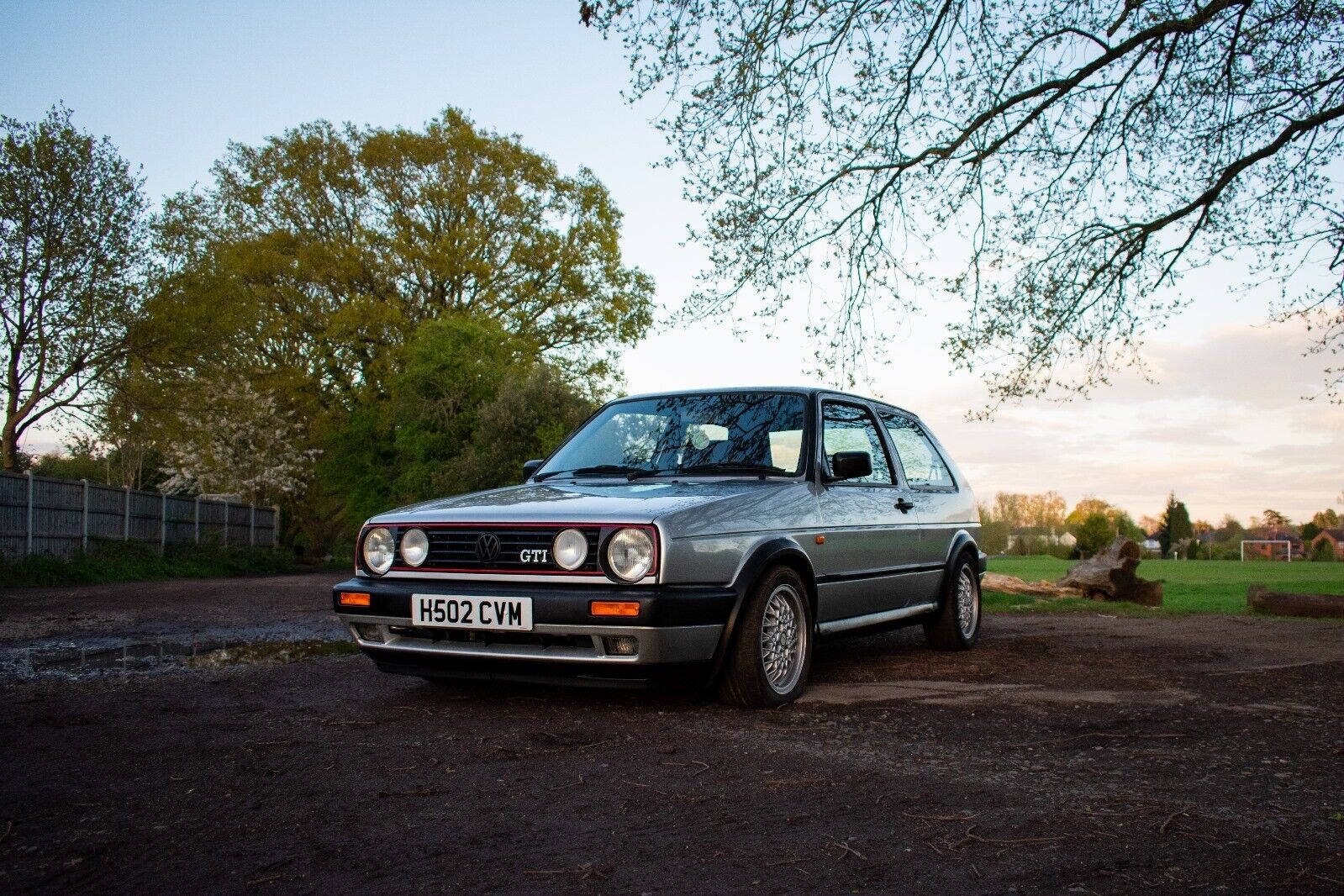
2. Volkswagen Golf Diesel (Mk1 and Mk2)
Volkswagen’s Golf series, particularly the Mk1 and Mk2 models, played a significant role in popularizing diesel passenger cars in the 1980s and early 1990s. These models offered compact, fuel-efficient vehicles with engines that were capable of running for many years with minimal issues.
Diesel Golf enthusiasts often report vehicles reaching impressive mileages with routine maintenance, and their mechanical simplicity makes them ideal candidates for those interested in classic car restoration.
The diesel engines used in these models were inline-four units known for consistent performance rather than outright speed.
While acceleration could be modest, owners valued reliability and the ability to endure long periods of driving without costly repairs. Parts for these engines were widely available during their production run, which helped build a strong following among DIY mechanics and professional garages alike. Many vehicles were used in fleets, adding to their legacy of endurance.
In addition to reliability, the Golf’s compact size and nimble handling made it a favorite among urban drivers. Its diesel engine offered practical fuel economy without sacrificing the driving experience entirely. This combination made it a sensible choice for commuters or small families looking for longevity and low running costs. Enthusiasts also appreciate the Golf’s classic styling and the straightforward design of its interior, which has aged gracefully and remains serviceable decades later.
Today, vintage diesel Golfs are cherished for their blend of practicality and history. They are often used in hobbyist projects or preserved as examples of early diesel technology in passenger vehicles.
The ability of these cars to remain functional and relevant highlights the durability of Volkswagen’s engineering during a period when diesel engines were increasingly recognized for their reliability rather than speed or performance.
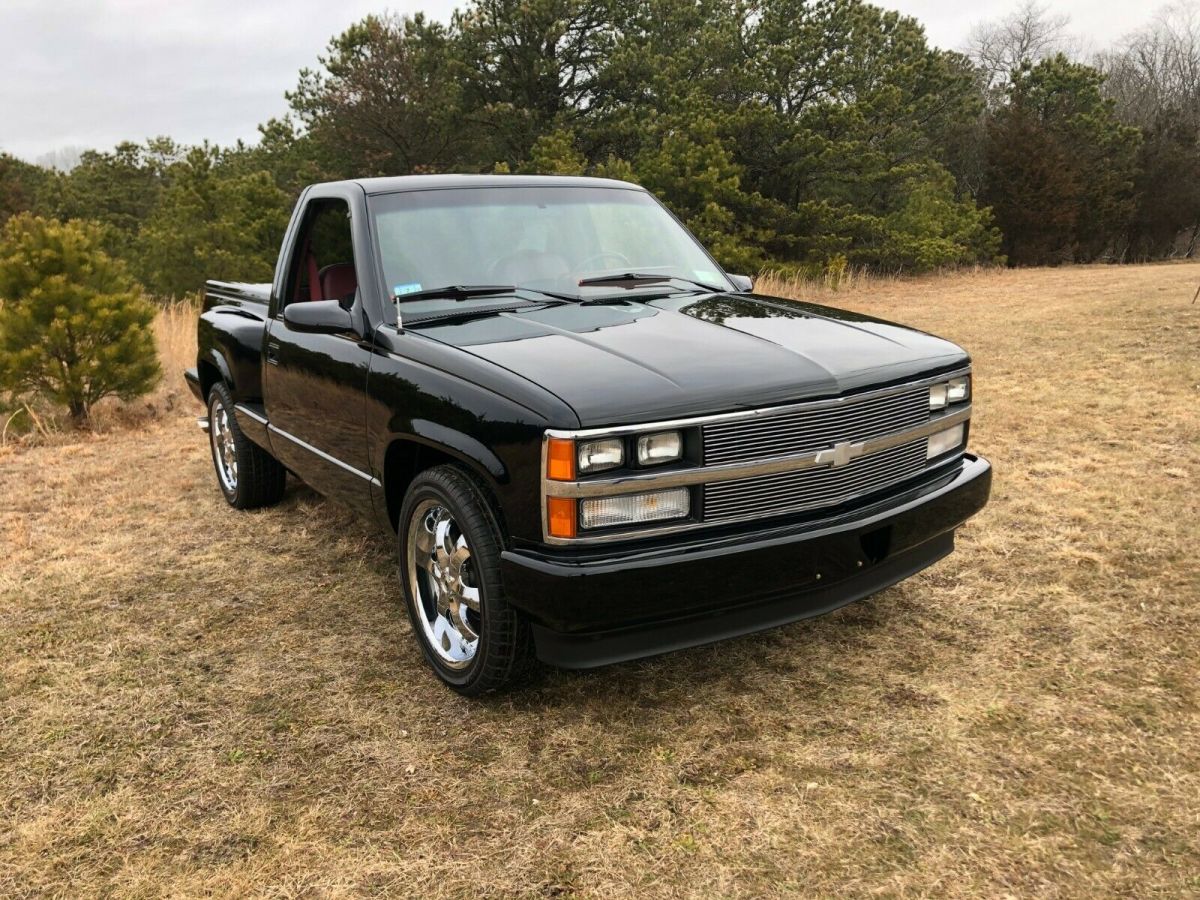
3. Chevrolet C/K 20 Diesel Pickup
The Chevrolet C/K 20 pickup series, particularly those fitted with diesel engines in the late 1970s and 1980s, is a prime example of rugged American truck engineering. These heavy-duty pickups were designed for demanding work environments, with engines capable of towing and hauling large loads over long distances. Diesel-powered C/K pickups earned a reputation for longevity, often continuing to perform decades after their initial production.
The engines in these trucks, including the renowned Oldsmobile-sourced diesel V8, were engineered to prioritize torque and endurance over fuel efficiency or speed. While they sometimes faced criticism for performance issues early in their lifespan, diligent maintenance allowed them to remain functional for hundreds of thousands of miles.
The trucks were built to withstand harsh conditions, from rough terrain to heavy payloads, which contributed to their lasting appeal among collectors and farmers alike.
The C/K 20 diesel pickups combined utility with a simple, durable design. Interiors were basic but practical, offering essential features while emphasizing reliability. Many trucks remained in active service for decades, often outlasting gasoline-powered alternatives. Enthusiasts appreciate the combination of a large, powerful engine with a sturdy frame, which allows these vehicles to continue performing demanding tasks even after many years of service.
Today, these trucks are valued by both collectors and working owners who require dependable diesel power. Their presence in the used truck market demonstrates how a vehicle built with durability in mind can maintain relevance long after its production ended. Owners often take pride in maintaining these trucks, seeing them as machines that reward careful maintenance with remarkable longevity.
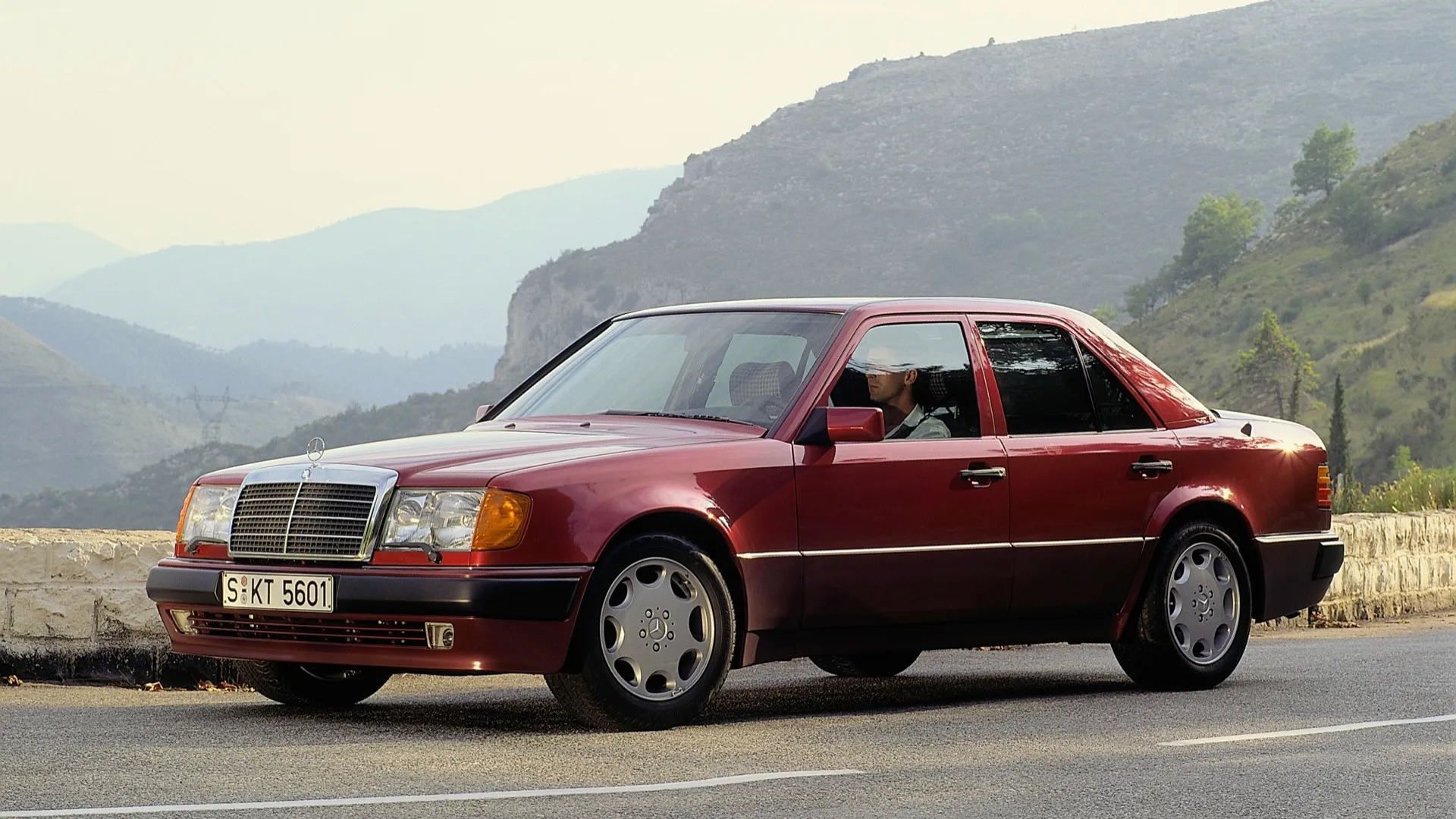
4. Mercedes-Benz 300D Turbodiesel (W124 Series)
The Mercedes-Benz 300D Turbodiesel, part of the W124 series introduced in the mid-1980s, represents a refinement of the company’s earlier diesel philosophy.
The addition of a turbocharger increased power without sacrificing the hallmark reliability of Mercedes-Benz diesel engines. This model quickly became sought after for both its performance and durability, offering a combination that was rare among passenger cars of the period.
The W124 chassis was built to last, featuring a well-engineered suspension system and robust body construction. Underneath the hood, the turbocharged diesel engine delivered more torque and responsiveness than the naturally aspirated models, making long-distance travel and highway driving more comfortable and capable. Many examples have logged several hundred thousand miles while remaining mechanically sound, a testament to the engineering quality that defined Mercedes-Benz at the time.
Maintenance on the 300D was straightforward for anyone familiar with diesel engines. Routine servicing, such as fuel system care and oil changes, ensured that these cars could remain reliable for decades.
The turbocharged engine did require some attention, but the payoff was a vehicle that combined longevity with more enjoyable driving characteristics compared with older non-turbo models. The interior, while conservative, was durable and comfortable, with materials chosen to withstand years of use.
Collectors and enthusiasts prize the W124 300D for its reliability, engineering, and understated style. These vehicles continue to be driven daily by owners who appreciate their endurance and mechanical simplicity. Even in a market increasingly dominated by electronics and complex systems, the 300D remains an example of a diesel car that can deliver decades of service without losing its core functionality.
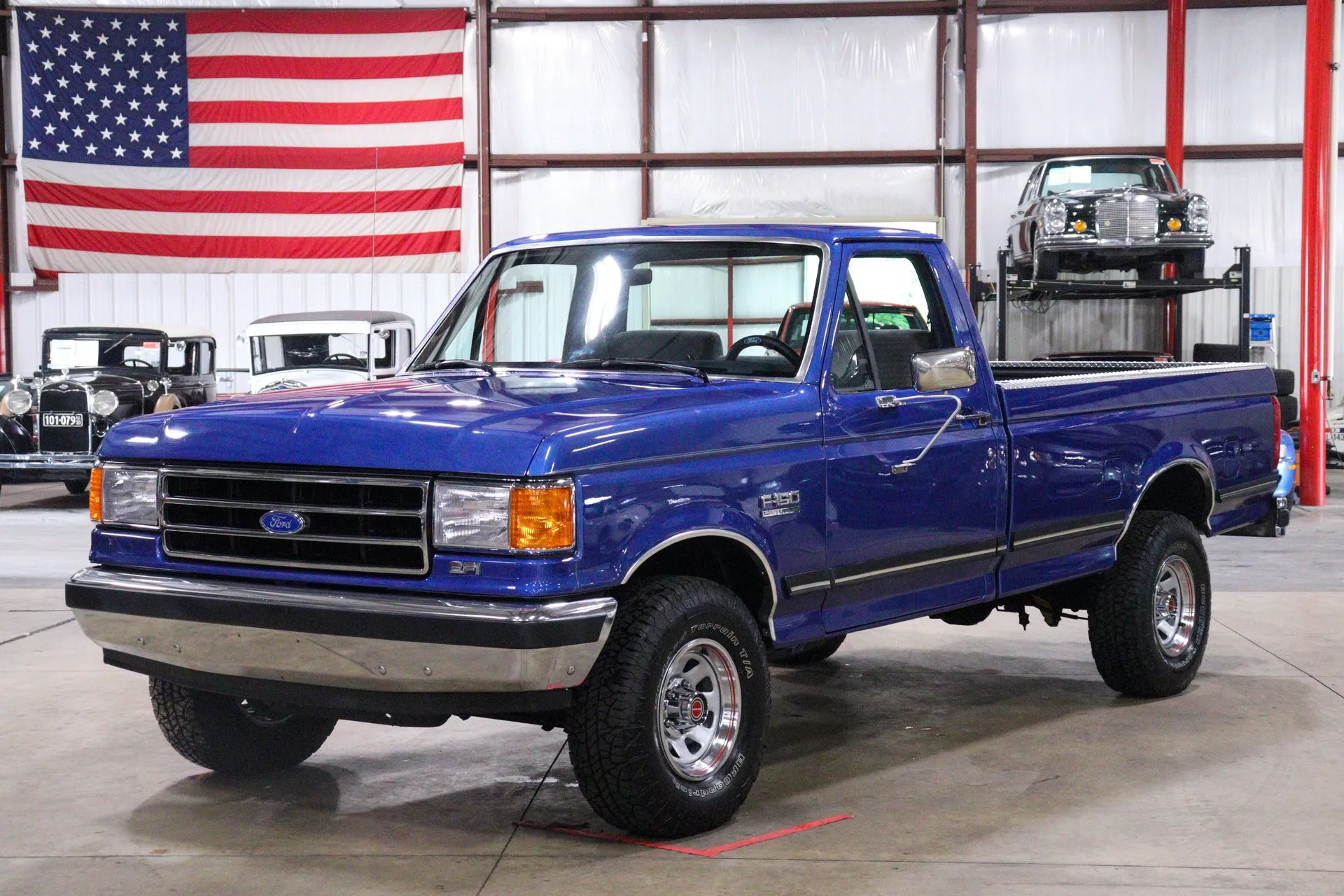
5. Ford F-Series Diesel Trucks (1970s and 1980s)
Ford’s F-Series trucks of the 1970s and 1980s, equipped with diesel engines, became a symbol of American durability and work ethic. Models such as the F-250 and F-350 were available with inline-six and V8 diesel options, providing substantial torque and towing capacity. These trucks were built for heavy-duty applications, which contributed to their long-lasting presence on farms, construction sites, and highways.
The diesel engines in these trucks prioritized reliability over refinement. While performance could feel modest compared with modern standards, these engines were known for running consistently even under extreme loads and harsh conditions. Owners often reported their trucks achieving hundreds of thousands of miles with routine servicing and minimal major repairs. The simplicity of the engine design allowed mechanics to perform repairs with basic tools, further extending their usability.
The F-Series trucks were designed to combine durability with practicality. Interiors were straightforward, with emphasis on functional controls and materials that could withstand heavy use.
Exteriors were built to endure tough environments, with heavy-duty frames and suspension systems capable of supporting significant weight. These trucks were not just work vehicles but symbols of resilience, designed to keep operating reliably in demanding conditions.
Today, vintage diesel F-Series trucks remain popular among enthusiasts and practical owners. Restored models are often showcased for their historic significance, while working examples continue to serve in agricultural or industrial roles. Their continued operation decades after production speaks to the quality of engineering and design priorities that emphasized long-term performance over short-term gains.
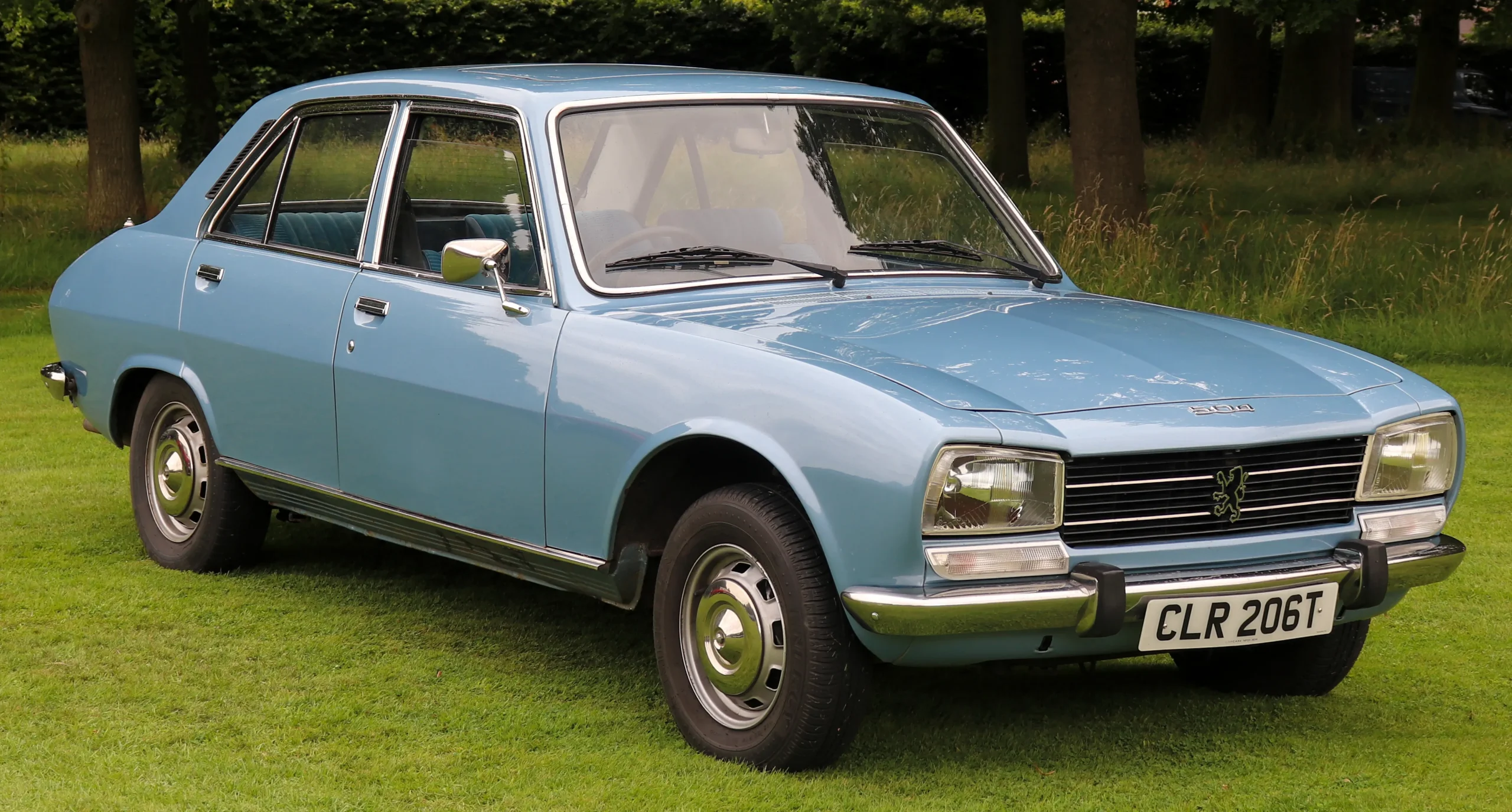
6. Peugeot 504 Diesel
The Peugeot 504, introduced in the late 1960s and produced well into the 1980s in some regions, is widely regarded as one of the most enduring European diesel cars. The diesel versions, equipped with either naturally aspirated or slightly upgraded engines, were known for exceptional reliability.
The car’s engine could handle high mileage with minimal issues, and many vehicles still operate in rural and urban areas decades after production. The combination of a simple design and robust engineering allowed it to become a favorite among drivers who needed a dependable vehicle in regions with limited service infrastructure.
Mechanically, the 504 was designed for simplicity and longevity. Its diesel engines were straightforward inline-fours with durable components capable of sustaining long hours of operation. The cooling system, fuel system, and transmission were engineered to withstand tough conditions, which helped explain why so many 504s continue to function reliably.
In areas such as Africa and South America, where roads could be rough and fuel quality inconsistent, the 504 earned a reputation as a workhorse, often used as taxis, delivery vehicles, and family cars alike. The ease of repair and availability of basic parts made it a practical choice for owners who relied on the car daily.
The body and chassis of the Peugeot 504 also contributed to its lasting appeal. The sedan, wagon, and pickup versions were built with strong materials and reinforced structures that resisted rust and damage better than many contemporaries. Inside, the interior was modest but durable, with controls designed for usability rather than luxury.
Drivers appreciated that even after years of continuous use, the car maintained comfort and functionality without significant deterioration. Many examples have survived more than thirty years with careful maintenance, proving the 504’s resilience.
Collectors and enthusiasts increasingly recognize the 504 diesel for its combination of mechanical reliability and classic styling. Unlike some vehicles that are preserved purely for aesthetics, the 504 demonstrates that a car can remain a practical and enjoyable mode of transportation while also holding historical and sentimental value.
Its continued presence in many countries highlights the enduring advantages of solid engineering combined with practical maintenance.
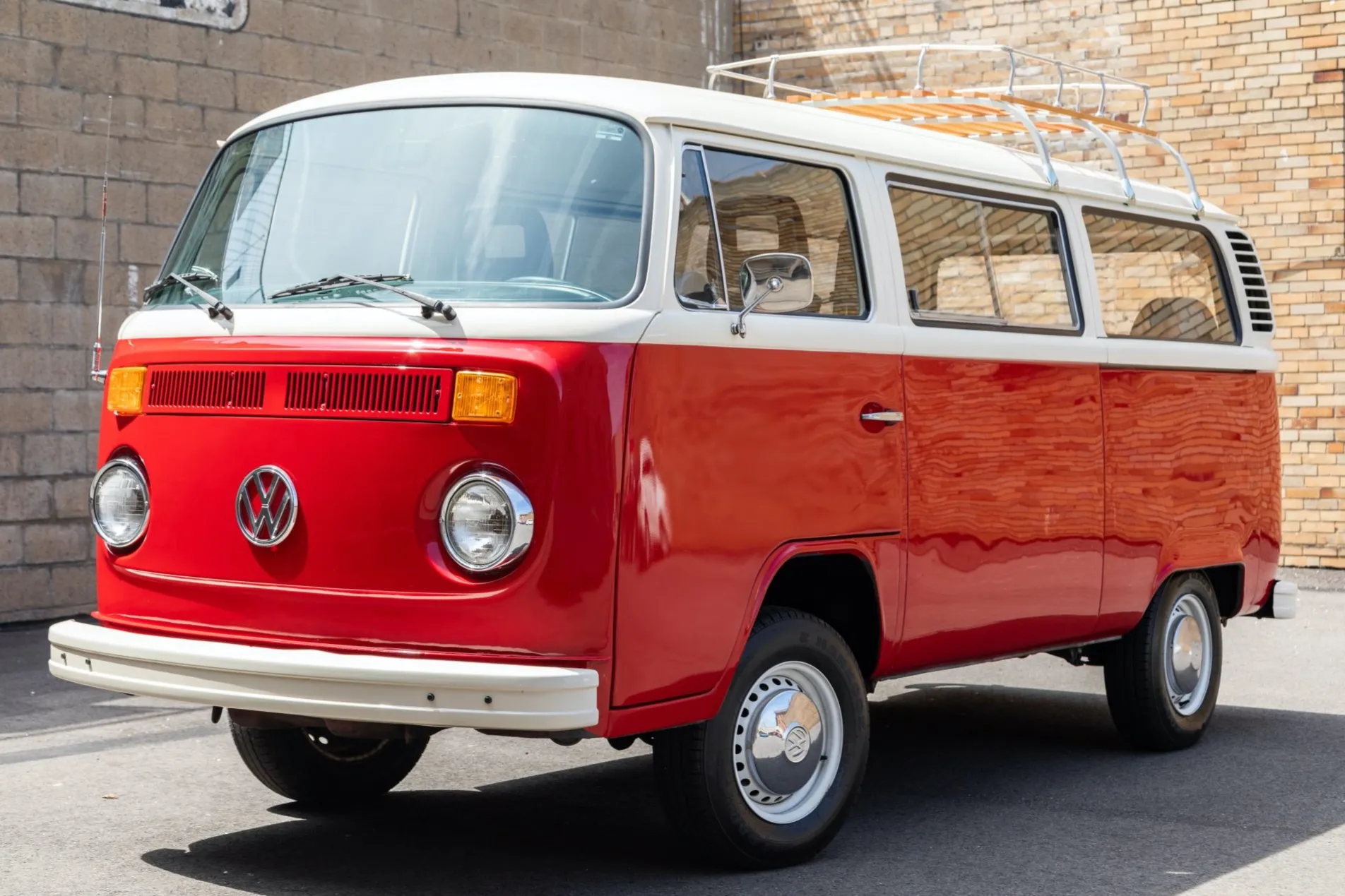
7. Volkswagen Transporter T2 and T3 Diesel
The Volkswagen Transporter series, particularly the T2 and T3 models, achieved iconic status as versatile, reliable vans. Diesel variants of these vans offered both commercial utility and long-lasting performance.
The T2, produced through the 1970s, and the T3, spanning the late 1970s into the 1980s, featured engines capable of enduring high mileage, often exceeding 500,000 miles with consistent care. These vans were prized by tradespeople, travelers, and families alike due to their spacious interior, simple mechanics, and fuel efficiency.
The diesel engines in these Transporters were known for their robustness and low-speed torque, ideal for carrying heavy loads or towing. The simplicity of the mechanical components allowed owners to maintain and repair them without specialized equipment, which contributed to their long-term survival.
In addition, parts availability and widespread popularity made these vans practical choices for long-term ownership. Unlike some modern vehicles, which rely heavily on electronics and complex systems, these Transporters could be serviced in remote locations, further cementing their reputation as enduring workhorses.
The versatility of the Volkswagen Transporter contributed to its longevity. Interiors could be configured for passengers, cargo, or camper conversion, allowing the vans to serve multiple purposes over decades.
Many owners used them for daily commuting, while others took advantage of their durability on extended trips or for small business operations. The combination of a reliable diesel engine, a simple drivetrain, and a durable chassis allowed the vehicles to continue operating long after many similar vans had been retired.
Even today, vintage diesel Transporters remain highly sought after by enthusiasts and practical users. Restored or well-maintained examples are not only functional but carry a cultural and historical significance, reflecting a period when versatility and reliability were prioritized in vehicle design. Their enduring presence is a testament to Volkswagen’s commitment to robust engineering and the long-term benefits of simplicity in diesel powertrains.
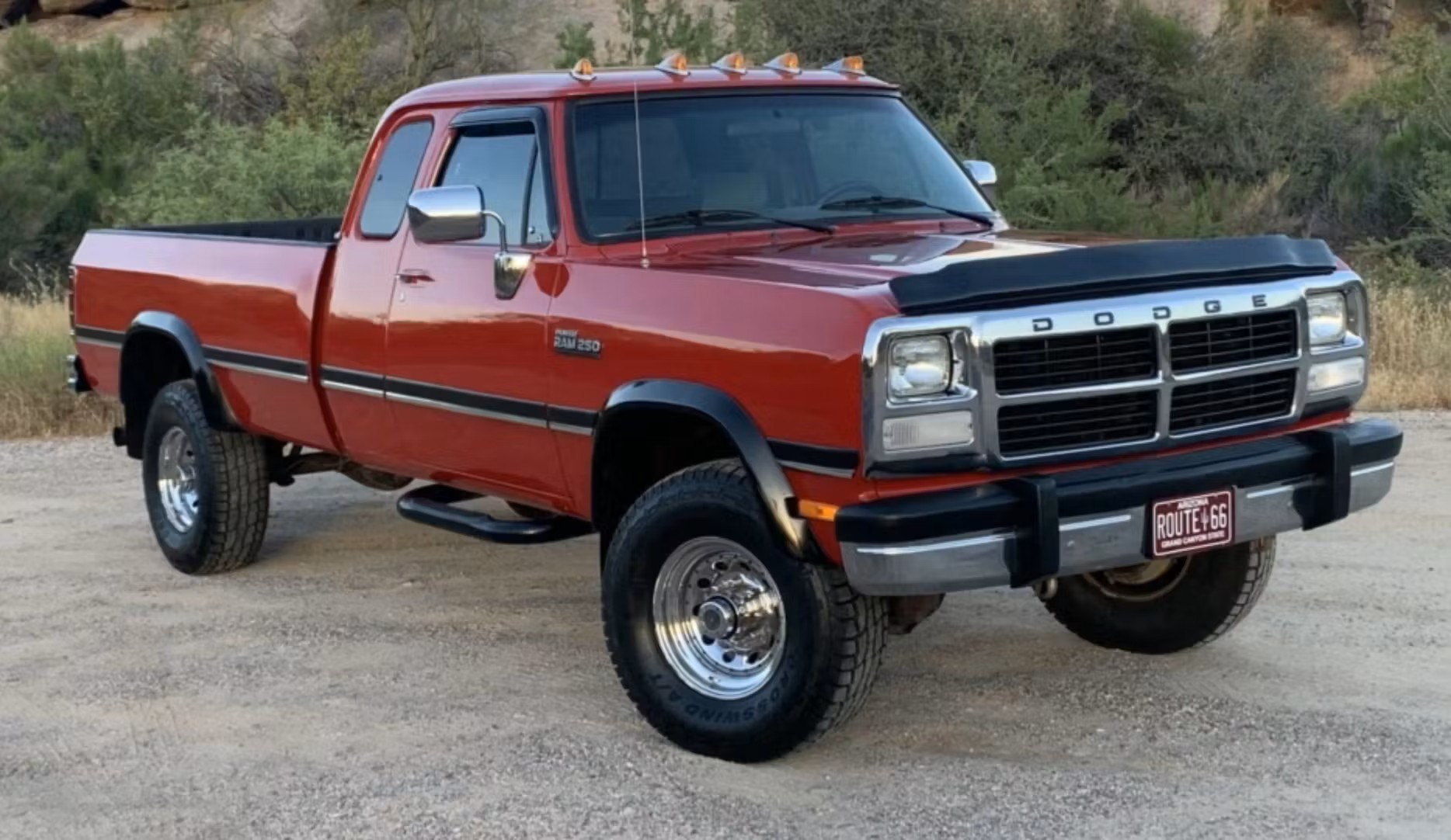
8. Dodge Ram Diesel (1980s)
The Dodge Ram series, especially diesel-equipped models from the 1980s, represents a strong chapter in American truck engineering. The inline-six Cummins engines, available in many Dodge trucks, became legendary for their reliability, torque, and ability to withstand intense workloads.
These pickups were designed for heavy-duty usage, making them ideal for construction, agriculture, and towing applications. Many 1980s Dodge diesel trucks continue to operate today, demonstrating the effectiveness of mechanical simplicity combined with robust materials.
The Cummins inline-six engine in the Dodge Ram became famous for its endurance. With a straightforward mechanical injection system and a focus on torque delivery rather than high-rev horsepower, these engines could operate continuously under demanding conditions without major failure.
Owners often reported achieving mileage figures that would overwhelm modern vehicles, with engines still performing reliably after decades of service. This longevity made the Dodge Ram a favorite among businesses and individuals who depended on trucks for daily work.
Construction and design also played a role in these trucks’ durability. Heavy-duty frames, suspension systems, and drivetrain components were built to endure significant stress. Interiors were functional rather than luxurious, prioritizing practicality and resistance to wear.
Even after years of use, many trucks retain solid performance, with engines and transmissions able to handle loads beyond what most owners would typically require. This reliability has created a dedicated following among collectors and diesel enthusiasts.
Today, vintage Dodge Ram diesel trucks are celebrated not only for their historical importance but also for their practicality. Many remain in daily use, while others have been restored for collectors who appreciate their mechanical resilience. The combination of a well-engineered engine, rugged construction, and relative ease of maintenance ensures that these vehicles will continue to be admired and used for decades to come.
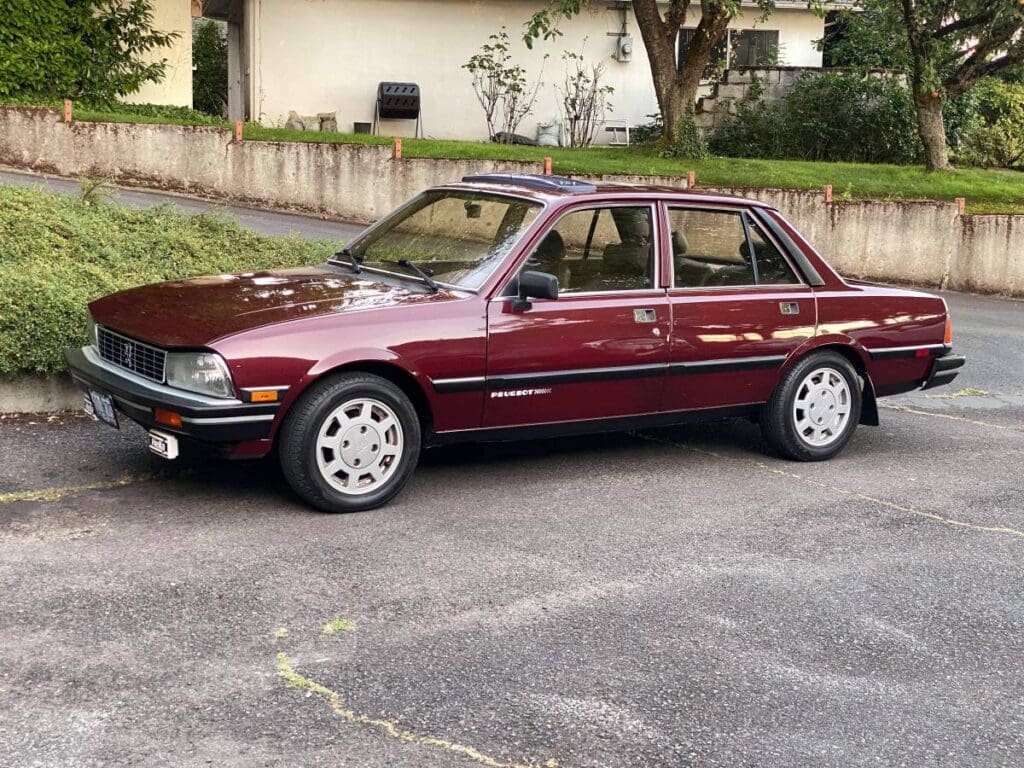
9. Peugeot 505 Diesel
The Peugeot 505, launched in the late 1970s, quickly became known as a durable, comfortable, and reliable diesel sedan and wagon. Its diesel variants, including naturally aspirated and turbocharged engines, earned a reputation for longevity in both urban and rural environments.
The 505 was widely used across Europe and Africa, often in areas with challenging road conditions, due to its sturdy construction and reliable mechanics. Many vehicles continue to operate decades later, demonstrating the robustness of Peugeot’s design and engineering.
The diesel engines in the 505 were designed for longevity rather than outright performance. Inline-four and inline-five configurations offered consistent torque and smooth operation, making them ideal for extended driving and commercial use.
Maintenance was straightforward, and components were accessible, allowing owners to perform routine servicing without extensive mechanical expertise. Even when subjected to poor fuel quality or harsh conditions, the engines often remained operational for long periods.
The chassis and suspension system of the Peugeot 505 contributed significantly to its enduring appeal. The vehicle offered a comfortable ride while maintaining the durability needed for rough roads. Interiors were practical and durable, with controls that remained intuitive and components that could withstand years of use.
This combination of comfort, reliability, and mechanical simplicity made the 505 a favorite among families, taxi operators, and long-distance drivers.
Enthusiasts today recognize the Peugeot 505 diesel as an example of engineering that balanced performance, comfort, and durability. The ability of these vehicles to continue functioning reliably decades after production highlights the advantages of thoughtful design and careful maintenance. For collectors and practical users alike, the 505 remains a symbol of what a well-built diesel vehicle can achieve.
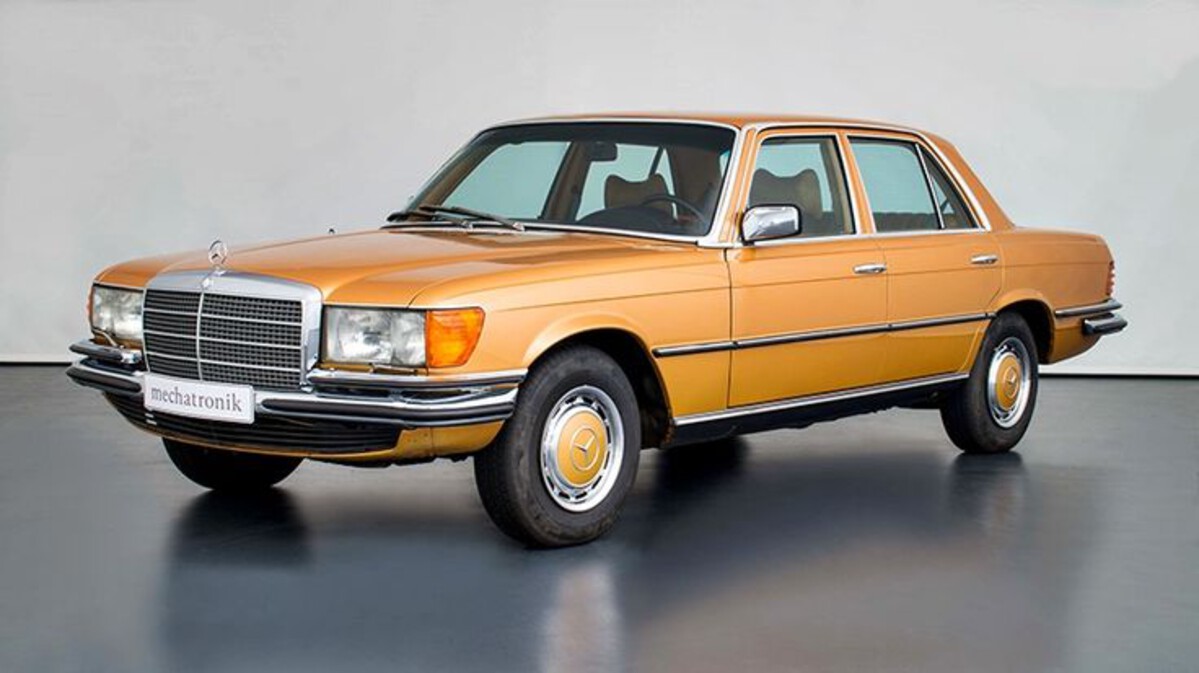
10. Mercedes-Benz 300SDL (W116 Series)
The Mercedes-Benz 300SDL, produced in the 1970s as part of the W116 series, combined diesel reliability with luxury. This long-wheelbase variant featured a robust inline-six diesel engine that was engineered to provide smooth, consistent performance over long periods.
The vehicle became a favorite among professionals and government officials who required a dependable and comfortable car capable of extended use. The 300SDL remains a remarkable example of how diesel technology can be integrated into a luxury platform without sacrificing durability.
The engine in the 300SDL was built for longevity, with a focus on low-end torque and mechanical simplicity. While performance was modest compared to gasoline-powered luxury sedans, the diesel engine offered fuel efficiency, smooth operation, and the ability to cover extensive distances without frequent repairs.
Routine maintenance was sufficient to keep the vehicle operating reliably, and many examples have achieved mileages that exceed several hundred thousand miles. The balance of engineering quality and ease of maintenance contributed to the model’s enduring reputation.
Chassis and body construction played a significant role in the 300SDL’s longevity. The vehicle’s reinforced frame, durable suspension components, and corrosion-resistant bodywork allowed it to maintain structural integrity for decades.
Inside, the car offered luxury features without compromising durability. Materials such as high-quality leather, wood, and metal trim were chosen not only for aesthetics but also for longevity, ensuring that interiors remained functional and appealing even after years of use.
Today, the Mercedes-Benz 300SDL is celebrated as a classic diesel that demonstrates the intersection of reliability and comfort. It continues to be preserved by collectors and driven by enthusiasts who appreciate both its engineering and historical significance.
The 300SDL exemplifies how a diesel vehicle can offer enduring value, combining mechanical resilience with the refinement expected from a premium automobile manufacturer.
